


Coût OEM de la glacière: Sélection, Coût, et cadre de qualification
Coût OEM de la glacière: Sélection, Coût, et cadre de qualification
Coût OEM de la glacière: Sélection, Coût, et cadre de qualification
Commencez par les conditions d’expédition ou de service, pas la photo de la boîte. Le coût OEM d'une glacière ne doit être sélectionné qu'après que l'acheteur a défini ce qui se passe à l'intérieur., quelles températures ou conditions de manipulation sont importantes, combien de temps l'exposition peut durer, et quelles preuves sont nécessaires à la réception.
Le cadre final combine l'éducation aux produits, contrôles techniques, analyse commerciale, sensibilisation aux qualifications, et la gouvernance des fournisseurs en une seule méthode d'approvisionnement. Le but n’est pas de promettre une performance universelle, mais pour montrer ce qu'il faut définir, testé, documenté, et vérifié avant la mise à l'échelle.
Une portée claire évite la plupart des erreurs d'achat
Une boîte isolée ralentit le transfert de chaleur; cela ne crée pas un environnement froid illimité. Pour ce sujet, la définition utile est une boîte isolée sur mesure dont la coque, isolation, couvercle, matériel, graphique, accessoires, conditionnement, et un plan de qualité sont élaborés pour un programme de marque privée. Les performances dépendent donc de l'état requis de la charge utile, la température initiale de chaque composant, la quantité et l'emplacement du fluide de refroidissement, le joint du couvercle, mouvement de l'air interne, exposition ambiante, et le délai entre l'emballage et la réception. Un fournisseur peut vendre la même boîte extérieure sur plusieurs marchés, pourtant, chaque marché peut nécessiter un emballage différent et des preuves différentes. Les acheteurs doivent conserver la construction du produit, configuration thermique, mode opératoire, et le statut de qualification en tant que champs distincts dans la spécification. Dans le dossier d'approbation finale, connecter l'exigence, réponse du fournisseur, observation d'un échantillon, preuve de test, portée commerciale, et décision responsable en une seule ligne traçable.
Le travail prévu consiste à construire un commerce de détail différencié, livraison de nourriture, de plein air, Soins de santé, ou produit logistique sans perdre le contrôle de l'outillage et du coût au débarquement. Cette déclaration devrait être précisée lors de la demande de prix.: identifier le type de produit, dimensions de la charge utile, état acceptable, itinéraire, transferts, durée prévue, extrêmes saisonniers, surveillance, nettoyage, et recevoir la décision. Si un paramètre est inconnu, marquez-le comme élément de vérification ouvert. Do not let a catalog label such as 'médical,' 'qualité alimentaire,' 'robuste,' ou 'chaîne froide' replace evidence. Un fournisseur solide aidera à clarifier les limites et distinguera un conteneur de stock, un emballage assemblé, et un système d'expédition qualifié. Traitez une hypothèse non résolue comme un risque géré avec un propriétaire et une date d'échéance, pas comme une acceptation silencieuse qui ne devient visible qu'après une mise à l'échelle.
Utiliser le coût total au débarquement et le coût du cycle de vie, Pas le prix unitaire seul
Pour cet achat, le coût est déterminé par l'outillage, ingénierie de conception, résine et isolation, matériel, impression, accessoires, Quantité minimale de commande, inspection, conditionnement, fret, devoir, allocation de garantie, et risque de reprise. Un devis doit indiquer lesquels de ces éléments sont inclus, la monnaie, traitement fiscal, Incoterm le cas échéant, état de l'échantillon et de l'outillage, base de paiement, et période de validité. Les prix unitaires ne peuvent pas être comparés lorsqu'un fournisseur inclut des cartons d'exportation renforcés, inspection, accessoires, ou des tests et un autre les exclut. Construire une feuille de comparaison qui utilise les mêmes dessins, nomenclature, niveau de qualité, méthode d'emballage, quantité commandée, et point de livraison. Les éléments inconnus doivent rester visibles en tant que quotas plutôt que d'être traités comme zéro.. Si le matériel, dimension, source, emballage, base de test, itinéraire, ou modifications des instructions d'utilisation, évaluer l’effet avant de supposer que l’approbation précédente s’applique toujours.
Le coût total comprend également les conséquences d'un échec. Réemballage, fret d'urgence, lancement retardé, examen des excursions de température, charge utile endommagée, retours, demandes de garantie, main d'œuvre supplémentaire en entrepôt, et les stocks obsolètes peuvent compenser une petite différence de prix unitaire. Cela ne signifie pas choisir la cotation la plus élevée. Cela signifie identifier quels contrôles réduisent les risques importants et quelles fonctionnalités ajoutent des dépenses sans bénéfice clair.. Une discussion sur la réduction des coûts est plus productive une fois que les exigences critiques sont protégées: simplifier la décoration, standardiser les composants, améliorer la densité des cartons, ou utiliser une plateforme de stock avant d'affaiblir l'isolation, fermeture, force de manipulation, ou des preuves de qualité. Dans le dossier d'approbation finale, connecter l'exigence, réponse du fournisseur, observation d'un échantillon, preuve de test, portée commerciale, et décision responsable en une seule ligne traçable.
Des choix techniques qui méritent des critères d’acceptation écrits
La chaleur pénètre par les murs, couvercle, articulations, ouvertures, et tout pont conducteur créé par le matériel. Le taux est influencé par la différence de température, surface exposée, propriétés isolantes, épaisseur, géométrie, fuite d'air, et le temps. Une isolation plus épaisse peut aider, mais cela réduit également le volume utilisable ou augmente la taille externe. Un couvercle plus étanche peut réduire l'échange d'air, mais il doit quand même rester opérationnel après des manipulations répétées. Les films réfléchissants peuvent modifier le transfert de chaleur radiative dans un assemblage spécifique, mais ils ne remplacent pas une isolation suffisante ou une fermeture contrôlée. La comparaison correcte est donc une conception assemblée testée dans des conditions pertinentes, pas un seul nom de matériau. Traitez une hypothèse non résolue comme un risque géré avec un propriétaire et une date d'échéance, pas comme une acceptation silencieuse qui ne devient visible qu'après une mise à l'échelle.
Le fluide de refroidissement et le placement de la charge utile déterminent ce que l'isolation protège. Conditioned gel packs or phase-change materials may be used for some refrigerated applications; les produits surgelés ou les systèmes de glace carbonique suivent des règles différentes. Le contact direct peut exposer les produits sensibles aux points froids locaux, donc des barrières, paniers, espaceurs, ou un conditionnement contrôlé peut être important. L'espace aérien vide modifie également les performances et peut permettre aux composants de se déplacer.. L'acheteur doit demander un dessin d'emballage qui identifie chaque composant, orientation, quantité, et étape de préparation. Ce dessin devient un outil de formation, une référence d'enregistrement de test, et une base d'inspection plutôt qu'une suggestion informelle. La décision intégrée doit protéger l'utilisation prévue tout en gardant l'outillage, ingénierie de conception, résine et isolation, matériel, impression, accessoires, Quantité minimale de commande, inspection, conditionnement, fret, devoir, allocation de garantie, et risque de retouche visible dans le modèle du coût total.
Transformez chaque affirmation importante en preuve
Commercial cooler boxes can be rotationally molded, moulé par injection, moulé par soufflage, fabriqué, ou construits à partir d'assemblages et de doublures en mousse. Chaque itinéraire de construction a des implications différentes pour l'outillage, consistance du mur, apparence, poids, réparation, quantité commandée, et personnalisation. Aucune méthode n’est automatiquement la meilleure. La spécification doit se concentrer sur les résultats qui comptent dans le service prévu: dimensions intérieures, ajustement de la fermeture, résistance aux manipulations attendues, continuité de l'isolation, nettoyabilité, rétention des composants, et normes visuelles lorsque le produit est destiné au consommateur. La décision intégrée doit protéger l'utilisation prévue tout en gardant l'outillage, ingénierie de conception, résine et isolation, matériel, impression, accessoires, Quantité minimale de commande, inspection, conditionnement, fret, devoir, allocation de garantie, et risque de retouche visible dans le modèle du coût total.
Les allégations thermiques nécessitent un contexte. Demandez quelle charge utile a été utilisée, comment les composants ont été conditionnés, où les capteurs ont été placés, quel profil ambiant appliqué, comment le couvercle a été manipulé, et quel critère d'acceptation définit le succès. Une longue durée sous un test léger ne peut pas être considérée comme une performance sur un parcours sévère. ISTA 7E propose des profils de chaleur et de froid standardisés pour les emballages de transport thermique lors de la livraison de colis, alors qu'une qualification spécifique à la voie peut encore être nécessaire. Les preuves doivent correspondre à l'utilisation prévue plutôt que de décorer une citation. Si le matériel, dimension, source, emballage, base de test, itinéraire, ou modifications des instructions d'utilisation, évaluer l’effet avant de supposer que l’approbation précédente s’applique toujours.
Qualification, Surveillance, et le contrôle des changements travaillent ensemble
Un plan de qualification pratique commence par l'état du produit cible et les pires scénarios d'exploitation crédibles. Il doit définir une charge utile représentative, composants d'emballage, conditionnement, séquence d'emballage, emplacements des capteurs, profil ambiant, durée, événements d'ouverture si pertinent, critères d'acceptation, et marge pour imprévus. Les profils thermiques ISTA peuvent prendre en charge une comparaison standardisée pour les applications de colis appropriées, mais ils ne remplacent pas la connaissance d'une voie spécifique. Pour les autres chaînes, l'expéditeur peut utiliser les données de voies cartographiées, profils de saison, tests de distribution, et évaluation des risques. La méthode choisie doit être convenue par les fonctions responsables de la qualité et de la logistique.. Traitez une hypothèse non résolue comme un risque géré avec un propriétaire et une date d'échéance, pas comme une acceptation silencieuse qui ne devient visible qu'après une mise à l'échelle.
La surveillance ne crée pas de protection contre la température; il fournit des preuves de l'exposition. Sélectionnez la précision de l'enregistreur, état d'étalonnage, intervalle d'enregistrement, démarrer la procédure, placement, logique d'alarme, accès aux données, et format du rapport de déplacement en fonction du risque produit. La séquence opérationnelle est un gel de conception, examen des prototypes, approbation de l'outillage, production pilote, inspection de qualité, validation de l'emballage, expédition, et contrôle des modifications post-lancement. Les écarts nécessitent un chemin d'examen défini plutôt qu'une hypothèse automatique selon laquelle la charge utile est acceptable ou inutilisable. Après approbation, toute modification de l'isolation, résine, liquide de refroidissement, dimensions, fournisseur, fermeture, instructions d'emballage, profil de test, itinéraire, ou la charge utile peut nécessiter une évaluation documentée et éventuellement une requalification. La décision intégrée doit protéger l'utilisation prévue tout en gardant l'outillage, ingénierie de conception, résine et isolation, matériel, impression, accessoires, Quantité minimale de commande, inspection, conditionnement, fret, devoir, allocation de garantie, et risque de retouche visible dans le modèle du coût total.
Présélectionner des fournisseurs dotés de preuves et de gouvernance
La question centrale du fournisseur est de savoir quels choix de conception créent de la valeur pour le client et lesquels ajoutent simplement des outils., assemblée, inspection, fret, ou exposition à la garantie. Évaluer la propriété transparente des outils, dessins, contrôle de tolérance, échantillons dorés, inspection à l'arrivée, preuve pilote, et approbation écrite du changement. Demandez à qui appartient chaque processus, quelles opérations sont sous-traitées, comment les dimensions et les matériaux critiques sont inspectés, comment le produit rejeté est contrôlé, et comment l'échantillon approuvé est lié à la production. Si le fournisseur propose des tests, identifier le laboratoire, méthode, charge utile, disposition du capteur, profil ambiant, taille de l'échantillon, et signaler la propriété. Un rapport soigné n'est utile que lorsqu'il décrit la configuration que vous avez l'intention d'acheter. Dans le dossier d'approbation finale, connecter l'exigence, réponse du fournisseur, observation d'un échantillon, preuve de test, portée commerciale, et décision responsable en une seule ligne traçable.
- Quelles révisions de dessin et de nomenclature régiront la production?
- Que signifie la capacité indiquée une fois le pack d'exploitation installé?
- Quelles affirmations sont étayées par un rapport de test, déclaration matérielle, ou dossier d'inspection?
- Comment les échantillons sont-ils identifiés et liés aux lots de production ultérieurs?
- Quels changements nécessitent l'approbation écrite du client avant la mise en œuvre?
- Qui enquête sur une non-conformité et à quelle vitesse le confinement démarre-t-il ??
Les bonnes réponses sont spécifiques et vérifiables. Un fournisseur qui explique les limites est souvent plus utile qu'un fournisseur qui étiquette chaque modèle adapté à chaque marché.. Pendant la vérification diligente, comparer les documents avec l'échantillon physique. Mesurer les dimensions critiques, inspecter le couvercle et la fermeture, examiner les surfaces et la continuité de l'isolation là où elles sont visibles, emballer une charge utile représentative, et photographiez la configuration approuvée. Le résultat devrait être une référence contrôlée que les achats, qualité, entrepôt, et les équipes fournisseurs peuvent toutes reconnaître. Traitez une hypothèse non résolue comme un risque géré avec un propriétaire et une date d'échéance, pas comme une acceptation silencieuse qui ne devient visible qu'après une mise à l'échelle.
| Porte d'approbation | Ce qu'il faut réparer | Dossier de sortie |
|---|---|---|
| Produit et itinéraire | Evite qu’un boîtier générique soit traité comme une solution universelle | Cas d'utilisation écrit, charge utile et profil d'itinéraire |
| Espace utilisable | Les supports de refroidissement et les séparateurs réduisent le volume de charge utile pratique | Dessin d'emballage coté et essai d'emballage |
| Preuve thermique | Les revendications de durée dépendent de la charge utile, conditionnement et profil ambiant | Méthode de test complète et rapport pour la configuration proposée |
| Construction | Matériels, articulations, le couvercle et le matériel affectent le flux de chaleur et la manipulation | Dessin, nomenclature et inspection des échantillons |
| Opérations | Une bonne conception peut échouer si le personnel l’emballe différemment | Instruction de travail et plan de formation contrôlés |
| Contrôle de production | L'échantillon approuvé doit représenter des unités en vrac | Échantillon doré, plan d'inspection et accord de contrôle des modifications |
| Portée commerciale | Un devis bas peut exclure des éléments de coûts importants | Cotation normalisée et modèle de coût au débarquement |
| End of use | La réutilisation ou l'élimination doit correspondre au réseau réel | Nettoyage, inspection, plan de retour et de récupération |
Le tableau est une aide à la décision, ne remplace pas la qualification. Il garde les inconnues visibles et relie chaque revendication importante à un document, échantillon, test, ou contrôle d'exploitation que l'acheteur peut examiner avant la libération.
Use a Scenario Review Before Releasing the Order
Considérez ce scénario typique: une marque demandant un logo moulé, nouvelle couleur, bandoulière, diviseur amovible, et le carton de vente au détail avant qu'il n'ait des dimensions internes confirmées ou une demande annuelle. L'équipe doit cartographier chaque période pendant laquelle le produit emballé se trouve en dehors du stockage contrôlé, y compris la mise en scène avant le ramassage, chargement, moyeux, contrôles douaniers ou de sécurité, livraison manquée, attendre à la réception, et traitement des retours. Pour chaque étape, identifier la durée prévue, exposition ambiante, à qui appartient l'envoi, si la boîte peut être ouverte, et quelles données sont disponibles. Cela montre si l'exigence principale est l'isolation., une disposition différente du liquide de refroidissement, une fermeture plus forte, un étiquetage plus clair, service de transporteur plus rapide, un pack d'urgence, ou amélioration de la discipline de réception. La décision intégrée doit protéger l'utilisation prévue tout en gardant l'outillage, ingénierie de conception, résine et isolation, matériel, impression, accessoires, Quantité minimale de commande, inspection, conditionnement, fret, devoir, allocation de garantie, et risque de retouche visible dans le modèle du coût total.
La même étude devrait se demander ce qui se passe lorsque les conditions ne sont pas idéales.. Les risques pertinents incluent des spécifications peu claires, changements cosmétiques tardifs, faible étanchéité du couvercle, isolation incohérente, cartons d'expédition surdimensionnés, dérive des couleurs, et substitutions de matériaux non approuvées. Classez-les par gravité, probabilité, et détectabilité, puis assigner la prévention et la réponse. Certains contrôles appartiennent au produit, comme une barrière ou une poignée plus solide. D'autres appartiennent à la procédure, comme le temps de conditionnement, ordre d'emballage, pré-refroidissement, formation du personnel, instruction du transporteur, ou une liste de contrôle de réception. Le fournisseur peut apporter des preuves de conception, mais la propriété de l'itinéraire reste la propriété de l'expéditeur et de ses partenaires logistiques. Si le matériel, dimension, source, emballage, base de test, itinéraire, ou modifications des instructions d'utilisation, évaluer l’effet avant de supposer que l’approbation précédente s’applique toujours.
Un plan Stage-Gate maintient la mise à l’échelle réversible
Un appel d'offres efficace sépare les exigences obligatoires des préférences et des questions ouvertes. Joindre une esquisse de charge utile cotée, volume de commande attendu, marché de livraison, calendrier cible, besoins en matière d'emballage et d'étiquetage, et le scénario de fonctionnement. Demander aux fournisseurs de déclarer leur conformité, exception, ou alternative proposée contre chaque ligne. Cela évite un problème courant: un fournisseur propose discrètement son produit standard le plus proche tandis que l'acheteur suppose qu'une exigence personnalisée a été acceptée. Les comparaisons commerciales ne devraient commencer qu'une fois que les exceptions techniques sont visibles et que la responsabilité des tests, échantillons, moules, fret, et les documents sont attribués. Dans le dossier d'approbation finale, connecter l'exigence, réponse du fournisseur, observation d'un échantillon, preuve de test, portée commerciale, et décision responsable en une seule ligne traçable.
Utilisez des portes d'étape pour que les dépenses suivent les preuves. Une porte conceptuelle approuve l'exigence; une porte d'ingénierie approuve les dessins et les matériaux; un échantillon de porte vérifie l'ajustement et le fonctionnement; une porte pilote vérifie les contrôles de production et l'emballage; et une porte de déverrouillage autorise le volume. A chaque porte, enregistrer les problèmes ouverts, propriétaires, dates d'échéance, et la révision exacte revue. Cela facilite la mise en pause ou la correction du projet avant qu'un problème ne se multiplie sur une commande complète.. Cela crée également un historique utile pour une réduction ultérieure des coûts., transfert de fournisseur, ou changement de conception. Traitez une hypothèse non résolue comme un risque géré avec un propriétaire et une date d'échéance, pas comme une acceptation silencieuse qui ne devient visible qu'après une mise à l'échelle.
Faites des déclarations environnementales avec des preuves opérationnelles
La priorité environnementale est de protéger la charge utile avec la combinaison de matériaux la moins pratique, énergie, réfrigérant, travail, et transport. Un emballage qui utilise moins de matériaux mais entraîne une perte de produit n'est pas automatiquement le meilleur résultat. L'approche pertinente ici consiste à concevoir pour une utilisation durable et une expédition efficace tout en évitant la complexité cosmétique ou les matériaux mélangés qui ne créent pas de valeur pour le client.. Comparez les options à usage unique et réutilisables sur le réseau réel: distance aller, distance de retour, nettoyage, séchage, inspection, taux de perte, réparation, stockage, et parcours de fin d'utilisation. Avoid broad claims such as 'zero waste' ou 'carbon neutral' unless a defined study and scope support them. Si le matériel, dimension, source, emballage, base de test, itinéraire, ou modifications des instructions d'utilisation, évaluer l’effet avant de supposer que l’approbation précédente s’applique toujours.
La conception peut encore supprimer une inefficacité évidente. Dimensions extérieures adaptées, améliorer la densité de la charge utile, standardiser les composants à forte usure, éviter les couches décoratives qui compliquent la récupération, et sélectionnez des cartons qui protègent le produit sans expédier d'excès d'air. Pour des flottes réutilisables, attribuer à chaque actif un propriétaire et un statut d'inspection. Mettre les cartons à la retraite dont l'isolation est endommagée, couvercles déformés, surfaces contaminées, ou fermetures peu fiables. La durabilité est plus forte lorsqu’elle est liée à des résultats opérationnels mesurables: moins d'envois endommagés, service plus sûr, meilleure utilisation des cubes, nettoyage contrôlé, et une voie de rétablissement crédible. Dans le dossier d'approbation finale, connecter l'exigence, réponse du fournisseur, observation d'un échantillon, preuve de test, portée commerciale, et décision responsable en une seule ligne traçable.
Questions avant approbation
Chaque boîte isotherme personnalisée est-elle adaptée à un envoi sous chaîne du froid ??
Non. L'adéquation dépend de l'état du produit, itinéraire, durée, charge utile, fluide de refroidissement, méthode d'emballage, exposition ambiante, manutention, et des preuves. An insulated container may be a useful component without being a qualified shipping system. Demandez les détails des tests liés à la configuration proposée et demandez à l'équipe qualité ou logistique responsable d'examiner l'utilisation finale..
Comment les acheteurs doivent-ils comparer les allégations de performance des fournisseurs ??
Comparez les conditions de test complètes, pas seulement la durée ou la température du titre. Vérifier la charge utile, liquide de refroidissement, conditionnement, placement du capteur, profil ambiant, ouvertures, exemple de construction, limites d'acceptation, et si l'unité testée correspond à la production. Si ces détails manquent, traiter la réclamation comme un sujet de vérification plutôt que comme un fait d'achat.
Quelle est l'erreur la plus courante lors d'une commande groupée?
Une erreur fréquente consiste à approuver l’apparence tout en laissant les détails fonctionnels indéfinis. Dimensions intérieures, espace utilisable, ajustement du couvercle, isolation, matériel, emballage, carton, inspection, et les modifications autorisées doivent être écrites avant la production. Un échantillon signé est utile, mais des dessins, critères d'acceptation, et le contrôle des modifications rendent l'approbation reproductible.
Si la cotation la plus basse l’emporte?
Seulement après que chaque offre ait été normalisée selon les mêmes spécifications et le même volume de livraison. Inclure l'outillage, accessoires, essai, inspection, cartons, fret, devoirs, main d'oeuvre en entrepôt, exposition à la garantie, et risque d'échec. Un prix inférieur peut être la bonne décision lorsque les preuves et les contrôles sont équivalents; c'est risqué quand le prix bas vient d'un périmètre inconnu.
Quand une boîte réutilisable est-elle la meilleure option?
La réutilisation peut être intéressante sur des, itinéraires répétés avec propriété, transport de retour, nettoyage, séchage, inspection, réparation, et gestion des pertes. C'est moins convaincant quand les cases disparaissent, retour à vide sur de longues distances, ou ne peut pas être nettoyé en toute sécurité. Évaluer la boucle réelle plutôt que de supposer qu'une étiquette réutilisable garantit un meilleur résultat environnemental.
Du devis à l’usage maîtrisé
La sélection finale devrait relier quatre décisions: adéquation produit et itinéraire, preuve technique, coût total, et gouvernance des fournisseurs. Quand ces décisions sont enregistrées, les acheteurs peuvent évoluer avec moins de surprises et une base plus claire pour l'évaluation de la qualité.
À propos du tempk
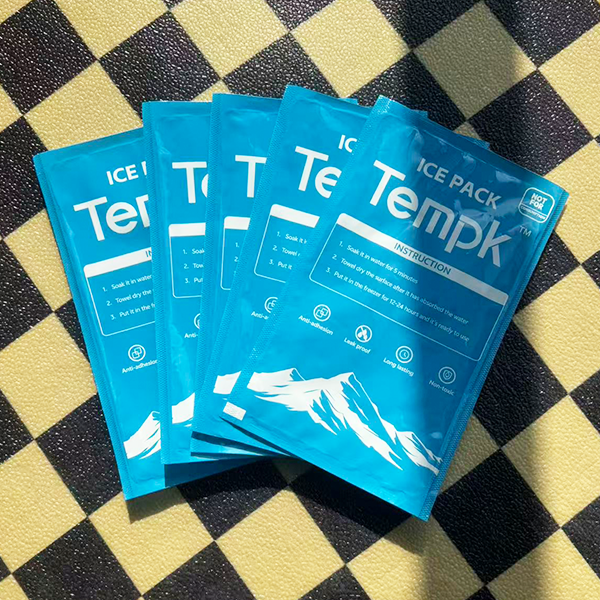
Tempk aide les acheteurs à développer des emballages passifs pour chaîne du froid avec des glacières, isolation, packs de gel, Briques PCM, sacs thermiques, et formats d'expédition médicale. Une demande de coût OEM pour glacière peut être examinée plus efficacement lorsque l'acheteur fournit l'itinéraire, charge utile, condition requise, manutention, quantité cible, et les attentes en matière de tests. Tempk peut aider à identifier les options d'évaluation, tandis que l'expéditeur et son équipe qualité conservent la responsabilité d'approuver la demande et l'itinéraire.
Discutez de la note technique, exemple de plan, et critères d'acceptation groupée avec Tempk avant de verrouiller la commande commerciale.
Fabricant de glacières: Sélection, Coût, et cadre de qualification

Fabricant de glacières: Sélection, Coût, et cadre de qualification
Commencez par les conditions d’expédition ou de service, pas la photo de la boîte. A cool box manufacturer should be selected only after the buyer has defined what goes inside, quelles températures ou conditions de manipulation sont importantes, combien de temps l'exposition peut durer, et quelles preuves sont nécessaires à la réception.
Le cadre final combine l'éducation aux produits, contrôles techniques, analyse commerciale, sensibilisation aux qualifications, et la gouvernance des fournisseurs en une seule méthode d'approvisionnement. Le but n’est pas de promettre une performance universelle, mais pour montrer ce qu'il faut définir, testé, documenté, et vérifié avant la mise à l'échelle.
Une portée claire évite la plupart des erreurs d'achat
Le conteneur est une composante de la performance, pas une garantie complète. Pour ce sujet, the useful definition is an insulated box platform selected by usable space, structure d'isolation, fermeture, nettoyabilité, force de manipulation, accessoires, et compatibilité des emballages. Les performances dépendent donc de l'état requis de la charge utile, la température initiale de chaque composant, la quantité et l'emplacement du fluide de refroidissement, le joint du couvercle, mouvement de l'air interne, exposition ambiante, et le délai entre l'emballage et la réception. Un fournisseur peut vendre la même boîte extérieure sur plusieurs marchés, pourtant, chaque marché peut nécessiter un emballage différent et des preuves différentes. Les acheteurs doivent conserver la construction du produit, configuration thermique, mode opératoire, et le statut de qualification en tant que champs distincts dans la spécification. Dans le dossier d'approbation finale, connecter l'exigence, réponse du fournisseur, observation d'un échantillon, preuve de test, portée commerciale, et décision responsable en une seule ligne traçable.
Le travail prévu consiste à rechercher des stocks, modifié, ou des glacières entièrement personnalisées pour un usage commercial répété. Cette déclaration devrait être précisée lors de la demande de prix.: identifier le type de produit, dimensions de la charge utile, état acceptable, itinéraire, transferts, durée prévue, extrêmes saisonniers, surveillance, nettoyage, et recevoir la décision. Si un paramètre est inconnu, marquez-le comme élément de vérification ouvert. Do not let a catalog label such as 'médical,' 'qualité alimentaire,' 'robuste,' ou 'chaîne froide' replace evidence. Un fournisseur solide aidera à clarifier les limites et distinguera un conteneur de stock, un emballage assemblé, et un système d'expédition qualifié. Traitez une hypothèse non résolue comme un risque géré avec un propriétaire et une date d'échéance, pas comme une acceptation silencieuse qui ne devient visible qu'après une mise à l'échelle.
Utiliser le coût total au débarquement et le coût du cycle de vie, Pas le prix unitaire seul
Pour cet achat, le coût dépend du stock par rapport à la conception personnalisée, outillage, matériels, méthode de construction, volume de commande, accessoires, essai, conditionnement, fret, inspection, et traitement après-vente. Un devis doit indiquer lesquels de ces éléments sont inclus, la monnaie, traitement fiscal, Incoterm le cas échéant, état de l'échantillon et de l'outillage, base de paiement, et période de validité. Les prix unitaires ne peuvent pas être comparés lorsqu'un fournisseur inclut des cartons d'exportation renforcés, inspection, accessoires, ou des tests et un autre les exclut. Construire une feuille de comparaison qui utilise les mêmes dessins, nomenclature, niveau de qualité, méthode d'emballage, quantité commandée, et point de livraison. Les éléments inconnus doivent rester visibles en tant que quotas plutôt que d'être traités comme zéro.. Si le matériel, dimension, source, emballage, base de test, itinéraire, ou modifications des instructions d'utilisation, évaluer l’effet avant de supposer que l’approbation précédente s’applique toujours.
Le coût total comprend également les conséquences d'un échec. Réemballage, fret d'urgence, lancement retardé, examen des excursions de température, charge utile endommagée, retours, demandes de garantie, main d'œuvre supplémentaire en entrepôt, et les stocks obsolètes peuvent compenser une petite différence de prix unitaire. Cela ne signifie pas choisir la cotation la plus élevée. Cela signifie identifier quels contrôles réduisent les risques importants et quelles fonctionnalités ajoutent des dépenses sans bénéfice clair.. Une discussion sur la réduction des coûts est plus productive une fois que les exigences critiques sont protégées: simplifier la décoration, standardiser les composants, améliorer la densité des cartons, ou utiliser une plateforme de stock avant d'affaiblir l'isolation, fermeture, force de manipulation, ou des preuves de qualité. Dans le dossier d'approbation finale, connecter l'exigence, réponse du fournisseur, observation d'un échantillon, preuve de test, portée commerciale, et décision responsable en une seule ligne traçable.
Des choix techniques qui méritent des critères d’acceptation écrits
La chaleur pénètre par les murs, couvercle, articulations, ouvertures, et tout pont conducteur créé par le matériel. Le taux est influencé par la différence de température, surface exposée, propriétés isolantes, épaisseur, géométrie, fuite d'air, et le temps. Une isolation plus épaisse peut aider, mais cela réduit également le volume utilisable ou augmente la taille externe. Un couvercle plus étanche peut réduire l'échange d'air, mais il doit quand même rester opérationnel après des manipulations répétées. Les films réfléchissants peuvent modifier le transfert de chaleur radiative dans un assemblage spécifique, mais ils ne remplacent pas une isolation suffisante ou une fermeture contrôlée. La comparaison correcte est donc une conception assemblée testée dans des conditions pertinentes, pas un seul nom de matériau. Traitez une hypothèse non résolue comme un risque géré avec un propriétaire et une date d'échéance, pas comme une acceptation silencieuse qui ne devient visible qu'après une mise à l'échelle.
Le fluide de refroidissement et le placement de la charge utile déterminent ce que l'isolation protège. Conditioned gel packs or phase-change materials may be used for some refrigerated applications; les produits surgelés ou les systèmes de glace carbonique suivent des règles différentes. Le contact direct peut exposer les produits sensibles aux points froids locaux, donc des barrières, paniers, espaceurs, ou un conditionnement contrôlé peut être important. L'espace aérien vide modifie également les performances et peut permettre aux composants de se déplacer.. L'acheteur doit demander un dessin d'emballage qui identifie chaque composant, orientation, quantité, et étape de préparation. Ce dessin devient un outil de formation, une référence d'enregistrement de test, et une base d'inspection plutôt qu'une suggestion informelle. La décision intégrée doit protéger l'utilisation prévue tout en conservant le stock par rapport à la conception personnalisée, outillage, matériels, méthode de construction, volume de commande, accessoires, essai, conditionnement, fret, inspection, et gestion après-vente visible dans le modèle du coût total.
Transformez chaque affirmation importante en preuve
Commercial cooler boxes can be rotationally molded, moulé par injection, moulé par soufflage, fabriqué, ou construits à partir d'assemblages et de doublures en mousse. Chaque itinéraire de construction a des implications différentes pour l'outillage, consistance du mur, apparence, poids, réparation, quantité commandée, et personnalisation. Aucune méthode n’est automatiquement la meilleure. La spécification doit se concentrer sur les résultats qui comptent dans le service prévu: dimensions intérieures, ajustement de la fermeture, résistance aux manipulations attendues, continuité de l'isolation, nettoyabilité, rétention des composants, et normes visuelles lorsque le produit est destiné au consommateur. La décision intégrée doit protéger l'utilisation prévue tout en conservant le stock par rapport à la conception personnalisée, outillage, matériels, méthode de construction, volume de commande, accessoires, essai, conditionnement, fret, inspection, et gestion après-vente visible dans le modèle du coût total.
Les allégations thermiques nécessitent un contexte. Demandez quelle charge utile a été utilisée, comment les composants ont été conditionnés, où les capteurs ont été placés, quel profil ambiant appliqué, comment le couvercle a été manipulé, et quel critère d'acceptation définit le succès. Une longue durée sous un test léger ne peut pas être considérée comme une performance sur un parcours sévère. ISTA 7E propose des profils de chaleur et de froid standardisés pour les emballages de transport thermique lors de la livraison de colis, alors qu'une qualification spécifique à la voie peut encore être nécessaire. Les preuves doivent correspondre à l'utilisation prévue plutôt que de décorer une citation. Si le matériel, dimension, source, emballage, base de test, itinéraire, ou modifications des instructions d'utilisation, évaluer l’effet avant de supposer que l’approbation précédente s’applique toujours.
Qualification, Surveillance, et le contrôle des changements travaillent ensemble
Un plan de qualification pratique commence par l'état du produit cible et les pires scénarios d'exploitation crédibles. Il doit définir une charge utile représentative, composants d'emballage, conditionnement, séquence d'emballage, emplacements des capteurs, profil ambiant, durée, événements d'ouverture si pertinent, critères d'acceptation, et marge pour imprévus. Les profils thermiques ISTA peuvent prendre en charge une comparaison standardisée pour les applications de colis appropriées, mais ils ne remplacent pas la connaissance d'une voie spécifique. Pour les autres chaînes, l'expéditeur peut utiliser les données de voies cartographiées, profils de saison, tests de distribution, et évaluation des risques. La méthode choisie doit être convenue par les fonctions responsables de la qualité et de la logistique.. Traitez une hypothèse non résolue comme un risque géré avec un propriétaire et une date d'échéance, pas comme une acceptation silencieuse qui ne devient visible qu'après une mise à l'échelle.
La surveillance ne crée pas de protection contre la température; il fournit des preuves de l'exposition. Sélectionnez la précision de l'enregistreur, état d'étalonnage, intervalle d'enregistrement, démarrer la procédure, placement, logique d'alarme, accès aux données, et format du rapport de déplacement en fonction du risque produit. La séquence opérationnelle est la revue des spécifications, approbation de l'échantillon, vérification des capacités, planification de la production, contrôle en cours de processus, inspection finale, emballage, et expédition. Les écarts nécessitent un chemin d'examen défini plutôt qu'une hypothèse automatique selon laquelle la charge utile est acceptable ou inutilisable. Après approbation, toute modification de l'isolation, résine, liquide de refroidissement, dimensions, fournisseur, fermeture, instructions d'emballage, profil de test, itinéraire, ou la charge utile peut nécessiter une évaluation documentée et éventuellement une requalification. La décision intégrée doit protéger l'utilisation prévue tout en conservant le stock par rapport à la conception personnalisée, outillage, matériels, méthode de construction, volume de commande, accessoires, essai, conditionnement, fret, inspection, et gestion après-vente visible dans le modèle du coût total.
Présélectionner des fournisseurs dotés de preuves et de gouvernance
La question centrale du fournisseur est de savoir si l'usine peut contrôler l'ensemble du produit et documenter une production cohérente plutôt que de simplement présenter un large catalogue.. Évaluer le contrôle du moulage ou de la fabrication, consistance de l'isolation, dimensions critiques, ajustement de la fermeture, approvisionnement en composants, identification du lot, et actions correctives. Demandez à qui appartient chaque processus, quelles opérations sont sous-traitées, comment les dimensions et les matériaux critiques sont inspectés, comment le produit rejeté est contrôlé, et comment l'échantillon approuvé est lié à la production. Si le fournisseur propose des tests, identifier le laboratoire, méthode, charge utile, disposition du capteur, profil ambiant, taille de l'échantillon, et signaler la propriété. Un rapport soigné n'est utile que lorsqu'il décrit la configuration que vous avez l'intention d'acheter. Dans le dossier d'approbation finale, connecter l'exigence, réponse du fournisseur, observation d'un échantillon, preuve de test, portée commerciale, et décision responsable en une seule ligne traçable.
- Quelles révisions de dessin et de nomenclature régiront la production?
- Que signifie la capacité indiquée une fois le pack d'exploitation installé?
- Quelles affirmations sont étayées par un rapport de test, déclaration matérielle, ou dossier d'inspection?
- Comment les échantillons sont-ils identifiés et liés aux lots de production ultérieurs?
- Quels changements nécessitent l'approbation écrite du client avant la mise en œuvre?
- Qui enquête sur une non-conformité et à quelle vitesse le confinement démarre-t-il ??
Les bonnes réponses sont spécifiques et vérifiables. Un fournisseur qui explique les limites est souvent plus utile qu'un fournisseur qui étiquette chaque modèle adapté à chaque marché.. Pendant la vérification diligente, comparer les documents avec l'échantillon physique. Mesurer les dimensions critiques, inspecter le couvercle et la fermeture, examiner les surfaces et la continuité de l'isolation là où elles sont visibles, emballer une charge utile représentative, et photographiez la configuration approuvée. Le résultat devrait être une référence contrôlée que les achats, qualité, entrepôt, et les équipes fournisseurs peuvent toutes reconnaître. Traitez une hypothèse non résolue comme un risque géré avec un propriétaire et une date d'échéance, pas comme une acceptation silencieuse qui ne devient visible qu'après une mise à l'échelle.
| Porte d'approbation | Ce qu'il faut réparer | Dossier de sortie |
|---|---|---|
| Produit et itinéraire | Evite qu’un boîtier générique soit traité comme une solution universelle | Cas d'utilisation écrit, charge utile et profil d'itinéraire |
| Espace utilisable | Les supports de refroidissement et les séparateurs réduisent le volume de charge utile pratique | Dessin d'emballage coté et essai d'emballage |
| Preuve thermique | Les revendications de durée dépendent de la charge utile, conditionnement et profil ambiant | Méthode de test complète et rapport pour la configuration proposée |
| Construction | Matériels, articulations, le couvercle et le matériel affectent le flux de chaleur et la manipulation | Dessin, nomenclature et inspection des échantillons |
| Opérations | Une bonne conception peut échouer si le personnel l’emballe différemment | Instruction de travail et plan de formation contrôlés |
| Contrôle de production | L'échantillon approuvé doit représenter des unités en vrac | Échantillon doré, plan d'inspection et accord de contrôle des modifications |
| Portée commerciale | Un devis bas peut exclure des éléments de coûts importants | Cotation normalisée et modèle de coût au débarquement |
| End of use | La réutilisation ou l'élimination doit correspondre au réseau réel | Nettoyage, inspection, plan de retour et de récupération |
Le tableau est une aide à la décision, ne remplace pas la qualification. Il garde les inconnues visibles et relie chaque revendication importante à un document, échantillon, test, ou contrôle d'exploitation que l'acheteur peut examiner avant la libération.
Use a Scenario Review Before Releasing the Order
Considérez ce scénario typique: un distributeur a besoin d'une famille de boîtes pour la livraison de nourriture et d'une autre pour les fournitures sensibles à la température, avec des fonctionnalités de gestion partagées mais des emballages différents. L'équipe doit cartographier chaque période pendant laquelle le produit emballé se trouve en dehors du stockage contrôlé, y compris la mise en scène avant le ramassage, chargement, moyeux, contrôles douaniers ou de sécurité, livraison manquée, attendre à la réception, et traitement des retours. Pour chaque étape, identifier la durée prévue, exposition ambiante, à qui appartient l'envoi, si la boîte peut être ouverte, et quelles données sont disponibles. Cela montre si l'exigence principale est l'isolation., une disposition différente du liquide de refroidissement, une fermeture plus forte, un étiquetage plus clair, service de transporteur plus rapide, un pack d'urgence, ou amélioration de la discipline de réception. La décision intégrée doit protéger l'utilisation prévue tout en conservant le stock par rapport à la conception personnalisée, outillage, matériels, méthode de construction, volume de commande, accessoires, essai, conditionnement, fret, inspection, et gestion après-vente visible dans le modèle du coût total.
La même étude devrait se demander ce qui se passe lorsque les conditions ne sont pas idéales.. Les risques pertinents incluent un mauvais contrôle dimensionnel, déformation du couvercle, vides d'isolation, poignées faibles, nettoyage difficile, accessoires instables, et changements de production inopinés. Classez-les par gravité, probabilité, et détectabilité, puis assigner la prévention et la réponse. Certains contrôles appartiennent au produit, comme une barrière ou une poignée plus solide. D'autres appartiennent à la procédure, comme le temps de conditionnement, ordre d'emballage, pré-refroidissement, formation du personnel, instruction du transporteur, ou une liste de contrôle de réception. Le fournisseur peut apporter des preuves de conception, mais la propriété de l'itinéraire reste la propriété de l'expéditeur et de ses partenaires logistiques. Si le matériel, dimension, source, emballage, base de test, itinéraire, ou modifications des instructions d'utilisation, évaluer l’effet avant de supposer que l’approbation précédente s’applique toujours.
Un plan Stage-Gate maintient la mise à l’échelle réversible
Un appel d'offres efficace sépare les exigences obligatoires des préférences et des questions ouvertes. Joindre une esquisse de charge utile cotée, volume de commande attendu, marché de livraison, calendrier cible, besoins en matière d'emballage et d'étiquetage, et le scénario de fonctionnement. Demander aux fournisseurs de déclarer leur conformité, exception, ou alternative proposée contre chaque ligne. Cela évite un problème courant: un fournisseur propose discrètement son produit standard le plus proche tandis que l'acheteur suppose qu'une exigence personnalisée a été acceptée. Les comparaisons commerciales ne devraient commencer qu'une fois que les exceptions techniques sont visibles et que la responsabilité des tests, échantillons, moules, fret, et les documents sont attribués. Dans le dossier d'approbation finale, connecter l'exigence, réponse du fournisseur, observation d'un échantillon, preuve de test, portée commerciale, et décision responsable en une seule ligne traçable.
Utilisez des portes d'étape pour que les dépenses suivent les preuves. Une porte conceptuelle approuve l'exigence; une porte d'ingénierie approuve les dessins et les matériaux; un échantillon de porte vérifie l'ajustement et le fonctionnement; une porte pilote vérifie les contrôles de production et l'emballage; et une porte de déverrouillage autorise le volume. A chaque porte, enregistrer les problèmes ouverts, propriétaires, dates d'échéance, et la révision exacte revue. Cela facilite la mise en pause ou la correction du projet avant qu'un problème ne se multiplie sur une commande complète.. Cela crée également un historique utile pour une réduction ultérieure des coûts., transfert de fournisseur, ou changement de conception. Traitez une hypothèse non résolue comme un risque géré avec un propriétaire et une date d'échéance, pas comme une acceptation silencieuse qui ne devient visible qu'après une mise à l'échelle.
Faites des déclarations environnementales avec des preuves opérationnelles
La priorité environnementale est de protéger la charge utile avec la combinaison de matériaux la moins pratique, énergie, réfrigérant, travail, et transport. Un emballage qui utilise moins de matériaux mais entraîne une perte de produit n'est pas automatiquement le meilleur résultat. L'approche pertinente ici consiste à sélectionner la construction la plus simple qui répond aux conditions de service., réduire les dommages et les pertes de produits, et planifier la réutilisation uniquement là où la collecte et le nettoyage fonctionnent. Comparez les options à usage unique et réutilisables sur le réseau réel: distance aller, distance de retour, nettoyage, séchage, inspection, taux de perte, réparation, stockage, et parcours de fin d'utilisation. Avoid broad claims such as 'zero waste' ou 'carbon neutral' unless a defined study and scope support them. Si le matériel, dimension, source, emballage, base de test, itinéraire, ou modifications des instructions d'utilisation, évaluer l’effet avant de supposer que l’approbation précédente s’applique toujours.
La conception peut encore supprimer une inefficacité évidente. Dimensions extérieures adaptées, améliorer la densité de la charge utile, standardiser les composants à forte usure, éviter les couches décoratives qui compliquent la récupération, et sélectionnez des cartons qui protègent le produit sans expédier d'excès d'air. Pour des flottes réutilisables, attribuer à chaque actif un propriétaire et un statut d'inspection. Mettre les cartons à la retraite dont l'isolation est endommagée, couvercles déformés, surfaces contaminées, ou fermetures peu fiables. La durabilité est plus forte lorsqu’elle est liée à des résultats opérationnels mesurables: moins d'envois endommagés, service plus sûr, meilleure utilisation des cubes, nettoyage contrôlé, et une voie de rétablissement crédible. Dans le dossier d'approbation finale, connecter l'exigence, réponse du fournisseur, observation d'un échantillon, preuve de test, portée commerciale, et décision responsable en une seule ligne traçable.
Questions fréquemment posées
Chaque plate-forme de boîte isolée est-elle sélectionnée en fonction de l'espace utilisable, structure d'isolation, fermeture, nettoyabilité, force de manipulation, accessoires, et une compatibilité d'emballage adaptée à un envoi sous chaîne du froid?
Non. L'adéquation dépend de l'état du produit, itinéraire, durée, charge utile, fluide de refroidissement, méthode d'emballage, exposition ambiante, manutention, et des preuves. An insulated container may be a useful component without being a qualified shipping system. Demandez les détails des tests liés à la configuration proposée et demandez à l'équipe qualité ou logistique responsable d'examiner l'utilisation finale..
Comment les acheteurs doivent-ils comparer les allégations de performance des fournisseurs ??
Comparez les conditions de test complètes, pas seulement la durée ou la température du titre. Vérifier la charge utile, liquide de refroidissement, conditionnement, placement du capteur, profil ambiant, ouvertures, exemple de construction, limites d'acceptation, et si l'unité testée correspond à la production. Si ces détails manquent, traiter la réclamation comme un sujet de vérification plutôt que comme un fait d'achat.
Quelle est l'erreur la plus courante lors d'une commande groupée?
Une erreur fréquente consiste à approuver l’apparence tout en laissant les détails fonctionnels indéfinis. Dimensions intérieures, espace utilisable, ajustement du couvercle, isolation, matériel, emballage, carton, inspection, et les modifications autorisées doivent être écrites avant la production. Un échantillon signé est utile, mais des dessins, critères d'acceptation, et le contrôle des modifications rendent l'approbation reproductible.
Si la cotation la plus basse l’emporte?
Seulement après que chaque offre ait été normalisée selon les mêmes spécifications et le même volume de livraison. Inclure l'outillage, accessoires, essai, inspection, cartons, fret, devoirs, main d'oeuvre en entrepôt, exposition à la garantie, et risque d'échec. Un prix inférieur peut être la bonne décision lorsque les preuves et les contrôles sont équivalents; c'est risqué quand le prix bas vient d'un périmètre inconnu.
Quand une boîte réutilisable est-elle la meilleure option?
La réutilisation peut être intéressante sur des, itinéraires répétés avec propriété, transport de retour, nettoyage, séchage, inspection, réparation, et gestion des pertes. C'est moins convaincant quand les cases disparaissent, retour à vide sur de longues distances, ou ne peut pas être nettoyé en toute sécurité. Évaluer la boucle réelle plutôt que de supposer qu'une étiquette réutilisable garantit un meilleur résultat environnemental.
Vue finale des achats
La sélection finale devrait relier quatre décisions: adéquation produit et itinéraire, preuve technique, coût total, et gouvernance des fournisseurs. Quand ces décisions sont enregistrées, les acheteurs peuvent évoluer avec moins de surprises et une base plus claire pour l'évaluation de la qualité.
À propos du tempk
Tempk aide les acheteurs à développer des emballages passifs pour chaîne du froid avec des glacières, isolation, packs de gel, Briques PCM, sacs thermiques, et formats d'expédition médicale. Une demande du fabricant d'une glacière peut être examinée plus efficacement lorsque l'acheteur fournit l'itinéraire, charge utile, condition requise, manutention, quantité cible, et les attentes en matière de tests. Tempk peut aider à identifier les options d'évaluation, tandis que l'expéditeur et son équipe qualité conservent la responsabilité d'approuver la demande et l'itinéraire.
Discutez de la note technique, exemple de plan, et critères d'acceptation groupée avec Tempk avant de verrouiller la commande commerciale.
Coût du distributeur de glacières: Sélection, Coût, et cadre de qualification

Coût du distributeur de glacières: Sélection, Coût, et cadre de qualification
Commencez par les conditions d’expédition ou de service, pas la photo de la boîte. Le coût d'un distributeur de glacière ne doit être sélectionné qu'après que l'acheteur a défini ce qui se passe à l'intérieur., quelles températures ou conditions de manipulation sont importantes, combien de temps l'exposition peut durer, et quelles preuves sont nécessaires à la réception.
Le cadre final combine l'éducation aux produits, contrôles techniques, analyse commerciale, sensibilisation aux qualifications, et la gouvernance des fournisseurs en une seule méthode d'approvisionnement. Le but n’est pas de promettre une performance universelle, mais pour montrer ce qu'il faut définir, testé, documenté, et vérifié avant la mise à l'échelle.
Une portée claire évite la plupart des erreurs d'achat
La protection thermique provient d'une configuration, pas seulement du nom du produit. Pour ce sujet, la définition utile est une glacière achetée avec l'inventaire du distributeur, service local, accès de moindre envergure, commodité de livraison, et support commercial inclus dans l'offre. Les performances dépendent donc de l'état requis de la charge utile, la température initiale de chaque composant, la quantité et l'emplacement du fluide de refroidissement, le joint du couvercle, mouvement de l'air interne, exposition ambiante, et le délai entre l'emballage et la réception. Un fournisseur peut vendre la même boîte extérieure sur plusieurs marchés, pourtant, chaque marché peut nécessiter un emballage différent et des preuves différentes. Les acheteurs doivent conserver la construction du produit, configuration thermique, mode opératoire, et le statut de qualification en tant que champs distincts dans la spécification. Dans le dossier d'approbation finale, connecter l'exigence, réponse du fournisseur, observation d'un échantillon, preuve de test, portée commerciale, et décision responsable en une seule ligne traçable.
Le travail prévu consiste à acheter des produits en stock ou à reconstituer des flottes commerciales sans volumes de commandes directes en usine.. Cette déclaration devrait être précisée lors de la demande de prix.: identifier le type de produit, dimensions de la charge utile, état acceptable, itinéraire, transferts, durée prévue, extrêmes saisonniers, surveillance, nettoyage, et recevoir la décision. Si un paramètre est inconnu, marquez-le comme élément de vérification ouvert. Do not let a catalog label such as 'médical,' 'qualité alimentaire,' 'robuste,' ou 'chaîne froide' replace evidence. Un fournisseur solide aidera à clarifier les limites et distinguera un conteneur de stock, un emballage assemblé, et un système d'expédition qualifié. Traitez une hypothèse non résolue comme un risque géré avec un propriétaire et une date d'échéance, pas comme une acceptation silencieuse qui ne devient visible qu'après une mise à l'échelle.
Utiliser le coût total au débarquement et le coût du cycle de vie, Pas le prix unitaire seul
Pour cet achat, le coût est déterminé par la marge du distributeur, entreposage local, quantité commandée, zone de livraison, conditionnement, fret, impôts, accessoires, limites de personnalisation, service, et risque de stocks. Un devis doit indiquer lesquels de ces éléments sont inclus, la monnaie, traitement fiscal, Incoterm le cas échéant, état de l'échantillon et de l'outillage, base de paiement, et période de validité. Les prix unitaires ne peuvent pas être comparés lorsqu'un fournisseur inclut des cartons d'exportation renforcés, inspection, accessoires, ou des tests et un autre les exclut. Construire une feuille de comparaison qui utilise les mêmes dessins, nomenclature, niveau de qualité, méthode d'emballage, quantité commandée, et point de livraison. Les éléments inconnus doivent rester visibles en tant que quotas plutôt que d'être traités comme zéro.. Si le matériel, dimension, source, emballage, base de test, itinéraire, ou modifications des instructions d'utilisation, évaluer l’effet avant de supposer que l’approbation précédente s’applique toujours.
Le coût total comprend également les conséquences d'un échec. Réemballage, fret d'urgence, lancement retardé, examen des excursions de température, charge utile endommagée, retours, demandes de garantie, main d'œuvre supplémentaire en entrepôt, et les stocks obsolètes peuvent compenser une petite différence de prix unitaire. Cela ne signifie pas choisir la cotation la plus élevée. Cela signifie identifier quels contrôles réduisent les risques importants et quelles fonctionnalités ajoutent des dépenses sans bénéfice clair.. Une discussion sur la réduction des coûts est plus productive une fois que les exigences critiques sont protégées: simplifier la décoration, standardiser les composants, améliorer la densité des cartons, ou utiliser une plateforme de stock avant d'affaiblir l'isolation, fermeture, force de manipulation, ou des preuves de qualité. Dans le dossier d'approbation finale, connecter l'exigence, réponse du fournisseur, observation d'un échantillon, preuve de test, portée commerciale, et décision responsable en une seule ligne traçable.
Des choix techniques qui méritent des critères d’acceptation écrits
La chaleur pénètre par les murs, couvercle, articulations, ouvertures, et tout pont conducteur créé par le matériel. Le taux est influencé par la différence de température, surface exposée, propriétés isolantes, épaisseur, géométrie, fuite d'air, et le temps. Une isolation plus épaisse peut aider, mais cela réduit également le volume utilisable ou augmente la taille externe. Un couvercle plus étanche peut réduire l'échange d'air, mais il doit quand même rester opérationnel après des manipulations répétées. Les films réfléchissants peuvent modifier le transfert de chaleur radiative dans un assemblage spécifique, mais ils ne remplacent pas une isolation suffisante ou une fermeture contrôlée. La comparaison correcte est donc une conception assemblée testée dans des conditions pertinentes, pas un seul nom de matériau. Traitez une hypothèse non résolue comme un risque géré avec un propriétaire et une date d'échéance, pas comme une acceptation silencieuse qui ne devient visible qu'après une mise à l'échelle.
Le fluide de refroidissement et le placement de la charge utile déterminent ce que l'isolation protège. Conditioned gel packs or phase-change materials may be used for some refrigerated applications; les produits surgelés ou les systèmes de glace carbonique suivent des règles différentes. Le contact direct peut exposer les produits sensibles aux points froids locaux, donc des barrières, paniers, espaceurs, ou un conditionnement contrôlé peut être important. L'espace aérien vide modifie également les performances et peut permettre aux composants de se déplacer.. L'acheteur doit demander un dessin d'emballage qui identifie chaque composant, orientation, quantité, et étape de préparation. Ce dessin devient un outil de formation, une référence d'enregistrement de test, et une base d'inspection plutôt qu'une suggestion informelle. La décision intégrée doit protéger l'utilisation prévue tout en préservant la marge du distributeur, entreposage local, quantité commandée, zone de livraison, conditionnement, fret, impôts, accessoires, limites de personnalisation, service, et le risque de stock visible dans le modèle du coût total.
Transformez chaque affirmation importante en preuve
Commercial cooler boxes can be rotationally molded, moulé par injection, moulé par soufflage, fabriqué, ou construits à partir d'assemblages et de doublures en mousse. Chaque itinéraire de construction a des implications différentes pour l'outillage, consistance du mur, apparence, poids, réparation, quantité commandée, et personnalisation. Aucune méthode n’est automatiquement la meilleure. La spécification doit se concentrer sur les résultats qui comptent dans le service prévu: dimensions intérieures, ajustement de la fermeture, résistance aux manipulations attendues, continuité de l'isolation, nettoyabilité, rétention des composants, et normes visuelles lorsque le produit est destiné au consommateur. La décision intégrée doit protéger l'utilisation prévue tout en préservant la marge du distributeur, entreposage local, quantité commandée, zone de livraison, conditionnement, fret, impôts, accessoires, limites de personnalisation, service, et le risque de stock visible dans le modèle du coût total.
Les allégations thermiques nécessitent un contexte. Demandez quelle charge utile a été utilisée, comment les composants ont été conditionnés, où les capteurs ont été placés, quel profil ambiant appliqué, comment le couvercle a été manipulé, et quel critère d'acceptation définit le succès. Une longue durée sous un test léger ne peut pas être considérée comme une performance sur un parcours sévère. ISTA 7E propose des profils de chaleur et de froid standardisés pour les emballages de transport thermique lors de la livraison de colis, alors qu'une qualification spécifique à la voie peut encore être nécessaire. Les preuves doivent correspondre à l'utilisation prévue plutôt que de décorer une citation. Si le matériel, dimension, source, emballage, base de test, itinéraire, ou modifications des instructions d'utilisation, évaluer l’effet avant de supposer que l’approbation précédente s’applique toujours.
Qualification, Surveillance, et le contrôle des changements travaillent ensemble
Un plan de qualification pratique commence par l'état du produit cible et les pires scénarios d'exploitation crédibles. Il doit définir une charge utile représentative, composants d'emballage, conditionnement, séquence d'emballage, emplacements des capteurs, profil ambiant, durée, événements d'ouverture si pertinent, critères d'acceptation, et marge pour imprévus. Les profils thermiques ISTA peuvent prendre en charge une comparaison standardisée pour les applications de colis appropriées, mais ils ne remplacent pas la connaissance d'une voie spécifique. Pour les autres chaînes, l'expéditeur peut utiliser les données de voies cartographiées, profils de saison, tests de distribution, et évaluation des risques. La méthode choisie doit être convenue par les fonctions responsables de la qualité et de la logistique.. Traitez une hypothèse non résolue comme un risque géré avec un propriétaire et une date d'échéance, pas comme une acceptation silencieuse qui ne devient visible qu'après une mise à l'échelle.
La surveillance ne crée pas de protection contre la température; il fournit des preuves de l'exposition. Sélectionnez la précision de l'enregistreur, état d'étalonnage, intervalle d'enregistrement, démarrer la procédure, placement, logique d'alarme, accès aux données, et format du rapport de déplacement en fonction du risque produit. La séquence opérationnelle est la comparaison des produits, confirmation de stock, calcul du coût au débarquement, inspection d'échantillons, passation de commande, recevoir un chèque, et suivi des prestations. Les écarts nécessitent un chemin d'examen défini plutôt qu'une hypothèse automatique selon laquelle la charge utile est acceptable ou inutilisable. Après approbation, toute modification de l'isolation, résine, liquide de refroidissement, dimensions, fournisseur, fermeture, instructions d'emballage, profil de test, itinéraire, ou la charge utile peut nécessiter une évaluation documentée et éventuellement une requalification. La décision intégrée doit protéger l'utilisation prévue tout en préservant la marge du distributeur, entreposage local, quantité commandée, zone de livraison, conditionnement, fret, impôts, accessoires, limites de personnalisation, service, et le risque de stock visible dans le modèle du coût total.
Présélectionner des fournisseurs dotés de preuves et de gouvernance
La question centrale du fournisseur est de savoir quand la marge du distributeur est justifiée par un coût de transaction inférieur., disponibilité plus rapide, fret consolidé, assistance garantie, et une exposition réduite aux stocks. Évaluer les informations sur les produits autorisés, inventaire actuel, modèles traçables, itinéraire de garantie clair, des engagements de livraison réalistes, et accès à la documentation du fabricant. Demandez à qui appartient chaque processus, quelles opérations sont sous-traitées, comment les dimensions et les matériaux critiques sont inspectés, comment le produit rejeté est contrôlé, et comment l'échantillon approuvé est lié à la production. Si le fournisseur propose des tests, identifier le laboratoire, méthode, charge utile, disposition du capteur, profil ambiant, taille de l'échantillon, et signaler la propriété. Un rapport soigné n'est utile que lorsqu'il décrit la configuration que vous avez l'intention d'acheter. Dans le dossier d'approbation finale, connecter l'exigence, réponse du fournisseur, observation d'un échantillon, preuve de test, portée commerciale, et décision responsable en une seule ligne traçable.
- Quelles révisions de dessin et de nomenclature régiront la production?
- Que signifie la capacité indiquée une fois le pack d'exploitation installé?
- Quelles affirmations sont étayées par un rapport de test, déclaration matérielle, ou dossier d'inspection?
- Comment les échantillons sont-ils identifiés et liés aux lots de production ultérieurs?
- Quels changements nécessitent l'approbation écrite du client avant la mise en œuvre?
- Qui enquête sur une non-conformité et à quelle vitesse le confinement démarre-t-il ??
Les bonnes réponses sont spécifiques et vérifiables. Un fournisseur qui explique les limites est souvent plus utile qu'un fournisseur qui étiquette chaque modèle adapté à chaque marché.. Pendant la vérification diligente, comparer les documents avec l'échantillon physique. Mesurer les dimensions critiques, inspecter le couvercle et la fermeture, examiner les surfaces et la continuité de l'isolation là où elles sont visibles, emballer une charge utile représentative, et photographiez la configuration approuvée. Le résultat devrait être une référence contrôlée que les achats, qualité, entrepôt, et les équipes fournisseurs peuvent toutes reconnaître. Traitez une hypothèse non résolue comme un risque géré avec un propriétaire et une date d'échéance, pas comme une acceptation silencieuse qui ne devient visible qu'après une mise à l'échelle.
| Porte d'approbation | Ce qu'il faut réparer | Dossier de sortie |
|---|---|---|
| Produit et itinéraire | Evite qu’un boîtier générique soit traité comme une solution universelle | Cas d'utilisation écrit, charge utile et profil d'itinéraire |
| Espace utilisable | Les supports de refroidissement et les séparateurs réduisent le volume de charge utile pratique | Dessin d'emballage coté et essai d'emballage |
| Preuve thermique | Les revendications de durée dépendent de la charge utile, conditionnement et profil ambiant | Méthode de test complète et rapport pour la configuration proposée |
| Construction | Matériels, articulations, le couvercle et le matériel affectent le flux de chaleur et la manipulation | Dessin, nomenclature et inspection des échantillons |
| Opérations | Une bonne conception peut échouer si le personnel l’emballe différemment | Instruction de travail et plan de formation contrôlés |
| Contrôle de production | L'échantillon approuvé doit représenter des unités en vrac | Échantillon doré, plan d'inspection et accord de contrôle des modifications |
| Portée commerciale | Un devis bas peut exclure des éléments de coûts importants | Cotation normalisée et modèle de coût au débarquement |
| End of use | La réutilisation ou l'élimination doit correspondre au réseau réel | Nettoyage, inspection, plan de retour et de récupération |
Le tableau est une aide à la décision, ne remplace pas la qualification. Il garde les inconnues visibles et relie chaque revendication importante à un document, échantillon, test, ou contrôle d'exploitation que l'acheteur peut examiner avant la libération.
Use a Scenario Review Before Releasing the Order
Considérez ce scénario typique: un opérateur régional a besoin de boîtes de remplacement dans plusieurs villes et valorise davantage le stock local qu'un prix d'usine inférieur lié à une commande minimum importante. L'équipe doit cartographier chaque période pendant laquelle le produit emballé se trouve en dehors du stockage contrôlé, y compris la mise en scène avant le ramassage, chargement, moyeux, contrôles douaniers ou de sécurité, livraison manquée, attendre à la réception, et traitement des retours. Pour chaque étape, identifier la durée prévue, exposition ambiante, à qui appartient l'envoi, si la boîte peut être ouverte, et quelles données sont disponibles. Cela montre si l'exigence principale est l'isolation., une disposition différente du liquide de refroidissement, une fermeture plus forte, un étiquetage plus clair, service de transporteur plus rapide, un pack d'urgence, ou amélioration de la discipline de réception. La décision intégrée doit protéger l'utilisation prévue tout en préservant la marge du distributeur, entreposage local, quantité commandée, zone de livraison, conditionnement, fret, impôts, accessoires, limites de personnalisation, service, et le risque de stock visible dans le modèle du coût total.
La même étude devrait se demander ce qui se passe lorsque les conditions ne sont pas idéales.. Les risques pertinents incluent la comparaison de produits différents, en supposant un stock local, ignorer le fret ou les taxes, responsabilité de garantie peu claire, inventaire obsolète, et un faible accès aux preuves techniques. Classez-les par gravité, probabilité, et détectabilité, puis assigner la prévention et la réponse. Certains contrôles appartiennent au produit, comme une barrière ou une poignée plus solide. D'autres appartiennent à la procédure, comme le temps de conditionnement, ordre d'emballage, pré-refroidissement, formation du personnel, instruction du transporteur, ou une liste de contrôle de réception. Le fournisseur peut apporter des preuves de conception, mais la propriété de l'itinéraire reste la propriété de l'expéditeur et de ses partenaires logistiques. Si le matériel, dimension, source, emballage, base de test, itinéraire, ou modifications des instructions d'utilisation, évaluer l’effet avant de supposer que l’approbation précédente s’applique toujours.
Un plan Stage-Gate maintient la mise à l’échelle réversible
Un appel d'offres efficace sépare les exigences obligatoires des préférences et des questions ouvertes. Joindre une esquisse de charge utile cotée, volume de commande attendu, marché de livraison, calendrier cible, besoins en matière d'emballage et d'étiquetage, et le scénario de fonctionnement. Demander aux fournisseurs de déclarer leur conformité, exception, ou alternative proposée contre chaque ligne. Cela évite un problème courant: un fournisseur propose discrètement son produit standard le plus proche tandis que l'acheteur suppose qu'une exigence personnalisée a été acceptée. Les comparaisons commerciales ne devraient commencer qu'une fois que les exceptions techniques sont visibles et que la responsabilité des tests, échantillons, moules, fret, et les documents sont attribués. Dans le dossier d'approbation finale, connecter l'exigence, réponse du fournisseur, observation d'un échantillon, preuve de test, portée commerciale, et décision responsable en une seule ligne traçable.
Utilisez des portes d'étape pour que les dépenses suivent les preuves. Une porte conceptuelle approuve l'exigence; une porte d'ingénierie approuve les dessins et les matériaux; un échantillon de porte vérifie l'ajustement et le fonctionnement; une porte pilote vérifie les contrôles de production et l'emballage; et une porte de déverrouillage autorise le volume. A chaque porte, enregistrer les problèmes ouverts, propriétaires, dates d'échéance, et la révision exacte revue. Cela facilite la mise en pause ou la correction du projet avant qu'un problème ne se multiplie sur une commande complète.. Cela crée également un historique utile pour une réduction ultérieure des coûts., transfert de fournisseur, ou changement de conception. Traitez une hypothèse non résolue comme un risque géré avec un propriétaire et une date d'échéance, pas comme une acceptation silencieuse qui ne devient visible qu'après une mise à l'échelle.
Faites des déclarations environnementales avec des preuves opérationnelles
La priorité environnementale est de protéger la charge utile avec la combinaison de matériaux la moins pratique, énergie, réfrigérant, travail, et transport. Un emballage qui utilise moins de matériaux mais entraîne une perte de produit n'est pas automatiquement le meilleur résultat. L’approche pertinente ici est celle des livraisons groupées, moins d'envois d'urgence, sélection de produits durables, options de reprise si disponibles, et éviter les stocks de sécurité excédentaires. Comparez les options à usage unique et réutilisables sur le réseau réel: distance aller, distance de retour, nettoyage, séchage, inspection, taux de perte, réparation, stockage, et parcours de fin d'utilisation. Avoid broad claims such as 'zero waste' ou 'carbon neutral' unless a defined study and scope support them. Si le matériel, dimension, source, emballage, base de test, itinéraire, ou modifications des instructions d'utilisation, évaluer l’effet avant de supposer que l’approbation précédente s’applique toujours.
La conception peut encore supprimer une inefficacité évidente. Dimensions extérieures adaptées, améliorer la densité de la charge utile, standardiser les composants à forte usure, éviter les couches décoratives qui compliquent la récupération, et sélectionnez des cartons qui protègent le produit sans expédier d'excès d'air. Pour des flottes réutilisables, attribuer à chaque actif un propriétaire et un statut d'inspection. Mettre les cartons à la retraite dont l'isolation est endommagée, couvercles déformés, surfaces contaminées, ou fermetures peu fiables. La durabilité est plus forte lorsqu’elle est liée à des résultats opérationnels mesurables: moins d'envois endommagés, service plus sûr, meilleure utilisation des cubes, nettoyage contrôlé, et une voie de rétablissement crédible. Dans le dossier d'approbation finale, connecter l'exigence, réponse du fournisseur, observation d'un échantillon, preuve de test, portée commerciale, et décision responsable en une seule ligne traçable.
Questions de l'acheteur
Chaque glacière est-elle achetée avec l'inventaire du distributeur ?, service local, accès de moindre envergure, commodité de livraison, et un accompagnement commercial inclus dans l'offre adapté à un envoi sous chaîne du froid?
Non. L'adéquation dépend de l'état du produit, itinéraire, durée, charge utile, fluide de refroidissement, méthode d'emballage, exposition ambiante, manutention, et des preuves. An insulated container may be a useful component without being a qualified shipping system. Demandez les détails des tests liés à la configuration proposée et demandez à l'équipe qualité ou logistique responsable d'examiner l'utilisation finale..
Comment les acheteurs doivent-ils comparer les allégations de performance des fournisseurs ??
Comparez les conditions de test complètes, pas seulement la durée ou la température du titre. Vérifier la charge utile, liquide de refroidissement, conditionnement, placement du capteur, profil ambiant, ouvertures, exemple de construction, limites d'acceptation, et si l'unité testée correspond à la production. Si ces détails manquent, traiter la réclamation comme un sujet de vérification plutôt que comme un fait d'achat.
Quelle est l'erreur la plus courante lors d'une commande groupée?
Une erreur fréquente consiste à approuver l’apparence tout en laissant les détails fonctionnels indéfinis. Dimensions intérieures, espace utilisable, ajustement du couvercle, isolation, matériel, emballage, carton, inspection, et les modifications autorisées doivent être écrites avant la production. Un échantillon signé est utile, mais des dessins, critères d'acceptation, et le contrôle des modifications rendent l'approbation reproductible.
Si la cotation la plus basse l’emporte?
Seulement après que chaque offre ait été normalisée selon les mêmes spécifications et le même volume de livraison. Inclure l'outillage, accessoires, essai, inspection, cartons, fret, devoirs, main d'oeuvre en entrepôt, exposition à la garantie, et risque d'échec. Un prix inférieur peut être la bonne décision lorsque les preuves et les contrôles sont équivalents; c'est risqué quand le prix bas vient d'un périmètre inconnu.
Quand une boîte réutilisable est-elle la meilleure option?
La réutilisation peut être intéressante sur des, itinéraires répétés avec propriété, transport de retour, nettoyage, séchage, inspection, réparation, et gestion des pertes. C'est moins convaincant quand les cases disparaissent, retour à vide sur de longues distances, ou ne peut pas être nettoyé en toute sécurité. Évaluer la boucle réelle plutôt que de supposer qu'une étiquette réutilisable garantit un meilleur résultat environnemental.
Une décision pratique
La sélection finale devrait relier quatre décisions: adéquation produit et itinéraire, preuve technique, coût total, et gouvernance des fournisseurs. Quand ces décisions sont enregistrées, les acheteurs peuvent évoluer avec moins de surprises et une base plus claire pour l'évaluation de la qualité.
À propos du tempk
Tempk aide les acheteurs à développer des emballages passifs pour chaîne du froid avec des glacières, isolation, packs de gel, Briques PCM, sacs thermiques, et formats d'expédition médicale. Une demande de coût de distributeur de glacière peut être examinée plus efficacement lorsque l'acheteur fournit l'itinéraire, charge utile, condition requise, manutention, quantité cible, et les attentes en matière de tests. Tempk peut aider à identifier les options d'évaluation, tandis que l'expéditeur et son équipe qualité conservent la responsabilité d'approuver la demande et l'itinéraire.
Discutez de la note technique, exemple de plan, et critères d'acceptation groupée avec Tempk avant de verrouiller la commande commerciale.
Chaîne du froid Glacière Logistique de la chaîne du froid: Sélection, Coût, et cadre de qualification

Chaîne du froid Glacière Logistique de la chaîne du froid: Sélection, Coût, et cadre de qualification
Commencez par les conditions d’expédition ou de service, pas la photo de la boîte. Une logistique de chaîne du froid pour glacière à chaîne du froid ne doit être sélectionnée qu'après que l'acheteur a défini ce qui se passe à l'intérieur., quelles températures ou conditions de manipulation sont importantes, combien de temps l'exposition peut durer, et quelles preuves sont nécessaires à la réception.
Le cadre final combine l'éducation aux produits, contrôles techniques, analyse commerciale, sensibilisation aux qualifications, et la gouvernance des fournisseurs en une seule méthode d'approvisionnement. Le but n’est pas de promettre une performance universelle, mais pour montrer ce qu'il faut définir, testé, documenté, et vérifié avant la mise à l'échelle.
Une portée claire évite la plupart des erreurs d'achat
Le conteneur est une composante de la performance, pas une garantie complète. Pour ce sujet, la définition utile est un système d'emballage thermique passif qui relie une boîte isolée à un fluide de refroidissement, instructions d'emballage, surveillance, manutention, et contrôles d'itinéraire. Les performances dépendent donc de l'état requis de la charge utile, la température initiale de chaque composant, la quantité et l'emplacement du fluide de refroidissement, le joint du couvercle, mouvement de l'air interne, exposition ambiante, et le délai entre l'emballage et la réception. Un fournisseur peut vendre la même boîte extérieure sur plusieurs marchés, pourtant, chaque marché peut nécessiter un emballage différent et des preuves différentes. Les acheteurs doivent conserver la construction du produit, configuration thermique, mode opératoire, et le statut de qualification en tant que champs distincts dans la spécification. Dans le dossier d'approbation finale, connecter l'exigence, réponse du fournisseur, observation d'un échantillon, preuve de test, portée commerciale, et décision responsable en une seule ligne traçable.
Le travail prévu consiste à protéger les marchandises sensibles à la température pendant le stockage, mise en scène, transport, transferts, retards, et reçu final. Cette déclaration devrait être précisée lors de la demande de prix.: identifier le type de produit, dimensions de la charge utile, état acceptable, itinéraire, transferts, durée prévue, extrêmes saisonniers, surveillance, nettoyage, et recevoir la décision. Si un paramètre est inconnu, marquez-le comme élément de vérification ouvert. Do not let a catalog label such as 'médical,' 'qualité alimentaire,' 'robuste,' ou 'chaîne froide' replace evidence. Un fournisseur solide aidera à clarifier les limites et distinguera un conteneur de stock, un emballage assemblé, et un système d'expédition qualifié. Traitez une hypothèse non résolue comme un risque géré avec un propriétaire et une date d'échéance, pas comme une acceptation silencieuse qui ne devient visible qu'après une mise à l'échelle.
Utiliser le coût total au débarquement et le coût du cycle de vie, Pas le prix unitaire seul
Pour cet achat, le coût dépend de la boîte et du liquide de refroidissement, travail d'emballage, surveillance, qualification, service d'itinéraire, imprévus de retard, entraînement, logistique inversée, nettoyage, et perte ou dommage. Un devis doit indiquer lesquels de ces éléments sont inclus, la monnaie, traitement fiscal, Incoterm le cas échéant, état de l'échantillon et de l'outillage, base de paiement, et période de validité. Les prix unitaires ne peuvent pas être comparés lorsqu'un fournisseur inclut des cartons d'exportation renforcés, inspection, accessoires, ou des tests et un autre les exclut. Construire une feuille de comparaison qui utilise les mêmes dessins, nomenclature, niveau de qualité, méthode d'emballage, quantité commandée, et point de livraison. Les éléments inconnus doivent rester visibles en tant que quotas plutôt que d'être traités comme zéro.. Si le matériel, dimension, source, emballage, base de test, itinéraire, ou modifications des instructions d'utilisation, évaluer l’effet avant de supposer que l’approbation précédente s’applique toujours.
Le coût total comprend également les conséquences d'un échec. Réemballage, fret d'urgence, lancement retardé, examen des excursions de température, charge utile endommagée, retours, demandes de garantie, main d'œuvre supplémentaire en entrepôt, et les stocks obsolètes peuvent compenser une petite différence de prix unitaire. Cela ne signifie pas choisir la cotation la plus élevée. Cela signifie identifier quels contrôles réduisent les risques importants et quelles fonctionnalités ajoutent des dépenses sans bénéfice clair.. Une discussion sur la réduction des coûts est plus productive une fois que les exigences critiques sont protégées: simplifier la décoration, standardiser les composants, améliorer la densité des cartons, ou utiliser une plateforme de stock avant d'affaiblir l'isolation, fermeture, force de manipulation, ou des preuves de qualité. Dans le dossier d'approbation finale, connecter l'exigence, réponse du fournisseur, observation d'un échantillon, preuve de test, portée commerciale, et décision responsable en une seule ligne traçable.
Des choix techniques qui méritent des critères d’acceptation écrits
La chaleur pénètre par les murs, couvercle, articulations, ouvertures, et tout pont conducteur créé par le matériel. Le taux est influencé par la différence de température, surface exposée, propriétés isolantes, épaisseur, géométrie, fuite d'air, et le temps. Une isolation plus épaisse peut aider, mais cela réduit également le volume utilisable ou augmente la taille externe. Un couvercle plus étanche peut réduire l'échange d'air, mais il doit quand même rester opérationnel après des manipulations répétées. Les films réfléchissants peuvent modifier le transfert de chaleur radiative dans un assemblage spécifique, mais ils ne remplacent pas une isolation suffisante ou une fermeture contrôlée. La comparaison correcte est donc une conception assemblée testée dans des conditions pertinentes, pas un seul nom de matériau. Traitez une hypothèse non résolue comme un risque géré avec un propriétaire et une date d'échéance, pas comme une acceptation silencieuse qui ne devient visible qu'après une mise à l'échelle.
Le fluide de refroidissement et le placement de la charge utile déterminent ce que l'isolation protège. Conditioned gel packs or phase-change materials may be used for some refrigerated applications; les produits surgelés ou les systèmes de glace carbonique suivent des règles différentes. Le contact direct peut exposer les produits sensibles aux points froids locaux, donc des barrières, paniers, espaceurs, ou un conditionnement contrôlé peut être important. L'espace aérien vide modifie également les performances et peut permettre aux composants de se déplacer.. L'acheteur doit demander un dessin d'emballage qui identifie chaque composant, orientation, quantité, et étape de préparation. Ce dessin devient un outil de formation, une référence d'enregistrement de test, et une base d'inspection plutôt qu'une suggestion informelle. La décision intégrée doit protéger l'utilisation prévue tout en préservant la boîte et le liquide de refroidissement, travail d'emballage, surveillance, qualification, service d'itinéraire, imprévus de retard, entraînement, logistique inversée, nettoyage, et perte ou dommage visible dans le modèle du coût total.
Transformez chaque affirmation importante en preuve
Commercial cooler boxes can be rotationally molded, moulé par injection, moulé par soufflage, fabriqué, ou construits à partir d'assemblages et de doublures en mousse. Chaque itinéraire de construction a des implications différentes pour l'outillage, consistance du mur, apparence, poids, réparation, quantité commandée, et personnalisation. Aucune méthode n’est automatiquement la meilleure. La spécification doit se concentrer sur les résultats qui comptent dans le service prévu: dimensions intérieures, ajustement de la fermeture, résistance aux manipulations attendues, continuité de l'isolation, nettoyabilité, rétention des composants, et normes visuelles lorsque le produit est destiné au consommateur. La décision intégrée doit protéger l'utilisation prévue tout en préservant la boîte et le liquide de refroidissement, travail d'emballage, surveillance, qualification, service d'itinéraire, imprévus de retard, entraînement, logistique inversée, nettoyage, et perte ou dommage visible dans le modèle du coût total.
Les allégations thermiques nécessitent un contexte. Demandez quelle charge utile a été utilisée, comment les composants ont été conditionnés, où les capteurs ont été placés, quel profil ambiant appliqué, comment le couvercle a été manipulé, et quel critère d'acceptation définit le succès. Une longue durée sous un test léger ne peut pas être considérée comme une performance sur un parcours sévère. ISTA 7E propose des profils de chaleur et de froid standardisés pour les emballages de transport thermique lors de la livraison de colis, alors qu'une qualification spécifique à la voie peut encore être nécessaire. Les preuves doivent correspondre à l'utilisation prévue plutôt que de décorer une citation. Si le matériel, dimension, source, emballage, base de test, itinéraire, ou modifications des instructions d'utilisation, évaluer l’effet avant de supposer que l’approbation précédente s’applique toujours.
Qualification, Surveillance, et le contrôle des changements travaillent ensemble
Un plan de qualification pratique commence par l'état du produit cible et les pires scénarios d'exploitation crédibles. Il doit définir une charge utile représentative, composants d'emballage, conditionnement, séquence d'emballage, emplacements des capteurs, profil ambiant, durée, événements d'ouverture si pertinent, critères d'acceptation, et marge pour imprévus. Les profils thermiques ISTA peuvent prendre en charge une comparaison standardisée pour les applications de colis appropriées, mais ils ne remplacent pas la connaissance d'une voie spécifique. Pour les autres chaînes, l'expéditeur peut utiliser les données de voies cartographiées, profils de saison, tests de distribution, et évaluation des risques. La méthode choisie doit être convenue par les fonctions responsables de la qualité et de la logistique.. Traitez une hypothèse non résolue comme un risque géré avec un propriétaire et une date d'échéance, pas comme une acceptation silencieuse qui ne devient visible qu'après une mise à l'échelle.
La surveillance ne crée pas de protection contre la température; il fournit des preuves de l'exposition. Sélectionnez la précision de l'enregistreur, état d'étalonnage, intervalle d'enregistrement, démarrer la procédure, placement, logique d'alarme, accès aux données, et format du rapport de déplacement en fonction du risque produit. La séquence opérationnelle est le profilage d'itinéraire, préconditionnement, assemblage d'emballage, libération de l'expédition, contrôle de transfert, surveillance, contrôle de réception, revue d'excursion, et gestion de la réutilisation. Les écarts nécessitent un chemin d'examen défini plutôt qu'une hypothèse automatique selon laquelle la charge utile est acceptable ou inutilisable. Après approbation, toute modification de l'isolation, résine, liquide de refroidissement, dimensions, fournisseur, fermeture, instructions d'emballage, profil de test, itinéraire, ou la charge utile peut nécessiter une évaluation documentée et éventuellement une requalification. La décision intégrée doit protéger l'utilisation prévue tout en préservant la boîte et le liquide de refroidissement, travail d'emballage, surveillance, qualification, service d'itinéraire, imprévus de retard, entraînement, logistique inversée, nettoyage, et perte ou dommage visible dans le modèle du coût total.
Présélectionner des fournisseurs dotés de preuves et de gouvernance
La question centrale du fournisseur est de savoir comment intégrer la glacière dans le processus logistique afin que les performances thermiques soient soutenues par des opérations reproductibles.. Évaluer les preuves liées à l’itinéraire, instructions de montage claires, composants traçables, prise en charge des configurations saisonnières, et des spécifications de production stables. Demandez à qui appartient chaque processus, quelles opérations sont sous-traitées, comment les dimensions et les matériaux critiques sont inspectés, comment le produit rejeté est contrôlé, et comment l'échantillon approuvé est lié à la production. Si le fournisseur propose des tests, identifier le laboratoire, méthode, charge utile, disposition du capteur, profil ambiant, taille de l'échantillon, et signaler la propriété. Un rapport soigné n'est utile que lorsqu'il décrit la configuration que vous avez l'intention d'acheter. Dans le dossier d'approbation finale, connecter l'exigence, réponse du fournisseur, observation d'un échantillon, preuve de test, portée commerciale, et décision responsable en une seule ligne traçable.
- Quelles révisions de dessin et de nomenclature régiront la production?
- Que signifie la capacité indiquée une fois le pack d'exploitation installé?
- Quelles affirmations sont étayées par un rapport de test, déclaration matérielle, ou dossier d'inspection?
- Comment les échantillons sont-ils identifiés et liés aux lots de production ultérieurs?
- Quels changements nécessitent l'approbation écrite du client avant la mise en œuvre?
- Qui enquête sur une non-conformité et à quelle vitesse le confinement démarre-t-il ??
Les bonnes réponses sont spécifiques et vérifiables. Un fournisseur qui explique les limites est souvent plus utile qu'un fournisseur qui étiquette chaque modèle adapté à chaque marché.. Pendant la vérification diligente, comparer les documents avec l'échantillon physique. Mesurer les dimensions critiques, inspecter le couvercle et la fermeture, examiner les surfaces et la continuité de l'isolation là où elles sont visibles, emballer une charge utile représentative, et photographiez la configuration approuvée. Le résultat devrait être une référence contrôlée que les achats, qualité, entrepôt, et les équipes fournisseurs peuvent toutes reconnaître. Traitez une hypothèse non résolue comme un risque géré avec un propriétaire et une date d'échéance, pas comme une acceptation silencieuse qui ne devient visible qu'après une mise à l'échelle.
| Porte d'approbation | Ce qu'il faut réparer | Dossier de sortie |
|---|---|---|
| Produit et itinéraire | Evite qu’un boîtier générique soit traité comme une solution universelle | Cas d'utilisation écrit, charge utile et profil d'itinéraire |
| Espace utilisable | Les supports de refroidissement et les séparateurs réduisent le volume de charge utile pratique | Dessin d'emballage coté et essai d'emballage |
| Preuve thermique | Les revendications de durée dépendent de la charge utile, conditionnement et profil ambiant | Méthode de test complète et rapport pour la configuration proposée |
| Construction | Matériels, articulations, le couvercle et le matériel affectent le flux de chaleur et la manipulation | Dessin, nomenclature et inspection des échantillons |
| Opérations | Une bonne conception peut échouer si le personnel l’emballe différemment | Instruction de travail et plan de formation contrôlés |
| Contrôle de production | L'échantillon approuvé doit représenter des unités en vrac | Échantillon doré, plan d'inspection et accord de contrôle des modifications |
| Portée commerciale | Un devis bas peut exclure des éléments de coûts importants | Cotation normalisée et modèle de coût au débarquement |
| End of use | La réutilisation ou l'élimination doit correspondre au réseau réel | Nettoyage, inspection, plan de retour et de récupération |
Le tableau est une aide à la décision, ne remplace pas la qualification. Il garde les inconnues visibles et relie chaque revendication importante à un document, échantillon, test, ou contrôle d'exploitation que l'acheteur peut examiner avant la libération.
Use a Scenario Review Before Releasing the Order
Considérez ce scénario typique: un envoi de colis passe par un quai d'origine chaud, un hub aérien, une camionnette de livraison, et une zone d'accueil hospitalière, avec un risque concentré lors des transferts plutôt que pendant le temps de croisière. L'équipe doit cartographier chaque période pendant laquelle le produit emballé se trouve en dehors du stockage contrôlé, y compris la mise en scène avant le ramassage, chargement, moyeux, contrôles douaniers ou de sécurité, livraison manquée, attendre à la réception, et traitement des retours. Pour chaque étape, identifier la durée prévue, exposition ambiante, à qui appartient l'envoi, si la boîte peut être ouverte, et quelles données sont disponibles. Cela montre si l'exigence principale est l'isolation., une disposition différente du liquide de refroidissement, une fermeture plus forte, un étiquetage plus clair, service de transporteur plus rapide, un pack d'urgence, ou amélioration de la discipline de réception. La décision intégrée doit protéger l'utilisation prévue tout en préservant la boîte et le liquide de refroidissement, travail d'emballage, surveillance, qualification, service d'itinéraire, imprévus de retard, entraînement, logistique inversée, nettoyage, et perte ou dommage visible dans le modèle du coût total.
La même étude devrait se demander ce qui se passe lorsque les conditions ne sont pas idéales.. Les risques pertinents incluent les charges utiles chaudes, conditionnement incorrect du liquide de refroidissement, longue mise en scène, quais ouverts, analyses manquées, hubs incontrôlés, ouverture du couvercle, retards d'itinéraire, et des décisions de réception faibles. Classez-les par gravité, probabilité, et détectabilité, puis assigner la prévention et la réponse. Certains contrôles appartiennent au produit, comme une barrière ou une poignée plus solide. D'autres appartiennent à la procédure, comme le temps de conditionnement, ordre d'emballage, pré-refroidissement, formation du personnel, instruction du transporteur, ou une liste de contrôle de réception. Le fournisseur peut apporter des preuves de conception, mais la propriété de l'itinéraire reste la propriété de l'expéditeur et de ses partenaires logistiques. Si le matériel, dimension, source, emballage, base de test, itinéraire, ou modifications des instructions d'utilisation, évaluer l’effet avant de supposer que l’approbation précédente s’applique toujours.
Un plan Stage-Gate maintient la mise à l’échelle réversible
Un appel d'offres efficace sépare les exigences obligatoires des préférences et des questions ouvertes. Joindre une esquisse de charge utile cotée, volume de commande attendu, marché de livraison, calendrier cible, besoins en matière d'emballage et d'étiquetage, et le scénario de fonctionnement. Demander aux fournisseurs de déclarer leur conformité, exception, ou alternative proposée contre chaque ligne. Cela évite un problème courant: un fournisseur propose discrètement son produit standard le plus proche tandis que l'acheteur suppose qu'une exigence personnalisée a été acceptée. Les comparaisons commerciales ne devraient commencer qu'une fois que les exceptions techniques sont visibles et que la responsabilité des tests, échantillons, moules, fret, et les documents sont attribués. Dans le dossier d'approbation finale, connecter l'exigence, réponse du fournisseur, observation d'un échantillon, preuve de test, portée commerciale, et décision responsable en une seule ligne traçable.
Utilisez des portes d'étape pour que les dépenses suivent les preuves. Une porte conceptuelle approuve l'exigence; une porte d'ingénierie approuve les dessins et les matériaux; un échantillon de porte vérifie l'ajustement et le fonctionnement; une porte pilote vérifie les contrôles de production et l'emballage; et une porte de déverrouillage autorise le volume. A chaque porte, enregistrer les problèmes ouverts, propriétaires, dates d'échéance, et la révision exacte revue. Cela facilite la mise en pause ou la correction du projet avant qu'un problème ne se multiplie sur une commande complète.. Cela crée également un historique utile pour une réduction ultérieure des coûts., transfert de fournisseur, ou changement de conception. Traitez une hypothèse non résolue comme un risque géré avec un propriétaire et une date d'échéance, pas comme une acceptation silencieuse qui ne devient visible qu'après une mise à l'échelle.
Faites des déclarations environnementales avec des preuves opérationnelles
La priorité environnementale est de protéger la charge utile avec la combinaison de matériaux la moins pratique, énergie, réfrigérant, travail, et transport. Un emballage qui utilise moins de matériaux mais entraîne une perte de produit n'est pas automatiquement le meilleur résultat. L'approche pertinente ici consiste à éviter la détérioration des produits, dimensionner correctement le paquet, réduire les réfrigérants inutiles, et traiter les emballages réutilisables comme une boucle logistique gérée. Comparez les options à usage unique et réutilisables sur le réseau réel: distance aller, distance de retour, nettoyage, séchage, inspection, taux de perte, réparation, stockage, et parcours de fin d'utilisation. Avoid broad claims such as 'zero waste' ou 'carbon neutral' unless a defined study and scope support them. Si le matériel, dimension, source, emballage, base de test, itinéraire, ou modifications des instructions d'utilisation, évaluer l’effet avant de supposer que l’approbation précédente s’applique toujours.
La conception peut encore supprimer une inefficacité évidente. Dimensions extérieures adaptées, améliorer la densité de la charge utile, standardiser les composants à forte usure, éviter les couches décoratives qui compliquent la récupération, et sélectionnez des cartons qui protègent le produit sans expédier d'excès d'air. Pour des flottes réutilisables, attribuer à chaque actif un propriétaire et un statut d'inspection. Mettre les cartons à la retraite dont l'isolation est endommagée, couvercles déformés, surfaces contaminées, ou fermetures peu fiables. La durabilité est plus forte lorsqu’elle est liée à des résultats opérationnels mesurables: moins d'envois endommagés, service plus sûr, meilleure utilisation des cubes, nettoyage contrôlé, et une voie de rétablissement crédible. Dans le dossier d'approbation finale, connecter l'exigence, réponse du fournisseur, observation d'un échantillon, preuve de test, portée commerciale, et décision responsable en une seule ligne traçable.
FAQ pratique sur les achats
Chaque système d'emballage thermique passif relie-t-il une boîte isolée à un support de refroidissement, instructions d'emballage, surveillance, manutention, et des contrôles d'acheminement adaptés à une expédition sous chaîne du froid?
Non. L'adéquation dépend de l'état du produit, itinéraire, durée, charge utile, fluide de refroidissement, méthode d'emballage, exposition ambiante, manutention, et des preuves. An insulated container may be a useful component without being a qualified shipping system. Demandez les détails des tests liés à la configuration proposée et demandez à l'équipe qualité ou logistique responsable d'examiner l'utilisation finale..
Comment les acheteurs doivent-ils comparer les allégations de performance des fournisseurs ??
Comparez les conditions de test complètes, pas seulement la durée ou la température du titre. Vérifier la charge utile, liquide de refroidissement, conditionnement, placement du capteur, profil ambiant, ouvertures, exemple de construction, limites d'acceptation, et si l'unité testée correspond à la production. Si ces détails manquent, traiter la réclamation comme un sujet de vérification plutôt que comme un fait d'achat.
Quelle est l'erreur la plus courante lors d'une commande groupée?
Une erreur fréquente consiste à approuver l’apparence tout en laissant les détails fonctionnels indéfinis. Dimensions intérieures, espace utilisable, ajustement du couvercle, isolation, matériel, emballage, carton, inspection, et les modifications autorisées doivent être écrites avant la production. Un échantillon signé est utile, mais des dessins, critères d'acceptation, et le contrôle des modifications rendent l'approbation reproductible.
Si la cotation la plus basse l’emporte?
Seulement après que chaque offre ait été normalisée selon les mêmes spécifications et le même volume de livraison. Inclure l'outillage, accessoires, essai, inspection, cartons, fret, devoirs, main d'oeuvre en entrepôt, exposition à la garantie, et risque d'échec. Un prix inférieur peut être la bonne décision lorsque les preuves et les contrôles sont équivalents; c'est risqué quand le prix bas vient d'un périmètre inconnu.
Quand une boîte réutilisable est-elle la meilleure option?
La réutilisation peut être intéressante sur des, itinéraires répétés avec propriété, transport de retour, nettoyage, séchage, inspection, réparation, et gestion des pertes. C'est moins convaincant quand les cases disparaissent, retour à vide sur de longues distances, ou ne peut pas être nettoyé en toute sécurité. Évaluer la boucle réelle plutôt que de supposer qu'une étiquette réutilisable garantit un meilleur résultat environnemental.
Conclusion
La sélection finale devrait relier quatre décisions: adéquation produit et itinéraire, preuve technique, coût total, et gouvernance des fournisseurs. Quand ces décisions sont enregistrées, les acheteurs peuvent évoluer avec moins de surprises et une base plus claire pour l'évaluation de la qualité.
À propos du tempk
Tempk aide les acheteurs à développer des emballages passifs pour chaîne du froid avec des glacières, isolation, packs de gel, Briques PCM, sacs thermiques, et formats d'expédition médicale. Une demande logistique de chaîne du froid pour glacières pour chaîne du froid peut être examinée plus efficacement lorsque l'acheteur fournit l'itinéraire, charge utile, condition requise, manutention, quantité cible, et les attentes en matière de tests. Tempk peut aider à identifier les options d'évaluation, tandis que l'expéditeur et son équipe qualité conservent la responsabilité d'approuver la demande et l'itinéraire.
Discutez de la note technique, exemple de plan, et critères d'acceptation groupée avec Tempk avant de verrouiller la commande commerciale.
40 Fabricant de glacières pour chaîne du froid en litres: Sélection, Coût, et cadre de qualification

40 Fabricant de glacières pour chaîne du froid en litres: Sélection, Coût, et cadre de qualification
Commencez par les conditions d’expédition ou de service, pas la photo de la boîte. UN 40 liter cold chain ice box manufacturer should be selected only after the buyer has defined what goes inside, quelles températures ou conditions de manipulation sont importantes, combien de temps l'exposition peut durer, et quelles preuves sont nécessaires à la réception.
Le cadre final combine l'éducation aux produits, contrôles techniques, analyse commerciale, sensibilisation aux qualifications, et la gouvernance des fournisseurs en une seule méthode d'approvisionnement. Le but n’est pas de promettre une performance universelle, mais pour montrer ce qu'il faut définir, testé, documenté, et vérifié avant la mise à l'échelle.
Une portée claire évite la plupart des erreurs d'achat
Le conteneur est une composante de la performance, pas une garantie complète. Pour ce sujet, la définition utile est une valeur nominale 40 liter insulated box whose usable payload space depends on wall thickness, fluide de refroidissement, séparateurs, paniers, capteurs, et autorisations requises. Les performances dépendent donc de l'état requis de la charge utile, la température initiale de chaque composant, la quantité et l'emplacement du fluide de refroidissement, le joint du couvercle, mouvement de l'air interne, exposition ambiante, et le délai entre l'emballage et la réception. Un fournisseur peut vendre la même boîte extérieure sur plusieurs marchés, pourtant, chaque marché peut nécessiter un emballage différent et des preuves différentes. Les acheteurs doivent conserver la construction du produit, configuration thermique, mode opératoire, et le statut de qualification en tant que champs distincts dans la spécification. Dans le dossier d'approbation finale, connecter l'exigence, réponse du fournisseur, observation d'un échantillon, preuve de test, portée commerciale, et décision responsable en une seule ligne traçable.
Le travail prévu consiste à déplacer des charges utiles modérées sur des itinéraires où la portabilité, densité d'emballage, protection contre la température, et la force de manipulation doit être équilibrée. Cette déclaration devrait être précisée lors de la demande de prix.: identifier le type de produit, dimensions de la charge utile, état acceptable, itinéraire, transferts, durée prévue, extrêmes saisonniers, surveillance, nettoyage, et recevoir la décision. Si un paramètre est inconnu, marquez-le comme élément de vérification ouvert. Do not let a catalog label such as 'médical,' 'qualité alimentaire,' 'robuste,' ou 'chaîne froide' replace evidence. Un fournisseur solide aidera à clarifier les limites et distinguera un conteneur de stock, un emballage assemblé, et un système d'expédition qualifié. Traitez une hypothèse non résolue comme un risque géré avec un propriétaire et une date d'échéance, pas comme une acceptation silencieuse qui ne devient visible qu'après une mise à l'échelle.
Utiliser le coût total au débarquement et le coût du cycle de vie, Pas le prix unitaire seul
Pour cet achat, le coût est déterminé par la construction, épaisseur de paroi, fluide de refroidissement, accessoires, poignées, fermetures, personnalisation, essai, quantité commandée, cube de fret, et une documentation de qualité. Un devis doit indiquer lesquels de ces éléments sont inclus, la monnaie, traitement fiscal, Incoterm le cas échéant, état de l'échantillon et de l'outillage, base de paiement, et période de validité. Les prix unitaires ne peuvent pas être comparés lorsqu'un fournisseur inclut des cartons d'exportation renforcés, inspection, accessoires, ou des tests et un autre les exclut. Construire une feuille de comparaison qui utilise les mêmes dessins, nomenclature, niveau de qualité, méthode d'emballage, quantité commandée, et point de livraison. Les éléments inconnus doivent rester visibles en tant que quotas plutôt que d'être traités comme zéro.. Si le matériel, dimension, source, emballage, base de test, itinéraire, ou modifications des instructions d'utilisation, évaluer l’effet avant de supposer que l’approbation précédente s’applique toujours.
Le coût total comprend également les conséquences d'un échec. Réemballage, fret d'urgence, lancement retardé, examen des excursions de température, charge utile endommagée, retours, demandes de garantie, main d'œuvre supplémentaire en entrepôt, et les stocks obsolètes peuvent compenser une petite différence de prix unitaire. Cela ne signifie pas choisir la cotation la plus élevée. Cela signifie identifier quels contrôles réduisent les risques importants et quelles fonctionnalités ajoutent des dépenses sans bénéfice clair.. Une discussion sur la réduction des coûts est plus productive une fois que les exigences critiques sont protégées: simplifier la décoration, standardiser les composants, améliorer la densité des cartons, ou utiliser une plateforme de stock avant d'affaiblir l'isolation, fermeture, force de manipulation, ou des preuves de qualité. Dans le dossier d'approbation finale, connecter l'exigence, réponse du fournisseur, observation d'un échantillon, preuve de test, portée commerciale, et décision responsable en une seule ligne traçable.
Des choix techniques qui méritent des critères d’acceptation écrits
La chaleur pénètre par les murs, couvercle, articulations, ouvertures, et tout pont conducteur créé par le matériel. Le taux est influencé par la différence de température, surface exposée, propriétés isolantes, épaisseur, géométrie, fuite d'air, et le temps. Une isolation plus épaisse peut aider, mais cela réduit également le volume utilisable ou augmente la taille externe. Un couvercle plus étanche peut réduire l'échange d'air, mais il doit quand même rester opérationnel après des manipulations répétées. Les films réfléchissants peuvent modifier le transfert de chaleur radiative dans un assemblage spécifique, mais ils ne remplacent pas une isolation suffisante ou une fermeture contrôlée. La comparaison correcte est donc une conception assemblée testée dans des conditions pertinentes, pas un seul nom de matériau. Traitez une hypothèse non résolue comme un risque géré avec un propriétaire et une date d'échéance, pas comme une acceptation silencieuse qui ne devient visible qu'après une mise à l'échelle.
Le fluide de refroidissement et le placement de la charge utile déterminent ce que l'isolation protège. Conditioned gel packs or phase-change materials may be used for some refrigerated applications; les produits surgelés ou les systèmes de glace carbonique suivent des règles différentes. Le contact direct peut exposer les produits sensibles aux points froids locaux, donc des barrières, paniers, espaceurs, ou un conditionnement contrôlé peut être important. L'espace aérien vide modifie également les performances et peut permettre aux composants de se déplacer.. L'acheteur doit demander un dessin d'emballage qui identifie chaque composant, orientation, quantité, et étape de préparation. Ce dessin devient un outil de formation, une référence d'enregistrement de test, et une base d'inspection plutôt qu'une suggestion informelle. La décision intégrée devrait protéger l'utilisation prévue tout en gardant la construction, épaisseur de paroi, fluide de refroidissement, accessoires, poignées, fermetures, personnalisation, essai, quantité commandée, cube de fret, et une documentation de qualité visible dans le modèle du coût total.
Approuver le volume brut et le volume d'emballage séparément
Un nominal 40 la désignation en litre est utile pour la classification des produits, mais cela n'indique pas à l'acheteur quelle quantité de produit peut être expédiée. Le volume interne brut peut être réduit par le fluide de refroidissement, séparateurs, paniers, capteurs, emballage de protection, et autorisations de gestion de l'air. Les dimensions extérieures dépendent également de l'épaisseur du mur et du couvercle.. La demande de prix doit indiquer les dimensions intérieures brutes, enveloppe de charge utile utilisable après emballage, dimensions extérieures, masse vide, masse chargée attendue, et la méthode de mesure exacte utilisée pour chaque chiffre. La décision intégrée devrait protéger l'utilisation prévue tout en gardant la construction, épaisseur de paroi, fluide de refroidissement, accessoires, poignées, fermetures, personnalisation, essai, quantité commandée, cube de fret, et une documentation de qualité visible dans le modèle du coût total.
La manipulation humaine devient importante à cette taille. Poignées, jeu de préhension, rétention du couvercle, comportement de la pile, et le parcours à travers les portes, supports, véhicules, et les zones de réception doivent être revues avec une charge réaliste. Une conception thermique qui fonctionne dans une chambre stationnaire peut toujours échouer sur le plan opérationnel si le personnel ne peut pas emballer ses bagages., ascenseur, sécurisé, ou nettoyez-le régulièrement. Effectuez un essai de conditionnement physique avec des charges utiles représentatives avant de confirmer que la capacité nominale est adaptée.. Si le matériel, dimension, source, emballage, base de test, itinéraire, ou modifications des instructions d'utilisation, évaluer l’effet avant de supposer que l’approbation précédente s’applique toujours.
Qualification, Surveillance, et le contrôle des changements travaillent ensemble
Un plan de qualification pratique commence par l'état du produit cible et les pires scénarios d'exploitation crédibles. Il doit définir une charge utile représentative, composants d'emballage, conditionnement, séquence d'emballage, emplacements des capteurs, profil ambiant, durée, événements d'ouverture si pertinent, critères d'acceptation, et marge pour imprévus. Les profils thermiques ISTA peuvent prendre en charge une comparaison standardisée pour les applications de colis appropriées, mais ils ne remplacent pas la connaissance d'une voie spécifique. Pour les autres chaînes, l'expéditeur peut utiliser les données de voies cartographiées, profils de saison, tests de distribution, et évaluation des risques. La méthode choisie doit être convenue par les fonctions responsables de la qualité et de la logistique.. Traitez une hypothèse non résolue comme un risque géré avec un propriétaire et une date d'échéance, pas comme une acceptation silencieuse qui ne devient visible qu'après une mise à l'échelle.
La surveillance ne crée pas de protection contre la température; il fournit des preuves de l'exposition. Sélectionnez la précision de l'enregistreur, état d'étalonnage, intervalle d'enregistrement, démarrer la procédure, placement, logique d'alarme, accès aux données, et format du rapport de déplacement en fonction du risque produit. La séquence opérationnelle est la définition de la charge utile, dessin d'emballage, examen du poids chargé, essai d'emballage d'un prototype, évaluation thermique, essai de manipulation, examen du nettoyage, et inspection de la production. Les écarts nécessitent un chemin d'examen défini plutôt qu'une hypothèse automatique selon laquelle la charge utile est acceptable ou inutilisable. Après approbation, toute modification de l'isolation, résine, liquide de refroidissement, dimensions, fournisseur, fermeture, instructions d'emballage, profil de test, itinéraire, ou la charge utile peut nécessiter une évaluation documentée et éventuellement une requalification. La décision intégrée devrait protéger l'utilisation prévue tout en gardant la construction, épaisseur de paroi, fluide de refroidissement, accessoires, poignées, fermetures, personnalisation, essai, quantité commandée, cube de fret, et une documentation de qualité visible dans le modèle du coût total.
Présélectionner des fournisseurs dotés de preuves et de gouvernance
La question centrale du fournisseur est de savoir si la capacité déclarée décrit le volume interne brut ou l'espace de charge utile pratique après l'installation du pack qualifié.. Évaluer des dessins aux dimensions claires, définitions des volumes bruts et utilisables, limites de poids en charge, commandes de poignée et de fermeture, répétabilité de l'emballage, et des preuves de tests. Demandez à qui appartient chaque processus, quelles opérations sont sous-traitées, comment les dimensions et les matériaux critiques sont inspectés, comment le produit rejeté est contrôlé, et comment l'échantillon approuvé est lié à la production. Si le fournisseur propose des tests, identifier le laboratoire, méthode, charge utile, disposition du capteur, profil ambiant, taille de l'échantillon, et signaler la propriété. Un rapport soigné n'est utile que lorsqu'il décrit la configuration que vous avez l'intention d'acheter. Dans le dossier d'approbation finale, connecter l'exigence, réponse du fournisseur, observation d'un échantillon, preuve de test, portée commerciale, et décision responsable en une seule ligne traçable.
- Quelles révisions de dessin et de nomenclature régiront la production?
- Que signifie la capacité indiquée une fois le pack d'exploitation installé?
- Quelles affirmations sont étayées par un rapport de test, déclaration matérielle, ou dossier d'inspection?
- Comment les échantillons sont-ils identifiés et liés aux lots de production ultérieurs?
- Quels changements nécessitent l'approbation écrite du client avant la mise en œuvre?
- Qui enquête sur une non-conformité et à quelle vitesse le confinement démarre-t-il ??
Les bonnes réponses sont spécifiques et vérifiables. Un fournisseur qui explique les limites est souvent plus utile qu'un fournisseur qui étiquette chaque modèle adapté à chaque marché.. Pendant la vérification diligente, comparer les documents avec l'échantillon physique. Mesurer les dimensions critiques, inspecter le couvercle et la fermeture, examiner les surfaces et la continuité de l'isolation là où elles sont visibles, emballer une charge utile représentative, et photographiez la configuration approuvée. Le résultat devrait être une référence contrôlée que les achats, qualité, entrepôt, et les équipes fournisseurs peuvent toutes reconnaître. Traitez une hypothèse non résolue comme un risque géré avec un propriétaire et une date d'échéance, pas comme une acceptation silencieuse qui ne devient visible qu'après une mise à l'échelle.
| Porte d'approbation | Ce qu'il faut réparer | Dossier de sortie |
|---|---|---|
| Produit et itinéraire | Evite qu’un boîtier générique soit traité comme une solution universelle | Cas d'utilisation écrit, charge utile et profil d'itinéraire |
| Réclamation de quarante litres | La capacité nominale ou brute ne constitue pas un espace de charge utile utilisable | Méthode de mesure, dimensions brutes et essai d'emballage chargé |
| Preuve thermique | Les revendications de durée dépendent de la charge utile, conditionnement et profil ambiant | Méthode de test complète et rapport pour la configuration proposée |
| Construction | Matériels, articulations, le couvercle et le matériel affectent le flux de chaleur et la manipulation | Dessin, nomenclature et inspection des échantillons |
| Opérations | Une bonne conception peut échouer si le personnel l’emballe différemment | Instruction de travail et plan de formation contrôlés |
| Contrôle de production | L'échantillon approuvé doit représenter des unités en vrac | Échantillon doré, plan d'inspection et accord de contrôle des modifications |
| Portée commerciale | Un devis bas peut exclure des éléments de coûts importants | Cotation normalisée et modèle de coût au débarquement |
| End of use | La réutilisation ou l'élimination doit correspondre au réseau réel | Nettoyage, inspection, plan de retour et de récupération |
Le tableau est une aide à la décision, ne remplace pas la qualification. Il garde les inconnues visibles et relie chaque revendication importante à un document, échantillon, test, ou contrôle d'exploitation que l'acheteur peut examiner avant la libération.
Use a Scenario Review Before Releasing the Order
Considérez ce scénario typique: un distributeur attend un 40 caisse d'un litre à transporter 40 litres de produit, découvre ensuite que le liquide de refroidissement et les séparateurs occupent une part importante de l'intérieur. L'équipe doit cartographier chaque période pendant laquelle le produit emballé se trouve en dehors du stockage contrôlé, y compris la mise en scène avant le ramassage, chargement, moyeux, contrôles douaniers ou de sécurité, livraison manquée, attendre à la réception, et traitement des retours. Pour chaque étape, identifier la durée prévue, exposition ambiante, à qui appartient l'envoi, si la boîte peut être ouverte, et quelles données sont disponibles. Cela montre si l'exigence principale est l'isolation., une disposition différente du liquide de refroidissement, une fermeture plus forte, un étiquetage plus clair, service de transporteur plus rapide, un pack d'urgence, ou amélioration de la discipline de réception. La décision intégrée devrait protéger l'utilisation prévue tout en gardant la construction, épaisseur de paroi, fluide de refroidissement, accessoires, poignées, fermetures, personnalisation, essai, quantité commandée, cube de fret, et une documentation de qualité visible dans le modèle du coût total.
La même étude devrait se demander ce qui se passe lorsque les conditions ne sont pas idéales.. Les risques pertinents incluent une mauvaise compréhension des capacités, poids chargé excessif, mauvaise ergonomie des poignées, ponts thermiques, fuite du couvercle, déplacement du liquide de refroidissement, empilement instable, et dérive dimensionnelle de l'échantillon à la production. Classez-les par gravité, probabilité, et détectabilité, puis assigner la prévention et la réponse. Certains contrôles appartiennent au produit, comme une barrière ou une poignée plus solide. D'autres appartiennent à la procédure, comme le temps de conditionnement, ordre d'emballage, pré-refroidissement, formation du personnel, instruction du transporteur, ou une liste de contrôle de réception. Le fournisseur peut apporter des preuves de conception, mais la propriété de l'itinéraire reste la propriété de l'expéditeur et de ses partenaires logistiques. Si le matériel, dimension, source, emballage, base de test, itinéraire, ou modifications des instructions d'utilisation, évaluer l’effet avant de supposer que l’approbation précédente s’applique toujours.
Un plan Stage-Gate maintient la mise à l’échelle réversible
Un appel d'offres efficace sépare les exigences obligatoires des préférences et des questions ouvertes. Joindre une esquisse de charge utile cotée, volume de commande attendu, marché de livraison, calendrier cible, besoins en matière d'emballage et d'étiquetage, et le scénario de fonctionnement. Demander aux fournisseurs de déclarer leur conformité, exception, ou alternative proposée contre chaque ligne. Cela évite un problème courant: un fournisseur propose discrètement son produit standard le plus proche tandis que l'acheteur suppose qu'une exigence personnalisée a été acceptée. Les comparaisons commerciales ne devraient commencer qu'une fois que les exceptions techniques sont visibles et que la responsabilité des tests, échantillons, moules, fret, et les documents sont attribués. Dans le dossier d'approbation finale, connecter l'exigence, réponse du fournisseur, observation d'un échantillon, preuve de test, portée commerciale, et décision responsable en une seule ligne traçable.
Utilisez des portes d'étape pour que les dépenses suivent les preuves. Une porte conceptuelle approuve l'exigence; une porte d'ingénierie approuve les dessins et les matériaux; un échantillon de porte vérifie l'ajustement et le fonctionnement; une porte pilote vérifie les contrôles de production et l'emballage; et une porte de déverrouillage autorise le volume. A chaque porte, enregistrer les problèmes ouverts, propriétaires, dates d'échéance, et la révision exacte revue. Cela facilite la mise en pause ou la correction du projet avant qu'un problème ne se multiplie sur une commande complète.. Cela crée également un historique utile pour une réduction ultérieure des coûts., transfert de fournisseur, ou changement de conception. Traitez une hypothèse non résolue comme un risque géré avec un propriétaire et une date d'échéance, pas comme une acceptation silencieuse qui ne devient visible qu'après une mise à l'échelle.
Faites des déclarations environnementales avec des preuves opérationnelles
La priorité environnementale est de protéger la charge utile avec la combinaison de matériaux la moins pratique, énergie, réfrigérant, travail, et transport. Un emballage qui utilise moins de matériaux mais entraîne une perte de produit n'est pas automatiquement le meilleur résultat. L’approche pertinente ici consiste à utiliser efficacement la capacité, éviter les envois surdimensionnés, prolonger la durée de vie grâce à l'inspection, et planifier la logistique inverse avant de déclarer un modèle réutilisable. Comparez les options à usage unique et réutilisables sur le réseau réel: distance aller, distance de retour, nettoyage, séchage, inspection, taux de perte, réparation, stockage, et parcours de fin d'utilisation. Avoid broad claims such as 'zero waste' ou 'carbon neutral' unless a defined study and scope support them. Si le matériel, dimension, source, emballage, base de test, itinéraire, ou modifications des instructions d'utilisation, évaluer l’effet avant de supposer que l’approbation précédente s’applique toujours.
La conception peut encore supprimer une inefficacité évidente. Dimensions extérieures adaptées, améliorer la densité de la charge utile, standardiser les composants à forte usure, éviter les couches décoratives qui compliquent la récupération, et sélectionnez des cartons qui protègent le produit sans expédier d'excès d'air. Pour des flottes réutilisables, attribuer à chaque actif un propriétaire et un statut d'inspection. Mettre les cartons à la retraite dont l'isolation est endommagée, couvercles déformés, surfaces contaminées, ou fermetures peu fiables. La durabilité est plus forte lorsqu’elle est liée à des résultats opérationnels mesurables: moins d'envois endommagés, service plus sûr, meilleure utilisation des cubes, nettoyage contrôlé, et une voie de rétablissement crédible. Dans le dossier d'approbation finale, connecter l'exigence, réponse du fournisseur, observation d'un échantillon, preuve de test, portée commerciale, et décision responsable en une seule ligne traçable.
Questions avant approbation
Fait un 40 boîte d'un litre à fournir 40 litres d'espace de chargement?
Pas nécessairement. Le numéro peut décrire le volume interne nominal ou brut. Média de refroidissement, séparateurs, paniers, capteurs, et les dégagements de protection réduisent l'espace utilisable. Demandez les dimensions internes et externes, la méthode de mesure, et un dessin d'emballage, puis chargez un échantillon représentatif avant d'approuver la taille.
Comment les acheteurs doivent-ils comparer les allégations de performance des fournisseurs ??
Comparez les conditions de test complètes, pas seulement la durée ou la température du titre. Vérifier la charge utile, liquide de refroidissement, conditionnement, placement du capteur, profil ambiant, ouvertures, exemple de construction, limites d'acceptation, et si l'unité testée correspond à la production. Si ces détails manquent, traiter la réclamation comme un sujet de vérification plutôt que comme un fait d'achat.
Quelle est l'erreur la plus courante lors d'une commande groupée?
Une erreur fréquente consiste à approuver l’apparence tout en laissant les détails fonctionnels indéfinis. Dimensions intérieures, espace utilisable, ajustement du couvercle, isolation, matériel, emballage, carton, inspection, et les modifications autorisées doivent être écrites avant la production. Un échantillon signé est utile, mais des dessins, critères d'acceptation, et le contrôle des modifications rendent l'approbation reproductible.
Si la cotation la plus basse l’emporte?
Seulement après que chaque offre ait été normalisée selon les mêmes spécifications et le même volume de livraison. Inclure l'outillage, accessoires, essai, inspection, cartons, fret, devoirs, main d'oeuvre en entrepôt, exposition à la garantie, et risque d'échec. Un prix inférieur peut être la bonne décision lorsque les preuves et les contrôles sont équivalents; c'est risqué quand le prix bas vient d'un périmètre inconnu.
Quand une boîte réutilisable est-elle la meilleure option?
La réutilisation peut être intéressante sur des, itinéraires répétés avec propriété, transport de retour, nettoyage, séchage, inspection, réparation, et gestion des pertes. C'est moins convaincant quand les cases disparaissent, retour à vide sur de longues distances, ou ne peut pas être nettoyé en toute sécurité. Évaluer la boucle réelle plutôt que de supposer qu'une étiquette réutilisable garantit un meilleur résultat environnemental.
Du devis à l’usage maîtrisé
La sélection finale devrait relier quatre décisions: adéquation produit et itinéraire, preuve technique, coût total, et gouvernance des fournisseurs. Quand ces décisions sont enregistrées, les acheteurs peuvent évoluer avec moins de surprises et une base plus claire pour l'évaluation de la qualité.
À propos du tempk
Tempk aide les acheteurs à développer des emballages passifs pour chaîne du froid avec des glacières, isolation, packs de gel, Briques PCM, sacs thermiques, et formats d'expédition médicale. UN 40 liter cold chain ice box manufacturer request can be reviewed more effectively when the buyer supplies route, charge utile, condition requise, manutention, quantité cible, et les attentes en matière de tests. Tempk peut aider à identifier les options d'évaluation, tandis que l'expéditeur et son équipe qualité conservent la responsabilité d'approuver la demande et l'itinéraire.
Discutez de la note technique, exemple de plan, et critères d'acceptation groupée avec Tempk avant de verrouiller la commande commerciale.
Fabricant de chaîne d'approvisionnement médical de glacière pour vaccins: Cadre d'achat complet

Fabricant de chaîne d'approvisionnement médical de glacière pour vaccins: Un cadre de sélection des fournisseurs fondé sur des données probantes
The right answer to vaccine ice box medical supply chain manufacturer begins with a controlled use case, pas un modèle de catalogue. Définir la charge utile, condition requise, itinéraire, exposition ambiante, emballage, manutention, nettoyage, preuve, et volume commercial avant de choisir la box. Le produit final doit être jugé sur la capacité utilisable, construction, ajustement opérationnel, cohérence de la production, et coût total livré.
L'objectif pratique est de savoir si le fabricant peut prendre en charge les équipements, liquide de refroidissement, surveillance, instructions, entretien, et continuité d’approvisionnement sur un réseau opérationnel. Le cadre de décision suivant rassemble le produit le plus utile, technique, conformité, opérationnel, et considérations d'achat tout en gardant toutes les déclarations de performance liées aux conditions qui les soutiennent réellement.
Une boîte isolée n’est qu’une partie du contrôle de la température
La glacière à vaccins pour la chaîne d'approvisionnement médicale fournit une barrière au flux de chaleur et une enceinte de protection. Il ne génère pas lui-même une température contrôlée. Les performances passives dépendent de l’isolation, type et conditionnement du liquide de refroidissement, masse de liquide de refroidissement, masse de charge utile, température de départ du produit, disposition interne, profil ambiant, comportement d'ouverture, et critères d'acceptation. Une modification de l’un de ces éléments peut modifier les résultats même si la boîte extérieure reste inchangée..
Cette distinction est particulièrement importante pour l'alimentation, pharmaceutique, vaccin, et utilisations pour les essais cliniques. Une déclaration de matériau peut montrer qu'un composant est adapté à une condition de contact prévue. Un test structurel peut montrer qu'une poignée ou une fente survit à une charge définie. Un rapport thermique peut montrer comment un emballage s'est comporté sous un profil. Une qualification d'itinéraire peut alors évaluer la voie d'exploitation. Ces documents répondent à des questions différentes et ne doivent pas se substituer les uns aux autres.. Pour l'approbation du fournisseur, revoir ce point pour le réseau d’approvisionnement en vaccins avec le fonctionnement et la qualité.
Demandez au fabricant d'indiquer chaque revendication de performance avec sa configuration. Si le fournisseur ne peut pas fournir ce contexte, traiter l'allégation comme une indication de dépistage uniquement. La déclaration doit identifier la taille de la boîte et la révision, charge utile, liquide de refroidissement, conditionnement, diagramme de chargement, position du moniteur, profil ambiant, durée, et plage d'acceptation. L’objectif pratique n’est pas d’exiger un rapport de laboratoire pour chaque première conversation, mais pour éviter qu'un titre non pris en charge ne devienne une spécification d'achat.
Utiliser les spécifications de l’OMS et nationales dans le cadre approprié
De nombreux vaccins réfrigérés sont stockés et distribués entre 2°C et 8°C., mais cette fourchette ne devrait jamais être supposée pour chaque vaccin ou chaque stade. L'étiquetage des produits reste la source faisant autorité, et certains produits nécessitent des conditions congelées ou autres. L'exposition au gel peut endommager de façon permanente certains vaccins réfrigérés, donc un liquide de refroidissement plus froid n'est pas automatiquement plus sûr. L'emballage doit protéger à la fois contre le gain de chaleur et le gel involontaire.. Avant la version finale, enregistrer ce point pour le réseau d’approvisionnement en vaccins comme une exigence contrôlée.
Le PQS de l'OMS maintient des spécifications de performance et des protocoles de vérification distincts pour les glacières et les porte-vaccins., y compris les catégories dotées d'une technologie antigel. Cette classification est importante. Un refroidisseur à usage général peut être utile pour les tâches non liées au programme, mais il ne doit pas être présenté comme une glacière pour vaccins préqualifiée par l'OMS à moins que le produit exact ne soit répertorié et étayé par la documentation applicable.. Les acheteurs doivent vérifier le modèle, catégorie de spécification, protocole de test, et l'état actuel de l'inscription. Au lancement de la production, tester cette hypothèse pour le réseau d’approvisionnement en vaccins par rapport à l’itinéraire prévu.
Le contrôle opérationnel est aussi important que l’équipement. Les packs de liquide de refroidissement doivent être du type et du conditionnement appropriés. Les cartons de vaccins doivent être espacés de manière contrôlée. Un moniteur doit être placé et lu selon la procédure. Les utilisateurs ont besoin de schémas d'emballage simples, vérifications des dommages, instructions de nettoyage, et conseils pour les excursions. Les directives du CDC et de l'OMS soulignent que la qualité de la chaîne du froid est un processus partagé depuis le stockage et le transport jusqu'à la réception et l'utilisation.; une boîte coûteuse ne peut pas compenser un flux de travail incontrôlé. Dans la décision finale, vérifier le point du réseau d'approvisionnement en vaccins par rapport à la charge utile réelle.
La spécification de la boîte commence en dehors des sentiers battus
La première spécification doit décrire le travail d'exploitation: connecter les points de stockage, véhicules, dépôts, cliniques, et des sites de proximité avec une étape de transport passif contrôlée qui préserve les conditions spécifiques au produit du vaccin. Il doit identifier les utilisateurs, le lieu de chargement, le lieu de réception, les transferts attendus, et le moment où la responsabilité de la température change. Cela empêche le fournisseur de remplir des inconnues avec des hypothèses. Il permet également des opérations, qualité, et les équipes d'approvisionnement doivent examiner la même exigence au lieu de conserver des versions informelles distinctes.
La définition de la charge utile nécessite plus de détails qu'un poids ou un volume nominal. Enregistrez les dimensions du pack primaire, limites d'orientation, number of units, état thermique à l'emballage, espace de tête, zones fragiles, et si la charge doit rester séparée du liquide de refroidissement. Le chargement prévu peut inclure des cartons de vaccins, diluants, packs de liquide de refroidissement, séparateurs, moniteurs, paperasserie, et parfois des produits de santé mixtes dans le cadre d'une politique définie. Une cavité qui semble suffisamment grande peut devenir inutilisable si l'ouverture est étroite, les coins sont fortement arrondis, ou un panier et un séparateur consomment les dimensions critiques.
La cartographie des itinéraires est tout aussi importante. Du magasin central au magasin régional, répartition par district, livraison en clinique, sensibilisation, redistribution d'urgence, et mouvement inverse des équipements vides, noter le temps de transit prévu, retard probable, température intermédiaire, soleil direct, circulation de l'air du véhicule, ouverture répétée, transfert entre transporteurs, et réception de l'inspection. Ces entrées ne produisent pas à elles seules un temps de maintien garanti, mais ils définissent les conditions qu'un fournisseur ou un laboratoire d'essais doit reproduire. Sans eux, un devis ne peut concerner qu'un coffret générique, pas un processus de distribution fiable. Pour l'approbation du fournisseur, préciser les conditions applicables au réseau d’approvisionnement en vaccins dans la réponse du fournisseur.
Architecture matérielle et compromis entre flux de chaleur
Une boîte isolée typique peut combiner des constructions isolées choisies non seulement pour leurs performances en laboratoire mais également pour une manipulation brutale., exposition ambiante élevée, nettoyage, réparation, et capacité de maintenance locale. La structure extérieure protège des chocs et fournit des points de fixation. L'isolation ralentit la conduction et la convection. Le joint du couvercle, vidange, gérer les patrons, attaches, et les bords des panneaux peuvent créer des ponts thermiques ou des chemins de fuite. Pour cette raison, le nom d'un matériau à lui seul ne prédit pas les performances. Deux boîtes fabriquées avec le même polymère nominal peuvent se comporter différemment en raison de l'épaisseur de la paroi, qualité de la mousse, géométrie, et assemblage. Dans la décision finale, lier cette décision pour le réseau d'approvisionnement en vaccins au dessin et à l'emballage approuvés.
Les options courantes entraînent des compromis différents. Les coques en polymère dur peuvent être nettoyées et durables, mais ils ajoutent du poids et nécessitent un moulage contrôlé. L'EPP peut fournir un poids léger, structure résiliente pour des manipulations répétées, tandis que les surfaces en mousse exposées peuvent nécessiter une hygiène minutieuse et un examen des dommages. Le PSE peut être rentable pour une utilisation unidirectionnelle protégée, mais peut s'écailler en cas de manipulations répétées et brutales.. La mousse PU peut fournir une isolation rigide à l'intérieur d'une coque. Les panneaux isolés sous vide peuvent réduire le transfert de chaleur à travers de larges surfaces, mais des effets de bord, protection anti-crevaison, et le contrôle de la fabrication devient critique. Avant la version finale, préciser les conditions applicables au réseau d’approvisionnement en vaccins dans la réponse du fournisseur.
La spécification du matériau doit identifier les risques prévus: capacité du fournisseur, cohérence des lots, continuité des pièces de rechange, étiquetage, critères d'inspection, langage de documentation, emballage pour livraison à distance, et notification de changement. Il doit contrôler la qualité de la résine de base ou de la mousse, pigments, additifs, matériau du joint, adhésifs, matériel, et tout revêtement interne ou étiquette. Quand les substitutions sont autorisées, définir la preuve d'approbation. Sinon, un changement de production qui semble mineur sur le plan commercial peut modifier le statut de contact alimentaire, odeur, flexibilité, conductivité thermique, ajuster, ou durabilité à long terme. Pour l'approbation du fournisseur, vérifier le point du réseau d'approvisionnement en vaccins par rapport à la charge utile réelle.
Le cadre décisionnel final
| Grille | Question | Communiquer des preuves |
|---|---|---|
| Porte de cas d'utilisation | La charge utile est-elle, itinéraire, condition, et processus de manipulation définis? | Exigence de l'utilisateur approuvé |
| Monter le portail | L'emballage final est-il adapté au levage et à la fermeture en toute sécurité? | Dessin d'emballage et échantillon mesuré |
| Porte des preuves | Les réclamations sont-elles liées au bon matériel, boîte, emballage, ou voie? | Carte des preuves et rapports de tests |
| Porte de qualité | La production peut-elle reproduire la configuration approuvée? | Plan d’examen et d’inspection des lots pilotes |
| Porte de coût | Les devis sont-ils normalisés selon la même portée et la même base de livraison ?? | Modèle de coûts au débarquement et de cycle de vie |
| Porte des opérations | Les utilisateurs peuvent-ils emballer, recevoir, faire le ménage, inspecter, et renvoyez-le correctement? | Consignes et plan de formation contrôlés |
| Changer de portail | Les substitutions nécessiteront-elles un examen? | Nomenclature et accord de contrôle des modifications |
| Porte d'application | Si le fabricant peut prendre en charge l'équipement, liquide de refroidissement, surveillance, instructions, entretien, et continuité d’approvisionnement sur un réseau opérationnel | Exigence signée et liste d’hypothèses non résolues |
Cette matrice fonctionne mieux lorsqu'elle est complétée conjointement par les responsables des achats, opérations, ingénierie, et la qualité. Il transforme les préférences générales en preuves révisables et expose les hypothèses manquantes avant la négociation des prix.. Tous les projets n'ont pas besoin de la même profondeur, mais chaque réclamation critique doit avoir un propriétaire et un moyen défini de la vérifier. Avant la version finale, préciser les conditions applicables au réseau d’approvisionnement en vaccins dans la réponse du fournisseur.
Le prix est le résultat d’une configuration
La structure des coûts comprend la quantité d'équipement, inventaire du liquide de refroidissement, moniteurs, des pièces de rechange, entraînement, espace de stockage, transport, entretien, pertes, et délai de réapprovisionnement. Les fournisseurs peuvent proposer des prix très différents alors que tous semblent proposer la même taille. Les différences peuvent provenir de l’épaisseur de l’isolant, qualité du matériau, processus, matériel, inspection, conditionnement, ou simplement à partir d'éléments exclus. Une comparaison équitable nécessite une fiche de configuration et un tableau de comparaison commerciale. Avant la version finale, préciser les conditions applicables au réseau d’approvisionnement en vaccins dans la réponse du fournisseur.
Séparez les coûts ponctuels des coûts récurrents. Outillage, moules, œuvres d'art, ingénierie, et certains tests peuvent être ponctuels ou amortis. Construction d'unités, accessoires, inspection, cartons, et le fret est récurrent. Séparez ensuite le coût d’acquisition du coût d’exploitation: conditionnement du liquide de refroidissement, lavage, séchage, stockage, suivi des actifs, transport de retour, dommage, réparation, et remplacement. La meilleure mesure pourrait être le coût par itinéraire réussi plutôt que le prix d'achat par boîte.. Dans la décision finale, confirmer la portée des preuves du réseau d'approvisionnement en vaccins avant l'achat.
Le fret mérite une attention précoce car les boîtes isothermes peuvent être volumineuses. Dimensions extérieures, nidification, pliabilité, quantité de cartons, modèle de palette, et le chargement des conteneurs peut modifier le coût au débarquement plus qu'une petite différence de prix d'usine. Demandez aux fournisseurs de proposer les mêmes conditions de livraison et configuration d'emballage.. Quand les cartons réutilisables reviennent vides, le cube inversé et la main d'œuvre de manutention doivent également entrer dans le modèle. Au lancement de la production, placer cette exigence relative au réseau d’approvisionnement en vaccins dans la liste de contrôle de réception.
Un scénario d'achat pratique
Considérez cette situation typique: un programme de district dispose de suffisamment de glacières sur papier, mais de nombreuses unités ne sont pas disponibles car il manque des packs de liquide de refroidissement, les couvercles sont endommagés, et aucun registre d'actifs n'identifie l'endroit où se trouve l'équipement. L'équipe doit mesurer la charge utile, construire le pack proposé, tracer l'itinéraire, et observez comment les utilisateurs soulèvent, sécurisé, ouvrir, faire le ménage, et renvoie la boîte. La première réponse ne doit pas être de sélectionner une taille de catalogue. Cela crée un enregistrement partagé des contraintes réelles.
Suivant, l'acheteur doit demander deux ou trois alternatives contrôlées au lieu d'un long catalogue. Une option peut donner la priorité à un poids inférieur, une autre durabilité répétée, et une autre résistance thermique plus élevée ou volume utilisable plus. Chaque option doit énumérer ce qui est inclus, quelles preuves existent, ce qui doit encore être testé, et quels changements opérationnels cela nécessite. L'équipe peut alors comparer les compromis au lieu de discuter de fonctionnalités isolées.. Avant la version finale, confirmer que les contrôles de production préservent ce point pour le réseau d'approvisionnement en vaccins.
Complétez la séquence grâce à un échantillon d'ingénierie, essai d'emballage, production pilote, et libération officielle. Enregistrer les mesures dimensionnelles et les observations de manipulation, pas seulement des photographies. Pour les utilisations sensibles à la température, confirmer le package complet sous un profil approprié et définir comment les excursions seront gérées. Le résultat est une décision d'approvisionnement liée aux preuves et au flux de travail., pas à une promesse qui ne peut être reproduite ultérieurement. Dans la décision finale, tester cette hypothèse pour le réseau d’approvisionnement en vaccins par rapport à l’itinéraire prévu.
La discipline opérationnelle protège la configuration qualifiée
Une boîte se déplace à travers les personnes et les lieux, pas seulement à travers une chambre thermique. Le plan opérationnel doit couvrir le préconditionnement, emballage, fermeture, étiquetage, activation du moniteur, remettre, recevoir, déchargement, nettoyage, séchage, inspection, stockage, et retour. Du magasin central au magasin régional, répartition par district, livraison en clinique, sensibilisation, redistribution d'urgence, et mouvement inverse des équipements vides, le risque le plus élevé peut être un quai de chargement ou un échec de livraison plutôt que le temps prévu pour le véhicule. Pour l'approbation du fournisseur, protéger la décision concernant le réseau d’approvisionnement en vaccins grâce au contrôle des modifications.
Les instructions doivent être visuelles et spécifiques à la configuration. Afficher la position du liquide de refroidissement, orientation produit, placement du diviseur, emplacement du moniteur, séquence de fermeture, et critères de rejet. Utilisez des étiquettes qui survivent à l'environnement de nettoyage et d'acheminement. Si la boîte a des drains, sangles, roues, joints remplaçables, ou poignées en corde, inclure des points d'inspection pour ces composants. La complexité doit être réduite autant que possible car les utilisateurs occasionnels ne se souviennent pas des longues procédures. Dans la décision finale, attribuer un propriétaire et une méthode d'acceptation pour le réseau d'approvisionnement en vaccins.
Les équipes d'accueil ont besoin d'un chemin de décision. Ils devraient savoir comment inspecter le sceau, lire le moniteur, identifier les dommages, enregistrer une excursion, mettre la charge utile en quarantaine, et contactez le responsable de la qualité. Les cartons retournés ne doivent pas automatiquement retourner dans le parc propre. Une simple étape de quarantaine et d’inspection évite les coquilles fêlées, bouchons manquants, poignées contaminées, ou changement de liquide de refroidissement pour affaiblir silencieusement le système. Dans la décision finale, vérifier ce point sur les unités représentatives utilisées pour le réseau d'approvisionnement en vaccins.
L'examen de l'usine devrait suivre les risques critiques
La question centrale du fournisseur est de savoir si le fabricant peut prendre en charge les équipements, liquide de refroidissement, surveillance, instructions, entretien, et continuité d’approvisionnement sur un réseau opérationnel. La conversation devrait passer des affirmations générales aux détails contrôlés. Un fabricant crédible devrait être capable de traduire cette exigence en dessins, définitions matérielles, points de contrôle, et un plan de test. Demandez à qui appartient le moule, quelles opérations sont effectuées en interne, comment les fournisseurs de composants critiques sont approuvés, et comment la nomenclature est maintenue. Un large catalogue peut être utile, mais ce n'est pas une preuve du contrôle du processus.
Construire le processus d'approbation autour de la maturité progressive des échantillons. Le premier échantillon confirme les dimensions et l'ergonomie de base. Un échantillon technique révisé confirme les matériaux, raccords, étiquettes, et ajustement parfait. Un lot pilote vérifie les outils de production, assemblée, inspection, conditionnement, et variation entre plusieurs unités. L'échantillon doré approuvé doit être lié à des dessins et à des critères d'acceptation mesurables. L'approbation d'un échantillon spécialement préparé sans ce pont est une source courante de surprises lors d'une production de masse.. Avant la version finale, inclure cette limite dans la notice d'exploitation du réseau d'approvisionnement en vaccins.
L'examen de la qualité doit se concentrer sur la capacité du fournisseur, cohérence des lots, continuité des pièces de rechange, étiquetage, critères d'inspection, langage de documentation, emballage pour livraison à distance, et notification de changement. Demandez comment les unités non conformes sont identifiées, si les mesures sont enregistrées, comment les plaintes sont examinées, et comment les modifications techniques sont communiquées. Pour les programmes à contrôle élevé, exiger une approbation préalable avant les substitutions. Pour une utilisation par les consommateurs à moindre risque, le système peut être plus simple, mais des dimensions critiques, matériels, et les dispositifs de sécurité nécessitent toujours des critères d'acceptation objectifs. Dans la décision finale, revoir ce point pour le réseau d’approvisionnement en vaccins avec le fonctionnement et la qualité.
Une résine recyclable ne complète pas l’histoire du cycle de vie
La question pertinente de la durabilité est réparable, des actifs réutilisables avec un système d'inventaire et de maintenance plutôt que des boîtes qui disparaissent après la livraison ou échouent parce que personne n'est propriétaire du processus de retour. Un système léger à sens unique peut être préférable sur une voie dispersée où les taux de retour sont faibles. Une boîte réutilisable peut réduire la consommation d’emballages en boucle fermée stable, mais cela demande aussi plus de matériel, nettoyage, stockage, et transport retour. Le choix doit être fait à partir du réseau d'exploitation plutôt qu'à partir d'un seul attribut marketing..
Le redimensionnement est souvent l’amélioration la plus rapide. L'excès de volume augmente la surface d'isolation, demande de liquide de refroidissement, cube de fret, et espace d'entrepôt. Le matériel surconstruit ajoute de la masse. Les produits sous-construits échouent tôt et créent des déchets de remplacement. Un bon design utilise suffisamment de matériel aux bons endroits, protège les pièces d'usure remplaçables, et permet une inspection avant qu'une unité endommagée ne soit remise en service. Dans la décision finale, revoir ce point pour le réseau d’approvisionnement en vaccins avec le fonctionnement et la qualité.
Suivez un petit ensemble d’indicateurs pratiques: taux de retour, déplacements par actif, raison du dommage, temps de lavage, temps de séchage, composants perdus, cube de retour vide, et parcours de retraite. Ces données montrent si le système s'améliore. Les allégations de durabilité doivent être mises à jour lorsque l'itinéraire change. Une boîte utilisée pour cinquante voyages locaux contrôlés a une empreinte différente de la même boîte expédiée une fois sur une voie internationale et jamais retournée.. Pour l'approbation du fournisseur, préciser les conditions applicables au réseau d’approvisionnement en vaccins dans la réponse du fournisseur.
Un flux de travail d'approbation interne simple
A la réception du lot, vérifier la spécification contrôlée ainsi que l'apparence. Confirmer les dimensions internes critiques, fermeture du couvercle, matériel, étiquettes, accessoires, et emballage selon les spécifications approuvées. Sélectionnez plusieurs unités dans différents cartons. Enregistrez les résultats afin que les plaintes ultérieures puissent être comparées au lot d'origine plutôt qu'à la mémoire ou à un seul échantillon.. Dans la décision finale, relier cet élément du réseau d'approvisionnement en vaccins à un critère d'acceptation mesurable.
Définir les critères de dommages et de quarantaine avant utilisation. Fissures, joints déformés, bouchons manquants, poignées effilochées, ancres lâches, surfaces contaminées, panneaux perforés, ou un liquide de refroidissement non approuvé devrait déclencher la quarantaine. Certains articles peuvent être réparés avec des pièces contrôlées; d'autres devraient être à la retraite. Une règle claire interdit aux utilisateurs de maintenir en service un coffret visiblement endommagé simplement parce qu’il ferme encore. Au lancement de la production, vérifier le point du réseau d'approvisionnement en vaccins par rapport à la charge utile réelle.
Tenir à jour un enregistrement concis des modifications pour le matériel, fournisseur, moule, processus, dimensions, étiquettes, conditionnement, et emballage. Vérifiez si chaque changement affecte le statut du contact, preuve thermique, essais structurels, fret, nettoyage, ou mode d'emploi. Cette discipline ne se limite pas aux programmes réglementés. Il protège tout acheteur contre une dérive progressive de la configuration lors de commandes répétées.. Dans la décision finale, vérifier le point du réseau d'approvisionnement en vaccins par rapport à la charge utile réelle.
Questions à poser avant de commander
Pour cette glacière à vaccins pour la chaîne d'approvisionnement médicale, les questions suivantes créent plus de valeur que de demander si le fournisseur est fiable. Ils forcent la discussion vers l’usage prévu, spécifications mesurables, et des preuves. Au lancement de la production, documenter les limites du réseau d’approvisionnement en vaccins plutôt que d’impliquer une adéquation universelle.
- Question de libération: Quel niveau de réseau et quel itinéraire chaque boîtier servira-t-il?
- Question de libération: Un produit répertorié par l'OMS PQS ou une spécification nationale est-il requis?
- Question de libération: Combien de jeux de liquide de refroidissement, moniteurs, des pièces de rechange, et des kits de nettoyage sont nécessaires par boîte?
- Question de libération: Le fabricant peut-il conserver la même configuration pour toutes les commandes de réapprovisionnement?
- Question de libération: Comment les utilisateurs sur le terrain identifieront-ils les dommages et mettront-ils en quarantaine les unités inutilisables ??
- Question de libération: Quelle documentation et quels supports de formation sont requis pour les équipes locales?
Une réponse complète peut être un dessin, tableau, échantillon, plan de test, ou limitation documentée. Un fournisseur n’a pas besoin d’avoir tous les rapports finaux avant le début du développement, mais il devrait être capable d'énoncer ce qui est connu, ce qui est supposé, ce qui peut être personnalisé, et ce qu'il faut tester. Cette transparence est un meilleur signal de risque qu'une longue liste de certifications non étayées. Avant la version finale, confirmer que les contrôles de production préservent ce point pour le réseau d'approvisionnement en vaccins.
Là où les bons projets tournent mal
Les points ci-dessous méritent d'être vérifiés avant l'outillage ou la production en série. Chacun peut créer des retouches évitables lorsqu'elles restent non résolues lors de la sélection du fournisseur.. Avant la version finale, attribuer un propriétaire et une méthode d'acceptation pour le réseau d'approvisionnement en vaccins.
- Libérer le bloqueur: acheter des boîtes sans suffisamment de packs de liquide de refroidissement compatibles.
- Libérer le bloqueur: compter les unités distribuées au lieu des unités réparables.
- Libérer le bloqueur: ignorer le langage, pictogrammes, et formation des utilisateurs.
- Libérer le bloqueur: en supposant que les spécifications d'approvisionnement à elles seules créent une utilisation correcte sur le terrain.
- Libérer le bloqueur: ne pas planifier les pièces de rechange et les délais de remplacement.
Traitez un signal d’alarme comme une demande de preuves, pas un rejet automatique. Cela devrait déclencher une clarification spécifique, chèque d'échantillon, ou demande de preuves. L’objectif pratique est de résoudre l’incertitude alors que les changements sont encore peu coûteux.. Un fabricant présélectionné qui répond avec des dessins, conditions, et les actions correctives sont plus utiles que celles qui répètent une affirmation générale. Pour l'approbation du fournisseur, confirmer la portée des preuves du réseau d'approvisionnement en vaccins avant l'achat.
Questions fréquemment posées
Une glacière à vaccins pour la chaîne d’approvisionnement médicale est-elle suffisante pour contrôler la température?
Non. La box ralentit le transfert de chaleur, mais le résultat complet dépend du liquide de refroidissement, charge utile, température de départ, modèle de chargement, exposition ambiante, manutention, et surveillance. Toute durée indiquée doit identifier la configuration testée et les critères d'acceptation. Pour les produits réglementés ou de grande valeur, un packout supplémentaire ou une qualification de couloir peuvent être requis. Dans la décision finale, attribuer un propriétaire et une méthode d'acceptation pour le réseau d'approvisionnement en vaccins.
Chaque glacière à vaccins est-elle préqualifiée par l'OMS?
Non. Le PQS de l'OMS répertorie les produits spécifiques et les catégories de performances avec des protocoles de vérification. Les acheteurs qui ont besoin d'un équipement préqualifié doivent vérifier le modèle exact et la liste actuelle.. Une glacière isolée générale peut prendre en charge d'autres tâches, mais il ne doit pas être présenté comme une glacière pour vaccins répertoriée sans preuve spécifique au produit.. Au lancement de la production, revoir ce point pour le réseau d’approvisionnement en vaccins avec le fonctionnement et la qualité.
Un résultat de temps de maintien en laboratoire peut-il être utilisé pour chaque itinéraire?
Seulement lorsque les conditions correspondent. Un résultat de laboratoire s'applique au profil ambiant testé, charge utile, liquide de refroidissement, surveiller les positions, et plage d'acceptation. Il peut prendre en charge la planification d'itinéraire, mais des différences significatives dans le délai, soleil direct, fréquence d'ouverture, état du véhicule, ou la charge utile peut nécessiter une évaluation ou une qualification plus approfondie. Avant la version finale, vérifier le point du réseau d'approvisionnement en vaccins par rapport à la charge utile réelle.
Quel est le meilleur premier test d'échantillon?
Utiliser la forme physique comme premier échantillon. Charger la charge utile réelle, liquide de refroidissement, diviseur, moniteur, étiquettes, et accessoires. Vérifier la fermeture, levage, accéder, nettoyage, et temps d'emballage. Une fois la configuration physique stable, les tests thermiques et structurels deviennent plus significatifs et moins susceptibles d'être répétés après une modification de conception. Avant la version finale, enregistrer ce point pour le réseau d’approvisionnement en vaccins comme une exigence contrôlée.
Les plats à emporter pratiques
La sélection finale du fabricant de la chaîne d'approvisionnement médicale en glacière pour vaccins devrait réussir six tests: ajustement au cas d'utilisation, capacité utilisable, preuve, cohérence de la production, simplicité de fonctionnement, et le coût total. Un fournisseur qui énonce des hypothèses, limites des documents, et prend en charge la vérification pilote est plus précieuse qu'une vérification offrant des réclamations universelles. Ne publiez la commande que lorsque la configuration et les responsabilités sont suffisamment claires pour pouvoir être répétées..
À propos du tempk
Tempk est la marque d'emballages pour chaîne du froid de Shanghai Tempk Industrial Co., Ltée. The company develops and supplies products including gel packs, briques de glace rigides, sacs isolés, Boîtes EPP, glacières médicales, doublures isolées, et housses de palettes. Pour les projets impliquant des boîtes isothermes, Tempk peut discuter de la capacité, structure d'isolation, compatibilité du liquide de refroidissement, fonctionnalités personnalisées, et exigences d'emballage. L'adéquation et les performances du produit doivent être confirmées par rapport à la charge utile spécifique., itinéraire, état de température, et les justificatifs demandés par l'acheteur. Au lancement de la production, confirmer la portée des preuves du réseau d'approvisionnement en vaccins avant l'achat.
Prochaine étape
Avant la sélection finale du fournisseur, partager le niveau de la supply chain, spécification du programme, volume de vaccin, conditions d'itinéraire, pratiques de terrain, et plan de réapprovisionnement afin que Tempk puisse discuter d'une configuration évolutive.
Fabricant de glacières médicales à fente d'arrimage: Cadre d'achat complet
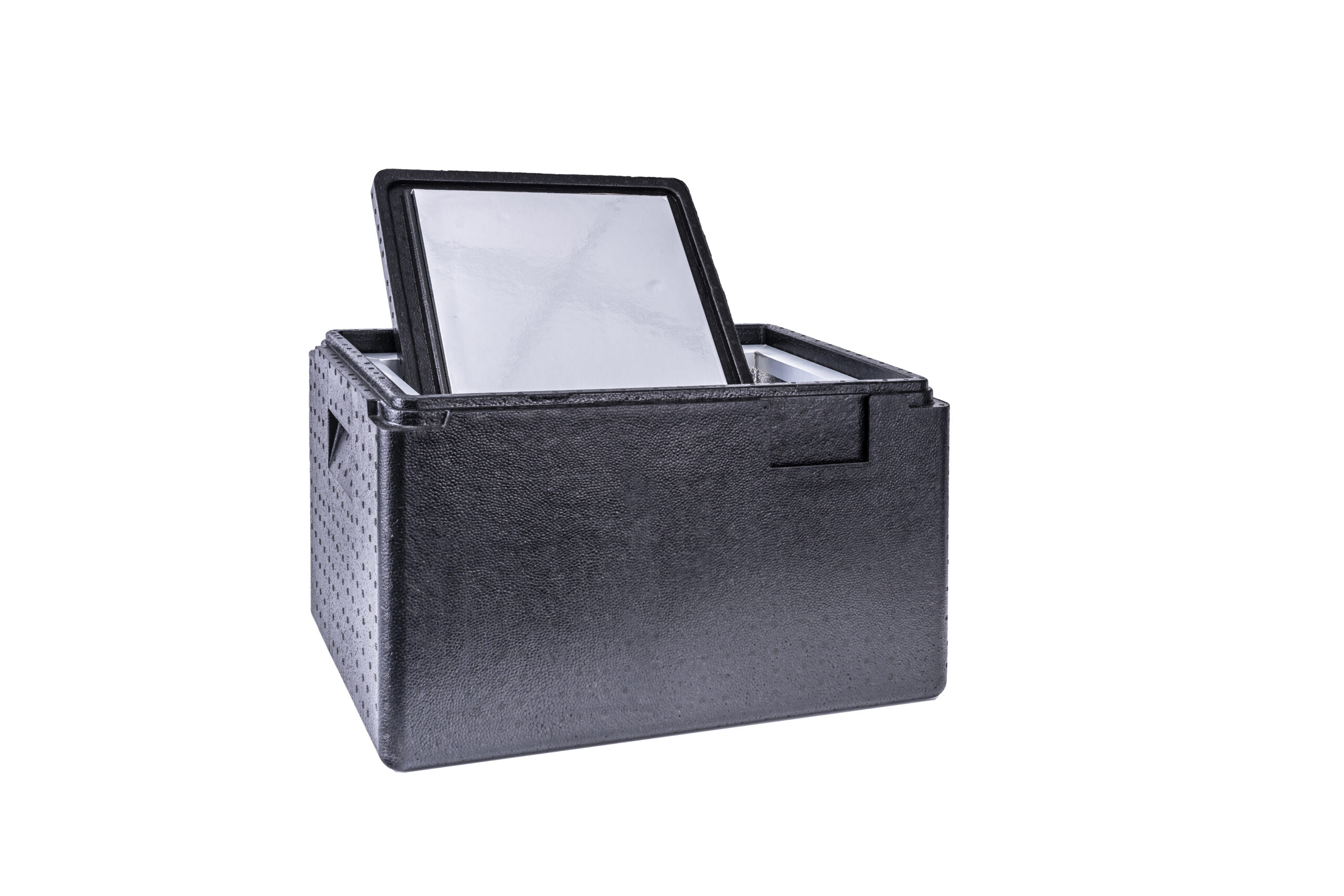
Fabricant de glacières médicales à fente d'arrimage: Un cadre pratique de spécifications et d’approvisionnement
A good medical ice box with tie-down slots is one whose claims can be traced to a defined configuration. Les acheteurs doivent être capables d'identifier ce qui est prouvé au niveau matériel, ce qui est testé au niveau de la boîte finie, ce qui appartient à un pack complet, et ce qui nécessite encore une confirmation spécifique à la voie. Cette distinction évite les échecs de passation des marchés les plus courants: capacité peu claire, durée non vérifiée, allégations de conformité égarées, et des échantillons non représentatifs de la production de masse.
L'objectif pratique est de savoir si la fonction d'arrimage est intégrée dans un chemin de charge structurel et une procédure d'exploitation vérifiés plutôt que ajoutée en tant que fente cosmétique.. Le cadre de décision suivant rassemble le produit le plus utile, technique, conformité, opérationnel, et considérations d'achat tout en gardant toutes les déclarations de performance liées aux conditions qui les soutiennent réellement.
Rédigez les exigences opérationnelles en langage simple
La première spécification doit décrire le travail d'exploitation: fixer une caisse de transport médical à un véhicule, chariot, palette, ou cadre de manutention sans écraser le couvercle, obstruer l'accès, ou endommager l'isolation. Il doit identifier les utilisateurs, le lieu de chargement, le lieu de réception, les transferts attendus, et le moment où la responsabilité de la température change. Cela empêche le fabricant de remplir des inconnues avec des hypothèses. Il permet également des opérations, qualité, et les équipes d'approvisionnement doivent examiner la même exigence plutôt que de conserver des versions informelles distinctes.
La définition de la charge utile nécessite plus de détails qu'un poids ou un volume nominal. Le chargement prévu peut inclure des médicaments, vaccins, diagnostic, échantillons, appareils, ou des fournitures cliniques qui peuvent nécessiter une orientation minutieuse, traçabilité, et surveillance de la température. Enregistrez les dimensions du pack primaire, limites d'orientation, number of units, état thermique à l'emballage, espace de tête, zones fragiles, et si la charge doit rester séparée du liquide de refroidissement. Une cavité qui semble suffisamment grande peut devenir inutilisable si l'ouverture est étroite, les coins sont fortement arrondis, ou un panier et un séparateur consomment les dimensions critiques. Avant la version finale, revoir ce point pour la conception de la boîte médicale d'arrimage avec les opérations et la qualité.
La cartographie des itinéraires est tout aussi importante. Pour le transfert en ambulance, sensibilisation mobile, transfert côté piste, prestation de soins de santé du dernier kilomètre, et opérations sur le terrain avec vibrations, freinage, et retenues répétées, noter le temps de transit prévu, retard probable, température intermédiaire, soleil direct, circulation de l'air du véhicule, ouverture répétée, transfert entre transporteurs, et réception de l'inspection. Ces entrées ne produisent pas à elles seules un temps de maintien garanti, mais ils définissent les conditions qu'un fournisseur ou un laboratoire d'essais doit reproduire. Sans eux, un devis ne peut concerner qu'un coffret générique, pas un processus de distribution fiable. Au lancement de la production, revoir ce point pour la conception de la boîte médicale d'arrimage avec les opérations et la qualité.
Les fentes d'arrimage doivent supporter les charges de retenue en toute sécurité
Une fente d'arrimage nécessite un système de retenue défini. Spécifiez le support, palette, chariot, ou point véhicule; la largeur du bracelet; la direction de la charge; et le freinage attendu, vibration, et gestion des événements. Une fente dimensionnée uniquement par son apparence peut couper la sangle, plier le mur, ou placez une compression sur le joint du couvercle. Dans la décision finale, vérifier ce point sur les unités représentatives utilisées pour la conception du coffret médical d'arrimage.
Le chemin de charge doit passer par une structure de coque renforcée plutôt que par une fine lèvre ou un panneau isolant.. Les rayons des bords doivent protéger la sangle, et la sangle ne doit pas couvrir l'ouverture, affichage du moniteur, étiquette d'expédition, ou un sceau d'inviolabilité. Si les utilisateurs doivent accéder à la boîte tout en étant retenus, ce flux de travail doit être démontré avec le rack et les gants réellement utilisés en service. Avant la version finale, indiquer les conditions applicables à la conception du coffret médical d'arrimage dans la réponse du fournisseur.
La logistique médicale ajoute des exigences procédurales. Une boîte sécurisée nécessite toujours un emballage contrôlé, surveillance de la température, nettoyage, et les étapes de la chaîne de traçabilité. La contention ne doit pas être présentée comme une conformité pharmaceutique. Il s'agit d'un élément de contrôle des risques dont la conception doit être étayée par des contrôles dimensionnels., test de charge répétée, critères d'inspection, et des instructions d'utilisation claires.
Là où se termine le produit et où commence le système thermique
La glacière médicale avec fentes d'arrimage fournit une barrière au flux de chaleur et une enceinte de protection. Il ne génère pas lui-même une température contrôlée. Les performances passives dépendent de l’isolation, type et conditionnement du liquide de refroidissement, masse de liquide de refroidissement, masse de charge utile, température de départ du produit, disposition interne, profil ambiant, comportement d'ouverture, et critères d'acceptation. Une modification de l'un de ces éléments peut modifier les résultats même si la boîte extérieure reste inchangée..
Cette différence de portée est particulièrement importante pour l'alimentation, pharmaceutique, vaccin, et utilisations pour les essais cliniques. Un test structurel peut montrer qu'une poignée ou une fente survit à une charge définie. Une déclaration de matériau peut montrer qu'un composant est adapté à une condition de contact prévue. Un rapport thermique peut montrer comment un emballage s'est comporté sous un profil. Une qualification d'itinéraire peut alors évaluer la voie d'exploitation. Ces documents répondent à des questions différentes et ne doivent pas se substituer les uns aux autres.. Avant la version finale, revoir ce point pour la conception de la boîte médicale d'arrimage avec les opérations et la qualité.
Demandez au fabricant d'indiquer chaque revendication de performance avec sa configuration. La déclaration doit identifier la taille de la boîte et la révision, charge utile, liquide de refroidissement, conditionnement, diagramme de chargement, position du moniteur, profil ambiant, durée, et plage d'acceptation. Si le fournisseur ne peut pas fournir ce contexte, traiter l'allégation comme une indication de dépistage uniquement. L’objectif pratique n’est pas d’exiger un rapport de laboratoire pour chaque première conversation, mais pour éviter qu'un titre non pris en charge ne devienne une spécification d'achat. Avant la version finale, relier cet élément pour la conception de la boîte médicale d'arrimage à un critère d'acceptation mesurable.
« Qualité alimentaire,» « Qualité médicale,» et « Qualifié » ne sont pas interchangeables
Les preuves pertinentes dépendent du produit- et exigences de qualité spécifiques à l'itinéraire, procédures de transport, contrôles de nettoyage, et la preuve que l'emballage complet maintient les conditions requises; une fente d'arrimage en elle-même ne crée pas de conformité médicale. Aux États-Unis, le statut de contact alimentaire est lié aux substances autorisées et aux conditions d'utilisation prévues, y compris le type d'aliment et la température. Dans l'Union européenne, les matériaux destinés à entrer en contact avec des aliments mis sur le marché relèvent du règlement-cadre et des bonnes pratiques de fabrication, avec des règles supplémentaires pour certains groupes de matériaux. A generic declaration that a plastic is 'qualité alimentaire' is therefore only a starting point. Avant la version finale, protéger la décision relative à la conception de la boîte médicale d'arrimage grâce au contrôle des modifications.
Les utilisations médicales et pharmaceutiques ajoutent une couche différente. L'étiquetage du produit et les procédures du sponsor ou de la qualité définissent la condition requise. PIB, GCP, conseils en matière de vaccination, règles relatives au fret aérien, ou les spécifications du programme national peuvent s'appliquer en fonction de l'expédition. La boîte ne devient pas conforme simplement parce que son polymère est acceptable au contact alimentaire ou parce qu'elle est réutilisable. Le processus complet peut nécessiter des instructions d'emballage qualifiées, surveillance calibrée, gestion des écarts, entraînement, et chaîne de traçabilité documentée. Avant la version finale, enregistrer ce point pour la conception de la boîte médicale d'arrimage en tant qu'exigence contrôlée.
Créer une carte des preuves avec quatre colonnes: réclamer, objet, condition, et documenter. Considérez ce cas: une revendication matérielle appartient à une résine nommée et à l'utilisation prévue; une revendication structurelle appartient à une méthode de conception et de chargement finie; une réclamation thermique appartient à une configuration et un profil complets; une revendication d'itinéraire appartient à une voie d'exploitation. Cette carte révèle les lacunes et empêche qu'un certificat ne soit étendu au-delà de sa portée.. Au lancement de la production, enregistrer ce point pour la conception de la boîte médicale d'arrimage en tant qu'exigence contrôlée.
Une liste de contrôle de publication pour la configuration sélectionnée
| Grille | Question | Communiquer des preuves |
|---|---|---|
| Porte de cas d'utilisation | La charge utile est-elle, itinéraire, condition, et processus de manipulation définis? | Exigence de l'utilisateur approuvé |
| Monter le portail | L'emballage final est-il adapté au levage et à la fermeture en toute sécurité? | Dessin d'emballage et échantillon mesuré |
| Porte des preuves | Les réclamations sont-elles liées au bon matériel, boîte, emballage, ou voie? | Carte des preuves et rapports de tests |
| Porte de qualité | La production peut-elle reproduire la configuration approuvée? | Plan d’examen et d’inspection des lots pilotes |
| Porte de coût | Les devis sont-ils normalisés selon la même portée et la même base de livraison ?? | Modèle de coûts au débarquement et de cycle de vie |
| Porte des opérations | Les utilisateurs peuvent-ils emballer, recevoir, faire le ménage, inspecter, et renvoyez-le correctement? | Consignes et plan de formation contrôlés |
| Changer de portail | Les substitutions nécessiteront-elles un examen? | Nomenclature et accord de contrôle des modifications |
| Porte d'application | Si la fonction d'arrimage est intégrée dans un chemin de charge structurelle et une procédure d'exploitation vérifiés plutôt que ajoutée en tant que fente cosmétique | Exigence signée et liste d’hypothèses non résolues |
Cette matrice fonctionne mieux lorsqu'elle est complétée conjointement par les responsables des achats, opérations, ingénierie, et la qualité. Il transforme les préférences générales en preuves révisables et expose les hypothèses manquantes avant la négociation des prix.. Tous les projets n'ont pas besoin de la même profondeur, mais chaque réclamation critique doit avoir un propriétaire et un moyen défini de la vérifier. Au lancement de la production, placer cette exigence concernant la conception de la boîte médicale d'arrimage dans la liste de contrôle de réception.
De l’échantillon de catalogue à la production contrôlée
La question centrale du fournisseur est de savoir si la fonction d'arrimage est intégrée dans un chemin de charge structurel et une procédure d'exploitation vérifiés plutôt que ajoutée en tant que fente cosmétique.. Un fabricant crédible devrait être capable de traduire cette exigence en dessins, définitions matérielles, points de contrôle, et un plan de test. La conversation devrait passer des affirmations générales aux détails contrôlés. Demandez à qui appartient le moule, quelles opérations sont effectuées en interne, comment les fournisseurs de composants critiques sont approuvés, et comment la nomenclature est maintenue. Un large catalogue peut être utile, mais ce n'est pas une preuve du contrôle du processus.
Un plan d'échantillonnage par étapes réduit les surprises de production. Le premier échantillon confirme les dimensions et l'ergonomie de base. Un échantillon technique révisé confirme les matériaux, raccords, étiquettes, et ajustement parfait. Un lot pilote vérifie les outils de production, assemblée, inspection, conditionnement, et variation entre plusieurs unités. L'échantillon doré approuvé doit être lié à des dessins et à des critères d'acceptation mesurables. L'approbation d'un échantillon spécialement préparé sans ce pont est une source courante de surprises lors d'une production de masse.. Au lancement de la production, attribuer un propriétaire et une méthode d'acceptation pour la conception de la boîte médicale d'arrimage.
L'examen de la qualité doit se concentrer sur les dimensions des emplacements, blanchiment du stress, fissure, résistance à l'arrachement, abrasion de la sangle, chargement répété, impact après contention, et absence d'arêtes vives. Demandez comment les unités non conformes sont identifiées, si les mesures sont enregistrées, comment les plaintes sont examinées, et comment les modifications techniques sont communiquées. Pour les programmes à contrôle élevé, exiger une approbation préalable avant les substitutions. Pour une utilisation par les consommateurs à moindre risque, le système peut être plus simple, mais des dimensions critiques, matériels, et les dispositifs de sécurité nécessitent toujours des critères d'acceptation objectifs. Avant la version finale, enregistrer ce point pour la conception de la boîte médicale d'arrimage en tant qu'exigence contrôlée.
D’où vient réellement le coût de la glacière
La structure des coûts inclut la complexité de l'outillage, géométrie renforcée, inserts, matériel, tests de validation, accessoires de sangle, pièces de rechange, et inspection des dimensions critiques. Les fournisseurs peuvent proposer des prix très différents alors que tous semblent proposer la même taille. Les différences peuvent provenir de l’épaisseur de l’isolant, qualité du matériau, processus, matériel, inspection, conditionnement, ou simplement à partir d'éléments exclus. Une comparaison équitable nécessite une fiche de configuration et un tableau de comparaison commerciale. Dans la décision finale, résoudre ce point pour la conception du coffret médical d'arrimage avant qualification thermique.
Séparez les coûts ponctuels des coûts récurrents. Outillage, moules, œuvres d'art, ingénierie, et certains tests peuvent être ponctuels ou amortis. Construction d'unités, accessoires, inspection, cartons, et le fret est récurrent. Séparez ensuite le coût d’acquisition du coût d’exploitation: conditionnement du liquide de refroidissement, lavage, séchage, stockage, suivi des actifs, transport de retour, dommage, réparation, et remplacement. La meilleure mesure pourrait être le coût par itinéraire réussi plutôt que le prix d'achat par boîte.. Dans la décision finale, résoudre ce point pour la conception du coffret médical d'arrimage avant qualification thermique.
Le fret mérite une attention précoce car les boîtes isothermes peuvent être volumineuses. Dimensions extérieures, nidification, pliabilité, quantité de cartons, modèle de palette, et le chargement des conteneurs peut modifier le coût au débarquement plus qu'une petite différence de prix d'usine. Demandez aux fournisseurs de proposer les mêmes conditions de livraison et configuration d'emballage.. Quand les cartons réutilisables reviennent vides, le cube inversé et la main d'œuvre de manutention doivent également entrer dans le modèle. Dans la décision finale, inclure cette limite dans le mode d'emploi de la conception de la boîte médicale d'arrimage.
Concevoir le processus quotidien à côté de la boîte
Une boîte se déplace à travers les personnes et les lieux, pas seulement à travers une chambre thermique. Le plan opérationnel doit couvrir le préconditionnement, emballage, fermeture, étiquetage, activation du moniteur, remettre, recevoir, déchargement, nettoyage, séchage, inspection, stockage, et retour. Pour le transfert en ambulance, sensibilisation mobile, transfert côté piste, prestation de soins de santé du dernier kilomètre, et opérations sur le terrain avec vibrations, freinage, et retenues répétées, le risque le plus élevé peut être un quai de chargement ou un échec de livraison plutôt que le temps prévu pour le véhicule. Pour l'approbation du fournisseur, attribuer un propriétaire et une méthode d'acceptation pour la conception de la boîte médicale d'arrimage.
Les instructions doivent être visuelles et spécifiques à la configuration. Utilisez des étiquettes qui survivent à l'environnement de nettoyage et d'acheminement. Afficher la position du liquide de refroidissement, orientation produit, placement du diviseur, emplacement du moniteur, séquence de fermeture, et critères de rejet. Si la boîte a des drains, sangles, roues, joints remplaçables, ou poignées en corde, inclure des points d'inspection pour ces composants. La complexité doit être réduite autant que possible car les utilisateurs occasionnels ne se souviennent pas des longues procédures. Avant la version finale, vérifier ce point sur les unités représentatives utilisées pour la conception du coffret médical d'arrimage.
Les équipes d'accueil ont besoin d'un chemin de décision. Ils devraient savoir comment inspecter le sceau, lire le moniteur, identifier les dommages, enregistrer une excursion, mettre la charge utile en quarantaine, et contactez le responsable de la qualité. Les cartons retournés ne doivent pas automatiquement retourner dans le parc propre. Une simple étape de quarantaine et d’inspection évite les coquilles fêlées, bouchons manquants, poignées contaminées, ou changement de liquide de refroidissement pour affaiblir silencieusement le système. Au lancement de la production, enregistrer ce point pour la conception de la boîte médicale d'arrimage en tant qu'exigence contrôlée.
La réutilisation ne fonctionne que lorsque la boîte revient
La question pertinente en matière de durabilité est un système de sécurité qui empêche les chutes et les dommages., prend en charge une utilisation répétée, et évite le suremballage jetable, à condition que les sangles et les boîtes soient inspectées et retournées. Une boîte réutilisable peut réduire la consommation d’emballages en boucle fermée stable, mais cela demande aussi plus de matériel, nettoyage, stockage, et transport retour. Un système léger à sens unique peut être préférable sur une voie dispersée où les taux de retour sont faibles. Le choix doit être fait à partir du réseau d'exploitation plutôt qu'à partir d'un seul attribut marketing..
Le redimensionnement est souvent l’amélioration la plus rapide. Le matériel surconstruit ajoute de la masse. L'excès de volume augmente la surface d'isolation, demande de liquide de refroidissement, cube de fret, et espace d'entrepôt. Les produits sous-construits échouent tôt et créent des déchets de remplacement. Un bon design utilise suffisamment de matériel aux bons endroits, protège les pièces d'usure remplaçables, et permet une inspection avant qu'une unité endommagée ne soit remise en service. Avant la version finale, placer cette exigence concernant la conception de la boîte médicale d'arrimage dans la liste de contrôle de réception.
Suivez un petit ensemble d’indicateurs pratiques: taux de retour, déplacements par actif, raison du dommage, temps de lavage, temps de séchage, composants perdus, cube de retour vide, et parcours de retraite. Ces données montrent si le système s'améliore. Les allégations de durabilité doivent être mises à jour lorsque l'itinéraire change. Une boîte utilisée pour cinquante voyages locaux contrôlés a une empreinte différente de la même boîte expédiée une fois sur une voie internationale et jamais retournée.. Au lancement de la production, vérifier le point de conception de la boîte médicale d'arrimage par rapport à la charge utile réelle.
Un examen d'itinéraire typique
Considérez cette situation typique: une clinique mobile attache une boîte à un support de véhicule, mais la sangle traverse le joint du couvercle et comprime un coin, créant une fermeture inégale et rendant l'affichage de l'enregistreur illisible. L'équipe doit mesurer la charge utile, construire le pack proposé, tracer l'itinéraire, et observez comment les utilisateurs soulèvent, sécurisé, ouvrir, faire le ménage, et renvoie la boîte. La première réponse ne doit pas être de sélectionner une taille de catalogue. Cela crée un enregistrement partagé des contraintes réelles.
Suivant, l'acheteur doit demander deux ou trois alternatives contrôlées plutôt qu'un long catalogue. Une option peut donner la priorité à un poids inférieur, une autre durabilité répétée, et une autre résistance thermique plus élevée ou volume utilisable plus. Chaque option doit énumérer ce qui est inclus, quelles preuves existent, ce qui doit encore être testé, et quels changements opérationnels cela nécessite. L'équipe peut alors comparer les compromis au lieu de discuter de fonctionnalités isolées.. Pour l'approbation du fournisseur, lier cette décision concernant la conception de la boîte médicale d'arrimage au dessin et à l'emballage approuvés.
Complétez la séquence grâce à un échantillon d'ingénierie, essai d'emballage, production pilote, et libération officielle. Pour les utilisations sensibles à la température, confirmer le package complet sous un profil approprié et définir comment les excursions seront gérées. Enregistrer les mesures dimensionnelles et les observations de manipulation, pas seulement des photographies. Le résultat est une décision d'approvisionnement liée aux preuves et au flux de travail., pas à une promesse qui ne peut être reproduite ultérieurement. Avant la version finale, indiquer les conditions applicables à la conception du coffret médical d'arrimage dans la réponse du fournisseur.
Cinq erreurs qui génèrent des retouches coûteuses
Les points ci-dessous méritent d'être vérifiés avant l'outillage ou la production en série. Chacun peut créer des retouches évitables lorsqu'elles restent non résolues lors de la sélection du fournisseur.. Pour l'approbation du fournisseur, tester cette hypothèse pour la conception de la boîte médicale d'arrimage par rapport à l'itinéraire prévu.
- Libérer le bloqueur: acheminer des sangles sur un couvercle compressible.
- Libérer le bloqueur: utiliser des bords de fente tranchants qui endommagent la sangle.
- Libérer le bloqueur: en supposant que l'ouverture de la poignée peut servir d'ancrage de retenue.
- Libérer le bloqueur: ignorer les exigences en matière d'accès d'urgence et de preuve d'inviolabilité.
- Libérer le bloqueur: spécifier la géométrie d'arrimage avant de choisir le modèle de support de véhicule ou de palette.
Toutes les préoccupations ne sont pas disqualifiantes, mais chacun a besoin d'une clôture. Cela devrait déclencher une clarification spécifique, chèque d'échantillon, ou demande de preuves. Le résultat escompté est de résoudre l’incertitude alors que les changements sont encore peu coûteux.. Un fournisseur qui répond avec des dessins, conditions, et les actions correctives sont plus utiles que celles qui répètent une affirmation générale. Avant la version finale, relier cet élément pour la conception de la boîte médicale d'arrimage à un critère d'acceptation mesurable.
Ce qu'une réponse utile d'un fournisseur devrait couvrir
Pour cette glacière médicale avec fentes d'arrimage, les questions suivantes créent plus de valeur que de demander si le fournisseur est fiable. Ils forcent la discussion vers l’usage prévu, spécifications mesurables, et des preuves. Pour l'approbation du fournisseur, revoir ce point pour la conception de la boîte médicale d'arrimage avec les opérations et la qualité.
- Question de libération: Quel véhicule ou plateforme de manutention retiendra la caisse?
- Question de libération: Quelle largeur de bracelet, direction, et charge opérationnelle maximale si l'emplacement accepte?
- Question de libération: La boîte peut-elle s'ouvrir, fermer, et afficher des étiquettes ou surveiller les données tout en étant sécurisé?
- Question de libération: La fente est-elle renforcée indépendamment de la cavité isolante?
- Question de libération: Quelle vibration, impact, et des contrôles de charges répétées soutiennent la conception?
- Question de libération: Comment les sangles sont-elles nettoyées, inspecté, et remplacé dans un programme de logistique médicale?
Une réponse complète peut être un dessin, tableau, échantillon, plan de test, ou limitation documentée. Un fournisseur n’a pas besoin d’avoir tous les rapports finaux avant le début du développement, mais il devrait être capable d'énoncer ce qui est connu, ce qui est supposé, ce qui peut être personnalisé, et ce qu'il faut tester. Cette transparence est un meilleur signal de risque qu'une longue liste de certifications non étayées. Pour l'approbation du fournisseur, lier cette décision concernant la conception de la boîte médicale d'arrimage au dessin et à l'emballage approuvés.
Comment documenter les hypothèses et les limites
Les nouvelles unités de production nécessitent un chèque de réception documenté, pas seulement un coup d'œil visuel. Confirmer les dimensions internes critiques, fermeture du couvercle, matériel, étiquettes, accessoires, et emballage selon les spécifications approuvées. Sélectionnez plusieurs unités dans différents cartons. Enregistrez les résultats afin que les réclamations ultérieures puissent être comparées au lot d'origine plutôt qu'à la mémoire ou à un seul échantillon..
Établir à l’avance les limites de service. Certains articles peuvent être réparés avec des pièces contrôlées; d'autres devraient être à la retraite. Fissures, joints déformés, bouchons manquants, poignées effilochées, ancres lâches, surfaces contaminées, panneaux perforés, ou un liquide de refroidissement non approuvé devrait déclencher la quarantaine. Une règle claire interdit aux utilisateurs de maintenir en service un coffret visiblement endommagé simplement parce qu’il ferme encore. Pour l'approbation du fournisseur, inclure cette limite dans le mode d'emploi de la conception de la boîte médicale d'arrimage.
Conserver un historique des modifications couvrant le matériel, fournisseur, moule, processus, dimensions, étiquettes, conditionnement, et emballage. Vérifiez si chaque changement affecte le statut du contact, preuve thermique, essais structurels, fret, nettoyage, ou mode d'emploi. Cette discipline ne se limite pas aux programmes réglementés. Il protège tout acheteur contre une dérive progressive de la configuration lors de commandes répétées.. Au lancement de la production, vérifier le point de conception de la boîte médicale d'arrimage par rapport à la charge utile réelle.
Questions que les acheteurs posent souvent
Une glacière médicale dotée de fentes d'arrimage est-elle suffisante pour contrôler la température?
Non. Toute durée indiquée doit identifier la configuration testée et les critères d'acceptation. La box ralentit le transfert de chaleur, mais le résultat complet dépend du liquide de refroidissement, charge utile, température de départ, modèle de chargement, exposition ambiante, manutention, et surveillance. Pour les produits réglementés ou de grande valeur, un packout supplémentaire ou une qualification de couloir peuvent être requis. Avant la version finale, documenter les limites de la conception de la boîte médicale d'arrimage plutôt que d'impliquer une adéquation universelle.
Une ouverture de poignée peut-elle être utilisée comme fente d'arrimage?
Uniquement lorsque la conception a été évaluée pour la charge et la direction de retenue prévues. Une sangle peut endommager une poignée, compresser le couvercle, ou créer un chemin de charge net. Les poignées de transport et les ancrages de retenue remplissent différentes fonctions. Utilisez un service dédié, interface renforcée lorsque la fixation du véhicule est requise.
Un résultat de temps de maintien en laboratoire peut-il être utilisé pour chaque itinéraire?
Pas sans un examen condition par condition. Un résultat de laboratoire s'applique au profil ambiant testé, charge utile, liquide de refroidissement, surveiller les positions, et plage d'acceptation. Il peut prendre en charge la planification d'itinéraire, mais des différences significatives dans le délai, soleil direct, fréquence d'ouverture, état du véhicule, ou la charge utile peut nécessiter une évaluation ou une qualification plus approfondie. Avant la version finale, confirmer que les contrôles de production préservent ce point pour la conception de la boîte médicale d'arrimage.
Quel est le meilleur premier test d'échantillon?
Le premier contrôle pratique est un emballage pleine dimensionnel. Vérifier la fermeture, levage, accéder, nettoyage, et temps d'emballage. Charger la charge utile réelle, liquide de refroidissement, diviseur, moniteur, étiquettes, et accessoires. Une fois la configuration physique stable, les tests thermiques et structurels deviennent plus significatifs et moins susceptibles d'être répétés après une modification de conception. Au lancement de la production, enregistrer ce point pour la conception de la boîte médicale d'arrimage en tant qu'exigence contrôlée.
Conclusion
The final selection for tie-down slot medical ice box manufacturer should pass six tests: ajustement au cas d'utilisation, capacité utilisable, preuve, cohérence de la production, simplicité de fonctionnement, et le coût total. Un fournisseur qui énonce des hypothèses, limites des documents, et prend en charge la vérification pilote est plus précieuse qu'une vérification offrant des réclamations universelles. Ne publiez la commande que lorsque la configuration et les responsabilités sont suffisamment claires pour pouvoir être répétées..
À propos du tempk
Tempk, une marque de Shanghai Tempk Industrial Co., Ltd., works across passive cold-chain packaging categories such as coolant packs, briques PCM rigides, sacs isolés, Conteneurs PPE, glacières médicales, doublures, et couvertures thermiques. Son rôle dans un projet de boîte est d'aider à traduire les exigences d'itinéraire et de charge utile en une direction pratique de produit et d'emballage.. Dimensions finales, matériels, accessoires, conditions d'essai, et la documentation doit être convenue dans une spécification contrôlée avant la production. Dans la décision finale, confirmer la portée des preuves pour la conception de la boîte médicale d'arrimage avant l'achat.
Prochaine étape
Avant la sélection finale du fournisseur, partager le véhicule, méthode de contention, poids de la boîte, besoins d'accès, et un emballage médical afin que Tempk puisse examiner un concept de fente d'arrimage approprié.
Fournisseur de glacière industrielle avec poignées en corde: Cadre d'achat complet

Fournisseur de glacière industrielle avec poignées en corde: Un cadre pratique de spécifications et d’approvisionnement
A good industrial ice box with rope handles is one whose claims can be traced to a defined configuration. Les acheteurs doivent être capables d'identifier ce qui est prouvé au niveau matériel, ce qui est testé au niveau de la boîte finie, ce qui appartient à un pack complet, et ce qui nécessite encore une confirmation spécifique à la voie. Cette distinction évite les échecs de passation des marchés les plus courants: capacité peu claire, durée non vérifiée, allégations de conformité égarées, et des échantillons non représentatifs de la production de masse.
L'objectif pratique est de savoir si les poignées en corde améliorent l'ergonomie et la facilité d'entretien pour l'environnement d'exploitation ou introduisent des accrocs., nettoyage, équilibre, et risques d’attachement. Le cadre de décision suivant rassemble le produit le plus utile, technique, conformité, opérationnel, et considérations d'achat tout en gardant toutes les déclarations de performance liées aux conditions qui les soutiennent réellement.
Transformer une demande vague en une spécification testable
Considérez cette situation typique: une caisse de pêche est facile à soulever une fois sèche, mais la corde mouillée se tord sous la charge, tire un côté plus haut, et traîne dans l'eau contaminée pendant le déchargement. La première réponse ne doit pas être de sélectionner une taille de catalogue. L'équipe doit mesurer la charge utile, construire le pack proposé, tracer l'itinéraire, et observez comment les utilisateurs soulèvent, sécurisé, ouvrir, faire le ménage, et renvoie la boîte. Cela crée un enregistrement partagé des contraintes réelles. Au lancement de la production, enregistrer ce point pour l’assemblage corde-poignée comme une exigence contrôlée.
Suivant, l'acheteur doit demander deux ou trois alternatives contrôlées plutôt qu'un long catalogue. Une option peut donner la priorité à un poids inférieur, une autre durabilité répétée, et une autre résistance thermique plus élevée ou volume utilisable plus. Chaque option doit énumérer ce qui est inclus, quelles preuves existent, ce qui doit encore être testé, et quels changements opérationnels cela nécessite. L'équipe peut alors comparer les compromis au lieu de discuter de fonctionnalités isolées.. Pour l'approbation du fournisseur, relier cet élément pour l'assemblage corde-poignée à un critère d'acceptation mesurable.
Complétez la séquence grâce à un échantillon d'ingénierie, essai d'emballage, production pilote, et libération officielle. Enregistrer les mesures dimensionnelles et les observations de manipulation, pas seulement des photographies. Pour les utilisations sensibles à la température, confirmer le package complet sous un profil approprié et définir comment les excursions seront gérées. Le résultat est une décision d'approvisionnement liée aux preuves et au flux de travail., pas à une promesse qui ne peut être reproduite ultérieurement. Au lancement de la production, documenter les limites de l’assemblage corde-poignée plutôt que d’impliquer une adéquation universelle.
Commencez par la charge, Itinéraire, et points de transfert
La première spécification doit décrire le travail d'exploitation: fournit un levage et un transport flexibles en deux points pour une boîte isolée lourde tout en résistant à l'abrasion, humidité, froid, contamination, et manipulations répétées. Il doit identifier les utilisateurs, le lieu de chargement, le lieu de réception, les transferts attendus, et le moment où la responsabilité de la température change. Cela empêche le fournisseur de remplir des inconnues avec des hypothèses. Il permet également des opérations, qualité, et les équipes d'approvisionnement doivent examiner la même exigence plutôt que de conserver des versions informelles distinctes.
La définition de la charge utile nécessite plus de détails qu'un poids ou un volume nominal. Le chargement prévu peut inclure de la glace, fruit de mer, boissons, paquets de nourriture, outils, échantillons, ou des contenus industriels qui peuvent rendre la boîte entièrement chargée beaucoup plus lourde que ce que le produit vide suggère. Enregistrez les dimensions du pack primaire, limites d'orientation, number of units, état thermique à l'emballage, espace de tête, zones fragiles, et si la charge doit rester séparée du liquide de refroidissement. Une cavité qui semble suffisamment grande peut devenir inutilisable si l'ouverture est étroite, les coins sont fortement arrondis, ou un panier et un séparateur consomment les dimensions critiques. Au lancement de la production, relier cette décision pour l'assemblage corde-poignée au dessin et à l'emballage approuvés.
La cartographie des itinéraires est tout aussi importante. Pour utilisation à quai, distribution des aliments, travail sur le terrain, chargement du véhicule, manutention en entrepôt, et plusieurs personnes transportent sur un terrain accidenté, noter le temps de transit prévu, retard probable, température intermédiaire, soleil direct, circulation de l'air du véhicule, ouverture répétée, transfert entre transporteurs, et réception de l'inspection. Ces entrées ne produisent pas à elles seules un temps de maintien garanti, mais ils définissent les conditions qu'un fournisseur ou un laboratoire d'essais doit reproduire. Sans eux, un devis ne peut concerner qu'un coffret générique, pas un processus de distribution fiable. Au lancement de la production, placer cette exigence pour l’assemblage corde-poignée dans la liste de contrôle de réception.
Ne transformez pas un composant en une promesse de performance universelle
La glacière industrielle avec poignées en corde constitue une barrière au flux de chaleur et une enceinte de protection. Il ne génère pas lui-même une température contrôlée. Les performances passives dépendent de l’isolation, type et conditionnement du liquide de refroidissement, masse de liquide de refroidissement, masse de charge utile, température de départ du produit, disposition interne, profil ambiant, comportement d'ouverture, et critères d'acceptation. Une modification de l’un de ces éléments peut modifier les résultats même si la boîte extérieure reste inchangée..
Cette distinction est particulièrement importante pour l'alimentation, pharmaceutique, vaccin, et utilisations pour les essais cliniques. Une déclaration de matériau peut montrer qu'un composant est adapté à une condition de contact prévue. Un test structurel peut montrer qu'une poignée ou une fente survit à une charge définie. Un rapport thermique peut montrer comment un emballage s'est comporté sous un profil. Une qualification d'itinéraire peut alors évaluer la voie d'exploitation. Ces documents répondent à des questions différentes et ne doivent pas se substituer les uns aux autres.. Dans la décision finale, placer cette exigence pour l’assemblage corde-poignée dans la liste de contrôle de réception.
Demander au fournisseur d'indiquer chaque réclamation de performance avec sa configuration. La déclaration doit spécifier la taille de la boîte et la révision, charge utile, liquide de refroidissement, conditionnement, diagramme de chargement, position du moniteur, profil ambiant, durée, et plage d'acceptation. Si le fournisseur ne peut pas fournir ce contexte, traiter l'allégation comme une indication de dépistage uniquement. Le but n’est pas d’exiger un rapport de laboratoire pour chaque première conversation, mais pour éviter qu'un titre non pris en charge ne devienne une spécification d'achat. Pour l'approbation du fournisseur, résoudre ce point pour l'assemblage corde-poignée avant qualification thermique.
Les poignées en corde sont un système de charge, Pas une décoration
Les performances de la poignée en corde dépendent de l’assemblage complet: fibre, diamètre, manche, terminaison, ancre, renfort de coque, chute de la poignée, and the user's hand position. Une corde à haute résistance à la rupture peut néanmoins ne pas convenir si elle devient glissante lorsqu'elle est mouillée., coupe la main, ou transfère la charge dans un bossage moulé faible. Dans la décision finale, vérifier ce point sur des unités représentatives utilisées pour l'assemblage corde-poignée.
Définir le poids maximum emballé et la méthode de transport. Les élévateurs de véhicules courts peuvent tolérer une chute de poignée différente des longs transports.. Les transports pour deux personnes nécessitent des longueurs de poignée équilibrées et un espace suffisant pour garder les mains éloignées du mur.. La corde ne doit pas traîner sur le sol, empilement de blocs, étiquettes obscures, ou accroc sur les convoyeurs et la quincaillerie de porte. Pour l'approbation du fournisseur, vérifier le point de l'assemblage corde-poignée par rapport à la charge utile réelle.
L'inspection et le remplacement font partie de la conception. Un ensemble remplaçable peut prolonger la durée de vie, mais seulement si les pièces de rechange sont standardisées et que la cheville reste accessible sans endommager l'isolation. Abrasion, sel, produits chimiques de nettoyage, exposition aux ultraviolets, et des cycles humides-secs répétés peuvent changer la corde et les raccords. Inclure la fixation de la coque dans les tests de charge d'épreuve et de cycle.
Créez une carte de preuves au lieu de collecter des badges
Les preuves pertinentes dépendent des contrôles de contact alimentaire ou d'hygiène où les poignées peuvent toucher les surfaces en contact avec les aliments., ainsi que des règles de manipulation sur le lieu de travail et des tests de charge spécifiques au produit. Dans l'Union européenne, les matériaux destinés à entrer en contact avec des aliments mis sur le marché relèvent du règlement-cadre et des bonnes pratiques de fabrication, avec des règles supplémentaires pour certains groupes de matériaux. Aux États-Unis, le statut de contact alimentaire est lié aux substances autorisées et aux conditions d'utilisation prévues, y compris le type d'aliment et la température. A generic declaration that a plastic is 'qualité alimentaire' is therefore only a starting point.
Les utilisations médicales et pharmaceutiques ajoutent une couche différente. L'étiquetage du produit et les procédures du sponsor ou de la qualité définissent la condition requise. PIB, GCP, conseils en matière de vaccination, règles relatives au fret aérien, ou les spécifications du programme national peuvent s'appliquer en fonction de l'expédition. Le contenant ne devient pas conforme simplement parce que son polymère est acceptable pour le contact alimentaire ou parce qu'il est réutilisable.. Le processus complet peut nécessiter des instructions d'emballage qualifiées, surveillance calibrée, gestion des écarts, entraînement, et chaîne de traçabilité documentée.
Créer une carte des preuves avec quatre colonnes: réclamer, objet, condition, et documenter. Par exemple, une revendication matérielle appartient à une résine nommée et à l'utilisation prévue; une revendication structurelle appartient à une méthode de conception et de chargement finie; une réclamation thermique appartient à une configuration et un profil complets; une revendication d'itinéraire appartient à une voie d'exploitation. Cette carte révèle les lacunes et empêche qu'un certificat ne soit étendu au-delà de sa portée.. Pour l'approbation du fournisseur, attribuer un propriétaire et une méthode d'acceptation pour l'ensemble corde-poignée.
Réception, Nettoyage, Inspection, et le retour sont des exigences du produit
Une boîte se déplace à travers les personnes et les lieux, pas seulement à travers une chambre thermique. Le plan opérationnel doit couvrir le préconditionnement, emballage, fermeture, étiquetage, activation du moniteur, remettre, recevoir, déchargement, nettoyage, séchage, inspection, stockage, et retour. Pour utilisation à quai, distribution des aliments, travail sur le terrain, chargement du véhicule, manutention en entrepôt, et plusieurs personnes transportent sur un terrain accidenté, le risque le plus élevé peut être un quai de chargement ou un échec de livraison au lieu de l'heure prévue du véhicule.
Les instructions doivent être visuelles et spécifiques à la configuration. Afficher la position du liquide de refroidissement, orientation produit, placement du diviseur, emplacement du moniteur, séquence de fermeture, et critères de rejet. Utilisez des étiquettes qui survivent à l'environnement de nettoyage et d'acheminement. Si la boîte a des drains, sangles, roues, joints remplaçables, ou poignées en corde, inclure des points d'inspection pour ces composants. La complexité doit être réduite autant que possible car les utilisateurs occasionnels ne se souviennent pas des longues procédures. Au lancement de la production, résoudre ce point pour l'assemblage corde-poignée avant qualification thermique.
Les équipes d'accueil ont besoin d'un chemin de décision. Ils devraient savoir comment inspecter le sceau, lire le moniteur, identifier les dommages, enregistrer une excursion, mettre la charge utile en quarantaine, et contactez le responsable de la qualité. Les cartons retournés ne doivent pas automatiquement retourner dans le parc propre. Une simple étape de quarantaine et d’inspection évite les coquilles fêlées, bouchons manquants, poignées contaminées, ou changement de liquide de refroidissement pour affaiblir silencieusement le système. Dans la décision finale, préciser les conditions applicables à l'ensemble corde-poignée dans la réponse du fournisseur.
Une liste de contrôle de publication pour la configuration sélectionnée
| Grille | Question | Communiquer des preuves |
|---|---|---|
| Porte de cas d'utilisation | La charge utile est-elle, itinéraire, condition, et processus de manipulation définis? | Exigence de l'utilisateur approuvé |
| Monter le portail | L'emballage final est-il adapté au levage et à la fermeture en toute sécurité? | Dessin d'emballage et échantillon mesuré |
| Porte des preuves | Les réclamations sont-elles liées au bon matériel, boîte, emballage, ou voie? | Carte des preuves et rapports de tests |
| Porte de qualité | La production peut-elle reproduire la configuration approuvée? | Plan d’examen et d’inspection des lots pilotes |
| Porte de coût | Les devis sont-ils normalisés selon la même portée et la même base de livraison ?? | Modèle de coûts au débarquement et de cycle de vie |
| Porte des opérations | Les utilisateurs peuvent-ils emballer, recevoir, faire le ménage, inspecter, et renvoyez-le correctement? | Consignes et plan de formation contrôlés |
| Changer de portail | Les substitutions nécessiteront-elles un examen? | Nomenclature et accord de contrôle des modifications |
| Porte d'application | Que les poignées en corde améliorent l'ergonomie et la facilité d'entretien pour l'environnement d'exploitation ou qu'elles introduisent des accrocs, nettoyage, équilibre, et risques d’attachement | Exigence signée et liste d’hypothèses non résolues |
La comparaison devient plus utile lorsqu'elle est examinée ensemble par les responsables des achats., opérations, ingénierie, et la qualité. Il transforme les préférences générales en preuves révisables et expose les hypothèses manquantes avant la négociation des prix.. Tous les projets n'ont pas besoin de la même profondeur, mais chaque réclamation critique doit avoir un propriétaire et un moyen défini de la vérifier. Dans la décision finale, inclure cette limite dans le mode d'emploi de l'ensemble corde-poignée.
Normaliser les devis avant de négocier
La structure des coûts comprend l'assemblage du câble, renfort d'ancrage moulé, raccords, travail, kits de remplacement, essai, interférence d'emballage, et dommages potentiels dus aux poignées desserrées pendant le transport. Les fournisseurs peuvent proposer des prix très différents alors que tous semblent proposer la même taille. Les différences peuvent provenir de l’épaisseur de l’isolant, qualité du matériau, processus, matériel, inspection, conditionnement, ou simplement à partir d'éléments exclus. Une comparaison équitable nécessite une fiche de configuration et un tableau de comparaison commerciale. Pour l'approbation du fournisseur, attribuer un propriétaire et une méthode d'acceptation pour l'ensemble corde-poignée.
Séparez les coûts ponctuels des coûts récurrents. Outillage, moules, œuvres d'art, ingénierie, et certains tests peuvent être ponctuels ou amortis. Construction d'unités, accessoires, inspection, cartons, et le fret est récurrent. Séparez ensuite le coût d’acquisition du coût d’exploitation: conditionnement du liquide de refroidissement, lavage, séchage, stockage, suivi des actifs, transport de retour, dommage, réparation, et remplacement. La meilleure mesure pourrait être le coût par itinéraire réussi plutôt que le prix d'achat par boîte.. Au lancement de la production, vérifier ce point sur des unités représentatives utilisées pour l'assemblage corde-poignée.
Le fret mérite une attention précoce car les boîtes isothermes peuvent être volumineuses. Demandez aux fournisseurs de proposer les mêmes conditions de livraison et configuration d'emballage.. Dimensions extérieures, nidification, pliabilité, quantité de cartons, modèle de palette, et le chargement des conteneurs peut modifier le coût au débarquement plus qu'une petite différence de prix d'usine. Quand les cartons réutilisables reviennent vides, le cube inversé et la main d'œuvre de manutention doivent également entrer dans le modèle. Pour l'approbation du fournisseur, confirmer que les contrôles de production préservent ce point pour l'assemblage corde-poignée.
Comment présélectionner un fabricant sans deviner
La question centrale du fournisseur est de savoir si les poignées en corde améliorent l'ergonomie et la facilité d'entretien pour l'environnement d'exploitation ou si elles introduisent des accrocs., nettoyage, équilibre, et risques d’attachement. La conversation devrait passer des affirmations générales aux détails contrôlés. Un fabricant crédible devrait être capable de traduire cette exigence en dessins, définitions matérielles, points de contrôle, et un plan de test. Demandez à qui appartient le moule, quelles opérations sont effectuées en interne, comment les fournisseurs de composants critiques sont approuvés, et comment la nomenclature est maintenue. Un large catalogue peut être utile, mais ce n'est pas une preuve du contrôle du processus.
Construire le processus d'approbation autour de la maturité progressive des échantillons. Le premier échantillon confirme les dimensions et l'ergonomie de base. Un échantillon technique révisé confirme les matériaux, raccords, étiquettes, et ajustement parfait. Un lot pilote vérifie les outils de production, assemblée, inspection, conditionnement, et variation entre plusieurs unités. L'échantillon doré approuvé doit être lié à des dessins et à des critères d'acceptation mesurables. L'approbation d'un échantillon spécialement préparé sans ce pont est une source courante de surprises lors d'une production de masse.. Avant la version finale, vérifier ce point sur des unités représentatives utilisées pour l'assemblage corde-poignée.
L'examen de la qualité doit se concentrer sur le chargement des épreuves, cycles de levage répétés, adhérence sur sol mouillé, abrasion, glissement de noeud, fissuration des attaches, gérer la symétrie, arêtes vives, et pièges à contamination. Demandez comment les unités non conformes sont identifiées, si les mesures sont enregistrées, comment les plaintes sont examinées, et comment les modifications techniques sont communiquées. Pour les programmes à contrôle élevé, exiger une approbation préalable avant les substitutions. Pour une utilisation par les consommateurs à moindre risque, le système peut être plus simple, mais des dimensions critiques, matériels, et les dispositifs de sécurité nécessitent toujours des critères d'acceptation objectifs. Au lancement de la production, confirmer la portée des preuves pour l'ensemble corde-poignée avant l'achat.
Notes de passation des marchés pour l'examen final
Pour cette glacière industrielle avec poignées en corde, les questions suivantes créent plus de valeur que de demander si le fournisseur est fiable. Ils forcent la discussion vers l’usage prévu, spécifications mesurables, et des preuves. Au lancement de la production, placer cette exigence pour l’assemblage corde-poignée dans la liste de contrôle de réception.
- Question de libération: Quel est le poids maximum emballé et la boîte est-elle transportée par une ou deux personnes ??
- Question de libération: La corde sera-t-elle exposée à l'eau salée, produits chimiques de nettoyage, huiles, ou geler?
- Question de libération: La poignée peut-elle être retirée et remplacée sans ouvrir le mur isolé?
- Question de libération: Comment les ancrages sont-ils renforcés et inspectés pour détecter les fissures?
- Question de libération: La chute de la poignée interfère-t-elle avec l'empilage, étiquettes, drains, ou dispositifs de retenue du véhicule?
- Question de libération: Quels tests de charge d'épreuve et de cycle représentent l'utilisation réelle?
Une réponse complète peut être un dessin, tableau, échantillon, plan de test, ou limitation documentée. Un fournisseur n’a pas besoin d’avoir tous les rapports finaux avant le début du développement, mais il devrait être capable d'énoncer ce qui est connu, ce qui est supposé, ce qui peut être personnalisé, et ce qu'il faut tester. Cette transparence est un meilleur signal de risque qu'une longue liste de certifications non étayées. Au lancement de la production, placer cette exigence pour l’assemblage corde-poignée dans la liste de contrôle de réception.
Matériau de mesure, Fret, Nettoyage, et durée de vie ensemble
La question pertinente en matière de durabilité concerne les ensembles de poignées remplaçables qui prolongent la durée de vie de la boîte., à condition que les remplacements soient standardisés et que la corde puisse être nettoyée ou séparée de manière responsable en fin de vie. Une boîte réutilisable peut réduire la consommation d’emballages en boucle fermée stable, mais cela demande aussi plus de matériel, nettoyage, stockage, et transport retour. Un système léger à sens unique peut être préférable sur une voie dispersée où les taux de retour sont faibles. Le choix doit être fait à partir du réseau d'exploitation plutôt qu'à partir d'un seul attribut marketing..
Le redimensionnement est souvent l’amélioration la plus rapide. L'excès de volume augmente la surface d'isolation, demande de liquide de refroidissement, cube de fret, et espace d'entrepôt. Le matériel surconstruit ajoute de la masse. Les produits sous-construits échouent tôt et créent des déchets de remplacement. Un bon design utilise suffisamment de matériel aux bons endroits, protège les pièces d'usure remplaçables, et permet une inspection avant qu'une unité endommagée ne soit remise en service. Pour l'approbation du fournisseur, inclure cette limite dans le mode d'emploi de l'ensemble corde-poignée.
Suivez un petit ensemble d’indicateurs pratiques: taux de retour, déplacements par actif, raison du dommage, temps de lavage, temps de séchage, composants perdus, cube de retour vide, et parcours de retraite. Ces données montrent si le système s'améliore. Les allégations de durabilité doivent être mises à jour lorsque l'itinéraire change. Une boîte utilisée pour cinquante voyages locaux contrôlés a une empreinte différente de la même boîte expédiée une fois sur une voie internationale et jamais retournée.. Pour l'approbation du fournisseur, confirmer que les contrôles de production préservent ce point pour l'assemblage corde-poignée.
Drapeaux rouges à détecter avant l’achat
Les points ci-dessous méritent d'être vérifiés avant l'outillage ou la production en série. Chacun peut créer des retouches évitables lorsqu'elles restent non résolues lors de la sélection du fournisseur.. Au lancement de la production, résoudre ce point pour l'assemblage corde-poignée avant qualification thermique.
- Libérer le bloqueur: tester uniquement la corde et non l'ancre moulée.
- Libérer le bloqueur: choisir une corde lisse et mouillée, difficile à saisir.
- Libérer le bloqueur: permettant aux longues poignées de s'accrocher aux convoyeurs ou aux portes de véhicules.
- Libérer le bloqueur: placer des nœuds dans des évidements qui retiennent la saleté.
- Libérer le bloqueur: utilisation d'essais de levage de caisses vides pour une charge utile industrielle lourde.
Un fournisseur potentiel peut résoudre un panneau d'avertissement avec un message clair, réponse testable. Cela devrait déclencher une clarification spécifique, chèque d'échantillon, ou demande de preuves. L’objectif opérationnel est de résoudre l’incertitude alors que les changements sont encore peu coûteux. Un fournisseur qui répond avec des dessins, conditions, et les actions correctives sont plus utiles que celles qui répètent une affirmation générale. Dans la décision finale, inclure cette limite dans le mode d'emploi de l'ensemble corde-poignée.
Un flux de travail d'approbation interne simple
Les nouvelles unités de production nécessitent un chèque de réception documenté, pas seulement un coup d'œil visuel. Confirmer les dimensions internes critiques, fermeture du couvercle, matériel, étiquettes, accessoires, et emballage selon les spécifications approuvées. Sélectionnez plusieurs unités dans différents cartons. Enregistrez les résultats afin que les plaintes ultérieures puissent être comparées au lot d'origine plutôt qu'à la mémoire ou à un seul échantillon.. Au lancement de la production, inclure cette limite dans le mode d'emploi de l'ensemble corde-poignée.
Établir à l’avance les limites de service. Certains articles peuvent être réparés avec des pièces contrôlées; d'autres devraient être à la retraite. Fissures, joints déformés, bouchons manquants, poignées effilochées, ancres lâches, surfaces contaminées, panneaux perforés, ou un liquide de refroidissement non approuvé devrait déclencher la quarantaine. Une règle claire interdit aux utilisateurs de maintenir en service un coffret visiblement endommagé simplement parce qu’il ferme encore. Pour l'approbation du fournisseur, revoir ce point pour l'assemblage corde-poignée avec fonctionnement et qualité.
Tenir à jour un enregistrement concis des modifications pour le matériel, fournisseur, moule, processus, dimensions, étiquettes, conditionnement, et emballage. Vérifiez si chaque changement affecte le statut du contact, preuve thermique, essais structurels, fret, nettoyage, ou mode d'emploi. Cette discipline ne se limite pas aux programmes réglementés. Il protège tout acheteur contre une dérive progressive de la configuration lors de commandes répétées.. Avant la version finale, confirmer la portée des preuves pour l'ensemble corde-poignée avant l'achat.
Questions que les acheteurs posent souvent
Une glacière industrielle avec des poignées en corde est-elle suffisante pour contrôler la température?
Non. Toute durée indiquée doit identifier la configuration testée et les critères d'acceptation. La box ralentit le transfert de chaleur, mais le résultat complet dépend du liquide de refroidissement, charge utile, température de départ, modèle de chargement, exposition ambiante, manutention, et surveillance. Pour les produits réglementés ou de grande valeur, un packout supplémentaire ou une qualification de couloir peuvent être requis. Pour l'approbation du fournisseur, relier cette décision pour l'assemblage corde-poignée au dessin et à l'emballage approuvés.
Les poignées en corde sont-elles adaptées aux glacières industrielles lourdes ??
Ils peuvent être, à condition que l'ensemble complet soit spécifié pour le poids emballé, adhérence sur sol mouillé, abrasion, produits chimiques, basse température, et levage répété. L'ancre moulée, terminaison, longueur du manche, and replacement method are as important as the rope's nominal strength. Avant la version finale, relier cet élément pour l'assemblage corde-poignée à un critère d'acceptation mesurable.
Un résultat de temps de maintien en laboratoire peut-il être utilisé pour chaque itinéraire?
Pas sans un examen condition par condition. Un résultat de laboratoire s'applique au profil ambiant testé, charge utile, liquide de refroidissement, surveiller les positions, et plage d'acceptation. Il peut prendre en charge la planification d'itinéraire, mais des différences significatives dans le délai, soleil direct, fréquence d'ouverture, état du véhicule, ou la charge utile peut nécessiter une évaluation ou une qualification plus approfondie. Avant la version finale, attribuer un propriétaire et une méthode d'acceptation pour l'ensemble corde-poignée.
Quel est le meilleur premier test d'échantillon?
Utiliser la forme physique comme premier échantillon. Charger la charge utile réelle, liquide de refroidissement, diviseur, moniteur, étiquettes, et accessoires. Vérifier la fermeture, levage, accéder, nettoyage, et temps d'emballage. Une fois la configuration physique stable, les tests thermiques et structurels deviennent plus significatifs et moins susceptibles d'être répétés après une modification de conception. Dans la décision finale, tester cette hypothèse pour l'ensemble corde-poignée par rapport à l'itinéraire prévu.
Comment les acheteurs doivent-ils gérer les changements de production?
Contrôler les matériaux critiques, dimensions, et composants via la nomenclature. Exiger du fabricant qu'il notifie les modifications avant la mise en œuvre et fournir des preuves pour examen. Modifications de l'isolation, liquide de refroidissement, joints, pigments, étiquettes, poignées, ou le processus de fabrication peut affecter l'ajustement, statut du contact, durabilité, ou performance qualifiée.
Perspective d'achat finale
The final selection for rope handles industrial ice box supplier should pass six tests: ajustement au cas d'utilisation, capacité utilisable, preuve, cohérence de la production, simplicité de fonctionnement, et le coût total. Un fabricant présélectionné qui énonce des hypothèses, limites des documents, et prend en charge la vérification pilote est plus précieuse qu'une vérification offrant des réclamations universelles. Ne publiez la commande que lorsque la configuration et les responsabilités sont suffisamment claires pour pouvoir être répétées..
À propos du tempk
Tempk, une marque de Shanghai Tempk Industrial Co., Ltd., works across passive cold-chain packaging categories such as coolant packs, briques PCM rigides, sacs isolés, Conteneurs PPE, glacières médicales, doublures, et couvertures thermiques. Son rôle dans un projet de boîte est d'aider à traduire les exigences d'itinéraire et de charge utile en une direction pratique de produit et d'emballage.. Dimensions finales, matériels, accessoires, conditions d'essai, et la documentation doit être convenue dans une spécification contrôlée avant la production. Pour l'approbation du fournisseur, inclure cette limite dans le mode d'emploi de l'ensemble corde-poignée.
Prochaine étape
Avant la sélection finale du fournisseur, partager le poids emballé, méthode de transport, environnement, processus de nettoyage, et la stratégie de remplacement souhaitée afin que Tempk puisse examiner une spécification de poignée en corde.
Fabricant d'essais cliniques de glacières pharmaceutiques: Cadre d'achat complet
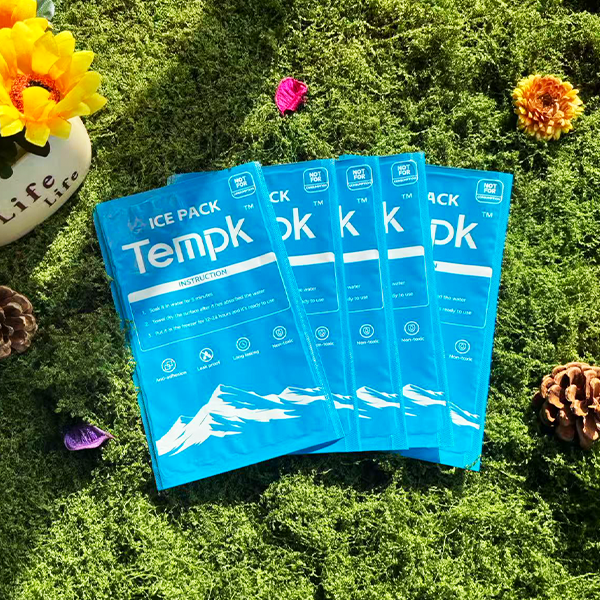
Fabricant d'essais cliniques de glacières pharmaceutiques: Un cadre de sélection des fournisseurs fondé sur des données probantes
The right answer to pharmaceutical ice box clinical trials manufacturer begins with a controlled use case, pas un modèle de catalogue. Définir la charge utile, condition requise, itinéraire, exposition ambiante, emballage, manutention, nettoyage, preuve, et volume commercial avant de choisir la box. Le produit final doit être jugé sur la capacité utilisable, construction, ajustement opérationnel, cohérence de la production, et coût total livré.
L'objectif pratique est de savoir si le fabricant peut prendre en charge un système d'emballage contrôlé et un processus opérationnel documenté correspondant au protocole., étiquette du produit, itinéraire, et flux de travail du site. Le cadre de décision suivant rassemble le produit le plus utile, technique, conformité, opérationnel, et considérations d'achat tout en gardant toutes les déclarations de performance liées aux conditions qui les soutiennent réellement.
Rédigez les exigences opérationnelles en langage simple
La première spécification doit décrire le travail d'exploitation: déplacer les médicaments expérimentaux, comparateurs, échantillons, ou des fournitures auxiliaires sensibles à la température tout en préservant l'état du produit, responsabilité, étiquetage, et chaîne de contrôle. Il doit identifier les utilisateurs, le lieu de chargement, le lieu de réception, les transferts attendus, et le moment où la responsabilité de la température change. Cela empêche le fournisseur de remplir des inconnues avec des hypothèses. Il permet également des opérations, qualité, et les équipes d'approvisionnement doivent examiner la même exigence plutôt que de conserver des versions informelles distinctes.
La définition de la charge utile nécessite plus de détails qu'un poids ou un volume nominal. La charge prévue peut inclure des kits de chantier, packs de soins, cartons aveugles, échantillons biologiques, retourner le matériel, ou des fournitures en petits lots dont les dimensions et les règles de manipulation peuvent changer selon le bras d'essai. Enregistrez les dimensions du pack primaire, limites d'orientation, number of units, état thermique à l'emballage, espace de tête, zones fragiles, et si la charge doit rester séparée du liquide de refroidissement. Une cavité qui semble suffisamment grande peut devenir inutilisable si l'ouverture est étroite, les coins sont fortement arrondis, ou un panier et un séparateur consomment les dimensions critiques. Dans la décision finale, vérifier le point de la voie d'approvisionnement clinique par rapport à la charge utile réelle.
La cartographie des itinéraires est tout aussi importante. Du dépôt central au dépôt régional, dépôt vers site de recherche, livraison directe au patient, retour d'échantillon, et expédition de sauvetage avec différents transferts et risques d'exposition, noter le temps de transit prévu, retard probable, température intermédiaire, soleil direct, circulation de l'air du véhicule, ouverture répétée, transfert entre transporteurs, et réception de l'inspection. Ces entrées ne produisent pas à elles seules un temps de maintien garanti, mais ils définissent les conditions qu'un fournisseur ou un laboratoire d'essais doit reproduire. Sans eux, un devis ne peut concerner qu'un coffret générique, pas un processus de distribution fiable. Avant la version finale, revoir ce point pour le couloir d'approvisionnement clinique avec les opérations et la qualité.
La sélection des matériaux doit suivre le mode de défaillance
Une boîte isolée typique peut combiner des structures isolées et des composants de refroidissement sélectionnés pour leurs performances thermiques., nettoyabilité, stratégie de réutilisation, protection de la charge utile, et compatibilité avec des étiquettes ou des dispositifs de sécurité. L'isolation ralentit la conduction et la convection. La structure extérieure protège des chocs et fournit des points de fixation. Le joint du couvercle, vidange, gérer les patrons, attaches, et les bords des panneaux peuvent créer des ponts thermiques ou des chemins de fuite. Pour cette raison, le nom d'un matériau à lui seul ne prédit pas les performances. Deux boîtes fabriquées avec le même polymère nominal peuvent se comporter différemment en raison de l'épaisseur de la paroi, qualité de la mousse, géométrie, et assemblage.
Les options courantes entraînent des compromis différents. Les coques en polymère dur peuvent être nettoyées et durables, mais ils ajoutent du poids et nécessitent un moulage contrôlé. L'EPP peut fournir un poids léger, structure résiliente pour des manipulations répétées, tandis que les surfaces en mousse exposées peuvent nécessiter une hygiène minutieuse et un examen des dommages. Le PSE peut être rentable pour une utilisation unidirectionnelle protégée, mais peut s'écailler en cas de manipulations répétées et brutales.. La mousse PU peut fournir une isolation rigide à l'intérieur d'une coque. Les panneaux isolés sous vide peuvent réduire le transfert de chaleur à travers de larges surfaces, mais des effets de bord, protection anti-crevaison, et le contrôle de la fabrication devient critique. Dans la décision finale, résoudre ce point pour le couloir d'approvisionnement clinique avant qualification thermique.
La spécification du matériau doit identifier les risques prévus: contrôle de configuration, nomenclature approuvée, instructions d'emballage, preuve thermique, composants sérialisés, gestion des écarts, et les changements de fabrication documentés. Il doit contrôler la qualité de la résine de base ou de la mousse, pigments, additifs, matériau du joint, adhésifs, matériel, et tout revêtement interne ou étiquette. Quand les substitutions sont autorisées, définir la preuve d'approbation. Sinon, un changement de production qui semble mineur sur le plan commercial peut modifier le statut de contact alimentaire, odeur, flexibilité, conductivité thermique, ajuster, ou durabilité à long terme. Pour l'approbation du fournisseur, attribuer un propriétaire et une méthode d'acceptation pour le couloir d'approvisionnement clinique.
Là où se termine le produit et où commence le système thermique
La glacière pharmaceutique destinée à la logistique des essais cliniques constitue une barrière au flux de chaleur et une enceinte de protection. Il ne génère pas lui-même une température contrôlée. Les performances passives dépendent de l’isolation, type et conditionnement du liquide de refroidissement, masse de liquide de refroidissement, masse de charge utile, température de départ du produit, disposition interne, profil ambiant, comportement d'ouverture, et critères d'acceptation. Une modification de l’un de ces éléments peut modifier les résultats même si la boîte extérieure reste inchangée..
Cette frontière est particulièrement importante pour la nourriture, pharmaceutique, vaccin, et utilisations pour les essais cliniques. Une déclaration de matériau peut montrer qu'un composant est adapté à une condition de contact prévue. Un test structurel peut montrer qu'une poignée ou une fente survit à une charge définie. Un rapport thermique peut montrer comment un emballage s'est comporté sous un profil. Une qualification d'itinéraire peut alors évaluer la voie d'exploitation. Ces documents répondent à des questions différentes et ne doivent pas se substituer les uns aux autres.. Dans la décision finale, relier cet article pour le couloir d'approvisionnement clinique à un critère d'acceptation mesurable.
Demandez à l'usine d'indiquer chaque réclamation de performance avec sa configuration. La déclaration doit identifier la taille de la boîte et la révision, charge utile, liquide de refroidissement, conditionnement, diagramme de chargement, position du moniteur, profil ambiant, durée, et plage d'acceptation. Si le fournisseur ne peut pas fournir ce contexte, traiter l'allégation comme une indication de dépistage uniquement. L'objectif de la décision n'est pas d'exiger un rapport de laboratoire pour chaque première conversation, mais pour éviter qu'un titre non pris en charge ne devienne une spécification d'achat. Au lancement de la production, confirmer que les contrôles de production préservent ce point pour la chaîne d'approvisionnement clinique.
Conception autour du protocole, Produit, et flux de travail du site
Les emballages destinés aux essais cliniques doivent protéger bien plus que la température. Les conditions de stockage correctes proviennent de la documentation du produit et de l'essai.. Le promoteur et le site devront peut-être maintenir leur responsabilité concernant les produits expérimentaux., intégrité de l'étiquette, aveuglant, chaîne de contrôle, retours contrôlés, et documentation de toute excursion. Cela ne doit pas être déduit du mot pharmaceutique ou d’une hypothèse générique de 2°C à 8°C.. Au lancement de la production, vérifier le point de la voie d'approvisionnement clinique par rapport à la charge utile réelle.
L'itinéraire peut inclure un dépôt central, dépôt régional, courrier, point de douane, pharmacie de chantier, domicile des patients, et lieu de retour. Les modèles directs au patient et décentralisés ajoutent des horaires de rendez-vous, échec de livraison, vérification d'identité, stockage à domicile, et collecte des produits non utilisés. Chaque événement doit apparaître sur le plan des voies et les instructions d'utilisation. Un colis qui réussit une première livraison prévue peut s'avérer insuffisant pour une deuxième tentative ou un voyage de retour prolongé.. Au lancement de la production, tester cette hypothèse pour la voie d'approvisionnement clinique par rapport à l'itinéraire prévu.
Le contrôle de la configuration est important sur l’ensemble de l’étude. Fournisseurs de liquide de refroidissement, matériaux de la boîte, étiquettes, moniteurs, dessins d'emballage, et les instructions du transporteur peuvent changer. Les principes ICH GCP et les systèmes GMP ou GDP applicables sont documentés., contrôle proportionné au risque, mais les responsabilités exactes sont spécifiques à l'étude. Les fabricants doivent donc soutenir les nomenclatures approuvées, lots pilotes, notification de changement, assemblage reproductible, et des preuves qui relient chaque configuration d'expédition au jeu d'instructions correct. Dans la décision finale, vérifier ce point sur les unités représentatives utilisées pour le couloir d'approvisionnement clinique.
Le cadre décisionnel final
| Grille | Question | Communiquer des preuves |
|---|---|---|
| Porte de cas d'utilisation | La charge utile est-elle, itinéraire, condition, et processus de manipulation définis? | Exigence de l'utilisateur approuvé |
| Monter le portail | L'emballage final est-il adapté au levage et à la fermeture en toute sécurité? | Dessin d'emballage et échantillon mesuré |
| Porte des preuves | Les réclamations sont-elles liées au bon matériel, boîte, emballage, ou voie? | Carte des preuves et rapports de tests |
| Porte de qualité | La production peut-elle reproduire la configuration approuvée? | Plan d’examen et d’inspection des lots pilotes |
| Porte de coût | Les devis sont-ils normalisés selon la même portée et la même base de livraison ?? | Modèle de coûts au débarquement et de cycle de vie |
| Porte des opérations | Les utilisateurs peuvent-ils emballer, recevoir, faire le ménage, inspecter, et renvoyez-le correctement? | Consignes et plan de formation contrôlés |
| Changer de portail | Les substitutions nécessiteront-elles un examen? | Nomenclature et accord de contrôle des modifications |
| Porte d'application | Si le fabricant peut prendre en charge un système d'emballage contrôlé et un processus opérationnel documenté correspondant au protocole, étiquette du produit, itinéraire, et flux de travail du site | Exigence signée et liste d’hypothèses non résolues |
Considérez le tableau comme un examen interfonctionnel des achats, opérations, ingénierie, et la qualité. Il transforme les préférences générales en preuves révisables et expose les hypothèses manquantes avant la négociation des prix.. Tous les projets n'ont pas besoin de la même profondeur, mais chaque réclamation critique doit avoir un propriétaire et un moyen défini de la vérifier. Au lancement de la production, confirmer la portée des preuves pour le couloir d'approvisionnement clinique avant l'achat.
De l’échantillon de catalogue à la production contrôlée
La question centrale du fournisseur est de savoir si le fabricant peut prendre en charge un système d'emballage contrôlé et un processus opérationnel documenté adapté au protocole., étiquette du produit, itinéraire, et flux de travail du site. Un fabricant crédible devrait être capable de traduire cette exigence en dessins, définitions matérielles, points de contrôle, et un plan de test. La conversation devrait passer des affirmations générales aux détails contrôlés. Demandez à qui appartient le moule, quelles opérations sont effectuées en interne, comment les fournisseurs de composants critiques sont approuvés, et comment la nomenclature est maintenue. Un large catalogue peut être utile, mais ce n'est pas une preuve du contrôle du processus. Dans la décision finale, vérifier ce point sur les unités représentatives utilisées pour le couloir d'approvisionnement clinique.
Notion distincte, ingénierie, et des échantillons pilotes. Le premier échantillon confirme les dimensions et l'ergonomie de base. Un échantillon technique révisé confirme les matériaux, raccords, étiquettes, et ajustement parfait. Un lot pilote vérifie les outils de production, assemblée, inspection, conditionnement, et variation entre plusieurs unités. L'échantillon doré approuvé est mieux connecté aux dessins et aux critères d'acceptation mesurables. L'approbation d'un échantillon spécialement préparé sans ce pont est une source courante de surprises lors d'une production de masse.. Dans la décision finale, protéger la décision pour le couloir d’approvisionnement clinique grâce au contrôle des changements.
L'examen de la qualité doit se concentrer sur le contrôle de la configuration, nomenclature approuvée, instructions d'emballage, preuve thermique, composants sérialisés, gestion des écarts, et les changements de fabrication documentés. Demandez comment les unités non conformes sont identifiées, si les mesures sont enregistrées, comment les plaintes sont examinées, et comment les modifications techniques sont communiquées. Pour les programmes à contrôle élevé, exiger une approbation préalable avant les substitutions. Pour une utilisation par les consommateurs à moindre risque, le système peut être plus simple, mais des dimensions critiques, matériels, et les dispositifs de sécurité nécessitent toujours des critères d'acceptation objectifs. Avant la version finale, vérifier le point de la voie d'approvisionnement clinique par rapport à la charge utile réelle.
D’où vient réellement le coût de la glacière
La structure des coûts comprend une personnalisation en petit volume, oeuvre d'art contrôlée, sérialisation, manutention du dépôt, qualification, variabilité de l'itinéraire, logistique de retour, surveillance, et changer de contrôle sur une longue étude. Les fournisseurs peuvent proposer des prix très différents alors que tous semblent proposer la même taille. Les différences peuvent provenir de l’épaisseur de l’isolant, qualité du matériau, processus, matériel, inspection, conditionnement, ou simplement à partir d'éléments exclus. Une comparaison équitable nécessite une fiche de configuration et un tableau de comparaison commerciale. Dans la décision finale, attribuer un propriétaire et une méthode d'acceptation pour le couloir d'approvisionnement clinique.
Séparez les coûts ponctuels des coûts récurrents. Outillage, moules, œuvres d'art, ingénierie, et certains tests peuvent être ponctuels ou amortis. Construction d'unités, accessoires, inspection, cartons, et le fret est récurrent. Séparez ensuite le coût d’acquisition du coût d’exploitation: conditionnement du liquide de refroidissement, lavage, séchage, stockage, suivi des actifs, transport de retour, dommage, réparation, et remplacement. La meilleure mesure pourrait être le coût par itinéraire réussi plutôt que le prix d'achat par boîte.. Pour l'approbation du fournisseur, vérifier le point de la voie d'approvisionnement clinique par rapport à la charge utile réelle.
Le fret mérite une attention précoce car les boîtes isothermes peuvent être volumineuses. Dimensions extérieures, nidification, pliabilité, quantité de cartons, modèle de palette, et le chargement des conteneurs peut modifier le coût au débarquement plus qu'une petite différence de prix d'usine. Demandez aux fournisseurs de proposer les mêmes conditions de livraison et configuration d'emballage.. Quand les cartons réutilisables reviennent vides, le cube inversé et la main d'œuvre de manutention doivent également entrer dans le modèle. Pour l'approbation du fournisseur, confirmer que les contrôles de production préservent ce point pour la chaîne d'approvisionnement clinique.
Concevoir le processus quotidien à côté de la boîte
Une boîte se déplace à travers les personnes et les lieux, pas seulement à travers une chambre thermique. Le plan opérationnel doit couvrir le préconditionnement, emballage, fermeture, étiquetage, activation du moniteur, remettre, recevoir, déchargement, nettoyage, séchage, inspection, stockage, et retour. Du dépôt central au dépôt régional, dépôt vers site de recherche, livraison directe au patient, retour d'échantillon, et expédition de sauvetage avec différents transferts et risques d'exposition, le risque le plus élevé peut être un quai de chargement ou un échec de livraison plutôt que le temps prévu pour le véhicule. Au lancement de la production, vérifier ce point sur les unités représentatives utilisées pour le couloir d'approvisionnement clinique.
Les instructions doivent être visuelles et spécifiques à la configuration. Afficher la position du liquide de refroidissement, orientation produit, placement du diviseur, emplacement du moniteur, séquence de fermeture, et critères de rejet. Utilisez des étiquettes qui survivent à l'environnement de nettoyage et d'acheminement. Si la boîte a des drains, sangles, roues, joints remplaçables, ou poignées en corde, inclure des points d'inspection pour ces composants. La complexité doit être réduite autant que possible car les utilisateurs occasionnels ne se souviennent pas des longues procédures. Avant la version finale, attribuer un propriétaire et une méthode d'acceptation pour le couloir d'approvisionnement clinique.
Les équipes d'accueil ont besoin d'un chemin de décision. Ils devraient savoir comment inspecter le sceau, lire le moniteur, identifier les dommages, enregistrer une excursion, mettre la charge utile en quarantaine, et contactez le responsable de la qualité. Les cartons retournés ne doivent pas automatiquement retourner dans le parc propre. Une simple étape de quarantaine et d’inspection évite les coquilles fêlées, bouchons manquants, poignées contaminées, ou changement de liquide de refroidissement pour affaiblir silencieusement le système. Dans la décision finale, attribuer un propriétaire et une méthode d'acceptation pour le couloir d'approvisionnement clinique.
La réutilisation ne fonctionne que lorsque la boîte revient
La question pertinente en matière de durabilité concerne les systèmes réutilisables de bonne taille où les rendements sont fiables., ou des systèmes à usage unique soigneusement minimisés où la dispersion mondiale des sites rend la logistique inverse peu pratique. Une boîte réutilisable peut réduire la consommation d’emballages en boucle fermée stable, mais cela demande aussi plus de matériel, nettoyage, stockage, et transport retour. Un système léger à sens unique peut être préférable sur une voie dispersée où les taux de retour sont faibles. Le choix doit être fait à partir du réseau d'exploitation plutôt qu'à partir d'un seul attribut marketing.. Pour l'approbation du fournisseur, documenter les limites de l’approvisionnement clinique plutôt que d’impliquer une adéquation universelle.
Le redimensionnement est souvent l’amélioration la plus rapide. L'excès de volume augmente la surface d'isolation, demande de liquide de refroidissement, cube de fret, et espace d'entrepôt. Le matériel surconstruit ajoute de la masse. Les produits sous-construits échouent tôt et créent des déchets de remplacement. Un bon design utilise suffisamment de matériel aux bons endroits, protège les pièces d'usure remplaçables, et permet une inspection avant qu'une unité endommagée ne soit remise en service. Pour l'approbation du fournisseur, lier cette décision pour le couloir d'approvisionnement clinique au dessin et à l'emballage approuvés.
Suivez un petit ensemble d’indicateurs pratiques: taux de retour, déplacements par actif, raison du dommage, temps de lavage, temps de séchage, composants perdus, cube de retour vide, et parcours de retraite. Ces données montrent si le système s'améliore. Les allégations de durabilité doivent être mises à jour lorsque l'itinéraire change. Une boîte utilisée pour cinquante voyages locaux contrôlés a une empreinte différente de la même boîte expédiée une fois sur une voie internationale et jamais retournée.. Avant la version finale, inclure cette limite dans le mode d'emploi du couloir d'approvisionnement clinique.
Un examen d'itinéraire typique
Considérez cette situation typique: une étude décentralisée expédie des kits de patients à domicile, mais les rendez-vous de livraison varient et une première tentative ratée peut ajouter des heures d'exposition incontrôlée et compliquer la responsabilité.. La première réponse ne doit pas être de sélectionner une taille de catalogue. L'équipe doit mesurer la charge utile, construire le pack proposé, tracer l'itinéraire, et observez comment les utilisateurs soulèvent, sécurisé, ouvrir, faire le ménage, et renvoie la boîte. Cela crée un enregistrement partagé des contraintes réelles.
Suivant, l'acheteur doit demander deux ou trois alternatives contrôlées au lieu d'un long catalogue. Chaque option doit énumérer ce qui est inclus, quelles preuves existent, ce qui doit encore être testé, et quels changements opérationnels cela nécessite. Une option peut donner la priorité à un poids inférieur, une autre durabilité répétée, et une autre résistance thermique plus élevée ou volume utilisable plus. L'équipe peut alors comparer les compromis au lieu de discuter de fonctionnalités isolées..
Complétez la séquence grâce à un échantillon d'ingénierie, essai d'emballage, production pilote, et libération officielle. Enregistrer les mesures dimensionnelles et les observations de manipulation, pas seulement des photographies. Pour les utilisations sensibles à la température, confirmer le package complet sous un profil approprié et définir comment les excursions seront gérées. Le résultat est une décision d'approvisionnement liée aux preuves et au flux de travail., pas à une promesse qui ne peut être reproduite ultérieurement. Au lancement de la production, confirmer la portée des preuves pour le couloir d'approvisionnement clinique avant l'achat.
Cinq erreurs qui génèrent des retouches coûteuses
Les points ci-dessous méritent d'être vérifiés avant l'outillage ou la production en série. Chacun peut créer des retouches évitables lorsqu'elles restent non résolues lors de la sélection du fournisseur.. Avant la version finale, lier cette décision pour le couloir d'approvisionnement clinique au dessin et à l'emballage approuvés.
- Libérer le bloqueur: traiter toutes les fournitures cliniques comme des produits à une température comprise entre 2 °C et 8 °C.
- Libérer le bloqueur: en qualifiant uniquement l'itinéraire aller et en ignorant les retours ou les échecs de livraison.
- Libérer le bloqueur: changer le liquide de refroidissement ou les étiquettes sans évaluation formelle.
- Libérer le bloqueur: rendre les instructions du site trop complexes pour les utilisateurs occasionnels.
- Libérer le bloqueur: permettant à la conception de la boîte de révéler l'attribution du traitement en aveugle.
Un problème d'approvisionnement devient gérable lorsque le fournisseur peut documenter la réponse. Cela devrait déclencher une clarification spécifique, chèque d'échantillon, ou demande de preuves. L’objectif est de résoudre l’incertitude alors que les changements sont encore peu coûteux. Un fournisseur qui répond avec des dessins, conditions, et les actions correctives sont plus utiles que celles qui répètent une affirmation générale. Au lancement de la production, indiquer les conditions applicables au couloir d’approvisionnement clinique dans la réponse du fournisseur.
Ce qu'une réponse utile d'un fournisseur devrait couvrir
Pour cette glacière pharmaceutique pour la logistique des essais cliniques, les questions suivantes créent plus de valeur que de demander si le fournisseur est fiable. Ils forcent la discussion vers l’usage prévu, spécifications mesurables, et des preuves. Au lancement de la production, indiquer les conditions applicables au couloir d’approvisionnement clinique dans la réponse du fournisseur.
- Question de libération: Quelles conditions de stockage et de transport sont indiquées pour le produit expérimental spécifique?
- Question de libération: Comment la randomisation, aveuglant, étiquetage, et la responsabilité soit protégée pendant l'emballage et la livraison?
- Question de libération: Quels itinéraires, saisons, scénarios d'échec de livraison, et les étapes de retour doivent indiquer l'adresse d'emballage?
- Question de libération: Où sera placé le moniteur de température, lire, et réconcilié?
- Question de libération: Comment les modifications de configuration sont-elles approuvées tout au long de l'étude?
- Question de libération: Le fabricant peut-il prendre en charge des lots pilotes et une production répétée cohérente pendant la durée de l'essai?
Une réponse complète peut être un dessin, tableau, échantillon, plan de test, ou limitation documentée. Un fournisseur potentiel n'a pas besoin d'avoir tous les rapports finaux avant le début du développement., mais il devrait être capable d'énoncer ce qui est connu, ce qui est supposé, ce qui peut être personnalisé, et ce qu'il faut tester. Cette transparence est un meilleur signal de risque qu'une longue liste de certifications non étayées. Dans la décision finale, enregistrer ce point pour le couloir d'approvisionnement clinique en tant qu'exigence contrôlée.
Planification de la maintenance et des pièces de rechange
La libération des lots doit commencer par des contrôles objectifs plutôt que par la seule apparence. Confirmer les dimensions internes critiques, fermeture du couvercle, matériel, étiquettes, accessoires, et emballage selon les spécifications approuvées. Sélectionnez plusieurs unités dans différents cartons. Enregistrez les résultats afin que les plaintes ultérieures puissent être comparées au lot d'origine plutôt qu'à la mémoire ou à un seul échantillon.. Pour l'approbation du fournisseur, attribuer un propriétaire et une méthode d'acceptation pour le couloir d'approvisionnement clinique.
Convenir des critères de dommages avant la mise en service des boîtes. Fissures, joints déformés, bouchons manquants, poignées effilochées, ancres lâches, surfaces contaminées, panneaux perforés, ou un liquide de refroidissement non approuvé devrait déclencher la quarantaine. Certains articles peuvent être réparés avec des pièces contrôlées; d'autres devraient être à la retraite. Une règle claire interdit aux utilisateurs de maintenir en service un coffret visiblement endommagé simplement parce qu’il ferme encore. Dans la décision finale, lier cette décision pour le couloir d'approvisionnement clinique au dessin et à l'emballage approuvés.
Enregistrer les modifications approuvées du matériel, fournisseur, moule, processus, dimensions, étiquettes, conditionnement, et emballage. Vérifiez si chaque changement affecte le statut du contact, preuve thermique, essais structurels, fret, nettoyage, ou mode d'emploi. Cette discipline ne se limite pas aux programmes réglementés. Il protège tout acheteur contre une dérive progressive de la configuration lors de commandes répétées.. Au lancement de la production, inclure cette limite dans le mode d'emploi du couloir d'approvisionnement clinique.
Questions fréquemment posées
Une glacière pharmaceutique pour la logistique des essais cliniques est-elle suffisante pour contrôler la température?
Non. La box ralentit le transfert de chaleur, mais le résultat complet dépend du liquide de refroidissement, charge utile, température de départ, modèle de chargement, exposition ambiante, manutention, et surveillance. Toute durée indiquée doit identifier la configuration testée et les critères d'acceptation. Pour les produits réglementés ou de grande valeur, un packout supplémentaire ou une qualification de couloir peuvent être requis. Au lancement de la production, confirmer que les contrôles de production préservent ce point pour la chaîne d'approvisionnement clinique.
Tous les envois d'essais cliniques utilisent-ils une température comprise entre 2°C et 8°C?
Non. La condition requise provient du produit expérimental, comparateur, protocole, étiquetage, et procédures de sponsoring. Certaines fournitures peuvent être gelées, contrôlé à température ambiante, ou bénéficier d'indemnités d'excursion spéciales. L'emballage doit être conçu et qualifié pour les exigences réelles du produit.. Dans la décision finale, résoudre ce point pour le couloir d'approvisionnement clinique avant qualification thermique.
Un résultat de temps de maintien en laboratoire peut-il être utilisé pour chaque itinéraire?
Pas sans un examen condition par condition. Un résultat de laboratoire s'applique au profil ambiant testé, charge utile, liquide de refroidissement, surveiller les positions, et plage d'acceptation. Il peut prendre en charge la planification d'itinéraire, mais des différences significatives dans le délai, soleil direct, fréquence d'ouverture, état du véhicule, ou la charge utile peut nécessiter une évaluation ou une qualification plus approfondie. Avant la version finale, placer cette exigence pour le couloir d'approvisionnement clinique dans la liste de contrôle de réception.
Quel est le meilleur premier test d'échantillon?
Le premier contrôle pratique est un emballage pleine dimensionnel. Charger la charge utile réelle, liquide de refroidissement, diviseur, moniteur, étiquettes, et accessoires. Vérifier la fermeture, levage, accéder, nettoyage, et temps d'emballage. Une fois la configuration physique stable, les tests thermiques et structurels deviennent plus significatifs et moins susceptibles d'être répétés après une modification de conception. Au lancement de la production, confirmer la portée des preuves pour le couloir d'approvisionnement clinique avant l'achat.
Conclusion
La sélection finale du fabricant d'essais cliniques de glacières pharmaceutiques devrait réussir six tests: ajustement au cas d'utilisation, capacité utilisable, preuve, cohérence de la production, simplicité de fonctionnement, et le coût total. Un fabricant présélectionné qui énonce des hypothèses, limites des documents, et prend en charge la vérification pilote est plus précieuse qu'une vérification offrant des réclamations universelles. Ne publiez la commande que lorsque la configuration et les responsabilités sont suffisamment claires pour pouvoir être répétées..
À propos du tempk
Tempk est la marque d'emballages pour chaîne du froid de Shanghai Tempk Industrial Co., Ltée. The company develops and supplies products including gel packs, briques de glace rigides, sacs isolés, Boîtes EPP, glacières médicales, doublures isolées, et housses de palettes. Pour les projets impliquant des boîtes isothermes, Tempk peut discuter de la capacité, structure d'isolation, compatibilité du liquide de refroidissement, fonctionnalités personnalisées, et exigences d'emballage. L'adéquation et les performances du produit doivent être confirmées par rapport à la charge utile spécifique., itinéraire, état de température, et les justificatifs demandés par l'acheteur. Avant la version finale, documenter les limites de l’approvisionnement clinique plutôt que d’impliquer une adéquation universelle.
Prochaine étape
Avant la sélection finale du fournisseur, partager la condition de température définie par le protocole, dimensions du kit, carte des voies, plan de surveillance, et la durée de l'essai afin que Tempk puisse discuter d'une approche d'emballage contrôlée.
Fabricant de distribution pour l'industrie alimentaire de glacière: Cadre d'achat complet
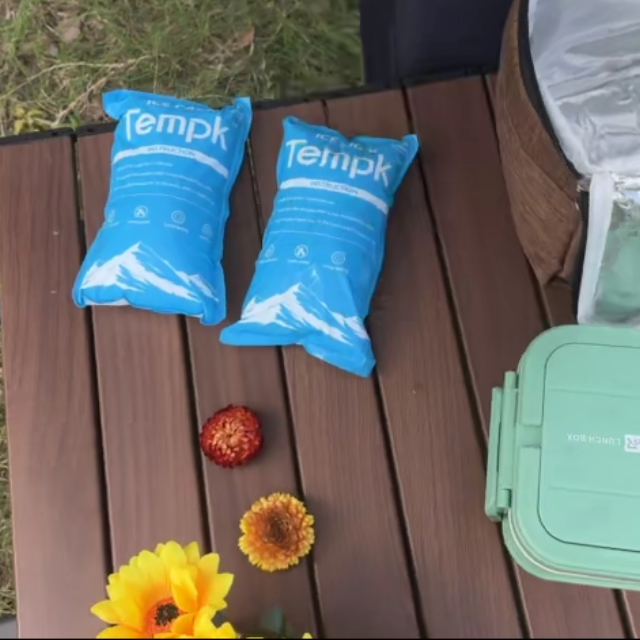
Fabricant de distribution pour l'industrie alimentaire de glacière: Un cadre de sélection des fournisseurs fondé sur des données probantes
La bonne réponse au fabricant de distribution de glacières pour l'industrie alimentaire commence par un cas d'utilisation contrôlée, pas un modèle de catalogue. Définir la charge utile, condition requise, itinéraire, exposition ambiante, emballage, manutention, nettoyage, preuve, et volume commercial avant de choisir la box. Le produit final doit être jugé sur la capacité utilisable, construction, ajustement opérationnel, cohérence de la production, et coût total livré.
L'objectif pratique est de savoir si la boîte peut être intégrée dans un processus de distribution reproductible au lieu de simplement paraître robuste dans une salle d'échantillons.. Le cadre de décision suivant rassemble le produit le plus utile, technique, conformité, opérationnel, et considérations d'achat tout en gardant toutes les déclarations de performance liées aux conditions qui les soutiennent réellement.
La coquille, Isolation, Articulations, et les raccords fonctionnent ensemble
Une boîte isolée typique peut combiner des coques en polymère, structures en mousse moulée, doublures isolées, ou constructions composites sélectionnées en fonction de l'impact, hygiène, poids, et besoins de réutilisation. La structure extérieure protège des chocs et fournit des points de fixation. L'isolation ralentit la conduction et la convection. Le joint du couvercle, vidange, gérer les patrons, attaches, et les bords des panneaux peuvent créer des ponts thermiques ou des chemins de fuite. Pour cette raison, le nom d'un matériau à lui seul ne prédit pas les performances. Deux boîtes fabriquées avec le même polymère nominal peuvent se comporter différemment en raison de l'épaisseur de la paroi, qualité de la mousse, géométrie, et assemblage. Dans la décision finale, lier cette décision pour le programme de distribution alimentaire au dessin et à l'emballage approuvés.
Les options courantes entraînent des compromis différents. Les coques en polymère dur peuvent être nettoyées et durables, mais ils ajoutent du poids et nécessitent un moulage contrôlé. L'EPP peut fournir un poids léger, structure résiliente pour des manipulations répétées, tandis que les surfaces en mousse exposées peuvent nécessiter une hygiène minutieuse et un examen des dommages. Le PSE peut être rentable pour une utilisation unidirectionnelle protégée, mais peut s'écailler en cas de manipulations répétées et brutales.. La mousse PU peut fournir une isolation rigide à l'intérieur d'une coque. Les panneaux isolés sous vide peuvent réduire le transfert de chaleur à travers de larges surfaces, mais des effets de bord, protection anti-crevaison, et le contrôle de la fabrication devient critique. Pour l'approbation du fournisseur, revoir ce point pour le programme de distribution alimentaire avec les opérations et la qualité.
La spécification du matériau doit identifier les risques prévus: cohérence dimensionnelle, ajustement du couvercle, durée de vie des charnières et des loquets, comportement en cas d'impact dans un coin, contrôle des odeurs, défauts de surface, et modifications documentées de la résine ou des composants. Il doit contrôler la qualité de la résine de base ou de la mousse, pigments, additifs, matériau du joint, adhésifs, matériel, et tout revêtement interne ou étiquette. Quand les substitutions sont autorisées, définir la preuve d'approbation. Sinon, un changement de production qui semble mineur sur le plan commercial peut affecter le statut de contact alimentaire, odeur, flexibilité, conductivité thermique, ajuster, ou durabilité à long terme. Au lancement de la production, confirmer la portée des preuves du programme de distribution alimentaire avant l'achat.
Définir le travail de distribution avant le produit
La première spécification doit décrire le travail d'exploitation: déplacer les aliments emballés jusqu'à l'expédition de l'usine, transbordement, réapprovisionnement du magasin, livraison par itinéraire, ou une mise en scène temporaire tout en limitant les apports thermiques et en protégeant la charge des dommages de manutention. Il faut préciser les utilisateurs, le lieu de chargement, le lieu de réception, les transferts attendus, et le moment où la responsabilité de la température change. Cela empêche le fournisseur de remplir des inconnues avec des hypothèses. Il permet également des opérations, qualité, et les équipes d'approvisionnement doivent examiner la même exigence au lieu de conserver des versions informelles distinctes.
La définition de la charge utile nécessite plus de détails qu'un poids ou un volume nominal. Enregistrez les dimensions du pack primaire, limites d'orientation, number of units, état thermique à l'emballage, espace de tête, zones fragiles, et si la charge doit rester séparée du liquide de refroidissement. Le chargement prévu peut inclure des cartons, plateaux, sachets scellés, paquets de produits laitiers, paquets de fruits de mer, kits de repas, ou d'autres aliments emballés qui peuvent occuper l'espace de manière très différente. Une cavité qui semble suffisamment grande peut devenir inutilisable si l'ouverture est étroite, les coins sont fortement arrondis, ou un panier et un séparateur consomment les dimensions critiques.
La cartographie des itinéraires est tout aussi importante. Pour l'usine au centre de distribution, du hub au magasin, itinéraire de restauration, et des voies de livraison du dernier kilomètre avec des ouvertures de portes et des transferts répétés, noter le temps de transit prévu, retard probable, température intermédiaire, soleil direct, circulation de l'air du véhicule, ouverture répétée, transfert entre transporteurs, et réception de l'inspection. Ces entrées ne produisent pas à elles seules un temps de maintien garanti, mais ils définissent les conditions qu'un fournisseur ou un laboratoire d'essais doit reproduire. Sans eux, un devis ne peut concerner qu'un coffret générique, pas un processus de distribution fiable. Dans la décision finale, inclure cette limite dans les instructions opérationnelles du programme de distribution alimentaire.
Rendre le bon emballage facile à répéter
Une boîte se déplace à travers les personnes et les lieux, pas seulement à travers une chambre thermique. Le plan opérationnel doit couvrir le préconditionnement, emballage, fermeture, étiquetage, activation du moniteur, remettre, recevoir, déchargement, nettoyage, séchage, inspection, stockage, et retour. Pour l'usine au centre de distribution, du hub au magasin, itinéraire de restauration, et des voies de livraison du dernier kilomètre avec des ouvertures de portes et des transferts répétés, le risque le plus élevé peut être un quai de chargement ou un échec de livraison plutôt que le temps prévu pour le véhicule. Dans la décision finale, confirmer la portée des preuves du programme de distribution alimentaire avant l'achat.
Les instructions doivent être visuelles et spécifiques à la configuration. Afficher la position du liquide de refroidissement, orientation produit, placement du diviseur, emplacement du moniteur, séquence de fermeture, et critères de rejet. Utilisez des étiquettes qui survivent à l'environnement de nettoyage et d'acheminement. Si la boîte a des drains, sangles, roues, joints remplaçables, ou poignées en corde, inclure des points d'inspection pour ces composants. La complexité doit être réduite autant que possible car les utilisateurs occasionnels ne se souviennent pas des longues procédures. Dans la décision finale, relier cet élément du programme de distribution alimentaire à un critère d'acceptation mesurable.
Les équipes d'accueil ont besoin d'un chemin de décision. Ils devraient savoir comment inspecter le sceau, lire le moniteur, identifier les dommages, enregistrer une excursion, mettre la charge utile en quarantaine, et contactez le responsable de la qualité. Les cartons retournés ne doivent pas automatiquement retourner dans le parc propre. Une simple étape de quarantaine et d’inspection évite les coquilles fêlées, bouchons manquants, poignées contaminées, ou changement de liquide de refroidissement pour affaiblir silencieusement le système. Avant la version finale, documenter les limites du programme de distribution alimentaire plutôt que d’impliquer une adéquation universelle.
À quoi ressemble la décision dans la pratique
Considérez cette situation typique: un producteur de plats préparés approvisionnant plusieurs dépôts municipaux a besoin d'une boîte qui s'empile en toute sécurité dans des camionnettes, peut être nettoyé entre les itinéraires, et permet une disposition standard du liquide de refroidissement sans écraser les plateaux repas. L'équipe doit mesurer la charge utile, construire le pack proposé, tracer l'itinéraire, et observez comment les utilisateurs soulèvent, sécurisé, ouvrir, faire le ménage, et renvoie la boîte. La première réponse ne doit pas être de sélectionner une taille de catalogue. Cela crée un enregistrement partagé des contraintes réelles. Au lancement de la production, vérifier le point du programme de distribution de nourriture par rapport à la charge utile réelle.
Suivant, l'acheteur doit demander deux ou trois alternatives contrôlées plutôt qu'un long catalogue. Une option peut donner la priorité à un poids inférieur, une autre durabilité répétée, et une autre résistance thermique plus élevée ou volume utilisable plus. Chaque option doit énumérer ce qui est inclus, quelles preuves existent, ce qui doit encore être testé, et quels changements opérationnels cela nécessite. L'équipe peut alors comparer les compromis au lieu de discuter de fonctionnalités isolées.. Au lancement de la production, indiquer les conditions applicables au programme de distribution alimentaire dans la réponse du fournisseur.
Complétez la séquence grâce à un échantillon d'ingénierie, essai d'emballage, production pilote, et libération officielle. Pour les utilisations sensibles à la température, confirmer le package complet sous un profil approprié et définir comment les excursions seront gérées. Enregistrer les mesures dimensionnelles et les observations de manipulation, pas seulement des photographies. Le résultat est une décision d'approvisionnement liée aux preuves et au flux de travail., pas à une promesse qui ne peut être reproduite ultérieurement. Pour l'approbation du fournisseur, confirmer la portée des preuves du programme de distribution alimentaire avant l'achat.
Séparer les réclamations relatives aux conteneurs des réclamations relatives aux emballages
La glacière de distribution alimentaire constitue une barrière au flux de chaleur et une enceinte de protection. Il ne génère pas lui-même une température contrôlée. Les performances passives dépendent de l’isolation, type et conditionnement du liquide de refroidissement, masse de liquide de refroidissement, masse de charge utile, température de départ du produit, disposition interne, profil ambiant, comportement d'ouverture, et critères d'acceptation. Une modification de l’un de ces éléments peut modifier les résultats même si la boîte extérieure reste inchangée.. Pour l'approbation du fournisseur, enregistrer ce point pour le programme de distribution alimentaire comme une exigence contrôlée.
Cette différence de portée est particulièrement importante pour l'alimentation, pharmaceutique, vaccin, et utilisations pour les essais cliniques. Un test structurel peut montrer qu'une poignée ou une fente survit à une charge définie. Une déclaration de matériau peut montrer qu'un composant est adapté à une condition de contact prévue. Un rapport thermique peut montrer comment un emballage s'est comporté sous un profil. Une qualification d'itinéraire peut alors évaluer la voie d'exploitation. Ces documents répondent à des questions différentes et ne doivent pas se substituer les uns aux autres.. Avant la version finale, lier cette décision pour le programme de distribution alimentaire au dessin et à l'emballage approuvés.
Demandez au fournisseur d'indiquer chaque réclamation de performance avec sa configuration. La déclaration doit identifier la taille de la boîte et la révision, charge utile, liquide de refroidissement, conditionnement, diagramme de chargement, position du moniteur, profil ambiant, durée, et plage d'acceptation. Si le fournisseur ne peut pas fournir ce contexte, traiter l'allégation comme une indication de dépistage uniquement. Le but n’est pas d’exiger un rapport de laboratoire pour chaque première conversation, mais pour éviter qu'un titre non pris en charge ne devienne une spécification d'achat. Pour l'approbation du fournisseur, inclure cette limite dans les instructions opérationnelles du programme de distribution alimentaire.
Les preuves de conformité doivent correspondre à l'utilisation prévue
Les preuves pertinentes dépendent du statut de contact alimentaire dans lequel la boîte ou les composants internes peuvent raisonnablement toucher les aliments., ainsi que des contrôles d'hygiène pour les équipements réutilisables; les aliments emballés et le contact direct avec les aliments ne doivent pas être traités comme le même cas d'utilisation. Dans l'Union européenne, les matériaux destinés à entrer en contact avec des aliments mis sur le marché relèvent du règlement-cadre et des bonnes pratiques de fabrication, avec des règles supplémentaires pour certains groupes de matériaux. Aux États-Unis, le statut de contact alimentaire est lié aux substances autorisées et aux conditions d'utilisation prévues, y compris le type d'aliment et la température. A generic declaration that a plastic is 'qualité alimentaire' is therefore only a starting point.
Les utilisations médicales et pharmaceutiques ajoutent une couche différente. L'étiquetage du produit et les procédures du sponsor ou de la qualité définissent la condition requise. PIB, GCP, conseils en matière de vaccination, règles relatives au fret aérien, ou les spécifications du programme national peuvent s'appliquer en fonction de l'expédition. L'unité isotherme ne devient pas conforme simplement parce que son polymère est acceptable pour le contact alimentaire ou parce qu'il est réutilisable.. Le processus complet peut nécessiter des instructions d'emballage qualifiées, surveillance calibrée, gestion des écarts, entraînement, et chaîne de traçabilité documentée. Pour l'approbation du fournisseur, tester cette hypothèse pour le programme de distribution alimentaire par rapport à l'itinéraire prévu.
Créer une carte des preuves avec quatre colonnes: réclamer, objet, condition, et documenter. Considérez ce cas: une revendication matérielle appartient à une résine nommée et à l'utilisation prévue; une revendication structurelle appartient à une méthode de conception et de chargement finie; une réclamation thermique appartient à une configuration et un profil complets; une revendication d'itinéraire appartient à une voie d'exploitation. Cette carte révèle les lacunes et empêche qu'un certificat ne soit étendu au-delà de sa portée.. Dans la décision finale, inclure cette limite dans les instructions opérationnelles du programme de distribution alimentaire.
Questions des fournisseurs qui révèlent une réelle capacité
La question centrale du fournisseur est de savoir si la boîte peut être intégrée dans un processus de distribution reproductible au lieu de simplement paraître robuste dans une salle d'échantillons.. Un fabricant crédible devrait être capable de traduire cette exigence en dessins, définitions matérielles, points de contrôle, et un plan de test. La conversation devrait passer des affirmations générales aux détails contrôlés. Demandez à qui appartient le moule, quelles opérations sont effectuées en interne, comment les fournisseurs de composants critiques sont approuvés, et comment la nomenclature est maintenue. Un large catalogue peut aider, mais ce n'est pas une preuve du contrôle du processus. Pour l'approbation du fournisseur, attribuer un propriétaire et une méthode d'acceptation pour le programme de distribution de nourriture.
Utiliser plusieurs portes d'échantillonnage. Le premier échantillon confirme les dimensions et l'ergonomie de base. Un échantillon technique révisé confirme les matériaux, raccords, étiquettes, et ajustement parfait. Un lot pilote vérifie les outils de production, assemblée, inspection, conditionnement, et variation entre plusieurs unités. L'échantillon doré approuvé est mieux connecté aux dessins et aux critères d'acceptation mesurables. L'approbation d'un échantillon spécialement préparé sans ce pont est une source courante de surprises lors d'une production de masse.. Pour l'approbation du fournisseur, confirmer que les contrôles de production préservent ce point pour le programme de distribution alimentaire.
L'examen de la qualité doit se concentrer sur la cohérence dimensionnelle, ajustement du couvercle, durée de vie des charnières et des loquets, comportement en cas d'impact dans un coin, contrôle des odeurs, défauts de surface, et modifications documentées de la résine ou des composants. Demandez comment les unités non conformes sont identifiées, si les mesures sont enregistrées, comment les plaintes sont examinées, et comment les modifications techniques sont communiquées. Pour les programmes à contrôle élevé, exiger une approbation préalable avant les substitutions. Pour une utilisation par les consommateurs à moindre risque, le système peut être plus simple, mais des dimensions critiques, matériels, et les dispositifs de sécurité nécessitent toujours des critères d'acceptation objectifs. Dans la décision finale, tester cette hypothèse pour le programme de distribution alimentaire par rapport à l'itinéraire prévu.
Le cadre décisionnel final
| Grille | Question | Communiquer des preuves |
|---|---|---|
| Porte de cas d'utilisation | La charge utile est-elle, itinéraire, condition, et processus de manipulation définis? | Exigence de l'utilisateur approuvé |
| Monter le portail | L'emballage final est-il adapté au levage et à la fermeture en toute sécurité? | Dessin d'emballage et échantillon mesuré |
| Porte des preuves | Les réclamations sont-elles liées au bon matériel, boîte, emballage, ou voie? | Carte des preuves et rapports de tests |
| Porte de qualité | La production peut-elle reproduire la configuration approuvée? | Plan d’examen et d’inspection des lots pilotes |
| Porte de coût | Les devis sont-ils normalisés selon la même portée et la même base de livraison ?? | Modèle de coûts au débarquement et de cycle de vie |
| Porte des opérations | Les utilisateurs peuvent-ils emballer, recevoir, faire le ménage, inspecter, et renvoyez-le correctement? | Consignes et plan de formation contrôlés |
| Changer de portail | Les substitutions nécessiteront-elles un examen? | Nomenclature et accord de contrôle des modifications |
| Porte d'application | La boîte peut-elle être intégrée dans un processus de distribution reproductible plutôt que de simplement paraître robuste dans une salle d'échantillonnage ? | Exigence signée et liste d’hypothèses non résolues |
La table a la plus grande valeur lorsqu'elle rassemble les achats, opérations, ingénierie, et la qualité. Il transforme les préférences générales en preuves révisables et expose les hypothèses manquantes avant la négociation des prix.. Tous les projets n'ont pas besoin de la même profondeur, mais chaque réclamation critique doit avoir un propriétaire et un moyen défini de la vérifier. Au lancement de la production, vérifier ce point sur les unités représentatives utilisées pour le programme de distribution alimentaire.
La durabilité dépend de la boucle opérationnelle
La question pertinente en matière de durabilité est de savoir si une flotte réutilisable est réellement restituée, inspecté, nettoyé, et maintenu en service suffisamment longtemps pour compenser les efforts supplémentaires en matière de matériel et de logistique inverse. Un système léger à sens unique peut être préférable sur une voie dispersée où les taux de retour sont faibles. Une boîte réutilisable peut réduire la consommation d’emballages en boucle fermée stable, mais cela demande aussi plus de matériel, nettoyage, stockage, et transport retour. Le choix doit être fait à partir du réseau d'exploitation plutôt qu'à partir d'un seul attribut marketing..
Le redimensionnement est souvent l’amélioration la plus rapide. Le matériel surconstruit ajoute de la masse. L'excès de volume augmente la surface d'isolation, demande de liquide de refroidissement, cube de fret, et espace d'entrepôt. Les produits sous-construits échouent tôt et créent des déchets de remplacement. Un bon design utilise suffisamment de matériel aux bons endroits, protège les pièces d'usure remplaçables, et permet une inspection avant qu'une unité endommagée ne soit remise en service. Avant la version finale, enregistrer ce point pour le programme de distribution alimentaire comme une exigence contrôlée.
Suivez un petit ensemble d’indicateurs pratiques: taux de retour, déplacements par actif, raison du dommage, temps de lavage, temps de séchage, composants perdus, cube de retour vide, et parcours de retraite. Ces données montrent si le système s'améliore. Les allégations de durabilité doivent être mises à jour lorsque l'itinéraire change. Une boîte utilisée pour cinquante voyages locaux contrôlés a une empreinte différente de la même boîte expédiée une fois sur une voie internationale et jamais retournée.. Au lancement de la production, confirmer la portée des preuves du programme de distribution alimentaire avant l'achat.
Comparez le coût au débarquement et le coût du cycle de vie, Il ne s’agit pas d’un devis d’unité isolée
La structure des coûts comprend le type de moule, construction d’isolation, épaisseur de paroi, raccords, impression, volume de commande, emballage d'exportation, cube de fret, et les frais de lavage et de retour des cartons vides. Les fournisseurs peuvent proposer des prix très différents alors que tous semblent proposer la même taille. Les différences peuvent provenir de l’épaisseur de l’isolant, qualité du matériau, processus, matériel, inspection, conditionnement, ou simplement à partir d'éléments exclus. Une comparaison équitable nécessite une fiche de configuration et un tableau de comparaison commerciale. Avant la version finale, placez cette exigence pour le programme de distribution de nourriture dans la liste de contrôle de réception.
Séparez les coûts ponctuels des coûts récurrents. Outillage, moules, œuvres d'art, ingénierie, et certains tests peuvent être ponctuels ou amortis. Construction d'unités, accessoires, inspection, cartons, et le fret est récurrent. Séparez ensuite le coût d’acquisition du coût d’exploitation: conditionnement du liquide de refroidissement, lavage, séchage, stockage, suivi des actifs, transport de retour, dommage, réparation, et remplacement. La meilleure mesure pourrait être le coût par itinéraire réussi plutôt que le prix d'achat par boîte.. Pour l'approbation du fournisseur, résoudre ce point pour le programme de distribution alimentaire avant qualification thermique.
Le fret mérite une attention précoce car les boîtes isothermes peuvent être volumineuses. Dimensions extérieures, nidification, pliabilité, quantité de cartons, modèle de palette, et le chargement des conteneurs peut modifier le coût au débarquement plus qu'une petite différence de prix d'usine. Demandez aux fournisseurs de proposer les mêmes conditions de livraison et configuration d'emballage.. Quand les cartons réutilisables reviennent vides, le cube inversé et la main d'œuvre de manutention doivent également entrer dans le modèle. Pour l'approbation du fournisseur, inclure cette limite dans les instructions opérationnelles du programme de distribution alimentaire.
Raccourcis d’approvisionnement qui augmentent les risques
Les points ci-dessous méritent d'être vérifiés avant l'outillage ou la production en série. Chacun peut créer des retouches évitables lorsqu'elles restent non résolues lors de la sélection du fournisseur.. Avant la version finale, attribuer un propriétaire et une méthode d'acceptation pour le programme de distribution de nourriture.
- Libérer le bloqueur: acheter par litres externes tout en ignorant la géométrie de la charge utile utilisable.
- Libérer le bloqueur: traiter une coque solide comme preuve de performance en température.
- Libérer le bloqueur: en utilisant une allégation de contact direct pour chaque type d'aliment et chaque condition de température.
- Libérer le bloqueur: oublier le travail et l'espace nécessaires pour se laver, sec, inspecter, et retourner les boîtes réutilisables.
- Libérer le bloqueur: approuver un échantillon fabriqué à la main sans plan de contrôle de la production.
Un problème d'approvisionnement devient gérable lorsque le fournisseur peut documenter la réponse. Cela devrait déclencher une clarification spécifique, chèque d'échantillon, ou demande de preuves. Le résultat escompté est de résoudre l’incertitude alors que les changements sont encore peu coûteux.. Un fournisseur qui répond avec des dessins, conditions, et les actions correctives sont plus utiles que celles qui répètent une affirmation générale. Avant la version finale, inclure cette limite dans les instructions opérationnelles du programme de distribution alimentaire.
L'entretien de présélection
Pour cette glacière de distribution alimentaire, les questions suivantes créent plus de valeur que de demander si le fournisseur est fiable. Ils forcent la discussion vers l’usage prévu, spécifications mesurables, et des preuves. Au lancement de la production, revoir ce point pour le programme de distribution alimentaire avec les opérations et la qualité.
- Question de libération: Quels formats de nourriture seront chargés, et les aliments non emballés toucheront-ils la boîte ??
- Question de libération: Quelles sont les dimensions intérieures utilisables après isolation, séparateurs, et le liquide de refroidissement sont installés?
- Question de libération: Combien de transferts, ouvertures de portes, et des périodes d'étape temporaires ont lieu sur l'itinéraire?
- Question de libération: Le fournisseur peut-il documenter la résine, colorant, joint, et l'adéquation du revêtement aux conditions de contact alimentaire prévues?
- Question de libération: Comment s'adapte le couvercle, force de la poignée, empilement, nettoyage, et cohérence de l'échantillon à la production contrôlée?
- Question de libération: Quelle configuration de carton d'exportation et de palette déterminera le coût du fret au débarquement?
Une réponse complète peut être un dessin, tableau, échantillon, plan de test, ou limitation documentée. Un fournisseur potentiel n'a pas besoin d'avoir tous les rapports finaux avant le début du développement., mais il devrait être capable d'énoncer ce qui est connu, ce qui est supposé, ce qui peut être personnalisé, et ce qu'il faut tester. Cette transparence est un meilleur signal de risque qu'une longue liste de certifications non étayées. Dans la décision finale, indiquer les conditions applicables au programme de distribution alimentaire dans la réponse du fournisseur.
Changer le contrôle après la première commande
Avant de libérer un nouveau lot, vérifier plus que l'apparence. Confirmer les dimensions internes critiques, fermeture du couvercle, matériel, étiquettes, accessoires, et emballage selon les spécifications approuvées. Sélectionnez plusieurs unités dans différents cartons. Enregistrez les résultats afin que les plaintes ultérieures puissent être comparées au lot d'origine plutôt qu'à la mémoire ou à un seul échantillon.. Au lancement de la production, attribuer un propriétaire et une méthode d'acceptation pour le programme de distribution de nourriture.
Les équipes de service ont besoin de limites de dommages prédéfinies. Fissures, joints déformés, bouchons manquants, poignées effilochées, ancres lâches, surfaces contaminées, panneaux perforés, ou un liquide de refroidissement non approuvé devrait déclencher la quarantaine. Certains articles peuvent être réparés avec des pièces contrôlées; d'autres devraient être à la retraite. Une règle claire interdit aux utilisateurs de maintenir en service un coffret visiblement endommagé simplement parce qu’il ferme encore. Au lancement de la production, attribuer un propriétaire et une méthode d'acceptation pour le programme de distribution de nourriture.
Tenir à jour un enregistrement concis des modifications pour le matériel, fournisseur, moule, processus, dimensions, étiquettes, conditionnement, et emballage. Vérifiez si chaque changement affecte le statut du contact, preuve thermique, essais structurels, fret, nettoyage, ou mode d'emploi. Cette discipline ne se limite pas aux programmes réglementés. Il protège tout acheteur contre une dérive progressive de la configuration lors de commandes répétées.. Dans la décision finale, vérifier ce point sur les unités représentatives utilisées pour le programme de distribution alimentaire.
Questions fréquemment posées
Une glacière de distribution alimentaire est-elle suffisante pour contrôler la température?
Non. La box ralentit le transfert de chaleur, mais le résultat complet dépend du liquide de refroidissement, charge utile, température de départ, modèle de chargement, exposition ambiante, manutention, et surveillance. Toute durée indiquée doit identifier la configuration testée et les critères d'acceptation. Pour les produits réglementés ou de grande valeur, un packout supplémentaire ou une qualification de couloir peuvent être requis. Avant la version finale, confirmer que les contrôles de production préservent ce point pour le programme de distribution alimentaire.
Ce qui doit être approuvé avant la production de masse?
Approuver le dessin, matériels, nomenclature, dimensions critiques, accessoires, étiquetage, conditionnement, critères d'acceptation, et un échantillon doré représentatif. Un lot pilote doit confirmer que les unités de production correspondent aux intentions d'ingénierie avant qu'une commande importante ne soit émise.. Au lancement de la production, indiquer les conditions applicables au programme de distribution alimentaire dans la réponse du fournisseur.
Un résultat de temps de maintien en laboratoire peut-il être utilisé pour chaque itinéraire?
Ce serait dangereux sans comparaison des conditions. Un résultat de laboratoire s'applique au profil ambiant testé, charge utile, liquide de refroidissement, surveiller les positions, et plage d'acceptation. Il peut prendre en charge la planification d'itinéraire, mais des différences significatives dans le délai, soleil direct, fréquence d'ouverture, état du véhicule, ou la charge utile peut nécessiter une évaluation ou une qualification plus approfondie. Pour l'approbation du fournisseur, indiquer les conditions applicables au programme de distribution alimentaire dans la réponse du fournisseur.
Quel est le meilleur premier test d'échantillon?
Le premier exemple d'examen doit se concentrer sur l'adéquation et le flux de travail de l'utilisateur. Charger la charge utile réelle, liquide de refroidissement, diviseur, moniteur, étiquettes, et accessoires. Vérifier la fermeture, levage, accéder, nettoyage, et temps d'emballage. Une fois la configuration physique stable, les tests thermiques et structurels deviennent plus significatifs et moins susceptibles d'être répétés après une modification de conception. Avant la version finale, tester cette hypothèse pour le programme de distribution alimentaire par rapport à l'itinéraire prévu.
Comment les acheteurs doivent-ils gérer les changements de production?
Contrôler les matériaux critiques, dimensions, et composants via la nomenclature. Exiger de l'usine qu'elle notifie les modifications avant la mise en œuvre et fournisse des preuves pour examen. Modifications de l'isolation, liquide de refroidissement, joints, pigments, étiquettes, poignées, ou le processus de fabrication peut affecter l'ajustement, statut du contact, durabilité, ou performance qualifiée. Dans la décision finale, placez cette exigence pour le programme de distribution de nourriture dans la liste de contrôle de réception.
Avant de valider la commande
La sélection finale du fabricant de distribution de glacières pour l'industrie alimentaire doit réussir six tests: ajustement au cas d'utilisation, capacité utilisable, preuve, cohérence de la production, simplicité de fonctionnement, et le coût total. Un fournisseur potentiel qui énonce des hypothèses, limites des documents, et prend en charge la vérification pilote est plus précieuse qu'une vérification offrant des réclamations universelles. Ne publiez la commande que lorsque la configuration et les responsabilités sont suffisamment claires pour pouvoir être répétées..
À propos du tempk
Tempk est la marque d'emballages pour chaîne du froid de Shanghai Tempk Industrial Co., Ltée. The company develops and supplies products including gel packs, briques de glace rigides, sacs isolés, Boîtes EPP, glacières médicales, doublures isolées, et housses de palettes. Pour les projets impliquant des boîtes isothermes, Tempk peut discuter de la capacité, structure d'isolation, compatibilité du liquide de refroidissement, fonctionnalités personnalisées, et exigences d'emballage. L'adéquation et les performances du produit doivent être confirmées par rapport à la charge utile spécifique., itinéraire, état de température, et les justificatifs demandés par l'acheteur. Avant la version finale, indiquer les conditions applicables au programme de distribution alimentaire dans la réponse du fournisseur.
Prochaine étape
Avant la sélection finale du fournisseur, partager le format alimentaire, durée de l'itinéraire, température cible, processus de nettoyage, et quantité mensuelle afin que Tempk puisse discuter d'une boîte pratique et d'une direction d'emballage.