


Fabricant de glacière médicale en matériau de qualité alimentaire: Cadre d'achat complet
Fabricant de glacière médicale en matériau de qualité alimentaire: Cadre d'achat complet
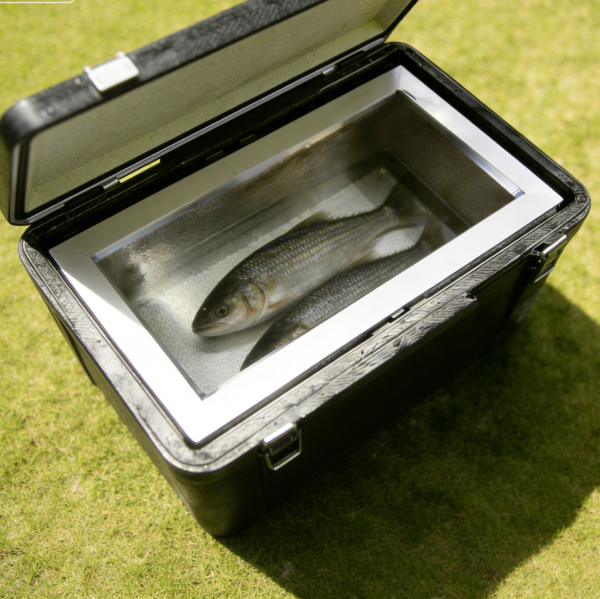
Fabricant de glacière médicale en matériau de qualité alimentaire: Un cadre pratique de spécifications et d’approvisionnement
A good medical ice box using food-contact-suitable materials is one whose claims can be traced to a defined configuration. Les acheteurs doivent être capables d'identifier ce qui est prouvé au niveau matériel, ce qui est testé au niveau de la boîte finie, ce qui appartient à un pack complet, et ce qui nécessite encore une confirmation spécifique à la voie. This scope difference prevents the most common procurement failures: capacité peu claire, durée non vérifiée, allégations de conformité égarées, et des échantillons non représentatifs de la production de masse.
The practical objective is how to separate material safety, conception hygiénique, qualification thermique, medical logistics procedures, and product-specific compliance instead of treating one certificate as proof of everything. Le cadre de décision suivant rassemble le produit le plus utile, technique, conformité, opérationnel, et considérations d'achat tout en gardant toutes les déclarations de performance liées aux conditions qui les soutiennent réellement.
Rédigez les exigences opérationnelles en langage simple
La première spécification doit décrire le travail d'exploitation: use materials suitable for intended contact conditions while meeting the separate operational controls required for medical or healthcare logistics. Il doit identifier les utilisateurs, le lieu de chargement, le lieu de réception, les transferts attendus, et le moment où la responsabilité de la température change. Cela empêche le fournisseur de remplir des inconnues avec des hypothèses. Il permet également des opérations, qualité, et les équipes d'approvisionnement doivent examiner la même exigence plutôt que de conserver des versions informelles distinctes. Dans la décision finale, state the applicable conditions for the food-contact and medical-use review in the supplier response.
La définition de la charge utile nécessite plus de détails qu'un poids ou un volume nominal. Le chargement prévu peut inclure des médicaments, vaccins, échantillons, nutrition products, repas scellés, or mixed institutional supplies that may have different contamination and temperature risks. Enregistrez les dimensions du pack primaire, limites d'orientation, number of units, état thermique à l'emballage, espace de tête, zones fragiles, et si la charge doit rester séparée du liquide de refroidissement. Une cavité qui semble suffisamment grande peut devenir inutilisable si l'ouverture est étroite, les coins sont fortement arrondis, ou un panier et un séparateur consomment les dimensions critiques. Avant la version finale, review this point for the food-contact and medical-use review with operations and quality.
La cartographie des itinéraires est tout aussi importante. For hospital campuses, coursiers de laboratoire, distribution en pharmacie, sites cliniques, soins de santé à domicile, and institutional foodservice, noter le temps de transit prévu, retard probable, température intermédiaire, soleil direct, circulation de l'air du véhicule, ouverture répétée, transfert entre transporteurs, et réception de l'inspection. Ces entrées ne produisent pas à elles seules un temps de maintien garanti, mais ils définissent les conditions qu'un fournisseur ou un laboratoire d'essais doit reproduire. Sans eux, un devis ne peut concerner qu'un coffret générique, pas un processus de distribution fiable. Au lancement de la production, record this point for the food-contact and medical-use review as a controlled requirement.
La sélection des matériaux doit suivre le mode de défaillance
A typical insulated box can combine polymers, mousses, joints, pigments, adhésifs, doublures, and labels assessed for their intended contact conditions and cleaning environment. La structure extérieure protège des chocs et fournit des points de fixation. L'isolation ralentit la conduction et la convection. Le joint du couvercle, vidange, gérer les patrons, attaches, et les bords des panneaux peuvent créer des ponts thermiques ou des chemins de fuite. Pour cette raison, le nom d'un matériau à lui seul ne prédit pas les performances. Deux boîtes fabriquées avec le même polymère nominal peuvent se comporter différemment en raison de l'épaisseur de la paroi, qualité de la mousse, géométrie, et assemblage. Pour l'approbation du fournisseur, protect the decision for the food-contact and medical-use review through change control.
Les options courantes entraînent des compromis différents. Les coques en polymère dur peuvent être nettoyées et durables, mais ils ajoutent du poids et nécessitent un moulage contrôlé. L'EPP peut fournir un poids léger, structure résiliente pour des manipulations répétées, tandis que les surfaces en mousse exposées peuvent nécessiter une hygiène minutieuse et un examen des dommages. Le PSE peut être rentable pour une utilisation unidirectionnelle protégée, mais peut s'écailler en cas de manipulations répétées et brutales.. La mousse PU peut fournir une isolation rigide à l'intérieur d'une coque. Les panneaux isolés sous vide peuvent réduire le transfert de chaleur à travers de larges surfaces, mais des effets de bord, protection anti-crevaison, et le contrôle de la fabrication devient critique. Avant la version finale, record this point for the food-contact and medical-use review as a controlled requirement.
La spécification du matériau doit identifier les risques prévus: traçabilité des matières, état de surface, odeur, gasket and drain design, compatibilité de nettoyage, contrôle dimensionnel, configuration records, et notification de changement. Il doit contrôler la qualité de la résine de base ou de la mousse, pigments, additifs, matériau du joint, adhésifs, matériel, et tout revêtement interne ou étiquette. Quand les substitutions sont autorisées, définir la preuve d'approbation. Sinon, un changement de production qui semble mineur sur le plan commercial peut modifier le statut de contact alimentaire, odeur, flexibilité, conductivité thermique, ajuster, ou durabilité à long terme. Avant la version finale, assign an owner and acceptance method for the food-contact and medical-use review.
Là où se termine le produit et où commence le système thermique
The medical ice box using food-contact-suitable materials provides a barrier to heat flow and a protective enclosure. Il ne génère pas lui-même une température contrôlée. Les performances passives dépendent de l’isolation, type et conditionnement du liquide de refroidissement, masse de liquide de refroidissement, masse de charge utile, température de départ du produit, disposition interne, profil ambiant, comportement d'ouverture, et critères d'acceptation. Une modification de l’un de ces éléments peut modifier les résultats même si la boîte extérieure reste inchangée..
Cette distinction est particulièrement importante pour l'alimentation, pharmaceutique, vaccin, et utilisations pour les essais cliniques. Une déclaration de matériau peut montrer qu'un composant est adapté à une condition de contact prévue. Un test structurel peut montrer qu'une poignée ou une fente survit à une charge définie. Un rapport thermique peut montrer comment un emballage s'est comporté sous un profil. Une qualification d'itinéraire peut alors évaluer la voie d'exploitation. Ces documents répondent à des questions différentes et ne doivent pas se substituer les uns aux autres.. Dans la décision finale, assign an owner and acceptance method for the food-contact and medical-use review.
Demander au fournisseur d'indiquer chaque réclamation de performance avec sa configuration. La déclaration doit identifier la taille de la boîte et la révision, charge utile, liquide de refroidissement, conditionnement, diagramme de chargement, position du moniteur, profil ambiant, durée, et plage d'acceptation. Si le fournisseur ne peut pas fournir ce contexte, traiter l'allégation comme une indication de dépistage uniquement. Le résultat utile n’est pas d’exiger un rapport de laboratoire pour chaque première conversation, mais pour éviter qu'un titre non pris en charge ne devienne une spécification d'achat. Dans la décision finale, protect the decision for the food-contact and medical-use review through change control.
« Qualité alimentaire,» « Qualité médicale,» et « Qualifié » ne sont pas interchangeables
The relevant evidence depends on food-contact rules for materials where applicable, plus GDP, GCP, étiquetage des produits, biosécurité, or healthcare procedures as applicable to the medical use; these evidence streams are not interchangeable. Aux États-Unis, le statut de contact alimentaire est lié aux substances autorisées et aux conditions d'utilisation prévues, y compris le type d'aliment et la température. Dans l'Union européenne, les matériaux destinés à entrer en contact avec des aliments mis sur le marché relèvent du règlement-cadre et des bonnes pratiques de fabrication, avec des règles supplémentaires pour certains groupes de matériaux. A generic declaration that a plastic is 'qualité alimentaire' is therefore only a starting point. Pour l'approbation du fournisseur, confirm that production controls preserve this point for the food-contact and medical-use review.
Les utilisations médicales et pharmaceutiques ajoutent une couche différente. L'étiquetage du produit et les procédures du sponsor ou de la qualité définissent la condition requise. PIB, GCP, conseils en matière de vaccination, règles relatives au fret aérien, ou les spécifications du programme national peuvent s'appliquer en fonction de l'expédition. La boîte ne devient pas conforme simplement parce que son polymère est acceptable au contact alimentaire ou parce qu'elle est réutilisable. Le processus complet peut nécessiter des instructions d'emballage qualifiées, surveillance calibrée, gestion des écarts, entraînement, et chaîne de traçabilité documentée. Dans la décision finale, review this point for the food-contact and medical-use review with operations and quality.
Créer une carte des preuves avec quatre colonnes: réclamer, objet, condition, et documenter. Par exemple, une revendication matérielle appartient à une résine nommée et à l'utilisation prévue; une revendication structurelle appartient à une méthode de conception et de chargement finie; une réclamation thermique appartient à une configuration et un profil complets; une revendication d'itinéraire appartient à une voie d'exploitation. Cette carte révèle les lacunes et empêche qu'un certificat ne soit étendu au-delà de sa portée.. Au lancement de la production, confirm the evidence scope for the food-contact and medical-use review before purchase.
Une liste de contrôle de publication pour la configuration sélectionnée
| Grille | Question | Communiquer des preuves |
|---|---|---|
| Porte de cas d'utilisation | La charge utile est-elle, itinéraire, condition, et processus de manipulation définis? | Exigence de l'utilisateur approuvé |
| Monter le portail | L'emballage final est-il adapté au levage et à la fermeture en toute sécurité? | Dessin d'emballage et échantillon mesuré |
| Porte des preuves | Les réclamations sont-elles liées au bon matériel, boîte, emballage, ou voie? | Carte des preuves et rapports de tests |
| Porte de qualité | La production peut-elle reproduire la configuration approuvée? | Plan d’examen et d’inspection des lots pilotes |
| Porte de coût | Les devis sont-ils normalisés selon la même portée et la même base de livraison ?? | Modèle de coûts au débarquement et de cycle de vie |
| Porte des opérations | Les utilisateurs peuvent-ils emballer, recevoir, faire le ménage, inspecter, et renvoyez-le correctement? | Consignes et plan de formation contrôlés |
| Changer de portail | Les substitutions nécessiteront-elles un examen? | Nomenclature et accord de contrôle des modifications |
| Porte d'application | How to separate material safety, conception hygiénique, qualification thermique, medical logistics procedures, and product-specific compliance instead of treating one certificate as proof of everything | Exigence signée et liste d’hypothèses non résolues |
Utilisez ce tableau comme examen conjoint entre les responsables des achats, opérations, ingénierie, et la qualité. Il transforme les préférences générales en preuves révisables et expose les hypothèses manquantes avant la négociation des prix.. Tous les projets n'ont pas besoin de la même profondeur, mais chaque réclamation critique doit avoir un propriétaire et un moyen défini de la vérifier. Dans la décision finale, confirm the evidence scope for the food-contact and medical-use review before purchase.
De l’échantillon de catalogue à la production contrôlée
The central supplier question is how to separate material safety, conception hygiénique, qualification thermique, medical logistics procedures, and product-specific compliance instead of treating one certificate as proof of everything. La conversation devrait passer des affirmations générales aux détails contrôlés. Un fabricant crédible devrait être capable de traduire cette exigence en dessins, définitions matérielles, points de contrôle, et un plan de test. Demandez à qui appartient le moule, quelles opérations sont effectuées en interne, comment les fournisseurs de composants critiques sont approuvés, et comment la nomenclature est maintenue. Un large catalogue peut être utile, mais ce n'est pas une preuve du contrôle du processus. Dans la décision finale, resolve this point for the food-contact and medical-use review before thermal qualification.
Construire le processus d'approbation autour de la maturité progressive des échantillons. Le premier échantillon confirme les dimensions et l'ergonomie de base. Un échantillon technique révisé confirme les matériaux, raccords, étiquettes, et ajustement parfait. Un lot pilote vérifie les outils de production, assemblée, inspection, conditionnement, et variation entre plusieurs unités. L'échantillon doré approuvé doit être lié à des dessins et à des critères d'acceptation mesurables. L'approbation d'un échantillon spécialement préparé sans ce pont est une source courante de surprises lors d'une production de masse.. Au lancement de la production, document the limitation for the food-contact and medical-use review rather than implying universal suitability.
Quality review should focus on material traceability, état de surface, odeur, gasket and drain design, compatibilité de nettoyage, contrôle dimensionnel, configuration records, et notification de changement. Demandez comment les unités non conformes sont identifiées, si les mesures sont enregistrées, comment les plaintes sont examinées, et comment les modifications techniques sont communiquées. Pour les programmes à contrôle élevé, exiger une approbation préalable avant les substitutions. Pour une utilisation par les consommateurs à moindre risque, le système peut être plus simple, mais des dimensions critiques, matériels, et les dispositifs de sécurité nécessitent toujours des critères d'acceptation objectifs. Pour l'approbation du fournisseur, link this decision for the food-contact and medical-use review to the approved drawing and packout.
D’où vient réellement le coût de la glacière
The cost structure includes controlled materials, documentation, cleanable design, validation, travail de nettoyage, ségrégation, surveillance, et examen de la qualité. Les différences peuvent provenir de l’épaisseur de l’isolant, qualité du matériau, processus, matériel, inspection, conditionnement, ou simplement à partir d'éléments exclus. Les fournisseurs peuvent proposer des prix très différents alors que tous semblent proposer la même taille. Une comparaison équitable nécessite une fiche de configuration et un tableau de comparaison commerciale.
Séparez les coûts ponctuels des coûts récurrents. Construction d'unités, accessoires, inspection, cartons, et le fret est récurrent. Outillage, moules, œuvres d'art, ingénierie, et certains tests peuvent être ponctuels ou amortis. Séparez ensuite le coût d’acquisition du coût d’exploitation: conditionnement du liquide de refroidissement, lavage, séchage, stockage, suivi des actifs, transport de retour, dommage, réparation, et remplacement. La meilleure mesure pourrait être le coût par itinéraire réussi plutôt que le prix d'achat par boîte.. Pour l'approbation du fournisseur, confirm the evidence scope for the food-contact and medical-use review before purchase.
Le fret mérite une attention précoce car les boîtes isothermes peuvent être volumineuses. Dimensions extérieures, nidification, pliabilité, quantité de cartons, modèle de palette, et le chargement des conteneurs peut modifier le coût au débarquement plus qu'une petite différence de prix d'usine. Demandez aux fournisseurs de proposer les mêmes conditions de livraison et configuration d'emballage.. Quand les cartons réutilisables reviennent vides, le cube inversé et la main d'œuvre de manutention doivent également entrer dans le modèle. Avant la version finale, record this point for the food-contact and medical-use review as a controlled requirement.
Concevoir le processus quotidien à côté de la boîte
Une boîte se déplace à travers les personnes et les lieux, pas seulement à travers une chambre thermique. Le plan opérationnel doit couvrir le préconditionnement, emballage, fermeture, étiquetage, activation du moniteur, remettre, recevoir, déchargement, nettoyage, séchage, inspection, stockage, et retour. For hospital campuses, coursiers de laboratoire, distribution en pharmacie, sites cliniques, soins de santé à domicile, and institutional foodservice, le risque le plus élevé peut être un quai de chargement ou un échec de livraison au lieu de l'heure prévue du véhicule.
Les instructions doivent être visuelles et spécifiques à la configuration. Afficher la position du liquide de refroidissement, orientation produit, placement du diviseur, emplacement du moniteur, séquence de fermeture, et critères de rejet. Utilisez des étiquettes qui survivent à l'environnement de nettoyage et d'acheminement. Si la boîte a des drains, sangles, roues, joints remplaçables, ou poignées en corde, inclure des points d'inspection pour ces composants. La complexité doit être réduite autant que possible car les utilisateurs occasionnels ne se souviennent pas des longues procédures. Avant la version finale, assign an owner and acceptance method for the food-contact and medical-use review.
Les équipes d'accueil ont besoin d'un chemin de décision. Ils devraient savoir comment inspecter le sceau, lire le moniteur, identifier les dommages, enregistrer une excursion, mettre la charge utile en quarantaine, et contactez le responsable de la qualité. Les cartons retournés ne doivent pas automatiquement retourner dans le parc propre. Une simple étape de quarantaine et d’inspection évite les coquilles fêlées, bouchons manquants, poignées contaminées, ou changement de liquide de refroidissement pour affaiblir silencieusement le système. Pour l'approbation du fournisseur, check the point for the food-contact and medical-use review against the actual payload.
La réutilisation ne fonctionne que lorsque la boîte revient
The relevant sustainability question is reuse only when decontamination, inspection, traçabilité, and return controls prevent cross-contamination and preserve the qualified configuration. Une boîte réutilisable peut réduire la consommation d’emballages en boucle fermée stable, mais cela demande aussi plus de matériel, nettoyage, stockage, et transport retour. Un système léger à sens unique peut être préférable sur une voie dispersée où les taux de retour sont faibles. Le choix doit être fait à partir du réseau d'exploitation plutôt qu'à partir d'un seul attribut marketing.. Dans la décision finale, protect the decision for the food-contact and medical-use review through change control.
Le redimensionnement est souvent l’amélioration la plus rapide. L'excès de volume augmente la surface d'isolation, demande de liquide de refroidissement, cube de fret, et espace d'entrepôt. Le matériel surconstruit ajoute de la masse. Les produits sous-construits échouent tôt et créent des déchets de remplacement. Un bon design utilise suffisamment de matériel aux bons endroits, protège les pièces d'usure remplaçables, et permet une inspection avant qu'une unité endommagée ne soit remise en service. Avant la version finale, review this point for the food-contact and medical-use review with operations and quality.
Suivez un petit ensemble d’indicateurs pratiques: taux de retour, déplacements par actif, raison du dommage, temps de lavage, temps de séchage, composants perdus, cube de retour vide, et parcours de retraite. Ces données montrent si le système s'améliore. Les allégations de durabilité doivent être mises à jour lorsque l'itinéraire change. Une boîte utilisée pour cinquante voyages locaux contrôlés a une empreinte différente de la même boîte expédiée une fois sur une voie internationale et jamais retournée.. Dans la décision finale, confirm that production controls preserve this point for the food-contact and medical-use review.
Un examen d'itinéraire typique
Considérez cette situation typique: a supplier provides a food-contact statement for the inner shell, but the buyer also needs a medical packout qualification, procédure de nettoyage, return quarantine, and traceable change control. La première réponse ne doit pas être de sélectionner une taille de catalogue. L'équipe doit mesurer la charge utile, construire le pack proposé, tracer l'itinéraire, et observez comment les utilisateurs soulèvent, sécurisé, ouvrir, faire le ménage, et renvoie la boîte. Cela crée un enregistrement partagé des contraintes réelles. Pour l'approbation du fournisseur, place this requirement for the food-contact and medical-use review in the receiving checklist.
Après cela, l'acheteur doit demander deux ou trois alternatives contrôlées plutôt qu'un long catalogue. Une option peut donner la priorité à un poids inférieur, une autre durabilité répétée, et une autre résistance thermique plus élevée ou volume utilisable plus. Chaque option doit énumérer ce qui est inclus, quelles preuves existent, ce qui doit encore être testé, et quels changements opérationnels cela nécessite. L'équipe peut alors comparer les compromis au lieu de discuter de fonctionnalités isolées.. Dans la décision finale, confirm the evidence scope for the food-contact and medical-use review before purchase.
Complétez la séquence grâce à un échantillon d'ingénierie, essai d'emballage, production pilote, et libération officielle. Pour les utilisations sensibles à la température, confirmer le package complet sous un profil approprié et définir comment les excursions seront gérées. Enregistrer les mesures dimensionnelles et les observations de manipulation, pas seulement des photographies. Le résultat est une décision d'approvisionnement liée aux preuves et au flux de travail., pas à une promesse qui ne peut être reproduite ultérieurement. Avant la version finale, state the applicable conditions for the food-contact and medical-use review in the supplier response.
Cinq erreurs qui génèrent des retouches coûteuses
Les points ci-dessous méritent d'être vérifiés avant l'outillage ou la production en série. Chacun peut créer des retouches évitables lorsqu'elles restent non résolues lors de la sélection du fournisseur.. Avant la version finale, resolve this point for the food-contact and medical-use review before thermal qualification.
- Libérer le bloqueur: equating food-contact suitability with medical compliance.
- Libérer le bloqueur: reusing boxes across incompatible payloads without segregation.
- Libérer le bloqueur: ignoring labels, adhésifs, joints, and internal accessories.
- Libérer le bloqueur: qualifying a packout and then changing the material grade.
- Libérer le bloqueur: using a difficult-to-clean design in a high-control environment.
Un seul signe d’avertissement ne supprime pas nécessairement un fournisseur. Cela devrait déclencher une clarification spécifique, chèque d'échantillon, ou demande de preuves. L’objectif est de résoudre l’incertitude alors que les changements sont encore peu coûteux. Un fournisseur qui répond avec des dessins, conditions, et les actions correctives sont plus utiles que celles qui répètent une affirmation générale.
Ce qu'une réponse utile d'un fournisseur devrait couvrir
For this medical ice box using food-contact-suitable materials, les questions suivantes créent plus de valeur que de demander si le fournisseur est fiable. Ils forcent la discussion vers l’usage prévu, spécifications mesurables, et des preuves. Dans la décision finale, test this assumption for the food-contact and medical-use review against the intended route.
- Question de libération: Which surfaces can contact food, medicine packaging, échantillons, or cleaning liquids?
- Question de libération: What intended conditions are covered by the material documentation?
- Question de libération: Which medical or clinical procedures apply to the route and payload?
- Question de libération: How are clean, utilisé, and quarantined boxes segregated?
- Question de libération: Can gaskets, drains, and dividers be inspected and replaced?
- Question de libération: Which evidence belongs to the material and which belongs to the complete packout?
Une réponse complète peut être un dessin, tableau, échantillon, plan de test, ou limitation documentée. The factory under review does not need to have every final report before early development, mais il devrait être capable d'énoncer ce qui est connu, ce qui est supposé, ce qui peut être personnalisé, et ce qu'il faut tester. Cette transparence est un meilleur signal de risque qu'une longue liste de certifications non étayées. Avant la version finale, review this point for the food-contact and medical-use review with operations and quality.
Comment documenter les hypothèses et les limites
Ne publiez pas un nouveau lot sur la seule apparence. Sélectionnez plusieurs unités dans différents cartons. Confirmer les dimensions internes critiques, fermeture du couvercle, matériel, étiquettes, accessoires, et emballage selon les spécifications approuvées. Enregistrez les résultats afin que les plaintes ultérieures puissent être comparées au lot d'origine plutôt qu'à la mémoire ou à un seul échantillon.. Au lancement de la production, document the limitation for the food-contact and medical-use review rather than implying universal suitability.
Convenir des critères de dommages avant la mise en service des boîtes. Fissures, joints déformés, bouchons manquants, poignées effilochées, ancres lâches, surfaces contaminées, panneaux perforés, ou un liquide de refroidissement non approuvé devrait déclencher la quarantaine. Certains articles peuvent être réparés avec des pièces contrôlées; d'autres devraient être à la retraite. Une règle claire interdit aux utilisateurs de maintenir en service un coffret visiblement endommagé simplement parce qu’il ferme encore. Pour l'approbation du fournisseur, state the applicable conditions for the food-contact and medical-use review in the supplier response.
Utiliser un simple registre des modifications pour le matériel, fournisseur, moule, processus, dimensions, étiquettes, conditionnement, et emballage. Vérifiez si chaque changement affecte le statut du contact, preuve thermique, essais structurels, fret, nettoyage, ou mode d'emploi. Cette discipline ne se limite pas aux programmes réglementés. Il protège tout acheteur contre une dérive progressive de la configuration lors de commandes répétées.. Au lancement de la production, check the point for the food-contact and medical-use review against the actual payload.
Questions que les acheteurs posent souvent
Is a medical ice box using food-contact-suitable materials enough to control temperature?
Non. La box ralentit le transfert de chaleur, mais le résultat complet dépend du liquide de refroidissement, charge utile, température de départ, modèle de chargement, exposition ambiante, manutention, et surveillance. Toute durée indiquée doit identifier la configuration testée et les critères d'acceptation. Pour les produits réglementés ou de grande valeur, un packout supplémentaire ou une qualification de couloir peuvent être requis. Au lancement de la production, include this limit in the operating instruction for the food-contact and medical-use review.
Que signifie la qualité alimentaire pour une glacière?
La question utile est de savoir si chaque composant pertinent est adapté au type d'aliment prévu., état des contacts, température, and duration under the target market's rules. Un certificat de résine de base ou une déclaration sans BPA ne couvre pas automatiquement les pigments, joints, adhésifs, étiquettes, ou l'article fini. Au lancement de la production, document the limitation for the food-contact and medical-use review rather than implying universal suitability.
Un résultat de temps de maintien en laboratoire peut-il être utilisé pour chaque itinéraire?
Non, pas comme une règle universelle. Un résultat de laboratoire s'applique au profil ambiant testé, charge utile, liquide de refroidissement, surveiller les positions, et plage d'acceptation. Il peut prendre en charge la planification d'itinéraire, mais des différences significatives dans le délai, soleil direct, fréquence d'ouverture, état du véhicule, ou la charge utile peut nécessiter une évaluation ou une qualification plus approfondie. Au lancement de la production, link this decision for the food-contact and medical-use review to the approved drawing and packout.
Quel est le meilleur premier test d'échantillon?
Le premier contrôle pratique est un emballage pleine dimensionnel. Vérifier la fermeture, levage, accéder, nettoyage, et temps d'emballage. Charger la charge utile réelle, liquide de refroidissement, diviseur, moniteur, étiquettes, et accessoires. Une fois la configuration physique stable, les tests thermiques et structurels deviennent plus significatifs et moins susceptibles d'être répétés après une modification de conception. Pour l'approbation du fournisseur, check the point for the food-contact and medical-use review against the actual payload.
Conclusion
The final selection for food grade material medical ice box manufacturer should pass six tests: ajustement au cas d'utilisation, capacité utilisable, preuve, cohérence de la production, simplicité de fonctionnement, et le coût total. Un fournisseur qui énonce des hypothèses, limites des documents, et prend en charge la vérification pilote est plus précieuse qu'une vérification offrant des réclamations universelles. Ne publiez la commande que lorsque la configuration et les responsabilités sont suffisamment claires pour pouvoir être répétées..
À propos du tempk
Tempk, une marque de Shanghai Tempk Industrial Co., Ltd., works across passive cold-chain packaging categories such as coolant packs, briques PCM rigides, sacs isolés, Conteneurs PPE, glacières médicales, doublures, et couvertures thermiques. Son rôle dans un projet de boîte est d'aider à traduire les exigences d'itinéraire et de charge utile en une direction pratique de produit et d'emballage.. Dimensions finales, matériels, accessoires, conditions d'essai, et la documentation doit être convenue dans une spécification contrôlée avant la production. Au lancement de la production, review this point for the food-contact and medical-use review with operations and quality.
Prochaine étape
Avant la sélection finale du fournisseur, partager la charge utile, surfaces de contact, méthode de nettoyage, medical quality requirements, itinéraire, and target market so Tempk can separate the material and system evidence correctly.
Fournisseur de glacières en matériaux de qualité alimentaire: Cadre d'achat complet
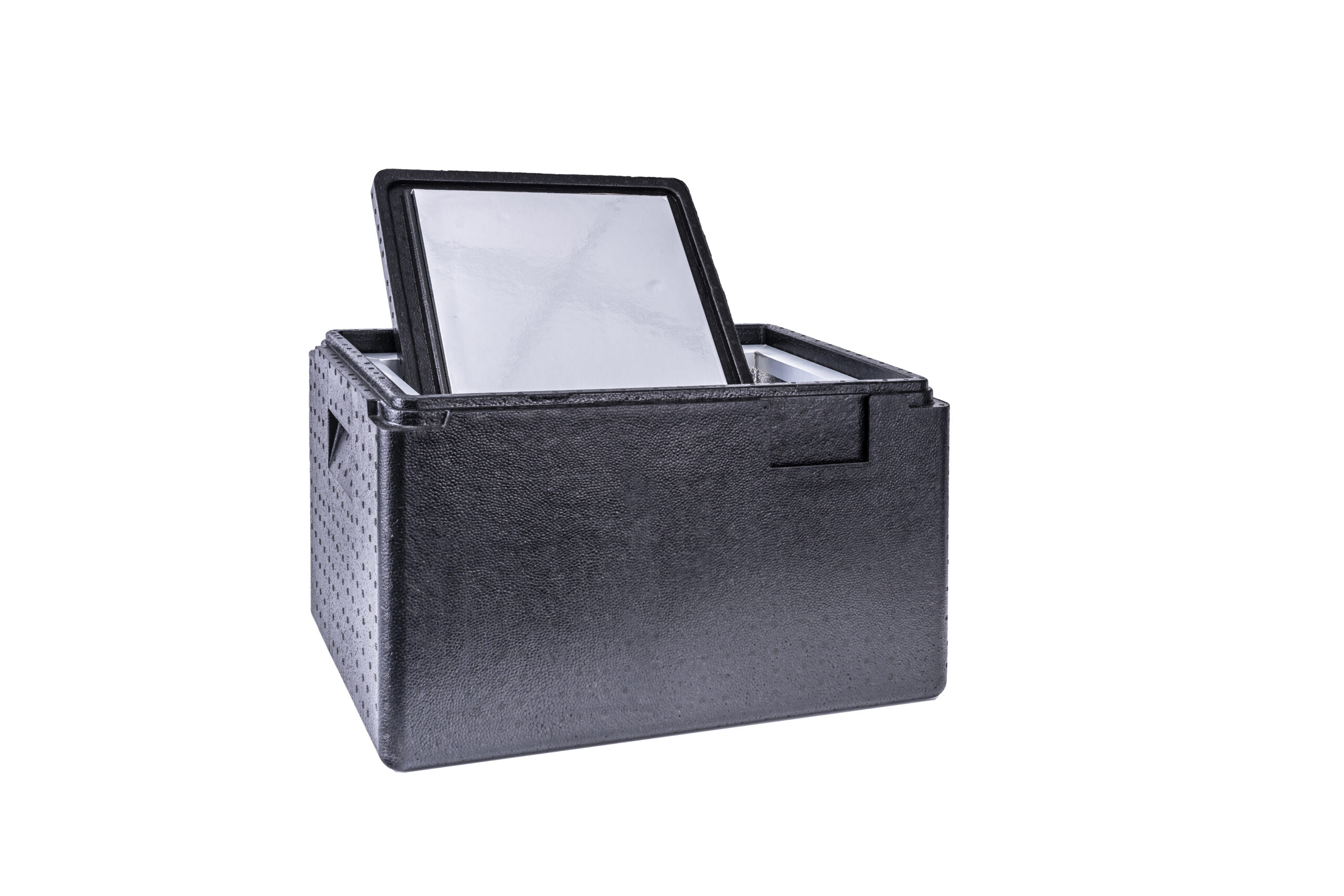
Fournisseur de glacières en matériaux de qualité alimentaire: Un cadre pratique de spécifications et d’approvisionnement
A good ice box made with food-contact-suitable materials is one whose claims can be traced to a defined configuration. Les acheteurs doivent être capables d'identifier ce qui est prouvé au niveau matériel, ce qui est testé au niveau de la boîte finie, ce qui appartient à un pack complet, et ce qui nécessite encore une confirmation spécifique à la voie. Cette distinction évite les échecs de passation des marchés les plus courants: capacité peu claire, durée non vérifiée, allégations de conformité égarées, et des échantillons non représentatifs de la production de masse.
L'objectif pratique est de savoir si le fournisseur peut prouver le statut de l'article complet destiné à entrer en contact avec des aliments au lieu de s'appuyer sur une déclaration générique de « qualité alimentaire ».. Le cadre de décision suivant rassemble le produit le plus utile, technique, conformité, opérationnel, et considérations d'achat tout en gardant toutes les déclarations de performance liées aux conditions qui les soutiennent réellement.
Transformer une demande vague en une spécification testable
Considérez cette situation typique: un acheteur de produits surgelés reçoit une déclaration de résine de coque mais aucune information sur le mélange maître coloré, joint de vidange, étiquette imprimée, ou adhésif utilisé à l’intérieur de la zone de contact. La première réponse ne doit pas être de sélectionner une taille de catalogue. L'équipe doit mesurer la charge utile, construire le pack proposé, tracer l'itinéraire, et observez comment les utilisateurs soulèvent, sécurisé, ouvrir, faire le ménage, et renvoie la boîte. Cela crée un enregistrement partagé des contraintes réelles. Dans la décision finale, indiquer les conditions applicables à l’examen des matériaux entrant en contact avec les aliments dans la réponse du fournisseur.
De là, l'acheteur doit demander deux ou trois alternatives contrôlées plutôt qu'un long catalogue. Une option peut donner la priorité à un poids inférieur, une autre durabilité répétée, et une autre résistance thermique plus élevée ou volume utilisable plus. Chaque option doit énumérer ce qui est inclus, quelles preuves existent, ce qui doit encore être testé, et quels changements opérationnels cela nécessite. L'équipe peut alors comparer les compromis au lieu de discuter de fonctionnalités isolées.. Dans la décision finale, résoudre ce point pour la revue des matériaux au contact des aliments avant qualification thermique.
Complétez la séquence grâce à un échantillon d'ingénierie, essai d'emballage, production pilote, et libération officielle. Enregistrer les mesures dimensionnelles et les observations de manipulation, pas seulement des photographies. Pour les utilisations sensibles à la température, confirmer le package complet sous un profil approprié et définir comment les excursions seront gérées. Le résultat est une décision d'approvisionnement liée aux preuves et au flux de travail., pas à une promesse qui ne peut être reproduite ultérieurement. Avant la version finale, indiquer les conditions applicables à l’examen des matériaux entrant en contact avec les aliments dans la réponse du fournisseur.
Commencez par la charge, Itinéraire, et points de transfert
La première spécification doit décrire le travail d'exploitation: stocker ou transporter des aliments emballés ou non dans un contenant dont les matériaux sont adaptés au contact prévu, temps, température, type de nourriture, et conditions de nettoyage. Il doit identifier les utilisateurs, le lieu de chargement, le lieu de réception, les transferts attendus, et le moment où la responsabilité de la température change. Cela empêche le fournisseur de remplir des inconnues avec des hypothèses. Il permet également des opérations, qualité, et les équipes d'approvisionnement doivent examiner la même exigence au lieu de conserver des versions informelles distinctes.
La définition de la charge utile nécessite plus de détails qu'un poids ou un volume nominal. La charge prévue peut inclure des aliments secs, aliments gras, aliments acides, produits laitiers, fruit de mer, boissons, plats préparés, ou paquets scellés, chacun avec des conditions de contact potentielles différentes. Enregistrez les dimensions du pack primaire, limites d'orientation, number of units, état thermique à l'emballage, espace de tête, zones fragiles, et si la charge doit rester séparée du liquide de refroidissement. Une cavité qui semble suffisamment grande peut devenir inutilisable si l'ouverture est étroite, les coins sont fortement arrondis, ou un panier et un séparateur consomment les dimensions critiques. Au lancement de la production, confirmer la portée des preuves pour l'examen des matériaux entrant en contact avec les aliments avant l'achat.
La cartographie des itinéraires est tout aussi importante. Pour la manutention en usine, chambres froides, véhicules frigorifiques, itinéraires de restauration, utilisation pour la pêche, et lavages répétés lorsque l'exposition chimique et physique diffère, noter le temps de transit prévu, retard probable, température intermédiaire, soleil direct, circulation de l'air du véhicule, ouverture répétée, transfert entre transporteurs, et réception de l'inspection. Ces entrées ne produisent pas à elles seules un temps de maintien garanti, mais ils définissent les conditions qu'un fournisseur ou un laboratoire d'essais doit reproduire. Sans eux, un devis ne peut concerner qu'un coffret générique, pas un processus de distribution fiable. Dans la décision finale, confirmer que les contrôles de production préservent ce point pour l'examen des matériaux entrant en contact avec les aliments.
Ne transformez pas un composant en une promesse de performance universelle
La glacière fabriquée avec des matériaux adaptés au contact alimentaire constitue une barrière au flux de chaleur et une enceinte de protection. Il ne génère pas lui-même une température contrôlée. Les performances passives dépendent de l’isolation, type et conditionnement du liquide de refroidissement, masse de liquide de refroidissement, masse de charge utile, température de départ du produit, disposition interne, profil ambiant, comportement d'ouverture, et critères d'acceptation. Une modification de l’un de ces éléments peut modifier les résultats même si la boîte extérieure reste inchangée.. Dans la décision finale, placer cette exigence relative à l'examen des matériaux entrant en contact avec les aliments dans la liste de contrôle de réception.
Cette distinction est particulièrement importante pour l'alimentation, pharmaceutique, vaccin, et utilisations pour les essais cliniques. Une déclaration de matériau peut montrer qu'un composant est adapté à une condition de contact prévue. Un test structurel peut montrer qu'une poignée ou une fente survit à une charge définie. Un rapport thermique peut montrer comment un emballage s'est comporté sous un profil. Une qualification d'itinéraire peut alors évaluer la voie d'exploitation. Ces documents répondent à des questions différentes et ne doivent pas se substituer les uns aux autres.. Dans la décision finale, indiquer les conditions applicables à l’examen des matériaux entrant en contact avec les aliments dans la réponse du fournisseur.
Demander au fournisseur d'indiquer chaque réclamation de performance avec sa configuration. Si le fournisseur ne peut pas fournir ce contexte, traiter l'allégation comme une indication de dépistage uniquement. La déclaration doit identifier la taille de la boîte et la révision, charge utile, liquide de refroidissement, conditionnement, diagramme de chargement, position du moniteur, profil ambiant, durée, et plage d'acceptation. Le résultat utile n’est pas d’exiger un rapport de laboratoire pour chaque première conversation, mais pour éviter qu'un titre non pris en charge ne devienne une spécification d'achat. Avant la version finale, placer cette exigence relative à l'examen des matériaux entrant en contact avec les aliments dans la liste de contrôle de réception.
De la qualité polymère à l’assemblage isolé fini
Une boîte isolée typique peut combiner du PEHD, Pp, polymères expansés, élastomères, revêtements, adhésifs, colorants, et assemblages isolés évalués comme une construction complète pour l'usage prévu. La structure extérieure protège des chocs et fournit des points de fixation. L'isolation ralentit la conduction et la convection. Le joint du couvercle, vidange, gérer les patrons, attaches, et les bords des panneaux peuvent créer des ponts thermiques ou des chemins de fuite. Pour cette raison, le nom d'un matériau à lui seul ne prédit pas les performances. Deux boîtes fabriquées avec le même polymère nominal peuvent se comporter différemment en raison de l'épaisseur de la paroi, qualité de la mousse, géométrie, et assemblage. Avant la version finale, attribuer un propriétaire et une méthode d'acceptation pour l'examen des matériaux entrant en contact avec les aliments.
Les options courantes entraînent des compromis différents. Les coques en polymère dur peuvent être nettoyées et durables, mais ils ajoutent du poids et nécessitent un moulage contrôlé. L'EPP peut fournir un poids léger, structure résiliente pour des manipulations répétées, tandis que les surfaces en mousse exposées peuvent nécessiter une hygiène minutieuse et un examen des dommages. Le PSE peut être rentable pour une utilisation unidirectionnelle protégée, mais peut s'écailler en cas de manipulations répétées et brutales.. La mousse PU peut fournir une isolation rigide à l'intérieur d'une coque. Les panneaux isolés sous vide peuvent réduire le transfert de chaleur à travers de larges surfaces, mais des effets de bord, protection anti-crevaison, et le contrôle de la fabrication devient critique. Dans la décision finale, vérifier ce point sur les unités représentatives utilisées pour l'examen des matériaux destinés à entrer en contact avec les aliments.
La spécification du matériau doit identifier les risques prévus: identité matérielle, traçabilité des lots, contrôle des pigments, odeur et apparence, état de surface, défauts de soudure ou de moulage, composition du joint, et substitutions contrôlées. Il doit contrôler la qualité de la résine de base ou de la mousse, pigments, additifs, matériau du joint, adhésifs, matériel, et tout revêtement interne ou étiquette. Quand les substitutions sont autorisées, définir la preuve d'approbation. Sinon, un changement de production qui semble mineur sur le plan commercial peut modifier le statut de contact alimentaire, odeur, flexibilité, conductivité thermique, ajuster, ou durabilité à long terme. Dans la décision finale, inclure cette limite dans le mode d’emploi pour l’examen des matériaux entrant en contact avec les aliments.
Créez une carte de preuves au lieu de collecter des badges
Les preuves pertinentes dépendent des substances en contact avec les aliments autorisées par la FDA et des conditions d'utilisation aux États-Unis., ou le cadre de l'UE pour les matériaux destinés à entrer en contact avec des denrées alimentaires et les BPF lorsque les produits sont placés sur le marché européen. Dans l'Union européenne, les matériaux destinés à entrer en contact avec des aliments mis sur le marché relèvent du règlement-cadre et des bonnes pratiques de fabrication, avec des règles supplémentaires pour certains groupes de matériaux. Aux États-Unis, le statut de contact alimentaire est lié aux substances autorisées et aux conditions d'utilisation prévues, y compris le type d'aliment et la température. A generic declaration that a plastic is 'qualité alimentaire' is therefore only a starting point. Pour l'approbation du fournisseur, inclure cette limite dans le mode d’emploi pour l’examen des matériaux entrant en contact avec les aliments.
Les utilisations médicales et pharmaceutiques ajoutent une couche différente. L'étiquetage du produit et les procédures du sponsor ou de la qualité définissent la condition requise. PIB, GCP, conseils en matière de vaccination, règles relatives au fret aérien, ou les spécifications du programme national peuvent s'appliquer en fonction de l'expédition. La boîte ne devient pas conforme simplement parce que son polymère est acceptable au contact alimentaire ou parce qu'elle est réutilisable. Le processus complet peut nécessiter des instructions d'emballage qualifiées, surveillance calibrée, gestion des écarts, entraînement, et chaîne de traçabilité documentée. Pour l'approbation du fournisseur, résoudre ce point pour la revue des matériaux au contact des aliments avant qualification thermique.
Créer une carte des preuves avec quatre colonnes: réclamer, objet, condition, et documenter. Par exemple, une revendication matérielle appartient à une résine nommée et à l'utilisation prévue; une revendication structurelle appartient à une méthode de conception et de chargement finie; une réclamation thermique appartient à une configuration et un profil complets; une revendication d'itinéraire appartient à une voie d'exploitation. Cette carte révèle les lacunes et empêche qu'un certificat ne soit étendu au-delà de sa portée.. Pour l'approbation du fournisseur, confirmer la portée des preuves pour l'examen des matériaux entrant en contact avec les aliments avant l'achat.
Réception, Nettoyage, Inspection, et le retour sont des exigences du produit
Une boîte se déplace à travers les personnes et les lieux, pas seulement à travers une chambre thermique. Le plan opérationnel doit couvrir le préconditionnement, emballage, fermeture, étiquetage, activation du moniteur, remettre, recevoir, déchargement, nettoyage, séchage, inspection, stockage, et retour. Pour la manutention en usine, chambres froides, véhicules frigorifiques, itinéraires de restauration, utilisation pour la pêche, et lavages répétés lorsque l'exposition chimique et physique diffère, le risque le plus élevé peut être un quai de chargement ou un échec de livraison plutôt que le temps prévu pour le véhicule. Dans la décision finale, placer cette exigence relative à l'examen des matériaux entrant en contact avec les aliments dans la liste de contrôle de réception.
Les instructions doivent être visuelles et spécifiques à la configuration. Afficher la position du liquide de refroidissement, orientation produit, placement du diviseur, emplacement du moniteur, séquence de fermeture, et critères de rejet. Utilisez des étiquettes qui survivent à l'environnement de nettoyage et d'acheminement. Si la boîte a des drains, sangles, roues, joints remplaçables, ou poignées en corde, inclure des points d'inspection pour ces composants. La complexité doit être réduite autant que possible car les utilisateurs occasionnels ne se souviennent pas des longues procédures. Avant la version finale, tester cette hypothèse pour l’examen des matériaux entrant en contact avec les aliments par rapport à l’itinéraire prévu.
Les équipes d'accueil ont besoin d'un chemin de décision. Ils devraient savoir comment inspecter le sceau, lire le moniteur, identifier les dommages, enregistrer une excursion, mettre la charge utile en quarantaine, et contactez le responsable de la qualité. Les cartons retournés ne doivent pas automatiquement retourner dans le parc propre. Une simple étape de quarantaine et d’inspection évite les coquilles fêlées, bouchons manquants, poignées contaminées, ou changement de liquide de refroidissement pour affaiblir silencieusement le système. Au lancement de la production, attribuer un propriétaire et une méthode d'acceptation pour l'examen des matériaux entrant en contact avec les aliments.
Une liste de contrôle de publication pour la configuration sélectionnée
| Grille | Question | Communiquer des preuves |
|---|---|---|
| Porte de cas d'utilisation | La charge utile est-elle, itinéraire, condition, et processus de manipulation définis? | Exigence de l'utilisateur approuvé |
| Monter le portail | L'emballage final est-il adapté au levage et à la fermeture en toute sécurité? | Dessin d'emballage et échantillon mesuré |
| Porte des preuves | Les réclamations sont-elles liées au bon matériel, boîte, emballage, ou voie? | Carte des preuves et rapports de tests |
| Porte de qualité | La production peut-elle reproduire la configuration approuvée? | Plan d’examen et d’inspection des lots pilotes |
| Porte de coût | Les devis sont-ils normalisés selon la même portée et la même base de livraison ?? | Modèle de coûts au débarquement et de cycle de vie |
| Porte des opérations | Les utilisateurs peuvent-ils emballer, recevoir, faire le ménage, inspecter, et renvoyez-le correctement? | Consignes et plan de formation contrôlés |
| Changer de portail | Les substitutions nécessiteront-elles un examen? | Nomenclature et accord de contrôle des modifications |
| Porte d'application | Si le fournisseur peut prouver le statut de l'article complet destiné à entrer en contact avec des aliments au lieu de s'appuyer sur une déclaration générique de « qualité alimentaire » | Exigence signée et liste d’hypothèses non résolues |
Utilisez ce tableau comme examen conjoint entre les responsables des achats, opérations, ingénierie, et la qualité. Il transforme les préférences générales en preuves révisables et expose les hypothèses manquantes avant la négociation des prix.. Tous les projets n'ont pas besoin de la même profondeur, mais chaque réclamation critique doit avoir un propriétaire et un moyen défini de la vérifier. Au lancement de la production, inclure cette limite dans le mode d’emploi pour l’examen des matériaux entrant en contact avec les aliments.
Normaliser les devis avant de négocier
La structure des coûts comprend un contrôle documenté des résines et des additifs, traçabilité des fournisseurs, migration ou autres tests le cas échéant, construction nettoyable, et séparation de la production. Les fournisseurs peuvent proposer des prix très différents alors que tous semblent proposer la même taille. Les différences peuvent provenir de l’épaisseur de l’isolant, qualité du matériau, processus, matériel, inspection, conditionnement, ou simplement à partir d'éléments exclus. Une comparaison équitable nécessite une fiche de configuration et un tableau de comparaison commerciale.
Séparez les coûts ponctuels des coûts récurrents. Outillage, moules, œuvres d'art, ingénierie, et certains tests peuvent être ponctuels ou amortis. Construction d'unités, accessoires, inspection, cartons, et le fret est récurrent. Séparez ensuite le coût d’acquisition du coût d’exploitation: conditionnement du liquide de refroidissement, lavage, séchage, stockage, suivi des actifs, transport de retour, dommage, réparation, et remplacement. La meilleure mesure pourrait être le coût par itinéraire réussi plutôt que le prix d'achat par boîte.. Dans la décision finale, confirmer la portée des preuves pour l'examen des matériaux entrant en contact avec les aliments avant l'achat.
Le fret mérite une attention précoce car les boîtes isothermes peuvent être volumineuses. Dimensions extérieures, nidification, pliabilité, quantité de cartons, modèle de palette, et le chargement des conteneurs peut modifier le coût au débarquement plus qu'une petite différence de prix d'usine. Demandez aux fournisseurs de proposer les mêmes conditions de livraison et configuration d'emballage.. Quand les cartons réutilisables reviennent vides, le cube inversé et la main d'œuvre de manutention doivent également entrer dans le modèle. Avant la version finale, enregistrer ce point pour l’examen des matériaux entrant en contact avec les aliments en tant qu’exigence contrôlée.
Comment présélectionner un fabricant sans deviner
La question centrale du fournisseur est de savoir si le fournisseur peut prouver le statut de l'article complet destiné à entrer en contact avec des aliments au lieu de s'appuyer sur une déclaration générique de « qualité alimentaire ».. Un fabricant crédible devrait être capable de traduire cette exigence en dessins, définitions matérielles, points de contrôle, et un plan de test. La conversation devrait passer des affirmations générales aux détails contrôlés. Demandez à qui appartient le moule, quelles opérations sont effectuées en interne, comment les fournisseurs de composants critiques sont approuvés, et comment la nomenclature est maintenue. Un large catalogue peut ajouter de la valeur, mais ce n'est pas une preuve du contrôle du processus.
Parcourez les échantillons par étapes contrôlées. Le premier échantillon confirme les dimensions et l'ergonomie de base. Un échantillon technique révisé confirme les matériaux, raccords, étiquettes, et ajustement parfait. Un lot pilote vérifie les outils de production, assemblée, inspection, conditionnement, et variation entre plusieurs unités. L'échantillon doré approuvé doit être lié à des dessins et à des critères d'acceptation mesurables. L'approbation d'un échantillon spécialement préparé sans ce pont est une source courante de surprises lors d'une production de masse.. Dans la décision finale, résoudre ce point pour la revue des matériaux au contact des aliments avant qualification thermique.
L'examen de la qualité doit se concentrer sur l'identité matérielle, traçabilité des lots, contrôle des pigments, odeur et apparence, état de surface, défauts de soudure ou de moulage, composition du joint, et substitutions contrôlées. Demandez comment les unités non conformes sont identifiées, si les mesures sont enregistrées, comment les plaintes sont examinées, et comment les modifications techniques sont communiquées. Pour les programmes à contrôle élevé, exiger une approbation préalable avant les substitutions. Pour une utilisation par les consommateurs à moindre risque, le système peut être plus simple, mais des dimensions critiques, matériels, et les dispositifs de sécurité nécessitent toujours des critères d'acceptation objectifs. Dans la décision finale, lier cette décision relative à l'examen des matériaux destinés à entrer en contact avec les aliments au dessin et à l'emballage approuvés.
Notes de passation des marchés pour l'examen final
Pour cette glacière réalisée avec des matériaux adaptés au contact alimentaire, les questions suivantes créent plus de valeur que de demander si le fournisseur est fiable. Ils forcent la discussion vers l’usage prévu, spécifications mesurables, et des preuves. Dans la décision finale, placer cette exigence relative à l'examen des matériaux entrant en contact avec les aliments dans la liste de contrôle de réception.
- Question de libération: Les aliments entreront-ils directement en contact avec la boîte ?, à travers une doublure, ou uniquement dans un emballage primaire scellé?
- Question de libération: Quels types d'aliments et températures d'utilisation sont couverts par la documentation du fournisseur?
- Question de libération: Sont des pigments, joints, adhésifs, et labels internes inclus dans l’évaluation de la conformité?
- Question de libération: Comment le fournisseur empêche-t-il les substitutions non approuvées de résines ou d’additifs ??
- Question de libération: La boîte peut-elle être inspectée visuellement et complètement séchée après le nettoyage?
- Question de libération: Quels enregistrements relient les lots de production aux certificats de matériaux?
Une réponse complète peut être un dessin, tableau, échantillon, plan de test, ou limitation documentée. Un fournisseur potentiel n'a pas besoin d'avoir tous les rapports finaux avant le début du développement., mais il devrait être capable d'énoncer ce qui est connu, ce qui est supposé, ce qui peut être personnalisé, et ce qu'il faut tester. Cette transparence est un meilleur signal de risque qu'une longue liste de certifications non étayées. Avant la version finale, documenter les limites de l’examen des matériaux destinés à entrer en contact avec les aliments plutôt que d’impliquer une adéquation universelle.
Matériau de mesure, Fret, Nettoyage, et durée de vie ensemble
La question pertinente de la durabilité est celle de la durabilité, réparable, conception nettoyable qui évite une élimination prématurée tout en gardant les surfaces de contact sûres grâce à une utilisation répétée. Une boîte réutilisable peut réduire la consommation d’emballages en boucle fermée stable, mais cela demande aussi plus de matériel, nettoyage, stockage, et transport retour. Un système léger à sens unique peut être préférable sur une voie dispersée où les taux de retour sont faibles. Le choix doit être fait à partir du réseau d'exploitation plutôt qu'à partir d'un seul attribut marketing..
Le redimensionnement est souvent l’amélioration la plus rapide. L'excès de volume augmente la surface d'isolation, demande de liquide de refroidissement, cube de fret, et espace d'entrepôt. Le matériel surconstruit ajoute de la masse. Les produits sous-construits échouent tôt et créent des déchets de remplacement. Un bon design utilise suffisamment de matériel aux bons endroits, protège les pièces d'usure remplaçables, et permet une inspection avant qu'une unité endommagée ne soit remise en service. Pour l'approbation du fournisseur, enregistrer ce point pour l’examen des matériaux entrant en contact avec les aliments en tant qu’exigence contrôlée.
Suivez un petit ensemble d’indicateurs pratiques: taux de retour, déplacements par actif, raison du dommage, temps de lavage, temps de séchage, composants perdus, cube de retour vide, et parcours de retraite. Ces données montrent si le système s'améliore. Les allégations de durabilité doivent être mises à jour lorsque l'itinéraire change. Une boîte utilisée pour cinquante voyages locaux contrôlés a une empreinte différente de la même boîte expédiée une fois sur une voie internationale et jamais retournée.. Au lancement de la production, enregistrer ce point pour l’examen des matériaux entrant en contact avec les aliments en tant qu’exigence contrôlée.
Drapeaux rouges à détecter avant l’achat
Les points ci-dessous méritent d'être vérifiés avant l'outillage ou la production en série. Chacun peut créer des retouches évitables lorsqu'elles restent non résolues lors de la sélection du fournisseur.. Au lancement de la production, relier cet élément pour l'examen des matériaux entrant en contact avec les aliments à un critère d'acceptation mesurable.
- Libérer le bloqueur: considérer « sans BPA » comme une preuve complète de contact alimentaire.
- Libérer le bloqueur: vérifier uniquement le polymère de base.
- Libérer le bloqueur: ignorer les gras, acide, congelé, ou conditions d'utilisation répétée.
- Libérer le bloqueur: en supposant qu'un certificat pour la résine brute couvre automatiquement l'article fini.
- Libérer le bloqueur: utilisation de recoins rugueux difficiles à nettoyer malgré une chimie des matériaux acceptable.
Un signal d’alarme n’est pas un rejet automatique du fournisseur. Cela devrait déclencher une clarification spécifique, chèque d'échantillon, ou demande de preuves. L’objectif pratique est de résoudre l’incertitude alors que les changements sont encore peu coûteux.. Un fabricant présélectionné qui répond avec des dessins, conditions, et les actions correctives sont plus utiles que celles qui répètent une affirmation générale.
Un flux de travail d'approbation interne simple
A la réception du lot, vérifier la spécification contrôlée ainsi que l'apparence. Confirmer les dimensions internes critiques, fermeture du couvercle, matériel, étiquettes, accessoires, et emballage selon les spécifications approuvées. Sélectionnez plusieurs unités dans différents cartons. Enregistrez les résultats afin que les plaintes ultérieures puissent être comparées au lot d'origine plutôt qu'à la mémoire ou à un seul échantillon.. Au lancement de la production, placer cette exigence relative à l'examen des matériaux entrant en contact avec les aliments dans la liste de contrôle de réception.
Établir à l’avance les limites de service. Fissures, joints déformés, bouchons manquants, poignées effilochées, ancres lâches, surfaces contaminées, panneaux perforés, ou un liquide de refroidissement non approuvé devrait déclencher la quarantaine. Certains articles peuvent être réparés avec des pièces contrôlées; d'autres devraient être à la retraite. Une règle claire interdit aux utilisateurs de maintenir en service un coffret visiblement endommagé simplement parce qu’il ferme encore. Dans la décision finale, tester cette hypothèse pour l’examen des matériaux entrant en contact avec les aliments par rapport à l’itinéraire prévu.
Enregistrer les modifications approuvées du matériel, fournisseur, moule, processus, dimensions, étiquettes, conditionnement, et emballage. Vérifiez si chaque changement affecte le statut du contact, preuve thermique, essais structurels, fret, nettoyage, ou mode d'emploi. Cette discipline ne se limite pas aux programmes réglementés. Il protège tout acheteur contre une dérive progressive de la configuration lors de commandes répétées.. Avant la version finale, indiquer les conditions applicables à l’examen des matériaux entrant en contact avec les aliments dans la réponse du fournisseur.
Questions que les acheteurs posent souvent
Une glacière fabriquée avec des matériaux adaptés au contact alimentaire est-elle suffisante pour contrôler la température?
Non. La box ralentit le transfert de chaleur, mais le résultat complet dépend du liquide de refroidissement, charge utile, température de départ, modèle de chargement, exposition ambiante, manutention, et surveillance. Toute durée indiquée doit spécifier la configuration testée et les critères d'acceptation. Pour les produits réglementés ou de grande valeur, un packout supplémentaire ou une qualification de couloir peuvent être requis. Au lancement de la production, confirmer la portée des preuves pour l'examen des matériaux entrant en contact avec les aliments avant l'achat.
Que signifie la qualité alimentaire pour une glacière?
La question utile est de savoir si chaque composant pertinent est adapté au type d'aliment prévu., état des contacts, température, and duration under the target market's rules. Un certificat de résine de base ou une déclaration sans BPA ne couvre pas automatiquement les pigments, joints, adhésifs, étiquettes, ou l'article fini. Dans la décision finale, vérifier le point d'examen des matériaux entrant en contact avec les aliments par rapport à la charge utile réelle.
Un résultat de temps de maintien en laboratoire peut-il être utilisé pour chaque itinéraire?
Non, pas comme une règle universelle. Un résultat de laboratoire s'applique au profil ambiant testé, charge utile, liquide de refroidissement, surveiller les positions, et plage d'acceptation. Il peut prendre en charge la planification d'itinéraire, mais des différences significatives dans le délai, soleil direct, fréquence d'ouverture, état du véhicule, ou la charge utile peut nécessiter une évaluation ou une qualification plus approfondie. Dans la décision finale, indiquer les conditions applicables à l’examen des matériaux entrant en contact avec les aliments dans la réponse du fournisseur.
Quel est le meilleur premier test d'échantillon?
Utiliser la forme physique comme premier échantillon. Charger la charge utile réelle, liquide de refroidissement, diviseur, moniteur, étiquettes, et accessoires. Vérifier la fermeture, levage, accéder, nettoyage, et temps d'emballage. Une fois la configuration physique stable, les tests thermiques et structurels deviennent plus significatifs et moins susceptibles d'être répétés après une modification de conception. Au lancement de la production, placer cette exigence relative à l'examen des matériaux entrant en contact avec les aliments dans la liste de contrôle de réception.
Comment les acheteurs doivent-ils gérer les changements de production?
La nomenclature approuvée doit identifier chaque matériau critique, dimension, et composant. Exiger du fabricant qu'il notifie les modifications avant la mise en œuvre et fournir des preuves pour examen. Modifications de l'isolation, liquide de refroidissement, joints, pigments, étiquettes, poignées, ou le processus de fabrication peut affecter l'ajustement, statut du contact, durabilité, ou performance qualifiée. Pour l'approbation du fournisseur, vérifier ce point sur les unités représentatives utilisées pour l'examen des matériaux destinés à entrer en contact avec les aliments.
Perspective d'achat finale
The final selection for food grade material ice box supplier should pass six tests: ajustement au cas d'utilisation, capacité utilisable, preuve, cohérence de la production, simplicité de fonctionnement, et le coût total. Un fournisseur qui énonce des hypothèses, limites des documents, et prend en charge la vérification pilote est plus précieuse qu'une vérification offrant des réclamations universelles. Ne publiez la commande que lorsque la configuration et les responsabilités sont suffisamment claires pour pouvoir être répétées..
À propos du tempk
Tempk, une marque de Shanghai Tempk Industrial Co., Ltd., works across passive cold-chain packaging categories such as coolant packs, briques PCM rigides, sacs isolés, Conteneurs PPE, glacières médicales, doublures, et couvertures thermiques. Son rôle dans un projet de boîte est d'aider à traduire les exigences d'itinéraire et de charge utile en une direction pratique de produit et d'emballage.. Dimensions finales, matériels, accessoires, conditions d'essai, et la documentation doit être convenue dans une spécification contrôlée avant la production. Dans la décision finale, tester cette hypothèse pour l’examen des matériaux entrant en contact avec les aliments par rapport à l’itinéraire prévu.
Prochaine étape
Avant la sélection finale du fournisseur, partager le type de nourriture, condition de contact direct, température, processus de nettoyage, et le marché cible afin que Tempk puisse discuter du matériel et de l'ensemble de documents appropriés.
Bouchon de vidange Fournisseur de glacières à chaîne du froid: Cadre d'achat complet
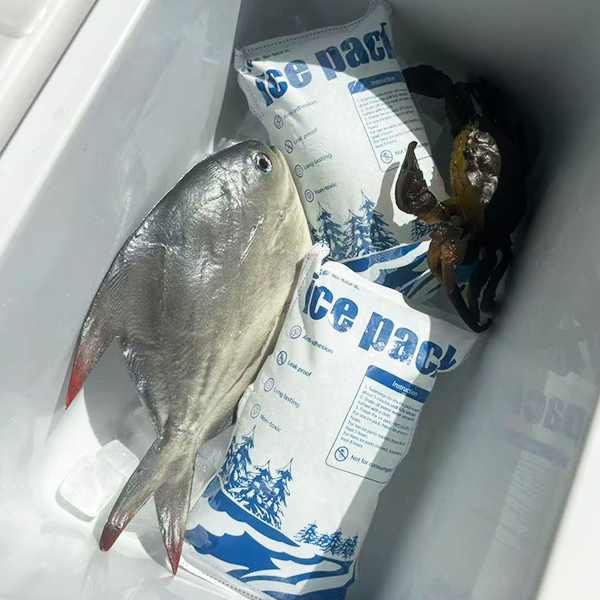
Bouchon de vidange Fournisseur de glacières à chaîne du froid: Comment choisir, Vérifier, et faites évoluer le bon système
Pour la plupart des acheteurs, the search term drain plug cold chain ice box supplier hides four separate decisions: produit adapté, preuve, contrôle des fournisseurs, et l'économie. Traiter ces décisions séparément permet d'obtenir une demande de devis plus claire et un lancement de production plus sûr.. Les traiter comme une seule question aboutit généralement à des comparaisons vagues et à une refonte tardive..
L'objectif pratique est de savoir si le drain est un élément de fonctionnement utile pour le packout lui-même ou une pénétration inutile qui crée une fuite., nettoyage, et risque de maintenance. Le cadre de décision suivant rassemble le produit le plus utile, technique, conformité, opérationnel, et considérations d'achat tout en gardant toutes les déclarations de performance liées aux conditions qui les soutiennent réellement.
Une boîte isolée n’est qu’une partie du contrôle de la température
La glacière à chaîne du froid avec bouchon de vidange constitue une barrière au flux de chaleur et une enceinte de protection. Il ne génère pas lui-même une température contrôlée. Les performances passives dépendent de l’isolation, type et conditionnement du liquide de refroidissement, masse de liquide de refroidissement, masse de charge utile, température de départ du produit, disposition interne, profil ambiant, comportement d'ouverture, et critères d'acceptation. Une modification de l’un de ces éléments peut modifier les résultats même si la boîte extérieure reste inchangée..
Cette distinction est particulièrement importante pour l'alimentation, pharmaceutique, vaccin, et utilisations pour les essais cliniques. Une déclaration de matériau peut montrer qu'un composant est adapté à une condition de contact prévue. Un test structurel peut montrer qu'une poignée ou une fente survit à une charge définie. Un rapport thermique peut montrer comment un emballage s'est comporté sous un profil. Une qualification d'itinéraire peut alors évaluer la voie d'exploitation. Ces documents répondent à des questions différentes et ne doivent pas se substituer les uns aux autres.. Avant la version finale, revoir ce point pour la conception de la chaîne du froid équipée de drains avec opérations et qualité.
Demander au fournisseur d'indiquer chaque réclamation de performance avec sa configuration. Si le fournisseur ne peut pas fournir ce contexte, traiter l'allégation comme une indication de dépistage uniquement. La déclaration doit identifier la taille de la boîte et la révision, charge utile, liquide de refroidissement, conditionnement, diagramme de chargement, position du moniteur, profil ambiant, durée, et plage d'acceptation. Le résultat utile n’est pas d’exiger un rapport de laboratoire pour chaque première conversation, mais pour éviter qu'un titre non pris en charge ne devienne une spécification d'achat. Pour l'approbation du fournisseur, protéger la décision concernant la conception de la chaîne du froid équipée de drains grâce au contrôle des modifications.
La portée réglementaire commence par les conditions de contact et du produit
Les preuves pertinentes dépendent des preuves de contact alimentaire et d'hygiène pour chaque composant susceptible d'entrer en contact avec les aliments ou l'eau de fonte., pas seulement une déclaration pour la résine de la coque principale. Aux États-Unis, le statut de contact alimentaire est lié aux substances autorisées et aux conditions d'utilisation prévues, y compris le type d'aliment et la température. Dans l'Union européenne, les matériaux destinés à entrer en contact avec des aliments mis sur le marché relèvent du règlement-cadre et des bonnes pratiques de fabrication, avec des règles supplémentaires pour certains groupes de matériaux. A generic declaration that a plastic is 'qualité alimentaire' is therefore only a starting point.
Les utilisations médicales et pharmaceutiques ajoutent une couche différente. L'étiquetage du produit et les procédures du sponsor ou de la qualité définissent la condition requise. PIB, GCP, conseils en matière de vaccination, règles relatives au fret aérien, ou les spécifications du programme national peuvent s'appliquer en fonction de l'expédition. La boîte ne devient pas conforme simplement parce que son polymère est acceptable au contact alimentaire ou parce qu'elle est réutilisable. Le processus complet peut nécessiter des instructions d'emballage qualifiées, surveillance calibrée, gestion des écarts, entraînement, et chaîne de traçabilité documentée. Dans la décision finale, placer cette exigence pour la conception de la chaîne du froid équipée d'un drain dans la liste de contrôle de réception.
Créer une carte des preuves avec quatre colonnes: réclamer, objet, condition, et documenter. Par exemple, une revendication matérielle appartient à une résine nommée et à l'utilisation prévue; une revendication structurelle appartient à une méthode de conception et de chargement finie; une réclamation thermique appartient à une configuration et un profil complets; une revendication d'itinéraire appartient à une voie d'exploitation. Cette carte révèle les lacunes et empêche qu'un certificat ne soit étendu au-delà de sa portée.. Dans la décision finale, enregistrer ce point pour la conception de la chaîne du froid équipée d'un drain comme exigence contrôlée.
La spécification de la boîte commence en dehors des sentiers battus
La première spécification doit décrire le travail d'exploitation: permettre une élimination contrôlée de l'eau ou du liquide de nettoyage sans renverser une boîte chargée ou récemment utilisée, tout en préservant l'hygiène, intégrité structurelle, et performances d'isolation. Il doit identifier les utilisateurs, le lieu de chargement, le lieu de réception, les transferts attendus, et le moment où la responsabilité de la température change. Cela empêche le fournisseur de remplir des inconnues avec des hypothèses. Il permet également des opérations, qualité, et les équipes d'approvisionnement doivent examiner la même exigence au lieu de conserver des versions informelles distinctes.
La définition de la charge utile nécessite plus de détails qu'un poids ou un volume nominal. Le chargement prévu peut inclure des emballages alimentaires scellés, applications de glace meuble, conteneurs de fruits de mer, charges de boissons, reusable coolant packs, ou des équipements pouvant générer de la condensation et de l'eau de lavage. Enregistrez les dimensions du pack primaire, limites d'orientation, number of units, état thermique à l'emballage, espace de tête, zones fragiles, et si la charge doit rester séparée du liquide de refroidissement. Une cavité qui semble suffisamment grande peut devenir inutilisable si l'ouverture est étroite, les coins sont fortement arrondis, ou un panier et un séparateur consomment les dimensions critiques. Au lancement de la production, résoudre ce point pour la conception de la chaîne du froid équipée de drains avant qualification thermique.
La cartographie des itinéraires est tout aussi importante. Pour manipulation humide, nettoyage fréquent, itinéraires de pêche et de restauration, répartition sur le terrain, et réutilisation répétée là où le drainage peut économiser du travail, noter le temps de transit prévu, retard probable, température intermédiaire, soleil direct, circulation de l'air du véhicule, ouverture répétée, transfert entre transporteurs, et réception de l'inspection. Ces entrées ne produisent pas à elles seules un temps de maintien garanti, mais ils définissent les conditions qu'un fournisseur ou un laboratoire d'essais doit reproduire. Sans eux, un devis ne peut concerner qu'un coffret générique, pas un processus de distribution fiable. Au lancement de la production, revoir ce point pour la conception de la chaîne du froid équipée de drains avec opérations et qualité.
La géométrie du drainage est plus qu'un trou et un bouchon
Un drain est utile lorsque du liquide est attendu et que le basculement de la boîte est difficile ou dangereux. Glace lâche, utilisation pour la pêche, condensation, et le lavage peut le justifier. Une boîte utilisant des briques PCM scellées peut produire peu d'eau gratuite, rendant la pénétration inutile. La première question de conception est donc la source liquide, pas le style de prise. Dans la décision finale, résoudre ce point pour la conception de la chaîne du froid équipée de drains avant qualification thermique.
Un bon drainage nécessite une pente ou un puisard continu, une ouverture accessible, et une fiche qui peut être inspectée. La fiche doit rester attachée ou être facile à remplacer, et le joint doit tolérer les produits chimiques de nettoyage et les cycles de température réels. Des recoins profonds et des canaux étroits peuvent retenir la terre même après que l'eau ait quitté la cavité. La géométrie externe doit laisser un espace libre lorsque le conteneur repose sur une palette, plancher du véhicule, ou une grille.
Le bossage du drain est également un élément structurel et thermique local. Le matériau est retiré du mur, l'isolation peut être interrompue, et l'impact peut se concentrer autour de l'ouverture. Une revue de conception doit donc inclure les fuites après impact et les cycles de froid., pas seulement un test d'eau à température ambiante sur un nouvel échantillon. Les acheteurs doivent également définir si la fiche doit être inviolable., actionné par un outil, ou protégé d’une ouverture accidentelle. Dans la décision finale, attribuer un propriétaire et une méthode d'acceptation pour la conception de la chaîne du froid équipée d'un drain.
Ce qui doit être clair avant le bon de commande
| Grille | Question | Communiquer des preuves |
|---|---|---|
| Porte de cas d'utilisation | La charge utile est-elle, itinéraire, condition, et processus de manipulation définis? | Exigence de l'utilisateur approuvé |
| Monter le portail | L'emballage final est-il adapté au levage et à la fermeture en toute sécurité? | Dessin d'emballage et échantillon mesuré |
| Porte des preuves | Les réclamations sont-elles liées au bon matériel, boîte, emballage, ou voie? | Carte des preuves et rapports de tests |
| Porte de qualité | La production peut-elle reproduire la configuration approuvée? | Plan d’examen et d’inspection des lots pilotes |
| Porte de coût | Les devis sont-ils normalisés selon la même portée et la même base de livraison ?? | Modèle de coûts au débarquement et de cycle de vie |
| Porte des opérations | Les utilisateurs peuvent-ils emballer, recevoir, faire le ménage, inspecter, et renvoyez-le correctement? | Consignes et plan de formation contrôlés |
| Changer de portail | Les substitutions nécessiteront-elles un examen? | Nomenclature et accord de contrôle des modifications |
| Porte d'application | Si le drain est un élément de fonctionnement utile pour le conditionnement lui-même ou une pénétration inutile qui crée une fuite, nettoyage, et risque de maintenance | Exigence signée et liste d’hypothèses non résolues |
La table a la plus grande valeur lorsqu'elle rassemble les achats, opérations, ingénierie, et la qualité. Il transforme les préférences générales en preuves révisables et expose les hypothèses manquantes avant la négociation des prix.. Tous les projets n'ont pas besoin de la même profondeur, mais chaque réclamation critique doit avoir un propriétaire et un moyen défini de la vérifier. Pour l'approbation du fournisseur, relier cet élément pour la conception de la chaîne du froid équipée d'un drain à un critère d'acceptation mesurable.
Le prix est le résultat d’une configuration
La structure des coûts comprend des outils supplémentaires, inserts moulés, pièces de bouchon et de joint, inspection de l'assemblage, composants de rechange, test d'étanchéité, et modifications possibles des dimensions du carton. Les fournisseurs peuvent proposer des prix très différents alors que tous semblent proposer la même taille. Les différences peuvent provenir de l’épaisseur de l’isolant, qualité du matériau, processus, matériel, inspection, conditionnement, ou simplement à partir d'éléments exclus. Une comparaison équitable nécessite une fiche de configuration et un tableau de comparaison commerciale. Au lancement de la production, lier cette décision concernant la conception de la chaîne du froid équipée d'un drain au dessin et à l'emballage approuvés.
Séparez les coûts ponctuels des coûts récurrents. Outillage, moules, œuvres d'art, ingénierie, et certains tests peuvent être ponctuels ou amortis. Construction d'unités, accessoires, inspection, cartons, et le fret est récurrent. Séparez ensuite le coût d’acquisition du coût d’exploitation: conditionnement du liquide de refroidissement, lavage, séchage, stockage, suivi des actifs, transport de retour, dommage, réparation, et remplacement. La meilleure mesure pourrait être le coût par itinéraire réussi plutôt que le prix d'achat par boîte.. Dans la décision finale, enregistrer ce point pour la conception de la chaîne du froid équipée d'un drain comme exigence contrôlée.
Le fret mérite une attention précoce car les boîtes isothermes peuvent être volumineuses. Dimensions extérieures, nidification, pliabilité, quantité de cartons, modèle de palette, et le chargement des conteneurs peut modifier le coût au débarquement plus qu'une petite différence de prix d'usine. Demandez aux fournisseurs de proposer les mêmes conditions de livraison et configuration d'emballage.. Quand les cartons réutilisables reviennent vides, le cube inversé et la main d'œuvre de manutention doivent également entrer dans le modèle. Dans la décision finale, lier cette décision concernant la conception de la chaîne du froid équipée d'un drain au dessin et à l'emballage approuvés.
Un scénario d'achat pratique
Considérez cette situation typique: un distributeur de fruits de mer lave les cartons après chaque parcours et souhaite un drainage plus rapide, mais le bouchon proposé se trouve dans un renfoncement externe profond qui emprisonne la terre et est difficile à inspecter. La première réponse ne doit pas être de sélectionner une taille de catalogue. L'équipe doit mesurer la charge utile, construire le pack proposé, tracer l'itinéraire, et observez comment les utilisateurs soulèvent, sécurisé, ouvrir, faire le ménage, et renvoyez le conteneur. Cela crée un enregistrement partagé des contraintes réelles. Avant la version finale, indiquer les conditions applicables à la conception de la chaîne du froid équipée d'un drain dans la réponse du fournisseur.
Suivant, l'acheteur doit demander deux ou trois alternatives contrôlées au lieu d'un long catalogue. Une option peut donner la priorité à un poids inférieur, une autre durabilité répétée, et une autre résistance thermique plus élevée ou volume utilisable plus. Chaque option doit énumérer ce qui est inclus, quelles preuves existent, ce qui doit encore être testé, et quels changements opérationnels cela nécessite. L'équipe peut alors comparer les compromis au lieu de discuter de fonctionnalités isolées.. Dans la décision finale, enregistrer ce point pour la conception de la chaîne du froid équipée d'un drain comme exigence contrôlée.
Complétez la séquence grâce à un échantillon d'ingénierie, essai d'emballage, production pilote, et libération officielle. Enregistrer les mesures dimensionnelles et les observations de manipulation, pas seulement des photographies. Pour les utilisations sensibles à la température, confirmer le package complet sous un profil approprié et définir comment les excursions seront gérées. Le résultat est une décision d'approvisionnement liée aux preuves et au flux de travail., pas à une promesse qui ne peut être reproduite ultérieurement. Pour l'approbation du fournisseur, résoudre ce point pour la conception de la chaîne du froid équipée de drains avant qualification thermique.
La discipline opérationnelle protège la configuration qualifiée
Une boîte se déplace à travers les personnes et les lieux, pas seulement à travers une chambre thermique. Le plan opérationnel doit couvrir le préconditionnement, emballage, fermeture, étiquetage, activation du moniteur, remettre, recevoir, déchargement, nettoyage, séchage, inspection, stockage, et retour. Pour manipulation humide, nettoyage fréquent, itinéraires de pêche et de restauration, répartition sur le terrain, et réutilisation répétée là où le drainage peut économiser du travail, le risque le plus élevé peut être un quai de chargement ou un échec de livraison au lieu du temps prévu pour le véhicule.
Les instructions doivent être visuelles et spécifiques à la configuration. Utilisez des étiquettes qui survivent à l'environnement de nettoyage et d'acheminement. Afficher la position du liquide de refroidissement, orientation produit, placement du diviseur, emplacement du moniteur, séquence de fermeture, et critères de rejet. Si la boîte a des drains, sangles, roues, joints remplaçables, ou poignées en corde, inclure des points d'inspection pour ces composants. La complexité doit être réduite autant que possible car les utilisateurs occasionnels ne se souviennent pas des longues procédures. Dans la décision finale, résoudre ce point pour la conception de la chaîne du froid équipée de drains avant qualification thermique.
Les équipes d'accueil ont besoin d'un chemin de décision. Ils devraient savoir comment inspecter le sceau, lire le moniteur, identifier les dommages, enregistrer une excursion, mettre la charge utile en quarantaine, et contactez le responsable de la qualité. Les cartons retournés ne doivent pas automatiquement retourner dans le parc propre. Une simple étape de quarantaine et d’inspection évite les coquilles fêlées, bouchons manquants, poignées contaminées, ou changement de liquide de refroidissement pour affaiblir silencieusement le système. Avant la version finale, enregistrer ce point pour la conception de la chaîne du froid équipée d'un drain comme exigence contrôlée.
L'examen de l'usine devrait suivre les risques critiques
La question centrale du fournisseur est de savoir si le drain est un élément de fonctionnement utile pour le conditionnement lui-même ou une pénétration inutile qui crée des fuites., nettoyage, et risque de maintenance. Un fabricant crédible devrait être capable de traduire cette exigence en dessins, définitions matérielles, points de contrôle, et un plan de test. La conversation devrait passer des affirmations générales aux détails contrôlés. Demandez à qui appartient le moule, quelles opérations sont effectuées en interne, comment les fournisseurs de composants critiques sont approuvés, et comment la nomenclature est maintenue. Un large catalogue peut être utile, mais ce n'est pas une preuve du contrôle du processus. Dans la décision finale, lier cette décision concernant la conception de la chaîne du froid équipée d'un drain au dessin et à l'emballage approuvés.
Utiliser plusieurs portes d'échantillonnage. Un échantillon technique révisé confirme les matériaux, raccords, étiquettes, et ajustement parfait. Le premier échantillon confirme les dimensions et l'ergonomie de base. Un lot pilote vérifie les outils de production, assemblée, inspection, conditionnement, et variation entre plusieurs unités. L'échantillon doré approuvé est mieux connecté aux dessins et aux critères d'acceptation mesurables. L'approbation d'un échantillon spécialement préparé sans ce pont est une source courante de surprises lors d'une production de masse.. Pour l'approbation du fournisseur, documenter les limites de la conception de la chaîne du froid équipée d’un drain plutôt que d’impliquer une adéquation universelle.
L'examen de la qualité doit se concentrer sur la rétention des fiches, fuite sous inclinaison et vibration, cycles d'ouverture répétés, compression du joint, geler l'exposition, impact près du bossage de vidange, et nettoyabilité des niches. Demandez comment les unités non conformes sont identifiées, si les mesures sont enregistrées, comment les plaintes sont examinées, et comment les modifications techniques sont communiquées. Pour les programmes à contrôle élevé, exiger une approbation préalable avant les substitutions. Pour une utilisation par les consommateurs à moindre risque, le système peut être plus simple, mais des dimensions critiques, matériels, et les dispositifs de sécurité nécessitent toujours des critères d'acceptation objectifs. Dans la décision finale, relier cet élément pour la conception de la chaîne du froid équipée d'un drain à un critère d'acceptation mesurable.
Une résine recyclable ne complète pas l’histoire du cycle de vie
La question pertinente en matière de durabilité est de savoir si les bouchons et les joints remplaçables prolongent la durée de vie., et si la conception réduit la consommation d'eau et de main d'œuvre sans augmenter les pertes dues aux pièces manquantes. Un système léger à sens unique peut être préférable sur une voie dispersée où les taux de retour sont faibles. Une boîte réutilisable peut réduire la consommation d’emballages en boucle fermée stable, mais cela demande aussi plus de matériel, nettoyage, stockage, et transport retour. Le choix doit être fait à partir du réseau d'exploitation plutôt qu'à partir d'un seul attribut marketing..
Le redimensionnement est souvent l’amélioration la plus rapide. Le matériel surconstruit ajoute de la masse. L'excès de volume augmente la surface d'isolation, demande de liquide de refroidissement, cube de fret, et espace d'entrepôt. Les produits sous-construits échouent tôt et créent des déchets de remplacement. Un bon design utilise suffisamment de matériel aux bons endroits, protège les pièces d'usure remplaçables, et permet une inspection avant qu'une unité endommagée ne soit remise en service. Au lancement de la production, documenter les limites de la conception de la chaîne du froid équipée d’un drain plutôt que d’impliquer une adéquation universelle.
Suivez un petit ensemble d’indicateurs pratiques: taux de retour, déplacements par actif, raison du dommage, temps de lavage, temps de séchage, composants perdus, cube de retour vide, et parcours de retraite. Ces données montrent si le système s'améliore. Les allégations de durabilité doivent être mises à jour lorsque l'itinéraire change. Une boîte utilisée pour cinquante voyages locaux contrôlés a une empreinte différente de la même boîte expédiée une fois sur une voie internationale et jamais retournée.. Pour l'approbation du fournisseur, revoir ce point pour la conception de la chaîne du froid équipée de drains avec opérations et qualité.
Inspection de réception et libération de la flotte
Une inspection à la réception doit aller au-delà de l’apparence visuelle. Confirmer les dimensions internes critiques, fermeture du couvercle, matériel, étiquettes, accessoires, et emballage selon les spécifications approuvées. Sélectionnez plusieurs unités dans différents cartons. Enregistrez les résultats afin que les réclamations ultérieures puissent être comparées au lot d'origine plutôt qu'à la mémoire ou à un seul échantillon.. Au lancement de la production, protéger la décision concernant la conception de la chaîne du froid équipée de drains grâce au contrôle des modifications.
Établir à l’avance les limites de service. Fissures, joints déformés, bouchons manquants, poignées effilochées, ancres lâches, surfaces contaminées, panneaux perforés, ou un liquide de refroidissement non approuvé devrait déclencher la quarantaine. Certains articles peuvent être réparés avec des pièces contrôlées; d'autres devraient être à la retraite. Une règle claire interdit aux utilisateurs de maintenir en service un coffret visiblement endommagé simplement parce qu’il ferme encore. Avant la version finale, revoir ce point pour la conception de la chaîne du froid équipée de drains avec opérations et qualité.
Utiliser un simple registre des modifications pour le matériel, fournisseur, moule, processus, dimensions, étiquettes, conditionnement, et emballage. Vérifiez si chaque changement affecte le statut du contact, preuve thermique, essais structurels, fret, nettoyage, ou mode d'emploi. Cette discipline ne se limite pas aux programmes réglementés. Il protège tout acheteur contre une dérive progressive de la configuration lors de commandes répétées.. Pour l'approbation du fournisseur, confirmer que les contrôles de production préservent ce point pour la conception de la chaîne du froid équipée de drains.
Questions à poser avant de commander
Pour cette glacière chaîne du froid avec bouchon de vidange, les questions suivantes créent plus de valeur que de demander si le fournisseur est fiable. Ils forcent la discussion vers l’usage prévu, spécifications mesurables, et des preuves. Dans la décision finale, confirmer la portée des preuves pour la conception de la chaîne du froid équipée d'un drain avant l'achat.
- Question de libération: La boîte contiendra-t-elle de la glace en vrac, packs de liquide de refroidissement scellés, ou seulement de la condensation?
- Question de libération: Le liquide peut-il atteindre l'égout sans laisser de poche stagnante à l'intérieur de la boîte?
- Question de libération: La fiche est-elle captive ou facilement perdue, et des remplacements sont-ils disponibles?
- Question de libération: Quels matériaux sont utilisés pour le bouchon et le joint, et comment réagissent-ils au processus de nettoyage?
- Question de libération: Comment les fuites sont-elles testées après un cycle de température et un impact?
- Question de libération: La pénétration du drain crée-t-elle un pont thermique ou réduit-elle la résistance des murs ??
Une réponse complète peut être un dessin, tableau, échantillon, plan de test, ou limitation documentée. Un fournisseur n’a pas besoin d’avoir tous les rapports finaux avant le début du développement, mais il devrait être capable d'énoncer ce qui est connu, ce qui est supposé, ce qui peut être personnalisé, et ce qu'il faut tester. Cette transparence est un meilleur signal de risque qu'une longue liste de certifications non étayées. Avant la version finale, revoir ce point pour la conception de la chaîne du froid équipée de drains avec opérations et qualité.
Là où les bons projets tournent mal
Les points ci-dessous méritent d'être vérifiés avant l'outillage ou la production en série. Chacun peut créer des retouches évitables lorsqu'elles restent non résolues lors de la sélection du fournisseur.. Dans la décision finale, revoir ce point pour la conception de la chaîne du froid équipée de drains avec opérations et qualité.
- Libérer le bloqueur: ajouter un drain parce que les concurrents en ont un.
- Libérer le bloqueur: placer le drain là où les palettes ou les planchers des fourgons bloquent l'accès.
- Libérer le bloqueur: en utilisant une cavité étroite qui ne peut pas être brossée ou inspectée visuellement.
- Libérer le bloqueur: accepter un bouchon qui se ferme à l'état neuf mais se desserre après un cycle à froid.
- Libérer le bloqueur: traiter le drainage comme substitut à une procédure de nettoyage documentée.
Un fournisseur peut résoudre un panneau d'avertissement avec un message clair, réponse testable. Cela devrait déclencher une clarification spécifique, chèque d'échantillon, ou demande de preuves. L’objectif est de résoudre l’incertitude alors que les changements sont encore peu coûteux. Un fournisseur qui répond avec des dessins, conditions, et les actions correctives sont plus utiles que celles qui répètent une affirmation générale. Dans la décision finale, inclure cette limite dans les instructions d'utilisation pour la conception de la chaîne du froid équipée d'un drain.
Réponses pratiques pour les achats et les opérations
Une glacière à chaîne du froid avec un bouchon de vidange est-elle suffisante pour contrôler la température?
Non. L'unité isolée ralentit le transfert de chaleur, mais le résultat complet dépend du liquide de refroidissement, charge utile, température de départ, modèle de chargement, exposition ambiante, manutention, et surveillance. Toute durée indiquée doit identifier la configuration testée et les critères d'acceptation. Pour les produits réglementés ou de grande valeur, un packout supplémentaire ou une qualification de couloir peuvent être requis. Pour l'approbation du fournisseur, tester cette hypothèse pour la conception de la chaîne du froid équipée de drains par rapport à l'itinéraire prévu.
Chaque boîte de la chaîne du froid devrait-elle être équipée d'un bouchon de vidange?
Non. Un drain est utile lorsque la glace lâche, condensation, ou l'eau de lavage doit être évacuée sans renverser la boîte. Cela peut être inutile avec des packs de liquide de refroidissement scellés et peut ajouter des fuites., nettoyage, et risque de pont thermique. La décision doit suivre la source de liquide et le flux de travail de nettoyage. Avant la version finale, tester cette hypothèse pour la conception de la chaîne du froid équipée de drains par rapport à l'itinéraire prévu.
Un résultat de temps de maintien en laboratoire peut-il être utilisé pour chaque itinéraire?
Aucun résultat ne couvre chaque voie. Un résultat de laboratoire s'applique au profil ambiant testé, charge utile, liquide de refroidissement, surveiller les positions, et plage d'acceptation. Il peut prendre en charge la planification d'itinéraire, mais des différences significatives dans le délai, soleil direct, fréquence d'ouverture, état du véhicule, ou la charge utile peut nécessiter une évaluation ou une qualification plus approfondie. Dans la décision finale, vérifier le point de conception de la chaîne du froid équipée d'un drain par rapport à la charge utile réelle.
Quel est le meilleur premier test d'échantillon?
Le premier exemple d'examen doit se concentrer sur l'adéquation et le flux de travail de l'utilisateur. Charger la charge utile réelle, liquide de refroidissement, diviseur, moniteur, étiquettes, et accessoires. Vérifier la fermeture, levage, accéder, nettoyage, et temps d'emballage. Une fois la configuration physique stable, les tests thermiques et structurels deviennent plus significatifs et moins susceptibles d'être répétés après une modification de conception. Dans la décision finale, vérifier ce point sur des unités représentatives utilisées pour la conception de la chaîne du froid équipée de drains.
Les plats à emporter pratiques
The final selection for drain plug cold chain ice box supplier should pass six tests: ajustement au cas d'utilisation, capacité utilisable, preuve, cohérence de la production, simplicité de fonctionnement, et le coût total. Un fournisseur qui énonce des hypothèses, limites des documents, et prend en charge la vérification pilote est plus précieuse qu'une vérification offrant des réclamations universelles. Ne publiez la commande que lorsque la configuration et les responsabilités sont suffisamment claires pour pouvoir être répétées..
À propos du tempk
Shanghai Tempk Industrial Co., Ltée. supplies cold-chain packaging under the Tempk brand. La gamme comprend des packs de gel et à base d'eau, briques de glace, sacs isolés, Boîtes isolées EPP, formats de glacières médicales, doublures, et housses de palettes. Pour les programmes de glacières personnalisés ou en vrac, Tempk peut examiner le produit prévu, état de température, itinéraire, manutention, nettoyage, et volume commercial. Les acheteurs doivent toujours qualifier la configuration finale en fonction de leur propre application et des exigences du marché.. Au lancement de la production, résoudre ce point pour la conception de la chaîne du froid équipée de drains avant qualification thermique.
Prochaine étape
Avant la sélection finale du fournisseur, décrire la source liquide, méthode de nettoyage, orientation de la boîte, et cycle de réutilisation afin que Tempk puisse vérifier si un bouchon de vidange doit être inclus et comment il doit être spécifié.
Prix du fournisseur de glacière: Cadre d'achat complet
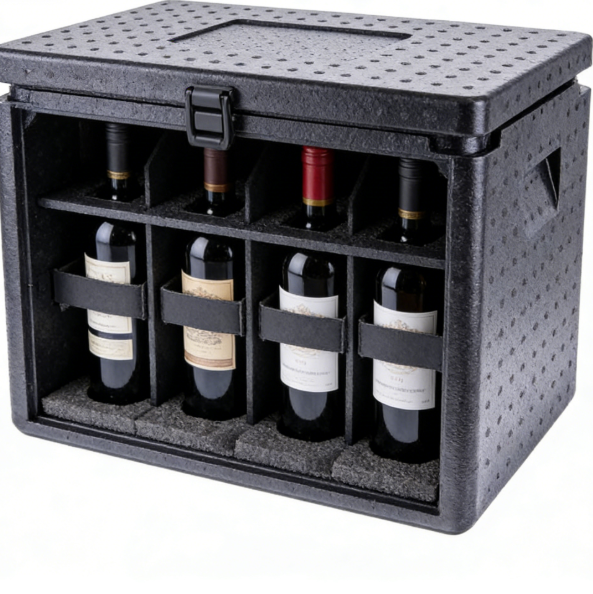
Prix du fournisseur de glacière: Un cadre de sélection des fournisseurs fondé sur des données probantes
La bonne réponse au prix des fournisseurs de glacières commence par un cas d'utilisation contrôlé, pas un modèle de catalogue. Définir la charge utile, condition requise, itinéraire, exposition ambiante, emballage, manutention, nettoyage, preuve, et volume commercial avant de choisir la box. Le produit final doit être jugé sur la capacité utilisable, construction, ajustement opérationnel, cohérence de la production, et coût total livré.
L'objectif pratique est de savoir si les prix proposés sont comparables et si le fournisseur a évalué les risques qui importent pour la cohérence de la production et le coût au débarquement.. Le cadre de décision suivant rassemble le produit le plus utile, technique, conformité, opérationnel, et considérations d'achat tout en gardant toutes les déclarations de performance liées aux conditions qui les soutiennent réellement.
Rédigez les exigences opérationnelles en langage simple
La première spécification doit décrire le travail d'exploitation: obtenir un devis qui reflète la configuration exacte du produit, niveau de qualité, conditionnement, documentation, et conditions de livraison requises. Il doit identifier les utilisateurs, le lieu de chargement, le lieu de réception, les transferts attendus, et le moment où la responsabilité de la température change. Cela empêche le fournisseur de remplir des inconnues avec des hypothèses. Il permet également des opérations, qualité, et les équipes d'approvisionnement doivent examiner la même exigence plutôt que de conserver des versions informelles distinctes.
La définition de la charge utile nécessite plus de détails qu'un poids ou un volume nominal. Le chargement prévu peut inclure de la nourriture, boisson, médical, vente au détail, ou des charges industrielles qui entraînent différentes exigences en matière de construction et d'accessoires. Enregistrez les dimensions du pack primaire, limites d'orientation, number of units, état thermique à l'emballage, espace de tête, zones fragiles, et si la charge doit rester séparée du liquide de refroidissement. Une cavité qui semble suffisamment grande peut devenir inutilisable si l'ouverture est étroite, les coins sont fortement arrondis, ou un panier et un séparateur consomment les dimensions critiques. Pour l'approbation du fournisseur, attribuer un propriétaire et une méthode d'acceptation pour la comparaison des prix fournisseur.
La cartographie des itinéraires est tout aussi importante. Pour l'approvisionnement national, importation à l'étranger, programmes de distribution, lancements au détail, et réapprovisionnement B2B répété, noter le temps de transit prévu, retard probable, température intermédiaire, soleil direct, circulation de l'air du véhicule, ouverture répétée, transfert entre transporteurs, et réception de l'inspection. Ces entrées ne produisent pas à elles seules un temps de maintien garanti, mais ils définissent les conditions qu'un fournisseur ou un laboratoire d'essais doit reproduire. Sans eux, un devis ne peut concerner qu'un coffret générique, pas un processus de distribution fiable. Avant la version finale, confirmer la portée des preuves pour la comparaison des prix du fournisseur avant l'achat.
La sélection des matériaux doit suivre le mode de défaillance
Une boîte isolée typique peut combiner une résine spécifiée, mousse, panneau, élastomère, métal, et composants d'emballage dont la qualité et la source affectent le prix et la cohérence. La structure extérieure protège des chocs et fournit des points de fixation. L'isolation ralentit la conduction et la convection. Le joint du couvercle, vidange, gérer les patrons, attaches, et les bords des panneaux peuvent créer des ponts thermiques ou des chemins de fuite. Pour cette raison, le nom d'un matériau à lui seul ne prédit pas les performances. Deux boîtes fabriquées avec le même polymère nominal peuvent se comporter différemment en raison de l'épaisseur de la paroi, qualité de la mousse, géométrie, et assemblage. Dans la décision finale, vérifier ce point sur les unités représentatives utilisées pour la comparaison prix-fournisseur.
Les options courantes entraînent des compromis différents. Les coques en polymère dur peuvent être nettoyées et durables, mais ils ajoutent du poids et nécessitent un moulage contrôlé. L'EPP peut fournir un poids léger, structure résiliente pour des manipulations répétées, tandis que les surfaces en mousse exposées peuvent nécessiter une hygiène minutieuse et un examen des dommages. Le PSE peut être rentable pour une utilisation unidirectionnelle protégée, mais peut s'écailler en cas de manipulations répétées et brutales.. La mousse PU peut fournir une isolation rigide à l'intérieur d'une coque. Les panneaux isolés sous vide peuvent réduire le transfert de chaleur à travers de larges surfaces, mais des effets de bord, protection anti-crevaison, et le contrôle de la fabrication devient critique. Au lancement de la production, indiquer les conditions applicables à la comparaison des prix du fournisseur dans la réponse du fournisseur.
La spécification du matériau doit identifier les risques prévus: contrôle de révision des devis, spécification approuvée, tolérances, plan d'inspection, définitions de défauts, changer de contrôle, et gestion des litiges. Il doit contrôler la qualité de la résine de base ou de la mousse, pigments, additifs, matériau du joint, adhésifs, matériel, et tout revêtement interne ou étiquette. Quand les substitutions sont autorisées, définir la preuve d'approbation. Sinon, un changement de production qui semble mineur sur le plan commercial peut modifier le statut de contact alimentaire, odeur, flexibilité, conductivité thermique, ajuster, ou durabilité à long terme. Avant la version finale, placer cette exigence de comparaison des prix des fournisseurs dans la liste de contrôle de réception.
Là où se termine le produit et où commence le système thermique
La glacière d'un fournisseur constitue une barrière au flux de chaleur et une enceinte de protection. Il ne génère pas lui-même une température contrôlée. Les performances passives dépendent de l’isolation, type et conditionnement du liquide de refroidissement, masse de liquide de refroidissement, masse de charge utile, température de départ du produit, disposition interne, profil ambiant, comportement d'ouverture, et critères d'acceptation. Une modification de l’un de ces éléments peut modifier les résultats même si la boîte extérieure reste inchangée..
Cette distinction est particulièrement importante pour l'alimentation, pharmaceutique, vaccin, et utilisations pour les essais cliniques. Une déclaration de matériau peut montrer qu'un composant est adapté à une condition de contact prévue. Un test structurel peut montrer qu'une poignée ou une fente survit à une charge définie. Un rapport thermique peut montrer comment un emballage s'est comporté sous un profil. Une qualification d'itinéraire peut alors évaluer la voie d'exploitation. Ces documents répondent à des questions différentes et ne doivent pas se substituer les uns aux autres.. Dans la décision finale, enregistrer ce point pour la comparaison prix-fournisseur comme exigence contrôlée.
Demander au fournisseur d'indiquer chaque réclamation de performance avec sa configuration. La déclaration doit identifier la taille de la boîte et la révision, charge utile, liquide de refroidissement, conditionnement, diagramme de chargement, position du moniteur, profil ambiant, durée, et plage d'acceptation. Si le fournisseur ne peut pas fournir ce contexte, traiter l'allégation comme une indication de dépistage uniquement. Le but n’est pas d’exiger un rapport de laboratoire pour chaque première conversation, mais pour éviter qu'un titre non pris en charge ne devienne une spécification d'achat. Avant la version finale, protéger la décision de comparaison des prix fournisseurs grâce au contrôle des modifications.
« Qualité alimentaire,» « Qualité médicale,» et « Qualifié » ne sont pas interchangeables
Les preuves pertinentes dépendent des déclarations demandées, essai, inspection, et documentation incluses ou exclues de l'offre commerciale. Aux États-Unis, le statut de contact alimentaire est lié aux substances autorisées et aux conditions d'utilisation prévues, y compris le type d'aliment et la température. Dans l'Union européenne, les matériaux destinés à entrer en contact avec des aliments mis sur le marché relèvent du règlement-cadre et des bonnes pratiques de fabrication, avec des règles supplémentaires pour certains groupes de matériaux. A generic declaration that a plastic is 'qualité alimentaire' is therefore only a starting point. Au lancement de la production, protéger la décision de comparaison des prix fournisseurs grâce au contrôle des modifications.
Les utilisations médicales et pharmaceutiques ajoutent une couche différente. L'étiquetage du produit et les procédures du sponsor ou de la qualité définissent la condition requise. PIB, GCP, conseils en matière de vaccination, règles relatives au fret aérien, ou les spécifications du programme national peuvent s'appliquer en fonction de l'expédition. L'unité isotherme ne devient pas conforme simplement parce que son polymère est acceptable pour le contact alimentaire ou parce qu'il est réutilisable.. Le processus complet peut nécessiter des instructions d'emballage qualifiées, surveillance calibrée, gestion des écarts, entraînement, et chaîne de traçabilité documentée. Au lancement de la production, inclure cette limite dans le mode d'emploi pour la comparaison des prix des fournisseurs.
Créer une carte des preuves avec quatre colonnes: réclamer, objet, condition, et documenter. Par exemple, une revendication matérielle appartient à une résine nommée et à l'utilisation prévue; une revendication structurelle appartient à une méthode de conception et de chargement finie; une réclamation thermique appartient à une configuration et un profil complets; une revendication d'itinéraire appartient à une voie d'exploitation. Cette carte révèle les lacunes et empêche qu'un certificat ne soit étendu au-delà de sa portée.. Dans la décision finale, attribuer un propriétaire et une méthode d'acceptation pour la comparaison des prix fournisseur.
Le cadre décisionnel final
| Grille | Question | Communiquer des preuves |
|---|---|---|
| Porte de cas d'utilisation | La charge utile est-elle, itinéraire, condition, et processus de manipulation définis? | Exigence de l'utilisateur approuvé |
| Monter le portail | L'emballage final est-il adapté au levage et à la fermeture en toute sécurité? | Dessin d'emballage et échantillon mesuré |
| Porte des preuves | Les réclamations sont-elles liées au bon matériel, boîte, emballage, ou voie? | Carte des preuves et rapports de tests |
| Porte de qualité | La production peut-elle reproduire la configuration approuvée? | Plan d’examen et d’inspection des lots pilotes |
| Porte de coût | Les devis sont-ils normalisés selon la même portée et la même base de livraison ?? | Modèle de coûts au débarquement et de cycle de vie |
| Porte des opérations | Les utilisateurs peuvent-ils emballer, recevoir, faire le ménage, inspecter, et renvoyez-le correctement? | Consignes et plan de formation contrôlés |
| Changer de portail | Les substitutions nécessiteront-elles un examen? | Nomenclature et accord de contrôle des modifications |
| Porte d'application | Si les prix proposés sont comparables et si le fournisseur a évalué les risques importants pour la cohérence de la production et le coût au débarquement | Exigence signée et liste d’hypothèses non résolues |
Cette matrice fonctionne mieux lorsqu'elle est complétée conjointement par les responsables des achats, opérations, ingénierie, et la qualité. Il transforme les préférences générales en preuves révisables et expose les hypothèses manquantes avant la négociation des prix.. Tous les projets n'ont pas besoin de la même profondeur, mais chaque réclamation critique doit avoir un propriétaire et un moyen défini de la vérifier. Dans la décision finale, confirmer que les contrôles de production préservent ce point pour la comparaison prix fournisseur.
De l’échantillon de catalogue à la production contrôlée
La question centrale du fournisseur est de savoir si les prix proposés sont comparables et si l'usine a évalué les risques qui importent pour la cohérence de la production et le coût au débarquement.. La conversation devrait passer des affirmations générales aux détails contrôlés. Un fabricant crédible devrait être capable de traduire cette exigence en dessins, définitions matérielles, points de contrôle, et un plan de test. Demandez à qui appartient le moule, quelles opérations sont effectuées en interne, comment les fournisseurs de composants critiques sont approuvés, et comment la nomenclature est maintenue. Un large catalogue peut être utile, mais ce n'est pas une preuve du contrôle du processus.
Notion distincte, ingénierie, et des échantillons pilotes. Le premier échantillon confirme les dimensions et l'ergonomie de base. Un échantillon technique révisé confirme les matériaux, raccords, étiquettes, et ajustement parfait. Un lot pilote vérifie les outils de production, assemblée, inspection, conditionnement, et variation entre plusieurs unités. L'échantillon doré approuvé est mieux connecté aux dessins et aux critères d'acceptation mesurables. L'approbation d'un échantillon spécialement préparé sans ce pont est une source courante de surprises lors d'une production de masse.. Pour l'approbation du fournisseur, relier cette décision pour la comparaison des prix du fournisseur au dessin et à l'emballage approuvés.
L'examen de la qualité doit se concentrer sur le contrôle de la révision des devis, spécification approuvée, tolérances, plan d'inspection, définitions de défauts, changer de contrôle, et gestion des litiges. Demandez comment les unités non conformes sont identifiées, si les mesures sont enregistrées, comment les plaintes sont examinées, et comment les modifications techniques sont communiquées. Pour les programmes à contrôle élevé, exiger une approbation préalable avant les substitutions. Pour une utilisation par les consommateurs à moindre risque, le système peut être plus simple, mais des dimensions critiques, matériels, et les dispositifs de sécurité nécessitent toujours des critères d'acceptation objectifs. Avant la version finale, résoudre ce point pour la comparaison prix-fournisseurs avant qualification thermique.
D’où vient réellement le coût de la glacière
La structure des coûts comprend le produit de base, outillage, échantillons, œuvres d'art, essai, inspection, cartons, palettes, fret, devoirs, entrepôts, défauts, et risque de réapprovisionnement. Les fournisseurs peuvent proposer des prix très différents alors que tous semblent proposer la même taille. Les différences peuvent provenir de l’épaisseur de l’isolant, qualité du matériau, processus, matériel, inspection, conditionnement, ou simplement à partir d'éléments exclus. Une comparaison équitable nécessite une fiche de configuration et un tableau de comparaison commerciale. Dans la décision finale, résoudre ce point pour la comparaison prix-fournisseurs avant qualification thermique.
Séparez les coûts ponctuels des coûts récurrents. Construction d'unités, accessoires, inspection, cartons, et le fret est récurrent. Outillage, moules, œuvres d'art, ingénierie, et certains tests peuvent être ponctuels ou amortis. Séparez ensuite le coût d’acquisition du coût d’exploitation: conditionnement du liquide de refroidissement, lavage, séchage, stockage, suivi des actifs, transport de retour, dommage, réparation, et remplacement. La meilleure mesure pourrait être le coût par itinéraire réussi plutôt que le prix d'achat par boîte..
Le fret mérite une attention précoce car les boîtes isothermes peuvent être volumineuses. Demandez aux fournisseurs de proposer les mêmes conditions de livraison et configuration d'emballage.. Dimensions extérieures, nidification, pliabilité, quantité de cartons, modèle de palette, et le chargement des conteneurs peut modifier le coût au débarquement plus qu'une petite différence de prix d'usine. Quand les cartons réutilisables reviennent vides, le cube inversé et la main d'œuvre de manutention doivent également entrer dans le modèle. Au lancement de la production, placer cette exigence de comparaison des prix des fournisseurs dans la liste de contrôle de réception.
Concevoir le processus quotidien à côté de la boîte
Une boîte se déplace à travers les personnes et les lieux, pas seulement à travers une chambre thermique. Le plan opérationnel doit couvrir le préconditionnement, emballage, fermeture, étiquetage, activation du moniteur, remettre, recevoir, déchargement, nettoyage, séchage, inspection, stockage, et retour. Pour l'approvisionnement national, importation à l'étranger, programmes de distribution, lancements au détail, et réapprovisionnement B2B répété, le risque le plus élevé peut être un quai de chargement ou un échec de livraison plutôt que le temps prévu pour le véhicule. Dans la décision finale, attribuer un propriétaire et une méthode d'acceptation pour la comparaison des prix fournisseur.
Les instructions doivent être visuelles et spécifiques à la configuration. Afficher la position du liquide de refroidissement, orientation produit, placement du diviseur, emplacement du moniteur, séquence de fermeture, et critères de rejet. Utilisez des étiquettes qui survivent à l'environnement de nettoyage et d'acheminement. Si le conteneur a des drains, sangles, roues, joints remplaçables, ou poignées en corde, inclure des points d'inspection pour ces composants. La complexité doit être réduite autant que possible car les utilisateurs occasionnels ne se souviennent pas des longues procédures. Avant la version finale, confirmer que les contrôles de production préservent ce point pour la comparaison prix fournisseur.
Les équipes d'accueil ont besoin d'un chemin de décision. Ils devraient savoir comment inspecter le sceau, lire le moniteur, identifier les dommages, enregistrer une excursion, mettre la charge utile en quarantaine, et contactez le responsable de la qualité. Les cartons retournés ne doivent pas automatiquement retourner dans le parc propre. Une simple étape de quarantaine et d’inspection évite les coquilles fêlées, bouchons manquants, poignées contaminées, ou changement de liquide de refroidissement pour affaiblir silencieusement le système. Pour l'approbation du fournisseur, vérifier le point de comparaison du prix du fournisseur par rapport à la charge utile réelle.
La réutilisation ne fonctionne que lorsque la boîte revient
La question pertinente en matière de durabilité est celle de la stabilité des prix et du soutien du cycle de vie., y compris les pièces de rechange, raccords réparables, consistance du matériau, et efficacité de l'emballage. Une boîte réutilisable peut réduire la consommation d’emballages en boucle fermée stable, mais cela demande aussi plus de matériel, nettoyage, stockage, et transport retour. Un système léger à sens unique peut être préférable sur une voie dispersée où les taux de retour sont faibles. Le choix doit être fait à partir du réseau d'exploitation plutôt qu'à partir d'un seul attribut marketing..
Le redimensionnement est souvent l’amélioration la plus rapide. L'excès de volume augmente la surface d'isolation, demande de liquide de refroidissement, cube de fret, et espace d'entrepôt. Le matériel surconstruit ajoute de la masse. Les produits sous-construits échouent tôt et créent des déchets de remplacement. Un bon design utilise suffisamment de matériel aux bons endroits, protège les pièces d'usure remplaçables, et permet une inspection avant qu'une unité endommagée ne soit remise en service. Avant la version finale, enregistrer ce point pour la comparaison prix-fournisseur comme exigence contrôlée.
Suivez un petit ensemble d’indicateurs pratiques: taux de retour, déplacements par actif, raison du dommage, temps de lavage, temps de séchage, composants perdus, cube de retour vide, et parcours de retraite. Ces données montrent si le système s'améliore. Les allégations de durabilité doivent être mises à jour lorsque l'itinéraire change. Une boîte utilisée pour cinquante voyages locaux contrôlés a une empreinte différente de la même boîte expédiée une fois sur une voie internationale et jamais retournée.. Pour l'approbation du fournisseur, résoudre ce point pour la comparaison prix-fournisseurs avant qualification thermique.
Un examen d'itinéraire typique
Considérez cette situation typique: trois fournisseurs proposent une glacière de 30 litres, mais leurs dimensions internes, épaisseur d'isolation, type de loquet, quantité de cartons, et le paquet de documents sont tous différents. La première réponse ne doit pas être de sélectionner une taille de catalogue. L'équipe doit mesurer la charge utile, construire le pack proposé, tracer l'itinéraire, et observez comment les utilisateurs soulèvent, sécurisé, ouvrir, faire le ménage, et renvoie la boîte. Cela crée un enregistrement partagé des contraintes réelles. Avant la version finale, confirmer la portée des preuves pour la comparaison des prix du fournisseur avant l'achat.
Suivant, l'acheteur doit demander deux ou trois alternatives contrôlées plutôt qu'un long catalogue. Une option peut donner la priorité à un poids inférieur, une autre durabilité répétée, et une autre résistance thermique plus élevée ou volume utilisable plus. Chaque option doit énumérer ce qui est inclus, quelles preuves existent, ce qui doit encore être testé, et quels changements opérationnels cela nécessite. L'équipe peut alors comparer les compromis au lieu de discuter de fonctionnalités isolées.. Dans la décision finale, enregistrer ce point pour la comparaison prix-fournisseur comme exigence contrôlée.
Complétez la séquence grâce à un échantillon d'ingénierie, essai d'emballage, production pilote, et libération officielle. Enregistrer les mesures dimensionnelles et les observations de manipulation, pas seulement des photographies. Pour les utilisations sensibles à la température, confirmer le package complet sous un profil approprié et définir comment les excursions seront gérées. Le résultat est une décision d'approvisionnement liée aux preuves et au flux de travail., pas à une promesse qui ne peut être reproduite ultérieurement. Avant la version finale, revoir ce point pour la comparaison du prix fournisseur avec les opérations et la qualité.
Cinq erreurs qui génèrent des retouches coûteuses
Les points ci-dessous méritent d'être vérifiés avant l'outillage ou la production en série. Chacun peut créer des retouches évitables lorsqu'elles restent non résolues lors de la sélection du fournisseur.. Avant la version finale, enregistrer ce point pour la comparaison prix-fournisseur comme exigence contrôlée.
- Libérer le bloqueur: utiliser une configuration verbale pour comparer les prix.
- Libérer le bloqueur: ignorer la quantité de carton et le cube de fret.
- Libérer le bloqueur: en supposant que les accessoires inclus sont identiques.
- Libérer le bloqueur: accepter un prix sans critères d'acceptation de qualité.
- Libérer le bloqueur: comparer les conditions de paiement comme s'il s'agissait du coût du produit.
Un problème d'approvisionnement devient gérable lorsque le fournisseur peut documenter la réponse. Cela devrait déclencher une clarification spécifique, chèque d'échantillon, ou demande de preuves. L’objectif est de résoudre l’incertitude alors que les changements sont encore peu coûteux. Un fournisseur qui répond avec des dessins, conditions, et les actions correctives sont plus utiles que celles qui répètent une affirmation générale. Au lancement de la production, confirmer la portée des preuves pour la comparaison des prix du fournisseur avant l'achat.
Ce qu'une réponse utile d'un fournisseur devrait couvrir
Pour cette glacière d'un fournisseur, les questions suivantes créent plus de valeur que de demander si le fournisseur est fiable. Ils forcent la discussion vers l’usage prévu, spécifications mesurables, et des preuves. Au lancement de la production, tester cette hypothèse pour la comparaison du prix du fournisseur par rapport à l'itinéraire prévu.
- Question de libération: Quelle révision de dessin et de spécification le prix couvre-t-il?
- Question de libération: Les dimensions intérieures et la construction de l'isolation sont-elles équivalentes?
- Question de libération: Quels accessoires, conditionnement, essais, et les documents sont inclus?
- Question de libération: Quelles hypothèses de quantité et de prévision soutiennent le prix?
- Question de libération: Quels sont les moules, échantillon, œuvres d'art, et frais d'inspection?
- Question de libération: Comment les changements de prix seront-ils gérés si la résine, fret, ou des modifications de conception?
Une réponse complète peut être un dessin, tableau, échantillon, plan de test, ou limitation documentée. Un fournisseur n’a pas besoin d’avoir tous les rapports finaux avant le début du développement, mais il devrait être capable d'énoncer ce qui est connu, ce qui est supposé, ce qui peut être personnalisé, et ce qu'il faut tester. Cette transparence est un meilleur signal de risque qu'une longue liste de certifications non étayées. Pour l'approbation du fournisseur, inclure cette limite dans le mode d'emploi pour la comparaison des prix des fournisseurs.
Planification de la maintenance et des pièces de rechange
Les nouvelles unités de production nécessitent un chèque de réception documenté, pas seulement un coup d'œil visuel. Sélectionnez plusieurs unités dans différents cartons. Confirmer les dimensions internes critiques, fermeture du couvercle, matériel, étiquettes, accessoires, et emballage selon les spécifications approuvées. Enregistrez les résultats afin que les plaintes ultérieures puissent être comparées au lot d'origine plutôt qu'à la mémoire ou à un seul échantillon.. Avant la version finale, inclure cette limite dans le mode d'emploi pour la comparaison des prix des fournisseurs.
Les équipes de service ont besoin de limites de dommages prédéfinies. Fissures, joints déformés, bouchons manquants, poignées effilochées, ancres lâches, surfaces contaminées, panneaux perforés, ou un liquide de refroidissement non approuvé devrait déclencher la quarantaine. Certains articles peuvent être réparés avec des pièces contrôlées; d'autres devraient être à la retraite. Une règle claire interdit aux utilisateurs de maintenir en service un coffret visiblement endommagé simplement parce qu’il ferme encore. Avant la version finale, revoir ce point pour la comparaison du prix fournisseur avec les opérations et la qualité.
Utiliser un simple registre des modifications pour le matériel, fournisseur, moule, processus, dimensions, étiquettes, conditionnement, et emballage. Vérifiez si chaque changement affecte le statut du contact, preuve thermique, essais structurels, fret, nettoyage, ou mode d'emploi. Cette discipline ne se limite pas aux programmes réglementés. Il protège tout acheteur contre une dérive progressive de la configuration lors de commandes répétées.. Au lancement de la production, confirmer la portée des preuves pour la comparaison des prix du fournisseur avant l'achat.
Questions fréquemment posées
Une glacière d'un fournisseur est-elle suffisante pour contrôler la température?
Non. La box ralentit le transfert de chaleur, mais le résultat complet dépend du liquide de refroidissement, charge utile, température de départ, modèle de chargement, exposition ambiante, manutention, et surveillance. Toute durée indiquée doit identifier la configuration testée et les critères d'acceptation. Pour les produits réglementés ou de grande valeur, un packout supplémentaire ou une qualification de couloir peuvent être requis. Au lancement de la production, tester cette hypothèse pour la comparaison du prix du fournisseur par rapport à l'itinéraire prévu.
Pourquoi les devis pour des glacières similaires diffèrent-ils autant?
Les produits peuvent ne pas être équivalents. Qualité du matériau, isolation, dimensions intérieures, matériel, outillage, inspection, personnalisation, documents, emballage d'exportation, et les conditions commerciales peuvent toutes différer. Normaliser la configuration technique et la base de livraison avant de comparer les prix unitaires. Avant la version finale, indiquer les conditions applicables à la comparaison des prix du fournisseur dans la réponse du fournisseur.
Un résultat de temps de maintien en laboratoire peut-il être utilisé pour chaque itinéraire?
Aucun résultat ne couvre chaque voie. Un résultat de laboratoire s'applique au profil ambiant testé, charge utile, liquide de refroidissement, surveiller les positions, et plage d'acceptation. Il peut prendre en charge la planification d'itinéraire, mais des différences significatives dans le délai, soleil direct, fréquence d'ouverture, état du véhicule, ou la charge utile peut nécessiter une évaluation ou une qualification plus approfondie. Avant la version finale, revoir ce point pour la comparaison du prix fournisseur avec les opérations et la qualité.
Quel est le meilleur premier test d'échantillon?
Confirmez la charge utile et la séquence de fonctionnement avant des tests plus approfondis. Charger la charge utile réelle, liquide de refroidissement, diviseur, moniteur, étiquettes, et accessoires. Vérifier la fermeture, levage, accéder, nettoyage, et temps d'emballage. Une fois la configuration physique stable, les tests thermiques et structurels deviennent plus significatifs et moins susceptibles d'être répétés après une modification de conception. Dans la décision finale, inclure cette limite dans le mode d'emploi pour la comparaison des prix des fournisseurs.
Conclusion
La sélection finale du prix du fournisseur de glacière doit passer six tests: ajustement au cas d'utilisation, capacité utilisable, preuve, cohérence de la production, simplicité de fonctionnement, et le coût total. Un fournisseur potentiel qui énonce des hypothèses, limites des documents, et prend en charge la vérification pilote est plus précieuse qu'une vérification offrant des réclamations universelles. Ne publiez la commande que lorsque la configuration et les responsabilités sont suffisamment claires pour pouvoir être répétées..
À propos du tempk
Tempk est la marque d'emballages pour chaîne du froid de Shanghai Tempk Industrial Co., Ltée. The company develops and supplies products including gel packs, briques de glace rigides, sacs isolés, Boîtes EPP, glacières médicales, doublures isolées, et housses de palettes. Pour les projets impliquant des boîtes isothermes, Tempk peut discuter de la capacité, structure d'isolation, compatibilité du liquide de refroidissement, fonctionnalités personnalisées, et exigences d'emballage. L'adéquation et les performances du produit doivent être confirmées par rapport à la charge utile spécifique., itinéraire, état de température, et les justificatifs demandés par l'acheteur. Avant la version finale, placer cette exigence de comparaison des prix des fournisseurs dans la liste de contrôle de réception.
Prochaine étape
Avant la sélection finale du fournisseur, envoyer le dessin contrôlé, quantité, destination, liste d'accessoires, exigence d'emballage, et documenter les besoins afin que Tempk puisse fournir une base de prix fournisseur transparente.
Fabricant de glacières: Cadre d'achat complet
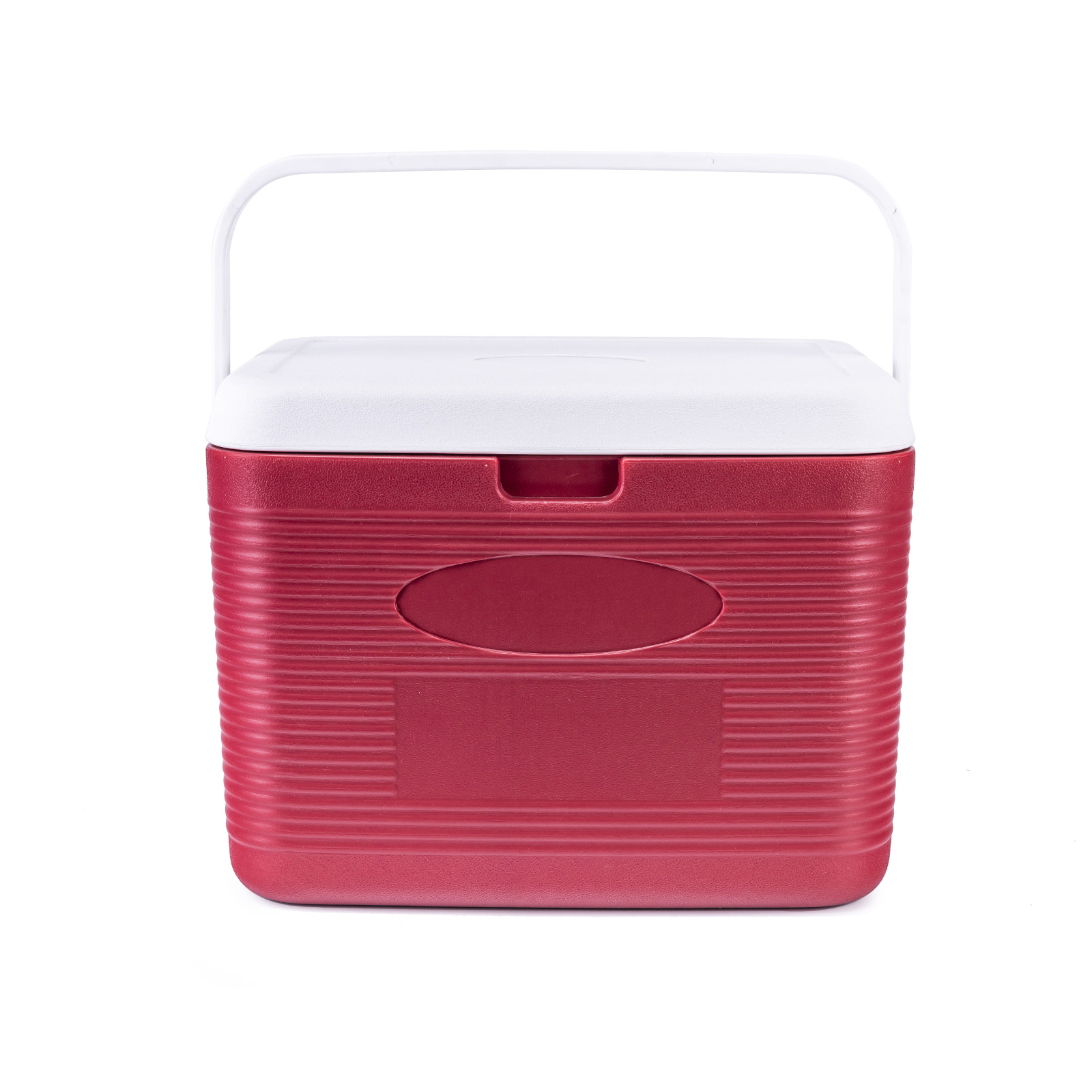
Fabricant de glacières: Un cadre de sélection des fournisseurs fondé sur des données probantes
La bonne réponse au fabricant de glacières commence par un cas d’utilisation contrôlée, pas un modèle de catalogue. Définir la charge utile, condition requise, itinéraire, exposition ambiante, emballage, manutention, nettoyage, preuve, et volume commercial avant de choisir la box. Le produit final doit être jugé sur la capacité utilisable, construction, ajustement opérationnel, cohérence de la production, et coût total livré.
L'objectif pratique est de savoir si le fabricant peut traduire le cas d'utilisation en une spécification contrôlée et maintenir cette configuration à mesure que le volume augmente.. Le cadre de décision suivant rassemble le produit le plus utile, technique, conformité, opérationnel, et considérations d'achat tout en gardant toutes les déclarations de performance liées aux conditions qui les soutiennent réellement.
La coquille, Isolation, Articulations, et les raccords fonctionnent ensemble
Une boîte isolée typique peut combiner des coques en polymère, mousses moulées, Isolation PU, PPE, PSE, panneaux isolés sous vide, joints, matériel, et accessoires sélectionnés en fonction de l'utilisation. La structure extérieure protège des chocs et fournit des points de fixation. L'isolation ralentit la conduction et la convection. Le joint du couvercle, vidange, gérer les patrons, attaches, et les bords des panneaux peuvent créer des ponts thermiques ou des chemins de fuite. Pour cette raison, le nom d'un matériau à lui seul ne prédit pas les performances. Deux boîtes fabriquées avec le même polymère nominal peuvent se comporter différemment en raison de l'épaisseur de la paroi, qualité de la mousse, géométrie, et assemblage. Dans la décision finale, tester cette hypothèse pour le programme de fabrication de glacières par rapport à l'itinéraire prévu.
Les options courantes entraînent des compromis différents. Les coques en polymère dur peuvent être nettoyées et durables, mais ils ajoutent du poids et nécessitent un moulage contrôlé. L'EPP peut fournir un poids léger, structure résiliente pour des manipulations répétées, tandis que les surfaces en mousse exposées peuvent nécessiter une hygiène minutieuse et un examen des dommages. Le PSE peut être rentable pour une utilisation unidirectionnelle protégée, mais peut s'écailler en cas de manipulations répétées et brutales.. La mousse PU peut fournir une isolation rigide à l'intérieur d'une coque. Les panneaux isolés sous vide peuvent réduire le transfert de chaleur à travers de larges surfaces, mais des effets de bord, protection anti-crevaison, et le contrôle de la fabrication devient critique. Avant la version finale, vérifier ce point sur des unités représentatives utilisées pour le programme de fabrication de glacières.
La spécification du matériau doit identifier les risques prévus: examen de la conception, dessins, nomenclature, échantillons approuvés, contrôles des matières entrantes, contrôles de processus, inspection finale, traçabilité des lots, et contrôle des modifications techniques. Il doit contrôler la qualité de la résine de base ou de la mousse, pigments, additifs, matériau du joint, adhésifs, matériel, et tout revêtement interne ou étiquette. Quand les substitutions sont autorisées, définir la preuve d'approbation. Sinon, un changement de production qui semble mineur sur le plan commercial peut modifier le statut de contact alimentaire, odeur, flexibilité, conductivité thermique, ajuster, ou durabilité à long terme. Dans la décision finale, résoudre ce point pour le programme de fabrication des glacières avant qualification thermique.
Définir le travail de distribution avant le produit
La première spécification doit décrire le travail d'exploitation: develop and supply insulated boxes with repeatable materials, dimensions, fabrication, documentation, et service à travers les échantillons et la production de masse. Il doit identifier les utilisateurs, le lieu de chargement, le lieu de réception, les transferts attendus, et le moment où la responsabilité de la température change. Cela empêche le fournisseur de remplir des inconnues avec des hypothèses. Il permet également des opérations, qualité, et les équipes d'approvisionnement doivent examiner la même exigence plutôt que de conserver des versions informelles distinctes. Au lancement de la production, confirmer la portée des preuves pour le programme de fabrication de glacières avant l'achat.
La définition de la charge utile nécessite plus de détails qu'un poids ou un volume nominal. Le chargement prévu peut inclure de la nourriture, boissons, médicaments, vaccins, échantillons, biens de consommation, ou des contenus industriels avec des températures thermiques différentes, hygiène, et besoins de manutention. Enregistrez les dimensions du pack primaire, limites d'orientation, number of units, état thermique à l'emballage, espace de tête, zones fragiles, et si la charge doit rester séparée du liquide de refroidissement. Une cavité qui semble suffisamment grande peut devenir inutilisable si l'ouverture est étroite, les coins sont fortement arrondis, ou un panier et un séparateur consomment les dimensions critiques. Dans la décision finale, protéger la décision relative au programme de fabrication de glacières grâce au contrôle des modifications.
La cartographie des itinéraires est tout aussi importante. Pour la vente au détail, livraison par itinéraire, exporter, distribution médicale, utilisation sur le terrain, et une logistique en boucle fermée réutilisable, noter le temps de transit prévu, retard probable, température intermédiaire, soleil direct, circulation de l'air du véhicule, ouverture répétée, transfert entre transporteurs, et réception de l'inspection. Ces entrées ne produisent pas à elles seules un temps de maintien garanti, mais ils définissent les conditions qu'un fournisseur ou un laboratoire d'essais doit reproduire. Sans eux, un devis ne peut concerner qu'un coffret générique, pas un processus de distribution fiable. Au lancement de la production, tester cette hypothèse pour le programme de fabrication de glacières par rapport à l'itinéraire prévu.
Rendre le bon emballage facile à répéter
Une boîte se déplace à travers les personnes et les lieux, pas seulement à travers une chambre thermique. Le plan opérationnel doit couvrir le préconditionnement, emballage, fermeture, étiquetage, activation du moniteur, remettre, recevoir, déchargement, nettoyage, séchage, inspection, stockage, et retour. Pour la vente au détail, livraison par itinéraire, exporter, distribution médicale, utilisation sur le terrain, et une logistique en boucle fermée réutilisable, le risque le plus élevé peut être un quai de chargement ou un échec de livraison au lieu de l'heure prévue du véhicule.
Les instructions doivent être visuelles et spécifiques à la configuration. Afficher la position du liquide de refroidissement, orientation produit, placement du diviseur, emplacement du moniteur, séquence de fermeture, et critères de rejet. Utilisez des étiquettes qui survivent à l'environnement de nettoyage et d'acheminement. Si la boîte a des drains, sangles, roues, joints remplaçables, ou poignées en corde, inclure des points d'inspection pour ces composants. La complexité doit être réduite autant que possible car les utilisateurs occasionnels ne se souviennent pas des longues procédures. Dans la décision finale, tester cette hypothèse pour le programme de fabrication de glacières par rapport à l'itinéraire prévu.
Les équipes d'accueil ont besoin d'un chemin de décision. Ils devraient savoir comment inspecter le sceau, lire le moniteur, identifier les dommages, enregistrer une excursion, mettre la charge utile en quarantaine, et contactez le responsable de la qualité. Les cartons retournés ne doivent pas automatiquement retourner dans le parc propre. Une simple étape de quarantaine et d’inspection évite les coquilles fêlées, bouchons manquants, poignées contaminées, ou changement de liquide de refroidissement pour affaiblir silencieusement le système. Dans la décision finale, protéger la décision relative au programme de fabrication de glacières grâce au contrôle des modifications.
À quoi ressemble la décision dans la pratique
Considérez cette situation typique: un acheteur approuve un échantillon attrayant, mais la production de masse modifie la densité de la mousse, fournisseur de verrous, et les dimensions des murs car aucun de ces détails n'était figé dans la spécification. L'équipe doit mesurer la charge utile, construire le pack proposé, tracer l'itinéraire, et observez comment les utilisateurs soulèvent, sécurisé, ouvrir, faire le ménage, et renvoie la boîte. La première réponse ne doit pas être de sélectionner une taille de catalogue. Cela crée un enregistrement partagé des contraintes réelles.
Après cela, l'acheteur doit demander deux ou trois alternatives contrôlées plutôt qu'un long catalogue. Chaque option doit énumérer ce qui est inclus, quelles preuves existent, ce qui doit encore être testé, et quels changements opérationnels cela nécessite. Une option peut donner la priorité à un poids inférieur, une autre durabilité répétée, et une autre résistance thermique plus élevée ou volume utilisable plus. L'équipe peut alors comparer les compromis au lieu de discuter de fonctionnalités isolées..
Complétez la séquence grâce à un échantillon d'ingénierie, essai d'emballage, production pilote, et libération officielle. Enregistrer les mesures dimensionnelles et les observations de manipulation, pas seulement des photographies. Pour les utilisations sensibles à la température, confirmer le package complet sous un profil approprié et définir comment les excursions seront gérées. Le résultat est une décision d'approvisionnement liée aux preuves et au flux de travail., pas à une promesse qui ne peut être reproduite ultérieurement. Avant la version finale, relier cet élément du programme de fabrication de glacières à un critère d'acceptation mesurable.
Séparer les réclamations relatives aux conteneurs des réclamations relatives aux emballages
Le fabricant de glacières fournit une barrière au flux de chaleur et une enceinte de protection. Il ne génère pas lui-même une température contrôlée. Les performances passives dépendent de l’isolation, type et conditionnement du liquide de refroidissement, masse de liquide de refroidissement, masse de charge utile, température de départ du produit, disposition interne, profil ambiant, comportement d'ouverture, et critères d'acceptation. Une modification de l’un de ces éléments peut modifier les résultats même si la boîte extérieure reste inchangée.. Avant la version finale, résoudre ce point pour le programme de fabrication des glacières avant qualification thermique.
Cette distinction est particulièrement importante pour l'alimentation, pharmaceutique, vaccin, et utilisations pour les essais cliniques. Une déclaration de matériau peut montrer qu'un composant est adapté à une condition de contact prévue. Un test structurel peut montrer qu'une poignée ou une fente survit à une charge définie. Un rapport thermique peut montrer comment un emballage s'est comporté sous un profil. Une qualification d'itinéraire peut alors évaluer la voie d'exploitation. Ces documents répondent à des questions différentes et ne doivent pas se substituer les uns aux autres.. Avant la version finale, vérifier le point du programme de fabrication de glacières par rapport à la charge utile réelle.
Demander au fournisseur d'indiquer chaque réclamation de performance avec sa configuration. Si le fournisseur ne peut pas fournir ce contexte, traiter l'allégation comme une indication de dépistage uniquement. La déclaration doit identifier la taille de la boîte et la révision, charge utile, liquide de refroidissement, conditionnement, diagramme de chargement, position du moniteur, profil ambiant, durée, et plage d'acceptation. Le but n’est pas d’exiger un rapport de laboratoire pour chaque première conversation, mais pour éviter qu'un titre non pris en charge ne devienne une spécification d'achat. Pour l'approbation du fournisseur, vérifier le point du programme de fabrication de glacières par rapport à la charge utile réelle.
Les preuves de conformité doivent correspondre à l'utilisation prévue
Les preuves pertinentes dépendent du contact alimentaire, Soins de santé, transport, ou des preuves de performance définies par le marché et l'application; les allégations du fabricant doivent être celles du produit- et spécifiques à la configuration. Aux États-Unis, le statut de contact alimentaire est lié aux substances autorisées et aux conditions d'utilisation prévues, y compris le type d'aliment et la température. Dans l'Union européenne, les matériaux destinés à entrer en contact avec des aliments mis sur le marché relèvent du règlement-cadre et des bonnes pratiques de fabrication, avec des règles supplémentaires pour certains groupes de matériaux. A generic declaration that a plastic is 'qualité alimentaire' is therefore only a starting point. Dans la décision finale, vérifier ce point sur des unités représentatives utilisées pour le programme de fabrication de glacières.
Les utilisations médicales et pharmaceutiques ajoutent une couche différente. PIB, GCP, conseils en matière de vaccination, règles relatives au fret aérien, ou les spécifications du programme national peuvent s'appliquer en fonction de l'expédition. L'étiquetage du produit et les procédures du sponsor ou de la qualité définissent la condition requise. La boîte ne devient pas conforme simplement parce que son polymère est acceptable au contact alimentaire ou parce qu'elle est réutilisable. Le processus complet peut nécessiter des instructions d'emballage qualifiées, surveillance calibrée, gestion des écarts, entraînement, et chaîne de traçabilité documentée. Au lancement de la production, enregistrer ce point pour le programme de fabrication de glacières comme exigence contrôlée.
Créer une carte des preuves avec quatre colonnes: réclamer, objet, condition, et documenter. À titre d'exemple, une revendication matérielle appartient à une résine nommée et à l'utilisation prévue; une revendication structurelle appartient à une méthode de conception et de chargement finie; une réclamation thermique appartient à une configuration et un profil complets; une revendication d'itinéraire appartient à une voie d'exploitation. Cette carte révèle les lacunes et empêche qu'un certificat ne soit étendu au-delà de sa portée.. Dans la décision finale, résoudre ce point pour le programme de fabrication des glacières avant qualification thermique.
Questions des fournisseurs qui révèlent une réelle capacité
La question centrale du fournisseur est de savoir si le fabricant peut traduire le cas d'utilisation en une spécification contrôlée et maintenir cette configuration à mesure que le volume augmente.. Un fabricant crédible devrait être capable de traduire cette exigence en dessins, définitions matérielles, points de contrôle, et un plan de test. La conversation devrait passer des affirmations générales aux détails contrôlés. Demandez à qui appartient le moule, quelles opérations sont effectuées en interne, comment les fournisseurs de composants critiques sont approuvés, et comment la nomenclature est maintenue. Un large catalogue peut être utile, mais ce n'est pas une preuve du contrôle du processus. Au lancement de la production, placer cette exigence pour le programme de fabrication de glacières dans la liste de contrôle de réception.
Parcourez les échantillons par étapes contrôlées. Le premier échantillon confirme les dimensions et l'ergonomie de base. Un échantillon technique révisé confirme les matériaux, raccords, étiquettes, et ajustement parfait. Un lot pilote vérifie les outils de production, assemblée, inspection, conditionnement, et variation entre plusieurs unités. L'échantillon doré approuvé doit être lié à des dessins et à des critères d'acceptation mesurables. L'approbation d'un échantillon spécialement préparé sans ce pont est une source courante de surprises lors d'une production de masse.. Pour l'approbation du fournisseur, tester cette hypothèse pour le programme de fabrication de glacières par rapport à l'itinéraire prévu.
L'examen de la qualité doit se concentrer sur l'examen de la conception, dessins, nomenclature, échantillons approuvés, contrôles des matières entrantes, contrôles de processus, inspection finale, traçabilité des lots, et contrôle des modifications techniques. Demandez comment les unités non conformes sont identifiées, si les mesures sont enregistrées, comment les plaintes sont examinées, et comment les modifications techniques sont communiquées. Pour les programmes à contrôle élevé, exiger une approbation préalable avant les substitutions. Pour une utilisation par les consommateurs à moindre risque, le système peut être plus simple, mais des dimensions critiques, matériels, et les dispositifs de sécurité nécessitent toujours des critères d'acceptation objectifs. Dans la décision finale, indiquer les conditions applicables au programme de fabrication de glacières dans la réponse du fournisseur.
Le cadre décisionnel final
| Grille | Question | Communiquer des preuves |
|---|---|---|
| Porte de cas d'utilisation | La charge utile est-elle, itinéraire, condition, et processus de manipulation définis? | Exigence de l'utilisateur approuvé |
| Monter le portail | L'emballage final est-il adapté au levage et à la fermeture en toute sécurité? | Dessin d'emballage et échantillon mesuré |
| Porte des preuves | Les réclamations sont-elles liées au bon matériel, boîte, emballage, ou voie? | Carte des preuves et rapports de tests |
| Porte de qualité | La production peut-elle reproduire la configuration approuvée? | Plan d’examen et d’inspection des lots pilotes |
| Porte de coût | Les devis sont-ils normalisés selon la même portée et la même base de livraison ?? | Modèle de coûts au débarquement et de cycle de vie |
| Porte des opérations | Les utilisateurs peuvent-ils emballer, recevoir, faire le ménage, inspecter, et renvoyez-le correctement? | Consignes et plan de formation contrôlés |
| Changer de portail | Les substitutions nécessiteront-elles un examen? | Nomenclature et accord de contrôle des modifications |
| Porte d'application | Si le fabricant peut traduire le cas d'utilisation en une spécification contrôlée et maintenir cette configuration à mesure que le volume augmente | Exigence signée et liste d’hypothèses non résolues |
Considérez le tableau comme un examen interfonctionnel des achats, opérations, ingénierie, et la qualité. Il transforme les préférences générales en preuves révisables et expose les hypothèses manquantes avant la négociation des prix.. Tous les projets n'ont pas besoin de la même profondeur, mais chaque réclamation critique doit avoir un propriétaire et un moyen défini de la vérifier. Avant la version finale, inclure cette limite dans la notice d'utilisation du programme de fabrication des glacières.
La durabilité dépend de la boucle opérationnelle
La question pertinente en matière de durabilité est celle d’une construction à la bonne taille, composants durables, options de réparation, emballage efficace, logistique de retour, et des choix de fin de vie maîtrisés. Une boîte réutilisable peut réduire la consommation d’emballages en boucle fermée stable, mais cela demande aussi plus de matériel, nettoyage, stockage, et transport retour. Un système léger à sens unique peut être préférable sur une voie dispersée où les taux de retour sont faibles. Le choix doit être fait à partir du réseau d'exploitation plutôt qu'à partir d'un seul attribut marketing..
Le redimensionnement est souvent l’amélioration la plus rapide. Le matériel surconstruit ajoute de la masse. L'excès de volume augmente la surface d'isolation, demande de liquide de refroidissement, cube de fret, et espace d'entrepôt. Les produits sous-construits échouent tôt et créent des déchets de remplacement. Un bon design utilise suffisamment de matériel aux bons endroits, protège les pièces d'usure remplaçables, et permet une inspection avant qu'une unité endommagée ne soit remise en service. Au lancement de la production, vérifier le point du programme de fabrication de glacières par rapport à la charge utile réelle.
Suivez un petit ensemble d’indicateurs pratiques: taux de retour, déplacements par actif, raison du dommage, temps de lavage, temps de séchage, composants perdus, cube de retour vide, et parcours de retraite. Ces données montrent si le système s'améliore. Les allégations de durabilité doivent être mises à jour lorsque l'itinéraire change. Une boîte utilisée pour cinquante voyages locaux contrôlés a une empreinte différente de la même boîte expédiée une fois sur une voie internationale et jamais retournée.. Dans la décision finale, attribuer un propriétaire et une méthode d'acceptation pour le programme de fabrication de glacières.
Comparez le coût au débarquement et le coût du cycle de vie, Il ne s’agit pas d’un devis d’unité isolée
La structure des coûts comprend les travaux de conception, outillage, matériel, processus, assemblée, contrôles de qualité, personnalisation, essai, documentation, emballage, fret, et support du cycle de vie. Les fournisseurs peuvent proposer des prix très différents alors que tous semblent proposer la même taille. Les différences peuvent provenir de l’épaisseur de l’isolant, qualité du matériau, processus, matériel, inspection, conditionnement, ou simplement à partir d'éléments exclus. Une comparaison équitable nécessite une fiche de configuration et un tableau de comparaison commerciale. Dans la décision finale, enregistrer ce point pour le programme de fabrication de glacières comme exigence contrôlée.
Séparez les coûts ponctuels des coûts récurrents. Outillage, moules, œuvres d'art, ingénierie, et certains tests peuvent être ponctuels ou amortis. Construction d'unités, accessoires, inspection, cartons, et le fret est récurrent. Séparez ensuite le coût d’acquisition du coût d’exploitation: conditionnement du liquide de refroidissement, lavage, séchage, stockage, suivi des actifs, transport de retour, dommage, réparation, et remplacement. La meilleure mesure pourrait être le coût par itinéraire réussi plutôt que le prix d'achat par boîte.. Dans la décision finale, enregistrer ce point pour le programme de fabrication de glacières comme exigence contrôlée.
Le fret mérite une attention précoce car les boîtes isothermes peuvent être volumineuses. Dimensions extérieures, nidification, pliabilité, quantité de cartons, modèle de palette, et le chargement des conteneurs peut modifier le coût au débarquement plus qu'une petite différence de prix d'usine. Demandez aux fournisseurs de proposer les mêmes conditions de livraison et configuration d'emballage.. Quand les cartons réutilisables reviennent vides, le cube inversé et la main d'œuvre de manutention doivent également entrer dans le modèle. Avant la version finale, vérifier ce point sur des unités représentatives utilisées pour le programme de fabrication de glacières.
Raccourcis d’approvisionnement qui augmentent les risques
Les points ci-dessous méritent d'être vérifiés avant l'outillage ou la production en série. Chacun peut créer des retouches évitables lorsqu'elles restent non résolues lors de la sélection du fournisseur.. Pour l'approbation du fournisseur, protéger la décision relative au programme de fabrication de glacières grâce au contrôle des modifications.
- Libérer le bloqueur: sélectionner un fabricant à partir de la seule étendue du catalogue.
- Libérer le bloqueur: approuver l’apparence sans contrôles internes des dimensions et des matériaux.
- Libérer le bloqueur: demander des réclamations universelles de durée de détention.
- Libérer le bloqueur: laisser les accessoires et les emballages d'exportation en dehors des spécifications.
- Libérer le bloqueur: mise à l'échelle avant un examen de la production pilote.
Toutes les préoccupations ne sont pas disqualifiantes, mais chacun a besoin d'une clôture. Cela devrait déclencher une clarification spécifique, chèque d'échantillon, ou demande de preuves. Le résultat escompté est de résoudre l’incertitude alors que les changements sont encore peu coûteux.. Un fournisseur qui répond avec des dessins, conditions, et les actions correctives sont plus utiles que celles qui répètent une affirmation générale. Au lancement de la production, attribuer un propriétaire et une méthode d'acceptation pour le programme de fabrication de glacières.
L'entretien de présélection
Pour ce fabricant de glacière, les questions suivantes créent plus de valeur que de demander si le fournisseur est fiable. Ils forcent la discussion vers l’usage prévu, spécifications mesurables, et des preuves. Dans la décision finale, inclure cette limite dans la notice d'utilisation du programme de fabrication des glacières.
- Question de libération: Le fabricant peut-il expliquer les compromis de conception concernant l'itinéraire et la charge utile réels ??
- Question de libération: Quels processus et pièces critiques sont fabriqués en interne ou contrôlés par des fournisseurs agréés?
- Question de libération: Comment sont les dessins, nomenclature, tolérances, et échantillons dorés conservés?
- Question de libération: Quel thermique, de construction, hygiène, ou des tests de conformité peuvent être pris en charge?
- Question de libération: Comment les lots pilotes sont-ils examinés avant la production en série?
- Question de libération: Quel processus de notification de changement et d'action corrective est utilisé?
Une réponse complète peut être un dessin, tableau, échantillon, plan de test, ou limitation documentée. Un fournisseur potentiel n'a pas besoin d'avoir tous les rapports finaux avant le début du développement., mais il devrait être capable d'énoncer ce qui est connu, ce qui est supposé, ce qui peut être personnalisé, et ce qu'il faut tester. Cette transparence est un meilleur signal de risque qu'une longue liste de certifications non étayées. Au lancement de la production, tester cette hypothèse pour le programme de fabrication de glacières par rapport à l'itinéraire prévu.
Changer le contrôle après la première commande
Ne publiez pas un nouveau lot sur la seule apparence. Confirmer les dimensions internes critiques, fermeture du couvercle, matériel, étiquettes, accessoires, et emballage selon les spécifications approuvées. Sélectionnez plusieurs unités dans différents cartons. Enregistrez les résultats afin que les réclamations ultérieures puissent être comparées au lot d'origine plutôt qu'à la mémoire ou à un seul échantillon.. Au lancement de la production, indiquer les conditions applicables au programme de fabrication de glacières dans la réponse du fournisseur.
Les équipes de service ont besoin de limites de dommages prédéfinies. Fissures, joints déformés, bouchons manquants, poignées effilochées, ancres lâches, surfaces contaminées, panneaux perforés, ou un liquide de refroidissement non approuvé devrait déclencher la quarantaine. Certains articles peuvent être réparés avec des pièces contrôlées; d'autres devraient être à la retraite. Une règle claire interdit aux utilisateurs de maintenir en service un coffret visiblement endommagé simplement parce qu’il ferme encore. Avant la version finale, protéger la décision relative au programme de fabrication de glacières grâce au contrôle des modifications.
Suivre les modifications contrôlées apportées au matériel, fournisseur, moule, processus, dimensions, étiquettes, conditionnement, et emballage. Vérifiez si chaque changement affecte le statut du contact, preuve thermique, essais structurels, fret, nettoyage, ou mode d'emploi. Cette discipline ne se limite pas aux programmes réglementés. Il protège tout acheteur contre une dérive progressive de la configuration lors de commandes répétées.. Au lancement de la production, relier cet élément du programme de fabrication de glacières à un critère d'acceptation mesurable.
Questions fréquemment posées
Un fabricant de glacières est-il suffisant pour contrôler la température?
Non. Le récipient ralentit le transfert de chaleur, mais le résultat complet dépend du liquide de refroidissement, charge utile, température de départ, modèle de chargement, exposition ambiante, manutention, et surveillance. Toute durée indiquée doit identifier la configuration testée et les critères d'acceptation. Pour les produits réglementés ou de grande valeur, un packout supplémentaire ou une qualification de couloir peuvent être requis. Au lancement de la production, confirmer que les contrôles de production préservent ce point pour le programme de fabrication des glacières.
Ce qui doit être approuvé avant la production de masse?
Approuver le dessin, matériels, nomenclature, dimensions critiques, accessoires, étiquetage, conditionnement, critères d'acceptation, et un échantillon doré représentatif. Un lot pilote doit confirmer que les unités de production correspondent aux intentions d'ingénierie avant qu'une commande importante ne soit émise.. Au lancement de la production, résoudre ce point pour le programme de fabrication des glacières avant qualification thermique.
Un résultat de temps de maintien en laboratoire peut-il être utilisé pour chaque itinéraire?
Ce serait dangereux sans comparaison des conditions. Un résultat de laboratoire s'applique au profil ambiant testé, charge utile, liquide de refroidissement, surveiller les positions, et plage d'acceptation. Il peut prendre en charge la planification d'itinéraire, mais des différences significatives dans le délai, soleil direct, fréquence d'ouverture, état du véhicule, ou la charge utile peut nécessiter une évaluation ou une qualification plus approfondie. Dans la décision finale, placer cette exigence pour le programme de fabrication de glacières dans la liste de contrôle de réception.
Quel est le meilleur premier test d'échantillon?
Utiliser la forme physique comme premier échantillon. Vérifier la fermeture, levage, accéder, nettoyage, et temps d'emballage. Charger la charge utile réelle, liquide de refroidissement, diviseur, moniteur, étiquettes, et accessoires. Une fois la configuration physique stable, les tests thermiques et structurels deviennent plus significatifs et moins susceptibles d'être répétés après une modification de conception. Dans la décision finale, vérifier ce point sur des unités représentatives utilisées pour le programme de fabrication de glacières.
Comment les acheteurs doivent-ils gérer les changements de production?
Contrôler les matériaux critiques, dimensions, et composants via la nomenclature. Exiger de l'usine qu'elle notifie les modifications avant la mise en œuvre et fournisse des preuves pour examen. Modifications de l'isolation, liquide de refroidissement, joints, pigments, étiquettes, poignées, ou le processus de fabrication peut affecter l'ajustement, statut du contact, durabilité, ou performance qualifiée. Dans la décision finale, protéger la décision relative au programme de fabrication de glacières grâce au contrôle des modifications.
Avant de valider la commande
La sélection finale du fabricant de glacières doit réussir six tests: ajustement au cas d'utilisation, capacité utilisable, preuve, cohérence de la production, simplicité de fonctionnement, et le coût total. Un fournisseur qui énonce des hypothèses, limites des documents, et prend en charge la vérification pilote est plus précieuse qu'une vérification offrant des réclamations universelles. Ne publiez la commande que lorsque la configuration et les responsabilités sont suffisamment claires pour pouvoir être répétées..
À propos du tempk
Tempk est la marque d'emballages pour chaîne du froid de Shanghai Tempk Industrial Co., Ltée. The company develops and supplies products including gel packs, briques de glace rigides, sacs isolés, Boîtes EPP, glacières médicales, doublures isolées, et housses de palettes. Pour les projets impliquant des boîtes isothermes, Tempk peut discuter de la capacité, structure d'isolation, compatibilité du liquide de refroidissement, fonctionnalités personnalisées, et exigences d'emballage. L'adéquation et les performances du produit doivent être confirmées par rapport à la charge utile spécifique., itinéraire, état de température, et les justificatifs demandés par l'acheteur. Dans la décision finale, protéger la décision relative au programme de fabrication de glacières grâce au contrôle des modifications.
Prochaine étape
Avant la sélection finale du fournisseur, partager la charge utile, itinéraire, état de température, capacité, liste des fonctionnalités, marché cible, et des prévisions afin que Tempk puisse discuter d'un plan de développement et de fabrication contrôlé.
Coût de la glacière: Cadre d'achat complet
Coût de la glacière: Comment choisir, Vérifier, et faites évoluer le bon système
Pour la plupart des acheteurs, the search term cooler box cost hides four separate decisions: produit adapté, preuve, contrôle des fournisseurs, et l'économie. Traiter ces décisions séparément permet d'obtenir une demande de devis plus claire et un lancement de production plus sûr.. Les traiter comme une seule question aboutit généralement à des comparaisons vagues et à une refonte tardive..
L’objectif pratique est de savoir quel modèle de coûts est important: achat unique, coût unitaire débarqué, coût par itinéraire, coût par expédition réussie, ou coût du cycle de vie d’une flotte réutilisable. Le cadre de décision suivant rassemble le produit le plus utile, technique, conformité, opérationnel, et considérations d'achat tout en gardant toutes les déclarations de performance liées aux conditions qui les soutiennent réellement.
Une boîte isolée n’est qu’une partie du contrôle de la température
La glacière constitue une barrière au flux de chaleur et une enceinte de protection. Il ne génère pas lui-même une température contrôlée. Les performances passives dépendent de l’isolation, type et conditionnement du liquide de refroidissement, masse de liquide de refroidissement, masse de charge utile, température de départ du produit, disposition interne, profil ambiant, comportement d'ouverture, et critères d'acceptation. Une modification de l’un de ces éléments peut modifier les résultats même si la boîte extérieure reste inchangée.. Au lancement de la production, protéger la décision relative au modèle de coût de la glacière grâce au contrôle des modifications.
Cette distinction est particulièrement importante pour l'alimentation, pharmaceutique, vaccin, et utilisations pour les essais cliniques. Une déclaration de matériau peut montrer qu'un composant est adapté à une condition de contact prévue. Un test structurel peut montrer qu'une poignée ou une fente survit à une charge définie. Un rapport thermique peut montrer comment un emballage s'est comporté sous un profil. Une qualification d'itinéraire peut alors évaluer la voie d'exploitation. Ces documents répondent à des questions différentes et ne doivent pas se substituer les uns aux autres.. Dans la décision finale, placez cette exigence pour le modèle de coût de la glacière dans la liste de contrôle de réception.
Demander au fournisseur d'indiquer chaque réclamation de performance avec sa configuration. La déclaration doit identifier la taille de la boîte et la révision, charge utile, liquide de refroidissement, conditionnement, diagramme de chargement, position du moniteur, profil ambiant, durée, et plage d'acceptation. Si le fournisseur ne peut pas fournir ce contexte, traiter l'allégation comme une indication de dépistage uniquement. Le résultat escompté n’est pas d’exiger un rapport de laboratoire pour chaque première conversation, mais pour éviter qu'un titre non pris en charge ne devienne une spécification d'achat.
La portée réglementaire commence par les conditions de contact et du produit
Les preuves pertinentes dépendent du contact alimentaire, Soins de santé, transport, ou des preuves de qualification qui peuvent augmenter les coûts mais peuvent être essentielles pour le marché visé. Aux États-Unis, le statut de contact alimentaire est lié aux substances autorisées et aux conditions d'utilisation prévues, y compris le type d'aliment et la température. Dans l'Union européenne, les matériaux destinés à entrer en contact avec des aliments mis sur le marché relèvent du règlement-cadre et des bonnes pratiques de fabrication, avec des règles supplémentaires pour certains groupes de matériaux. A generic declaration that a plastic is 'qualité alimentaire' is therefore only a starting point. Avant la version finale, attribuer un propriétaire et une méthode d'acceptation pour le modèle de coût de la glacière.
Les utilisations médicales et pharmaceutiques ajoutent une couche différente. PIB, GCP, conseils en matière de vaccination, règles relatives au fret aérien, ou les spécifications du programme national peuvent s'appliquer en fonction de l'expédition. L'étiquetage du produit et les procédures du sponsor ou de la qualité définissent la condition requise. La boîte ne devient pas conforme simplement parce que son polymère est acceptable au contact alimentaire ou parce qu'elle est réutilisable. Le processus complet peut nécessiter des instructions d'emballage qualifiées, surveillance calibrée, gestion des écarts, entraînement, et chaîne de traçabilité documentée. Au lancement de la production, documenter les limites du modèle de coût des glacières plutôt que d’impliquer une adéquation universelle.
Créer une carte des preuves avec quatre colonnes: réclamer, objet, condition, et documenter. Par exemple, une revendication matérielle appartient à une résine nommée et à l'utilisation prévue; une revendication structurelle appartient à une méthode de conception et de chargement finie; une réclamation thermique appartient à une configuration et un profil complets; une revendication d'itinéraire appartient à une voie d'exploitation. Cette carte révèle les lacunes et empêche qu'un certificat ne soit étendu au-delà de sa portée.. Avant la version finale, inclure cette limite dans le mode d'emploi du modèle de coût de la glacière.
La spécification de la boîte commence en dehors des sentiers battus
La première spécification doit décrire le travail d'exploitation: sélectionner un boîtier dont les coûts d'acquisition et d'exploitation correspondent au cas d'utilisation sans payer pour une construction inutile ni sous-acheter des performances critiques. Il doit identifier les utilisateurs, le lieu de chargement, le lieu de réception, les transferts attendus, et le moment où la responsabilité de la température change. Cela empêche le fournisseur de remplir des inconnues avec des hypothèses. Il permet également des opérations, qualité, et les équipes d'approvisionnement doivent examiner la même exigence au lieu de conserver des versions informelles distinctes.
La définition de la charge utile nécessite plus de détails qu'un poids ou un volume nominal. Le chargement prévu peut inclure des biens de consommation, paquets de nourriture, médecine, échantillons, boissons, ou des matériaux industriels avec des températures différentes, hygiène, et risques d’impact. Enregistrez les dimensions du pack primaire, limites d'orientation, number of units, état thermique à l'emballage, espace de tête, zones fragiles, et si la charge doit rester séparée du liquide de refroidissement. Une cavité qui semble suffisamment grande peut devenir inutilisable si l'ouverture est étroite, les coins sont fortement arrondis, ou un panier et un séparateur consomment les dimensions critiques. Au lancement de la production, vérifiez le point du modèle de coût de la glacière par rapport à la charge utile réelle.
La cartographie des itinéraires est tout aussi importante. Pour un usage personnel, livraison par itinéraire, revente en gros, exporter, logistique médicale, et réutilisation en boucle fermée avec des structures de coûts très différentes, noter le temps de transit prévu, retard probable, température intermédiaire, soleil direct, circulation de l'air du véhicule, ouverture répétée, transfert entre transporteurs, et réception de l'inspection. Ces entrées ne produisent pas à elles seules un temps de maintien garanti, mais ils définissent les conditions qu'un fournisseur ou un laboratoire d'essais doit reproduire. Sans eux, un devis ne peut concerner qu'un coffret générique, pas un processus de distribution fiable. Au lancement de la production, confirmer la portée des preuves pour le modèle de coût de la glacière avant l'achat.
Architecture matérielle et compromis entre flux de chaleur
A typical insulated box can combine soft insulated bags, molded foam boxes, refroidisseurs en polymère à coque dure, Conteneurs PPE, PU-insulated boxes, ou panneaux hautes performances sélectionnés en fonction du travail. La structure extérieure protège des chocs et fournit des points de fixation. L'isolation ralentit la conduction et la convection. Le joint du couvercle, vidange, gérer les patrons, attaches, et les bords des panneaux peuvent créer des ponts thermiques ou des chemins de fuite. Pour cette raison, le nom d'un matériau à lui seul ne prédit pas les performances. Deux boîtes fabriquées avec le même polymère nominal peuvent se comporter différemment en raison de l'épaisseur de la paroi, qualité de la mousse, géométrie, et assemblage. Au lancement de la production, placez cette exigence pour le modèle de coût de la glacière dans la liste de contrôle de réception.
Les options courantes entraînent des compromis différents. Les coques en polymère dur peuvent être nettoyées et durables, mais ils ajoutent du poids et nécessitent un moulage contrôlé. L'EPP peut fournir un poids léger, structure résiliente pour des manipulations répétées, tandis que les surfaces en mousse exposées peuvent nécessiter une hygiène minutieuse et un examen des dommages. Le PSE peut être rentable pour une utilisation unidirectionnelle protégée, mais peut s'écailler en cas de manipulations répétées et brutales.. La mousse PU peut fournir une isolation rigide à l'intérieur d'une coque. Les panneaux isolés sous vide peuvent réduire le transfert de chaleur à travers de larges surfaces, mais des effets de bord, protection anti-crevaison, et le contrôle de la fabrication devient critique. Pour l'approbation du fournisseur, lier cette décision pour le modèle de coût de la glacière au dessin et à l'emballage approuvés.
La spécification du matériau doit identifier les risques prévus: clarté des spécifications, approbation de l'échantillon, cohérence de la production, inspection à l'arrivée, critères de dommages, conditions de garantie, et disponibilité des pièces de rechange. Il doit contrôler la qualité de la résine de base ou de la mousse, pigments, additifs, matériau du joint, adhésifs, matériel, et tout revêtement interne ou étiquette. Quand les substitutions sont autorisées, définir la preuve d'approbation. Sinon, un changement de production qui semble mineur sur le plan commercial peut modifier le statut de contact alimentaire, odeur, flexibilité, conductivité thermique, ajuster, ou durabilité à long terme. Avant la version finale, confirmer la portée des preuves pour le modèle de coût de la glacière avant l'achat.
Ce qui doit être clair avant le bon de commande
| Grille | Question | Communiquer des preuves |
|---|---|---|
| Porte de cas d'utilisation | La charge utile est-elle, itinéraire, condition, et processus de manipulation définis? | Exigence de l'utilisateur approuvé |
| Monter le portail | L'emballage final est-il adapté au levage et à la fermeture en toute sécurité? | Dessin d'emballage et échantillon mesuré |
| Porte des preuves | Les réclamations sont-elles liées au bon matériel, boîte, emballage, ou voie? | Carte des preuves et rapports de tests |
| Porte de qualité | La production peut-elle reproduire la configuration approuvée? | Plan d’examen et d’inspection des lots pilotes |
| Porte de coût | Les devis sont-ils normalisés selon la même portée et la même base de livraison ?? | Modèle de coûts au débarquement et de cycle de vie |
| Porte des opérations | Les utilisateurs peuvent-ils emballer, recevoir, faire le ménage, inspecter, et renvoyez-le correctement? | Consignes et plan de formation contrôlés |
| Changer de portail | Les substitutions nécessiteront-elles un examen? | Nomenclature et accord de contrôle des modifications |
| Porte d'application | Quel modèle de coûts est important: achat unique, coût unitaire débarqué, coût par itinéraire, coût par expédition réussie, ou coût du cycle de vie d’une flotte réutilisable | Exigence signée et liste d’hypothèses non résolues |
Utilisez ce tableau comme examen conjoint entre les responsables des achats, opérations, ingénierie, et la qualité. Il transforme les préférences générales en preuves révisables et expose les hypothèses manquantes avant la négociation des prix.. Tous les projets n'ont pas besoin de la même profondeur, mais chaque réclamation critique doit avoir un propriétaire et un moyen défini de la vérifier. Avant la version finale, enregistrer ce point pour le modèle de coût des glacières comme une exigence contrôlée.
Le prix est le résultat d’une configuration
La structure des coûts comprend la masse matérielle, processus, moule, assemblée, matériel, personnalisation, essai, quantité commandée, contrôle de qualité, emballage d'exportation, fret, devoir, stockage, nettoyage, réparation, et remplacement. Les fournisseurs peuvent proposer des prix très différents alors que tous semblent proposer la même taille. Les différences peuvent provenir de l’épaisseur de l’isolant, qualité du matériau, processus, matériel, inspection, conditionnement, ou simplement à partir d'éléments exclus. Une comparaison équitable nécessite une fiche de configuration et un tableau de comparaison commerciale. Avant la version finale, protéger la décision relative au modèle de coût de la glacière grâce au contrôle des modifications.
Séparez les coûts ponctuels des coûts récurrents. Outillage, moules, œuvres d'art, ingénierie, et certains tests peuvent être ponctuels ou amortis. Construction d'unités, accessoires, inspection, cartons, et le fret est récurrent. Séparez ensuite le coût d’acquisition du coût d’exploitation: conditionnement du liquide de refroidissement, lavage, séchage, stockage, suivi des actifs, transport de retour, dommage, réparation, et remplacement. La meilleure mesure pourrait être le coût par itinéraire réussi plutôt que le prix d'achat par boîte.. Pour l'approbation du fournisseur, vérifiez le point du modèle de coût de la glacière par rapport à la charge utile réelle.
Le fret mérite une attention précoce car les boîtes isothermes peuvent être volumineuses. Demandez aux fournisseurs de proposer les mêmes conditions de livraison et configuration d'emballage.. Dimensions extérieures, nidification, pliabilité, quantité de cartons, modèle de palette, et le chargement des conteneurs peut modifier le coût au débarquement plus qu'une petite différence de prix d'usine. Quand les cartons réutilisables reviennent vides, le cube inversé et la main d'œuvre de manutention doivent également entrer dans le modèle. Dans la décision finale, placez cette exigence pour le modèle de coût de la glacière dans la liste de contrôle de réception.
Un scénario d'achat pratique
Considérez cette situation typique: un acheteur choisit une grande boîte bon marché pour un trajet court, puis paie plus pour expédier le volume vide, utiliser un excès de liquide de refroidissement, stocker les retours volumineux, et remplacez les loquets fissurés. La première réponse ne doit pas être de sélectionner une taille de catalogue. L'équipe doit mesurer la charge utile, construire le pack proposé, tracer l'itinéraire, et observez comment les utilisateurs soulèvent, sécurisé, ouvrir, faire le ménage, et renvoie la boîte. Cela crée un enregistrement partagé des contraintes réelles. Au lancement de la production, reliez cet élément du modèle de coût de la glacière à un critère d'acceptation mesurable.
A l'étape suivante, l'acheteur doit demander deux ou trois alternatives contrôlées plutôt qu'un long catalogue. Une option peut donner la priorité à un poids inférieur, une autre durabilité répétée, et une autre résistance thermique plus élevée ou volume utilisable plus. Chaque option doit énumérer ce qui est inclus, quelles preuves existent, ce qui doit encore être testé, et quels changements opérationnels cela nécessite. L'équipe peut alors comparer les compromis au lieu de discuter de fonctionnalités isolées.. Dans la décision finale, inclure cette limite dans le mode d'emploi du modèle de coût de la glacière.
Complétez la séquence grâce à un échantillon d'ingénierie, essai d'emballage, production pilote, et libération officielle. Enregistrer les mesures dimensionnelles et les observations de manipulation, pas seulement des photographies. Pour les utilisations sensibles à la température, confirmer le package complet sous un profil approprié et définir comment les excursions seront gérées. Le résultat est une décision d'approvisionnement liée aux preuves et au flux de travail., pas à une promesse qui ne peut être reproduite ultérieurement. Avant la version finale, placez cette exigence pour le modèle de coût de la glacière dans la liste de contrôle de réception.
La discipline opérationnelle protège la configuration qualifiée
Une boîte se déplace à travers les personnes et les lieux, pas seulement à travers une chambre thermique. Le plan opérationnel doit couvrir le préconditionnement, emballage, fermeture, étiquetage, activation du moniteur, remettre, recevoir, déchargement, nettoyage, séchage, inspection, stockage, et retour. Pour un usage personnel, livraison par itinéraire, revente en gros, exporter, logistique médicale, et réutilisation en boucle fermée avec des structures de coûts très différentes, le risque le plus élevé peut être un quai de chargement ou un échec de livraison plutôt que le temps prévu pour le véhicule. Au lancement de la production, enregistrer ce point pour le modèle de coût des glacières comme une exigence contrôlée.
Les instructions doivent être visuelles et spécifiques à la configuration. Afficher la position du liquide de refroidissement, orientation produit, placement du diviseur, emplacement du moniteur, séquence de fermeture, et critères de rejet. Utilisez des étiquettes qui survivent à l'environnement de nettoyage et d'acheminement. Si le conteneur a des drains, sangles, roues, joints remplaçables, ou poignées en corde, inclure des points d'inspection pour ces composants. La complexité doit être réduite autant que possible car les utilisateurs occasionnels ne se souviennent pas des longues procédures. Dans la décision finale, vérifier ce point sur les unités représentatives utilisées pour le modèle de coût des glacières.
Les équipes d'accueil ont besoin d'un chemin de décision. Ils devraient savoir comment inspecter le sceau, lire le moniteur, identifier les dommages, enregistrer une excursion, mettre la charge utile en quarantaine, et contactez le responsable de la qualité. Les cartons retournés ne doivent pas automatiquement retourner dans le parc propre. Une simple étape de quarantaine et d’inspection évite les coquilles fêlées, bouchons manquants, poignées contaminées, ou changement de liquide de refroidissement pour affaiblir silencieusement le système. Au lancement de la production, confirmer la portée des preuves pour le modèle de coût de la glacière avant l'achat.
L'examen de l'usine devrait suivre les risques critiques
La question centrale du fournisseur est de savoir quel modèle de coûts est important: achat unique, coût unitaire débarqué, coût par itinéraire, coût par expédition réussie, ou coût du cycle de vie d’une flotte réutilisable. La conversation devrait passer des affirmations générales aux détails contrôlés. Un fabricant crédible devrait être capable de traduire cette exigence en dessins, définitions matérielles, points de contrôle, et un plan de test. Demandez à qui appartient le moule, quelles opérations sont effectuées en interne, comment les fournisseurs de composants critiques sont approuvés, et comment la nomenclature est maintenue. Un large catalogue peut ajouter de la valeur, mais ce n'est pas une preuve du contrôle du processus.
Construire le processus d'approbation autour de la maturité progressive des échantillons. Le premier échantillon confirme les dimensions et l'ergonomie de base. Un échantillon technique révisé confirme les matériaux, raccords, étiquettes, et ajustement parfait. Un lot pilote vérifie les outils de production, assemblée, inspection, conditionnement, et variation entre plusieurs unités. L'échantillon doré approuvé doit être lié à des dessins et à des critères d'acceptation mesurables. L'approbation d'un échantillon spécialement préparé sans ce pont est une source courante de surprises lors d'une production de masse.. Dans la décision finale, vérifier ce point sur les unités représentatives utilisées pour le modèle de coût des glacières.
L'examen de la qualité doit se concentrer sur la clarté des spécifications, approbation de l'échantillon, cohérence de la production, inspection à l'arrivée, critères de dommages, conditions de garantie, et disponibilité des pièces de rechange. Pour les programmes à contrôle élevé, exiger une approbation préalable avant les substitutions. Demandez comment les unités non conformes sont identifiées, si les mesures sont enregistrées, comment les plaintes sont examinées, et comment les modifications techniques sont communiquées. Pour une utilisation par les consommateurs à moindre risque, le système peut être plus simple, mais des dimensions critiques, matériels, et les dispositifs de sécurité nécessitent toujours des critères d'acceptation objectifs. Dans la décision finale, documenter les limites du modèle de coût des glacières plutôt que d’impliquer une adéquation universelle.
Une résine recyclable ne complète pas l’histoire du cycle de vie
La question pertinente en matière de durabilité est celle du coût par utilisation et du gaspillage évité uniquement lorsque la boîte survit., retours, et reste hygiénique; une lourde boîte réutilisable peut être inefficace sur les voies à sens unique. Une boîte réutilisable peut réduire la consommation d’emballages en boucle fermée stable, mais cela demande aussi plus de matériel, nettoyage, stockage, et transport retour. Un système léger à sens unique peut être préférable sur une voie dispersée où les taux de retour sont faibles. Le choix doit être fait à partir du réseau d'exploitation plutôt qu'à partir d'un seul attribut marketing.. Pour l'approbation du fournisseur, attribuer un propriétaire et une méthode d'acceptation pour le modèle de coût de la glacière.
Le redimensionnement est souvent l’amélioration la plus rapide. L'excès de volume augmente la surface d'isolation, demande de liquide de refroidissement, cube de fret, et espace d'entrepôt. Le matériel surconstruit ajoute de la masse. Les produits sous-construits échouent tôt et créent des déchets de remplacement. Un bon design utilise suffisamment de matériel aux bons endroits, protège les pièces d'usure remplaçables, et permet une inspection avant qu'une unité endommagée ne soit remise en service. Pour l'approbation du fournisseur, reliez cet élément du modèle de coût de la glacière à un critère d'acceptation mesurable.
Suivez un petit ensemble d’indicateurs pratiques: taux de retour, déplacements par actif, raison du dommage, temps de lavage, temps de séchage, composants perdus, cube de retour vide, et parcours de retraite. Ces données montrent si le système s'améliore. Les allégations de durabilité doivent être mises à jour lorsque l'itinéraire change. Une boîte utilisée pour cinquante voyages locaux contrôlés a une empreinte différente de la même boîte expédiée une fois sur une voie internationale et jamais retournée.. Au lancement de la production, tester cette hypothèse pour le modèle de coût de la glacière par rapport à l'itinéraire prévu.
Inspection de réception et libération de la flotte
La libération des lots doit commencer par des contrôles objectifs plutôt que par la seule apparence.. Confirmer les dimensions internes critiques, fermeture du couvercle, matériel, étiquettes, accessoires, et emballage selon les spécifications approuvées. Sélectionnez plusieurs unités dans différents cartons. Enregistrez les résultats afin que les plaintes ultérieures puissent être comparées au lot d'origine plutôt qu'à la mémoire ou à un seul échantillon..
Créer une réparation claire, quarantaine, et règle de retraite. Certains articles peuvent être réparés avec des pièces contrôlées; d'autres devraient être à la retraite. Fissures, joints déformés, bouchons manquants, poignées effilochées, ancres lâches, surfaces contaminées, panneaux perforés, ou un liquide de refroidissement non approuvé devrait déclencher la quarantaine. Une règle claire interdit aux utilisateurs de maintenir en service un coffret visiblement endommagé simplement parce qu’il ferme encore. Au lancement de la production, reliez cet élément du modèle de coût de la glacière à un critère d'acceptation mesurable.
Tenir à jour un enregistrement concis des modifications pour le matériel, fournisseur, moule, processus, dimensions, étiquettes, conditionnement, et emballage. Vérifiez si chaque changement affecte le statut du contact, preuve thermique, essais structurels, fret, nettoyage, ou mode d'emploi. Cette discipline ne se limite pas aux programmes réglementés. Il protège tout acheteur contre une dérive progressive de la configuration lors de commandes répétées.. Dans la décision finale, reliez cet élément du modèle de coût de la glacière à un critère d'acceptation mesurable.
Questions à poser avant de commander
Pour cette glacière, les questions suivantes créent plus de valeur que de demander si l'usine est fiable. Ils forcent la discussion vers l’usage prévu, spécifications mesurables, et des preuves.
- Question de libération: Quelle définition de coût sera utilisée pour la décision?
- Question de libération: Quels éléments de performance et de conformité sont obligatoires?
- Question de libération: Combien de voyages une boîte réutilisable peut-elle effectuer de manière réaliste?
- Question de libération: Ce qui est inclus dans le devis du fournisseur et ce qui est exclu?
- Question de libération: Comment le cube d'emballage affecte-t-il les coûts de transport et d'entrepôt?
- Question de libération: Quel échec, nettoyage, réparation, et les coûts de remplacement doivent être budgétisés?
Une réponse complète peut être un dessin, tableau, échantillon, plan de test, ou limitation documentée. Un fournisseur n’a pas besoin d’avoir tous les rapports finaux avant le début du développement, mais il devrait être capable d'énoncer ce qui est connu, ce qui est supposé, ce qui peut être personnalisé, et ce qu'il faut tester. Cette transparence est un meilleur signal de risque qu'une longue liste de certifications non étayées. Avant la version finale, indiquer les conditions applicables au modèle de coût de la glacière dans la réponse du fournisseur.
Là où les bons projets tournent mal
Les points ci-dessous méritent d'être vérifiés avant l'outillage ou la production en série. Chacun peut créer des retouches évitables lorsqu'elles restent non résolues lors de la sélection du fournisseur.. Au lancement de la production, tester cette hypothèse pour le modèle de coût de la glacière par rapport à l'itinéraire prévu.
- Libérer le bloqueur: demander un prix avant de définir la configuration.
- Libérer le bloqueur: comparer une boîte nue avec un emballage complet.
- Libérer le bloqueur: en ignorant le cube de fret et le poids volumétrique.
- Libérer le bloqueur: en supposant que le niveau d'isolation le plus élevé est toujours économique.
- Libérer le bloqueur: diviser le prix d'achat par un nombre irréaliste de cycles de réutilisation.
Un fournisseur peut résoudre un panneau d'avertissement avec un message clair, réponse testable. Cela devrait déclencher une clarification spécifique, chèque d'échantillon, ou demande de preuves. L’objectif est de résoudre l’incertitude alors que les changements sont encore peu coûteux. Un fournisseur qui répond avec des dessins, conditions, et les actions correctives sont plus utiles que celles qui répètent une affirmation générale. Avant la version finale, confirmer la portée des preuves pour le modèle de coût de la glacière avant l'achat.
Réponses pratiques pour les achats et les opérations
Une glacière suffit-elle à contrôler la température?
Non. La box ralentit le transfert de chaleur, mais le résultat complet dépend du liquide de refroidissement, charge utile, température de départ, modèle de chargement, exposition ambiante, manutention, et surveillance. Toute durée indiquée doit identifier la configuration testée et les critères d'acceptation. Pour les produits réglementés ou de grande valeur, un packout supplémentaire ou une qualification de couloir peuvent être requis. Au lancement de la production, attribuer un propriétaire et une méthode d'acceptation pour le modèle de coût de la glacière.
Pourquoi les devis pour des glacières similaires diffèrent-ils autant?
Les produits peuvent ne pas être équivalents. Qualité du matériau, isolation, dimensions intérieures, matériel, outillage, inspection, personnalisation, documents, emballage d'exportation, et les conditions commerciales peuvent toutes différer. Normaliser la configuration technique et la base de livraison avant de comparer les prix unitaires. Avant la version finale, confirmer la portée des preuves pour le modèle de coût de la glacière avant l'achat.
Un résultat de temps de maintien en laboratoire peut-il être utilisé pour chaque itinéraire?
Aucun résultat ne couvre chaque voie. Un résultat de laboratoire s'applique au profil ambiant testé, charge utile, liquide de refroidissement, surveiller les positions, et plage d'acceptation. Il peut prendre en charge la planification d'itinéraire, mais des différences significatives dans le délai, soleil direct, fréquence d'ouverture, état du véhicule, ou la charge utile peut nécessiter une évaluation ou une qualification plus approfondie. Dans la décision finale, attribuer un propriétaire et une méthode d'acceptation pour le modèle de coût de la glacière.
Quel est le meilleur premier test d'échantillon?
Utiliser la forme physique comme premier échantillon. Charger la charge utile réelle, liquide de refroidissement, diviseur, moniteur, étiquettes, et accessoires. Vérifier la fermeture, levage, accéder, nettoyage, et temps d'emballage. Une fois la configuration physique stable, les tests thermiques et structurels deviennent plus significatifs et moins susceptibles d'être répétés après une modification de conception. Pour l'approbation du fournisseur, résoudre ce point pour le modèle de coût de la glacière avant qualification thermique.
Les plats à emporter pratiques
La sélection finale du coût de la glacière devrait réussir six tests: ajustement au cas d'utilisation, capacité utilisable, preuve, cohérence de la production, simplicité de fonctionnement, et le coût total. Un fournisseur potentiel qui énonce des hypothèses, limites des documents, et prend en charge la vérification pilote est plus précieuse qu'une vérification offrant des réclamations universelles. Ne publiez la commande que lorsque la configuration et les responsabilités sont suffisamment claires pour pouvoir être répétées..
À propos du tempk
Shanghai Tempk Industrial Co., Ltée. La gamme comprend des packs de gel et à base d'eau, briques de glace, sacs isolés, Boîtes isolées EPP, formats de glacières médicales, doublures, et housses de palettes. supplies cold-chain packaging under the Tempk brand. Pour les programmes de glacières personnalisés ou en vrac, Tempk peut examiner le produit prévu, état de température, itinéraire, manutention, nettoyage, et volume commercial. Les acheteurs doivent toujours qualifier la configuration finale en fonction de leur propre application et des exigences du marché.. Dans la décision finale, vérifier ce point sur les unités représentatives utilisées pour le modèle de coût des glacières.
Prochaine étape
Avant la sélection finale du fournisseur, partager le cas d'utilisation, fonctionnalités requises, destination, quantité, et modèle de réutilisation attendu pour établir une comparaison plus significative des coûts des glacières.
Coût du fournisseur de glacière: Cadre d'achat complet
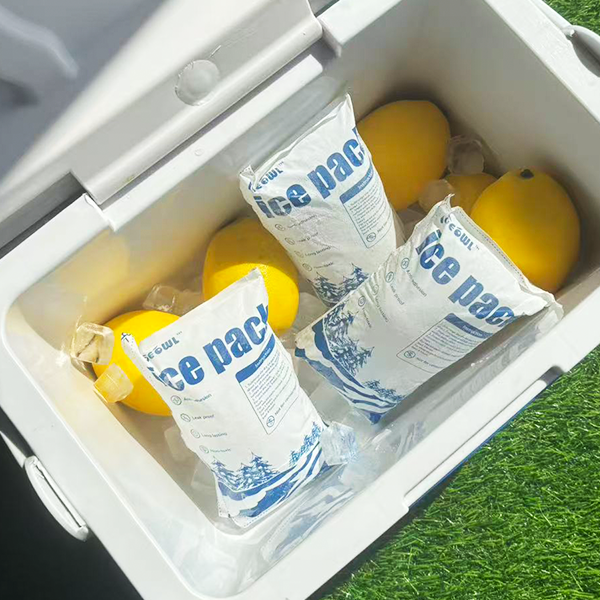
Coût du fournisseur de glacière: Comment choisir, Vérifier, et faites évoluer le bon système
Pour la plupart des équipes de sourcing, the search term cool box supplier cost hides four separate decisions: produit adapté, preuve, contrôle des fournisseurs, et l'économie. Traiter ces décisions séparément permet d'obtenir une demande de devis plus claire et un lancement de production plus sûr.. Les traiter comme une seule question aboutit généralement à des comparaisons vagues et à une refonte tardive..
L’objectif pratique est de savoir si une cotation inférieure reflète une réelle efficacité, une spécification différente, documentation incomplète, contrôles plus faibles, ou frais exclus. Le cadre de décision suivant rassemble le produit le plus utile, technique, conformité, opérationnel, et considérations d'achat tout en gardant toutes les déclarations de performance liées aux conditions qui les soutiennent réellement.
Transformer une demande vague en une spécification testable
Considérez cette situation typique: une marque privée déménage dans une usine moins chère, mais une petite dérive dimensionnelle modifie le chargement du carton et la compression du couvercle, créant un fret plus élevé et plus de retours. La première réponse ne doit pas être de sélectionner une taille de catalogue. L'équipe doit mesurer la charge utile, construire le pack proposé, tracer l'itinéraire, et observez comment les utilisateurs soulèvent, sécurisé, ouvrir, faire le ménage, et renvoie la boîte. Cela crée un enregistrement partagé des contraintes réelles. Au lancement de la production, confirmer que les contrôles de production préservent ce point pour la comparaison coût-fournisseur.
A l'étape suivante, l'acheteur doit demander deux ou trois alternatives contrôlées plutôt qu'un long catalogue. Une option peut donner la priorité à un poids inférieur, une autre durabilité répétée, et une autre résistance thermique plus élevée ou volume utilisable plus. Chaque option doit énumérer ce qui est inclus, quelles preuves existent, ce qui doit encore être testé, et quels changements opérationnels cela nécessite. L'équipe peut alors comparer les compromis au lieu de discuter de fonctionnalités isolées.. Pour l'approbation du fournisseur, vérifier le point de comparaison des coûts du fournisseur par rapport à la charge utile réelle.
Complétez la séquence grâce à un échantillon d'ingénierie, essai d'emballage, production pilote, et libération officielle. Pour les utilisations sensibles à la température, confirmer le package complet sous un profil approprié et définir comment les excursions seront gérées. Enregistrer les mesures dimensionnelles et les observations de manipulation, pas seulement des photographies. Le résultat est une décision d'approvisionnement liée aux preuves et au flux de travail., pas à une promesse qui ne peut être reproduite ultérieurement. Au lancement de la production, inclure cette limite dans le mode d'emploi pour la comparaison des coûts du fournisseur.
Commencez par la charge, Itinéraire, et points de transfert
La première spécification doit décrire le travail d'exploitation: comprendre comment la capacité du fournisseur, méthode de production, contrôles de qualité, et les conditions commerciales influencent le coût réel d'un programme de glacière. Il doit identifier les utilisateurs, le lieu de chargement, le lieu de réception, les transferts attendus, et le moment où la responsabilité de la température change. Cela empêche l'usine de remplir des inconnues avec des hypothèses. Il permet également des opérations, qualité, et les équipes d'approvisionnement doivent examiner la même exigence au lieu de conserver des versions informelles distinctes.
La définition de la charge utile nécessite plus de détails qu'un poids ou un volume nominal. Le chargement prévu peut inclure de la nourriture, médical, consommateur, ou des contenus industriels qui déterminent l'isolation, matériel, accessoires, et exigences en matière de preuves. Enregistrez les dimensions du pack primaire, limites d'orientation, number of units, état thermique à l'emballage, espace de tête, zones fragiles, et si la charge doit rester séparée du liquide de refroidissement. Une cavité qui semble suffisamment grande peut devenir inutilisable si l'ouverture est étroite, les coins sont fortement arrondis, ou un panier et un séparateur consomment les dimensions critiques. Pour l'approbation du fournisseur, place this requirement for the supplier-cost comparison in the receiving checklist.
La cartographie des itinéraires est tout aussi importante. For factory pickup, export shipping, distributor inventory, programmes de vente au détail, and reusable logistics operations, noter le temps de transit prévu, retard probable, température intermédiaire, soleil direct, circulation de l'air du véhicule, ouverture répétée, transfert entre transporteurs, et réception de l'inspection. Ces entrées ne produisent pas à elles seules un temps de maintien garanti, mais ils définissent les conditions qu'un fournisseur ou un laboratoire d'essais doit reproduire. Sans eux, un devis ne peut concerner qu'un coffret générique, pas un processus de distribution fiable. Pour l'approbation du fournisseur, state the applicable conditions for the supplier-cost comparison in the supplier response.
Ne transformez pas un composant en une promesse de performance universelle
The supplier-provided cool box provides a barrier to heat flow and a protective enclosure. Il ne génère pas lui-même une température contrôlée. Les performances passives dépendent de l’isolation, type et conditionnement du liquide de refroidissement, masse de liquide de refroidissement, masse de charge utile, température de départ du produit, disposition interne, profil ambiant, comportement d'ouverture, et critères d'acceptation. Une modification de l’un de ces éléments peut affecter les résultats même si le cadre extérieur reste inchangé..
Cette distinction est particulièrement importante pour l'alimentation, pharmaceutique, vaccin, et utilisations pour les essais cliniques. Une déclaration de matériau peut montrer qu'un composant est adapté à une condition de contact prévue. Un test structurel peut montrer qu'une poignée ou une fente survit à une charge définie. Un rapport thermique peut montrer comment un emballage s'est comporté sous un profil. Une qualification d'itinéraire peut alors évaluer la voie d'exploitation. Ces documents répondent à des questions différentes et ne doivent pas se substituer les uns aux autres.. Dans la décision finale, protect the decision for the supplier-cost comparison through change control.
Demandez au fournisseur d'indiquer chaque réclamation de performance avec sa configuration. La déclaration doit identifier la taille de la boîte et la révision, charge utile, liquide de refroidissement, conditionnement, diagramme de chargement, position du moniteur, profil ambiant, durée, et plage d'acceptation. Si le fournisseur ne peut pas fournir ce contexte, traiter l'allégation comme une indication de dépistage uniquement. Le but n’est pas d’exiger un rapport de laboratoire pour chaque première conversation, mais pour éviter qu'un titre non pris en charge ne devienne une spécification d'achat. Au lancement de la production, connect this item for the supplier-cost comparison to a measurable acceptance criterion.
De la qualité polymère à l’assemblage isolé fini
A typical insulated box can combine resin and foam grades, additifs, pigments, matériel, joints, adhésifs, and packaging materials whose specifications should be controlled. La structure extérieure protège des chocs et fournit des points de fixation. L'isolation ralentit la conduction et la convection. Le joint du couvercle, vidange, gérer les patrons, attaches, et les bords des panneaux peuvent créer des ponts thermiques ou des chemins de fuite. Pour cette raison, le nom d'un matériau à lui seul ne prédit pas les performances. Deux boîtes fabriquées avec le même polymère nominal peuvent se comporter différemment en raison de l'épaisseur de la paroi, qualité de la mousse, géométrie, et assemblage. Au lancement de la production, confirmer que les contrôles de production préservent ce point pour la comparaison coût-fournisseur.
Les options courantes entraînent des compromis différents. Les coques en polymère dur peuvent être nettoyées et durables, mais ils ajoutent du poids et nécessitent un moulage contrôlé. L'EPP peut fournir un poids léger, structure résiliente pour des manipulations répétées, tandis que les surfaces en mousse exposées peuvent nécessiter une hygiène minutieuse et un examen des dommages. Le PSE peut être rentable pour une utilisation unidirectionnelle protégée, mais peut s'écailler en cas de manipulations répétées et brutales.. La mousse PU peut fournir une isolation rigide à l'intérieur d'une coque. Les panneaux isolés sous vide peuvent réduire le transfert de chaleur à travers de larges surfaces, mais des effets de bord, protection anti-crevaison, et le contrôle de la fabrication devient critique. Avant la version finale, review this point for the supplier-cost comparison with operations and quality.
La spécification du matériau doit identifier les risques prévus: contrôle du dessin, fournisseurs agréés, inspection à l'arrivée, paramètres du processus, vérifications finales, échantillons dorés, enregistrements de lots, and notification of changes. Il doit contrôler la qualité de la résine de base ou de la mousse, pigments, additifs, matériau du joint, adhésifs, matériel, et tout revêtement interne ou étiquette. Quand les substitutions sont autorisées, définir la preuve d'approbation. Sinon, a production change that looks minor commercially may alter food-contact status, odeur, flexibilité, conductivité thermique, ajuster, ou durabilité à long terme.
Créez une carte de preuves au lieu de collecter des badges
The relevant evidence depends on declarations, rapports de tests, quality-system documents, market requirements, and product-specific qualification support requested in the sourcing package. Aux États-Unis, le statut de contact alimentaire est lié aux substances autorisées et aux conditions d'utilisation prévues, y compris le type d'aliment et la température. Dans l'Union européenne, les matériaux destinés à entrer en contact avec des aliments mis sur le marché relèvent du règlement-cadre et des bonnes pratiques de fabrication, avec des règles supplémentaires pour certains groupes de matériaux. A generic declaration that a plastic is 'qualité alimentaire' is therefore only a starting point. Avant la version finale, place this requirement for the supplier-cost comparison in the receiving checklist.
Les utilisations médicales et pharmaceutiques ajoutent une couche différente. L'étiquetage du produit et les procédures du sponsor ou de la qualité définissent la condition requise. PIB, GCP, conseils en matière de vaccination, règles relatives au fret aérien, ou les spécifications du programme national peuvent s'appliquer en fonction de l'expédition. La boîte ne devient pas conforme simplement parce que son polymère est acceptable au contact alimentaire ou parce qu'elle est réutilisable. Le processus complet peut nécessiter des instructions d'emballage qualifiées, surveillance calibrée, gestion des écarts, entraînement, et chaîne de traçabilité documentée. Avant la version finale, place this requirement for the supplier-cost comparison in the receiving checklist.
Créer une carte des preuves avec quatre colonnes: réclamer, objet, condition, et documenter. Considérez ce cas: une revendication matérielle appartient à une résine nommée et à l'utilisation prévue; une revendication structurelle appartient à une méthode de conception et de chargement finie; une réclamation thermique appartient à une configuration et un profil complets; une revendication d'itinéraire appartient à une voie d'exploitation. Cette carte révèle les lacunes et empêche qu'un certificat ne soit étendu au-delà de sa portée.. Pour l'approbation du fournisseur, record this point for the supplier-cost comparison as a controlled requirement.
Réception, Nettoyage, Inspection, et le retour sont des exigences du produit
Une boîte se déplace à travers les personnes et les lieux, pas seulement à travers une chambre thermique. Le plan opérationnel doit couvrir le préconditionnement, emballage, fermeture, étiquetage, activation du moniteur, remettre, recevoir, déchargement, nettoyage, séchage, inspection, stockage, et retour. For factory pickup, export shipping, distributor inventory, programmes de vente au détail, and reusable logistics operations, le risque le plus élevé peut être un quai de chargement ou un échec de livraison plutôt que le temps prévu pour le véhicule. Dans la décision finale, vérifier le point de comparaison des coûts du fournisseur par rapport à la charge utile réelle.
Les instructions doivent être visuelles et spécifiques à la configuration. Afficher la position du liquide de refroidissement, orientation produit, placement du diviseur, emplacement du moniteur, séquence de fermeture, et critères de rejet. Utilisez des étiquettes qui survivent à l'environnement de nettoyage et d'acheminement. Si la boîte a des drains, sangles, roues, joints remplaçables, ou poignées en corde, inclure des points d'inspection pour ces composants. La complexité doit être réduite autant que possible car les utilisateurs occasionnels ne se souviennent pas des longues procédures. Avant la version finale, verify this point on representative units used for the supplier-cost comparison.
Les équipes d'accueil ont besoin d'un chemin de décision. Ils devraient savoir comment inspecter le sceau, lire le moniteur, identifier les dommages, enregistrer une excursion, mettre la charge utile en quarantaine, et contactez le responsable de la qualité. Les cartons retournés ne doivent pas automatiquement retourner dans le parc propre. Une simple étape de quarantaine et d’inspection évite les coquilles fêlées, bouchons manquants, poignées contaminées, ou changement de liquide de refroidissement pour affaiblir silencieusement le système. Pour l'approbation du fournisseur, confirmer que les contrôles de production préservent ce point pour la comparaison coût-fournisseur.
Ce qui doit être clair avant le bon de commande
| Grille | Question | Communiquer des preuves |
|---|---|---|
| Porte de cas d'utilisation | La charge utile est-elle, itinéraire, condition, et processus de manipulation définis? | Exigence de l'utilisateur approuvé |
| Monter le portail | L'emballage final est-il adapté au levage et à la fermeture en toute sécurité? | Dessin d'emballage et échantillon mesuré |
| Porte des preuves | Les réclamations sont-elles liées au bon matériel, boîte, emballage, ou voie? | Carte des preuves et rapports de tests |
| Porte de qualité | La production peut-elle reproduire la configuration approuvée? | Plan d’examen et d’inspection des lots pilotes |
| Porte de coût | Les devis sont-ils normalisés selon la même portée et la même base de livraison ?? | Modèle de coûts au débarquement et de cycle de vie |
| Porte des opérations | Les utilisateurs peuvent-ils emballer, recevoir, faire le ménage, inspecter, et renvoyez-le correctement? | Consignes et plan de formation contrôlés |
| Changer de portail | Les substitutions nécessiteront-elles un examen? | Nomenclature et accord de contrôle des modifications |
| Porte d'application | Whether a lower quotation reflects genuine efficiency, une spécification différente, documentation incomplète, contrôles plus faibles, ou frais exclus | Exigence signée et liste d’hypothèses non résolues |
La comparaison devient plus utile lorsqu'elle est examinée ensemble par les responsables des achats., opérations, ingénierie, et la qualité. Il transforme les préférences générales en preuves révisables et expose les hypothèses manquantes avant la négociation des prix.. Tous les projets n'ont pas besoin de la même profondeur, mais chaque réclamation critique doit avoir un propriétaire et un moyen défini de la vérifier. Pour l'approbation du fournisseur, assign an owner and acceptance method for the supplier-cost comparison.
Normaliser les devis avant de négocier
The cost structure includes factory overhead, outillage, rendement matière, temps de cycle, travail, assemblée, ferraille, inspection, quantité commandée, personnalisation, emballage, paiement, et fret. Les fournisseurs peuvent proposer des prix très différents alors que tous semblent proposer la même taille. Les différences peuvent provenir de l’épaisseur de l’isolant, qualité du matériau, processus, matériel, inspection, conditionnement, ou simplement à partir d'éléments exclus. Une comparaison équitable nécessite une fiche de configuration et un tableau de comparaison commerciale. Pour l'approbation du fournisseur, confirmer que les contrôles de production préservent ce point pour la comparaison coût-fournisseur.
Séparez les coûts ponctuels des coûts récurrents. Construction d'unités, accessoires, inspection, cartons, et le fret est récurrent. Outillage, moules, œuvres d'art, ingénierie, et certains tests peuvent être ponctuels ou amortis. Séparez ensuite le coût d’acquisition du coût d’exploitation: conditionnement du liquide de refroidissement, lavage, séchage, stockage, suivi des actifs, transport de retour, dommage, réparation, et remplacement. La meilleure mesure pourrait être le coût par itinéraire réussi plutôt que le prix d'achat par boîte..
Le fret mérite une attention précoce car les boîtes isothermes peuvent être volumineuses. Dimensions extérieures, nidification, pliabilité, quantité de cartons, modèle de palette, et le chargement des conteneurs peut modifier le coût au débarquement plus qu'une petite différence de prix d'usine. Demandez aux fournisseurs de proposer les mêmes conditions de livraison et configuration d'emballage.. Quand les cartons réutilisables reviennent vides, le cube inversé et la main d'œuvre de manutention doivent également entrer dans le modèle. Pour l'approbation du fournisseur, state the applicable conditions for the supplier-cost comparison in the supplier response.
Comment présélectionner un fabricant sans deviner
The central supplier question is whether a lower quotation reflects genuine efficiency, une spécification différente, documentation incomplète, contrôles plus faibles, ou frais exclus. Un fabricant crédible devrait être capable de traduire cette exigence en dessins, définitions matérielles, points de contrôle, et un plan de test. La conversation devrait passer des affirmations générales aux détails contrôlés. Demandez à qui appartient le moule, quelles opérations sont effectuées en interne, comment les fournisseurs de composants critiques sont approuvés, et comment la nomenclature est maintenue. Un large catalogue peut être utile, mais ce n'est pas une preuve du contrôle du processus. Dans la décision finale, resolve this point for the supplier-cost comparison before thermal qualification.
Utiliser plusieurs portes d'échantillonnage. Un échantillon technique révisé confirme les matériaux, raccords, étiquettes, et ajustement parfait. Le premier échantillon confirme les dimensions et l'ergonomie de base. Un lot pilote vérifie les outils de production, assemblée, inspection, conditionnement, et variation entre plusieurs unités. L'échantillon doré approuvé est mieux connecté aux dessins et aux critères d'acceptation mesurables. L'approbation d'un échantillon spécialement préparé sans ce pont est une source courante de surprises lors d'une production de masse.. Pour l'approbation du fournisseur, link this decision for the supplier-cost comparison to the approved drawing and packout.
Quality review should focus on drawing control, fournisseurs agréés, inspection à l'arrivée, paramètres du processus, vérifications finales, échantillons dorés, enregistrements de lots, and notification of changes. Demandez comment les unités non conformes sont identifiées, si les mesures sont enregistrées, comment les plaintes sont examinées, et comment les modifications techniques sont communiquées. Pour les programmes à contrôle élevé, exiger une approbation préalable avant les substitutions. Pour une utilisation par les consommateurs à moindre risque, le système peut être plus simple, mais des dimensions critiques, matériels, et les dispositifs de sécurité nécessitent toujours des critères d'acceptation objectifs. Dans la décision finale, place this requirement for the supplier-cost comparison in the receiving checklist.
Notes de passation des marchés pour l'examen final
For this supplier-provided cool box, les questions suivantes créent plus de valeur que de demander si le fournisseur est fiable. Ils forcent la discussion vers l’usage prévu, spécifications mesurables, et des preuves.
- Question de libération: Which production process and mold ownership model does the quote assume?
- Question de libération: Are material grades and critical component suppliers fixed?
- Question de libération: Which inspection items and sampling level are included?
- Question de libération: How are color, logo, conditionnement, and label changes priced?
- Question de libération: Quelle documentation, essai, and sample revisions are included?
- Question de libération: How will the supplier notify and approve material or process changes?
Une réponse complète peut être un dessin, tableau, échantillon, plan de test, ou limitation documentée. Un fournisseur n’a pas besoin d’avoir tous les rapports finaux avant le début du développement, mais il devrait être capable d'énoncer ce qui est connu, ce qui est supposé, ce qui peut être personnalisé, et ce qu'il faut tester. Cette transparence est un meilleur signal de risque qu'une longue liste de certifications non étayées. Avant la version finale, link this decision for the supplier-cost comparison to the approved drawing and packout.
Matériau de mesure, Fret, Nettoyage, et durée de vie ensemble
The relevant sustainability question is supplier ability to provide spare parts, matériaux stables, repair guidance, and consistent replacement units over the program life. Un système léger à sens unique peut être préférable sur une voie dispersée où les taux de retour sont faibles. Une boîte réutilisable peut réduire la consommation d’emballages en boucle fermée stable, mais cela demande aussi plus de matériel, nettoyage, stockage, et transport retour. Le choix doit être fait à partir du réseau d'exploitation plutôt qu'à partir d'un seul attribut marketing..
Le redimensionnement est souvent l’amélioration la plus rapide. L'excès de volume augmente la surface d'isolation, demande de liquide de refroidissement, cube de fret, et espace d'entrepôt. Le matériel surconstruit ajoute de la masse. Les produits sous-construits échouent tôt et créent des déchets de remplacement. Un bon design utilise suffisamment de matériel aux bons endroits, protège les pièces d'usure remplaçables, et permet une inspection avant qu'une unité endommagée ne soit remise en service. Dans la décision finale, test this assumption for the supplier-cost comparison against the intended route.
Suivez un petit ensemble d’indicateurs pratiques: taux de retour, déplacements par actif, raison du dommage, temps de lavage, temps de séchage, composants perdus, cube de retour vide, et parcours de retraite. Ces données montrent si le système s'améliore. Les allégations de durabilité doivent être mises à jour lorsque l'itinéraire change. Une boîte utilisée pour cinquante voyages locaux contrôlés a une empreinte différente de la même boîte expédiée une fois sur une voie internationale et jamais retournée.. Avant la version finale, confirmer que les contrôles de production préservent ce point pour la comparaison coût-fournisseur.
Drapeaux rouges à détecter avant l’achat
Les points ci-dessous méritent d'être vérifiés avant l'outillage ou la production en série. Chacun peut créer des retouches évitables lorsqu'elles restent non résolues lors de la sélection du fournisseur.. Avant la version finale, confirm the evidence scope for the supplier-cost comparison before purchase.
- Libérer le bloqueur: using a unit quote without a specification revision number.
- Libérer le bloqueur: assuming all factories quote the same material grade.
- Libérer le bloqueur: overlooking sample, outillage, essai, conditionnement, and bank charges.
- Libérer le bloqueur: treating a lower MOQ as free flexibility.
- Libérer le bloqueur: failing to audit change-control and traceability capability.
Toutes les préoccupations ne sont pas disqualifiantes, mais chacun a besoin d'une clôture. Cela devrait déclencher une clarification spécifique, chèque d'échantillon, ou demande de preuves. L’objectif est de résoudre l’incertitude alors que les changements sont encore peu coûteux. Un fournisseur qui répond avec des dessins, conditions, et les actions correctives sont plus utiles que celles qui répètent une affirmation générale.
Planification de la maintenance et des pièces de rechange
Les nouvelles unités de production nécessitent un chèque de réception documenté, pas seulement un coup d'œil visuel. Confirmer les dimensions internes critiques, fermeture du couvercle, matériel, étiquettes, accessoires, et emballage selon les spécifications approuvées. Sélectionnez plusieurs unités dans différents cartons. Enregistrez les résultats afin que les plaintes ultérieures puissent être comparées au lot d'origine plutôt qu'à la mémoire ou à un seul échantillon.. Pour l'approbation du fournisseur, inclure cette limite dans le mode d'emploi pour la comparaison des coûts du fournisseur.
Définir les critères de dommages et de quarantaine avant utilisation. Certains articles peuvent être réparés avec des pièces contrôlées; d'autres devraient être à la retraite. Fissures, joints déformés, bouchons manquants, poignées effilochées, ancres lâches, surfaces contaminées, panneaux perforés, ou un liquide de refroidissement non approuvé devrait déclencher la quarantaine. Une règle claire interdit aux utilisateurs de maintenir en service un coffret visiblement endommagé simplement parce qu’il ferme encore.
Conserver un historique des modifications couvrant le matériel, fournisseur, moule, processus, dimensions, étiquettes, conditionnement, et emballage. Vérifiez si chaque changement affecte le statut du contact, preuve thermique, essais structurels, fret, nettoyage, ou mode d'emploi. Cette discipline ne se limite pas aux programmes réglementés. Il protège tout acheteur contre une dérive progressive de la configuration lors de commandes répétées.. Dans la décision finale, confirmer que les contrôles de production préservent ce point pour la comparaison coût-fournisseur.
Réponses pratiques pour les achats et les opérations
Is a supplier-provided cool box enough to control temperature?
Non. L'unité isolée ralentit le transfert de chaleur, mais le résultat complet dépend du liquide de refroidissement, charge utile, température de départ, modèle de chargement, exposition ambiante, manutention, et surveillance. Toute durée indiquée doit identifier la configuration testée et les critères d'acceptation. Pour les produits réglementés ou de grande valeur, un packout supplémentaire ou une qualification de couloir peuvent être requis. Au lancement de la production, confirmer que les contrôles de production préservent ce point pour la comparaison coût-fournisseur.
Pourquoi les devis pour des glacières similaires diffèrent-ils autant?
Les produits peuvent ne pas être équivalents. Qualité du matériau, isolation, dimensions intérieures, matériel, outillage, inspection, personnalisation, documents, emballage d'exportation, et les conditions commerciales peuvent toutes différer. Normaliser la configuration technique et la base de livraison avant de comparer les prix unitaires. Au lancement de la production, place this requirement for the supplier-cost comparison in the receiving checklist.
Un résultat de temps de maintien en laboratoire peut-il être utilisé pour chaque itinéraire?
Pas sans un examen condition par condition. Un résultat de laboratoire s'applique au profil ambiant testé, charge utile, liquide de refroidissement, surveiller les positions, et plage d'acceptation. Il peut prendre en charge la planification d'itinéraire, mais des différences significatives dans le délai, soleil direct, fréquence d'ouverture, état du véhicule, ou la charge utile peut nécessiter une évaluation ou une qualification plus approfondie. Avant la version finale, place this requirement for the supplier-cost comparison in the receiving checklist.
Quel est le meilleur premier test d'échantillon?
Prouvez d’abord que la configuration peut être compressée et gérée correctement. Charger la charge utile réelle, liquide de refroidissement, diviseur, moniteur, étiquettes, et accessoires. Vérifier la fermeture, levage, accéder, nettoyage, et temps d'emballage. Une fois la configuration physique stable, les tests thermiques et structurels deviennent plus significatifs et moins susceptibles d'être répétés après une modification de conception. Dans la décision finale, verify this point on representative units used for the supplier-cost comparison.
Comment les acheteurs doivent-ils gérer les changements de production?
Use the approved bill of materials to lock the critical materials, dimensions, and parts. Exiger du fournisseur qu'il notifie les modifications avant la mise en œuvre et fournir des preuves pour examen. Modifications de l'isolation, liquide de refroidissement, joints, pigments, étiquettes, poignées, ou le processus de fabrication peut affecter l'ajustement, statut du contact, durabilité, ou performance qualifiée. Pour l'approbation du fournisseur, test this assumption for the supplier-cost comparison against the intended route.
Perspective d'achat finale
The final selection for cool box supplier cost should pass six tests: ajustement au cas d'utilisation, capacité utilisable, preuve, cohérence de la production, simplicité de fonctionnement, et le coût total. Un fournisseur qui énonce des hypothèses, limites des documents, et prend en charge la vérification pilote est plus précieuse qu'une vérification offrant des réclamations universelles. Ne publiez la commande que lorsque la configuration et les responsabilités sont suffisamment claires pour pouvoir être répétées..
À propos du tempk
Shanghai Tempk Industrial Co., Ltée. supplies cold-chain packaging under the Tempk brand. La gamme comprend des packs de gel et à base d'eau, briques de glace, sacs isolés, Boîtes isolées EPP, formats de glacières médicales, doublures, et housses de palettes. Pour les programmes de glacières personnalisés ou en vrac, Tempk peut examiner le produit prévu, état de température, itinéraire, manutention, nettoyage, et volume commercial. Les acheteurs doivent toujours qualifier la configuration finale en fonction de leur propre application et des exigences du marché.. Dans la décision finale, verify this point on representative units used for the supplier-cost comparison.
Prochaine étape
Avant la sélection finale du fournisseur, provide a controlled specification, prévision, destination, customization list, and required documents so Tempk can explain the cost structure behind a supplier quote.
Prix de gros de la glacière de la chaîne du froid: Cadre d'achat complet

Prix de gros de la glacière de la chaîne du froid: Comment choisir, Vérifier, et faites évoluer le bon système
Pour la plupart des acheteurs, le terme de recherche prix de gros des glacières de la chaîne du froid cache quatre décisions distinctes: produit adapté, preuve, contrôle des fournisseurs, et l'économie. Traiter ces décisions séparément permet d'obtenir une demande de devis plus claire et un lancement de production plus sûr.. Les traiter comme une seule question aboutit généralement à des comparaisons vagues et à une refonte tardive..
L'objectif pratique est de savoir comment comparer les offres sur une base technique et commerciale égale plutôt que de considérer le prix unitaire le plus bas comme le coût d'exploitation le plus bas.. Le cadre de décision suivant rassemble le produit le plus utile, technique, conformité, opérationnel, et considérations d'achat tout en gardant toutes les déclarations de performance liées aux conditions qui les soutiennent réellement.
Transformer une demande vague en une spécification testable
Considérez cette situation typique: deux fournisseurs proposent la même taille nominale, mais on inclut un mur isolé plus épais, diviseur ajusté, prise en charge des packouts testés, et un emballage d'exportation plus dense tandis que l'autre cite une boîte nue. L'équipe doit mesurer la charge utile, construire le pack proposé, tracer l'itinéraire, et observez comment les utilisateurs soulèvent, sécurisé, ouvrir, faire le ménage, et renvoie la boîte. La première réponse ne doit pas être de sélectionner une taille de catalogue. Cela crée un enregistrement partagé des contraintes réelles.
Suivant, l'acheteur doit demander deux ou trois alternatives contrôlées plutôt qu'un long catalogue. Une option peut donner la priorité à un poids inférieur, une autre durabilité répétée, et une autre résistance thermique plus élevée ou volume utilisable plus. Chaque option doit énumérer ce qui est inclus, quelles preuves existent, ce qui doit encore être testé, et quels changements opérationnels cela nécessite. L'équipe peut alors comparer les compromis au lieu de discuter de fonctionnalités isolées.. Au lancement de la production, résoudre ce point pour le devis de gros glacière avant qualification thermique.
Complétez la séquence grâce à un échantillon d'ingénierie, essai d'emballage, production pilote, et libération officielle. Enregistrer les mesures dimensionnelles et les observations de manipulation, pas seulement des photographies. Pour les utilisations sensibles à la température, confirmer le package complet sous un profil approprié et définir comment les excursions seront gérées. Le résultat est une décision d'approvisionnement liée aux preuves et au flux de travail., pas à une promesse qui ne peut être reproduite ultérieurement. Au lancement de la production, indiquer les conditions applicables au devis de vente en gros de glacières dans la réponse du fournisseur.
Commencez par la charge, Itinéraire, et points de transfert
La première spécification doit décrire le travail d'exploitation: buy a repeatable insulated container configuration at a commercially workable landed cost without stripping out the features or evidence needed for the route. Il doit identifier les utilisateurs, le lieu de chargement, le lieu de réception, les transferts attendus, et le moment où la responsabilité de la température change. Cela empêche le fournisseur de remplir des inconnues avec des hypothèses. Il permet également des opérations, qualité, et les équipes d'approvisionnement doivent examiner la même exigence plutôt que de conserver des versions informelles distinctes.
La définition de la charge utile nécessite plus de détails qu'un poids ou un volume nominal. Le chargement prévu peut inclure de la nourriture, pharmaceutique, Soins de santé, laboratoire, ou des charges générales sensibles à la température dont les exigences de conditionnement modifient les choix de matériaux et d'accessoires. Enregistrez les dimensions du pack primaire, limites d'orientation, number of units, état thermique à l'emballage, espace de tête, zones fragiles, et si la charge doit rester séparée du liquide de refroidissement. Une cavité qui semble suffisamment grande peut devenir inutilisable si l'ouverture est étroite, les coins sont fortement arrondis, ou un panier et un séparateur consomment les dimensions critiques. Avant la version finale, attribuer un propriétaire et une méthode d'acceptation pour le devis de vente en gros de glacières.
La cartographie des itinéraires est tout aussi importante. Pour la distribution domestique, programmes d'exportation, revente par distributeur, projets de marque privée, et flottes réutilisables où la logistique inverse affecte l’économie, noter le temps de transit prévu, retard probable, température intermédiaire, soleil direct, circulation de l'air du véhicule, ouverture répétée, transfert entre transporteurs, et réception de l'inspection. Ces entrées ne produisent pas à elles seules un temps de maintien garanti, mais ils définissent les conditions qu'un fournisseur ou un laboratoire d'essais doit reproduire. Sans eux, un devis ne peut concerner qu'un coffret générique, pas un processus de distribution fiable. Au lancement de la production, attribuer un propriétaire et une méthode d'acceptation pour le devis de vente en gros de glacières.
Ne transformez pas un composant en une promesse de performance universelle
La glacière de la chaîne du froid en gros fournit une barrière au flux de chaleur et une enceinte de protection. Il ne génère pas lui-même une température contrôlée. Les performances passives dépendent de l’isolation, type et conditionnement du liquide de refroidissement, masse de liquide de refroidissement, masse de charge utile, température de départ du produit, disposition interne, profil ambiant, comportement d'ouverture, et critères d'acceptation. Une modification de l’un de ces éléments peut affecter les résultats même si le cadre extérieur reste inchangé.. Dans la décision finale, lier cette décision pour le devis de vente en gros de glacières au dessin et à l'emballage approuvés.
Cette différence de portée est particulièrement importante pour l'alimentation, pharmaceutique, vaccin, et utilisations pour les essais cliniques. Une déclaration de matériau peut montrer qu'un composant est adapté à une condition de contact prévue. Un test structurel peut montrer qu'une poignée ou une fente survit à une charge définie. Un rapport thermique peut montrer comment un emballage s'est comporté sous un profil. Une qualification d'itinéraire peut alors évaluer la voie d'exploitation. Ces documents répondent à des questions différentes et ne doivent pas se substituer les uns aux autres.. Dans la décision finale, inclure cette limite dans le mode d'emploi de l'offre de vente en gros de glacières.
Demandez à l'usine d'indiquer chaque réclamation de performance avec sa configuration. Si le fournisseur ne peut pas fournir ce contexte, traiter l'allégation comme une indication de dépistage uniquement. La déclaration doit identifier la taille de la boîte et la révision, charge utile, liquide de refroidissement, conditionnement, diagramme de chargement, position du moniteur, profil ambiant, durée, et plage d'acceptation. L'objectif de la décision n'est pas d'exiger un rapport de laboratoire pour chaque première conversation, mais pour éviter qu'un titre non pris en charge ne devienne une spécification d'achat.
De la qualité polymère à l’assemblage isolé fini
Une boîte isolée typique peut combiner différentes coques, mousse, panneau, et combinaisons de matériel qui affectent l'outillage, travail, durabilité, poids, et performances thermiques. La structure extérieure protège des chocs et fournit des points de fixation. L'isolation ralentit la conduction et la convection. Le joint du couvercle, vidange, gérer les patrons, attaches, et les bords des panneaux peuvent créer des ponts thermiques ou des chemins de fuite. Pour cette raison, le nom d'un matériau à lui seul ne prédit pas les performances. Deux boîtes fabriquées avec le même polymère nominal peuvent se comporter différemment en raison de l'épaisseur de la paroi, qualité de la mousse, géométrie, et assemblage. Avant la version finale, protéger la décision relative à l'offre de gros de glacières grâce au contrôle des modifications.
Les options courantes entraînent des compromis différents. Les coques en polymère dur peuvent être nettoyées et durables, mais ils ajoutent du poids et nécessitent un moulage contrôlé. L'EPP peut fournir un poids léger, structure résiliente pour des manipulations répétées, tandis que les surfaces en mousse exposées peuvent nécessiter une hygiène minutieuse et un examen des dommages. Le PSE peut être rentable pour une utilisation unidirectionnelle protégée, mais peut s'écailler en cas de manipulations répétées et brutales.. La mousse PU peut fournir une isolation rigide à l'intérieur d'une coque. Les panneaux isolés sous vide peuvent réduire le transfert de chaleur à travers de larges surfaces, mais des effets de bord, protection anti-crevaison, et le contrôle de la fabrication devient critique. Au lancement de la production, placez cette exigence pour le devis de vente en gros de glacières dans la liste de contrôle de réception.
La spécification du matériau doit préciser les risques attendus: spécifications approuvées, échantillons dorés, contrôles des matières entrantes, contrôles en cours, inspection finale, changer de contrôle, et traçabilité des lots de production. Il doit contrôler la qualité de la résine de base ou de la mousse, pigments, additifs, matériau du joint, adhésifs, matériel, et tout revêtement interne ou étiquette. Quand les substitutions sont autorisées, définir la preuve d'approbation. Sinon, un changement de production qui semble mineur sur le plan commercial peut modifier le statut de contact alimentaire, odeur, flexibilité, conductivité thermique, ajuster, ou durabilité à long terme.
Créez une carte de preuves au lieu de collecter des badges
Les preuves pertinentes dépendent de la portée du document, méthode d'essai, utilisation prévue, et les exigences alimentaires ou médicales spécifiques au marché incluses dans le devis. Aux États-Unis, le statut de contact alimentaire est lié aux substances autorisées et aux conditions d'utilisation prévues, y compris le type d'aliment et la température. Dans l'Union européenne, les matériaux destinés à entrer en contact avec des aliments mis sur le marché relèvent du règlement-cadre et des bonnes pratiques de fabrication, avec des règles supplémentaires pour certains groupes de matériaux. A generic declaration that a plastic is 'qualité alimentaire' is therefore only a starting point.
Les utilisations médicales et pharmaceutiques ajoutent une couche différente. PIB, GCP, conseils en matière de vaccination, règles relatives au fret aérien, ou les spécifications du programme national peuvent s'appliquer en fonction de l'expédition. L'étiquetage du produit et les procédures du sponsor ou de la qualité définissent la condition requise. La boîte ne devient pas conforme simplement parce que son polymère est acceptable au contact alimentaire ou parce qu'elle est réutilisable. Le processus complet peut nécessiter des instructions d'emballage qualifiées, surveillance calibrée, gestion des écarts, entraînement, et chaîne de traçabilité documentée. Avant la version finale, indiquer les conditions applicables au devis de vente en gros de glacières dans la réponse du fournisseur.
Créer une carte des preuves avec quatre colonnes: réclamer, objet, condition, et documenter. À titre d'exemple, une revendication matérielle appartient à une résine nommée et à l'utilisation prévue; une revendication structurelle appartient à une méthode de conception et de chargement finie; une réclamation thermique appartient à une configuration et un profil complets; une revendication d'itinéraire appartient à une voie d'exploitation. Cette carte révèle les lacunes et empêche qu'un certificat ne soit étendu au-delà de sa portée.. Avant la version finale, enregistrer ce point pour le devis de gros de glacières comme une exigence contrôlée.
Réception, Nettoyage, Inspection, et le retour sont des exigences du produit
Une boîte se déplace à travers les personnes et les lieux, pas seulement à travers une chambre thermique. Le plan opérationnel doit couvrir le préconditionnement, emballage, fermeture, étiquetage, activation du moniteur, remettre, recevoir, déchargement, nettoyage, séchage, inspection, stockage, et retour. Pour la distribution domestique, programmes d'exportation, revente par distributeur, projets de marque privée, et flottes réutilisables où la logistique inverse affecte l’économie, le risque le plus élevé peut être un quai de chargement ou un échec de livraison plutôt que le temps prévu pour le véhicule. Dans la décision finale, inclure cette limite dans le mode d'emploi de l'offre de vente en gros de glacières.
Les instructions doivent être visuelles et spécifiques à la configuration. Utilisez des étiquettes qui survivent à l'environnement de nettoyage et d'acheminement. Afficher la position du liquide de refroidissement, orientation produit, placement du diviseur, emplacement du moniteur, séquence de fermeture, et critères de rejet. Si la boîte a des drains, sangles, roues, joints remplaçables, ou poignées en corde, inclure des points d'inspection pour ces composants. La complexité doit être réduite autant que possible car les utilisateurs occasionnels ne se souviennent pas des longues procédures. Pour l'approbation du fournisseur, vérifiez le point du devis de gros pour la glacière par rapport à la charge utile réelle.
Les équipes d'accueil ont besoin d'un chemin de décision. Ils devraient savoir comment inspecter le sceau, lire le moniteur, identifier les dommages, enregistrer une excursion, mettre la charge utile en quarantaine, et contactez le responsable de la qualité. Les cartons retournés ne doivent pas automatiquement retourner dans le parc propre. Une simple étape de quarantaine et d’inspection évite les coquilles fêlées, bouchons manquants, poignées contaminées, ou changement de liquide de refroidissement pour affaiblir silencieusement le système. Dans la décision finale, enregistrer ce point pour le devis de gros de glacières comme une exigence contrôlée.
Ce qui doit être clair avant le bon de commande
| Grille | Question | Communiquer des preuves |
|---|---|---|
| Porte de cas d'utilisation | La charge utile est-elle, itinéraire, condition, et processus de manipulation définis? | Exigence de l'utilisateur approuvé |
| Monter le portail | L'emballage final est-il adapté au levage et à la fermeture en toute sécurité? | Dessin d'emballage et échantillon mesuré |
| Porte des preuves | Les réclamations sont-elles liées au bon matériel, boîte, emballage, ou voie? | Carte des preuves et rapports de tests |
| Porte de qualité | La production peut-elle reproduire la configuration approuvée? | Plan d’examen et d’inspection des lots pilotes |
| Porte de coût | Les devis sont-ils normalisés selon la même portée et la même base de livraison ?? | Modèle de coûts au débarquement et de cycle de vie |
| Porte des opérations | Les utilisateurs peuvent-ils emballer, recevoir, faire le ménage, inspecter, et renvoyez-le correctement? | Consignes et plan de formation contrôlés |
| Changer de portail | Les substitutions nécessiteront-elles un examen? | Nomenclature et accord de contrôle des modifications |
| Porte d'application | Comment comparer les offres sur une base technique et commerciale égale plutôt que de traiter le prix unitaire le plus bas comme le coût d'exploitation le plus bas | Exigence signée et liste d’hypothèses non résolues |
Utilisez ce tableau comme examen conjoint entre les responsables des achats, opérations, ingénierie, et la qualité. Il transforme les préférences générales en preuves révisables et expose les hypothèses manquantes avant la négociation des prix.. Tous les projets n'ont pas besoin de la même profondeur, mais chaque réclamation critique doit avoir un propriétaire et un moyen défini de la vérifier. Avant la version finale, lier cette décision pour le devis de vente en gros de glacières au dessin et à l'emballage approuvés.
Normaliser les devis avant de négocier
La structure des coûts comprend la construction des unités, amortissement d'outillage ou de moule, Quantité minimale de commande, personnalisation, essai, des pièces de rechange, inspection, cartons d'exportation, utilisation des palettes, fret, devoirs, et conditions de paiement. Les différences peuvent provenir de l’épaisseur de l’isolant, qualité du matériau, processus, matériel, inspection, conditionnement, ou simplement à partir d'éléments exclus. Les fournisseurs peuvent proposer des prix très différents alors que tous semblent proposer la même taille. Une comparaison équitable nécessite une fiche de configuration et un tableau de comparaison commerciale. Avant la version finale, protéger la décision relative à l'offre de gros de glacières grâce au contrôle des modifications.
Séparez les coûts ponctuels des coûts récurrents. Outillage, moules, œuvres d'art, ingénierie, et certains tests peuvent être ponctuels ou amortis. Construction d'unités, accessoires, inspection, cartons, et le fret est récurrent. Séparez ensuite le coût d’acquisition du coût d’exploitation: conditionnement du liquide de refroidissement, lavage, séchage, stockage, suivi des actifs, transport de retour, dommage, réparation, et remplacement. La meilleure mesure pourrait être le coût par itinéraire réussi plutôt que le prix d'achat par boîte.. Au lancement de la production, placez cette exigence pour le devis de vente en gros de glacières dans la liste de contrôle de réception.
Le fret mérite une attention précoce car les boîtes isothermes peuvent être volumineuses. Dimensions extérieures, nidification, pliabilité, quantité de cartons, modèle de palette, et le chargement des conteneurs peut modifier le coût au débarquement plus qu'une petite différence de prix d'usine. Demandez aux fournisseurs de proposer les mêmes conditions de livraison et configuration d'emballage.. Quand les cartons réutilisables reviennent vides, le cube inversé et la main d'œuvre de manutention doivent également entrer dans le modèle. Avant la version finale, reliez cet article pour le devis de vente en gros de glacières à un critère d'acceptation mesurable.
Comment présélectionner un fabricant sans deviner
La question centrale du fournisseur est de savoir comment comparer les offres sur une base technique et commerciale égale plutôt que de traiter le prix unitaire le plus bas comme le coût d'exploitation le plus bas.. Un fabricant crédible devrait être capable de traduire cette exigence en dessins, définitions matérielles, points de contrôle, et un plan de test. La conversation devrait passer des affirmations générales aux détails contrôlés. Demandez à qui appartient le moule, quelles opérations sont effectuées en interne, comment les fournisseurs de composants critiques sont approuvés, et comment la nomenclature est maintenue. Un large catalogue peut ajouter de la valeur, mais ce n'est pas une preuve du contrôle du processus.
Ne traitez pas le premier échantillon comme la norme de production. Un échantillon technique révisé confirme les matériaux, raccords, étiquettes, et ajustement parfait. Le premier échantillon confirme les dimensions et l'ergonomie de base. Un lot pilote vérifie les outils de production, assemblée, inspection, conditionnement, et variation entre plusieurs unités. L'échantillon doré approuvé doit rester lié aux dessins et aux critères d'acceptation mesurables. L'approbation d'un échantillon spécialement préparé sans ce pont est une source courante de surprises lors d'une production de masse.. Dans la décision finale, attribuer un propriétaire et une méthode d'acceptation pour le devis de vente en gros de glacières.
L'examen de la qualité doit se concentrer sur les spécifications approuvées, échantillons dorés, contrôles des matières entrantes, contrôles en cours, inspection finale, changer de contrôle, et traçabilité des lots de production. Demandez comment les unités non conformes sont identifiées, si les mesures sont enregistrées, comment les plaintes sont examinées, et comment les modifications techniques sont communiquées. Pour les programmes à contrôle élevé, exiger une approbation préalable avant les substitutions. Pour une utilisation par les consommateurs à moindre risque, le système peut être plus simple, mais des dimensions critiques, matériels, et les dispositifs de sécurité nécessitent toujours des critères d'acceptation objectifs. Pour l'approbation du fournisseur, attribuer un propriétaire et une méthode d'acceptation pour le devis de vente en gros de glacières.
Notes de passation des marchés pour l'examen final
Pour cette glacière chaîne du froid en gros, les questions suivantes créent plus de valeur que de demander si le fournisseur est fiable. Ils forcent la discussion vers l’usage prévu, spécifications mesurables, et des preuves. Au lancement de la production, vérifiez le point du devis de gros pour la glacière par rapport à la charge utile réelle.
- Question de libération: Le devis couvre-t-il les mêmes dimensions intérieures, isolation, matériel, et accessoires?
- Question de libération: Quels coûts sont uniques et lesquels reviennent à chaque commande?
- Question de libération: Quelles réductions de quantité s'appliquent, et changent-ils la méthode de production ou la qualité du matériau?
- Question de libération: Comment sont les cartons d'exportation, palettes, et chargement du conteneur calculé?
- Question de libération: Quels rapports de tests, déclarations, dessins, et des échantillons sont inclus?
- Question de libération: Que se passe-t-il commercialement si les unités de production diffèrent de l'échantillon approuvé?
Une réponse complète peut être un dessin, tableau, échantillon, plan de test, ou limitation documentée. Un fournisseur n’a pas besoin d’avoir tous les rapports finaux avant le début du développement, mais il devrait être capable d'énoncer ce qui est connu, ce qui est supposé, ce qui peut être personnalisé, et ce qu'il faut tester. Cette transparence est un meilleur signal de risque qu'une longue liste de certifications non étayées. Pour l'approbation du fournisseur, documenter les limites du prix de gros des glacières plutôt que d'impliquer une adéquation universelle.
Matériau de mesure, Fret, Nettoyage, et durée de vie ensemble
La question pertinente en matière de durabilité est le coût total par voyage réussi., y compris la perte, dommage, nettoyage, retour, réparation, et fin de vie au lieu d'une simple étiquette réutilisable. Une boîte réutilisable peut réduire la consommation d’emballages en boucle fermée stable, mais cela demande aussi plus de matériel, nettoyage, stockage, et transport retour. Un système léger à sens unique peut être préférable sur une voie dispersée où les taux de retour sont faibles. Le choix doit être fait à partir du réseau d'exploitation plutôt qu'à partir d'un seul attribut marketing..
Le redimensionnement est souvent l’amélioration la plus rapide. Le matériel surconstruit ajoute de la masse. L'excès de volume augmente la surface d'isolation, demande de liquide de refroidissement, cube de fret, et espace d'entrepôt. Les produits sous-construits échouent tôt et créent des déchets de remplacement. Un bon design utilise suffisamment de matériel aux bons endroits, protège les pièces d'usure remplaçables, et permet une inspection avant qu'une unité endommagée ne soit remise en service. Dans la décision finale, reliez cet article pour le devis de vente en gros de glacières à un critère d'acceptation mesurable.
Suivez un petit ensemble d’indicateurs pratiques: taux de retour, déplacements par actif, raison du dommage, temps de lavage, temps de séchage, composants perdus, cube de retour vide, et parcours de retraite. Ces données montrent si le système s'améliore. Les allégations de durabilité doivent être mises à jour lorsque l'itinéraire change. Une boîte utilisée pour cinquante voyages locaux contrôlés a une empreinte différente de la même boîte expédiée une fois sur une voie internationale et jamais retournée.. Au lancement de la production, tester cette hypothèse pour le prix de gros des glacières par rapport à l'itinéraire prévu.
Drapeaux rouges à détecter avant l’achat
Les points ci-dessous méritent d'être vérifiés avant l'outillage ou la production en série. Chacun peut créer des retouches évitables lorsqu'elles restent non résolues lors de la sélection du fournisseur.. Au lancement de la production, lier cette décision pour le devis de vente en gros de glacières au dessin et à l'emballage approuvés.
- Libérer le bloqueur: comparer les prix unitaires départ usine avec les prix au débarquement.
- Libérer le bloqueur: accepter une vague capacité en litre sans dimensions intérieures.
- Libérer le bloqueur: oublier l'outillage, plaques d'impression, échantillons, essai, et composants de rechange.
- Libérer le bloqueur: en supposant qu'une réclamation réutilisable garantit un coût par voyage inférieur.
- Libérer le bloqueur: prix de blocage avant de geler la spécification technique.
Un problème d'approvisionnement devient gérable lorsque le fournisseur peut documenter la réponse. Cela devrait déclencher une clarification spécifique, chèque d'échantillon, ou demande de preuves. L’objectif est de résoudre l’incertitude alors que les changements sont encore peu coûteux. Un fournisseur qui répond avec des dessins, conditions, et les actions correctives sont plus utiles que celles qui répètent une affirmation générale. Dans la décision finale, reliez cet article pour le devis de vente en gros de glacières à un critère d'acceptation mesurable.
Planification de la maintenance et des pièces de rechange
Ne publiez pas un nouveau lot sur la seule apparence. Confirmer les dimensions internes critiques, fermeture du couvercle, matériel, étiquettes, accessoires, et emballage selon les spécifications approuvées. Sélectionnez plusieurs unités dans différents cartons. Enregistrez les résultats afin que les réclamations ultérieures puissent être comparées au lot d'origine plutôt qu'à la mémoire ou à un seul échantillon.. Au lancement de la production, reliez cet article pour le devis de vente en gros de glacières à un critère d'acceptation mesurable.
Les équipes de service ont besoin de limites de dommages prédéfinies. Fissures, joints déformés, bouchons manquants, poignées effilochées, ancres lâches, surfaces contaminées, panneaux perforés, ou un liquide de refroidissement non approuvé devrait déclencher la quarantaine. Certains articles peuvent être réparés avec des pièces contrôlées; d'autres devraient être à la retraite. Une règle claire interdit aux utilisateurs de maintenir en service un coffret visiblement endommagé simplement parce qu’il ferme encore. Dans la décision finale, attribuer un propriétaire et une méthode d'acceptation pour le devis de vente en gros de glacières.
Conserver un historique des modifications couvrant le matériel, fournisseur, moule, processus, dimensions, étiquettes, conditionnement, et emballage. Vérifiez si chaque changement affecte le statut du contact, preuve thermique, essais structurels, fret, nettoyage, ou mode d'emploi. Cette discipline ne se limite pas aux programmes réglementés. Il protège tout acheteur contre une dérive progressive de la configuration lors de commandes répétées.. Pour l'approbation du fournisseur, reliez cet article pour le devis de vente en gros de glacières à un critère d'acceptation mesurable.
Réponses pratiques pour les achats et les opérations
Une glacière en gros de la chaîne du froid est-elle suffisante pour contrôler la température?
Non. La box ralentit le transfert de chaleur, mais le résultat complet dépend du liquide de refroidissement, charge utile, température de départ, modèle de chargement, exposition ambiante, manutention, et surveillance. Toute durée indiquée doit identifier la configuration testée et les critères d'acceptation. Pour les produits réglementés ou de grande valeur, un packout supplémentaire ou une qualification de couloir peuvent être requis. Au lancement de la production, reliez cet article pour le devis de vente en gros de glacières à un critère d'acceptation mesurable.
Pourquoi les devis pour des glacières similaires diffèrent-ils autant?
Les produits peuvent ne pas être équivalents. Qualité du matériau, isolation, dimensions intérieures, matériel, outillage, inspection, personnalisation, documents, emballage d'exportation, et les conditions commerciales peuvent toutes différer. Normaliser la configuration technique et la base de livraison avant de comparer les prix unitaires. Dans la décision finale, inclure cette limite dans le mode d'emploi de l'offre de vente en gros de glacières.
Un résultat de temps de maintien en laboratoire peut-il être utilisé pour chaque itinéraire?
Un résultat de laboratoire ne doit pas être généralisé automatiquement; il s'applique au profil ambiant testé, charge utile, liquide de refroidissement, surveiller les positions, et plage d'acceptation. Il peut prendre en charge la planification d'itinéraire, mais des différences significatives dans le délai, soleil direct, fréquence d'ouverture, état du véhicule, ou la charge utile peut nécessiter une évaluation ou une qualification plus approfondie. Au lancement de la production, confirmer que les contrôles de production préservent ce point pour le prix de gros des glacières.
Quel est le meilleur premier test d'échantillon?
Le premier contrôle pratique est un emballage pleine dimensionnel. Vérifier la fermeture, levage, accéder, nettoyage, et temps d'emballage. Charger la charge utile réelle, liquide de refroidissement, diviseur, moniteur, étiquettes, et accessoires. Une fois la configuration physique stable, les tests thermiques et structurels deviennent plus significatifs et moins susceptibles d'être répétés après une modification de conception. Dans la décision finale, inclure cette limite dans le mode d'emploi de l'offre de vente en gros de glacières.
Comment les acheteurs doivent-ils gérer les changements de production?
Contrôler les matériaux critiques, dimensions, et composants via la nomenclature. Exiger de l'usine qu'elle notifie les modifications avant la mise en œuvre et fournisse des preuves pour examen. Modifications de l'isolation, liquide de refroidissement, joints, pigments, étiquettes, poignées, ou le processus de fabrication peut affecter l'ajustement, statut du contact, durabilité, ou performance qualifiée. Avant la version finale, vérifiez le point du devis de gros pour la glacière par rapport à la charge utile réelle.
Perspective d'achat finale
The final selection for cold chain ice box wholesale price should pass six tests: ajustement au cas d'utilisation, capacité utilisable, preuve, cohérence de la production, simplicité de fonctionnement, et le coût total. Un fabricant présélectionné qui énonce des hypothèses, limites des documents, et prend en charge la vérification pilote est plus précieuse qu'une vérification offrant des réclamations universelles. Ne publiez la commande que lorsque la configuration et les responsabilités sont suffisamment claires pour pouvoir être répétées..
À propos du tempk
Shanghai Tempk Industrial Co., Ltée. supplies cold-chain packaging under the Tempk brand. La gamme comprend des packs de gel et à base d'eau, briques de glace, sacs isolés, Boîtes isolées EPP, formats de glacières médicales, doublures, et housses de palettes. Pour les programmes de glacières personnalisés ou en vrac, Tempk peut examiner le produit prévu, état de température, itinéraire, manutention, nettoyage, et volume commercial. Les acheteurs doivent toujours qualifier la configuration finale en fonction de leur propre application et des exigences du marché.. Avant la version finale, confirmer la portée des preuves pour le devis de vente en gros de glacières avant l'achat.
Prochaine étape
Avant la sélection finale du fournisseur, envoyer une fiche de configuration, destination, quantité commandée, exigence d'emballage, et les besoins de qualification afin que Tempk puisse préparer un devis techniquement comparable.
30 Fabricant de glacières pour vaccins en litres: Cadre d'achat complet
30 Fabricant de glacières pour vaccins en litres: Un cadre de sélection des fournisseurs fondé sur des données probantes
La bonne réponse à 30 Le fabricant de glacières pour vaccins d'un litre commence par un cas d'utilisation contrôlée, pas un modèle de catalogue. Définir la charge utile, condition requise, itinéraire, exposition ambiante, emballage, manutention, nettoyage, preuve, et volume commercial avant de choisir la box. Le produit final doit être jugé sur la capacité utilisable, construction, ajustement opérationnel, cohérence de la production, et coût total livré.
L'objectif pratique est de savoir si le format nominal de 30 litres offre la capacité de stockage des vaccins requise après le refroidissement., espaceurs, paniers, moniteurs, et des mesures antigel sont installées. Le cadre de décision suivant rassemble le produit le plus utile, technique, conformité, opérationnel, et considérations d'achat tout en gardant toutes les déclarations de performance liées aux conditions qui les soutiennent réellement.
Le liquide de refroidissement et la protection contre le gel modifient la capacité
Le volume nominal est généralement calculé à partir d'une cavité ou d'une convention de commercialisation, mais les acheteurs opèrent avec un volume utilisable. L'emballage final doit contenir des cartons de vaccins, diluants le cas échéant, packs de liquide de refroidissement conditionnés, séparateurs, et un dispositif de surveillance de la température agencé selon un conditionnement contrôlé. Épaisseur de l'isolation, rayons d'angle, intrusion du couvercle, paniers, séparateurs, liquide de refroidissement, geler les barrières, et l'espace de surveillance réduisent tous ce qui peut être chargé. Les dimensions intérieures minimales et les dimensions d'ouverture sont souvent plus utiles qu'une valeur d'un seul litre. Dans la décision finale, revoir ce point pour la configuration vaccin 30 litres avec fonctionnement et qualité.
Mesurer la charge utile réelle dans sa configuration d'expédition. Construisez un bloc dimensionnel ou utilisez de vrais cartons. Placez le liquide de refroidissement et les accessoires proposés autour, puis vérifiez la fermeture, levage, visibilité de l'étiquette, et voies aériennes ou de contact. Cet exercice expose les conflits avant les tests thermiques. Cela empêche également un fournisseur d'augmenter la capacité annoncée via une dimension qui n'aide pas la charge utile.. Avant la version finale, attribuer un propriétaire et une méthode d'acceptation pour la configuration de vaccin de 30 litres.
Le poids emballé mérite un examen séparé. Le liquide de refroidissement peut représenter une grande partie de la masse soulevée, et les utilisateurs sur le terrain peuvent transporter la boîte à travers les escaliers, cliniques, entrepôts, ou terrain accidenté. Définir si la manipulation par une ou deux personnes est acceptable, où se situe le centre de gravité, et si le système de poignée reste confortable avec des gants ou des mains mouillées. Une cavité techniquement adéquate peut toujours être opérationnellement erronée si l'unité chargée est dangereuse ou lente à manipuler. Avant la version finale, enregistrer ce point pour la configuration de vaccin de 30 litres comme exigence contrôlée.
Définir le travail de distribution avant le produit
La première spécification doit décrire le travail d'exploitation: transporter les cartons de vaccins et le liquide de refroidissement dans un conteneur passif de taille moyenne tout en conservant les conditions spécifiques au produit et en protégeant les produits sensibles au gel. Il doit identifier les utilisateurs, le lieu de chargement, le lieu de réception, les transferts attendus, et le moment où la responsabilité de la température change. Cela empêche le fournisseur de remplir des inconnues avec des hypothèses. Il permet également des opérations, qualité, et les équipes d'approvisionnement doivent examiner la même exigence plutôt que de conserver des versions informelles distinctes.
La définition de la charge utile nécessite plus de détails qu'un poids ou un volume nominal. Le chargement prévu peut inclure des cartons de vaccins, diluants le cas échéant, packs de liquide de refroidissement conditionnés, séparateurs, et un dispositif de surveillance de la température agencé selon un conditionnement contrôlé. Enregistrez les dimensions du pack primaire, limites d'orientation, number of units, état thermique à l'emballage, espace de tête, zones fragiles, et si la charge doit rester séparée du liquide de refroidissement. Une cavité qui semble suffisamment grande peut devenir inutilisable si l'ouverture est étroite, les coins sont fortement arrondis, ou un panier et un séparateur consomment les dimensions critiques. Avant la version finale, vérifier ce point sur des unités représentatives utilisées pour la configuration vaccin 30 litres.
La cartographie des itinéraires est tout aussi importante. Pour une distribution régionale, réapprovisionnement de la clinique, séances de sensibilisation, transfert d'urgence, et programmes de vaccination mobiles avec exposition ambiante variée, noter le temps de transit prévu, retard probable, température intermédiaire, soleil direct, circulation de l'air du véhicule, ouverture répétée, transfert entre transporteurs, et réception de l'inspection. Ces entrées ne produisent pas à elles seules un temps de maintien garanti, mais ils définissent les conditions qu'un fournisseur ou un laboratoire d'essais doit reproduire. Sans eux, un devis ne peut concerner qu'un coffret générique, pas un processus de distribution fiable. Dans la décision finale, inclure cette limite dans le mode d'emploi de la configuration vaccinale de 30 litres.
Rendre le bon emballage facile à répéter
Une boîte se déplace à travers les personnes et les lieux, pas seulement à travers une chambre thermique. Le plan opérationnel doit couvrir le préconditionnement, emballage, fermeture, étiquetage, activation du moniteur, remettre, recevoir, déchargement, nettoyage, séchage, inspection, stockage, et retour. Pour une distribution régionale, réapprovisionnement de la clinique, séances de sensibilisation, transfert d'urgence, et programmes de vaccination mobiles avec exposition ambiante variée, le risque le plus élevé peut être un quai de chargement ou un échec de livraison au lieu du temps prévu pour le véhicule.
Les instructions doivent être visuelles et spécifiques à la configuration. Afficher la position du liquide de refroidissement, orientation produit, placement du diviseur, emplacement du moniteur, séquence de fermeture, et critères de rejet. Utilisez des étiquettes qui survivent à l'environnement de nettoyage et d'acheminement. Si la boîte a des drains, sangles, roues, joints remplaçables, ou poignées en corde, inclure des points d'inspection pour ces composants. La complexité doit être réduite autant que possible car les utilisateurs occasionnels ne se souviennent pas des longues procédures. Avant la version finale, résoudre ce point pour la configuration vaccin 30 litres avant qualification thermique.
Les équipes d'accueil ont besoin d'un chemin de décision. Ils devraient savoir comment inspecter le sceau, lire le moniteur, identifier les dommages, enregistrer une excursion, mettre la charge utile en quarantaine, et contactez le responsable de la qualité. Les cartons retournés ne doivent pas automatiquement retourner dans le parc propre. Une simple étape de quarantaine et d’inspection évite les coquilles fêlées, bouchons manquants, poignées contaminées, ou changement de liquide de refroidissement pour affaiblir silencieusement le système. Dans la décision finale, préciser les conditions applicables pour la configuration vaccin 30 litres dans la réponse du fournisseur.
À quoi ressemble la décision dans la pratique
Considérez cette situation typique: une équipe de sensibilisation s'attend à 30 litres d'espace pour les vaccins, mais le système de refroidissement et la barrière antigel requis réduisent le compartiment à vaccins utilisable et rendent la boîte emballée trop lourde pour une seule personne.. La première réponse ne doit pas être de sélectionner une taille de catalogue. L'équipe doit mesurer la charge utile, construire le pack proposé, tracer l'itinéraire, et observez comment les utilisateurs soulèvent, sécurisé, ouvrir, faire le ménage, et renvoie la boîte. Cela crée un enregistrement partagé des contraintes réelles. Pour l'approbation du fournisseur, tester cette hypothèse pour la configuration de vaccin de 30 litres par rapport à la voie prévue.
De là, l'acheteur doit demander deux ou trois alternatives contrôlées au lieu d'un long catalogue. Une option peut donner la priorité à un poids inférieur, une autre durabilité répétée, et une autre résistance thermique plus élevée ou volume utilisable plus. Chaque option doit énumérer ce qui est inclus, quelles preuves existent, ce qui doit encore être testé, et quels changements opérationnels cela nécessite. L'équipe peut alors comparer les compromis au lieu de discuter de fonctionnalités isolées..
Complétez la séquence grâce à un échantillon d'ingénierie, essai d'emballage, production pilote, et libération officielle. Enregistrer les mesures dimensionnelles et les observations de manipulation, pas seulement des photographies. Pour les utilisations sensibles à la température, confirmer le package complet sous un profil approprié et définir comment les excursions seront gérées. Le résultat est une décision d'approvisionnement liée aux preuves et au flux de travail., pas à une promesse qui ne peut être reproduite ultérieurement. Dans la décision finale, vérifier ce point sur des unités représentatives utilisées pour la configuration vaccin 30 litres.
Séparer les réclamations relatives aux conteneurs des réclamations relatives aux emballages
La glacière à vaccins de 30 litres constitue une barrière au flux de chaleur et une enceinte de protection. Il ne génère pas lui-même une température contrôlée. Les performances passives dépendent de l’isolation, type et conditionnement du liquide de refroidissement, masse de liquide de refroidissement, masse de charge utile, température de départ du produit, disposition interne, profil ambiant, comportement d'ouverture, et critères d'acceptation. Une modification de l’un de ces éléments peut affecter les résultats même si le cadre extérieur reste inchangé..
Cette distinction est particulièrement importante pour l'alimentation, pharmaceutique, vaccin, et utilisations pour les essais cliniques. Un test structurel peut montrer qu'une poignée ou une fente survit à une charge définie. Une déclaration de matériau peut montrer qu'un composant est adapté à une condition de contact prévue. Un rapport thermique peut montrer comment un emballage s'est comporté sous un profil. Une qualification d'itinéraire peut alors évaluer la voie d'exploitation. Ces documents répondent à des questions différentes et ne doivent pas se substituer les uns aux autres.. Au lancement de la production, tester cette hypothèse pour la configuration de vaccin de 30 litres par rapport à la voie prévue.
Demander au fournisseur d'indiquer chaque réclamation de performance avec sa configuration. La déclaration doit identifier la taille de la boîte et la révision, charge utile, liquide de refroidissement, conditionnement, diagramme de chargement, position du moniteur, profil ambiant, durée, et plage d'acceptation. Si le fournisseur ne peut pas fournir ce contexte, traiter l'allégation comme une indication de dépistage uniquement. Le résultat utile n’est pas d’exiger un rapport de laboratoire pour chaque première conversation, mais pour éviter qu'un titre non pris en charge ne devienne une spécification d'achat. Dans la décision finale, confirmer la portée des preuves pour la configuration du vaccin de 30 litres avant l'achat.
La logistique des vaccins nécessite un contrôle de la température spécifique au produit
De nombreux vaccins réfrigérés sont stockés et distribués entre 2°C et 8°C., mais cette fourchette ne devrait jamais être supposée pour chaque vaccin ou chaque stade. L'étiquetage des produits reste la source faisant autorité, et certains produits nécessitent des conditions congelées ou autres. L'exposition au gel peut endommager de façon permanente certains vaccins réfrigérés, donc un liquide de refroidissement plus froid n'est pas automatiquement plus sûr. L'emballage doit protéger à la fois contre le gain de chaleur et le gel involontaire.. Au lancement de la production, lier cette décision pour la configuration de vaccin de 30 litres au dessin et à l'emballage approuvés.
Le PQS de l'OMS maintient des spécifications de performance et des protocoles de vérification distincts pour les glacières et les porte-vaccins., y compris les catégories dotées d'une technologie antigel. Cette classification est importante. Un refroidisseur à usage général peut être utile pour les tâches non liées au programme, mais il ne doit pas être présenté comme une glacière pour vaccins préqualifiée par l'OMS à moins que le produit exact ne soit répertorié et étayé par la documentation applicable.. Les acheteurs doivent vérifier le modèle, catégorie de spécification, protocole de test, et l'état actuel de l'inscription. Avant la version finale, protéger la décision concernant la configuration du vaccin de 30 litres grâce au contrôle des modifications.
Le contrôle opérationnel est aussi important que l’équipement. Les packs de liquide de refroidissement doivent être du type et du conditionnement appropriés. Les cartons de vaccins doivent être espacés de manière contrôlée. Un moniteur doit être placé et lu selon la procédure. Les utilisateurs ont besoin de schémas d'emballage simples, vérifications des dommages, instructions de nettoyage, et conseils pour les excursions. Les directives du CDC et de l'OMS soulignent que la qualité de la chaîne du froid est un processus partagé depuis le stockage et le transport jusqu'à la réception et l'utilisation.; une boîte coûteuse ne peut pas compenser un flux de travail incontrôlé. Avant la version finale, relier cet élément pour la configuration de vaccin de 30 litres à un critère d'acceptation mesurable.
Questions des fournisseurs qui révèlent une réelle capacité
La question centrale du fournisseur est de savoir si le format nominal de 30 litres offre la capacité de stockage de vaccins requise après le refroidissement., espaceurs, paniers, moniteurs, et des mesures antigel sont installées. Un fabricant crédible devrait être capable de traduire cette exigence en dessins, définitions matérielles, points de contrôle, et un plan de test. La conversation devrait passer des affirmations générales aux détails contrôlés. Demandez à qui appartient le moule, quelles opérations sont effectuées en interne, comment les fournisseurs de composants critiques sont approuvés, et comment la nomenclature est maintenue. Un large catalogue peut être utile, mais ce n'est pas une preuve du contrôle du processus. Dans la décision finale, attribuer un propriétaire et une méthode d'acceptation pour la configuration de vaccin de 30 litres.
Un plan d'échantillonnage par étapes réduit les surprises de production. Un échantillon technique révisé confirme les matériaux, raccords, étiquettes, et ajustement parfait. Le premier échantillon confirme les dimensions et l'ergonomie de base. Un lot pilote vérifie les outils de production, assemblée, inspection, conditionnement, et variation entre plusieurs unités. L'échantillon doré approuvé doit être lié à des dessins et à des critères d'acceptation mesurables. L'approbation d'un échantillon spécialement préparé sans ce pont est une source courante de surprises lors d'une production de masse.. Pour l'approbation du fournisseur, tester cette hypothèse pour la configuration de vaccin de 30 litres par rapport à la voie prévue.
L'examen de la qualité doit se concentrer sur le contrôle dimensionnel interne, scellement du couvercle, continuité de l'isolation, compatibilité du liquide de refroidissement, force de la poignée, inspection des dommages sur le terrain, et des changements de production traçables. Demandez comment les unités non conformes sont identifiées, si les mesures sont enregistrées, comment les plaintes sont examinées, et comment les modifications techniques sont communiquées. Pour les programmes à contrôle élevé, exiger une approbation préalable avant les substitutions. Pour une utilisation par les consommateurs à moindre risque, le système peut être plus simple, mais des dimensions critiques, matériels, et les dispositifs de sécurité nécessitent toujours des critères d'acceptation objectifs. Pour l'approbation du fournisseur, enregistrer ce point pour la configuration de vaccin de 30 litres comme exigence contrôlée.
Le cadre décisionnel final
| Grille | Question | Communiquer des preuves |
|---|---|---|
| Porte de cas d'utilisation | La charge utile est-elle, itinéraire, condition, et processus de manipulation définis? | Exigence de l'utilisateur approuvé |
| Monter le portail | L'emballage final est-il adapté au levage et à la fermeture en toute sécurité? | Dessin d'emballage et échantillon mesuré |
| Porte des preuves | Les réclamations sont-elles liées au bon matériel, boîte, emballage, ou voie? | Carte des preuves et rapports de tests |
| Porte de qualité | La production peut-elle reproduire la configuration approuvée? | Plan d’examen et d’inspection des lots pilotes |
| Porte de coût | Les devis sont-ils normalisés selon la même portée et la même base de livraison ?? | Modèle de coûts au débarquement et de cycle de vie |
| Porte des opérations | Les utilisateurs peuvent-ils emballer, recevoir, faire le ménage, inspecter, et renvoyez-le correctement? | Consignes et plan de formation contrôlés |
| Changer de portail | Les substitutions nécessiteront-elles un examen? | Nomenclature et accord de contrôle des modifications |
| Porte d'application | Si le format nominal de 30 litres offre la capacité de stockage des vaccins requise après le refroidissement, espaceurs, paniers, moniteurs, et des mesures antigel sont installées | Exigence signée et liste d’hypothèses non résolues |
Considérez le tableau comme un examen interfonctionnel des achats, opérations, ingénierie, et la qualité. Il transforme les préférences générales en preuves révisables et expose les hypothèses manquantes avant la négociation des prix.. Tous les projets n'ont pas besoin de la même profondeur, mais chaque réclamation critique doit avoir un propriétaire et un moyen défini de la vérifier. Dans la décision finale, protéger la décision concernant la configuration du vaccin de 30 litres grâce au contrôle des modifications.
La durabilité dépend de la boucle opérationnelle
La question pertinente en matière de durabilité est celle des équipements durables, composants remplaçables, conditionnement correct, entretien préventif, et un système de retour qui maintient les boîtes et les packs de liquide de refroidissement disponibles pour des campagnes répétées. Une boîte réutilisable peut réduire la consommation d’emballages en boucle fermée stable, mais cela demande aussi plus de matériel, nettoyage, stockage, et transport retour. Un système léger à sens unique peut être préférable sur une voie dispersée où les taux de retour sont faibles. Le choix doit être fait à partir du réseau d'exploitation plutôt qu'à partir d'un seul attribut marketing.. Pour l'approbation du fournisseur, confirmer que les contrôles de production préservent ce point pour la configuration vaccin 30 litres.
Le redimensionnement est souvent l’amélioration la plus rapide. L'excès de volume augmente la surface d'isolation, demande de liquide de refroidissement, cube de fret, et espace d'entrepôt. Le matériel surconstruit ajoute de la masse. Les produits sous-construits échouent tôt et créent des déchets de remplacement. Un bon design utilise suffisamment de matériel aux bons endroits, protège les pièces d'usure remplaçables, et permet une inspection avant qu'une unité endommagée ne soit remise en service. Avant la version finale, préciser les conditions applicables pour la configuration vaccin 30 litres dans la réponse du fournisseur.
Suivez un petit ensemble d’indicateurs pratiques: taux de retour, déplacements par actif, raison du dommage, temps de lavage, temps de séchage, composants perdus, cube de retour vide, et parcours de retraite. Ces données montrent si le système s'améliore. Les allégations de durabilité doivent être mises à jour lorsque l'itinéraire change. Une boîte utilisée pour cinquante voyages locaux contrôlés a une empreinte différente de la même boîte expédiée une fois sur une voie internationale et jamais retournée.. Au lancement de la production, documenter la limitation de la configuration du vaccin de 30 litres plutôt que d’impliquer une adéquation universelle.
Comparez le coût au débarquement et le coût du cycle de vie, Il ne s’agit pas d’un devis d’unité isolée
La structure des coûts comprend la construction de boîtes froides, jeu de liquide de refroidissement, moniteur, séparateurs, étiquettes, des pièces de rechange, essai, entraînement, emballage de distribution, et entretien sur le terrain. Les fournisseurs peuvent proposer des prix très différents alors que tous semblent proposer la même taille. Les différences peuvent provenir de l’épaisseur de l’isolant, qualité du matériau, processus, matériel, inspection, conditionnement, ou simplement à partir d'éléments exclus. Une comparaison équitable nécessite une fiche de configuration et un tableau de comparaison commerciale. Pour l'approbation du fournisseur, vérifier ce point sur des unités représentatives utilisées pour la configuration vaccin 30 litres.
Séparez les coûts ponctuels des coûts récurrents. Outillage, moules, œuvres d'art, ingénierie, et certains tests peuvent être ponctuels ou amortis. Construction d'unités, accessoires, inspection, cartons, et le fret est récurrent. Séparez ensuite le coût d’acquisition du coût d’exploitation: conditionnement du liquide de refroidissement, lavage, séchage, stockage, suivi des actifs, transport de retour, dommage, réparation, et remplacement. La meilleure mesure pourrait être le coût par itinéraire réussi plutôt que le prix d'achat par boîte.. Dans la décision finale, inclure cette limite dans le mode d'emploi de la configuration vaccinale de 30 litres.
Le fret mérite une attention précoce car les boîtes isothermes peuvent être volumineuses. Dimensions extérieures, nidification, pliabilité, quantité de cartons, modèle de palette, et le chargement des conteneurs peut modifier le coût au débarquement plus qu'une petite différence de prix d'usine. Demandez aux fournisseurs de proposer les mêmes conditions de livraison et configuration d'emballage.. Quand les cartons réutilisables reviennent vides, le cube inversé et la main d'œuvre de manutention doivent également entrer dans le modèle. Pour l'approbation du fournisseur, tester cette hypothèse pour la configuration de vaccin de 30 litres par rapport à la voie prévue.
Raccourcis d’approvisionnement qui augmentent les risques
Les points ci-dessous méritent d'être vérifiés avant l'outillage ou la production en série. Chacun peut créer des retouches évitables lorsqu'elles restent non résolues lors de la sélection du fournisseur.. Dans la décision finale, vérifiez le point de la configuration du vaccin de 30 litres par rapport à la charge utile réelle.
- Libérer le bloqueur: en supposant que tous les vaccins partagent une même exigence de température.
- Libérer le bloqueur: utiliser des emballages entièrement congelés contre des cartons sensibles au gel.
- Libérer le bloqueur: traiter la capacité nominale comme une capacité de stockage des vaccins.
- Libérer le bloqueur: ignorant le poids du liquide de refroidissement et des accessoires.
- Libérer le bloqueur: appeler une glacière générale préqualifiée par l'OMS sans preuve spécifique au produit.
Un seul signe d’avertissement ne supprime pas nécessairement un fournisseur. Cela devrait déclencher une clarification spécifique, chèque d'échantillon, ou demande de preuves. L’objectif de la décision est de résoudre l’incertitude alors que les changements sont encore peu coûteux. L'usine en cours d'examen qui répond avec des dessins, conditions, et les actions correctives sont plus utiles que celles qui répètent une affirmation générale. Avant la version finale, protéger la décision concernant la configuration du vaccin de 30 litres grâce au contrôle des modifications.
L'entretien de présélection
Pour cette glacière à vaccins de 30 litres, les questions suivantes créent plus de valeur que de demander si le fournisseur est fiable. Ils forcent la discussion vers l’usage prévu, spécifications mesurables, et des preuves. Dans la décision finale, confirmer que les contrôles de production préservent ce point pour la configuration vaccin 30 litres.
- Question de libération: Le chiffre de 30 litres correspond-il au volume interne brut ou à la capacité de stockage utilisable des vaccins?
- Question de libération: Quels vaccins, diluants, tailles de cartons, et les conditions de stockage requises sont impliquées?
- Question de libération: Comment les packs de liquide de refroidissement sont-ils conditionnés et séparés des produits sensibles au gel?
- Question de libération: Quelle spécification de performance ou protocole de test s'applique au programme prévu?
- Question de libération: Quel est le poids transporté entièrement emballé et la méthode de manutention?
- Question de libération: Comment la surveillance de la température, nettoyage, entretien, et l'inspection sur le terrain soit gérée?
Une réponse complète peut être un dessin, tableau, échantillon, plan de test, ou limitation documentée. Un fournisseur n’a pas besoin d’avoir tous les rapports finaux avant le début du développement, mais il devrait être capable d'énoncer ce qui est connu, ce qui est supposé, ce qui peut être personnalisé, et ce qu'il faut tester. Cette transparence est un meilleur signal de risque qu'une longue liste de certifications non étayées. Dans la décision finale, lier cette décision pour la configuration de vaccin de 30 litres au dessin et à l'emballage approuvés.
Changer le contrôle après la première commande
Ne publiez pas un nouveau lot sur la seule apparence. Sélectionnez plusieurs unités dans différents cartons. Confirmer les dimensions internes critiques, fermeture du couvercle, matériel, étiquettes, accessoires, et emballage selon les spécifications approuvées. Enregistrez les résultats afin que les plaintes ultérieures puissent être comparées au lot d'origine plutôt qu'à la mémoire ou à un seul échantillon.. Avant la version finale, attribuer un propriétaire et une méthode d'acceptation pour la configuration de vaccin de 30 litres.
Créer une réparation claire, quarantaine, et règle de retraite. Fissures, joints déformés, bouchons manquants, poignées effilochées, ancres lâches, surfaces contaminées, panneaux perforés, ou un liquide de refroidissement non approuvé devrait déclencher la quarantaine. Certains articles peuvent être réparés avec des pièces contrôlées; d'autres devraient être à la retraite. Une règle claire interdit aux utilisateurs de maintenir en service un coffret visiblement endommagé simplement parce qu’il ferme encore. Pour l'approbation du fournisseur, revoir ce point pour la configuration vaccin 30 litres avec fonctionnement et qualité.
Enregistrer les modifications approuvées du matériel, fournisseur, moule, processus, dimensions, étiquettes, conditionnement, et emballage. Vérifiez si chaque changement affecte le statut du contact, preuve thermique, essais structurels, fret, nettoyage, ou mode d'emploi. Cette discipline ne se limite pas aux programmes réglementés. Il protège tout acheteur contre une dérive progressive de la configuration lors de commandes répétées.. Pour l'approbation du fournisseur, confirmer que les contrôles de production préservent ce point pour la configuration vaccin 30 litres.
Questions fréquemment posées
Une glacière à vaccins de 30 litres est-elle suffisante pour contrôler la température?
Non. L'unité isolée ralentit le transfert de chaleur, mais le résultat complet dépend du liquide de refroidissement, charge utile, température de départ, modèle de chargement, exposition ambiante, manutention, et surveillance. Toute durée indiquée doit identifier la configuration testée et les critères d'acceptation. Pour les produits réglementés ou de grande valeur, un packout supplémentaire ou une qualification de couloir peuvent être requis. Au lancement de la production, placez cette exigence pour la configuration de vaccin de 30 litres dans la liste de contrôle de réception.
La capacité en litres indiquée est-elle égale au volume de charge utile utilisable?
Habituellement pas. La capacité nominale peut décrire la cavité brute. L'espace utilisable est réduit par la géométrie de l'isolation, intrusion du couvercle, liquide de refroidissement, séparateurs, paniers, geler les barrières, et surveiller le placement. Les acheteurs doivent demander des dimensions internes minimales et confirmer l'adéquation avec l'emballage final au lieu de se fier uniquement aux litres.. Au lancement de la production, préciser les conditions applicables pour la configuration vaccin 30 litres dans la réponse du fournisseur.
Un résultat de temps de maintien en laboratoire peut-il être utilisé pour chaque itinéraire?
Non, pas comme une règle universelle. Un résultat de laboratoire s'applique au profil ambiant testé, charge utile, liquide de refroidissement, surveiller les positions, et plage d'acceptation. Il peut prendre en charge la planification d'itinéraire, mais des différences significatives dans le délai, soleil direct, fréquence d'ouverture, état du véhicule, ou la charge utile peut nécessiter une évaluation ou une qualification plus approfondie. Dans la décision finale, revoir ce point pour la configuration vaccin 30 litres avec fonctionnement et qualité.
Quel est le meilleur premier test d'échantillon?
Le premier exemple d'examen doit se concentrer sur l'adéquation et le flux de travail de l'utilisateur. Charger la charge utile réelle, liquide de refroidissement, diviseur, moniteur, étiquettes, et accessoires. Vérifier la fermeture, levage, accéder, nettoyage, et temps d'emballage. Une fois la configuration physique stable, les tests thermiques et structurels deviennent plus significatifs et moins susceptibles d'être répétés après une modification de conception. Au lancement de la production, attribuer un propriétaire et une méthode d'acceptation pour la configuration de vaccin de 30 litres.
Comment les acheteurs doivent-ils gérer les changements de production?
Contrôler les matériaux critiques, dimensions, et composants via la nomenclature. Exiger du fournisseur qu'il notifie les modifications avant la mise en œuvre et fournir des preuves pour examen. Modifications de l'isolation, liquide de refroidissement, joints, pigments, étiquettes, poignées, ou le processus de fabrication peut affecter l'ajustement, statut du contact, durabilité, ou performance qualifiée. Dans la décision finale, vérifier ce point sur des unités représentatives utilisées pour la configuration vaccin 30 litres.
Avant de valider la commande
La sélection finale pour 30 Le fabricant de glacières pour vaccins d'un litre devrait réussir six tests: ajustement au cas d'utilisation, capacité utilisable, preuve, cohérence de la production, simplicité de fonctionnement, et le coût total. Un fournisseur qui énonce des hypothèses, limites des documents, et prend en charge la vérification pilote est plus précieuse qu'une vérification offrant des réclamations universelles. Ne publiez la commande que lorsque la configuration et les responsabilités sont suffisamment claires pour pouvoir être répétées..
À propos du tempk
Tempk est la marque d'emballages pour chaîne du froid de Shanghai Tempk Industrial Co., Ltée. The company develops and supplies products including gel packs, briques de glace rigides, sacs isolés, Boîtes EPP, glacières médicales, doublures isolées, et housses de palettes. Pour les projets impliquant des boîtes isothermes, Tempk peut discuter de la capacité, structure d'isolation, compatibilité du liquide de refroidissement, fonctionnalités personnalisées, et exigences d'emballage. L'adéquation et les performances du produit doivent être confirmées par rapport à la charge utile spécifique., itinéraire, état de température, et les justificatifs demandés par l'acheteur. Pour l'approbation du fournisseur, protéger la décision concernant la configuration du vaccin de 30 litres grâce au contrôle des modifications.
Prochaine étape
Avant la sélection finale du fournisseur, fournir les tailles des cartons de vaccins, conditions requises, durée de l'itinéraire, profil ambiant, méthode de refroidissement, et les contraintes de manipulation sur le terrain pour revoir une conception de classe 30 litres.
20 Fournisseur de glacières pour chaîne du froid en litres: Cadre d'achat complet
20 Fournisseur de glacières pour chaîne du froid en litres: Un cadre de sélection des fournisseurs fondé sur des données probantes
La bonne réponse à 20 liter cold chain ice box supplier begins with a controlled use case, pas un modèle de catalogue. Définir la charge utile, condition requise, itinéraire, exposition ambiante, emballage, manutention, nettoyage, preuve, et volume commercial avant de choisir la box. Le produit final doit être jugé sur la capacité utilisable, construction, ajustement opérationnel, cohérence de la production, et coût total livré.
L’objectif pratique est de savoir si « 20 litres » décrit le volume brut de la cavité, capacité nominale commercialisée, ou l'espace de charge utile utilisable disponible dans le packout prévu. Le cadre de décision suivant rassemble le produit le plus utile, technique, conformité, opérationnel, et considérations d'achat tout en gardant toutes les déclarations de performance liées aux conditions qui les soutiennent réellement.
Une boîte isolée n’est qu’une partie du contrôle de la température
La glacière chaîne du froid de 20 litres constitue une barrière au flux de chaleur et une enceinte de protection. Il ne génère pas lui-même une température contrôlée. Les performances passives dépendent de l’isolation, type et conditionnement du liquide de refroidissement, masse de liquide de refroidissement, masse de charge utile, température de départ du produit, disposition interne, profil ambiant, comportement d'ouverture, et critères d'acceptation. Une modification de l’un de ces éléments peut affecter les résultats même si le cadre extérieur reste inchangé..
Cette différence de portée est particulièrement importante pour l'alimentation, pharmaceutique, vaccin, et utilisations pour les essais cliniques. Un test structurel peut montrer qu'une poignée ou une fente survit à une charge définie. Une déclaration de matériau peut montrer qu'un composant est adapté à une condition de contact prévue. Un rapport thermique peut montrer comment un emballage s'est comporté sous un profil. Une qualification d'itinéraire peut alors évaluer la voie d'exploitation. Ces documents répondent à des questions différentes et ne doivent pas se substituer les uns aux autres.. Pour l'approbation du fournisseur, inclure cette limite dans le mode d'emploi du packout de classe 20 litres.
Demandez à l'usine d'indiquer chaque réclamation de performance avec sa configuration. La déclaration doit identifier la taille de la boîte et la révision, charge utile, liquide de refroidissement, conditionnement, diagramme de chargement, position du moniteur, profil ambiant, durée, et plage d'acceptation. Si le fournisseur ne peut pas fournir ce contexte, traiter l'allégation comme une indication de dépistage uniquement. L'objectif de la décision n'est pas d'exiger un rapport de laboratoire pour chaque première conversation, mais pour éviter qu'un titre non pris en charge ne devienne une spécification d'achat. Dans la décision finale, indiquer les conditions applicables au conditionnement de classe 20 litres dans la réponse du fournisseur.
La portée réglementaire commence par les conditions de contact et du produit
Les preuves pertinentes dépendent des exigences de transport spécifiques au produit, preuves de contact alimentaire, le cas échéant, et des documents de qualification en matière de soins de santé lorsque le conteneur fait partie d'un système d'expédition contrôlée. Aux États-Unis, le statut de contact alimentaire est lié aux substances autorisées et aux conditions d'utilisation prévues, y compris le type d'aliment et la température. Dans l'Union européenne, les matériaux destinés à entrer en contact avec des aliments mis sur le marché relèvent du règlement-cadre et des bonnes pratiques de fabrication, avec des règles supplémentaires pour certains groupes de matériaux. A generic declaration that a plastic is 'qualité alimentaire' is therefore only a starting point.
Les utilisations médicales et pharmaceutiques ajoutent une couche différente. L'étiquetage du produit et les procédures du sponsor ou de la qualité définissent la condition requise. PIB, GCP, conseils en matière de vaccination, règles relatives au fret aérien, ou les spécifications du programme national peuvent s'appliquer en fonction de l'expédition. L'unité isotherme ne devient pas conforme simplement parce que son polymère est acceptable pour le contact alimentaire ou parce qu'il est réutilisable.. Le processus complet peut nécessiter des instructions d'emballage qualifiées, surveillance calibrée, gestion des écarts, entraînement, et chaîne de traçabilité documentée. Avant la version finale, indiquer les conditions applicables au conditionnement de classe 20 litres dans la réponse du fournisseur.
Créer une carte des preuves avec quatre colonnes: réclamer, objet, condition, et documenter. Par exemple, une revendication matérielle appartient à une résine nommée et à l'utilisation prévue; une revendication structurelle appartient à une méthode de conception et de chargement finie; une réclamation thermique appartient à une configuration et un profil complets; une revendication d'itinéraire appartient à une voie d'exploitation. Cette carte révèle les lacunes et empêche qu'un certificat ne soit étendu au-delà de sa portée.. Pour l'approbation du fournisseur, documenter la limitation pour les emballages de classe 20 litres plutôt que d'impliquer une adéquation universelle.
La spécification de la boîte commence en dehors des sentiers battus
La première spécification doit décrire le travail d'exploitation: transporter une charge utile modérée dans un format portable tout en laissant suffisamment d'espace pour l'isolation, liquide de refroidissement, séparation, et une manipulation sûre. Il doit identifier les utilisateurs, le lieu de chargement, le lieu de réception, les transferts attendus, et le moment où la responsabilité de la température change. Cela empêche le fournisseur de remplir des inconnues avec des hypothèses. Il permet également des opérations, qualité, et les équipes d'approvisionnement doivent examiner la même exigence plutôt que de conserver des versions informelles distinctes.
La définition de la charge utile nécessite plus de détails qu'un poids ou un volume nominal. Le chargement prévu peut inclure des cartons de médicaments, paquets de vaccins, supports d'échantillons de laboratoire, contenants de repas, paquets de fruits de mer, ou unités de boissons avec différentes charges dimensionnelles et thermiques. Enregistrez les dimensions du pack primaire, limites d'orientation, number of units, état thermique à l'emballage, espace de tête, zones fragiles, et si la charge doit rester séparée du liquide de refroidissement. Une cavité qui semble suffisamment grande peut devenir inutilisable si l'ouverture est étroite, les coins sont fortement arrondis, ou un panier et un séparateur consomment les dimensions critiques. Pour l'approbation du fournisseur, confirmer la portée des preuves pour l'emballage de classe 20 litres avant l'achat.
La cartographie des itinéraires est tout aussi importante. Pour les courts trajets de messagerie, réapprovisionnement de la clinique, routes alimentaires urbaines, portage à main contrôlé, et distribution multi-arrêts où la taille compacte peut faciliter la manipulation, noter le temps de transit prévu, retard probable, température intermédiaire, soleil direct, circulation de l'air du véhicule, ouverture répétée, transfert entre transporteurs, et réception de l'inspection. Ces entrées ne produisent pas à elles seules un temps de maintien garanti, mais ils définissent les conditions qu'un fournisseur ou un laboratoire d'essais doit reproduire. Sans eux, un devis ne peut concerner qu'un coffret générique, pas un processus de distribution fiable. Pour l'approbation du fournisseur, enregistrer ce point pour les emballages de classe 20 litres comme exigence contrôlée.
La capacité doit être mesurée lors de l'emballage final
Le volume nominal est généralement calculé à partir d'une cavité ou d'une convention de commercialisation, mais les équipes projet fonctionnent avec un volume utilisable. Épaisseur de l'isolation, rayons d'angle, intrusion du couvercle, paniers, séparateurs, liquide de refroidissement, geler les barrières, et l'espace de surveillance réduisent tous ce qui peut être chargé. L'emballage final doit contenir des cartons de médicaments, paquets de vaccins, supports d'échantillons de laboratoire, contenants de repas, paquets de fruits de mer, ou unités de boissons avec différentes charges dimensionnelles et thermiques. Les dimensions intérieures minimales et les dimensions d'ouverture sont souvent plus utiles qu'une valeur d'un seul litre.
Mesurer la charge utile réelle dans sa configuration d'expédition. Construisez un bloc dimensionnel ou utilisez de vrais cartons. Placez le liquide de refroidissement et les accessoires proposés autour, puis vérifiez la fermeture, levage, visibilité de l'étiquette, et voies aériennes ou de contact. Cet exercice expose les conflits avant les tests thermiques. Cela empêche également un fournisseur d'augmenter la capacité annoncée via une dimension qui n'aide pas la charge utile.. Dans la décision finale, placez cette exigence pour les emballages de classe 20 litres dans la liste de contrôle de réception.
Le poids emballé mérite un examen séparé. Le liquide de refroidissement peut représenter une grande partie de la masse soulevée, et les utilisateurs sur le terrain peuvent transporter la boîte à travers les escaliers, cliniques, entrepôts, ou terrain accidenté. Définir si la manipulation par une ou deux personnes est acceptable, où se situe le centre de gravité, et si le système de poignée reste confortable avec des gants ou des mains mouillées. Une cavité techniquement adéquate peut toujours être opérationnellement erronée si l'unité chargée est dangereuse ou lente à manipuler. Au lancement de la production, placez cette exigence pour les emballages de classe 20 litres dans la liste de contrôle de réception.
Le cadre décisionnel final
| Grille | Question | Communiquer des preuves |
|---|---|---|
| Porte de cas d'utilisation | La charge utile est-elle, itinéraire, condition, et processus de manipulation définis? | Exigence de l'utilisateur approuvé |
| Monter le portail | L'emballage final est-il adapté au levage et à la fermeture en toute sécurité? | Dessin d'emballage et échantillon mesuré |
| Porte des preuves | Les réclamations sont-elles liées au bon matériel, boîte, emballage, ou voie? | Carte des preuves et rapports de tests |
| Porte de qualité | La production peut-elle reproduire la configuration approuvée? | Plan d’examen et d’inspection des lots pilotes |
| Porte de coût | Les devis sont-ils normalisés selon la même portée et la même base de livraison ?? | Modèle de coûts au débarquement et de cycle de vie |
| Porte des opérations | Les utilisateurs peuvent-ils emballer, recevoir, faire le ménage, inspecter, et renvoyez-le correctement? | Consignes et plan de formation contrôlés |
| Changer de portail | Les substitutions nécessiteront-elles un examen? | Nomenclature et accord de contrôle des modifications |
| Porte d'application | Si « 20 litres » décrit le volume brut de la cavité, capacité nominale commercialisée, ou l'espace de charge utile utilisable disponible dans le packout prévu | Exigence signée et liste d’hypothèses non résolues |
Cette matrice fonctionne mieux lorsqu'elle est complétée conjointement par les responsables des achats, opérations, ingénierie, et la qualité. Il transforme les préférences générales en preuves révisables et expose les hypothèses manquantes avant la négociation des prix.. Tous les projets n'ont pas besoin de la même profondeur, mais chaque réclamation critique doit avoir un propriétaire et un moyen défini de la vérifier. Avant la version finale, placez cette exigence pour les emballages de classe 20 litres dans la liste de contrôle de réception.
Le prix est le résultat d’une configuration
La structure des coûts comprend la capacité, matériel, type d'isolation, route des moisissures, matériel, couleur ou impression personnalisée, accessoires, prise en charge des tests, densité d'emballage, et le volume des commandes. Les fournisseurs peuvent proposer des prix très différents alors que tous semblent proposer la même taille. Les différences peuvent provenir de l’épaisseur de l’isolant, qualité du matériau, processus, matériel, inspection, conditionnement, ou simplement à partir d'éléments exclus. Une comparaison équitable nécessite une fiche de configuration et un tableau de comparaison commerciale. Avant la version finale, protéger la décision concernant l'emballage de classe 20 litres grâce au contrôle des modifications.
Séparez les coûts ponctuels des coûts récurrents. Construction d'unités, accessoires, inspection, cartons, et le fret est récurrent. Outillage, moules, œuvres d'art, ingénierie, et certains tests peuvent être ponctuels ou amortis. Séparez ensuite le coût d’acquisition du coût d’exploitation: conditionnement du liquide de refroidissement, lavage, séchage, stockage, suivi des actifs, transport de retour, dommage, réparation, et remplacement. La meilleure mesure pourrait être le coût par itinéraire réussi plutôt que le prix d'achat par boîte.. Au lancement de la production, résoudre ce point pour le pack classe 20 litres avant qualification thermique.
Le fret mérite une attention précoce car les boîtes isothermes peuvent être volumineuses. Dimensions extérieures, nidification, pliabilité, quantité de cartons, modèle de palette, et le chargement des conteneurs peut modifier le coût au débarquement plus qu'une petite différence de prix d'usine. Demandez aux fournisseurs de proposer les mêmes conditions de livraison et configuration d'emballage.. Quand les cartons réutilisables reviennent vides, le cube inversé et la main d'œuvre de manutention doivent également entrer dans le modèle. Au lancement de la production, confirmer la portée des preuves pour l'emballage de classe 20 litres avant l'achat.
Un scénario d'achat pratique
Considérez cette situation typique: un réseau de cliniques souhaite déplacer des cartons et un enregistreur de données dans une boîte compacte, mais la cavité nominale de 20 litres perd un espace utilisable substantiel une fois le liquide de refroidissement conditionné et un séparateur de protection installés. La première réponse ne doit pas être de sélectionner une taille de catalogue. L'équipe doit mesurer la charge utile, construire le pack proposé, tracer l'itinéraire, et observez comment les utilisateurs soulèvent, sécurisé, ouvrir, faire le ménage, et renvoie la boîte. Cela crée un enregistrement partagé des contraintes réelles. Pour l'approbation du fournisseur, enregistrer ce point pour les emballages de classe 20 litres comme exigence contrôlée.
Suivant, l'acheteur doit demander deux ou trois alternatives contrôlées plutôt qu'un long catalogue. Chaque option doit énumérer ce qui est inclus, quelles preuves existent, ce qui doit encore être testé, et quels changements opérationnels cela nécessite. Une option peut donner la priorité à un poids inférieur, une autre durabilité répétée, et une autre résistance thermique plus élevée ou volume utilisable plus. L'équipe peut alors comparer les compromis au lieu de discuter de fonctionnalités isolées.. Dans la décision finale, confirmer la portée des preuves pour l'emballage de classe 20 litres avant l'achat.
Complétez la séquence grâce à un échantillon d'ingénierie, essai d'emballage, production pilote, et libération officielle. Enregistrer les mesures dimensionnelles et les observations de manipulation, pas seulement des photographies. Pour les utilisations sensibles à la température, confirmer le package complet sous un profil approprié et définir comment les excursions seront gérées. Le résultat est une décision d'approvisionnement liée aux preuves et au flux de travail., pas à une promesse qui ne peut être reproduite ultérieurement. Au lancement de la production, lier cette décision pour l'emballage de classe 20 litres au dessin et à l'emballage approuvés.
La discipline opérationnelle protège la configuration qualifiée
Une boîte se déplace à travers les personnes et les lieux, pas seulement à travers une chambre thermique. Le plan opérationnel doit couvrir le préconditionnement, emballage, fermeture, étiquetage, activation du moniteur, remettre, recevoir, déchargement, nettoyage, séchage, inspection, stockage, et retour. Pour les courts trajets de messagerie, réapprovisionnement de la clinique, routes alimentaires urbaines, portage à main contrôlé, et distribution multi-arrêts où la taille compacte peut faciliter la manipulation, le risque le plus élevé peut être un quai de chargement ou un échec de livraison plutôt que le temps prévu pour le véhicule.
Les instructions doivent être visuelles et spécifiques à la configuration. Utilisez des étiquettes qui survivent à l'environnement de nettoyage et d'acheminement. Afficher la position du liquide de refroidissement, orientation produit, placement du diviseur, emplacement du moniteur, séquence de fermeture, et critères de rejet. Si la boîte a des drains, sangles, roues, joints remplaçables, ou poignées en corde, inclure des points d'inspection pour ces composants. La complexité doit être réduite autant que possible car les utilisateurs occasionnels ne se souviennent pas des longues procédures. Pour l'approbation du fournisseur, inclure cette limite dans le mode d'emploi du packout de classe 20 litres.
Les équipes d'accueil ont besoin d'un chemin de décision. Ils devraient savoir comment inspecter le sceau, lire le moniteur, identifier les dommages, enregistrer une excursion, mettre la charge utile en quarantaine, et contactez le responsable de la qualité. Les cartons retournés ne doivent pas automatiquement retourner dans le parc propre. Une simple étape de quarantaine et d’inspection évite les coquilles fêlées, bouchons manquants, poignées contaminées, ou changement de liquide de refroidissement pour affaiblir silencieusement le système. Dans la décision finale, confirmer la portée des preuves pour l'emballage de classe 20 litres avant l'achat.
L'examen de l'usine devrait suivre les risques critiques
La question centrale du fournisseur est de savoir si « 20 litres » décrit le volume brut de la cavité, capacité nominale commercialisée, ou l'espace de charge utile utilisable disponible dans le packout prévu. Un fabricant crédible devrait être capable de traduire cette exigence en dessins, définitions matérielles, points de contrôle, et un plan de test. La conversation devrait passer des affirmations générales aux détails contrôlés. Demandez à qui appartient le moule, quelles opérations sont effectuées en interne, comment les fournisseurs de composants critiques sont approuvés, et comment la nomenclature est maintenue. Un large catalogue peut être utile, mais ce n'est pas une preuve du contrôle du processus.
Parcourez les échantillons par étapes contrôlées. Le premier échantillon confirme les dimensions et l'ergonomie de base. Un échantillon technique révisé confirme les matériaux, raccords, étiquettes, et ajustement parfait. Un lot pilote vérifie les outils de production, assemblée, inspection, conditionnement, et variation entre plusieurs unités. L'échantillon doré approuvé doit être lié à des dessins et à des critères d'acceptation mesurables. L'approbation d'un échantillon spécialement préparé sans ce pont est une source courante de surprises lors d'une production de masse.. Au lancement de la production, protéger la décision concernant l'emballage de classe 20 litres grâce au contrôle des modifications.
L'examen de la qualité doit se concentrer sur la tolérance en matière de capacité, répétabilité dimensionnelle interne, uniformité du mur, compression du couvercle, fixation de la poignée, intégrité de la mousse, et inspection des fuites ou des fissures. Demandez comment les unités non conformes sont identifiées, si les mesures sont enregistrées, comment les plaintes sont examinées, et comment les modifications techniques sont communiquées. Pour les programmes à contrôle élevé, exiger une approbation préalable avant les substitutions. Pour une utilisation par les consommateurs à moindre risque, le système peut être plus simple, mais des dimensions critiques, matériels, et les dispositifs de sécurité nécessitent toujours des critères d'acceptation objectifs. Dans la décision finale, confirmer que les contrôles de production préservent ce point pour les emballages de classe 20 litres.
Une résine recyclable ne complète pas l’histoire du cycle de vie
La question pertinente en matière de durabilité est de dimensionner correctement le conteneur afin que les acheteurs ne déplacent pas d'air inutile., liquide de refroidissement, et l'emballage tout en permettant un agencement sûr de la charge utile au liquide de refroidissement. Une boîte réutilisable peut réduire la consommation d’emballages en boucle fermée stable, mais cela demande aussi plus de matériel, nettoyage, stockage, et transport retour. Un système léger à sens unique peut être préférable sur une voie dispersée où les taux de retour sont faibles. Le choix doit être fait à partir du réseau d'exploitation plutôt qu'à partir d'un seul attribut marketing..
Le redimensionnement est souvent l’amélioration la plus rapide. L'excès de volume augmente la surface d'isolation, demande de liquide de refroidissement, cube de fret, et espace d'entrepôt. Le matériel surconstruit ajoute de la masse. Les produits sous-construits échouent tôt et créent des déchets de remplacement. Un bon design utilise suffisamment de matériel aux bons endroits, protège les pièces d'usure remplaçables, et permet une inspection avant qu'une unité endommagée ne soit remise en service. Pour l'approbation du fournisseur, résoudre ce point pour le pack classe 20 litres avant qualification thermique.
Suivez un petit ensemble d’indicateurs pratiques: taux de retour, déplacements par actif, raison du dommage, temps de lavage, temps de séchage, composants perdus, cube de retour vide, et parcours de retraite. Ces données montrent si le système s'améliore. Les allégations de durabilité doivent être mises à jour lorsque l'itinéraire change. Une boîte utilisée pour cinquante voyages locaux contrôlés a une empreinte différente de la même boîte expédiée une fois sur une voie internationale et jamais retournée.. Dans la décision finale, indiquer les conditions applicables au conditionnement de classe 20 litres dans la réponse du fournisseur.
Un flux de travail d'approbation interne simple
La libération des lots doit commencer par des contrôles objectifs plutôt que par la seule apparence. Confirmer les dimensions internes critiques, fermeture du couvercle, matériel, étiquettes, accessoires, et emballage selon les spécifications approuvées. Sélectionnez plusieurs unités dans différents cartons. Enregistrez les résultats afin que les plaintes ultérieures puissent être comparées au lot d'origine plutôt qu'à la mémoire ou à un seul échantillon.. Avant la version finale, documenter la limitation pour les emballages de classe 20 litres plutôt que d'impliquer une adéquation universelle.
Les équipes de service ont besoin de limites de dommages prédéfinies. Fissures, joints déformés, bouchons manquants, poignées effilochées, ancres lâches, surfaces contaminées, panneaux perforés, ou un liquide de refroidissement non approuvé devrait déclencher la quarantaine. Certains articles peuvent être réparés avec des pièces contrôlées; d'autres devraient être à la retraite. Une règle claire interdit aux utilisateurs de maintenir en service un coffret visiblement endommagé simplement parce qu’il ferme encore. Dans la décision finale, résoudre ce point pour le pack classe 20 litres avant qualification thermique.
Révisions de documents impliquant du matériel, fournisseur, moule, processus, dimensions, étiquettes, conditionnement, et emballage. Vérifiez si chaque changement affecte le statut du contact, preuve thermique, essais structurels, fret, nettoyage, ou mode d'emploi. Cette discipline ne se limite pas aux programmes réglementés. Il protège tout acheteur contre une dérive progressive de la configuration lors de commandes répétées.. Avant la version finale, enregistrer ce point pour les emballages de classe 20 litres comme exigence contrôlée.
Questions à poser avant de commander
Pour cette glacière chaîne du froid 20 litres, les questions suivantes créent plus de valeur que de demander si le fournisseur est fiable. Ils forcent la discussion vers l’usage prévu, spécifications mesurables, et des preuves. Avant la version finale, documenter la limitation pour les emballages de classe 20 litres plutôt que d'impliquer une adéquation universelle.
- Question de libération: Est 20 litres un volume brut nominal ou un volume interne utilisable vérifié?
- Question de libération: Quelle est la longueur interne minimale, largeur, hauteur, et dimensions d'ouverture?
- Question de libération: Combien d'espace de charge utile reste avec la configuration proposée du liquide de refroidissement et du diviseur?
- Question de libération: Quel poids de levage et quelle distance de transport le système de poignée doit-il prendre en charge?
- Question de libération: Quel profil de test thermique, charge utile, et les critères d'acceptation prennent en charge toute durée indiquée?
- Question de libération: Les échantillons peuvent-ils être mesurés par rapport aux dessins de production avant la production en série?
Une réponse complète peut être un dessin, tableau, échantillon, plan de test, ou limitation documentée. Un fournisseur n’a pas besoin d’avoir tous les rapports finaux avant le début du développement, mais il devrait être capable d'énoncer ce qui est connu, ce qui est supposé, ce qui peut être personnalisé, et ce qu'il faut tester. Cette transparence est un meilleur signal de risque qu'une longue liste de certifications non étayées. Dans la décision finale, vérifier ce point sur les unités représentatives utilisées pour l'emballage de la classe 20 litres.
Là où les bons projets tournent mal
Les points ci-dessous méritent d'être vérifiés avant l'outillage ou la production en série. Chacun peut créer des retouches évitables lorsqu'elles restent non résolues lors de la sélection du fournisseur.. Pour l'approbation du fournisseur, revoir ce point pour l'emballage de classe 20 litres avec opérations et qualité.
- Libérer le bloqueur: en comparant uniquement le nombre de litres.
- Libérer le bloqueur: en supposant qu'une boîte compacte est automatiquement adaptée au transport manuel ou aérien.
- Libérer le bloqueur: placer du liquide de refroidissement congelé directement contre des produits sensibles au gel.
- Libérer le bloqueur: ignorer la dimension de l'ouverture même lorsque le volume de la cavité semble adéquat.
- Libérer le bloqueur: demander une garantie de temps de maintien sans définir la charge utile et l'exposition ambiante.
Traitez un signal d’alarme comme une demande de preuves, pas un rejet automatique. Cela devrait déclencher une clarification spécifique, chèque d'échantillon, ou demande de preuves. Le résultat utile est de résoudre l’incertitude alors que les changements sont encore peu coûteux.. Un fournisseur qui répond avec des dessins, conditions, et les actions correctives sont plus utiles que celles qui répètent une affirmation générale. Au lancement de la production, documenter la limitation pour les emballages de classe 20 litres plutôt que d'impliquer une adéquation universelle.
Questions fréquemment posées
Une glacière chaîne du froid de 20 litres est-elle suffisante pour contrôler la température?
Non. La box ralentit le transfert de chaleur, mais le résultat complet dépend du liquide de refroidissement, charge utile, température de départ, modèle de chargement, exposition ambiante, manutention, et surveillance. Toute durée indiquée doit spécifier la configuration testée et les critères d'acceptation. Pour les produits réglementés ou de grande valeur, un packout supplémentaire ou une qualification de couloir peuvent être requis. Dans la décision finale, placez cette exigence pour les emballages de classe 20 litres dans la liste de contrôle de réception.
La capacité en litres indiquée est-elle égale au volume de charge utile utilisable?
Habituellement pas. La capacité nominale peut décrire la cavité brute. L'espace utilisable est réduit par la géométrie de l'isolation, intrusion du couvercle, liquide de refroidissement, séparateurs, paniers, geler les barrières, et surveiller le placement. Les acheteurs doivent demander des dimensions internes minimales et confirmer l'adéquation avec l'emballage final au lieu de se fier uniquement aux litres.. Avant la version finale, documenter la limitation pour les emballages de classe 20 litres plutôt que d'impliquer une adéquation universelle.
Un résultat de temps de maintien en laboratoire peut-il être utilisé pour chaque itinéraire?
Un résultat de laboratoire ne doit pas être généralisé automatiquement; il s'applique au profil ambiant testé, charge utile, liquide de refroidissement, surveiller les positions, et plage d'acceptation. Il peut prendre en charge la planification d'itinéraire, mais des différences significatives dans le délai, soleil direct, fréquence d'ouverture, état du véhicule, ou la charge utile peut nécessiter une évaluation ou une qualification plus approfondie. Avant la version finale, attribuer un propriétaire et une méthode d'acceptation pour l'emballage de classe 20 litres.
Quel est le meilleur premier test d'échantillon?
Prouvez d’abord que la configuration peut être compressée et gérée correctement. Vérifier la fermeture, levage, accéder, nettoyage, et temps d'emballage. Charger la charge utile réelle, liquide de refroidissement, diviseur, moniteur, étiquettes, et accessoires. Une fois la configuration physique stable, les tests thermiques et structurels deviennent plus significatifs et moins susceptibles d'être répétés après une modification de conception.
Les plats à emporter pratiques
La sélection finale pour 20 liter cold chain ice box supplier should pass six tests: ajustement au cas d'utilisation, capacité utilisable, preuve, cohérence de la production, simplicité de fonctionnement, et le coût total. L'usine examinée qui énonce des hypothèses, limites des documents, et prend en charge la vérification pilote est plus précieuse qu'une vérification offrant des réclamations universelles. Ne publiez la commande que lorsque la configuration et les responsabilités sont suffisamment claires pour pouvoir être répétées..
À propos du tempk
Tempk est la marque d'emballages pour chaîne du froid de Shanghai Tempk Industrial Co., Ltée. The company develops and supplies products including gel packs, briques de glace rigides, sacs isolés, Boîtes EPP, glacières médicales, doublures isolées, et housses de palettes. Pour les projets impliquant des boîtes isothermes, Tempk peut discuter de la capacité, structure d'isolation, compatibilité du liquide de refroidissement, fonctionnalités personnalisées, et exigences d'emballage. L'adéquation et les performances du produit doivent être confirmées par rapport à la charge utile spécifique., itinéraire, état de température, et les justificatifs demandés par l'acheteur. Avant la version finale, documenter la limitation pour les emballages de classe 20 litres plutôt que d'impliquer une adéquation universelle.
Prochaine étape
Avant la sélection finale du fournisseur, fournir les dimensions de la charge utile, plage cible, itinéraire, préférence pour le liquide de refroidissement, et espace utilisable requis pour comparer une configuration réaliste de classe 20 litres.