


Glacière à vaccins Fournisseur de transport de vaccins: De la spécification à l’échelle
Glacière à vaccins Fournisseur de transport de vaccins: De la spécification à l’échelle
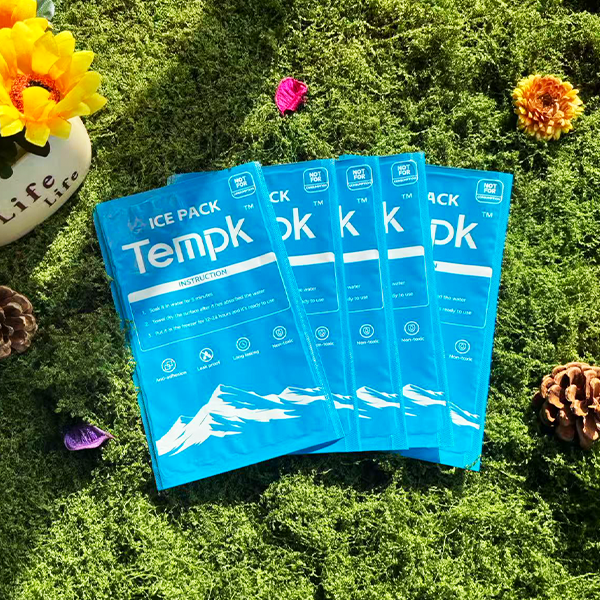
Glacière à vaccins Fournisseur de transport de vaccins: De la spécification à l’échelle
A sound decision on vaccine ice box vaccine transport supplier can be reduced to five linked questions: ce qu'il faut protéger, sur quel itinéraire, avec quelle configuration chargée, sous le contrôle opérationnel duquel, et avec quelles preuves.
Le résultat est un cadre de sélection intégré. Il combine l'éducation aux produits, jugement technique, risque d'itinéraire, qualification des fournisseurs, coût total, et la durabilité pour qu'un acheteur puisse émettre une demande plus claire, faire un essai significatif, et approuver une configuration avec moins de surprises.
Utilisez cinq décisions pour contrôler l’achat
Un projet complet de glacière de transport de vaccins peut être régi par cinq décisions. D'abord, définir le produit protégé et les conditions d'acceptation. Deuxième, caractériser la voie et ses transferts. Troisième, concevoir le pack chargé, y compris le liquide de refroidissement, barrières, surveillance, et espace utilisable. Quatrième, qualifier le fournisseur et les preuves. Cinquième, prouver que les opérations peuvent se reproduire, faire le ménage, retour, et maintenir la configuration.
La séquence compte. Les équipes créent des retouches lorsqu'elles choisissent une boîte, puis essayez d'installer le produit et de l'insérer. Commencer par le produit et la voie permet de comparer plusieurs architectures sur un pied d'égalité. Cela rend également la négociation des coûts plus utile, car le devis décrit un travail défini plutôt qu'un conteneur générique.
Le compromis central est qu'un kit préconfiguré peut réduire la variabilité de l'emballage, tandis qu'un système modulaire peut s'adapter à plus d'itinéraires; la modularité nécessite des instructions et un contrôle de configuration plus forts. Le cadre ne supprime pas les compromis; ça les rend explicites. Les achats peuvent décider quelles conséquences sont acceptables, l'ingénierie peut documenter la base technique, la qualité ou la sécurité alimentaire peuvent constituer des preuves, et les opérations peuvent tester si la méthode est reproductible.
Décision 1 et 2: relier les exigences du produit à la voie
Rédigez un dossier d'utilisation d'une page pour les vaccins, diluants, et équipements de surveillance gérés selon des instructions spécifiques au produit. Inclure les instructions actuelles du produit, condition de départ, quantité, dimensions du carton ou du plateau, sensibilité au gel, surchauffe, lumière, contamination, impact, ou un retard, et le processus de disposition pour une excursion. Évitez d'importer une gamme industrielle commune dans un produit comportant des instructions différentes.
Puis envoi de la carte, transport de véhicules, mise en scène temporaire, remettre, et réception dans le cadre d’une procédure écrite de transport des vaccins. Enregistrer le temps écoulé, conditions extérieures saisonnières, mise en scène, environnement du véhicule, ouverture de porte, arrêter de compter, surfaces de transfert, changements de garde, et réception du stockage. Ajoutez un scénario normal et un défi réaliste. Le défi peut être un quai chaud, receveur en retard, charge partielle, ouverture répétée, ou transfert en extérieur. Cela devrait représenter une journée d’exploitation crédible, il ne s'agit pas d'un pire cas artificiel sans probabilité ni réponse définie.
Attribuer chaque risque à l'emballage, procédure, équipement, ou une escalade. L'isolation et le liquide de refroidissement peuvent amortir l'exposition environnementale. Un programme d'itinéraire peut réduire les temps d'attente. Une unité active portable peut être plus appropriée pour certains mouvements à haut risque. Un rendez-vous de séquestre peut supprimer un transfert incontrôlé. Cette allocation évite de demander au boîtier passif de compenser chaque faiblesse du processus..
Décision 3: approuver une configuration chargée, pas une boîte nominale
La conception chargée doit résoudre ce problème de capacité: le fournisseur doit indiquer à la fois les dimensions internes et la disposition de la charge utile utilisable après le liquide de refroidissement, barrières, cartons d'origine, et les dispositifs de surveillance sont inclus. Créer un dessin et une maquette physique montrant l'orientation du produit, liquide de refroidissement, barrières, surveillance, séparateurs, tolérances, et jeu de fermeture. Calculer ou mesurer le poids emballé attendu. Confirmer le véhicule, étagère, palette, chariot, et porte ajustée avec les poignées et le couvercle dans leurs positions de fonctionnement.
Contrôlez les températures locales en définissant l'état et l'emplacement du liquide de refroidissement. La conception doit éviter tout contact direct involontaire, entrefers incontrôlés, et les composants qui peuvent changer. Les travaux de développement peuvent nécessiter plusieurs capteurs pour cartographier la charge, mais la surveillance de routine doit utiliser un emplacement fixe qui représente la décision de produit requise. Les chargements partiels nécessitent une alternative approuvée plutôt qu'une version improvisée du colis complet..
La construction doit prendre en charge une géométrie d'emballage reproductible, isolation, fermeture, dispositifs de retenue du liquide de refroidissement, barrières aux produits, zones d'étiquette, et les composants contrôlés sont plus importants qu'une apparence générique de refroidisseur. Vérifier le joint du couvercle, ponts thermiques, matériel à forte charge, nettoyabilité, remplacement de composants, et compatibilité avec la lumière du soleil ou les produits chimiques, le cas échéant. Les noms de matériaux sont des entrées, pas de conclusions. La spécification approuvée doit définir la construction de manière suffisamment détaillée pour préserver la fonction tout au long de la production..
Décision 4: qualifier ensemble le fournisseur et les preuves
Déterminer à qui appartient la conception et qui contrôle l'usine. La partie commerciale peut être un fabricant, exportateur, distributeur, ou intégrateur, mais l'acheteur a besoin d'un chemin clair vers les dessins, contrôles matériels, inspection, défauts, et notification de changement. Demandez quels composants sont critiques et comment les unités de production sont comparées à l'échantillon approuvé.
La demande de devis doit couvrir le conteneur, liquide de refroidissement, barrières, séparateurs, compatibilité de surveillance, SOP d'emballage, nettoyage, étiquettes, preuve, matériel de formation, pièces de rechange, et changer de contrôle. Normalisez la nomenclature incluse et les conditions de livraison avant de comparer les prix. Matériel séparé, liquide de refroidissement, surveillance, personnalisation, outillage, essai, documentation, emballage, fret, et pièces de rechange. Cela rend les facteurs de coûts visibles et évite qu'un faible prix de boîte vide soit comparé à un kit prêt à être utilisé..
Demander les dessins actuels, liste des composants, instructions d'emballage et de conditionnement, documentation des tests, attentes en matière d'étalonnage pour la surveillance, conseils de nettoyage, et notification de changement écrite. Lire les rapports de test pour connaître les conditions, pas les gros titres. Vérifier la charge utile, température de départ, liquide de refroidissement, profil ambiant, durée, ouvertures, positions des capteurs, critères d'acceptation, et si l'échantillon représentait la production. Enregistrez les écarts entre ces preuves et la voie prévue afin que l'équipe puisse décider quel travail supplémentaire est proportionné..
| Porte d'approbation | Sortie minimale | Raison pour laquelle la porte existe |
|---|---|---|
| Produit et voie | Brief de cas d'utilisation avec charge utile, condition, itinéraire, exposition, et les transferts | Empêche la sélection de la case avant que le travail ne soit défini |
| Configuration chargée | Dessin, liste des composants, liquide de refroidissement, barrières, capteur, poids, et en forme | Convertit la capacité nominale en un emballage reproductible |
| Fournisseur et preuves | Spécification contrôlée, échantillons, rapports, et changer les règles | Relie l’approvisionnement commercial à la conception approuvée |
| Disponibilité opérationnelle | AMADOUER, entraînement, nettoyage, recevoir, retour, et exceptions | Montre que les gens peuvent répéter et maintenir la méthode |
| Échelle et cycle de vie | Contrôle du premier lot, déploiement d'itinéraire, modèle de coût, suivi des actifs, déclencheurs d'examen | Protège les performances et la valeur après le lancement |
Les portes d'approbation empêchent un projet de passer directement d'un échantillon attractif à une commande groupée. Chaque porte crée un résultat tangible et ferme un risque différent: cas d'utilisation peu clair, emballage non reproductible, approvisionnement incontrôlé, opérations faibles, ou un modèle de cycle de vie non éprouvé.
Utilisez les conseils réglementaires et techniques sans trop revendiquer
Des directives faisant autorité aident à définir les attentes en matière de contrôle, mais cela ne transforme pas une box générique en un système homologué. Les instructions du produit et les règles locales applicables restent déterminantes. Un dossier technique doit indiquer pourquoi chaque référence est pertinente et où des tests ou un examen de la qualité spécifiques à un itinéraire sont encore nécessaires..
Pour les vaccins, Les directives actuelles du CDC mettent l'accent sur les informations de stockage et de transport spécifiques aux produits., réfrigérateurs à vaccins portables préférés ou emballages qualifiés pour le transport non urgent, surveillance continue, exposition ambiante minimisée, et des procédures formées. Il rejette également l'implication selon laquelle CDC ou VFC aurait validé le produit d'un fournisseur au moyen de termes marketing de type conformité..
Pour les médicaments, Les orientations du PIB de l'UE prévoient que les conditions de stockage requises soient maintenues pendant le transport grâce à une sélection basée sur les risques, équipement adapté, surveillance, évaluation de l'itinéraire, et qualification si nécessaire. Le transport aérien peut ajouter du temps IATA- et procédures de fret sensibles à la température. Ces cadres guident les preuves et la responsabilité; ils ne créent pas d’adéquation universelle.
La décision d'approbation doit identifier l'enveloppe opérationnelle testée et les conditions qui nécessitent une escalade.. Lorsque les preuves sont incomplètes, convertir l'inconnu en une question de vérification ou une limite opérationnelle plutôt que de combler le vide avec une affirmation marketing confiante.
Décision 5: prouver que l'organisation peut répéter la méthode
Exécutez un projet pilote avec les vrais emballeurs, conducteurs, récepteurs, personnel de nettoyage, et les évaluateurs de la qualité ou de la sécurité alimentaire. Observer l'identification des composants, préparation du liquide de refroidissement, chargement, emplacement du moniteur, fermeture, mise en scène, levage, retenue, ouverture, remettre, retour, laver, séchage, et inspection. Enregistrer les solutions de contournement; ils prouvent que la conception ou l'instruction doit être corrigée.
Le processus de retour doit mettre en œuvre cette exigence d'hygiène: la réutilisation nécessite une inspection, séchage, et des instructions de nettoyage qui n'endommagent pas l'isolation, scellés, étiquettes, ou emballage. Séparer le sale, faire le ménage, réparation, quarantaine, et statut de retraité. Définir les critères objectifs de libération et contrôler les pièces amovibles. Mesurez les délais de nettoyage et l'espace de stockage afin que la quantité de la flotte reflète les actifs réellement disponibles, pas seulement les boîtes achetées.
Préparer les chemins d'exception avant le lancement. Le personnel doit savoir quoi faire lorsqu'un composant du liquide de refroidissement est manquant, le moniteur tombe en panne, un couvercle ne ferme pas, une boîte est endommagée, un véhicule est en retard, le récepteur est absent, ou la trace du produit montre une excursion. Un chemin d'escalade court protège le processus approuvé sous la pression du temps.
Évaluez le coût et la durabilité sur le même cycle d’exploitation
Construire le coût total à partir de la configuration approuvée: matériel, outillage, échantillons, liquide de refroidissement, surveillance, étiquettes, emballage, fret, devoirs, travail, cube de véhicule, retour, lavage, séchage, stockage, réparation, perte, remplacement, et conservation des preuves. Rapporter le coût par voyage réussi par cohorte d'itinéraires. Cela évite à la fois une décision étroite sur le prix unitaire et une affirmation non étayée selon laquelle la réutilisation permet toujours d'économiser de l'argent..
La question de la durabilité est le soutien des fournisseurs pour le remplacement des composants, identification des actifs, et un nettoyage reproductible peut être aussi important que le matériau de base lors de la création d'un programme de transport de vaccins réutilisables. Suivre la circulation, distance de retour, perte, réparation, laver les ressources, utilisation, et gestion de fin de vie. Un système réutilisable crée de la valeur lorsque le réseau peut le maintenir en service maîtrisé. Dimensionnement correct, composants réparables, et un empilage de retour efficace peut être aussi important que le matériau de base.
L’approbation commerciale peut inclure un examen de sensibilité. Examinez comment le résultat change lorsque le rendement diminue, les dégâts augmentent, changements de demande, ou un itinéraire a besoin d'une taille différente. Cela ne nécessite pas de données de marché inventées. It uses the organization's own operating assumptions to identify where the proposal is robust and where a different packaging model should be retained.
Passez à travers des portes contrôlées et changez les déclencheurs
Grille 1 approuve le brief de cas d'utilisation et le dessin chargé. Grille 2 approuve les échantillons destinés à la production et les documents des fournisseurs. Grille 3 approuve les thermiques pertinents, mécanique, nettoyage, et acheminer les preuves. Grille 4 approuve la SOP, entraînement, processus d'exception, et boucle de retour. Grille 5 lance la production après vérification du premier lot. Chaque porte a un propriétaire et des critères d'acceptation enregistrés.
Développer par des cohortes d'itinéraires similaires. Commencez avec une voie représentative et un défi crédible, corriger les problèmes, puis ajoutez des sites qui partagent la charge utile et l'exposition. Ne présumez pas qu’un pilote réussi couvre un véhicule différent, climat, modèle d'arrêt, produit, ou processus de lavage. Utiliser une comparaison documentée pour décider si les preuves existantes peuvent être étendues.
Tenir un registre des modifications après le lancement. Cartons de produits, liquide de refroidissement, masse de charge utile, capteur, temps de parcours, chimie de nettoyage, matériel du fournisseur, joint, matériel, ou les changements d'usine peuvent affecter la ligne de base. Attribuez des niveaux de révision afin que les mises à jour administratives mineures ne déclenchent pas de travail inutile tandis que les modifications fonctionnelles font l'objet d'une comparaison ou d'une requalification appropriée..
Gardez les principales non-hypothèses visibles
Ne présumez pas que la capacité nominale est égale à la capacité de charge utile, que l'isolation crée la température requise du produit, qu'un enregistreur offre une protection, ou qu'un test dans différentes conditions prouve la voie. Ne présumez pas que la durabilité est synonyme d’adéquation alimentaire ou pharmaceutique., or that one program's approval transfers to another. Le risque spécifique ici est d'accepter des réclamations telles que celles conformes au CDC, refroidisseur universel de vaccins, ou durée garantie sans produit, emballage, et contexte de test.
Transformez chaque non-hypothèse en contrôle. Utiliser un dessin chargé pour la capacité, un plan de refroidissement défini pour le contrôle thermique, une position fixe du capteur pour preuve, une comparaison d'itinéraires pour la transférabilité, un processus de nettoyage et de séparation pour l'hygiène, et une spécification contrôlée pour la cohérence de la production. This makes the article's principles actionable in an RFQ and pilot.
Enfin, préserver honnêtement l'incertitude. Lorsqu'un paramètre n'est pas pris en charge par les instructions du produit, une source technique fiable, documentation fournisseur, ou des tests, demander au fournisseur de le confirmer ou planifier une vérification. Supprimer un numéro non justifié est une meilleure ingénierie et un meilleur approvisionnement que de présenter une précision que les preuves ne peuvent pas contenir.
Questions d'approvisionnement intégré
Quelles informations doivent être envoyées en premier à un fournisseur?
Envoyer le type de produit et la condition requise, dimensions du carton ou de la charge utile, quantité, durée de l'itinéraire, exposition saisonnière, modèle d'arrêt et d'ouverture, contraintes de véhicule ou d'étagère, préférence pour le liquide de refroidissement, besoin de surveillance, méthode de nettoyage, plan de réutilisation, personnalisation, et le volume des commandes. Marquez toutes les inconnues afin qu'elles deviennent des questions de projet plutôt que des hypothèses.
Comment savoir si la box proposée est trop grande ou trop petite?
Créez le package complet et comparez le nombre de charges utiles utilisables, poids chargé, cube extérieur, ajustement du véhicule, comportement à charge partielle, et manipulation. Une grande boîte peut gaspiller du liquide de refroidissement et de l'espace; un petit peut forcer une compression ou des déplacements supplémentaires. Utiliser des profils de commande réels et approuver les plages de charge.
Quelles preuves sont les plus importantes avant la production?
Les preuves doivent correspondre aux risques dominants. Au minimum, dimensions de contrôle, matériels, composants, ajustement chargé, manutention, nettoyage, et hypothèses thermiques pertinentes. Les itinéraires de soins de santé ou alimentaires à plus haut risque peuvent également nécessiter une qualification, surveillance calibrée, études d'itinéraire, dossiers officiels, et approbation de qualité ou de sécurité alimentaire.
Comment comparer les devis?
Comparez la même nomenclature, dimensions, accessoires, liquide de refroidissement, surveillance, personnalisation, essai, emballage, quantité commandée, conditions de livraison, hypothèses de fret, des pièces de rechange, et portée du contrôle des modifications. Puis modéliser le travail, retour, nettoyage, perte, réparation, et des voyages réussis. Un prix unitaire à coque vide ne constitue pas une comparaison complète.
Qu'est-ce qui devrait déclencher une requalification ou une réévaluation?
Modifications des instructions du produit, charge utile, carton, liquide de refroidissement, capteur, itinéraire, exposition ambiante, modèle d'arrêt, nettoyage, matériel, joint, matériel, processus, ou l'usine peut avoir de l'importance. Définir des déclencheurs basés sur les risques pour l'examen des documents, comparaison d'échantillons, tests ciblés, travaux d'itinéraire, ou requalification complète.
Décision finale
Considérez le fournisseur de transport de vaccins dans une glacière pour vaccins comme une décision de système contrôlé. Définir le produit et la voie, approuver le paquet chargé, qualifier les contrôles et les preuves des fournisseurs, prouver le processus de fonctionnement, et modéliser le coût et la réutilisation lors de voyages réussis. Mise à l'échelle uniquement après l'examen des échantillons d'intention de production et des cohortes d'itinéraires. Cette approche préserve les informations utiles issues de la formation sur les produits, ingénierie, conformité, opérations, et la durabilité sans s'appuyer sur des revendications universelles.
À propos du tempk
Tempk est la marque d'emballages pour chaîne du froid de Shanghai Tempk Industrial Co., Ltée. Son portefeuille public comprend des packs de gel, briques de glace, sacs et doublures isothermes, EPP et autres boîtes isothermes, glacières médicales, couvertures de palettes, et emballages sur mesure pour la logistique alimentaire et médicale. Les acheteurs peuvent fournir la géométrie du produit, condition cible, itinéraire, liquide de refroidissement, surveillance, manutention, nettoyage, identification, et exigences commerciales afin que Tempk puisse proposer une configuration pour l'examen des échantillons, essai, et discussion de l'échantillon à la production.
Prochaine étape du projet
Demandez à Tempk d'examiner votre projet de fournisseurs de glacières de transport de vaccins en utilisant la charge utile réelle, itinéraire, emballage, contrôles de fonctionnement, et hypothèses d'approvisionnement avant qu'un devis groupé ne soit finalisé.
Glacière à vaccins Fabricant de distribution pour l'industrie alimentaire: De la spécification à l’échelle
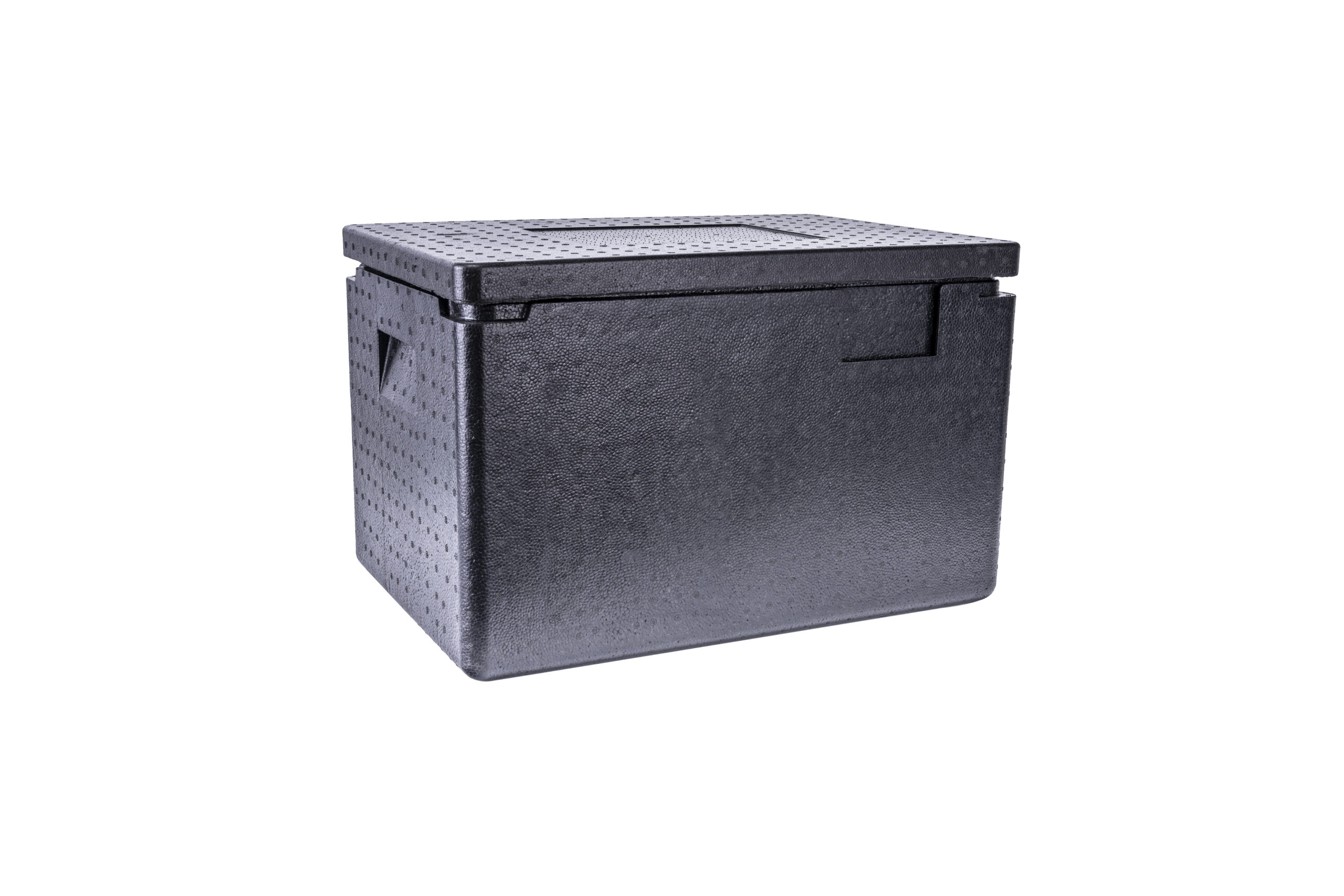
Glacière à vaccins Fabricant de distribution pour l'industrie alimentaire: De la spécification à l’échelle
A sound decision on vaccine ice box food industry distribution manufacturer can be reduced to five linked questions: ce qu'il faut protéger, sur quel itinéraire, avec quelle configuration chargée, sous le contrôle opérationnel duquel, et avec quelles preuves.
Le résultat est un cadre de sélection intégré. Il combine l'éducation aux produits, jugement technique, risque d'itinéraire, qualification des fournisseurs, coût total, et la durabilité pour qu'un acheteur puisse émettre une demande plus claire, faire un essai significatif, et approuver une configuration avec moins de surprises.
Utilisez cinq décisions pour contrôler l’achat
Un projet complet de plate-forme de distribution de glacières isolées peut être régi par cinq décisions. D'abord, définir le produit protégé et les conditions d'acceptation. Deuxième, caractériser la voie et ses transferts. Troisième, concevoir le pack chargé, y compris le liquide de refroidissement, barrières, surveillance, et espace utilisable. Quatrième, qualifier le fournisseur et les preuves. Cinquième, prouver que les opérations peuvent se reproduire, faire le ménage, retour, et maintenir la configuration.
La séquence compte. Les équipes créent des retouches lorsqu'elles choisissent une boîte, puis essayez d'installer le produit et de l'insérer. Commencer par le produit et la voie permet de comparer plusieurs architectures sur un pied d'égalité. Cela rend également la négociation des coûts plus utile, car le devis décrit un travail défini plutôt qu'un conteneur générique.
Le compromis central est que le matériel commun peut améliorer la gestion de l'évolutivité et des pièces de rechange., mais des couleurs dédiées, inserts, instructions d'emballage, preuve, et les contrôles de nettoyage augmentent l'intégrité du programme. Le cadre ne supprime pas les compromis; ça les rend explicites. Les achats peuvent décider quelles conséquences sont acceptables, l'ingénierie peut documenter la base technique, la qualité ou la sécurité alimentaire peuvent constituer des preuves, et les opérations peuvent tester si la méthode est reproductible.
Décision 1 et 2: relier les exigences du produit à la voie
Rédigez un dossier d'utilisation d'une page pour les vaccins et les diluants sur un programme, et des aliments réfrigérés ou surgelés sur un autre. Inclure les instructions actuelles du produit, condition de départ, quantité, dimensions du carton ou du plateau, sensibilité au gel, surchauffe, lumière, contamination, impact, ou un retard, et le processus de disposition pour une excursion. Évitez d'importer une gamme industrielle commune dans un produit comportant des instructions différentes.
Cartographiez ensuite la distribution multi-sites avec des salles de conditionnement distinctes, véhicules, transferts, recevoir des chèques, et exigences de nettoyage. Enregistrer le temps écoulé, conditions extérieures saisonnières, mise en scène, environnement du véhicule, ouverture de porte, arrêter de compter, surfaces de transfert, changements de garde, et réception du stockage. Ajoutez un scénario normal et un défi réaliste. Le défi peut être un quai chaud, receveur en retard, charge partielle, ouverture répétée, ou transfert en extérieur. Cela devrait représenter une journée d’exploitation crédible, il ne s'agit pas d'un pire cas artificiel sans probabilité ni réponse définie.
Attribuer chaque risque à l'emballage, procédure, équipement, ou une escalade. L'isolation et le liquide de refroidissement peuvent amortir l'exposition environnementale. Un programme d'itinéraire peut réduire les temps d'attente. Une unité active portable peut être plus appropriée pour certains mouvements à haut risque. Un rendez-vous de séquestre peut supprimer un transfert incontrôlé. Cette allocation évite de demander au boîtier passif de compenser chaque faiblesse du processus..
Décision 3: approuver une configuration chargée, pas une boîte nominale
La conception chargée doit résoudre ce problème de capacité: la même boîte nominale peut avoir un espace de charge utile utilisable très différent en raison des barrières vaccinales, liquide de refroidissement conditionné, cartons d'origine, séparation alimentaire, ou contrôle des déversements, modifier la disposition interne. Créer un dessin et une maquette physique montrant l'orientation du produit, liquide de refroidissement, barrières, surveillance, séparateurs, tolérances, et jeu de fermeture. Calculer ou mesurer le poids emballé attendu. Confirmer le véhicule, étagère, palette, chariot, et porte ajustée avec les poignées et le couvercle dans leurs positions de fonctionnement.
Contrôlez les températures locales en définissant l'état et l'emplacement du liquide de refroidissement. La conception doit éviter tout contact direct involontaire, entrefers incontrôlés, et les composants qui peuvent changer. Les travaux de développement peuvent nécessiter plusieurs capteurs pour cartographier la charge, mais la surveillance de routine doit utiliser un emplacement fixe qui représente la décision de produit requise. Les chargements partiels nécessitent une alternative approuvée plutôt qu'une version improvisée du colis complet..
La construction doit prendre en charge une coque modulaire et la plate-forme d'isolation peut prendre en charge plusieurs programmes si des inserts, étiquettes, scellés, dispositifs de retenue du liquide de refroidissement, et les nomenclatures contrôlées sont clairement séparées. Vérifier le joint du couvercle, ponts thermiques, matériel à forte charge, nettoyabilité, remplacement de composants, et compatibilité avec la lumière du soleil ou les produits chimiques, le cas échéant. Les noms de matériaux sont des entrées, pas de conclusions. La spécification approuvée doit définir la construction de manière suffisamment détaillée pour préserver la fonction tout au long de la production..
Décision 4: qualifier ensemble le fournisseur et les preuves
Déterminer à qui appartient la conception et qui contrôle l'usine. La partie commerciale peut être un fabricant, exportateur, distributeur, ou intégrateur, mais l'acheteur a besoin d'un chemin clair vers les dessins, contrôles matériels, inspection, défauts, et notification de changement. Demandez quels composants sont critiques et comment les unités de production sont comparées à l'échantillon approuvé.
La demande de devis doit couvrir la plateforme de base, inserts et étiquettes spécifiques au programme, liquide de refroidissement, nettoyage, échantillons, dessins, portée du test, contrôles de ségrégation, règles de changement de production, et des dossiers d'approbation séparés. Normalisez la nomenclature incluse et les conditions de livraison avant de comparer les prix. Matériel séparé, liquide de refroidissement, surveillance, personnalisation, outillage, essai, documentation, emballage, fret, et pièces de rechange. Cela rend les facteurs de coûts visibles et évite qu'un faible prix de boîte vide soit comparé à un kit prêt à être utilisé..
Demander des spécifications contrôlées distinctes, séparation des composants, contrôles de couleur et d'étiquette, conseils de nettoyage, instructions d'emballage, preuves par programme, et une communication documentée sur les changements. Lire les rapports de test pour connaître les conditions, pas les gros titres. Vérifier la charge utile, température de départ, liquide de refroidissement, profil ambiant, durée, ouvertures, positions des capteurs, critères d'acceptation, et si l'échantillon représentait la production. Enregistrez les écarts entre ces preuves et la voie prévue afin que l'équipe puisse décider quel travail supplémentaire est proportionné..
| Porte d'approbation | Sortie minimale | Raison pour laquelle la porte existe |
|---|---|---|
| Produit et voie | Brief de cas d'utilisation avec charge utile, condition, itinéraire, exposition, et les transferts | Empêche la sélection de la case avant que le travail ne soit défini |
| Configuration chargée | Dessin, liste des composants, liquide de refroidissement, barrières, capteur, poids, et en forme | Convertit la capacité nominale en un emballage reproductible |
| Fournisseur et preuves | Spécification contrôlée, échantillons, rapports, et changer les règles | Relie l’approvisionnement commercial à la conception approuvée |
| Disponibilité opérationnelle | AMADOUER, entraînement, nettoyage, recevoir, retour, et exceptions | Montre que les gens peuvent répéter et maintenir la méthode |
| Échelle et cycle de vie | Contrôle du premier lot, déploiement d'itinéraire, modèle de coût, suivi des actifs, déclencheurs d'examen | Protège les performances et la valeur après le lancement |
Les portes d'approbation empêchent un projet de passer directement d'un échantillon attractif à une commande groupée. Chaque porte crée un résultat tangible et ferme un risque différent: cas d'utilisation peu clair, emballage non reproductible, approvisionnement incontrôlé, opérations faibles, ou un modèle de cycle de vie non éprouvé.
Utilisez les conseils réglementaires et techniques sans trop revendiquer
Des directives faisant autorité aident à définir les attentes en matière de contrôle, mais cela ne transforme pas une box générique en un système homologué. Les instructions du produit et les règles locales applicables restent déterminantes. Un dossier technique doit indiquer pourquoi chaque référence est pertinente et où des tests ou un examen de la qualité spécifiques à un itinéraire sont encore nécessaires..
Pour les vaccins, Les directives actuelles du CDC mettent l'accent sur les informations de stockage et de transport spécifiques aux produits., réfrigérateurs à vaccins portables préférés ou emballages qualifiés pour le transport non urgent, surveillance continue, exposition ambiante minimisée, et des procédures formées. Il rejette également l'implication selon laquelle CDC ou VFC aurait validé le produit d'un fournisseur au moyen de termes marketing de type conformité..
Pour la distribution de nourriture, Les principes de transport sanitaire de la FDA relient la conception des équipements au contrôle nécessaire de la température, nettoyabilité, et prévention de la contamination. La boîte doit donc être revue dans le cadre de l’opération complète de sécurité alimentaire, y compris la séparation des produits, chargement, état du véhicule, recevoir, nettoyage, et des enregistrements.
Pour les médicaments, Les orientations du PIB de l'UE prévoient que les conditions de stockage requises soient maintenues pendant le transport grâce à une sélection basée sur les risques, équipement adapté, surveillance, évaluation de l'itinéraire, et qualification si nécessaire. Le transport aérien peut ajouter du temps IATA- et procédures de fret sensibles à la température. Ces cadres guident les preuves et la responsabilité; ils ne créent pas d’adéquation universelle.
La décision d'approbation doit identifier l'enveloppe opérationnelle testée et les conditions qui nécessitent une escalade.. Lorsque les preuves sont incomplètes, convertir l'inconnu en une question de vérification ou une limite opérationnelle plutôt que de combler le vide avec une affirmation marketing confiante.
Décision 5: prouver que l'organisation peut répéter la méthode
Exécutez un projet pilote avec les vrais emballeurs, conducteurs, récepteurs, personnel de nettoyage, et les évaluateurs de la qualité ou de la sécurité alimentaire. Observer l'identification des composants, préparation du liquide de refroidissement, chargement, emplacement du moniteur, fermeture, mise en scène, levage, retenue, ouverture, remettre, retour, laver, séchage, et inspection. Enregistrer les solutions de contournement; ils prouvent que la conception ou l'instruction doit être corrigée.
Le processus de retour doit mettre en œuvre cette exigence d'hygiène: la fabrication partagée ne justifie pas l’utilisation d’une flotte partagée; codage couleur, identifiants d'actifs, validation du nettoyage, et une appropriation dédiée du programme peut être nécessaire pour éviter les confusions et la contamination. Séparer le sale, faire le ménage, réparation, quarantaine, et statut de retraité. Définir les critères objectifs de libération et contrôler les pièces amovibles. Mesurez les délais de nettoyage et l'espace de stockage afin que la quantité de la flotte reflète les actifs réellement disponibles, pas seulement les boîtes achetées.
Préparer les chemins d'exception avant le lancement. Le personnel doit savoir quoi faire lorsqu'un composant du liquide de refroidissement est manquant, le moniteur tombe en panne, un couvercle ne ferme pas, une boîte est endommagée, un véhicule est en retard, le récepteur est absent, ou la trace du produit montre une excursion. Un chemin d'escalade court protège le processus approuvé sous la pression du temps.
Évaluez le coût et la durabilité sur le même cycle d’exploitation
Construire le coût total à partir de la configuration approuvée: matériel, outillage, échantillons, liquide de refroidissement, surveillance, étiquettes, emballage, fret, devoirs, travail, cube de véhicule, retour, lavage, séchage, stockage, réparation, perte, remplacement, et conservation des preuves. Rapporter le coût par voyage réussi par cohorte d'itinéraires. Cela évite à la fois une décision étroite sur le prix unitaire et une affirmation non étayée selon laquelle la réutilisation permet toujours d'économiser de l'argent..
La question de la durabilité est que la communauté des plates-formes peut simplifier la maintenance et le tri en fin de vie., tandis que les identifiants dédiés et la réutilisation contrôlée empêchent l'objectif environnemental de créer un risque qualité.. Suivre la circulation, distance de retour, perte, réparation, laver les ressources, utilisation, et gestion de fin de vie. Un système réutilisable crée de la valeur lorsque le réseau peut le maintenir en service maîtrisé. Dimensionnement correct, composants réparables, et un empilage de retour efficace peut être aussi important que le matériau de base.
L’approbation commerciale peut inclure un examen de sensibilité. Examinez comment le résultat change lorsque le rendement diminue, les dégâts augmentent, changements de demande, ou un itinéraire a besoin d'une taille différente. Cela ne nécessite pas de données de marché inventées. It uses the organization's own operating assumptions to identify where the proposal is robust and where a different packaging model should be retained.
Passez à travers des portes contrôlées et changez les déclencheurs
Grille 1 approuve le brief de cas d'utilisation et le dessin chargé. Grille 2 approuve les échantillons destinés à la production et les documents des fournisseurs. Grille 3 approuve les thermiques pertinents, mécanique, nettoyage, et acheminer les preuves. Grille 4 approuve la SOP, entraînement, processus d'exception, et boucle de retour. Grille 5 lance la production après vérification du premier lot. Chaque porte a un propriétaire et des critères d'acceptation enregistrés.
Développer par des cohortes d'itinéraires similaires. Commencez avec une voie représentative et un défi crédible, corriger les problèmes, puis ajoutez des sites qui partagent la charge utile et l'exposition. Ne présumez pas qu’un pilote réussi couvre un véhicule différent, climat, modèle d'arrêt, produit, ou processus de lavage. Utiliser une comparaison documentée pour décider si les preuves existantes peuvent être étendues.
Tenir un registre des modifications après le lancement. Cartons de produits, liquide de refroidissement, masse de charge utile, capteur, temps de parcours, chimie de nettoyage, matériel du fournisseur, joint, matériel, ou les changements d'usine peuvent affecter la ligne de base. Attribuez des niveaux de révision afin que les mises à jour administratives mineures ne déclenchent pas de travail inutile tandis que les modifications fonctionnelles font l'objet d'une comparaison ou d'une requalification appropriée..
Gardez les principales non-hypothèses visibles
Ne présumez pas que la capacité nominale est égale à la capacité de charge utile, que l'isolation crée la température requise du produit, qu'un enregistreur offre une protection, ou qu'un test dans différentes conditions prouve la voie. Ne présumez pas que la durabilité est synonyme d’adéquation alimentaire ou pharmaceutique., or that one program's approval transfers to another. Le risque spécifique ici est d’utiliser une spécification universelle pour réduire les SKU et d’affaiblir accidentellement le contrôle des vaccins ou l’hygiène alimentaire..
Transformez chaque non-hypothèse en contrôle. Utiliser un dessin chargé pour la capacité, un plan de refroidissement défini pour le contrôle thermique, une position fixe du capteur pour preuve, une comparaison d'itinéraires pour la transférabilité, un processus de nettoyage et de séparation pour l'hygiène, et une spécification contrôlée pour la cohérence de la production. This makes the article's principles actionable in an RFQ and pilot.
Enfin, préserver honnêtement l'incertitude. Lorsqu'un paramètre n'est pas pris en charge par les instructions du produit, une source technique fiable, documentation fournisseur, ou des tests, demander au fournisseur de le confirmer ou planifier une vérification. Supprimer un numéro non justifié est une meilleure ingénierie et un meilleur approvisionnement que de présenter une précision que les preuves ne peuvent pas contenir.
Questions d'approvisionnement intégré
Quelles informations doivent être envoyées en premier à un fournisseur?
Envoyer le type de produit et la condition requise, dimensions du carton ou de la charge utile, quantité, durée de l'itinéraire, exposition saisonnière, modèle d'arrêt et d'ouverture, contraintes de véhicule ou d'étagère, préférence pour le liquide de refroidissement, besoin de surveillance, méthode de nettoyage, plan de réutilisation, personnalisation, et le volume des commandes. Marquez toutes les inconnues afin qu'elles deviennent des questions de projet plutôt que des hypothèses.
Comment savoir si la box proposée est trop grande ou trop petite?
Créez le package complet et comparez le nombre de charges utiles utilisables, poids chargé, cube extérieur, ajustement du véhicule, comportement à charge partielle, et manipulation. Une grande boîte peut gaspiller du liquide de refroidissement et de l'espace; un petit peut forcer une compression ou des déplacements supplémentaires. Utiliser des profils de commande réels et approuver les plages de charge.
Quelles preuves sont les plus importantes avant la production?
Les preuves doivent correspondre aux risques dominants. Au minimum, dimensions de contrôle, matériels, composants, ajustement chargé, manutention, nettoyage, et hypothèses thermiques pertinentes. Les itinéraires de soins de santé ou alimentaires à plus haut risque peuvent également nécessiter une qualification, surveillance calibrée, études d'itinéraire, dossiers officiels, et approbation de qualité ou de sécurité alimentaire.
Comment comparer les devis?
Comparez la même nomenclature, dimensions, accessoires, liquide de refroidissement, surveillance, personnalisation, essai, emballage, quantité commandée, conditions de livraison, hypothèses de fret, des pièces de rechange, et portée du contrôle des modifications. Puis modéliser le travail, retour, nettoyage, perte, réparation, et des voyages réussis. Un prix unitaire à coque vide ne constitue pas une comparaison complète.
Qu'est-ce qui devrait déclencher une requalification ou une réévaluation?
Modifications des instructions du produit, charge utile, carton, liquide de refroidissement, capteur, itinéraire, exposition ambiante, modèle d'arrêt, nettoyage, matériel, joint, matériel, processus, ou l'usine peut avoir de l'importance. Définir des déclencheurs basés sur les risques pour l'examen des documents, comparaison d'échantillons, tests ciblés, travaux d'itinéraire, ou requalification complète.
Décision finale
Traitez le fabricant de distribution de l'industrie alimentaire des glacières pour vaccins comme une décision de système contrôlé. Définir le produit et la voie, approuver le paquet chargé, qualifier les contrôles et les preuves des fournisseurs, prouver le processus de fonctionnement, et modéliser le coût et la réutilisation lors de voyages réussis. Mise à l'échelle uniquement après l'examen des échantillons d'intention de production et des cohortes d'itinéraires. Cette approche préserve les informations utiles issues de la formation sur les produits, ingénierie, conformité, opérations, et la durabilité sans s'appuyer sur des revendications universelles.
À propos du tempk
Tempk est la marque d'emballages pour chaîne du froid de Shanghai Tempk Industrial Co., Ltée. Son portefeuille public comprend des packs de gel, briques de glace, sacs et doublures isothermes, EPP et autres boîtes isothermes, glacières médicales, couvertures de palettes, et emballages sur mesure pour la logistique alimentaire et médicale. Les acheteurs peuvent fournir la géométrie du produit, condition cible, itinéraire, liquide de refroidissement, surveillance, manutention, nettoyage, identification, et exigences commerciales afin que Tempk puisse proposer une configuration pour l'examen des échantillons, essai, et discussion de l'échantillon à la production.
Prochaine étape du projet
Demandez à Tempk d'examiner votre projet de fabrication de glacières pour la distribution de vaccins et de nourriture en utilisant la charge utile réelle, itinéraire, emballage, contrôles de fonctionnement, et hypothèses d'approvisionnement avant qu'un devis groupé ne soit finalisé.
Logistique de la chaîne du froid des glacières pour vaccins: Un cadre basé sur les routes
Logistique de la chaîne du froid des glacières pour vaccins: Un cadre basé sur les routes
The best vaccine ice box cold chain logistics decision is rarely the box with the highest claimed performance or the lowest price. C'est le système qui s'adapte à la charge utile, itinéraire, opérateurs, besoins en matière de documentation, et modèle de retour avec le moins d'hypothèses non contrôlées.
Le résultat est un cadre de sélection intégré. Il combine l'éducation aux produits, jugement technique, risque d'itinéraire, qualification des fournisseurs, coût total, et la durabilité pour qu'un acheteur puisse émettre une demande plus claire, faire un essai significatif, et approuver une configuration avec moins de surprises.
Utilisez cinq décisions pour contrôler l’achat
Un projet complet de glacière à vaccins peut être régi par cinq décisions. D'abord, définir le produit protégé et les conditions d'acceptation. Deuxième, caractériser la voie et ses transferts. Troisième, concevoir le pack chargé, y compris le liquide de refroidissement, barrières, surveillance, et espace utilisable. Quatrième, qualifier le fournisseur et les preuves. Cinquième, prouver que les opérations peuvent se reproduire, faire le ménage, retour, et maintenir la configuration.
La séquence compte. Les équipes créent des retouches lorsqu'elles choisissent une boîte, puis essayez d'installer le produit et de l'insérer. Commencer par le produit et la voie permet de comparer plusieurs architectures sur un pied d'égalité. Cela rend également la négociation des coûts plus utile, car le devis décrit un travail défini plutôt qu'un conteneur générique.
Le compromis central est qu'un emballage compact peut être plus facile à manipuler, mais un espacement insuffisant ou un liquide de refroidissement mal placé peuvent créer des zones chaudes ou froides locales; plus de liquide de refroidissement n'est pas automatiquement plus sûr. Le cadre ne supprime pas les compromis; ça les rend explicites. Les achats peuvent décider quelles conséquences sont acceptables, l'ingénierie peut documenter la base technique, la qualité ou la sécurité alimentaire peuvent constituer des preuves, et les opérations peuvent tester si la méthode est reproductible.
Décision 1 et 2: relier les exigences du produit à la voie
Rédiger un dossier d'utilisation d'une page pour les vaccins et les diluants associés avec des instructions de stockage et de transport spécifiques au produit. Inclure les instructions actuelles du produit, condition de départ, quantité, dimensions du carton ou du plateau, sensibilité au gel, surchauffe, lumière, contamination, impact, ou un retard, et le processus de disposition pour une excursion. Évitez d'importer une gamme industrielle commune dans un produit comportant des instructions différentes.
Cartographiez ensuite un itinéraire contrôlé qui comprend l'emballage, expédition, exposition du véhicule, transferts, reçu, et retour immédiat dans un stockage approprié. Enregistrer le temps écoulé, conditions extérieures saisonnières, mise en scène, environnement du véhicule, ouverture de porte, arrêter de compter, surfaces de transfert, changements de garde, et réception du stockage. Ajoutez un scénario normal et un défi réaliste. Le défi peut être un quai chaud, receveur en retard, charge partielle, ouverture répétée, ou transfert en extérieur. Cela devrait représenter une journée d’exploitation crédible, il ne s'agit pas d'un pire cas artificiel sans probabilité ni réponse définie.
Attribuer chaque risque à l'emballage, procédure, équipement, ou une escalade. L'isolation et le liquide de refroidissement peuvent amortir l'exposition environnementale. Un programme d'itinéraire peut réduire les temps d'attente. Une unité active portable peut être plus appropriée pour certains mouvements à haut risque. Un rendez-vous de séquestre peut supprimer un transfert incontrôlé. Cette allocation évite de demander au boîtier passif de compenser chaque faiblesse du processus..
Décision 3: approuver une configuration chargée, pas une boîte nominale
La conception chargée doit résoudre ce problème de capacité: l'espace utilisable doit être calculé après conditionnement du liquide de refroidissement, barrières, équipement de surveillance de la température, et les emballages sont installés, avec des vaccins conservés dans leur emballage d'origine lorsque cela est nécessaire. Créer un dessin et une maquette physique montrant l'orientation du produit, liquide de refroidissement, barrières, surveillance, séparateurs, tolérances, et jeu de fermeture. Calculer ou mesurer le poids emballé attendu. Confirmer le véhicule, étagère, palette, chariot, et porte ajustée avec les poignées et le couvercle dans leurs positions de fonctionnement.
Contrôlez les températures locales en définissant l'état et l'emplacement du liquide de refroidissement. La conception doit éviter tout contact direct involontaire, entrefers incontrôlés, et les composants qui peuvent changer. Les travaux de développement peuvent nécessiter plusieurs capteurs pour cartographier la charge, mais la surveillance de routine doit utiliser un emplacement fixe qui représente la décision de produit requise. Les chargements partiels nécessitent une alternative approuvée plutôt qu'une version improvisée du colis complet..
La construction doit assurer la continuité de l’isolation, fermeture sécurisée, positions répétables du liquide de refroidissement, des barrières qui empêchent les contacts directs dommageables, et une disposition qui maintient la sonde de surveillance avec la charge utile du vaccin. Vérifier le joint du couvercle, ponts thermiques, matériel à forte charge, nettoyabilité, remplacement de composants, et compatibilité avec la lumière du soleil ou les produits chimiques, le cas échéant. Les noms de matériaux sont des entrées, pas de conclusions. La spécification approuvée doit définir la construction de manière suffisamment détaillée pour préserver la fonction tout au long de la production..
Décision 4: qualifier ensemble le fournisseur et les preuves
Déterminer à qui appartient la conception et qui contrôle l'usine. La partie commerciale peut être un fabricant, exportateur, distributeur, ou intégrateur, mais l'acheteur a besoin d'un chemin clair vers les dessins, contrôles matériels, inspection, défauts, et notification de changement. Demandez quels composants sont critiques et comment les unités de production sont comparées à l'échantillon approuvé.
La demande de devis doit couvrir le type de conteneur approuvé, disposition interne, spécification du liquide de refroidissement, barrières, compatibilité des enregistreurs, instructions d'emballage, nettoyage, identification, dossier de preuves, et matériel de formation du personnel. Normalisez la nomenclature incluse et les conditions de livraison avant de comparer les prix. Matériel séparé, liquide de refroidissement, surveillance, personnalisation, outillage, essai, documentation, emballage, fret, et pièces de rechange. Cela rend les facteurs de coûts visibles et évite qu'un faible prix de boîte vide soit comparé à un kit prêt à être utilisé..
Demander des instructions d'emballage, liste des composants, dessins, conseils sur le conditionnement du liquide de refroidissement, instructions de nettoyage, Placement de l'enregistrement, documentation de test ou de qualification, et des spécifications de production maîtrisées. Lire les rapports de test pour connaître les conditions, pas les gros titres. Vérifier la charge utile, température de départ, liquide de refroidissement, profil ambiant, durée, ouvertures, positions des capteurs, critères d'acceptation, et si l'échantillon représentait la production. Enregistrez les écarts entre ces preuves et la voie prévue afin que l'équipe puisse décider quel travail supplémentaire est proportionné..
| Porte d'approbation | Sortie minimale | Raison pour laquelle la porte existe |
|---|---|---|
| Produit et voie | Brief de cas d'utilisation avec charge utile, condition, itinéraire, exposition, et les transferts | Empêche la sélection de la case avant que le travail ne soit défini |
| Configuration chargée | Dessin, liste des composants, liquide de refroidissement, barrières, capteur, poids, et en forme | Convertit la capacité nominale en un emballage reproductible |
| Fournisseur et preuves | Spécification contrôlée, échantillons, rapports, et changer les règles | Relie l’approvisionnement commercial à la conception approuvée |
| Disponibilité opérationnelle | AMADOUER, entraînement, nettoyage, recevoir, retour, et exceptions | Montre que les gens peuvent répéter et maintenir la méthode |
| Échelle et cycle de vie | Contrôle du premier lot, déploiement d'itinéraire, modèle de coût, suivi des actifs, déclencheurs d'examen | Protège les performances et la valeur après le lancement |
Les portes d'approbation empêchent un projet de passer directement d'un échantillon attractif à une commande groupée. Chaque porte crée un résultat tangible et ferme un risque différent: cas d'utilisation peu clair, emballage non reproductible, approvisionnement incontrôlé, opérations faibles, ou un modèle de cycle de vie non éprouvé.
Utilisez les conseils réglementaires et techniques sans trop revendiquer
Des directives faisant autorité aident à définir les attentes en matière de contrôle, mais cela ne transforme pas une box générique en un système homologué. Les instructions du produit et les règles locales applicables restent déterminantes. Un dossier technique doit indiquer pourquoi chaque référence est pertinente et où des tests ou un examen de la qualité spécifiques à un itinéraire sont encore nécessaires..
Pour les vaccins, Les directives actuelles du CDC mettent l'accent sur les informations de stockage et de transport spécifiques aux produits., réfrigérateurs à vaccins portables préférés ou emballages qualifiés pour le transport non urgent, surveillance continue, exposition ambiante minimisée, et des procédures formées. Il rejette également l'implication selon laquelle CDC ou VFC aurait validé le produit d'un fournisseur au moyen de termes marketing de type conformité..
Pour les médicaments, Les orientations du PIB de l'UE prévoient que les conditions de stockage requises soient maintenues pendant le transport grâce à une sélection basée sur les risques, équipement adapté, surveillance, évaluation de l'itinéraire, et qualification si nécessaire. Le transport aérien peut ajouter du temps IATA- et procédures de fret sensibles à la température. Ces cadres guident les preuves et la responsabilité; ils ne créent pas d’adéquation universelle.
La décision d'approbation doit identifier l'enveloppe opérationnelle testée et les conditions qui nécessitent une escalade.. Lorsque les preuves sont incomplètes, convertir l'inconnu en une question de vérification ou une limite opérationnelle plutôt que de combler le vide avec une affirmation marketing confiante.
Décision 5: prouver que l'organisation peut répéter la méthode
Exécutez un projet pilote avec les vrais emballeurs, conducteurs, récepteurs, personnel de nettoyage, et les évaluateurs de la qualité ou de la sécurité alimentaire. Observer l'identification des composants, préparation du liquide de refroidissement, chargement, emplacement du moniteur, fermeture, mise en scène, levage, retenue, ouverture, remettre, retour, laver, séchage, et inspection. Enregistrer les solutions de contournement; ils prouvent que la conception ou l'instruction doit être corrigée.
Le processus de retour doit mettre en œuvre cette exigence d'hygiène: les procédures de nettoyage et d'inspection doivent protéger l'intégrité de l'emballage sans laisser de résidus ou d'humidité qui pourraient affecter les étiquettes, cartons, ou utilisation future. Séparer le sale, faire le ménage, réparation, quarantaine, et statut de retraité. Définir les critères objectifs de libération et contrôler les pièces amovibles. Mesurez les délais de nettoyage et l'espace de stockage afin que la quantité de la flotte reflète les actifs réellement disponibles, pas seulement les boîtes achetées.
Préparer les chemins d'exception avant le lancement. Le personnel doit savoir quoi faire lorsqu'un composant du liquide de refroidissement est manquant, le moniteur tombe en panne, un couvercle ne ferme pas, une boîte est endommagée, un véhicule est en retard, le récepteur est absent, ou la trace du produit montre une excursion. Un chemin d'escalade court protège le processus approuvé sous la pression du temps.
Évaluez le coût et la durabilité sur le même cycle d’exploitation
Construire le coût total à partir de la configuration approuvée: matériel, outillage, échantillons, liquide de refroidissement, surveillance, étiquettes, emballage, fret, devoirs, travail, cube de véhicule, retour, lavage, séchage, stockage, réparation, perte, remplacement, et conservation des preuves. Rapporter le coût par voyage réussi par cohorte d'itinéraires. Cela évite à la fois une décision étroite sur le prix unitaire et une affirmation non étayée selon laquelle la réutilisation permet toujours d'économiser de l'argent..
La question de la durabilité est que les conteneurs de vaccins réutilisables peuvent réduire le gaspillage de matériaux dans les boucles gérées, mais seulement lors de l'inspection, nettoyage, contrôle des emballages, rendement des actifs, et le retrait des unités endommagées est fiable. Suivre la circulation, distance de retour, perte, réparation, laver les ressources, utilisation, et gestion de fin de vie. Un système réutilisable crée de la valeur lorsque le réseau peut le maintenir en service maîtrisé. Dimensionnement correct, composants réparables, et un empilage de retour efficace peut être aussi important que le matériau de base.
L’approbation commerciale peut inclure un examen de sensibilité. Examinez comment le résultat change lorsque le rendement diminue, les dégâts augmentent, changements de demande, ou un itinéraire a besoin d'une taille différente. Cela ne nécessite pas de données de marché inventées. It uses the organization's own operating assumptions to identify where the proposal is robust and where a different packaging model should be retained.
Passez à travers des portes contrôlées et changez les déclencheurs
Grille 1 approuve le brief de cas d'utilisation et le dessin chargé. Grille 2 approuve les échantillons destinés à la production et les documents des fournisseurs. Grille 3 approuve les thermiques pertinents, mécanique, nettoyage, et acheminer les preuves. Grille 4 approuve la SOP, entraînement, processus d'exception, et boucle de retour. Grille 5 lance la production après vérification du premier lot. Chaque porte a un propriétaire et des critères d'acceptation enregistrés.
Développer par des cohortes d'itinéraires similaires. Commencez avec une voie représentative et un défi crédible, corriger les problèmes, puis ajoutez des sites qui partagent la charge utile et l'exposition. Ne présumez pas qu’un pilote réussi couvre un véhicule différent, climat, modèle d'arrêt, produit, ou processus de lavage. Utiliser une comparaison documentée pour décider si les preuves existantes peuvent être étendues.
Tenir un registre des modifications après le lancement. Cartons de produits, liquide de refroidissement, masse de charge utile, capteur, temps de parcours, chimie de nettoyage, matériel du fournisseur, joint, matériel, ou les changements d'usine peuvent affecter la ligne de base. Attribuez des niveaux de révision afin que les mises à jour administratives mineures ne déclenchent pas de travail inutile tandis que les modifications fonctionnelles font l'objet d'une comparaison ou d'une requalification appropriée..
Gardez les principales non-hypothèses visibles
Ne présumez pas que la capacité nominale est égale à la capacité de charge utile, que l'isolation crée la température requise du produit, qu'un enregistreur offre une protection, ou qu'un test dans différentes conditions prouve la voie. Ne présumez pas que la durabilité est synonyme d’adéquation alimentaire ou pharmaceutique., or that one program's approval transfers to another. Le risque spécifique ici est l'utilisation d'un refroidisseur d'aliments ou de boissons ordinaire., paquets congelés incontrôlés, ou une allégation de temps de conservation générique pour une voie vaccinale sensible au produit.
Transformez chaque non-hypothèse en contrôle. Utiliser un dessin chargé pour la capacité, un plan de refroidissement défini pour le contrôle thermique, une position fixe du capteur pour preuve, une comparaison d'itinéraires pour la transférabilité, un processus de nettoyage et de séparation pour l'hygiène, et une spécification contrôlée pour la cohérence de la production. This makes the article's principles actionable in an RFQ and pilot.
Enfin, préserver honnêtement l'incertitude. Lorsqu'un paramètre n'est pas pris en charge par les instructions du produit, une source technique fiable, documentation fournisseur, ou des tests, demander au fournisseur de le confirmer ou planifier une vérification. Supprimer un numéro non justifié est une meilleure ingénierie et un meilleur approvisionnement que de présenter une précision que les preuves ne peuvent pas contenir.
Questions d'approvisionnement intégré
Quelles informations doivent être envoyées en premier à un fournisseur?
Envoyer le type de produit et la condition requise, dimensions du carton ou de la charge utile, quantité, durée de l'itinéraire, exposition saisonnière, modèle d'arrêt et d'ouverture, contraintes de véhicule ou d'étagère, préférence pour le liquide de refroidissement, besoin de surveillance, méthode de nettoyage, plan de réutilisation, personnalisation, et le volume des commandes. Marquez toutes les inconnues afin qu'elles deviennent des questions de projet plutôt que des hypothèses.
Comment savoir si la box proposée est trop grande ou trop petite?
Créez le package complet et comparez le nombre de charges utiles utilisables, poids chargé, cube extérieur, ajustement du véhicule, comportement à charge partielle, et manipulation. Une grande boîte peut gaspiller du liquide de refroidissement et de l'espace; un petit peut forcer une compression ou des déplacements supplémentaires. Utiliser des profils de commande réels et approuver les plages de charge.
Quelles preuves sont les plus importantes avant la production?
Les preuves doivent correspondre aux risques dominants. Au minimum, dimensions de contrôle, matériels, composants, ajustement chargé, manutention, nettoyage, et hypothèses thermiques pertinentes. Les itinéraires de soins de santé ou alimentaires à plus haut risque peuvent également nécessiter une qualification, surveillance calibrée, études d'itinéraire, dossiers officiels, et approbation de qualité ou de sécurité alimentaire.
Comment comparer les devis?
Comparez la même nomenclature, dimensions, accessoires, liquide de refroidissement, surveillance, personnalisation, essai, emballage, quantité commandée, conditions de livraison, hypothèses de fret, des pièces de rechange, et portée du contrôle des modifications. Puis modéliser le travail, retour, nettoyage, perte, réparation, et des voyages réussis. Un prix unitaire à coque vide ne constitue pas une comparaison complète.
Qu'est-ce qui devrait déclencher une requalification ou une réévaluation?
Modifications des instructions du produit, charge utile, carton, liquide de refroidissement, capteur, itinéraire, exposition ambiante, modèle d'arrêt, nettoyage, matériel, joint, matériel, processus, ou l'usine peut avoir de l'importance. Définir des déclencheurs basés sur les risques pour l'examen des documents, comparaison d'échantillons, tests ciblés, travaux d'itinéraire, ou requalification complète.
Décision finale
Traitez la logistique de la chaîne du froid des glacières pour vaccins comme une décision systémique contrôlée. Définir le produit et la voie, approuver le paquet chargé, qualifier les contrôles et les preuves des fournisseurs, prouver le processus de fonctionnement, et modéliser le coût et la réutilisation lors de voyages réussis. Mise à l'échelle uniquement après l'examen des échantillons d'intention de production et des cohortes d'itinéraires. Cette approche préserve les informations utiles issues de la formation sur les produits, ingénierie, conformité, opérations, et la durabilité sans s'appuyer sur des revendications universelles.
À propos du tempk
Tempk est la marque d'emballages pour chaîne du froid de Shanghai Tempk Industrial Co., Ltée. Son portefeuille public comprend des packs de gel, briques de glace, sacs et doublures isothermes, EPP et autres boîtes isothermes, glacières médicales, couvertures de palettes, et emballages sur mesure pour la logistique alimentaire et médicale. Les acheteurs peuvent fournir la géométrie du produit, condition cible, itinéraire, liquide de refroidissement, surveillance, manutention, nettoyage, identification, et exigences commerciales afin que Tempk puisse proposer une configuration pour l'examen des échantillons, essai, et discussion de l'échantillon à la production.
Prochaine étape du projet
Ask Tempk to review your vaccine ice boxes in cold-chain logistics project using the actual payload, itinéraire, emballage, contrôles de fonctionnement, et hypothèses d'approvisionnement avant qu'un devis groupé ne soit finalisé.
Fournisseur de glacières pharmaceutiques résistantes aux UV: De la spécification à l’échelle

Fournisseur de glacières pharmaceutiques résistantes aux UV: De la spécification à l’échelle
The best UV resistant pharmaceutical ice box supplier decision is rarely the box with the highest claimed performance or the lowest price. C'est le système qui s'adapte à la charge utile, itinéraire, opérateurs, besoins en matière de documentation, et modèle de retour avec le moins d'hypothèses non contrôlées.
Le résultat est un cadre de sélection intégré. Il combine l'éducation aux produits, jugement technique, risque d'itinéraire, qualification des fournisseurs, coût total, et la durabilité pour qu'un acheteur puisse émettre une demande plus claire, faire un essai significatif, et approuver une configuration avec moins de surprises.
Utilisez cinq décisions pour contrôler l’achat
Un projet complet de glacière pharmaceutique résistante aux UV peut être régi par cinq décisions. D'abord, définir le produit protégé et les conditions d'acceptation. Deuxième, caractériser la voie et ses transferts. Troisième, concevoir le pack chargé, y compris le liquide de refroidissement, barrières, surveillance, et espace utilisable. Quatrième, qualifier le fournisseur et les preuves. Cinquième, prouver que les opérations peuvent se reproduire, faire le ménage, retour, et maintenir la configuration.
La séquence compte. Les équipes créent des retouches lorsqu'elles choisissent une boîte, puis essayez d'installer le produit et de l'insérer. Commencer par le produit et la voie permet de comparer plusieurs architectures sur un pied d'égalité. Cela rend également la négociation des coûts plus utile, car le devis décrit un travail défini plutôt qu'un conteneur générique.
Le compromis central réside dans les stabilisants UV et les pigments plus foncés peuvent améliorer la résistance aux intempéries., mais la couleur, absorption thermique, Recyclabalité, apparence, et la compatibilité des matériaux doit être équilibrée. Le cadre ne supprime pas les compromis; ça les rend explicites. Les achats peuvent décider quelles conséquences sont acceptables, l'ingénierie peut documenter la base technique, la qualité ou la sécurité alimentaire peuvent constituer des preuves, et les opérations peuvent tester si la méthode est reproductible.
Décision 1 et 2: relier les exigences du produit à la voie
Rédigez un dossier d'utilisation d'une page pour les médicaments, diagnostic, matériel clinique, ou d'autres produits avec des exigences définies en matière de température et de protection contre la lumière. Inclure les instructions actuelles du produit, condition de départ, quantité, dimensions du carton ou du plateau, sensibilité au gel, surchauffe, lumière, contamination, impact, ou un retard, et le processus de disposition pour une excursion. Évitez d'importer une gamme industrielle commune dans un produit comportant des instructions différentes.
Cartographiez ensuite le stockage intérieur, transfert en extérieur, transport de véhicules, recevoir, nettoyage, inspection, et une réutilisation maîtrisée. Enregistrer le temps écoulé, conditions extérieures saisonnières, mise en scène, environnement du véhicule, ouverture de porte, arrêter de compter, surfaces de transfert, changements de garde, et réception du stockage. Ajoutez un scénario normal et un défi réaliste. Le défi peut être un quai chaud, receveur en retard, charge partielle, ouverture répétée, ou transfert en extérieur. Cela devrait représenter une journée d’exploitation crédible, il ne s'agit pas d'un pire cas artificiel sans probabilité ni réponse définie.
Attribuer chaque risque à l'emballage, procédure, équipement, ou une escalade. L'isolation et le liquide de refroidissement peuvent amortir l'exposition environnementale. Un programme d'itinéraire peut réduire les temps d'attente. Une unité active portable peut être plus appropriée pour certains mouvements à haut risque. Un rendez-vous de séquestre peut supprimer un transfert incontrôlé. Cette allocation évite de demander au boîtier passif de compenser chaque faiblesse du processus..
Décision 3: approuver une configuration chargée, pas une boîte nominale
La conception chargée doit résoudre ce problème de capacité: les litres bruts et les dimensions extérieures sont à revoir avec l'isolant, liquide de refroidissement, emballage de charge utile, et toutes les couches secondaires de protection contre la lumière. Créer un dessin et une maquette physique montrant l'orientation du produit, liquide de refroidissement, barrières, surveillance, séparateurs, tolérances, et jeu de fermeture. Calculer ou mesurer le poids emballé attendu. Confirmer le véhicule, étagère, palette, chariot, et porte ajustée avec les poignées et le couvercle dans leurs positions de fonctionnement.
Contrôlez les températures locales en définissant l'état et l'emplacement du liquide de refroidissement. La conception doit éviter tout contact direct involontaire, entrefers incontrôlés, et les composants qui peuvent changer. Les travaux de développement peuvent nécessiter plusieurs capteurs pour cartographier la charge, mais la surveillance de routine doit utiliser un emplacement fixe qui représente la décision de produit requise. Les chargements partiels nécessitent une alternative approuvée plutôt qu'une version improvisée du colis complet..
La construction doit supporter une résine ou un revêtement stabilisé aux UV, système pigmentaire, antioxydants, épaisseur de la coque, matériaux de joint et de verrouillage, protection d'isolation, et compatibilité des composants sous intempéries. Vérifier le joint du couvercle, ponts thermiques, matériel à forte charge, nettoyabilité, remplacement de composants, et compatibilité avec la lumière du soleil ou les produits chimiques, le cas échéant. Les noms de matériaux sont des entrées, pas de conclusions. La spécification approuvée doit définir la construction de manière suffisamment détaillée pour préserver la fonction tout au long de la production..
Décision 4: qualifier ensemble le fournisseur et les preuves
Déterminer à qui appartient la conception et qui contrôle l'usine. La partie commerciale peut être un fabricant, exportateur, distributeur, ou intégrateur, mais l'acheteur a besoin d'un chemin clair vers les dessins, contrôles matériels, inspection, défauts, et notification de changement. Demandez quels composants sont critiques et comment les unités de production sont comparées à l'échantillon approuvé.
La demande de devis doit couvrir les spécifications de la résine ou du revêtement., méthode d'essai de vieillissement, critères de couleur et de brillance, conservation des propriétés mécaniques, matériaux des composants, âge de l'échantillon, compatibilité de nettoyage, et changer de contrôle. Normalisez la nomenclature incluse et les conditions de livraison avant de comparer les prix. Matériel séparé, liquide de refroidissement, surveillance, personnalisation, outillage, essai, documentation, emballage, fret, et pièces de rechange. Cela rend les facteurs de coûts visibles et évite qu'un faible prix de boîte vide soit comparé à un kit prêt à être utilisé..
Demander des déclarations de matières, rapports d'essais de vieillissement reconnus, critères de rétention de la couleur et des propriétés mécaniques, examen au niveau des composants, compatibilité de nettoyage, et des changements contrôlés de résine ou d'additifs. Lire les rapports de test pour connaître les conditions, pas les gros titres. Vérifier la charge utile, température de départ, liquide de refroidissement, profil ambiant, durée, ouvertures, positions des capteurs, critères d'acceptation, et si l'échantillon représentait la production. Enregistrez les écarts entre ces preuves et la voie prévue afin que l'équipe puisse décider quel travail supplémentaire est proportionné..
| Porte d'approbation | Sortie minimale | Raison pour laquelle la porte existe |
|---|---|---|
| Produit et voie | Brief de cas d'utilisation avec charge utile, condition, itinéraire, exposition, et les transferts | Empêche la sélection de la case avant que le travail ne soit défini |
| Configuration chargée | Dessin, liste des composants, liquide de refroidissement, barrières, capteur, poids, et en forme | Convertit la capacité nominale en un emballage reproductible |
| Fournisseur et preuves | Spécification contrôlée, échantillons, rapports, et changer les règles | Relie l’approvisionnement commercial à la conception approuvée |
| Disponibilité opérationnelle | AMADOUER, entraînement, nettoyage, recevoir, retour, et exceptions | Montre que les gens peuvent répéter et maintenir la méthode |
| Échelle et cycle de vie | Contrôle du premier lot, déploiement d'itinéraire, modèle de coût, suivi des actifs, déclencheurs d'examen | Protège les performances et la valeur après le lancement |
Les portes d'approbation empêchent un projet de passer directement d'un échantillon attractif à une commande groupée. Chaque porte crée un résultat tangible et ferme un risque différent: cas d'utilisation peu clair, emballage non reproductible, approvisionnement incontrôlé, opérations faibles, ou un modèle de cycle de vie non éprouvé.
Utilisez les conseils réglementaires et techniques sans trop revendiquer
Des directives faisant autorité aident à définir les attentes en matière de contrôle, mais cela ne transforme pas une box générique en un système homologué. Les instructions du produit et les règles locales applicables restent déterminantes. Un dossier technique doit indiquer pourquoi chaque référence est pertinente et où des tests ou un examen de la qualité spécifiques à un itinéraire sont encore nécessaires..
Pour les médicaments, Les orientations du PIB de l'UE prévoient que les conditions de stockage requises soient maintenues pendant le transport grâce à une sélection basée sur les risques, équipement adapté, surveillance, évaluation de l'itinéraire, et qualification si nécessaire. Le transport aérien peut ajouter du temps IATA- et procédures de fret sensibles à la température. Ces cadres guident les preuves et la responsabilité; ils ne créent pas d’adéquation universelle.
La décision d'approbation doit identifier l'enveloppe opérationnelle testée et les conditions qui nécessitent une escalade.. Lorsque les preuves sont incomplètes, convertir l'inconnu en une question de vérification ou une limite opérationnelle plutôt que de combler le vide avec une affirmation marketing confiante.
Décision 5: prouver que l'organisation peut répéter la méthode
Exécutez un projet pilote avec les vrais emballeurs, conducteurs, récepteurs, personnel de nettoyage, et les évaluateurs de la qualité ou de la sécurité alimentaire. Observer l'identification des composants, préparation du liquide de refroidissement, chargement, emplacement du moniteur, fermeture, mise en scène, levage, retenue, ouverture, remettre, retour, laver, séchage, et inspection. Enregistrer les solutions de contournement; ils prouvent que la conception ou l'instruction doit être corrigée.
Le processus de retour doit mettre en œuvre cette exigence d'hygiène: Les additifs UV ne déterminent pas la nettoyabilité; le processus de lavage, compatibilité avec les désinfectants, dommages superficiels, et les critères d'inspection restent des exigences distinctes. Séparer le sale, faire le ménage, réparation, quarantaine, et statut de retraité. Définir les critères objectifs de libération et contrôler les pièces amovibles. Mesurez les délais de nettoyage et l'espace de stockage afin que la quantité de la flotte reflète les actifs réellement disponibles, pas seulement les boîtes achetées.
Préparer les chemins d'exception avant le lancement. Le personnel doit savoir quoi faire lorsqu'un composant du liquide de refroidissement est manquant, le moniteur tombe en panne, un couvercle ne ferme pas, une boîte est endommagée, un véhicule est en retard, le récepteur est absent, ou la trace du produit montre une excursion. Un chemin d'escalade court protège le processus approuvé sous la pression du temps.
Évaluez le coût et la durabilité sur le même cycle d’exploitation
Construire le coût total à partir de la configuration approuvée: matériel, outillage, échantillons, liquide de refroidissement, surveillance, étiquettes, emballage, fret, devoirs, travail, cube de véhicule, retour, lavage, séchage, stockage, réparation, perte, remplacement, et conservation des preuves. Rapporter le coût par voyage réussi par cohorte d'itinéraires. Cela évite à la fois une décision étroite sur le prix unitaire et une affirmation non étayée selon laquelle la réutilisation permet toujours d'économiser de l'argent..
La question de la durabilité est que les composants résistants aux intempéries peuvent prolonger la durée de vie, mais la valeur environnementale dépend de la réparabilité, taux de retour, nettoyage, et si les critères de vieillissement suppriment des cases avant que les performances ne deviennent incertaines. Suivre la circulation, distance de retour, perte, réparation, laver les ressources, utilisation, et gestion de fin de vie. Un système réutilisable crée de la valeur lorsque le réseau peut le maintenir en service maîtrisé. Dimensionnement correct, composants réparables, et un empilage de retour efficace peut être aussi important que le matériau de base.
L’approbation commerciale peut inclure un examen de sensibilité. Examinez comment le résultat change lorsque le rendement diminue, les dégâts augmentent, changements de demande, ou un itinéraire a besoin d'une taille différente. Cela ne nécessite pas de données de marché inventées. It uses the organization's own operating assumptions to identify where the proposal is robust and where a different packaging model should be retained.
Passez à travers des portes contrôlées et changez les déclencheurs
Grille 1 approuve le brief de cas d'utilisation et le dessin chargé. Grille 2 approuve les échantillons destinés à la production et les documents des fournisseurs. Grille 3 approuve les thermiques pertinents, mécanique, nettoyage, et acheminer les preuves. Grille 4 approuve la SOP, entraînement, processus d'exception, et boucle de retour. Grille 5 lance la production après vérification du premier lot. Chaque porte a un propriétaire et des critères d'acceptation enregistrés.
Développer par des cohortes d'itinéraires similaires. Commencez avec une voie représentative et un défi crédible, corriger les problèmes, puis ajoutez des sites qui partagent la charge utile et l'exposition. Ne présumez pas qu’un pilote réussi couvre un véhicule différent, climat, modèle d'arrêt, produit, ou processus de lavage. Utiliser une comparaison documentée pour décider si les preuves existantes peuvent être étendues.
Tenir un registre des modifications après le lancement. Cartons de produits, liquide de refroidissement, masse de charge utile, capteur, temps de parcours, chimie de nettoyage, matériel du fournisseur, joint, matériel, ou les changements d'usine peuvent affecter la ligne de base. Attribuez des niveaux de révision afin que les mises à jour administratives mineures ne déclenchent pas de travail inutile tandis que les modifications fonctionnelles font l'objet d'une comparaison ou d'une requalification appropriée..
Gardez les principales non-hypothèses visibles
Ne présumez pas que la capacité nominale est égale à la capacité de charge utile, que l'isolation crée la température requise du produit, qu'un enregistreur offre une protection, ou qu'un test dans différentes conditions prouve la voie. Ne présumez pas que la durabilité est synonyme d’adéquation alimentaire ou pharmaceutique., or that one program's approval transfers to another. Le risque spécifique ici est de considérer la résistance aux UV comme une allégation universelle à vie ou de supposer qu’une coque opaque satisfait automatiquement aux exigences de protection contre la lumière d’un médicament..
Transformez chaque non-hypothèse en contrôle. Utiliser un dessin chargé pour la capacité, un plan de refroidissement défini pour le contrôle thermique, une position fixe du capteur pour preuve, une comparaison d'itinéraires pour la transférabilité, un processus de nettoyage et de séparation pour l'hygiène, et une spécification contrôlée pour la cohérence de la production. This makes the article's principles actionable in an RFQ and pilot.
Enfin, préserver honnêtement l'incertitude. Lorsqu'un paramètre n'est pas pris en charge par les instructions du produit, une source technique fiable, documentation fournisseur, ou des tests, demander au fournisseur de le confirmer ou planifier une vérification. Supprimer un numéro non justifié est une meilleure ingénierie et un meilleur approvisionnement que de présenter une précision que les preuves ne peuvent pas contenir.
Questions d'approvisionnement intégré
Quelles informations doivent être envoyées en premier à un fournisseur?
Envoyer le type de produit et la condition requise, dimensions du carton ou de la charge utile, quantité, durée de l'itinéraire, exposition saisonnière, modèle d'arrêt et d'ouverture, contraintes de véhicule ou d'étagère, préférence pour le liquide de refroidissement, besoin de surveillance, méthode de nettoyage, plan de réutilisation, personnalisation, et le volume des commandes. Marquez toutes les inconnues afin qu'elles deviennent des questions de projet plutôt que des hypothèses.
Comment savoir si la box proposée est trop grande ou trop petite?
Créez le package complet et comparez le nombre de charges utiles utilisables, poids chargé, cube extérieur, ajustement du véhicule, comportement à charge partielle, et manipulation. Une grande boîte peut gaspiller du liquide de refroidissement et de l'espace; un petit peut forcer une compression ou des déplacements supplémentaires. Utiliser des profils de commande réels et approuver les plages de charge.
Quelles preuves sont les plus importantes avant la production?
Les preuves doivent correspondre aux risques dominants. Au minimum, dimensions de contrôle, matériels, composants, ajustement chargé, manutention, nettoyage, et hypothèses thermiques pertinentes. Les itinéraires de soins de santé ou alimentaires à plus haut risque peuvent également nécessiter une qualification, surveillance calibrée, études d'itinéraire, dossiers officiels, et approbation de qualité ou de sécurité alimentaire.
Comment comparer les devis?
Comparez la même nomenclature, dimensions, accessoires, liquide de refroidissement, surveillance, personnalisation, essai, emballage, quantité commandée, conditions de livraison, hypothèses de fret, des pièces de rechange, et portée du contrôle des modifications. Puis modéliser le travail, retour, nettoyage, perte, réparation, et des voyages réussis. Un prix unitaire à coque vide ne constitue pas une comparaison complète.
Qu'est-ce qui devrait déclencher une requalification ou une réévaluation?
Modifications des instructions du produit, charge utile, carton, liquide de refroidissement, capteur, itinéraire, exposition ambiante, modèle d'arrêt, nettoyage, matériel, joint, matériel, processus, ou l'usine peut avoir de l'importance. Définir des déclencheurs basés sur les risques pour l'examen des documents, comparaison d'échantillons, tests ciblés, travaux d'itinéraire, ou requalification complète.
Décision finale
Considérez le fournisseur de glacières pharmaceutiques résistantes aux UV comme une décision de système contrôlée. Définir le produit et la voie, approuver le paquet chargé, qualifier les contrôles et les preuves des fournisseurs, prouver le processus de fonctionnement, et modéliser le coût et la réutilisation lors de voyages réussis. Mise à l'échelle uniquement après l'examen des échantillons d'intention de production et des cohortes d'itinéraires. Cette approche préserve les informations utiles issues de la formation sur les produits, ingénierie, conformité, opérations, et la durabilité sans s'appuyer sur des revendications universelles.
À propos du tempk
Tempk est la marque d'emballages pour chaîne du froid de Shanghai Tempk Industrial Co., Ltée. Son portefeuille public comprend des packs de gel, briques de glace, sacs et doublures isothermes, EPP et autres boîtes isothermes, glacières médicales, couvertures de palettes, et emballages sur mesure pour la logistique alimentaire et médicale. Les acheteurs peuvent fournir la géométrie du produit, condition cible, itinéraire, liquide de refroidissement, surveillance, manutention, nettoyage, identification, et exigences commerciales afin que Tempk puisse proposer une configuration pour l'examen des échantillons, essai, et discussion de l'échantillon à la production.
Prochaine étape du projet
Ask Tempk to review your UV-resistant pharmaceutical ice boxes project using the actual payload, itinéraire, emballage, contrôles de fonctionnement, et hypothèses d'approvisionnement avant qu'un devis groupé ne soit finalisé.
Fabricant de distribution pour l'industrie alimentaire de glacière médicale: Un cadre basé sur les routes
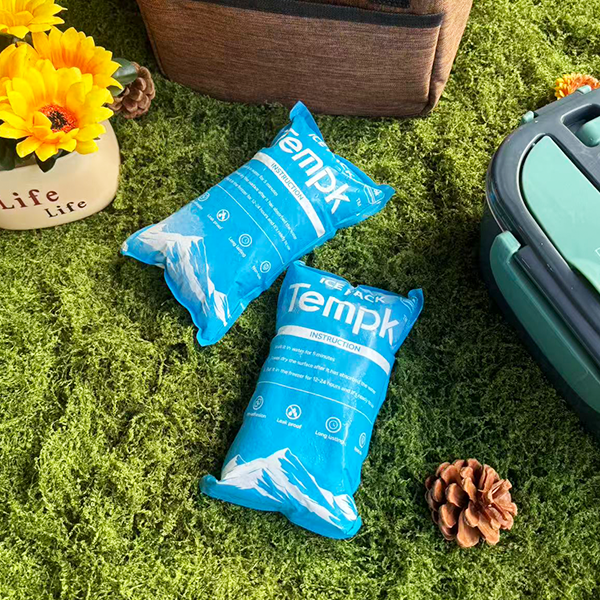
Fabricant de distribution pour l'industrie alimentaire de glacière médicale: Un cadre basé sur les routes
The best medical ice box food industry distribution manufacturer decision is rarely the box with the highest claimed performance or the lowest price. C'est le système qui s'adapte à la charge utile, itinéraire, opérateurs, besoins en matière de documentation, et modèle de retour avec le moins d'hypothèses non contrôlées.
Le résultat est un cadre de sélection intégré. Il combine l'éducation aux produits, jugement technique, risque d'itinéraire, qualification des fournisseurs, coût total, et la durabilité pour qu'un acheteur puisse émettre une demande plus claire, faire un essai significatif, et approuver une configuration avec moins de surprises.
Utilisez cinq décisions pour contrôler l’achat
A complete medical-style insulated ice box project can be governed through five decisions. D'abord, définir le produit protégé et les conditions d'acceptation. Deuxième, caractériser la voie et ses transferts. Troisième, concevoir le pack chargé, y compris le liquide de refroidissement, barrières, surveillance, et espace utilisable. Quatrième, qualifier le fournisseur et les preuves. Cinquième, prouver que les opérations peuvent se reproduire, faire le ménage, retour, et maintenir la configuration.
La séquence compte. Les équipes créent des retouches lorsqu'elles choisissent une boîte, puis essayez d'installer le produit et de l'insérer. Commencer par le produit et la voie permet de comparer plusieurs architectures sur un pied d'égalité. Cela rend également la négociation des coûts plus utile, car le devis décrit un travail défini plutôt qu'un conteneur générique.
Le compromis central est que la standardisation des plateformes peut simplifier les achats., mais une standardisation excessive peut cacher des différences importantes en matière d'hygiène, liquide de refroidissement, étiquetage, et documentation. Le cadre ne supprime pas les compromis; ça les rend explicites. Les achats peuvent décider quelles conséquences sont acceptables, l'ingénierie peut documenter la base technique, la qualité ou la sécurité alimentaire peuvent constituer des preuves, et les opérations peuvent tester si la méthode est reproductible.
Décision 1 et 2: relier les exigences du produit à la voie
Rédiger un dossier d'utilisation d'une page pour les kits médicaux, matériel de diagnostic, ingrédients réfrigérés, nourriture préparée, ou d'autres charges utiles spécifiques à un itinéraire. Inclure les instructions actuelles du produit, condition de départ, quantité, dimensions du carton ou du plateau, sensibilité au gel, surchauffe, lumière, contamination, impact, ou un retard, et le processus de disposition pour une excursion. Évitez d'importer une gamme industrielle commune dans un produit comportant des instructions différentes.
Cartographiez ensuite la distribution à arrêts multiples depuis un site de conditionnement jusqu'aux cliniques, cuisines, points de vente, ou dépôts locaux. Enregistrer le temps écoulé, conditions extérieures saisonnières, mise en scène, environnement du véhicule, ouverture de porte, arrêter de compter, surfaces de transfert, changements de garde, et réception du stockage. Ajoutez un scénario normal et un défi réaliste. Le défi peut être un quai chaud, receveur en retard, charge partielle, ouverture répétée, ou transfert en extérieur. Cela devrait représenter une journée d’exploitation crédible, il ne s'agit pas d'un pire cas artificiel sans probabilité ni réponse définie.
Attribuer chaque risque à l'emballage, procédure, équipement, ou une escalade. L'isolation et le liquide de refroidissement peuvent amortir l'exposition environnementale. Un programme d'itinéraire peut réduire les temps d'attente. Une unité active portable peut être plus appropriée pour certains mouvements à haut risque. Un rendez-vous de séquestre peut supprimer un transfert incontrôlé. Cette allocation évite de demander au boîtier passif de compenser chaque faiblesse du processus..
Décision 3: approuver une configuration chargée, pas une boîte nominale
La conception chargée doit résoudre ce problème de capacité: le volume de la boîte indiqué doit être séparé de l'espace de charge utile utilisable laissé après le liquide de refroidissement, séparateurs, dispositifs de surveillance, et des fardages de protection sont installés. Créer un dessin et une maquette physique montrant l'orientation du produit, liquide de refroidissement, barrières, surveillance, séparateurs, tolérances, et jeu de fermeture. Calculer ou mesurer le poids emballé attendu. Confirmer le véhicule, étagère, palette, chariot, et porte ajustée avec les poignées et le couvercle dans leurs positions de fonctionnement.
Contrôlez les températures locales en définissant l'état et l'emplacement du liquide de refroidissement. La conception doit éviter tout contact direct involontaire, entrefers incontrôlés, et les composants qui peuvent changer. Les travaux de développement peuvent nécessiter plusieurs capteurs pour cartographier la charge, mais la surveillance de routine doit utiliser un emplacement fixe qui représente la décision de produit requise. Les chargements partiels nécessitent une alternative approuvée plutôt qu'une version improvisée du colis complet..
La construction doit supporter une coque dure nettoyable, un système d'isolation adapté au tracé, fermetures sécurisées, pièces à forte usure remplaçables lorsque cela est pratique, et une géométrie qui prend en charge un chargement répétable. Vérifier le joint du couvercle, ponts thermiques, matériel à forte charge, nettoyabilité, remplacement de composants, et compatibilité avec la lumière du soleil ou les produits chimiques, le cas échéant. Les noms de matériaux sont des entrées, pas de conclusions. La spécification approuvée doit définir la construction de manière suffisamment détaillée pour préserver la fonction tout au long de la production..
Décision 4: qualifier ensemble le fournisseur et les preuves
Déterminer à qui appartient la conception et qui contrôle l'usine. La partie commerciale peut être un fabricant, exportateur, distributeur, ou intégrateur, mais l'acheteur a besoin d'un chemin clair vers les dessins, contrôles matériels, inspection, défauts, et notification de changement. Demandez quels composants sont critiques et comment les unités de production sont comparées à l'échantillon approuvé.
La demande de devis doit couvrir des configurations distinctes, codage couleur, dimensions intérieures, structure d'isolation, type de fermeture, accessoires, plan de refroidissement, méthode de nettoyage, quantités d'échantillons, et contrôle des changements de production. Normalisez la nomenclature incluse et les conditions de livraison avant de comparer les prix. Matériel séparé, liquide de refroidissement, surveillance, personnalisation, outillage, essai, documentation, emballage, fret, et pièces de rechange. Cela rend les facteurs de coûts visibles et évite qu'un faible prix de boîte vide soit comparé à un kit prêt à être utilisé..
Demander des dessins, déclarations matérielles le cas échéant, contrôles de l'échantillon à la production, conseils de nettoyage, notice de montage, et informations de test pour la configuration chargée proposée. Lire les rapports de test pour connaître les conditions, pas les gros titres. Vérifier la charge utile, température de départ, liquide de refroidissement, profil ambiant, durée, ouvertures, positions des capteurs, critères d'acceptation, et si l'échantillon représentait la production. Enregistrez les écarts entre ces preuves et la voie prévue afin que l'équipe puisse décider quel travail supplémentaire est proportionné..
| Porte d'approbation | Sortie minimale | Raison pour laquelle la porte existe |
|---|---|---|
| Produit et voie | Brief de cas d'utilisation avec charge utile, condition, itinéraire, exposition, et les transferts | Empêche la sélection de la case avant que le travail ne soit défini |
| Configuration chargée | Dessin, liste des composants, liquide de refroidissement, barrières, capteur, poids, et en forme | Convertit la capacité nominale en un emballage reproductible |
| Fournisseur et preuves | Spécification contrôlée, échantillons, rapports, et changer les règles | Relie l’approvisionnement commercial à la conception approuvée |
| Disponibilité opérationnelle | AMADOUER, entraînement, nettoyage, recevoir, retour, et exceptions | Montre que les gens peuvent répéter et maintenir la méthode |
| Échelle et cycle de vie | Contrôle du premier lot, déploiement d'itinéraire, modèle de coût, suivi des actifs, déclencheurs d'examen | Protège les performances et la valeur après le lancement |
Les portes d'approbation empêchent un projet de passer directement d'un échantillon attractif à une commande groupée. Chaque porte crée un résultat tangible et ferme un risque différent: cas d'utilisation peu clair, emballage non reproductible, approvisionnement incontrôlé, opérations faibles, ou un modèle de cycle de vie non éprouvé.
Utilisez les conseils réglementaires et techniques sans trop revendiquer
Des directives faisant autorité aident à définir les attentes en matière de contrôle, mais cela ne transforme pas une box générique en un système homologué. Les instructions du produit et les règles locales applicables restent déterminantes. Un dossier technique doit indiquer pourquoi chaque référence est pertinente et où des tests ou un examen de la qualité spécifiques à un itinéraire sont encore nécessaires..
Pour la distribution de nourriture, Les principes de transport sanitaire de la FDA relient la conception des équipements au contrôle nécessaire de la température, nettoyabilité, et prévention de la contamination. La boîte doit donc être revue dans le cadre de l’opération complète de sécurité alimentaire, y compris la séparation des produits, chargement, état du véhicule, recevoir, nettoyage, et des enregistrements.
Pour les médicaments, Les orientations du PIB de l'UE prévoient que les conditions de stockage requises soient maintenues pendant le transport grâce à une sélection basée sur les risques, équipement adapté, surveillance, évaluation de l'itinéraire, et qualification si nécessaire. Le transport aérien peut ajouter du temps IATA- et procédures de fret sensibles à la température. Ces cadres guident les preuves et la responsabilité; ils ne créent pas d’adéquation universelle.
La décision d'approbation doit identifier l'enveloppe opérationnelle testée et les conditions qui nécessitent une escalade.. Lorsque les preuves sont incomplètes, convertir l'inconnu en une question de vérification ou une limite opérationnelle plutôt que de combler le vide avec une affirmation marketing confiante.
Décision 5: prouver que l'organisation peut répéter la méthode
Exécutez un projet pilote avec les vrais emballeurs, conducteurs, récepteurs, personnel de nettoyage, et les évaluateurs de la qualité ou de la sécurité alimentaire. Observer l'identification des composants, préparation du liquide de refroidissement, chargement, emplacement du moniteur, fermeture, mise en scène, levage, retenue, ouverture, remettre, retour, laver, séchage, et inspection. Enregistrer les solutions de contournement; ils prouvent que la conception ou l'instruction doit être corrigée.
Le processus de retour doit mettre en œuvre cette exigence d'hygiène: les programmes médicaux et alimentaires devraient avoir des règles de nettoyage distinctes, étiquetage, instructions d'emballage, et contrôles de contamination même lorsque la même plate-forme de base de conteneurs est considérée. Séparer le sale, faire le ménage, réparation, quarantaine, et statut de retraité. Définir les critères objectifs de libération et contrôler les pièces amovibles. Mesurez les délais de nettoyage et l'espace de stockage afin que la quantité de la flotte reflète les actifs réellement disponibles, pas seulement les boîtes achetées.
Préparer les chemins d'exception avant le lancement. Le personnel doit savoir quoi faire lorsqu'un composant du liquide de refroidissement est manquant, le moniteur tombe en panne, un couvercle ne ferme pas, une boîte est endommagée, un véhicule est en retard, le récepteur est absent, ou la trace du produit montre une excursion. Un chemin d'escalade court protège le processus approuvé sous la pression du temps.
Évaluez le coût et la durabilité sur le même cycle d’exploitation
Construire le coût total à partir de la configuration approuvée: matériel, outillage, échantillons, liquide de refroidissement, surveillance, étiquettes, emballage, fret, devoirs, travail, cube de véhicule, retour, lavage, séchage, stockage, réparation, perte, remplacement, et conservation des preuves. Rapporter le coût par voyage réussi par cohorte d'itinéraires. Cela évite à la fois une décision étroite sur le prix unitaire et une affirmation non étayée selon laquelle la réutilisation permet toujours d'économiser de l'argent..
La question de la durabilité est qu'une plate-forme de conteneurs partagée peut réduire la variété des pièces, mais seulement si l'entreprise maintient les processus médicaux et alimentaires correctement séparés et peut récupérer, inspecter, faire le ménage, et redéployer les unités. Suivre la circulation, distance de retour, perte, réparation, laver les ressources, utilisation, et gestion de fin de vie. Un système réutilisable crée de la valeur lorsque le réseau peut le maintenir en service maîtrisé. Dimensionnement correct, composants réparables, et un empilage de retour efficace peut être aussi important que le matériau de base.
L’approbation commerciale peut inclure un examen de sensibilité. Examinez comment le résultat change lorsque le rendement diminue, les dégâts augmentent, changements de demande, ou un itinéraire a besoin d'une taille différente. Cela ne nécessite pas de données de marché inventées. It uses the organization's own operating assumptions to identify where the proposal is robust and where a different packaging model should be retained.
Passez à travers des portes contrôlées et changez les déclencheurs
Grille 1 approuve le brief de cas d'utilisation et le dessin chargé. Grille 2 approuve les échantillons destinés à la production et les documents des fournisseurs. Grille 3 approuve les thermiques pertinents, mécanique, nettoyage, et acheminer les preuves. Grille 4 approuve la SOP, entraînement, processus d'exception, et boucle de retour. Grille 5 lance la production après vérification du premier lot. Chaque porte a un propriétaire et des critères d'acceptation enregistrés.
Développer par des cohortes d'itinéraires similaires. Commencez avec une voie représentative et un défi crédible, corriger les problèmes, puis ajoutez des sites qui partagent la charge utile et l'exposition. Ne présumez pas qu’un pilote réussi couvre un véhicule différent, climat, modèle d'arrêt, produit, ou processus de lavage. Utiliser une comparaison documentée pour décider si les preuves existantes peuvent être étendues.
Tenir un registre des modifications après le lancement. Cartons de produits, liquide de refroidissement, masse de charge utile, capteur, temps de parcours, chimie de nettoyage, matériel du fournisseur, joint, matériel, ou les changements d'usine peuvent affecter la ligne de base. Attribuez des niveaux de révision afin que les mises à jour administratives mineures ne déclenchent pas de travail inutile tandis que les modifications fonctionnelles font l'objet d'une comparaison ou d'une requalification appropriée..
Gardez les principales non-hypothèses visibles
Ne présumez pas que la capacité nominale est égale à la capacité de charge utile, que l'isolation crée la température requise du produit, qu'un enregistreur offre une protection, ou qu'un test dans différentes conditions prouve la voie. Ne présumez pas que la durabilité est synonyme d’adéquation alimentaire ou pharmaceutique., or that one program's approval transfers to another. Le risque spécifique ici est de supposer qu’une boîte acceptée pour une industrie convient automatiquement à l’autre..
Transformez chaque non-hypothèse en contrôle. Utiliser un dessin chargé pour la capacité, un plan de refroidissement défini pour le contrôle thermique, une position fixe du capteur pour preuve, une comparaison d'itinéraires pour la transférabilité, un processus de nettoyage et de séparation pour l'hygiène, et une spécification contrôlée pour la cohérence de la production. This makes the article's principles actionable in an RFQ and pilot.
Enfin, préserver honnêtement l'incertitude. Lorsqu'un paramètre n'est pas pris en charge par les instructions du produit, une source technique fiable, documentation fournisseur, ou des tests, demander au fournisseur de le confirmer ou planifier une vérification. Supprimer un numéro non justifié est une meilleure ingénierie et un meilleur approvisionnement que de présenter une précision que les preuves ne peuvent pas contenir.
Questions d'approvisionnement intégré
Quelles informations doivent être envoyées en premier à un fournisseur?
Envoyer le type de produit et la condition requise, dimensions du carton ou de la charge utile, quantité, durée de l'itinéraire, exposition saisonnière, modèle d'arrêt et d'ouverture, contraintes de véhicule ou d'étagère, préférence pour le liquide de refroidissement, besoin de surveillance, méthode de nettoyage, plan de réutilisation, personnalisation, et le volume des commandes. Marquez toutes les inconnues afin qu'elles deviennent des questions de projet plutôt que des hypothèses.
Comment savoir si la box proposée est trop grande ou trop petite?
Créez le package complet et comparez le nombre de charges utiles utilisables, poids chargé, cube extérieur, ajustement du véhicule, comportement à charge partielle, et manipulation. Une grande boîte peut gaspiller du liquide de refroidissement et de l'espace; un petit peut forcer une compression ou des déplacements supplémentaires. Utiliser des profils de commande réels et approuver les plages de charge.
Quelles preuves sont les plus importantes avant la production?
Les preuves doivent correspondre aux risques dominants. Au minimum, dimensions de contrôle, matériels, composants, ajustement chargé, manutention, nettoyage, et hypothèses thermiques pertinentes. Les itinéraires de soins de santé ou alimentaires à plus haut risque peuvent également nécessiter une qualification, surveillance calibrée, études d'itinéraire, dossiers officiels, et approbation de qualité ou de sécurité alimentaire.
Comment comparer les devis?
Comparez la même nomenclature, dimensions, accessoires, liquide de refroidissement, surveillance, personnalisation, essai, emballage, quantité commandée, conditions de livraison, hypothèses de fret, des pièces de rechange, et portée du contrôle des modifications. Puis modéliser le travail, retour, nettoyage, perte, réparation, et des voyages réussis. Un prix unitaire à coque vide ne constitue pas une comparaison complète.
Qu'est-ce qui devrait déclencher une requalification ou une réévaluation?
Modifications des instructions du produit, charge utile, carton, liquide de refroidissement, capteur, itinéraire, exposition ambiante, modèle d'arrêt, nettoyage, matériel, joint, matériel, processus, ou l'usine peut avoir de l'importance. Définir des déclencheurs basés sur les risques pour l'examen des documents, comparaison d'échantillons, tests ciblés, travaux d'itinéraire, ou requalification complète.
Décision finale
Traitez le fabricant de distribution pour l'industrie alimentaire des glacières médicales comme une décision de système contrôlé. Définir le produit et la voie, approuver le paquet chargé, qualifier les contrôles et les preuves des fournisseurs, prouver le processus de fonctionnement, et modéliser le coût et la réutilisation lors de voyages réussis. Mise à l'échelle uniquement après l'examen des échantillons d'intention de production et des cohortes d'itinéraires. Cette approche préserve les informations utiles issues de la formation sur les produits, ingénierie, conformité, opérations, et la durabilité sans s'appuyer sur des revendications universelles.
À propos du tempk
Tempk est la marque d'emballages pour chaîne du froid de Shanghai Tempk Industrial Co., Ltée. Son portefeuille public comprend des packs de gel, briques de glace, sacs et doublures isothermes, EPP et autres boîtes isothermes, glacières médicales, couvertures de palettes, et emballages sur mesure pour la logistique alimentaire et médicale. Les acheteurs peuvent fournir la géométrie du produit, condition cible, itinéraire, liquide de refroidissement, surveillance, manutention, nettoyage, identification, et exigences commerciales afin que Tempk puisse proposer une configuration pour l'examen des échantillons, essai, et discussion de l'échantillon à la production.
Prochaine étape du projet
Demandez à Tempk d'examiner votre projet intersectoriel de glacières médicales et de distribution alimentaire en utilisant la charge utile réelle, itinéraire, emballage, contrôles de fonctionnement, et hypothèses d'approvisionnement avant qu'un devis groupé ne soit finalisé.
Livraison sur le dernier kilomètre de coffre à glace: Stratégie d'approvisionnement et d'emballage
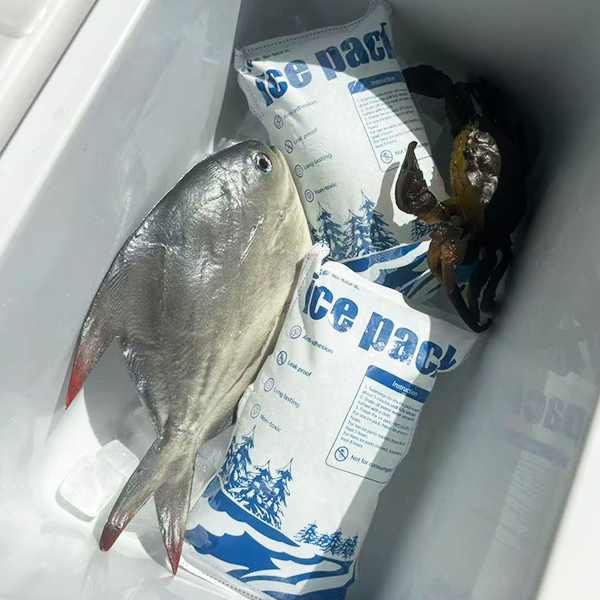
Livraison sur le dernier kilomètre de coffre à glace: Stratégie d'approvisionnement et d'emballage
Une décision judicieuse concernant la livraison du dernier kilomètre de glacière peut être réduite à cinq questions liées: ce qu'il faut protéger, sur quel itinéraire, avec quelle configuration chargée, sous le contrôle opérationnel duquel, et avec quelles preuves.
Le résultat est un cadre de sélection intégré. Il combine l'éducation aux produits, jugement technique, risque d'itinéraire, qualification des fournisseurs, coût total, et la durabilité pour qu'un acheteur puisse émettre une demande plus claire, faire un essai significatif, et approuver une configuration avec moins de surprises.
Utilisez cinq décisions pour contrôler l’achat
Un projet complet de glacière du dernier kilomètre peut être régi par cinq décisions. D'abord, définir le produit protégé et les conditions d'acceptation. Deuxième, caractériser la voie et ses transferts. Troisième, concevoir le pack chargé, y compris le liquide de refroidissement, barrières, surveillance, et espace utilisable. Quatrième, qualifier le fournisseur et les preuves. Cinquième, prouver que les opérations peuvent se reproduire, faire le ménage, retour, et maintenir la configuration.
La séquence compte. Les équipes créent des retouches lorsqu'elles choisissent une boîte, puis essayez d'installer le produit et de l'insérer. Commencer par le produit et la voie permet de comparer plusieurs architectures sur un pied d'égalité. Cela rend également la négociation des coûts plus utile, car le devis décrit un travail défini plutôt qu'un conteneur générique.
Le compromis central est qu'un accès rapide améliore la vitesse de livraison mais augmente l'échange thermique; une compartimentation plus forte peut contrôler l'exposition mais ajoute des pièces et des travaux de nettoyage. Le cadre ne supprime pas les compromis; ça les rend explicites. Les achats peuvent décider quelles conséquences sont acceptables, l'ingénierie peut documenter la base technique, la qualité ou la sécurité alimentaire peuvent constituer des preuves, et les opérations peuvent tester si la méthode est reproductible.
Décision 1 et 2: relier les exigences du produit à la voie
Rédigez un dossier d'utilisation d'une page pour les produits réfrigérés, congelé, ou commandes sensibles à la température emballées pour des destinations individuelles. Inclure les instructions actuelles du produit, condition de départ, quantité, dimensions du carton ou du plateau, sensibilité au gel, surchauffe, lumière, contamination, impact, ou un retard, et le processus de disposition pour une excursion. Évitez d'importer une gamme industrielle commune dans un produit comportant des instructions différentes.
Cartographiez ensuite la répartition via un itinéraire de véhicules à arrêts multiples, porter à la main au destinataire, preuve de livraison, retour, et nettoyage. Enregistrer le temps écoulé, conditions extérieures saisonnières, mise en scène, environnement du véhicule, ouverture de porte, arrêter de compter, surfaces de transfert, changements de garde, et réception du stockage. Ajoutez un scénario normal et un défi réaliste. Le défi peut être un quai chaud, receveur en retard, charge partielle, ouverture répétée, ou transfert en extérieur. Cela devrait représenter une journée d’exploitation crédible, il ne s'agit pas d'un pire cas artificiel sans probabilité ni réponse définie.
Attribuer chaque risque à l'emballage, procédure, équipement, ou une escalade. L'isolation et le liquide de refroidissement peuvent amortir l'exposition environnementale. Un programme d'itinéraire peut réduire les temps d'attente. Une unité active portable peut être plus appropriée pour certains mouvements à haut risque. Un rendez-vous de séquestre peut supprimer un transfert incontrôlé. Cette allocation évite de demander au boîtier passif de compenser chaque faiblesse du processus..
Décision 3: approuver une configuration chargée, pas une boîte nominale
La conception chargée doit résoudre ce problème de capacité: la bonne taille dépend du profil de commande et de la séquence d'arrêt; les coffres surdimensionnés créent du vide et des problèmes de manipulation, tandis que les unités sous-dimensionnées obligent à suremballer ou à commander des commandes mixtes.. Créer un dessin et une maquette physique montrant l'orientation du produit, liquide de refroidissement, barrières, surveillance, séparateurs, tolérances, et jeu de fermeture. Calculer ou mesurer le poids emballé attendu. Confirmer le véhicule, étagère, palette, chariot, et porte ajustée avec les poignées et le couvercle dans leurs positions de fonctionnement.
Contrôlez les températures locales en définissant l'état et l'emplacement du liquide de refroidissement. La conception doit éviter tout contact direct involontaire, entrefers incontrôlés, et les composants qui peuvent changer. Les travaux de développement peuvent nécessiter plusieurs capteurs pour cartographier la charge, mais la surveillance de routine doit utiliser un emplacement fixe qui représente la décision de produit requise. Les chargements partiels nécessitent une alternative approuvée plutôt qu'une version improvisée du colis complet..
La construction doit supporter l’isolation, fermeture, organisation d'accès rapide, diviseurs de commande, poignées, ajustement des roues ou du chariot, empilement, étiquettes, et les surfaces intérieures doivent supporter le motif d'arrêt. Vérifier le joint du couvercle, ponts thermiques, matériel à forte charge, nettoyabilité, remplacement de composants, et compatibilité avec la lumière du soleil ou les produits chimiques, le cas échéant. Les noms de matériaux sont des entrées, pas de conclusions. La spécification approuvée doit définir la construction de manière suffisamment détaillée pour préserver la fonction tout au long de la production..
Décision 4: qualifier ensemble le fournisseur et les preuves
Déterminer à qui appartient la conception et qui contrôle l'usine. La partie commerciale peut être un fabricant, exportateur, distributeur, ou intégrateur, mais l'acheteur a besoin d'un chemin clair vers les dessins, contrôles matériels, inspection, défauts, et notification de changement. Demandez quels composants sont critiques et comment les unités de production sont comparées à l'échantillon approuvé.
La demande de devis doit couvrir la capacité de commande, système de séparation, méthode d'ouverture, poignées ou roues, scellés, étiquettes, emplacement de l'enregistreur, nettoyage, empilement de retour, pièces de rechange, et hypothèses de test d'itinéraire. Normalisez la nomenclature incluse et les conditions de livraison avant de comparer les prix. Matériel séparé, liquide de refroidissement, surveillance, personnalisation, outillage, essai, documentation, emballage, fret, et pièces de rechange. Cela rend les facteurs de coûts visibles et évite qu'un faible prix de boîte vide soit comparé à un kit prêt à être utilisé..
Demander des hypothèses de test d'itinéraire chargé, dessins d'accès et de séparation, détails de la poignée et de la roue, conseils de nettoyage, options d'identification, empilement de retour, et contrôles de l'échantillon à la production. Lire les rapports de test pour connaître les conditions, pas les gros titres. Vérifier la charge utile, température de départ, liquide de refroidissement, profil ambiant, durée, ouvertures, positions des capteurs, critères d'acceptation, et si l'échantillon représentait la production. Enregistrez les écarts entre ces preuves et la voie prévue afin que l'équipe puisse décider quel travail supplémentaire est proportionné..
| Porte d'approbation | Sortie minimale | Raison pour laquelle la porte existe |
|---|---|---|
| Produit et voie | Brief de cas d'utilisation avec charge utile, condition, itinéraire, exposition, et les transferts | Empêche la sélection de la case avant que le travail ne soit défini |
| Configuration chargée | Dessin, liste des composants, liquide de refroidissement, barrières, capteur, poids, et en forme | Convertit la capacité nominale en un emballage reproductible |
| Fournisseur et preuves | Spécification contrôlée, échantillons, rapports, et changer les règles | Relie l’approvisionnement commercial à la conception approuvée |
| Disponibilité opérationnelle | AMADOUER, entraînement, nettoyage, recevoir, retour, et exceptions | Montre que les gens peuvent répéter et maintenir la méthode |
| Échelle et cycle de vie | Contrôle du premier lot, déploiement d'itinéraire, modèle de coût, suivi des actifs, déclencheurs d'examen | Protège les performances et la valeur après le lancement |
Les portes d'approbation empêchent un projet de passer directement d'un échantillon attractif à une commande groupée. Chaque porte crée un résultat tangible et ferme un risque différent: cas d'utilisation peu clair, emballage non reproductible, approvisionnement incontrôlé, opérations faibles, ou un modèle de cycle de vie non éprouvé.
Utilisez les conseils réglementaires et techniques sans trop revendiquer
Des directives faisant autorité aident à définir les attentes en matière de contrôle, mais cela ne transforme pas une box générique en un système homologué. Les instructions du produit et les règles locales applicables restent déterminantes. Un dossier technique doit indiquer pourquoi chaque référence est pertinente et où des tests ou un examen de la qualité spécifiques à un itinéraire sont encore nécessaires..
Pour la distribution de nourriture, Les principes de transport sanitaire de la FDA relient la conception des équipements au contrôle nécessaire de la température, nettoyabilité, et prévention de la contamination. La boîte doit donc être revue dans le cadre de l’opération complète de sécurité alimentaire, y compris la séparation des produits, chargement, état du véhicule, recevoir, nettoyage, et des enregistrements.
La décision d'approbation doit identifier l'enveloppe opérationnelle testée et les conditions qui nécessitent une escalade.. Lorsque les preuves sont incomplètes, convertir l'inconnu en une question de vérification ou une limite opérationnelle plutôt que de combler le vide avec une affirmation marketing confiante.
Décision 5: prouver que l'organisation peut répéter la méthode
Exécutez un projet pilote avec les vrais emballeurs, conducteurs, récepteurs, personnel de nettoyage, et les évaluateurs de la qualité ou de la sécurité alimentaire. Observer l'identification des composants, préparation du liquide de refroidissement, chargement, emplacement du moniteur, fermeture, mise en scène, levage, retenue, ouverture, remettre, retour, laver, séchage, et inspection. Enregistrer les solutions de contournement; ils prouvent que la conception ou l'instruction doit être corrigée.
Le processus de retour doit mettre en œuvre cette exigence d'hygiène: les conteneurs retournés nécessitent une inspection définie, nettoyage, séchage, et processus de quarantaine avant de réintégrer l'itinéraire. Séparer le sale, faire le ménage, réparation, quarantaine, et statut de retraité. Définir les critères objectifs de libération et contrôler les pièces amovibles. Mesurez les délais de nettoyage et l'espace de stockage afin que la quantité de la flotte reflète les actifs réellement disponibles, pas seulement les boîtes achetées.
Préparer les chemins d'exception avant le lancement. Le personnel doit savoir quoi faire lorsqu'un composant du liquide de refroidissement est manquant, le moniteur tombe en panne, un couvercle ne ferme pas, une boîte est endommagée, un véhicule est en retard, le récepteur est absent, ou la trace du produit montre une excursion. Un chemin d'escalade court protège le processus approuvé sous la pression du temps.
Évaluez le coût et la durabilité sur le même cycle d’exploitation
Construire le coût total à partir de la configuration approuvée: matériel, outillage, échantillons, liquide de refroidissement, surveillance, étiquettes, emballage, fret, devoirs, travail, cube de véhicule, retour, lavage, séchage, stockage, réparation, perte, remplacement, et conservation des preuves. Rapporter le coût par voyage réussi par cohorte d'itinéraires. Cela évite à la fois une décision étroite sur le prix unitaire et une affirmation non étayée selon laquelle la réutilisation permet toujours d'économiser de l'argent..
La question de la durabilité est la suivante : les coffres réutilisables du dernier kilomètre peuvent réduire les déchets à usage unique., mais des pertes, retours échoués, émissions de milles inversés, lavage, et le stockage doit être contrôlé pour réaliser les bénéfices. Suivre la circulation, distance de retour, perte, réparation, laver les ressources, utilisation, et gestion de fin de vie. Un système réutilisable crée de la valeur lorsque le réseau peut le maintenir en service maîtrisé. Dimensionnement correct, composants réparables, et un empilage de retour efficace peut être aussi important que le matériau de base.
L’approbation commerciale peut inclure un examen de sensibilité. Examinez comment le résultat change lorsque le rendement diminue, les dégâts augmentent, changements de demande, ou un itinéraire a besoin d'une taille différente. Cela ne nécessite pas de données de marché inventées. It uses the organization's own operating assumptions to identify where the proposal is robust and where a different packaging model should be retained.
Passez à travers des portes contrôlées et changez les déclencheurs
Grille 1 approuve le brief de cas d'utilisation et le dessin chargé. Grille 2 approuve les échantillons destinés à la production et les documents des fournisseurs. Grille 3 approuve les thermiques pertinents, mécanique, nettoyage, et acheminer les preuves. Grille 4 approuve la SOP, entraînement, processus d'exception, et boucle de retour. Grille 5 lance la production après vérification du premier lot. Chaque porte a un propriétaire et des critères d'acceptation enregistrés.
Développer par des cohortes d'itinéraires similaires. Commencez avec une voie représentative et un défi crédible, corriger les problèmes, puis ajoutez des sites qui partagent la charge utile et l'exposition. Ne présumez pas qu’un pilote réussi couvre un véhicule différent, climat, modèle d'arrêt, produit, ou processus de lavage. Utiliser une comparaison documentée pour décider si les preuves existantes peuvent être étendues.
Tenir un registre des modifications après le lancement. Cartons de produits, liquide de refroidissement, masse de charge utile, capteur, temps de parcours, chimie de nettoyage, matériel du fournisseur, joint, matériel, ou les changements d'usine peuvent affecter la ligne de base. Attribuez des niveaux de révision afin que les mises à jour administratives mineures ne déclenchent pas de travail inutile tandis que les modifications fonctionnelles font l'objet d'une comparaison ou d'une requalification appropriée..
Gardez les principales non-hypothèses visibles
Ne présumez pas que la capacité nominale est égale à la capacité de charge utile, que l'isolation crée la température requise du produit, qu'un enregistreur offre une protection, ou qu'un test dans différentes conditions prouve la voie. Ne présumez pas que la durabilité est synonyme d’adéquation alimentaire ou pharmaceutique., or that one program's approval transfers to another. Le risque spécifique ici est de qualifier un marché fermé, coffre entièrement chargé dans une chambre et assumant les mêmes performances sur un itinéraire avec arrêt et ouverture.
Transformez chaque non-hypothèse en contrôle. Utiliser un dessin chargé pour la capacité, un plan de refroidissement défini pour le contrôle thermique, une position fixe du capteur pour preuve, une comparaison d'itinéraires pour la transférabilité, un processus de nettoyage et de séparation pour l'hygiène, et une spécification contrôlée pour la cohérence de la production. This makes the article's principles actionable in an RFQ and pilot.
Enfin, préserver honnêtement l'incertitude. Lorsqu'un paramètre n'est pas pris en charge par les instructions du produit, une source technique fiable, documentation fournisseur, ou des tests, demander au fournisseur de le confirmer ou planifier une vérification. Supprimer un numéro non justifié est une meilleure ingénierie et un meilleur approvisionnement que de présenter une précision que les preuves ne peuvent pas contenir.
Questions d'approvisionnement intégré
Quelles informations doivent être envoyées en premier à un fournisseur?
Envoyer le type de produit et la condition requise, dimensions du carton ou de la charge utile, quantité, durée de l'itinéraire, exposition saisonnière, modèle d'arrêt et d'ouverture, contraintes de véhicule ou d'étagère, préférence pour le liquide de refroidissement, besoin de surveillance, méthode de nettoyage, plan de réutilisation, personnalisation, et le volume des commandes. Marquez toutes les inconnues afin qu'elles deviennent des questions de projet plutôt que des hypothèses.
Comment savoir si la box proposée est trop grande ou trop petite?
Créez le package complet et comparez le nombre de charges utiles utilisables, poids chargé, cube extérieur, ajustement du véhicule, comportement à charge partielle, et manipulation. Une grande boîte peut gaspiller du liquide de refroidissement et de l'espace; un petit peut forcer une compression ou des déplacements supplémentaires. Utiliser des profils de commande réels et approuver les plages de charge.
Quelles preuves sont les plus importantes avant la production?
Les preuves doivent correspondre aux risques dominants. Au minimum, dimensions de contrôle, matériels, composants, ajustement chargé, manutention, nettoyage, et hypothèses thermiques pertinentes. Les itinéraires de soins de santé ou alimentaires à plus haut risque peuvent également nécessiter une qualification, surveillance calibrée, études d'itinéraire, dossiers officiels, et approbation de qualité ou de sécurité alimentaire.
Comment comparer les devis?
Comparez la même nomenclature, dimensions, accessoires, liquide de refroidissement, surveillance, personnalisation, essai, emballage, quantité commandée, conditions de livraison, hypothèses de fret, des pièces de rechange, et portée du contrôle des modifications. Puis modéliser le travail, retour, nettoyage, perte, réparation, et des voyages réussis. Un prix unitaire à coque vide ne constitue pas une comparaison complète.
Qu'est-ce qui devrait déclencher une requalification ou une réévaluation?
Modifications des instructions du produit, charge utile, carton, liquide de refroidissement, capteur, itinéraire, exposition ambiante, modèle d'arrêt, nettoyage, matériel, joint, matériel, processus, ou l'usine peut avoir de l'importance. Définir des déclencheurs basés sur les risques pour l'examen des documents, comparaison d'échantillons, tests ciblés, travaux d'itinéraire, ou requalification complète.
Décision finale
Considérez la livraison du dernier kilomètre des glacières comme une décision de système contrôlée. Définir le produit et la voie, approuver le paquet chargé, qualifier les contrôles et les preuves des fournisseurs, prouver le processus de fonctionnement, et modéliser le coût et la réutilisation lors de voyages réussis. Mise à l'échelle uniquement après l'examen des échantillons d'intention de production et des cohortes d'itinéraires. Cette approche préserve les informations utiles issues de la formation sur les produits, ingénierie, conformité, opérations, et la durabilité sans s'appuyer sur des revendications universelles.
À propos du tempk
Tempk est la marque d'emballages pour chaîne du froid de Shanghai Tempk Industrial Co., Ltée. Son portefeuille public comprend des packs de gel, briques de glace, sacs et doublures isothermes, EPP et autres boîtes isothermes, glacières médicales, couvertures de palettes, et emballages sur mesure pour la logistique alimentaire et médicale. Les acheteurs peuvent fournir la géométrie du produit, condition cible, itinéraire, liquide de refroidissement, surveillance, manutention, nettoyage, identification, et exigences commerciales afin que Tempk puisse proposer une configuration pour l'examen des échantillons, essai, et discussion de l'échantillon à la production.
Prochaine étape du projet
Ask Tempk to review your ice chests for last-mile delivery project using the actual payload, itinéraire, emballage, contrôles de fonctionnement, et hypothèses d'approvisionnement avant qu'un devis groupé ne soit finalisé.
Fabricant de glacières robustes: Stratégie d'approvisionnement et d'emballage

Fabricant de glacières robustes: Stratégie d'approvisionnement et d'emballage
Buyers can avoid most cold-chain packaging errors by defining the loaded use case before selecting the container. For heavy duty ice chest manufacturer, cela signifie connecter les exigences du produit, exposition par voie, conception d'emballage, manutention, surveillance, contrôles des fournisseurs, et coûter.
Le résultat est un cadre de sélection intégré. Il combine l'éducation aux produits, jugement technique, risque d'itinéraire, qualification des fournisseurs, coût total, et la durabilité pour qu'un acheteur puisse émettre une demande plus claire, faire un essai significatif, et approuver une configuration avec moins de surprises.
Utilisez cinq décisions pour contrôler l’achat
Un projet complet de glacière robuste peut être régi par cinq décisions. D'abord, définir le produit protégé et les conditions d'acceptation. Deuxième, caractériser la voie et ses transferts. Troisième, concevoir le pack chargé, y compris le liquide de refroidissement, barrières, surveillance, et espace utilisable. Quatrième, qualifier le fournisseur et les preuves. Cinquième, prouver que les opérations peuvent se reproduire, faire le ménage, retour, et maintenir la configuration.
La séquence compte. Les équipes créent des retouches lorsqu'elles choisissent une boîte, puis essayez d'installer le produit et de l'insérer. Commencer par le produit et la voie permet de comparer plusieurs architectures sur un pied d'égalité. Cela rend également la négociation des coûts plus utile, car le devis décrit un travail défini plutôt qu'un conteneur générique.
Le compromis central est que le renforcement peut prolonger la durée de vie mais ajoute de la masse, cube de fret, risque de levée, et du matériel; la meilleure conception est solide là où l'itinéraire applique réellement une force. Le cadre ne supprime pas les compromis; ça les rend explicites. Les achats peuvent décider quelles conséquences sont acceptables, l'ingénierie peut documenter la base technique, la qualité ou la sécurité alimentaire peuvent constituer des preuves, et les opérations peuvent tester si la méthode est reproductible.
Décision 1 et 2: relier les exigences du produit à la voie
Rédigez un dossier d'utilisation d'une page pour l'alimentation, boisson, échantillons, outils avec limites de température, ou des emballages de la chaîne du froid qui nécessitent une protection secondaire durable. Inclure les instructions actuelles du produit, condition de départ, quantité, dimensions du carton ou du plateau, sensibilité au gel, surchauffe, lumière, contamination, impact, ou un retard, et le processus de disposition pour une excursion. Évitez d'importer une gamme industrielle commune dans un produit comportant des instructions différentes.
Puis cartographier l'entrepôt, véhicule, chantier, événement, navire, ou manipulation à distance avec un contrôle limité sur les surfaces et l'empilage. Enregistrer le temps écoulé, conditions extérieures saisonnières, mise en scène, environnement du véhicule, ouverture de porte, arrêter de compter, surfaces de transfert, changements de garde, et réception du stockage. Ajoutez un scénario normal et un défi réaliste. Le défi peut être un quai chaud, receveur en retard, charge partielle, ouverture répétée, ou transfert en extérieur. Cela devrait représenter une journée d’exploitation crédible, il ne s'agit pas d'un pire cas artificiel sans probabilité ni réponse définie.
Attribuer chaque risque à l'emballage, procédure, équipement, ou une escalade. L'isolation et le liquide de refroidissement peuvent amortir l'exposition environnementale. Un programme d'itinéraire peut réduire les temps d'attente. Une unité active portable peut être plus appropriée pour certains mouvements à haut risque. Un rendez-vous de séquestre peut supprimer un transfert incontrôlé. Cette allocation évite de demander au boîtier passif de compenser chaque faiblesse du processus..
Décision 3: approuver une configuration chargée, pas une boîte nominale
La conception chargée doit résoudre ce problème de capacité: la capacité doit être évaluée avec le poids à vide, ascenseur chargé, empreinte, épaisseur de paroi, et l'espace perdu au profit des fonctionnalités renforcées. Créer un dessin et une maquette physique montrant l'orientation du produit, liquide de refroidissement, barrières, surveillance, séparateurs, tolérances, et jeu de fermeture. Calculer ou mesurer le poids emballé attendu. Confirmer le véhicule, étagère, palette, chariot, et porte ajustée avec les poignées et le couvercle dans leurs positions de fonctionnement.
Contrôlez les températures locales en définissant l'état et l'emplacement du liquide de refroidissement. La conception doit éviter tout contact direct involontaire, entrefers incontrôlés, et les composants qui peuvent changer. Les travaux de développement peuvent nécessiter plusieurs capteurs pour cartographier la charge, mais la surveillance de routine doit utiliser un emplacement fixe qui représente la décision de produit requise. Les chargements partiels nécessitent une alternative approuvée plutôt qu'une version improvisée du colis complet..
La construction devrait prendre en charge le processus de coque, rayons d'angle, géométrie des charnières, protection du loquet, gérer les chemins de charge, compression du joint, conception de drain, pieds, zones de dérapage, et matériel remplaçable. Vérifier le joint du couvercle, ponts thermiques, matériel à forte charge, nettoyabilité, remplacement de composants, et compatibilité avec la lumière du soleil ou les produits chimiques, le cas échéant. Les noms de matériaux sont des entrées, pas de conclusions. La spécification approuvée doit définir la construction de manière suffisamment détaillée pour préserver la fonction tout au long de la production..
Décision 4: qualifier ensemble le fournisseur et les preuves
Déterminer à qui appartient la conception et qui contrôle l'usine. La partie commerciale peut être un fabricant, exportateur, distributeur, ou intégrateur, mais l'acheteur a besoin d'un chemin clair vers les dessins, contrôles matériels, inspection, défauts, et notification de changement. Demandez quels composants sont critiques et comment les unités de production sont comparées à l'échantillon approuvé.
La demande de devis doit couvrir le processus de construction, résine, isolation, matériel, pièces de rechange, limites de poignée et d'arrimage, joint, vidange, conception de pile, méthodes d'essai, étendue de la garantie, et inspection de la production. Normalisez la nomenclature incluse et les conditions de livraison avant de comparer les prix. Matériel séparé, liquide de refroidissement, surveillance, personnalisation, outillage, essai, documentation, emballage, fret, et pièces de rechange. Cela rend les facteurs de coûts visibles et évite qu'un faible prix de boîte vide soit comparé à un kit prêt à être utilisé..
Demander des dessins de composants, spécifications matérielles, sources matérielles, descriptions des tests structurels, remplaçabilité, points de contrôle qualité, et des exclusions claires en cas d'utilisation abusive. Lire les rapports de test pour connaître les conditions, pas les gros titres. Vérifier la charge utile, température de départ, liquide de refroidissement, profil ambiant, durée, ouvertures, positions des capteurs, critères d'acceptation, et si l'échantillon représentait la production. Enregistrez les écarts entre ces preuves et la voie prévue afin que l'équipe puisse décider quel travail supplémentaire est proportionné..
| Porte d'approbation | Sortie minimale | Raison pour laquelle la porte existe |
|---|---|---|
| Produit et voie | Brief de cas d'utilisation avec charge utile, condition, itinéraire, exposition, et les transferts | Empêche la sélection de la case avant que le travail ne soit défini |
| Configuration chargée | Dessin, liste des composants, liquide de refroidissement, barrières, capteur, poids, et en forme | Convertit la capacité nominale en un emballage reproductible |
| Fournisseur et preuves | Spécification contrôlée, échantillons, rapports, et changer les règles | Relie l’approvisionnement commercial à la conception approuvée |
| Disponibilité opérationnelle | AMADOUER, entraînement, nettoyage, recevoir, retour, et exceptions | Montre que les gens peuvent répéter et maintenir la méthode |
| Échelle et cycle de vie | Contrôle du premier lot, déploiement d'itinéraire, modèle de coût, suivi des actifs, déclencheurs d'examen | Protège les performances et la valeur après le lancement |
Les portes d'approbation empêchent un projet de passer directement d'un échantillon attractif à une commande groupée. Chaque porte crée un résultat tangible et ferme un risque différent: cas d'utilisation peu clair, emballage non reproductible, approvisionnement incontrôlé, opérations faibles, ou un modèle de cycle de vie non éprouvé.
Utilisez les conseils réglementaires et techniques sans trop revendiquer
Des directives faisant autorité aident à définir les attentes en matière de contrôle, mais cela ne transforme pas une box générique en un système homologué. Les instructions du produit et les règles locales applicables restent déterminantes. Un dossier technique doit indiquer pourquoi chaque référence est pertinente et où des tests ou un examen de la qualité spécifiques à un itinéraire sont encore nécessaires..
Pour la distribution de nourriture, Les principes de transport sanitaire de la FDA relient la conception des équipements au contrôle nécessaire de la température, nettoyabilité, et prévention de la contamination. La boîte doit donc être revue dans le cadre de l’opération complète de sécurité alimentaire, y compris la séparation des produits, chargement, état du véhicule, recevoir, nettoyage, et des enregistrements.
La décision d'approbation doit identifier l'enveloppe opérationnelle testée et les conditions qui nécessitent une escalade.. Lorsque les preuves sont incomplètes, convertir l'inconnu en une question de vérification ou une limite opérationnelle plutôt que de combler le vide avec une affirmation marketing confiante.
Décision 5: prouver que l'organisation peut répéter la méthode
Exécutez un projet pilote avec les vrais emballeurs, conducteurs, récepteurs, personnel de nettoyage, et les évaluateurs de la qualité ou de la sécurité alimentaire. Observer l'identification des composants, préparation du liquide de refroidissement, chargement, emplacement du moniteur, fermeture, mise en scène, levage, retenue, ouverture, remettre, retour, laver, séchage, et inspection. Enregistrer les solutions de contournement; ils prouvent que la conception ou l'instruction doit être corrigée.
Le processus de retour doit mettre en œuvre cette exigence d'hygiène: la durabilité n’excuse pas un nettoyage difficile; recoins profonds, attaches apparentes, joints endommagés, et l'eau retenue peut créer des problèmes opérationnels. Séparer le sale, faire le ménage, réparation, quarantaine, et statut de retraité. Définir les critères objectifs de libération et contrôler les pièces amovibles. Mesurez les délais de nettoyage et l'espace de stockage afin que la quantité de la flotte reflète les actifs réellement disponibles, pas seulement les boîtes achetées.
Préparer les chemins d'exception avant le lancement. Le personnel doit savoir quoi faire lorsqu'un composant du liquide de refroidissement est manquant, le moniteur tombe en panne, un couvercle ne ferme pas, une boîte est endommagée, un véhicule est en retard, le récepteur est absent, ou la trace du produit montre une excursion. Un chemin d'escalade court protège le processus approuvé sous la pression du temps.
Évaluez le coût et la durabilité sur le même cycle d’exploitation
Construire le coût total à partir de la configuration approuvée: matériel, outillage, échantillons, liquide de refroidissement, surveillance, étiquettes, emballage, fret, devoirs, travail, cube de véhicule, retour, lavage, séchage, stockage, réparation, perte, remplacement, et conservation des preuves. Rapporter le coût par voyage réussi par cohorte d'itinéraires. Cela évite à la fois une décision étroite sur le prix unitaire et une affirmation non étayée selon laquelle la réutilisation permet toujours d'économiser de l'argent..
La question de la durabilité est un coffre réparable avec des loquets remplaçables, charnières, poignées, et les joints peuvent rester en service plus longtemps qu'une unité assemblée en permanence, à condition que le programme de retour et de maintenance existe. Suivre la circulation, distance de retour, perte, réparation, laver les ressources, utilisation, et gestion de fin de vie. Un système réutilisable crée de la valeur lorsque le réseau peut le maintenir en service maîtrisé. Dimensionnement correct, composants réparables, et un empilage de retour efficace peut être aussi important que le matériau de base.
L’approbation commerciale peut inclure un examen de sensibilité. Examinez comment le résultat change lorsque le rendement diminue, les dégâts augmentent, changements de demande, ou un itinéraire a besoin d'une taille différente. Cela ne nécessite pas de données de marché inventées. It uses the organization's own operating assumptions to identify where the proposal is robust and where a different packaging model should be retained.
Passez à travers des portes contrôlées et changez les déclencheurs
Grille 1 approuve le brief de cas d'utilisation et le dessin chargé. Grille 2 approuve les échantillons destinés à la production et les documents des fournisseurs. Grille 3 approuve les thermiques pertinents, mécanique, nettoyage, et acheminer les preuves. Grille 4 approuve la SOP, entraînement, processus d'exception, et boucle de retour. Grille 5 lance la production après vérification du premier lot. Chaque porte a un propriétaire et des critères d'acceptation enregistrés.
Développer par des cohortes d'itinéraires similaires. Commencez avec une voie représentative et un défi crédible, corriger les problèmes, puis ajoutez des sites qui partagent la charge utile et l'exposition. Ne présumez pas qu’un pilote réussi couvre un véhicule différent, climat, modèle d'arrêt, produit, ou processus de lavage. Utiliser une comparaison documentée pour décider si les preuves existantes peuvent être étendues.
Tenir un registre des modifications après le lancement. Cartons de produits, liquide de refroidissement, masse de charge utile, capteur, temps de parcours, chimie de nettoyage, matériel du fournisseur, joint, matériel, ou les changements d'usine peuvent affecter la ligne de base. Attribuez des niveaux de révision afin que les mises à jour administratives mineures ne déclenchent pas de travail inutile tandis que les modifications fonctionnelles font l'objet d'une comparaison ou d'une requalification appropriée..
Gardez les principales non-hypothèses visibles
Ne présumez pas que la capacité nominale est égale à la capacité de charge utile, que l'isolation crée la température requise du produit, qu'un enregistreur offre une protection, ou qu'un test dans différentes conditions prouve la voie. Ne présumez pas que la durabilité est synonyme d’adéquation alimentaire ou pharmaceutique., or that one program's approval transfers to another. Le risque spécifique ici est le traitement de l'épaisseur, poids, ou une apparence agressive comme preuve de durabilité sans savoir comment les pièces critiques sont chargées et testées.
Transformez chaque non-hypothèse en contrôle. Utiliser un dessin chargé pour la capacité, un plan de refroidissement défini pour le contrôle thermique, une position fixe du capteur pour preuve, une comparaison d'itinéraires pour la transférabilité, un processus de nettoyage et de séparation pour l'hygiène, et une spécification contrôlée pour la cohérence de la production. This makes the article's principles actionable in an RFQ and pilot.
Enfin, préserver honnêtement l'incertitude. Lorsqu'un paramètre n'est pas pris en charge par les instructions du produit, une source technique fiable, documentation fournisseur, ou des tests, demander au fournisseur de le confirmer ou planifier une vérification. Supprimer un numéro non justifié est une meilleure ingénierie et un meilleur approvisionnement que de présenter une précision que les preuves ne peuvent pas contenir.
Questions d'approvisionnement intégré
Quelles informations doivent être envoyées en premier à un fournisseur?
Envoyer le type de produit et la condition requise, dimensions du carton ou de la charge utile, quantité, durée de l'itinéraire, exposition saisonnière, modèle d'arrêt et d'ouverture, contraintes de véhicule ou d'étagère, préférence pour le liquide de refroidissement, besoin de surveillance, méthode de nettoyage, plan de réutilisation, personnalisation, et le volume des commandes. Marquez toutes les inconnues afin qu'elles deviennent des questions de projet plutôt que des hypothèses.
Comment savoir si la box proposée est trop grande ou trop petite?
Créez le package complet et comparez le nombre de charges utiles utilisables, poids chargé, cube extérieur, ajustement du véhicule, comportement à charge partielle, et manipulation. Une grande boîte peut gaspiller du liquide de refroidissement et de l'espace; un petit peut forcer une compression ou des déplacements supplémentaires. Utiliser des profils de commande réels et approuver les plages de charge.
Quelles preuves sont les plus importantes avant la production?
Les preuves doivent correspondre aux risques dominants. Au minimum, dimensions de contrôle, matériels, composants, ajustement chargé, manutention, nettoyage, et hypothèses thermiques pertinentes. Les itinéraires de soins de santé ou alimentaires à plus haut risque peuvent également nécessiter une qualification, surveillance calibrée, études d'itinéraire, dossiers officiels, et approbation de qualité ou de sécurité alimentaire.
Comment comparer les devis?
Comparez la même nomenclature, dimensions, accessoires, liquide de refroidissement, surveillance, personnalisation, essai, emballage, quantité commandée, conditions de livraison, hypothèses de fret, des pièces de rechange, et portée du contrôle des modifications. Puis modéliser le travail, retour, nettoyage, perte, réparation, et des voyages réussis. Un prix unitaire à coque vide ne constitue pas une comparaison complète.
Qu'est-ce qui devrait déclencher une requalification ou une réévaluation?
Modifications des instructions du produit, charge utile, carton, liquide de refroidissement, capteur, itinéraire, exposition ambiante, modèle d'arrêt, nettoyage, matériel, joint, matériel, processus, ou l'usine peut avoir de l'importance. Définir des déclencheurs basés sur les risques pour l'examen des documents, comparaison d'échantillons, tests ciblés, travaux d'itinéraire, ou requalification complète.
Décision finale
Considérez le fabricant de glacières robustes comme une décision de système contrôlé. Définir le produit et la voie, approuver le paquet chargé, qualifier les contrôles et les preuves des fournisseurs, prouver le processus de fonctionnement, et modéliser le coût et la réutilisation lors de voyages réussis. Mise à l'échelle uniquement après l'examen des échantillons d'intention de production et des cohortes d'itinéraires. Cette approche préserve les informations utiles issues de la formation sur les produits, ingénierie, conformité, opérations, et la durabilité sans s'appuyer sur des revendications universelles.
À propos du tempk
Tempk est la marque d'emballages pour chaîne du froid de Shanghai Tempk Industrial Co., Ltée. Son portefeuille public comprend des packs de gel, briques de glace, sacs et doublures isothermes, EPP et autres boîtes isothermes, glacières médicales, couvertures de palettes, et emballages sur mesure pour la logistique alimentaire et médicale. Les acheteurs peuvent fournir la géométrie du produit, condition cible, itinéraire, liquide de refroidissement, surveillance, manutention, nettoyage, identification, et exigences commerciales afin que Tempk puisse proposer une configuration pour l'examen des échantillons, essai, et discussion de l'échantillon à la production.
Prochaine étape du projet
Ask Tempk to review your heavy-duty ice chests project using the actual payload, itinéraire, emballage, contrôles de fonctionnement, et hypothèses d'approvisionnement avant qu'un devis groupé ne soit finalisé.
Vendeur de glacières: Stratégie d'approvisionnement et d'emballage

Vendeur de glacières: Stratégie d'approvisionnement et d'emballage
Buyers can avoid most cold-chain packaging errors by defining the loaded use case before selecting the container. For cool box vendor, cela signifie connecter les exigences du produit, exposition par voie, conception d'emballage, manutention, surveillance, contrôles des fournisseurs, et coûter.
Le résultat est un cadre de sélection intégré. Il combine l'éducation aux produits, jugement technique, risque d'itinéraire, qualification des fournisseurs, coût total, et la durabilité pour qu'un acheteur puisse émettre une demande plus claire, faire un essai significatif, et approuver une configuration avec moins de surprises.
Utilisez cinq décisions pour contrôler l’achat
Un projet complet de glacière commerciale peut être régi par cinq décisions. D'abord, définir le produit protégé et les conditions d'acceptation. Deuxième, caractériser la voie et ses transferts. Troisième, concevoir le pack chargé, y compris le liquide de refroidissement, barrières, surveillance, et espace utilisable. Quatrième, qualifier le fournisseur et les preuves. Cinquième, prouver que les opérations peuvent se reproduire, faire le ménage, retour, et maintenir la configuration.
La séquence compte. Les équipes créent des retouches lorsqu'elles choisissent une boîte, puis essayez d'installer le produit et de l'insérer. Commencer par le produit et la voie permet de comparer plusieurs architectures sur un pied d'égalité. Cela rend également la négociation des coûts plus utile, car le devis décrit un travail défini plutôt qu'un conteneur générique.
Le compromis central est qu'un fournisseur commercial peut offrir un large choix et une consolidation, tandis qu'un fabricant peut proposer une personnalisation plus approfondie; l’un ou l’autre modèle peut fonctionner si la responsabilité et les preuves sont claires. Le cadre ne supprime pas les compromis; ça les rend explicites. Les achats peuvent décider quelles conséquences sont acceptables, l'ingénierie peut documenter la base technique, la qualité ou la sécurité alimentaire peuvent constituer des preuves, et les opérations peuvent tester si la méthode est reproductible.
Décision 1 et 2: relier les exigences du produit à la voie
Rédigez un dossier d'utilisation d'une page pour les produits dont la température, protection, hygiène, et les besoins de manutention sont définis par l'itinéraire. Inclure les instructions actuelles du produit, condition de départ, quantité, dimensions du carton ou du plateau, sensibilité au gel, surchauffe, lumière, contamination, impact, ou un retard, et le processus de disposition pour une excursion. Évitez d'importer une gamme industrielle commune dans un produit comportant des instructions différentes.
Cartographiez ensuite l'approvisionnement national ou export avec échantillonnage, approbation de production, emballage, expédition, et réapprovisionnement. Enregistrer le temps écoulé, conditions extérieures saisonnières, mise en scène, environnement du véhicule, ouverture de porte, arrêter de compter, surfaces de transfert, changements de garde, et réception du stockage. Ajoutez un scénario normal et un défi réaliste. Le défi peut être un quai chaud, receveur en retard, charge partielle, ouverture répétée, ou transfert en extérieur. Cela devrait représenter une journée d’exploitation crédible, il ne s'agit pas d'un pire cas artificiel sans probabilité ni réponse définie.
Attribuer chaque risque à l'emballage, procédure, équipement, ou une escalade. L'isolation et le liquide de refroidissement peuvent amortir l'exposition environnementale. Un programme d'itinéraire peut réduire les temps d'attente. Une unité active portable peut être plus appropriée pour certains mouvements à haut risque. Un rendez-vous de séquestre peut supprimer un transfert incontrôlé. Cette allocation évite de demander au boîtier passif de compenser chaque faiblesse du processus..
Décision 3: approuver une configuration chargée, pas une boîte nominale
La conception chargée doit résoudre ce problème de capacité: un fournisseur doit expliquer les dimensions internes et l'espace utilisable chargé au lieu de se fier uniquement aux litres nominaux ou à une photographie extérieure du produit. Créer un dessin et une maquette physique montrant l'orientation du produit, liquide de refroidissement, barrières, surveillance, séparateurs, tolérances, et jeu de fermeture. Calculer ou mesurer le poids emballé attendu. Confirmer le véhicule, étagère, palette, chariot, et porte ajustée avec les poignées et le couvercle dans leurs positions de fonctionnement.
Contrôlez les températures locales en définissant l'état et l'emplacement du liquide de refroidissement. La conception doit éviter tout contact direct involontaire, entrefers incontrôlés, et les composants qui peuvent changer. Les travaux de développement peuvent nécessiter plusieurs capteurs pour cartographier la charge, mais la surveillance de routine doit utiliser un emplacement fixe qui représente la décision de produit requise. Les chargements partiels nécessitent une alternative approuvée plutôt qu'une version improvisée du colis complet..
La construction doit supporter la coque, isolation, interface du couvercle, joint, charnières, loquets, poignées, pieds, fonctionnalités d'empilage, et les inserts optionnels doivent être décrits comme un système. Vérifier le joint du couvercle, ponts thermiques, matériel à forte charge, nettoyabilité, remplacement de composants, et compatibilité avec la lumière du soleil ou les produits chimiques, le cas échéant. Les noms de matériaux sont des entrées, pas de conclusions. La spécification approuvée doit définir la construction de manière suffisamment détaillée pour préserver la fonction tout au long de la production..
Décision 4: qualifier ensemble le fournisseur et les preuves
Déterminer à qui appartient la conception et qui contrôle l'usine. La partie commerciale peut être un fabricant, exportateur, distributeur, ou intégrateur, mais l'acheteur a besoin d'un chemin clair vers les dessins, contrôles matériels, inspection, défauts, et notification de changement. Demandez quels composants sont critiques et comment les unités de production sont comparées à l'échantillon approuvé.
La demande de devis doit couvrir le rôle du fournisseur, source d'usine, contrôle des spécifications, Quantité minimale de commande, délai de mise en œuvre, exemples de termes, personnalisation, inspection de qualité, conditionnement, processus de garantie, et notification de changement. Normalisez la nomenclature incluse et les conditions de livraison avant de comparer les prix. Matériel séparé, liquide de refroidissement, surveillance, personnalisation, outillage, essai, documentation, emballage, fret, et pièces de rechange. Cela rend les facteurs de coûts visibles et évite qu'un faible prix de boîte vide soit comparé à un kit prêt à être utilisé..
Demander l'identité de l'usine, dessins contrôlés, points de contrôle entrant et final, exemples de dossiers d'approbation, traçabilité des matériaux si nécessaire, et procédures écrites de notification des modifications. Lire les rapports de test pour connaître les conditions, pas les gros titres. Vérifier la charge utile, température de départ, liquide de refroidissement, profil ambiant, durée, ouvertures, positions des capteurs, critères d'acceptation, et si l'échantillon représentait la production. Enregistrez les écarts entre ces preuves et la voie prévue afin que l'équipe puisse décider quel travail supplémentaire est proportionné..
| Porte d'approbation | Sortie minimale | Raison pour laquelle la porte existe |
|---|---|---|
| Produit et voie | Brief de cas d'utilisation avec charge utile, condition, itinéraire, exposition, et les transferts | Empêche la sélection de la case avant que le travail ne soit défini |
| Configuration chargée | Dessin, liste des composants, liquide de refroidissement, barrières, capteur, poids, et en forme | Convertit la capacité nominale en un emballage reproductible |
| Fournisseur et preuves | Spécification contrôlée, échantillons, rapports, et changer les règles | Relie l’approvisionnement commercial à la conception approuvée |
| Disponibilité opérationnelle | AMADOUER, entraînement, nettoyage, recevoir, retour, et exceptions | Montre que les gens peuvent répéter et maintenir la méthode |
| Échelle et cycle de vie | Contrôle du premier lot, déploiement d'itinéraire, modèle de coût, suivi des actifs, déclencheurs d'examen | Protège les performances et la valeur après le lancement |
Les portes d'approbation empêchent un projet de passer directement d'un échantillon attractif à une commande groupée. Chaque porte crée un résultat tangible et ferme un risque différent: cas d'utilisation peu clair, emballage non reproductible, approvisionnement incontrôlé, opérations faibles, ou un modèle de cycle de vie non éprouvé.
Utilisez les conseils réglementaires et techniques sans trop revendiquer
Des directives faisant autorité aident à définir les attentes en matière de contrôle, mais cela ne transforme pas une box générique en un système homologué. Les instructions du produit et les règles locales applicables restent déterminantes. Un dossier technique doit indiquer pourquoi chaque référence est pertinente et où des tests ou un examen de la qualité spécifiques à un itinéraire sont encore nécessaires..
La décision d'approbation doit identifier l'enveloppe opérationnelle testée et les conditions qui nécessitent une escalade.. Lorsque les preuves sont incomplètes, convertir l'inconnu en une question de vérification ou une limite opérationnelle plutôt que de combler le vide avec une affirmation marketing confiante.
Décision 5: prouver que l'organisation peut répéter la méthode
Exécutez un projet pilote avec les vrais emballeurs, conducteurs, récepteurs, personnel de nettoyage, et les évaluateurs de la qualité ou de la sécurité alimentaire. Observer l'identification des composants, préparation du liquide de refroidissement, chargement, emplacement du moniteur, fermeture, mise en scène, levage, retenue, ouverture, remettre, retour, laver, séchage, et inspection. Enregistrer les solutions de contournement; ils prouvent que la conception ou l'instruction doit être corrigée.
Le processus de retour doit mettre en œuvre cette exigence d'hygiène: les acheteurs devraient se demander comment les surfaces, scellés, drains, pièces amovibles, et les étiquettes répondent au processus de lavage et de désinfection prévu. Séparer le sale, faire le ménage, réparation, quarantaine, et statut de retraité. Définir les critères objectifs de libération et contrôler les pièces amovibles. Mesurez les délais de nettoyage et l'espace de stockage afin que la quantité de la flotte reflète les actifs réellement disponibles, pas seulement les boîtes achetées.
Préparer les chemins d'exception avant le lancement. Le personnel doit savoir quoi faire lorsqu'un composant du liquide de refroidissement est manquant, le moniteur tombe en panne, un couvercle ne ferme pas, une boîte est endommagée, un véhicule est en retard, le récepteur est absent, ou la trace du produit montre une excursion. Un chemin d'escalade court protège le processus approuvé sous la pression du temps.
Évaluez le coût et la durabilité sur le même cycle d’exploitation
Construire le coût total à partir de la configuration approuvée: matériel, outillage, échantillons, liquide de refroidissement, surveillance, étiquettes, emballage, fret, devoirs, travail, cube de véhicule, retour, lavage, séchage, stockage, réparation, perte, remplacement, et conservation des preuves. Rapporter le coût par voyage réussi par cohorte d'itinéraires. Cela évite à la fois une décision étroite sur le prix unitaire et une affirmation non étayée selon laquelle la réutilisation permet toujours d'économiser de l'argent..
La question de la durabilité est la suivante : les affirmations des fournisseurs en matière de durabilité doivent être traduites en choix de matériaux., options de réparation, réduction des emballages, flux de travail de réutilisation attendu, et manipulation en fin de vie plutôt que des étiquettes vagues. Suivre la circulation, distance de retour, perte, réparation, laver les ressources, utilisation, et gestion de fin de vie. Un système réutilisable crée de la valeur lorsque le réseau peut le maintenir en service maîtrisé. Dimensionnement correct, composants réparables, et un empilage de retour efficace peut être aussi important que le matériau de base.
L’approbation commerciale peut inclure un examen de sensibilité. Examinez comment le résultat change lorsque le rendement diminue, les dégâts augmentent, changements de demande, ou un itinéraire a besoin d'une taille différente. Cela ne nécessite pas de données de marché inventées. It uses the organization's own operating assumptions to identify where the proposal is robust and where a different packaging model should be retained.
Passez à travers des portes contrôlées et changez les déclencheurs
Grille 1 approuve le brief de cas d'utilisation et le dessin chargé. Grille 2 approuve les échantillons destinés à la production et les documents des fournisseurs. Grille 3 approuve les thermiques pertinents, mécanique, nettoyage, et acheminer les preuves. Grille 4 approuve la SOP, entraînement, processus d'exception, et boucle de retour. Grille 5 lance la production après vérification du premier lot. Chaque porte a un propriétaire et des critères d'acceptation enregistrés.
Développer par des cohortes d'itinéraires similaires. Commencez avec une voie représentative et un défi crédible, corriger les problèmes, puis ajoutez des sites qui partagent la charge utile et l'exposition. Ne présumez pas qu’un pilote réussi couvre un véhicule différent, climat, modèle d'arrêt, produit, ou processus de lavage. Utiliser une comparaison documentée pour décider si les preuves existantes peuvent être étendues.
Tenir un registre des modifications après le lancement. Cartons de produits, liquide de refroidissement, masse de charge utile, capteur, temps de parcours, chimie de nettoyage, matériel du fournisseur, joint, matériel, ou les changements d'usine peuvent affecter la ligne de base. Attribuez des niveaux de révision afin que les mises à jour administratives mineures ne déclenchent pas de travail inutile tandis que les modifications fonctionnelles font l'objet d'une comparaison ou d'une requalification appropriée..
Gardez les principales non-hypothèses visibles
Ne présumez pas que la capacité nominale est égale à la capacité de charge utile, que l'isolation crée la température requise du produit, qu'un enregistreur offre une protection, ou qu'un test dans différentes conditions prouve la voie. Ne présumez pas que la durabilité est synonyme d’adéquation alimentaire ou pharmaceutique., or that one program's approval transfers to another. Le risque spécifique ici est de sélectionner un fournisseur à partir de photos et de prix tout en laissant des dessins, matériels, tolérances, approbation de l'échantillon, et changement de contrôle non défini.
Transformez chaque non-hypothèse en contrôle. Utiliser un dessin chargé pour la capacité, un plan de refroidissement défini pour le contrôle thermique, une position fixe du capteur pour preuve, une comparaison d'itinéraires pour la transférabilité, un processus de nettoyage et de séparation pour l'hygiène, et une spécification contrôlée pour la cohérence de la production. This makes the article's principles actionable in an RFQ and pilot.
Enfin, préserver honnêtement l'incertitude. Lorsqu'un paramètre n'est pas pris en charge par les instructions du produit, une source technique fiable, documentation fournisseur, ou des tests, demander au fournisseur de le confirmer ou planifier une vérification. Supprimer un numéro non justifié est une meilleure ingénierie et un meilleur approvisionnement que de présenter une précision que les preuves ne peuvent pas contenir.
Questions d'approvisionnement intégré
Quelles informations doivent être envoyées en premier à un fournisseur?
Envoyer le type de produit et la condition requise, dimensions du carton ou de la charge utile, quantité, durée de l'itinéraire, exposition saisonnière, modèle d'arrêt et d'ouverture, contraintes de véhicule ou d'étagère, préférence pour le liquide de refroidissement, besoin de surveillance, méthode de nettoyage, plan de réutilisation, personnalisation, et le volume des commandes. Marquez toutes les inconnues afin qu'elles deviennent des questions de projet plutôt que des hypothèses.
Comment savoir si la box proposée est trop grande ou trop petite?
Créez le package complet et comparez le nombre de charges utiles utilisables, poids chargé, cube extérieur, ajustement du véhicule, comportement à charge partielle, et manipulation. Une grande boîte peut gaspiller du liquide de refroidissement et de l'espace; un petit peut forcer une compression ou des déplacements supplémentaires. Utiliser des profils de commande réels et approuver les plages de charge.
Quelles preuves sont les plus importantes avant la production?
Les preuves doivent correspondre aux risques dominants. Au minimum, dimensions de contrôle, matériels, composants, ajustement chargé, manutention, nettoyage, et hypothèses thermiques pertinentes. Les itinéraires de soins de santé ou alimentaires à plus haut risque peuvent également nécessiter une qualification, surveillance calibrée, études d'itinéraire, dossiers officiels, et approbation de qualité ou de sécurité alimentaire.
Comment comparer les devis?
Comparez la même nomenclature, dimensions, accessoires, liquide de refroidissement, surveillance, personnalisation, essai, emballage, quantité commandée, conditions de livraison, hypothèses de fret, des pièces de rechange, et portée du contrôle des modifications. Puis modéliser le travail, retour, nettoyage, perte, réparation, et des voyages réussis. Un prix unitaire à coque vide ne constitue pas une comparaison complète.
Qu'est-ce qui devrait déclencher une requalification ou une réévaluation?
Modifications des instructions du produit, charge utile, carton, liquide de refroidissement, capteur, itinéraire, exposition ambiante, modèle d'arrêt, nettoyage, matériel, joint, matériel, processus, ou l'usine peut avoir de l'importance. Définir des déclencheurs basés sur les risques pour l'examen des documents, comparaison d'échantillons, tests ciblés, travaux d'itinéraire, ou requalification complète.
Décision finale
Considérez le fournisseur de glacières comme une décision système contrôlée. Définir le produit et la voie, approuver le paquet chargé, qualifier les contrôles et les preuves des fournisseurs, prouver le processus de fonctionnement, et modéliser le coût et la réutilisation lors de voyages réussis. Mise à l'échelle uniquement après l'examen des échantillons d'intention de production et des cohortes d'itinéraires. Cette approche préserve les informations utiles issues de la formation sur les produits, ingénierie, conformité, opérations, et la durabilité sans s'appuyer sur des revendications universelles.
À propos du tempk
Tempk est la marque d'emballages pour chaîne du froid de Shanghai Tempk Industrial Co., Ltée. Son portefeuille public comprend des packs de gel, briques de glace, sacs et doublures isothermes, EPP et autres boîtes isothermes, glacières médicales, couvertures de palettes, et emballages sur mesure pour la logistique alimentaire et médicale. Les acheteurs peuvent fournir la géométrie du produit, condition cible, itinéraire, liquide de refroidissement, surveillance, manutention, nettoyage, identification, et exigences commerciales afin que Tempk puisse proposer une configuration pour l'examen des échantillons, essai, et discussion de l'échantillon à la production.
Prochaine étape du projet
Demandez à Tempk d'examiner votre projet de vendeurs de glacières commerciales en utilisant la charge utile réelle, itinéraire, emballage, contrôles de fonctionnement, et hypothèses d'approvisionnement avant qu'un devis groupé ne soit finalisé.
Coût de la glacière: De la spécification à l’échelle
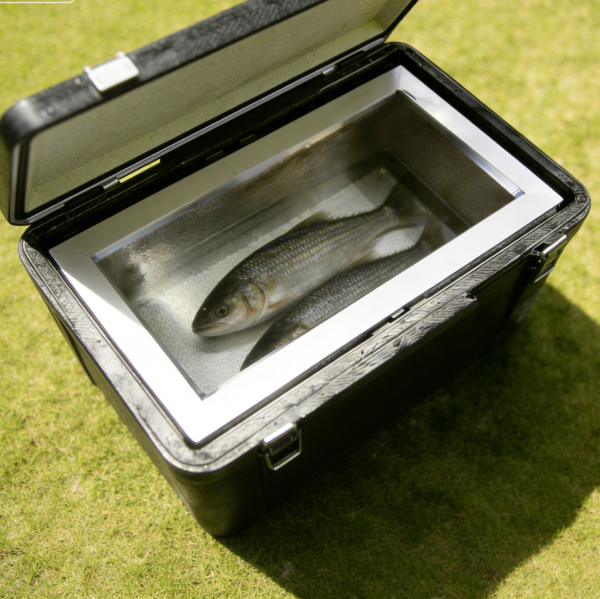
Coût de la glacière: De la spécification à l’échelle
A sound decision on cool box cost can be reduced to five linked questions: ce qu'il faut protéger, sur quel itinéraire, avec quelle configuration chargée, sous le contrôle opérationnel duquel, et avec quelles preuves.
Le résultat est un cadre de sélection intégré. Il combine l'éducation aux produits, jugement technique, risque d'itinéraire, qualification des fournisseurs, coût total, et la durabilité pour qu'un acheteur puisse émettre une demande plus claire, faire un essai significatif, et approuver une configuration avec moins de surprises.
Utilisez cinq décisions pour contrôler l’achat
Un projet complet de glacière commerciale peut être régi par cinq décisions. D'abord, définir le produit protégé et les conditions d'acceptation. Deuxième, caractériser la voie et ses transferts. Troisième, concevoir le pack chargé, y compris le liquide de refroidissement, barrières, surveillance, et espace utilisable. Quatrième, qualifier le fournisseur et les preuves. Cinquième, prouver que les opérations peuvent se reproduire, faire le ménage, retour, et maintenir la configuration.
La séquence compte. Les équipes créent des retouches lorsqu'elles choisissent une boîte, puis essayez d'installer le produit et de l'insérer. Commencer par le produit et la voie permet de comparer plusieurs architectures sur un pied d'égalité. Cela rend également la négociation des coûts plus utile, car le devis décrit un travail défini plutôt qu'un conteneur générique.
Le compromis central est une option jetable à faible coût ou une option réutilisable de base qui peut être correcte pour les itinéraires ouverts à sens unique., alors qu’un système de primes durable a besoin de suffisamment de cycles de réutilisation réussis pour se justifier. Le cadre ne supprime pas les compromis; ça les rend explicites. Les achats peuvent décider quelles conséquences sont acceptables, l'ingénierie peut documenter la base technique, la qualité ou la sécurité alimentaire peuvent constituer des preuves, et les opérations peuvent tester si la méthode est reproductible.
Décision 1 et 2: relier les exigences du produit à la voie
Rédigez un dossier d'utilisation d'une page pour les marchandises sensibles à la température et le liquide de refroidissement spécifiques à un itinéraire., séparateurs, surveillance, et les étiquettes nécessaires pour les déplacer. Inclure les instructions actuelles du produit, condition de départ, quantité, dimensions du carton ou du plateau, sensibilité au gel, surchauffe, lumière, contamination, impact, ou un retard, et le processus de disposition pour une excursion. Évitez d'importer une gamme industrielle commune dans un produit comportant des instructions différentes.
Cartographiez ensuite l'échantillonnage initial, achat de production, distribution sortante, retour, nettoyage, stockage, réparation, et remplacement. Enregistrer le temps écoulé, conditions extérieures saisonnières, mise en scène, environnement du véhicule, ouverture de porte, arrêter de compter, surfaces de transfert, changements de garde, et réception du stockage. Ajoutez un scénario normal et un défi réaliste. Le défi peut être un quai chaud, receveur en retard, charge partielle, ouverture répétée, ou transfert en extérieur. Cela devrait représenter une journée d’exploitation crédible, il ne s'agit pas d'un pire cas artificiel sans probabilité ni réponse définie.
Attribuer chaque risque à l'emballage, procédure, équipement, ou une escalade. L'isolation et le liquide de refroidissement peuvent amortir l'exposition environnementale. Un programme d'itinéraire peut réduire les temps d'attente. Une unité active portable peut être plus appropriée pour certains mouvements à haut risque. Un rendez-vous de séquestre peut supprimer un transfert incontrôlé. Cette allocation évite de demander au boîtier passif de compenser chaque faiblesse du processus..
Décision 3: approuver une configuration chargée, pas une boîte nominale
La conception chargée doit résoudre ce problème de capacité: le coût par litre est trompeur à moins que la capacité nominale, charge utile utilisable, cube extérieur, poids chargé, et l'efficacité de l'expédition sont normalisées. Créer un dessin et une maquette physique montrant l'orientation du produit, liquide de refroidissement, barrières, surveillance, séparateurs, tolérances, et jeu de fermeture. Calculer ou mesurer le poids emballé attendu. Confirmer le véhicule, étagère, palette, chariot, et porte ajustée avec les poignées et le couvercle dans leurs positions de fonctionnement.
Contrôlez les températures locales en définissant l'état et l'emplacement du liquide de refroidissement. La conception doit éviter tout contact direct involontaire, entrefers incontrôlés, et les composants qui peuvent changer. Les travaux de développement peuvent nécessiter plusieurs capteurs pour cartographier la charge, mais la surveillance de routine doit utiliser un emplacement fixe qui représente la décision de produit requise. Les chargements partiels nécessitent une alternative approuvée plutôt qu'une version improvisée du colis complet..
La construction doit supporter le matériau, processus de moulage, isolation, matériel, scellés, inserts, finition, personnalisation, outillage, et les exigences de contrôle qualité déterminent les coûts de fabrication. Vérifier le joint du couvercle, ponts thermiques, matériel à forte charge, nettoyabilité, remplacement de composants, et compatibilité avec la lumière du soleil ou les produits chimiques, le cas échéant. Les noms de matériaux sont des entrées, pas de conclusions. La spécification approuvée doit définir la construction de manière suffisamment détaillée pour préserver la fonction tout au long de la production..
Décision 4: qualifier ensemble le fournisseur et les preuves
Déterminer à qui appartient la conception et qui contrôle l'usine. La partie commerciale peut être un fabricant, exportateur, distributeur, ou intégrateur, mais l'acheteur a besoin d'un chemin clair vers les dessins, contrôles matériels, inspection, défauts, et notification de changement. Demandez quels composants sont critiques et comment les unités de production sont comparées à l'échantillon approuvé.
La demande de devis doit couvrir le prix unitaire, outillage, échantillons, accessoires, liquide de refroidissement, impression personnalisée, conditionnement, fret, devoirs, essai, documentation, des pièces de rechange, garantie, et conditions de paiement. Normalisez la nomenclature incluse et les conditions de livraison avant de comparer les prix. Matériel séparé, liquide de refroidissement, surveillance, personnalisation, outillage, essai, documentation, emballage, fret, et pièces de rechange. Cela rend les facteurs de coûts visibles et évite qu'un faible prix de boîte vide soit comparé à un kit prêt à être utilisé..
Demander un devis commercial complet, spécification, facture des composants inclus, méthode d'emballage, exemple de plan, hypothèses sur les preuves de performance, et les termes de contrôle des changements. Lire les rapports de test pour connaître les conditions, pas les gros titres. Vérifier la charge utile, température de départ, liquide de refroidissement, profil ambiant, durée, ouvertures, positions des capteurs, critères d'acceptation, et si l'échantillon représentait la production. Enregistrez les écarts entre ces preuves et la voie prévue afin que l'équipe puisse décider quel travail supplémentaire est proportionné..
| Porte d'approbation | Sortie minimale | Raison pour laquelle la porte existe |
|---|---|---|
| Produit et voie | Brief de cas d'utilisation avec charge utile, condition, itinéraire, exposition, et les transferts | Empêche la sélection de la case avant que le travail ne soit défini |
| Configuration chargée | Dessin, liste des composants, liquide de refroidissement, barrières, capteur, poids, et en forme | Convertit la capacité nominale en un emballage reproductible |
| Fournisseur et preuves | Spécification contrôlée, échantillons, rapports, et changer les règles | Relie l’approvisionnement commercial à la conception approuvée |
| Disponibilité opérationnelle | AMADOUER, entraînement, nettoyage, recevoir, retour, et exceptions | Montre que les gens peuvent répéter et maintenir la méthode |
| Échelle et cycle de vie | Contrôle du premier lot, déploiement d'itinéraire, modèle de coût, suivi des actifs, déclencheurs d'examen | Protège les performances et la valeur après le lancement |
Les portes d'approbation empêchent un projet de passer directement d'un échantillon attractif à une commande groupée. Chaque porte crée un résultat tangible et ferme un risque différent: cas d'utilisation peu clair, emballage non reproductible, approvisionnement incontrôlé, opérations faibles, ou un modèle de cycle de vie non éprouvé.
Utilisez les conseils réglementaires et techniques sans trop revendiquer
Des directives faisant autorité aident à définir les attentes en matière de contrôle, mais cela ne transforme pas une box générique en un système homologué. Les instructions du produit et les règles locales applicables restent déterminantes. Un dossier technique doit indiquer pourquoi chaque référence est pertinente et où des tests ou un examen de la qualité spécifiques à un itinéraire sont encore nécessaires..
La décision d'approbation doit identifier l'enveloppe opérationnelle testée et les conditions qui nécessitent une escalade.. Lorsque les preuves sont incomplètes, convertir l'inconnu en une question de vérification ou une limite opérationnelle plutôt que de combler le vide avec une affirmation marketing confiante.
Décision 5: prouver que l'organisation peut répéter la méthode
Exécutez un projet pilote avec les vrais emballeurs, conducteurs, récepteurs, personnel de nettoyage, et les évaluateurs de la qualité ou de la sécurité alimentaire. Observer l'identification des composants, préparation du liquide de refroidissement, chargement, emplacement du moniteur, fermeture, mise en scène, levage, retenue, ouverture, remettre, retour, laver, séchage, et inspection. Enregistrer les solutions de contournement; ils prouvent que la conception ou l'instruction doit être corrigée.
Le processus de retour doit mettre en œuvre cette exigence d'hygiène: produits chimiques de nettoyage, temps de lavage, espace de séchage, remplacement du joint, et le traitement des unités endommagées appartiennent au budget. Séparer le sale, faire le ménage, réparation, quarantaine, et statut de retraité. Définir les critères objectifs de libération et contrôler les pièces amovibles. Mesurez les délais de nettoyage et l'espace de stockage afin que la quantité de la flotte reflète les actifs réellement disponibles, pas seulement les boîtes achetées.
Préparer les chemins d'exception avant le lancement. Le personnel doit savoir quoi faire lorsqu'un composant du liquide de refroidissement est manquant, le moniteur tombe en panne, un couvercle ne ferme pas, une boîte est endommagée, un véhicule est en retard, le récepteur est absent, ou la trace du produit montre une excursion. Un chemin d'escalade court protège le processus approuvé sous la pression du temps.
Évaluez le coût et la durabilité sur le même cycle d’exploitation
Construire le coût total à partir de la configuration approuvée: matériel, outillage, échantillons, liquide de refroidissement, surveillance, étiquettes, emballage, fret, devoirs, travail, cube de véhicule, retour, lavage, séchage, stockage, réparation, perte, remplacement, et conservation des preuves. Rapporter le coût par voyage réussi par cohorte d'itinéraires. Cela évite à la fois une décision étroite sur le prix unitaire et une affirmation non étayée selon laquelle la réutilisation permet toujours d'économiser de l'argent..
La question de la durabilité est que le coût et la durabilité se rencontrent au moment de l'utilisation: a reusable box that circulates reliably can spread its material and purchase cost across trips, alors qu'un actif perdu ou inutilisé ne peut pas. Suivre la circulation, distance de retour, perte, réparation, laver les ressources, utilisation, et gestion de fin de vie. Un système réutilisable crée de la valeur lorsque le réseau peut le maintenir en service maîtrisé. Dimensionnement correct, composants réparables, et un empilage de retour efficace peut être aussi important que le matériau de base.
L’approbation commerciale peut inclure un examen de sensibilité. Examinez comment le résultat change lorsque le rendement diminue, les dégâts augmentent, changements de demande, ou un itinéraire a besoin d'une taille différente. Cela ne nécessite pas de données de marché inventées. It uses the organization's own operating assumptions to identify where the proposal is robust and where a different packaging model should be retained.
Passez à travers des portes contrôlées et changez les déclencheurs
Grille 1 approuve le brief de cas d'utilisation et le dessin chargé. Grille 2 approuve les échantillons destinés à la production et les documents des fournisseurs. Grille 3 approuve les thermiques pertinents, mécanique, nettoyage, et acheminer les preuves. Grille 4 approuve la SOP, entraînement, processus d'exception, et boucle de retour. Grille 5 lance la production après vérification du premier lot. Chaque porte a un propriétaire et des critères d'acceptation enregistrés.
Développer par des cohortes d'itinéraires similaires. Commencez avec une voie représentative et un défi crédible, corriger les problèmes, puis ajoutez des sites qui partagent la charge utile et l'exposition. Ne présumez pas qu’un pilote réussi couvre un véhicule différent, climat, modèle d'arrêt, produit, ou processus de lavage. Utiliser une comparaison documentée pour décider si les preuves existantes peuvent être étendues.
Tenir un registre des modifications après le lancement. Cartons de produits, liquide de refroidissement, masse de charge utile, capteur, temps de parcours, chimie de nettoyage, matériel du fournisseur, joint, matériel, ou les changements d'usine peuvent affecter la ligne de base. Attribuez des niveaux de révision afin que les mises à jour administratives mineures ne déclenchent pas de travail inutile tandis que les modifications fonctionnelles font l'objet d'une comparaison ou d'une requalification appropriée..
Gardez les principales non-hypothèses visibles
Ne présumez pas que la capacité nominale est égale à la capacité de charge utile, que l'isolation crée la température requise du produit, qu'un enregistreur offre une protection, ou qu'un test dans différentes conditions prouve la voie. Ne présumez pas que la durabilité est synonyme d’adéquation alimentaire ou pharmaceutique., or that one program's approval transfers to another. Le risque spécifique ici est de demander la boîte la moins chère avant de définir ce que la boîte doit faire et à quelle fréquence elle sera réutilisée..
Transformez chaque non-hypothèse en contrôle. Utiliser un dessin chargé pour la capacité, un plan de refroidissement défini pour le contrôle thermique, une position fixe du capteur pour preuve, une comparaison d'itinéraires pour la transférabilité, un processus de nettoyage et de séparation pour l'hygiène, et une spécification contrôlée pour la cohérence de la production. This makes the article's principles actionable in an RFQ and pilot.
Enfin, préserver honnêtement l'incertitude. Lorsqu'un paramètre n'est pas pris en charge par les instructions du produit, une source technique fiable, documentation fournisseur, ou des tests, demander au fournisseur de le confirmer ou planifier une vérification. Supprimer un numéro non justifié est une meilleure ingénierie et un meilleur approvisionnement que de présenter une précision que les preuves ne peuvent pas contenir.
Questions d'approvisionnement intégré
Quelles informations doivent être envoyées en premier à un fournisseur?
Envoyer le type de produit et la condition requise, dimensions du carton ou de la charge utile, quantité, durée de l'itinéraire, exposition saisonnière, modèle d'arrêt et d'ouverture, contraintes de véhicule ou d'étagère, préférence pour le liquide de refroidissement, besoin de surveillance, méthode de nettoyage, plan de réutilisation, personnalisation, et le volume des commandes. Marquez toutes les inconnues afin qu'elles deviennent des questions de projet plutôt que des hypothèses.
Comment savoir si la box proposée est trop grande ou trop petite?
Créez le package complet et comparez le nombre de charges utiles utilisables, poids chargé, cube extérieur, ajustement du véhicule, comportement à charge partielle, et manipulation. Une grande boîte peut gaspiller du liquide de refroidissement et de l'espace; un petit peut forcer une compression ou des déplacements supplémentaires. Utiliser des profils de commande réels et approuver les plages de charge.
Quelles preuves sont les plus importantes avant la production?
Les preuves doivent correspondre aux risques dominants. Au minimum, dimensions de contrôle, matériels, composants, ajustement chargé, manutention, nettoyage, et hypothèses thermiques pertinentes. Les itinéraires de soins de santé ou alimentaires à plus haut risque peuvent également nécessiter une qualification, surveillance calibrée, études d'itinéraire, dossiers officiels, et approbation de qualité ou de sécurité alimentaire.
Comment comparer les devis?
Comparez la même nomenclature, dimensions, accessoires, liquide de refroidissement, surveillance, personnalisation, essai, emballage, quantité commandée, conditions de livraison, hypothèses de fret, des pièces de rechange, et portée du contrôle des modifications. Puis modéliser le travail, retour, nettoyage, perte, réparation, et des voyages réussis. Un prix unitaire à coque vide ne constitue pas une comparaison complète.
Qu'est-ce qui devrait déclencher une requalification ou une réévaluation?
Modifications des instructions du produit, charge utile, carton, liquide de refroidissement, capteur, itinéraire, exposition ambiante, modèle d'arrêt, nettoyage, matériel, joint, matériel, processus, ou l'usine peut avoir de l'importance. Définir des déclencheurs basés sur les risques pour l'examen des documents, comparaison d'échantillons, tests ciblés, travaux d'itinéraire, ou requalification complète.
Décision finale
Considérez le coût des glacières comme une décision contrôlée du système. Définir le produit et la voie, approuver le paquet chargé, qualifier les contrôles et les preuves des fournisseurs, prouver le processus de fonctionnement, et modéliser le coût et la réutilisation lors de voyages réussis. Mise à l'échelle uniquement après l'examen des échantillons d'intention de production et des cohortes d'itinéraires. Cette approche préserve les informations utiles issues de la formation sur les produits, ingénierie, conformité, opérations, et la durabilité sans s'appuyer sur des revendications universelles.
À propos du tempk
Tempk est la marque d'emballages pour chaîne du froid de Shanghai Tempk Industrial Co., Ltée. Son portefeuille public comprend des packs de gel, briques de glace, sacs et doublures isothermes, EPP et autres boîtes isothermes, glacières médicales, couvertures de palettes, et emballages sur mesure pour la logistique alimentaire et médicale. Les acheteurs peuvent fournir la géométrie du produit, condition cible, itinéraire, liquide de refroidissement, surveillance, manutention, nettoyage, identification, et exigences commerciales afin que Tempk puisse proposer une configuration pour l'examen des échantillons, essai, et discussion de l'échantillon à la production.
Prochaine étape du projet
Demandez à Tempk d'examiner votre projet de coût de glacière commerciale en utilisant la charge utile réelle, itinéraire, emballage, contrôles de fonctionnement, et hypothèses d'approvisionnement avant qu'un devis groupé ne soit finalisé.
Fournisseur de livraison de viande de glacière commerciale: Un cadre basé sur les routes
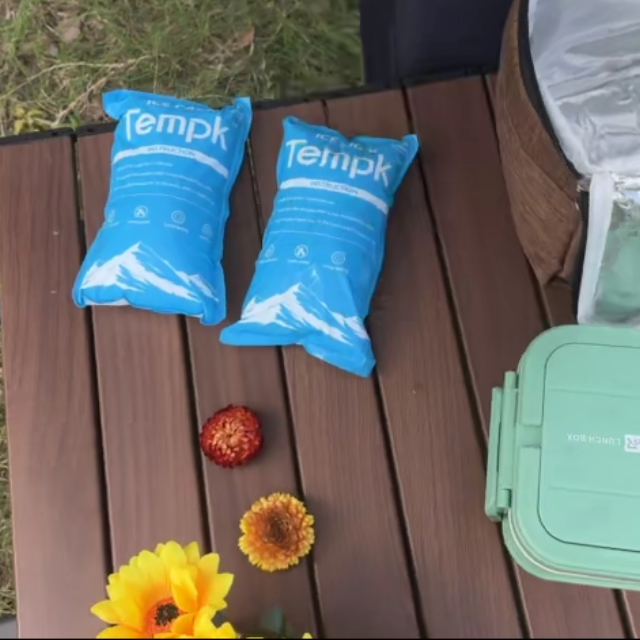
Fournisseur de livraison de viande de glacière commerciale: Un cadre basé sur les routes
La meilleure décision en matière de livraison de viande dans des glacières commerciales est rarement la boîte offrant les performances revendiquées les plus élevées ou le prix le plus bas.. C'est le système qui s'adapte à la charge utile, itinéraire, opérateurs, besoins en matière de documentation, et modèle de retour avec le moins d'hypothèses non contrôlées.
Le résultat est un cadre de sélection intégré. Il combine l'éducation aux produits, jugement technique, risque d'itinéraire, qualification des fournisseurs, coût total, et la durabilité pour qu'un acheteur puisse émettre une demande plus claire, faire un essai significatif, et approuver une configuration avec moins de surprises.
Utilisez cinq décisions pour contrôler l’achat
Un projet complet de glacière commerciale de livraison de viande peut être régi par cinq décisions. D'abord, définir le produit protégé et les conditions d'acceptation. Deuxième, caractériser la voie et ses transferts. Troisième, concevoir le pack chargé, y compris le liquide de refroidissement, barrières, surveillance, et espace utilisable. Quatrième, qualifier le fournisseur et les preuves. Cinquième, prouver que les opérations peuvent se reproduire, faire le ménage, retour, et maintenir la configuration.
La séquence compte. Les équipes créent des retouches lorsqu'elles choisissent une boîte, puis essayez d'installer le produit et de l'insérer. Commencer par le produit et la voie permet de comparer plusieurs architectures sur un pied d'égalité. Cela rend également la négociation des coûts plus utile, car le devis décrit un travail défini plutôt qu'un conteneur générique.
Le compromis central est une étanchéité plus étanche et une isolation plus épaisse peut prendre en charge le contrôle de la température., alors qu'un design trop lourd, lent à nettoyer, ou difficile à ouvrir peut nuire aux opérations de la route. Le cadre ne supprime pas les compromis; ça les rend explicites. Les achats peuvent décider quelles conséquences sont acceptables, l'ingénierie peut documenter la base technique, la qualité ou la sécurité alimentaire peuvent constituer des preuves, et les opérations peuvent tester si la méthode est reproductible.
Décision 1 et 2: relier les exigences du produit à la voie
Rédigez un dossier d'utilisation d'une page pour les coupes scellées, plateaux, emballages sous vide, cartons, viandes préparées, ou produits surgelés dans le cadre d'un plan de sécurité alimentaire défini. Inclure les instructions actuelles du produit, condition de départ, quantité, dimensions du carton ou du plateau, sensibilité au gel, surchauffe, lumière, contamination, impact, ou un retard, et le processus de disposition pour une excursion. Évitez d'importer une gamme industrielle commune dans un produit comportant des instructions différentes.
Cartographiez ensuite l'expédition des chambres froides jusqu'au chargement, voyage en véhicule, plusieurs arrêts, recevoir, retour, nettoyage, et séchage. Enregistrer le temps écoulé, conditions extérieures saisonnières, mise en scène, environnement du véhicule, ouverture de porte, arrêter de compter, surfaces de transfert, changements de garde, et réception du stockage. Ajoutez un scénario normal et un défi réaliste. Le défi peut être un quai chaud, receveur en retard, charge partielle, ouverture répétée, ou transfert en extérieur. Cela devrait représenter une journée d’exploitation crédible, il ne s'agit pas d'un pire cas artificiel sans probabilité ni réponse définie.
Attribuer chaque risque à l'emballage, procédure, équipement, ou une escalade. L'isolation et le liquide de refroidissement peuvent amortir l'exposition environnementale. Un programme d'itinéraire peut réduire les temps d'attente. Une unité active portable peut être plus appropriée pour certains mouvements à haut risque. Un rendez-vous de séquestre peut supprimer un transfert incontrôlé. Cette allocation évite de demander au boîtier passif de compenser chaque faiblesse du processus..
Décision 3: approuver une configuration chargée, pas une boîte nominale
La conception chargée doit résoudre ce problème de capacité: la capacité utilisable dépend des dimensions du carton du produit, liquide de refroidissement, matériaux absorbants ou de séparation, et la nécessité d'éloigner les produits bruts des produits prêts à consommer. Créer un dessin et une maquette physique montrant l'orientation du produit, liquide de refroidissement, barrières, surveillance, séparateurs, tolérances, et jeu de fermeture. Calculer ou mesurer le poids emballé attendu. Confirmer le véhicule, étagère, palette, chariot, et porte ajustée avec les poignées et le couvercle dans leurs positions de fonctionnement.
Contrôlez les températures locales en définissant l'état et l'emplacement du liquide de refroidissement. La conception doit éviter tout contact direct involontaire, entrefers incontrôlés, et les composants qui peuvent changer. Les travaux de développement peuvent nécessiter plusieurs capteurs pour cartographier la charge, mais la surveillance de routine doit utiliser un emplacement fixe qui représente la décision de produit requise. Les chargements partiels nécessitent une alternative approuvée plutôt qu'une version improvisée du colis complet..
La construction doit supporter des surfaces intérieures nettoyables, scellement du couvercle, confinement des déversements, poignées robustes, stabilité de la pile, décisions de drainage, et une isolation qui reste intacte après lavage et impact. Vérifier le joint du couvercle, ponts thermiques, matériel à forte charge, nettoyabilité, remplacement de composants, et compatibilité avec la lumière du soleil ou les produits chimiques, le cas échéant. Les noms de matériaux sont des entrées, pas de conclusions. La spécification approuvée doit définir la construction de manière suffisamment détaillée pour préserver la fonction tout au long de la production..
Décision 4: qualifier ensemble le fournisseur et les preuves
Déterminer à qui appartient la conception et qui contrôle l'usine. La partie commerciale peut être un fabricant, exportateur, distributeur, ou intégrateur, mais l'acheteur a besoin d'un chemin clair vers les dessins, contrôles matériels, inspection, défauts, et notification de changement. Demandez quels composants sont critiques et comment les unités de production sont comparées à l'échantillon approuvé.
La demande de devis doit couvrir les informations relatives au contact alimentaire et aux matériaux, le cas échéant., dimensions, poids chargé, méthode de nettoyage, conception de drain et de joint, modèle de pile, liquide de refroidissement, étiquettes, codage couleur, et composants de rechange. Normalisez la nomenclature incluse et les conditions de livraison avant de comparer les prix. Matériel séparé, liquide de refroidissement, surveillance, personnalisation, outillage, essai, documentation, emballage, fret, et pièces de rechange. Cela rend les facteurs de coûts visibles et évite qu'un faible prix de boîte vide soit comparé à un kit prêt à être utilisé..
Demander des instructions de nettoyage, informations importantes, détails du joint et du drain, conseils de manutention chargés, cohérence de l'échantillon, conditions de test d'emballage, et disponibilité des pièces de rechange. Lire les rapports de test pour connaître les conditions, pas les gros titres. Vérifier la charge utile, température de départ, liquide de refroidissement, profil ambiant, durée, ouvertures, positions des capteurs, critères d'acceptation, et si l'échantillon représentait la production. Enregistrez les écarts entre ces preuves et la voie prévue afin que l'équipe puisse décider quel travail supplémentaire est proportionné..
| Porte d'approbation | Sortie minimale | Raison pour laquelle la porte existe |
|---|---|---|
| Produit et voie | Brief de cas d'utilisation avec charge utile, condition, itinéraire, exposition, et les transferts | Empêche la sélection de la case avant que le travail ne soit défini |
| Configuration chargée | Dessin, liste des composants, liquide de refroidissement, barrières, capteur, poids, et en forme | Convertit la capacité nominale en un emballage reproductible |
| Fournisseur et preuves | Spécification contrôlée, échantillons, rapports, et changer les règles | Relie l’approvisionnement commercial à la conception approuvée |
| Disponibilité opérationnelle | AMADOUER, entraînement, nettoyage, recevoir, retour, et exceptions | Montre que les gens peuvent répéter et maintenir la méthode |
| Échelle et cycle de vie | Contrôle du premier lot, déploiement d'itinéraire, modèle de coût, suivi des actifs, déclencheurs d'examen | Protège les performances et la valeur après le lancement |
Les portes d'approbation empêchent un projet de passer directement d'un échantillon attractif à une commande groupée. Chaque porte crée un résultat tangible et ferme un risque différent: cas d'utilisation peu clair, emballage non reproductible, approvisionnement incontrôlé, opérations faibles, ou un modèle de cycle de vie non éprouvé.
Utilisez les conseils réglementaires et techniques sans trop revendiquer
Des directives faisant autorité aident à définir les attentes en matière de contrôle, mais cela ne transforme pas une box générique en un système homologué. Les instructions du produit et les règles locales applicables restent déterminantes. Un dossier technique doit indiquer pourquoi chaque référence est pertinente et où des tests ou un examen de la qualité spécifiques à un itinéraire sont encore nécessaires..
Pour la distribution de nourriture, Les principes de transport sanitaire de la FDA relient la conception des équipements au contrôle nécessaire de la température, nettoyabilité, et prévention de la contamination. La boîte doit donc être revue dans le cadre de l’opération complète de sécurité alimentaire, y compris la séparation des produits, chargement, état du véhicule, recevoir, nettoyage, et des enregistrements.
La décision d'approbation doit identifier l'enveloppe opérationnelle testée et les conditions qui nécessitent une escalade.. Lorsque les preuves sont incomplètes, convertir l'inconnu en une question de vérification ou une limite opérationnelle plutôt que de combler le vide avec une affirmation marketing confiante.
Décision 5: prouver que l'organisation peut répéter la méthode
Exécutez un projet pilote avec les vrais emballeurs, conducteurs, récepteurs, personnel de nettoyage, et les évaluateurs de la qualité ou de la sécurité alimentaire. Observer l'identification des composants, préparation du liquide de refroidissement, chargement, emplacement du moniteur, fermeture, mise en scène, levage, retenue, ouverture, remettre, retour, laver, séchage, et inspection. Enregistrer les solutions de contournement; ils prouvent que la conception ou l'instruction doit être corrigée.
Le processus de retour doit mettre en œuvre cette exigence d'hygiène: nettoyabilité, séparation, séchage, contrôle des odeurs, inspection visible, et les procédures entre les chargements sont des critères d'achat centraux, pas de détails après-vente. Séparer le sale, faire le ménage, réparation, quarantaine, et statut de retraité. Définir les critères objectifs de libération et contrôler les pièces amovibles. Mesurez les délais de nettoyage et l'espace de stockage afin que la quantité de la flotte reflète les actifs réellement disponibles, pas seulement les boîtes achetées.
Préparer les chemins d'exception avant le lancement. Le personnel doit savoir quoi faire lorsqu'un composant du liquide de refroidissement est manquant, le moniteur tombe en panne, un couvercle ne ferme pas, une boîte est endommagée, un véhicule est en retard, le récepteur est absent, ou la trace du produit montre une excursion. Un chemin d'escalade court protège le processus approuvé sous la pression du temps.
Évaluez le coût et la durabilité sur le même cycle d’exploitation
Construire le coût total à partir de la configuration approuvée: matériel, outillage, échantillons, liquide de refroidissement, surveillance, étiquettes, emballage, fret, devoirs, travail, cube de véhicule, retour, lavage, séchage, stockage, réparation, perte, remplacement, et conservation des preuves. Rapporter le coût par voyage réussi par cohorte d'itinéraires. Cela évite à la fois une décision étroite sur le prix unitaire et une affirmation non étayée selon laquelle la réutilisation permet toujours d'économiser de l'argent..
La question de la durabilité est que les boîtes de viande réutilisables peuvent réduire les emballages jetables sur les itinéraires fermés., mais le processus de lavage, consommation d'eau et d'énergie, transport de retour, dommage, et la perte doit être incluse dans l’évaluation. Suivre la circulation, distance de retour, perte, réparation, laver les ressources, utilisation, et gestion de fin de vie. Un système réutilisable crée de la valeur lorsque le réseau peut le maintenir en service maîtrisé. Dimensionnement correct, composants réparables, et un empilage de retour efficace peut être aussi important que le matériau de base.
L’approbation commerciale peut inclure un examen de sensibilité. Examinez comment le résultat change lorsque le rendement diminue, les dégâts augmentent, changements de demande, ou un itinéraire a besoin d'une taille différente. Cela ne nécessite pas de données de marché inventées. It uses the organization's own operating assumptions to identify where the proposal is robust and where a different packaging model should be retained.
Passez à travers des portes contrôlées et changez les déclencheurs
Grille 1 approuve le brief de cas d'utilisation et le dessin chargé. Grille 2 approuve les échantillons destinés à la production et les documents des fournisseurs. Grille 3 approuve les thermiques pertinents, mécanique, nettoyage, et acheminer les preuves. Grille 4 approuve la SOP, entraînement, processus d'exception, et boucle de retour. Grille 5 lance la production après vérification du premier lot. Chaque porte a un propriétaire et des critères d'acceptation enregistrés.
Développer par des cohortes d'itinéraires similaires. Commencez avec une voie représentative et un défi crédible, corriger les problèmes, puis ajoutez des sites qui partagent la charge utile et l'exposition. Ne présumez pas qu’un pilote réussi couvre un véhicule différent, climat, modèle d'arrêt, produit, ou processus de lavage. Utiliser une comparaison documentée pour décider si les preuves existantes peuvent être étendues.
Tenir un registre des modifications après le lancement. Cartons de produits, liquide de refroidissement, masse de charge utile, capteur, temps de parcours, chimie de nettoyage, matériel du fournisseur, joint, matériel, ou les changements d'usine peuvent affecter la ligne de base. Attribuez des niveaux de révision afin que les mises à jour administratives mineures ne déclenchent pas de travail inutile tandis que les modifications fonctionnelles font l'objet d'une comparaison ou d'une requalification appropriée..
Gardez les principales non-hypothèses visibles
Ne présumez pas que la capacité nominale est égale à la capacité de charge utile, que l'isolation crée la température requise du produit, qu'un enregistreur offre une protection, ou qu'un test dans différentes conditions prouve la voie. Ne présumez pas que la durabilité est synonyme d’adéquation alimentaire ou pharmaceutique., or that one program's approval transfers to another. Le risque spécifique ici est d'utiliser une boîte qui contient de l'air froid mais ne peut pas être nettoyée., drainé, séparé, ou manipulé en toute sécurité dans des conditions réelles de livraison de viande.
Transformez chaque non-hypothèse en contrôle. Utiliser un dessin chargé pour la capacité, un plan de refroidissement défini pour le contrôle thermique, une position fixe du capteur pour preuve, une comparaison d'itinéraires pour la transférabilité, un processus de nettoyage et de séparation pour l'hygiène, et une spécification contrôlée pour la cohérence de la production. This makes the article's principles actionable in an RFQ and pilot.
Enfin, préserver honnêtement l'incertitude. Lorsqu'un paramètre n'est pas pris en charge par les instructions du produit, une source technique fiable, documentation fournisseur, ou des tests, demander au fournisseur de le confirmer ou planifier une vérification. Supprimer un numéro non justifié est une meilleure ingénierie et un meilleur approvisionnement que de présenter une précision que les preuves ne peuvent pas contenir.
Questions d'approvisionnement intégré
Quelles informations doivent être envoyées en premier à un fournisseur?
Envoyer le type de produit et la condition requise, dimensions du carton ou de la charge utile, quantité, durée de l'itinéraire, exposition saisonnière, modèle d'arrêt et d'ouverture, contraintes de véhicule ou d'étagère, préférence pour le liquide de refroidissement, besoin de surveillance, méthode de nettoyage, plan de réutilisation, personnalisation, et le volume des commandes. Marquez toutes les inconnues afin qu'elles deviennent des questions de projet plutôt que des hypothèses.
Comment savoir si la box proposée est trop grande ou trop petite?
Créez le package complet et comparez le nombre de charges utiles utilisables, poids chargé, cube extérieur, ajustement du véhicule, comportement à charge partielle, et manipulation. Une grande boîte peut gaspiller du liquide de refroidissement et de l'espace; un petit peut forcer une compression ou des déplacements supplémentaires. Utiliser des profils de commande réels et approuver les plages de charge.
Quelles preuves sont les plus importantes avant la production?
Les preuves doivent correspondre aux risques dominants. Au minimum, dimensions de contrôle, matériels, composants, ajustement chargé, manutention, nettoyage, et hypothèses thermiques pertinentes. Les itinéraires de soins de santé ou alimentaires à plus haut risque peuvent également nécessiter une qualification, surveillance calibrée, études d'itinéraire, dossiers officiels, et approbation de qualité ou de sécurité alimentaire.
Comment comparer les devis?
Comparez la même nomenclature, dimensions, accessoires, liquide de refroidissement, surveillance, personnalisation, essai, emballage, quantité commandée, conditions de livraison, hypothèses de fret, des pièces de rechange, et portée du contrôle des modifications. Puis modéliser le travail, retour, nettoyage, perte, réparation, et des voyages réussis. Un prix unitaire à coque vide ne constitue pas une comparaison complète.
Qu'est-ce qui devrait déclencher une requalification ou une réévaluation?
Modifications des instructions du produit, charge utile, carton, liquide de refroidissement, capteur, itinéraire, exposition ambiante, modèle d'arrêt, nettoyage, matériel, joint, matériel, processus, ou l'usine peut avoir de l'importance. Définir des déclencheurs basés sur les risques pour l'examen des documents, comparaison d'échantillons, tests ciblés, travaux d'itinéraire, ou requalification complète.
Décision finale
Traitez le fournisseur commercial de livraison de viande dans des glacières comme une décision de système contrôlé. Définir le produit et la voie, approuver le paquet chargé, qualifier les contrôles et les preuves des fournisseurs, prouver le processus de fonctionnement, et modéliser le coût et la réutilisation lors de voyages réussis. Mise à l'échelle uniquement après l'examen des échantillons d'intention de production et des cohortes d'itinéraires. Cette approche préserve les informations utiles issues de la formation sur les produits, ingénierie, conformité, opérations, et la durabilité sans s'appuyer sur des revendications universelles.
À propos du tempk
Tempk est la marque d'emballages pour chaîne du froid de Shanghai Tempk Industrial Co., Ltée. Son portefeuille public comprend des packs de gel, briques de glace, sacs et doublures isothermes, EPP et autres boîtes isothermes, glacières médicales, couvertures de palettes, et emballages sur mesure pour la logistique alimentaire et médicale. Les acheteurs peuvent fournir la géométrie du produit, condition cible, itinéraire, liquide de refroidissement, surveillance, manutention, nettoyage, identification, et exigences commerciales afin que Tempk puisse proposer une configuration pour l'examen des échantillons, essai, et discussion de l'échantillon à la production.
Prochaine étape du projet
Ask Tempk to review your commercial ice boxes for meat delivery project using the actual payload, itinéraire, emballage, contrôles de fonctionnement, et hypothèses d'approvisionnement avant qu'un devis groupé ne soit finalisé.