


40 Fabricant de glacières en litres: Guide des spécifications
40 Fabricant de glacières en litres: Guide des spécifications

Sélection d'un 40 Fabricant de glacières en litres: Un guide des exigences en matière de preuves
La manière la plus utile de sélectionner un 40 liter ice chest manufacturer is to move through a requirement-to-evidence sequence. Définir d’abord le besoin en produit et en température. Modélisez ensuite la charge utile et l'espace du liquide de refroidissement, cartographier l'itinéraire et gérer les risques, sélectionner une construction, et décider quels tests ou quels documents doivent appuyer l'approbation. Cette séquence maintient les discussions commerciales ancrées dans l'application plutôt que dans de larges affirmations sur les litres., isolation, durée, ou le prix.
For food service, opérations sur le terrain, mobile catering, and general cold-chain handling, approvisionnement, opérations, ingénierie, et les équipes qualité doivent travailler à partir du même brief contrôlé. The chest is an insulated component. Its result depends on the coolant, emballage, charge utile, exposition ambiante, modèle d'ouverture, et itinéraire. Les sections ci-dessous combinent l'acheteur, ingénierie, opérationnel, et les perspectives de contrôle des fournisseurs dans un seul chemin de décision, se terminant par des contrôles de mise en œuvre qui aident l'échantillon approuvé à rester représentatif de la production et de l'utilisation réelle.
| Réponse décisionnelle: Select the commercial ice chest only after confirming the payload, géométrie utilisable, exigence de température, itinéraire, liquide de refroidissement, manutention, preuve, et contrôles de production. The chest is an insulated component. Its result depends on the coolant, emballage, charge utile, exposition ambiante, modèle d'ouverture, et itinéraire. |
|---|
Utiliser un chemin de décision exigeant des preuves
Une décision contrôlée peut être organisée en quatre portes. La première porte définit le produit et la condition requise. La porte deux confirme que la charge utile, liquide de refroidissement, géométrie interne, manutention, et l'itinéraire correspond à la boîte proposée. La troisième porte évalue les preuves, y compris les dessins, données matérielles, rapports de tests, contrôles de fabrication, et limites d'application. La porte quatre approuve la mise en œuvre, y compris les instructions, surveillance, recevoir, changer de contrôle, et responsabilités des fournisseurs. Un projet ne doit pas avancer simplement parce qu’une porte semble solide tandis qu’une autre reste indéfinie..
Les portes créent également une propriété utile. Les opérations peuvent définir l'itinéraire et la méthode de travail; l'ingénierie peut revoir la géométrie, matériels, et modes de défaillance; la qualité peut établir des règles de preuve et d'écart; les achats peuvent comparer la portée et les conditions commerciales. Pour les responsables des achats, distributeurs, exploitants de services alimentaires, et acheteurs de marques privées, cette structure partagée réduit les clarifications répétées et rend les citations comparables. Il montre également quand une demande est encore un concept plutôt qu'une spécification prête à l'achat.. Le dossier d'approbation final doit montrer ce qui a été confirmé, par qui, en utilisant quelles preuves, et pour quelle limite d'application.
- Grille 1 – Produit, état de température, sensibilité, et conséquence de l'échec
- Grille 2 – Enveloppe de charge utile, liquide de refroidissement, itinéraire, manutention, hygiène, et l'adéquation de l'utilisateur
- Grille 3 – Matériels, dessins, essais, contrôles de qualité, et les limites indiquées
- Grille 4 – Pilote, instructions, surveillance, recevoir, changer de contrôle, et approbation du lancement
Écrire l'exigence en langage opérationnel
Rédigez une exigence utilisateur qu'une autre équipe pourrait appliquer sans entendre la discussion commerciale initiale. Identifiez la charge utile, conditionnement, état initial, condition de température requise, durée maximale, indemnité de retard, exposition ambiante, ouvertures, véhicule ou transporteur, manutention, nettoyage, et recevoir la décision. For food service, opérations sur le terrain, mobile catering, and general cold-chain handling, indiquer également les conséquences d'une panne et si l'envoi peut être remplacé, mis en quarantaine, ou enquête sans perturbation majeure.
Turn the primary objective – provide a manageable mid-size insulated container that protects chilled payloads through the actual handling route – into measurable acceptance points. Fonctions distinctes fournies par le conteneur physique de celles fournies par le liquide de refroidissement, surveillance, instructions de travail, le transporteur, et recevoir. Attribuez ensuite des propriétaires aux hypothèses non résolues.. Une exigence contrôlée de l'utilisateur évite que l'approbation finale ne dépende de phrases vagues telles que durable, médical, qualité alimentaire, étanche, longue durée, ou adapté à la chaîne du froid.
- Charge utile définie, conditionnement, quantité, masse, et conditions de température
- Voie normale plus retard, saisonnier, ouverture, et hypothèses de transfert
- Composants d'emballage, conditionnement, placement, et configuration chargée
- Manutention, retenue, hygiène, étiquettes, surveillance, et recevoir des décisions
- Dessins requis, preuve de test, contrôles de production, et changer de propriétaire
Transformez les risques uniques en critères d’approbation
Le dossier d'approbation doit résoudre les risques spécifiques au projet avant la sortie commerciale: confusing gross volume with usable payload space, overlooking lid leakage, and accepting a quoted hold time without its test conditions. It should also state how the proposed configuration will provide a manageable mid-size insulated container that protects chilled payloads through the actual handling route. Ce ne sont pas des commentaires de fond; ce sont des exigences qui ont besoin d'un propriétaire, preuve, et une décision d'acceptation. Lorsqu'une condition ne peut pas encore être prouvée, le dossier doit identifier le test restant, pilote, ou une action de qualité.
Use an application matrix that connects outer-shell toughness, continuité de l'isolation, rigidité du couvercle, durabilité des charnières, and resistance to common cleaning agents with the route, manutention, hygiène, surveillance, et contrôles des fournisseurs. Incluez les trois points décisifs: Model usable space after coolant and dividers are installed rather than relying on the nominal forty-liter label. Confirm that the loaded mass, position de la poignée, and center of gravity are acceptable for the people who will move the chest. Check whether the lid, joint, charnières, and restraint points remain functional after repeated commercial handling. Le choix final doit pouvoir être expliqué aux responsables des achats, qualité, opérations, et le fournisseur sans s'appuyer sur une présentation commerciale ou une mémoire personnelle.
La capacité doit être prouvée avec un emballage
Convertir la description du catalogue en une enveloppe de charge utile contrôlée. Demander une longueur interne claire, largeur, et la hauteur aux points où se trouve réellement la charge utile, puis placez le liquide de refroidissement prévu, séparateurs, supports, moniteur, et produit dans un dessin ou un essai physique. A 40-liter rating describes nominal space; il n'indique pas combien d'unités vendables, cartons de vaccins, spécimens, ou les paquets de produits laitiers peuvent être chargés sans perturber l'arrangement approuvé.
L'approbation doit couvrir l'empreinte externe et la masse chargée ainsi que l'ajustement interne. Le conteneur proposé doit entrer dans le véhicule, passer les portes, asseyez-vous en toute sécurité, permettre au couvercle de se fermer sans compression, et restent gérables à la livraison. Où les packs d'été et d'hiver diffèrent, documenter les deux. La spécification acceptée doit indiquer la charge utile utilisable pour la configuration définie et identifier toute tolérance dimensionnelle qui pourrait modifier l'emballage., retenue, ou performances thermiques.
| Porte de décision | Confirmation spécifique au projet | Preuve acceptable | Propriétaire |
|---|---|---|---|
| Exigence du produit | Provide a manageable mid-size insulated container that protects chilled payloads through the actual handling route | Exigences des utilisateurs approuvées et informations sur le produit | Équipes produit et qualité |
| Aptitude physique et opérationnelle | 40-litre; two-person or single-person lifting depending on loaded weight, dispositif de retenue du véhicule, empilement, and repeated lid operation | Dessin d'emballage, exemple d'essai, observation d'itinéraire, et revue de nettoyage | Ingénierie et opérations |
| Limite de performances | The chest is an insulated component. Its result depends on the coolant, emballage, charge utile, exposition ambiante, modèle d'ouverture, et itinéraire. | Thermique traçable, mécanique, surveillance, et les preuves de candidature | Ingénierie et qualité |
| Contrôle des fournisseurs | Dimensioned drawings, déclarations matérielles, exemples de dossiers d'inspection, conditions d'essai thermique, and production quality checks | Plan de contrôle, enregistrements, éléments probants, et modifier l'accord | Approvisionnement et qualité |
| Mise en œuvre | Confirm that the loaded mass, position de la poignée, and center of gravity are acceptable for the people who will move the chest. | Pilote agréé, instructions, entraînement, recevoir, et plan d'escalade | Opérations et qualité |
| Décision relative au cycle de vie | prix unitaire, cube de fret, taux de dégâts, pièces de rechange, travail de nettoyage, and the cost of unusable internal space; longue durée de vie, réparabilité, right-sized packouts, efficient return logistics, and reduced damage rather than unsupported green claims | Analyse de rentabilisation comparable et évaluation périodique des performances | Achats et opérations |
Making Forty Liters Work in the Real Route
Le dossier d'approbation doit combler trois lacunes spécifiques à l'application avant que le projet ne passe à la production ou au lancement..
- Exigence d'approbation: Model usable space after coolant and dividers are installed rather than relying on the nominal forty-liter label.
- Exigence d'approbation: Confirm that the loaded mass, position de la poignée, and center of gravity are acceptable for the people who will move the chest.
- Exigence d'approbation: Check whether the lid, joint, charnières, and restraint points remain functional after repeated commercial handling.
Attribuez un propriétaire et des preuves à l’appui à chaque exigence. Si l'on reste incertain, conservez-le comme un élément d'approbation ouvert plutôt que de cacher l'incertitude dans une vaste réclamation du fournisseur.
Définir les performances de température avec les conditions associées
Convertissez les réclamations thermiques en déclarations d'approbation avec des conditions attachées. La spécification doit identifier la gamme de produits requise, révision du pack, plage de charge utile, liquide de refroidissement et conditionnement, profil ambiant, durée et marge de retard, ouvertures, plan de capteur, et critère d'acceptation. Où différentes saisons utilisent différents emballages, approuver chaque configuration explicitement plutôt que de les traiter comme des ajustements informels de l'opérateur.
Créer une échelle de preuves. Commencez par des calculs de conception ou une comparaison de développement, passer aux tests de laboratoire représentatifs, ajouter une qualification de voie lorsque le risque l'exige, et utiliser la surveillance opérationnelle pour vérifier l'utilisation contrôlée. Chaque étape répond à une question différente. L'approbation doit être basée sur le niveau qui correspond à la valeur du produit, sensibilité, contexte réglementaire, récupérabilité, et la variabilité des itinéraires, pas sur le nom de certificat le plus impressionnant dans une proposition.
L’approvisionnement doit tester le processus du fournisseur
Évaluer le fabricant proposé par rapport aux exigences approuvées, pas contre un questionnaire fournisseur générique. Confirmez si l'offre couvre uniquement la boîte ou une portée plus large incluant le liquide de refroidissement, inserts, dessins d'emballage, essai, aide à la qualification, surveillance, étiquettes, des pièces de rechange, entraînement, et aide à la déviation. Demander des dessins cotés, déclarations matérielles, exemples de dossiers d'inspection, conditions d'essai thermique, and production quality checks. Chaque réclamation importante doit pointer vers un document contrôlé, échantillon, condition d'essai, ou contrôle de production.
Compléter ensemble les due diligences commerciales et qualité. Examiner les sources de matériaux approuvées, processus critiques, dossiers d'inspection, étalonnage, entretien des outillages, non-conformité, action corrective, composants sous-traités, et notification de modifications techniques. Convenez à qui appartient les dessins, moules, révisions du produit, enregistrements, et retester les décisions. Un fournisseur est prêt à être approuvé lorsqu'il peut recréer la configuration acceptée et expliquer comment les modifications seront évaluées avant qu'elles n'atteignent une expédition..
- Etendue de la livraison, documentation, essai, qualification, et un soutien
- Spécification contrôlée, échantillon approuvé, nomenclature, et lien de révision
- Processus critiques, inspections, enregistrements, étalonnage, et actions correctives
- Contrôle des sous-traitants, entretien des outillages, substitutions, et notification de changement
- Responsabilité commerciale des défauts, retravailler, des pièces de rechange, et commandes futures
Créer une échelle de preuves pour la décision
Organiser les preuves d'approbation en fonction de la décision qu'elles soutiennent. Les dessins et les enregistrements de matériaux établissent ce qu'est le produit. Les tests mécaniques portent sur la manipulation et la contention. Les tests de développement thermique comparent les conceptions. La qualification teste un emballage défini par rapport à une exigence approuvée. La surveillance des itinéraires montre comment la méthode contrôlée se comporte en cas de variabilité opérationnelle. Le dossier d'approbation doit identifier quel niveau est requis et pourquoi, plutôt que d'accepter une collection de rapports sans rapport.
Avant de se fier à un rapport, comparer la version testée, charge utile, liquide de refroidissement, conditionnement, températures initiales, profil ambiant, durée, ouvertures, orientation, capteurs, critères d'acceptation, et écarts par rapport à l'utilisation prévue. Enregistrer les lacunes et décider si elles sont acceptables, nécessiter une analyse, ou nécessiter des tests supplémentaires. Un nom de rapport ou une déclaration de réussite ne suffit pas. La conclusion étayée doit rester traçable à la configuration que les achats et la production achèteront réellement.
Pilote, Approuver, Lancement, et examen
La mise en œuvre doit passer d'un échantillon représentatif à un pilote contrôlé avant la production complète ou le lancement de la route.. Confirmer la nomenclature exacte, dessins, couleurs, marques, accessoires, conditionnement, et les instructions. Utilisez le pilote pour tester le temps d'emballage, erreurs de l'utilisateur, ergonomie chargée, ajustement du véhicule, retenue, nettoyage, surveillance, et recevoir. Pour une application à température contrôlée, vérifier que le pilote suit la configuration prévue du liquide de refroidissement et de la charge utile plutôt qu'une configuration de démonstration plus simple.
Après approbation, geler la spécification critique et définir le contrôle des modifications. Former les emballeurs, conducteurs, courants, nettoyants, et les récepteurs sur les parties du processus qui leur appartiennent. Établir un examen de la première production et surveiller les premières expéditions pour déceler les problèmes récurrents. Un lancement doit inclure des contacts d'escalade et une méthode de séparation des boîtes ou des composants suspects. Un examen périodique peut entraîner des dommages, déviation, retour, nettoyage, et des données de température pour affiner le système sans affaiblir la limite qualifiée ou approuvée.
Construire un modèle de coûts autour du risque et de l'utilisation
Élaborez une analyse de rentabilisation ajustée au risque avec des, récurrent, et les coûts d'échec séparés. Les éléments ponctuels peuvent inclure du design, outillage, échantillons, validation, et lancer. Les éléments récurrents peuvent inclure des unités, liquide de refroidissement, surveillance, travail, nettoyage, fret, inspection, stockage, et remplacement. Les coûts d'échec peuvent inclure la rétention du produit, réexpédition, enquête sur les écarts, perturbation des clients, et perte de capacité de route. Utiliser des données de projet ou des hypothèses clairement identifiées plutôt qu'un pourcentage d'économies générique.
Comparez les alternatives sur le même périmètre approuvé. Un prix unitaire inférieur n’est pas un coût inférieur si l’espace utilisable est faible, le cube de fret est élevé, le travail d'emballage est lent, ou les évasions de qualité sont fréquentes. Une conception techniquement plus solide n’est pas automatiquement meilleure si elle ajoute des coûts sans prendre en compte le risque lié à l’itinéraire.. L'équipe d'approbation doit documenter le compromis qu'elle accepte et la mesure opérationnelle qui montrera si la valeur attendue est atteinte..
Application du chemin de décision à un projet typique
Appliquer le chemin de décision complet à un projet typique. A regional food-service distributor needs one size for vehicle delivery and short holding, but the loaded chest must still fit the route, lifting rules, et processus de nettoyage. L'équipe interfonctionnelle approuve d'abord les besoins de l'utilisateur, confirme ensuite l'adéquation de la charge utile et du liquide de refroidissement avec un échantillon physique. Il enregistre la manipulation chargée, exposition par voie, hygiène, surveillance, et recevoir les besoins avant de sélectionner le niveau de preuve et la portée commerciale.
Le fabricant choisi fournit des dessins contrôlés, matériels, rapports de tests, et un lot pilote. L'approvisionnement compare le devis à la portée approuvée; contrôles de qualité contrôle des modifications et critères d'acceptation; les opérations exécutent le pilote avec des utilisateurs normaux. Le lancement n'a lieu qu'une fois que les lacunes non résolues ont des propriétaires et des dates. Le dossier final relie l'exigence, configuration, preuve, instructions, et la version de production afin que les changements futurs puissent être évalués de manière cohérente.
Questions finales sur l'approvisionnement
Ce qui doit être approuvé avant que le bon de commande soit émis?
Approuver le besoin de l'utilisateur, révision du produit, dimensions internes et externes, matériels, composants d'emballage, base de test ou de qualification, critères d'inspection critiques, étiquettes, conditionnement, documentation, portée commerciale, et responsabilités en matière de contrôle des changements. Pour une utilisation sensible à la température, approuver également la charge utile, conditionnement du liquide de refroidissement, hypothèses ambiantes et de durée, plan de capteur, mode d'emploi, critères de réception, et limitations non résolues.
Comment un échantillon approuvé reste-t-il cohérent avec la production?
Lier l'échantillon aux dessins contrôlés, nomenclature, sources de matériaux approuvées, paramètres de processus, dimensions critiques, méthodes d'inspection, et un lot pilote. Conserver un échantillon de référence lorsque cela est utile, mais ne vous fiez pas uniquement à l'apparence. Le fournisseur doit informer l'acheteur avant toute modification de l'outillage, résine, isolation, matériel, joint, insérer, liquide de refroidissement, sous-traitant, processus, ou un emballage qui pourrait affecter le fonctionnement.
À qui appartiennent les décisions de qualification et de conformité?
La responsabilité doit être attribuée dans l’accord de projet. Le fournisseur peut fournir des données produit précises, échantillons, rapports, et support technique; l'acheteur définit normalement les limites du produit, voie, critères d'acceptation, système de qualité, et obligations de marché applicables. Un fabricant sous contrat ou un laboratoire d'essais peut effectuer des travaux, mais cela ne supprime pas la nécessité pour le propriétaire du produit et l'équipe qualité d'approuver l'adéquation.
Quand une conception personnalisée est-elle justifiée?
La personnalisation est justifiée lorsqu'un produit standard ne peut pas répondre à la géométrie critique de la charge utile, capacité utilisable, retenue, nettoyage, marque, itinéraire, accessoire, ou besoins opérationnels. Comparez la valeur avec l'outillage, temps de développement, Quantité minimale de commande, changement de risque, exigences des tests, des pièces de rechange, et révisions futures. Une forme personnalisée doit répondre à une exigence documentée plutôt que d'ajouter une complexité qui peut être gérée avec une insertion ou un changement de processus..
What is the most important limitation of a commercial ice chest?
The chest is an insulated component. Its result depends on the coolant, emballage, charge utile, exposition ambiante, modèle d'ouverture, et itinéraire. L'acheteur doit donc éviter de traiter une étiquette de capacité, nom du matériau, ou durée générique comme déclaration de performance complète. Confirmez la charge utile, liquide de refroidissement, itinéraire, ouvertures, exposition ambiante, manutention, surveillance, conditions d'essai, et réception d'une décision définissant l'utilisation prévue.
Conclusion: Approuvez un système que vous pouvez expliquer et répéter
Un adapté 40 liter ice chest manufacturer is the result of disciplined specification rather than a single feature. La décision la plus fiable connecte la charge utile, état de température, itinéraire, espace utilisable, construction, liquide de refroidissement, manutention, hygiène, preuve, contrôle de production, et propriété opérationnelle. Quand ces éléments sont explicites, les achats peuvent comparer les offres de manière équitable et les opérations peuvent répéter la méthode approuvée sans s'appuyer sur la mémoire ou sur un langage commercial large.
- Commencez par le produit et la voie, puis confirmez la forme physique et l'emballage.
- Faites correspondre les preuves requises au risque et à la limite de l'application.
- Approuver les contrôles des fournisseurs, mise en œuvre, surveillance, et conduite du changement ensemble.
- Maintenir un lien traçable entre l'exigence, la preuve et les instructions d'utilisation.
À propos du tempk
Tempk is a Shanghai-based cold-chain packaging company established in 2011. Its publicly presented range includes gel and water-based ice packs, EPP and plastic insulated boxes, solutions isolées sous vide, sacs et doublures isothermes, couvertures de palettes, et produits de surveillance de la température. Pour un projet, Tempk peut examiner le type de produit, condition de température requise, charge utile, itinéraire, saison, manutention, et processus de réception avant de discuter d'une configuration standard ou personnalisée. L’adéquation finale dépend toujours de l’examen de la demande par l’acheteur, essai, qualification, et contrôles opérationnels.
Discussion du projet
Pour un devis plus utile, fournir à Tempk les dimensions de l'emballage, voie de circulation, conditions de manutention, besoins en matière de documentation, et priorités de personnalisation.
30 Fournisseur de glacières pour vaccins en litres: Guide des spécifications
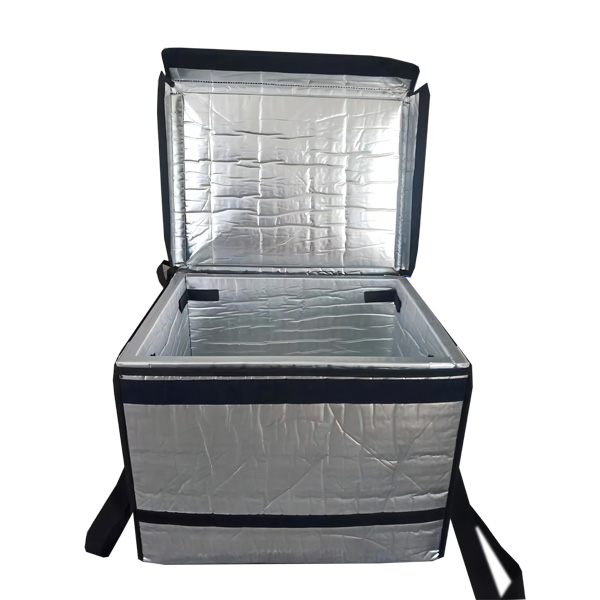
Sélection d'un 30 Fournisseur de glacières pour vaccins en litres: Un guide des exigences en matière de preuves
La manière la plus utile de sélectionner un 30 liter vaccine ice box supplier is to move through a requirement-to-evidence sequence. Définir d’abord le besoin en produit et en température. Modélisez ensuite la charge utile et l'espace du liquide de refroidissement, cartographier l'itinéraire et gérer les risques, sélectionner une construction, et décider quels tests ou quels documents doivent appuyer l'approbation. Cette séquence maintient les discussions commerciales ancrées dans l'application plutôt que dans de larges affirmations sur les litres., isolation, durée, ou le prix.
Pour le transport courant des vaccins, séances de sensibilisation, transferts de dépôt, et une distribution maîtrisée sur le dernier kilomètre, approvisionnement, opérations, ingénierie, et les équipes qualité doivent travailler à partir du même brief contrôlé. Une glacière à vaccins ne convient pas automatiquement à tous les vaccins. Les conditions de stockage ou de transport approuvées, informations sur la stabilité du produit, orientation du programme, itinéraire, et l'emballage doit être confirmé. Les sections ci-dessous combinent l'acheteur, ingénierie, opérationnel, et les perspectives de contrôle des fournisseurs dans un seul chemin de décision, se terminant par des contrôles de mise en œuvre qui aident l'échantillon approuvé à rester représentatif de la production et de l'utilisation réelle.
| Réponse décisionnelle: Sélectionnez la glacière à vaccins uniquement après avoir confirmé la charge utile, géométrie utilisable, exigence de température, itinéraire, liquide de refroidissement, manutention, preuve, et contrôles de production. Une glacière à vaccins ne convient pas automatiquement à tous les vaccins. Les conditions de stockage ou de transport approuvées, informations sur la stabilité du produit, orientation du programme, itinéraire, et l'emballage doit être confirmé. |
|---|
Passer du besoin à la preuve dans une séquence contrôlée
Une décision contrôlée peut être organisée en quatre portes. La première porte définit le produit et la condition requise. La porte deux confirme que la charge utile, liquide de refroidissement, géométrie interne, manutention, et l'itinéraire correspond à la boîte proposée. La troisième porte évalue les preuves, y compris les dessins, données matérielles, rapports de tests, contrôles de fabrication, et limites d'application. La porte quatre approuve la mise en œuvre, y compris les instructions, surveillance, recevoir, changer de contrôle, et responsabilités des fournisseurs. Un projet ne doit pas avancer simplement parce qu’une porte semble solide tandis qu’une autre reste indéfinie..
Les portes créent également une propriété utile. Les opérations peuvent définir l'itinéraire et la méthode de travail; l'ingénierie peut revoir la géométrie, matériels, et modes de défaillance; la qualité peut établir des règles de preuve et d'écart; les achats peuvent comparer la portée et les conditions commerciales. Pour les équipes du programme de vaccination, approvisionnement en soins de santé, personnel de qualité, et acheteurs de logistique médicale, cette structure partagée réduit les clarifications répétées et rend les citations comparables. Il montre également quand une demande est encore un concept plutôt qu'une spécification prête à l'achat.. Le dossier d'approbation final doit montrer ce qui a été confirmé, par qui, en utilisant quelles preuves, et pour quelle limite d'application.
- Grille 1 – Produit, état de température, sensibilité, et conséquence de l'échec
- Grille 2 – Enveloppe de charge utile, liquide de refroidissement, itinéraire, manutention, hygiène, et l'adéquation de l'utilisateur
- Grille 3 – Matériels, dessins, essais, contrôles de qualité, et les limites indiquées
- Grille 4 – Pilote, instructions, surveillance, recevoir, changer de contrôle, et approbation du lancement
Une spécification utile commence par le travail
Rédigez une exigence utilisateur qu'une autre équipe pourrait appliquer sans entendre la discussion commerciale initiale. Identifiez la charge utile, conditionnement, état initial, condition de température requise, durée maximale, indemnité de retard, exposition ambiante, ouvertures, véhicule ou transporteur, manutention, nettoyage, et recevoir la décision. Pour le transport courant des vaccins, séances de sensibilisation, transferts de dépôt, et une distribution maîtrisée sur le dernier kilomètre, indiquer également les conséquences d'une panne et si l'envoi peut être remplacé, mis en quarantaine, ou enquête sans perturbation majeure.
Turn the primary objective – support the required vaccine temperature condition without exposing freeze-sensitive products to uncontrolled contact with frozen coolant – into measurable acceptance points. Fonctions distinctes fournies par le conteneur physique de celles fournies par le liquide de refroidissement, surveillance, instructions de travail, le transporteur, et recevoir. Attribuez ensuite des propriétaires aux hypothèses non résolues.. Une exigence contrôlée de l'utilisateur évite que l'approbation finale ne dépende de phrases vagues telles que durable, médical, qualité alimentaire, étanche, longue durée, ou adapté à la chaîne du froid.
- Charge utile définie, conditionnement, quantité, masse, et conditions de température
- Voie normale plus retard, saisonnier, ouverture, et hypothèses de transfert
- Composants d'emballage, conditionnement, placement, et configuration chargée
- Manutention, retenue, hygiène, étiquettes, surveillance, et recevoir des décisions
- Dessins requis, preuve de test, contrôles de production, et changer de propriétaire
Comblez les lacunes d’approbation spécifiques à l’application
Le dossier d'approbation doit résoudre les risques spécifiques au projet avant la sortie commerciale: en utilisant un refroidisseur de nourriture ordinaire, traiter trente litres comme volume de vaccin utilisable, contact direct avec les packs congelés, et en omettant les enregistrements de surveillance ou de transport. Il doit également indiquer comment la configuration proposée prendra en charge les conditions de température requises pour les vaccins sans exposer les produits sensibles au gel à un contact incontrôlé avec un liquide de refroidissement gelé.. Ce ne sont pas des commentaires de fond; ce sont des exigences qui ont besoin d'un propriétaire, preuve, et une décision d'acceptation. Lorsqu'une condition ne peut pas encore être prouvée, le dossier doit identifier le test restant, pilote, ou une action de qualité.
Utiliser une matrice d'application qui relie la continuité de l'isolation, séparation du liquide de refroidissement, scellement du couvercle, géométrie interne, surfaces nettoyables, et durabilité en manipulation de proximité avec l'itinéraire, manutention, hygiène, surveillance, et contrôles des fournisseurs. Incluez les trois points décisifs: De nombreux vaccins réfrigérés sont gérés entre 2°C et 8°C, mais l'état correct doit être confirmé pour chaque produit et programme. Utiliser la méthode d'emballage qualifiée et empêcher le liquide de refroidissement congelé d'entrer en contact direct et incontrôlé avec les contenants de vaccins sensibles au gel.. Fournir un enregistreur de données numériques ou une autre approche de surveillance requise par le programme, et conserver le dossier de transport. Le choix final doit pouvoir être expliqué aux responsables des achats, qualité, opérations, et le fournisseur sans s'appuyer sur une présentation commerciale ou une mémoire personnelle.
La protection contre le gel est aussi importante que le refroidissement
Le dossier d'approbation doit combler trois lacunes spécifiques à l'application avant que le projet ne passe à la production ou au lancement..
- Exigence d'approbation: De nombreux vaccins réfrigérés sont gérés entre 2°C et 8°C, mais l'état correct doit être confirmé pour chaque produit et programme.
- Exigence d'approbation: Utiliser la méthode d'emballage qualifiée et empêcher le liquide de refroidissement congelé d'entrer en contact direct et incontrôlé avec les contenants de vaccins sensibles au gel..
- Exigence d'approbation: Fournir un enregistreur de données numériques ou une autre approche de surveillance requise par le programme, et conserver le dossier de transport.
Attribuez un propriétaire et des preuves à l’appui à chaque exigence. Si l'on reste incertain, conservez-le comme un élément d'approbation ouvert plutôt que de cacher l'incertitude dans une vaste réclamation du fournisseur.
| Porte de décision | Confirmation spécifique au projet | Preuve acceptable | Propriétaire |
|---|---|---|---|
| Exigence du produit | Maintenir les conditions de température requises pour les vaccins sans exposer les produits sensibles au gel à un contact incontrôlé avec un liquide de refroidissement gelé | Exigences des utilisateurs approuvées et informations sur le produit | Équipes produit et qualité |
| Aptitude physique et opérationnelle | 30-litre; fermeture sécurisée, transport vertical si nécessaire, étiquetage clair, emballage stable, dispositif de surveillance protégé, et ouverture contrôlée | Dessin d'emballage, exemple d'essai, observation d'itinéraire, et revue de nettoyage | Ingénierie et opérations |
| Limite de performances | Une glacière à vaccins ne convient pas automatiquement à tous les vaccins. Les conditions de stockage ou de transport approuvées, informations sur la stabilité du produit, orientation du programme, itinéraire, et l'emballage doit être confirmé. | Thermique traçable, mécanique, surveillance, et les preuves de candidature | Ingénierie et qualité |
| Contrôle des fournisseurs | Informations qualifiées sur le contenant ou l'emballage, conditions d'essai thermique, diagrammes de chargement, instructions, dispositions de surveillance, et documentation de contrôle des modifications | Plan de contrôle, enregistrements, éléments probants, et modifier l'accord | Approvisionnement et qualité |
| Mise en œuvre | Utiliser la méthode d'emballage qualifiée et empêcher le liquide de refroidissement congelé d'entrer en contact direct et incontrôlé avec les contenants de vaccins sensibles au gel.. | Pilote agréé, instructions, entraînement, recevoir, et plan d'escalade | Opérations et qualité |
| Décision relative au cycle de vie | capacité de vaccin utilisable, travail de préparation du liquide de refroidissement, surveillance, entraînement, risque de remplacement, fiabilité des itinéraires, et effort de documentation; récipients réutilisables et liquide de refroidissement uniquement lors du nettoyage, inspection, reconditionnement, et le contrôle des retours sont fiables | Analyse de rentabilisation comparable et évaluation périodique des performances | Achats et opérations |
Définir les performances de température avec les conditions associées
Convertissez les réclamations thermiques en déclarations d'approbation avec des conditions attachées. La spécification doit identifier la gamme de produits requise, révision du pack, plage de charge utile, liquide de refroidissement et conditionnement, profil ambiant, durée et marge de retard, ouvertures, plan de capteur, et critère d'acceptation. Où différentes saisons utilisent différents emballages, approuver chaque configuration explicitement plutôt que de les traiter comme des ajustements informels de l'opérateur.
Créer une échelle de preuves. Commencez par des calculs de conception ou une comparaison de développement, passer aux tests de laboratoire représentatifs, ajouter une qualification de voie lorsque le risque l'exige, et utiliser la surveillance opérationnelle pour vérifier l'utilisation contrôlée. Chaque étape répond à une question différente. L'approbation doit être basée sur le niveau qui correspond à la valeur du produit, sensibilité, contexte réglementaire, récupérabilité, et la variabilité des itinéraires, pas sur le nom de certificat le plus impressionnant dans une proposition.
Confirmez l'enveloppe de charge utile réelle
Convertir la description du catalogue en une enveloppe de charge utile contrôlée. Demander une longueur interne claire, largeur, et la hauteur aux points où se trouve réellement la charge utile, puis placez le liquide de refroidissement prévu, séparateurs, supports, moniteur, et produit dans un dessin ou un essai physique. Une capacité de 30 litres décrit l'espace nominal; il n'indique pas combien d'unités vendables, cartons de vaccins, spécimens, ou les paquets de produits laitiers peuvent être chargés sans perturber l'arrangement approuvé.
L'approbation doit couvrir l'empreinte externe et la masse chargée ainsi que l'ajustement interne. Le conteneur proposé doit entrer dans le véhicule, passer les portes, asseyez-vous en toute sécurité, permettre au couvercle de se fermer sans compression, et restent gérables à la livraison. Où les packs d'été et d'hiver diffèrent, documenter les deux. La spécification acceptée doit indiquer la charge utile utilisable pour la configuration définie et identifier toute tolérance dimensionnelle qui pourrait modifier l'emballage., retenue, ou performances thermiques.
Créer une échelle de preuves pour la décision
Organiser les preuves d'approbation en fonction de la décision qu'elles soutiennent. Les dessins et les enregistrements de matériaux établissent ce qu'est le produit. Les tests mécaniques portent sur la manipulation et la contention. Les tests de développement thermique comparent les conceptions. La qualification teste un emballage défini par rapport à une exigence approuvée. La surveillance des itinéraires montre comment la méthode contrôlée se comporte en cas de variabilité opérationnelle. Le dossier d'approbation doit identifier quel niveau est requis et pourquoi, plutôt que d'accepter une collection de rapports sans rapport.
Avant de se fier à un rapport, comparer la version testée, charge utile, liquide de refroidissement, conditionnement, températures initiales, profil ambiant, durée, ouvertures, orientation, capteurs, critères d'acceptation, et écarts par rapport à l'utilisation prévue. Enregistrer les lacunes et décider si elles sont acceptables, nécessiter une analyse, ou nécessiter des tests supplémentaires. Un nom de rapport ou une déclaration de réussite ne suffit pas. La conclusion étayée doit rester traçable à la configuration que les achats et la production achèteront réellement.
Sélectionnez ensemble le fournisseur et le système de contrôle
Évaluer le fabricant proposé par rapport aux exigences approuvées, pas contre un questionnaire fournisseur générique. Confirmez si l'offre couvre uniquement la boîte ou une portée plus large incluant le liquide de refroidissement, inserts, dessins d'emballage, essai, aide à la qualification, surveillance, étiquettes, des pièces de rechange, entraînement, et aide à la déviation. Demander des informations qualifiées sur le conteneur ou l’emballage, conditions d'essai thermique, diagrammes de chargement, instructions, dispositions de surveillance, et documentation de contrôle des modifications. Chaque réclamation importante doit pointer vers un document contrôlé, échantillon, condition d'essai, ou contrôle de production.
Compléter ensemble les due diligences commerciales et qualité. Examiner les sources de matériaux approuvées, processus critiques, dossiers d'inspection, étalonnage, entretien des outillages, non-conformité, action corrective, composants sous-traités, et notification de modifications techniques. Convenez à qui appartient les dessins, moules, révisions du produit, enregistrements, et retester les décisions. Un fournisseur est prêt à être approuvé lorsqu'il peut recréer la configuration acceptée et expliquer comment les modifications seront évaluées avant qu'elles n'atteignent une expédition..
- Etendue de la livraison, documentation, essai, qualification, et un soutien
- Spécification contrôlée, échantillon approuvé, nomenclature, et lien de révision
- Processus critiques, inspections, enregistrements, étalonnage, et actions correctives
- Contrôle des sous-traitants, entretien des outillages, substitutions, et notification de changement
- Responsabilité commerciale des défauts, retravailler, des pièces de rechange, et commandes futures
Pilote, Approuver, Lancement, et examen
La mise en œuvre doit passer d'un échantillon représentatif à un pilote contrôlé avant la production complète ou le lancement de la route.. Confirmer la nomenclature exacte, dessins, couleurs, marques, accessoires, conditionnement, et les instructions. Utilisez le pilote pour tester le temps d'emballage, erreurs de l'utilisateur, ergonomie chargée, ajustement du véhicule, retenue, nettoyage, surveillance, et recevoir. Pour une application à température contrôlée, vérifier que le pilote suit la configuration prévue du liquide de refroidissement et de la charge utile plutôt qu'une configuration de démonstration plus simple.
Après approbation, geler la spécification critique et définir le contrôle des modifications. Former les emballeurs, conducteurs, courants, nettoyants, et les récepteurs sur les parties du processus qui leur appartiennent. Établir un examen de la première production et surveiller les premières expéditions pour déceler les problèmes récurrents. Un lancement doit inclure des contacts d'escalade et une méthode de séparation des boîtes ou des composants suspects. Un examen périodique peut entraîner des dommages, déviation, retour, nettoyage, et des données de température pour affiner le système sans affaiblir la limite qualifiée ou approuvée.
Construire un modèle de coûts autour du risque et de l'utilisation
Élaborez une analyse de rentabilisation ajustée au risque avec des, récurrent, et les coûts d'échec séparés. Les éléments ponctuels peuvent inclure du design, outillage, échantillons, validation, et lancer. Les éléments récurrents peuvent inclure des unités, liquide de refroidissement, surveillance, travail, nettoyage, fret, inspection, stockage, et remplacement. Les coûts d'échec peuvent inclure la rétention du produit, réexpédition, enquête sur les écarts, perturbation des clients, et perte de capacité de route. Utiliser des données de projet ou des hypothèses clairement identifiées plutôt qu'un pourcentage d'économies générique.
Comparez les alternatives sur le même périmètre approuvé. Un prix unitaire inférieur n’est pas un coût inférieur si l’espace utilisable est faible, le cube de fret est élevé, le travail d'emballage est lent, ou les évasions de qualité sont fréquentes. Une conception techniquement plus solide n’est pas automatiquement meilleure si elle ajoute des coûts sans prendre en compte le risque lié à l’itinéraire.. L'équipe d'approbation doit documenter le compromis qu'elle accepte et la mesure opérationnelle qui montrera si la valeur attendue est atteinte..
Application du chemin de décision à un projet typique
Appliquer le chemin de décision complet à un projet typique. Une équipe de sensibilisation planifie un itinéraire le jour même avec plusieurs transferts. Le volume nominal de la boîte semble suffisant, mais du liquide de refroidissement, espaceurs, emplacement du moniteur, et la discipline d’accès réduisent l’espace utilisable pour les vaccins. L'équipe interfonctionnelle approuve d'abord les besoins de l'utilisateur, confirme ensuite l'adéquation de la charge utile et du liquide de refroidissement avec un échantillon physique. Il enregistre la manipulation chargée, exposition par voie, hygiène, surveillance, et recevoir les besoins avant de sélectionner le niveau de preuve et la portée commerciale.
Le fabricant choisi fournit des dessins contrôlés, matériels, rapports de tests, et un lot pilote. L'approvisionnement compare le devis à la portée approuvée; contrôles de qualité contrôle des modifications et critères d'acceptation; les opérations exécutent le pilote avec des utilisateurs normaux. Le lancement n'a lieu qu'une fois que les lacunes non résolues ont des propriétaires et des dates. Le dossier final relie l'exigence, configuration, preuve, instructions, et la version de production afin que les changements futurs puissent être évalués de manière cohérente.
Questions finales sur l'approvisionnement
Ce qui doit être approuvé avant que le bon de commande soit émis?
Approuver le besoin de l'utilisateur, révision du produit, dimensions internes et externes, matériels, composants d'emballage, base de test ou de qualification, critères d'inspection critiques, étiquettes, conditionnement, documentation, portée commerciale, et responsabilités en matière de contrôle des changements. Pour une utilisation sensible à la température, approuver également la charge utile, conditionnement du liquide de refroidissement, hypothèses ambiantes et de durée, plan de capteur, mode d'emploi, critères de réception, et limitations non résolues.
Comment un échantillon approuvé reste-t-il cohérent avec la production?
Lier l'échantillon aux dessins contrôlés, nomenclature, sources de matériaux approuvées, paramètres de processus, dimensions critiques, méthodes d'inspection, et un lot pilote. Conserver un échantillon de référence lorsque cela est utile, mais ne vous fiez pas uniquement à l'apparence. Le fournisseur doit informer l'acheteur avant toute modification de l'outillage, résine, isolation, matériel, joint, insérer, liquide de refroidissement, sous-traitant, processus, ou un emballage qui pourrait affecter le fonctionnement.
À qui appartiennent les décisions de qualification et de conformité?
La responsabilité doit être attribuée dans l’accord de projet. Le fournisseur peut fournir des données produit précises, échantillons, rapports, et support technique; l'acheteur définit normalement les limites du produit, voie, critères d'acceptation, système de qualité, et obligations de marché applicables. Un fabricant sous contrat ou un laboratoire d'essais peut effectuer des travaux, mais cela ne supprime pas la nécessité pour le propriétaire du produit et l'équipe qualité d'approuver l'adéquation.
Quand une conception personnalisée est-elle justifiée?
La personnalisation est justifiée lorsqu'un produit standard ne peut pas répondre à la géométrie critique de la charge utile, capacité utilisable, retenue, nettoyage, marque, itinéraire, accessoire, ou besoins opérationnels. Comparez la valeur avec l'outillage, temps de développement, Quantité minimale de commande, changement de risque, exigences des tests, des pièces de rechange, et révisions futures. Une forme personnalisée doit répondre à une exigence documentée plutôt que d'ajouter une complexité qui peut être gérée avec une insertion ou un changement de processus..
Pourquoi le liquide de refroidissement gelé peut-il être dangereux pour le transport des vaccins?
Certains vaccins réfrigérés sont sensibles au gel. Un contact direct ou mal contrôlé avec des emballages congelés peut exposer les cartons ou flacons locaux à des températures inférieures aux conditions approuvées, même si le reste de la boîte semble froid.. Suivez les informations sur le produit vaccinal et la méthode d'emballage du programme de vaccination., utiliser les barrières requises ou le liquide de refroidissement conditionné, positionner correctement le moniteur, et conserver le dossier de transport.
Conclusion: Approuvez un système que vous pouvez expliquer et répéter
Un adapté 30 Le fournisseur de glacières pour vaccins d'un litre est le résultat de spécifications disciplinées plutôt que d'une seule caractéristique. La décision la plus fiable connecte la charge utile, état de température, itinéraire, espace utilisable, construction, liquide de refroidissement, manutention, hygiène, preuve, contrôle de production, et propriété opérationnelle. Quand ces éléments sont explicites, les achats peuvent comparer les offres de manière équitable et les opérations peuvent répéter la méthode approuvée sans s'appuyer sur la mémoire ou sur un langage commercial large.
- Commencez par le produit et la voie, puis confirmez la forme physique et l'emballage.
- Faites correspondre les preuves requises au risque et à la limite de l'application.
- Approuver les contrôles des fournisseurs, mise en œuvre, surveillance, et conduite du changement ensemble.
- Maintenir un lien traçable entre l'exigence, la preuve et les instructions d'utilisation.
À propos du tempk
Tempk is a Shanghai-based cold-chain packaging company established in 2011. Its publicly presented range includes gel and water-based ice packs, EPP and plastic insulated boxes, solutions isolées sous vide, sacs et doublures isothermes, couvertures de palettes, et produits de surveillance de la température. Pour un projet, Tempk peut examiner le type de produit, condition de température requise, charge utile, itinéraire, saison, manutention, et processus de réception avant de discuter d'une configuration standard ou personnalisée. L’adéquation finale dépend toujours de l’examen de la demande par l’acheteur, essai, qualification, et contrôles opérationnels.
Discussion du projet
Pour un devis plus utile, fournir à Tempk les dimensions de l'emballage, voie de circulation, conditions de manutention, besoins en matière de documentation, et priorités de personnalisation.
30 Fabricant de glacières industrielles en litres: Guide des spécifications
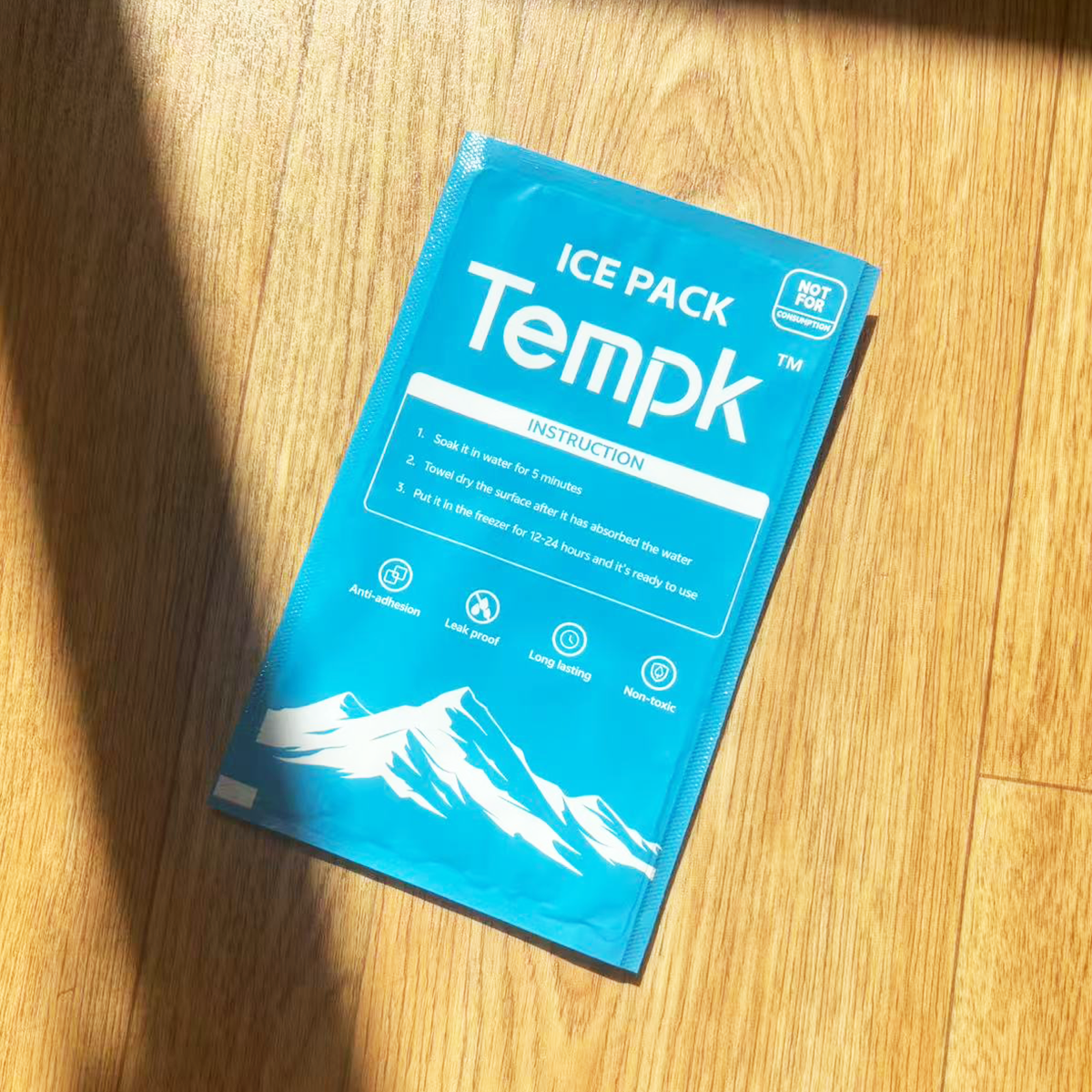
Sélection d'un 30 Fabricant de glacières industrielles en litres: Un guide des exigences en matière de preuves
La manière la plus utile de sélectionner un 30 Le fabricant de glacières industrielles d'un litre doit passer par une séquence d'exigences et de preuves. Définir d’abord le besoin en produit et en température. Modélisez ensuite la charge utile et l'espace du liquide de refroidissement, cartographier l'itinéraire et gérer les risques, sélectionner une construction, et décider quels tests ou quels documents doivent appuyer l'approbation. Cette séquence maintient les discussions commerciales ancrées dans l'application plutôt que dans de larges affirmations sur les litres., isolation, durée, ou le prix.
Pour le service industriel, échantillons, soutien alimentaire, logistique de laboratoire, travail sur le terrain, et livraison régionale, approvisionnement, opérations, ingénierie, et les équipes qualité doivent travailler à partir du même brief contrôlé. Une caisse industrielle de trente litres est une plateforme. Le pack requis, plage de température, surveillance, et la qualification dépendent de la charge utile et de l'itinéraire. Les sections ci-dessous combinent l'acheteur, ingénierie, opérationnel, et les perspectives de contrôle des fournisseurs dans un seul chemin de décision, se terminant par des contrôles de mise en œuvre qui aident l'échantillon approuvé à rester représentatif de la production et de l'utilisation réelle.
| Réponse décisionnelle: Sélectionnez la glacière industrielle uniquement après avoir confirmé la charge utile, géométrie utilisable, exigence de température, itinéraire, liquide de refroidissement, manutention, preuve, et contrôles de production. Une caisse industrielle de trente litres est une plateforme. Le pack requis, plage de température, surveillance, et la qualification dépendent de la charge utile et de l'itinéraire. |
|---|
Passer du besoin à la preuve dans une séquence contrôlée
Une décision contrôlée peut être organisée en quatre portes. La première porte définit le produit et la condition requise. La porte deux confirme que la charge utile, liquide de refroidissement, géométrie interne, manutention, et l'itinéraire correspond à la boîte proposée. La troisième porte évalue les preuves, y compris les dessins, données matérielles, rapports de tests, contrôles de fabrication, et limites d'application. La porte quatre approuve la mise en œuvre, y compris les instructions, surveillance, recevoir, changer de contrôle, et responsabilités des fournisseurs. Un projet ne doit pas avancer simplement parce qu’une porte semble solide tandis qu’une autre reste indéfinie..
Les portes créent également une propriété utile. Les opérations peuvent définir l'itinéraire et la méthode de travail; l'ingénierie peut revoir la géométrie, matériels, et modes de défaillance; la qualité peut établir des règles de preuve et d'écart; les achats peuvent comparer la portée et les conditions commerciales. Pour les équipes opérationnelles, distributeurs industriels, responsables des achats, et acheteurs OEM, cette structure partagée réduit les clarifications répétées et rend les citations comparables. Il montre également quand une demande est encore un concept plutôt qu'une spécification prête à l'achat.. Le dossier d'approbation final doit montrer ce qui a été confirmé, par qui, en utilisant quelles preuves, et pour quelle limite d'application.
- Grille 1 – Produit, état de température, sensibilité, et conséquence de l'échec
- Grille 2 – Enveloppe de charge utile, liquide de refroidissement, itinéraire, manutention, hygiène, et l'adéquation de l'utilisateur
- Grille 3 – Matériels, dessins, essais, contrôles de qualité, et les limites indiquées
- Grille 4 – Pilote, instructions, surveillance, recevoir, changer de contrôle, et approbation du lancement
Une spécification utile commence par le travail
Rédigez une exigence utilisateur qu'une autre équipe pourrait appliquer sans entendre la discussion commerciale initiale. Identifiez la charge utile, conditionnement, état initial, condition de température requise, durée maximale, indemnité de retard, exposition ambiante, ouvertures, véhicule ou transporteur, manutention, nettoyage, et recevoir la décision. Pour le service industriel, échantillons, soutien alimentaire, logistique de laboratoire, travail sur le terrain, et livraison régionale, indiquer également les conséquences d'une panne et si l'envoi peut être remplacé, mis en quarantaine, ou enquête sans perturbation majeure.
Turn the primary objective – provide a versatile mid-size insulated box that remains consistent under repeated industrial handling – into measurable acceptance points. Fonctions distinctes fournies par le conteneur physique de celles fournies par le liquide de refroidissement, surveillance, instructions de travail, le transporteur, et recevoir. Attribuez ensuite des propriétaires aux hypothèses non résolues.. Une exigence contrôlée de l'utilisateur évite que l'approbation finale ne dépende de phrases vagues telles que durable, médical, qualité alimentaire, étanche, longue durée, ou adapté à la chaîne du froid.
- Charge utile définie, conditionnement, quantité, masse, et conditions de température
- Voie normale plus retard, saisonnier, ouverture, et hypothèses de transfert
- Composants d'emballage, conditionnement, placement, et configuration chargée
- Manutention, retenue, hygiène, étiquettes, surveillance, et recevoir des décisions
- Dessins requis, preuve de test, contrôles de production, et changer de propriétaire
Comblez les lacunes d’approbation spécifiques à l’application
Le dossier d'approbation doit résoudre les risques spécifiques au projet avant la sortie commerciale: sélection d'une taille de catalogue sans modélisation de charge utile, conception de poignée ou de charnière faible, isolation incohérente, et des limites d'application peu claires. Il doit également indiquer comment la configuration proposée fournira une boîte isolée polyvalente de taille moyenne qui restera cohérente malgré des manipulations industrielles répétées.. Ce ne sont pas des commentaires de fond; ce sont des exigences qui ont besoin d'un propriétaire, preuve, et une décision d'acceptation. Lorsqu'une condition ne peut pas encore être prouvée, le dossier doit identifier le test restant, pilote, ou une action de qualité.
Utilisez une matrice d'application qui relie la résistance aux chocs, consistance de l'isolation, ajustement du couvercle et du joint, fixation de charnière, gérer le chemin de charge, et durabilité des virages avec l'itinéraire, manutention, hygiène, surveillance, et contrôles des fournisseurs. Incluez les trois points décisifs: Définissez les familles de charges utiles approuvées et ne présumez pas qu'un emballage convient à chaque produit.. Mesurer l'enveloppe intérieure après isolation, liquide de refroidissement, supports, et les séparateurs sont inclus. Inspecter la poignée, charnière, couvercle, et empiler les surfaces car les dommages industriels commencent souvent aux interfaces. Le choix final doit pouvoir être expliqué aux responsables des achats, qualité, opérations, et le fournisseur sans s'appuyer sur une présentation commerciale ou une mémoire personnelle.
La capacité doit être prouvée avec un emballage
Convertir la description du catalogue en une enveloppe de charge utile contrôlée. Demander une longueur interne claire, largeur, et la hauteur aux points où se trouve réellement la charge utile, puis placez le liquide de refroidissement prévu, séparateurs, supports, moniteur, et produit dans un dessin ou un essai physique. Une capacité de 30 litres décrit l'espace nominal; il n'indique pas combien d'unités vendables, cartons de vaccins, spécimens, ou les paquets de produits laitiers peuvent être chargés sans perturber l'arrangement approuvé.
L'approbation doit couvrir l'empreinte externe et la masse chargée ainsi que l'ajustement interne. Le conteneur proposé doit entrer dans le véhicule, passer les portes, asseyez-vous en toute sécurité, permettre au couvercle de se fermer sans compression, et restent gérables à la livraison. Où les packs d'été et d'hiver diffèrent, documenter les deux. La spécification acceptée doit indiquer la charge utile utilisable pour la configuration définie et identifier toute tolérance dimensionnelle qui pourrait modifier l'emballage., retenue, ou performances thermiques.
| Porte de décision | Confirmation spécifique au projet | Preuve acceptable | Propriétaire |
|---|---|---|---|
| Exigence du produit | Fournit une boîte isolée polyvalente de taille moyenne qui reste cohérente malgré des manipulations industrielles répétées | Exigences des utilisateurs approuvées et informations sur le produit | Équipes produit et qualité |
| Aptitude physique et opérationnelle | 30-litre; levage équilibré, empilage stable, sécurité de fermeture, résistance à l'abrasion, retenue, et chargement accessible | Dessin d'emballage, exemple d'essai, observation d'itinéraire, et revue de nettoyage | Ingénierie et opérations |
| Limite de performances | Une caisse industrielle de trente litres est une plateforme. Le pack requis, plage de température, surveillance, et la qualification dépendent de la charge utile et de l'itinéraire. | Thermique traçable, mécanique, surveillance, et les preuves de candidature | Ingénierie et qualité |
| Contrôle des fournisseurs | Dessins, matériels, contrôles de fabrication, méthodes de tests fonctionnels, conditions thermiques, et dossiers de production | Plan de contrôle, enregistrements, éléments probants, et modifier l'accord | Approvisionnement et qualité |
| Mise en œuvre | Mesurer l'enveloppe intérieure après isolation, liquide de refroidissement, supports, et les séparateurs sont inclus. | Pilote agréé, instructions, entraînement, recevoir, et plan d'escalade | Opérations et qualité |
| Décision relative au cycle de vie | utilisation de la capacité, manipulation du travail, accessoires, fret, contrôle des défauts, remplacement, et assistance aux tests; utilisation répétée et durable, accessoires remplaçables courants, cube de transport efficace, et nettoyage contrôlé | Analyse de rentabilisation comparable et évaluation périodique des performances | Achats et opérations |
La polyvalence nécessite des limites d'application claires
Le dossier d'approbation doit combler trois lacunes spécifiques à l'application avant que le projet ne passe à la production ou au lancement..
- Exigence d'approbation: Définissez les familles de charges utiles approuvées et ne présumez pas qu'un emballage convient à chaque produit..
- Exigence d'approbation: Mesurer l'enveloppe intérieure après isolation, liquide de refroidissement, supports, et les séparateurs sont inclus.
- Exigence d'approbation: Inspecter la poignée, charnière, couvercle, et empiler les surfaces car les dommages industriels commencent souvent aux interfaces.
Attribuez un propriétaire et des preuves à l’appui à chaque exigence. Si l'on reste incertain, conservez-le comme un élément d'approbation ouvert plutôt que de cacher l'incertitude dans une vaste réclamation du fournisseur.
Définir les performances de température avec les conditions associées
Convertissez les réclamations thermiques en déclarations d'approbation avec des conditions attachées. La spécification doit identifier la gamme de produits requise, révision du pack, plage de charge utile, liquide de refroidissement et conditionnement, profil ambiant, durée et marge de retard, ouvertures, plan de capteur, et critère d'acceptation. Où différentes saisons utilisent différents emballages, approuver chaque configuration explicitement plutôt que de les traiter comme des ajustements informels de l'opérateur.
Créer une échelle de preuves. Commencez par des calculs de conception ou une comparaison de développement, passer aux tests de laboratoire représentatifs, ajouter une qualification de voie lorsque le risque l'exige, et utiliser la surveillance opérationnelle pour vérifier l'utilisation contrôlée. Chaque étape répond à une question différente. L'approbation doit être basée sur le niveau qui correspond à la valeur du produit, sensibilité, contexte réglementaire, récupérabilité, et la variabilité des itinéraires, pas sur le nom de certificat le plus impressionnant dans une proposition.
L’approvisionnement doit tester le processus du fournisseur
Évaluer le fabricant proposé par rapport aux exigences approuvées, pas contre un questionnaire fournisseur générique. Confirmez si l'offre couvre uniquement la boîte ou une portée plus large incluant le liquide de refroidissement, inserts, dessins d'emballage, essai, aide à la qualification, surveillance, étiquettes, des pièces de rechange, entraînement, et aide à la déviation. Demander des dessins, matériels, contrôles de fabrication, méthodes de tests fonctionnels, conditions thermiques, et dossiers de production. Chaque réclamation importante doit pointer vers un document contrôlé, échantillon, condition d'essai, ou contrôle de production.
Compléter ensemble les due diligences commerciales et qualité. Examiner les sources de matériaux approuvées, processus critiques, dossiers d'inspection, étalonnage, entretien des outillages, non-conformité, action corrective, composants sous-traités, et notification de modifications techniques. Convenez à qui appartient les dessins, moules, révisions du produit, enregistrements, et retester les décisions. Un fournisseur est prêt à être approuvé lorsqu'il peut recréer la configuration acceptée et expliquer comment les modifications seront évaluées avant qu'elles n'atteignent une expédition..
- Etendue de la livraison, documentation, essai, qualification, et un soutien
- Spécification contrôlée, échantillon approuvé, nomenclature, et lien de révision
- Processus critiques, inspections, enregistrements, étalonnage, et actions correctives
- Contrôle des sous-traitants, entretien des outillages, substitutions, et notification de changement
- Responsabilité commerciale des défauts, retravailler, des pièces de rechange, et commandes futures
Créer une échelle de preuves pour la décision
Organiser les preuves d'approbation en fonction de la décision qu'elles soutiennent. Les dessins et les enregistrements de matériaux établissent ce qu'est le produit. Les tests mécaniques portent sur la manipulation et la contention. Les tests de développement thermique comparent les conceptions. La qualification teste un emballage défini par rapport à une exigence approuvée. La surveillance des itinéraires montre comment la méthode contrôlée se comporte en cas de variabilité opérationnelle. Le dossier d'approbation doit identifier quel niveau est requis et pourquoi, plutôt que d'accepter une collection de rapports sans rapport.
Avant de se fier à un rapport, comparer la version testée, charge utile, liquide de refroidissement, conditionnement, températures initiales, profil ambiant, durée, ouvertures, orientation, capteurs, critères d'acceptation, et écarts par rapport à l'utilisation prévue. Enregistrer les lacunes et décider si elles sont acceptables, nécessiter une analyse, ou nécessiter des tests supplémentaires. Un nom de rapport ou une déclaration de réussite ne suffit pas. La conclusion étayée doit rester traçable à la configuration que les achats et la production achèteront réellement.
Pilote, Approuver, Lancement, et examen
La mise en œuvre doit passer d'un échantillon représentatif à un pilote contrôlé avant la production complète ou le lancement de la route.. Confirmer la nomenclature exacte, dessins, couleurs, marques, accessoires, conditionnement, et les instructions. Utilisez le pilote pour tester le temps d'emballage, erreurs de l'utilisateur, ergonomie chargée, ajustement du véhicule, retenue, nettoyage, surveillance, et recevoir. Pour une application à température contrôlée, vérifier que le pilote suit la configuration prévue du liquide de refroidissement et de la charge utile plutôt qu'une configuration de démonstration plus simple.
Après approbation, geler la spécification critique et définir le contrôle des modifications. Former les emballeurs, conducteurs, courants, nettoyants, et les récepteurs sur les parties du processus qui leur appartiennent. Établir un examen de la première production et surveiller les premières expéditions pour déceler les problèmes récurrents. Un lancement doit inclure des contacts d'escalade et une méthode de séparation des boîtes ou des composants suspects. Un examen périodique peut entraîner des dommages, déviation, retour, nettoyage, et des données de température pour affiner le système sans affaiblir la limite qualifiée ou approuvée.
Construire un modèle de coûts autour du risque et de l'utilisation
Élaborez une analyse de rentabilisation ajustée au risque avec des, récurrent, et les coûts d'échec séparés. Les éléments ponctuels peuvent inclure du design, outillage, échantillons, validation, et lancer. Les éléments récurrents peuvent inclure des unités, liquide de refroidissement, surveillance, travail, nettoyage, fret, inspection, stockage, et remplacement. Les coûts d'échec peuvent inclure la rétention du produit, réexpédition, enquête sur les écarts, perturbation des clients, et perte de capacité de route. Utiliser des données de projet ou des hypothèses clairement identifiées plutôt qu'un pourcentage d'économies générique.
Comparez les alternatives sur le même périmètre approuvé. Un prix unitaire inférieur n’est pas un coût inférieur si l’espace utilisable est faible, le cube de fret est élevé, le travail d'emballage est lent, ou les évasions de qualité sont fréquentes. Une conception techniquement plus solide n’est pas automatiquement meilleure si elle ajoute des coûts sans prendre en compte le risque lié à l’itinéraire.. L'équipe d'approbation doit documenter le compromis qu'elle accepte et la mesure opérationnelle qui montrera si la valeur attendue est atteinte..
Application du chemin de décision à un projet typique
Appliquer le chemin de décision complet à un projet typique. Un acheteur de service sur site souhaite une boîte pour les consommables réfrigérés et les échantillons techniques. Le format externe partagé est possible, mais les accessoires internes et les instructions d'utilisation doivent rester spécifiques à l'application. L'équipe interfonctionnelle approuve d'abord les besoins de l'utilisateur, confirme ensuite l'adéquation de la charge utile et du liquide de refroidissement avec un échantillon physique. Il enregistre la manipulation chargée, exposition par voie, hygiène, surveillance, et recevoir les besoins avant de sélectionner le niveau de preuve et la portée commerciale.
Le fabricant choisi fournit des dessins contrôlés, matériels, rapports de tests, et un lot pilote. L'approvisionnement compare le devis à la portée approuvée; contrôles de qualité contrôle des modifications et critères d'acceptation; les opérations exécutent le pilote avec des utilisateurs normaux. Le lancement n'a lieu qu'une fois que les lacunes non résolues ont des propriétaires et des dates. Le dossier final relie l'exigence, configuration, preuve, instructions, et la version de production afin que les changements futurs puissent être évalués de manière cohérente.
Questions finales sur l'approvisionnement
Ce qui doit être approuvé avant que le bon de commande soit émis?
Approuver le besoin de l'utilisateur, révision du produit, dimensions internes et externes, matériels, composants d'emballage, base de test ou de qualification, critères d'inspection critiques, étiquettes, conditionnement, documentation, portée commerciale, et responsabilités en matière de contrôle des changements. Pour une utilisation sensible à la température, approuver également la charge utile, conditionnement du liquide de refroidissement, hypothèses ambiantes et de durée, plan de capteur, mode d'emploi, critères de réception, et limitations non résolues.
Comment un échantillon approuvé reste-t-il cohérent avec la production?
Lier l'échantillon aux dessins contrôlés, nomenclature, sources de matériaux approuvées, paramètres de processus, dimensions critiques, méthodes d'inspection, et un lot pilote. Conserver un échantillon de référence lorsque cela est utile, mais ne vous fiez pas uniquement à l'apparence. Le fournisseur doit informer l'acheteur avant toute modification de l'outillage, résine, isolation, matériel, joint, insérer, liquide de refroidissement, sous-traitant, processus, ou un emballage qui pourrait affecter le fonctionnement.
À qui appartiennent les décisions de qualification et de conformité?
La responsabilité doit être attribuée dans l’accord de projet. Le fournisseur peut fournir des données produit précises, échantillons, rapports, et support technique; l'acheteur définit normalement les limites du produit, voie, critères d'acceptation, système de qualité, et obligations de marché applicables. Un fabricant sous contrat ou un laboratoire d'essais peut effectuer des travaux, mais cela ne supprime pas la nécessité pour le propriétaire du produit et l'équipe qualité d'approuver l'adéquation.
Quand une conception personnalisée est-elle justifiée?
La personnalisation est justifiée lorsqu'un produit standard ne peut pas répondre à la géométrie critique de la charge utile, capacité utilisable, retenue, nettoyage, marque, itinéraire, accessoire, ou besoins opérationnels. Comparez la valeur avec l'outillage, temps de développement, Quantité minimale de commande, changement de risque, exigences des tests, des pièces de rechange, et révisions futures. Une forme personnalisée doit répondre à une exigence documentée plutôt que d'ajouter une complexité qui peut être gérée avec une insertion ou un changement de processus..
Quelle est la limitation la plus importante d'une glacière industrielle?
Une caisse industrielle de trente litres est une plateforme. Le pack requis, plage de température, surveillance, et la qualification dépendent de la charge utile et de l'itinéraire. L'acheteur doit donc éviter de traiter une étiquette de capacité, nom du matériau, ou durée générique comme déclaration de performance complète. Confirmez la charge utile, liquide de refroidissement, itinéraire, ouvertures, exposition ambiante, manutention, surveillance, conditions d'essai, et réception d'une décision définissant l'utilisation prévue.
Conclusion: Approuvez un système que vous pouvez expliquer et répéter
Un adapté 30 Le fabricant de glacières industrielles d'un litre est le résultat d'une spécification disciplinée plutôt que d'une seule caractéristique.. La décision la plus fiable connecte la charge utile, état de température, itinéraire, espace utilisable, construction, liquide de refroidissement, manutention, hygiène, preuve, contrôle de production, et propriété opérationnelle. Quand ces éléments sont explicites, les achats peuvent comparer les offres de manière équitable et les opérations peuvent répéter la méthode approuvée sans s'appuyer sur la mémoire ou sur un langage commercial large.
- Commencez par le produit et la voie, puis confirmez la forme physique et l'emballage.
- Faites correspondre les preuves requises au risque et à la limite de l'application.
- Approuver les contrôles des fournisseurs, mise en œuvre, surveillance, et conduite du changement ensemble.
- Maintenir un lien traçable entre l'exigence, la preuve et les instructions d'utilisation.
À propos du tempk
Tempk is a Shanghai-based cold-chain packaging company established in 2011. Its publicly presented range includes gel and water-based ice packs, EPP and plastic insulated boxes, solutions isolées sous vide, sacs et doublures isothermes, couvertures de palettes, et produits de surveillance de la température. Pour un projet, Tempk peut examiner le type de produit, condition de température requise, charge utile, itinéraire, saison, manutention, et processus de réception avant de discuter d'une configuration standard ou personnalisée. L’adéquation finale dépend toujours de l’examen de la demande par l’acheteur, essai, qualification, et contrôles opérationnels.
Prochaine étape
Pour un devis plus utile, fournir à Tempk les dimensions de l'emballage, voie de circulation, conditions de manutention, besoins en matière de documentation, et priorités de personnalisation.
25 Fabricant de glacières industrielles en litres: Guide des spécifications
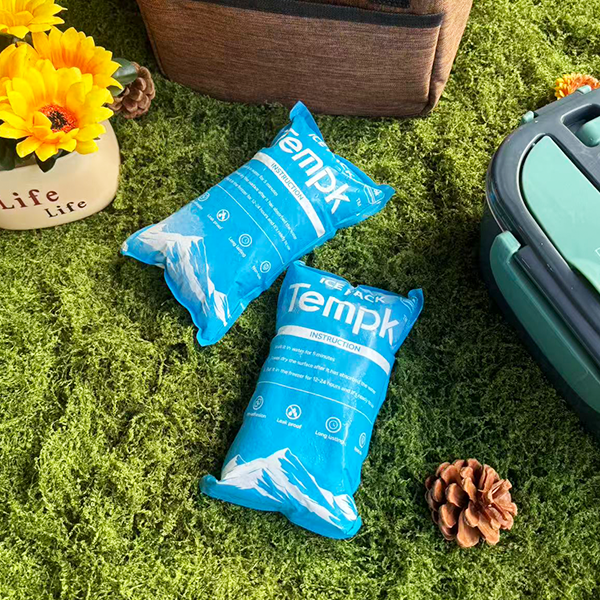
Sélection d'un 25 Fabricant de glacières industrielles en litres: Un guide des exigences en matière de preuves
La manière la plus utile de sélectionner un 25 Le fabricant de glacières industrielles d'un litre doit passer par une séquence d'exigences et de preuves. Définir d’abord le besoin en produit et en température. Modélisez ensuite la charge utile et l'espace du liquide de refroidissement, cartographier l'itinéraire et gérer les risques, sélectionner une construction, et décider quels tests ou quels documents doivent appuyer l'approbation. Cette séquence maintient les discussions commerciales ancrées dans l'application plutôt que dans de larges affirmations sur les litres., isolation, durée, ou le prix.
Pour le service technique, échantillons industriels, entretien mobile, opérations alimentaires, et une logistique courte distance maîtrisée, approvisionnement, opérations, ingénierie, et les équipes qualité doivent travailler à partir du même brief contrôlé. Une glacière industrielle protège du transfert de chaleur; il n'établit pas de condition de température validée sans un système de refroidissement et de garniture défini. Les sections ci-dessous combinent l'acheteur, ingénierie, opérationnel, et les perspectives de contrôle des fournisseurs dans un seul chemin de décision, se terminant par des contrôles de mise en œuvre qui aident l'échantillon approuvé à rester représentatif de la production et de l'utilisation réelle.
| Réponse décisionnelle: Sélectionnez la glacière industrielle uniquement après avoir confirmé la charge utile, géométrie utilisable, exigence de température, itinéraire, liquide de refroidissement, manutention, preuve, et contrôles de production. Une glacière industrielle protège du transfert de chaleur; il n'établit pas de condition de température validée sans un système de refroidissement et de garniture défini. |
|---|
Passer du besoin à la preuve dans une séquence contrôlée
Une décision contrôlée peut être organisée en quatre portes. La première porte définit le produit et la condition requise. La porte deux confirme que la charge utile, liquide de refroidissement, géométrie interne, manutention, et l'itinéraire correspond à la boîte proposée. La troisième porte évalue les preuves, y compris les dessins, données matérielles, rapports de tests, contrôles de fabrication, et limites d'application. La porte quatre approuve la mise en œuvre, y compris les instructions, surveillance, recevoir, changer de contrôle, et responsabilités des fournisseurs. Un projet ne doit pas avancer simplement parce qu’une porte semble solide tandis qu’une autre reste indéfinie..
Les portes créent également une propriété utile. Les opérations peuvent définir l'itinéraire et la méthode de travail; l'ingénierie peut revoir la géométrie, matériels, et modes de défaillance; la qualité peut établir des règles de preuve et d'écart; les achats peuvent comparer la portée et les conditions commerciales. Pour les acheteurs industriels, distributeurs, responsables des opérations, et équipes d'approvisionnement OEM, cette structure partagée réduit les clarifications répétées et rend les citations comparables. Il montre également quand une demande est encore un concept plutôt qu'une spécification prête à l'achat.. Le dossier d'approbation final doit montrer ce qui a été confirmé, par qui, en utilisant quelles preuves, et pour quelle limite d'application.
- Grille 1 – Produit, état de température, sensibilité, et conséquence de l'échec
- Grille 2 – Enveloppe de charge utile, liquide de refroidissement, itinéraire, manutention, hygiène, et l'adéquation de l'utilisateur
- Grille 3 – Matériels, dessins, essais, contrôles de qualité, et les limites indiquées
- Grille 4 – Pilote, instructions, surveillance, recevoir, changer de contrôle, et approbation du lancement
Commencez par une exigence utilisateur claire
Rédigez une exigence utilisateur qu'une autre équipe pourrait appliquer sans entendre la discussion commerciale initiale. Identifiez la charge utile, conditionnement, état initial, condition de température requise, durée maximale, indemnité de retard, exposition ambiante, ouvertures, véhicule ou transporteur, manutention, nettoyage, et recevoir la décision. Pour le service technique, échantillons industriels, entretien mobile, opérations alimentaires, et une logistique courte distance maîtrisée, indiquer également les conséquences d'une panne et si l'envoi peut être remplacé, mis en quarantaine, ou enquête sans perturbation majeure.
Turn the primary objective – deliver a compact but robust insulated container with predictable geometry and repeatable production quality – into measurable acceptance points. Fonctions distinctes fournies par le conteneur physique de celles fournies par le liquide de refroidissement, surveillance, instructions de travail, le transporteur, et recevoir. Attribuez ensuite des propriétaires aux hypothèses non résolues.. Une exigence contrôlée de l'utilisateur évite que l'approbation finale ne dépende de phrases vagues telles que durable, médical, qualité alimentaire, étanche, longue durée, ou adapté à la chaîne du froid.
- Charge utile définie, conditionnement, quantité, masse, et conditions de température
- Voie normale plus retard, saisonnier, ouverture, et hypothèses de transfert
- Composants d'emballage, conditionnement, placement, et configuration chargée
- Manutention, retenue, hygiène, étiquettes, surveillance, et recevoir des décisions
- Dessins requis, preuve de test, contrôles de production, et changer de propriétaire
Comblez les lacunes d’approbation spécifiques à l’application
Le dossier d'approbation doit résoudre les risques spécifiques au projet avant la sortie commerciale: achat en litres nominaux, sous-estimer le poids chargé, choisir une construction fragile, et accepter des murs ou des joints de production incohérents. Il doit également indiquer comment la configuration proposée fournira un conteneur isolé compact mais robuste avec une géométrie prévisible et une qualité de production reproductible.. Ce ne sont pas des commentaires de fond; ce sont des exigences qui ont besoin d'un propriétaire, preuve, et une décision d'acceptation. Lorsqu'une condition ne peut pas encore être prouvée, le dossier doit identifier le test restant, pilote, ou une action de qualité.
Utiliser une matrice d'application qui relie le comportement d'impact, contrôle de la densité de la mousse, consistance des murs moulés, ajustement du couvercle, conception de charnière, et gestion des ponts thermiques avec le tracé, manutention, hygiène, surveillance, et contrôles des fournisseurs. Incluez les trois points décisifs: Vérifiez la position de levage chargée et le dégagement des poignées dans le véhicule et sur le lieu de travail réels.. Inspecter l'épaisseur des coins, fixation de charnière, alignement du couvercle, et compression des joints sur des échantillons de production. Définir si la boîte est destinée à une manipulation réfrigérée générale ou à une application documentée à température contrôlée. Le choix final doit pouvoir être expliqué aux responsables des achats, qualité, opérations, et le fournisseur sans s'appuyer sur une présentation commerciale ou une mémoire personnelle.
Convertir le volume nominal en espace utilisable
Convertir la description du catalogue en une enveloppe de charge utile contrôlée. Demander une longueur interne claire, largeur, et la hauteur aux points où se trouve réellement la charge utile, puis placez le liquide de refroidissement prévu, séparateurs, supports, moniteur, et produit dans un dessin ou un essai physique. Une capacité de 25 litres décrit l'espace nominal; il n'indique pas combien d'unités vendables, cartons de vaccins, spécimens, ou les paquets de produits laitiers peuvent être chargés sans perturber l'arrangement approuvé.
L'approbation doit couvrir l'empreinte externe et la masse chargée ainsi que l'ajustement interne. Le conteneur proposé doit entrer dans le véhicule, passer les portes, asseyez-vous en toute sécurité, permettre au couvercle de se fermer sans compression, et restent gérables à la livraison. Où les packs d'été et d'hiver diffèrent, documenter les deux. La spécification acceptée doit indiquer la charge utile utilisable pour la configuration définie et identifier toute tolérance dimensionnelle qui pourrait modifier l'emballage., retenue, ou performances thermiques.
| Porte de décision | Confirmation spécifique au projet | Preuve acceptable | Propriétaire |
|---|---|---|---|
| Exigence du produit | Livrer un conteneur isotherme compact mais robuste avec une géométrie prévisible et une qualité de production reproductible | Exigences des utilisateurs approuvées et informations sur le produit | Équipes produit et qualité |
| Aptitude physique et opérationnelle | 25-litre; transport ergonomique, empreinte stable, sécurité de fermeture, résistance à l'abrasion, et dispositif de retenue du véhicule en option | Dessin d'emballage, exemple d'essai, observation d'itinéraire, et revue de nettoyage | Ingénierie et opérations |
| Limite de performances | Une glacière industrielle protège du transfert de chaleur; il n'établit pas de condition de température validée sans un système de refroidissement et de garniture défini. | Thermique traçable, mécanique, surveillance, et les preuves de candidature | Ingénierie et qualité |
| Contrôle des fournisseurs | Dessins, spécifications de résine et d'isolation, échantillons dimensionnels, méthodes de test de chute ou de manipulation, et les dossiers d'inspection des lots | Plan de contrôle, enregistrements, éléments probants, et modifier l'accord | Approvisionnement et qualité |
| Mise en œuvre | Inspecter l'épaisseur des coins, fixation de charnière, alignement du couvercle, et compression des joints sur des échantillons de production. | Pilote agréé, instructions, entraînement, recevoir, et plan d'escalade | Opérations et qualité |
| Décision relative au cycle de vie | allocation d'outillage, matériels, quantité commandée, efficacité du fret, remplacement des dommages, et adéquation opérationnelle; construction durable, matériel remplaçable, emboîtement ou empilage efficace, et en évitant des charges de liquide de refroidissement surdimensionnées | Analyse de rentabilisation comparable et évaluation périodique des performances | Achats et opérations |
La taille compacte ne supprime pas les exigences industrielles
Le dossier d'approbation doit combler trois lacunes spécifiques à l'application avant que le projet ne passe à la production ou au lancement..
- Exigence d'approbation: Vérifiez la position de levage chargée et le dégagement des poignées dans le véhicule et sur le lieu de travail réels..
- Exigence d'approbation: Inspecter l'épaisseur des coins, fixation de charnière, alignement du couvercle, et compression des joints sur des échantillons de production.
- Exigence d'approbation: Définir si la boîte est destinée à une manipulation réfrigérée générale ou à une application documentée à température contrôlée.
Attribuez un propriétaire et des preuves à l’appui à chaque exigence. Si l'on reste incertain, conservez-le comme un élément d'approbation ouvert plutôt que de cacher l'incertitude dans une vaste réclamation du fournisseur.
Définir les performances de température avec les conditions associées
Convertissez les réclamations thermiques en déclarations d'approbation avec des conditions attachées. La spécification doit identifier la gamme de produits requise, révision du pack, plage de charge utile, liquide de refroidissement et conditionnement, profil ambiant, durée et marge de retard, ouvertures, plan de capteur, et critère d'acceptation. Où différentes saisons utilisent différents emballages, approuver chaque configuration explicitement plutôt que de les traiter comme des ajustements informels de l'opérateur.
Créer une échelle de preuves. Commencez par des calculs de conception ou une comparaison de développement, passer aux tests de laboratoire représentatifs, ajouter une qualification de voie lorsque le risque l'exige, et utiliser la surveillance opérationnelle pour vérifier l'utilisation contrôlée. Chaque étape répond à une question différente. L'approbation doit être basée sur le niveau qui correspond à la valeur du produit, sensibilité, contexte réglementaire, récupérabilité, et la variabilité des itinéraires, pas sur le nom de certificat le plus impressionnant dans une proposition.
L’approvisionnement doit tester le processus du fournisseur
Évaluer le fabricant proposé par rapport aux exigences approuvées, pas contre un questionnaire fournisseur générique. Confirmez si l'offre couvre uniquement la boîte ou une portée plus large incluant le liquide de refroidissement, inserts, dessins d'emballage, essai, aide à la qualification, surveillance, étiquettes, des pièces de rechange, entraînement, et aide à la déviation. Demander des dessins, spécifications de résine et d'isolation, échantillons dimensionnels, méthodes de test de chute ou de manipulation, et les dossiers d'inspection des lots. Chaque réclamation importante doit pointer vers un document contrôlé, échantillon, condition d'essai, ou contrôle de production.
Compléter ensemble les due diligences commerciales et qualité. Examiner les sources de matériaux approuvées, processus critiques, dossiers d'inspection, étalonnage, entretien des outillages, non-conformité, action corrective, composants sous-traités, et notification de modifications techniques. Convenez à qui appartient les dessins, moules, révisions du produit, enregistrements, et retester les décisions. Un fournisseur est prêt à être approuvé lorsqu'il peut recréer la configuration acceptée et expliquer comment les modifications seront évaluées avant qu'elles n'atteignent une expédition..
- Etendue de la livraison, documentation, essai, qualification, et un soutien
- Spécification contrôlée, échantillon approuvé, nomenclature, et lien de révision
- Processus critiques, inspections, enregistrements, étalonnage, et actions correctives
- Contrôle des sous-traitants, entretien des outillages, substitutions, et notification de changement
- Responsabilité commerciale des défauts, retravailler, des pièces de rechange, et commandes futures
Créer une échelle de preuves pour la décision
Organiser les preuves d'approbation en fonction de la décision qu'elles soutiennent. Les dessins et les enregistrements de matériaux établissent ce qu'est le produit. Les tests mécaniques portent sur la manipulation et la contention. Les tests de développement thermique comparent les conceptions. La qualification teste un emballage défini par rapport à une exigence approuvée. La surveillance des itinéraires montre comment la méthode contrôlée se comporte en cas de variabilité opérationnelle. Le dossier d'approbation doit identifier quel niveau est requis et pourquoi, plutôt que d'accepter une collection de rapports sans rapport.
Avant de se fier à un rapport, comparer la version testée, charge utile, liquide de refroidissement, conditionnement, températures initiales, profil ambiant, durée, ouvertures, orientation, capteurs, critères d'acceptation, et écarts par rapport à l'utilisation prévue. Enregistrer les lacunes et décider si elles sont acceptables, nécessiter une analyse, ou nécessiter des tests supplémentaires. Un nom de rapport ou une déclaration de réussite ne suffit pas. La conclusion étayée doit rester traçable à la configuration que les achats et la production achèteront réellement.
Pilote, Approuver, Lancement, et examen
La mise en œuvre doit passer d'un échantillon représentatif à un pilote contrôlé avant la production complète ou le lancement de la route.. Confirmer la nomenclature exacte, dessins, couleurs, marques, accessoires, conditionnement, et les instructions. Utilisez le pilote pour tester le temps d'emballage, erreurs de l'utilisateur, ergonomie chargée, ajustement du véhicule, retenue, nettoyage, surveillance, et recevoir. Pour une application à température contrôlée, vérifier que le pilote suit la configuration prévue du liquide de refroidissement et de la charge utile plutôt qu'une configuration de démonstration plus simple.
Après approbation, geler la spécification critique et définir le contrôle des modifications. Former les emballeurs, conducteurs, courants, nettoyants, et les récepteurs sur les parties du processus qui leur appartiennent. Établir un examen de la première production et surveiller les premières expéditions pour déceler les problèmes récurrents. Un lancement doit inclure des contacts d'escalade et une méthode de séparation des boîtes ou des composants suspects. Un examen périodique peut entraîner des dommages, déviation, retour, nettoyage, et des données de température pour affiner le système sans affaiblir la limite qualifiée ou approuvée.
Construire un modèle de coûts autour du risque et de l'utilisation
Élaborez une analyse de rentabilisation ajustée au risque avec des, récurrent, et les coûts d'échec séparés. Les éléments ponctuels peuvent inclure du design, outillage, échantillons, validation, et lancer. Les éléments récurrents peuvent inclure des unités, liquide de refroidissement, surveillance, travail, nettoyage, fret, inspection, stockage, et remplacement. Les coûts d'échec peuvent inclure la rétention du produit, réexpédition, enquête sur les écarts, perturbation des clients, et perte de capacité de route. Utiliser des données de projet ou des hypothèses clairement identifiées plutôt qu'un pourcentage d'économies générique.
Comparez les alternatives sur le même périmètre approuvé. Un prix unitaire inférieur n’est pas un coût inférieur si l’espace utilisable est faible, le cube de fret est élevé, le travail d'emballage est lent, ou les évasions de qualité sont fréquentes. Une conception techniquement plus solide n’est pas automatiquement meilleure si elle ajoute des coûts sans prendre en compte le risque lié à l’itinéraire.. L'équipe d'approbation doit documenter le compromis qu'elle accepte et la mesure opérationnelle qui montrera si la valeur attendue est atteinte..
Application du chemin de décision à un projet typique
Appliquer le chemin de décision complet à un projet typique. Une organisation de services souhaite une boîte de vingt-cinq litres pouvant être placée derrière un siège de véhicule et pouvant être transportée dans une usine., Pourtant, la forme de la charge utile et la disposition de la banquise laissent moins d'espace utilisable que prévu.. L'équipe interfonctionnelle approuve d'abord les besoins de l'utilisateur, confirme ensuite l'adéquation de la charge utile et du liquide de refroidissement avec un échantillon physique. Il enregistre la manipulation chargée, exposition par voie, hygiène, surveillance, et recevoir les besoins avant de sélectionner le niveau de preuve et la portée commerciale.
Le fabricant choisi fournit des dessins contrôlés, matériels, rapports de tests, et un lot pilote. L'approvisionnement compare le devis à la portée approuvée; contrôles de qualité contrôle des modifications et critères d'acceptation; les opérations exécutent le pilote avec des utilisateurs normaux. Le lancement n'a lieu qu'une fois que les lacunes non résolues ont des propriétaires et des dates. Le dossier final relie l'exigence, configuration, preuve, instructions, et la version de production afin que les changements futurs puissent être évalués de manière cohérente.
Questions finales sur l'approvisionnement
Ce qui doit être approuvé avant que le bon de commande soit émis?
Approuver le besoin de l'utilisateur, révision du produit, dimensions internes et externes, matériels, composants d'emballage, base de test ou de qualification, critères d'inspection critiques, étiquettes, conditionnement, documentation, portée commerciale, et responsabilités en matière de contrôle des changements. Pour une utilisation sensible à la température, approuver également la charge utile, conditionnement du liquide de refroidissement, hypothèses ambiantes et de durée, plan de capteur, mode d'emploi, critères de réception, et limitations non résolues.
Comment un échantillon approuvé reste-t-il cohérent avec la production?
Lier l'échantillon aux dessins contrôlés, nomenclature, sources de matériaux approuvées, paramètres de processus, dimensions critiques, méthodes d'inspection, et un lot pilote. Conserver un échantillon de référence lorsque cela est utile, mais ne vous fiez pas uniquement à l'apparence. Le fournisseur doit informer l'acheteur avant toute modification de l'outillage, résine, isolation, matériel, joint, insérer, liquide de refroidissement, sous-traitant, processus, ou un emballage qui pourrait affecter le fonctionnement.
À qui appartiennent les décisions de qualification et de conformité?
La responsabilité doit être attribuée dans l’accord de projet. Le fournisseur peut fournir des données produit précises, échantillons, rapports, et support technique; l'acheteur définit normalement les limites du produit, voie, critères d'acceptation, système de qualité, et obligations de marché applicables. Un fabricant sous contrat ou un laboratoire d'essais peut effectuer des travaux, mais cela ne supprime pas la nécessité pour le propriétaire du produit et l'équipe qualité d'approuver l'adéquation.
Quand une conception personnalisée est-elle justifiée?
La personnalisation est justifiée lorsqu'un produit standard ne peut pas répondre à la géométrie critique de la charge utile, capacité utilisable, retenue, nettoyage, marque, itinéraire, accessoire, ou besoins opérationnels. Comparez la valeur avec l'outillage, temps de développement, Quantité minimale de commande, changement de risque, exigences des tests, des pièces de rechange, et révisions futures. Une forme personnalisée doit répondre à une exigence documentée plutôt que d'ajouter une complexité qui peut être gérée avec une insertion ou un changement de processus..
Quelle est la limitation la plus importante d'une glacière industrielle?
Une glacière industrielle protège du transfert de chaleur; il n'établit pas de condition de température validée sans un système de refroidissement et de garniture défini. L'acheteur doit donc éviter de traiter une étiquette de capacité, nom du matériau, ou durée générique comme déclaration de performance complète. Confirmez la charge utile, liquide de refroidissement, itinéraire, ouvertures, exposition ambiante, manutention, surveillance, conditions d'essai, et réception d'une décision définissant l'utilisation prévue.
Conclusion: Approuvez un système que vous pouvez expliquer et répéter
Un adapté 25 Le fabricant de glacières industrielles d'un litre est le résultat d'une spécification disciplinée plutôt que d'une seule caractéristique.. La décision la plus fiable connecte la charge utile, état de température, itinéraire, espace utilisable, construction, liquide de refroidissement, manutention, hygiène, preuve, contrôle de production, et propriété opérationnelle. Quand ces éléments sont explicites, les achats peuvent comparer les offres de manière équitable et les opérations peuvent répéter la méthode approuvée sans s'appuyer sur la mémoire ou sur un langage commercial large.
- Commencez par le produit et la voie, puis confirmez la forme physique et l'emballage.
- Faites correspondre les preuves requises au risque et à la limite de l'application.
- Approuver les contrôles des fournisseurs, mise en œuvre, surveillance, et conduite du changement ensemble.
- Maintenir un lien traçable entre l'exigence, la preuve et les instructions d'utilisation.
À propos du tempk
Tempk is a Shanghai-based cold-chain packaging company established in 2011. Its publicly presented range includes gel and water-based ice packs, EPP and plastic insulated boxes, solutions isolées sous vide, sacs et doublures isothermes, couvertures de palettes, et produits de surveillance de la température. Pour un projet, Tempk peut examiner le type de produit, condition de température requise, charge utile, itinéraire, saison, manutention, et processus de réception avant de discuter d'une configuration standard ou personnalisée. L’adéquation finale dépend toujours de l’examen de la demande par l’acheteur, essai, qualification, et contrôles opérationnels.
Préparer une enquête utile
Discutez du produit prévu, liquide de refroidissement, itinéraire, saison, surveillance, et processus de réception avec Tempk avant de passer de l'échantillon à la production.
20 Fournisseur de glacières commerciales en litres: Guide des spécifications

Sélection d'un 20 Fournisseur de glacières commerciales en litres: Un guide des exigences en matière de preuves
La manière la plus utile de sélectionner un 20 liter commercial ice box supplier is to move through a requirement-to-evidence sequence. Définir d’abord le besoin en produit et en température. Modélisez ensuite la charge utile et l'espace du liquide de refroidissement, cartographier l'itinéraire et gérer les risques, sélectionner une construction, et décider quels tests ou quels documents doivent appuyer l'approbation. Cette séquence maintient les discussions commerciales ancrées dans l'application plutôt que dans de larges affirmations sur les litres., isolation, durée, ou le prix.
Pour la livraison du dernier kilomètre, soutien en pharmacie, petites courses de restauration, échantillonnage, vente par route, et opérations sur le terrain, approvisionnement, opérations, ingénierie, et les équipes qualité doivent travailler à partir du même brief contrôlé. La taille compacte améliore la mobilité mais ne supprime pas le besoin de définir la température, durée, liquide de refroidissement, comportement d'ouverture, et surveillance. Les sections ci-dessous combinent l'acheteur, ingénierie, opérationnel, et les perspectives de contrôle des fournisseurs dans un seul chemin de décision, se terminant par des contrôles de mise en œuvre qui aident l'échantillon approuvé à rester représentatif de la production et de l'utilisation réelle.
| Réponse décisionnelle: Sélectionnez la glacière commerciale compacte uniquement après avoir confirmé la charge utile, géométrie utilisable, exigence de température, itinéraire, liquide de refroidissement, manutention, preuve, et contrôles de production. La taille compacte améliore la mobilité mais ne supprime pas le besoin de définir la température, durée, liquide de refroidissement, comportement d'ouverture, et surveillance. |
|---|
Utiliser un chemin de décision exigeant des preuves
Une décision contrôlée peut être organisée en quatre portes. La première porte définit le produit et la condition requise. La porte deux confirme que la charge utile, liquide de refroidissement, géométrie interne, manutention, et l'itinéraire correspond à la boîte proposée. La troisième porte évalue les preuves, y compris les dessins, données matérielles, rapports de tests, contrôles de fabrication, et limites d'application. La porte quatre approuve la mise en œuvre, y compris les instructions, surveillance, recevoir, changer de contrôle, et responsabilités des fournisseurs. Un projet ne doit pas avancer simplement parce qu’une porte semble solide tandis qu’une autre reste indéfinie..
Les portes créent également une propriété utile. Les opérations peuvent définir l'itinéraire et la méthode de travail; l'ingénierie peut revoir la géométrie, matériels, et modes de défaillance; la qualité peut établir des règles de preuve et d'écart; les achats peuvent comparer la portée et les conditions commerciales. Pour les opérateurs de petites routes, acheteurs commerciaux, distributeurs, et les équipes achats, cette structure partagée réduit les clarifications répétées et rend les citations comparables. Il montre également quand une demande est encore un concept plutôt qu'une spécification prête à l'achat.. Le dossier d'approbation final doit montrer ce qui a été confirmé, par qui, en utilisant quelles preuves, et pour quelle limite d'application.
- Grille 1 – Produit, état de température, sensibilité, et conséquence de l'échec
- Grille 2 – Enveloppe de charge utile, liquide de refroidissement, itinéraire, manutention, hygiène, et l'adéquation de l'utilisateur
- Grille 3 – Matériels, dessins, essais, contrôles de qualité, et les limites indiquées
- Grille 4 – Pilote, instructions, surveillance, recevoir, changer de contrôle, et approbation du lancement
Commencez par une exigence utilisateur claire
Rédigez une exigence utilisateur qu'une autre équipe pourrait appliquer sans entendre la discussion commerciale initiale. Identifiez la charge utile, conditionnement, état initial, condition de température requise, durée maximale, indemnité de retard, exposition ambiante, ouvertures, véhicule ou transporteur, manutention, nettoyage, et recevoir la décision. Pour la livraison du dernier kilomètre, soutien en pharmacie, petites courses de restauration, échantillonnage, vente par route, et opérations sur le terrain, indiquer également les conséquences d'une panne et si l'envoi peut être remplacé, mis en quarantaine, ou enquête sans perturbation majeure.
Turn the primary objective – provide a compact insulated container that is easy to carry and fits constrained vehicles while preserving enough usable payload space – into measurable acceptance points. Fonctions distinctes fournies par le conteneur physique de celles fournies par le liquide de refroidissement, surveillance, instructions de travail, le transporteur, et recevoir. Attribuez ensuite des propriétaires aux hypothèses non résolues.. Une exigence contrôlée de l'utilisateur évite que l'approbation finale ne dépende de phrases vagues telles que durable, médical, qualité alimentaire, étanche, longue durée, ou adapté à la chaîne du froid.
- Charge utile définie, conditionnement, quantité, masse, et conditions de température
- Voie normale plus retard, saisonnier, ouverture, et hypothèses de transfert
- Composants d'emballage, conditionnement, placement, et configuration chargée
- Manutention, retenue, hygiène, étiquettes, surveillance, et recevoir des décisions
- Dessins requis, preuve de test, contrôles de production, et changer de propriétaire
Transformez les risques uniques en critères d’approbation
Le dossier d'approbation doit résoudre les risques spécifiques au projet avant la sortie commerciale: en supposant que vingt litres équivalent à vingt litres de charge utile vendable, surcharge de la poignée, choisir une forme haute instable, et en négligeant le déplacement du liquide de refroidissement. Il doit également indiquer comment la configuration proposée fournira un conteneur isolé compact, facile à transporter et adapté aux véhicules contraints tout en préservant suffisamment d'espace de charge utile utilisable.. Ce ne sont pas des commentaires de fond; ce sont des exigences qui ont besoin d'un propriétaire, preuve, et une décision d'acceptation. Lorsqu'une condition ne peut pas encore être prouvée, le dossier doit identifier le test restant, pilote, ou une action de qualité.
Utilisez une matrice d'application qui connecte une coque de faible masse mais durable, continuité de l'isolation, fixation de la poignée, alignement du couvercle, et résistance à l'usure avec le parcours, manutention, hygiène, surveillance, et contrôles des fournisseurs. Incluez les trois points décisifs: Mesurez ensemble la charge utile et le liquide de refroidissement, y compris l'espace nécessaire pour éviter d'écraser les produits ou de bloquer le couvercle. Testez le transport chargé dans le véhicule réel, porte, marche, et processus de transfert. Équilibrez l’épaisseur de l’isolation avec l’espace interne au lieu de maximiser l’un ou l’autre de manière isolée. Le choix final doit pouvoir être expliqué aux responsables des achats, qualité, opérations, et le fournisseur sans s'appuyer sur une présentation commerciale ou une mémoire personnelle.
La capacité doit être prouvée avec un emballage
Convertir la description du catalogue en une enveloppe de charge utile contrôlée. Demander une longueur interne claire, largeur, et la hauteur aux points où se trouve réellement la charge utile, puis placez le liquide de refroidissement prévu, séparateurs, supports, moniteur, et produit dans un dessin ou un essai physique. Une capacité de 20 litres décrit l'espace nominal; il n'indique pas combien d'unités vendables, cartons de vaccins, spécimens, ou les paquets de produits laitiers peuvent être chargés sans perturber l'arrangement approuvé.
L'approbation doit couvrir l'empreinte externe et la masse chargée ainsi que l'ajustement interne. Le conteneur proposé doit entrer dans le véhicule, passer les portes, asseyez-vous en toute sécurité, permettre au couvercle de se fermer sans compression, et restent gérables à la livraison. Où les packs d'été et d'hiver diffèrent, documenter les deux. La spécification acceptée doit indiquer la charge utile utilisable pour la configuration définie et identifier toute tolérance dimensionnelle qui pourrait modifier l'emballage., retenue, ou performances thermiques.
| Porte de décision | Confirmation spécifique au projet | Preuve acceptable | Propriétaire |
|---|---|---|---|
| Exigence du produit | Fournir un conteneur isolé compact, facile à transporter et adapté aux véhicules contraints tout en préservant suffisamment d'espace de charge utile utilisable. | Exigences des utilisateurs approuvées et informations sur le produit | Équipes produit et qualité |
| Aptitude physique et opérationnelle | 20-litre; ascenseur pour une personne, prise en main confortable, couvercle sécurisé, base stable, accès facile, et compatibilité optionnelle d'arrimage ou de transport à l'épaule | Dessin d'emballage, exemple d'essai, observation d'itinéraire, et revue de nettoyage | Ingénierie et opérations |
| Limite de performances | La taille compacte améliore la mobilité mais ne supprime pas le besoin de définir la température, durée, liquide de refroidissement, comportement d'ouverture, et surveillance. | Thermique traçable, mécanique, surveillance, et les preuves de candidature | Ingénierie et qualité |
| Contrôle des fournisseurs | Dimensions internes, guidage du poids chargé, tests de poignée et de fermeture, mesures d'échantillons, et conditions d'essais thermiques | Plan de contrôle, enregistrements, éléments probants, et modifier l'accord | Approvisionnement et qualité |
| Mise en œuvre | Testez le transport chargé dans le véhicule réel, porte, marche, et processus de transfert. | Pilote agréé, instructions, entraînement, recevoir, et plan d'escalade | Opérations et qualité |
| Décision relative au cycle de vie | temps de conduite, charge utile utilisable par voyage, fret, dommage, gérer la vie, nettoyage, et fréquence de remplacement; itinéraires à la bonne taille, cube vide réduit, construction durable à usage intensif, et retour efficace au point d'emballage | Analyse de rentabilisation comparable et évaluation périodique des performances | Achats et opérations |
La mobilité est la principale contrainte de conception
Le dossier d'approbation doit combler trois lacunes spécifiques à l'application avant que le projet ne passe à la production ou au lancement..
- Exigence d'approbation: Mesurez ensemble la charge utile et le liquide de refroidissement, y compris l'espace nécessaire pour éviter d'écraser les produits ou de bloquer le couvercle.
- Exigence d'approbation: Testez le transport chargé dans le véhicule réel, porte, marche, et processus de transfert.
- Exigence d'approbation: Équilibrez l’épaisseur de l’isolation avec l’espace interne au lieu de maximiser l’un ou l’autre de manière isolée.
Attribuez un propriétaire et des preuves à l’appui à chaque exigence. Si l'on reste incertain, conservez-le comme un élément d'approbation ouvert plutôt que de cacher l'incertitude dans une vaste réclamation du fournisseur.
Définir les performances de température avec les conditions associées
Convertissez les réclamations thermiques en déclarations d'approbation avec des conditions attachées. La spécification doit identifier la gamme de produits requise, révision du pack, plage de charge utile, liquide de refroidissement et conditionnement, profil ambiant, durée et marge de retard, ouvertures, plan de capteur, et critère d'acceptation. Où différentes saisons utilisent différents emballages, approuver chaque configuration explicitement plutôt que de les traiter comme des ajustements informels de l'opérateur.
Créer une échelle de preuves. Commencez par des calculs de conception ou une comparaison de développement, passer aux tests de laboratoire représentatifs, ajouter une qualification de voie lorsque le risque l'exige, et utiliser la surveillance opérationnelle pour vérifier l'utilisation contrôlée. Chaque étape répond à une question différente. L'approbation doit être basée sur le niveau qui correspond à la valeur du produit, sensibilité, contexte réglementaire, récupérabilité, et la variabilité des itinéraires, pas sur le nom de certificat le plus impressionnant dans une proposition.
Sélectionnez ensemble le fournisseur et le système de contrôle
Évaluer le fabricant proposé par rapport aux exigences approuvées, pas contre un questionnaire fournisseur générique. Confirmez si l'offre couvre uniquement la boîte ou une portée plus large incluant le liquide de refroidissement, inserts, dessins d'emballage, essai, aide à la qualification, surveillance, étiquettes, des pièces de rechange, entraînement, et aide à la déviation. Demander des dimensions internes, guidage du poids chargé, tests de poignée et de fermeture, mesures d'échantillons, et conditions d'essais thermiques. Chaque réclamation importante doit pointer vers un document contrôlé, échantillon, condition d'essai, ou contrôle de production.
Compléter ensemble les due diligences commerciales et qualité. Examiner les sources de matériaux approuvées, processus critiques, dossiers d'inspection, étalonnage, entretien des outillages, non-conformité, action corrective, composants sous-traités, et notification de modifications techniques. Convenez à qui appartient les dessins, moules, révisions du produit, enregistrements, et retester les décisions. Un fournisseur est prêt à être approuvé lorsqu'il peut recréer la configuration acceptée et expliquer comment les modifications seront évaluées avant qu'elles n'atteignent une expédition..
- Etendue de la livraison, documentation, essai, qualification, et un soutien
- Spécification contrôlée, échantillon approuvé, nomenclature, et lien de révision
- Processus critiques, inspections, enregistrements, étalonnage, et actions correctives
- Contrôle des sous-traitants, entretien des outillages, substitutions, et notification de changement
- Responsabilité commerciale des défauts, retravailler, des pièces de rechange, et commandes futures
Créer une échelle de preuves pour la décision
Organiser les preuves d'approbation en fonction de la décision qu'elles soutiennent. Les dessins et les enregistrements de matériaux établissent ce qu'est le produit. Les tests mécaniques portent sur la manipulation et la contention. Les tests de développement thermique comparent les conceptions. La qualification teste un emballage défini par rapport à une exigence approuvée. La surveillance des itinéraires montre comment la méthode contrôlée se comporte en cas de variabilité opérationnelle. Le dossier d'approbation doit identifier quel niveau est requis et pourquoi, plutôt que d'accepter une collection de rapports sans rapport.
Avant de se fier à un rapport, comparer la version testée, charge utile, liquide de refroidissement, conditionnement, températures initiales, profil ambiant, durée, ouvertures, orientation, capteurs, critères d'acceptation, et écarts par rapport à l'utilisation prévue. Enregistrer les lacunes et décider si elles sont acceptables, nécessiter une analyse, ou nécessiter des tests supplémentaires. Un nom de rapport ou une déclaration de réussite ne suffit pas. La conclusion étayée doit rester traçable à la configuration que les achats et la production achèteront réellement.
Un déploiement contrôlé évite les surprises coûteuses
La mise en œuvre doit passer d'un échantillon représentatif à un pilote contrôlé avant la production complète ou le lancement de la route.. Confirmer la nomenclature exacte, dessins, couleurs, marques, accessoires, conditionnement, et les instructions. Utilisez le pilote pour tester le temps d'emballage, erreurs de l'utilisateur, ergonomie chargée, ajustement du véhicule, retenue, nettoyage, surveillance, et recevoir. Pour une application à température contrôlée, vérifier que le pilote suit la configuration prévue du liquide de refroidissement et de la charge utile plutôt qu'une configuration de démonstration plus simple.
Après approbation, geler la spécification critique et définir le contrôle des modifications. Former les emballeurs, conducteurs, courants, nettoyants, et les récepteurs sur les parties du processus qui leur appartiennent. Établir un examen de la première production et surveiller les premières expéditions pour déceler les problèmes récurrents. Un lancement doit inclure des contacts d'escalade et une méthode de séparation des boîtes ou des composants suspects. Un examen périodique peut entraîner des dommages, déviation, retour, nettoyage, et des données de température pour affiner le système sans affaiblir la limite qualifiée ou approuvée.
Construire un modèle de coûts autour du risque et de l'utilisation
Élaborez une analyse de rentabilisation ajustée au risque avec des, récurrent, et les coûts d'échec séparés. Les éléments ponctuels peuvent inclure du design, outillage, échantillons, validation, et lancer. Les éléments récurrents peuvent inclure des unités, liquide de refroidissement, surveillance, travail, nettoyage, fret, inspection, stockage, et remplacement. Les coûts d'échec peuvent inclure la rétention du produit, réexpédition, enquête sur les écarts, perturbation des clients, et perte de capacité de route. Utiliser des données de projet ou des hypothèses clairement identifiées plutôt qu'un pourcentage d'économies générique.
Comparez les alternatives sur le même périmètre approuvé. Un prix unitaire inférieur n’est pas un coût inférieur si l’espace utilisable est faible, le cube de fret est élevé, le travail d'emballage est lent, ou les évasions de qualité sont fréquentes. Une conception techniquement plus solide n’est pas automatiquement meilleure si elle ajoute des coûts sans prendre en compte le risque lié à l’itinéraire.. L'équipe d'approbation doit documenter le compromis qu'elle accepte et la mesure opérationnelle qui montrera si la valeur attendue est atteinte..
Application du chemin de décision à un projet typique
Appliquer le chemin de décision complet à un projet typique. Un opérateur du dernier kilomètre choisit une caisse de vingt litres pour améliorer la mobilité du conducteur, découvre ensuite que le liquide de refroidissement et le diviseur réduisent la capacité de charge utile plus que ne le suggère l'image du catalogue. L'équipe interfonctionnelle approuve d'abord les besoins de l'utilisateur, confirme ensuite l'adéquation de la charge utile et du liquide de refroidissement avec un échantillon physique. Il enregistre la manipulation chargée, exposition par voie, hygiène, surveillance, et recevoir les besoins avant de sélectionner le niveau de preuve et la portée commerciale.
Le fabricant choisi fournit des dessins contrôlés, matériels, rapports de tests, et un lot pilote. L'approvisionnement compare le devis à la portée approuvée; contrôles de qualité contrôle des modifications et critères d'acceptation; les opérations exécutent le pilote avec des utilisateurs normaux. Le lancement n'a lieu qu'une fois que les lacunes non résolues ont des propriétaires et des dates. Le dossier final relie l'exigence, configuration, preuve, instructions, et la version de production afin que les changements futurs puissent être évalués de manière cohérente.
Questions finales sur l'approvisionnement
Ce qui doit être approuvé avant que le bon de commande soit émis?
Approuver le besoin de l'utilisateur, révision du produit, dimensions internes et externes, matériels, composants d'emballage, base de test ou de qualification, critères d'inspection critiques, étiquettes, conditionnement, documentation, portée commerciale, et responsabilités en matière de contrôle des changements. Pour une utilisation sensible à la température, approuver également la charge utile, conditionnement du liquide de refroidissement, hypothèses ambiantes et de durée, plan de capteur, mode d'emploi, critères de réception, et limitations non résolues.
Comment un échantillon approuvé reste-t-il cohérent avec la production?
Lier l'échantillon aux dessins contrôlés, nomenclature, sources de matériaux approuvées, paramètres de processus, dimensions critiques, méthodes d'inspection, et un lot pilote. Conserver un échantillon de référence lorsque cela est utile, mais ne vous fiez pas uniquement à l'apparence. Le fournisseur doit informer l'acheteur avant toute modification de l'outillage, résine, isolation, matériel, joint, insérer, liquide de refroidissement, sous-traitant, processus, ou un emballage qui pourrait affecter le fonctionnement.
À qui appartiennent les décisions de qualification et de conformité?
La responsabilité doit être attribuée dans l’accord de projet. Le fournisseur peut fournir des données produit précises, échantillons, rapports, et support technique; l'acheteur définit normalement les limites du produit, voie, critères d'acceptation, système de qualité, et obligations de marché applicables. Un fabricant sous contrat ou un laboratoire d'essais peut effectuer des travaux, mais cela ne supprime pas la nécessité pour le propriétaire du produit et l'équipe qualité d'approuver l'adéquation.
Quand une conception personnalisée est-elle justifiée?
La personnalisation est justifiée lorsqu'un produit standard ne peut pas répondre à la géométrie critique de la charge utile, capacité utilisable, retenue, nettoyage, marque, itinéraire, accessoire, ou besoins opérationnels. Comparez la valeur avec l'outillage, temps de développement, Quantité minimale de commande, changement de risque, exigences des tests, des pièces de rechange, et révisions futures. Une forme personnalisée doit répondre à une exigence documentée plutôt que d'ajouter une complexité qui peut être gérée avec une insertion ou un changement de processus..
Quelle est la limitation la plus importante d'une glacière commerciale compacte?
La taille compacte améliore la mobilité mais ne supprime pas le besoin de définir la température, durée, liquide de refroidissement, comportement d'ouverture, et surveillance. L'acheteur doit donc éviter de traiter une étiquette de capacité, nom du matériau, ou durée générique comme déclaration de performance complète. Confirmez la charge utile, liquide de refroidissement, itinéraire, ouvertures, exposition ambiante, manutention, surveillance, conditions d'essai, et réception d'une décision définissant l'utilisation prévue.
Conclusion: Approuvez un système que vous pouvez expliquer et répéter
Un adapté 20 liter commercial ice box supplier is the result of disciplined specification rather than a single feature. La décision la plus fiable connecte la charge utile, état de température, itinéraire, espace utilisable, construction, liquide de refroidissement, manutention, hygiène, preuve, contrôle de production, et propriété opérationnelle. Quand ces éléments sont explicites, les achats peuvent comparer les offres de manière équitable et les opérations peuvent répéter la méthode approuvée sans s'appuyer sur la mémoire ou sur un langage commercial large.
- Commencez par le produit et la voie, puis confirmez la forme physique et l'emballage.
- Faites correspondre les preuves requises au risque et à la limite de l'application.
- Approuver les contrôles des fournisseurs, mise en œuvre, surveillance, et conduite du changement ensemble.
- Maintenir un lien traçable entre l'exigence, la preuve et les instructions d'utilisation.
À propos du tempk
Tempk is a Shanghai-based cold-chain packaging company established in 2011. Its publicly presented range includes gel and water-based ice packs, EPP and plastic insulated boxes, solutions isolées sous vide, sacs et doublures isothermes, couvertures de palettes, et produits de surveillance de la température. Pour un projet, Tempk peut examiner le type de produit, condition de température requise, charge utile, itinéraire, saison, manutention, et processus de réception avant de discuter d'une configuration standard ou personnalisée. L’adéquation finale dépend toujours de l’examen de la demande par l’acheteur, essai, qualification, et contrôles opérationnels.
Prochaine étape
Pour un devis plus utile, fournir à Tempk les dimensions de l'emballage, voie de circulation, conditions de manutention, besoins en matière de documentation, et priorités de personnalisation.
Cadre de sélection des fabricants de produits pharmaceutiques pour glacières médicales

Sélection d'un fabricant d'expédition pharmaceutique de glacière médicale
Une décision fiable commence par un cas d'utilisation contrôlé, pas une capacité de catalogue. A search for a medical ice box pharmaceutical shipping manufacturer usually combines several questions: La charge complète conviendra-t-elle, la configuration peut-elle le protéger sur la route, la production peut-elle reproduire la construction testée, et le personnel peut-il utiliser le système de manière cohérente? Le dimensionnement doit utiliser l'emballage complet qualifié, car l'espace interne brut n'est pas identique à la capacité de charge utile nette..
Pour l’examen final d’un expéditeur de produits médicaux mixtes, le cadre suivant transforme ces questions en portes de décision. Il conserve les preuves techniques, conditions de passation des marchés, et exécution sur site connectée sans considérer le boîtier comme la seule source de contrôle de la température.
Porte 1: Geler le produit et le briefing sur la voie
Avant la mise à l’échelle contrôlée d’un expéditeur médical de produits mixtes, nommer le contenu, présentation, quantité, origine et destination de l'expédition, exposition saisonnière, changements de garde, ouvertures prévues, des retards crédibles, et processus de réception. L'étiquette du produit approuvée et l'unité de qualité responsable doivent définir la plage de température autorisée et toute politique d'excursion.. Un plan de 2°C à 8°C est courant pour de nombreux produits réfrigérés, mais ce n'est pas une règle universelle. Les produits sensibles au gel nécessitent une protection explicite à limite inférieure.
À la sortie d’un expéditeur médical de produits mixtes, convertir le dossier en critères d'acceptation qui peuvent être inspectés ou testés. Les exemples incluent la géométrie interne, packed weight, fermeture, zone d'étiquette, compatibilité de nettoyage, preuve de température, documentation, et avis de changement. Attribuer un propriétaire à chaque critère. Les achats peuvent posséder des conditions commerciales, mais le personnel qualité ou technique doit posséder des exigences qui affectent la protection du produit.
Pour l’examen final d’un expéditeur de produits médicaux mixtes, si la voie est nouvelle, marquer ouvertement les hypothèses. Un temps de trajet maximum indiqué est différent d'un profil de distribution observé. Planifier en cas d’incertitude est utile; le cacher à l’intérieur d’une « marge de sécurité » inexpliquée rend un examen futur difficile.
Porte deux: Transformez l'étiquette de capacité en emballage
À la sortie d’un expéditeur médical de produits mixtes, commencez par un dessin dimensionnel de la charge utile réelle. Ajoutez chaque unité de refroidissement, diviseur, barrière, moniteur, entretoise, et composant de protection. Afficher les points étroits, cône mural, coins arrondis, gérer les intrusions, et évidement du couvercle. Calculer séparément la cavité brute et la charge utile nette, puis pesez la charge assemblée.
Avant la mise à l’échelle contrôlée d’un expéditeur médical de produits mixtes, un agencement efficace n’est pas simplement celui avec le moins d’espace vide. Les opérateurs ont besoin d'espace pour charger les composants dans le bon ordre et récupérer le contenu sans endommager les cartons.. L'enregistreur a besoin d'une position définie, et le liquide de refroidissement ne doit pas bouger pendant la manipulation. Vérifier si le contenant emballé reste pratique pour une ou deux personnes selon les règles de sécurité de l'acheteur.
Avant la mise à l’échelle contrôlée d’un expéditeur médical de produits mixtes, créer un code de configuration pour le packout. Si la charge utile compte, liquide de refroidissement, ou changements de saison, donner à l'alternative une identité distincte jusqu'à ce que des preuves soutiennent sa combinaison avec une configuration existante.
Un enregistrement de décision unique
| Porte d'examen | Preuve versée au dossier | Propriétaire de la décision |
|---|---|---|
| Produit et voie | Limites approuvées, charge utile, carte d'itinéraire, hypothèses de retard | Qualité et logistique |
| Capacité et manutention | Dessin interne, charger la carte, packed weight, essai à sec | Conditionnement et opérations |
| Performance | Protocole, données thermiques, contrôles physiques, écarts | Technique ou qualité |
| Production | Spécification publiée, plan d'inspection, statut de révision | Qualité et approvisionnement des fournisseurs |
| Déploiement | Paquet, moniteur, recevoir, faire le ménage, et instructions d'exception | Opérations et qualité |
| Économie | Coût au débarquement, travail, retour, perte, réparation, et hypothèses de retraite | Propriétaire des achats et du programme |
Pour l’examen final d’un expéditeur de produits médicaux mixtes, un seul enregistrement ne signifie pas qu'une seule personne prend chaque décision. Il fournit un index commun donc une citation, échantillon, test, spécification, et les instructions de travail ne peuvent pas dériver vers des versions distinctes.
Rendre la liste restreinte des fournisseurs comparable
Avant la mise à l’échelle contrôlée d’un expéditeur médical de produits mixtes, utiliser des questions qui produisent des preuves. Au lieu de se demander si une boîte est durable, demander la définition de construction et la méthode d'essai pertinentes. Au lieu de demander si l'usine a une bonne qualité, demander à quel point les dimensions critiques, isolation cachée, ajustement de la fermeture, et les unités non conformes sont contrôlées. Une réponse conditionnelle avec des limites claires est plus utile qu'une promesse générale.
Avant la mise à l’échelle contrôlée d’un expéditeur médical de produits mixtes, noter les éléments non résolus séparément des faiblesses confirmées. Un rapport manquant peut être obtenu, tandis qu'une géométrie qui ne peut pas s'adapter au packout est un problème de conception. Cette distinction évite que l'incertitude précoce soit considérée comme une preuve et que des prix attractifs ne cachent pas des travaux qui appartiennent encore à l'acheteur..
Porte trois: Prototyper la séquence de fonctionnement
Avant la mise à l’échelle contrôlée d’un expéditeur médical de produits mixtes, utiliser des composants représentatifs et demander aux opérateurs prévus d'effectuer l'emballage. Temps de préparation du liquide de refroidissement, chargement, activation de l'enregistreur, fermeture, étiquetage, transfert, ouverture, et déchargement. Observer l'ambiguïté: un composant qui peut être installé de deux manières sera éventuellement installé dans les deux sens, à moins que la conception ou les instructions ne l'empêchent.
Dans le cadre d'une revue transversale d'un expéditeur médical mixte, inclure un conditionnement de liquide de refroidissement approuvé, mesures antigel, orientation de la charge utile, un poste de bûcheron justifié, et instructions pour une excursion. Un moniteur fournit des preuves; il ne refroidit pas le produit et ne rend pas acceptable un emballage inapproprié.
Pour l’examen final d’un expéditeur de produits médicaux mixtes, photographier la séquence approuvée et définir les substitutions autorisées. Une charge utile plus petite, carton alternatif, ou une taille différente du liquide de refroidissement peut modifier la masse thermique et la répartition de la température.. Ne vous fiez pas à « l’équivalent », sauf si l’équivalence repose sur une base technique documentée.
Porte quatre: Construire des preuves en couches
Pour l’examen final d’un expéditeur de produits médicaux mixtes, les tests de développement aident à sélectionner la géométrie et le liquide de refroidissement. La qualification formelle conteste la configuration finale par rapport à un protocole pré-approuvé. Les tests physiques examinent les chocs, vibration, compression, fermeture, et l'intégrité du colis. La vérification sur le terrain vérifie les hypothèses lors d'un mouvement réel. Une surveillance continue permet de détecter les variations après le lancement.
Avant la mise à l’échelle contrôlée d’un expéditeur médical de produits mixtes, des profils thermiques reconnus peuvent faciliter le travail en laboratoire, pourtant, l'organisation responsable doit les comparer avec la voie et le produit réels.. Qualification du forfait, surveillance, procédures, entraînement, recevoir un avis, et la gestion des écarts soutiennent collectivement le contrôle; la boîte vide ne peut pas être déclarée universellement conforme.
À la sortie d’un expéditeur médical de produits mixtes, lire des rapports au-delà de la durée du titre. Confirmer la révision de la boîte, charge utile, liquide de refroidissement et conditionnement, températures de départ, profil ambiant, carte des capteurs, état de l'équipement, nombre d'échantillons, écarts, données brutes, et réussir les critères. Les résultats s'appliquent aux conditions indiquées. Si le rapport ne peut être reproduit à partir de sa description, c'est un faible soutien pour une instruction de travail contrôlée.
Porte cinq: Faire en sorte que la production corresponde aux preuves
À la sortie d’un expéditeur médical de produits mixtes, publier une spécification qui identifie le shell, isolation, matériel, joint, dimensions critiques, poids assemblé, finition, étiquettes, et emballage. Liez-le à la nomenclature testée et à la révision du modèle. Convenir de la façon dont les matériaux entrants, moulage ou assemblage, caractéristiques d'isolation cachées, ajustement de la fermeture, et la fonction finale sont inspectées.
À la sortie d’un expéditeur médical de produits mixtes, approuver la production pilote plutôt que de supposer que l’échantillon d’ingénierie représente une production stable. Vérifier les unités à partir des cavités d'outillage pertinentes, observer l'assemblage, et comparer les mesures critiques. Définir comment les produits non conformes sont séparés et comment les actions correctives sont communiquées.
À la sortie d’un expéditeur médical de produits mixtes, le contrôle des changements protège cette chaîne. Une nouvelle source de résine, formulation de mousse, loquet, joint, moule, ou le sous-traitant peut être légitime, mais cela nécessite une notification et un examen des risques. Il en va de même lorsque l'acheteur modifie la charge utile, liquide de refroidissement, position de l'enregistreur, itinéraire, ou instruction de travail.
Porte Six: Libérez la destination, Pas seulement la boîte
Avant la mise à l’échelle contrôlée d’un expéditeur médical de produits mixtes, préparer le destinataire avec l'identification de l'expédition, espace de stockage ou de déchargement, une méthode de lecture sur moniteur lorsqu'elle est utilisée, et un contact d'escalade nommé. Définir les contrôles des dommages, scellés, fermeture, retard, et des enregistrements. A la réception, lier l'enregistrement de l'enregistreur à l'expédition, vérifier l'état, et suivez le chemin d'escalade approuvé. Une alarme nécessite normalement une quarantaine et une évaluation autorisée à l'aide des informations sur le produit.; ce n'est pas, par lui-même, une décision de disposition définitive.
À la sortie d’un expéditeur médical de produits mixtes, la destination commence également le cycle suivant. Inspecter la coque, couvercle, joint, matériel, limites d'isolation, odeur, étiquettes, et entrée d'eau. Attribuer un statut tel qu'en attente d'inspection, faire le ménage, libéré, mis en quarantaine, ou retraité. Conserver les conteneurs endommagés ou sales à l'écart des stocks libérés.
Dans le cadre d'une revue transversale d'un expéditeur médical mixte, le retour d'information sur l'itinéraire doit distinguer la conception, emballage, manutention, retard, et recevoir des causes. Des problèmes répétés au niveau d'un hub peuvent nécessiter une planification ou une mise en scène plutôt qu'une isolation accrue..
Contester les exceptions avant l’approbation
Pour l’examen final d’un expéditeur de produits médicaux mixtes, le succès de routine ne montre pas comment le système se comporte lorsque les opérations s'écartent. Lors de la revue de conception, traverser un ramassage tardif, connexion manquée, exposition hivernale, ouverture du couvercle, caisse partiellement chargée, loquet endommagé, échec de l'enregistreur, récepteur absent, ou stockage contrôlé indisponible. Sélectionner des scénarios crédibles pour le tracé plutôt que d'inventer des événements dramatiques auxquels le programme ne sera jamais confronté.
Pour l’examen final d’un expéditeur de produits médicaux mixtes, pour chaque exception, définir la détection, confinement immédiat, communication, autorité, documentation, et récupération. Certains risques sont mieux réduits par la marge d’emballage; d'autres ont besoin d'instructions du transporteur, stockage de sauvegarde, contrôle des rendez-vous, moniteurs de rechange, ou un processus de quarantaine. Cet exercice évite que la boîte thermique ne devienne la réponse par défaut à des problèmes opérationnels qu'elle ne peut pas contrôler..
À la sortie d’un expéditeur médical de produits mixtes, les exceptions révèlent également quelles informations doivent accompagner l’envoi. Une destination peut avoir besoin d'une identité de produit, temps de préparation, instructions du moniteur, un contact d'escalade, conditions de stockage, et une décision quant à savoir si le couvercle peut être ouvert. Gardez les instructions visibles courtes, avec des procédures détaillées maintenues dans le système contrôlé.
Porte sept: Comparez la valeur du cycle de vie
Avant la mise à l’échelle contrôlée d’un expéditeur médical de produits mixtes, combiner le prix unitaire avec le fret entrant, fret sortant, préparation du liquide de refroidissement, travail d'emballage, surveillance, nettoyage, stockage, retour, réparation, perte, documentation, et la retraite. Utilisez des hypothèses spécifiques à l'itinéraire et affichez plusieurs taux de récupération pour un programme réutilisable. Ne transformez pas un scénario optimiste en une demande d’épargne universelle.
Pour l’examen final d’un expéditeur de produits médicaux mixtes, une boucle fermée peut justifier un boîtier réparable robuste, alors qu'un réseau ouvert peut donner la priorité à la disponibilité, cube boîte vide, et options locales de fin de vie. L’analyse de durabilité suit la même logique. Voyages terminés, distance de récupération, processus de lavage, dommage, et la voie d'élimination sont mesurables; le mot « réutilisable » à lui seul n’est pas un résultat environnemental.
Gardez le contrôle après le lancement
Pour l’examen final d’un expéditeur de produits médicaux mixtes, établir un rythme de révision des données d'expédition, temps de parcours, dommage, erreurs d'emballage, retards de réception, retours, rejets de nettoyage, et écarts des fournisseurs. Informations sur les tendances par configuration et par voie afin qu'un problème sur une saison ou un hub ne produise pas de changement global inutile.. Définir les seuils qui déclenchent l'enquête, recyclage, action du fournisseur, revue du protocole, ou requalification.
Avant la mise à l’échelle contrôlée d’un expéditeur médical de produits mixtes, la traçabilité doit être proportionnelle au risque et utilisable dans la pratique. Révision du modèle, lot ou date de production, identité du liquide de refroidissement, identifiant de l'enregistreur, emballeur, référence d'expédition, et le récepteur peuvent tous être pertinents. Choisissez les champs nécessaires pour reconstruire un événement et rendez-les faciles à capturer. Un dossier compliqué avec des blancs fréquents est plus faible qu'un dossier ciblé que les équipes complètent de manière fiable.
Pour l’examen final d’un expéditeur de produits médicaux mixtes, planifier une revue interfonctionnelle post-lancement. Confirmez que la case sélectionnée est disponible, le packout est reproductible, les enregistrements sont récupérables, les exceptions sont gérées, et les hypothèses de cycle de vie restent crédibles. Une conception publiée est un point de départ contrôlé, pas la fin de l'intendance.
Exemple pratique: fermer les portes
Questions fréquemment posées
Quelles informations doivent être envoyées en premier au fabricant?
Pour l’examen final d’un expéditeur de produits médicaux mixtes, fournir les dimensions du produit et du carton, conditions de température approuvées, quantité de charge utile, durée du parcours et saisons, transferts, retards attendus, besoins de surveillance, plan de réutilisation, volume de commande, et les enregistrements requis. Indiquez également ce qui reste indécis. Ce dossier permet au fournisseur de recommander une configuration sans prétendre qu'un numéro de modèle répond à lui seul aux questions spécifiques au produit..
Pourquoi faut-il séparer le volume brut et le volume utilisable?
Pour l’examen final d’un expéditeur de produits médicaux mixtes, le volume brut décrit une cavité vide. Le volume utilisable reflète l'espace restant pour la charge utile vendable après le liquide de refroidissement, barrières, moniteurs, fardage, coins arrondis, et intrusion du couvercle. Les achats ont besoin des deux, plus un dessin de charge et le poids emballé. La catégorie nominale est utile pour rechercher, mais ce n'est pas un calcul fiable de la capacité d'expédition.
Un envoi d’échantillon réussi peut-il remplacer la qualification?
Non. Un essai réussi peut fournir des informations utiles sur le terrain, mais il ne peut pas contester les extrêmes saisonniers ni montrer une répétabilité. Un protocole de qualification basé sur les risques définit la configuration, profil, capteurs, durée, et critères d'acceptation à l'avance. La vérification sur le terrain et la surveillance continue peuvent alors confirmer si les hypothèses opérationnelles restent valables.. Cette limite est particulièrement importante pour l’examen final d’un expéditeur de produits médicaux mixtes.
Que devrait-il se passer lorsque les matériaux de production changent?
Pour l’examen final d’un expéditeur de produits médicaux mixtes, le fournisseur doit informer l'acheteur selon une matrice convenue. Les responsables de la qualité et de la technique évaluent l'effet sur l'ajustement, comportement thermique, durabilité, enregistrements, et qualification antérieure. La réponse peut aller de l’examen de documents aux tests de comparaison ou à la requalification.. Les changements doivent être évalués, pas automatiquement rejeté ou accepté en silence.
Conclusion
Avant la mise à l’échelle contrôlée d’un expéditeur médical de produits mixtes, sélectionner le système dans un ordre contrôlé: définir le produit et la voie, prouver un ajustement utilisable, prototyper le processus, construire des preuves appropriées, contrôler la production, préparer la réception, et comparer la valeur du cycle de vie. Conserver la catégorie nominale, volume brut, et charge utile utilisable distincte. Surtout, relier chaque déclaration de performance à la configuration exacte et aux conditions qui la prennent en charge.
À propos du tempk
À la sortie d’un expéditeur médical de produits mixtes, Tempk, associé à Shanghai Tempk, supplies medical cooler boxes, Boîtes EPP, Coffrets isothermes VIP, plastic cold-chain boxes, et options de liquide de refroidissement correspondantes. Un examen peut commencer par la géométrie de la charge utile, conditions requises, itinéraire, emballage, manutention, et plan de commande. Les acheteurs restent responsables de l'évaluation et de la qualification de la configuration finale pour leur produit spécifique., procédures opérationnelles, et environnement de distribution.
Prochaine étape: Envoyez à Tempk votre dessin de charge, limites de fonctionnement, hypothèses de voie, et quantité attendue pour comparer les configurations pratiques de boîte et de liquide de refroidissement. Appliquer cette demande d'examen final d'un expéditeur de produits médicaux mixtes.
Cadre de sélection des fabricants de vaccins pour le transport de glacières industrielles
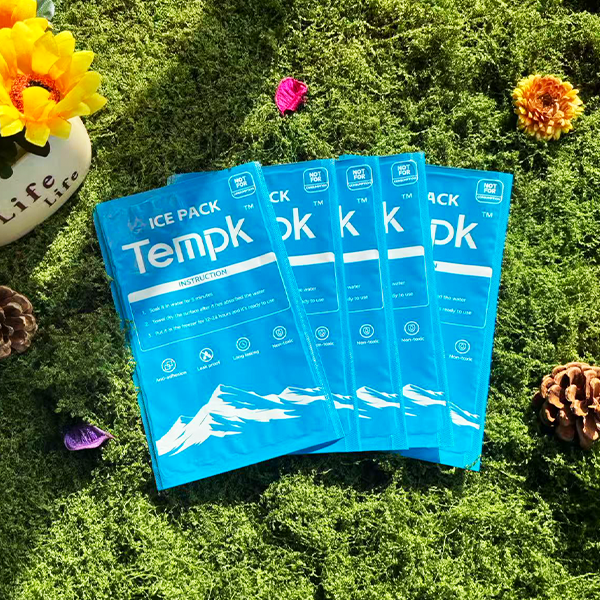
Comment évaluer un fabricant industriel de transport de vaccins dans des glacières
Une décision fiable commence par un cas d'utilisation contrôlé, pas une capacité de catalogue. A search for an industrial ice box vaccine transport manufacturer usually combines several questions: La charge complète conviendra-t-elle, la configuration peut-elle le protéger sur la route, la production peut-elle reproduire la construction testée, et le personnel peut-il utiliser le système de manière cohérente? La capacité doit suivre la charge utile proposée et la disposition du liquide de refroidissement plutôt qu'une étiquette de taille extérieure.
Pour l’examen final d’un programme industriel de boîtes à vaccins, le cadre suivant transforme ces questions en portes de décision. Il conserve les preuves techniques, conditions de passation des marchés, et exécution sur site connectée sans considérer le boîtier comme la seule source de contrôle de la température.
Porte 1: Geler le produit et le briefing sur la voie
Avant la mise à l’échelle contrôlée d’un programme industriel de boîtes de vaccins, nommer le contenu, présentation, quantité, origine et destination de l'expédition, exposition saisonnière, changements de garde, ouvertures prévues, des retards crédibles, et processus de réception. L'étiquette du produit approuvée et l'unité de qualité responsable doivent définir la plage de température autorisée et toute politique d'excursion.. Un plan de 2°C à 8°C est courant pour de nombreux produits réfrigérés, mais ce n'est pas une règle universelle. Les produits sensibles au gel nécessitent une protection explicite à limite inférieure.
A la sortie d’un programme industriel de boîtes à vaccins, convertir le dossier en critères d'acceptation qui peuvent être inspectés ou testés. Les exemples incluent la géométrie interne, packed weight, fermeture, zone d'étiquette, compatibilité de nettoyage, preuve de température, documentation, et avis de changement. Attribuer un propriétaire à chaque critère. Les achats peuvent posséder des conditions commerciales, mais le personnel qualité ou technique doit posséder des exigences qui affectent la protection du produit.
Pour l’examen final d’un programme industriel de boîtes à vaccins, si la voie est nouvelle, marquer ouvertement les hypothèses. Un temps de trajet maximum indiqué est différent d'un profil de distribution observé. Planifier en cas d’incertitude est utile; le cacher à l’intérieur d’une « marge de sécurité » inexpliquée rend un examen futur difficile.
Porte deux: Transformez l'étiquette de capacité en emballage
A la sortie d’un programme industriel de boîtes à vaccins, commencez par un dessin dimensionnel de la charge utile réelle. Ajoutez chaque unité de refroidissement, diviseur, barrière, moniteur, entretoise, et composant de protection. Afficher les points étroits, cône mural, coins arrondis, gérer les intrusions, et évidement du couvercle. Calculer séparément la cavité brute et la charge utile nette, puis pesez la charge assemblée.
Avant la mise à l’échelle contrôlée d’un programme industriel de boîtes de vaccins, un agencement efficace n’est pas simplement celui avec le moins d’espace vide. Les opérateurs ont besoin d'espace pour charger les composants dans le bon ordre et récupérer le contenu sans endommager les cartons.. L'enregistreur a besoin d'une position définie, et le liquide de refroidissement ne doit pas bouger pendant la manipulation. Vérifier si le contenant emballé reste pratique pour une ou deux personnes selon les règles de sécurité de l'acheteur.
Avant la mise à l’échelle contrôlée d’un programme industriel de boîtes de vaccins, créer un code de configuration pour le packout. Si la charge utile compte, liquide de refroidissement, ou changements de saison, donner à l'alternative une identité distincte jusqu'à ce que des preuves soutiennent sa combinaison avec une configuration existante.
Un enregistrement de décision unique
| Porte d'examen | Preuve versée au dossier | Propriétaire de la décision |
|---|---|---|
| Produit et voie | Limites approuvées, charge utile, carte d'itinéraire, hypothèses de retard | Qualité et logistique |
| Capacité et manutention | Dessin interne, charger la carte, packed weight, essai à sec | Conditionnement et opérations |
| Performance | Protocole, données thermiques, contrôles physiques, écarts | Technique ou qualité |
| Production | Spécification publiée, plan d'inspection, statut de révision | Qualité et approvisionnement des fournisseurs |
| Déploiement | Paquet, moniteur, recevoir, faire le ménage, et instructions d'exception | Opérations et qualité |
| Économie | Coût au débarquement, travail, retour, perte, réparation, et hypothèses de retraite | Propriétaire des achats et du programme |
Pour l’examen final d’un programme industriel de boîtes à vaccins, un seul enregistrement ne signifie pas qu'une seule personne prend chaque décision. Il fournit un index commun donc une citation, échantillon, test, spécification, et les instructions de travail ne peuvent pas dériver vers des versions distinctes.
Rendre la liste restreinte des fournisseurs comparable
Avant la mise à l’échelle contrôlée d’un programme industriel de boîtes de vaccins, utiliser des questions qui produisent des preuves. Au lieu de se demander si une boîte est durable, demander la définition de construction et la méthode d'essai pertinentes. Au lieu de demander si l'usine a une bonne qualité, demander à quel point les dimensions critiques, isolation cachée, ajustement de la fermeture, et les unités non conformes sont contrôlées. Une réponse conditionnelle avec des limites claires est plus utile qu'une promesse générale.
Avant la mise à l’échelle contrôlée d’un programme industriel de boîtes de vaccins, noter les éléments non résolus séparément des faiblesses confirmées. Un rapport manquant peut être obtenu, tandis qu'une géométrie qui ne peut pas s'adapter au packout est un problème de conception. Cette distinction évite que l'incertitude précoce soit considérée comme une preuve et que des prix attractifs ne cachent pas des travaux qui appartiennent encore à l'acheteur..
Porte trois: Prototyper la séquence de fonctionnement
Avant la mise à l’échelle contrôlée d’un programme industriel de boîtes de vaccins, utiliser des composants représentatifs et demander aux opérateurs prévus d'effectuer l'emballage. Temps de préparation du liquide de refroidissement, chargement, activation de l'enregistreur, fermeture, étiquetage, transfert, ouverture, et déchargement. Observer l'ambiguïté: un composant qui peut être installé de deux manières sera éventuellement installé dans les deux sens, à moins que la conception ou les instructions ne l'empêchent.
Dans le cadre d'une revue transversale d'un programme industriel de boîtes à vaccins, inclure un conditionnement de liquide de refroidissement approuvé, mesures antigel, orientation de la charge utile, un poste de bûcheron justifié, et instructions pour une excursion. Un moniteur fournit des preuves; il ne refroidit pas le produit et ne rend pas acceptable un emballage inapproprié.
Pour l’examen final d’un programme industriel de boîtes à vaccins, photographier la séquence approuvée et définir les substitutions autorisées. Une charge utile plus petite, carton alternatif, ou une taille différente du liquide de refroidissement peut modifier la masse thermique et la répartition de la température.. Ne vous fiez pas à « l’équivalent », sauf si l’équivalence repose sur une base technique documentée.
Porte quatre: Construire des preuves en couches
Pour l’examen final d’un programme industriel de boîtes à vaccins, les tests de développement aident à sélectionner la géométrie et le liquide de refroidissement. La qualification formelle conteste la configuration finale par rapport à un protocole pré-approuvé. Les tests physiques examinent les chocs, vibration, compression, fermeture, et l'intégrité du colis. La vérification sur le terrain vérifie les hypothèses lors d'un mouvement réel. Une surveillance continue permet de détecter les variations après le lancement.
Avant la mise à l’échelle contrôlée d’un programme industriel de boîtes de vaccins, des profils thermiques reconnus peuvent faciliter le travail en laboratoire, pourtant, l'organisation responsable doit les comparer avec la voie et le produit réels.. Qualification du forfait, surveillance, procédures, entraînement, recevoir un avis, et la gestion des écarts soutiennent collectivement le contrôle; la boîte vide ne peut pas être déclarée universellement conforme.
A la sortie d’un programme industriel de boîtes à vaccins, lire des rapports au-delà de la durée du titre. Confirmer la révision de la boîte, charge utile, liquide de refroidissement et conditionnement, températures de départ, profil ambiant, carte des capteurs, état de l'équipement, nombre d'échantillons, écarts, données brutes, et réussir les critères. Les résultats s'appliquent aux conditions indiquées. Si le rapport ne peut être reproduit à partir de sa description, c'est un faible soutien pour une instruction de travail contrôlée.
Porte cinq: Faire en sorte que la production corresponde aux preuves
A la sortie d’un programme industriel de boîtes à vaccins, publier une spécification qui identifie le shell, isolation, matériel, joint, dimensions critiques, poids assemblé, finition, étiquettes, et emballage. Liez-le à la nomenclature testée et à la révision du modèle. Convenir de la façon dont les matériaux entrants, moulage ou assemblage, caractéristiques d'isolation cachées, ajustement de la fermeture, et la fonction finale sont inspectées.
A la sortie d’un programme industriel de boîtes à vaccins, approuver la production pilote plutôt que de supposer que l’échantillon d’ingénierie représente une production stable. Vérifier les unités à partir des cavités d'outillage pertinentes, observer l'assemblage, et comparer les mesures critiques. Définir comment les produits non conformes sont séparés et comment les actions correctives sont communiquées.
A la sortie d’un programme industriel de boîtes à vaccins, le contrôle des changements protège cette chaîne. Une nouvelle source de résine, formulation de mousse, loquet, joint, moule, ou le sous-traitant peut être légitime, mais cela nécessite une notification et un examen des risques. Il en va de même lorsque l'acheteur modifie la charge utile, liquide de refroidissement, position de l'enregistreur, itinéraire, ou instruction de travail.
Porte Six: Libérez la destination, Pas seulement la boîte
Avant la mise à l’échelle contrôlée d’un programme industriel de boîtes de vaccins, préparer le destinataire avec l'identification de l'expédition, espace de stockage ou de déchargement, une méthode de lecture sur moniteur lorsqu'elle est utilisée, et un contact d'escalade nommé. Définir les contrôles des dommages, scellés, fermeture, retard, et des enregistrements. A la réception, lier l'enregistrement de l'enregistreur à l'expédition, vérifier l'état, et suivez le chemin d'escalade approuvé. Une alarme nécessite normalement une quarantaine et une évaluation autorisée à l'aide des informations sur le produit.; ce n'est pas, par lui-même, une décision de disposition définitive.
A la sortie d’un programme industriel de boîtes à vaccins, la destination commence également le cycle suivant. Inspecter la coque, couvercle, joint, matériel, limites d'isolation, odeur, étiquettes, et entrée d'eau. Attribuer un statut tel qu'en attente d'inspection, faire le ménage, libéré, mis en quarantaine, ou retraité. Conserver les conteneurs endommagés ou sales à l'écart des stocks libérés.
Dans le cadre d'une revue transversale d'un programme industriel de boîtes à vaccins, le retour d'information sur l'itinéraire doit distinguer la conception, emballage, manutention, retard, et recevoir des causes. Des problèmes répétés au niveau d'un hub peuvent nécessiter une planification ou une mise en scène plutôt qu'une isolation accrue..
Contester les exceptions avant l’approbation
Pour l’examen final d’un programme industriel de boîtes à vaccins, le succès de routine ne montre pas comment le système se comporte lorsque les opérations s'écartent. Lors de la revue de conception, traverser un ramassage tardif, connexion manquée, exposition hivernale, ouverture du couvercle, caisse partiellement chargée, loquet endommagé, échec de l'enregistreur, récepteur absent, ou stockage contrôlé indisponible. Sélectionner des scénarios crédibles pour le tracé plutôt que d'inventer des événements dramatiques auxquels le programme ne sera jamais confronté.
Pour l’examen final d’un programme industriel de boîtes à vaccins, pour chaque exception, définir la détection, confinement immédiat, communication, autorité, documentation, et récupération. Certains risques sont mieux réduits par la marge d’emballage; d'autres ont besoin d'instructions du transporteur, stockage de sauvegarde, contrôle des rendez-vous, moniteurs de rechange, ou un processus de quarantaine. Cet exercice évite que la boîte thermique ne devienne la réponse par défaut à des problèmes opérationnels qu'elle ne peut pas contrôler..
A la sortie d’un programme industriel de boîtes à vaccins, les exceptions révèlent également quelles informations doivent accompagner l’envoi. Une destination peut avoir besoin d'une identité de produit, temps de préparation, instructions du moniteur, un contact d'escalade, conditions de stockage, et une décision quant à savoir si le couvercle peut être ouvert. Gardez les instructions visibles courtes, avec des procédures détaillées maintenues dans le système contrôlé.
Porte sept: Comparez la valeur du cycle de vie
Avant la mise à l’échelle contrôlée d’un programme industriel de boîtes de vaccins, combiner le prix unitaire avec le fret entrant, fret sortant, préparation du liquide de refroidissement, travail d'emballage, surveillance, nettoyage, stockage, retour, réparation, perte, documentation, et la retraite. Utilisez des hypothèses spécifiques à l'itinéraire et affichez plusieurs taux de récupération pour un programme réutilisable. Ne transformez pas un scénario optimiste en une demande d’épargne universelle.
Pour l’examen final d’un programme industriel de boîtes à vaccins, une boucle fermée peut justifier un boîtier réparable robuste, alors qu'un réseau ouvert peut donner la priorité à la disponibilité, cube boîte vide, et options locales de fin de vie. L’analyse de durabilité suit la même logique. Voyages terminés, distance de récupération, processus de lavage, dommage, et la voie d'élimination sont mesurables; le mot « réutilisable » à lui seul n’est pas un résultat environnemental.
Gardez le contrôle après le lancement
Pour l’examen final d’un programme industriel de boîtes à vaccins, établir un rythme de révision des données d'expédition, temps de parcours, dommage, erreurs d'emballage, retards de réception, retours, rejets de nettoyage, et écarts des fournisseurs. Informations sur les tendances par configuration et par voie afin qu'un problème sur une saison ou un hub ne produise pas de changement global inutile.. Définir les seuils qui déclenchent l'enquête, recyclage, action du fournisseur, revue du protocole, ou requalification.
Avant la mise à l’échelle contrôlée d’un programme industriel de boîtes de vaccins, la traçabilité doit être proportionnelle au risque et utilisable dans la pratique. Révision du modèle, lot ou date de production, identité du liquide de refroidissement, identifiant de l'enregistreur, emballeur, référence d'expédition, et le récepteur peuvent tous être pertinents. Choisissez les champs nécessaires pour reconstruire un événement et rendez-les faciles à capturer. Un dossier compliqué avec des blancs fréquents est plus faible qu'un dossier ciblé que les équipes complètent de manière fiable.
Pour l’examen final d’un programme industriel de boîtes à vaccins, planifier une revue interfonctionnelle post-lancement. Confirmez que la case sélectionnée est disponible, le packout est reproductible, les enregistrements sont récupérables, les exceptions sont gérées, et les hypothèses de cycle de vie restent crédibles. Une conception publiée est un point de départ contrôlé, pas la fin de l'intendance.
Exemple pratique: fermer les portes
Questions fréquemment posées
Quelles informations doivent être envoyées en premier au fabricant?
Pour l’examen final d’un programme industriel de boîtes à vaccins, fournir les dimensions du produit et du carton, conditions de température approuvées, quantité de charge utile, durée du parcours et saisons, transferts, retards attendus, besoins de surveillance, plan de réutilisation, volume de commande, et les enregistrements requis. Indiquez également ce qui reste indécis. Ce dossier permet au fournisseur de recommander une configuration sans prétendre qu'un numéro de modèle répond à lui seul aux questions spécifiques au produit..
Pourquoi faut-il séparer le volume brut et le volume utilisable?
Pour l’examen final d’un programme industriel de boîtes à vaccins, le volume brut décrit une cavité vide. Le volume utilisable reflète l'espace restant pour la charge utile vendable après le liquide de refroidissement, barrières, moniteurs, fardage, coins arrondis, et intrusion du couvercle. Les achats ont besoin des deux, plus un dessin de charge et le poids emballé. La catégorie nominale est utile pour rechercher, mais ce n'est pas un calcul fiable de la capacité d'expédition.
Un envoi d’échantillon réussi peut-il remplacer la qualification?
Non. Un essai réussi peut fournir des informations utiles sur le terrain, mais il ne peut pas contester les extrêmes saisonniers ni montrer une répétabilité. Un protocole de qualification basé sur les risques définit la configuration, profil, capteurs, durée, et critères d'acceptation à l'avance. La vérification sur le terrain et la surveillance continue peuvent alors confirmer si les hypothèses opérationnelles restent valables.. Cette limite est particulièrement importante pour l’examen final d’un programme industriel de boîtes à vaccins..
Que devrait-il se passer lorsque les matériaux de production changent?
Pour l’examen final d’un programme industriel de boîtes à vaccins, le fournisseur doit informer l'acheteur selon une matrice convenue. Les responsables de la qualité et de la technique évaluent l'effet sur l'ajustement, comportement thermique, durabilité, enregistrements, et qualification antérieure. La réponse peut aller de l’examen de documents aux tests de comparaison ou à la requalification.. Les changements doivent être évalués, pas automatiquement rejeté ou accepté en silence.
Conclusion
Avant la mise à l’échelle contrôlée d’un programme industriel de boîtes de vaccins, sélectionner le système dans un ordre contrôlé: définir le produit et la voie, prouver un ajustement utilisable, prototyper le processus, construire des preuves appropriées, contrôler la production, préparer la réception, et comparer la valeur du cycle de vie. Conserver la catégorie nominale, volume brut, et charge utile utilisable distincte. Surtout, relier chaque déclaration de performance à la configuration exacte et aux conditions qui la prennent en charge.
À propos du tempk
A la sortie d’un programme industriel de boîtes à vaccins, Tempk, associé à Shanghai Tempk, supplies medical cooler boxes, Boîtes EPP, Coffrets isothermes VIP, plastic cold-chain boxes, et options de liquide de refroidissement correspondantes. Un examen peut commencer par la géométrie de la charge utile, conditions requises, itinéraire, emballage, manutention, et plan de commande. Les acheteurs restent responsables de l'évaluation et de la qualification de la configuration finale pour leur produit spécifique., procédures opérationnelles, et environnement de distribution.
Prochaine étape: Envoyez à Tempk votre dessin de charge, limites de fonctionnement, hypothèses de voie, et quantité attendue pour comparer les configurations pratiques de boîte et de liquide de refroidissement. Appliquer cette demande d'examen final d'un programme de boîtes de vaccins industrielles.
Prix du fournisseur de glacière: Créer un devis vérifiable
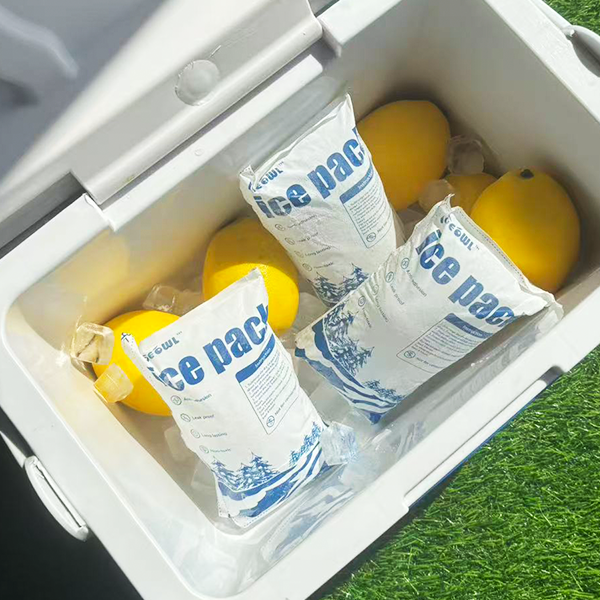
Prix du fournisseur de glacière: Une méthode à cinq portes pour un achat vérifiable
The safest way to evaluate an ice chest supplier price is to make the quotation pass five gates: adéquation à l'application, définition du produit, preuve, économie livrée, et contrôle de production. La comparaison des prix ne commence qu'une fois qu'une offre satisfait aux exigences qui protègent la charge utile et le flux de travail d'exploitation.. Cette méthode fonctionne pour les glacières en gros, flottes de livraison, produits de marque privée, and passive cold-chain packaging because it exposes assumptions instead of hiding them in a unit figure. Il donne également aux marchés publics, opérations, ingénierie, qualité, et logistique un enregistrement partagé de ce que le fournisseur a réellement proposé.
Grille 1: Définir le travail avant de nommer le produit
Commencez par un énoncé opérationnel d’un paragraphe. Décrire la charge utile, itinéraire de manutention, utilisateur, méthode de nettoyage, mode d'expédition, destination, modèle de commande attendu, et si le coffre est à usage unique, réutilisé avec désinvolture, ou géré comme un actif retournable. Si le contenu est sensible à la température, ajouter l'exigence de température spécifique au produit, durée de l'itinéraire, exposition ambiante probable, source froide, approche de surveillance, et conséquence d'une excursion.
Cette étape évite la confusion des catégories. « Coffre à glace » pourrait décrire un refroidisseur de boissons, une caisse de transport robuste, un récipient en mousse moulée, or part of a qualified thermal shipper. Une glacière grand public peut être bien réalisée sans convenir à une piste pharmaceutique. A durable plastic box can protect against impact without controlling temperature. Un mur isolé ralentit le flux de chaleur mais ne refroidit pas une charge utile chaude. La déclaration de travail décide quelles revendications sont importantes.
Séparer les exigences obligatoires des préférences. Les éléments obligatoires peuvent inclure des dimensions minimales utilisables, méthode de transport chargée, empreinte du véhicule ou du rack, compatibilité de nettoyage, fonction de fermeture, et un niveau de preuve acceptable. Les préférences peuvent inclure une teinte particulière, surface décorative, ou accessoire en option. Quand chaque demande est traitée comme obligatoire, les fournisseurs surévaluent le produit ou supposent silencieusement quels articles peuvent être ignorés.
Pour une taille nominale, vérifier les dimensions externes et internes. Puis dessinez ou modélisez la charge utile avec du liquide de refroidissement, cloisons, paniers, et dédouanement. Volume interne brut, litres indiqués, et l'espace de charge utile utilisable ne sont pas interchangeables. Une boîte qui répond à l'étiquette de volume mais qui échoue à l'emballage ne doit pas procéder à une comparaison de prix..
Grille 2: Geler une définition de produit citable
La deuxième porte transforme le compte de résultat en un produit contrôlé. La définition minimale comprend normalement un dessin, descriptif du chantier, matériaux de coque et de doublure, type d'isolation, couvercle et dispositif d'étanchéité, poignées, charnières, loquets, drain ou pénétrations, couleur, marque, accessoires, et emballage.
Le langage matériel doit être suffisamment spécifique pour prendre en charge le risque. "Plastique,» « PEHD,» ou « mousse haute densité » peuvent être des étiquettes de catégorie utiles, mais ils ne définissent pas l'unité finie. Qualité de résine, famille de mousse, densité ou propriété contrôlée le cas échéant, épaisseur, processus de moulage, et l'assemblage affecte le comportement. Plus de matériel n’est pas toujours mieux. Une paroi plus épaisse peut augmenter le volume de fret et réduire l'espace de charge utile, tandis qu'un couvercle mal contrôlé peut ébranler un mur par ailleurs solide..
Demander au fournisseur d'identifier quels éléments sont standards et lesquels sont personnalisés. L'outillage standard peut réduire les coûts et les délais de livraison. Une géométrie personnalisée peut améliorer l'efficacité de la charge utile, identité de marque, ou manipulation, mais cela peut ajouter des outils, prototypes, étapes d'approbation, et retester. Un changement de couleur ou de logo peut être cosmétique; une dimension interne, joint, isolation, ou un changement de mur peut affecter la fonction.
Le devis doit faire référence à un dessin et à une révision. Les photos des produits sont utiles pour l'orientation mais ne constituent pas une spécification. Si l'offre change après négociation, mettre à jour la révision plutôt que de s'appuyer sur des fragments de courrier électronique. Cette pratique simple évite que le prix final soit rattaché à un prix antérieur., construction plus chère.
Rendre les inclusions visibles
Répertoriez chaque composant de l'offre. Le prix comprend-il le couvercle ?, joint, bouchon de vidange, panier, diviseur, liquide de refroidissement, sangles, étiquettes, emballage individuel, carton principal, et palette? Des loquets de rechange sont-ils disponibles? La configuration des illustrations est-elle incluse? L'échantillon utilise-t-il des matériaux de production? Lorsque les composants ne sont pas répertoriés, différents fournisseurs peuvent sembler proposer le même produit tout en proposant des assemblages différents.
Grille 3: Associer les preuves aux conséquences de l’échec
Les preuves doivent être proportionnelles. Une glacière promotionnelle peut nécessiter l'approbation d'un échantillon, contrôles dimensionnels, et tests fonctionnels de base. Une flotte de livraison quotidienne peut ajouter une manutention chargée, nettoyabilité, cyclisme matériel, et essais de réparation. Un programme de distribution sensible à la température peut nécessiter un protocole thermique défini, surveillance, instructions d'emballage, examen des qualifications, et changer de contrôle.
Les preuves thermiques nécessitent une attention particulière. Une durée revendiquée n'a de sens qu'avec ses conditions: version boîte, charge utile, quantité et emplacement du liquide de refroidissement, températures de départ, conditionnement, profil ambiant, capteurs, ouvertures du couvercle, durée, et limites d'acceptation. Résultats d'une boîte vide, une autre taille, ou une condition ambiante constante favorable ne peut pas être automatiquement transférée à l’itinéraire de l’acheteur. Les profils standards peuvent soutenir un travail comparatif ou de qualification, mais l'équipe qualité responsable doit décider si un travail supplémentaire spécifique à la voie est nécessaire.
Les preuves mécaniques nécessitent également une méthode définie. « Test de chute » est incomplet sans la masse chargée, orientation, hauteur, conditionnement, nombre d'échantillons, et critères d'acceptation. Le même principe s'applique à l'empilage, fuite, gérer la charge, et cycles de fermeture. Le but n’est pas d’exiger tous les tests possibles. C'est pour éviter de payer pour une réclamation non justifiée.
| Niveau de preuve | Point de départ approprié | Limite importante |
|---|---|---|
| Échantillon approuvé | Apparence, ajuster, matériel, emballage, manipulation de base | Un échantillon ne prouve pas la cohérence de la production |
| Dossiers d'inspection des fournisseurs | Dimensions, poids, fabrication, fonction du composant | Les enregistrements ne sont utiles que lorsque les critères et l'échantillonnage sont définis |
| Rapport de test spécifique au produit | Évaluation mécanique ou thermique définie | S'applique à la configuration et aux conditions testées |
| Qualification de parcours ou de programme | Distribution sensible à la température à haut risque | Nécessite le contrôle de l'emballage, instructions, surveillance, et des changements |
La table est une échelle, ce n'est pas une affirmation selon laquelle chaque achat nécessite le plus haut niveau. Les acheteurs ne doivent grimper que jusqu'à ce que l'application l'exige. Cependant, un fournisseur ne devrait pas facturer la langue d'un niveau supérieur tout en fournissant des preuves d'un niveau inférieur.
Grille 4: Normaliser l’offre commerciale complète
Une fois le produit et les preuves alignés, convertir chaque devis dans la même portée. Conserver les coûts récurrents, coût unique, logistique, et coût d'exploitation séparés.
Le coût récurrent inclut le coffre, matériel, accessoires inclus, impression courante, et emballage standard. Le coût unique comprend l'outillage, prototypes, plaques d'art, ingénierie, et qualification. La logistique comprend le transport d'origine, fret, assurance, gestion des destinations, devoirs, courtage, stockage, et livraison finale selon l'Incoterm sélectionné. Les coûts d'exploitation peuvent inclure l'inspection à l'arrivée, conditionnement, nettoyage, suivi, logistique inversée, réparation, perte, et élimination.
Demander des dimensions et un poids confirmés du carton principal. Les coffres isolés peuvent être volumineux, la conception de l'emballage peut donc changer l'économie au débarquement plus qu'une petite différence de prix unitaire. Vérifiez si les couvercles ou les composants s'emboîtent en toute sécurité, si les cartons ont besoin d'inserts de protection, combien de cartons correspondent à une palette, et si l'emballage indiqué a été physiquement testé. N'utilisez pas un calcul de conteneur optimiste comme promesse du fournisseur.
Pour les ruptures de quantité, enregistrer les hypothèses. Le prix d'une couleur dans une production complète n'est pas le même que la même quantité annuelle répartie entre plusieurs couleurs et sorties mensuelles.. Un conteneur de modèle mixte peut créer des travaux d'emballage et d'inventaire. Une prévision n’est pas un engagement d’achat sauf si le contrat le précise.
Comparez la bonne unité de valeur
Utiliser le coût au débarquement par unité vendable pour la vente en gros. Utiliser le coût par itinéraire réussi ou par réutilisation terminée pour une flotte. Utiliser le coût total d'emballage par envoi protégé pour les opérations de la chaîne du froid. Utiliser le coût par vente au détail, y compris les retours et l'emballage des produits de consommation. Le numéro d'unité d'usine reste visible, mais il ne contrôle plus une décision pour laquelle il est incomplet.
Si la réutilisation est revendiquée, créer un modèle séparé. Inclure la récupération, nettoyage, inspection, séchage, stockage, suivi, réparation, et unités perdues. Testez plusieurs hypothèses réalistes de rendement et de perte. Ne présumez pas d’un décompte de réutilisation uniquement à partir du matériau. Processus sur le terrain, comportement de l'utilisateur, et les critères de mise à la retraite déterminent l'utilisation réelle.
Grille 5: Connectez l'échantillon approuvé à la production de masse
La porte finale demande si le fournisseur peut reproduire le produit qui a obtenu l'approbation. Créer un enregistrement de référence avec le dessin signé, exemples de photographies, dimensions, poids, descriptions des matériaux ou des composants, couleur, emplacement du logo, fonction matérielle, critères de fabrication, emballage, et statut des tests.
Traduire les attentes subjectives en langage inspectable. Au lieu de « poignée solide," définir l'évaluation d'utilisation chargée requise. Au lieu de « bonne étanchéité," définir l'alignement du couvercle, engagement de clôture, état du joint, et toute fuite ou contrôle thermique pertinent. Au lieu de « surface parfaite,» définir quelles imperfections sont inacceptables dans les zones visibles et non visibles.
Convenir d’un plan d’inspection des matériaux entrants, moulage, assemblée, et emballage final. La profondeur peut varier en fonction du risque de commande, mais l'acheteur doit savoir qui vérifie les caractéristiques critiques et comment les unités non conformes sont traitées.. Pour une première exécution, envisager une inspection renforcée jusqu'à ce que le processus soit stable.
La notification des modifications est essentielle. Un nouveau grade de résine, formulation de mousse, épaisseur de paroi, joint, source matérielle, adhésif, paramètre de moulage, ou la méthode d'emballage peut affecter la qualité, ajuster, ou comportement thermique. Le fournisseur doit identifier les modifications proposées avant l'expédition afin que l'acheteur puisse décider si l'approbation de l'échantillon ou les tests doivent être répétés.. Dans un programme de chaîne du froid maîtrisé, l'évaluation du changement appartient aux propriétaires techniques et de qualité appropriés.
Exécutez un pilote qui mesure le véritable goulot d'étranglement
Un pilote est plus précieux lorsqu’il teste les opérations, pas seulement l'apparence de la poitrine. Sélectionnez un petit lot représentatif de la production. Emballez-le avec la vraie charge utile et les accessoires. Déplacez-le à travers le véhicule, étagère, réseau de colis, ou séquence de transfert. Observez le temps de chargement, levage, adhésion d'étiquette, fermeture du couvercle, fuite, nettoyage, séchage, empilement, et retour à vide.
Pour les contenus sensibles à la température, suivre un protocole approuvé et utiliser une surveillance adaptée. N'improvisez pas l'acceptation de la température du produit à partir d'une observation générale de la rétention de glace.. Confirmer les exigences spécifiques au produit et impliquer l'équipe qualité dans les écarts.
Record d’échecs et de quasi-accidents. Un couvercle qui se ferme uniquement lorsqu'on appuie sur un coin, une poignée qui gêne l'empilage, ou un carton qui s'effondre sous la charge d'une palette peut être corrigé avant la balance. Mettre à jour les spécifications et le devis après le pilote. Cela maintient la transparence commerciale: le prix de production correspond au produit qui fonctionne réellement.
Imaginez un distributeur comparant deux offres. Le premier est moins cher mais consomme plus de volume de fret et utilise des verrous inutilisables. Le deuxième coûte plus cher en usine, emballe plus efficacement, et prend en charge le matériel de remplacement. Un pilote montre que les deux protègent la charge utile, mais le premier crée un stockage et des temps d'arrêt plus importants. Le prix unitaire le plus élevé peut alors être choisi pour des raisons opérationnelles documentées plutôt que par préférence.. Dans un autre programme avec ventes à sens unique, le résultat pourrait s'inverser.
Utiliser les allégations de durabilité avec la même discipline d'audit
Les décisions environnementales bénéficient de limites claires. Un matériau recyclable n'est pas forcément recyclé dans la destination. Un coffre réutilisable n'est pas forcément retourné. Une conception légère peut permettre d'économiser du fret sortant, mais échoue plus tôt. Une conception durable peut prendre en charge de nombreuses utilisations mais nécessite de l'énergie et du transport pour la récupération et le nettoyage..
Demandez ce que couvre la réclamation: teneur en résine, fabrication de produits, emballage, utiliser, récupération, ou fin de vie. Demander des pièces justificatives lorsqu'une réclamation apparaîtra dans les rapports de marketing ou d'approvisionnement. Évitez les termes généraux qui ne peuvent pas être vérifiés. L’amélioration pratique peut être spécifique, comme la réduction du volume de retour à vide, remplacer un loquet endommagé au lieu de jeter le coffre, éliminer un carton intérieur inutile, ou consolider les expéditions grâce à un meilleur emballage.
La durabilité ne doit pas affaiblir la protection de la charge utile. La perte de produit peut avoir des conséquences économiques et environnementales bien plus importantes que l'emballage lui-même., notamment pour les produits alimentaires ou de santé. Évaluer la réduction des emballages uniquement une fois que les exigences fonctionnelles restent satisfaites.
Questions fréquemment posées
Quelles sont les informations minimales nécessaires pour un devis de glacière?
Fournir un cas d'utilisation, Dimensions internes cibles ou dessin de la charge utile, limites externes, préférence de construction, matériel, couleur, marque, emballage, quantité, destination, et délai de livraison. Pour une utilisation sensible à la température, ajouter la plage requise, durée, conditions ambiantes, liquide de refroidissement, charge utile, surveillance, et les attentes en matière de preuves.
Comment savoir si deux coffres cités sont équivalents?
Vérifiez le dessin référencé, dimensions internes et externes, matériels, isolation, couvercle, matériel, accessoires inclus, poids, emballage, portée du test, et Incoterm. Si un élément diffère, documenter la différence et décider si cela affecte l'ajustement, risque, ou le coût avant de comparer les prix unitaires.
L'outillage doit-il être amorti dans le prix unitaire?
Vous pouvez calculer une vue amortie pour la planification d'entreprise, mais gardez l'outillage visible sous forme de ligne unique dans la comparaison des fournisseurs. Sinon, une offre personnalisée peut paraître artificiellement chère à faible volume ou trompeusement bon marché lorsque le volume projeté est incertain. Confirmer les conditions de propriété et de maintenance.
Qu’est-ce qui rend crédible une affirmation thermique?
Une déclaration crédible identifie la configuration exacte et les conditions de test, y compris la charge utile, liquide de refroidissement, températures de départ, profil ambiant, capteurs, durée, et critères d'acceptation. L'acheteur doit toujours juger si ces conditions représentent le produit et l'itinéraire envisagés..
À quelle fréquence les prix des fournisseurs doivent-ils être révisés?
Le délai de révision dépend du contrat, marché, et programme. Établir une durée de validité des devis et un processus transparent pour les changements de matériaux, conditionnement, fret, devise, ou spécification. Ne comparez pas une offre actuelle avec un devis expiré construit sur une révision différente.
Le dossier de décision est aussi important que le prix sélectionné
Un achat vérifiable relie le besoin commercial à la spécification, preuve, modèle commercial, et contrôles de production. Les cinq portes empêchent un faible nombre de contourner une exigence technique et empêchent l'achat de fonctionnalités premium sans cas d'utilisation.. Ils rendent également les négociations ultérieures plus claires, car les deux parties peuvent voir quel changement de portée a provoqué le changement de prix..
Approuver le coffre uniquement lorsque l'espace est utilisable, manutention, construction, preuve, économie livrée, et le contrôle des changements sont compris. Le prix préféré du fournisseur de glacières est alors le coût le mieux supporté pour un résultat d'exploitation défini, pas le plus petit chiffre non qualifié.
À propos du tempk
Tempk est la marque d'emballages pour chaîne du froid de Shanghai Tempk Industrial Co., Ltée. Available categories include medical cooler boxes, Boîtes en mousse EPP, Formats isolés VIP, plastic cold-chain boxes, et options de liquide de refroidissement compatibles. Nous soutenons les discussions des acheteurs sur l'ajustement de la charge utile, emballage, approvisionnement en vrac, personnalisation, manutention, et le niveau de vérification approprié à un itinéraire. Les performances spécifiques doivent être confirmées pour la configuration et les conditions sélectionnées.
Envoyer à Tempk une instruction d'utilisation définie, dessin de la charge utile, plan de quantité, destination, et les preuves doivent permettre d'établir un devis qui peut être comparé porte par porte.
Comment comparer les devis d'usine de glacières
Comment comparer un devis d'usine de glacière
The best way to compare an ice chest factory price is to remove every undefined assumption. Donnez aux soumissionnaires un brief produit, nécessitent une réponse au niveau de la configuration, et calculer le coût au débarquement pour une unité vendable ou utilisable opérationnellement. Le prix récurrent doit être séparé de l'outillage, développement, essai, personnalisation, inspection, et fret. Ce n’est qu’à ce moment-là que les achats pourront distinguer une véritable efficacité de fabrication d’une spécification plus légère., composant manquant, plan de chargement optimiste, ou risque qualité qui apparaîtra après la commande.
Étape 1: Nommez le produit dont vous avez besoin
Commencez par utiliser, pas d'apparence. Le coffre est-il un produit de consommation récréatif, un conteneur promotionnel, une boîte de manutention pour la restauration, or part of a temperature-controlled shipping system? Indiquez ce qui se passe à l'intérieur, qui s'en occupe, où il voyage, comment il est nettoyé, s'il revient, et quel échec importerait.
Définir les dimensions externes cibles et l'enveloppe interne utilisable. Les étiquettes de capacité varient, et les intérieurs arrondis ou effilés peuvent ne pas s'adapter efficacement aux charges rectangulaires.. Spécifier la masse chargée attendue, accès au couvercle, vidange, poignées, roues, loquets, joint, séparateurs, et pièces de rechange. Séparez les fonctions essentielles des préférences.
Si des aliments non emballés peuvent entrer en contact avec l'intérieur, identifier les marchés de destination et les conditions prévues. Demandez de la documentation sur la résine exacte, additifs, colorants, contenu recyclé, et utilisation en fabrication. Une description générale en HDPE ou PP est insuffisante. Si les produits restent dans un emballage scellé, décrire cela avec précision afin que les exigences restent pertinentes.
Une spécification à trois niveaux
Utilisez trois catégories pour que le projet reste économique:
- Critique: sécurité, ajuster, fermeture, charger, statut matériel requis, et performances essentielles
- Commercial: apparence, marque, présentation de l'emballage, et fonctionnalités de la chaîne
- Facultatif: des améliorations qui peuvent être tarifées séparément ou introduites ultérieurement
Cette hiérarchie aide l'usine à suggérer des économies sans affaiblir les fonctions critiques.
Étape 2: Forcer la citation à prendre la même forme
Fournissez un tableau de réponses afin que chaque fournisseur indique les mêmes articles. Exiger une révision du modèle ou du dessin, construction, spécification matérielle, poids du produit, méthode d'isolation, matériel, accessoires inclus, processus de logo, couleur, conditionnement unitaire, taille du carton, niveaux de quantité, délai de mise en œuvre, terme commercial, et validité du devis.
| Article de devis | Pourquoi cela doit être explicite | Erreur de comparaison courante |
|---|---|---|
| Révision du produit | Relie le prix à une conception approuvée | Comparaison d'un modèle de stock avec une proposition personnalisée |
| Poids du matériau et des pièces | Révèle la base de construction | Traiter tous les produits HDPE ou PP sur un pied d'égalité |
| Système d'isolation | Détermine le processus et le rôle thermique | Comparer une coque vide avec un coffre isolé |
| Matériel inclus | Affecte l'assemblage et le service | La découverte des verrous ou des drains est facultative plus tard |
| Base quantitative | Régit la configuration et les achats | Utiliser un niveau de volume élevé pour une petite première commande |
| Plan d'emballage et de chargement | Entraîne les dommages et le fret | Comparaison du prix unitaire avant cube emballé |
| Terme commercial | Définit le coût logistique inclus | Mélange de numéros départ usine et de numéros livrés |
Demandez aux fournisseurs de signaler les écarts plutôt que de les enfouir dans des notes. Une alternative délibérée peut être précieuse, mais le prix doit être adapté à la base demandée afin que l'acheteur comprenne le compromis.
Étape 3: Séparer l'outillage de la production
L’économie de l’outillage dépend du processus. Moules à injection, moules rotatifs, moules de soufflage, Outils PPE, luminaires, et les équipements d'impression comportent des coûts et des capacités différents. Le devis doit indiquer la portée, possession, stockage, entretien, essais, texture, inserts, modifications techniques, et conditions de transfert.
Modéliser l'outillage sur des cas de volume conservateurs. Un moule personnalisé peut offrir des coûts récurrents inférieurs ou des fonctionnalités uniques, pourtant, un moule standard avec des graphiques personnalisés peut être préférable pour la validation du marché. Incluez le coût des corrections d'outils et des modifications de conception dans le plan de développement plutôt que de supposer la perfection dès le premier passage..
Utiliser les portes d'approbation: examen de la conception, prototype ou échantillon technique, essai d'outil, boucle corrective, et échantillon de préproduction. Chaque porte doit avoir des livrables et une autorisation. La production de masse ne devrait pas démarrer à partir d’une approbation informelle d’une photo.
Étape 4: Comprendre les facteurs de coûts récurrents
La consommation de matière est visible, mais le temps de cycle et la complexité peuvent être tout aussi importants. Les parois épaisses prolongent le refroidissement lors du moulage par injection et utilisent plus de résine. Le rotomoulage utilise de longs cycles de chauffage et de refroidissement. Le remplissage en mousse ajoute du matériau, luminaires, et contrôle des processus. Le moulage EPP dépend du traitement des perles, densité, fusion, et séchage. L'assemblage VIP ajoute des composants de grande valeur et un placement soigné.
Le matériel crée à la fois le coût des pièces achetées et la main d'œuvre d'assemblage. Un coffre avec charnières remplaçables, loquets, poignées, drains, joints, et les roues peuvent coûter plus cher à construire mais offrent des avantages en matière de service. Décidez quelles interfaces doivent être remplacées et lesquelles peuvent faire partie intégrante.
Les tolérances et les normes cosmétiques affectent l’inspection et le rendement. Appliquer une tolérance stricte aux interfaces fonctionnelles, pas toutes les dimensions. Définir l'apparence acceptable par zone et condition de visualisation. Une vague demande de « finition parfaite » crée des litiges ou encourage un fournisseur à ajouter un coût de risque.
La couleur et la marque reviennent également. Les couleurs de résine spéciales peuvent comporter des minimums de lots et des pertes de purge. L'impression doit être configurée et peut nécessiter un traitement de surface. Les cartons de vente au détail créent des plaques d'impression, minimum, travail manuel, et un cube de fret plus grand. Évaluez-les comme des choix distincts.
Étape 5: Lier le contrôle qualité à l’utilisation prévue
Créer un plan de contrôle autour des modes de défaillance. Pour une glacière de vente au détail, ajustement du couvercle, fonction de verrouillage, gérer la charge, fuite de vidange, finition cosmétique, conditionnement, et la précision des étiquettes peut dominer. For a cold-chain box, ensemble d'isolation, ajustement du liquide de refroidissement, fermeture, emballage, et les preuves thermiques spécifiques à la configuration sont également importantes.
Les tests doivent définir l’état de l’échantillon, méthode, charger, durée, environnement, et l'acceptation. Des déclarations telles que service intensif, étanche, qualité alimentaire, ou une longue rétention de glace ne sont pas assez précis pour l'approbation de la production. Traduire uniquement les allégations nécessaires en critères mesurables.
Approuver un échantillon en or, nomenclature, dessins, œuvres d'art, et spécifications d'emballage. Convenir de la classification des défauts, échantillonnage, dossiers d'inspection, et réponse aux non-conformités. Si une inspection par un tiers est prévue, partagez la liste de contrôle dès le début afin que l'usine puisse préparer les mêmes preuves.
Le contrôle des changements préserve l’accord. Une résine à moindre coût, poids réduit du mur, mousse différente, loquet de remplacement, nouveau colorant, carton plus fin, outil transféré, ou une autre usine peut changer le produit. Exiger une notification et un échantillon approprié ou un examen technique avant la mise en œuvre.
Étape 6: Convertir le prix d'usine en coût au débarquement
Demandez les dimensions emballées vérifiées, poids brut, unités par carton, plan de palette, et hypothèses de chargement des conteneurs. Ice chests ship significant air, de sorte que l'emboîtement et le matériel saillant peuvent dominer les coûts. Validez les plans de chargement avec un essai d'emballage là où le volume compte.
Ajouter des coûts en utilisant une seule base logistique: emballage d'exportation, mouvement d'origine intérieure, douane, fret international, assurance, devoir, gestion des destinations, inspection, et livraison finale. Hypothèse de monnaie nationale et de taux de change. Incluez les coûts de financement et d'entrepôt s'ils affectent matériellement la décision.
Les dommages dus au transport font partie du coût au débarquement mais ne doivent pas être déguisés en un pourcentage de défauts inventé. Utiliser les données pilotes, historique des fournisseurs que vous pouvez vérifier, ou plages de scénarios. Améliorer la protection des cartons, position du composant, et empilage lorsqu'un risque de dommage est observé.
Un exemple pratique: Le fournisseur A est moins cher à l'usine mais expédie des cartons de vente au détail non emboîtés. Le fournisseur B coûte plus cher par unité, mais charge beaucoup plus d'unités dans le même volume de fret.. Selon la destination et le canal, Le fournisseur B peut produire le coût au débarquement le plus bas. La réponse devrait provenir de données emballées vérifiées, pas une règle générale.
Étape 7: Choisissez une stratégie de commande
Les remises sur quantité proviennent de l'allocation de configuration, achat de matériel, traitement par lots de couleurs, matériel minimum, et planning de production. Ce n'est pas de l'argent gratuit. Équilibrez-les avec l’incertitude de la demande, entrepôts, espèces, modifications des illustrations, et obsolescence.
Utiliser un pilote pour valider le produit, conditionnement, et réponse de l'utilisateur. Établissez ensuite des ruptures de quantité liées aux prévisions et aux calendriers d'appels. Un arrêté-cadre peut améliorer la planification tout en limitant les stocks de destination, mais responsabilités en matière de stockage, paiement, et les engagements matériels doivent être explicites.
Examiner les délais par composant. Un coffre peut se mouler rapidement tandis qu'un joint personnalisé, roue, mélange maître de couleur, ou un carton imprimé contrôle le calendrier. Pendant les périodes de pointe de production, réserver de la capacité avec une prévision réaliste plutôt que de s'appuyer sur un délai moyen.
Étape 8: Évaluer le cycle de vie et le coût de fin de vie
Pour un usage professionnel réutilisable, le prix unitaire doit être traduit en coût par cycle réussi. Compter le fret retour, nettoyage, inspection, stockage, suivi, unités manquantes, réparations, et remplacement. Établir des critères de mise hors service et collecter des données réelles sur la flotte avant de faire une demande de réutilisation spécifique.
Pour les ventes aux consommateurs, pensez à la garantie, des pièces de rechange, retours, élimination, et l'impact de la marque. Un bouchon ou un loquet de vidange remplaçable peut réduire le remplacement de l'ensemble du coffre. Inversement, une complexité excessive des composants peut créer un inventaire de services.
Les décisions environnementales nécessitent des limites définies. Un poids de résine inférieur, contenu recyclé, construction réutilisable, carton réduit, ou une densité de chargement améliorée peut chacune offrir des avantages. Vérifier le contexte matériel et réglementaire, mesurer ce qui peut être mesuré, et évitez les termes généraux tels que durable ou entièrement recyclable sans preuve du produit complet et du système de récupération réel..
Utiliser un processus de changement chiffré après le lancement
Une fois les ventes ou les opérations commencées, les demandes s'accumulent: une poignée plus solide, graphique révisé, carton différent, drain ajouté, nouvelle couleur, ou mur plus clair. Traitez chaque demande comme une petite analyse de rentabilisation. L'usine doit citer l'outillage, coût récurrent, effet de délai, inventaire restant, impact des tests, et la date à laquelle la nouvelle révision peut entrer en production. L'acheteur doit indiquer la raison et la mesure du succès.
Ne mélangez pas anciennes et nouvelles révisions sans plan d’identification. Images de vente au détail, des pièces de rechange, instructions, cartons, et les politiques de remplacement peuvent nécessiter une mise à jour. Pour les flottes opérationnelles, des verrous ou des drains mixtes peuvent compliquer la réparation. Pour les configurations chaîne du froid, un changement de construction peut affecter les preuves à l'appui de l'emballage.
Un journal des modifications discipliné produit souvent de meilleures économies qu'une pression répétée sur les prix. Il montre les fonctionnalités que les utilisateurs apprécient, quels changements d'emballage réduisent les dommages, et quelles opérations cosmétiques peuvent être supprimées en toute sécurité. Il préserve également la ligne de base d'origine, permettant d'annuler un changement infructueux plutôt que d'argumenter de mémoire.
Une carte de pointage finale de comparaison des offres
Noter les fournisseurs sur plus que le prix:
Correspondance des spécifications et écarts transparents
Qualité des échantillons et construction représentative de la production
Capacité d’outillage et d’ingénierie
Traçabilité des matériaux et composants
Plan qualité et pertinence des tests
Économie des cubes emballés et de la livraison
Crédibilité du calendrier et de la capacité
Discipline du contrôle du changement
Processus de communication et d’actions correctives
Coût total au débarquement et coût du cycle de vie
Pondérer les facteurs en fonction du risque du canal. Un article promotionnel avec une date d'événement fixe peut donner la priorité au calendrier et à la cohérence des couleurs.; un coffre opérationnel réutilisable peut donner la priorité à la durabilité, pièces de rechange, et contrôles du cycle de vie.
Questions fréquemment posées
Quelles informations produisent le devis d'usine le plus rapide et le plus précis?
Fournir l'utilisation prévue, dimensions, capacité utilisable, construction, matériel, couleur, marque, conditionnement, niveaux de quantité, destination, terme commercial, attentes en matière de qualité, et un dessin ou un échantillon de référence. Identifier les décisions ouvertes. Un briefing clair réduit le besoin de l’usine d’assumer et raccourcit le cycle de correction.
Combien l'outillage devrait-il ajouter à chaque unité?
Il n'y a pas de réponse fixe. Divisez le coût total de développement et d’outillage sur une production attendue prudente, tout en envisageant l'entretien, changements, et la possibilité que la demande diffère des prévisions. Gardez l'outillage visible en tant que capital ou amortissement au lieu de le cacher dans un prix unitaire qui devient difficile à auditer.
Le prix peut-il être réduit en réduisant le poids du mur?
Éventuellement, mais seulement après avoir vérifié la rigidité, comportement d'impact, déformation, fermeture, prise en charge matérielle, et l'architecture d'isolation. Les améliorations géométriques peuvent réduire la matière de manière plus sûre qu'un amincissement uniforme. Approuver les échantillons révisés et répéter les tests pertinents avant d'accepter la sauvegarde.
Quel est le plus gros coût caché des glacières importées?
Il n'y a pas de réponse unique, mais le volume du fret, inventaire, dommages dus au transport, et les accessoires manquants sont des candidats courants. Obtenir des données d'emballage vérifiées, modéliser des quantités de commande réalistes, spécifier les composants inclus, et utilisez un projet pilote pour identifier le coût dominant de votre chaîne.
Le fournisseur le moins cher doit-il rester en réserve?
Seulement si ce fournisseur peut répondre aux spécifications approuvées, contrôles de qualité, et les conditions de livraison. Une source de sauvegarde nécessite l'approbation d'un échantillon et d'un document avant une urgence. Un devis bas sans réserve ne constitue pas une véritable continuité d'approvisionnement, car le changement en cas de perturbation introduit un nouveau produit et un risque de qualité..
Conclusion
Comparer les prix des usines de glacières est une séquence: définir l'utilisation, normaliser la portée, outillage séparé, comprendre les coûts récurrents, contrôler la qualité, calculer le coût au débarquement, choisir une stratégie de commande, et évaluer l’économie du cycle de vie. Rendre visibles les écarts et relier chaque devis à une révision de produit. Cette approche favorise une négociation productive tout en empêchant les réductions de prix de modifier discrètement le coffre que vous avez approuvé..
Conservez la feuille de comparaison avec le dossier d'achat afin que les futures commandes utilisent la même référence., hypothèses, et limites commerciales approuvées.
À propos du tempk
Tempk, associé à Shanghai Tempk, supplies plastic boxes and other cold-chain packaging categories, y compris les formats EPP, glacières médicales, Options isolées liées aux VIP, et choix de liquide de refroidissement. Différentes constructions créent différents outils, matériel, emballage, et considérations de performances. Un devis peut être élaboré autour de l’usage prévu par l’acheteur, dimensions, composants, marque, plan de commande, et destination, avec des réclamations limitées aux preuves disponibles pour la configuration choisie.
Envoyez à Tempk un package RFQ standardisé pour comparer les options de construction, prix récurrent, personnalisation, emballage, et les coûts de développement sur la même base.
Comparez correctement le prix de l'exportateur de glacière
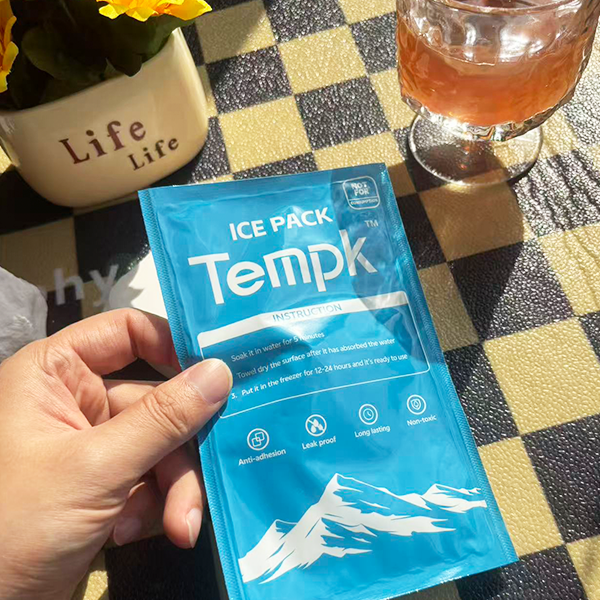
Comparez correctement le prix de l'exportateur de glacière
The correct ice chest exporter price has an origin, destination, terme commercial, plan d'expédition, et révision du produit. Sans ces références, un importateur ne peut pas dire si l'offre comprend des cartons d'exportation, palettes, inspection, documents, liquide de refroidissement, ou responsabilité de livraison. La comparaison uniquement de la ligne unitaire déplace l'incertitude vers le fret, douane, recevoir, et assistance sur le terrain.
Une comparaison solide d'exportateurs utilise une seule demande de prix, une fiche de coût au débarquement, preuves appropriées à l'utilisation finale, un plan qualité avant expédition, et contrôles de commande répétée. Il évite les moyennes de marché inventées et rend visible chaque hypothèse commerciale.
Définir une unité de comparaison d'exportation
Définissez l'unité de comparaison comme « un système livré utilisable,» et non « une boîte ». Énumérez le corps exact, couvercle, joint, poignées, vidange, séparateurs, packs de liquide de refroidissement, paniers, étiquettes, instructions, et emballage d'expédition. Indiquez si un enregistreur de température est inclus ou acheté séparément.
Définissez ensuite l'utilisation. Fournir les dimensions et la masse de la charge utile, quantité, condition requise, état initial, itinéraire, temps crédible le plus long, expositions ambiantes, ouvertures, véhicule, manutention, nettoyage, et retour. For medicines and vaccines, les exigences doivent provenir de la documentation du produit et du programme. Une fourchette générale ne devrait pas être imposée parce qu'elle est familière.
Demandez les dimensions intérieures et les dessins d'emballage. Une capacité indiquée de 25 litres peut ne pas fournir 25 litres de charge utile utilisable après liquide de refroidissement et barrières. La masse chargée et le centre de gravité influencent les poignées et l'ergonomie. Les dimensions extérieures influencent le cube de fret et de véhicule.
Chaque fournisseur doit remplir la même matrice:
| Champ de devis | Réponse requise |
|---|---|
| Modèle et révision | Identifiant exact et référence du dessin |
| Composants inclus | Quantité et spécifications de chaque pièce |
| Niveaux de prix | Quantité, portée de l'unité, devise, validité |
| Frais uniques | Outillage, œuvres d'art, développement, essai |
| Pilotes MOQ | Boîte, pigment, imprimer, liquide de refroidissement, conditionnement |
| Preuve incluse | Identité du rapport et pertinence de la configuration |
| Emballage | Carton, palette, nidification, dimensions, poids |
| Base de livraison | Terme commercial, destination, exclusions |
| Répéter le support | Délai de mise en œuvre, enregistré, processus de garantie |
| Changer le contrôle | Processus de notification et d’examen par l’acheteur |
Cela transforme une demande de prix en une offre comparable. Les entrées manquantes deviennent des questions plutôt que des surprises.
Utilisez une échelle de preuves
Tous les projets n'ont pas besoin des mêmes preuves. Créez des niveaux qui correspondent aux conséquences.
Niveau 1: identité du produit. Dessins, matériels, dimensions, composants, fabrication, et des échantillons établissent ce qui est acheté.
Niveau 2: preuve fonctionnelle. Fermeture, levage, fuite selon une méthode définie, compatibilité de nettoyage, empilement, et les contrôles des colis de transport soutiennent le fonctionnement normal.
Niveau 3: preuve de demande. Documentation contact alimentaire, essais thermiques, compatibilité du liquide de refroidissement, et les méthodes de surveillance répondent à l'utilisation prévue.
Niveau 4: qualification contrôlée. Protocoles approuvés, instruments calibrés, échantillons représentatifs, répétition des courses, critères d'acceptation définis, rapports traçables, et le contrôle des changements prend en charge une distribution sensible à la température à conséquences élevées.
Le coût du fournisseur augmente à mesure que les preuves spécifiques au projet augmentent. Ce n'est pas automatiquement du gaspillage. Cela devient du gaspillage lorsqu'un certificat ne répond pas à une décision, ou lorsque l'acheteur demande un test sans rapport avec le parcours.
ISTA 7E fournit des profils thermiques pour les emballages de transport utilisés dans la livraison de colis. Les directives de l'OMS décrivent les concepts de qualification et de suivi du temps- et médicaments sensibles à la température. Iata's Temperature Control Regulations address relevant air-cargo practices. Utiliser les cadres applicables avec du personnel qualifié, tout en gardant le produit, itinéraire, et juridiction en vue.
Une allégation de durée doit identifier le profil ambiant, charge utile, liquide de refroidissement, conditionnement, positions des capteurs, critères d'acceptation, et configuration exacte. « Garde au froid pendant des jours » ne peut pas permettre un calcul coût-bénéfice.
Convertir l'offre d'export en coût au débarquement
Commencez par l'offre détaillée. Ajouter des accessoires, outillage, inspection, emballage d'exportation, fret, assurance, devoirs, courtage, frais de port ou de terminal le cas échéant, transport intérieur, et recevoir. Utilisez les devis actuels des fournisseurs appropriés plutôt qu'un pourcentage générique.
Séparez les apports physiques et financiers. Les entrées physiques incluent les dimensions emballées, nombre de palettes, nidification, et poids brut. Les intrants financiers incluent le taux de fret, devise, devoir, et frais de dossier. Cela facilite les mises à jour lorsque les tarifs changent.
Comparez avec les mêmes conditions commerciales ou ajustez explicitement la responsabilité. Confirmez si les palettes, documents d'origine, et les rendez-vous de livraison sont inclus. Enregistrer la validité des cotations et les hypothèses de taux de change. Une offre livrée n’est pas forcément plus chère; cela place simplement la coordination différemment.
Examiner le MOQ ainsi que le coût au débarquement. Une quantité élevée peut réduire le produit et le fret par unité tout en augmentant les stocks, stockage, espèces, et obsolescence. Un pilote plus petit peut avoir un coût unitaire plus élevé mais acheter des informations précieuses. Afficher les deux effets dans la note d'approbation.
Si un nouveau moule est proposé, séparez-le du prix unitaire. Définir la propriété, entretien, exemples d'étapes, stockage, et droits de sortie. Amortissez-le sur un scénario de volume conservateur. L'outil ne doit pas disparaître dans le devis où son risque ne peut être évalué.
Ajoutez des coûts d’exploitation sans fausse certitude
Pour un itinéraire à usage unique, inclure l'assemblage du pack, préparation du liquide de refroidissement, surveillance, fret dimensionnel, gestion des destinations, et élimination. Pour une boucle réutilisable, ajouter une identification d'actif, logistique inversée, lavage, séchage, inspection, réparation, perte, repositionnement, et stock de sécurité.
Calculer le coût par voyage livré réussi. Un colis envoyé mais non récupéré a été livré une fois, n'a pas terminé un cycle de réutilisation. Une boîte retournée en attente de séchage n'est pas disponible en inventaire. Une unité endommagée peut nécessiter une inspection et une réparation avant sa prochaine utilisation.
Utilisez des scénarios plutôt qu’un chiffre optimiste:
- Conservateur: récupération inférieure, durée de vie plus courte, coût de réparation et de retour plus élevé.
- Attendu: hypothèses étayées par les résultats du projet pilote.
- Amélioré: meilleure récupération une fois les contrôles prouvés.
Identifiez les variables qui changent la décision. Si le cube de retour vide domine, comparer l'imbrication ou la mise en commun régionale. Si la perte domine, améliorer la propriété et les contrôles d'analyse. Si le travail de conditionnement du liquide de refroidissement domine, examiner le flux de travail et les options de liquide de refroidissement compatibles. Si le fret sortant domine, reconsidérer la taille externe et le rapport de charge utile.
Évitez d’attribuer des économies ou des avantages environnementaux non pris en charge. Réutilisation, contenu recyclé, allègement, et la recyclabilité sont des attributs distincts. Voyages réels, transport, lavage, réparation, et les itinéraires locaux de fin de vie déterminent les résultats du programme.
Piloter à la fois le produit et les hypothèses
Les échantillons doivent représenter la construction de la production. Tester l'ajustement réel de la charge utile, temps de chargement, fermeture, levage en charge, empilement de véhicules, ouvertures, déchargement, lavage, séchage, étiquettes, et retour à vide. Inclure les opérateurs de différents quarts de travail.
Pour le contrôle critique de la température, exécuter un protocole approuvé avec une surveillance appropriée et des conditions réalistes. Révision du boîtier de commande, charge utile, liquide de refroidissement, conditionnement, arrangement, capteurs, et l'acceptation. Évaluer les risques de gel et de chaleur, le cas échéant. La boîte seule n'est pas le système qualifié.
Le pilote valide également les coûts. Compter les étapes de travail, espace, dommage, et revient. Enregistrez si des accessoires disparaissent. Vérifiez les dimensions du colis d'expédition et inspectez la compression des palettes.. Remplacer les estimations par des valeurs observées.
Imaginez une conception qui permet de réduire les coûts d'usine en utilisant un loquet non remplaçable. Pendant le pilote, les loquets montrent de l'usure tandis que le corps reste utilisable. La baisse du prix unitaire pourrait entraîner une retraite anticipée. Un composant remplaçable peut améliorer l’économie du cycle de vie, mais seulement si les pièces, outils, entraînement, et l'inspection sont pratiques.
Utiliser les résultats du pilote pour réviser l'offre, spécification, et modèle interne. Si la configuration change sensiblement, répéter l'évaluation nécessaire avant l'échelle.
Protéger les aspects économiques approuvés grâce au contrôle qualité
La dérive de la production peut effacer les hypothèses de coûts. Définir les matériaux critiques, dimensions, ajustement du couvercle, isolation, liquide de refroidissement, matériel, odeur, couleur, étiquettes, et emballage. Établir des classes de défauts et des méthodes d'inspection. Exiger une identification du lot et une réponse en cas de produit non conforme.
La notification de changement de fournisseur doit couvrir la qualité de la résine, contenu recyclé, pigment, mousse, VIP, joint, adhésif, matériel, liquide de refroidissement, moulage, assemblée, source de composants, et le site. L'acheteur détermine ensuite l'impact. Une mise à jour du document peut suffire pour un changement mineur; un contrôle fonctionnel ou une requalification thermique peut être nécessaire pour un autre.
La garantie doit être traduite en processus. Quels défauts sont couverts? Quelles preuves sont nécessaires? Qui paie le fret? Les pièces de rechange sont-elles fournies? À quelle vitesse les réclamations sont-elles examinées? Une longue déclaration de garantie avec des exclusions difficiles a une valeur économique limitée.
La planification de la continuité couvre le délai de commande répétée, disponibilité des composants, entretien des outils, alternatives approuvées, et communications. Les programmes à haut risque peuvent nécessiter un stock de sécurité ou une deuxième configuration. Le contrôle choisi doit refléter les conséquences, pas une règle générique.
Examiner les performances des fournisseurs présentant des défauts, livraison, réponse, et modifier les métriques. Ne réduisez pas le tableau de bord à la variance des prix. Un fournisseur stable qui évite les écarts peut supporter un coût total inférieur.
Testez les hypothèses commerciales
Avant l'attribution, mener une revue transversale où chaque fonction remet en question une partie du modèle de coûts. La logistique vérifie les dimensions des cartons et des palettes. Chargement des chèques d'opérations, préparation du liquide de refroidissement, lavage, et le personnel. Contrôle de la qualité des preuves et des changements. La finance teste la monnaie, volume, et hypothèses de paiement. Les achats confirment que la portée et les conditions sont comparables.
Gérez les sensibilités au lieu de vous fier à un seul total. Augmenter le fret, réduire le retour, raccourcir la durée de vie, ou ajoutez une course de qualification. Identifier la variable qui peut inverser le classement des fournisseurs, puis négociez ou pilotez-le. Si le cube de fret est décisif, témoin du pack d'exportation. Si le retour est décisif, retarder l’évolution de la flotte jusqu’à ce que la récupération soit mesurée. Si une réclamation thermique est déterminante, revoir le protocole et les données.
Documenter les exclusions dans l'approbation. Un prix peut omettre les taxes de destination, stockage local, qualification après un changement de voie, liquide de refroidissement de remplacement, ou étiquettes spécifiques au client. Les exclusions ne sont pas automatiquement défavorables, mais l'entreprise doit les posséder. La décision reste vérifiable lorsque les hypothèses, lacunes dans les preuves, et les imprévus sont visibles.
Définir une date d'examen après le lancement. Comparer le coût réel au débarquement, défauts, travail, récupération, et écarts avec le modèle approuvé. Utiliser les différences pour améliorer les quantités de réapprovisionnement, contrôles d'itinéraire, et la prochaine négociation fournisseur.
Enregistrez également les performances d'emballage à l'exportation et les commentaires sur la gestion de la destination au cours de cet examen..
Comparez les offres sous une seule responsabilité de livraison
Deux devis ne doivent pas être classés tant que l'acheteur n'a pas déterminé quelle partie contrôle la collecte à l'origine., dédouanement à l'exportation, wagon principal, assurance, dédouanement à destination, devoirs, frais terminaux, et livraison finale. Utilisez le terme commercial et le lieu nommé indiqués dans l'offre, et obtenez les informations logistiques actuelles pour tout segment que l'acheteur doit ajouter.
Ne considérez pas un terme comme une garantie complète des coûts. Suppléments, surestarie, stockage, inspection, rendez-vous de livraison, et le traitement fiscal peut dépendre des événements et des règles locales. Enregistrez la date du taux et les hypothèses. Lorsqu'un fournisseur propose plusieurs bases de livraison, comparer la transparence, contrôle, et le risque ainsi que le total.
La devise et le calendrier de paiement affectent également l'importateur. Calendrier de dépôt, déclencheur d'équilibre, frais bancaires, exposition aux changes, et les remèdes en cas d'échec d'une inspection font partie de la comparaison commerciale. Ces éléments ne modifient pas les performances thermiques, mais ils peuvent modifier sensiblement les besoins de trésorerie et les recours. Une note de décision doit présenter ensemble le prix du produit et la répartition des risques de livraison..
Note de décision: ce que la direction devrait voir
La recommandation finale doit indiquer plus de trois prix unitaires. Présent:
application et configuration contrôlée;
fournisseurs et différences de périmètre;
niveau de preuve et lacunes restantes;
coût au débarquement selon la quantité et les conditions indiquées;
Scénarios opérationnels et hypothèses sensibles;
résultats pilotes et risques non résolus;
outillage, personnalisation, et exposition aux stocks;
engagements qualité et maîtrise du changement;
prochaine étape recommandée et conditions d’approbation.
Ce format rend visible l'incertitude. La direction peut voir si la décision dépend du taux de récupération, fret, qualification, ou volume. Les achats peuvent négocier le véritable moteur plutôt que de faire pression sur chaque fournisseur pour obtenir le même pourcentage arbitraire..
Une décision « pas encore d’attribution » peut être appropriée lorsque la portée ou les preuves sont incomplètes. Demander un échantillon supplémentaire ou un devis logistique peut s'avérer moins coûteux que de s'engager sur une commande importante avec une fausse précision..
Questions fréquemment posées
Ce qui devrait être inclus dans un devis d'exportation d'unité de glacière?
Au minimum, identifier le corps, couvercle, isolation, joint, matériel, et emballage. Ajouter du liquide de refroidissement, inserts, étiquettes, documents, et autres accessoires requis sous forme de lignes explicites. Révision du modèle d'état, quantité, devise, terme commercial, destination, validité, et exclusions afin que les fournisseurs puissent être comparés équitablement.
Un rapport thermique existant peut-il réduire le coût du projet?
Oui, si cela s'applique au modèle proposé, matériels, charge utile, liquide de refroidissement, conditionnement, profil ambiant, carte des capteurs, et critères d'acceptation. Quand des différences existent, utiliser une analyse d'impact pour décider si le rapport est informatif ou si des tests supplémentaires sont nécessaires.
Pourquoi la taille externe est-elle aussi importante que la capacité?
La taille externe stimule le fret à l’exportation, empreinte de l'entrepôt, cube de véhicule, et retours vides. La capacité interne doit être suffisamment grande pour l'emballage contrôlé, mais un excès de mur ou une géométrie inutilisée peut rendre la logistique coûteuse. Comparez la charge utile utilisable par cube emballé et transporté.
Comment les acheteurs peuvent-ils éviter de payer trop cher pour les réclamations de conformité ??
Demandez quelle exigence s'applique, quel document exact le soutient, et quel composant commandé il couvre. Évitez les affirmations générales telles que « conforme à l’échelle mondiale ». Payer pour les preuves et les contrôles qui répondent au produit, marché, itinéraire, et les besoins en matière de système qualité.
Quand un acheteur doit-il choisir la personnalisation?
Choisissez-le lorsque les modèles existants ne peuvent pas répondre à la charge utile, manutention, contrôle, ou les besoins essentiels de la marque et lorsque le volume attendu soutient le développement. Séparer les changements esthétiques des changements fonctionnels. Inclure l'outillage, échantillons, essai, approbation, délai de mise en œuvre, et risque de stock obsolète dans la décision.
Conclusion
Une comparaison défendable des coûts des fournisseurs commence par une configuration contrôlée. Définir le niveau de preuve, calculer les coûts d'atterrissage et d'exploitation selon des hypothèses visibles, tester le produit et le business model, et protéger le résultat approuvé grâce au contrôle de la qualité et des modifications. Cette approche remplace un prix de marché peu fiable par une décision qui finance, opérations, et la qualité peut tous examiner.
À propos du tempk
Tempk, associé à Shanghai Tempk, supplies cold-chain packaging categories that include medical cooler boxes, plastic and EPP insulated boxes, Options d'isolation liées au VIP, et choix de liquide de refroidissement. Ces catégories peuvent être citées en configurations standards ou orientées application selon la demande. Les acheteurs doivent fournir la charge utile, itinéraire, quantité, destination, et les preuves sont nécessaires pour que la portée commerciale reflète l'utilisation prévue.
CTA: Demander une proposition d'export Tempk qui sépare la boîte, liquide de refroidissement, personnalisation, preuve, emballage en carton principal, palettisation, et base de livraison indiquée.