


The Best Eco-Friendly Insulated Box Distributor Guide for 2026
The Best Eco-Friendly Insulated Box Distributor Guide for 2026
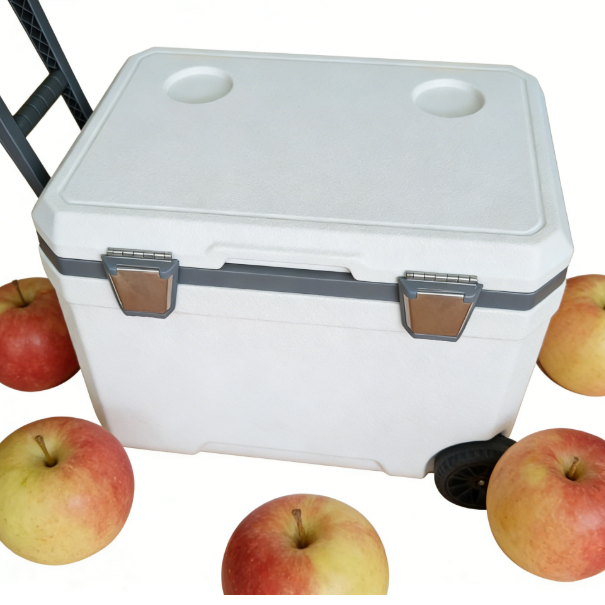
Suggested canonical: /resources/insulated-box-distributor-eco-friendly/
Suggested internal pages:
- How to talk about eco claims without greenwashing
- Reusable vs single-use insulated box economics
- Material recovery options for cold chain packaging
- How right-sizing cuts freight and waste
The Best Eco-Friendly Insulated Box Distributor Guide for 2026
If you are searching for insulated box distributor eco-friendly, you are really choosing a temperature-control system, pas seulement une boîte. A qualified solution protects chilled foods, healthcare kits, and grocery orders, survives mixed parcel and regional distribution networks, and gives your team a repeatable SOP instead of a fragile packing ritual. Dans 2026, the market is rewarding suppliers that can pair thermal data with operational simplicity and credible environmental claims.
Cet article répondra:
- How to choose the best eco-friendly insulated box distributor setup for your lane, charge utile, et le budget
- Which technical and regulatory checks belong in every purchasing decision
- How to align supplier selection, validation, and sustainability in one workflow
- Quoi 2026 market shifts mean for your next packaging project
Why does Eco-Friendly Insulated Box Distributor matter for sustainable cold chain packaging distribution in 2026?
The best eco-friendly insulated box distributor choice buys reliable temperature time, manipulation plus propre, et une friction opérationnelle réduite. Too many teams compare an insulated box by wall thickness or sample price first. En opérations réelles, what matters is whether the pack-out can protect chilled foods, healthcare kits, and grocery orders at 2–8°C, 15–25°C, and frozen across mixed parcel and regional distribution networks while still being fast to build and easy to receive. For sustainability-minded distributors, category managers, and packaging specifiers, the winning box is the one your team can repeat on its busiest day without improvising.
That is why strong buyers start with route profile, profil de commande, and handoff behavior. If your lane includes greenwashing risk, poor recycling access, and higher costs from oversized designs, average-day performance is not enough. You need a design that still works on a hot afternoon, a delayed handoff, or a crowded receiving dock. Dimensionnement correct, disciplined coolant placement, and a simple packing sequence often matter more than adding more material. A smart supplier will talk about payload fit, SOPS EMPORT, and seasonal testing before talking about catalog claims.
How eco-friendly insulated box distributor turns into a repeatable operating standard
Think of the box as a timer, not just a shell. The timer starts the moment the payload leaves controlled storage, and it keeps running through picking, mise en scène, transport, and final receiving. If you leave too much empty air around the payload, use the wrong coolant mass, or let the team pack different ways on different shifts, that timer shortens fast. The best systems keep the rules simple enough that your warehouse team can execute them consistently even when volume surges.
| Route profile | Recommended box style | Pourquoi ça va | Ce que cela signifie pour vous |
| Controlled short lane | Compact passive box | Predictable route and low variance | Good for repeat orders with disciplined pack-out |
| Regional 24–48 h lane | Mid-duration insulated system | Moderate seasonal swing | Creates a practical balance of cost and protection |
| Critical long lane | High-performance qualified shipper | High value or long exposure window | Adds safety margin when failure is expensive |
Conseils pratiques que vous pouvez utiliser
- Map your three most common lane lengths before comparing box quotes.
- Ask suppliers for a packing sequence that a new operator can follow in one training session.
- Separate short-lane and worst-case-lane pack-outs instead of forcing one design to do every job poorly.
Exemple: A regional grocery distributor replaced a one-size-fits-all shipper with two right-sized formats and a returnable tote for dense urban routes. Waste dropped, van fill improved, and store teams spent less time breaking down bulky packs.
Which materials and coolant choices make the most sense for eco-friendly insulated box distributor?
Material choice is about matching thermal resistance, durabilité, and cost to the real lane instead of choosing the most advanced option by default. EPS remains popular because it is cost-effective and widely available. EPP adds durability and reuse potential. Polyurethane or polyisocyanurate-based designs can deliver more insulation in less thickness. VIP-based systems push performance even further, but they cost more and require careful handling. The best answer depends on how long the route lasts, how rough the handling is, and how expensive failure would be.
Le choix du liquide de refroidissement est tout aussi important. Gel packs are simple and flexible. Phase-change materials give tighter control when you need a narrower target. Dry ice supports frozen and deep-frozen programs but introduces labeling, sécurité, and depletion planning. When buyers mix material and coolant well, they reduce both risk and overpack. When they guess, they often end up paying for too much insulation on easy lanes and too little protection on hard ones.
What the materials data means in real operations
Do not compare materials by brochure claims alone. Ask how they behave after vibration, compression, exposition à l'humidité, et manipulations répétées. A very efficient panel loses value if the operator can damage it easily. A reusable shell only earns its keep when the reverse-logistics loop is real. The right material is the one that still performs after your actual handling pattern, not the one with the most impressive lab story.
| Material or coolant | Ce que ça fait bien | Que regarder | Ce que cela signifie pour vous |
| PSE + packs de gel | Strong value on many routine lanes | Can become bulky on long hot routes | A practical baseline for cost-sensitive distribution |
| PPE + PCM réutilisable | Durable and suited to repeat use | Needs return logistics and cleaning control | Good for closed loops with consistent turns |
| PU/PIR + PCM | Higher performance in tighter space | Higher cost than basic foam | Useful when cube is expensive or hold time is tighter |
| VIP + PCM ou glace carbonique | Long-duration performance in compact footprints | Premium cost and handling care | Best when payload value justifies the extra protection |
Conseils pratiques que vous pouvez utiliser
- Choose the material after you define the lane and payload, not before.
- Compare materials with transit and thermal data from the same test plan whenever possible.
- Protect high-performance inserts from edge damage during handling and storage.
Exemple: Two boxes can look similar on a sample table yet behave very differently after vibration, chute de coin, and staging delay. Material selection only becomes meaningful when it is tied to the lane and the test method.
How do you validate eco-friendly insulated box distributor before you scale volume?
If you cannot show test conditions, logger results, and pass or fail rules, you do not yet have a qualified packaging system. Validation turns a packaging concept into a controlled operating method. You define the route assumptions, condition the samples, build the pack-out exactly as written, and measure the internal temperature over time. Then you combine that with transit-style abuse testing so the box is not only thermally sound but physically durable. This is where standards such as ASTM D3103, ASTM D4169, ASTM D4332, and modern ISTA thermal profiles become valuable.
Healthcare and biotech teams often go one step further by qualifying route profiles, documenting logger placement, and locking seasonal pack-outs under change control. Food teams should do the same discipline even when the language is simpler. The goal is always the same: prove that the pack-out holds product in range for the intended route, and prove that the operation can repeat it after launch. Dans 2026, buyers increasingly expect this evidence before they approve a new supplier.
What a clean validation file for eco-friendly insulated box distributor should include
Au minimum, keep the pack drawing, material specification, test protocol, conditioning details, instructions d'emballage, carte de l'enregistreur, critères d'acceptation, and final report. If you change wall thickness, résine, type de liquide de refroidissement, géométrie de la charge utile, or outer carton strength, assess whether requalification is needed. This discipline protects you from quiet performance drift after cost-down changes or raw-material substitutions.
| Validation file element | Ce que ça prouve | Who uses it | Ce que cela signifie pour vous |
| Pack drawing and BOM | Exactly what was tested | Approvisionnement, qualité, fournisseurs | Stops later confusion about what counts as approved |
| Thermal test report | Hold-time performance against the target range | Quality and operations | Shows whether the pack-out works on paper and in practice |
| Transit durability report | Resistance to drops, vibration, et compression | Operations and engineering | Prevents thermal success from being undone by handling damage |
Conseils pratiques que vous pouvez utiliser
- Test at least one short lane and one worst-case lane instead of relying on a single average profile.
- Record logger placement in the protocol so future tests are comparable.
- Trigger a review whenever the drawing, matériel, liquide de refroidissement, or payload geometry changes.
Exemple: A formal validation file often speeds purchasing instead of slowing it down. Once the evidence exists, teams spend less time arguing from opinion and more time deciding how to launch.
Quelles normes, règlements, and handling rules shape eco-friendly insulated box distributor?
The right rule set depends on what you ship, how you ship it, and which risks the shipment creates if control fails. That is why compliance should be defined at the start of the project, not after the packaging is already selected. Food shipments need sanitary transport and temperature control logic. Biological tissues and many specimen shipments may require triple packaging, Et 3373 marquage, and dry ice labeling when relevant. Medical and biotech flows need qualified systems that protect product quality and traceability through the supply chain.
Standards and regulations also influence documentation. For some routes, a transit and thermal report may be enough. Pour les autres, you may need classification records, Sops, fichiers d'enregistrement, chain-of-custody steps, or route-qualification evidence. Good suppliers understand where packaging design, étiquetage, and paperwork meet. They help you build a solution that can pass operational review, not just survive a sample test.
How to match the rule set to eco-friendly insulated box distributor
Start with the product category, the shipping mode, the temperature target, and the destination market. Then define the minimum package construction, étiquettes, documentation, and monitoring you need. Quand les équipes sautent cette étape, they often discover late in the project that the chosen box lacks the right evidence or cannot support the required process.
| Rule or framework | What it governs | Implication de l'emballage | Ce que cela signifie pour vous |
| Qualification protocol | Defines pass/fail limits and route assumptions | Turns a packaging idea into a repeatable operating standard | |
| ASTM / Tests ISTA | Transit and thermal evidence | Shows whether the design survives real handling and ambient stress | |
| Change control records | Protects quality after material or drawing changes | Prevents quiet spec drift from damaging performance |
Conseils pratiques que vous pouvez utiliser
- Write the product class, mode d'expédition, and temperature target into the packaging brief on day one.
- Ask suppliers to state which standards and test methods their reports actually follow.
- Treat labeling, dry-ice planning, and chain-of-custody steps as part of the pack design, not as separate paperwork.
Exemple: Compliance mistakes are rarely dramatic at the beginning. They usually look like a missing label, an unclear SOP, or a report with the wrong test method. Catching those details early is much cheaper than fixing them after launch.
How can sustainability strengthen, not weaken, eco-friendly insulated box distributor performance?
Sustainable packaging only works when the environmental claim is backed by lane-appropriate performance. Buyers are right to ask for lower waste, moins d'espace vide, and more credible material claims. But a sustainable insulated box still has to protect product first. If a greener-looking design causes more temperature failures, more spoilage, or more emergency repacks, the total footprint usually gets worse. That is why smart teams treat sustainability as a design optimization problem, not a branding exercise.
En pratique, the biggest wins often come from reduced empty space, right material for the lane instead of generic overpack, and return-and-reuse programs. These changes reduce material use and freight burden without asking the thermal system to do something unrealistic. Regulators and procurement teams are also paying closer attention to vague green language. Aux États-Unis, environmental marketing claims need to be truthful and well supported, and in Europe the new packaging rules are pushing designers toward clearer, more defensible material choices. Dans 2026, that means buyers should ask for proof, pas des slogans.
How to cut waste in eco-friendly insulated box distributor without creating new risk
Start with order-size data, lane-duration data, and return-rate data. Those three numbers tell you whether right-sizing, réutilisation, or material substitution has the strongest payoff. If you run a closed network with consistent returns, reusable shells can work very well. If your flow is one-way parcel, lower cube and clearer disposal instructions may matter more than reuse. The goal is to reduce waste in a way your operation can actually sustain.
| Sustainability move | Main benefit | Main watchout | Ce que cela signifie pour vous |
| Redimensionner la boîte | Less freight air and less coolant | Needs real order-size data | Usually the fastest way to lower cost and waste together |
| Use reuse only on true loops | Lower waste per trip when turns stay high | Fails if return rates are poor | Reuse works best when you can measure return, nettoyage, et perte |
| Qualify eco claims | Reduces legal and reputation risk | Requires evidence and clear wording | Honest claims build trust and survive procurement review |
Conseils pratiques que vous pouvez utiliser
- Measure empty-space ratio on your top order sizes before changing materials.
- Qualify any recyclable or recycled-content claim with the exact wording you can support.
- Use reuse only when return rates, nettoyage, and asset tracking are already practical.
Exemple: Teams usually get more value from right-sizing and better pack-out discipline than from chasing a fashionable material change first. That order of operations protects both performance and credibility.
2026 developments and trends for eco-friendly insulated box distributors
Dans 2026, eco-friendly insulated box distributor programs are being pushed by a mix of cost pressure, pression sur la durabilité, and higher expectations for proof. Buyers want lower dead space, faster prototyping, and validation data earlier in the sales cycle. That is why more packaging projects now start with route classes, order profiles, and sustainability goals together instead of treating those topics as separate workstreams.
Derniers quarts de travail en un coup d'oeil
- Right-sizing is moving from a packaging tweak to a freight and sustainability strategy.
- Factory and OEM buyers are asking for controlled drawings and change-control discipline much earlier.
- More RFPs now require support for validation, documentation, and credible environmental claims.
The policy backdrop matters too. Environmental claims are getting more scrutiny, and the new EU packaging regulation begins applying broadly in August 2026. Pour toi, that means the safest path is a packaging brief that combines performance, material facts, and operational data from the start.
Questions fréquemment posées
What makes a strong eco-friendly insulated box distributor supplier?
A strong supplier offers more than catalog stock. You want route-aware recommendations, dessins contrôlés, aide à la validation, clear lead-time commitments, and realistic communication about sustainability claims and limitations.
Is a thicker wall always better for eco-friendly insulated box distributor?
Non. Meilleur ajustement, smarter coolant use, and a tighter order-size match often outperform a blindly thicker wall. Added thickness helps only when it solves a real route problem rather than hiding a poor pack-out design.
When is a reusable eco-friendly insulated box distributor the smart option?
Reuse works when you control the return loop, processus de nettoyage, suivi des actifs, and turn rate. Without those conditions, a reusable box can look sustainable on paper but perform badly in real operations.
How should you test eco-friendly insulated box distributor before launch?
Use a written protocol that covers sample conditioning, instructions d'emballage, Placement de l'enregistrement, durée de l'itinéraire, and transit abuse. Test the easy lane and the hard lane so you know where the design works and where escalation is needed.
Résumé et recommandations
The strongest eco-friendly insulated box distributor strategy is simple to explain and hard to misuse. You define the route, pick the right material and coolant system, validate the pack-out, and buy from a supplier that can support controlled execution over time. Quand ces pièces s'alignent, you reduce damage, control cost better, and make quality reviews much easier.
Votre prochaine étape devrait être pratique. List your top lanes, top order sizes, objectifs de température, and the exceptions that hurt you most today. Then compare suppliers against that real brief, not a generic catalog sheet. A short pilot with clear pass or fail rules will tell you far more than another round of sample swapping.
À propos du tempk
Et tempk, we focus on passive cold chain packaging that is designed around real routes, real handling patterns, and real operating constraints. We work across insulated box formats, custom inserts, and qualification support so buyers can match protection level to lane difficulty instead of overbuying or underprotecting.
Bring your lane profile, order sizes, and temperature target to the conversation. A good packaging discussion starts with your operating reality, and that is the fastest way to move from sample boxes to a repeatable shipping standard.
The Best Insulated Box Distributor for Grocery Stores Guide for 2026

Suggested canonical: /resources/insulated-box-distributor-grocery-store/
Suggested internal pages:
- How to package mixed-temperature grocery orders
- Reusable tote programs for grocery routes
- Cold-holding checklist for store deliveries
- Labor-saving pack-out formats for grocery teams
The Best Insulated Box Distributor for Grocery Stores Guide for 2026
When buyers look for insulated box distributor grocery store, the smart question is not simply price. It is whether the pack-out can protect value from pack bench to final handoff. A qualified solution protects dairy, produits réfrigérés, and ready-to-eat foods, survives store replenishment, curbside pickup staging, and local delivery routes, and gives your team a repeatable SOP instead of a fragile packing ritual. Dans 2026, the strongest suppliers are combining route-specific validation, better material efficiency, and more transparent documentation.
Cet article répondra:
- How to choose the best grocery store insulated box supplier setup for your lane, charge utile, et le budget
- Which technical and regulatory checks belong in every purchasing decision
- How to align supplier selection, validation, and sustainability in one workflow
- Quoi 2026 market shifts mean for your next packaging project
Why does Insulated Box Distributor for Grocery Stores matter for grocery cold chain distribution in 2026?
The best insulated box distributor for grocery stores choice buys reliable temperature time, manipulation plus propre, et une friction opérationnelle réduite. Too many teams compare an insulated box by wall thickness or sample price first. En opérations réelles, what matters is whether the pack-out can protect dairy, produits réfrigérés, and ready-to-eat foods at 0–5°C chilled and frozen across store replenishment, curbside pickup staging, and local delivery routes while still being fast to build and easy to receive. For grocery distribution managers, omnichannel fulfillment teams, and store operations leaders, the winning box is the one your team can repeat on its busiest day without improvising.
That is why strong buyers start with route profile, profil de commande, and handoff behavior. If your lane includes mixed-basket complexity, pick-pack speed, and short dwell times turning into long delays, average-day performance is not enough. You need a design that still works on a hot afternoon, a delayed handoff, or a crowded receiving dock. Dimensionnement correct, disciplined coolant placement, and a simple packing sequence often matter more than adding more material. A smart supplier will talk about payload fit, SOPS EMPORT, and seasonal testing before talking about catalog claims.
How grocery store insulated box supplier turns into a repeatable operating standard
Think of the box as a timer, not just a shell. The timer starts the moment the payload leaves controlled storage, and it keeps running through picking, mise en scène, transport, and final receiving. If you leave too much empty air around the payload, use the wrong coolant mass, or let the team pack different ways on different shifts, that timer shortens fast. The best systems keep the rules simple enough that your warehouse team can execute them consistently even when volume surges.
| Route profile | Recommended box style | Pourquoi ça va | Ce que cela signifie pour vous |
| Controlled short lane | Compact passive box | Predictable route and low variance | Good for repeat orders with disciplined pack-out |
| Regional 24–48 h lane | Mid-duration insulated system | Moderate seasonal swing | Creates a practical balance of cost and protection |
| Critical long lane | High-performance qualified shipper | High value or long exposure window | Adds safety margin when failure is expensive |
Conseils pratiques que vous pouvez utiliser
- Map your three most common lane lengths before comparing box quotes.
- Ask suppliers for a packing sequence that a new operator can follow in one training session.
- Separate short-lane and worst-case-lane pack-outs instead of forcing one design to do every job poorly.
Exemple: A supermarket group introduced stackable insulated totes for its shortest city routes and reserved single-use shippers for parcel exceptions. Vehicle fill improved, and store staff spent less time sorting packaging waste.
Which materials and coolant choices make the most sense for insulated box distributor for grocery stores?
Material choice is about matching thermal resistance, durabilité, and cost to the real lane instead of choosing the most advanced option by default. EPS remains popular because it is cost-effective and widely available. EPP adds durability and reuse potential. Polyurethane or polyisocyanurate-based designs can deliver more insulation in less thickness. VIP-based systems push performance even further, but they cost more and require careful handling. The best answer depends on how long the route lasts, how rough the handling is, and how expensive failure would be.
Le choix du liquide de refroidissement est tout aussi important. Gel packs are simple and flexible. Phase-change materials give tighter control when you need a narrower target. Dry ice supports frozen and deep-frozen programs but introduces labeling, sécurité, and depletion planning. When buyers mix material and coolant well, they reduce both risk and overpack. When they guess, they often end up paying for too much insulation on easy lanes and too little protection on hard ones.
What the materials data means in real operations
Do not compare materials by brochure claims alone. Ask how they behave after vibration, compression, exposition à l'humidité, et manipulations répétées. A very efficient panel loses value if the operator can damage it easily. A reusable shell only earns its keep when the reverse-logistics loop is real. The right material is the one that still performs after your actual handling pattern, not the one with the most impressive lab story.
| Material or coolant | Ce que ça fait bien | Que regarder | Ce que cela signifie pour vous |
| PSE + packs de gel | Strong value on many routine lanes | Can become bulky on long hot routes | A practical baseline for cost-sensitive distribution |
| PPE + PCM réutilisable | Durable and suited to repeat use | Needs return logistics and cleaning control | Good for closed loops with consistent turns |
| PU/PIR + PCM | Higher performance in tighter space | Higher cost than basic foam | Useful when cube is expensive or hold time is tighter |
| VIP + PCM ou glace carbonique | Long-duration performance in compact footprints | Premium cost and handling care | Best when payload value justifies the extra protection |
Conseils pratiques que vous pouvez utiliser
- Choose the material after you define the lane and payload, not before.
- Compare materials with transit and thermal data from the same test plan whenever possible.
- Protect high-performance inserts from edge damage during handling and storage.
Exemple: Two boxes can look similar on a sample table yet behave very differently after vibration, chute de coin, and staging delay. Material selection only becomes meaningful when it is tied to the lane and the test method.
How do you validate insulated box distributor for grocery stores before you scale volume?
If you cannot show test conditions, logger results, and pass or fail rules, you do not yet have a qualified packaging system. Validation turns a packaging concept into a controlled operating method. You define the route assumptions, condition the samples, build the pack-out exactly as written, and measure the internal temperature over time. Then you combine that with transit-style abuse testing so the box is not only thermally sound but physically durable. This is where standards such as ASTM D3103, ASTM D4169, ASTM D4332, and modern ISTA thermal profiles become valuable.
Healthcare and biotech teams often go one step further by qualifying route profiles, documenting logger placement, and locking seasonal pack-outs under change control. Food teams should do the same discipline even when the language is simpler. The goal is always the same: prove that the pack-out holds product in range for the intended route, and prove that the operation can repeat it after launch. Dans 2026, buyers increasingly expect this evidence before they approve a new supplier.
What a clean validation file for grocery store insulated box supplier should include
Au minimum, keep the pack drawing, material specification, test protocol, conditioning details, instructions d'emballage, carte de l'enregistreur, critères d'acceptation, and final report. If you change wall thickness, résine, type de liquide de refroidissement, géométrie de la charge utile, or outer carton strength, assess whether requalification is needed. This discipline protects you from quiet performance drift after cost-down changes or raw-material substitutions.
| Validation file element | Ce que ça prouve | Who uses it | Ce que cela signifie pour vous |
| Pack drawing and BOM | Exactly what was tested | Approvisionnement, qualité, fournisseurs | Stops later confusion about what counts as approved |
| Thermal test report | Hold-time performance against the target range | Quality and operations | Shows whether the pack-out works on paper and in practice |
| Transit durability report | Resistance to drops, vibration, et compression | Operations and engineering | Prevents thermal success from being undone by handling damage |
Conseils pratiques que vous pouvez utiliser
- Test at least one short lane and one worst-case lane instead of relying on a single average profile.
- Record logger placement in the protocol so future tests are comparable.
- Trigger a review whenever the drawing, matériel, liquide de refroidissement, or payload geometry changes.
Exemple: A formal validation file often speeds purchasing instead of slowing it down. Once the evidence exists, teams spend less time arguing from opinion and more time deciding how to launch.
Quelles normes, règlements, and handling rules shape insulated box distributor for grocery stores?
The right rule set depends on what you ship, how you ship it, and which risks the shipment creates if control fails. That is why compliance should be defined at the start of the project, not after the packaging is already selected. Food shipments need sanitary transport and temperature control logic. Biological tissues and many specimen shipments may require triple packaging, Et 3373 marquage, and dry ice labeling when relevant. Medical and biotech flows need qualified systems that protect product quality and traceability through the supply chain.
Standards and regulations also influence documentation. For some routes, a transit and thermal report may be enough. Pour les autres, you may need classification records, Sops, fichiers d'enregistrement, chain-of-custody steps, or route-qualification evidence. Good suppliers understand where packaging design, étiquetage, and paperwork meet. They help you build a solution that can pass operational review, not just survive a sample test.
How to match the rule set to grocery store insulated box supplier
Start with the product category, the shipping mode, the temperature target, and the destination market. Then define the minimum package construction, étiquettes, documentation, and monitoring you need. Quand les équipes sautent cette étape, they often discover late in the project that the chosen box lacks the right evidence or cannot support the required process.
| Rule or framework | What it governs | Implication de l'emballage | Ce que cela signifie pour vous |
| Sanitary transportation | Clean equipment and temperature control | Protects food safety before the product reaches the customer | |
| HACCP or food safety plan alignment | Hazard control logic | Packaging must support, not weaken, the safety program | |
| Transit and thermal testing | Distribution and temperature proof | Gives buyers evidence instead of promises |
Conseils pratiques que vous pouvez utiliser
- Write the product class, mode d'expédition, and temperature target into the packaging brief on day one.
- Ask suppliers to state which standards and test methods their reports actually follow.
- Treat labeling, dry-ice planning, and chain-of-custody steps as part of the pack design, not as separate paperwork.
Exemple: Compliance mistakes are rarely dramatic at the beginning. They usually look like a missing label, an unclear SOP, or a report with the wrong test method. Catching those details early is much cheaper than fixing them after launch.
How can sustainability strengthen, not weaken, insulated box distributor for grocery stores performance?
Sustainable packaging only works when the environmental claim is backed by lane-appropriate performance. Buyers are right to ask for lower waste, moins d'espace vide, and more credible material claims. But a sustainable insulated box still has to protect product first. If a greener-looking design causes more temperature failures, more spoilage, or more emergency repacks, the total footprint usually gets worse. That is why smart teams treat sustainability as a design optimization problem, not a branding exercise.
En pratique, the biggest wins often come from returnable totes for dense urban routes, right-size insulated inserts, and reduced material per order. These changes reduce material use and freight burden without asking the thermal system to do something unrealistic. Regulators and procurement teams are also paying closer attention to vague green language. Aux États-Unis, environmental marketing claims need to be truthful and well supported, and in Europe the new packaging rules are pushing designers toward clearer, more defensible material choices. Dans 2026, that means buyers should ask for proof, pas des slogans.
How to cut waste in grocery store insulated box supplier without creating new risk
Start with order-size data, lane-duration data, and return-rate data. Those three numbers tell you whether right-sizing, réutilisation, or material substitution has the strongest payoff. If you run a closed network with consistent returns, reusable shells can work very well. If your flow is one-way parcel, lower cube and clearer disposal instructions may matter more than reuse. The goal is to reduce waste in a way your operation can actually sustain.
| Sustainability move | Main benefit | Main watchout | Ce que cela signifie pour vous |
| Redimensionner la boîte | Less freight air and less coolant | Needs real order-size data | Usually the fastest way to lower cost and waste together |
| Use reuse only on true loops | Lower waste per trip when turns stay high | Fails if return rates are poor | Reuse works best when you can measure return, nettoyage, et perte |
| Qualify eco claims | Reduces legal and reputation risk | Requires evidence and clear wording | Honest claims build trust and survive procurement review |
Conseils pratiques que vous pouvez utiliser
- Measure empty-space ratio on your top order sizes before changing materials.
- Qualify any recyclable or recycled-content claim with the exact wording you can support.
- Use reuse only when return rates, nettoyage, and asset tracking are already practical.
Exemple: Teams usually get more value from right-sizing and better pack-out discipline than from chasing a fashionable material change first. That order of operations protects both performance and credibility.
2026 developments and trends for insulated box distributors for grocery stores
Le plus grand 2026 shift in insulated box distributor for grocery stores buying is the move from generic cold packaging to lane-specific food packaging. Food safety rules still focus on preventing unsafe temperature control and poor transport practices, but buyers now also expect faster fulfillment, cleaner receiving, and lower packaging waste. That combination is pushing the market toward right-sized formats, simpler pack-outs, and stronger documentation around chilled versus frozen flows.
Derniers quarts de travail en un coup d'oeil
- Mixed-basket and direct-shipping models are increasing pressure on pack-out speed and format flexibility.
- More buyers want evidence that the box supports food safety plans, not just attractive sample performance.
- Waste reduction efforts are focusing on smaller cubes, doublures plus propres, and route-matched insulation levels.
Aux États-Unis, cold-holding expectations and sanitary transportation practices still set the basic safety floor. The differentiator now is operational fit. The box that wins is often the one that helps your team pack faster, receive faster, and waste less while still protecting shelf life.
Questions fréquemment posées
What is the main job of insulated box distributor for grocery stores in food logistics?
Its main job is to help keep food in the intended temperature range while protecting cleanliness, structure, and receiving efficiency. The best box supports your food safety plan and your labor model at the same time.
Should chilled and frozen food use the same insulated box distributor for grocery stores pack-out?
Habituellement pas. Chilled and frozen products have different coolant strategies, fenêtres de risque, and receiving behaviors. Separate pack-outs are easier to validate and usually cheaper than forcing one design to serve both poorly.
How do you reduce leaks in insulated box distributor for grocery stores shipments?
Start with payload containment, absorbent or leak-control layers when needed, and an outer box strong enough to keep the lid seal stable in transit. Leak control is a system issue, not just a liner issue.
How do you choose the right size for insulated box distributor for grocery stores?
Base the choice on your top order sizes, payload density, durée de la voie, and the amount of coolant needed. A right-sized box often improves thermal performance because there is less empty air to manage.
Résumé et recommandations
The strongest insulated box distributor for grocery stores strategy is simple to explain and hard to misuse. You define the route, pick the right material and coolant system, validate the pack-out, and buy from a supplier that can support controlled execution over time. Quand ces pièces s'alignent, you reduce damage, control cost better, and make quality reviews much easier.
Votre prochaine étape devrait être pratique. List your top lanes, top order sizes, objectifs de température, and the exceptions that hurt you most today. Then compare suppliers against that real brief, not a generic catalog sheet. A short pilot with clear pass or fail rules will tell you far more than another round of sample swapping.
À propos du tempk
Et tempk, we focus on passive cold chain packaging that is designed around real routes, real handling patterns, and real operating constraints. We work across insulated box formats, custom inserts, and qualification support so buyers can match protection level to lane difficulty instead of overbuying or underprotecting.
Bring your lane profile, order sizes, and temperature target to the conversation. A good packaging discussion starts with your operating reality, and that is the fastest way to move from sample boxes to a repeatable shipping standard.
The Best Custom Eco-Friendly Insulated Box Guide for 2026
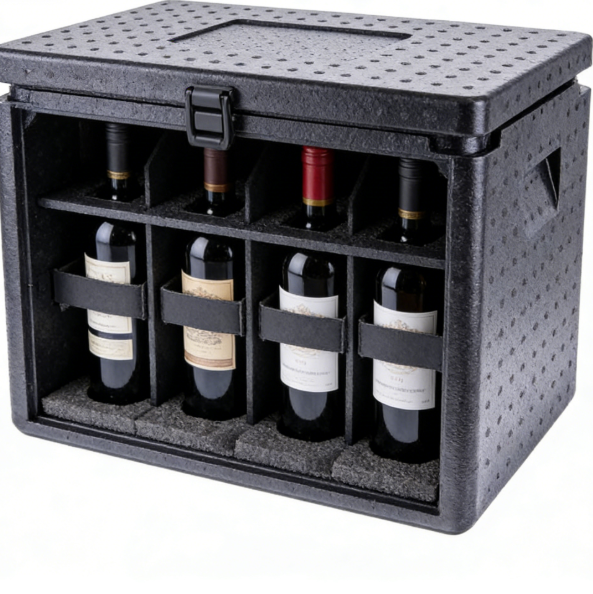
Suggested canonical: /resources/custom-eco-friendly-insulated-box/
Suggested internal pages:
- How to design a custom insulated box brief
- Validating sustainable packaging concepts
- What makes an eco claim credible
- How to balance unboxing and thermal performance
The Best Custom Eco-Friendly Insulated Box Guide for 2026
A strong custom eco-friendly insulated box program is built around hold time, gestion des risques, et adéquation opérationnelle, not foam thickness alone. The right design keeps food subscriptions, specialty health products, and retail kits within 2–8°C, 15–25°C, et gelé, limits damage across parcel, retail distribution, and branded direct-to-consumer programs, and avoids paying extra for unnecessary cube or coolant. Dans 2026, the market is rewarding suppliers that can pair thermal data with operational simplicity and credible environmental claims.
Cet article répondra:
- How to choose the best custom sustainable insulated box setup for your lane, charge utile, et le budget
- Which technical and regulatory checks belong in every purchasing decision
- How to align supplier selection, validation, and sustainability in one workflow
- Quoi 2026 market shifts mean for your next packaging project
Why does Custom Eco-Friendly Insulated Box matter for custom sustainable insulated packaging in 2026?
The best custom eco-friendly insulated box choice buys reliable temperature time, manipulation plus propre, et une friction opérationnelle réduite. Too many teams compare an insulated box by wall thickness or sample price first. En opérations réelles, what matters is whether the pack-out can protect food subscriptions, specialty health products, and retail kits at 2–8°C, 15–25°C, and frozen across parcel, retail distribution, and branded direct-to-consumer programs while still being fast to build and easy to receive. For brand owners, sustainability leads, product developers, and packaging engineers, the winning box is the one your team can repeat on its busiest day without improvising.
That is why strong buyers start with route profile, profil de commande, and handoff behavior. If your lane includes overstated eco claims, custom designs that fail on hot lanes, and tooling expense without volume discipline, average-day performance is not enough. You need a design that still works on a hot afternoon, a delayed handoff, or a crowded receiving dock. Dimensionnement correct, disciplined coolant placement, and a simple packing sequence often matter more than adding more material. A smart supplier will talk about payload fit, SOPS EMPORT, and seasonal testing before talking about catalog claims.
How custom sustainable insulated box turns into a repeatable operating standard
Think of the box as a timer, not just a shell. The timer starts the moment the payload leaves controlled storage, and it keeps running through picking, mise en scène, transport, and final receiving. If you leave too much empty air around the payload, use the wrong coolant mass, or let the team pack different ways on different shifts, that timer shortens fast. The best systems keep the rules simple enough that your warehouse team can execute them consistently even when volume surges.
| Route profile | Recommended box style | Pourquoi ça va | Ce que cela signifie pour vous |
| Controlled short lane | Compact passive box | Predictable route and low variance | Good for repeat orders with disciplined pack-out |
| Regional 24–48 h lane | Mid-duration insulated system | Moderate seasonal swing | Creates a practical balance of cost and protection |
| Critical long lane | High-performance qualified shipper | High value or long exposure window | Adds safety margin when failure is expensive |
Conseils pratiques que vous pouvez utiliser
- Map your three most common lane lengths before comparing box quotes.
- Ask suppliers for a packing sequence that a new operator can follow in one training session.
- Separate short-lane and worst-case-lane pack-outs instead of forcing one design to do every job poorly.
Exemple: A subscription brand moved from a generic stock box to a custom insert and tighter carton. The package looked cleaner, used less filler, and held temperature longer because the air gap around the payload was reduced.
Which materials and coolant choices make the most sense for custom eco-friendly insulated box?
Material choice is about matching thermal resistance, durabilité, and cost to the real lane instead of choosing the most advanced option by default. EPS remains popular because it is cost-effective and widely available. EPP adds durability and reuse potential. Polyurethane or polyisocyanurate-based designs can deliver more insulation in less thickness. VIP-based systems push performance even further, but they cost more and require careful handling. The best answer depends on how long the route lasts, how rough the handling is, and how expensive failure would be.
Le choix du liquide de refroidissement est tout aussi important. Gel packs are simple and flexible. Phase-change materials give tighter control when you need a narrower target. Dry ice supports frozen and deep-frozen programs but introduces labeling, sécurité, and depletion planning. When buyers mix material and coolant well, they reduce both risk and overpack. When they guess, they often end up paying for too much insulation on easy lanes and too little protection on hard ones.
What the materials data means in real operations
Do not compare materials by brochure claims alone. Ask how they behave after vibration, compression, exposition à l'humidité, et manipulations répétées. A very efficient panel loses value if the operator can damage it easily. A reusable shell only earns its keep when the reverse-logistics loop is real. The right material is the one that still performs after your actual handling pattern, not the one with the most impressive lab story.
| Material or coolant | Ce que ça fait bien | Que regarder | Ce que cela signifie pour vous |
| PSE + packs de gel | Strong value on many routine lanes | Can become bulky on long hot routes | A practical baseline for cost-sensitive distribution |
| PPE + PCM réutilisable | Durable and suited to repeat use | Needs return logistics and cleaning control | Good for closed loops with consistent turns |
| PU/PIR + PCM | Higher performance in tighter space | Higher cost than basic foam | Useful when cube is expensive or hold time is tighter |
| VIP + PCM ou glace carbonique | Long-duration performance in compact footprints | Premium cost and handling care | Best when payload value justifies the extra protection |
Conseils pratiques que vous pouvez utiliser
- Choose the material after you define the lane and payload, not before.
- Compare materials with transit and thermal data from the same test plan whenever possible.
- Protect high-performance inserts from edge damage during handling and storage.
Exemple: Two boxes can look similar on a sample table yet behave very differently after vibration, chute de coin, and staging delay. Material selection only becomes meaningful when it is tied to the lane and the test method.
How do you validate custom eco-friendly insulated box before you scale volume?
If you cannot show test conditions, logger results, and pass or fail rules, you do not yet have a qualified packaging system. Validation turns a packaging concept into a controlled operating method. You define the route assumptions, condition the samples, build the pack-out exactly as written, and measure the internal temperature over time. Then you combine that with transit-style abuse testing so the box is not only thermally sound but physically durable. This is where standards such as ASTM D3103, ASTM D4169, ASTM D4332, and modern ISTA thermal profiles become valuable.
Healthcare and biotech teams often go one step further by qualifying route profiles, documenting logger placement, and locking seasonal pack-outs under change control. Food teams should do the same discipline even when the language is simpler. The goal is always the same: prove that the pack-out holds product in range for the intended route, and prove that the operation can repeat it after launch. Dans 2026, buyers increasingly expect this evidence before they approve a new supplier.
What a clean validation file for custom sustainable insulated box should include
Au minimum, keep the pack drawing, material specification, test protocol, conditioning details, instructions d'emballage, carte de l'enregistreur, critères d'acceptation, and final report. If you change wall thickness, résine, type de liquide de refroidissement, géométrie de la charge utile, or outer carton strength, assess whether requalification is needed. This discipline protects you from quiet performance drift after cost-down changes or raw-material substitutions.
| Validation file element | Ce que ça prouve | Who uses it | Ce que cela signifie pour vous |
| Pack drawing and BOM | Exactly what was tested | Approvisionnement, qualité, fournisseurs | Stops later confusion about what counts as approved |
| Thermal test report | Hold-time performance against the target range | Quality and operations | Shows whether the pack-out works on paper and in practice |
| Transit durability report | Resistance to drops, vibration, et compression | Operations and engineering | Prevents thermal success from being undone by handling damage |
Conseils pratiques que vous pouvez utiliser
- Test at least one short lane and one worst-case lane instead of relying on a single average profile.
- Record logger placement in the protocol so future tests are comparable.
- Trigger a review whenever the drawing, matériel, liquide de refroidissement, or payload geometry changes.
Exemple: A formal validation file often speeds purchasing instead of slowing it down. Once the evidence exists, teams spend less time arguing from opinion and more time deciding how to launch.
Quelles normes, règlements, and handling rules shape custom eco-friendly insulated box?
The right rule set depends on what you ship, how you ship it, and which risks the shipment creates if control fails. That is why compliance should be defined at the start of the project, not after the packaging is already selected. Food shipments need sanitary transport and temperature control logic. Biological tissues and many specimen shipments may require triple packaging, Et 3373 marquage, and dry ice labeling when relevant. Medical and biotech flows need qualified systems that protect product quality and traceability through the supply chain.
Standards and regulations also influence documentation. For some routes, a transit and thermal report may be enough. Pour les autres, you may need classification records, Sops, fichiers d'enregistrement, chain-of-custody steps, or route-qualification evidence. Good suppliers understand where packaging design, étiquetage, and paperwork meet. They help you build a solution that can pass operational review, not just survive a sample test.
How to match the rule set to custom sustainable insulated box
Start with the product category, the shipping mode, the temperature target, and the destination market. Then define the minimum package construction, étiquettes, documentation, and monitoring you need. Quand les équipes sautent cette étape, they often discover late in the project that the chosen box lacks the right evidence or cannot support the required process.
| Rule or framework | What it governs | Implication de l'emballage | Ce que cela signifie pour vous |
| Qualification protocol | Defines pass/fail limits and route assumptions | Turns a packaging idea into a repeatable operating standard | |
| ASTM / Tests ISTA | Transit and thermal evidence | Shows whether the design survives real handling and ambient stress | |
| Change control records | Protects quality after material or drawing changes | Prevents quiet spec drift from damaging performance |
Conseils pratiques que vous pouvez utiliser
- Write the product class, mode d'expédition, and temperature target into the packaging brief on day one.
- Ask suppliers to state which standards and test methods their reports actually follow.
- Treat labeling, dry-ice planning, and chain-of-custody steps as part of the pack design, not as separate paperwork.
Exemple: Compliance mistakes are rarely dramatic at the beginning. They usually look like a missing label, an unclear SOP, or a report with the wrong test method. Catching those details early is much cheaper than fixing them after launch.
How can sustainability strengthen, not weaken, custom eco-friendly insulated box performance?
Sustainable packaging only works when the environmental claim is backed by lane-appropriate performance. Buyers are right to ask for lower waste, moins d'espace vide, and more credible material claims. But a sustainable insulated box still has to protect product first. If a greener-looking design causes more temperature failures, more spoilage, or more emergency repacks, the total footprint usually gets worse. That is why smart teams treat sustainability as a design optimization problem, not a branding exercise.
En pratique, the biggest wins often come from recycled fiber where fit-for-purpose, reusable shells on closed loops, and smaller cubes and lower dead space. These changes reduce material use and freight burden without asking the thermal system to do something unrealistic. Regulators and procurement teams are also paying closer attention to vague green language. Aux États-Unis, environmental marketing claims need to be truthful and well supported, and in Europe the new packaging rules are pushing designers toward clearer, more defensible material choices. Dans 2026, that means buyers should ask for proof, pas des slogans.
How to cut waste in custom sustainable insulated box without creating new risk
Start with order-size data, lane-duration data, and return-rate data. Those three numbers tell you whether right-sizing, réutilisation, or material substitution has the strongest payoff. If you run a closed network with consistent returns, reusable shells can work very well. If your flow is one-way parcel, lower cube and clearer disposal instructions may matter more than reuse. The goal is to reduce waste in a way your operation can actually sustain.
| Sustainability move | Main benefit | Main watchout | Ce que cela signifie pour vous |
| Redimensionner la boîte | Less freight air and less coolant | Needs real order-size data | Usually the fastest way to lower cost and waste together |
| Use reuse only on true loops | Lower waste per trip when turns stay high | Fails if return rates are poor | Reuse works best when you can measure return, nettoyage, et perte |
| Qualify eco claims | Reduces legal and reputation risk | Requires evidence and clear wording | Honest claims build trust and survive procurement review |
Conseils pratiques que vous pouvez utiliser
- Measure empty-space ratio on your top order sizes before changing materials.
- Qualify any recyclable or recycled-content claim with the exact wording you can support.
- Use reuse only when return rates, nettoyage, and asset tracking are already practical.
Exemple: Teams usually get more value from right-sizing and better pack-out discipline than from chasing a fashionable material change first. That order of operations protects both performance and credibility.
2026 developments and trends for custom eco-friendly insulated boxes
Dans 2026, custom eco-friendly insulated box programs are being pushed by a mix of cost pressure, pression sur la durabilité, and higher expectations for proof. Buyers want lower dead space, faster prototyping, and validation data earlier in the sales cycle. That is why more packaging projects now start with route classes, order profiles, and sustainability goals together instead of treating those topics as separate workstreams.
Derniers quarts de travail en un coup d'oeil
- Right-sizing is moving from a packaging tweak to a freight and sustainability strategy.
- Factory and OEM buyers are asking for controlled drawings and change-control discipline much earlier.
- More RFPs now require support for validation, documentation, and credible environmental claims.
The policy backdrop matters too. Environmental claims are getting more scrutiny, and the new EU packaging regulation begins applying broadly in August 2026. Pour toi, that means the safest path is a packaging brief that combines performance, material facts, and operational data from the start.
Questions fréquemment posées
What makes a strong custom eco-friendly insulated box supplier?
A strong supplier offers more than catalog stock. You want route-aware recommendations, dessins contrôlés, aide à la validation, clear lead-time commitments, and realistic communication about sustainability claims and limitations.
Is a thicker wall always better for custom eco-friendly insulated box?
Non. Meilleur ajustement, smarter coolant use, and a tighter order-size match often outperform a blindly thicker wall. Added thickness helps only when it solves a real route problem rather than hiding a poor pack-out design.
When is a reusable custom eco-friendly insulated box the smart option?
Reuse works when you control the return loop, processus de nettoyage, suivi des actifs, and turn rate. Without those conditions, a reusable box can look sustainable on paper but perform badly in real operations.
How should you test custom eco-friendly insulated box before launch?
Use a written protocol that covers sample conditioning, instructions d'emballage, Placement de l'enregistrement, durée de l'itinéraire, and transit abuse. Test the easy lane and the hard lane so you know where the design works and where escalation is needed.
Résumé et recommandations
The strongest custom eco-friendly insulated box strategy is simple to explain and hard to misuse. You define the route, pick the right material and coolant system, validate the pack-out, and buy from a supplier that can support controlled execution over time. Quand ces pièces s'alignent, you reduce damage, control cost better, and make quality reviews much easier.
Votre prochaine étape devrait être pratique. List your top lanes, top order sizes, objectifs de température, and the exceptions that hurt you most today. Then compare suppliers against that real brief, not a generic catalog sheet. A short pilot with clear pass or fail rules will tell you far more than another round of sample swapping.
À propos du tempk
Et tempk, we focus on passive cold chain packaging that is designed around real routes, real handling patterns, and real operating constraints. We work across insulated box formats, custom inserts, and qualification support so buyers can match protection level to lane difficulty instead of overbuying or underprotecting.
Bring your lane profile, order sizes, and temperature target to the conversation. A good packaging discussion starts with your operating reality, and that is the fastest way to move from sample boxes to a repeatable shipping standard.
The Best Insulated Box Cargo Shipping Guide for 2026

Suggested canonical: /resources/insulated-box-cargo-shipping/
Suggested internal pages:
- Route profiling for cargo shipments
- How to qualify a long-duration insulated shipper
- Air cargo handoff and labeling checklist
- Dimensional weight planning for insulated boxes
The Best Insulated Box Cargo Shipping Guide for 2026
A strong insulated box cargo shipping program is built around hold time, gestion des risques, et adéquation opérationnelle, not foam thickness alone. A qualified solution protects pharma cargo, denrés périssantes, et produits chimiques spéciaux, survives road, air, and cross-border cargo networks, and gives your team a repeatable SOP instead of a fragile packing ritual. Dans 2026, buyers also expect clearer sustainability claims, cleaner validation files, and faster decisions from suppliers.
Cet article répondra:
- How to choose the best cargo insulated shipping box setup for your lane, charge utile, et le budget
- Which technical and regulatory checks belong in every purchasing decision
- How to align supplier selection, validation, and sustainability in one workflow
- Quoi 2026 market shifts mean for your next packaging project
Why does Insulated Box Cargo Shipping matter for multimodal cargo shipping in 2026?
The best insulated box cargo shipping choice buys reliable temperature time, manipulation plus propre, et une friction opérationnelle réduite. Too many teams compare an insulated box by wall thickness or sample price first. En opérations réelles, what matters is whether the pack-out can protect pharma cargo, denrés périssantes, and specialty chemicals at 2–8°C, 15–25°C, and frozen across road, air, and cross-border cargo networks while still being fast to build and easy to receive. For cargo managers, transitaires, exportateurs, and multimodal logistics buyers, the winning box is the one your team can repeat on its busiest day without improvising.
That is why strong buyers start with route profile, profil de commande, and handoff behavior. If your lane includes customs delays, tarmac exposure, et plusieurs transferts, average-day performance is not enough. You need a design that still works on a hot afternoon, a delayed handoff, or a crowded receiving dock. Dimensionnement correct, disciplined coolant placement, and a simple packing sequence often matter more than adding more material. A smart supplier will talk about payload fit, SOPS EMPORT, and seasonal testing before talking about catalog claims.
How cargo insulated shipping box turns into a repeatable operating standard
Think of the box as a timer, not just a shell. The timer starts the moment the payload leaves controlled storage, and it keeps running through picking, mise en scène, transport, and final receiving. If you leave too much empty air around the payload, use the wrong coolant mass, or let the team pack different ways on different shifts, that timer shortens fast. The best systems keep the rules simple enough that your warehouse team can execute them consistently even when volume surges.
| Route profile | Recommended box style | Pourquoi ça va | Ce que cela signifie pour vous |
| Airport-to-airport | Compact qualified passive box | Short dwell but high handoff count | Helps you control chargeable weight and acceptance risk |
| Cross-border 48–72 h | Higher-insulation shipper with logger | Longer exposure and customs variability | Buys buffer time when clearance is not perfectly predictable |
| Hot-climate exception lane | Long-duration pack-out with escalation SOP | Worst-case summer profile | Reduces emergency repacks and spoilage risk |
Conseils pratiques que vous pouvez utiliser
- Map your three most common lane lengths before comparing box quotes.
- Ask suppliers for a packing sequence that a new operator can follow in one training session.
- Separate short-lane and worst-case-lane pack-outs instead of forcing one design to do every job poorly.
Exemple: A freight program serving two hot-climate hubs replaced a generic shipper with a route-qualified pack-out that matched dwell times and airline cutoffs. Damage fell, repacking dropped, and chargeable weight was easier to forecast.
Which materials and coolant choices make the most sense for insulated box cargo shipping?
Material choice is about matching thermal resistance, durabilité, and cost to the real lane instead of choosing the most advanced option by default. EPS remains popular because it is cost-effective and widely available. EPP adds durability and reuse potential. Polyurethane or polyisocyanurate-based designs can deliver more insulation in less thickness. VIP-based systems push performance even further, but they cost more and require careful handling. The best answer depends on how long the route lasts, how rough the handling is, and how expensive failure would be.
Le choix du liquide de refroidissement est tout aussi important. Gel packs are simple and flexible. Phase-change materials give tighter control when you need a narrower target. Dry ice supports frozen and deep-frozen programs but introduces labeling, sécurité, and depletion planning. When buyers mix material and coolant well, they reduce both risk and overpack. When they guess, they often end up paying for too much insulation on easy lanes and too little protection on hard ones.
What the materials data means in real operations
Do not compare materials by brochure claims alone. Ask how they behave after vibration, compression, exposition à l'humidité, et manipulations répétées. A very efficient panel loses value if the operator can damage it easily. A reusable shell only earns its keep when the reverse-logistics loop is real. The right material is the one that still performs after your actual handling pattern, not the one with the most impressive lab story.
| Material or coolant | Ce que ça fait bien | Que regarder | Ce que cela signifie pour vous |
| PSE + packs de gel | Strong value on many routine lanes | Can become bulky on long hot routes | A practical baseline for cost-sensitive distribution |
| PPE + PCM réutilisable | Durable and suited to repeat use | Needs return logistics and cleaning control | Good for closed loops with consistent turns |
| PU/PIR + PCM | Higher performance in tighter space | Higher cost than basic foam | Useful when cube is expensive or hold time is tighter |
| VIP + PCM ou glace carbonique | Long-duration performance in compact footprints | Premium cost and handling care | Best when payload value justifies the extra protection |
Conseils pratiques que vous pouvez utiliser
- Choose the material after you define the lane and payload, not before.
- Compare materials with transit and thermal data from the same test plan whenever possible.
- Protect high-performance inserts from edge damage during handling and storage.
Exemple: Two boxes can look similar on a sample table yet behave very differently after vibration, chute de coin, and staging delay. Material selection only becomes meaningful when it is tied to the lane and the test method.
How do you validate insulated box cargo shipping before you scale volume?
If you cannot show test conditions, logger results, and pass or fail rules, you do not yet have a qualified packaging system. Validation turns a packaging concept into a controlled operating method. You define the route assumptions, condition the samples, build the pack-out exactly as written, and measure the internal temperature over time. Then you combine that with transit-style abuse testing so the box is not only thermally sound but physically durable. This is where standards such as ASTM D3103, ASTM D4169, ASTM D4332, and modern ISTA thermal profiles become valuable.
Healthcare and biotech teams often go one step further by qualifying route profiles, documenting logger placement, and locking seasonal pack-outs under change control. Food teams should do the same discipline even when the language is simpler. The goal is always the same: prove that the pack-out holds product in range for the intended route, and prove that the operation can repeat it after launch. Dans 2026, buyers increasingly expect this evidence before they approve a new supplier.
What a clean validation file for cargo insulated shipping box should include
Au minimum, keep the pack drawing, material specification, test protocol, conditioning details, instructions d'emballage, carte de l'enregistreur, critères d'acceptation, and final report. If you change wall thickness, résine, type de liquide de refroidissement, géométrie de la charge utile, or outer carton strength, assess whether requalification is needed. This discipline protects you from quiet performance drift after cost-down changes or raw-material substitutions.
| Validation file element | Ce que ça prouve | Who uses it | Ce que cela signifie pour vous |
| Pack drawing and BOM | Exactly what was tested | Approvisionnement, qualité, fournisseurs | Stops later confusion about what counts as approved |
| Thermal test report | Hold-time performance against the target range | Quality and operations | Shows whether the pack-out works on paper and in practice |
| Transit durability report | Resistance to drops, vibration, et compression | Operations and engineering | Prevents thermal success from being undone by handling damage |
Conseils pratiques que vous pouvez utiliser
- Test at least one short lane and one worst-case lane instead of relying on a single average profile.
- Record logger placement in the protocol so future tests are comparable.
- Trigger a review whenever the drawing, matériel, liquide de refroidissement, or payload geometry changes.
Exemple: A formal validation file often speeds purchasing instead of slowing it down. Once the evidence exists, teams spend less time arguing from opinion and more time deciding how to launch.
Quelles normes, règlements, and handling rules shape insulated box cargo shipping?
The right rule set depends on what you ship, how you ship it, and which risks the shipment creates if control fails. That is why compliance should be defined at the start of the project, not after the packaging is already selected. Food shipments need sanitary transport and temperature control logic. Biological tissues and many specimen shipments may require triple packaging, Et 3373 marquage, and dry ice labeling when relevant. Medical and biotech flows need qualified systems that protect product quality and traceability through the supply chain.
Standards and regulations also influence documentation. For some routes, a transit and thermal report may be enough. Pour les autres, you may need classification records, Sops, fichiers d'enregistrement, chain-of-custody steps, or route-qualification evidence. Good suppliers understand where packaging design, étiquetage, and paperwork meet. They help you build a solution that can pass operational review, not just survive a sample test.
How to match the rule set to cargo insulated shipping box
Start with the product category, the shipping mode, the temperature target, and the destination market. Then define the minimum package construction, étiquettes, documentation, and monitoring you need. Quand les équipes sautent cette étape, they often discover late in the project that the chosen box lacks the right evidence or cannot support the required process.
| Rule or framework | What it governs | Implication de l'emballage | Ce que cela signifie pour vous |
| Qualification protocol | Defines pass/fail limits and route assumptions | Turns a packaging idea into a repeatable operating standard | |
| ASTM / Tests ISTA | Transit and thermal evidence | Shows whether the design survives real handling and ambient stress | |
| Change control records | Protects quality after material or drawing changes | Prevents quiet spec drift from damaging performance |
Conseils pratiques que vous pouvez utiliser
- Write the product class, mode d'expédition, and temperature target into the packaging brief on day one.
- Ask suppliers to state which standards and test methods their reports actually follow.
- Treat labeling, dry-ice planning, and chain-of-custody steps as part of the pack design, not as separate paperwork.
Exemple: Compliance mistakes are rarely dramatic at the beginning. They usually look like a missing label, an unclear SOP, or a report with the wrong test method. Catching those details early is much cheaper than fixing them after launch.
How can sustainability strengthen, not weaken, insulated box cargo shipping performance?
Sustainable packaging only works when the environmental claim is backed by lane-appropriate performance. Buyers are right to ask for lower waste, moins d'espace vide, and more credible material claims. But a sustainable insulated box still has to protect product first. If a greener-looking design causes more temperature failures, more spoilage, or more emergency repacks, the total footprint usually gets worse. That is why smart teams treat sustainability as a design optimization problem, not a branding exercise.
En pratique, the biggest wins often come from lower cube and lighter materials, fewer repacks through better qualification, and reusable systems for captive loops. These changes reduce material use and freight burden without asking the thermal system to do something unrealistic. Regulators and procurement teams are also paying closer attention to vague green language. Aux États-Unis, environmental marketing claims need to be truthful and well supported, and in Europe the new packaging rules are pushing designers toward clearer, more defensible material choices. Dans 2026, that means buyers should ask for proof, pas des slogans.
How to cut waste in cargo insulated shipping box without creating new risk
Start with order-size data, lane-duration data, and return-rate data. Those three numbers tell you whether right-sizing, réutilisation, or material substitution has the strongest payoff. If you run a closed network with consistent returns, reusable shells can work very well. If your flow is one-way parcel, lower cube and clearer disposal instructions may matter more than reuse. The goal is to reduce waste in a way your operation can actually sustain.
| Sustainability move | Main benefit | Main watchout | Ce que cela signifie pour vous |
| Redimensionner la boîte | Less freight air and less coolant | Needs real order-size data | Usually the fastest way to lower cost and waste together |
| Use reuse only on true loops | Lower waste per trip when turns stay high | Fails if return rates are poor | Reuse works best when you can measure return, nettoyage, et perte |
| Qualify eco claims | Reduces legal and reputation risk | Requires evidence and clear wording | Honest claims build trust and survive procurement review |
Conseils pratiques que vous pouvez utiliser
- Measure empty-space ratio on your top order sizes before changing materials.
- Qualify any recyclable or recycled-content claim with the exact wording you can support.
- Use reuse only when return rates, nettoyage, and asset tracking are already practical.
Exemple: Teams usually get more value from right-sizing and better pack-out discipline than from chasing a fashionable material change first. That order of operations protects both performance and credibility.
2026 developments and trends for insulated boxes for cargo shipping
Dans 2026, insulated box cargo shipping projects are being shaped by three big changes: une documentation plus stricte, more route-specific qualification, and rising pressure to cut waste without weakening protection. Healthcare air cargo programs continue to prioritize time- and temperature-sensitive handling, while buyers of passive boxes are asking for cleaner validation files, better chain-of-custody support, and stronger escalation plans for delays. The market is rewarding packaging systems that make audits easier, not just shipments colder.
Derniers quarts de travail en un coup d'oeil
- Route qualification and seasonal pack-outs are moving from a nice extra to a standard expectation.
- Digital logger data and cleaner deviation handling are becoming part of the buying conversation.
- Sustainable temperature-control solutions are gaining attention, but only when performance evidence is clear.
WHO guidance still points buyers toward qualified shipping containers and route profiling, while IATA and specialist healthcare cargo programs continue to emphasize clear time-and-temperature control. Pour toi, that means supplier conversations are becoming more evidence-led. If a supplier cannot explain their test logic, documentation, et changer de contrôle, they will feel risky even if the sample box looks fine.
Questions fréquemment posées
What makes a strong insulated box cargo shipping supplier?
A strong supplier offers more than catalog stock. You want route-aware recommendations, dessins contrôlés, aide à la validation, clear lead-time commitments, and realistic communication about sustainability claims and limitations.
Is a thicker wall always better for insulated box cargo shipping?
Non. Meilleur ajustement, smarter coolant use, and a tighter order-size match often outperform a blindly thicker wall. Added thickness helps only when it solves a real route problem rather than hiding a poor pack-out design.
When is a reusable insulated box cargo shipping the smart option?
Reuse works when you control the return loop, processus de nettoyage, suivi des actifs, and turn rate. Without those conditions, a reusable box can look sustainable on paper but perform badly in real operations.
How should you test insulated box cargo shipping before launch?
Use a written protocol that covers sample conditioning, instructions d'emballage, Placement de l'enregistrement, durée de l'itinéraire, and transit abuse. Test the easy lane and the hard lane so you know where the design works and where escalation is needed.
Résumé et recommandations
The strongest insulated box cargo shipping strategy is simple to explain and hard to misuse. You define the route, pick the right material and coolant system, validate the pack-out, and buy from a supplier that can support controlled execution over time. Quand ces pièces s'alignent, you reduce damage, control cost better, and make quality reviews much easier.
Votre prochaine étape devrait être pratique. List your top lanes, top order sizes, objectifs de température, and the exceptions that hurt you most today. Then compare suppliers against that real brief, not a generic catalog sheet. A short pilot with clear pass or fail rules will tell you far more than another round of sample swapping.
À propos du tempk
Et tempk, we focus on passive cold chain packaging that is designed around real routes, real handling patterns, and real operating constraints. We work across insulated box formats, custom inserts, and qualification support so buyers can match protection level to lane difficulty instead of overbuying or underprotecting.
Bring your lane profile, order sizes, and temperature target to the conversation. A good packaging discussion starts with your operating reality, and that is the fastest way to move from sample boxes to a repeatable shipping standard.
How to buy bulk meat insulated boxes in 2026?
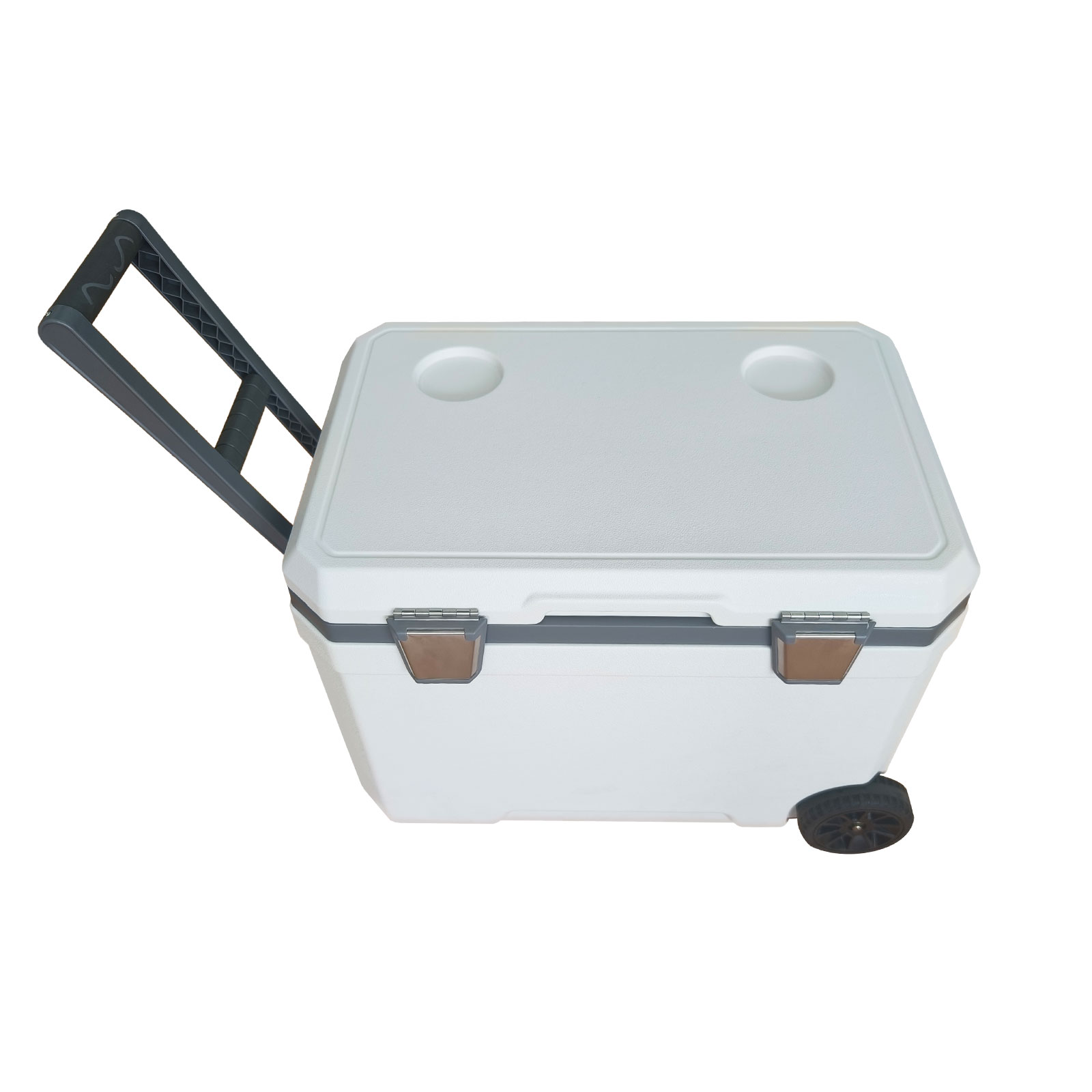
How to buy bulk meat insulated boxes in 2026?
If you searched for ‘bulk insulated box for meat’, you want one article that brings together product education, thermal science, conformité, and practical buying advice. The best bulk insulated box for meat is never chosen by material alone. It must fit your product, voie, température cible, documentation load, et objectifs de durabilité. Dans 2026, buyers also need better evidence: logique de validation, packout control, and a sourcing brief that can stand up in operations, QA, and procurement meetings. This optimized guide gives you that complete view in one place.
Cet article répondra
- How to choose the best insulated meat shipping box using buyer logic, route data, and product requirements.
- Which material and refrigerant combinations strengthen bulk frozen meat insulated packaging without overspending.
- What standards, validation steps, and documentation reduce risk for chilled meat delivery box.
- How to build a sourcing plan that supports performance, contrôle des coûts, and sustainability in 2026.
How do you define the right job for bulk insulated box for meat before you buy?
The best buying decision begins with a clear shipping definition. Before you compare materials or prices, define the product class, the allowed temperature band, the expected transit window, the delay margin, and the receiving action at destination. Cela semble simple, but it is the step that separates useful packaging programs from expensive guessing. When teams skip this definition, they usually overspend on easy lanes and still under-protect the hard ones.
For meat and protein cold chain, your packaging brief should also capture payload mass, SKU mix, temps de mise en scène, route handoffs, and how often the box will be opened before delivery. Those details change thermal behavior and labor effort at the same time. They also determine whether the best solution is a simple disposable shipper, a premium long-hold system, or a reusable loop. Good packaging starts with operational truth, pas avec une page de catalogue.
Use a one-page packaging definition
A one-page definition should answer five things: what is being shipped, how cold or warm it must stay, how long the route can realistically take, what conditions make the shipment unacceptable, and what the receiver must do when it arrives. If you build your sourcing process around those five items, every later decision becomes easier. That is especially true for bulk insulated box for meat, where the difference between a safe, economical packout and a wasteful one is often route definition rather than material alone.
| Decision input | Pourquoi ça compte | If you ignore it | Ce que cela signifie pour vous |
| Bande de température | Sets the true thermal target | Wrong coolant or wrong wall design | You choose a system that matches product reality. |
| Route and delay margin | Defines required hold time | Tests that pass on paper but fail in transit | You buy resilience instead of optimism. |
| Payload mass and mix | Changes heat absorption and cavity fit | Inconsistent performance between SKUs | You keep results relevant after launch. |
| Receiving action | Protects the shipment after arrival | Good package left unopened too long | You preserve product quality beyond transit. |
Conseils pratiques et recommandations
- Define pass/fail early: do not wait until after testing to decide what counts as success.
- Group similar lanes: facile, modéré, and hard routes rarely need the same design.
- Include operations in the brief: the team packing the box knows where execution really varies.
Exemple illustratif: The strongest buying teams treat packaging definition like a mini risk assessment. That one habit usually reduces rework later because suppliers respond to a clear problem instead of guessing what matters most.
Quels matériaux, liquide de refroidissement, and packout geometry create the safest thermal result?
An insulated shipper performs as a system. Wall material, internal fit, qualité de fermeture, type de liquide de refroidissement, and payload mass all interact. That is why one material cannot be declared ‘best’ without context. Foam may be the practical answer on one lane, a reusable EPP system may win on another, and VIP or a hybrid design may make sense when product value or route uncertainty rises. The correct choice is the one that protects temperature with the least operational friction.
Coolant selection should follow the same logic. Les packs de gel sont flexibles. PCM packs help narrow the temperature band when conditioning is tightly controlled. Dry ice is powerful for frozen or deep-cold routes, but it raises handling and compliance needs. The packout layout also matters because uneven placement, large voids, or poor lid sealing can undermine an otherwise good design. For bulk insulated box for meat, thermal science becomes practical when you translate it into three rules: reduce heat paths, balance coolant, and keep the build repeatable.
The best design is stable, not dramatic
Buyers are often impressed by boxes that feel colder or heavier during sampling, but those impressions do not always predict success in real routes. A stable design is one that keeps working when packing is slightly rushed, a handoff is delayed, or the receiver is slower than planned. That is the standard worth paying for. Dans la plupart des opérations, a repeatable moderate design beats an extreme design that only works under perfect preparation.
| System element | Best question to ask | High-value signal | Ce que cela signifie pour vous |
| Matériel d'isolation | What route and duration was it chosen for? | The supplier explains why this material fits your lane class | You avoid material decisions based on fashion or habit. |
| Type de liquide de refroidissement | What band and preparation method does it support? | There is a clear conditioning SOP | You protect temperature without adding chaos. |
| Packout geometry | How is headspace reduced and product stabilized? | The cavity design matches real SKU shapes | You gain performance without extra material. |
| Méthode de fermeture | How is sealing controlled during packing? | The closure pattern is simple and repeatable | You protect real-world hold time, not just lab performance. |
Conseils pratiques et recommandations
- Test the build, pas seulement la boîte: the same box can perform differently under different packout methods.
- Use realistic payloads: surrogate loads should behave like the products you actually ship.
- Balance thermal and labor goals: a technically good design that operators hate often fails later.
Exemple illustratif: In route trials, the winning design is often the one with the best fit and the clearest packout sheet, not necessarily the one with the thickest wall or the most coolant.
How should you validate and monitor bulk insulated box for meat in daily operations?
La validation doit répondre à une question: can this system protect the product on the real lane, with normal people using it? That means checking the route profile, the season or ambient stress, la charge utile, the refrigerant conditioning, and the packout steps together. Once the design passes, translate the result into an SOP and use targeted logger work to confirm that operations stay aligned. This is how technical confidence turns into operational confidence.
Not every organization needs a heavy validation framework, but every organization needs clear assumptions. Know what route class was represented, what pass range applies, who reviews the data, and what happens if a shipment falls outside that range. These basics matter in food, Soins de santé, biospecimens, produits chimiques, and sustainable packaging projects alike because the box is only one part of a repeatable shipping system. The other part is disciplined execution.
Use data to improve, not just to archive
Loggers are most valuable on new lanes, seasonal changes, higher-risk SKUs, supplier comparisons, and investigations. Pair each logger trace with shipment facts such as packout version, charge utile, heure d'expédition, and unusual dwell. Quand tu fais ça, the data becomes a decision tool. Quand tu ne le fais pas, it becomes a graph that nobody fully trusts. For bulk insulated box for meat, targeted monitoring often reveals where you can remove waste safely and where you need more margin.
| Validation layer | Que confirmer | Weak habit to avoid | Ce que cela signifie pour vous |
| Qualification d'itinéraire | Lane class, delay margin, et le stress ambiant | Approving one generic route for all shipments | You keep evidence tied to real business conditions. |
| SOP d'emballage | Exact build sequence and coolant prep | Relying on memory or tribal knowledge | You protect consistency across shifts and sites. |
| Examen des données | Who checks results and what counts as a pass | Collecting data with no disposition rule | You turn monitoring into action. |
| Periodic review | Seasonal drift, new SKUs, and exception trends | Freezing the spec for years | You keep the package aligned with current operations. |
Conseils pratiques et recommandations
- Validate the hardest realistic lane first: success there often covers easier routes.
- Give the SOP to operators early: a design is only approved when the team can repeat it.
- Use exceptions as design feedback: each issue can refine route segmentation or packout discipline.
Exemple illustratif: The best packaging programs learn continuously. They do not treat qualification as a one-time event, but as the starting point for operational control.
What compliance framework should guide bulk insulated box for meat?
Compliance works best when it becomes a short packaging checklist. In foodservice and protein logistics, temperature protection and sanitary handling go together. FDA food guidance keeps cold-holding near 41°F / 5°C, while USDA safety guidance reinforces 40°F / 4°C for refrigerated foods and 0°F / -18° C pour les aliments surgelés. That does not mean every package must be built the same way. It means you need a packout, receiving process, and label set that keep food in the safe zone during the route you actually run. As traceability expectations rise, clean lot records and exception notes matter more than they did a few years ago.
The right framework depends on the product and route. Food teams care about safe temperature thresholds, sanitaire, étiquetage, et traçabilité. Pharma and medical teams add route qualification and GDP-style documentation. Tissue and diagnostic shipments may also need pressure resistance, matériau absorbant, and Category B packaging logic. Chemical shipments can require compatibility review and dangerous-goods controls. Whatever the category, the practical goal is the same: build the rules into the shipper specification instead of bolting them on later.
A short compliance checklist beats a long policy file
Turn the rules that matter into daily questions. What temperature band applies? What packaging classification or material-compatibility rule applies? What labels or documents must travel with the shipment? What receiving action is required? When a supplier can answer those questions clearly for bulk insulated box for meat, you are much closer to a box that will survive audits and daily handling alike. Clear compliance thinking also reduces internal friction because QA, approvisionnement, and operations can work from the same page.
| Priorité à la conformité | Que confirmer | Operational response | Ce que cela signifie pour vous |
| Objectif de température | Define chilled vs frozen acceptance before launch | Using one packout for every SKU | You avoid avoidable spoilage and false confidence. |
| Sanitation | Verify food-contact compatibility and clean handling | Treating the box as purely a freight item | Packaging hygiene affects product safety and brand trust. |
| Labeling and receiving | Mark perishable handling clearly and train the receiver | No receiving action plan | A good box still fails if the receiver leaves it unopened. |
| Traçabilité | Record ship date, parcelle, itinéraire, and exception data | Scattered records across teams | Faster traceability means faster decisions when something goes wrong. |
Conseils pratiques et recommandations
- Start with the product label or protocol: it defines the real packaging target.
- Build one-page checks into launch: if the team cannot use the rules daily, the rules are too abstract.
- Update the checklist yearly: règlements, clients, and routes do not stay still.
Exemple illustratif: The most reliable packaging decisions usually come from teams that convert regulations into practical launch checks rather than leaving compliance buried in separate documents.
How do you compare suppliers on cost, durabilité, et exécution?
A supplier should be judged on total program fit, not only on the quoted carton. You need to compare route logic, sample evidence, simplicité d'emballage, QC discipline, délai de mise en œuvre, commercial flexibility, and sustainability credibility together. That broader view is important because the cheapest sample can become the most expensive rollout if the packout is slow, incompatible, or weak on difficult lanes. Packaging value is created at dispatch and delivery, not just at purchase order approval.
Use a structured RFQ with the same route, charge utile, and pass criteria for every bidder. Then score the proposals on technical fit, utilisation quotidienne, qualité des documents, et coût total au débarquement. Sustainability should be part of that score, but in a specific way: dimensionnement correct, logique de réutilisation, réduction des déchets, or precise material claims. That keeps the buying process honest and makes it easier to defend the final choice internally.
Procurement should reward evidence that operations can actually use
Suppliers earn trust when they explain failure modes clearly, provide simple packout steps, and show how production will stay aligned with the tested sample. If you are evaluating bulk insulated box for meat, ask what happens when the route runs late, when a new SKU enters the box, or when summer heat raises ambient stress. Those answers reveal whether you are buying a real shipping system or only a polished sample. Robust execution is usually the most undervalued part of packaging ROI.
| Supplier criterion | Strong answer looks like | Weak answer looks like | Ce que cela signifie pour vous |
| Ajustement de l'itinéraire | Explains why the design matches your lane class | Offers one generic hold-time claim | You see whether the shipper was built for your business. |
| Facilité opérationnelle | Provides a short, repeatable packout SOP | Requires many operator judgments | You lower execution drift at scale. |
| Changer le contrôle | Shows QC, traçabilité des lots, and revision discipline | Cannot explain how production stays consistent | You reduce mismatch between sample and mass production. |
| Crédibilité en matière de durabilité | Uses precise claims and route-aware waste logic | Uses broad green language with no evidence | You protect both brand trust and product integrity. |
Conseils pratiques et recommandations
- Use weighted scoring: technical fit and operational ease deserve real weight, not token weight.
- Pilot before full rollout: a short real-world test reveals execution issues quickly.
- Review the reverse side of cost: emballage plus lent, réexpédie, and storage are packaging costs too.
Exemple illustratif: The best supplier decisions often come from mixed review teams, because procurement sees cost, QA sees evidence, and operations sees whether the packout will really survive peak workload.
Que devriez-vous 2026 action plan look like for bulk insulated box for meat?
The most effective 2026 strategy is disciplined simplicity. Dans 2026, buyers in food and restaurant cold chain are paying more attention to traceability, recevoir des mesures disciplinaires, and waste control. FDA traceability guidance keeps pushing the market toward faster identification and removal of affected food, which makes clean shipment records more valuable. En même temps, freight and labor pressure are pushing teams to remove empty space, simplify packouts, and test sustainable formats where the lane is stable. The winning designs are not the most complex ones. They are the ones operators can execute accurately every day.
Your action plan should include four steps. Reclassify the network into lane groups. Recheck the current packout against today’s product mix and customer expectations. Update the compliance and receiving checklist. Then compare suppliers using a route-specific RFQ rather than a price-only renewal. That sequence combines the strongest ideas from buyer guidance, thermal science, and operating strategy into one practical workflow. It is also the fastest way to improve performance without making the system harder to run.
A practical roadmap
If you do only one thing this quarter, review the routes that produce the most complaints, écarts, ou des déchets. That is where the packaging specification usually needs attention first. For bulk insulated box for meat, the next big improvement is rarely hidden in a complicated innovation. It is more often found in better route fit, des SOP plus claires, une documentation plus propre, and more honest supplier comparison.
Conseils pratiques et recommandations
- Reclassify lanes by difficulty before renewing or redesigning the shipper.
- Refresh the packout SOP and receiving instructions at the same time as the box spec.
- Pilot sustainable or lower-cost changes on a few representative lanes first.
- Use route data and exception records as the main input to the next RFQ.
Exemple illustratif: The teams that improve fastest are the ones that review packaging as a live operating system, not as a box specification that was solved once and never revisited.
Questions fréquemment posées
What is the first thing to define before buying bulk insulated box for meat?
Define the required temperature band, realistic route time, delay margin, charge utile, and receiving action. Those five inputs shape every later packaging decision.
How do you know whether a supplier’s test result is useful?
The result is useful when the payload, profil ambiant, refrigerant conditioning, and pass criteria match your real lane. A generic hold-time claim is not enough.
Should one company use different packouts for different routes?
Généralement oui. Segmenting easy, modéré, and hard lanes is one of the fastest ways to improve protection and lower overspecification at the same time.
How should you judge sustainability claims on insulated boxes?
Judge them by route fit, material definition, waste reduction logic, et la réalité de l'élimination. Précis, evidence-based claims are more valuable than broad green language.
What records make the packaging program stronger after launch?
Keep route class, packout version, état du liquide de refroidissement, notes d'exception, and any targeted logger results. Those records show whether the specification still fits the lane.
Quel est le meilleur 2026 packaging improvement strategy?
Use a route-specific review that combines technical fit, conformité, operating ease, et coût total au débarquement. The strongest packaging systems are the ones your team can prove and repeat.
Résumé et recommandations
The best answer for bulk insulated box for meat combines four ideas: define the route clearly, choose materials and coolant as a system, validate with practical evidence, and buy from suppliers who can support daily execution as well as thermal performance. That integrated approach improves protection, lowers unnecessary cost, and keeps compliance and sustainability discussions grounded in real operating data. It is the strongest path for a 2026 packaging program.
Use this guide as a working checklist. Reclassify your network, refresh your compliance and receiving SOP, and ask suppliers for route-specific evidence using one common RFQ template. That sequence will help you improve packaging performance quickly without making the system harder for your team to operate.
À propos du tempk
Et tempk, we focus on practical temperature-controlled packaging decisions rather than one-size-fits-all claims. We look at lane conditions, packout repeatability, sensibilité au produit, and commercial fit so you can choose an insulated box system that works in real operations. Our approach emphasizes clear communication, route-aware configuration, and packaging options that can support food, Soins de santé, laboratory, and industrial cold-chain needs.
Use your current lane data, product temperature requirements, and packaging pain points as the basis for the next supplier conversation. When those inputs are clear, expert advice becomes far more useful and the resulting packout is usually faster to approve and easier to run.
Insulated Box with Paper Lined

Suggestions de liens internes
• /paper-lined-insulated-packaging/
• /hybrid-thermal-packaging-design/
• /condensation-control-in-cold-chain-boxes/
• /recyclable-looking-vs-recyclable-performing-packaging/
Insulated Box with Paper Lined
Insulated Box with Paper Lined works best when you combine product education, qualification logic, and market reality into one buying decision. Pour les kits repas, confiserie, produire, diagnostic, and general temperature-sensitive goods, you are balancing chilled, température ambiante contrôlée, or selected frozen applications depending on design control, 24 à 72 hours lane protection, operator simplicity, and auditable documentation. Ceci optimisé 2026 guide blends the strongest buyer, ingénierie, and industry viewpoints into a single decision framework so you can choose faster and with less risk.
Ce à quoi ce guide vous aidera à répondre
• How insulated box with paper lined should be matched to meal kits, confiserie, produire, diagnostic, and general temperature-sensitive goods rather than chosen as a generic cooler
• Which design details protect chilled, température ambiante contrôlée, or selected frozen applications depending on design performance during 24 à 72 heures de transit
• What proof, documents, and qualification records reduce risk for brand owners, sustainability teams, and packaging buyers comparing hybrid formats
• How to compare cost, durabilité, and operational simplicity without sacrificing protection
• What a practical step-by-step selection process looks like for high-risk lanes in 2026
How should you evaluate Insulated Box with Paper Lined in one practical framework?
Start with four questions. What exact temperature range must the payload hold? How long can the lane actually take under a realistic worst case? Who assembles the pack-out, and how often will they do it? What evidence will your customer, regulator, or quality team expect if something goes wrong? When you use those four questions together, a strong insulated box with paper lined choice becomes much clearer.
The right answer is usually not the cheapest box, the thickest wall, or the greenest claim in isolation. It is the design that reliably protects meal kits, confiserie, produire, diagnostic, and general temperature-sensitive goods across domestic parcel, regional wholesale, and presentation-sensitive deliveries for 24 à 72 hours while keeping assembly simple enough to repeat. That means matching the insulated box to the lane, controlling refrigerant and cavity geometry, and validating the pack-out with real data instead of assumptions.
What does a good paper-faced thermal packaging decision look like?
A good decision is specific. It identifies the payload temperature band of chilled, température ambiante contrôlée, or selected frozen applications depending on design, the lane risk profile, the approved assembly method, and the proof needed before release. It also explains the business logic: why this shipper class was chosen, what failure it is designed to prevent, and where the operational limits sit. That level of clarity helps procurement, opérations, and quality align instead of arguing from separate priorities.
| Framework step | Ce qu'il faut faire | Pourquoi ça compte | Valeur commerciale |
| Product requirement | Define true temperature and duration need | Remove unnecessary over-packaging | Reduces overspend |
| Cartographie des voies | Model worst credible exposure | Avoid false confidence from average conditions | Cuts excursion risk |
| Assembly control | Simplify the pack-out | Lower operator variability | Améliore la répétabilité |
| Qualification proof | Document data and limits | Support audits and customer review | Protects decisions under pressure |
Quick-start actions
• Use insulated box with paper lined only after you define the payload requirement, la voie, and the acceptable evidence standard.
• Standardize the visual work instruction before you scale purchasing volume.
• Pilot the design on a real lane with logger placement that reflects true product risk points.
• Review total delivered cost and recovery path together, because waste and freight often matter more than box price alone.
Fused lesson: the best-performing programs combine buyer discipline, logique d'ingénierie, et la réalité du marché. When one of those three is missing, packaging decisions become fragile.
How should design and assembly be optimized for Insulated Box with Paper Lined?
The strongest design is the one that can survive both the lane and the workplace. That means the box must be thermally capable, but it also must be easy to build correctly, close cleanly, étiqueter clairement, and receive without confusion. Pour les kits repas, confiserie, produire, diagnostic, and general temperature-sensitive goods, that usually means minimizing loose parts, right-sizing the cavity, and using a refrigerant configuration that is hard to misplace.
Optimization also means setting boundaries. Define the approved payload mass range, the accepted refrigerant conditioning state, the maximum transit duration, and any prohibited substitutions. Without those limits, even a good design turns into a guess each time the order changes. Operationally mature programs use the insulated box as a controlled recipe, not a suggestion.
What should be standardized first?
Standardize the assembly sequence, the conditioning rules, and the small set of approved size options first. That gives you the biggest reduction in variability with the least complexity. Once those basics are stable, you can optimize freight cube, durabilité, or market-specific accessories without destabilizing the core shipper performance.
| Levier d'optimisation | But | Pourquoi ça compte | Résultat |
| Cavity size | Fit the real payload mix | Removes excess air and extra coolant | Lower cube and better stability |
| Assembly sequence | Define the exact order of steps | Cuts operator variability | Higher consistency |
| Approved options | Limit the number of valid pack-outs | Simplifies training and purchasing | Faster scale-up |
| Operational limits | State what is not allowed | Prevents silent drift in the field | Better quality control |
Optimization actions
• Use three or fewer default pack-outs whenever possible and control exceptions tightly.
• Write conditioning rules in measurable terms, not vague words like chilled or frozen enough.
• Train both packing and receiving teams so the box is understood at both ends of the lane.
• Review failed shipments against the approved assembly recipe before blaming material performance.
Operational truth: many organizations improve faster by standardizing the basics than by chasing one more percentage point of lab performance.
How do qualification and supplier control strengthen Insulated Box with Paper Lined?
Once the design concept is clear, qualification and supplier control turn it into a dependable program. A qualified shipper tells you what was tested, dans quelles conditions, and where its limits sit. A controlled supplier tells you how drawings, matériels, and assembly documents are managed over time. Il te faut les deux. Good data without supply discipline becomes unstable in scale-up. Good supply discipline without relevant data becomes orderly guesswork.
Pour les kits repas, confiserie, produire, diagnostic, and general temperature-sensitive goods, a useful qualification package should cover the intended lane, the chosen refrigerant state, the payload mass assumptions, and the acceptance criteria. A useful supplier review should cover component consistency, contrôle des révisions, and support during changes. Ensemble, those elements reduce surprise when seasons shift, customers change receiving behavior, or a new site begins packing.
What is the minimum proof worth asking for?
Ask for a clear thermal summary, a defined pack-out instruction, stated design limits, and a documented approach to revisions. For higher-risk applications, add monitored launch shipments and periodic review of live data. The proof does not need to be theatrical. It needs to be specific enough that you can defend the decision internally and improve it later.
| Control element | Fonction | Pourquoi ça compte | Meilleur coup |
| Thermal summary | Shows what was tested and what passed | Makes approval more objective | Request lane-relevant detail |
| Instructions d'emballage | Controls field assembly | Turns test success into operating success | Use visual steps |
| Contrôle des révisions | Tracks meaningful changes | Prevents silent drift in production | Define requalification triggers |
| Launch monitoring | Checks field performance | Confirms the lab translates to reality | Use loggers on pilot shipments |
Control actions
• Treat the packaging specification and the pack-out instruction as linked documents.
• Review any material, géométrie, or process change for its possible effect on thermal behavior.
• Launch new box programs with a monitored review period instead of assuming lab work tells the whole story.
• Keep approval criteria simple enough that procurement, opérations, and quality can all use them.
Strong packaging programs get calmer over time because the proof, the process, and the supplier controls all point in the same direction.
How do cost and sustainability fit into a final Insulated Box with Paper Lined decision?
Once performance and control are acceptable, cost and sustainability become the optimization layer. The goal is not to make the shipper as cheap as possible. The goal is to remove waste that does not create protection. That includes unused cube, unnecessary refrigerant, excessive size variation, and materials that complicate recovery without adding thermal value.
A final decision should therefore compare three outcomes at once: delivered cost, failure prevention, and recovery practicality. Pour les kits repas, confiserie, produire, diagnostic, and general temperature-sensitive goods, the best design is often the one that looks balanced rather than extreme. It protects the lane with clear margin, uses a manageable number of components, and tells a credible story about post-use handling in the markets that matter.
What should the final approval discussion include?
It should include the approved lane assumptions, the total delivered cost view, the pack-out simplicity score, and the sustainability reality check. If one of those four is missing, the choice is easier to challenge later. When all four are covered, the packaging decision becomes more durable.
| Final criterion | Que réviser | Pourquoi ça compte | Conseil de décision |
| Delivered cost | Fret, travail, réfrigérant, and box | Prevents narrow price decisions | Use cost per successful shipment |
| Risk margin | How much protection headroom exists | Reduces fragile approvals | Prefer defined margin over bare pass |
| Simplicité opérationnelle | How easy the pack-out is to repeat | Improves scale-up and training | Limit optionality |
| Recovery practicality | What users can do after delivery | Strengthens sustainability credibility | Match claims to real markets |
Final optimization moves
• Approve a design only when delivered cost and thermal logic both make sense.
• Prefer credible sustainability gains over untested claim inflation.
• Use pilot shipment results to refine cube and refrigerant before wide rollout.
• Keep the final approved family small enough that people can remember it and use it correctly.
The most resilient packaging programs are balanced. They are not the cheapest, the heaviest, or the greenest on paper. They are the ones that keep working in daily operations.
What implementation plan works best for Insulated Box with Paper Lined?
A good implementation plan moves in phases. D'abord, define one priority shipment profile. Deuxième, approve the pack-out and train the team with a visual work instruction. Troisième, launch monitored shipments and review the data quickly. Quatrième, widen the program only after you confirm that the field build matches the approved design. This phased approach keeps complexity low and gives you a stronger baseline for continuous improvement.
The biggest advantage of a phased rollout is learning speed. Small monitored launches show where the real friction is: temps d'emballage, clarté de l'étiquette, receiving confusion, or lane variability. Once those issues are visible, optimization becomes much easier and much cheaper than trying to fix everything after full-scale deployment.
Rollout sequence
1. Select one lane and define the exact payload and duration assumptions.
2. Approve the pack-out and create a visual instruction that operators can follow easily.
3. Launch monitored shipments and review both data and receiving feedback.
4. Refine the design, then standardize the solution before wider rollout.
2026 trends shaping Insulated Box with Paper Lined
Le meilleur 2026 programs combine three trends rather than reacting to them separately: more realistic lane qualification, more pressure for credible sustainability, and more need for operational simplicity as shipment patterns fragment. That combination favors packaging decisions built on specific lane assumptions, documentation contrôlée, and small families of right-sized solutions.
Most important developments
• Lane realism now matters more than generic worst-case storytelling.
• Sustainability claims need operational proof and destination-market honesty.
• Standardized pack-outs are becoming more valuable as labor variability and shipment frequency both rise.
• Cross-functional packaging reviews are replacing isolated procurement-only decisions.
Pour les acheteurs, the message is practical: validate what you sell, simplify what you use, and be precise about what happens after the box is opened. That combination is increasingly what defines a strong packaging program.
Questions fréquemment posées
What is the first thing to check before buying insulated box with paper lined?
Start with the product temperature requirement and the real lane duration. A box that is perfect for another product or another route may be wrong for your shipment. Définir la charge utile, durée, and handling pattern before comparing suppliers.
How many box sizes should you keep for Insulated Box with Paper Lined?
Most teams perform better with a small controlled family rather than a large catalog. Too many sizes create training and purchasing complexity. Start with the fewest sizes that cover the majority of shipment profiles without major wasted cube.
Does a thicker insulated box always perform better?
Non. Thicker walls can help, but geometry, stratégie réfrigérante, payload conditioning, and lane profile matter just as much. A well-balanced design often outperforms a heavier box that is poorly configured.
How should you compare suppliers for Insulated Box with Paper Lined?
Compare evidence, changer de contrôle, simplicité de rangement, et coût total livré. A lower quote is not safer if it comes with weak documentation or a difficult assembly process.
Can you improve sustainability without increasing risk?
Oui, when you focus first on right-sizing, unnecessary component reduction, and clear post-use handling. The safest sustainability gains usually come from removing waste that does not add protection.
When should you requalify an insulated box program?
Review requalification whenever the material, géométrie, réfrigérant, payload mass range, or shipping lane changes in a meaningful way. Small unmanaged changes can shift performance more than teams expect.
Résumé et étapes suivantes
Insulated Box with Paper Lined should be evaluated as a controlled shipping system, not as a commodity purchase. The strongest programs match the box to meal kits, confiserie, produire, diagnostic, and general temperature-sensitive goods, protect chilled, température ambiante contrôlée, or selected frozen applications depending on design across domestic parcel, regional wholesale, and presentation-sensitive deliveries, and make the pack-out easy to repeat. They also document limits, compare total delivered cost, and avoid sustainability claims that outpace real performance.
Use the same discipline you use for product quality: définir, test, document, former, and improve. Begin with one defined shipment profile, confirm the pack-out with real data, standardize the instructions, and then expand to additional lanes or order types. That approach gives you a safer decision, a stronger story for internal stakeholders, and a packaging program that improves instead of drifting over time.
À propos du tempk
Tempk focuses on practical cold chain packaging programs built around real shipping conditions. We work on insulated box design, pack-out simplification, and qualification thinking for healthcare, nourriture, biotechnologie, and export applications. Our approach emphasizes repeatable assembly, une documentation claire, and right-sized solutions that help customers reduce risk without adding unnecessary complexity.
If you are comparing options, the next useful step is to define your payload, voie, durée, and evidence requirement. With those four inputs, you can review the right insulated box family much faster and make a decision that is easier to defend.
Pouch Insulated Box Express Shipments

Suggestions de liens internes
• /parcel-cold-chain-packaging/
• /how-to-ship-small-chilled-orders/
• /right-size-express-insulated-boxes/
• /gel-pack-vs-pcm-for-parcel/
Pouch Insulated Box Express Shipments
Pouch Insulated Box Express Shipments works best when you combine product education, qualification logic, and market reality into one buying decision. For small-format chilled or frozen products packed with pouches, packs de gel, or thin PCM formats, you are balancing 2 to 8°C for chilled parcel programs or deep-frozen conditions for select products control, 12 à 48 hours lane protection, operator simplicity, and auditable documentation. Ceci optimisé 2026 guide blends the strongest buyer, ingénierie, and industry viewpoints into a single decision framework so you can choose faster and with less risk.
Ce à quoi ce guide vous aidera à répondre
• How pouch insulated box express shipments should be matched to small-format chilled or frozen products packed with pouches, packs de gel, or thin PCM formats rather than chosen as a generic cooler
• Which design details protect 2 to 8°C for chilled parcel programs or deep-frozen conditions for select products performance during 12 à 48 heures de transit
• What proof, documents, and qualification records reduce risk for e-commerce operators, specialty food brands, and rapid-delivery logistics teams
• How to compare cost, durabilité, and operational simplicity without sacrificing protection
• What a practical step-by-step selection process looks like for high-risk lanes in 2026
How should you evaluate Pouch Insulated Box Express Shipments in one practical framework?
Start with four questions. What exact temperature range must the payload hold? How long can the lane actually take under a realistic worst case? Who assembles the pack-out, and how often will they do it? What evidence will your customer, regulator, or quality team expect if something goes wrong? When you use those four questions together, a strong pouch insulated box express shipments choice becomes much clearer.
The right answer is usually not the cheapest box, the thickest wall, or the greenest claim in isolation. It is the design that reliably protects small-format chilled or frozen products packed with pouches, packs de gel, or thin PCM formats across same-country express parcel, overnight courier, and direct-to-consumer subscription programs for 12 à 48 hours while keeping assembly simple enough to repeat. That means matching the insulated box to the lane, controlling refrigerant and cavity geometry, and validating the pack-out with real data instead of assumptions.
What does a good DTC thermal packaging decision look like?
A good decision is specific. It identifies the payload temperature band of 2 to 8°C for chilled parcel programs or deep-frozen conditions for select products, the lane risk profile, the approved assembly method, and the proof needed before release. It also explains the business logic: why this shipper class was chosen, what failure it is designed to prevent, and where the operational limits sit. That level of clarity helps procurement, opérations, and quality align instead of arguing from separate priorities.
| Framework step | Ce qu'il faut faire | Pourquoi ça compte | Valeur commerciale |
| Product requirement | Define true temperature and duration need | Remove unnecessary over-packaging | Reduces overspend |
| Cartographie des voies | Model worst credible exposure | Avoid false confidence from average conditions | Cuts excursion risk |
| Assembly control | Simplify the pack-out | Lower operator variability | Améliore la répétabilité |
| Qualification proof | Document data and limits | Support audits and customer review | Protects decisions under pressure |
Quick-start actions
• Use pouch insulated box express shipments only after you define the payload requirement, la voie, and the acceptable evidence standard.
• Standardize the visual work instruction before you scale purchasing volume.
• Pilot the design on a real lane with logger placement that reflects true product risk points.
• Review total delivered cost and recovery path together, because waste and freight often matter more than box price alone.
Fused lesson: the best-performing programs combine buyer discipline, logique d'ingénierie, et la réalité du marché. When one of those three is missing, packaging decisions become fragile.
How should design and assembly be optimized for Pouch Insulated Box Express Shipments?
The strongest design is the one that can survive both the lane and the workplace. That means the box must be thermally capable, but it also must be easy to build correctly, close cleanly, étiqueter clairement, and receive without confusion. For small-format chilled or frozen products packed with pouches, packs de gel, or thin PCM formats, that usually means minimizing loose parts, right-sizing the cavity, and using a refrigerant configuration that is hard to misplace.
Optimization also means setting boundaries. Define the approved payload mass range, the accepted refrigerant conditioning state, the maximum transit duration, and any prohibited substitutions. Without those limits, even a good design turns into a guess each time the order changes. Operationally mature programs use the insulated box as a controlled recipe, not a suggestion.
What should be standardized first?
Standardize the assembly sequence, the conditioning rules, and the small set of approved size options first. That gives you the biggest reduction in variability with the least complexity. Once those basics are stable, you can optimize freight cube, durabilité, or market-specific accessories without destabilizing the core shipper performance.
| Levier d'optimisation | But | Pourquoi ça compte | Résultat |
| Cavity size | Fit the real payload mix | Removes excess air and extra coolant | Lower cube and better stability |
| Assembly sequence | Define the exact order of steps | Cuts operator variability | Higher consistency |
| Approved options | Limit the number of valid pack-outs | Simplifies training and purchasing | Faster scale-up |
| Operational limits | State what is not allowed | Prevents silent drift in the field | Better quality control |
Optimization actions
• Use three or fewer default pack-outs whenever possible and control exceptions tightly.
• Write conditioning rules in measurable terms, not vague words like chilled or frozen enough.
• Train both packing and receiving teams so the box is understood at both ends of the lane.
• Review failed shipments against the approved assembly recipe before blaming material performance.
Operational truth: many organizations improve faster by standardizing the basics than by chasing one more percentage point of lab performance.
How do qualification and supplier control strengthen Pouch Insulated Box Express Shipments?
Once the design concept is clear, qualification and supplier control turn it into a dependable program. A qualified shipper tells you what was tested, dans quelles conditions, and where its limits sit. A controlled supplier tells you how drawings, matériels, and assembly documents are managed over time. Il te faut les deux. Good data without supply discipline becomes unstable in scale-up. Good supply discipline without relevant data becomes orderly guesswork.
For small-format chilled or frozen products packed with pouches, packs de gel, or thin PCM formats, a useful qualification package should cover the intended lane, the chosen refrigerant state, the payload mass assumptions, and the acceptance criteria. A useful supplier review should cover component consistency, contrôle des révisions, and support during changes. Ensemble, those elements reduce surprise when seasons shift, customers change receiving behavior, or a new site begins packing.
What is the minimum proof worth asking for?
Ask for a clear thermal summary, a defined pack-out instruction, stated design limits, and a documented approach to revisions. For higher-risk applications, add monitored launch shipments and periodic review of live data. The proof does not need to be theatrical. It needs to be specific enough that you can defend the decision internally and improve it later.
| Control element | Fonction | Pourquoi ça compte | Meilleur coup |
| Thermal summary | Shows what was tested and what passed | Makes approval more objective | Request lane-relevant detail |
| Instructions d'emballage | Controls field assembly | Turns test success into operating success | Use visual steps |
| Contrôle des révisions | Tracks meaningful changes | Prevents silent drift in production | Define requalification triggers |
| Launch monitoring | Checks field performance | Confirms the lab translates to reality | Use loggers on pilot shipments |
Control actions
• Treat the packaging specification and the pack-out instruction as linked documents.
• Review any material, géométrie, or process change for its possible effect on thermal behavior.
• Launch new box programs with a monitored review period instead of assuming lab work tells the whole story.
• Keep approval criteria simple enough that procurement, opérations, and quality can all use them.
Strong packaging programs get calmer over time because the proof, the process, and the supplier controls all point in the same direction.
How do cost and sustainability fit into a final Pouch Insulated Box Express Shipments decision?
Once performance and control are acceptable, cost and sustainability become the optimization layer. The goal is not to make the shipper as cheap as possible. The goal is to remove waste that does not create protection. That includes unused cube, unnecessary refrigerant, excessive size variation, and materials that complicate recovery without adding thermal value.
A final decision should therefore compare three outcomes at once: delivered cost, failure prevention, and recovery practicality. For small-format chilled or frozen products packed with pouches, packs de gel, or thin PCM formats, the best design is often the one that looks balanced rather than extreme. It protects the lane with clear margin, uses a manageable number of components, and tells a credible story about post-use handling in the markets that matter.
What should the final approval discussion include?
It should include the approved lane assumptions, the total delivered cost view, the pack-out simplicity score, and the sustainability reality check. If one of those four is missing, the choice is easier to challenge later. When all four are covered, the packaging decision becomes more durable.
| Final criterion | Que réviser | Pourquoi ça compte | Conseil de décision |
| Delivered cost | Fret, travail, réfrigérant, and box | Prevents narrow price decisions | Use cost per successful shipment |
| Risk margin | How much protection headroom exists | Reduces fragile approvals | Prefer defined margin over bare pass |
| Simplicité opérationnelle | How easy the pack-out is to repeat | Improves scale-up and training | Limit optionality |
| Recovery practicality | What users can do after delivery | Strengthens sustainability credibility | Match claims to real markets |
Final optimization moves
• Approve a design only when delivered cost and thermal logic both make sense.
• Prefer credible sustainability gains over untested claim inflation.
• Use pilot shipment results to refine cube and refrigerant before wide rollout.
• Keep the final approved family small enough that people can remember it and use it correctly.
The most resilient packaging programs are balanced. They are not the cheapest, the heaviest, or the greenest on paper. They are the ones that keep working in daily operations.
What implementation plan works best for Pouch Insulated Box Express Shipments?
A good implementation plan moves in phases. D'abord, define one priority shipment profile. Deuxième, approve the pack-out and train the team with a visual work instruction. Troisième, launch monitored shipments and review the data quickly. Quatrième, widen the program only after you confirm that the field build matches the approved design. This phased approach keeps complexity low and gives you a stronger baseline for continuous improvement.
The biggest advantage of a phased rollout is learning speed. Small monitored launches show where the real friction is: temps d'emballage, clarté de l'étiquette, receiving confusion, or lane variability. Once those issues are visible, optimization becomes much easier and much cheaper than trying to fix everything after full-scale deployment.
Rollout sequence
1. Select one lane and define the exact payload and duration assumptions.
2. Approve the pack-out and create a visual instruction that operators can follow easily.
3. Launch monitored shipments and review both data and receiving feedback.
4. Refine the design, then standardize the solution before wider rollout.
2026 trends shaping Pouch Insulated Box Express Shipments
Le meilleur 2026 programs combine three trends rather than reacting to them separately: more realistic lane qualification, more pressure for credible sustainability, and more need for operational simplicity as shipment patterns fragment. That combination favors packaging decisions built on specific lane assumptions, documentation contrôlée, and small families of right-sized solutions.
Most important developments
• Lane realism now matters more than generic worst-case storytelling.
• Sustainability claims need operational proof and destination-market honesty.
• Standardized pack-outs are becoming more valuable as labor variability and shipment frequency both rise.
• Cross-functional packaging reviews are replacing isolated procurement-only decisions.
Pour les acheteurs, the message is practical: validate what you sell, simplify what you use, and be precise about what happens after the box is opened. That combination is increasingly what defines a strong packaging program.
Questions fréquemment posées
What is the first thing to check before buying pouch insulated box express shipments?
Start with the product temperature requirement and the real lane duration. A box that is perfect for another product or another route may be wrong for your shipment. Définir la charge utile, durée, and handling pattern before comparing suppliers.
How many box sizes should you keep for Pouch Insulated Box Express Shipments?
Most teams perform better with a small controlled family rather than a large catalog. Too many sizes create training and purchasing complexity. Start with the fewest sizes that cover the majority of shipment profiles without major wasted cube.
Does a thicker insulated box always perform better?
Non. Thicker walls can help, but geometry, stratégie réfrigérante, payload conditioning, and lane profile matter just as much. A well-balanced design often outperforms a heavier box that is poorly configured.
How should you compare suppliers for Pouch Insulated Box Express Shipments?
Compare evidence, changer de contrôle, simplicité de rangement, et coût total livré. A lower quote is not safer if it comes with weak documentation or a difficult assembly process.
Can you improve sustainability without increasing risk?
Oui, when you focus first on right-sizing, unnecessary component reduction, and clear post-use handling. The safest sustainability gains usually come from removing waste that does not add protection.
When should you requalify an insulated box program?
Review requalification whenever the material, géométrie, réfrigérant, payload mass range, or shipping lane changes in a meaningful way. Small unmanaged changes can shift performance more than teams expect.
Résumé et étapes suivantes
Pouch Insulated Box Express Shipments should be evaluated as a controlled shipping system, not as a commodity purchase. The strongest programs match the box to small-format chilled or frozen products packed with pouches, packs de gel, or thin PCM formats, protéger 2 to 8°C for chilled parcel programs or deep-frozen conditions for select products across same-country express parcel, overnight courier, and direct-to-consumer subscription programs, and make the pack-out easy to repeat. They also document limits, compare total delivered cost, and avoid sustainability claims that outpace real performance.
Treat the box as a controlled process, not as a commodity, and your shipping results improve faster. Begin with one defined shipment profile, confirm the pack-out with real data, standardize the instructions, and then expand to additional lanes or order types. That approach gives you a safer decision, a stronger story for internal stakeholders, and a packaging program that improves instead of drifting over time.
À propos du tempk
Tempk focuses on practical cold chain packaging programs built around real shipping conditions. We work on insulated box design, pack-out simplification, and qualification thinking for healthcare, nourriture, biotechnologie, and export applications. Our approach emphasizes repeatable assembly, une documentation claire, and right-sized solutions that help customers reduce risk without adding unnecessary complexity.
If you are comparing options, the next useful step is to define your payload, voie, durée, and evidence requirement. With those four inputs, you can review the right insulated box family much faster and make a decision that is easier to defend.
Recyclable Insulated Box International Shipping
Suggestions de liens internes
• /recyclable-international-cold-chain-packaging/
• /how-to-validate-sustainable-thermal-packaging/
• /eu-packaging-rules-for-exporters/
• /right-size-recyclable-shippers/
Recyclable Insulated Box International Shipping
Recyclable Insulated Box International Shipping works best when you combine product education, qualification logic, and market reality into one buying decision. Pour le médical, nourriture, and specialty products needing thermal protection during international movement, you are balancing shipment-specific chilled, room-temperature protected, or frozen requirements control, 48 à 144 hours lane protection, operator simplicity, and auditable documentation. Ceci optimisé 2026 guide blends the strongest buyer, ingénierie, and industry viewpoints into a single decision framework so you can choose faster and with less risk.
Ce à quoi ce guide vous aidera à répondre
• How recyclable insulated box international shipping should be matched to medical, nourriture, and specialty products needing thermal protection during international movement rather than chosen as a generic cooler
• Which design details protect shipment-specific chilled, room-temperature protected, or frozen requirements performance during 48 à 144 heures de transit
• What proof, documents, and qualification records reduce risk for sustainability leads, global sourcing teams, and exporters under circular packaging pressure
• How to compare cost, durabilité, and operational simplicity without sacrificing protection
• What a practical step-by-step selection process looks like for high-risk lanes in 2026
How should you evaluate Recyclable Insulated Box International Shipping in one practical framework?
Start with four questions. What exact temperature range must the payload hold? How long can the lane actually take under a realistic worst case? Who assembles the pack-out, and how often will they do it? What evidence will your customer, regulator, or quality team expect if something goes wrong? When you use those four questions together, a strong recyclable insulated box international shipping choice becomes much clearer.
The right answer is usually not the cheapest box, the thickest wall, or the greenest claim in isolation. It is the design that reliably protects medical, nourriture, and specialty products needing thermal protection during international movement across cross-border parcel, fret aérien, and multi-stop import distribution lanes for 48 à 144 hours while keeping assembly simple enough to repeat. That means matching the insulated box to the lane, controlling refrigerant and cavity geometry, and validating the pack-out with real data instead of assumptions.
What does a good recyclable shipper for air freight decision look like?
A good decision is specific. It identifies the payload temperature band of shipment-specific chilled, room-temperature protected, or frozen requirements, the lane risk profile, the approved assembly method, and the proof needed before release. It also explains the business logic: why this shipper class was chosen, what failure it is designed to prevent, and where the operational limits sit. That level of clarity helps procurement, opérations, and quality align instead of arguing from separate priorities.
| Framework step | Ce qu'il faut faire | Pourquoi ça compte | Valeur commerciale |
| Product requirement | Define true temperature and duration need | Remove unnecessary over-packaging | Reduces overspend |
| Cartographie des voies | Model worst credible exposure | Avoid false confidence from average conditions | Cuts excursion risk |
| Assembly control | Simplify the pack-out | Lower operator variability | Améliore la répétabilité |
| Qualification proof | Document data and limits | Support audits and customer review | Protects decisions under pressure |
Quick-start actions
• Use recyclable insulated box international shipping only after you define the payload requirement, la voie, and the acceptable evidence standard.
• Standardize the visual work instruction before you scale purchasing volume.
• Pilot the design on a real lane with logger placement that reflects true product risk points.
• Review total delivered cost and recovery path together, because waste and freight often matter more than box price alone.
Fused lesson: the best-performing programs combine buyer discipline, logique d'ingénierie, et la réalité du marché. When one of those three is missing, packaging decisions become fragile.
How should design and assembly be optimized for Recyclable Insulated Box International Shipping?
The strongest design is the one that can survive both the lane and the workplace. That means the box must be thermally capable, but it also must be easy to build correctly, close cleanly, étiqueter clairement, and receive without confusion. Pour le médical, nourriture, and specialty products needing thermal protection during international movement, that usually means minimizing loose parts, right-sizing the cavity, and using a refrigerant configuration that is hard to misplace.
Optimization also means setting boundaries. Define the approved payload mass range, the accepted refrigerant conditioning state, the maximum transit duration, and any prohibited substitutions. Without those limits, even a good design turns into a guess each time the order changes. Operationally mature programs use the insulated box as a controlled recipe, not a suggestion.
What should be standardized first?
Standardize the assembly sequence, the conditioning rules, and the small set of approved size options first. That gives you the biggest reduction in variability with the least complexity. Once those basics are stable, you can optimize freight cube, durabilité, or market-specific accessories without destabilizing the core shipper performance.
| Levier d'optimisation | But | Pourquoi ça compte | Résultat |
| Cavity size | Fit the real payload mix | Removes excess air and extra coolant | Lower cube and better stability |
| Assembly sequence | Define the exact order of steps | Cuts operator variability | Higher consistency |
| Approved options | Limit the number of valid pack-outs | Simplifies training and purchasing | Faster scale-up |
| Operational limits | State what is not allowed | Prevents silent drift in the field | Better quality control |
Optimization actions
• Use three or fewer default pack-outs whenever possible and control exceptions tightly.
• Write conditioning rules in measurable terms, not vague words like chilled or frozen enough.
• Train both packing and receiving teams so the box is understood at both ends of the lane.
• Review failed shipments against the approved assembly recipe before blaming material performance.
Operational truth: many organizations improve faster by standardizing the basics than by chasing one more percentage point of lab performance.
How do qualification and supplier control strengthen Recyclable Insulated Box International Shipping?
Once the design concept is clear, qualification and supplier control turn it into a dependable program. A qualified shipper tells you what was tested, dans quelles conditions, and where its limits sit. A controlled supplier tells you how drawings, matériels, and assembly documents are managed over time. Il te faut les deux. Good data without supply discipline becomes unstable in scale-up. Good supply discipline without relevant data becomes orderly guesswork.
Pour le médical, nourriture, and specialty products needing thermal protection during international movement, a useful qualification package should cover the intended lane, the chosen refrigerant state, the payload mass assumptions, and the acceptance criteria. A useful supplier review should cover component consistency, contrôle des révisions, and support during changes. Ensemble, those elements reduce surprise when seasons shift, customers change receiving behavior, or a new site begins packing.
What is the minimum proof worth asking for?
Ask for a clear thermal summary, a defined pack-out instruction, stated design limits, and a documented approach to revisions. For higher-risk applications, add monitored launch shipments and periodic review of live data. The proof does not need to be theatrical. It needs to be specific enough that you can defend the decision internally and improve it later.
| Control element | Fonction | Pourquoi ça compte | Meilleur coup |
| Thermal summary | Shows what was tested and what passed | Makes approval more objective | Request lane-relevant detail |
| Instructions d'emballage | Controls field assembly | Turns test success into operating success | Use visual steps |
| Contrôle des révisions | Tracks meaningful changes | Prevents silent drift in production | Define requalification triggers |
| Launch monitoring | Checks field performance | Confirms the lab translates to reality | Use loggers on pilot shipments |
Control actions
• Treat the packaging specification and the pack-out instruction as linked documents.
• Review any material, géométrie, or process change for its possible effect on thermal behavior.
• Launch new box programs with a monitored review period instead of assuming lab work tells the whole story.
• Keep approval criteria simple enough that procurement, opérations, and quality can all use them.
Strong packaging programs get calmer over time because the proof, the process, and the supplier controls all point in the same direction.
How do cost and sustainability fit into a final Recyclable Insulated Box International Shipping decision?
Once performance and control are acceptable, cost and sustainability become the optimization layer. The goal is not to make the shipper as cheap as possible. The goal is to remove waste that does not create protection. That includes unused cube, unnecessary refrigerant, excessive size variation, and materials that complicate recovery without adding thermal value.
A final decision should therefore compare three outcomes at once: delivered cost, failure prevention, and recovery practicality. Pour le médical, nourriture, and specialty products needing thermal protection during international movement, the best design is often the one that looks balanced rather than extreme. It protects the lane with clear margin, uses a manageable number of components, and tells a credible story about post-use handling in the markets that matter.
What should the final approval discussion include?
It should include the approved lane assumptions, the total delivered cost view, the pack-out simplicity score, and the sustainability reality check. If one of those four is missing, the choice is easier to challenge later. When all four are covered, the packaging decision becomes more durable.
| Final criterion | Que réviser | Pourquoi ça compte | Conseil de décision |
| Delivered cost | Fret, travail, réfrigérant, and box | Prevents narrow price decisions | Use cost per successful shipment |
| Risk margin | How much protection headroom exists | Reduces fragile approvals | Prefer defined margin over bare pass |
| Simplicité opérationnelle | How easy the pack-out is to repeat | Improves scale-up and training | Limit optionality |
| Recovery practicality | What users can do after delivery | Strengthens sustainability credibility | Match claims to real markets |
Final optimization moves
• Approve a design only when delivered cost and thermal logic both make sense.
• Prefer credible sustainability gains over untested claim inflation.
• Use pilot shipment results to refine cube and refrigerant before wide rollout.
• Keep the final approved family small enough that people can remember it and use it correctly.
The most resilient packaging programs are balanced. They are not the cheapest, the heaviest, or the greenest on paper. They are the ones that keep working in daily operations.
What implementation plan works best for Recyclable Insulated Box International Shipping?
A good implementation plan moves in phases. D'abord, define one priority shipment profile. Deuxième, approve the pack-out and train the team with a visual work instruction. Troisième, launch monitored shipments and review the data quickly. Quatrième, widen the program only after you confirm that the field build matches the approved design. This phased approach keeps complexity low and gives you a stronger baseline for continuous improvement.
The biggest advantage of a phased rollout is learning speed. Small monitored launches show where the real friction is: temps d'emballage, clarté de l'étiquette, receiving confusion, or lane variability. Once those issues are visible, optimization becomes much easier and much cheaper than trying to fix everything after full-scale deployment.
Rollout sequence
1. Select one lane and define the exact payload and duration assumptions.
2. Approve the pack-out and create a visual instruction that operators can follow easily.
3. Launch monitored shipments and review both data and receiving feedback.
4. Refine the design, then standardize the solution before wider rollout.
2026 trends shaping Recyclable Insulated Box International Shipping
Le meilleur 2026 programs combine three trends rather than reacting to them separately: more realistic lane qualification, more pressure for credible sustainability, and more need for operational simplicity as shipment patterns fragment. That combination favors packaging decisions built on specific lane assumptions, documentation contrôlée, and small families of right-sized solutions.
Most important developments
• Lane realism now matters more than generic worst-case storytelling.
• Sustainability claims need operational proof and destination-market honesty.
• Standardized pack-outs are becoming more valuable as labor variability and shipment frequency both rise.
• Cross-functional packaging reviews are replacing isolated procurement-only decisions.
Pour les acheteurs, the message is practical: validate what you sell, simplify what you use, and be precise about what happens after the box is opened. That combination is increasingly what defines a strong packaging program.
Questions fréquemment posées
What is the first thing to check before buying recyclable insulated box international shipping?
Start with the product temperature requirement and the real lane duration. A box that is perfect for another product or another route may be wrong for your shipment. Définir la charge utile, durée, and handling pattern before comparing suppliers.
How many box sizes should you keep for Recyclable Insulated Box International Shipping?
Most teams perform better with a small controlled family rather than a large catalog. Too many sizes create training and purchasing complexity. Start with the fewest sizes that cover the majority of shipment profiles without major wasted cube.
Does a thicker insulated box always perform better?
Non. Thicker walls can help, but geometry, stratégie réfrigérante, payload conditioning, and lane profile matter just as much. A well-balanced design often outperforms a heavier box that is poorly configured.
How should you compare suppliers for Recyclable Insulated Box International Shipping?
Compare evidence, changer de contrôle, simplicité de rangement, et coût total livré. A lower quote is not safer if it comes with weak documentation or a difficult assembly process.
Can you improve sustainability without increasing risk?
Oui, when you focus first on right-sizing, unnecessary component reduction, and clear post-use handling. The safest sustainability gains usually come from removing waste that does not add protection.
When should you requalify an insulated box program?
Review requalification whenever the material, géométrie, réfrigérant, payload mass range, or shipping lane changes in a meaningful way. Small unmanaged changes can shift performance more than teams expect.
Résumé et étapes suivantes
Recyclable Insulated Box International Shipping should be evaluated as a controlled shipping system, not as a commodity purchase. The strongest programs match the box to medical, nourriture, and specialty products needing thermal protection during international movement, protect shipment-specific chilled, room-temperature protected, or frozen requirements across cross-border parcel, fret aérien, and multi-stop import distribution lanes, and make the pack-out easy to repeat. They also document limits, compare total delivered cost, and avoid sustainability claims that outpace real performance.
Treat the box as a controlled process, not as a commodity, and your shipping results improve faster. Begin with one defined shipment profile, confirm the pack-out with real data, standardize the instructions, and then expand to additional lanes or order types. That approach gives you a safer decision, a stronger story for internal stakeholders, and a packaging program that improves instead of drifting over time.
À propos du tempk
Tempk focuses on practical cold chain packaging programs built around real shipping conditions. We work on insulated box design, pack-out simplification, and qualification thinking for healthcare, nourriture, biotechnologie, and export applications. Our approach emphasizes repeatable assembly, une documentation claire, and right-sized solutions that help customers reduce risk without adding unnecessary complexity.
If you are comparing options, the next useful step is to define your payload, voie, durée, and evidence requirement. With those four inputs, you can review the right insulated box family much faster and make a decision that is easier to defend.
Insulated Box Vendor Meat

Suggestions de liens internes
• /meat-cold-chain-packaging/
• /frozen-food-shipping-guide/
• /sanitary-transportation-for-protein/
• /how-to-prevent-leakage-in-cold-shipping/
Insulated Box Vendor Meat
Insulated Box Vendor Meat works best when you combine product education, qualification logic, and market reality into one buying decision. For chilled and frozen meat packed in vacuum bags, plateaux, or bulk liners, you are balancing 0 to 4°C for chilled meat and at or below -18°C for frozen loads control, 24 à 96 hours lane protection, operator simplicity, and auditable documentation. Ceci optimisé 2026 guide blends the strongest buyer, ingénierie, and industry viewpoints into a single decision framework so you can choose faster and with less risk.
Ce à quoi ce guide vous aidera à répondre
• How insulated box vendor meat should be matched to chilled and frozen meat packed in vacuum bags, plateaux, or bulk liners rather than chosen as a generic cooler
• Which design details protect 0 to 4°C for chilled meat and at or below -18°C for frozen loads performance during 24 à 96 heures de transit
• What proof, documents, and qualification records reduce risk for processors, distributeurs, retail suppliers, and private label sourcing teams
• How to compare cost, durabilité, and operational simplicity without sacrificing protection
• What a practical step-by-step selection process looks like for high-risk lanes in 2026
How should you evaluate Insulated Box Vendor Meat in one practical framework?
Start with four questions. What exact temperature range must the payload hold? How long can the lane actually take under a realistic worst case? Who assembles the pack-out, and how often will they do it? What evidence will your customer, regulator, or quality team expect if something goes wrong? When you use those four questions together, a strong insulated box vendor meat choice becomes much clearer.
The right answer is usually not the cheapest box, the thickest wall, or the greenest claim in isolation. It is the design that reliably protects chilled and frozen meat packed in vacuum bags, plateaux, or bulk liners across processor-to-distributor, cross-border wholesale, and direct-to-store replenishment lanes for 24 à 96 hours while keeping assembly simple enough to repeat. That means matching the insulated box to the lane, controlling refrigerant and cavity geometry, and validating the pack-out with real data instead of assumptions.
What does a good food-safe insulated box decision look like?
A good decision is specific. It identifies the payload temperature band of 0 to 4°C for chilled meat and at or below -18°C for frozen loads, the lane risk profile, the approved assembly method, and the proof needed before release. It also explains the business logic: why this shipper class was chosen, what failure it is designed to prevent, and where the operational limits sit. That level of clarity helps procurement, opérations, and quality align instead of arguing from separate priorities.
| Framework step | Ce qu'il faut faire | Pourquoi ça compte | Valeur commerciale |
| Product requirement | Define true temperature and duration need | Remove unnecessary over-packaging | Reduces overspend |
| Cartographie des voies | Model worst credible exposure | Avoid false confidence from average conditions | Cuts excursion risk |
| Assembly control | Simplify the pack-out | Lower operator variability | Améliore la répétabilité |
| Qualification proof | Document data and limits | Support audits and customer review | Protects decisions under pressure |
Quick-start actions
• Use insulated box vendor meat only after you define the payload requirement, la voie, and the acceptable evidence standard.
• Standardize the visual work instruction before you scale purchasing volume.
• Pilot the design on a real lane with logger placement that reflects true product risk points.
• Review total delivered cost and recovery path together, because waste and freight often matter more than box price alone.
Fused lesson: the best-performing programs combine buyer discipline, logique d'ingénierie, et la réalité du marché. When one of those three is missing, packaging decisions become fragile.
How should design and assembly be optimized for Insulated Box Vendor Meat?
The strongest design is the one that can survive both the lane and the workplace. That means the box must be thermally capable, but it also must be easy to build correctly, close cleanly, étiqueter clairement, and receive without confusion. For chilled and frozen meat packed in vacuum bags, plateaux, or bulk liners, that usually means minimizing loose parts, right-sizing the cavity, and using a refrigerant configuration that is hard to misplace.
Optimization also means setting boundaries. Define the approved payload mass range, the accepted refrigerant conditioning state, the maximum transit duration, and any prohibited substitutions. Without those limits, even a good design turns into a guess each time the order changes. Operationally mature programs use the insulated box as a controlled recipe, not a suggestion.
What should be standardized first?
Standardize the assembly sequence, the conditioning rules, and the small set of approved size options first. That gives you the biggest reduction in variability with the least complexity. Once those basics are stable, you can optimize freight cube, durabilité, or market-specific accessories without destabilizing the core shipper performance.
| Levier d'optimisation | But | Pourquoi ça compte | Résultat |
| Cavity size | Fit the real payload mix | Removes excess air and extra coolant | Lower cube and better stability |
| Assembly sequence | Define the exact order of steps | Cuts operator variability | Higher consistency |
| Approved options | Limit the number of valid pack-outs | Simplifies training and purchasing | Faster scale-up |
| Operational limits | State what is not allowed | Prevents silent drift in the field | Better quality control |
Optimization actions
• Use three or fewer default pack-outs whenever possible and control exceptions tightly.
• Write conditioning rules in measurable terms, not vague words like chilled or frozen enough.
• Train both packing and receiving teams so the box is understood at both ends of the lane.
• Review failed shipments against the approved assembly recipe before blaming material performance.
Operational truth: many organizations improve faster by standardizing the basics than by chasing one more percentage point of lab performance.
How do qualification and supplier control strengthen Insulated Box Vendor Meat?
Once the design concept is clear, qualification and supplier control turn it into a dependable program. A qualified shipper tells you what was tested, dans quelles conditions, and where its limits sit. A controlled supplier tells you how drawings, matériels, and assembly documents are managed over time. Il te faut les deux. Good data without supply discipline becomes unstable in scale-up. Good supply discipline without relevant data becomes orderly guesswork.
For chilled and frozen meat packed in vacuum bags, plateaux, or bulk liners, a useful qualification package should cover the intended lane, the chosen refrigerant state, the payload mass assumptions, and the acceptance criteria. A useful supplier review should cover component consistency, contrôle des révisions, and support during changes. Ensemble, those elements reduce surprise when seasons shift, customers change receiving behavior, or a new site begins packing.
What is the minimum proof worth asking for?
Ask for a clear thermal summary, a defined pack-out instruction, stated design limits, and a documented approach to revisions. For higher-risk applications, add monitored launch shipments and periodic review of live data. The proof does not need to be theatrical. It needs to be specific enough that you can defend the decision internally and improve it later.
| Control element | Fonction | Pourquoi ça compte | Meilleur coup |
| Thermal summary | Shows what was tested and what passed | Makes approval more objective | Request lane-relevant detail |
| Instructions d'emballage | Controls field assembly | Turns test success into operating success | Use visual steps |
| Contrôle des révisions | Tracks meaningful changes | Prevents silent drift in production | Define requalification triggers |
| Launch monitoring | Checks field performance | Confirms the lab translates to reality | Use loggers on pilot shipments |
Control actions
• Treat the packaging specification and the pack-out instruction as linked documents.
• Review any material, géométrie, or process change for its possible effect on thermal behavior.
• Launch new box programs with a monitored review period instead of assuming lab work tells the whole story.
• Keep approval criteria simple enough that procurement, opérations, and quality can all use them.
Strong packaging programs get calmer over time because the proof, the process, and the supplier controls all point in the same direction.
How do cost and sustainability fit into a final Insulated Box Vendor Meat decision?
Once performance and control are acceptable, cost and sustainability become the optimization layer. The goal is not to make the shipper as cheap as possible. The goal is to remove waste that does not create protection. That includes unused cube, unnecessary refrigerant, excessive size variation, and materials that complicate recovery without adding thermal value.
A final decision should therefore compare three outcomes at once: delivered cost, failure prevention, and recovery practicality. For chilled and frozen meat packed in vacuum bags, plateaux, or bulk liners, the best design is often the one that looks balanced rather than extreme. It protects the lane with clear margin, uses a manageable number of components, and tells a credible story about post-use handling in the markets that matter.
What should the final approval discussion include?
It should include the approved lane assumptions, the total delivered cost view, the pack-out simplicity score, and the sustainability reality check. If one of those four is missing, the choice is easier to challenge later. When all four are covered, the packaging decision becomes more durable.
| Final criterion | Que réviser | Pourquoi ça compte | Conseil de décision |
| Delivered cost | Fret, travail, réfrigérant, and box | Prevents narrow price decisions | Use cost per successful shipment |
| Risk margin | How much protection headroom exists | Reduces fragile approvals | Prefer defined margin over bare pass |
| Simplicité opérationnelle | How easy the pack-out is to repeat | Improves scale-up and training | Limit optionality |
| Recovery practicality | What users can do after delivery | Strengthens sustainability credibility | Match claims to real markets |
Final optimization moves
• Approve a design only when delivered cost and thermal logic both make sense.
• Prefer credible sustainability gains over untested claim inflation.
• Use pilot shipment results to refine cube and refrigerant before wide rollout.
• Keep the final approved family small enough that people can remember it and use it correctly.
The most resilient packaging programs are balanced. They are not the cheapest, the heaviest, or the greenest on paper. They are the ones that keep working in daily operations.
What implementation plan works best for Insulated Box Vendor Meat?
A good implementation plan moves in phases. D'abord, define one priority shipment profile. Deuxième, approve the pack-out and train the team with a visual work instruction. Troisième, launch monitored shipments and review the data quickly. Quatrième, widen the program only after you confirm that the field build matches the approved design. This phased approach keeps complexity low and gives you a stronger baseline for continuous improvement.
The biggest advantage of a phased rollout is learning speed. Small monitored launches show where the real friction is: temps d'emballage, clarté de l'étiquette, receiving confusion, or lane variability. Once those issues are visible, optimization becomes much easier and much cheaper than trying to fix everything after full-scale deployment.
Rollout sequence
1. Select one lane and define the exact payload and duration assumptions.
2. Approve the pack-out and create a visual instruction that operators can follow easily.
3. Launch monitored shipments and review both data and receiving feedback.
4. Refine the design, then standardize the solution before wider rollout.
2026 trends shaping Insulated Box Vendor Meat
Le meilleur 2026 programs combine three trends rather than reacting to them separately: more realistic lane qualification, more pressure for credible sustainability, and more need for operational simplicity as shipment patterns fragment. That combination favors packaging decisions built on specific lane assumptions, documentation contrôlée, and small families of right-sized solutions.
Most important developments
• Lane realism now matters more than generic worst-case storytelling.
• Sustainability claims need operational proof and destination-market honesty.
• Standardized pack-outs are becoming more valuable as labor variability and shipment frequency both rise.
• Cross-functional packaging reviews are replacing isolated procurement-only decisions.
Pour les acheteurs, the message is practical: validate what you sell, simplify what you use, and be precise about what happens after the box is opened. That combination is increasingly what defines a strong packaging program.
Questions fréquemment posées
What is the first thing to check before buying insulated box vendor meat?
Start with the product temperature requirement and the real lane duration. A box that is perfect for another product or another route may be wrong for your shipment. Définir la charge utile, durée, and handling pattern before comparing suppliers.
How many box sizes should you keep for Insulated Box Vendor Meat?
Most teams perform better with a small controlled family rather than a large catalog. Too many sizes create training and purchasing complexity. Start with the fewest sizes that cover the majority of shipment profiles without major wasted cube.
Does a thicker insulated box always perform better?
Non. Thicker walls can help, but geometry, stratégie réfrigérante, payload conditioning, and lane profile matter just as much. A well-balanced design often outperforms a heavier box that is poorly configured.
How should you compare suppliers for Insulated Box Vendor Meat?
Compare evidence, changer de contrôle, simplicité de rangement, et coût total livré. A lower quote is not safer if it comes with weak documentation or a difficult assembly process.
Can you improve sustainability without increasing risk?
Oui, when you focus first on right-sizing, unnecessary component reduction, and clear post-use handling. The safest sustainability gains usually come from removing waste that does not add protection.
When should you requalify an insulated box program?
Review requalification whenever the material, géométrie, réfrigérant, payload mass range, or shipping lane changes in a meaningful way. Small unmanaged changes can shift performance more than teams expect.
Résumé et étapes suivantes
Insulated Box Vendor Meat should be evaluated as a controlled shipping system, not as a commodity purchase. The strongest programs match the box to chilled and frozen meat packed in vacuum bags, plateaux, or bulk liners, protéger 0 to 4°C for chilled meat and at or below -18°C for frozen loads across processor-to-distributor, cross-border wholesale, and direct-to-store replenishment lanes, and make the pack-out easy to repeat. They also document limits, compare total delivered cost, and avoid sustainability claims that outpace real performance.
Treat the box as a controlled process, not as a commodity, and your shipping results improve faster. Begin with one defined shipment profile, confirm the pack-out with real data, standardize the instructions, and then expand to additional lanes or order types. That approach gives you a safer decision, a stronger story for internal stakeholders, and a packaging program that improves instead of drifting over time.
À propos du tempk
Tempk focuses on practical cold chain packaging programs built around real shipping conditions. We work on insulated box design, pack-out simplification, and qualification thinking for healthcare, nourriture, biotechnologie, and export applications. Our approach emphasizes repeatable assembly, une documentation claire, and right-sized solutions that help customers reduce risk without adding unnecessary complexity.
If you are comparing options, the next useful step is to define your payload, voie, durée, and evidence requirement. With those four inputs, you can review the right insulated box family much faster and make a decision that is easier to defend.
Insulated Box Vendor Medical Supplies
Suggestions de liens internes
• /vendor-medical-supply-packaging/
• /how-to-standardize-cold-chain-box-sizes/
• /urgent-medical-order-shipping/
• /audit-ready-healthcare-packaging/
Insulated Box Vendor Medical Supplies
Insulated Box Vendor Medical Supplies works best when you combine product education, qualification logic, and market reality into one buying decision. For procedure packs, consumables, test components, and temperature-sensitive healthcare supplies, you are balancing usually 2 to 8°C or controlled room temperature, depending on product labeling control, 24 à 72 hours lane protection, operator simplicity, and auditable documentation. Ceci optimisé 2026 guide blends the strongest buyer, ingénierie, and industry viewpoints into a single decision framework so you can choose faster and with less risk.
Ce à quoi ce guide vous aidera à répondre
• How insulated box vendor medical supplies should be matched to procedure packs, consumables, test components, and temperature-sensitive healthcare supplies rather than chosen as a generic cooler
• Which design details protect usually 2 to 8°C or controlled room temperature, depending on product labeling performance during 24 à 72 heures de transit
• What proof, documents, and qualification records reduce risk for procurement teams, distributeurs, and healthcare supply chain managers
• How to compare cost, durabilité, and operational simplicity without sacrificing protection
• What a practical step-by-step selection process looks like for high-risk lanes in 2026
How should you evaluate Insulated Box Vendor Medical Supplies in one practical framework?
Start with four questions. What exact temperature range must the payload hold? How long can the lane actually take under a realistic worst case? Who assembles the pack-out, and how often will they do it? What evidence will your customer, regulator, or quality team expect if something goes wrong? When you use those four questions together, a strong insulated box vendor medical supplies choice becomes much clearer.
The right answer is usually not the cheapest box, the thickest wall, or the greenest claim in isolation. It is the design that reliably protects procedure packs, consumables, test components, and temperature-sensitive healthcare supplies across vendor warehouse to hospital, clinique, pharmacie, and emergency stock lanes for 24 à 72 hours while keeping assembly simple enough to repeat. That means matching the insulated box to the lane, controlling refrigerant and cavity geometry, and validating the pack-out with real data instead of assumptions.
What does a good healthcare distributor thermal box decision look like?
A good decision is specific. It identifies the payload temperature band of usually 2 to 8°C or controlled room temperature, depending on product labeling, the lane risk profile, the approved assembly method, and the proof needed before release. It also explains the business logic: why this shipper class was chosen, what failure it is designed to prevent, and where the operational limits sit. That level of clarity helps procurement, opérations, and quality align instead of arguing from separate priorities.
| Framework step | Ce qu'il faut faire | Pourquoi ça compte | Valeur commerciale |
| Product requirement | Define true temperature and duration need | Remove unnecessary over-packaging | Reduces overspend |
| Cartographie des voies | Model worst credible exposure | Avoid false confidence from average conditions | Cuts excursion risk |
| Assembly control | Simplify the pack-out | Lower operator variability | Améliore la répétabilité |
| Qualification proof | Document data and limits | Support audits and customer review | Protects decisions under pressure |
Quick-start actions
• Use insulated box vendor medical supplies only after you define the payload requirement, la voie, and the acceptable evidence standard.
• Standardize the visual work instruction before you scale purchasing volume.
• Pilot the design on a real lane with logger placement that reflects true product risk points.
• Review total delivered cost and recovery path together, because waste and freight often matter more than box price alone.
Fused lesson: the best-performing programs combine buyer discipline, logique d'ingénierie, et la réalité du marché. When one of those three is missing, packaging decisions become fragile.
How should design and assembly be optimized for Insulated Box Vendor Medical Supplies?
The strongest design is the one that can survive both the lane and the workplace. That means the box must be thermally capable, but it also must be easy to build correctly, close cleanly, étiqueter clairement, and receive without confusion. For procedure packs, consumables, test components, and temperature-sensitive healthcare supplies, that usually means minimizing loose parts, right-sizing the cavity, and using a refrigerant configuration that is hard to misplace.
Optimization also means setting boundaries. Define the approved payload mass range, the accepted refrigerant conditioning state, the maximum transit duration, and any prohibited substitutions. Without those limits, even a good design turns into a guess each time the order changes. Operationally mature programs use the insulated box as a controlled recipe, not a suggestion.
What should be standardized first?
Standardize the assembly sequence, the conditioning rules, and the small set of approved size options first. That gives you the biggest reduction in variability with the least complexity. Once those basics are stable, you can optimize freight cube, durabilité, or market-specific accessories without destabilizing the core shipper performance.
| Levier d'optimisation | But | Pourquoi ça compte | Résultat |
| Cavity size | Fit the real payload mix | Removes excess air and extra coolant | Lower cube and better stability |
| Assembly sequence | Define the exact order of steps | Cuts operator variability | Higher consistency |
| Approved options | Limit the number of valid pack-outs | Simplifies training and purchasing | Faster scale-up |
| Operational limits | State what is not allowed | Prevents silent drift in the field | Better quality control |
Optimization actions
• Use three or fewer default pack-outs whenever possible and control exceptions tightly.
• Write conditioning rules in measurable terms, not vague words like chilled or frozen enough.
• Train both packing and receiving teams so the box is understood at both ends of the lane.
• Review failed shipments against the approved assembly recipe before blaming material performance.
Operational truth: many organizations improve faster by standardizing the basics than by chasing one more percentage point of lab performance.
How do qualification and supplier control strengthen Insulated Box Vendor Medical Supplies?
Once the design concept is clear, qualification and supplier control turn it into a dependable program. A qualified shipper tells you what was tested, dans quelles conditions, and where its limits sit. A controlled supplier tells you how drawings, matériels, and assembly documents are managed over time. Il te faut les deux. Good data without supply discipline becomes unstable in scale-up. Good supply discipline without relevant data becomes orderly guesswork.
For procedure packs, consumables, test components, and temperature-sensitive healthcare supplies, a useful qualification package should cover the intended lane, the chosen refrigerant state, the payload mass assumptions, and the acceptance criteria. A useful supplier review should cover component consistency, contrôle des révisions, and support during changes. Ensemble, those elements reduce surprise when seasons shift, customers change receiving behavior, or a new site begins packing.
What is the minimum proof worth asking for?
Ask for a clear thermal summary, a defined pack-out instruction, stated design limits, and a documented approach to revisions. For higher-risk applications, add monitored launch shipments and periodic review of live data. The proof does not need to be theatrical. It needs to be specific enough that you can defend the decision internally and improve it later.
| Control element | Fonction | Pourquoi ça compte | Meilleur coup |
| Thermal summary | Shows what was tested and what passed | Makes approval more objective | Request lane-relevant detail |
| Instructions d'emballage | Controls field assembly | Turns test success into operating success | Use visual steps |
| Contrôle des révisions | Tracks meaningful changes | Prevents silent drift in production | Define requalification triggers |
| Launch monitoring | Checks field performance | Confirms the lab translates to reality | Use loggers on pilot shipments |
Control actions
• Treat the packaging specification and the pack-out instruction as linked documents.
• Review any material, géométrie, or process change for its possible effect on thermal behavior.
• Launch new box programs with a monitored review period instead of assuming lab work tells the whole story.
• Keep approval criteria simple enough that procurement, opérations, and quality can all use them.
Strong packaging programs get calmer over time because the proof, the process, and the supplier controls all point in the same direction.
How do cost and sustainability fit into a final Insulated Box Vendor Medical Supplies decision?
Once performance and control are acceptable, cost and sustainability become the optimization layer. The goal is not to make the shipper as cheap as possible. The goal is to remove waste that does not create protection. That includes unused cube, unnecessary refrigerant, excessive size variation, and materials that complicate recovery without adding thermal value.
A final decision should therefore compare three outcomes at once: delivered cost, failure prevention, and recovery practicality. For procedure packs, consumables, test components, and temperature-sensitive healthcare supplies, the best design is often the one that looks balanced rather than extreme. It protects the lane with clear margin, uses a manageable number of components, and tells a credible story about post-use handling in the markets that matter.
What should the final approval discussion include?
It should include the approved lane assumptions, the total delivered cost view, the pack-out simplicity score, and the sustainability reality check. If one of those four is missing, the choice is easier to challenge later. When all four are covered, the packaging decision becomes more durable.
| Final criterion | Que réviser | Pourquoi ça compte | Conseil de décision |
| Delivered cost | Fret, travail, réfrigérant, and box | Prevents narrow price decisions | Use cost per successful shipment |
| Risk margin | How much protection headroom exists | Reduces fragile approvals | Prefer defined margin over bare pass |
| Simplicité opérationnelle | How easy the pack-out is to repeat | Improves scale-up and training | Limit optionality |
| Recovery practicality | What users can do after delivery | Strengthens sustainability credibility | Match claims to real markets |
Final optimization moves
• Approve a design only when delivered cost and thermal logic both make sense.
• Prefer credible sustainability gains over untested claim inflation.
• Use pilot shipment results to refine cube and refrigerant before wide rollout.
• Keep the final approved family small enough that people can remember it and use it correctly.
The most resilient packaging programs are balanced. They are not the cheapest, the heaviest, or the greenest on paper. They are the ones that keep working in daily operations.
What implementation plan works best for Insulated Box Vendor Medical Supplies?
A good implementation plan moves in phases. D'abord, define one priority shipment profile. Deuxième, approve the pack-out and train the team with a visual work instruction. Troisième, launch monitored shipments and review the data quickly. Quatrième, widen the program only after you confirm that the field build matches the approved design. This phased approach keeps complexity low and gives you a stronger baseline for continuous improvement.
The biggest advantage of a phased rollout is learning speed. Small monitored launches show where the real friction is: temps d'emballage, clarté de l'étiquette, receiving confusion, or lane variability. Once those issues are visible, optimization becomes much easier and much cheaper than trying to fix everything after full-scale deployment.
Rollout sequence
1. Select one lane and define the exact payload and duration assumptions.
2. Approve the pack-out and create a visual instruction that operators can follow easily.
3. Launch monitored shipments and review both data and receiving feedback.
4. Refine the design, then standardize the solution before wider rollout.
2026 trends shaping Insulated Box Vendor Medical Supplies
Le meilleur 2026 programs combine three trends rather than reacting to them separately: more realistic lane qualification, more pressure for credible sustainability, and more need for operational simplicity as shipment patterns fragment. That combination favors packaging decisions built on specific lane assumptions, documentation contrôlée, and small families of right-sized solutions.
Most important developments
• Lane realism now matters more than generic worst-case storytelling.
• Sustainability claims need operational proof and destination-market honesty.
• Standardized pack-outs are becoming more valuable as labor variability and shipment frequency both rise.
• Cross-functional packaging reviews are replacing isolated procurement-only decisions.
Pour les acheteurs, the message is practical: validate what you sell, simplify what you use, and be precise about what happens after the box is opened. That combination is increasingly what defines a strong packaging program.
Questions fréquemment posées
What is the first thing to check before buying insulated box vendor medical supplies?
Start with the product temperature requirement and the real lane duration. A box that is perfect for another product or another route may be wrong for your shipment. Définir la charge utile, durée, and handling pattern before comparing suppliers.
How many box sizes should you keep for Insulated Box Vendor Medical Supplies?
Most teams perform better with a small controlled family rather than a large catalog. Too many sizes create training and purchasing complexity. Start with the fewest sizes that cover the majority of shipment profiles without major wasted cube.
Does a thicker insulated box always perform better?
Non. Thicker walls can help, but geometry, stratégie réfrigérante, payload conditioning, and lane profile matter just as much. A well-balanced design often outperforms a heavier box that is poorly configured.
How should you compare suppliers for Insulated Box Vendor Medical Supplies?
Compare evidence, changer de contrôle, simplicité de rangement, et coût total livré. A lower quote is not safer if it comes with weak documentation or a difficult assembly process.
Can you improve sustainability without increasing risk?
Oui, when you focus first on right-sizing, unnecessary component reduction, and clear post-use handling. The safest sustainability gains usually come from removing waste that does not add protection.
When should you requalify an insulated box program?
Review requalification whenever the material, géométrie, réfrigérant, payload mass range, or shipping lane changes in a meaningful way. Small unmanaged changes can shift performance more than teams expect.
Résumé et étapes suivantes
Insulated Box Vendor Medical Supplies should be evaluated as a controlled shipping system, not as a commodity purchase. The strongest programs match the box to procedure packs, consumables, test components, and temperature-sensitive healthcare supplies, protect usually 2 to 8°C or controlled room temperature, depending on product labeling across vendor warehouse to hospital, clinique, pharmacie, and emergency stock lanes, and make the pack-out easy to repeat. They also document limits, compare total delivered cost, and avoid sustainability claims that outpace real performance.
Treat the box as a controlled process, not as a commodity, and your shipping results improve faster. Begin with one defined shipment profile, confirm the pack-out with real data, standardize the instructions, and then expand to additional lanes or order types. That approach gives you a safer decision, a stronger story for internal stakeholders, and a packaging program that improves instead of drifting over time.
À propos du tempk
Tempk focuses on practical cold chain packaging programs built around real shipping conditions. We work on insulated box design, pack-out simplification, and qualification thinking for healthcare, nourriture, biotechnologie, and export applications. Our approach emphasizes repeatable assembly, une documentation claire, and right-sized solutions that help customers reduce risk without adding unnecessary complexity.
If you are comparing options, the next useful step is to define your payload, voie, durée, and evidence requirement. With those four inputs, you can review the right insulated box family much faster and make a decision that is easier to defend.
















