


Chaîne d'approvisionnement en boîtes isolées: Conception, Preuve, et échelle
Chaîne d'approvisionnement en boîtes isolées: Conception, Preuve, et échelle
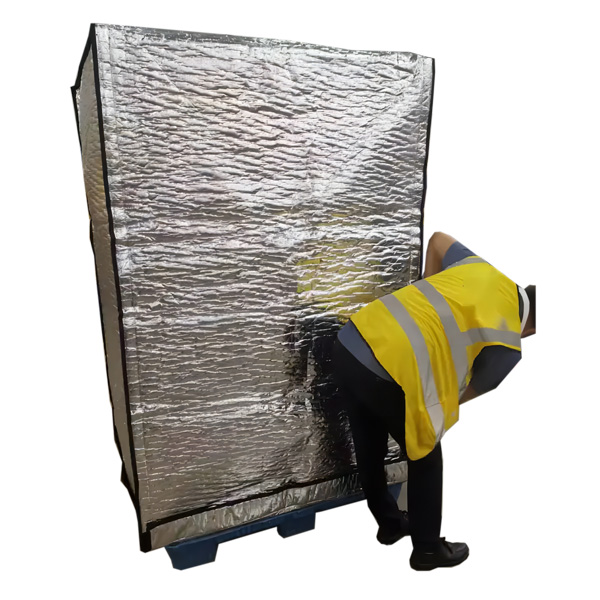
Chaîne d'approvisionnement en boîtes isolées: De l’exigence d’itinéraire à l’échelle contrôlée
Une chaîne d'approvisionnement fiable en boîtes isolées est conçue comme une boucle de contrôle. Les informations sur le produit et l'itinéraire définissent l'emballage; essais de qualification et d'exploitation le tester; les contrôles de production et de conditionnement le préservent; les données de livraison et d'exception montrent s'il reste adapté. Cette boucle évite à l'organisation de demander à une boîte vide d'effectuer le travail d'un système thermique complet.. Cela donne également aux achats une meilleure base pour la sélection en gros: charge utile utilisable, qualité des preuves, cohérence de la production, ajustement opérationnel, et le coût du réseau complet plutôt qu'un nom de matériau ou une durée non prise en charge.
Créer un passeport d'itinéraire de chaîne d'approvisionnement en boîte isolée
Une spécification d'emballage indique quoi acheter. Un passeport routier explique pourquoi. Créez un enregistrement pour chaque segment d'expédition significatif, beginning with the product's approved storage and transport conditions. Inclure toute sensibilité au gel, échauffement, temps, humidité, choc, ou orientation. Les propriétaires de produits et les équipes qualité doivent définir des règles d'acceptation et d'excursion; the packaging supplier should not infer them from the word "chilled" or "frozen."
Ajoutez les configurations de charge utile qui utiliseront réellement le système. Enregistrer les dimensions du produit fini, masse, condition de départ, emballage secondaire, orientation, charges minimales et maximales, et fréquence de commande. Le volume brut de la boîte n'est pas la capacité de charge utile. Isolation, liquide de refroidissement, séparateurs, lacunes requises, et la géométrie de fermeture consomme de l'espace, utilisez donc les dimensions nettes de l'emballage final.
La section d'itinéraire doit couvrir toute l'horloge depuis le début de l'emballage jusqu'à ce que le destinataire restaure le produit dans un stockage approprié.. Inclure les fenêtres de collecte des transporteurs, consolidation, séjour au terminal, dédouanement, exposition le week-end, tentatives de livraison, et retard au déballage. Cartographier les zones contrôlées et celles qui ne le sont pas. Ajouter des conditions saisonnières ou un profil thermique justifié, modes de transport, orientation du paquet, et des perturbations crédibles.
Les contraintes opérationnelles terminent le passeport. Identifier la capacité de conditionnement du réfrigérant, espace pour la station de conditionnement, main d'oeuvre disponible, limites de levée, surveiller le processus, capacité de transport de marchandises dangereuses, le cas échéant, heures du destinataire, et toute boucle de retour. Une conception qui nécessite des matériaux à changement de phase étroitement contrôlés n'est pas utile si les sites régionaux ne peuvent pas les conditionner ou les séparer de manière fiable..
Utilisez le passeport pour décider quels risques appartiennent à l'emballage et lesquels nécessitent des modifications de service. Si le risque provient d'un ramassage régulièrement manqué, ajuster l'expédition. Si une frontière incontrôlable demeure, envisager un tampon d’emballage approprié. Si les destinataires sont absents, utiliser des alertes ou des options de ramassage parallèlement à l'emballage. L’objectif n’est pas une isolation maximale; il s'agit d'une livraison contrôlée de produits.
Choisissez une architecture système, Pas un gagnant matériel
L'architecture comprend le boîtier extérieur ou la coque, isolation, couvercle et coutures, réfrigérant, retenue de la charge utile, annuler le contrôle, gestion de l'humidité, fermeture, étiquettes, et surveillance lorsque cela est justifié. Il doit assurer une protection thermique et physique tout en restant reproductible à la vitesse de fonctionnement.
Les choix d’isolation courants ont des résistances conditionnelles. Les mousses expansées moulées peuvent fournir une isolation légère et une géométrie de localisation. Les formats moulés réutilisables peuvent supporter des manipulations répétées lorsque la boucle de retour et d'inspection fonctionne. Les panneaux de mousse rigide peuvent être assemblés dans d'autres structures. Les panneaux d'isolation sous vide peuvent fournir une résistance élevée sur de larges zones relativement minces, mais les bords des panneaux, protection anti-crevaison, et la détection des dommages nécessitent une attention particulière. Les revêtements à base de fibres peuvent soutenir certains objectifs d'élimination ou de récupération, soumis à l'humidité et aux performances au niveau de l'emballage.
Ne sélectionnez pas uniquement sur un numéro de conductivité thermique. Cette valeur décrit un spécimen testé dans des conditions définies. Les performances de la boîte finie dépendent également de l'épaisseur, articulations, zone, fermeture, vieillissement, humidité, compression, fabrication, et flux d'air interne. Le chemin le plus faible peut être le couvercle plutôt que le centre du mur.
Le choix du réfrigérant doit suivre les exigences du produit. Packs à base d'eau, briques rigides, Matériaux à changement de phase, et la neige carbonique se comportent différemment. Conditionnement, quantité, placement, contact, et la température initiale façonnent l'environnement de la charge utile. Un composant plus froid peut créer un risque de gel local; plus de liquide de refroidissement peut réduire la charge utile utilisable et ajouter une charge de conditionnement. La glace sèche apporte également des surfaces très froides, gaz de sublimation, et les exigences de transport qui doivent être vérifiées pour l'itinéraire et le mode.
Intégrer la résistance aux erreurs dans l’architecture. Utiliser des formes à clé, étiquettes distinctes, une simple séquence de couches, inserts contrôlés pour charges partielles, et une fermeture vérifiable visuellement. Évitez plusieurs panneaux similaires que les emballeurs peuvent inverser. Concevez le package de manière à ce que la méthode correcte soit claire, même en cas de pointe de demande..
Imaginez un réseau de laboratoires qui expédie deux tailles de kits d'échantillons depuis plusieurs cliniques.. Une seule grande boîte réduit les codes d'achat, mais les cliniques remplissent les espaces vides différemment et placent les liquides de refroidissement à l'œil nu. L'équipe du projet crée un insert contrôlé à petite charge utile et une carte de composants, teste ensuite les dispositions minimum et maximum. Il confirme également que le confinement requis des échantillons et le marquage de transport sont toujours adaptés.. Cet exemple hypothétique montre que la normalisation fonctionne à travers des variantes contrôlées, pas d'improvisation.
Faites de chaque réclamation un portail de preuves
Organiser les preuves en fonction de la question à laquelle elles peuvent répondre. Les données sur les matériaux aident à l'isolation des écrans. Les dessins et les tolérances décrivent la pièce. Les tests de développement révèlent des emplacements chauds et froids. La qualification évalue le pack défini dans le cadre d'un défi approuvé. Les essais opérationnels montrent si les gens peuvent l'exécuter. Les registres de production montrent si les unités fournies continuent de correspondre à l'état approuvé.
| Porte des preuves | Décision | Conditions qui doivent rester visibles |
|---|---|---|
| Matériau et composant | Le concept est-il adapté au développement? | Méthode d'essai, état de l'échantillon, épaisseur, source, géométrie, limites |
| Développement du package fini | Quels emplacements d'emballage et de capteurs méritent d'être qualifiés? | Révision de la boîte, liquide de refroidissement, charge utile, état de départ, défi ambiant |
| Qualification | Le système contrôlé répond-il à des critères prédéterminés? | Profil, durée, échantillons, instrumentation, règle d'acceptation, écarts |
| Pilote de pack-station | Les opérateurs de routine peuvent-ils reproduire la conception? | Personnel, équipement, instruction, variation de commande, erreurs, changements correctifs |
| Sortie de production | Le lot livré correspond-il à l'approbation? | Révision du dessin, contrôles critiques, identité du lot, statut de changement approuvé |
| Examen continu | Le système est-il toujours adapté à la voie? | Alarmes, dommage, retards, changements, plaintes, données de retour et d'inspection |
Cette séquence empêche l’inflation des preuves. Une faible conductivité matérielle n'établit pas la durée du trajet. Un test en chambre n'établit pas la cohérence de la production. Un envoi de passage sur le terrain ne couvre pas toutes les saisons. Chaque résultat doit conserver sa configuration et utiliser sa limite.
Un rapport thermique doit identifier l'état de production des échantillons, nomenclature exacte, charge utile ou simulant justifié, conditions initiales, identité et conditionnement du réfrigérant, emballage, profil ambiant, durée, emplacements des enregistreurs et étalonnage, intervalle d'échantillonnage, critères d'acceptation, résultats, et les écarts. Évitez les rapports qui affichent uniquement une courbe moyenne. Les emplacements de mesure chauds et froids peuvent avoir une importance distincte.
Norme ISTA 20 provides a process for insulated shipping container design and qualification, et ISTA 7E fournit des profils thermiques pour les tests de livraison de colis. Les orientations techniques de l’OMS portent sur la qualification des conteneurs maritimes, profilage d'itinéraire, et suivi des transports dans le temps- et produits pharmaceutiques sensibles à la température. Ces ressources peuvent renforcer un programme le cas échéant. Ils ne certifient pas chaque boîte pour chaque produit ou voie.
Les frontières réglementaires nécessitent la même discipline. Bonnes pratiques de distribution de l’UE et chapitre général de l’USP 1079 peut éclairer les contrôles de distribution des médicaments. Les exigences sanitaires de la FDA en matière de transport peuvent s'appliquer à certaines opérations et adresses alimentaires aux États-Unis., entre autres choses, température et pratiques sanitaires. Les échantillons et la neige carbonique peuvent déclencher d'autres tâches de transport. Qualité responsable, sécurité, et le personnel juridique doit confirmer l'applicabilité actuelle.
Préserver l’état approuvé grâce à l’approvisionnement et aux opérations
Un contrat groupé ne doit pas se limiter au prix et aux dimensions externes. Référencer le dessin approuvé, tolérances critiques, descriptions de l'isolation et des composants, fermeture, étiquettes, identification du lot, protection de livraison, attentes en matière d'inspection, et révision de documents. Définir comment les lots non conformes sont contenus et comment les matériaux, source, outillage, processus, site, ou les changements de dimension sont notifiés avant la mise en œuvre.
Le contrôle du premier article relie les échantillons à l’échelle. Confirmer si les unités d'évaluation utilisent les outils et les sources de production prévus. Inspecter le premier lot de production avant une utilisation sans restriction. Conserver des enregistrements contrôlés qui montrent comment les équipes entrantes distingueront un lot acceptable. Si un fournisseur propose une alternative en cas de pénurie, exiger un examen des risques plutôt que d’accepter le mot équivalent.
La résilience commerciale doit être planifiée avec une équivalence technique. Identifier les composants à long délai de livraison ou à fournisseur unique, propriété de l'outillage, incréments de commande, flexibilité des prévisions, et besoins de stockage. Pré-évaluer un autre emballage lorsque les conséquences de l'expédition le justifient. Un entrepôt rempli de cartons ne résout pas une future pénurie de liquide de refroidissement ou de panneaux.
Aux stations de conditionnement, attribuer à chaque configuration approuvée un code unique. L'instruction contrôlée doit indiquer la plage de charge utile, séquence de composants, état frais, position du produit, contrôle de fermeture, surveiller l'activation et le placement lorsqu'il est utilisé, étiquettes, et vérification finale. Séparer les variantes saisonnières physiquement et électroniquement. Supprimer les copies obsolètes.
Former les employés à s'arrêter en cas d'exception: produit dans des conditions de départ incorrectes, liquide de refroidissement indisponible, boîte fissurée, panneau manquant, échec de fermeture, mauvaise charge utile, panne du moniteur, ou retard du transporteur. Une correction improvisée peut créer une configuration sans aucune preuve à l’appui. L'escalade doit être suffisamment facile à utiliser sous la pression de la production.
La réception complète la chaîne de contrôle. Définir l'inspection, transfert vers le stockage, récupération de l'appareil, examen des alarmes, quarantaine, conservation des dossiers, et communications. Pour livraison à domicile, rendre les instructions de déballage et de contact claires sans attendre du destinataire qu'il interprète des données thermiques complexes.
Les actifs réutilisables nécessitent une condition de retour approuvée. Préciser le nettoyage, séchage, inspection, réparation, remplacement de composants, réétiquetage, et la retraite. Suivez les unités endommagées et manquantes afin que les modèles d'inventaire et de cycle de vie utilisent les performances réelles.. Séparez les actifs rejetés des stocks emballables.
Utiliser les données opérationnelles pour améliorer les coûts et la durabilité
Le tableau de bord le plus utile connecte la qualité, service, coût, et flux de matières. Suivre les expéditions par voie et configuration; écarts d'emballage; alarmes de température; données manquantes; dommage; livraison tardive; délai de disposition du produit; non-conformité du fournisseur; utilisation de la charge utile; et, pour systèmes réutilisables, retour, perte, réparation, rejet de nettoyage, et déplacements par actif. Sélectionnez un ensemble gérable lié aux décisions.
Revue par segment. Un transfert aéroport ou une station de conditionnement peut être instable alors que l'ensemble du programme semble normal. Examiner les quasi-accidents tels qu'un composant manquant trouvé lors de l'inspection finale. Ils révèlent les faiblesses du contrôle avant qu'une décision sur le produit ne soit nécessaire.
Le coût total doit être calculé par expédition utile ou unité de produit protégé. Inclure l'achat d'emballage, fret entrant, espace d'entrepôt, conditionnement du réfrigérant, travail, cube externe, transport aller, surveillance, déchets, logistique inversée, nettoyage, réparation, perte d'actifs, et enquête. Utilisez des plages pour les retours futurs incertains et les retards. Cela révèle quand un système réutilisable plus lourd, une paroi fine performante, ou un emballage plus simple à usage unique est économiquement raisonnable.
La comparaison environnementale nécessite la même limite fonctionnelle. The EPA's sustainable materials management approach considers materials over their life cycles. For insulated packaging, cela signifie la protection du produit, production matérielle, transport, conditionnement, réutilisation, et fin de vie. Les étiquettes recyclables ou réutilisables ne reflètent pas à elles seules le résultat.
Pour un système consigné, distance de retour réelle du modèle, transport à vide, nettoyage, réparation, et perte. À usage unique, examiner le bon dimensionnement, séparation des matériaux, récupération de destination, et élimination. Incluez soigneusement la perte de produit; prévenir les pertes est une véritable fonction de l’emballage, mais des estimations d'évitement non étayées peuvent fausser le résultat. Si une analyse formelle du cycle de vie est utilisée, garder sa géographie, énergie, allocation, et hypothèses de durée de vie visibles.
L’amélioration devient alors pratique. Une mauvaise mesure d'utilisation de la charge utile peut justifier une configuration plus petite. Des dommages fréquents au couvercle peuvent justifier un changement de conception ou de manipulation.. Un faible rendement peut nécessiter des incitations aux bénéficiaires ou un pool d'actifs différent. Les alarmes répétées sur un itinéraire peuvent nécessiter un examen du service ou du profil au lieu d'une mise à niveau du package à l'échelle du réseau..
Questions fréquemment posées
Quelle est la première étape dans la refonte d’une chaîne d’approvisionnement en boîtes isothermes?
Créer des passeports d'itinéraire pour les principaux segments d'expédition et les exceptions les plus à risque. Limites des produits Connect, charge utile, horloge d'itinéraire, défi ambiant, transferts, capacité opérationnelle, reçu, et fin d'utilisation. Cela révèle si le problème actuel vient de l'emballage, service, instructions, variation du fournisseur, ou une combinaison avant l'achat de nouvelles boîtes.
Une petite famille de boîtiers peut-elle couvrir un réseau mondial?
Il peut couvrir plusieurs segments si le bracketing de la charge utile et les preuves d'itinéraire soutiennent le plan.. Climat, mode de transport, vivre à la frontière, limites du produit, capacité du personnel, et les systèmes de fin de vie varient. Standardisez d’abord la logique de configuration et la documentation. Maintenir des packouts ou des systèmes séparés pour les itinéraires dont le risque ne peut être justifié au sein de la plate-forme commune.
Comment utiliser les données de temps d’attente des fournisseurs?
Considérez-le comme une preuve uniquement pour la configuration et les conditions de test signalées.. Vérifier la charge utile, état de départ, liquide de refroidissement, profil ambiant, durée, emplacements des capteurs, règle d'acceptation, et statut de l'échantillon. Décidez ensuite si le défi représente votre itinéraire. Ne prolongez pas la durée à une taille de boîte différente, charge partielle, saison, ou produit sans évaluation technique.
Quand la surveillance est-elle la plus utile?
La surveillance est utile lorsque les données soutiennent une action définie, comme la libération de l'expédition, enquête sur les écarts, examen des voies, ou une intervention. Choisissez l'appareil et la position pour cette décision et définissez l'étalonnage, activation, possession, examen des données, et traitement des données manquantes. Plus de données ne signifie pas automatiquement plus de contrôle, et l'appareil ne remplace pas la protection thermique.
Conclusion
Une chaîne d'approvisionnement en boîtes isothermes devient fiable lorsqu'elle fonctionne en boucle: les passeports d'itinéraire définissent les besoins, l'architecture du système répond aux modes de défaillance, les barrières de preuves limitent les affirmations, Les contrôles d’approvisionnement et de conditionnement préservent l’état approuvé, et les données de livraison stimulent l'amélioration. Cette structure prend en charge les achats en gros sans autoriser le prix, réputation matérielle, ou un seul résultat de test pour remplacer le jugement technique.
Commencez par une configuration et suivez-la de bout en bout. Si le dessin, rapport d'essai, lot de fabrication, enregistrement d'emballage, données d'expédition, et la décision de réception ne peut pas être connectée, c'est la première lacune en matière de contrôle à combler.
À propos du tempk
Tempk fournit des catégories de produits isolés et réfrigérants pour les applications de la chaîne du froid, y compris les boîtes isolées EPP, boîtes d'expédition à froid, doublures isolées, sacs thermiques, couvertures de palettes, packs de gel, and dry ice packs. Nous pouvons examiner un passeport d'itinéraire et discuter des formats de conteneurs et de réfrigérants qui méritent d'être évalués pour la charge utile et l'exploitation définies.. L'adéquation doit être confirmée au niveau du système complet, avec des preuves représentatives de la production et une utilisation contrôlée plutôt que supposée à partir d'un composant individuel.
CTA: Envoyez à Tempk un passeport d'itinéraire pour votre expédition cible afin de démarrer une discussion ciblée sur l'emballage et la mise à l'échelle..
Boîte isotherme pour distributeur de viande Guide de sélection
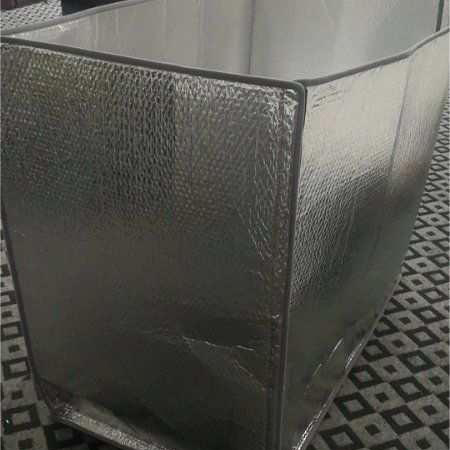
Une meilleure façon de sélectionner une boîte isotherme pour les itinéraires des distributeurs de viande
L'achat de la glacière la plus solide n'est pas une stratégie de chaîne du froid. La bonne boîte isotherme pour les itinéraires des distributeurs de viande est celle qui passe cinq portes pratiques: produit, itinéraire, emballage, hygiène, et des preuves. Le prix ne devient significatif qu’une fois ces conditions définies. Cette approche évite trois erreurs coûteuses: payer pour la performance dont l'itinéraire n'a pas besoin, en utilisant une configuration légère sur l'arrêt final et le plus chaud, et accepter une réclamation de test qui ne correspond pas au pack de production. Il crée également une spécification qui envoie, conducteurs, récepteurs, personnel de qualité, et le fournisseur peut tous utiliser.
Cinq portes pour une boîte isotherme pour distributeur de viande
La première porte est la limite de produit. Enregistrez la catégorie exacte de viande, emballage primaire, condition de départ, plage de température acceptée, et toute restriction sur le gel, décongélation partielle, ou de la condensation. Réfrigéré et congelé sont des exigences opérationnelles, pas de catégories marketing. La limite doit provenir de la spécification du produit, programme de qualité, réglementation applicable, et accord client.
La juridiction change le contexte. Le code alimentaire de la FDA's cold-holding reference is a retail model that jurisdictions may modify, tandis que la réglementation européenne (CE) Non 853/2004 utilise des températures de viande spécifiques à une catégorie. La surveillance américaine peut impliquer l'USDA FSIS, FDA, et les autorités de l'État. Do not copy a number from another distributor's box label.
La deuxième porte est la route. Mesurer tout l'intervalle depuis le retrait du stockage contrôlé jusqu'à la réception vérifiée, y compris le quai, chargement, s'arrête, paperasserie, et un retard crédible. Identifier si le carton voyage dans un véhicule frigorifique, une camionnette climatisée, un véhicule ambiant, ou un réseau colis. Marquez la dernière livraison et tout endroit où la boîte peut rester au soleil, vent, ou froid.
La troisième porte est le packout. Répertoriez la masse et les dimensions du produit pour la commande courante la plus petite et la plus grande.. Ajouter du liquide de refroidissement, séparateurs, matériaux absorbants, doublures, capteur, et dégagement nécessaire pour la fermeture. Le volume de la boîte externe est important pour le fret; le volume interne brut décrit une cavité; l'espace de charge utile utilisable indique à l'équipe d'emballage ce qui conviendra. Traitez-les comme trois nombres différents.
La quatrième porte est l'hygiène. Décidez si la viande reste dans des emballages primaires scellés, comment les fuites sont contenues, who cleans a reusable box, comment ça sèche, et quels défauts provoquent une quarantaine. Toute surface destinée au contact direct avec les aliments nécessite une documentation appropriée pour cette utilisation et cette destination.. Une coque isolée n'entre pas en contact avec les aliments car elle est lavable.
La cinquième porte est une preuve. Demandez le profil de test, révision de la boîte, charge utile, source froide, conditionnement, dessin d'emballage, emplacements des capteurs, limites d'acceptation, et résultat. La durée revendiquée n'a de sens que dans ces conditions. Si votre voie diffère sensiblement, planifier une étude représentative.
Quand les cinq portes sont écrites, les fournisseurs peuvent proposer des systèmes comparables. Sans eux, l'approvisionnement reçoit une rangée de prix attachés à différentes hypothèses.
Utiliser une matrice de décision Route-to-Packout
Une matrice de décision compacte permet de traduire les opérations en contrôles d'emballage. Il doit décrire les causes et les réponses, je ne prétends pas prédire un temps de maintien universel.
| Signal d'itinéraire | Mécanisme de défaillance probable | Réponse de conception ou de processus à évaluer | Preuve à demander |
|---|---|---|---|
| Plusieurs arrêts clients | Accès répété et augmentation de la durée de séjour pour les commandes ultérieures | Des boîtes de dépôt fermées séparées ou un plan de compartimentage contrôlé | Test ou essai représentant l'exposition d'arrêt final |
| Commandes petites ou variables | Faible masse thermique, changement de pack, et espace aérien excédentaire | Insert à charge minimale approuvé et emplacements fixes pour le liquide de refroidissement | Résultat du package de charge utile minimale |
| Voie parcelles incontrôlée | Extrêmes ambiants saisonniers, retard, vibration, et impact | Configuration thermique et physique de l'expéditeur spécifique au colis | MÊME pertinent, ISO, ASTM, ou documentation d'essai de voie |
| Boucle locale réutilisable | Usure de la fermeture, contamination, pièces perdues, et délai de retour | Surfaces nettoyables, suivi du statut, inspection, et les règles de retraite | Compatibilité des matériaux et plan d’inspection à usage répété |
| Produit surgelé | Gain de chaleur, risques de glace carbonique si elle est utilisée, ou décongélation partielle | Réfrigérant spécifique au produit, ventilation, manutention, et plan transporteur | Test de configuration et instructions d'expédition applicables |
| Produit réfrigéré en hiver froid | Points froids involontaires ou gel près du liquide de refroidissement et des murs | Pack saisonnier, séparateurs, et examen du placement des capteurs | Profil hivernal montrant des extrêmes chauds et froids |
La matrice empêche les acheteurs de résoudre tous les risques en ajoutant du réfrigérant. Une plus grande quantité de liquide de refroidissement peut réduire l'exposition à la chaleur mais créer une surface locale plus froide, réduire l'espace de charge utile, augmenter le poids, et gestion des changements. Une fermeture, insérer, changement d'itinéraire, ou une taille de boîte séparée peut être le meilleur contrôle.
Utiliser des méthodes de test reconnues pour la question abordée. ASTM D3103 évalue les performances d'isolation thermique des ensembles de distribution. ISO 22982 s'adresse aux colis à température dirigée. ISTA 7E fournit des profils thermiques de colis. Ces méthodes soutiennent une comparaison disciplinée; ils ne prouvent pas qu'un parcours de restauration, transfert de palette, ou chaque saison est couverte.
Recherchez les échecs aux limites
Les conditions moyennes donnent l’impression que les conceptions faibles sont confortables. Les défaillances de la chaîne du froid ont tendance à apparaître en périphérie: la couture du couvercle, un capteur d'angle, la dernière livraison, la charge utile la plus légère, la période de mise en scène la plus chaude, ou l'ouvrier qui ferme la boîte différemment. La revue de conception doit délibérément rechercher ces bords.
Commencez par le couvercle. Vérifiez si les travailleurs peuvent voir ou sentir la fermeture complète, si les étiquettes ou les sangles interfèrent, et si l'empilement le déforme. Un mur performant ne peut pas compenser un écart persistant. Inspecter les poignées, drains, attaches, et joints de panneaux comme ponts thermiques possibles ou pièges hygiéniques.
Examinez ensuite la disposition interne. Une compresse froide touchant un emballage de viande réfrigérée peut créer un point froid local. Un grand canal vide peut favoriser le mouvement de l'air interne. Le liquide de refroidissement accumulé à une extrémité peut laisser un autre mur sous-protégé. Les emballages de produits qui se déplacent pendant le freinage peuvent déplacer le capteur ou bloquer la fermeture. Le diagramme approuvé doit empêcher ces variations plutôt que de s'appuyer sur le jugement de l'opérateur lors d'une répartition chargée..
Les erreurs de conditionnement sont un autre avantage. "Keep in freezer" n'indique pas quand une compresse froide est prête ni combien de temps elle peut attendre sur le banc. Le produit commençant en dehors des spécifications consomme également de la capacité que le test peut ne pas inclure. La version d'expédition doit couvrir le produit, liquide de refroidissement, boîte, et toute condition de phase PCM utilisée dans la preuve.
Le transfert ajoute de la variabilité humaine. Un chauffeur peut ouvrir une boîte pour trouver une commande, un récepteur peut le laisser à côté d'une porte, ou un conteneur retourné peut être placé avec le stock libéré avant le nettoyage. Donnez à chaque transfert un statut visible et un propriétaire. Où la surveillance de la température est utilisée, définir ce que les données déclenchent. Un enregistreur documente l'exposition; il ne restaure pas le produit et ne rend pas l'emballage adéquat.
Les échecs en matière d’assainissement existent également à la périphérie. Les emballages primaires qui fuient peuvent mouiller les étiquettes, fermetures, ou isolation apparente. Une unité réutilisable peut retenir des résidus dans une charnière ou une couture endommagée même après un essuyage rapide. Validate the site's cleaning and drying method for the specific construction. Fissures de quarantaine, odeur persistante, isolation humide, couvercles déformés, et composants manquants jusqu'à leur disposition.
Enfin, remettre en question le langage autour de la performance. "Food grade," "leakproof," "reusable," and "qualified" chacun doit conduire à un document et à l'utilisation prévue. Une déclaration de conformité matérielle n'est pas une qualification d'itinéraire. Un test sur une taille n'est pas automatiquement transférable sur une autre. Un fournisseur doit être à l’aise pour expliquer où s’arrête sa réclamation.
Passer de l'échantillon du fournisseur à la production contrôlée
Un échantillon démontre l'ajustement et donne une construction de départ; ce n'est pas encore un système de chaîne du froid validé. Commencez par un examen des dimensions et de l’emballage. Chargez les paquets de viande primaires réels, source froide, diviseur, matériau absorbant, étiquette, et surveiller. Confirmer la fermeture, levage, modèle de pile, ajustement du véhicule, et accès au récepteur. Vérifiez à la fois la commande minimale et maximale définie dans la spécification.
Suivant, créer un pack représentatif de la production pour les tests. L'étude doit enregistrer toutes les conditions de départ, profil externe, placement du capteur, critères d'acceptation, et les écarts. Utilisez des défis saisonniers et de voies qui reflètent le réseau prévu. Les tests en laboratoire peuvent être suivis d'un essai opérationnel contrôlé pour détecter les problèmes de formation et de manipulation.. N'appelez pas une expédition vivante ordinaire une validation contrôlée à moins qu'elle n'ait été conçue et régie comme une seule..
Traduire la conception publiée en une courte procédure opérationnelle standard. Un diagramme de pack visuel empêche souvent plus de variations qu'une page de prose. Inclure l'identité du composant, conditionnement, inspection, placement de produit, orientation du liquide de refroidissement, fermeture, étiquettes, activation du moniteur si utilisé, dossier d'expédition, remettre, recevoir un chèque, et statut de retour.
S'entraîner à l'exception comme à la routine. Le personnel doit savoir quoi faire lorsqu’une compresse froide manque, le produit est trop chaud lors de l'expédition, la boîte ne ferme pas, un enregistreur ne démarre pas, ou la camionnette est en retard. La bonne réponse est généralement d'arrêter, séparer, et faire remonter selon la procédure approuvée, not to add a random coolant pack.
Le contrôle de la production s'étend au fournisseur. Définir les dimensions et composants critiques, inspection à l'arrivée, identification du lot si nécessaire, et cohérence de l'échantillon à la production. Demander un préavis en cas de modification de l'isolation, source de résine ou de fibre, doublure, couvercle, adhésif, outillage, site, ou processus de fabrication. L'équipe qualité peut alors juger si les preuves restent applicables.
Examinez le système après le lancement. Suivre les cartons endommagés, écarts d'emballage, exceptions de température, retours manquants, plaintes du destinataire, et les retards sur les itinéraires. Un changement dans la taille de la commande ou dans le calendrier du client peut être plus important que l'usure progressive des matériaux.. La requalification ou la vérification supplémentaire doit être déclenchée par le risque, pas seulement par un calendrier.
Calculer le coût opérationnel, Choisissez ensuite le format
Le prix unitaire est visible; les coûts de traitement sont répartis entre les départements. Comparez le coût complet par commande livrée en toute sécurité. Inclure la boîte et le liquide de refroidissement, stockage entrant, espace de conditionnement, travail d'emballage, cube de véhicule, poids, surveillance, nettoyage, fret de retour, perte unitaire, élimination, et le coût de l'enquête ou de la retenue du produit. Use your own operating data rather than a supplier's generic savings percentage.
Les emballages à usage unique peuvent réduire l’administration des retours et le nettoyage, qui peut convenir aux réseaux ouverts. Son usage matériel récurrent, stockage, disposition du client, et la recyclabilité locale compte toujours. Reusable packaging can spread manufacturing impact and purchase cost across completed cycles in a closed loop, mais seulement si les unités reviennent, passer l'inspection, et restent en bonne forme thermique et hygiénique. Le nombre théorique de réutilisation ne doit pas être utilisé comme nombre réel de cycles..
Le bon dimensionnement améliore fréquemment à la fois le coût et la cohérence thermique. Une grande boîte utilisée pour une petite commande transporte un excès d'air et peut nécessiter un insert ou un plan de refroidissement différent.. Une gamme de deux ou trois tailles qualifiées peut mieux utiliser le cube du véhicule qu'une boîte universelle, bien que chaque taille nécessite des instructions contrôlées et des preuves appropriées.
Exemple pratique: deux itinéraires, une comparaison de prix trompeuse
Supposons qu'un distributeur compare un expéditeur jetable à une boîte réutilisable.. Le jetable semble moins cher à l’unité. Le réutilisable apparaît moins cher lorsque son prix d'achat est divisé par un nombre de voyages prévu. Aucune des deux figures ne décrit l'opération.
Pour un trajet fermé entre un dépôt et des succursales appartenant à l'entreprise, le backhaul est déjà disponible, les boîtes peuvent être numérisées, et une zone de lavage contrôlée existe. La réutilisation mérite peut-être un projet pilote détaillé. Pour les restaurants indépendants dispersés, les boîtes peuvent ne pas être renvoyées rapidement et les unités contaminées peuvent être stockées à l'extérieur. Un format à usage unique ou conservé par le client peut être plus sûr sur le plan opérationnel jusqu'à ce qu'un programme de retour existe.
L'équipe doit modéliser le taux de retour réel, travail de nettoyage, cube de transport, perte, et effectué des cycles sûrs pour l'itinéraire fermé. Il doit modéliser séparément les matériaux, élimination, et main d'œuvre d'emballage pour la route ouverte. Ensuite, il teste la configuration thermique pour chaque. Le résultat peut être deux formats approuvés, pas un seul gagnant. C'est une bonne normalisation: règles de décision communes avec emballage adapté à l'itinéraire.
La durabilité fait partie du même calcul. Confirmez ce que les installations locales acceptent, si les composants mélangés peuvent être séparés, et comment les ressources de lavage sont mesurées. Pour les emballages mis sur le marché de l'UE, examiner les exigences applicables et les dates de transition en vertu du règlement (UE) 2025/40, qui a commencé à postuler en août 2026. Do not convert "recyclable" or "reusable" dans une conclusion juridique ou environnementale sans les preuves opérationnelles.
Questions fréquemment posées
Quelles informations un distributeur de viande doit-il envoyer avec une demande de devis?
Fournir le produit et les conditions de température acceptées, dimensions du paquet primaire, charge utile minimale et maximale, température de départ, durée de l'itinéraire, environnement du véhicule, modèle d'arrêt, exposition saisonnière, indemnité de retard, modèle d'hygiène, besoins de surveillance, et plan à usage unique ou retour. Demander au fournisseur d'énoncer des hypothèses et d'identifier les preuves à l'appui de l'emballage proposé.
Combien de temps supplémentaire faut-il ajouter en cas de retard?
Il n'y a pas de pourcentage universel. Construire l'allocation à partir de l'historique des itinéraires, comportement du récepteur, trafic, service de transporteur, saison, et les conséquences de l'échec. The chosen challenge should be documented and approved through the distributor's risk process. A packaging supplier can test the agreed profile but should not invent the business's acceptable disruption.
Une boîte peut-elle être approuvée à partir d'une fiche technique matériau?
Non. Une fiche technique de matériau peut prendre en charge des informations sur un panneau ou un composant.. L'approbation du système chargé nécessite la preuve de la boîte assemblée, liquide de refroidissement, charge utile, emballage, profil externe, et limites d'acceptation. Ajustement opérationnel, statut de contact alimentaire, le cas échéant, sanitaire, et le contrôle des changements doit également être revu.
Où placer un enregistreur de température?
Le placement dépend de ce que l'étude ou le contrôle de routine est censé montrer. Les travaux de développement utilisent souvent plusieurs capteurs calibrés aux points chauds et froids attendus. Une position d'enregistreur de routine doit ensuite être justifiée à partir de ces résultats et rester cohérente.. Évitez tout contact inexpliqué avec le liquide de refroidissement ou un endroit susceptible de bouger pendant le transport..
Quand faut-il mettre au rebut une boîte isotherme réutilisable?
Définir des critères observables et fonctionnels avant le lancement. Les exemples incluent les fissures, déformation, échec de fermeture, isolation exposée ou humide, odeur persistante, une identité illisible, pièces manquantes, ou échec d’une inspection prescrite. Les règles de retraite devraient refléter la construction, méthode de nettoyage, instructions du fournisseur, et un programme de qualification plutôt qu'un inventaire cyclique universel inventé.
Conclusion
Le choix d'une boîte isotherme pour les itinéraires des distributeurs de viande devient gérable lorsque la décision suit les preuves. Passer le produit, itinéraire, emballage, hygiène, et les portes des preuves. Rechercher l’échec sur les bords, publier une configuration représentative de la production, et tarifer la boucle d'exploitation complète. Respecter les limites de température et les décisions réglementaires avec les propriétaires légaux et de qualité appropriés.
La prochaine étape: rédiger un briefing d'une page et regrouper la plus petite commande de routine dans un échantillon. Cet exercice exposera l'espace manquant, hypothèses manquantes, et les preuves manquantes avant un achat groupé les rendent chers.
À propos du tempk
Tempk's official range includes insulated boxes, packs froids, et options d'emballage à température contrôlée pour la distribution alimentaire. Nous pouvons examiner une utilisation proposée pour la livraison de viande grâce aux mêmes apports pratiques utilisés dans ce guide.: état du produit, charge utile, exposition par voie, liquide de refroidissement, manutention, et modèle de réutilisation ou d’élimination. L’objectif est de restreindre les options et de clarifier ce qui doit être révisé.. Any final decision should be based on the selected product's current documentation and a packout approved for the distributor's actual lane.
Demander une comparaison ciblée: Send Tempk your one-page lane brief and sample payload layout to discuss suitable insulated packaging options and the evidence to verify before ordering.
Boîte isotherme pour la conception de services de prestataire logistique
Boîte isotherme pour la conception de services de prestataire logistique: Cinq portes de décision
Acheter une boîte isotherme pour un prestataire logistique est facile; définir un service défendable autour de lui est plus difficile. Le conteneur doit correspondre à la charge utile, défi thermique, réseau de transport, opération d'emballage, exigence de preuve, et modèle de récupération. L'isolation ne fait que ralentir le transfert de chaleur, la performance vient donc de l'emballage assemblé et des personnes qui le préparent et le manipulent. Un examen en cinq étapes aide les équipes à éviter une sélection prématurée de produits. Chaque porte produit une décision commerciale, opérations, approvisionnement, et les équipes de qualité peuvent l'utiliser avant que le service n'atteigne une expédition réelle.
Porte 1: Définir la boîte isotherme pour l'enveloppe de service du prestataire logistique
Customer requests often arrive as "chilled delivery," "frozen box," ou un nombre d'heures souhaité. Aucun n'est suffisamment détaillé pour sélectionner l'emballage. Transformez la demande en enveloppe de service: une description contrôlée du produit, charge utile, itinéraire, conditions, manutention, et la preuve que le prestataire est prêt à soutenir.
Begin with the product owner's approved transport condition. N'attribuez pas une gamme industrielle commune simplement parce que le produit est alimentaire., médecine, ou un échantillon de laboratoire. Différents produits au sein d'une même catégorie peuvent avoir des limites différentes et des réponses différentes à une brève excursion.. Enregistrez qui est propriétaire de la spécification et qui évaluera un événement en dehors de celle-ci.
Définir la charge utile comme une enveloppe plutôt que comme une capacité de catalogue. Inclure la charge prévue la plus petite et la plus grande, dimensions réelles de l'emballage du produit, masse, condition de départ, orientation, et tout confinement secondaire. Calculez ensuite l'espace utilisable après le liquide de refroidissement, séparateurs, matériau absorbant, ou d'autres composants obligatoires sont installés. Le volume interne brut n’est pas une promesse d’expédition.
Temps de cartographie depuis le début de l'emballage jusqu'au transfert dans un stockage approprié à destination. Le transit régulier des transporteurs ne représente qu'un segment. Inclure la mise en scène, date limite de collecte, le hub est en séjour, examen des douanes ou de la sécurité, tentatives de livraison, et réception des destinataires. Identifiez les cas de retard crédibles et décidez si la conception doit les couvrir ou si une autre éventualité s'appliquera.
Le résultat de Gate One doit être suffisamment court pour être examiné, mais suffisamment précis pour éviter les hypothèses silencieuses.. Si un champ reste inconnu, assign an owner and do not let a supplier's default become the requirement by accident.
Porte deux: Choisissez la bonne architecture de contrôle
Une boîte isotherme est un élément possible de la distribution à température contrôlée. Sélectionner son rôle en comparant les architectures de contrôle, pas en ajoutant toutes les couches disponibles.
Un conteneur de manutention générale protège des chocs, saleté, ou de l'eau mais peut avoir une fonction thermique limitée. Un caisson isolé réduit les échanges thermiques mais ne crée pas de refroidissement. Un système d'expédition passif combine une enceinte isolée avec un liquide de refroidissement conditionné et un agencement contrôlé. Un conteneur actif utilise un chauffage ou un refroidissement alimenté. Un véhicule frigorifique contrôle son espace de chargement, tandis qu'un enregistreur de température enregistre les conditions sans les modifier.
Ces fonctions peuvent être combinées, mais plus de composants ne signifie pas automatiquement un meilleur contrôle. Un expéditeur passif placé dans un véhicule réfrigéré peut apporter une protection utile lors des transferts. Il peut également rencontrer un environnement plus froid que prévu par sa conception pour temps chaud.. Un enregistreur de données peut révéler l'exposition mais ne peut pas compenser le manque de liquide de refroidissement. Une coque extérieure en plastique durable peut améliorer la manipulation sans rien dire sur la qualification du système thermique intérieur..
Le liquide de refroidissement est tout aussi spécifique. Les packs à base d'eau et les matériaux à changement de phase stockent l'énergie thermique à proximité de leur transition de phase.. Leur conditionnement et leur placement influencent à la fois la durée et le risque local de froid.. La neige carbonique crée des températures très basses et du dioxyde de carbone, nécessitant une conception ventilée appropriée, manipulation sûre, et contrôles des marchandises dangereuses spécifiques au mode. The words "ice pack" or "PCM" n'identifie pas de composant interchangeable.
Choisissez une architecture candidate en demandant:
- Can it support the product's required condition without creating an opposite-side risk?
- L'ensemble complet convient-il aux charges utiles minimales et maximales?
- Le personnel d'origine peut-il le conditionner et l'assembler de manière répétée au volume prévu?
- Le réseau peut-il supporter son poids, orientation, fermeture, et dimensions extérieures?
- La destination peut-elle le recevoir et, si réutilisable, retourne-le?
- Existe-t-il un chemin crédible pour générer ou obtenir les preuves requises?
Le résultat n'est pas encore un service approuvé. Il s'agit d'une configuration candidate prête pour la porte trois.
Porte trois: Vérifier la limite des preuves
The key procurement question is not "Has this box been tested?" It is "What exact system was tested, dans quelles conditions, selon quels critères, et quel est le rapport avec notre enveloppe de services?" Un examen des preuves utile sépare les faits étayés des hypothèses du fournisseur et du travail que le prestataire logistique doit encore effectuer..
| Élément de preuve | Ce que révèle un dossier utile | Décision qu’il soutient |
|---|---|---|
| Définition du composant | Boîte, couvercle, isolation, liquide de refroidissement, insérer, fermeture, et version | Si le pack acheté correspond à l'article de test |
| Définition de la charge utile | Taille, masse, condition de départ, mise en page, et plage de charge | Si les expéditions réelles se situent dans l'enveloppe prise en charge |
| Défi thermique | Séquence ambiante, durée de l'essai, orientation, et manipulation | Si le test représente raisonnablement la voie proposée |
| Méthode de conditionnement | Équipement, condition définie, préparation, vérification, et mise en scène | Si les opérations d'origine peuvent reproduire l'état testé |
| Plan capteur | Emplacements, état d'étalonnage, intervalle, et approche d’incertitude | Que ce soit chaud, froid, et les régions centrales ont été caractérisées |
| Critères d'acceptation | Limites de l’espace produit et traitement des écarts | What "pass" signifie en fait |
| Résultats et revue | Courbes, répétition des courses, écarts, marge, et approbation | Dans quelle mesure la solution semble-t-elle robuste et où se situent ses limites |
| Changer le contrôle | Processus d’identification et de notification des composants | La question de savoir si la fourniture ultérieure reste liée aux preuves |
Ce tableau évite que la durée du titre ne devienne l'intégralité de l'argument de qualification.. Deux systèmes peuvent atteindre le même critère d’évaluation tout en présentant un risque précoce de rhume différent, réchauffement tardif, dégradés, ou répétabilité. Revoir les courbes et les conditions opérationnelles, pas seulement un titre de certificat.
Les tests doivent correspondre au risque. La norme ISTA 7E fournit des profils thermiques développés pour les tests de livraison de colis et peut être utilisée avec un processus de qualification plus large.. WHO technical materials for temperature-sensitive pharmaceuticals describe qualification of shipping containers, profilage d'itinéraire, et suivi des transports. Le PIB de l’UE s’attend à ce que les médicaments restent dans des conditions de transport définies et que les équipements soient adaptés à leur utilisation. Les exigences sanitaires de la FDA en matière de transport peuvent s'appliquer aux mouvements alimentaires couverts par moteur ou par train aux États-Unis.. ISO 23412 couvre un secteur indirect particulier, modèle de service de colis réfrigéré et le distingue d'un colis transportant son propre réfrigérant. Les exigences de l'ATP et de l'IATA peuvent être importantes pour certains mouvements internationaux de denrées périssables ou aériens..
Aucune de ces références n'approuve globalement une boîte isotherme. Déterminer quelles normes, règlements, exigences du client, et les procédures internes s'appliquent au produit, juridiction, et mode. Enregistrez l’édition ou la source utilisée. Rechercher des commentaires qualifiés en matière de réglementation ou de qualité lorsque la portée est incertaine.
La qualification doit porter sur la configuration complète. Pour un service à risque ou réglementé, le plan peut inclure une revue de la conception, tests opérationnels sous des défis ambiants définis, travail de performance sur des itinéraires représentatifs, tests de distribution physique, et un suivi maîtrisé. Un envoi sur le terrain réussi constitue une preuve utile de cet événement, mais n'établit pas d'adéquation universelle.. Inversement, un test en chambre ne prouve pas que les emballeurs, moyeux, et les récepteurs exécuteront la méthode correctement.
La porte trois ne se ferme que lorsque l'équipe d'approbation comprend ce qui est pris en charge et quelles limites appartiennent à la description du service..
Porte quatre: Répétabilité des ingénieurs à chaque transfert
Un packout qualifié peut toujours échouer en tant qu'opération. Convertissez la configuration acceptée en instructions et contrôles basés sur les rôles.
A l'origine, attribuer des emplacements de stockage contrôlés pour les composants de la boîte et le liquide de refroidissement. Vérifier que l'équipement de conditionnement a une capacité suffisante pour le volume de pointe, y compris récupération après ouvertures de portes et nouveaux chargements. Identifier les composants afin que le personnel ne puisse pas remplacer par hasard un pack similaire. Définir le transfert de la charge utile, exposition maximale à l'assemblage, ordre de chargement exact, espaceurs, emplacement de l'enregistreur, fermeture, joint, étiquette, et libérer le chèque.
Utiliser des instructions de travail visuelles là où l'orientation est importante. Inclure la raison des détails à haut risque. Un emballeur est moins susceptible de retirer une barrière lorsque l'instruction explique qu'elle empêche le contact direct avec le liquide de refroidissement.. La formation doit se terminer par une démonstration et une décision de compétence documentée. Les travailleurs temporaires et les sites de contingence nécessitent le même contrôle, pas une supposition abrégée.
A l'acceptation du transporteur, conservation des dossiers et toute exigence de traitement spécifique au service. Les hubs ont besoin d'une réponse courte pour une coque endommagée, ouvrir le couvercle, paquet humide, étiquette manquante, ou un retard. Si l'inspection nécessite l'ouverture, définir qui est autorisé, comment les composants sont protégés, si le système peut être restauré, et comment l'événement est enregistré. Ne laissez pas un reconditionnement informel effacer le rapport à la qualification.
À destination, aligner la livraison sur la capacité de réception. Le destinataire doit savoir où va l’envoi, quelles vérifications effectuer, comment arrêter ou lire l'équipement de surveillance, et qui contacter. Une alarme d'excursion est un signal d'évaluation. Ce n'est pas, par lui-même, une règle universelle de libération ou de rejet. Des informations sur la stabilité du produit et une décision responsable en matière de qualité sont requises.
Exemple pratique: lancement d'une voie de soins de santé à deux pôles
Imaginez qu'un fournisseur souhaite ajouter un service de colis de soins de santé de nuit via deux hubs. Le fournisseur d'emballages propose une boîte passive avec des données de chambre avantageuses. Au lieu de vous fier à la déclaration de durée, le fournisseur compare le profil ambiant et la charge utile testés avec son enveloppe de service. Il constate que la charge utile minimale prévue est plus petite et que le deuxième hub peut contenir des colis au-delà de la limite prévue..
L'équipe ajoute un arrangement évalué à charge minimale, définit une escalade de délai au niveau du deuxième hub, et exécute un projet pilote contrôlé en utilisant le personnel d'emballage final et le processus de réception. La surveillance montre que la récupération des données à destination est incohérente, donc le lancement s'arrête pendant que la responsabilité et la formation sont corrigées. Aucun résultat client fabriqué n’est nécessaire pour voir la leçon: les preuves opérationnelles peuvent révéler un processus faible même lorsque la boîte elle-même fonctionne comme prévu.
L'examen de routine doit combiner les événements de température avec les signaux du processus. Suivre les écarts d’emballage, exceptions de conditionnement, fermetures endommagées, enregistreurs manquants, enregistrements non lus, le moyeu tient, retards de réception, et substitutions de composants. Les tendances peuvent révéler une perte de contrôle avant qu’une excursion de température globale ne se produise.
Porte cinq: Augmentez les coûts et la durabilité sans perdre le contrôle
Le prix unitaire représente une petite partie du coût du service. Un système unidirectionnel nécessite un stockage entrant, assemblée, conditionnement du liquide de refroidissement, travail, cube de fret, traitement des déchets à destination, et remplacement après chaque expédition. Un système réutilisable ajoute l'achat d'actifs, identification, transport inverse, collection en direct, nettoyage, séchage, inspection, réparation, perte, stockage, et la retraite. Comparez les options sur la même fonction d'expédition et le même réseau réel.
Les boîtes réutilisables ont tendance à avoir plus de sens opérationnel lorsque les voies sont fréquentes, les destinations sont connues, le backhaul existe, les actifs peuvent être analysés, et une installation centrale peut les inspecter et les nettoyer. Un réseau distant ou très dispersé peut consacrer des ressources substantielles à la récupération des unités vides ou peut perdre des unités avant qu'elles n'aient terminé suffisamment de cycles.. Le résultat environnemental dépend des utilisations réellement réalisées et des mouvements de retour, not on the word "reusable."
Pour emballage à usage unique, le bon dimensionnement peut réduire le volume de matériaux et de fret, mais il doit préserver la charge utile supportée et la conception thermique. Demandez si les installations de destination peuvent séparer et récupérer les composants réels. Une filière théorique de recyclage n’est pas la même chose qu’une collecte locale. Pour des emballages réutilisables, spécifier les agents de nettoyage compatibles, conditions de rinçage et de séchage, points de contrôle, pièces de rechange, et critères de départ à la retraite. Une doublure endommagée ou une isolation humide peut constituer un problème à la fois thermique et hygiénique..
La réglementation des emballages et les attentes des clients en matière de reporting attirent une attention croissante à la conception du cycle de vie, Recyclabalité, et réutilisation sur plusieurs marchés. L'Union européenne's packaging and packaging-waste framework is one current example, mais les obligations dépendent de l'opérateur, format d'emballage, itinéraire, et le timing. Obtenez des conseils actuels spécifiques au marché plutôt que de décrire une boîte comme automatiquement conforme.
Évoluez par étapes contrôlées. Commencez avec des échantillons qui correspondent à la conception de production proposée. Vérifier l'ajustement et l'ergonomie. Générer ou examiner des preuves thermiques et physiques. Pilotez le processus final à un volume gérable. Geler la nomenclature et les instructions. Établir les notifications de changement de fournisseur et les contrôles entrants. Développer uniquement une fois que les premiers écarts ont été compris.
Questions fréquemment posées
Combien de tailles de boîtes isothermes un prestataire logistique doit-il proposer?
Il n'y a pas de numéro universel. Créez des tailles autour de véritables clusters de charges utiles, espace de refroidissement, matériel de manutention, et des preuves plutôt que de combler toutes les lacunes d'un catalogue. Trop peu de tailles peuvent créer un espace d'air inefficace ou des charges non supportées; un trop grand nombre augmente l'inventaire et la complexité de la formation. Une plate-forme contrôlée peut utiliser des empreintes externes communes avec des configurations internes clairement approuvées.
Si le fournisseur ou le prestataire logistique qualifie l'emballage?
Un fournisseur peut fournir des preuves précieuses de conception et de test, mais le prestataire logistique et le propriétaire du produit doivent décider s'il prend en charge la charge utile prévue, voie, opérations, et les exigences de qualité applicables. Les responsabilités doivent être documentées. Tests spécifiques au client, travaux d'itinéraire, ou une approbation peut encore être nécessaire, especially when the service differs from the supplier's evaluated configuration.
Un enregistreur de température prouve-t-il que le produit est resté acceptable?
Un enregistreur documente les lectures à l'emplacement de son capteur. L'interprétation de ces lectures nécessite les limites de produit approuvées, contexte du capteur et de l'étalonnage, placement, temps, et un processus d'excursion. Il ne peut pas montrer chaque point de la charge utile ni protéger l'envoi.. L'acceptabilité du produit doit être décidée par la partie autorisée en utilisant les informations pertinentes sur la stabilité et la qualité..
Quels changements devraient déclencher une réévaluation?
Examiner les modifications apportées au matériau ou à la géométrie de la boîte, liquide de refroidissement, conditionnement, plage de charge utile, composants internes, fermeture, emplacement de l'enregistreur, itinéraire, moyeu, mode, temps de service, nettoyage, ou fournisseur. La réponse requise peut aller d’une évaluation documentée à une qualification supplémentaire. Établir des déclencheurs avant le lancement afin que les changements opérationnels et commerciaux ne contournent pas l'examen qualité.
Conclusion
Une boîte isotherme destinée au service d'un prestataire logistique doit passer cinq portes: une enveloppe d'expédition précise, une architecture de contrôle adaptée, des preuves qui correspondent à son utilisation, transferts répétables, et un modèle de cycle de vie évolutif. La discipline centrale consiste à maintenir les réclamations attachées au paquet exact et aux conditions qui les soutiennent.. Isolation, liquide de refroidissement, charge utile, itinéraire, personnes, données, et la récupération appartiennent tous à la conception. Quand ces éléments restent connectés, le fournisseur peut indiquer des limites de service claires, enquêter sur les exceptions, et améliorez les performances sans vous fier à une affirmation de boîte universelle.
À propos du tempk
Tempk propose des catégories d'emballages à température contrôlée axées sur les entreprises, including insulation boxes, packs de glace, sacs isolés, et housses thermiques pour palettes. Nous pouvons discuter du packaging et de la personnalisation des candidats dans le contexte de la charge utile, itinéraire, emballage, manutention, et exigences de réutilisation. Pour les prestataires logistiques, la valeur pratique est une conversation sur le cas d'utilisation complet, followed by review of the configuration and supporting information needed for the customer's own operational and quality decision.
Partagez votre enveloppe de services avec Tempk, y compris les dimensions de la charge utile, conditions requises, étapes du parcours, besoins de surveillance, et modèle de retour. Use that information to compare candidate insulated packaging before committing to volume.
Boîte isolée à bulles d'aluminium: Une sélection sans battage publicitaire
Choisir une boîte isolée à bulles d'aluminium sans le battage médiatique
Une boîte isolée à bulles en aluminium doit être approuvée comme emballage spécifique, non acheté sous forme de promesse attachée à une feuille brillante. La décision est simple lorsque les acheteurs posent quatre questions dans l'ordre. Ce format est-il adapté au produit et à l'itinéraire? L’espace aérien réfléchissant prévu est-il préservé? Est-ce que la boîte complète, liquide de refroidissement, charge utile, et la fermeture répondent aux critères d'acceptation? Les opérateurs peuvent-ils le reproduire à grande échelle? La durabilité et le prix viennent ensuite, en utilisant la structure matérielle réelle et la boucle de fonctionnement. Cette séquence protège les acheteurs des valeurs R non prises en charge, réclamations de durée de détention universelle, et une doublure qui économise de l'espace dans l'entrepôt mais crée un travail incontrôlé au banc d'emballage.
Décidez si une boîte isolée à bulles d'aluminium appartient à l'itinéraire
Commencez par une définition de voie d'une page. Indiquer la plage de température du produit, condition de départ, pack primaire, sensibilité au gel ou à la chaleur, dimensions de la charge utile, charge minimale et maximale, durée prévue, transferts, environnement du véhicule, exposition saisonnière, et un retard crédible. Ajouter des dangers physiques tels que des chutes, empilement, ponction, pluie, ou de la condensation. La bonne famille d'isolants devient généralement plus claire lorsque ces faits sont visibles.
Un format à bulles d'aluminium mérite d'être étudié là où les parois minces, tailles flexibles, faible volume de stockage entrant, ou une conversion rapide des cartons ont une réelle valeur opérationnelle. Cela peut convenir à une livraison locale contrôlée, envois de colis sélectionnés, ou un tampon secondaire à l'intérieur d'un autre système de transport. C'est moins attractif lorsque l'itinéraire nécessite une protection longue et incontrôlée, le contenu est net, le paquet est régulièrement trop rempli, le boîtier extérieur est mouillé, ou le processus ne peut pas maintenir un pli et un entrefer cohérents.
Définir les exigences du produit indépendamment du package. "Chilled" and "frozen" ne pas indiquer de plage acceptée. Médicaments, aliments, spécimens, produits chimiques, et l'électronique peut avoir des limites et des conséquences différentes. Les réglementations applicables et les accords clients varient également. Le fournisseur peut proposer un emballage après connaissance du besoin; cela ne devrait pas créer l'exigence.
Clarify the box's role. Le revêtement à bulles en aluminium fournit une couche thermique. Le carton extérieur fournit généralement la forme, résistance à la compression, et surfaces pour étiquettes et sceaux. Le liquide de refroidissement fournit une capacité thermique limitée. Les séparateurs gèrent le contact et le mouvement. L'emballage primaire contient le produit. Un enregistreur enregistre l'exposition. Calling all of those functions "the box" cache les lacunes en matière de responsabilité.
Utiliser une règle d'arrêt pendant le contrôle. Si le fournisseur ne peut pas indiquer le stratifié, conception de couture, fermeture, liquide de refroidissement testé, charge utile, profil ambiant, et limite d'acceptation, ne comparez pas sa durée avec un autre devis. Demandez d'abord la base manquante.
Construisez une échelle de preuves de la surface à la voie
Les preuves devraient grimper de quatre niveaux. Le premier est l’identité matérielle: type de film réfléchissant, substrat à bulles, adhésifs, épaisseur, orientation de la surface, et l'état. Le deuxième concerne les tests sur échantillons, qui peut caractériser un matériau plat selon une méthode nommée. Le troisième est un test d'emballage assemblé avec le carton réel, doublure, liquide de refroidissement, charge utile, coutures, et fermeture. Le quatrième est la qualification ou la vérification de l'itinéraire qui relie le colis à son environnement commercial..
Les niveaux répondent à différentes questions. ASTM C518 mesure la transmission thermique en régime permanent à travers des échantillons plats. Il ne recrée pas une boîte pliée. ASTM D3103 traite des performances d'isolation thermique des ensembles de distribution. ISTA 7E fournit des profils thermiques pour la livraison de colis, et norme ISTA 20 supplies a design and qualification process for insulated shipping containers. Une méthode est utile lorsque sa portée correspond à la question; aucun nom standard ne rend une configuration non testée universelle.
La physique réflexive se situe entre le premier et le deuxième niveaux. Une feuille à faible émissivité peut réduire les échanges radiatifs lorsqu'elle fait face à un espace aérien. Si cette face est pressée contre un produit, liquide de refroidissement, ou un carton, la conduction devient importante. Les directives du ministère de l'Énergie et de l'ASTM en matière d'isolation réfléchissante mettent toutes deux l'accent sur l'espace aérien adjacent.. Ils expliquent pourquoi l'installation est importante, mais les conseils en matière d'isolation des bâtiments ne constituent pas une qualification relative aux cartons d'expédition..
Traitez la valeur R avec la même limite. Une résistance signalée peut être valable pour un assemblage testé spécifique, température, sens du flux de chaleur, et disposition de l'espace aérien. La règle de la valeur R de la FTC s'applique à l'isolation de la maison, pas de boîtes d'expédition. C'est un rappel utile que les allégations de valeur R nécessitent des tests et des conditions appropriés., mais l'envoi a encore besoin de preuves sur l'ensemble du colis et d'une décision d'itinéraire.
Au niveau du package, demander le protocole de test et le contexte brut, pas seulement un résumé de réussite. Recherchez les révisions de la boîte et des composants, températures de départ, conditionnement du liquide de refroidissement, disposition de la charge utile, profil externe, capteurs, étalonnage, intervalle, limites d'acceptation, nombre de courses, écarts, et des photographies. Demander si le test a utilisé la charge utile minimale, car une faible masse et un excès d'air peuvent être difficiles. Vérifiez également la charge maximale de compression et de fermeture.
Le dernier niveau demande si la voie commerciale reste dans les hypothèses qualifiées. Surveiller les expéditions pilotes sélectionnées, étudier les différences en temps réel et gérer, et définir les déclencheurs de requalification. Les preuves d’itinéraire complètent les preuves de laboratoire; quelques livraisons par beau temps ne remplacent pas le travail de défi saisonnier.
Vérifier les réclamations des fournisseurs avant de comparer les prix
Traduisez chaque mot attrayant en une demande de vérification. C'est plus rapide que de débattre des adjectifs et rend les citations comparables.
| Réclamation du fournisseur | Question de clarification | Preuve de décision |
|---|---|---|
| "High R-value" | Quel assemblage, espaces aériens, méthode, températures, et la direction du flux de chaleur l'a produit? | Rapport de test original et examen de la pertinence |
| "Keeps cold for days" | Quelle charge utile, liquide de refroidissement, profil ambiant, emplacements des capteurs, et plage d'acceptation? | Rapport thermique complet |
| "Reflects most heat" | Quelle propriété de surface a été mesurée, et où est l'espace aérien dans la boîte? | Données de surface et dessin d'assemblage |
| "Leakproof" | Cette feuille de couverture, coutures, fermeture supérieure, perforation, et pliage répété? | Test de fuite ou de condition d'utilisation du revêtement fini |
| "Reusable" | Quel nettoyage, inspection, dommage, et le processus de retraite soutient la réutilisation? | Protocole de réutilisation et essai représentatif de la production |
| "Recyclable" | Quels composants complets correspondent à quel flux de collecte et de recyclage? | AVR, Classe Recy, recycleur, ou évaluation spécifique au marché |
| "Qualified" | Quelle configuration exacte et quel profil de distribution ont été qualifiés? | Rapport contrôlé avec révision et portée |
Le but n’est pas de rejeter toutes les réclamations. C'est y attacher une limite. Un résultat de feuille plate peut prendre en charge la sélection de conception. Un test d'eau sur le revêtement fini peut soutenir un confinement limité. Un rapport thermique peut prendre en charge un paquet. Les acheteurs prennent de mauvaises décisions lorsqu’ils étendent une frontière à une autre.
Regardez attentivement les comparaisons de matériaux minces. Un revêtement à bulles d'aluminium peut préserver l'espace de charge utile utilisable et réduire le cube entrant. Un système de mousse ou de fibre peut offrir un équilibre différent de résistance conductrice, structure, réponse à l'humidité, et élimination. Un hybride peut combiner des fonctions. Comparez ces options avec le même produit, profil, liquide de refroidissement, et limites d'acceptation, puis ajoutez la manutention physique et les coûts d'exploitation.
Le contact alimentaire et la conformité pharmaceutique nécessitent également des limites. Si la doublure touche de la nourriture, vérifier la documentation du contact prévu pour le marché. Si les emballages primaires scellés empêchent tout contact, documenter cet arrangement. Pour les produits pharmaceutiques, stabilité du produit, Contrôles de qualité liés au PIB, surveillance, et la qualification de voie restent séparées du matériel. Ne pas accepter un résultat thermique comme preuve de conformité universelle.
Les allégations relatives à la glace carbonique nécessitent une prudence accrue. La neige carbonique est extrêmement froide et libère du dioxyde de carbone. Son utilisation peut affecter la compatibilité du produit, sécurité des travailleurs, ventilation, étiquetage, et exigences du transporteur. Le revêtement ne doit pas être traité comme un récipient sous pression scellé ou comme une autorisation automatique pour le transport de glace carbonique..
Rendre la géométrie testée reproductible sur le banc d'emballage
Un design réfléchissant peut être plus sensible à l’installation que ne le suggère sa simple apparence.. Le dessin approuvé doit montrer quels points de face où, quels espaces aériens sont intentionnels, comment les coins se plient, où se trouve le liquide de refroidissement, comment le produit est séparé des surfaces froides, et comment le haut se ferme. Marquez les lignes de pliage ou utilisez un insert ajusté si l'entrefer dépend d'une géométrie cohérente.
Conditionnement des composants de contrôle. Le produit doit entrer dans sa condition de sortie. Le liquide de refroidissement doit suivre une méthode de conditionnement définie, not an informal instruction such as "freeze overnight." Si un matériau à changement de phase est utilisé, son état et sa préparation doivent correspondre au test. Les doublures et les cartons doivent être secs, en bon état, et stocké à l’abri de la contamination.
Inspecter les zones sujettes aux défaillances pendant l'emballage:
- Crevaisons, trous d'épingle, délaminage, et faces réfléchissantes abrasées
- Zones de bulles écrasées dans les coins, sous les bretelles, ou à côté de charges utiles denses
- Du ruban adhésif qui soulève, rides, ou comble la fermeture
- Déformation du carton qui supprime l'entrefer conçu
- Espace libre excessif qui permet le mouvement du produit et du liquide de refroidissement
- Trop de remplissage qui empêche la fermeture complète du revêtement et du carton
- Humidité ou résidus affectant l'hygiène et l'adhérence
Le destinataire doit savoir quelles preuves vérifier. Définir l'inspection de l'état du colis, mesure de température approuvée, récupération de l'enregistreur lorsqu'il est utilisé, déclencheurs de quarantaine, et pouvoir de disposition. Un carton endommagé ne signifie pas toujours un produit défectueux, et une boîte d'apparence propre ne prouve pas le respect de la température. Utiliser le processus qualité approuvé.
Le contrôle des modifications protège les preuves. Une bande différente, qualité carton, film de doublure, adhésif, outil à bulles, compresse froide, paquet de produits, ou le plan du transporteur peut modifier le système. Demander au fournisseur les contrôles de production et une notification préalable. Intérieurement, revoir les nouveaux itinéraires, saisons, charges utiles, et fenêtres de livraison.
Exemple pratique: les économies de stockage créent un problème de vitesse de ligne
Imagine a distributor replaces preformed coolers with flat foil-bubble liners to free warehouse space. L'essai thermique est acceptable lorsque les ingénieurs assemblent chaque revêtement avec soin. Lors du premier projet pilote d'emballage, les opérateurs ont besoin de plusieurs tentatives pour former les coins, l'utilisation du ruban adhésif varie, et certains plis supérieurs s'ouvrent avant que le carton ne se ferme.
Le distributeur ne résout pas ce problème en ajoutant plus de liquide de refroidissement. Il mesure le temps de ligne et les rebuts, teste ensuite une doublure préformée avec des plis marqués et un panneau supérieur ajusté. La version révisée consomme un peu plus de volume entrant mais s'assemble de manière cohérente. Les tests thermiques sont répétés car la géométrie des coutures et de l'espace aérien a changé. Le modèle de coût final inclut le stockage, travail d'assemblage, ruban adhésif, ferraille, et performances du package.
Ce cas hypothétique montre que la répétabilité opérationnelle est une exigence technique. Un revêtement parfait en laboratoire qui ne peut pas être emballé à la vitesse commerciale n'est pas prêt pour la production..
Choisissez le système réduisant les déchets, Ce n'est pas le mot le plus vert
Commencez au sommet de la hiérarchie des déchets. Réduisez le matériau en dimensionnant correctement le carton, contrôler les déchets coupés, supprimer les couches inutiles, et éviter la surprotection sur les itinéraires faciles. Il est également important de prévenir la perte de produits, car un échec d'expédition peut gaspiller à la fois les marchandises et l'emballage.. Utilisez des classes de routage afin qu'un emballage d'exportation exigeant ne soit pas automatiquement utilisé pour une livraison conditionnée courte..
La réutilisation nécessite une boucle fermée. Un paquebot flexible peut survivre à plusieurs voyages, mais pliez la fatigue, ponction, résidus de ruban adhésif, contamination, et les pièces perdues peuvent rendre le nombre de cycles pratique inférieur à celui prévu. Établir la propriété du retour, compatibilité de nettoyage, séchage, inspection, marquage d'état, et la retraite. Compter les cycles sûrs réels; ne pas commercialiser un maximum théorique comme un résultat obtenu.
Le recyclage nécessite une cartographie des composants. Une couche métallique, films polymères, substrat à bulles, adhésif, étiquette imprimée, ruban adhésif, carton, and coolant pack may enter different streams. Les conseils APR et RecyClass évaluent la compatibilité des fonctionnalités de conception complètes, pas seulement le polymère principal. Confirmer la collecte et le tri locaux sur le marché de destination. Les instructions de séparation doivent être réalistes pour le destinataire.
Règlement (UE) 2025/40 sur les emballages et les déchets d'emballages s'applique généralement à partir du mois d'août 12, 2026, avec des obligations détaillées et des transitions autour de la minimisation, conception pour le recyclage, réutilisation, étiquetage, et substances. Les acheteurs orientés vers l'UE devraient obtenir des conseils sur leur rôle et leurs dates d'emballage.. Un fournisseur's environmental phrase does not replace that review.
Le coût total doit inclure la doublure, carton, liquide de refroidissement, cube entrant, travail d'assemblage, équipement, ferraille, cube et poids sortants, surveillance, le produit tient, logistique de retour, nettoyage, et frais de fin de vie. Comparez le coût par envoi livré en toute sécurité pour chaque classe d'itinéraire. Cette métrique peut prendre en charge une ligne mince sur une voie et un système plus robuste sur une autre sans forcer un faux gagnant universel..
Questions fréquemment posées
Quel est le premier document à demander à un fournisseur?
Demander ensemble la construction finie et la base d'emballage. Vous avez besoin des couches de doublure, dimensions, méthode de couture et de fermeture, carton, liquide de refroidissement, charge utile, profil externe, et limites d'acceptation. Une fiche technique du matériau ne peut à elle seule montrer les performances de la boîte chargée., alors qu'une revendication de durée sans construction ne peut pas prendre en charge le contrôle des changements.
Le film fonctionne-t-il s'il n'y a pas d'entrefer?
La surface existe toujours, mais sa contribution réflexive change lorsqu'il est en contact direct car la conduction devient une voie majeure. Les systèmes réfléchissants à faible émissivité tirent leurs avantages distinctifs dans un espace aérien. Utiliser la même orientation et le même espacement que la configuration testée, puis vérifiez le package complet.
La doublure doit-elle être réutilisable?
Seulement si le réseau peut revenir, faire le ménage, inspecter, identifier, et retirez-le en toute sécurité. Les stratifiés flexibles peuvent développer des trous d'épingle, augmenter la fatigue, délaminage, et résidus de ruban adhésif. Approuver la réutilisation via une boucle d’exploitation réelle et suivre les cycles terminés plutôt que d’assumer la durabilité à partir de l’apparence.
Comment les acheteurs devraient-ils comparer la bulle d'aluminium avec d'autres isolants?
Testez les systèmes représentatifs de la production avec la même charge utile, liquide de refroidissement, profil externe, limites d'acceptation, et les dangers physiques. Comparez ensuite le volume utilisable, temps d'emballage, stockage entrant, poids, réponse à l'humidité, contrôles des fournisseurs, et fin de vie. Évitez de comparer la valeur R d'une feuille plate avec la durée d'un package complet.
Un test peut-il couvrir toutes les tailles de carton?
Pas automatiquement. La géométrie change la zone exposée, coutures, air intérieur, rapport liquide de refroidissement/charge utile, et fermeture. L'analyse technique peut soutenir une stratégie de bracketing, mais la justification doit être documentée. Ne transférez pas un résultat uniquement parce que le même matériau de revêtement est utilisé.
Conclusion
Une décision crédible en matière de boîte isolée à bulles en aluminium suit une séquence: définir la voie, préserver la géométrie réfléchissante de l’espace aérien, qualifier le pack complet, prouver la répétabilité de l'emballage, et évaluer les coûts et les gaspillages sur le réseau réel. Les allégations matérielles sont des intrants, pas les résultats de l'expédition.
La meilleure action suivante consiste à créer un échantillon représentatif de la production pour l'itinéraire prévu le plus difficile et la charge utile approuvée la plus légère.. Cet essai révélera si le format réfléchissant mince offre une véritable valeur opérationnelle ou si un autre système d'isolation offre une marge plus sûre..
À propos du tempk
Tempk offers temperature-control packaging categories that include insulated boxes, sacs isolés, couvertures thermiques de palettes, et des compresses froides. Nous pouvons examiner un dossier d'expédition personnalisé couvrant les exigences du produit., dimensions des cartons, liquide de refroidissement, exposition par voie, méthode d'assemblage, et barème de commande. Tempk ne publie pas de page produit standard pour une boîte isotherme à bulles en aluminium, les acheteurs ne doivent donc pas supposer une construction ou des performances fixes. Toute option proposée doit être évaluée à travers son échantillon spécifique, documents, et conditions de test d'emballage complet.
Commencez par des preuves: Envoyez à Tempk votre briefing de voie et votre dessin de charge minimale pour comparer les formats d'emballage appropriés et définir ce qui doit être testé avant une commande de production..
Plan d'expédition à température contrôlée pour boîtes isolées en vrac
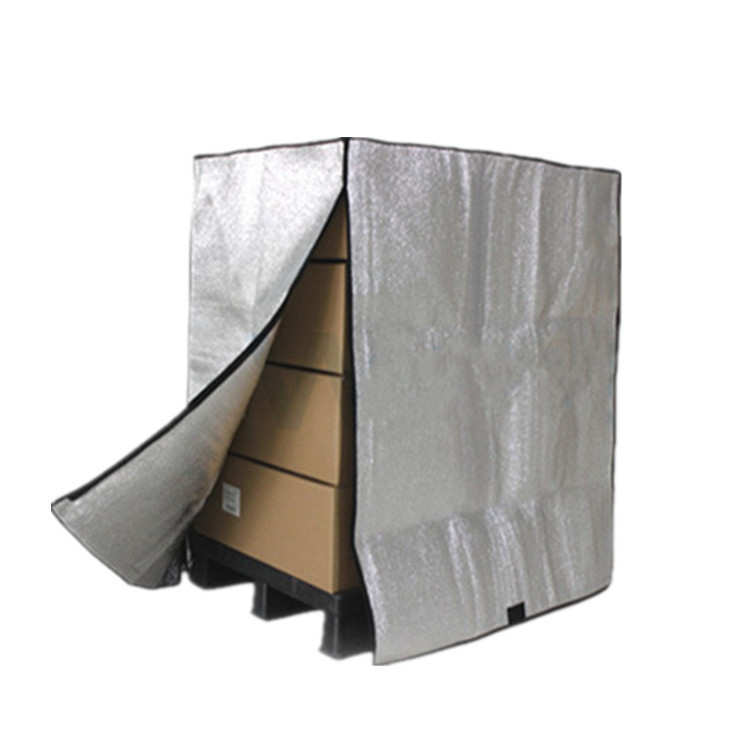
A Practical Plan for Bulk Insulated Box Temperature-Controlled Shipping
L'achat d'expédition à température contrôlée de boîte isotherme en vrac le plus sûr commence par un briefing de contrôle, pas un échantillon de boîte. Ce brief indique ce dont le produit a besoin, ce que l'itinéraire peut y apporter, quel pack sera utilisé, quelle preuve est acceptable, et comment les équipes de production et d'entrepôt maintiendront la configuration stable. Cette approche évite deux raccourcis coûteux: traiter l'isolation comme un contrôle automatique de la température et traiter un prototype réussi comme une preuve de la cohérence de la production de masse. Le résultat est un programme d'emballage que les achats peuvent approvisionner, la qualité peut défendre, et les opérateurs peuvent répéter.
Rédigez le dossier d'expédition à température contrôlée de la boîte isotherme en vrac
Une enquête vague produit des propositions vagues. "Need a cold box for three days" n'identifie pas une condition de température approuvée, état de départ, charge utile, défi ambiant, ou passer le critère. Il invite également les soumissionnaires à faire des hypothèses différentes, ce qui rend les prix et les durées déclarées impossibles à comparer.
Le dossier de contrôle doit commencer par l'étiquette du produit, informations sur la stabilité, ou autre exigence de produit approuvée. Enregistrer les conditions acceptables et les sensibilités connues, comme une intolérance au gel ou un besoin de rester congelé. Où les décisions d'excursion dépendent du temps ainsi que de la température, le propriétaire du produit doit définir comment ces décisions seront prises. Un fournisseur d’emballages ne doit pas inventer des limites d’acceptation des produits.
Décrivez la charge utile telle qu'elle sera réellement expédiée. Inclure les dimensions du pack primaire et secondaire, masse, état initial, orientation, charges minimales et maximales, et toute séparation requise. Ensuite, tracez l'itinéraire depuis le début de l'emballage jusqu'à ce que le destinataire puisse placer le produit dans un stockage approprié.. Le transport en commun prévu n'est qu'une partie de cette horloge. Fenêtres de prise en charge du transporteur, le hub est en séjour, douane, week-end, tentatives de livraison, et le retard au déballage peut déterminer le véritable défi.
Les informations ambiantes doivent être liées à la voie et à la saison. Si des données d'itinéraire historiques sont disponibles, utilisez-les pour identifier les expositions crédibles au chaud et au froid. Si des profils thermiques standardisés sont utilisés, documenter pourquoi ils sont appropriés et si des tests supplémentaires spécifiques à un itinéraire sont nécessaires. Évitez de sélectionner un test extrême simplement pour rendre le nombre impressionnant; le profil doit appuyer une décision.
Enfin, contraintes opérationnelles de l'état. Le site d'expédition peut-il geler, froideur, ou conditionner les réfrigérants de manière cohérente? Combien d’espace de transit est disponible? Qui emballe la boîte, et quelle complexité la ligne peut-elle supporter? Les processus de manipulation de glace carbonique et de marchandises dangereuses sont-ils disponibles? Le séquestre restitue-t-il les actifs? Un package techniquement performant que le réseau ne peut pas exécuter n’est pas une solution viable.
Concevoir le package autour des modes de défaillance
Le transfert de chaleur trouve le chemin faible. Les panneaux muraux larges peuvent donner de bons résultats tandis que les joints de couvercle, coins, pénétrations, ou les espaces d'assemblage dominent la boîte finie. Pour cette raison, sélectionner l'isolation après avoir considéré la géométrie complète. Les mousses expansées moulées peuvent fournir des formes légères et des fonctionnalités de localisation des composants. Les panneaux de mousse rigide peuvent prendre en charge d'autres méthodes de construction. Les panneaux d'isolation sous vide peuvent fournir une forte résistance grâce à une épaisseur limitée, mais leurs bords et enveloppes de protection nécessitent une conception soignée. Les fibres et les éléments réfléchissants peuvent être utiles dans certains systèmes, soumis à l'humidité, espacement, et preuves du colis fini.
Le liquide de refroidissement est également conditionnel. Packs à base d'eau, briques rigides, matériaux spécialisés à changement de phase, et la glace carbonique répondent à différentes exigences. Le comportement des phases, état initial, quantité, emplacement, et la séparation des produits influence les zones chaudes et froides. L'ajout de composants plus froids peut augmenter le risque de gel à proximité des surfaces de contact. L'ajout de composants supplémentaires peut réduire la capacité de charge utile et compliquer le conditionnement. Each change needs engineering judgment rather than a blanket "more is safer" règle.
Concevoir contre des erreurs prévisibles:
- Un composant est placé dans la mauvaise orientation.
- Une charge utile partielle s'éloigne de son emplacement prévu.
- Le couvercle semble fermé mais n'est pas complètement en place.
- Les réfrigérants sont retirés du conditionnement trop tôt.
- Les parties été et hiver sont mélangées dans une station de conditionnement.
- Un panneau réutilisable endommagé revient en service.
- Une instruction obsolète reste à côté de l'instruction actuelle.
Saisie mécanique, ordre simple des couches, des étiquettes sans ambiguïté, contrôles du nombre de composants, et une confirmation de fermeture visible peut rendre l'emballage plus tolérant. Ces fonctionnalités peuvent offrir une fiabilité plus pratique qu'une conception complexe dont le succès dépend d'une mémoire parfaite..
Un acheteur en gros typique peut avoir une petite charge utile à volume élevé et une charge utile importante moins fréquente.. Utiliser la grande boîte pour les deux semble plus simple, mais la petite charge peut bouger, créer des espaces aériens variables, et consommer du liquide de refroidissement et du cube de fret inutiles. Une meilleure évaluation compare un petit format dédié à un insert contrôlé pour la plus grande plateforme. Le choix doit être basé sur des preuves thermiques, risque d'erreur d'emballage, charge d'inventaire, et coût total livré, pas de comptage de boîtes seul.
Utilisez une échelle de preuves avant de publier un volume
Les preuves devraient devenir plus précises à mesure que la décision se rapproche du lancement. Les propriétés des matériaux aident à filtrer les concepts. Les dessins des composants et les tolérances montrent si la conception peut être réalisée. Les tests de développement révèlent des emplacements probablement chauds et froids. Les tests de qualification remettent en question la configuration complète. Les pilotes de stations de conditionnement et de distribution révèlent des erreurs opérationnelles. L'inspection de la production et l'examen périodique montrent si l'état approuvé persiste.
| Porte de déverrouillage | Question à répondre | Preuves utiles minimales | Condition d'arrêt |
|---|---|---|---|
| Concept | La conception peut-elle s'adapter de manière plausible à la charge utile et à l'itinéraire? | Géométrie préliminaire, justification matérielle, notion de liquide de refroidissement | La charge utile utilisable ou le conditionnement du site sont incompatibles |
| Échantillon de production | L'unité proposée est-elle représentative et reproductible? | Dessin contrôlé, matériels, tolérances, contrôles du premier article | La source ou la construction de l'échantillon ne peut pas être confirmée |
| Bilan thermique | Le pack défini répond-il au défi déclaré? | Protocole approuvé et rapport avec configuration, capteurs, profil, et critères | La réclamation manque de conditions de test ou les emplacements requis échouent |
| Pilote opérationnel | Le personnel normal peut-il l'exécuter et le recevoir? | Observations, enregistrement d'erreur, révision des instructions, exercice d'exception | Les étapes critiques restent ambiguës ou dangereuses |
| Libération en masse | Le premier lot correspond-il à l'état approuvé? | Identité du lot, inspections convenues, changer de statut, dossiers conservés | Modification non approuvée ou non-conformité non résolue |
Cette échelle empêche qu'une fiche technique de matériau soit utilisée comme preuve d'emballage et empêche qu'un test en chambre soit traité comme un audit de production.. Chaque porte répond à une incertitude différente. Un acheteur peut adapter la formalité au risque produit, mais sauter la question ne supprime pas le risque.
Norme ISTA 20 can provide a process structure for insulated shipping container qualification, et ISTA 7E propose des profils thermiques standardisés pour les défis de livraison de colis. Conseils de l'OMS sur le temps- et les produits pharmaceutiques sensibles à la température abordent la qualification des conteneurs d'expédition, profilage d'itinéraire, et suivi des transports. Les bonnes pratiques de distribution de l’UE et les matériels à risque de distribution USP peuvent également éclairer les systèmes de qualité pharmaceutique.. L'approche applicable dépend du produit, région, itinéraire, et procédure de l'entreprise; nommer une norme ne rend pas une boîte universellement conforme.
Un rapport thermique utile identifie la révision exacte de l'emballage, statut de l'échantillon, charge utile ou simulant justifié, conditions initiales, profil ambiant, durée, conditionnement du liquide de refroidissement, emplacements des enregistreurs et état d'étalonnage, critères d'acceptation, résultats, et les écarts. Si un fournisseur ne peut pas démontrer les conditions derrière une déclaration de temps de rétention, convertir cette déclaration en un élément de vérification ouvert plutôt qu'en un fait d'achat.
Production de serrures, Documents, et emballer les stations ensemble
L’approvisionnement en vrac crée trois sources de dérive. L'usine peut modifier les matériaux ou les paramètres du processus, les documents contrôlés peuvent changer, et les stations de conditionnement peuvent adapter la méthode de manière informelle. Un programme stable relie les trois.
Les spécifications d'achat doivent faire référence au dessin et à la révision approuvés., dimensions critiques, descriptions des matériaux, caractéristiques de fermeture, nombre de composants, limites d’apparence ou de dommages, étiquetage, identification du lot, et les enregistrements convenus. Il devrait également définir la notification de changement. Modifications de l'isolation, résine, source du panneau, film, adhésif, liquide de refroidissement, outillage, site de fabrication, ou les dimensions peuvent affecter les performances et doivent être examinées avant la mise en œuvre en fonction du risque.
La cohérence de l'échantillon à la production nécessite une porte délibérée. Approuver les échantillons fabriqués avec l'outillage et les matériaux prévus, dans la mesure du possible. Examiner le premier lot de production avant une utilisation sans restriction. Keep a controlled reference or clear inspection criteria so incoming teams know what "matches approval" moyens. Un échantillon doré à lui seul peut vieillir ou être interprété différemment, alors associez-le à des dessins et à des caractéristiques mesurables.
À l'entrepôt, émettre une instruction par configuration approuvée. Les photographies peuvent montrer l'ordre des calques, mais les valeurs critiques et les étapes d'acceptation doivent rester dans un texte contrôlé. Définir le conditionnement du liquide de refroidissement, temps de transfert maximum le cas échéant, plage de charge utile, séquence de composants, contrôle de fermeture, placement d'étiquette, surveiller le démarrage et la position lors de l'utilisation, et approbation finale. Former aux exceptions ainsi qu'au cas normal: composant manquant, boîte endommagée, mauvaise charge utile, liquide de refroidissement indisponible, transporteur retardé, ou un moniteur qui ne démarre pas.
La réception des instructions boucle la boucle. Le destinataire devra peut-être inspecter les dommages et les caractéristiques de falsification, localiser le moniteur, déplacer le produit vers un stockage contrôlé, signaler une alarme, conserver des preuves, et renvoyer les composants réutilisables. Si personne n'est propriétaire de ces marches, les données de qualification peuvent ne pas protéger la remise finale.
Pour un système réutilisable, définir la compatibilité de nettoyage, séchage, inspection, autorité de réparation, et la retraite. Une boîte n'est pas réutilisable simplement parce qu'elle survit à un autre voyage. Il doit être apte à la prochaine utilisation définie. Suivez les retours par actif ou par lot, selon le cas, et enquêter sur les pertes ou dommages répétés avant d'augmenter la durée de vie attendue dans un modèle de coût ou de durabilité.
Gérez le programme avec une carte de pointage utile
Le prix unitaire est une mesure faible du programme. Mesurer les facteurs qui révèlent le contrôle et le coût total: expéditions par configuration, écarts d'emballage, dommage, alarmes de température, données manquantes, transferts tardifs, livraison à la première tentative, délai de disposition du produit, inventaire des boîtes, disponibilité du réfrigérant, taux de retour réutilisable, rejet de nettoyage, déchets par matière, et non-conformité des fournisseurs. Toutes les opérations n'ont pas besoin de toutes les métriques. Sélectionnez ceux liés à des modes de défaillance et à des décisions importantes.
Tendances des résultats par voie et configuration au lieu de les combiner dans une moyenne globale. Un taux d’alarme global stable peut masquer un itinéraire aéroportuaire difficile ou une station monopack utilisant des instructions obsolètes. Examiner les quasi-accidents, comme un défaut de fermeture constaté avant expédition, car ils exposent les faiblesses du système sans perte de produit.
La modélisation du coût total doit inclure la quantité de charge utile vendable par cube externe, fret, stockage entrant, énergie et équipement de conditionnement du liquide de refroidissement, travail, entraînement, surveillance, élimination, logistique inversée, nettoyage, réparation, pertes, enquêtes, et risque produit. Utiliser des plages où le retour ou le retard futur est incertain. Ne prétendez pas qu’un système réutilisable est moins cher ou plus écologique tant que la boucle réelle n’est pas modélisée..
La durabilité appartient au même tableau de bord. The EPA's life-cycle materials approach supports looking at material use from production through reuse and end of life. Pour l'emballage, l’efficacité protectrice fait partie de cette vision. Dimensionnement correct, composants séparables, des voies de rétablissement locales crédibles, des retours efficaces, et des dommages moindres peuvent être plus significatifs qu'un large label environnemental. Documenter les limites géographiques et opérationnelles de toute réclamation.
La gouvernance ne doit pas nécessairement devenir lente. Créer un petit groupe de propriétaires interfonctionnel, une liste de configuration approuvée, déclencheurs de changement définis, et un examen régulier des exceptions. Une réévaluation peut être nécessaire lorsque le produit, charge utile, itinéraire, transporteur, site de pack, fournisseur, composant, moniteur, ou des changements de réglementation. La profondeur de l’examen doit suivre le risque.
Questions fréquemment posées
Quel est le premier document à créer pour un projet de boîte isotherme en vrac?
Créer un brief de contrôle qui identifie les conditions du produit, configurations de charge utile, défi d'itinéraire et de retard, contraintes opérationnelles, preuves requises, et modèle de commande attendu. Cela donne aux fournisseurs une base commune pour leurs propositions et donne aux équipes internes un enregistrement d'hypothèses.. Il peut ensuite devenir la base du cahier des charges d’achat et du protocole de qualification..
Une qualification peut-elle couvrir plusieurs tailles de boîtes ou emballages?
Seulement lorsqu'un, une approche techniquement justifiée soutient le regroupement. Changements de géométrie, zone du mur, liquide de refroidissement, charge utile, et l'espace aérien peut modifier le comportement thermique. Une stratégie de bracketing ou de matrice peut réduire les tests, mais les extrêmes sélectionnés et la logique d'acceptation doivent être approuvés. Ne présumez pas que le fait de passer la plus grande case couvre automatiquement la plus petite.
Qui devrait approuver une demande de délai de rétention?
Le fournisseur peut fournir des preuves de test, mais l'acheteur's appropriate quality and technical owners should decide whether the configuration, profil, durée, charge utile, et les critères représentent l'utilisation prévue. Le texte marketing ne constitue pas une base d’approbation. La revendication finale doit conserver ses conditions et limitations afin qu'elle ne soit pas réutilisée pour une voie ou un produit différent..
Qu'est-ce qui devrait déclencher la requalification?
Les déclencheurs peuvent inclure des modifications des exigences du produit, charge utile, dimensions de la boîte, isolation, liquide de refroidissement, source, outillage, assemblée, site de pack, conditionnement, itinéraire, transporteur, profil, moniteur, ou des écarts répétés. Tous les changements ne nécessitent pas un programme de test complet. Une évaluation des risques documentée devrait déterminer si l'examen, vérification ciblée, ou une requalification plus large est appropriée.
Conclusion
Un programme d'expédition fiable à température contrôlée pour boîtes isolées en vrac est construit grâce à cinq commandes connectées.: un brief d'expédition précis, un packout conçu autour des modes de défaillance, une échelle de preuves, documents de production et d'exploitation verrouillés, et un tableau de bord qui expose la dérive. Cette méthode préserve les avantages pratiques de l’achat groupé sans traiter une boîte, matériel, enregistreur, ou nom du test à titre de garantie.
Avant de demander des devis définitifs, demander à chaque soumissionnaire de répondre au même brief de contrôle et d'identifier chaque hypothèse. Cette seule étape permet une adéquation technique, qualité des preuves, charge utile utilisable, charge opérationnelle, et conditions commerciales beaucoup plus faciles à comparer.
À propos du tempk
Tempk supplies cold-chain packaging formats and components that include EPP insulated boxes, boîtes d'expédition à froid, doublures isolées, sacs thermiques, couvertures de palettes, packs de gel, and dry ice packs. We can use a buyer'l'itinéraire, charge utile, processus de manipulation, et les conditions requises pour discuter des catégories qui sont des candidats judicieux à l'évaluation. Nous ne considérons pas la liste des composants comme une preuve d'un emballage terminé.. Le système sélectionné doit être soutenu par des tests représentatifs de la production, instructions contrôlées, et l'examen de la qualité approprié à l'expédition.
CTA: Partagez votre brief de contrôle avec Tempk pour comparer les candidats au conditionnement en vrac et définir les questions qui doivent être fermées avant la sortie de production.
Vendeur de boîtes isothermes pour vaccins: Méthode de présélection

Comment présélectionner un fournisseur de boîtes isothermes pour les vaccins
Three bids can all say "vaccine cold box" tout en proposant trois choses différentes: un modèle préqualifié par l’OMS, un colis commercial, et un conteneur isotherme générique. La comparaison des prix n'a aucun sens tant que ces catégories ne sont pas séparées. A sound shortlist for an insulated box vendor for vaccines begins with the governing immunization program, les vaccins, et le travail que l'équipement doit effectuer. Il vérifie ensuite les preuves exactes du modèle, convivialité sur le terrain, contrôles d'approvisionnement, et support du cycle de vie. L’objectif n’est pas de trouver une box universellement conforme. Il s'agit de sélectionner un système défini que les équipes autorisées peuvent approuver, les travailleurs peuvent utiliser correctement, et les achats peuvent rester cohérents.
Fixez la limite des appels d'offres avant de noter les offres
Écrivez l'utilisation prévue en une phrase. Par exemple: une glacière transportée sur véhicule pour déplacer le stock de vaccins de routine entre des magasins fixes, un porte-vaccins porté à la main pour la sensibilisation de jour, un colis qualifié pour la livraison en clinique, ou un système de transport d'urgence pour un établissement de santé. Chaque phrase pointe vers un équipement et des preuves différents.
WHO PQS E004 couvre les glacières passives, porte-vaccins, and related insulated containers primarily used for vaccine transport and sometimes temporary storage. L'UNICEF distingue les grandes glacières pour les déplacements entre les magasins et les établissements des petits porte-vaccins utilisés pour les activités de proximité.. Directives du CDC pour les États-Unis. les fournisseurs utilisent le concept de conteneur et d'emballage qualifiés et le séparent spécifiquement des refroidisseurs ordinaires d'aliments ou de boissons. Ne combinez pas ces termes dans une offre comme s'ils étaient interchangeables..
Nommer l’autorité compétente. Un programme national élargi de vaccination peut exiger des produits répertoriés dans une spécification PQS actuelle de l'OMS.. Un système de santé peut exiger un expéditeur commercial qualifié pour l'itinéraire. Des États-Unis financés par des fonds publics. le programme peut imposer le CDC, État, ou vaccins pour les enfants. Un acheteur humanitaire peut utiliser les documents d'achat de l'UNICEF. The tender should cite the applicable internal or official requirement without asking a vendor to self-declare "global compliance."
Lister les vaccins et diluants attendus dans chaque voie. Utiliser les instructions actuelles du fabricant et les conseils du programme pour indiquer les conditions de stockage., sensibilité au gel, protection contre la lumière, présentation, et tout délai pertinent. Le CDC confirme que les vaccins homologués au réfrigérateur sont généralement conservés entre 2°C et 8°C, tandis que certains vaccins liquides peuvent être endommagés de façon permanente par la congélation.; d'autres vaccins nécessitent des conditions différentes. Les commandes d'instructions spécifiques au produit.
Décrire la charge et le trajet. Donner des volumes emballés minimum et maximum, dimensions, masse, et condition de départ attendue. Inclure le moniteur. Définir le temps total depuis la sortie du stockage contrôlé jusqu'au transfert à destination, plus la durée de la séance et le retour le cas échéant. Identifier les saisons ambiantes, retards, modèle d'ouverture du couvercle, mode de transport, manipulation brutale, et si le personnel transporte l'équipement.
Ces entrées empêchent la dérive de catégorie plus tard. Si un fournisseur propose un autre type d'équipement, il doit expliquer l'écart et fournir les preuves appropriées. Les marchés publics ne devraient pas assouplir silencieusement une liste PQS obligatoire, règle de surveillance, ou l'état du vaccin parce qu'un échantillon semble robuste.
Utiliser les portes réussite/échec avant les préférences pondérées
Les équipes d'appel d'offres mélangent souvent des critères obligatoires de protection des patients avec des caractéristiques souhaitables, puis font la moyenne des notes.. Un prix inférieur ou un accessoire attrayant ne devrait jamais compenser le non-respect d'une catégorie de produit ou d'une condition de température requise.. Appliquer d'abord les portes réussite/échec, puis comparez les préférences parmi les offres éligibles.
| Porte d'examen | Question réussite/échec | Préférence qui peut être notée après la réussite |
|---|---|---|
| Admissibilité au programme | Le modèle exact est-il pris en charge dans le cadre du PQS requis ?, CDC, national, ou voie interne? | Utilisabilité des preuves ou documents pertinents supplémentaires |
| Ajustement thermique | La configuration prise en charge couvre-t-elle la condition de vaccin définie, charger, itinéraire, liquide de refroidissement, et modèle d'accès? | Marge opérationnelle utile sans poids ni complexité excessifs |
| Contrôle du gel | La protection contre le froid est-elle démontrée pour les vaccins sensibles au gel? | Préparation plus simple ou signaux de prévention du gel plus clairs |
| Manipulation sur le terrain | Les travailleurs concernés peuvent-ils transporter, fermer, accéder, faire le ménage, et inspectez-le en toute sécurité? | Confort, options d'accessoires, rangement compact |
| Contrôle de l'approvisionnement | Sont des composants exacts, identité du modèle, notification de changement, et réception des chèques clairs? | Disponibilité de rechange et standardisation des composants |
| Ajustement du cycle de vie | Le programme peut-il préparer du liquide de refroidissement, moniteur, retour, maintenir, et retirer l'unité? | Coût total livré et géré inférieur, bénéfice environnemental soutenu |
Cet ordre maintient la décision honnête. Une offre qui ne répond pas à une exigence obligatoire relative au modèle exact n'est pas conforme., même si le vendeur fabrique un autre produit répertorié. Parmi les offres de passage, l'équipe peut évaluer l'ergonomie, coût livré, standardisation des emballages, documentation, réparabilité, ou efficacité du stockage selon les priorités locales.
N'atteignez pas la capacité nominale sans le packout. Demandez la capacité de stockage des vaccins une fois le liquide de refroidissement et la barrière antigel requis installés. Vérifier l'adéquation du carton aux présentations prévues. Une grande cavité peut fournir peu d'espace utilisable si le dispositif de refroidissement est volumineux; un transporteur compact peut être efficace lorsque l'intérieur est conçu autour de la charge.
Le poids chargé appartient à côté de la capacité. Les directives de sélection de l'OMS indiquent que la charge acceptable dépend du transport par véhicule, vélo, animal, ou la main et reconnaît la charge physique imposée aux travailleurs. Les exigences professionnelles locales et les conditions sur le terrain devraient éclairer la limite. Comparez la charge réelle proposée, pas un poids de coquille vide.
Évaluez le coût total avec la même limite pour chaque soumissionnaire. Inclure les jeux de liquide de refroidissement, moniteurs, sangles en option, fret entrant, frais d'importation, entraînement, équipement de conditionnement, nettoyage, réparation, stockage, pertes attendues, transport de retour, et élimination. Demandez MOQ et délai de livraison dans la sollicitation; enregistrer chaque offre vérifiée plutôt que d'utiliser un chiffre supposé du secteur.
Auditer les preuves du modèle exact du fournisseur de boîtes isothermes pour vaccins
Pour un achat PQS de l’OMS, recherchez le modèle exact et l'état actuel dans le catalogue officiel. Correspondre à la référence constructeur, Code PQS, description du produit, packs d'eau requis, capacité, poids, et documentation. Examiner la spécification de performance actuelle et le protocole de vérification pertinents pour la sous-catégorie.. L'OMS déclare que les produits répertoriés ont été évalués de manière indépendante par rapport aux exigences applicables., mais l'inscription ne constitue pas une autorisation nationale de mise sur le marché. L'acheteur a toujours besoin d'une éligibilité locale et d'un examen de l'utilisation prévue.
Pour un emballage qualifié aligné sur le CDC ou un autre système commercial, demander le package de tests contrôlés. Il doit identifier le conteneur, isolation, du liquide de refroidissement ou des bouteilles d'eau, espaceurs, charge utile, préparation, assemblée, profil ambiant, positions des capteurs, limites d'acceptation, court, résultats, et temps pris en charge. Le CDC définit les conteneurs qualifiés comme des systèmes testés dans des conditions contrôlées; la qualification appartient à la configuration, pas seulement la coque.
Norme ISTA 7E et norme 20 peut prendre en charge la qualification d'emballage thermique de colis. Ils sont utiles lorsque le système prévu est un expéditeur de colis, mais un test ISTA ne transforme pas une boîte commerciale en un support de sensibilisation PQS de l'OMS. De même, un résultat de durée de vie à froid PQS ne doit pas être reconditionné comme preuve d'un chargement de courrier différent ou d'un arrangement de liquide de refroidissement modifié.
Lisez le côté froid. Pour les vaccins sensibles au gel, demander si la cartographie des capteurs a évalué les emplacements proches des réfrigérants et des limites, pas seulement un point central ou le plus chaud. Vérifiez l'état et les barrières spécifiés du liquide de refroidissement. Le PQS de l'OMS fournit des catégories distinctes de prévention du gel et des conseils pour les produits congelés., cool, et des packs d'eau chaude. Le soumissionnaire ne doit pas mélanger les instructions pour créer une réclamation plus pratique..
Lisez également les preuves physiques et celles des utilisateurs. Vérifier les fermetures, charnières, sangles, poignées, coquille, protection d'isolation, joints pour packs d'eau, et durabilité des étiquettes. Déterminer comment l'équipement est retenu dans un véhicule et s'il reste pratique une fois entièrement chargé. Demandez des instructions approuvées de nettoyage et de séchage. Les performances thermiques dans une chambre ne montrent pas qu'un travailleur peut transporter ou faire fonctionner l'unité tout au long d'une journée de sensibilisation..
Les documents nécessitent une identité de révision. Fiches techniques, instructions, dessins, et les rapports doivent tous pointer vers le modèle et la configuration proposés. Préciser si les composants optionnels montrés sur les photos sont inclus. Demandez comment le vendeur informera l'acheteur du matériel, outillage, emplacement, composant, ou des changements d'instructions qui pourraient affecter les performances ou l'état du programme.
Simulez le travail avant l'attribution
Un examen papier identifie les offres éligibles. Une évaluation des utilisateurs révèle si les utilisateurs peuvent exécuter le système proposé sans solutions de contournement.
Utiliser des échantillons représentatifs de la production et les cartons de vaccins réels ou des substituts dimensionnels sûrs. Préparer le liquide de refroidissement spécifié avec l'équipement de l'installation disponible. Demander aux utilisateurs prévus d'emballer la charge minimale et maximale, démarrer le moniteur, fermer et étiqueter le contenant, le transporter ou le charger, y accéder comme ils le feraient sur le terrain, et déballez-le à une destination simulée. Observer les erreurs plutôt que de coacher chaque étape.
Recherchez des indices ambigus. Les utilisateurs peuvent-ils savoir que c'est gelé, conditionné, cool, et réchauffez les sacs à part lorsque ces états sont pertinents? Les packs tiennent-ils uniquement au bon endroit? Une barrière est-elle facile à omettre? Le couvercle semble-t-il fermé lorsqu'il n'est pas complètement en place? Le personnel peut-il atteindre les flacons sans déplacer le liquide de refroidissement? L'enregistreur est-il visible et lisible? Le conteneur peut-il être levé en toute sécurité avec la charge prévue?
Une liste restreinte change après une simulation sur le terrain
Supposons que deux transporteurs éligibles au PQS réussissent l'examen obligatoire pour un programme de sensibilisation rurale.. Le premier a une capacité légèrement plus utilisable. Pendant la simulation, les travailleurs plus petits trouvent la position de la poignée chargée inconfortable, et la fermeture est difficile en portant des gants. La seconde correspond à la charge de routine, utilise une taille de pack d'eau déjà gérée par le district, et produit moins d'erreurs d'emballage.
Le comité sélectionne le deuxième modèle pour les itinéraires de routine et retient une unité éligible plus grande pour les surcharges.. Il documente la décision par rapport aux critères de terrain plutôt que de déclarer un modèle universellement supérieur.. Ce scénario hypothétique montre comment les preuves des utilisateurs peuvent affiner une liste restreinte techniquement valide sans outrepasser les exigences obligatoires..
Si la configuration n'est pas déjà prise en charge pour l'itinéraire prévu, effectuer la qualification nécessaire selon un protocole approuvé. Modéliser l’exposition ambiante définie, cas de charge, état du liquide de refroidissement, condition d'accès le cas échéant, et carte des capteurs. Résoudre les échecs en modifiant la conception et les instructions, puis répétez les tests appropriés. Un transport réussi ponctuel n'est pas une étude de qualification.
Utiliser l'essai pour rédiger des documents de mise en œuvre. Les photographies doivent montrer les composants réels. Les étiquettes doivent correspondre aux noms d'inventaire. Les instructions doivent indiquer les conditions de rejet et les actions d'excursion. Traduire les documents via un processus contrôlé et tester la compréhension avec les utilisateurs. Inclure des coordonnateurs suppléants, conducteurs, et du personnel d'accueil; la chaîne du froid croise les rôles.
Les exercices de suivi devraient couvrir la décision, non seulement l'appareil. Le personnel doit savoir où le placer et le démarrer, comment le lire ou le télécharger, ce que signifie une alarme, comment conserver le dossier, et qui a le pouvoir d’évaluer le vaccin. Le CDC note que les dommages peuvent ne pas être visibles et conseille de ne pas utiliser le vaccin concerné jusqu'à ce que l'autorité ou le fabricant compétent évalue la durée et la température d'exposition..
Transformez l'offre gagnante en un programme contrôlé
Le contrat d'achat doit conserver ce que le comité a approuvé. Identifiez le modèle exact, révision de spécification ou de qualification, modèle et nombre de liquide de refroidissement, accessoires, moniteur là où il est inclus, étiquettes, documents utilisateur, conditionnement, et substitutions acceptables. Inspection d'État, non-conformité, conditions de garantie ou de réparation telles que vérifiées dans l'offre. Définir les modifications qui nécessitent un préavis et une approbation.
A la réception, concilier quantités et identités. Inspecter les coquilles, isolation, couvercles, fermetures, poignées, sangles, coolant seals, accessoires, et documents. Mettre en quarantaine les unités endommagées ou incorrectes. Pour les équipements répertoriés, vérifier le modèle et la documentation actuelle du programme. Pour les emballages commerciaux, confirmer la nomenclature reçue par rapport à la configuration qualifiée.
Déployer par itinéraire plutôt que de répartir les conteneurs uniformément. Attribuer les équipements en fonction de la charge, durée, méthode de transport, et plan de réserve. Confirm enough correct coolant packs and conditioning capacity. Un ensemble sur le terrain peut nécessiter la préparation d'un autre ensemble. Un congélateur rempli trop densément au dernier moment peut ne pas préparer les paquets de manière cohérente.
Créer un enregistrement de flotte proportionné au paramètre. Un identifiant d'unité, emplacement assigné, date de contrôle, réparation, et le statut de retraité peut suffire. Ajoutez des liens d’enregistreur et d’expédition là où les exigences du programme l’exigent. La collecte de données doit appuyer les décisions, ne pas surcharger les travailleurs avec des champs que personne n'examine.
Le nettoyage et l’inspection nécessitent la propriété. Spécifier les agents compatibles, processus, séchage, stockage, et contrôles après chaque utilisation ou à la fréquence définie. Prévoir un chemin pour les sangles de rechange, poignées, couvercles, ou des packs d'eau uniquement lorsqu'un remplacement approuvé par le fabricant est possible. Mettre hors service les unités dont l’isolation est compromise, fermeture, hygiène, identité, ou d'autres défauts définis. Ne promettez pas un nombre fixe de cycles sans preuves spécifiques au modèle.
Examiner les performances après un déploiement précoce et périodiquement par la suite. Combiner les commentaires des utilisateurs, événements de température, erreurs d'emballage, dommage, retards d'itinéraire, manque de liquide de refroidissement, pertes, et besoins de réparation. Si une voie ou une présentation du vaccin change, comparez-le avec l'espace de conception approuvé. Si un fournisseur modifie un composant critique, effectuer une évaluation d’impact documentée avant l’acceptation.
L’amélioration de l’environnement peut être intégrée à cette boucle de contrôle. Affectations d'itinéraires à la bonne taille, étendre la sécurité du service grâce à la maintenance, standardiser les packs d'eau pris en charge, consolider le fret entrant, et fournir des instructions factuelles de fin de vie. Pour les systèmes commerciaux réutilisables, compter la distance de retour, nettoyage, pertes, et la retraite. Évitez de prétendre qu’un matériau est valorisé simplement parce qu’il est techniquement recyclable.
Questions fréquemment posées
L’appel d’offres devrait-il exiger un PQS de l’OMS pour chaque expédition de vaccins ??
Pas automatiquement. Le PQS de l’OMS est au cœur de nombreux achats de programmes de vaccination, notamment les glacières et les transporteurs, mais les systèmes de colis commerciaux ou les programmes nationaux peuvent suivre d'autres voies approuvées. Énoncer le cas d’utilisation et les exigences régissant. Ne remplacez pas une boîte à colis testée par l'ISTA par un modèle PQS requis et n'exigez pas un PQS lorsqu'il ne s'agit pas de la catégorie applicable..
Comment les acheteurs peuvent-ils comparer équitablement les sinistres liés au froid?
Comparez la définition, conditions ambiantes, état du liquide de refroidissement, compartiment à vaccins, charge utile, point final, et protocole de test. Un nombre plus long dans une méthode ne peut pas surpasser un nombre plus court dans une autre. Vérifiez ensuite si les conditions testées ressemblent à l'itinéraire et si la protection contre le gel a été évaluée..
Que se passe-t-il si le fournisseur propose un autre pack de liquide de refroidissement?
Considérez le liquide de refroidissement comme un composant essentiel. Une taille différente, remplir, matériel, ou la préparation peut altérer le comportement thermique et le contact avec le vaccin. Exiger des preuves et une approbation formelle avant la substitution. Pour un produit PQS, utiliser le modèle de pack d'eau spécifié dans la documentation du produit, sauf autorisation contraire de l'autorité compétente.
Qui décide si le vaccin est utilisable après une excursion?
Le programme de santé publique désigné, fonction qualité responsable, ou le fabricant du vaccin évalue l’exposition selon les procédures applicables. Le personnel doit séparer et marquer le vaccin, maintenir un stockage approprié en attendant une décision, et préserver l'historique des températures. Le vendeur de boîtes isothermes ne devrait pas prendre la décision d’en disposer.
Qu'est-ce qui devrait déclencher une nouvelle évaluation du fournisseur ??
Un modèle modifié, isolation, coquille, fermeture, liquide de refroidissement, charge utile, état du vaccin, itinéraire, lieu de fabrication, méthode d'essai, ou les exigences du programme peuvent déclencher un examen. Utiliser l’évaluation des risques pour décider si l’examen des documents, tests ciblés, requalification plus large, ou un nouvel appel d'offres est nécessaire. Enregistrer la conclusion et l'approbation.
Conclusion: Présélectionnez le système qui peut rester contrôlé
Commencez par séparer les glacières, transporteurs, emballages commerciaux, et isolation générale. Définir le produit, itinéraire, et portes de programme; auditer des preuves fondées sur un modèle exact; et laissez les utilisateurs simuler le travail. Contractez ensuite la configuration approuvée, inspecter la livraison, et gérer le liquide de refroidissement, moniteurs, nettoyage, changements, et la retraite. Le fournisseur de boîtes isothermes pour vaccins le plus puissant n’est pas celui dont les revendications sont les plus larges. C'est celui dont l'offre définie reste transparente depuis l'appel d'offres jusqu'à l'utilisation sur le terrain.
À propos du tempk
Tempk est la marque de Shanghai Tempk Industrial Co., Ltée. We offer cold-chain packaging solutions including gel and water ice packs, PCM, doublures et sacs isolés, PSE, PPE, and VIP boxes, couvertures thermiques de palettes, glacières médicales, et enregistreurs de données de température. Tempk peut également discuter de la validation et du support du packout. Nous aidons les acheteurs à explorer les configurations autour des exigences en matière de vaccins, itinéraires, procédures de liquide de refroidissement, et la surveillance tout en reconnaissant que le programme de vaccination applicable et l'autorité de qualité déterminent l'éligibilité et l'approbation.
Envoyez à Tempk votre limite d'appel d'offres, charge utile, itinéraire, et les preuves requises afin que nous puissions discuter d'une proposition d'emballage de vaccin clairement définie.
Producteur de boîtes isothermes pour produits pharmaceutiques: Preuve
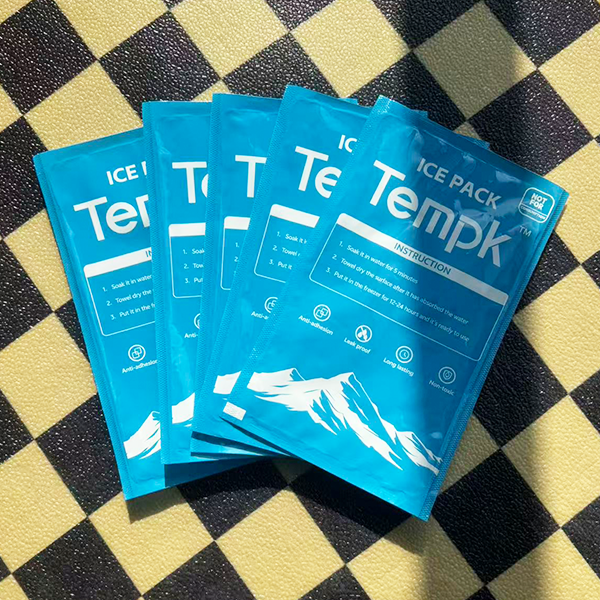
Choisir un producteur de boîtes isothermes pour les produits pharmaceutiques sur la base de preuves
Le devis peut lister une boîte isotherme, packs de liquide de refroidissement, et un enregistreur de température. Les responsables des achats doivent encore savoir si ces articles constituent un système contrôlé pour le médicament prévu.. C'est le test central lors du choix d'un producteur de boîtes isothermes pour produits pharmaceutiques.. Une décision crédible relie cinq portes: une exigence de produit et d'itinéraire, une conception thermique cohérente, preuve de qualification, un pack exécutable, et une production stable dans le temps. S'il manque une porte, un prix bas ou des spécifications matérielles impressionnantes peuvent créer un travail caché pour la qualité et les opérations. Le cadre ci-dessous aide une équipe interfonctionnelle à prendre une décision d'approvisionnement défendable sans supposer que l'emballage à lui seul assure la conformité..
Porte 1: Convertissez le besoin d'expédition en critères d'acceptation
Commencez par le médicament. Les informations de stockage et de transport agréées, supported by the product owner's stability knowledge, détermine la condition requise. Ne copiez pas une cuisinière réfrigérée familière dans une demande simplement parce que l'envoi est pharmaceutique.. Les produits peuvent nécessiter une réfrigération, température ambiante contrôlée, congelé, ou d'autres conditions spécifiques, et leur tolérance à la chaleur, froid, lumière, choc, ou les vibrations peuvent différer.
Définissez ensuite la charge utile en termes physiques. Lister les packs primaires et secondaires, orientation, quantité, dimensions, masse, condition de départ, et fardage autorisé. Incluez le moniteur de température et tous les documents ou éléments de sécurité qui doivent voyager à l'intérieur. Indiquez les charges minimales et maximales si la quantité expédiée varie. Le producteur a besoin de ces informations car la masse thermique et la géométrie modifient les conditions internes..
Définir l'itinéraire comme temps de risque écoulé, pas le temps de transit du transporteur. Préparation du décompte, mise en scène post-pack, fenêtres de collecte, transport en ligne, moyeux, douane, rendez-vous du dernier kilomètre, risque d'échec de livraison, et transfert vers un stockage contrôlé. Décrire une exposition ambiante plausible en été et en hiver, surtout sur les quais, rampes, le véhicule s'arrête, et installations intermédiaires. Notez si l'envoi se déplace sous forme de colis, sur une palette, dans un véhicule frigorifique, ou sur plusieurs modes.
Enfin, indiquer ce qui constitue une acceptation. Identifier la condition de température pertinente, comment il sera mesuré, où dans la charge utile cela s'applique, la durée de l'essai, et comment l'incertitude ou les brefs écarts seront traités. L’équipe d’emballage ne doit pas inventer des limites d’élimination des produits. La qualité et le propriétaire du produit doivent les approuver.
Ces entrées forment une spécification des besoins de l'utilisateur. Cela peut être concis, mais il devrait distinguer les critères obligatoires des préférences. La taille de la boîte externe peut être limitée par un transporteur. Une faible complexité de conditionnement peut constituer une forte préférence opérationnelle. La réutilisabilité pourrait être souhaitable uniquement sur les voies offrant des rendements fiables. Quand les priorités entrent en conflit, le producteur peut faire des compromis visibles plutôt que d'optimiser silencieusement le coût ou la durée du titre.
Porte deux: Construire une conception thermique et de manutention cohérente
Une boîte isolée résiste au flux de chaleur; les réfrigérants fournissent une capacité thermique. Les séparateurs gèrent le contact. La charge utile contribue à la masse. Le carton extérieur ou la coque protège l'isolation. Une fermeture conserve la géométrie prévue. Ensemble, ces pièces créent un emballage passif à température contrôlée. Un enregistreur observe ce système mais ne le contrôle pas.
La sélection des matériaux doit suivre la contrainte. L'EPS peut fournir une lumière, structure rigide pour de nombreux expéditeurs à sens unique. Le PPE peut convenir à une réutilisation gérée où le nettoyage, inspection, et la logistique de retour est viable. La construction VIP peut aider lorsque le cube externe est serré, mais les bords des panneaux, protection anti-crevaison, et le contrôle de l'intégrité nécessitent une attention particulière. Les doublures flexibles peuvent simplifier le stockage et l'assemblage pour les applications de colis appropriées.. Aucun de ces labels ne prouve la performance.
Les réfrigérants doivent être sélectionnés et conditionnés pour la conception cible. Frozen water or gel packs can produce cold boundary conditions, les produits sensibles au gel ne doivent donc pas les contacter à moins qu'une conception spécifiquement prise en charge ne le permette. Les directives européennes en matière de PIB demandent que les packs réfrigérants dans des boîtes isothermes soient positionnés de manière à éviter tout contact direct avec les médicaments et mettent l'accent sur un assemblage qualifié, configurations saisonnières, et procédures de réutilisation des emballages. Le PCM peut tamponner la chaleur autour d'une transition de phase conçue, pourtant, la température de la charge utile finie dépend de l'agencement complet.
Utilisez la matrice suivante pour que la discussion sur la conception reste liée aux contraintes.
| Contrainte d'expédition | Réponse de conception qui mérite d'être évaluée | Hypothèse qui ne doit pas échapper |
|---|---|---|
| Petit, charge utile variable | Insertions, espaces de charge utile modulaires, ou variantes de charge qualifiées | Un résultat à charge maximale couvre une boîte presque vide |
| Dimensions extérieures serrées | Architecture à parois minces ou optimisation de la géométrie | Les données sur les matériaux prédisent à elles seules les performances finales |
| Médicament sensible au gel | Conditionnement contrôlé du réfrigérant et séparation physique | "More frozen packs" crée toujours plus de protection |
| Manipulations répétées et brutales | Coque réutilisable, pièces remplaçables, règles d'inspection et de mise hors service | Le matériau réutilisable reste utilisable indéfiniment |
| Livraison dispersée à sens unique | Système à usage unique de bonne taille et informations claires sur l’élimination | La recyclabilité nominale signifie une récupération locale |
| Des transferts longs ou incertains | Durée fondée sur des preuves plus délai et contrôles de réception | Une durée de laboratoire s'applique à toute condition douanière ou de hub |
La table est une conversation de design, pas un sélecteur de produits. Plus d'isolation peut réduire la pénétration de chaleur mais augmenter le cube externe. Plus de liquide de refroidissement peut augmenter la capacité mais prendre de l'espace de charge utile, ajouter le poids du fret, compliquer le conditionnement, et augmente le risque de rhume. Le concept le plus solide équilibre la marge thermique avec les opérations réelles d'emballage et de distribution..
Les performances de distribution physique font également partie de la conception. Un expéditeur thermiquement capable peut toujours échouer si son carton extérieur s'écrase, un couvercle s'ouvre, un pack de liquide de refroidissement fuit, ou un VIP est crevé. Déterminer quelle compression, vibration, impact, orientation, humidité, et les défis de gestion sont pertinents. Les tests thermiques et physiques peuvent être planifiés séparément ou dans une séquence justifiée, mais leurs conclusions devraient se référer à la même construction représentative de la production.
Porte trois: Testez la configuration et lisez les limites
La qualification transforme une configuration proposée en preuve documentée dans des conditions spécifiées. Il ne certifie pas tous les produits ou itinéraires possibles.
Le protocole doit identifier la nomenclature complète, méthode d'assemblage, charge utile ou simulant justifié, cas de charge minimum et maximum, conditions de démarrage des composants, profil ambiant, équipement d'essai, carte des capteurs, intervalle de journalisation, exigences d'étalonnage, nombre de courses, critères d'acceptation, et processus de déviation. Les photographies et les diagrammes doivent rendre la configuration reproductible. Si le producteur fait référence à un test réussi mais ne peut pas identifier ces détails, la revendication n'est pas prête pour un examen de la qualité pharmaceutique.
Des cadres reconnus peuvent fournir une structure. OMS's model guidance addresses storage and transport of time- et produits pharmaceutiques sensibles à la température, et son supplément technique traite de la qualification des conteneurs maritimes. Norme ISTA 20 describes a design and qualification process for insulated shipping containers. ISTA 7E fournit des profils de chaleur et de froid dérivés pour les tests thermiques de livraison de colis. USP <1079> discute des risques et des mesures d'atténuation liés au stockage et au transport des produits pharmaceutiques finis. Le PIB de l'UE s'attend à une planification des itinéraires basée sur les risques et, le cas échéant, systèmes de contrôle de température validés.
Utiliser ces sources selon leur portée. Un profil de colis ISTA n'est pas automatiquement un modèle de palette sous couverture thermique. WHO guidance does not approve a particular producer's box. EU GDP does not supply the buyer's product acceptance criterion. Les normes et les lignes directrices aident à définir un processus solide; le protocole doit toujours représenter l'utilisation prévue.
Le placement des capteurs mérite un examen particulier. La chaleur n'entre pas uniformément, et les réfrigérants froids peuvent créer des extrêmes locaux. Cartographie des positions près des murs, coins, réfrigérants, et le noyau de charge utile peut identifier les gradients. La position de l'enregistreur de routine peut ensuite être choisie à partir des connaissances en matière de risques et de cartographie.. Un seul dispositif placé pour une récupération facile ne doit pas être présenté comme la preuve que chaque point de la charge s'est comporté de manière identique..
Lire les échecs et les anomalies. Un résultat juste à l'intérieur d'une limite sous un assemblage idéal peut ne pas fournir une marge opérationnelle utile. La variabilité entre les exécutions répliquées peut révéler une sensibilité à un petit écart, emplacement du liquide de refroidissement, ou état de la charge utile. Données manquantes, pics inattendus, et les capteurs exclus nécessitent une enquête documentée. La qualification est précieuse en partie parce qu'elle expose les hypothèses de conception faibles avant que le produit ne soit en danger..
Après test, rédiger une déclaration sur l'espace de conception: quel état du produit, charge utile, composants, emballage, défis ambiants, et la durée appuyée par les preuves; quelles variantes saisonnières existent; et quelles conditions restent en dehors du champ d'application. A bounded claim is more useful than "qualified pharmaceutical box."
Porte quatre: Faire fonctionner le système à 6 suis. sur le plancher d'emballage
L'arrangement validé doit survivre aux travaux de routine. Cela nécessite un contrôle des composants, instructions simples, capacité de conditionnement, entraînement, surveillance, et une réponse quand quelque chose ne va pas.
Créer une instruction d'emballage autour des actions observables. Utiliser les identités et les nombres exacts des composants. Afficher l'orientation du réfrigérant, séparation des produits, emplacement de l'enregistreur, remplir un espace vide, siège du couvercle, fermeture, et étiquettes. Indiquer le délai autorisé entre le retrait des composants conditionnés et la fermeture de l'expéditeur. Distinguer visuellement les configurations saisonnières. Inclure des règles de rejet en cas de fuite de liquide de refroidissement, isolation fissurée, panneaux endommagés, cartons humides, ou pièces manquantes.
Vérifier la capacité avant le lancement. Les congélateurs réfrigérants ou les équipements de conditionnement doivent répondre à la demande quotidienne sans encombrement empêchant les composants d'atteindre leur état prévu.. Les zones d'emballage ont besoin de suffisamment d'espace pour séparer les pièces préparées et non préparées.. Les opérateurs ont besoin d'outils pour confirmer l'identité des composants. Les sites de réception doivent avoir accès à l'enregistreur ou à l'indicateur et recevoir des instructions claires de ne pas libérer automatiquement les produits douteux..
Scénario de lancement pratique
Prenons l'exemple d'un distributeur pharmaceutique qui introduit un service le jour même et le lendemain à partir d'un seul hub.. La quantité de charge utile varie, et les dernières commandes sont emballées peu avant la date limite du transporteur. Le développement a produit une configuration été et une configuration hiver.
Lors d'un pilote, l'équipe apprend que les opérateurs ne peuvent pas distinguer visuellement deux ensembles PCM conditionnés et que l'insert de charge minimale est souvent omis. Plutôt que de les traiter comme des échecs de formation, le producteur et l'acheteur révisent les étiquettes et les couleurs des composants, emplacements de stock séparés, simplifier les instructions, et répétez la vérification correspondante. L'organisation modifie également les dates limites de commande afin que le processus de conditionnement et d'emballage dispose de suffisamment de temps.. Cet exemple hypothétique illustre un point essentiel: les facteurs humains sont des intrants de conception, pas une réflexion après coup.
La surveillance de la température complète la boucle de fonctionnement. Sélectionnez un appareil avec une plage de mesure appropriée, aide à l'étalonnage, intervalle d'échantillonnage, format de données, méthode de démarrage, et accès aux logiciels. Décidez qui commence, où il se trouve, qui l'arrête ou le lit, et comment les enregistrements sont conservés. Créez une procédure d'excursion qui demande au destinataire de mettre en quarantaine les médicaments concernés., préserver les preuves, et contactez la fonction qualité agréée. Le producteur d'emballages peut aider à interpréter le comportement de l'emballage, mais la disposition du produit appartient à l'organisation avec une autorité et des données spécifiques au produit.
Suivre l'exécution après le lancement. Des indicateurs utiles peuvent inclure les écarts de conditionnement, composants endommagés, collectes tardives, alarmes de température, rapports manquants, délai de retour, et erreurs du destinataire. Le but n’est pas de générer un tableau de bord parfait. Il s'agit de détecter quand le processus réel s'écarte des hypothèses qualifiées..
Porte cinq: Contrôler la relation entre les producteurs de boîtes isothermes pharmaceutiques
Le sourcing ne s’arrête pas à l’approbation d’un échantillon. Les caissons ultérieurs doivent rester équivalents à la construction qualifiée dans les tolérances définies.
D'accord sur les dessins, caractéristiques, nomenclature, échantillons de référence, et attributs essentiels à la qualité. Selon la conception, les commandes peuvent couvrir les dimensions du boîtier, engagement du couvercle, état d'isolation, Présence et protection VIP, identité du liquide de refroidissement et intégrité du joint, géométrie d'espacement, et ajustement extérieur du carton. Examiner les unités représentatives de la production, pas seulement des prototypes fabriqués à la main.
Le contrôle des modifications doit nommer les déclencheurs. Un nouveau fournisseur de résine ou de mousse, moule révisé, film barrière différent, adhésif alternatif, formulation modifiée du liquide de refroidissement, changement de disposition des panneaux, ou un processus de production délocalisé peut nécessiter une évaluation. Tous les changements ne nécessitent pas un programme thermique complet, mais tout changement potentiellement significatif nécessite une évaluation documentée et une décision approuvée. Le producteur ne doit pas remplacer les pièces critiques uniquement parce qu'elles semblent commercialement équivalentes..
La traçabilité devrait soutenir l’enquête. L'organisation devra peut-être lier un envoi à la configuration de l'emballage., révision des instructions, lots de composants critiques, identifiant de l'enregistreur, et dossier de l'opérateur. L'inspection à l'arrivée doit identifier les dommages, pièces incorrectes, contamination, ou problèmes dimensionnels avant que le stock n'atteigne la ligne d'emballage. Les matériaux non conformes doivent être séparés et éliminés.
Comparez les coûts sur l'ensemble du système d'exploitation: boîte et réfrigérants, conditionner l’énergie et l’espace, travail, stockage, cube et masse de fret, enregistreur et traitement des données, qualification, dommage, traitement des déchets, transport de retour, nettoyage, inspection, pertes, et remplacement. Un système réutilisable basé sur EPP ou VIP peut être attrayant sur la bonne boucle, tandis qu'une conception EPS simple peut être plus pratique sur un itinéraire à sens unique. Environmental comparison should use the same system boundary and avoid unsupported "green" réclamations.
Pour les actifs réutilisables, établir la compatibilité du nettoyage, séchage, inspection, réparation, traçabilité, et la retraite. Une promesse de cycle de vie fixe n’est crédible que si les conditions et les preuves sont définies. Pour emballage à usage unique, fournir une identification précise des matériaux et envisager le dimensionnement et la séparation appropriés sur le site de réception. Les infrastructures locales de récupération déterminent ce qui est réellement recyclé.
Questions fréquemment posées
Que faut-il envoyer à un producteur de boîtes isothermes avant de demander un devis?
Envoyer l'état du produit, dimensions et masse de l'unité emballée, charges utiles minimales et maximales, étapes du parcours, expositions saisonnières et retardées, mode de transport, besoins de surveillance, et les preuves requises. Identifier également les contraintes de taille externe ou de manipulation. Cela permet au producteur de proposer un système testable au lieu de deviner à partir d'un volume de cavité demandé..
Un colis qualifié est-il la même chose qu'un envoi conforme?
Non. La qualification prend en charge une configuration définie dans des conditions indiquées. La conformité et la libération de l'expédition dépendent également du produit, marché, procédures, entraînement, surveillance, documentation, transporteur, et contrôle de la qualité. Aucun système d'emballage ne doit être décrit comme universellement conforme à toutes les utilisations pharmaceutiques.. L'acheteur's quality system must still approve the intended use.
Quelle durée supplémentaire un acheteur doit-il demander?
Il n’y a pas de marge universelle. Baser la durée sur le temps total écoulé sur l'itinéraire, des retards crédibles, incertitude ambiante, risque produit, and the organization's quality-risk process. Un excès de réfrigérant ou d'isolation peut ajouter du poids, complexité, et exposition au froid. Définir des imprévus plutôt que de sélectionner par défaut le sinistre le plus long.
Un enregistreur de température remplace-t-il la qualification thermique?
Non. Un enregistreur enregistre une expédition particulière à son emplacement de mesure. La qualification évalue si un emballage défini peut répondre aux exigences des défis spécifiés et cartographie le comportement avant une utilisation de routine.. La surveillance peut confirmer et suivre les tendances des expéditions, mais cela ne crée pas de protection ni ne prouve les conditions à chaque instant.
Quand un changement de packaging doit-il déclencher une requalification?
La décision doit suivre une évaluation des risques documentée. Modifications de l'isolation, géométrie, liquide de refroidissement, charge utile, emballage, source de fabrication, ou le profil de l'itinéraire peut affecter les performances. Certains changements peuvent être traités par une justification technique ou des tests comparatifs ciblés; d'autres ont besoin d'une requalification plus large. Les règles de notification et de décision doivent être convenues avant le début de la fourniture.
Conclusion: Passez les cinq portes
Un choix défendable du producteur commence par des exigences précises en matière d'expédition et se termine par le contrôle du cycle de vie.. Vérifier que l'architecture thermique correspond à la charge utile, que les données de qualification révèlent leur portée et leurs limites, que le personnel de l'entrepôt puisse répéter l'emballage, et que les changements de production ne peuvent pas se produire de manière invisible. Comparez ensuite les coûts et l'impact environnemental sur l'itinéraire réel. Un producteur de boîtes isothermes pour produits pharmaceutiques devrait fournir des composants, clarté technique, et des preuves; the pharmaceutical organization's quality system decides whether the complete solution is suitable for use.
À propos du tempk
Tempk est la marque de Shanghai Tempk Industrial Co., Ltée. We offer gel and water ice packs, Matériaux à changement de phase, doublures et sacs isolés, PSE, PPE, and VIP boxes, couvertures thermiques de palettes, glacières médicales, and temperature data loggers as cold-chain packaging solutions. Tempk peut également discuter de la validation et du support du packout. Pour les projets pharmaceutiques, our role is to help connect component choices to the buyer's payload, itinéraire, processus de conditionnement, et les besoins de documentation sans présenter aucune boîte ou matériel comme étant universellement qualifié.
Envoyez à Tempk vos exigences utilisateur et vos hypothèses d'itinéraire actuelles pour lancer un examen fondé sur des preuves avant les échantillons, essai, ou augmentation de la production.
Service OEM de boîtes isolées: Guide de boucle de contrôle à six fichiers
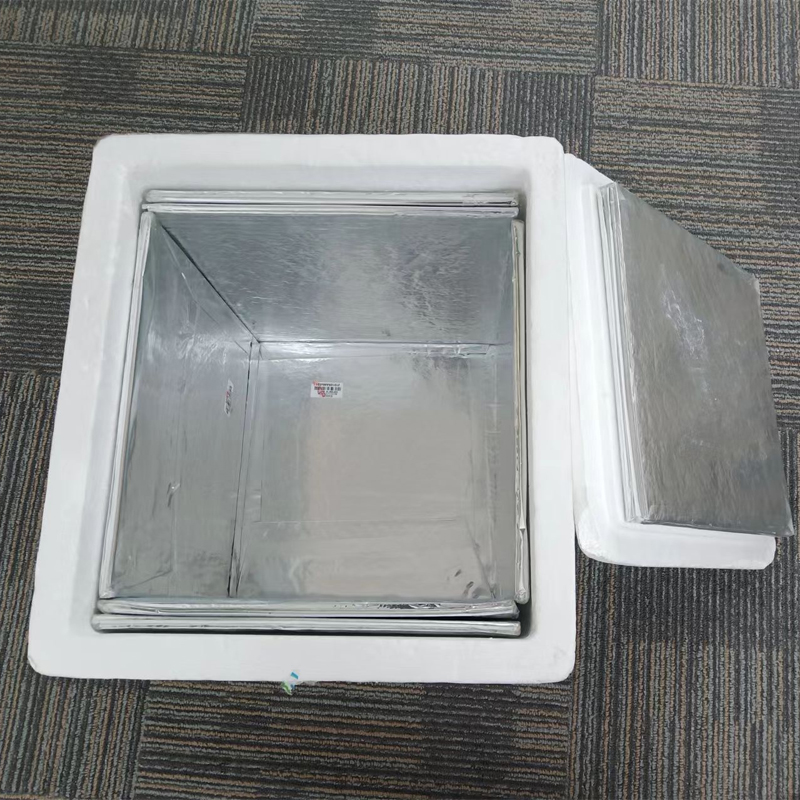
La boucle de contrôle de service OEM de la boîte isolée: Six fichiers qui empêchent la dérive
Un projet OEM n'est terminé que lorsqu'une modification apportée des mois après le lancement peut être évaluée par rapport à l'utilisation initialement prévue.. Cela nécessite plus qu’un prototype et un bon de commande. A dependable insulated box OEM service operates as a control loop: les exigences façonnent l’emballage, les tests contestent une révision nommée, les contrôles de production le reproduisent, hypothèses de vérification des données de terrain, et l'examen des modifications protège les preuves. Six fichiers connectés rendent cette boucle pratique. Chaque fichier enregistre une décision qui autrement a tendance à rester dans le courrier électronique, diapositives de vente, or an individual engineer's memory.
Déposer 1 capture le cas d'utilisation et les droits de décision
Le premier fichier décrit ce qui doit être protégé et qui a le pouvoir de décider. Il doit être approuvé avant que l'équipe ne débatte de l'EPS., PPE, VIP, doublures, ou liquide de refroidissement.
Décrire le produit's authorized transport conditions, sensibilité à la chaleur, gel, choc, humidité, ou orientation, et toutes les restrictions de sécurité applicables. Définir les dimensions de la charge utile, masse, compter, emballage secondaire, configurations normales et de bord. Cartographier le canal de distribution depuis le préconditionnement et l'emballage jusqu'à la réception, y compris les modes, exposition saisonnière, des retards crédibles, transferts, ouvertures, et stockage temporaire.
Ajouter la réalité opérationnelle. Quel équipement de refroidissement ou de congélation est disponible? Combien d’unités les opérateurs doivent-ils emballer? Peuvent-ils distinguer des composants conditionnés différemment? Quel espace est disponible? Comment les expéditions sont-elles inspectées, données récupérées, composants retournés, et emballages jetés ou récupérés?
Enregistrez les inconnues comme risques ou études. Si les itinéraires extrêmes sont mal compris, recueillir des données sur les voies ou sélectionner un profil conservateur documenté. Si le comportement en charge partielle est incertain, testez-le plutôt que de supposer que la pleine charge est la pire. Si un programme de réutilisation est uniquement proposé, identifier la récupération et le nettoyage comme des préalables au lieu de créditer les rotations futures.
Les droits de décision appartiennent au même fichier. Les propriétaires de produits ou de qualité définissent l'acceptation. L’ingénierie de l’emballage traduit les exigences et évalue la conception. Les opérations approuvent l'exécutabilité. Les achats régissent les conditions des fournisseurs et commerciales. Le fournisseur OEM est responsable de la conception et de la portée de production convenues.. Un laboratoire fournit des preuves dans le cadre de son protocole. Des organisations spécifiques peuvent attribuer les rôles différemment, mais aucune approbation critique ne devrait être sans propriétaire.
Fichiers 2 et 3 transformer le concept en un emballage contrôlé
Déposer 2 est le dossier d'architecture. Il explique la solution retenue et les alternatives envisagées. Déposer 3 est la spécification publiée qu'une équipe de fabrication peut créer et qu'un acheteur peut commander.
Le dossier d'architecture couvre l'isolation, liquide de refroidissement, position de la charge utile, espaceurs, doublures, éléments absorbants ou protecteurs, boîtier extérieur, fermeture, étiquettes, scellés, et surveillance. Il identifie les interfaces critiques et les modes de défaillance. Par exemple, un couvercle en mousse moulée peut laisser échapper de la chaleur au niveau du joint; un VIP peut perdre en performance si sa barrière est percée; un panneau de fibres peut se comprimer ou réagir à l'humidité; a coolant pack can create local freeze risk; une étiquette peut masquer une marque requise ou interférer avec le recyclage.
Le dossier doit expliquer pourquoi l'approche choisie correspond à la charge utile utilisable., cube de fret, emballage, manipulation physique, exposition thermique, réutilisation ou élimination, et fabrication. Cela marque également les limites du prototype. Un échantillon fabriqué à la main peut vérifier la géométrie mais ne peut pas représenter un processus de production moulé.. Une maquette imprimée peut approuver une illustration mais pas la performance adhésive sous condensation.
Déposer 3 convertit ce raisonnement en sorties contrôlées:
dessins d'assemblage et de composants avec dimensions et tolérances fonctionnelles;
une nomenclature ou des spécifications de composants contrôlés et des alternatives approuvées;
matériel, fabrication, fermeture, et les exigences en matière d'étiquetage;
le pack complet, y compris la préparation du liquide de refroidissement, quantités, postes, séquence, et cas de charge utile;
identification de la configuration et de la révision;
caractéristiques critiques et méthodes de mesure;
emballage, palettisation, stockage, et instructions de manipulation;
un ensemble de référence approuvé, qui peut combiner des échantillons, photographies, dessins, et des enregistrements.
Ne pas forcer la divulgation d'une formulation exclusive lorsqu'une spécification contrôlée et un accord de modification peuvent gérer les risques.. Inversement, "proprietary" ne doit pas excuser l’absence de preuve sur l’article acheté. Les parties ont besoin de suffisamment d’informations pour établir la conformité et évaluer le changement.
| Déposer | Question à laquelle il répond | Communiquer des preuves | Échec si manquant |
|---|---|---|---|
| 1. Cas d'utilisation et rôles | Quel service est requis, et qui l'approuve? | Exigences approuvées et carte des responsabilités | Le fournisseur devine; les décisions n'ont pas de propriétaire |
| 2. Architecture | Pourquoi ce système devrait-il fonctionner? | Justification de la conception, interfaces, risques, statut du prototype | Matériau sélectionné sans logique système |
| 3. Spécification publiée | Qu'est-ce qui sera exactement produit et emballé? | Dessins, composants, emballage, méthodes, révision | Les unités d'échantillonnage et les unités en vrac s'éloignent les unes des autres |
| 4. Dossier de preuves | Ce qui a été démontré, dans quelles conditions? | Protocoles, données, rapports, écarts, approbations | Le titre du test est trop étendu |
| 5. Plan de production et de lancement | Comment la conformité survivra-t-elle à l’échelle et au déploiement? | Plan de contrôle, traçabilité, entraînement, recevoir, pilote | Les opérateurs et les lots introduisent des variations incontrôlées |
| 6. Cycle de vie et enregistrement des modifications | Comment l’apprentissage sur le terrain et les changements proposés seront-ils régis? | Changer la matrice, histoire, déclencheurs, revues de tendances | Les preuves antérieures sont déconnectées du produit actuel |
Les six dossiers ne doivent pas nécessairement être six documents physiques. Ils peuvent vivre dans un système documentaire contrôlé. Ce qui compte, c'est que chaque question reçoive une réponse et que les liens entre les révisions soient clairs..
Déposer 4 rend les preuves suffisamment spécifiques pour être utilisées
La preuve n'est pas une durée de brochure, une photographie d'une chambre, or a sentence saying "passed ISTA." L'ensemble des preuves doit identifier les révisions de l'unité et des composants testés., sélection d'échantillons, charge utile, liquide de refroidissement et conditionnement, préconditionnement, détails et emplacements des capteurs, profil ambiant, conditionnement physique, critères d'acceptation, données brutes ou traçables, écarts, résultats, limites, et approbations.
La vérification et la qualification de la conception doivent rester distinctes. La vérification confirme que les résultats correspondent aux intrants, comme une cote de dessin, fermeture, identité matérielle, étiquette, ou ajustement de la charge utile. La qualification établit une confiance documentée selon laquelle le système d'expédition défini est adapté à l'utilisation prévue dans des conditions approuvées.. Une inspection de routine permet ensuite de garantir que la production reste cohérente; il ne répète pas l'intégralité de la qualification sur chaque unité.
Pour le temps- et produits pharmaceutiques sensibles à la température, Les directives techniques de l'OMS décrivent la qualification des conteneurs d'expédition ainsi que les itinéraires et les activités de surveillance associés.. Les bonnes pratiques de distribution de l’UE exigent que les conditions définies pour les médicaments soient maintenues pendant le transport. ISTA 7E fournit des profils de colis de chaleur et de froid standardisés, et norme ISTA 20 provides a standardized design and qualification process for insulated shipping containers. ISO 22982-1 et ISO 22982-2 répondre aux exigences et aux méthodes d’essai pour les colis à température contrôlée.
Utilisez uniquement des références dont la portée correspond au projet. Un profil standardisé ne reproduit pas toutes les voies. Un laboratoire certifié ne certifie pas chaque boîte produite par un fournisseur. Un rapport pour une charge utile et un arrangement de liquide de refroidissement n'en couvre pas automatiquement un autre.. Documenter la justification technique des cas de test et tout pont vers les données existantes.
Les dangers physiques doivent être inclus le cas échéant. Baisse, vibration, compression, ponction, humidité, et une manipulation répétée peut endommager la fermeture ou l'isolation avant que le problème thermique ne se produise.. Les systèmes réutilisables peuvent nécessiter une évaluation après le nettoyage et une usure représentative. Tester une unité vierge peut répondre à une question utile, mais il se peut que cela ne réponde pas à la question opérationnelle.
Les preuves environnementales ont également leur place dans le dossier 4. ISO 14021 soutient les revendications environnementales autodéclarées et disciplinées; ISO 14040 et ISO 14044 fournir une structure d’évaluation du cycle de vie; ISO 18603 traite les emballages réutilisables avec son système associé. Un dossier de réclamation doit préciser le composant, pourcentage ou attribut, le cas échéant, méthode, champ de production, géographie, base de base, limite du cycle de vie, et limites. Un test technique et une déclaration environnementale sont des preuves distinctes même si tous deux décrivent la même boîte..
Déposer 5 industrialise la conception et entraîne le réseau
La mise en production commence par la spécification contrôlée mais nécessite un processus qui la maintient. Le fournisseur doit traduire les caractéristiques critiques en contrôles des matières entrantes, contrôles en cours, inspection finale, et gestion des non-conformités. L'identité du lot et les enregistrements doivent être suffisants pour enquêter sur une plainte ou un changement..
Le contrôle des processus doit suivre le risque. La densité moulée ou la qualité du matériau peuvent avoir une importance pour une conception; l'intégrité des coutures ou la position du panneau peuvent avoir une importance pour un autre. Une méthode de mesure doit définir une donnée, équipement, état de l'échantillon, forcer le cas échéant, et l'acceptation. Les matériaux flexibles ou cellulaires peuvent donner des lectures différentes lorsque la mesure est vague.
ISO 9001 fournit un cadre général de gestion de la qualité pour des produits et services cohérents, opérations contrôlées, informations documentées, non-conformité, et amélioration. La certification peut être un élément de qualification du fournisseur si son site et sa portée sont vérifiés. Il ne remplace pas l'audit ou l'examen des éléments spécifiques à l'article., processus, inspection, traçabilité, et modifier les contrôles.
Le plan de production doit couvrir les premiers articles ou lots pilotes, comparaison entre l'échantillon et la production, conditionnement de boîtes ou kits vides, protection de palette, conditions de stockage, et dommages causés par l'expédition. Une boite conforme en usine mais arrive écrasée, mouillé, ou mélangé à une autre révision n'est pas parvenu à l'acheteur dans un état contrôlé.
Le lancement s'étend au-delà de l'usine. Les opérateurs ont besoin d'instructions de travail appropriées et de composants conditionnés. La formation doit expliquer pourquoi les étapes critiques sont importantes, comment les variantes sont distinguées, que faire des composants endommagés, et comment les écarts sont enregistrés. Les équipes qui reçoivent ont besoin d’identité, inspection, données-de-surveillance, retour, et instructions de disposition.
Scénario pratique: passer du prototype de mousse à la production moulée
Imaginez une équipe de biotechnologie qui approuve un prototype de mousse découpé à la main pour une petite charge utile. Les essais thermiques sont encourageants, et les achats demandent une version moulée pour le volume. La géométrie semble identique, mais le moulage peut modifier la répartition de la densité du matériau, coins, ajustement du couvercle, et comportement des surfaces. La transition est une étape de conception et de processus, pas une simple mise à l'échelle.
Déposer 2 enregistre pourquoi l'architecture moulée devrait être équivalente ou améliorée. Déposer 3 publie les dessins de production, contrôles matériels, interface du couvercle, emballage, et tolérances. Déposer 4 teste les unités représentatives de la production selon le protocole approuvé. Déposer 5 définit l'inspection du premier article, contrôles de processus, identité du lot, emballage, et essais opérateurs. Si l'unité moulée diffère de l'échantillon découpé à la main, l'équipe met à jour les preuves plutôt que de permettre au résultat du prototype de suivre le nom du produit.
Déposer 6 maintient le système approuvé en vie
Après le lancement, les informations sur le terrain renforcent ou remettent en question les hypothèses de conception. Événements de température de tendance, dommage, plaintes de fermeture, écarts d'emballage, composants manquants, problèmes dimensionnels, échecs d'étiquette, retours, rejets de nettoyage, et les changements d'itinéraire par révision et par lot lorsque cela est possible. Un enregistreur fournit des données mais pas la décision; les procédures qualité déterminent la manière dont les données sont évaluées et les produits éliminés.
Le contrôle du changement transforme ces commentaires en améliorations gouvernées. Créer des catégories pour les modifications que le fournisseur peut gérer dans une plage approuvée, modifications nécessitant un préavis, et les modifications nécessitant l'approbation de l'acheteur ou de nouvelles preuves. Tenir compte de la qualité ou de la source du matériau, contenu recyclé, construction en mousse ou en panneaux, géométrie, outillage, adhésif, doublure, imprimer, site, liquide de refroidissement, emballage, et traiter.
Chaque examen de changement devrait demander:
Quelles exigences et modes de défaillance pourraient être affectés?
Les preuves existantes restent-elles applicables?
Quelle vérification, échantillons, essai, ou une requalification est nécessaire?
Quels dessins, réclamations, instructions, et les documents commerciaux doivent changer?
Comment l'ancien et le nouveau inventaire seront-ils identifiés et transférés ??
Faire le produit, réglementaire, client, durabilité, ou les parties prenantes de la qualité ont besoin d’approbation?
Le réexamen peut être proportionné. Une correction orthographique d'une œuvre d'art peut nécessiter une épreuve contrôlée. Une nouvelle source VIP ou un nouvel agencement de liquide de refroidissement peut nécessiter une évaluation approfondie. Ce qui compte, c'est une justification technique enregistrée, pas de nouveau test complet automatique ni d'acceptation automatique.
Les améliorations environnementales suivent la même boucle. Matériau du mur réduisant, ajout de contenu recyclé, simplification des calques, ou créer un design réutilisable peut en valoir la peine, mais chacun modifie les hypothèses. Le règlement européen sur les emballages et les déchets d’emballages 2025/40 s'applique généralement à partir de 12 Août 2026 avec de nombreuses obligations mises en scène plus tard, les emballages placés sur ce marché doivent donc être classés dans la catégorie actuelle.- et examen spécifique au rôle. Les changements en matière de durabilité doivent préserver les performances requises et mettre à jour les preuves des réclamations.
La continuité commerciale a aussi sa place ici. Convenir de la maintenance et de la propriété des outils, sources alternatives approuvées, délai de notification, dérogations d'urgence, références de révision de commande répétée, et accès aux enregistrements. L'OEM ne détermine pas automatiquement la propriété des conceptions, moules, rapports, ou propriété intellectuelle; les contrats devraient attribuer ces droits explicitement.
Questions fréquemment posées
Les six fichiers doivent-ils être terminés avant le premier prototype?
Non. Le fichier de cas d'utilisation doit être suffisamment mature pour guider le travail, tandis que l'architecture, spécification, preuve, production, et les fichiers de cycle de vie se développent par étapes. Marquer le statut de brouillon et les limites du prototype. Ne lancez pas la production en volume tant que les enregistrements pertinents ne sont pas approuvés et alignés sur la même configuration..
Combien de prototypes un projet OEM doit-il nécessiter?
Il n'y a pas de numéro universel. Les étapes et les quantités du prototype dépendent de la nouveauté, outillage, variantes de charge utile, risque d'échec, plan de test, et processus de production. Définir ce que chaque échantillon est censé prouver et s'il est représentatif de la production. Des échantillons plus incontrôlés ne créent pas de preuves plus solides; l'apprentissage planifié fait.
L’inspection peut-elle remplacer la qualification thermique?
Non. L'inspection peut confirmer les matériaux définis, dimensions, ajuster, assemblée, ou de fabrication, tandis que la qualification thermique met au défi le système complet dans des conditions spécifiées. L'inspection permet de maintenir la cohérence après la qualification, car il n'est pas pratique de tester chaque unité expédiée.. Les deux doivent se connecter à la même conception publiée.
Ce qui appartient à une clause de notification de modification OEM?
Liste des catégories de changement, aviser le moment, informations requises, autorité d'approbation, règles d'évaluation et de retest, dérogations d'urgence, identification du lot de transition, enregistrer les mises à jour, et traitement des stocks existants. Matériaux de couverture, sources, outils, Sites, processus, construction, emballage, étiquettes, et les réclamations. Adapter la clause au risque et aux exigences de qualité applicables.
Comment les acheteurs devraient-ils évaluer une refonte environnementale?
Vérifiez d’abord que la protection et les opérations du produit restent acceptables. Définissez ensuite l’attribut environnemental précis, unité fonctionnelle, base de base, cycle de vie et limites géographiques, hypothèses de réutilisation ou de récupération, et des preuves. Inclure le liquide de refroidissement, cube de fret, perte de produit, retours, nettoyage, dommage, et fin de vie le cas échéant. Gérer la refonte via un contrôle normal des modifications.
Conclusion
La boucle de contrôle à six fichiers transforme l'OEM d'une promesse de personnalisation en un système maintenable. L'utilisation prévue établit la cible; l'architecture et les spécifications définissent le package; les preuves testent une révision nommée; la production et le lancement le préservent; les données de terrain et le contrôle des modifications restent à jour. Quand ces enregistrements restent connectés, les acheteurs peuvent évoluer, améliorer, et répondre aux changements d'approvisionnement sans perdre la base sur laquelle l'expéditeur isolé a été approuvé.
À propos du tempk
Tempk est la marque de Shanghai Tempk Industrial Co., Ltée. Its cold-chain packaging solutions include gel and water ice packs, Matériaux à changement de phase, doublures et sacs isolés, PSE, PPE, and VIP boxes, couvertures thermiques de palettes, glacières médicales, Logueurs de données de température, et support pour la validation et l'emballage. Dans un projet OEM, ces éléments peuvent être définis dans l'exigence liée, spécification, preuve, production, et modifier les enregistrements. La portée exacte, configuration, responsabilités, réclamations, essai, and commercial terms should be agreed for the buyer's use case.
Envoyez à Tempk le premier fichier : votre charge utile, voie, processus opérationnel, besoins d'acceptation, et les décideurs - pour entamer une discussion OEM conçue pour une publication contrôlée plutôt que pour une approximation de catalogue.
Comment spécifier un fabricant de boîtes isolées sous vide

Comment spécifier un fabricant de boîtes isolées pour un système isolé sous vide
Un achat défendable nécessite trois approbations. L'ingénierie doit accepter la conception du flux de chaleur, les opérations doivent être capables de l’emballer de manière cohérente, et la qualité doit accepter les preuves. Si l’une de ces approbations manque, un panneau isolant de qualité supérieure peut devenir une source coûteuse d'incertitude. Le bon cahier des charges pour un fabricant de boîtes isothermes et un système isolé sous vide commence donc par les critères d'acceptation, pas une taille de catalogue. De là, le fabricant peut concevoir la disposition des panneaux, protection, pack de liquide de refroidissement, et programme de test autour d'une charge utile réelle. Cette approche rend également les devis comparables car chaque candidat résout le même travail défini..
Porte un: rédiger les critères d'acceptation avant de dessiner la boîte
L'exigence de l'utilisateur doit identifier ce que le package doit protéger et les limites d'utilisation.. Record the product'Plage de température approuvée, sensibilité à la chaleur ou au gel, dimensions et masse de la charge utile, charges minimales et maximales, transit et retard prévus, conditions saisonnières, modes de transport, transferts, contraintes de parcelle, et processus de réception. Ajouter toutes les exigences de surveillance, preuve d'inviolabilité, confinement secondaire, nettoyage, retour, ou élimination.
Avoid substituting a generic duration or "pharma grade" étiquette pour cette œuvre. Une durée thermique demandée n'a aucune signification technique tant qu'elle n'est pas liée à une exposition ambiante et à une plage de charge utile acceptable.. Les produits pharmaceutiques ne partagent pas une seule bande de transport universelle. Le propriétaire du produit et l'équipe qualité doivent établir les limites applicables, documentation, et règles de disposition.
La charge utile utilisable doit être spécifiée sous la forme d'une enveloppe de produit tridimensionnelle. Le volume interne nominal est insuffisant en raison des doublures de protection, liquide de refroidissement ou PCM, espaceurs, Placement de l'enregistrement, et les dégagements consomment de l'espace. Fournir les dessins du carton et l'orientation requise. Si plusieurs charges utiles partagent le système, montrer chaque modèle d'emballage plutôt que d'attendre du fournisseur qu'il déduise la compatibilité du volume total.
Définir des preuves acceptables, comme des dessins, dossiers d'inspection, protocoles et rapports de tests, enregistrements de capteurs, notice de montage, et modifier les contrôles. Le fichier exact dépend du risque, mais le définir tôt évite qu'un échantillon commercial soit confondu avec un système qualifié.
Porte deux: lire la boîte comme un réseau de chemins thermiques
Un panneau d'isolation sous vide contient un noyau de support poreux à l'intérieur d'une enveloppe à faible perméabilité.. L'air est évacué et l'enveloppe est scellée. La faible pression du gaz supprime la conduction du gaz dans les pores; le noyau supporte la charge atmosphérique et limite la conduction solide. Le rayonnement et certains transferts de gaz résiduels subsistent, et la chaleur peut contourner le centre à travers le périmètre et d'autres structures en forme de boîte. Le vide améliore une partie du problème du transfert de chaleur. Il ne suspend pas les lois du transfert de chaleur.
L'enveloppe est une barrière fonctionnelle. Il doit restreindre l'entrée de l'air et de la vapeur d'eau tout en survivant à la formation, scellage, assemblée, et service. Une crevaison, sténopé, microfissures, joint contaminé, ou un pli important peut accélérer la perte de vide. Même sans dommages visibles, la perméation peut augmenter la pression interne et l'humidité au fil du temps. C'est le vieillissement VIP: les performances changent à mesure que la condition interne préservée change.
La conception de protection doit être visible sur le dessin d'assemblage. Une coque ou une cassette en mousse peut protéger les grands visages, tandis que les protections d'angle et les doublures maintiennent le produit et le liquide de refroidissement à l'écart des coutures.. Les charges structurelles doivent contourner le panneau lorsque cela est possible. Le couvercle doit se fermer sans protection contre les grattages ou les écrasements. Parce qu'un panneau évacué ne peut généralement pas être découpé ou percé sans le détruire, les pénétrations et la géométrie finale doivent être conçues à l'avance.
Chaque périmètre est également un élément de flux de chaleur. La barrière s'enroule autour du bord du panneau, où il conduit différemment du noyau évacué. Cet effet de bord signifie que la performance efficace du panneau dépend du périmètre, zone, construction de barrières, et géométrie des coutures. Les panneaux plus petits présentent généralement plus de périmètre par rapport à la surface. Les barrières contenant du métal peuvent bien résister à la perméation tout en contribuant à une meilleure conduction des bords, illustrant le compromis entre l'intégrité de la barrière et les ponts thermiques.
À l’échelle de l’enceinte, ajouter les ponts créés par les joints panneau à panneau, coins, interfaces du couvercle, loquets, charnières, poignées, côtes, et tout renfort. Une mesure thermique au centre du panneau omet ces chemins. Des tests sur une boîte entière sont nécessaires car une boîte est un objet tridimensionnel., assemblage transitoire plutôt qu'un matériau plat et homogène.
Demandez comment les panels se réunissent, qu'est-ce qui couvre les coutures, comment se trouve le couvercle, qu'est-ce qui protège les panneaux, et quelles pièces supportent des charges structurelles. Les sections efficaces et les observations de test sont plus utiles qu'une valeur de résistance inexpliquée.
Traduire les spécifications en conséquences au banc d’emballage
Les attributs techniques deviennent utiles lorsqu'ils sont liés aux décisions. Ce tableau peut être inclus dans une demande de proposition ou une revue de conception.
| Spécification ou contrôle | Conséquence technique | Conséquence des opérations | Vérification de l'acheteur |
|---|---|---|---|
| Enveloppe de charge utile finale utilisable | Détermine l'ajustement du produit une fois tous les composants thermiques installés | Contrôle le modèle de paquet et empêche la fermeture forcée | Vérifier l'emballage dimensionné avec les cartons de produits réels |
| Bordure VIP et disposition des joints | Influence la résistance efficace et l’entrée de chaleur locale | Définit quels inserts doivent être installés dans quelle orientation | Sections de révision, contrôles d'assemblage, et données de boîte mappées |
| Protection des barrières et des joints | Préserve le vide et réduit le risque de dommages | Limite le contact avec des outils tranchants, cartons, et liquide de refroidissement | Inspecter le prototype et les critères de dommages documentés |
| Spécification du liquide de refroidissement ou du PCM | Définit le comportement de stockage thermique et le risque de température locale | Nécessite un conditionnement contrôlé, mise en scène, et placement | Examiner les spécifications des composants et les instructions de travail approuvées |
| Charge utile minimale et maximale | Change la masse thermique, volume vide, et l'exposition | Peut nécessiter différentes entretoises ou configurations | Vérifiez les deux cas dans la matrice de test |
| Détails de fermeture et de structure | Affecte les ponts, fuite, et chemins de chargement | Déterminer la répétabilité et l’effort de manipulation | Observer les tests de conditionnement et de distribution programmés |
| Conditions d'essai thermique | Lié toute conclusion de performance | Définir l'emballage exact que le personnel doit reproduire | Comparer le profil, capteurs, charge utile, et les critères d'acceptation avec l'exigence |
| Contrôle des lots et des révisions | Maintient la production représentée par la qualification | Empêche le mélange des composants | Étiquettes d'audit, enregistrements, et processus de notification de changement |
Le tableau expose les conflits dès le début. Par exemple, un insert de protection rigide peut améliorer la résistance à la perforation tout en réduisant l'espace du produit. Un loquet métallique solide peut permettre la réutilisation mais crée un pont s'il est mal isolé. Une quantité généreuse de liquide de refroidissement peut prolonger le résultat d'une chambre particulière, mais réduire la charge utile vendable et créer un risque de froid local.. Ces choix nécessitent une résolution au niveau du système.
Reliez le prototype approuvé à la production grâce à des dimensions contrôlées, une nomenclature, inspections, et révisions de dessins; la similitude visuelle ne suffit pas.
Concevoir la relation liquide de refroidissement-charge utile, pas seulement le mur
Un expéditeur passif combine la résistance au flux de chaleur extérieur et le stockage thermique à l’intérieur.. Packs de gel, packs de glace à l'eau, ou les matériaux à changement de phase peuvent absorber ou libérer de l'énergie à mesure que les conditions changent. Le composant approprié dépend des exigences du produit et de la configuration qualifiée. No coolant is inherently correct for all temperature-sensitive products.
La condition de départ est critique. Les instructions d'emballage doivent spécifier comment le liquide de refroidissement ou le PCM est conditionné, comment sa disponibilité est reconnue, combien de temps cela peut-il être organisé, et où chaque composant est placé. Si la charge utile doit être séparée du liquide de refroidissement, l'entretoise est un composant essentiel plutôt qu'un matériau d'emballage consommable. Une substitution en film de sac, géométrie du paquet, remplir, ou le placement peut modifier le contact et la réponse thermique même si le nom du liquide de refroidissement apparaît inchangé.
La variation de la charge utile mérite une conception délibérée. Une charge complète peut fournir une masse thermique et occuper de l'espace aérien; une charge minimale peut exposer plus de surface et permettre différents mouvements internes. Les cartons de produits peuvent obstruer les espaces prévus ou toucher une surface froide. La qualification doit couvrir les pires cas représentatifs justifiés par un raisonnement thermique, ne suppose pas automatiquement que la charge la plus petite ou la plus grande est toujours la pire.
Plateaux équipés, pièces à clé, étiquettes, et une séquence claire améliore la répétabilité. Les essais de prototypes avec des utilisateurs réels peuvent révéler des étapes de préparation ou d'assemblage incontrôlées avant le lancement..
Prenons l’exemple d’une expédition transfrontalière typique de réactifs de diagnostic sensibles à la température. Les dimensions extérieures du colis sont fixées par un service transporteur, et les cartons de produits doivent rester debout. Un concept VIP crée plus d'espace intérieur qu'une alternative plus épaisse, mais la première disposition place le PCM directement à côté d'une face du carton et laisse un pont au niveau du couvercle. La cartographie du développement identifie un emplacement du côté froid près du PCM et un réchauffement plus rapide près de la fermeture.
L'équipe ajoute un séparateur contrôlé, révise le joint du couvercle, et définit l'enveloppe du produit afin que les cartons ne puissent pas dériver. Il défie ensuite les charges utiles minimales et maximales avec le conditionnement PCM spécifié et les profils ambiants justifiés. La conception révisée peut utiliser un peu plus de structure interne, mais il est plus précieux car la charge utile s'adapte en toute sécurité et le packout peut être reproduit. Aucun temps de maintien spécifique ne doit être supposé à partir de ce scénario; le résultat appartient à son protocole et à ses données.
Qualification: construire une chaîne de preuves
Commencez par les preuves des composants, mais ne t'arrête pas là. ASTM C1667 traite de la mesure par débitmètre thermique des propriétés de transmission thermique au centre du panneau. ASTM C1484 couvre les concepts généraux des spécifications VIP, y compris la distinction entre résistance centrale et résistance efficace. Ces références permettent de caractériser un panneau. Ils ne capturent pas de couvercle, liquide de refroidissement, charge utile, ou itinéraire.
ISO 16478 répond à certains VIP du bâtiment et inclut les facteurs de vieillissement et les ponts de bord linéaires. Il offre un contexte matériel, not cold-chain shipping qualification or proof of complete-parcel performance.
Au niveau du package, ASTM D3103 fournit une méthode pour évaluer les performances d'isolation thermique des ensembles de distribution. ISTA 7E fournit des profils de chaleur et de froid pour les produits emballés dans les systèmes de livraison de colis. Norme ISTA 20 describes a design and qualification process for insulated shipping containers. Sélectionnez des méthodes car leur portée et leurs conditions soutiennent votre décision, pas parce que leurs noms sont reconnaissables.
Pour le temps- et produits pharmaceutiques sensibles à la température, Les orientations techniques de l'OMS traitent de la qualification en matière de conception, qualification opérationnelle, et qualification des performances des conteneurs maritimes, ainsi que le profilage et la surveillance des itinéraires. En pratique, un programme basé sur les risques passe des exigences et des défis contrôlés aux preuves dans l'environnement opérationnel réel. L'unité qualité responsable détermine les étapes et les approbations nécessaires.
Un protocole doit identifier la nomenclature exacte, état du panneau, charge utile, conditionnement du liquide de refroidissement, assemblée, emplacements des capteurs, profil ambiant, comptage d'échantillons ou stratégie de répétition, critères d'acceptation, écarts, et méthode de reporting. Examiner les résultats complets, y compris les gradients inattendus ou les échecs d'exécution. Un graphique fluide sans contexte de test est une preuve plus faible qu'un historique de développement imparfait mais traçable.
Les risques de distribution nécessitent également une attention particulière. Les tests thermiques ne prouvent pas la résistance aux chocs, vibration, compression, ou une manipulation brutale. Les tests mécaniques sélectionnés pour le système de distribution peuvent révéler des dommages qui affecteront ultérieurement les performances thermiques.. En fonction du risque, il peut être approprié de séquencer les défis mécaniques et thermiques ou de tester à nouveau les unités manipulées..
Les enregistreurs de température de routine documentent ensuite les expéditions particulières dans le cadre de la stratégie de contrôle.. Confirmer la documentation d'étalonnage, configuration, activation, placement, synchronisation de l'heure, récupération de données, et gestion des alarmes. La surveillance fournit des preuves d’exposition; il ne crée pas de protection thermique et ne doit pas être décrit comme une qualification de colis en soi.
La mise à l’échelle dépend du contrôle des changements et de la propriété du cycle de vie
La sélection des fournisseurs se poursuit après un test de réussite. Demandez comment les matériaux critiques sont approuvés, combien de lots sont traçables, quelles inspections à la réception et en cours de processus sont effectuées, et comment les changements sont communiqués. Stratifié barrière, cœur, dimensions du panneau, mousse de protection, coquille, fermeture, liquide de refroidissement, adhésif, et l'assemblage peut tous affecter l'état qualifié. Un changement proposé doit être évalué avant expédition, avec de nouveaux tests basés sur le risque.
Définir les critères de réception des nouvelles boîtes et, si pertinent, unités retournées. Coupes visibles, coins écrasés, fermetures endommagées, intérieurs humides, protection déformée, ou une condition incertaine du panneau devrait déclencher une action documentée. Parce qu'une lente perte de vide n'est peut-être pas évidente, toute méthode d'inspection ou de détection spécifique à un fournisseur nécessite une interprétation et une limite d'acceptation claires.
Les programmes réutilisables nécessitent également la propriété pour le nettoyage, suivi, perte, réparation, stockage, et la retraite. Les allégations de durabilité doivent être basées sur les cycles et la logistique réels plutôt que sur la réutilisation prévue.. ISO 14040 et ISO 14044 offrir un cadre et des exigences pour l’analyse du cycle de vie, y compris un objectif et une portée clairs. Une comparaison peut inclure la production de matériaux, transport aller et retour, conditionnement du liquide de refroidissement, nettoyage, risque de perte de produit, et fin de vie.
Pour les systèmes unidirectionnels, identifier les matériaux et vérifier les itinéraires de destination des déchets. Les enveloppes multicouches et les assemblages collés peuvent ne pas correspondre aux flux de recyclage locaux, so "recyclable" n'est pas une conclusion universelle.
Une fois la configuration stable, confirmer l'échantillon spécifique au fournisseur, outillage, commande minimum, délai de mise en œuvre, capacité, et détails des prix. Vérifiez si le devis inclut le liquide de refroidissement, enregistreur, boîtier extérieur, aide à la qualification, et expédition.
FAQ pour les acheteurs
Quelle est la spécification la plus importante de la boîte VIP ??
Il n'existe pas de nombre unique suffisant pour l'achat. La spécification la plus prête à prendre des décisions est la configuration approuvée: enveloppe de charge utile utilisable, Construction VIP et protection, conception commune, liquide de refroidissement et conditionnement, limites de charge utile, assemblée, et conditions de qualification. Les données thermiques au centre du panneau prennent en charge ce fichier, mais ça ne peut pas le remplacer.
How can I tell whether a VIP has lost vacuum?
Des crevaisons évidentes, coupes, ou des changements physiques anormaux sont des signes avant-coureurs, but slow loss may not be visually clear. Use the manufacturer's documented inspection or test method and define quarantine and rejection rules. N'improvisez pas un test de compression et ne comptez pas sur la réparation du ruban adhésif à moins qu'une procédure validée ne le prenne spécifiquement en charge..
Why must the minimum payload be tested?
Changing payload changes thermal mass, volume d'air interne, exposition à la surface du produit, and the relationship to coolant. Une charge minimale peut se comporter différemment d'une charge complète, bien que ce ne soit pas automatiquement le pire dans chaque conception. La matrice de test doit identifier les extrêmes justifiés et utiliser les entretoises ou le fardage destinés aux opérations de routine..
Puis-je changer de fournisseur PCM après qualification?
Un changement de source doit entrer dans une évaluation formelle du changement. Comportement de transition matérielle, géométrie du paquet, remplir, film barrière, réponse de conditionnement, et le contact peut affecter le système thermique. Comparez les spécifications et déterminez si une vérification ou une requalification est nécessaire pour l'approbation. Une étiquette ou une apparence similaire n’établit pas l’équivalence.
Que doit fournir un fabricant avant une commande groupée?
Demander l'échantillon approuvé et la révision, dessin de la charge utile utilisable, spécifications des matériaux et des composants adaptées à vos besoins en matière de qualité, instructions d'emballage, protocole et rapport de test, critères d'inspection, et approche de notification de changement. Les conditions commerciales telles que la commande minimum et le délai de livraison doivent être confirmées directement car elles sont celles du fournisseur.- et spécifiques au projet.
Conclusion: approuver la conception, processus, et des preuves ensemble
Un système fiable isolé sous vide survit à trois examens. L'ingénierie comprend l'essentiel, barrière, effets de bord, ponts, vieillissement, et protection anti-crevaison. Les opérations peuvent reproduire le pack de liquide de refroidissement et de charge utile. La qualité peut retracer la configuration fournie jusqu'au package approprié et acheminer les preuves. Garder ces approbations connectées est plus important que de maximiser la valeur d'un seul panneau.
À propos du tempk
Tempk est la marque de Shanghai Tempk Industrial Co., Ltée. We offer cold-chain packaging solutions including gel and water ice packs, PCM, doublures et sacs isolés, PSE, PPE, and VIP boxes, couvertures thermiques de palettes, glacières médicales, Logueurs de données de température, et support pour la validation et l'emballage. Pour un nouveau système isolé sous vide, Tempk peut participer à la discussion pratique sur l'utilisation de la charge utile, disposition du liquide de refroidissement, surveillance, et le plan de preuve tout en gardant l'adéquation finale liée au produit et à la voie définis.
Passer du concept à la spécification: Envoyez à Tempk votre gamme de produits, dessins de charge utile, hypothèses de voie, et des preuves d'approbation requises pour discuter d'une configuration de boîte isolée sous vide à des fins d'évaluation.
Tableau de bord des fournisseurs en vrac de boîtes isolées écologiques

Un tableau de bord à cinq portes pour un fournisseur de boîtes isothermes en vrac écologiques
Do not score a box as "green" jusqu'à ce qu'il ait franchi sa barrière de protection. Ne le notez pas comme réutilisable jusqu'à ce que le système de retour existe. Et ne l'approuvez pas pour la production en vrac tant que la construction testée n'est pas liée à des matériaux contrôlés et à une notification de modification.. Those rules turn the search for an eco-friendly insulated box bulk supplier into a defensible procurement process. Les cinq portes ci-dessous passent successivement de l'utilisation prévue aux preuves environnementales., réalité opérationnelle, contrôle de production, et économie du cycle de vie. Un candidat peut être prometteur à un moment donné et échouer quand même au projet suivant..
Grille 1: définir le service protégé, pas la boîte vide
Le service acheté est la livraison d'une charge utile définie dans un état acceptable. Le conteneur vide n'est qu'une entrée. Écrire l'exigence autour du produit, emballage, itinéraire, et recevoir la décision.
Commencez par les conditions de transport et la sensibilité approuvées par le produit. Définissez ensuite les charges utiles normales et périphériques, y compris les dimensions qui restent après l'installation du liquide de refroidissement et des entretoises. Décrire le parcours depuis le préconditionnement jusqu'à la réception finale: durée prévue, retard crédible, exposition saisonnière, environnement véhicule ou colis, ouvertures, transferts, et rangement à chaque extrémité. Identifier ce qui sera surveillé et comment un écart est évalué.
Ce document est souvent appelé spécification des besoins des utilisateurs., dossier de conception, ou spécification de performance. Son nom compte moins que sa clarté. Il doit distinguer les critères d'acceptation obligatoires des objectifs d'optimisation. Qualité du produit, intégrité de l'emballage, exigences de sécurité applicables, et la configuration traçable sont généralement non négociables. Utilisation de matériaux réduite, un cube de fret plus efficace, contenu recyclé vérifié, réutilisation, ou une voie de récupération préférée peut être des cibles d'optimisation sous réserve de preuve.
L'isolation ralentit le flux de chaleur; la conception du réfrigérant et du pack gère la charge thermique. Un pack de gel, Matériel à changement de phase, ou la disposition de la glace carbonique n'est pas interchangeable sans analyse. Un enregistreur de données n'est pas non plus un composant de protection. Keeping these roles separate prevents a supplier from "improving" un élément en changeant involontairement le système.
La sortie de Gate 1 est une déclaration contrôlée d'utilisation prévue avec des réviseurs responsables des opérations, qualité, approvisionnement, et durabilité. Si les parties prenantes ne parviennent pas à s’entendre sur le service, ils ne sont pas prêts à comparer les box.
Grille 2: tester l'allégation environnementale en tant qu'allégation
"Eco-friendly" est trop large pour être vérifié. Remplacez-le par une ou plusieurs affirmations spécifiques et interrogez chaque affirmation en utilisant les mêmes cinq questions.:
Quel attribut exact est revendiqué?
Quel composant ou système couvre-t-il?
Quelle est la comparaison ou la référence?
Quelle limite géographique et de cycle de vie s'applique?
Quelles preuves et méthodes le soutiennent?
ISO 14021 établit des exigences et des lignes directrices pour les allégations environnementales autodéclarées. The US Federal Trade Commission's Green Guides likewise seek to prevent misleading environmental marketing, y compris de vastes avantages et des allégations de recyclage. Ni l'un ni l'autre ne permet à un acheteur d'ignorer l'examen juridique local, mais les deux renforcent le besoin d'une langue qualifiée.
ISO 14040 et ISO 14044 fournir le cadre et les exigences pour l’évaluation du cycle de vie. Leur logique est particulièrement précieuse pour le transport isotherme, car les options d'emballage fournissent un service sur différents nombres de voyages et avec différents espaces de charge utile.. Une comparaison doit utiliser une unité fonctionnelle telle que la livraison réussie d'une quantité définie dans les conditions requises, et non la simple fabrication d'une boîte..
Le dossier environnemental peut contenir une composition matérielle vérifiée, masses des composants, preuve de contenu recyclé, informations de récupération, une description du système de réutilisation, ou une étude comparative du cycle de vie. Les preuves doivent correspondre à la révision du produit et à la portée de la production. Une déclaration concernant un carton extérieur ondulé ne peut pas silencieusement devenir une réclamation concernant l'isolation en mousse ou l'expéditeur complet..
La sortie de Gate 2 est un langage de revendication approuvé avec une limite et un fichier à l'appui. Si le fournisseur ne peut pas définir la réclamation, notez-le comme non fondé plutôt que d’attribuer un crédit partiel aux bonnes intentions.
Grille 3: prouver que le système logistique active la fonctionnalité
Une caractéristique de conception crée du potentiel. Les opérations déterminent si ce potentiel est réalisé.
| Parcours de durabilité | Condition opérationnelle requise | Preuves de terrain à collecter | Signal d'arrêt |
|---|---|---|---|
| Réduction à la source | Protection requise avec moins de matériel, liquide de refroidissement, vide, ou cube de fret | Masse emballée, charge utile utilisable, conséquences sur les dommages et la température | Réemballage, liquide de refroidissement supplémentaire, ou des échecs croissants |
| Réutilisation | Récupération, nettoyage, inspection, identification, et redéploiement | Retours, pertes, rejette, réparations, faire demi-tour, rotations réussies | Unités systématiquement jetées, stocké, ou non nettoyable |
| Recyclage des matériaux | Collection, séparation, état acceptable, et accès au processeur | Couverture des destinations, comportement du récepteur, acceptation du processeur | "Recyclable" matériel envoyé à l'élimination dans la pratique |
| Contenu recyclé | Saisie contrôlée et calcul documenté | Déclaration du fournisseur et historique des modifications pour le composant nommé | La réclamation ne peut pas être liée aux lots de production ou à la portée |
| Efficacité du fret | Plus de charge utile par palette, véhicule, ou volume de colis sans risque plus élevé | Cube externe, modèle de palette, charge utile utilisable, dommage | Des murs plus petits entraînent une perte de produit ou des charges instables |
C'est à cette porte que de nombreux programmes de réutilisation échouent. ISO 18603 définit les exigences et les procédures d'évaluation pour les emballages réutilisables, y compris le système associé. Une boîte isotherme consignée doit donc être propriétaire, un chemin de retour, critères d'état, nettoyage si nécessaire, et une décision de fin de vie. La durabilité à elle seule ne garantit pas la réutilisation.
Le recyclage a besoin du même réalisme. L’identification de la résine ou la recyclabilité technique n’établit pas la collecte. Étudier les marchés de destination et prendre en compte la contamination, films, ruban adhésif, étiquettes, adhésifs, et construction mixte. Les instructions doivent correspondre à ce que les récepteurs peuvent réellement faire.
Pour emballage à usage unique, examiner le bon dimensionnement avant de remplacer les matériaux. Un portefeuille de packouts peut correspondre à la charge utile et à la voie, mais trop de variantes augmentent les erreurs de formation et de sélection. Utilisez un petit, famille gouvernée avec des règles de décision claires. Surveiller si une taille théoriquement efficace entraîne davantage d'erreurs d'emballage.
La sortie de Gate 3 est un plan opérationnel et un ensemble de mesures. Si personne ne possède les retours ou la vérification de récupération, le bénéfice environnemental doit rester une hypothèse.
Grille 4: connecter les preuves de test à la révision de production
Un graphique thermique n'est utile que lorsque vous pouvez identifier ce qui a été testé. Demander la révision du boîtier et des composants, charge utile, liquide de refroidissement et conditionnement, préconditionnement, placement du capteur, profil ambiant, conditionnement physique, critères d'acceptation, et gestion des résultats. Confirmez si le rapport représente la cavité brute ou la charge utile utilisable que vous avez l'intention d'expédier..
La norme ISTA 7E fournit des profils de chaleur et de froid standardisés pour les tests thermiques des colis. Norme ISTA 20 offers a standardized design and qualification process for insulated shipping containers. ISO 22982-1 specifies general requirements for temperature-controlled transport packages used in parcel shipping, et ISO 22982-2 répond aux spécifications de test. Conseils de l'OMS sur le temps- et les produits pharmaceutiques sensibles à la température incluent la qualification des conteneurs d'expédition. Ces références peuvent façonner les preuves, mais la pertinence doit être décidée pour le produit et la voie.
L'approbation groupée nécessite un pont entre le développement et la production:
un dessin et une nomenclature publiés ou des spécifications de composants contrôlés;
dimensions critiques, tolérances, et critères de fabrication;
une configuration de référence identifiée;
entrant, en cours, et inspection terminée alignée sur le risque;
identification du lot ou du lot suffisante pour l'enquête;
traitement des produits non conformes et des réclamations;
conservation des dossiers pertinents;
règles de notification préalable et d’approbation des modifications.
ISO 9001 est une norme générale de gestion de la qualité qui peut prendre en charge une fourniture cohérente et des processus contrôlés. Si la certification fait partie de la qualification des fournisseurs, vérifier son site et sa portée. Évaluez ensuite les contrôles spécifiques à l'élément. Un certificat ne peut pas vous dire si la tolérance du couvercle, densité de la mousse, couture de doublure, ou la source VIP chez votre expéditeur agréé est maintenue.
Le contrôle des changements mérite une attention explicite. Réparation d'outils, substitution de source matérielle, variation du contenu recyclé, changement d'adhésif, processus d'impression, transfert d'usine, ou la refonte des composants peut affecter la température, physique, hygiène, apparence, ou performances de récupération. L'accord doit définir les modifications qui nécessitent un préavis., examen des preuves, nouveaux échantillons, ou refaire un test. "No change to fit and function" n'est pas suffisant lorsqu'une allégation environnementale dépend également de la composition ou du procédé.
La sortie de Gate 4 est un package de spécifications prêt pour la production. Aucune commande groupée ne doit faire référence uniquement à un devis ou au nom d'un catalogue..
Grille 5: comparer le coût total du cycle de vie et le risque
Le prix unitaire est une entrée de départ. La décision devrait également prendre en compte le liquide de refroidissement et l'emballage secondaire, travail d'assemblage, stockage, cube de fret, efficacité des palettes, perte de produit, qualification, surveillance, logistique inversée, nettoyage, perte, réparation, remplacement, et gestion de fin de vie. N’inventez pas une période de récupération universelle; calculer avec vos propres données réseau.
Un système réutilisable déplace souvent les coûts entre les départements. Les achats voient le coût des actifs plus élevé, le transport voit le retour du fret, opérations voit nettoyage, la finance détient des stocks, et les crédits de durabilité ont évité les emballages à usage unique. Un système à usage unique peut cacher l'élimination sur les sites des clients. Regroupez ces coûts dans un seul modèle avec des propriétaires et des hypothèses documentés.
Utilisez des scénarios plutôt qu’une seule prévision. Le scénario de base peut refléter les opérations observées. Un cas défavorable peut réduire le taux de retour ou augmenter les dégâts. Un autre peut modéliser la croissance des itinéraires, rester plus longtemps, ou un changement de marché de reprise. Le but n’est pas de prédire parfaitement; il s'agit d'identifier quelles hypothèses contrôlent la décision et quelles données le pilote doit collecter.
Scénario pratique: deux voies, un événement d'approvisionnement
Imaginez un distributeur de soins de santé expédiant le même produit depuis un entrepôt vers des hôpitaux et des cliniques indépendantes.. Retour des bacs d'hôpital sur les véhicules réguliers. Les colis des cliniques sont dispersés via un réseau de transporteurs.
Grille 1 confirme le même état du produit mais des profils d'itinéraire et de manutention différents. Grille 2 nécessite une preuve de réclamation spécifique pour les deux systèmes proposés. Grille 3 révèle que la réutilisation est opérationnellement crédible pour les hôpitaux mais pas pour les cliniques dispersées. Grille 4 qualifie et contrôle un emballage réutilisable pour la boucle fermée et un emballage unidirectionnel de bonne taille pour les colis. Grille 5 compare le rendement réel, nettoyage, fret, conditionnement, et données de perte.
The procurement decision uses two controlled solutions rather than forcing one "green box" sur les deux réseaux. Les règles de sélection sont intégrées au processus d'expédition afin que les emballeurs n'improvisent pas. Le reporting environnemental sépare les deux voies et utilise les données observées.
Construire le dossier d’approbation avant de négocier le volume
Lors de la revue finale du sourcing, chaque candidat doit être représenté par un dossier compact. Cela rend les négociations commerciales moins susceptibles de rouvrir des décisions techniques.
Le dossier doit inclure la déclaration d'utilisation prévue, configuration approuvée, charge utile utilisable, instructions d'emballage, preuves et limites des tests, revendications et limites environnementales, contrôles de production, changer les règles, plan opérationnel, et plan de mesure sur le terrain. Ajouter le devis lié à la même révision, y compris les composants, outils, documentation, emballage, base de livraison, et conditions commerciales demandées.
L'inspection à la réception doit être prête avant l'arrivée du premier lot en vrac. Il peut vérifier l'identité, état de l'emballage, dimensions ou caractéristiques critiques, étiquetage, quantité, et dossiers justificatifs en fonction du risque. Déterminez ce qui se passe lorsque beaucoup de choses échouent: quarantaine, enquête, examen des concessions, remplacement, ou un rejet. Un calendrier d’expédition urgent ne devrait pas permettre d’inventer le processus d’élimination.
Le dossier est aussi la base d’amélioration. Si les données de terrain indiquent un suremballage, dommage, mauvais rendements, ou échec de récupération, l'équipe peut réviser le système grâce au contrôle des changements plutôt que de partir de mémoire. Cela fait de la durabilité un résultat de performance géré.
Questions fréquemment posées
Une norme ISO certifie-t-elle qu'une boîte est écologique?
Aucune référence ISO ne fait cette déclaration universelle. Les normes ISO abordent différents sujets tels que les allégations environnementales, analyse du cycle de vie, optimisation des emballages, réutilisation, recyclage, et tests de colis de transport. Déterminer quelle norme est pertinente, quelle déclaration de conformité ou de test est réellement faite, quelle organisation l'a fait, et si cela couvre le produit et le site exacts.
Quelle quantité de contenu recyclé une boîte isotherme doit-elle contenir?
Il n’existe pas de pourcentage universel sûr. Le niveau approprié dépend du matériau, performance, contrôle de fabrication, rôle de contact produit, règlement, et les preuves disponibles. Demander au fournisseur de documenter le pourcentage, composant, méthode de calcul, catégorie de source, champ de production, et modifier les contrôles. Confirmez ensuite que le pack obtenu répond toujours à son utilisation prévue..
Un matériau à faible conductivité thermique est-il toujours plus durable?
Non. Cela peut permettre des parois plus minces ou moins de liquide de refroidissement dans une conception particulière, mais le résultat complet dépend aussi de la production matérielle, couches de protection, charge utile utilisable, dommage, durée de vie, récupération, et perte de produit. Comparez les systèmes terminés sous la même unité fonctionnelle et les mêmes conditions de test pertinentes au lieu de classer les valeurs isolées des fiches techniques.
Quand un acheteur doit-il demander une qualification spécifique à une voie?
Demandez-le lorsque les profils génériques ou standardisés ne représentent pas de manière adéquate les risques importants de l'itinéraire, or when the product's quality system requires additional evidence. Utiliser les données d'itinéraire, exposition saisonnière, demeurer, transferts, charge utile, et des scénarios de retard pour définir l'étude. Les tests standardisés peuvent rester une référence utile sans être considérés comme une garantie universelle.
Qu'est-ce qui devrait déclencher une réévaluation après le lancement?
Modifications de matériaux ou de composants, transferts d'outillage ou de chantier, liquide de refroidissement ou emballage modifié, nouvelles charges utiles, voies plus longues, nouvelles saisons, dégâts récurrents, événements de température, mauvais rendements, changement de nettoyage, et les changements liés à la reprise sur le marché pourraient tous déclencher une révision. Définir les déclencheurs à l’avance et décider lesquels nécessitent une évaluation des documents, échantillons, vérification, or formal requalification.
Conclusion
Les cinq portes maintiennent l’ambition environnementale connectée à la réalité de la chaîne du froid. Définir le service protégé, qualifier chaque réclamation, construire l'opération de retour ou de récupération, relier les preuves à la production contrôlée, et comparer le coût du cycle de vie avec les données observées. Un fournisseur ne réussit que lorsque la proposition fonctionne sur les cinq. Cette approche réduit le risque de greenwashing, empêche les décisions techniques de dériver lors de la négociation du volume, et crée une base de référence pour une véritable amélioration.
À propos du tempk
Tempk est la marque de Shanghai Tempk Industrial Co., Ltée. It offers cold-chain packaging solutions including gel and water ice packs, Matériaux à changement de phase, doublures et sacs isolés, PSE, PPE, and VIP boxes, couvertures thermiques de palettes, glacières médicales, Logueurs de données de température, et support pour la validation et l'emballage. Pour un projet de sourcing groupé, ces éléments peuvent être discutés comme une configuration complète façonnée par la charge utile, itinéraire, surveillance, récupération, et les besoins en preuves. Pertinence, base de test, allégations environnementales, et les conditions commerciales doivent être confirmées pour le projet spécifique.
Envoyez à Tempk votre dossier d'utilisation prévue et vos exigences en matière de preuves à cinq portes pour discuter d'un emballage en vrac qui peut être évalué avant sa mise à l'échelle.