


Guide d'achat de la boîte VIP à température contrôlée pour l'expédition d'échantillons biologiques
Guide d'achat de la boîte VIP à température contrôlée pour l'expédition d'échantillons biologiques
Mis à jour le: Peut 20, 2026
How to Evaluate a VIP temperature controlled box for biological samples shipping Before You Scale Cold-Chain Shipments
A VIP temperature controlled box for biological samples shipping can be the right choice when biological samples, échantillons diagnostiques, matériel de recherche, and patient-derived sample shipments needs more thermal margin than a basic insulated carton can provide. The decision should still be made like a cold-chain process decision, pas un raccourci d'emballage. Start with the product condition, exposition par voie, payload map, plan de refroidissement, and evidence required at receipt. VIP insulation can improve the design, but the full packout and operating procedure decide whether the shipment is reliable.
Pour les acheteurs, the practical goal is to avoid two mistakes: under-protecting the shipment and over-trusting a box without evidence. The box may look simple from the outside, but it interacts with temperature, temps, personnes, documents, et l'incertitude de l'itinéraire. That is why a useful evaluation has to cover both performance and operations.
The right question is fit, not premium material
VIP insulation is attractive because it can provide strong thermal resistance in a compact format. That matters when the shipment has limited space, valeur élevée, or uncertain handovers. But a VIP temperature controlled box for biological samples shipping is not automatically better for every lane. If the route is short, the temperature requirement is broad, and handling is controlled, a simpler insulated solution may be enough. If the route includes clinic pickup, transfert par courrier, airport movement, regional lab networks, and central laboratory receipt, the stronger thermal buffer may be easier to justify.
A fit-based evaluation prevents overbuying and underdesign. Overbuying happens when the team chooses a premium box without checking whether the payload, transporteur, and receiver can use it correctly. Underdesign happens when the team chooses a low-cost package that cannot handle the real handover risk. Both problems can create waste. The better approach is to describe the lane clearly and then select the package that fits the risk.
For lab operations managers, diagnostic sample coordinators, biobanques, and healthcare logistics buyers, fit also includes workflow. Can packing staff load the box quickly and consistently? Can the receiver find the logger or documents? Can the box be cleaned or returned if reuse is planned? Can damaged units be identified? These questions may sound basic, but they often decide whether the packaging works after the first few sample shipments.
Build the requirement in five layers
The first layer is the product condition. Define the exact temperature requirement and the consequence of exposure. Some products are harmed by heat, some by freezing, some by thawing, and some by repeated cycling. Avoid borrowing a familiar temperature range from another product category. The range must come from the product specification, protocole, étiquette, quality file, or buyer requirement.
The second layer is route exposure. Total transit time is not enough. A package may spend time on a packing bench, at a dock, in a courier vehicle, at an airport, in customs, or on a residential doorstep. Each point can create a different risk. A good packaging review maps the journey from release to receipt, including delays that are reasonably foreseeable.
The third layer is the loaded packout. Internal dimensions are not the same as usable payload space. Liquide de refroidissement, séparateurs, matériau absorbant, doublures, documents, and monitoring devices all use space. The fourth layer is evidence: test context, pilot lane data, documentation fournisseur, or a quality-approved packout. The fifth layer is exception handling. If the shipment is late, endommagé, or outside the expected record, the team needs a decision path.
| Evaluation layer | Point de décision | Common buyer mistake |
|---|---|---|
| État du produit | Confirm the required temperature and acceptance rule. | Using a generic range that does not belong to the product. |
| Exposition de l'itinéraire | Map staging, transferts, temps de séjourner, et la saisonnalité. | Judging only by courier transit time. |
| Conception de l'emballage | Review coolant, séparateurs, payload map, fermeture, et surveiller le placement. | Approving an empty sample without a loaded test. |
| Preuve | Match test data or pilot records to the planned lane. | Treating a general hold-time claim as universal. |
| Opérations | Define packing, recevoir, réutilisation, nettoyage, and exception procedures. | Assuming staff will interpret the process correctly without written instructions. |
These layers keep the buying process grounded. A supplier conversation becomes more useful when the buyer can describe the product, itinéraire, emballage, evidence level, et processus opérationnel. It also makes quotes easier to compare, because each supplier is responding to the same real requirement rather than a broad request for an insulated box.
Where the full packout can fail
The most visible component is the box, but the failure often comes from something less visible. Coolant may be conditioned incorrectly. A separator may be missing. Payload may be loaded in a different orientation from the approved map. A lid may not close fully. A logger may be placed against the coolant instead of near the payload risk area. A receiving team may open the box, remove items, and forget to download the temperature record.
Pour ce sujet, the boundary is important: temperature control does not replace leakproof primary packaging, confinement secondaire, matériau absorbant, or required markings. Buyers should therefore avoid statements that make the box sound like the entire control system. A more accurate statement is that the box supports a passive temperature-controlled packout when combined with the right coolant, loading procedure, surveillance, et examen spécifique à l'itinéraire.
Another failure point is change. The packout may work for one payload size but not another. It may work in one season but need adjustment in another. It may work with one carrier but fail when transferred to a different service level. It may be accepted by one receiver but rejected by another because the paperwork or logger process differs. A change-control mindset is important even for packaging that appears physically simple.
Exemple pratique: a sample approval that prevents later problems
Imagine a regional diagnostic network that needs one packaging approach for routine samples and a different one for temperature-sensitive investigational materials. During sample approval, the team should not only check whether the box closes. They should load the payload or a realistic equivalent, add the coolant, position any logger, include documents, and simulate the steps staff will follow. They should note whether the box is easy to close, whether labels fit, whether the payload is protected from direct coolant contact, and whether the receiver can inspect the shipment without confusion.
This approach can reveal problems before the purchase order is large. Perhaps the payload shifts during handling. Perhaps the box is too large for a courier service level. Perhaps a reusable design needs a stronger label-removal process. Perhaps the coolant plan is too complex for a busy fulfillment line. These findings are not failures of the sample. They are useful information that turns a packaging idea into an operating procedure.
Questions des fournisseurs qui comptent vraiment
When comparing suppliers for a VIP temperature controlled box for biological samples shipping, ask how the VIP panels are protected, what the loaded usable volume is, and whether production units match the sample. Ask for packout instructions and the test assumptions behind any performance statement. Ask whether the supplier can support seasonal variations, damaged-box inspection, replacement components, et répéter les commandes. If the shipment is regulated, ask what the supplier is providing and what remains the buyer’s responsibility.
Good supplier conversations are specific and sometimes uncomfortable. A credible supplier should be willing to discuss limits, not only advantages. If a box has not been evaluated for a lane, the supplier should not present it as proven for that lane. If a sustainability claim depends on reuse, the return rate and cleaning process should be part of the discussion. If a compliance claim depends on buyer procedures, that boundary should be clear.
Pour les échantillons biologiques, échantillons diagnostiques, matériel de recherche, and patient-derived sample shipments, the buying team should also involve operations early. Procurement may compare price, quality may review evidence, logistics may understand carrier risk, and warehouse staff may know whether the packout can be repeated. The package succeeds only when these teams agree on what the box is expected to do and what must be checked at each step.
Operational checks before rollout
Staff repeatability deserves its own review. A VIP temperature controlled box for biological samples shipping may look robust during sample approval, but routine shipments depend on people doing the same steps under time pressure. Packing staff need a clear order of work: prepare the box, condition coolant, check liners, charger la charge utile, place any monitor, close the lid correctly, appliquer des étiquettes, and record release information. If those steps are not easy to repeat, the theoretical thermal advantage of VIP insulation may not become reliable shipment performance.
Buyers should also separate design approval from purchasing approval. Design approval asks whether the packout protects biological samples, échantillons diagnostiques, matériel de recherche, and patient-derived sample shipments under realistic conditions. Purchasing approval asks whether the supplier can deliver consistent units, pièces de rechange, packaging instructions, and support when routes change. A low quote is less attractive if the box dimensions vary, if the lid fit changes between batches, or if the supplier cannot explain how the packout was evaluated.
Receiving teams deserve attention as well. A package can leave the warehouse correctly and still fail inspection if the receiving site does not know where the logger is, what temperature evidence to review, how to judge physical damage, or what to do with a delayed delivery. For controlled shipments, the receiving checklist should be written before the packaging is scaled, because it defines what success looks like at the end of the lane.
Do not treat seasonality as a minor detail. Warm-weather routes, cold-weather routes, weekend shipping, airport dwell time, and holiday congestion can change the risk profile. A VIP temperature controlled box for biological samples shipping should be reviewed against these conditions before it is used broadly. When evidence is missing, ask for a pilot shipment, a chamber test, or a documented packout review rather than relying on a broad claim about insulation performance.
The commercial review should include after-sales support. Ask how the supplier handles damaged units, replacement liners, revised artwork, updated loading instructions, and repeat production. This matters because cold-chain packaging is rarely a one-time purchase. Once a VIP temperature controlled box for biological samples shipping becomes part of a shipping program, small supplier changes can affect packing speed, recevoir des chèques, and confidence in the shipment record.
FAQ
What makes a VIP temperature controlled box for biological samples shipping different from a basic insulated box?
The main difference is the use of vacuum insulation panels to reduce heat transfer in a thinner insulation profile. That can help preserve payload space or improve thermal margin. The difference matters only when the full packout is designed and used correctly.
Can I rely on supplier hold-time claims?
Use them as a starting point, not as a universal promise. Ask for the payload, liquide de refroidissement, profil ambiant, placement du capteur, and acceptance criteria behind the claim. If your lane differs, request a pilot review or route-specific evaluation.
Is this type of packaging suitable for regulated shipments?
It may support regulated shipments, but the box alone does not create compliance. Regulated goods may need classification, Sops, personnel formé, surveillance, documentation, gestion des écarts, or specific packaging requirements. The buyer should confirm requirements with the quality or regulatory team.
What is the most important sample check?
Approve the loaded packout, pas la boîte vide. Confirm usable space, emplacement du liquide de refroidissement, emplacement du séparateur, qualité de fermeture, zone d'étiquette, emplacement du moniteur, et étapes de réception. This prevents surprises when the package moves from sample review to routine operation.
Can this packaging support sustainability goals?
Ça peut, especially when it reduces failed shipments, suremballage, or single-use waste. But carbon-neutral or low-carbon claims need measured evidence. Réutilisation, logistique de retour, nettoyage, taux de dégâts, and end-of-life handling all affect the result.
Conclusion
A VIP temperature controlled box for biological samples shipping should be evaluated as part of a complete cold-chain workflow. VIP insulation can be valuable, but the real decision depends on product condition, exposition par voie, payload map, plan de refroidissement, preuve, répétabilité du personnel, et réception de l'inspection. The safest procurement process asks for specific proof, defines limits, and checks whether the sample can become a reliable routine packout.
À propos du tempk
Tempk provides temperature-controlled packaging components such as ice packs, PCM-related cold sources, boîtes isolées, glacières médicales, doublures, and pallet covers for cold-chain logistics. For buyers comparing a VIP temperature controlled box for biological samples shipping, we focus on route fit, espace utilisable, handling realities, and packout repeatability. That practical approach helps teams avoid confusing insulation material with a finished, qualified shipping system.
Prochaine étape
Let Tempk review the route, sample condition, and packing constraints before selecting a VIP temperature controlled box configuration.
Buyer Guide to VIP refrigerated shipping container for clinical sample transport
Mis à jour le: Peut 20, 2026
How to Evaluate a VIP refrigerated shipping container for clinical sample transport Before You Scale Cold-Chain Shipments
A VIP refrigerated shipping container for clinical sample transport can be the right choice when clinical samples, échantillons diagnostiques, trial samples, and related biological materials needs more thermal margin than a basic insulated carton can provide. The decision should still be made like a cold-chain process decision, pas un raccourci d'emballage. Start with the product condition, exposition par voie, payload map, plan de refroidissement, and evidence required at receipt. VIP insulation can improve the design, but the full packout and operating procedure decide whether the shipment is reliable.
Pour les acheteurs, the practical goal is to avoid two mistakes: under-protecting the shipment and over-trusting a box without evidence. The box may look simple from the outside, but it interacts with temperature, temps, personnes, documents, et l'incertitude de l'itinéraire. That is why a useful evaluation has to cover both performance and operations.
The right question is fit, not premium material
VIP insulation is attractive because it can provide strong thermal resistance in a compact format. That matters when the shipment has limited space, valeur élevée, or uncertain handovers. But a VIP refrigerated shipping container for clinical sample transport is not automatically better for every lane. If the route is short, the temperature requirement is broad, and handling is controlled, a simpler insulated solution may be enough. If the route includes site-to-lab courier routes, air express lanes, central laboratory submissions, and regional sample consolidation, the stronger thermal buffer may be easier to justify.
A fit-based evaluation prevents overbuying and underdesign. Overbuying happens when the team chooses a premium box without checking whether the payload, transporteur, and receiver can use it correctly. Underdesign happens when the team chooses a low-cost package that cannot handle the real handover risk. Both problems can create waste. The better approach is to describe the lane clearly and then select the package that fits the risk.
For clinical laboratories, trial logistics teams, réseaux hospitaliers, and sample management coordinators, fit also includes workflow. Can packing staff load the box quickly and consistently? Can the receiver find the logger or documents? Can the box be cleaned or returned if reuse is planned? Can damaged units be identified? These questions may sound basic, but they often decide whether the packaging works after the first few sample shipments.
Build the requirement in five layers
The first layer is the product condition. Define the exact temperature requirement and the consequence of exposure. Some products are harmed by heat, some by freezing, some by thawing, and some by repeated cycling. Avoid borrowing a familiar temperature range from another product category. The range must come from the product specification, protocole, étiquette, quality file, or buyer requirement.
The second layer is route exposure. Total transit time is not enough. A package may spend time on a packing bench, at a dock, in a courier vehicle, at an airport, in customs, or on a residential doorstep. Each point can create a different risk. A good packaging review maps the journey from release to receipt, including delays that are reasonably foreseeable.
The third layer is the loaded packout. Internal dimensions are not the same as usable payload space. Liquide de refroidissement, séparateurs, matériau absorbant, doublures, documents, and monitoring devices all use space. The fourth layer is evidence: test context, pilot lane data, documentation fournisseur, or a quality-approved packout. The fifth layer is exception handling. If the shipment is late, endommagé, or outside the expected record, the team needs a decision path.
| Evaluation layer | Point de décision | Common buyer mistake |
|---|---|---|
| État du produit | Confirm the required temperature and acceptance rule. | Using a generic range that does not belong to the product. |
| Exposition de l'itinéraire | Map staging, transferts, temps de séjourner, et la saisonnalité. | Judging only by courier transit time. |
| Conception de l'emballage | Review coolant, séparateurs, payload map, fermeture, et surveiller le placement. | Approving an empty sample without a loaded test. |
| Preuve | Match test data or pilot records to the planned lane. | Treating a general hold-time claim as universal. |
| Opérations | Define packing, recevoir, réutilisation, nettoyage, and exception procedures. | Assuming staff will interpret the process correctly without written instructions. |
These layers keep the buying process grounded. A supplier conversation becomes more useful when the buyer can describe the product, itinéraire, emballage, evidence level, et processus opérationnel. It also makes quotes easier to compare, because each supplier is responding to the same real requirement rather than a broad request for an insulated box.
Where the full packout can fail
The most visible component is the box, but the failure often comes from something less visible. Coolant may be conditioned incorrectly. A separator may be missing. Payload may be loaded in a different orientation from the approved map. A lid may not close fully. A logger may be placed against the coolant instead of near the payload risk area. A receiving team may open the box, remove items, and forget to download the temperature record.
Pour ce sujet, the boundary is important: it is not a complete clinical sample transport system without compliant sample packaging, matériau absorbant, marques, documents, and monitoring where needed. Buyers should therefore avoid statements that make the box sound like the entire control system. A more accurate statement is that the box supports a passive temperature-controlled packout when combined with the right coolant, loading procedure, surveillance, et examen spécifique à l'itinéraire.
Another failure point is change. The packout may work for one payload size but not another. It may work in one season but need adjustment in another. It may work with one carrier but fail when transferred to a different service level. It may be accepted by one receiver but rejected by another because the paperwork or logger process differs. A change-control mindset is important even for packaging that appears physically simple.
Exemple pratique: a sample approval that prevents later problems
Imagine a clinical trial site shipping blood samples to a central lab with a narrow pickup window and documented receipt checks. During sample approval, the team should not only check whether the box closes. They should load the payload or a realistic equivalent, add the coolant, position any logger, include documents, and simulate the steps staff will follow. They should note whether the box is easy to close, whether labels fit, whether the payload is protected from direct coolant contact, and whether the receiver can inspect the shipment without confusion.
This approach can reveal problems before the purchase order is large. Perhaps the payload shifts during handling. Perhaps the box is too large for a courier service level. Perhaps a reusable design needs a stronger label-removal process. Perhaps the coolant plan is too complex for a busy fulfillment line. These findings are not failures of the sample. They are useful information that turns a packaging idea into an operating procedure.
Questions des fournisseurs qui comptent vraiment
When comparing suppliers for a VIP refrigerated shipping container for clinical sample transport, ask how the VIP panels are protected, what the loaded usable volume is, and whether production units match the sample. Ask for packout instructions and the test assumptions behind any performance statement. Ask whether the supplier can support seasonal variations, damaged-box inspection, replacement components, et répéter les commandes. If the shipment is regulated, ask what the supplier is providing and what remains the buyer’s responsibility.
Good supplier conversations are specific and sometimes uncomfortable. A credible supplier should be willing to discuss limits, not only advantages. If a box has not been evaluated for a lane, the supplier should not present it as proven for that lane. If a sustainability claim depends on reuse, the return rate and cleaning process should be part of the discussion. If a compliance claim depends on buyer procedures, that boundary should be clear.
Pour les échantillons cliniques, échantillons diagnostiques, trial samples, and related biological materials, the buying team should also involve operations early. Procurement may compare price, quality may review evidence, logistics may understand carrier risk, and warehouse staff may know whether the packout can be repeated. The package succeeds only when these teams agree on what the box is expected to do and what must be checked at each step.
Operational checks before rollout
Staff repeatability deserves its own review. A VIP refrigerated shipping container for clinical sample transport may look robust during sample approval, but routine shipments depend on people doing the same steps under time pressure. Packing staff need a clear order of work: prepare the box, condition coolant, check liners, charger la charge utile, place any monitor, close the lid correctly, appliquer des étiquettes, and record release information. If those steps are not easy to repeat, the theoretical thermal advantage of VIP insulation may not become reliable shipment performance.
Buyers should also separate design approval from purchasing approval. Design approval asks whether the packout protects clinical samples, échantillons diagnostiques, trial samples, and related biological materials under realistic conditions. Purchasing approval asks whether the supplier can deliver consistent units, pièces de rechange, packaging instructions, and support when routes change. A low quote is less attractive if the box dimensions vary, if the lid fit changes between batches, or if the supplier cannot explain how the packout was evaluated.
Receiving teams deserve attention as well. A package can leave the warehouse correctly and still fail inspection if the receiving site does not know where the logger is, what temperature evidence to review, how to judge physical damage, or what to do with a delayed delivery. For controlled shipments, the receiving checklist should be written before the packaging is scaled, because it defines what success looks like at the end of the lane.
Do not treat seasonality as a minor detail. Warm-weather routes, cold-weather routes, weekend shipping, airport dwell time, and holiday congestion can change the risk profile. A VIP refrigerated shipping container for clinical sample transport should be reviewed against these conditions before it is used broadly. When evidence is missing, ask for a pilot shipment, a chamber test, or a documented packout review rather than relying on a broad claim about insulation performance.
The commercial review should include after-sales support. Ask how the supplier handles damaged units, replacement liners, revised artwork, updated loading instructions, and repeat production. This matters because cold-chain packaging is rarely a one-time purchase. Once a VIP refrigerated shipping container for clinical sample transport becomes part of a shipping program, small supplier changes can affect packing speed, recevoir des chèques, and confidence in the shipment record.
FAQ
What makes a VIP refrigerated shipping container for clinical sample transport different from a basic insulated box?
The main difference is the use of vacuum insulation panels to reduce heat transfer in a thinner insulation profile. That can help preserve payload space or improve thermal margin. The difference matters only when the full packout is designed and used correctly.
Can I rely on supplier hold-time claims?
Use them as a starting point, not as a universal promise. Ask for the payload, liquide de refroidissement, profil ambiant, placement du capteur, and acceptance criteria behind the claim. If your lane differs, request a pilot review or route-specific evaluation.
Is this type of packaging suitable for regulated shipments?
It may support regulated shipments, but the box alone does not create compliance. Regulated goods may need classification, Sops, personnel formé, surveillance, documentation, gestion des écarts, or specific packaging requirements. The buyer should confirm requirements with the quality or regulatory team.
What is the most important sample check?
Approve the loaded packout, pas la boîte vide. Confirm usable space, emplacement du liquide de refroidissement, emplacement du séparateur, qualité de fermeture, zone d'étiquette, emplacement du moniteur, et étapes de réception. This prevents surprises when the package moves from sample review to routine operation.
Can this packaging support sustainability goals?
Ça peut, especially when it reduces failed shipments, suremballage, or single-use waste. But carbon-neutral or low-carbon claims need measured evidence. Réutilisation, logistique de retour, nettoyage, taux de dégâts, and end-of-life handling all affect the result.
Conclusion
A VIP refrigerated shipping container for clinical sample transport should be evaluated as part of a complete cold-chain workflow. VIP insulation can be valuable, but the real decision depends on product condition, exposition par voie, payload map, plan de refroidissement, preuve, répétabilité du personnel, et réception de l'inspection. The safest procurement process asks for specific proof, defines limits, and checks whether the sample can become a reliable routine packout.
À propos du tempk
Tempk provides temperature-controlled packaging components such as ice packs, PCM-related cold sources, boîtes isolées, glacières médicales, doublures, and pallet covers for cold-chain logistics. For buyers comparing a VIP refrigerated shipping container for clinical sample transport, we focus on route fit, espace utilisable, handling realities, and packout repeatability. That practical approach helps teams avoid confusing insulation material with a finished, qualified shipping system.
Prochaine étape
Share sample type, classification, protocol condition, and route timing to discuss a practical clinical sample packaging setup.
Guide de l'acheteur pour les boîtes d'expédition réfrigérées VIP pour une expédition conforme au RGPD

Mis à jour le: Peut 20, 2026
How to Evaluate a VIP refrigerated shipping box for GDP compliant shipping Before You Scale Cold-Chain Shipments
A VIP refrigerated shipping box for GDP compliant shipping can be the right choice when refrigerated medicines or other temperature-sensitive pharmaceutical products needs more thermal margin than a basic insulated carton can provide. The decision should still be made like a cold-chain process decision, pas un raccourci d'emballage. Start with the product condition, exposition par voie, payload map, plan de refroidissement, and evidence required at receipt. VIP insulation can improve the design, but the full packout and operating procedure decide whether the shipment is reliable.
Pour les acheteurs, the practical goal is to avoid two mistakes: under-protecting the shipment and over-trusting a box without evidence. The box may look simple from the outside, but it interacts with temperature, temps, personnes, documents, et l'incertitude de l'itinéraire. That is why a useful evaluation has to cover both performance and operations.
The right question is fit, not premium material
VIP insulation is attractive because it can provide strong thermal resistance in a compact format. That matters when the shipment has limited space, valeur élevée, or uncertain handovers. But a VIP refrigerated shipping box for GDP compliant shipping is not automatically better for every lane. If the route is short, the temperature requirement is broad, and handling is controlled, a simpler insulated solution may be enough. If the route includes wholesale distribution, courier medicine delivery, air cargo healthcare lanes, and cross-dock pharmaceutical movement, the stronger thermal buffer may be easier to justify.
A fit-based evaluation prevents overbuying and underdesign. Overbuying happens when the team chooses a premium box without checking whether the payload, transporteur, and receiver can use it correctly. Underdesign happens when the team chooses a low-cost package that cannot handle the real handover risk. Both problems can create waste. The better approach is to describe the lane clearly and then select the package that fits the risk.
For GDP-responsible pharmaceutical distributors, grossistes, Équipes d'assurance qualité, and logistics procurement teams, fit also includes workflow. Can packing staff load the box quickly and consistently? Can the receiver find the logger or documents? Can the box be cleaned or returned if reuse is planned? Can damaged units be identified? These questions may sound basic, but they often decide whether the packaging works after the first few sample shipments.
Build the requirement in five layers
The first layer is the product condition. Define the exact temperature requirement and the consequence of exposure. Some products are harmed by heat, some by freezing, some by thawing, and some by repeated cycling. Avoid borrowing a familiar temperature range from another product category. The range must come from the product specification, protocole, étiquette, quality file, or buyer requirement.
The second layer is route exposure. Total transit time is not enough. A package may spend time on a packing bench, at a dock, in a courier vehicle, at an airport, in customs, or on a residential doorstep. Each point can create a different risk. A good packaging review maps the journey from release to receipt, including delays that are reasonably foreseeable.
The third layer is the loaded packout. Internal dimensions are not the same as usable payload space. Liquide de refroidissement, séparateurs, matériau absorbant, doublures, documents, and monitoring devices all use space. The fourth layer is evidence: test context, pilot lane data, documentation fournisseur, or a quality-approved packout. The fifth layer is exception handling. If the shipment is late, endommagé, or outside the expected record, the team needs a decision path.
| Evaluation layer | Point de décision | Common buyer mistake |
|---|---|---|
| État du produit | Confirm the required temperature and acceptance rule. | Using a generic range that does not belong to the product. |
| Exposition de l'itinéraire | Map staging, transferts, temps de séjourner, et la saisonnalité. | Judging only by courier transit time. |
| Conception de l'emballage | Review coolant, séparateurs, payload map, fermeture, et surveiller le placement. | Approving an empty sample without a loaded test. |
| Preuve | Match test data or pilot records to the planned lane. | Treating a general hold-time claim as universal. |
| Opérations | Define packing, recevoir, réutilisation, nettoyage, and exception procedures. | Assuming staff will interpret the process correctly without written instructions. |
These layers keep the buying process grounded. A supplier conversation becomes more useful when the buyer can describe the product, itinéraire, emballage, evidence level, et processus opérationnel. It also makes quotes easier to compare, because each supplier is responding to the same real requirement rather than a broad request for an insulated box.
Where the full packout can fail
The most visible component is the box, but the failure often comes from something less visible. Coolant may be conditioned incorrectly. A separator may be missing. Payload may be loaded in a different orientation from the approved map. A lid may not close fully. A logger may be placed against the coolant instead of near the payload risk area. A receiving team may open the box, remove items, and forget to download the temperature record.
Pour ce sujet, the boundary is important: a VIP box supports GDP only when combined with SOPs, emballage qualifié, surveillance, manipulation formée, et des enregistrements. Buyers should therefore avoid statements that make the box sound like the entire control system. A more accurate statement is that the box supports a passive temperature-controlled packout when combined with the right coolant, loading procedure, surveillance, et examen spécifique à l'itinéraire.
Another failure point is change. The packout may work for one payload size but not another. It may work in one season but need adjustment in another. It may work with one carrier but fail when transferred to a different service level. It may be accepted by one receiver but rejected by another because the paperwork or logger process differs. A change-control mindset is important even for packaging that appears physically simple.
Exemple pratique: a sample approval that prevents later problems
Imagine a wholesaler shipping refrigerated medicines through a courier lane that includes warehouse staging, driver pickup, et réception de l'inspection. During sample approval, the team should not only check whether the box closes. They should load the payload or a realistic equivalent, add the coolant, position any logger, include documents, and simulate the steps staff will follow. They should note whether the box is easy to close, whether labels fit, whether the payload is protected from direct coolant contact, and whether the receiver can inspect the shipment without confusion.
This approach can reveal problems before the purchase order is large. Perhaps the payload shifts during handling. Perhaps the box is too large for a courier service level. Perhaps a reusable design needs a stronger label-removal process. Perhaps the coolant plan is too complex for a busy fulfillment line. These findings are not failures of the sample. They are useful information that turns a packaging idea into an operating procedure.
Questions des fournisseurs qui comptent vraiment
When comparing suppliers for a VIP refrigerated shipping box for GDP compliant shipping, ask how the VIP panels are protected, what the loaded usable volume is, and whether production units match the sample. Ask for packout instructions and the test assumptions behind any performance statement. Ask whether the supplier can support seasonal variations, damaged-box inspection, replacement components, et répéter les commandes. If the shipment is regulated, ask what the supplier is providing and what remains the buyer’s responsibility.
Good supplier conversations are specific and sometimes uncomfortable. A credible supplier should be willing to discuss limits, not only advantages. If a box has not been evaluated for a lane, the supplier should not present it as proven for that lane. If a sustainability claim depends on reuse, the return rate and cleaning process should be part of the discussion. If a compliance claim depends on buyer procedures, that boundary should be clear.
For refrigerated medicines or other temperature-sensitive pharmaceutical products, the buying team should also involve operations early. Procurement may compare price, quality may review evidence, logistics may understand carrier risk, and warehouse staff may know whether the packout can be repeated. The package succeeds only when these teams agree on what the box is expected to do and what must be checked at each step.
Operational checks before rollout
Staff repeatability deserves its own review. A VIP refrigerated shipping box for GDP compliant shipping may look robust during sample approval, but routine shipments depend on people doing the same steps under time pressure. Packing staff need a clear order of work: prepare the box, condition coolant, check liners, charger la charge utile, place any monitor, close the lid correctly, appliquer des étiquettes, and record release information. If those steps are not easy to repeat, the theoretical thermal advantage of VIP insulation may not become reliable shipment performance.
Buyers should also separate design approval from purchasing approval. Design approval asks whether the packout protects refrigerated medicines or other temperature-sensitive pharmaceutical products under realistic conditions. Purchasing approval asks whether the supplier can deliver consistent units, pièces de rechange, packaging instructions, and support when routes change. A low quote is less attractive if the box dimensions vary, if the lid fit changes between batches, or if the supplier cannot explain how the packout was evaluated.
Receiving teams deserve attention as well. A package can leave the warehouse correctly and still fail inspection if the receiving site does not know where the logger is, what temperature evidence to review, how to judge physical damage, or what to do with a delayed delivery. For controlled shipments, the receiving checklist should be written before the packaging is scaled, because it defines what success looks like at the end of the lane.
Do not treat seasonality as a minor detail. Warm-weather routes, cold-weather routes, weekend shipping, airport dwell time, and holiday congestion can change the risk profile. A VIP refrigerated shipping box for GDP compliant shipping should be reviewed against these conditions before it is used broadly. When evidence is missing, ask for a pilot shipment, a chamber test, or a documented packout review rather than relying on a broad claim about insulation performance.
The commercial review should include after-sales support. Ask how the supplier handles damaged units, replacement liners, revised artwork, updated loading instructions, and repeat production. This matters because cold-chain packaging is rarely a one-time purchase. Once a VIP refrigerated shipping box for GDP compliant shipping becomes part of a shipping program, small supplier changes can affect packing speed, recevoir des chèques, and confidence in the shipment record.
FAQ
What makes a VIP refrigerated shipping box for GDP compliant shipping different from a basic insulated box?
The main difference is the use of vacuum insulation panels to reduce heat transfer in a thinner insulation profile. That can help preserve payload space or improve thermal margin. The difference matters only when the full packout is designed and used correctly.
Can I rely on supplier hold-time claims?
Use them as a starting point, not as a universal promise. Ask for the payload, liquide de refroidissement, profil ambiant, placement du capteur, and acceptance criteria behind the claim. If your lane differs, request a pilot review or route-specific evaluation.
Is this type of packaging suitable for regulated shipments?
It may support regulated shipments, but the box alone does not create compliance. Regulated goods may need classification, Sops, personnel formé, surveillance, documentation, gestion des écarts, or specific packaging requirements. The buyer should confirm requirements with the quality or regulatory team.
What is the most important sample check?
Approve the loaded packout, pas la boîte vide. Confirm usable space, emplacement du liquide de refroidissement, emplacement du séparateur, qualité de fermeture, zone d'étiquette, emplacement du moniteur, et étapes de réception. This prevents surprises when the package moves from sample review to routine operation.
Can this packaging support sustainability goals?
Ça peut, especially when it reduces failed shipments, suremballage, or single-use waste. But carbon-neutral or low-carbon claims need measured evidence. Réutilisation, logistique de retour, nettoyage, taux de dégâts, and end-of-life handling all affect the result.
Conclusion
A VIP refrigerated shipping box for GDP compliant shipping should be evaluated as part of a complete cold-chain workflow. VIP insulation can be valuable, but the real decision depends on product condition, exposition par voie, payload map, plan de refroidissement, preuve, répétabilité du personnel, et réception de l'inspection. The safest procurement process asks for specific proof, defines limits, and checks whether the sample can become a reliable routine packout.
À propos du tempk
Tempk provides temperature-controlled packaging components such as ice packs, PCM-related cold sources, boîtes isolées, glacières médicales, doublures, and pallet covers for cold-chain logistics. For buyers comparing a VIP refrigerated shipping box for GDP compliant shipping, we focus on route fit, espace utilisable, handling realities, and packout repeatability. That practical approach helps teams avoid confusing insulation material with a finished, qualified shipping system.
Prochaine étape
Tell Tempk your refrigerated range, profil de voie, and GDP documentation expectations to compare practical VIP box configurations.
Guide d'achat des emballages VIP pour la chaîne du froid pour le transport de thérapies spécifiques aux patients

Mis à jour le: Peut 20, 2026
How to Evaluate a VIP packaging for cold chain for patient-specific therapy transport Before You Scale Cold-Chain Shipments
A VIP packaging for cold chain for patient-specific therapy transport can be the right choice when patient-specific therapy materials, related clinical samples, or temperature-sensitive treatment components needs more thermal margin than a basic insulated carton can provide. The decision should still be made like a cold-chain process decision, pas un raccourci d'emballage. Start with the product condition, exposition par voie, payload map, plan de refroidissement, and evidence required at receipt. VIP insulation can improve the design, but the full packout and operating procedure decide whether the shipment is reliable.
Pour les acheteurs, the practical goal is to avoid two mistakes: under-protecting the shipment and over-trusting a box without evidence. The box may look simple from the outside, but it interacts with temperature, temps, personnes, documents, et l'incertitude de l'itinéraire. That is why a useful evaluation has to cover both performance and operations.
The right question is fit, not premium material
VIP insulation is attractive because it can provide strong thermal resistance in a compact format. That matters when the shipment has limited space, valeur élevée, or uncertain handovers. But a VIP packaging for cold chain for patient-specific therapy transport is not automatically better for every lane. If the route is short, the temperature requirement is broad, and handling is controlled, a simpler insulated solution may be enough. If the route includes hospital pickup, manufacturing site transfer, specialty courier handover, airport movement, and final clinical site delivery, the stronger thermal buffer may be easier to justify.
A fit-based evaluation prevents overbuying and underdesign. Overbuying happens when the team chooses a premium box without checking whether the payload, transporteur, and receiver can use it correctly. Underdesign happens when the team chooses a low-cost package that cannot handle the real handover risk. Both problems can create waste. The better approach is to describe the lane clearly and then select the package that fits the risk.
For cell therapy logistics teams, specialty couriers, clinical operations teams, and quality managers, fit also includes workflow. Can packing staff load the box quickly and consistently? Can the receiver find the logger or documents? Can the box be cleaned or returned if reuse is planned? Can damaged units be identified? These questions may sound basic, but they often decide whether the packaging works after the first few sample shipments.
Build the requirement in five layers
The first layer is the product condition. Define the exact temperature requirement and the consequence of exposure. Some products are harmed by heat, some by freezing, some by thawing, and some by repeated cycling. Avoid borrowing a familiar temperature range from another product category. The range must come from the product specification, protocole, étiquette, quality file, or buyer requirement.
The second layer is route exposure. Total transit time is not enough. A package may spend time on a packing bench, at a dock, in a courier vehicle, at an airport, in customs, or on a residential doorstep. Each point can create a different risk. A good packaging review maps the journey from release to receipt, including delays that are reasonably foreseeable.
The third layer is the loaded packout. Internal dimensions are not the same as usable payload space. Liquide de refroidissement, séparateurs, matériau absorbant, doublures, documents, and monitoring devices all use space. The fourth layer is evidence: test context, pilot lane data, documentation fournisseur, or a quality-approved packout. The fifth layer is exception handling. If the shipment is late, endommagé, or outside the expected record, the team needs a decision path.
| Evaluation layer | Point de décision | Common buyer mistake |
|---|---|---|
| État du produit | Confirm the required temperature and acceptance rule. | Using a generic range that does not belong to the product. |
| Exposition de l'itinéraire | Map staging, transferts, temps de séjourner, et la saisonnalité. | Judging only by courier transit time. |
| Conception de l'emballage | Review coolant, séparateurs, payload map, fermeture, et surveiller le placement. | Approving an empty sample without a loaded test. |
| Preuve | Match test data or pilot records to the planned lane. | Treating a general hold-time claim as universal. |
| Opérations | Define packing, recevoir, réutilisation, nettoyage, and exception procedures. | Assuming staff will interpret the process correctly without written instructions. |
These layers keep the buying process grounded. A supplier conversation becomes more useful when the buyer can describe the product, itinéraire, emballage, evidence level, et processus opérationnel. It also makes quotes easier to compare, because each supplier is responding to the same real requirement rather than a broad request for an insulated box.
Where the full packout can fail
The most visible component is the box, but the failure often comes from something less visible. Coolant may be conditioned incorrectly. A separator may be missing. Payload may be loaded in a different orientation from the approved map. A lid may not close fully. A logger may be placed against the coolant instead of near the payload risk area. A receiving team may open the box, remove items, and forget to download the temperature record.
Pour ce sujet, the boundary is important: VIP packaging alone is not enough for cryogenic shipments, identity control, regulated dangerous goods, or protocol compliance. Buyers should therefore avoid statements that make the box sound like the entire control system. A more accurate statement is that the box supports a passive temperature-controlled packout when combined with the right coolant, loading procedure, surveillance, et examen spécifique à l'itinéraire.
Another failure point is change. The packout may work for one payload size but not another. It may work in one season but need adjustment in another. It may work with one carrier but fail when transferred to a different service level. It may be accepted by one receiver but rejected by another because the paperwork or logger process differs. A change-control mindset is important even for packaging that appears physically simple.
Exemple pratique: a sample approval that prevents later problems
Imagine a hospital-origin therapy material moving to a processing site where identity documentation and temperature evidence matter as much as insulation. During sample approval, the team should not only check whether the box closes. They should load the payload or a realistic equivalent, add the coolant, position any logger, include documents, and simulate the steps staff will follow. They should note whether the box is easy to close, whether labels fit, whether the payload is protected from direct coolant contact, and whether the receiver can inspect the shipment without confusion.
This approach can reveal problems before the purchase order is large. Perhaps the payload shifts during handling. Perhaps the box is too large for a courier service level. Perhaps a reusable design needs a stronger label-removal process. Perhaps the coolant plan is too complex for a busy fulfillment line. These findings are not failures of the sample. They are useful information that turns a packaging idea into an operating procedure.
Questions des fournisseurs qui comptent vraiment
When comparing suppliers for a VIP packaging for cold chain for patient-specific therapy transport, ask how the VIP panels are protected, what the loaded usable volume is, and whether production units match the sample. Ask for packout instructions and the test assumptions behind any performance statement. Ask whether the supplier can support seasonal variations, damaged-box inspection, replacement components, et répéter les commandes. If the shipment is regulated, ask what the supplier is providing and what remains the buyer’s responsibility.
Good supplier conversations are specific and sometimes uncomfortable. A credible supplier should be willing to discuss limits, not only advantages. If a box has not been evaluated for a lane, the supplier should not present it as proven for that lane. If a sustainability claim depends on reuse, the return rate and cleaning process should be part of the discussion. If a compliance claim depends on buyer procedures, that boundary should be clear.
For patient-specific therapy materials, related clinical samples, or temperature-sensitive treatment components, the buying team should also involve operations early. Procurement may compare price, quality may review evidence, logistics may understand carrier risk, and warehouse staff may know whether the packout can be repeated. The package succeeds only when these teams agree on what the box is expected to do and what must be checked at each step.
Operational checks before rollout
Staff repeatability deserves its own review. A VIP packaging for cold chain for patient-specific therapy transport may look robust during sample approval, but routine shipments depend on people doing the same steps under time pressure. Packing staff need a clear order of work: prepare the box, condition coolant, check liners, charger la charge utile, place any monitor, close the lid correctly, appliquer des étiquettes, and record release information. If those steps are not easy to repeat, the theoretical thermal advantage of VIP insulation may not become reliable shipment performance.
Buyers should also separate design approval from purchasing approval. Design approval asks whether the packout protects patient-specific therapy materials, related clinical samples, or temperature-sensitive treatment components under realistic conditions. Purchasing approval asks whether the supplier can deliver consistent units, pièces de rechange, packaging instructions, and support when routes change. A low quote is less attractive if the box dimensions vary, if the lid fit changes between batches, or if the supplier cannot explain how the packout was evaluated.
Receiving teams deserve attention as well. A package can leave the warehouse correctly and still fail inspection if the receiving site does not know where the logger is, what temperature evidence to review, how to judge physical damage, or what to do with a delayed delivery. For controlled shipments, the receiving checklist should be written before the packaging is scaled, because it defines what success looks like at the end of the lane.
Do not treat seasonality as a minor detail. Warm-weather routes, cold-weather routes, weekend shipping, airport dwell time, and holiday congestion can change the risk profile. A VIP packaging for cold chain for patient-specific therapy transport should be reviewed against these conditions before it is used broadly. When evidence is missing, ask for a pilot shipment, a chamber test, or a documented packout review rather than relying on a broad claim about insulation performance.
FAQ
What makes a VIP packaging for cold chain for patient-specific therapy transport different from a basic insulated box?
The main difference is the use of vacuum insulation panels to reduce heat transfer in a thinner insulation profile. That can help preserve payload space or improve thermal margin. The difference matters only when the full packout is designed and used correctly.
Can I rely on supplier hold-time claims?
Use them as a starting point, not as a universal promise. Ask for the payload, liquide de refroidissement, profil ambiant, placement du capteur, and acceptance criteria behind the claim. If your lane differs, request a pilot review or route-specific evaluation.
Is this type of packaging suitable for regulated shipments?
It may support regulated shipments, but the box alone does not create compliance. Regulated goods may need classification, Sops, personnel formé, surveillance, documentation, gestion des écarts, or specific packaging requirements. The buyer should confirm requirements with the quality or regulatory team.
What is the most important sample check?
Approve the loaded packout, pas la boîte vide. Confirm usable space, emplacement du liquide de refroidissement, emplacement du séparateur, qualité de fermeture, zone d'étiquette, emplacement du moniteur, et étapes de réception. This prevents surprises when the package moves from sample review to routine operation.
Can this packaging support sustainability goals?
Ça peut, especially when it reduces failed shipments, suremballage, or single-use waste. But carbon-neutral or low-carbon claims need measured evidence. Réutilisation, logistique de retour, nettoyage, taux de dégâts, and end-of-life handling all affect the result.
Conclusion
A VIP packaging for cold chain for patient-specific therapy transport should be evaluated as part of a complete cold-chain workflow. VIP insulation can be valuable, but the real decision depends on product condition, exposition par voie, payload map, plan de refroidissement, preuve, répétabilité du personnel, et réception de l'inspection. The safest procurement process asks for specific proof, defines limits, and checks whether the sample can become a reliable routine packout.
À propos du tempk
Tempk provides temperature-controlled packaging components such as ice packs, PCM-related cold sources, boîtes isolées, glacières médicales, doublures, and pallet covers for cold-chain logistics. For buyers comparing a VIP packaging for cold chain for patient-specific therapy transport, we focus on route fit, espace utilisable, handling realities, and packout repeatability. That practical approach helps teams avoid confusing insulation material with a finished, qualified shipping system.
Prochaine étape
Share the therapy temperature requirement, itinéraire, identity-control needs, and monitoring expectations so Tempk can help frame a packaging discussion.
Buyer Guide to VIP insulated packaging for hazardous materials packaging
Mis à jour le: Peut 20, 2026
How to Evaluate a VIP insulated packaging for hazardous materials packaging Before You Scale Cold-Chain Shipments
A VIP insulated packaging for hazardous materials packaging can be the right choice when temperature-sensitive hazardous materials, marchandises, matériaux biologiques, dry-ice shipments, or regulated chemicals needs more thermal margin than a basic insulated carton can provide. The decision should still be made like a cold-chain process decision, pas un raccourci d'emballage. Start with the product condition, exposition par voie, payload map, plan de refroidissement, and evidence required at receipt. VIP insulation can improve the design, but the full packout and operating procedure decide whether the shipment is reliable.
Pour les acheteurs, the practical goal is to avoid two mistakes: under-protecting the shipment and over-trusting a box without evidence. The box may look simple from the outside, but it interacts with temperature, temps, personnes, documents, et l'incertitude de l'itinéraire. That is why a useful evaluation has to cover both performance and operations.
The right question is fit, not premium material
VIP insulation is attractive because it can provide strong thermal resistance in a compact format. That matters when the shipment has limited space, valeur élevée, or uncertain handovers. But a VIP insulated packaging for hazardous materials packaging is not automatically better for every lane. If the route is short, the temperature requirement is broad, and handling is controlled, a simpler insulated solution may be enough. If the route includes air cargo, ground freight, lab-to-lab routes, courier networks, and regulated distribution lanes, the stronger thermal buffer may be easier to justify.
A fit-based evaluation prevents overbuying and underdesign. Overbuying happens when the team chooses a premium box without checking whether the payload, transporteur, and receiver can use it correctly. Underdesign happens when the team chooses a low-cost package that cannot handle the real handover risk. Both problems can create waste. The better approach is to describe the lane clearly and then select the package that fits the risk.
For hazmat shippers, laboratory logistics teams, dangerous goods coordinators, et responsables des achats, fit also includes workflow. Can packing staff load the box quickly and consistently? Can the receiver find the logger or documents? Can the box be cleaned or returned if reuse is planned? Can damaged units be identified? These questions may sound basic, but they often decide whether the packaging works after the first few sample shipments.
Build the requirement in five layers
The first layer is the product condition. Define the exact temperature requirement and the consequence of exposure. Some products are harmed by heat, some by freezing, some by thawing, and some by repeated cycling. Avoid borrowing a familiar temperature range from another product category. The range must come from the product specification, protocole, étiquette, quality file, or buyer requirement.
The second layer is route exposure. Total transit time is not enough. A package may spend time on a packing bench, at a dock, in a courier vehicle, at an airport, in customs, or on a residential doorstep. Each point can create a different risk. A good packaging review maps the journey from release to receipt, including delays that are reasonably foreseeable.
The third layer is the loaded packout. Internal dimensions are not the same as usable payload space. Liquide de refroidissement, séparateurs, matériau absorbant, doublures, documents, and monitoring devices all use space. The fourth layer is evidence: test context, pilot lane data, documentation fournisseur, or a quality-approved packout. The fifth layer is exception handling. If the shipment is late, endommagé, or outside the expected record, the team needs a decision path.
| Evaluation layer | Point de décision | Common buyer mistake |
|---|---|---|
| État du produit | Confirm the required temperature and acceptance rule. | Using a generic range that does not belong to the product. |
| Exposition de l'itinéraire | Map staging, transferts, temps de séjourner, et la saisonnalité. | Judging only by courier transit time. |
| Conception de l'emballage | Review coolant, séparateurs, payload map, fermeture, et surveiller le placement. | Approving an empty sample without a loaded test. |
| Preuve | Match test data or pilot records to the planned lane. | Treating a general hold-time claim as universal. |
| Opérations | Define packing, recevoir, réutilisation, nettoyage, and exception procedures. | Assuming staff will interpret the process correctly without written instructions. |
These layers keep the buying process grounded. A supplier conversation becomes more useful when the buyer can describe the product, itinéraire, emballage, evidence level, et processus opérationnel. It also makes quotes easier to compare, because each supplier is responding to the same real requirement rather than a broad request for an insulated box.
Where the full packout can fail
The most visible component is the box, but the failure often comes from something less visible. Coolant may be conditioned incorrectly. A separator may be missing. Payload may be loaded in a different orientation from the approved map. A lid may not close fully. A logger may be placed against the coolant instead of near the payload risk area. A receiving team may open the box, remove items, and forget to download the temperature record.
Pour ce sujet, the boundary is important: it is not hazardous materials packaging by itself unless the regulated packaging requirements are separately met. Buyers should therefore avoid statements that make the box sound like the entire control system. A more accurate statement is that the box supports a passive temperature-controlled packout when combined with the right coolant, loading procedure, surveillance, et examen spécifique à l'itinéraire.
Another failure point is change. The packout may work for one payload size but not another. It may work in one season but need adjustment in another. It may work with one carrier but fail when transferred to a different service level. It may be accepted by one receiver but rejected by another because the paperwork or logger process differs. A change-control mindset is important even for packaging that appears physically simple.
Exemple pratique: a sample approval that prevents later problems
Imagine a lab shipping a temperature-sensitive material that requires both thermal protection and dangerous goods classification review before tendering to a carrier. During sample approval, the team should not only check whether the box closes. They should load the payload or a realistic equivalent, add the coolant, position any logger, include documents, and simulate the steps staff will follow. They should note whether the box is easy to close, whether labels fit, whether the payload is protected from direct coolant contact, and whether the receiver can inspect the shipment without confusion.
This approach can reveal problems before the purchase order is large. Perhaps the payload shifts during handling. Perhaps the box is too large for a courier service level. Perhaps a reusable design needs a stronger label-removal process. Perhaps the coolant plan is too complex for a busy fulfillment line. These findings are not failures of the sample. They are useful information that turns a packaging idea into an operating procedure.
Questions des fournisseurs qui comptent vraiment
When comparing suppliers for a VIP insulated packaging for hazardous materials packaging, ask how the VIP panels are protected, what the loaded usable volume is, and whether production units match the sample. Ask for packout instructions and the test assumptions behind any performance statement. Ask whether the supplier can support seasonal variations, damaged-box inspection, replacement components, et répéter les commandes. If the shipment is regulated, ask what the supplier is providing and what remains the buyer’s responsibility.
Good supplier conversations are specific and sometimes uncomfortable. A credible supplier should be willing to discuss limits, not only advantages. If a box has not been evaluated for a lane, the supplier should not present it as proven for that lane. If a sustainability claim depends on reuse, the return rate and cleaning process should be part of the discussion. If a compliance claim depends on buyer procedures, that boundary should be clear.
For temperature-sensitive hazardous materials, marchandises, matériaux biologiques, dry-ice shipments, or regulated chemicals, the buying team should also involve operations early. Procurement may compare price, quality may review evidence, logistics may understand carrier risk, and warehouse staff may know whether the packout can be repeated. The package succeeds only when these teams agree on what the box is expected to do and what must be checked at each step.
Operational checks before rollout
Staff repeatability deserves its own review. A VIP insulated packaging for hazardous materials packaging may look robust during sample approval, but routine shipments depend on people doing the same steps under time pressure. Packing staff need a clear order of work: prepare the box, condition coolant, check liners, charger la charge utile, place any monitor, close the lid correctly, appliquer des étiquettes, and record release information. If those steps are not easy to repeat, the theoretical thermal advantage of VIP insulation may not become reliable shipment performance.
Buyers should also separate design approval from purchasing approval. Design approval asks whether the packout protects temperature-sensitive hazardous materials, marchandises, matériaux biologiques, dry-ice shipments, or regulated chemicals under realistic conditions. Purchasing approval asks whether the supplier can deliver consistent units, pièces de rechange, packaging instructions, and support when routes change. A low quote is less attractive if the box dimensions vary, if the lid fit changes between batches, or if the supplier cannot explain how the packout was evaluated.
Receiving teams deserve attention as well. A package can leave the warehouse correctly and still fail inspection if the receiving site does not know where the logger is, what temperature evidence to review, how to judge physical damage, or what to do with a delayed delivery. For controlled shipments, the receiving checklist should be written before the packaging is scaled, because it defines what success looks like at the end of the lane.
Do not treat seasonality as a minor detail. Warm-weather routes, cold-weather routes, weekend shipping, airport dwell time, and holiday congestion can change the risk profile. A VIP insulated packaging for hazardous materials packaging should be reviewed against these conditions before it is used broadly. When evidence is missing, ask for a pilot shipment, a chamber test, or a documented packout review rather than relying on a broad claim about insulation performance.
The commercial review should include after-sales support. Ask how the supplier handles damaged units, replacement liners, revised artwork, updated loading instructions, and repeat production. This matters because cold-chain packaging is rarely a one-time purchase. Once a VIP insulated packaging for hazardous materials packaging becomes part of a shipping program, small supplier changes can affect packing speed, recevoir des chèques, and confidence in the shipment record.
FAQ
What makes a VIP insulated packaging for hazardous materials packaging different from a basic insulated box?
The main difference is the use of vacuum insulation panels to reduce heat transfer in a thinner insulation profile. That can help preserve payload space or improve thermal margin. The difference matters only when the full packout is designed and used correctly.
Can I rely on supplier hold-time claims?
Use them as a starting point, not as a universal promise. Ask for the payload, liquide de refroidissement, profil ambiant, placement du capteur, and acceptance criteria behind the claim. If your lane differs, request a pilot review or route-specific evaluation.
Is this type of packaging suitable for regulated shipments?
It may support regulated shipments, but the box alone does not create compliance. Regulated goods may need classification, Sops, personnel formé, surveillance, documentation, gestion des écarts, or specific packaging requirements. The buyer should confirm requirements with the quality or regulatory team.
What is the most important sample check?
Approve the loaded packout, pas la boîte vide. Confirm usable space, emplacement du liquide de refroidissement, emplacement du séparateur, qualité de fermeture, zone d'étiquette, emplacement du moniteur, et étapes de réception. This prevents surprises when the package moves from sample review to routine operation.
Can this packaging support sustainability goals?
Ça peut, especially when it reduces failed shipments, suremballage, or single-use waste. But carbon-neutral or low-carbon claims need measured evidence. Réutilisation, logistique de retour, nettoyage, taux de dégâts, and end-of-life handling all affect the result.
Conclusion
A VIP insulated packaging for hazardous materials packaging should be evaluated as part of a complete cold-chain workflow. VIP insulation can be valuable, but the real decision depends on product condition, exposition par voie, payload map, plan de refroidissement, preuve, répétabilité du personnel, et réception de l'inspection. The safest procurement process asks for specific proof, defines limits, and checks whether the sample can become a reliable routine packout.
À propos du tempk
Tempk provides temperature-controlled packaging components such as ice packs, PCM-related cold sources, boîtes isolées, glacières médicales, doublures, and pallet covers for cold-chain logistics. For buyers comparing a VIP insulated packaging for hazardous materials packaging, we focus on route fit, espace utilisable, handling realities, and packout repeatability. That practical approach helps teams avoid confusing insulation material with a finished, qualified shipping system.
Prochaine étape
Confirm classification and regulatory packaging first; then discuss with Tempk whether VIP thermal protection can support the allowed packout.
boîte isolée sous vide pour emballage conforme à la FDA: Comment choisir un système fiable
boîte isolée sous vide pour emballage conforme à la FDA: Technical Selection Notes
A vacuum insulated box for fda compliant packaging is a thermal system, not only a container with advanced insulation. Vacuum insulated panels reduce heat transfer by using an evacuated core inside a protective barrier, but finished packaging performance still depends on panel protection, conception du couvercle, conditionnement du liquide de refroidissement, masse de charge utile, entrefers, exposition par voie, et la discipline de manipulation. Pour les envois réglementés ou sensibles à la qualité, the deeper question is how the box supports documented control. This article explains the technical trade-offs in plain English and shows which parameters should be verified rather than assumed.
Inside the Thermal Logic of a vacuum insulated box for fda compliant packaging
The core technical advantage of a vacuum insulated panel is the reduction of gas conduction inside the panel. En termes simples, the panel removes much of the air path that normally carries heat through insulation. Many VIP constructions use a porous core protected by a high-barrier envelope. This is why VIP panels can offer strong thermal resistance in a compact wall. The finished container, cependant, is not only a sum of panel values. La chaleur peut encore pénétrer par le couvercle, coins, lacunes, coutures, modèle de chargement de la charge utile, and every moment the box is open.
This is where thermal bridges matter. A thermal bridge is a path where heat can bypass the strongest insulation layer. It can appear at the junction between panels, around a loose lid, through a handle insert, or where coolant placement creates uneven conditions. Si la charge utile est sensible au gel, the problem can also run in the opposite direction: a cold source placed too close to the product may cause local freezing even while the average chamber temperature looks acceptable. Technical selection therefore needs both insulation review and packout design.
A second technical issue is the life of the panel inside a reusable workflow. VIP panels are efficient but can be more vulnerable to puncture than thick foam. A reusable system needs a practical inspection method. Buyers should ask what visible damage matters, whether panels can be removed or replaced, how the outer shell shields edges, and whether the packout instructions change after cleaning or repeated return cycles. These questions are more useful than asking for a single performance number without knowing the condition of the box.
The Finished Packout Matters More Than Panel Claims
A vacuum insulated box for fda compliant packaging generally refers to a passive insulated container that uses vacuum insulated panel technology to reduce heat transfer around a temperature-sensitive payload. Passive means the container does not create cold by itself. It works with conditioned gel packs, Packs PCM, dry ice when appropriate, or another refrigerant strategy. The phrase refrigerated, when used in this context, usually means that the shipping system is designed for refrigerated-range cargo, not that the box contains an electric refrigeration unit.
This difference matters because buyers sometimes compare boxes as if insulation alone were the controlling factor. En pratique, the box is one part of a packout. The coolant must be conditioned correctly, the payload must fit without crushing airflow or separators, and the lid must close consistently. If the shipment is part of a pharmaceutical, diagnostique, biotechnologie, or hospital workflow, your quality team may also need documented procedures, enregistrements de température, deviation rules, and evidence that the chosen system is suitable for the product and lane.
A useful way to evaluate the packaging is to separate three questions. D'abord, what must the product experience during transport? Deuxième, what can the packaging system demonstrate under relevant test or operating conditions? Troisième, what must your team verify at dispatch and receipt? Keeping these questions separate prevents broad claims from replacing practical evidence. It also helps you compare suppliers without assuming that every VIP box behaves the same after it is packed, manipulé, revenu, et réutilisé.
Parameters That Need Verification
| Parameter to verify | Why it should not be assumed | Practical verification method |
|---|---|---|
| Panel condition | A punctured or bent VIP panel may lose insulation value. | Inspect surface, protection des bords, and panel fit before reuse. |
| Conception du couvercle et de la fermeture | A weak closure can create heat leakage even with strong panels. | Check closure repeatability, gasket or overlap, et instructions de manipulation. |
| Compatibilité liquide de refroidissement | Wrong coolant can freeze sensitive payloads or fail to hold the range. | Match gel pack or PCM selection to product range and route profile. |
| Profil de test | A stated hold time is meaningful only under defined conditions. | Review payload, profil ambiant, critères d'acceptation, and packout diagram. |
| Documentation | Regulated workflows may require written procedures and records. | Confirm what datasheets, instructions, and supporting documents are available. |
The table is intentionally built around verification rather than fixed numbers. Many values that look simple in a datasheet, such as hold time, volume, or temperature range, can change when the payload, masse de liquide de refroidissement, profil ambiant, and handling conditions change. Pour les envois sensibles à la qualité, un fournisseur's answer should lead to a packout decision and a record your team can repeat.
Regulatory and Quality Boundaries
For FDA-regulated products, the phrase FDA compliant packaging should be used carefully. A passive insulated box is not automatically compliant simply because it is made from VIP panels or marketed for medicines. FDA-related packaging and distribution expectations are connected to written procedures, protection du produit, adéquation des matériaux, conditions de stockage, distribution records, et examen de la qualité. The packaging may support those procedures, but the shipper or product owner still has to confirm that the system fits the product and process.
This is why a vacuum insulated box for fda compliant packaging should be evaluated as a support tool for an FDA-regulated workflow, not as a standalone regulatory solution. Buyers should verify the product's plage de température requise, whether the proposed packout has been tested under relevant conditions, how the packaging material is controlled, and what records will be available after shipment. If a supplier uses compliance language, ask what exactly is covered: informations importantes, manufacturing controls, packout validation support, données de test, or only general suitability for cold-chain use.
In everyday procurement, this means asking for documents that match the risk level of the shipment. A low-risk food or internal sample route may need simple packout instructions and receiving checks. A pharmaceutical or diagnostic workflow may need more formal evidence, changer de contrôle, et approbation de la qualité. The phrase 'conforme' should always lead to a follow-up question: compliant with which procedure, exigence du produit, base de test, itinéraire, et le marché?
Liquide de refroidissement, Freeze Risk, and Logger Placement
A packout should be written so a new operator can follow it under time pressure. It should show which coolant goes where, whether a buffer layer is needed, how the payload is oriented, where any temperature logger is placed, and how the lid is closed. If the box is reused, the instruction should also show what to inspect before packing. Do not rely on verbal training alone for shipments that carry high-value or quality-sensitive goods.
Conditioning is equally important. Gel packs and PCM packs may need a specific preparation process before they are placed in the box. If they are too warm, they may not protect the payload long enough. If they are too cold or placed incorrectly, they may create local freeze risk. This is why the coolant is part of the packaging system, not an accessory added at the last minute.
Receiving procedures complete the loop. Le récepteur doit savoir s'il doit ouvrir immédiatement, where to find any logger or indicator, what package condition to record, and who to contact if damage, retard, or temperature concern appears. A well-designed vacuum insulated box with a protective outer shell, Panneaux VIP, liquide de refroidissement, séparateurs, and optional temperature logger gives the receiver fewer decisions to improvise. That reduces the chance that a borderline shipment is accepted, rejected, or stored incorrectly without review.
Where Technical Specifications Can Mislead Buyers
Several purchasing mistakes appear again and again when teams evaluate a vacuum insulated box for fda compliant packaging. The first is asking for a long hold time before describing the actual lane. A supplier can only give a meaningful answer when it knows the product range, charge utile, type de liquide de refroidissement, exposition ambiante, et critères d'acceptation. The second is ignoring freeze sensitivity. Many refrigerated products are damaged by freezing, so a system that stays cold is not necessarily safe if the coolant is too aggressive or placed too close to the payload.
Another mistake is buying by box volume rather than packout volume. A box can be large enough for the product and still too small for the product plus coolant plus separators plus paperwork. Return programs create a further risk: a box that looks reusable may have hidden panel damage, worn closures, label residue, or contamination concerns. Build a basic inspection process before scale-up, not after the first failed return cycle.
Enfin, do not let a data logger create false confidence. Monitoring is valuable because it gives evidence after shipment, but it is not a cooling system. If the packout is poorly designed, the logger will only document the failure. Use monitoring to verify and improve a packaging process, not as a substitute for thermal design.
Erreur courante: using hold time as a universal promise. Hold time is meaningful only with a defined ambient profile, charge utile, charge de liquide de refroidissement, and acceptance limit. The better approach is to turn the issue into a pre-order question and make sure the answer appears in the packout instruction or supplier record.
Erreur courante: ignoring freeze risk. Refrigerated shipments can fail from overcooling if a payload touches frozen coolant or lacks a buffer layer. The better approach is to turn the issue into a pre-order question and make sure the answer appears in the packout instruction or supplier record.
Erreur courante: buying by gross volume. Gross internal dimensions can be misleading once coolant, séparateurs, and documents are placed inside. The better approach is to turn the issue into a pre-order question and make sure the answer appears in the packout instruction or supplier record.
Erreur courante: forgetting handover points. The package may be exposed during packing, ramassage par le transporteur, douane, recevoir, or internal transfer. The better approach is to turn the issue into a pre-order question and make sure the answer appears in the packout instruction or supplier record.
From Engineering Sample to Controlled Use
A practical supplier review for a vacuum insulated box for fda compliant packaging should be specific enough that two vendors cannot answer with the same generic brochure. Demandez les dimensions internes et externes, usable payload space after coolant, compatible refrigerant options, closure and lid design, conseils de nettoyage, reuse inspection points, and available documentation. If a supplier gives a hold-time claim, ask what test profile, charge utile, charge de liquide de refroidissement, et les critères d'acceptation ont été utilisés. If the answer is not available, treat the claim as a starting estimate rather than a purchasing decision.
For sample evaluation, pack the sample with the actual product or a realistic surrogate. Use the intended coolant conditioning process. Let the people who will pack and receive the shipment handle the box, not only the engineering team. They may notice practical issues that a datasheet does not show: a lid that is hard to close, a payload cavity that encourages wrong placement, a label area that is too small, or a return-cleaning step that is unrealistic for daily operations.
Avant de passer de l'échantillon à la production, confirm change-control expectations. Will the supplier notify you if panel structure, outer shell material, coolant specification, or dimensions change? Des pièces de rechange sont-elles disponibles? Can production units match the approved sample? For regulated or quality-sensitive cargo, small changes in packaging components can affect thermal behavior. Procurement should therefore work with quality, opérations, and logistics before approving bulk orders.
FAQ
Is a vacuum insulated box for fda compliant packaging automatically suitable for all refrigerated shipments?
Non. It may be suitable for some refrigerated shipments, but the product range, charge utile, liquide de refroidissement, itinéraire, and acceptance criteria must be confirmed. A passive VIP box slows heat transfer; it does not define the required temperature range or remove the need for packout validation. Buyers should ask for documentation that matches their product and lane.
Can a passive insulated box be called FDA compliant by itself?
Use that language carefully. FDA-regulated workflows depend on written procedures, adéquation des matériaux, conditions de stockage, distribution controls, enregistrements, et examen de la qualité. A box can support those controls, but it is not automatically compliant in isolation. Ask the supplier what documentation or packout support is available and have your quality team review the intended use.
Should I use gel packs, Packs PCM, or dry ice with a VIP box?
The choice depends on the product range and route. Gel packs may fit many refrigerated or chilled applications; PCM packs are useful when a tighter phase-change point is needed; dry ice is used for some frozen applications but creates separate handling and labeling considerations. The coolant must be matched to product sensitivity and tested packout assumptions.
Where should a temperature logger be placed?
Logger placement should reflect what your quality team needs to know. It should not be placed where it creates a misleading reading, blocks the lid, or touches coolant in a way that does not represent the payload. For high-risk shipments, define logger position in the packout instruction and keep the approach consistent.
How do I compare suppliers without relying on marketing claims?
Give each supplier the same shipment scenario and ask for the same information: volume utilisable, configuration du liquide de refroidissement, hypothèses d'itinéraire, base de test, available documentation, étapes d'inspection, et les attentes en matière de contrôle du changement. Un clair, limited answer is often more useful than a broad claim that promises performance for every route.
Conclusion
A vacuum insulated box for fda compliant packaging can be a strong cold-chain option when it is treated as part of a system. The box slows heat transfer; the coolant manages the thermal source; the packout controls layout; the route defines exposure; and the receiving process decides whether the shipment can be accepted. Buyers who separate these roles make better decisions than teams that rely on broad product labels.
Avant de commander, confirm the product's required range, espace de charge utile utilisable, plan de refroidissement, conditions d'itinéraire, evidence needs, and reuse or recovery process. Pour les produits sensibles à la qualité, involve operations and quality early. The most reliable packaging choice is usually the one your team can repeat, inspecter, and document under normal working conditions.
À propos du tempk
Tempk works with cold-chain packaging components including vacuum insulated panel cooler boxes, glacières médicales, EPP solutions, packs de gel, et packs PCM. In technical packaging discussions, Rotation's role is to help buyers translate requirements into a workable system: structure d'isolation, disposition du liquide de refroidissement, ajustement de la charge utile, et instructions de manipulation. Pour les envois réglementés ou sensibles, customers should still review the final packout with their own quality and logistics teams before production use.
Ask Tempk for a technical packaging discussion if you need to match a vacuum insulated box for fda compliant packaging with coolant, espace de charge utile utilisable, et les exigences de documentation.
VIP temperature controlled box for life science packaging: Comment choisir un système fiable
VIP temperature controlled box for life science packaging: Technical Selection Notes
A VIP temperature controlled box for life science packaging is a thermal system, not only a container with advanced insulation. Vacuum insulated panels reduce heat transfer by using an evacuated core inside a protective barrier, but finished packaging performance still depends on panel protection, conception du couvercle, conditionnement du liquide de refroidissement, masse de charge utile, entrefers, exposition par voie, et la discipline de manipulation. Pour les envois réglementés ou sensibles à la qualité, the deeper question is how the box supports documented control. This article explains the technical trade-offs in plain English and shows which parameters should be verified rather than assumed.
Inside the Thermal Logic of a VIP temperature controlled box for life science packaging
The core technical advantage of a vacuum insulated panel is the reduction of gas conduction inside the panel. En termes simples, the panel removes much of the air path that normally carries heat through insulation. Many VIP constructions use a porous core protected by a high-barrier envelope. This is why VIP panels can offer strong thermal resistance in a compact wall. The finished container, cependant, is not only a sum of panel values. La chaleur peut encore pénétrer par le couvercle, coins, lacunes, coutures, modèle de chargement de la charge utile, and every moment the box is open.
This is where thermal bridges matter. A thermal bridge is a path where heat can bypass the strongest insulation layer. It can appear at the junction between panels, around a loose lid, through a handle insert, or where coolant placement creates uneven conditions. Si la charge utile est sensible au gel, the problem can also run in the opposite direction: a cold source placed too close to the product may cause local freezing even while the average chamber temperature looks acceptable. Technical selection therefore needs both insulation review and packout design.
A second technical issue is the life of the panel inside a reusable workflow. VIP panels are efficient but can be more vulnerable to puncture than thick foam. A reusable system needs a practical inspection method. Buyers should ask what visible damage matters, whether panels can be removed or replaced, how the outer shell shields edges, and whether the packout instructions change after cleaning or repeated return cycles. These questions are more useful than asking for a single performance number without knowing the condition of the box.
The Finished Packout Matters More Than Panel Claims
A VIP temperature controlled box for life science packaging generally refers to a passive insulated container that uses vacuum insulated panel technology to reduce heat transfer around a temperature-sensitive payload. Passive means the container does not create cold by itself. It works with conditioned gel packs, Packs PCM, dry ice when appropriate, or another refrigerant strategy. The phrase refrigerated, when used in this context, usually means that the shipping system is designed for refrigerated-range cargo, not that the box contains an electric refrigeration unit.
This difference matters because buyers sometimes compare boxes as if insulation alone were the controlling factor. En pratique, the box is one part of a packout. The coolant must be conditioned correctly, the payload must fit without crushing airflow or separators, and the lid must close consistently. If the shipment is part of a pharmaceutical, diagnostique, biotechnologie, or hospital workflow, your quality team may also need documented procedures, enregistrements de température, deviation rules, and evidence that the chosen system is suitable for the product and lane.
A useful way to evaluate the packaging is to separate three questions. D'abord, what must the product experience during transport? Deuxième, what can the packaging system demonstrate under relevant test or operating conditions? Troisième, what must your team verify at dispatch and receipt? Keeping these questions separate prevents broad claims from replacing practical evidence. It also helps you compare suppliers without assuming that every VIP box behaves the same after it is packed, manipulé, revenu, et réutilisé.
Parameters That Need Verification
| Parameter to verify | Why it should not be assumed | Practical verification method |
|---|---|---|
| Panel condition | A punctured or bent VIP panel may lose insulation value. | Inspect surface, protection des bords, and panel fit before reuse. |
| Conception du couvercle et de la fermeture | A weak closure can create heat leakage even with strong panels. | Check closure repeatability, gasket or overlap, et instructions de manipulation. |
| Compatibilité liquide de refroidissement | Wrong coolant can freeze sensitive payloads or fail to hold the range. | Match gel pack or PCM selection to product range and route profile. |
| Profil de test | A stated hold time is meaningful only under defined conditions. | Review payload, profil ambiant, critères d'acceptation, and packout diagram. |
| Documentation | Regulated workflows may require written procedures and records. | Confirm what datasheets, instructions, and supporting documents are available. |
The table is intentionally built around verification rather than fixed numbers. Many values that look simple in a datasheet, such as hold time, volume, or temperature range, can change when the payload, masse de liquide de refroidissement, profil ambiant, and handling conditions change. Pour les envois sensibles à la qualité, un fournisseur's answer should lead to a packout decision and a record your team can repeat.
Regulatory and Quality Boundaries
Life-science and biotech shipments often sit between research flexibility and regulated discipline. Not every shipment is a commercial drug product, yet many materials are expensive, unstable, or difficult to replace. The packaging decision should therefore use a quality mindset even when formal regulatory requirements vary. Confirmer le matériel's allowable temperature range, sensibilité au gel, light sensitivity, risque de contamination, besoins en matière de documentation, and what receiving staff must inspect before accepting the shipment.
If the material is a medicine, biologique, clinical supply, diagnostic specimen, or regulated sample, additional requirements may apply. The box should be viewed as one component in a controlled distribution process. It can slow heat transfer and protect the payload environment, but it cannot classify the material, create a chain of custody, or decide whether a temperature excursion is acceptable. Those decisions belong in written procedures and quality review.
In everyday procurement, this means asking for documents that match the risk level of the shipment. A low-risk food or internal sample route may need simple packout instructions and receiving checks. A pharmaceutical or diagnostic workflow may need more formal evidence, changer de contrôle, et approbation de la qualité. The phrase 'conforme' should always lead to a follow-up question: compliant with which procedure, exigence du produit, base de test, itinéraire, et le marché?
Liquide de refroidissement, Freeze Risk, and Logger Placement
A packout should be written so a new operator can follow it under time pressure. It should show which coolant goes where, whether a buffer layer is needed, how the payload is oriented, where any temperature logger is placed, and how the lid is closed. If the box is reused, the instruction should also show what to inspect before packing. Do not rely on verbal training alone for shipments that carry high-value or quality-sensitive goods.
Conditioning is equally important. Gel packs and PCM packs may need a specific preparation process before they are placed in the box. If they are too warm, they may not protect the payload long enough. If they are too cold or placed incorrectly, they may create local freeze risk. This is why the coolant is part of the packaging system, not an accessory added at the last minute.
Receiving procedures complete the loop. Le récepteur doit savoir s'il doit ouvrir immédiatement, where to find any logger or indicator, what package condition to record, and who to contact if damage, retard, or temperature concern appears. A well-designed VIP temperature controlled box with passive insulation, coolant or PCM packs, séparateurs, and handling instructions gives the receiver fewer decisions to improvise. That reduces the chance that a borderline shipment is accepted, rejected, or stored incorrectly without review.
Where Technical Specifications Can Mislead Buyers
Several purchasing mistakes appear again and again when teams evaluate a VIP temperature controlled box for life science packaging. The first is asking for a long hold time before describing the actual lane. A supplier can only give a meaningful answer when it knows the product range, charge utile, type de liquide de refroidissement, exposition ambiante, et critères d'acceptation. The second is ignoring freeze sensitivity. Many refrigerated products are damaged by freezing, so a system that stays cold is not necessarily safe if the coolant is too aggressive or placed too close to the payload.
Another mistake is buying by box volume rather than packout volume. A box can be large enough for the product and still too small for the product plus coolant plus separators plus paperwork. Return programs create a further risk: a box that looks reusable may have hidden panel damage, worn closures, label residue, or contamination concerns. Build a basic inspection process before scale-up, not after the first failed return cycle.
Enfin, do not let a data logger create false confidence. Monitoring is valuable because it gives evidence after shipment, but it is not a cooling system. If the packout is poorly designed, the logger will only document the failure. Use monitoring to verify and improve a packaging process, not as a substitute for thermal design.
Erreur courante: using hold time as a universal promise. Hold time is meaningful only with a defined ambient profile, charge utile, charge de liquide de refroidissement, and acceptance limit. The better approach is to turn the issue into a pre-order question and make sure the answer appears in the packout instruction or supplier record.
Erreur courante: ignoring freeze risk. Refrigerated shipments can fail from overcooling if a payload touches frozen coolant or lacks a buffer layer. The better approach is to turn the issue into a pre-order question and make sure the answer appears in the packout instruction or supplier record.
Erreur courante: buying by gross volume. Gross internal dimensions can be misleading once coolant, séparateurs, and documents are placed inside. The better approach is to turn the issue into a pre-order question and make sure the answer appears in the packout instruction or supplier record.
Erreur courante: forgetting handover points. The package may be exposed during packing, ramassage par le transporteur, douane, recevoir, or internal transfer. The better approach is to turn the issue into a pre-order question and make sure the answer appears in the packout instruction or supplier record.
From Engineering Sample to Controlled Use
A practical supplier review for a VIP temperature controlled box for life science packaging should be specific enough that two vendors cannot answer with the same generic brochure. Demandez les dimensions internes et externes, usable payload space after coolant, compatible refrigerant options, closure and lid design, conseils de nettoyage, reuse inspection points, and available documentation. If a supplier gives a hold-time claim, ask what test profile, charge utile, charge de liquide de refroidissement, et les critères d'acceptation ont été utilisés. If the answer is not available, treat the claim as a starting estimate rather than a purchasing decision.
For sample evaluation, pack the sample with the actual product or a realistic surrogate. Use the intended coolant conditioning process. Let the people who will pack and receive the shipment handle the box, not only the engineering team. They may notice practical issues that a datasheet does not show: a lid that is hard to close, a payload cavity that encourages wrong placement, a label area that is too small, or a return-cleaning step that is unrealistic for daily operations.
Avant de passer de l'échantillon à la production, confirm change-control expectations. Will the supplier notify you if panel structure, outer shell material, coolant specification, or dimensions change? Des pièces de rechange sont-elles disponibles? Can production units match the approved sample? For regulated or quality-sensitive cargo, small changes in packaging components can affect thermal behavior. Procurement should therefore work with quality, opérations, and logistics before approving bulk orders.
FAQ
Is a VIP temperature controlled box for life science packaging automatically suitable for all refrigerated shipments?
Non. It may be suitable for some refrigerated shipments, but the product range, charge utile, liquide de refroidissement, itinéraire, and acceptance criteria must be confirmed. A passive VIP box slows heat transfer; it does not define the required temperature range or remove the need for packout validation. Buyers should ask for documentation that matches their product and lane.
Que dois-je demander avant de commander des échantillons?
Ask for usable payload space, compatible coolant options, conseils d'emballage, panel protection details, cleaning or reuse instructions, and the basis of any hold-time claim. Share your product range, itinéraire, charge utile, and receiving requirements so the supplier can recommend a system instead of a generic box.
Should I use gel packs, Packs PCM, or dry ice with a VIP box?
The choice depends on the product range and route. Gel packs may fit many refrigerated or chilled applications; PCM packs are useful when a tighter phase-change point is needed; dry ice is used for some frozen applications but creates separate handling and labeling considerations. The coolant must be matched to product sensitivity and tested packout assumptions.
Where should a temperature logger be placed?
Logger placement should reflect what your quality team needs to know. It should not be placed where it creates a misleading reading, blocks the lid, or touches coolant in a way that does not represent the payload. For high-risk shipments, define logger position in the packout instruction and keep the approach consistent.
How do I compare suppliers without relying on marketing claims?
Give each supplier the same shipment scenario and ask for the same information: volume utilisable, configuration du liquide de refroidissement, hypothèses d'itinéraire, base de test, available documentation, étapes d'inspection, et les attentes en matière de contrôle du changement. Un clair, limited answer is often more useful than a broad claim that promises performance for every route.
Conclusion
A VIP temperature controlled box for life science packaging can be a strong cold-chain option when it is treated as part of a system. The box slows heat transfer; the coolant manages the thermal source; the packout controls layout; the route defines exposure; and the receiving process decides whether the shipment can be accepted. Buyers who separate these roles make better decisions than teams that rely on broad product labels.
Avant de commander, confirm the product's required range, espace de charge utile utilisable, plan de refroidissement, conditions d'itinéraire, evidence needs, and reuse or recovery process. Pour les produits sensibles à la qualité, involve operations and quality early. The most reliable packaging choice is usually the one your team can repeat, inspecter, and document under normal working conditions.
À propos du tempk
Tempk works with cold-chain packaging components including vacuum insulated panel cooler boxes, glacières médicales, EPP solutions, packs de gel, et packs PCM. In technical packaging discussions, Rotation's role is to help buyers translate requirements into a workable system: structure d'isolation, disposition du liquide de refroidissement, ajustement de la charge utile, et instructions de manipulation. Pour les envois réglementés ou sensibles, customers should still review the final packout with their own quality and logistics teams before production use.
Ask Tempk for a technical packaging discussion if you need to match a VIP temperature controlled box for life science packaging with coolant, espace de charge utile utilisable, et les exigences de documentation.
VIP refrigerated shipping container for fda compliant packaging: Comment choisir un système fiable
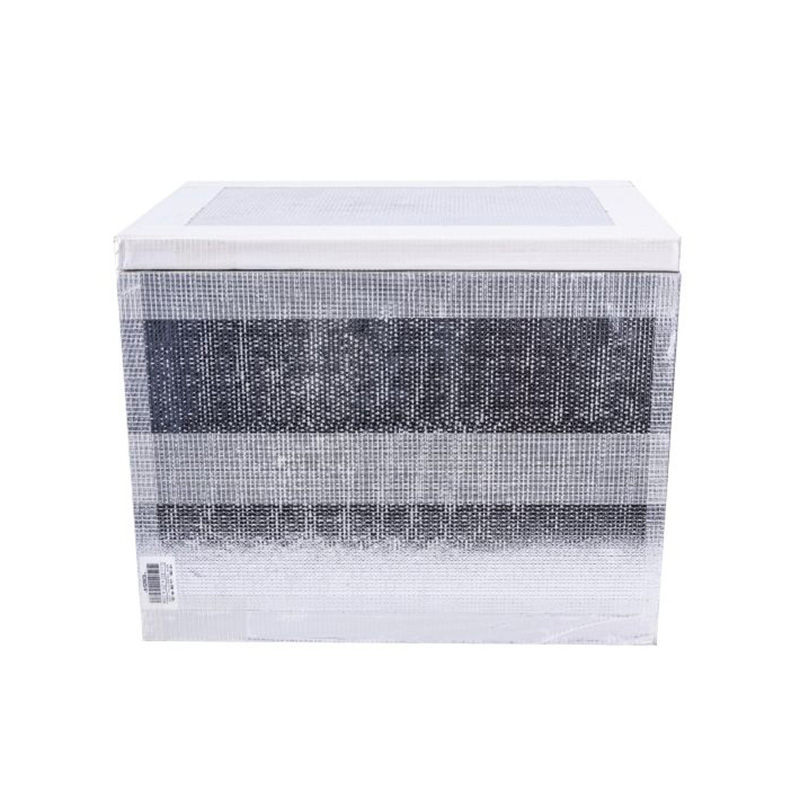
VIP refrigerated shipping container for fda compliant packaging: Buyer Guide for Cold Chain Teams
A buyer searching for an FDA-compliance-aware refrigerated container usually needs more than a box. A VIP refrigerated shipping container for fda compliant packaging should not be judged only by insulation thickness, catalog photos, or a broad claim such as reusable, recyclable, réfrigéré, or compliant. The practical question is whether the finished packout can protect the payload through the route you actually use. That means confirming the required temperature range, le volume de la charge utile, type de liquide de refroidissement, handover conditions, and the evidence your quality or operations team needs after receipt. This article looks at the decision from a buyer's point of view, with the focus on useful checks rather than generic product language.
What this means for your team
You are not buying a generic cooler. You are selecting a repeatable packaging system for refrigerated-range pharmaceutical shipments that need passive VIP insulation as part of a documented packaging process. The safe path is to define the required temperature range, exposition par voie, charge utile, liquide de refroidissement, processus de manipulation, and record needs before finalizing the box specification.
What a VIP refrigerated shipping container for fda compliant packaging Must Prove Before You Buy
A VIP refrigerated shipping container for fda compliant packaging generally refers to a passive insulated container that uses vacuum insulated panel technology to reduce heat transfer around a temperature-sensitive payload. Passive means the container does not create cold by itself. It works with conditioned gel packs, Packs PCM, dry ice when appropriate, or another refrigerant strategy. The phrase refrigerated, when used in this context, usually means that the shipping system is designed for refrigerated-range cargo, not that the box contains an electric refrigeration unit.
This difference matters because buyers sometimes compare boxes as if insulation alone were the controlling factor. En pratique, the box is one part of a packout. The coolant must be conditioned correctly, the payload must fit without crushing airflow or separators, and the lid must close consistently. If the shipment is part of a pharmaceutical, diagnostique, biotechnologie, or hospital workflow, your quality team may also need documented procedures, enregistrements de température, deviation rules, and evidence that the chosen system is suitable for the product and lane.
A useful way to evaluate the packaging is to separate three questions. D'abord, what must the product experience during transport? Deuxième, what can the packaging system demonstrate under relevant test or operating conditions? Troisième, what must your team verify at dispatch and receipt? Keeping these questions separate prevents broad claims from replacing practical evidence. It also helps you compare suppliers without assuming that every VIP box behaves the same after it is packed, manipulé, revenu, et réutilisé.
Start With Payload, Itinéraire, et preuves
Start with the payload, pas la boîte. The external dimensions tell you how the package fits a vehicle, courier route, or storage shelf, but the usable internal volume tells you whether the product and coolant can fit without creating pressure points or thermal shortcuts. A narrow payload cavity may be acceptable for small vials or kits, while a bulkier product may need more spacing, séparateurs, or a different coolant layout. Ask whether the listed capacity is gross internal volume or usable payload space after coolant and dividers are installed.
Suivant, définir l'itinéraire. A route is not just the driving or flight time. It includes pre-conditioning, préparation d'entrepôt, chargement, carrier handover, retenue en douane, risque de retard le week-end, receiving dock time, and the first inspection after delivery. Many temperature excursions occur in these transition zones because responsibility changes hands. A VIP refrigerated shipping container for fda compliant packaging should therefore be evaluated against the longest realistic exposure pattern, not only the planned transit window.
Enfin, decide what evidence will be acceptable when something goes wrong. A buyer moving medicines, matériel de diagnostic, or life-science products may need a logger report, a packout record, a photo of the closed package, a record of coolant conditioning, or a receiving checklist. A box that performs well in a demonstration but cannot support repeatable documentation may create work for the quality team later. The better purchasing question is not 'How cold is it?' mais 'Can our team repeat, document, and inspect this packout under normal operating pressure?'
Buyer Checklist for Sample Review
| Question de l'acheteur | Pourquoi ça compte | Que demander au fournisseur |
|---|---|---|
| What is the required product temperature range? | The box cannot define the product requirement. | Ask how the packout is matched to the stated range and product sensitivity. |
| What is the usable payload space? | Coolant and separators reduce available volume. | Confirm usable volume after coolant, not only gross internal dimensions. |
| What route was the system evaluated against? | Laboratory or sample demonstrations may not match your lane. | Request the test profile, hypothèses de charge utile, exposition ambiante, et critères d'acceptation. |
| How is the box handled after use? | Reuse can change performance if damage is missed. | Ask for inspection points, conseils de nettoyage, and panel damage checks. |
| What records can be supplied? | Quality teams need evidence, pas des slogans. | Ask for datasheets, instructions d'emballage, and any available qualification support. |
A buyer can use these questions before requesting samples or quotations. They keep the discussion focused on route fit, ajustement de la charge utile, et des preuves. That usually produces a more useful supplier conversation than asking for the longest possible hold time without explaining the product and lane.
VIP Materials, Réutilisation, and Recovery Claims
VIP technology is attractive because it can provide high insulation in a thinner wall than many conventional foams. That can leave more payload space in a similar outer footprint. The advantage is useful when you ship valuable small items, need a compact courier-friendly box, or want to reduce refrigerant load. Yet thinner walls do not automatically mean easier operation. VIP panels need protection from puncture, écrasement, edge damage, and moisture exposure. A damaged panel may not behave like a new panel even if the outer box still looks acceptable.
For recyclable-materials or multi-use programs, material separation is another practical issue. A box may have a recyclable outer shell, reusable dividers, replaceable panels, and coolant packs that follow a different recovery path. The entire shipping system should not be described with a single environmental claim unless the claim can be supported in the market where it is sold or used. If sustainability is part of the buying reason, ask how the supplier defines reuse, what happens at end of life, and whether local recycling infrastructure can handle the relevant components.
The safest approach is to describe the system accurately. A VIP box may support reduced material use, utilisation répétée, or recovery of selected components, but those are different claims. They should be reviewed separately from thermal performance. Your packaging specification can include both sides: how the system protects temperature-sensitive products and how it should be returned, inspecté, nettoyé, séparé, ou retraité.
Compliance Language Without Overpromising
For FDA-regulated products, the phrase FDA compliant packaging should be used carefully. A passive insulated box is not automatically compliant simply because it is made from VIP panels or marketed for medicines. FDA-related packaging and distribution expectations are connected to written procedures, protection du produit, adéquation des matériaux, conditions de stockage, distribution records, et examen de la qualité. The packaging may support those procedures, but the shipper or product owner still has to confirm that the system fits the product and process.
This is why a VIP refrigerated shipping container for fda compliant packaging should be evaluated as a support tool for an FDA-regulated workflow, not as a standalone regulatory solution. Buyers should verify the product's plage de température requise, whether the proposed packout has been tested under relevant conditions, how the packaging material is controlled, and what records will be available after shipment. If a supplier uses compliance language, ask what exactly is covered: informations importantes, manufacturing controls, packout validation support, données de test, or only general suitability for cold-chain use.
In everyday procurement, this means asking for documents that match the risk level of the shipment. A low-risk food or internal sample route may need simple packout instructions and receiving checks. A pharmaceutical or diagnostic workflow may need more formal evidence, changer de contrôle, et approbation de la qualité. The phrase 'conforme' should always lead to a follow-up question: compliant with which procedure, exigence du produit, base de test, itinéraire, et le marché?
A Typical Shipment Where the Details Matter
Imagine a team preparing a shipment on Thursday afternoon. The product is packed correctly, the coolant was conditioned, and the route is expected to arrive the next morning. Then the parcel misses the first connection, waits at a dock, and reaches the receiver late. The question is not whether the VIP refrigerated shipping container for fda compliant packaging looked professional at dispatch. The question is whether the packout was designed for realistic delay, whether the receiver can inspect the package promptly, and whether the temperature record or acceptance process tells the team what to do next.
This typical scenario shows why buyers should not focus only on nominal transit time. A VIP box can buy thermal margin, but margin is consumed by staging, ouverture, reconditionnement, mauvaise fermeture, and unexpected ambient exposure. Small shipments can be especially deceptive because the payload has less thermal mass. A few vials, trousses de tests, or reagent bottles may warm or cool faster than a heavier payload, even inside the same box. If the packout was tested with a different payload, the result may not transfer cleanly.
For repeated lanes, the practical response is to standardize the workflow. Define who conditions coolant, how the payload is arranged, where the logger is placed if used, how long the box may wait before pickup, what label or instruction the receiver sees, and what happens to returned packaging. A simple written packout can prevent more failures than a premium box used inconsistently.
Procurement Questions That Prevent Costly Mismatches
A practical supplier review for a VIP refrigerated shipping container for fda compliant packaging should be specific enough that two vendors cannot answer with the same generic brochure. Demandez les dimensions internes et externes, usable payload space after coolant, compatible refrigerant options, closure and lid design, conseils de nettoyage, reuse inspection points, and available documentation. If a supplier gives a hold-time claim, ask what test profile, charge utile, charge de liquide de refroidissement, et les critères d'acceptation ont été utilisés. If the answer is not available, treat the claim as a starting estimate rather than a purchasing decision.
For sample evaluation, pack the sample with the actual product or a realistic surrogate. Use the intended coolant conditioning process. Let the people who will pack and receive the shipment handle the box, not only the engineering team. They may notice practical issues that a datasheet does not show: a lid that is hard to close, a payload cavity that encourages wrong placement, a label area that is too small, or a return-cleaning step that is unrealistic for daily operations.
Avant de passer de l'échantillon à la production, confirm change-control expectations. Will the supplier notify you if panel structure, outer shell material, coolant specification, or dimensions change? Des pièces de rechange sont-elles disponibles? Can production units match the approved sample? For regulated or quality-sensitive cargo, small changes in packaging components can affect thermal behavior. Procurement should therefore work with quality, opérations, and logistics before approving bulk orders.
FAQ
Is a VIP refrigerated shipping container for fda compliant packaging automatically suitable for all refrigerated shipments?
Non. It may be suitable for some refrigerated shipments, but the product range, charge utile, liquide de refroidissement, itinéraire, and acceptance criteria must be confirmed. A passive VIP box slows heat transfer; it does not define the required temperature range or remove the need for packout validation. Buyers should ask for documentation that matches their product and lane.
Can a passive insulated box be called FDA compliant by itself?
Use that language carefully. FDA-regulated workflows depend on written procedures, adéquation des matériaux, conditions de stockage, distribution controls, enregistrements, et examen de la qualité. A box can support those controls, but it is not automatically compliant in isolation. Ask the supplier what documentation or packout support is available and have your quality team review the intended use.
Should I use gel packs, Packs PCM, or dry ice with a VIP box?
The choice depends on the product range and route. Gel packs may fit many refrigerated or chilled applications; PCM packs are useful when a tighter phase-change point is needed; dry ice is used for some frozen applications but creates separate handling and labeling considerations. The coolant must be matched to product sensitivity and tested packout assumptions.
Where should a temperature logger be placed?
Logger placement should reflect what your quality team needs to know. It should not be placed where it creates a misleading reading, blocks the lid, or touches coolant in a way that does not represent the payload. For high-risk shipments, define logger position in the packout instruction and keep the approach consistent.
How do I compare suppliers without relying on marketing claims?
Give each supplier the same shipment scenario and ask for the same information: volume utilisable, configuration du liquide de refroidissement, hypothèses d'itinéraire, base de test, available documentation, étapes d'inspection, et les attentes en matière de contrôle du changement. Un clair, limited answer is often more useful than a broad claim that promises performance for every route.
Conclusion
A VIP refrigerated shipping container for fda compliant packaging can be a strong cold-chain option when it is treated as part of a system. The box slows heat transfer; the coolant manages the thermal source; the packout controls layout; the route defines exposure; and the receiving process decides whether the shipment can be accepted. Buyers who separate these roles make better decisions than teams that rely on broad product labels.
Avant de commander, confirm the product's required range, espace de charge utile utilisable, plan de refroidissement, conditions d'itinéraire, evidence needs, and reuse or recovery process. Pour les produits sensibles à la qualité, involve operations and quality early. The most reliable packaging choice is usually the one your team can repeat, inspecter, and document under normal working conditions.
À propos du tempk
Tempk focuses on temperature-controlled packaging solutions such as VIP medical cooler boxes, Boîtes de refroidisseur EPP, packs de gel, Packs PCM, and related cold-chain packaging components. For buyers evaluating a VIP refrigerated shipping container for fda compliant packaging, the useful conversation is not only about box size or insulation type. It is about matching the package to the product range, charge utile, itinéraire, liquide de refroidissement, et processus de manipulation. Tempk can help teams compare practical packaging options and prepare clearer questions before moving from samples to repeated shipments.
Partagez votre itinéraire, Taille de la charge utile, plage de température du produit, and reuse target with Tempk to compare practical VIP refrigerated shipping container for fda compliant packaging options before placing a bulk order.
Carton d'expédition réfrigéré VIP pour les envois biotechnologiques: Comment choisir un système fiable
Carton d'expédition réfrigéré VIP pour les envois biotechnologiques: Buyer Guide for Cold Chain Teams
Biotech shipments are often small, précieux, and unforgiving. A VIP refrigerated shipping box for biotech shipments should not be judged only by insulation thickness, catalog photos, or a broad claim such as reusable, recyclable, réfrigéré, or compliant. The practical question is whether the finished packout can protect the payload through the route you actually use. That means confirming the required temperature range, le volume de la charge utile, type de liquide de refroidissement, handover conditions, and the evidence your quality or operations team needs after receipt. This article looks at the decision from a buyer's point of view, with the focus on useful checks rather than generic product language.
What this means for your team
You are not buying a generic cooler. You are selecting a repeatable packaging system for shipping biologics, réactifs, cell-culture materials, or research samples through short and medium lanes. The safe path is to define the required temperature range, exposition par voie, charge utile, liquide de refroidissement, processus de manipulation, and record needs before finalizing the box specification.
What a VIP refrigerated shipping box for biotech shipments Must Prove Before You Buy
A VIP refrigerated shipping box for biotech shipments generally refers to a passive insulated container that uses vacuum insulated panel technology to reduce heat transfer around a temperature-sensitive payload. Passive means the container does not create cold by itself. It works with conditioned gel packs, Packs PCM, dry ice when appropriate, or another refrigerant strategy. The phrase refrigerated, when used in this context, usually means that the shipping system is designed for refrigerated-range cargo, not that the box contains an electric refrigeration unit.
This difference matters because buyers sometimes compare boxes as if insulation alone were the controlling factor. En pratique, the box is one part of a packout. The coolant must be conditioned correctly, the payload must fit without crushing airflow or separators, and the lid must close consistently. If the shipment is part of a pharmaceutical, diagnostique, biotechnologie, or hospital workflow, your quality team may also need documented procedures, enregistrements de température, deviation rules, and evidence that the chosen system is suitable for the product and lane.
A useful way to evaluate the packaging is to separate three questions. D'abord, what must the product experience during transport? Deuxième, what can the packaging system demonstrate under relevant test or operating conditions? Troisième, what must your team verify at dispatch and receipt? Keeping these questions separate prevents broad claims from replacing practical evidence. It also helps you compare suppliers without assuming that every VIP box behaves the same after it is packed, manipulé, revenu, et réutilisé.
Start With Payload, Itinéraire, et preuves
Start with the payload, pas la boîte. The external dimensions tell you how the package fits a vehicle, courier route, or storage shelf, but the usable internal volume tells you whether the product and coolant can fit without creating pressure points or thermal shortcuts. A narrow payload cavity may be acceptable for small vials or kits, while a bulkier product may need more spacing, séparateurs, or a different coolant layout. Ask whether the listed capacity is gross internal volume or usable payload space after coolant and dividers are installed.
Suivant, définir l'itinéraire. A route is not just the driving or flight time. It includes pre-conditioning, préparation d'entrepôt, chargement, carrier handover, retenue en douane, risque de retard le week-end, receiving dock time, and the first inspection after delivery. Many temperature excursions occur in these transition zones because responsibility changes hands. A VIP refrigerated shipping box for biotech shipments should therefore be evaluated against the longest realistic exposure pattern, not only the planned transit window.
Enfin, decide what evidence will be acceptable when something goes wrong. A buyer moving medicines, matériel de diagnostic, or life-science products may need a logger report, a packout record, a photo of the closed package, a record of coolant conditioning, or a receiving checklist. A box that performs well in a demonstration but cannot support repeatable documentation may create work for the quality team later. The better purchasing question is not 'How cold is it?' mais 'Can our team repeat, document, and inspect this packout under normal operating pressure?'
Buyer Checklist for Sample Review
| Question de l'acheteur | Pourquoi ça compte | Que demander au fournisseur |
|---|---|---|
| What is the required product temperature range? | The box cannot define the product requirement. | Ask how the packout is matched to the stated range and product sensitivity. |
| What is the usable payload space? | Coolant and separators reduce available volume. | Confirm usable volume after coolant, not only gross internal dimensions. |
| What route was the system evaluated against? | Laboratory or sample demonstrations may not match your lane. | Request the test profile, hypothèses de charge utile, exposition ambiante, et critères d'acceptation. |
| How is the box handled after use? | Reuse can change performance if damage is missed. | Ask for inspection points, conseils de nettoyage, and panel damage checks. |
| What records can be supplied? | Quality teams need evidence, pas des slogans. | Ask for datasheets, instructions d'emballage, and any available qualification support. |
A buyer can use these questions before requesting samples or quotations. They keep the discussion focused on route fit, ajustement de la charge utile, et des preuves. That usually produces a more useful supplier conversation than asking for the longest possible hold time without explaining the product and lane.
VIP Materials, Réutilisation, and Recovery Claims
VIP technology is attractive because it can provide high insulation in a thinner wall than many conventional foams. That can leave more payload space in a similar outer footprint. The advantage is useful when you ship valuable small items, need a compact courier-friendly box, or want to reduce refrigerant load. Yet thinner walls do not automatically mean easier operation. VIP panels need protection from puncture, écrasement, edge damage, and moisture exposure. A damaged panel may not behave like a new panel even if the outer box still looks acceptable.
For recyclable-materials or multi-use programs, material separation is another practical issue. A box may have a recyclable outer shell, reusable dividers, replaceable panels, and coolant packs that follow a different recovery path. The entire shipping system should not be described with a single environmental claim unless the claim can be supported in the market where it is sold or used. If sustainability is part of the buying reason, ask how the supplier defines reuse, what happens at end of life, and whether local recycling infrastructure can handle the relevant components.
The safest approach is to describe the system accurately. A VIP box may support reduced material use, utilisation répétée, or recovery of selected components, but those are different claims. They should be reviewed separately from thermal performance. Your packaging specification can include both sides: how the system protects temperature-sensitive products and how it should be returned, inspecté, nettoyé, séparé, ou retraité.
Compliance Language Without Overpromising
Life-science and biotech shipments often sit between research flexibility and regulated discipline. Not every shipment is a commercial drug product, yet many materials are expensive, unstable, or difficult to replace. The packaging decision should therefore use a quality mindset even when formal regulatory requirements vary. Confirmer le matériel's allowable temperature range, sensibilité au gel, light sensitivity, risque de contamination, besoins en matière de documentation, and what receiving staff must inspect before accepting the shipment.
If the material is a medicine, biologique, clinical supply, diagnostic specimen, or regulated sample, additional requirements may apply. The box should be viewed as one component in a controlled distribution process. It can slow heat transfer and protect the payload environment, but it cannot classify the material, create a chain of custody, or decide whether a temperature excursion is acceptable. Those decisions belong in written procedures and quality review.
In everyday procurement, this means asking for documents that match the risk level of the shipment. A low-risk food or internal sample route may need simple packout instructions and receiving checks. A pharmaceutical or diagnostic workflow may need more formal evidence, changer de contrôle, et approbation de la qualité. The phrase 'conforme' should always lead to a follow-up question: compliant with which procedure, exigence du produit, base de test, itinéraire, et le marché?
A Typical Shipment Where the Details Matter
Imagine a team preparing a shipment on Thursday afternoon. The product is packed correctly, the coolant was conditioned, and the route is expected to arrive the next morning. Then the parcel misses the first connection, waits at a dock, and reaches the receiver late. The question is not whether the VIP refrigerated shipping box for biotech shipments looked professional at dispatch. The question is whether the packout was designed for realistic delay, whether the receiver can inspect the package promptly, and whether the temperature record or acceptance process tells the team what to do next.
This typical scenario shows why buyers should not focus only on nominal transit time. A VIP box can buy thermal margin, but margin is consumed by staging, ouverture, reconditionnement, mauvaise fermeture, and unexpected ambient exposure. Small shipments can be especially deceptive because the payload has less thermal mass. A few vials, trousses de tests, or reagent bottles may warm or cool faster than a heavier payload, even inside the same box. If the packout was tested with a different payload, the result may not transfer cleanly.
For repeated lanes, the practical response is to standardize the workflow. Define who conditions coolant, how the payload is arranged, where the logger is placed if used, how long the box may wait before pickup, what label or instruction the receiver sees, and what happens to returned packaging. A simple written packout can prevent more failures than a premium box used inconsistently.
Procurement Questions That Prevent Costly Mismatches
A practical supplier review for a VIP refrigerated shipping box for biotech shipments should be specific enough that two vendors cannot answer with the same generic brochure. Demandez les dimensions internes et externes, usable payload space after coolant, compatible refrigerant options, closure and lid design, conseils de nettoyage, reuse inspection points, and available documentation. If a supplier gives a hold-time claim, ask what test profile, charge utile, charge de liquide de refroidissement, et les critères d'acceptation ont été utilisés. If the answer is not available, treat the claim as a starting estimate rather than a purchasing decision.
For sample evaluation, pack the sample with the actual product or a realistic surrogate. Use the intended coolant conditioning process. Let the people who will pack and receive the shipment handle the box, not only the engineering team. They may notice practical issues that a datasheet does not show: a lid that is hard to close, a payload cavity that encourages wrong placement, a label area that is too small, or a return-cleaning step that is unrealistic for daily operations.
Avant de passer de l'échantillon à la production, confirm change-control expectations. Will the supplier notify you if panel structure, outer shell material, coolant specification, or dimensions change? Des pièces de rechange sont-elles disponibles? Can production units match the approved sample? For regulated or quality-sensitive cargo, small changes in packaging components can affect thermal behavior. Procurement should therefore work with quality, opérations, and logistics before approving bulk orders.
FAQ
Is a VIP refrigerated shipping box for biotech shipments automatically suitable for all refrigerated shipments?
Non. It may be suitable for some refrigerated shipments, but the product range, charge utile, liquide de refroidissement, itinéraire, and acceptance criteria must be confirmed. A passive VIP box slows heat transfer; it does not define the required temperature range or remove the need for packout validation. Buyers should ask for documentation that matches their product and lane.
Que dois-je demander avant de commander des échantillons?
Ask for usable payload space, compatible coolant options, conseils d'emballage, panel protection details, cleaning or reuse instructions, and the basis of any hold-time claim. Share your product range, itinéraire, charge utile, and receiving requirements so the supplier can recommend a system instead of a generic box.
Should I use gel packs, Packs PCM, or dry ice with a VIP box?
The choice depends on the product range and route. Gel packs may fit many refrigerated or chilled applications; PCM packs are useful when a tighter phase-change point is needed; dry ice is used for some frozen applications but creates separate handling and labeling considerations. The coolant must be matched to product sensitivity and tested packout assumptions.
Where should a temperature logger be placed?
Logger placement should reflect what your quality team needs to know. It should not be placed where it creates a misleading reading, blocks the lid, or touches coolant in a way that does not represent the payload. For high-risk shipments, define logger position in the packout instruction and keep the approach consistent.
How do I compare suppliers without relying on marketing claims?
Give each supplier the same shipment scenario and ask for the same information: volume utilisable, configuration du liquide de refroidissement, hypothèses d'itinéraire, base de test, available documentation, étapes d'inspection, et les attentes en matière de contrôle du changement. Un clair, limited answer is often more useful than a broad claim that promises performance for every route.
Conclusion
A VIP refrigerated shipping box for biotech shipments can be a strong cold-chain option when it is treated as part of a system. The box slows heat transfer; the coolant manages the thermal source; the packout controls layout; the route defines exposure; and the receiving process decides whether the shipment can be accepted. Buyers who separate these roles make better decisions than teams that rely on broad product labels.
Avant de commander, confirm the product's required range, espace de charge utile utilisable, plan de refroidissement, conditions d'itinéraire, evidence needs, and reuse or recovery process. Pour les produits sensibles à la qualité, involve operations and quality early. The most reliable packaging choice is usually the one your team can repeat, inspecter, and document under normal working conditions.
À propos du tempk
Tempk focuses on temperature-controlled packaging solutions such as VIP medical cooler boxes, Boîtes de refroidisseur EPP, packs de gel, Packs PCM, and related cold-chain packaging components. For buyers evaluating a VIP refrigerated shipping box for biotech shipments, the useful conversation is not only about box size or insulation type. It is about matching the package to the product range, charge utile, itinéraire, liquide de refroidissement, et processus de manipulation. Tempk can help teams compare practical packaging options and prepare clearer questions before moving from samples to repeated shipments.
Partagez votre itinéraire, Taille de la charge utile, plage de température du produit, and reuse target with Tempk to compare practical VIP refrigerated shipping box for biotech shipments options before placing a bulk order.
Caisse réfrigérée VIP pour expédition de kit de diagnostic: Comment choisir un système fiable

Caisse réfrigérée VIP pour expédition de kit de diagnostic: Technical Selection Notes
A VIP refrigerated box for diagnostic kit shipping is a thermal system, not only a container with advanced insulation. Vacuum insulated panels reduce heat transfer by using an evacuated core inside a protective barrier, but finished packaging performance still depends on panel protection, conception du couvercle, conditionnement du liquide de refroidissement, masse de charge utile, entrefers, exposition par voie, et la discipline de manipulation. Pour les envois réglementés ou sensibles à la qualité, the deeper question is how the box supports documented control. This article explains the technical trade-offs in plain English and shows which parameters should be verified rather than assumed.
Inside the Thermal Logic of a VIP refrigerated box for diagnostic kit shipping
The core technical advantage of a vacuum insulated panel is the reduction of gas conduction inside the panel. En termes simples, the panel removes much of the air path that normally carries heat through insulation. Many VIP constructions use a porous core protected by a high-barrier envelope. This is why VIP panels can offer strong thermal resistance in a compact wall. The finished container, cependant, is not only a sum of panel values. La chaleur peut encore pénétrer par le couvercle, coins, lacunes, coutures, modèle de chargement de la charge utile, and every moment the box is open.
This is where thermal bridges matter. A thermal bridge is a path where heat can bypass the strongest insulation layer. It can appear at the junction between panels, around a loose lid, through a handle insert, or where coolant placement creates uneven conditions. Si la charge utile est sensible au gel, the problem can also run in the opposite direction: a cold source placed too close to the product may cause local freezing even while the average chamber temperature looks acceptable. Technical selection therefore needs both insulation review and packout design.
A second technical issue is the life of the panel inside a reusable workflow. VIP panels are efficient but can be more vulnerable to puncture than thick foam. A reusable system needs a practical inspection method. Buyers should ask what visible damage matters, whether panels can be removed or replaced, how the outer shell shields edges, and whether the packout instructions change after cleaning or repeated return cycles. These questions are more useful than asking for a single performance number without knowing the condition of the box.
The Finished Packout Matters More Than Panel Claims
A VIP refrigerated box for diagnostic kit shipping generally refers to a passive insulated container that uses vacuum insulated panel technology to reduce heat transfer around a temperature-sensitive payload. Passive means the container does not create cold by itself. It works with conditioned gel packs, Packs PCM, dry ice when appropriate, or another refrigerant strategy. The phrase refrigerated, when used in this context, usually means that the shipping system is designed for refrigerated-range cargo, not that the box contains an electric refrigeration unit.
This difference matters because buyers sometimes compare boxes as if insulation alone were the controlling factor. En pratique, the box is one part of a packout. The coolant must be conditioned correctly, the payload must fit without crushing airflow or separators, and the lid must close consistently. If the shipment is part of a pharmaceutical, diagnostique, biotechnologie, or hospital workflow, your quality team may also need documented procedures, enregistrements de température, deviation rules, and evidence that the chosen system is suitable for the product and lane.
A useful way to evaluate the packaging is to separate three questions. D'abord, what must the product experience during transport? Deuxième, what can the packaging system demonstrate under relevant test or operating conditions? Troisième, what must your team verify at dispatch and receipt? Keeping these questions separate prevents broad claims from replacing practical evidence. It also helps you compare suppliers without assuming that every VIP box behaves the same after it is packed, manipulé, revenu, et réutilisé.
Parameters That Need Verification
| Parameter to verify | Why it should not be assumed | Practical verification method |
|---|---|---|
| Panel condition | A punctured or bent VIP panel may lose insulation value. | Inspect surface, protection des bords, and panel fit before reuse. |
| Conception du couvercle et de la fermeture | A weak closure can create heat leakage even with strong panels. | Check closure repeatability, gasket or overlap, et instructions de manipulation. |
| Compatibilité liquide de refroidissement | Wrong coolant can freeze sensitive payloads or fail to hold the range. | Match gel pack or PCM selection to product range and route profile. |
| Profil de test | A stated hold time is meaningful only under defined conditions. | Review payload, profil ambiant, critères d'acceptation, and packout diagram. |
| Documentation | Regulated workflows may require written procedures and records. | Confirm what datasheets, instructions, and supporting documents are available. |
The table is intentionally built around verification rather than fixed numbers. Many values that look simple in a datasheet, such as hold time, volume, or temperature range, can change when the payload, masse de liquide de refroidissement, profil ambiant, and handling conditions change. Pour les envois sensibles à la qualité, un fournisseur's answer should lead to a packout decision and a record your team can repeat.
Regulatory and Quality Boundaries
Diagnostic kit shipping can involve two separate questions. The first is thermal: does the kit, réactif, contrôle, or sample component remain within the range stated in its instructions or quality file? The second is classification: if biological specimens or infectious substances are included, the package may need to follow specific rules for primary receptacle, emballage secondaire, emballage extérieur rigide, marques, et documentation. A VIP refrigerated box can support temperature control, but it does not replace required inner packaging or classification review.
For Category B biological substances in the United States, triple packaging is a common regulatory concept: prise primaire, emballage secondaire, et emballage extérieur rigide. Marking and closure instructions also matter. If dry ice or another refrigerant is used, additional carrier and dangerous-goods considerations may apply. Pour les acheteurs, the practical step is to decide whether the VIP box is the rigid outer package, an insulated secondary container inside a rigid shipper, or a thermal component used with a compliant specimen shipping kit.
In everyday procurement, this means asking for documents that match the risk level of the shipment. A low-risk food or internal sample route may need simple packout instructions and receiving checks. A pharmaceutical or diagnostic workflow may need more formal evidence, changer de contrôle, et approbation de la qualité. The phrase 'conforme' should always lead to a follow-up question: compliant with which procedure, exigence du produit, base de test, itinéraire, et le marché?
Liquide de refroidissement, Freeze Risk, and Logger Placement
A packout should be written so a new operator can follow it under time pressure. It should show which coolant goes where, whether a buffer layer is needed, how the payload is oriented, where any temperature logger is placed, and how the lid is closed. If the box is reused, the instruction should also show what to inspect before packing. Do not rely on verbal training alone for shipments that carry high-value or quality-sensitive goods.
Conditioning is equally important. Gel packs and PCM packs may need a specific preparation process before they are placed in the box. If they are too warm, they may not protect the payload long enough. If they are too cold or placed incorrectly, they may create local freeze risk. This is why the coolant is part of the packaging system, not an accessory added at the last minute.
Receiving procedures complete the loop. Le récepteur doit savoir s'il doit ouvrir immédiatement, where to find any logger or indicator, what package condition to record, and who to contact if damage, retard, or temperature concern appears. A well-designed VIP refrigerated box used as a thermal outer or supporting insulated shipper, with appropriate inner packaging and coolant gives the receiver fewer decisions to improvise. That reduces the chance that a borderline shipment is accepted, rejected, or stored incorrectly without review.
Where Technical Specifications Can Mislead Buyers
Several purchasing mistakes appear again and again when teams evaluate a VIP refrigerated box for diagnostic kit shipping. The first is asking for a long hold time before describing the actual lane. A supplier can only give a meaningful answer when it knows the product range, charge utile, type de liquide de refroidissement, exposition ambiante, et critères d'acceptation. The second is ignoring freeze sensitivity. Many refrigerated products are damaged by freezing, so a system that stays cold is not necessarily safe if the coolant is too aggressive or placed too close to the payload.
Another mistake is buying by box volume rather than packout volume. A box can be large enough for the product and still too small for the product plus coolant plus separators plus paperwork. Return programs create a further risk: a box that looks reusable may have hidden panel damage, worn closures, label residue, or contamination concerns. Build a basic inspection process before scale-up, not after the first failed return cycle.
Enfin, do not let a data logger create false confidence. Monitoring is valuable because it gives evidence after shipment, but it is not a cooling system. If the packout is poorly designed, the logger will only document the failure. Use monitoring to verify and improve a packaging process, not as a substitute for thermal design.
Erreur courante: using hold time as a universal promise. Hold time is meaningful only with a defined ambient profile, charge utile, charge de liquide de refroidissement, and acceptance limit. The better approach is to turn the issue into a pre-order question and make sure the answer appears in the packout instruction or supplier record.
Erreur courante: ignoring freeze risk. Refrigerated shipments can fail from overcooling if a payload touches frozen coolant or lacks a buffer layer. The better approach is to turn the issue into a pre-order question and make sure the answer appears in the packout instruction or supplier record.
Erreur courante: buying by gross volume. Gross internal dimensions can be misleading once coolant, séparateurs, and documents are placed inside. The better approach is to turn the issue into a pre-order question and make sure the answer appears in the packout instruction or supplier record.
Erreur courante: forgetting handover points. The package may be exposed during packing, ramassage par le transporteur, douane, recevoir, or internal transfer. The better approach is to turn the issue into a pre-order question and make sure the answer appears in the packout instruction or supplier record.
From Engineering Sample to Controlled Use
A practical supplier review for a VIP refrigerated box for diagnostic kit shipping should be specific enough that two vendors cannot answer with the same generic brochure. Demandez les dimensions internes et externes, usable payload space after coolant, compatible refrigerant options, closure and lid design, conseils de nettoyage, reuse inspection points, and available documentation. If a supplier gives a hold-time claim, ask what test profile, charge utile, charge de liquide de refroidissement, et les critères d'acceptation ont été utilisés. If the answer is not available, treat the claim as a starting estimate rather than a purchasing decision.
For sample evaluation, pack the sample with the actual product or a realistic surrogate. Use the intended coolant conditioning process. Let the people who will pack and receive the shipment handle the box, not only the engineering team. They may notice practical issues that a datasheet does not show: a lid that is hard to close, a payload cavity that encourages wrong placement, a label area that is too small, or a return-cleaning step that is unrealistic for daily operations.
Avant de passer de l'échantillon à la production, confirm change-control expectations. Will the supplier notify you if panel structure, outer shell material, coolant specification, or dimensions change? Des pièces de rechange sont-elles disponibles? Can production units match the approved sample? For regulated or quality-sensitive cargo, small changes in packaging components can affect thermal behavior. Procurement should therefore work with quality, opérations, and logistics before approving bulk orders.
FAQ
Is a VIP refrigerated box for diagnostic kit shipping automatically suitable for all refrigerated shipments?
Non. It may be suitable for some refrigerated shipments, but the product range, charge utile, liquide de refroidissement, itinéraire, and acceptance criteria must be confirmed. A passive VIP box slows heat transfer; it does not define the required temperature range or remove the need for packout validation. Buyers should ask for documentation that matches their product and lane.
Does a VIP refrigerated box replace diagnostic specimen packaging rules?
Non. If specimens or infectious substances are included, classification and packaging requirements may apply separately from temperature control. A VIP box may provide thermal protection, but the shipment may still need primary receptacles, emballage secondaire, emballage extérieur rigide, marques, matériau absorbant, and closure instructions depending on the material and route.
Should I use gel packs, Packs PCM, or dry ice with a VIP box?
The choice depends on the product range and route. Gel packs may fit many refrigerated or chilled applications; PCM packs are useful when a tighter phase-change point is needed; dry ice is used for some frozen applications but creates separate handling and labeling considerations. The coolant must be matched to product sensitivity and tested packout assumptions.
Where should a temperature logger be placed?
Logger placement should reflect what your quality team needs to know. It should not be placed where it creates a misleading reading, blocks the lid, or touches coolant in a way that does not represent the payload. For high-risk shipments, define logger position in the packout instruction and keep the approach consistent.
How do I compare suppliers without relying on marketing claims?
Give each supplier the same shipment scenario and ask for the same information: volume utilisable, configuration du liquide de refroidissement, hypothèses d'itinéraire, base de test, available documentation, étapes d'inspection, et les attentes en matière de contrôle du changement. Un clair, limited answer is often more useful than a broad claim that promises performance for every route.
Conclusion
A VIP refrigerated box for diagnostic kit shipping can be a strong cold-chain option when it is treated as part of a system. The box slows heat transfer; the coolant manages the thermal source; the packout controls layout; the route defines exposure; and the receiving process decides whether the shipment can be accepted. Buyers who separate these roles make better decisions than teams that rely on broad product labels.
Avant de commander, confirm the product's required range, espace de charge utile utilisable, plan de refroidissement, conditions d'itinéraire, evidence needs, and reuse or recovery process. Pour les produits sensibles à la qualité, involve operations and quality early. The most reliable packaging choice is usually the one your team can repeat, inspecter, and document under normal working conditions.
À propos du tempk
Tempk works with cold-chain packaging components including vacuum insulated panel cooler boxes, glacières médicales, EPP solutions, packs de gel, et packs PCM. In technical packaging discussions, Rotation's role is to help buyers translate requirements into a workable system: structure d'isolation, disposition du liquide de refroidissement, ajustement de la charge utile, et instructions de manipulation. Pour les envois réglementés ou sensibles, customers should still review the final packout with their own quality and logistics teams before production use.
Ask Tempk for a technical packaging discussion if you need to match a VIP refrigerated box for diagnostic kit shipping with coolant, espace de charge utile utilisable, et les exigences de documentation.















