


Approvisionnement en gros de briques cool: Comment acheter en toute confiance
Approvisionnement en gros de briques cool: Comment acheter en toute confiance

Cool Brick Wholesale: Comment acheter en toute confiance
A cool brick wholesale purchase is sound only when the item being priced is the item your operation can use repeatedly. The rigid pack stores cooling energy, but it is not a complete temperature-controlled shipper. Payload condition depends on the insulated container, brick type and arrangement, préparation, charge de produit, exposition ambiante, itinéraire, et manipulation. Wholesale buyers therefore need to approve two things separately: a consistent coolant component and a complete packout suitable for a defined use. That distinction turns a quotation exercise into a defensible sourcing decision.
Give every supplier the same reference job
Quotations become misleading when suppliers are asked for a “standard” size or a brick that will “keep products cold.” Those phrases leave the important decisions unstated. One bidder may propose a thick water-based block, another a slim phase-change panel, and a third a similar-looking item designed for a consumer cooler. Their prices do not describe comparable products.
Create a reference job before requesting samples. It should identify the payload category and the condition specified by the product owner, including sensitivity to freezing or direct contact. Record the internal dimensions of the insulated container, the space reserved for the product, the minimum and maximum load, and the intended brick positions. Describe the full journey from pack completion to receiver unpacking, including routine dwell and a credible delay. Add the preparation equipment, available rack space, processus de mise en scène, modèle de commande attendu, marchés de destination, and whether the bricks will return.
Do not ask the coolant seller to set product requirements. A medicine, diagnostic item, nourriture, or biological material may have its own approved limits and excursion process. Those inputs should come from the responsible product, qualité, or food-safety function. The supplier can then explain which component characteristics and packout concepts may fit.
The starting state of the coolant deserves explicit attention. “Frozen” is not precise enough for every application. A product that can be damaged by cold may need a separation barrier, a controlled conditioning step, another thermal medium, or a different package design. WHO vaccine guidance distinguishes several water-pack preparation states because both warming and freezing can harm vaccines. That guidance has a specific public-health scope, but the decision principle is broadly useful: coolant preparation must match the product and tested packout.
Once every bidder has the same reference job, unanswered questions become visible. That is preferable to a confident offer built on assumptions.
Separate four kinds of evidence
Wholesale files often contain many documents but still fail to answer the buyer’s question. Sort evidence by what it can legitimately support.
| Couche de preuves | Useful examples | Decision it can support | What remains unproven |
|---|---|---|---|
| Identité du produit | Dessin contrôlé, dimensions, total or fill mass definition, coquille, fermeture, description du liquide de refroidissement | Whether the quoted brick matches the required component | Payload temperature in an insulated box |
| Contrôle de fabrication | Code de lot, plan d'inspection, traçabilité, procédures de non-conformité et de changement | Whether repeat supply can stay aligned with the approved sample | Suitability for a particular route |
| Packout performance | Report naming the container, charge utile, nombre de briques, conditionnement, mise en page, profil ambiant, capteurs, et critères | How the tested configuration performed | Untested loads, voies, saisons, or altered components |
| Operating evidence | Freezer-load study, essai d'emballage, limites de mise en scène, receiving and reuse records | Whether people and equipment can reproduce the configuration | Performance after uncontrolled deviation |
The table is an evidence map, not a request for the largest possible document pack. A drawing cannot establish shipping duration, and a favorable chamber report cannot prove that later lots match the tested component. Approval becomes stronger when each document answers one defined question and the gaps are handled deliberately.
References to standards also need scope. Norme ISTA 20 fournit un processus de conception et de qualification pour les conteneurs d'expédition isolés, while ISTA 7E addresses thermal transport packaging in parcel delivery using defined profiles. These are complete-package frameworks. A loose coolant brick does not become universally qualified because an ISTA profile appeared in a supplier report. Review the report configuration and whether the claimed certification, le cas échéant, applies to the shipper rather than the component.
Certificates should receive the same treatment. A quality-management certificate can be relevant to the named organization, site, et activités, but it does not certify a thermal result. Confirm the issuing body, rendez-vous, portée, and exact entity, then continue with product-specific controls.
Move from candidate sample to released wholesale stock
An attractive sample is the start of evaluation, pas la fin. D'abord, tie each sample to a product code, révision, lot de fabrication, and the documents supplied with it. Samples made by hand, from temporary tools, or at a development site should be identified as such. Final approval should use production-intent units or include a documented assessment of any differences.
Screen physical fit before investing in thermal work. Assemble the real container with the payload, espaceurs, moniteur, et fermeture. Evaluate conditioned bricks as well as room-temperature samples because surface condition or geometry can change. Check that packers can place the component without forcing insulation, reducing required payload clearance, or creating an unintended cold-contact point.
Component checks should follow risk. They may address identity, dimensions critiques, masse, déformation, cap or weld condition, visible contamination, durabilité de l'étiquette, and a defined integrity method. “Leakproof” is not a useful purchase criterion until the test or inspection and acceptance rule are understood. Repeated-use claims likewise need an applicable method; the ability to refreeze a brick does not establish unlimited service life.
Suivant, evaluate the full packaging system. Use the intended insulated shipper, defined coolant preparation and arrangement, representative product load or a justified simulator, relevant ambient challenge, and measurement locations chosen for likely warm and cold risks. Results must stay attached to the tested bill of materials and operating instructions. A different payload, révision de la boîte, brick formula, quantité, or arrangement may require further assessment.
Enfin, pilot the workflow. Follow stock from receipt through conditioning, mise en scène, emballage, expédition, return where applicable, nettoyage, et la retraite. A technically capable design can still fail if similar parts are mixed, conditioning racks are overloaded, or operators cannot distinguish ready units from returned ones. Wholesale release should occur only after the component and the operation can be controlled at realistic volume.
Write repeatability into the commercial agreement
A wholesale contract should identify more than a product name. Reference the accepted drawing and specification revision, configuration d'emballage, étiquetage, lot-code format, applicable documents, base de livraison, and inspection window. State which party owns dedicated tooling or artwork and how revisions are approved. If the order is private label, ensure local marks do not hide traceability or broaden the supported claim.
Change notification is essential because small changes can reach the packout. A different coolant formulation, polymère, colorant, fermeture, moule, site de production, or secondary pack may affect fit, préparation, intégrité, documentation, ou comportement thermique. The agreement should require relevant changes to reach the buyer before affected goods are used. The buyer can then decide whether document review, échantillons, vérification des composants, bridging work, or full system retesting is appropriate.
Lot control should survive the master carton. Decide whether the program requires unit, paquet, carton, or location-based traceability. The appropriate level depends on product risk and the reuse model, but loose anonymous stock makes a targeted investigation difficult. Receiving should be able to identify the order, révision du produit, parcelle, and release status before bricks enter general inventory.
Prepare the complaint pathway in advance. Define what the buyer records, which samples or photographs should be retained, how suspect inventory is contained, who investigates manufacturing and transit causes, and how disposition is communicated. Replacement stock can address an immediate shortage; it does not explain why a closure leaked or why dimensions drifted.
Continuity terms deserve equal attention. Prévisions, reserved inventory, minimum releases, cancellation exposure, alternate sites, and material constraints should be stated rather than assumed. An alternate brick is not a continuity plan unless its equivalence has been assessed for the approved packout.
Work out the cost of controlled use
The invoice price is only the acquisition line. Add development samples, essai, artwork or tooling, cartons, palettes, fret entrant, duty and brokerage where relevant, livraison locale, inspection de réception, stockage, grilles de congélateur, énergie de conditionnement, pack-line labor, retours, nettoyage, perte, rejet, et gestion de fin de vie. Use the same cost boundary for every bidder.
Geometry affects this calculation in several directions. A larger brick may provide more thermal mass, yet it can displace saleable payload and add outbound freight. A thin panel may use space well but demand a new mold or tighter flatness control. Dense supplier cartons may reduce inbound cube while making individual closures more vulnerable to compression. Trial the proposed export or domestic shipping pack instead of assuming that a pristine sample predicts pallet performance.
Reuse needs an operating case, pas une étiquette. A closed route may recover, inspecter, and redeploy units efficiently. A wholesale channel selling to dispersed customers may rarely receive them back. Track actual recovery, effort de nettoyage, dommage, perte, and retirement reasons before claiming financial or environmental benefit. Local disposal and recycling options depend on the shell, liquide de refroidissement, separation requirements, and available infrastructure.
Avoid excess purchases made solely to reach a price break. Unused stock consumes space and cash and may become obsolete after an artwork, emballage, or product change. Scheduled releases or other supply arrangements can sometimes preserve price efficiency without transferring all inventory risk to the buyer, but ownership and cancellation terms must be clear.
Practical decision: one brick for several customer groups
Imagine a wholesaler planning one rigid brick for food-delivery companies, coursiers de laboratoire, and medicine distributors. Consolidating stock looks efficient, and the component physically fits the most common box. The applications, cependant, do not share one set of instructions.
Food-delivery customers may emphasize clean handling, rapid packing, consumer loss, and an appropriate food-safety process. A laboratory return loop may need segregation after possible contamination and explicit cleaning or retirement decisions. A medicine distributor may require strict component revision control, a defined separation from frozen surfaces, surveillance de la température, and quality approval of the complete packout.
The wholesaler does not need to assume that three molds are necessary. It can create separate application records around one controlled component, provided each record names its container, charger, préparation, arrangement, limites, et preuves à l'appui. Sales claims are approved for each use rather than copied from a general duration statement. If the evidence does not support one application, that channel is not launched until the gap is closed.
This approach keeps the product range manageable without pretending that physical interchangeability equals application equivalence.
Buyer questions that expose weak offers
Before awarding a wholesale program, ask questions that require traceable answers:
Which exact model, site de fabrication, and revision will be supplied after sample approval?
What characteristics are checked during production and at lot release, and by which methods?
How is the coolant identity controlled when more than one formulation is produced?
What happens to a lot after one unit fails the agreed integrity or dimensional check?
Which configuration supports every stated temperature or duration claim?
How are changes to materials, outillage, remplir, fermeture, site, étiquette, and carton communicated?
Can the proposed pallet and carton withstand the intended distribution path?
Who owns stock, documentation, enquête sur une plainte, and disposal at each handoff?
The quality of the response matters more than immediate completeness. A careful supplier will identify unknowns and propose how to resolve them. A promise made before the payload, boîte, and route are defined is a reason to slow the decision.
Questions fréquemment posées
Is there a standard minimum order for wholesale cool bricks?
No universal minimum applies. It can vary by existing mold, coolant formulation, couleur, œuvres d'art, carton, calendrier de production, and whether several models may be combined. Ask the supplier to state the minimum for the exact revision and separate standard-product requirements from custom work. Confirm whether the quantity applies per model, couleur, livraison, or total contract.
How should I compare a water-based brick with another PCM option?
Compare them within the intended shipping system. Review the product requirement, comportement de phase, condition de départ, masse, géométrie, risque de gel, équipement de conditionnement, informations de sécurité, disponibilité, et coûter. A transition temperature or material name alone does not predict payload conditions. Test the proposed container, charger, mise en page, and ambient challenge before choosing.
Can supplier thermal data replace my own qualification?
Supplier data may provide useful development or comparability evidence. Its relevance depends on the exact brick, boîte, charge utile, conditionnement, arrangement, capteurs, profil ambiant, et critères. When those elements differ, additional work may be necessary. The product owner or responsible quality function should determine whether the evidence is sufficient for the intended use.
What should incoming inspection cover?
Use a risk-based plan that confirms identity and looks for meaningful drift or damage. Selon l'application, this may include documents, code de lot, état du carton, quantité, dimensions, masse, déformation, fermeture, fuite, contamination, et étiquetage. Define sampling, méthode, acceptation, and response before the first production lot arrives.
Make the award traceable
A good cool brick wholesale decision connects the reference job, approved component, preuves complètes, repeatable preparation, commercial controls, and downstream instructions. Le prix compte toujours, but it is compared only after offers describe equivalent responsibilities and evidence. Approve the production revision you evaluated, preserve lot identity, and place changes under review. Those steps give procurement a fair comparison and give users a packout they can execute without relying on a broad sales claim.
À propos du tempk
Et tempk, we provide ice bricks alongside insulated temperature-control packaging and can discuss project-specific geometry, liquide de refroidissement, étiquetage, and packing requirements. For wholesale work, our most useful starting point is a defined application rather than a requested duration alone. We can review your container dimensions, payload constraints, itinéraire, processus de préparation, order structure, and document needs to identify candidate components for evaluation. Final suitability remains tied to the complete packout and its supporting evidence.
Share your reference packout and expected release pattern with Tempk to request a technically comparable wholesale proposal.
Contrôles d'expédition de briques cool, de l'emballage à la réception

Contrôles d'expédition de briques cool, de l'emballage à la réception
Cool brick shipping can be compromised before the carrier scans the carton. A partly prepared brick, warm payload, missing separator, wrong box revision, or long dock wait consumes the margin that the route needs. The brick itself is one coolant component, not a qualified shipping system and not a universal promise of hours or temperature.
Reliable execution preserves a known configuration from preparation through receiver disposition. That means the payload, isolation, brick model and state, placement, moniteur, fermeture, itinéraire, and operating records must agree with the evidence used to release the packout.
Before the Packing Line Opens
Start with a shipment specification, not a packing photograph. The specification defines which product and lane the configuration covers. It should identify the payload’s authorized transport conditions, sensitivity to heat and freezing, état de départ, permitted load cases, direct-contact restrictions, et processus d'excursion. Those requirements belong to the product owner or responsible food-safety or quality function.
Describe the lane as a sequence of events. Include product staging, emballage, guichet, road legs, moyeux, airside handling, douane, tentatives de livraison, heures de réception, and movement into controlled storage. Scheduled transit is only one part of exposure. A parcel advertised for next-day delivery can still wait over a weekend or at an unattended destination.
Connect that route to the approved packout. Name the outer carton, insulated container or panels, doublure, cool brick model and quantity, preparation state, disposition de la charge utile, espaceurs, remplissage de vide, moniteur, scellés, and labels by controlled identifier and revision. If a part is unavailable, a visually similar substitute should enter the change or deviation process rather than the box.
Conditioning needs its own release. Define the freezer or other equipment, operating condition, rack and load pattern, flux d'air, orientation, time basis or endpoint, status identification, and allowed exposure after removal. Test the method under a representative load. The air display does not by itself prove that bricks in the center of a dense stack have reached the intended state.
Keep item identity separate from thermal status. The same product can be unconditioned, en cours, prêt, revenu, mis en quarantaine, ou rejeté. Different formulations can look alike. Use part codes, controlled locations, and status labels; do not rely on frost, touche, or shell color.
Prepare the payload independently. A passive packout should not be expected to cool a warm product while providing the same route protection unless that starting condition was part of development and qualification. Control where payloads wait, how their state is confirmed, and how long they remain at the bench.
World Health Organization vaccine guidance distinguishes frozen, conditionné, cool, and warm water-packs for particular immunization uses. A commercial shipment may follow a different approved method, but the operational lesson is the same: “frozen” is not a complete release criterion, and colder can increase freeze risk for sensitive products.
At the Pack Bench: Release the Configuration, Not Just the Carton
The line instruction should be visual, court, and linked to the current specification. Train workers on the error each step prevents. If staff must bend the liner, omit a spacer, or force the lid, stop the release; the routine packout has already departed from its tested geometry.
| Release point | What the operator verifies | Record or evidence | Condition d'arrêt |
|---|---|---|---|
| Charge utile | Produit correct, cas de charge, quantity and approved starting condition | Order and payload-release information | Identité, quantity or starting state is uncertain |
| Expéditeur isolé | Correct model and revision, intact liner, usable closure | Part code and visual inspection | Dommage, contamination or unapproved substitute |
| Cool bricks | Exact model, compter, révision, condition and preparation status | Conditioning release and component identity | Fuir, fissure, gonflement, severe distortion or unknown state |
| Arrangement | Charge utile, liquide de refroidissement, separators and void fill match the diagram | Packer check or controlled scan where used | Part omitted, reversed, shifted or forced |
| Moniteur | Correct device, installation, identité, activation and position | Device status and shipment association | Not ready, inaccessible to receiver or wrongly placed |
| Closure and marks | Lid fully seated, carton sealed, required marks unobstructed | Close time and final inspection | Gap, damaged closure or conflicting label |
| Remettre | Protected staging and carrier pickup remain within the plan | Pack-close and custody times | Pickup delay exceeds the approved response limit |
This is a release table, not a longer version of the work instruction. It identifies the few decisions that should stop dispatch. The detailed diagram can show exact orientation and sequence, while the record preserves who packed what and when.
Monitor placement should come from thermal mapping and the monitoring objective. A device pressed against a frozen brick may measure a cold surface rather than representative product exposure. A logger floating in headspace can miss a warm product position. Qualification may use several sensors to locate extremes even when routine shipments use a different risk-based plan.
Confirm monitor operation before the program launches, including configuration, temps, status indication, identifiant, récupération, file handling, et accès au récepteur. Use calibration or verification controls appropriate to the product and quality system. A logger records conditions at its sensor; it adds no thermal capacity.
Record packing and closure time according to the qualification definition. Do not assume the thermal clock starts at pickup. Prepared bricks exchange heat during assembly and staging. If packing is interrupted, the instruction should say when components can return to controlled storage, when a deviation is opened, and when the system must be rebuilt.
Inspect reusable bricks each time they return to the pack line. A unit may refreeze and still be unfit because its closure moved, its shell warped, its identity disappeared, or contamination remains. Segregate doubtful units so schedule pressure cannot return them to released stock.
From Package Closure to Carrier and Border Handoffs
Passive packaging provides finite protection; it does not control the carrier’s buildings or vehicles. Align pack completion with the pickup window, provide a protected staging location, and name an escalation contact for late collection. A handling label communicates an instruction but does not create refrigerated service unless that service is actually arranged.
Carrier selection should reflect the real network. Ask about cutoff times, moyeux, weekend routing, correction d'adresse, livraison sans surveillance, recovery after a missed connection, proof of handover, and support for temperature-sensitive goods. A service name is a commercial description, pas un profil ambiant. Use route information and credible delay conditions when deciding whether the qualified package is suitable.
For healthcare cargo booked as time and temperature sensitive, IATA’s Temperature Control Regulations require the Time and Temperature Sensitive label and place responsibility for proper application on the shipper or designated agent. The indicated range is the external transportation temperature instruction, not proof of the internal payload temperature or package capability. Confirm the current IATA edition, airline procedures, and destination requirements for the shipment.
Air acceptance may also depend on the coolant composition, classification de la charge utile, piles, or radio-enabled monitoring and tracking devices. A filled rigid brick is not the same as dry ice. If solid carbon dioxide is used elsewhere in the shipment, its packaging, ventilation, quantité, marquage, étiquetage, and documentation require a separate current dangerous-goods review. Never copy an approval from another device, compagnie aérienne, ou voie.
International routes add broker and customs interfaces. Ensure descriptions, contacts du destinataire, invoice and packing information, import documents, and handling instructions agree before dispatch. Decide what happens if an authority opens the box. Resealing, replenishing, moving sensors, or changing coolant can alter the qualified configuration and chain of custody; only an approved procedure should permit it.
For foods transported in the United States, FDA sanitary transportation rules assign requirements according to the roles and operation. They address equipment suitability and sanitation, adequate temperature control when required for safety, communication of conditions, formation dans les circonstances applicables, and action after a possible material temperature-control failure. A cool brick may support the shipper’s plan, but it does not replace written responsibilities or product-specific food-safety decisions.
Tracking and temperature data answer different questions. Tracking identifies location and timing. A logger reports conditions at its sensor. A parcel can be late and still meet product criteria, or arrive on time after unacceptable exposure. Preserve both data streams, along with the pack record, when reviewing route performance.
Put the exception path into the carrier arrangement before the first dispatch. Name who watches a missed scan, how quickly the shipper is notified, which locations can provide a controlled hold, and who may authorize redirection. If the carrier cannot offer a requested condition or intervention, the packaging and schedule must account for that limitation rather than relying on a label.
Also decide which events require proactive contact with the receiver. A delay that remains within the qualified envelope may still push delivery outside staffed hours. Advance notice can prevent an acceptable parcel from waiting unattended after arrival. The shipping team should preserve the difference between a logistics alert and a product decision: carriers report events, while authorized product owners assess quality or food safety.
Close the Loop at Receipt and During a Disruption
Receiving is part of shipping qualification. Avant le lancement, confirm the delivery address, heures d'ouverture, trained contact, appropriate storage, logger retrieval capability, quarantine space, and authority for product disposition. An intact package can lose control while waiting in a mailroom for someone who knows how to open it.
A la réception, record delivery time and external condition before disturbing the evidence. Note crushing, humidité, ponction, orientation, état du joint, or signs of opening. Follow the approved unpacking order, transfer the payload promptly as required, stop and retrieve the logger correctly, and preserve the original data. If information is missing or an alarm appears, use the defined hold or quarantine process.
Product disposition should not be based on touch, glace restante, or a generic time limit. Authorized personnel assess the actual payload using approved product or food-safety information, logger location and uncertainty, historique d'exposition, état du colis, and relevant records. A return to the stated range does not necessarily undo an earlier excursion.
Scénario pratique: a missed pickup before a holiday
Imagine a seafood shipper completes several chilled parcel packouts, then learns that the carrier truck will not arrive before the holiday cutoff. The boxes are sealed, loggers are running, and the next pickup is uncertain. Without a plan, staff might leave them on the dock, add extra frozen bricks, or reopen them the next morning.
A controlled response records the pack-close and missed-pickup times, alerts the logistics and food-safety owners, and follows a preapproved decision path. If the qualified procedure permits controlled holding, the boxes move to the designated location without changing their configuration. If repacking is required, the original shipment record remains preserved and the rebuild uses released components and a new controlled record. Product suitability is assessed rather than assumed.
The corrective action then looks beyond the coolant. The site reviews order cutoff, carrier confirmation, holiday calendar, staging capacity, contacts d'escalade, and whether the selected service can support that dispatch pattern. Adding another brick without assessment could reduce payload space, prevent proper closure, or create a colder product position while leaving the missed pickup unchanged.
When any excursion occurs, preserve the package, brick identities or lots where required, preparation evidence, logger and raw file, photographies, tracking history, handover times, carrier notes, and receiver observations. Investigate plausible causes across the timeline: wrong starting state, omitted component, isolation endommagée, delayed custody, incorrect monitor placement, or slow receipt. Corrective action should address the demonstrated failure mechanism.
Trend events by configuration and lane. Repeated warming at one hub suggests a route issue; cold readings next to one wall point toward arrangement or preparation; leakage tied to one lot points toward the component. Trending keeps the response proportionate and helps determine when carrier changes, entraînement, packaging modification, or requalification are justified.
Shipping cost and environmental decisions should use the same system view. Include product and packing cost, payload displacement, inbound and outbound freight, énergie de préparation, travail en ligne, échec de livraison, surveillance, transport de retour, lavage, dommage, perte, et fin de vie. A reusable brick can be effective in a closed local pool and fail to achieve reuse in a one-way consumer route. Product protection also matters because losing a temperature-sensitive payload carries consequences beyond the packaging.
The practical objective is simple to state: preserve identity, configuration, thermal state, garde à vue, and evidence until an authorized receiver completes the decision. When each handoff has an owner and a stop rule, a cool brick becomes a reliable part of shipping execution rather than a guess placed in a box.
Questions fréquemment posées
How long can a cool brick keep a shipping box cold?
The brick alone has no defensible duration. Results depend on coolant and starting state, mass and shape, isolation, charge utile, arrangement, températures initiales, profil externe, ouvertures, et critères d'acceptation. Ask for a report on a defined complete packout and compare every configuration detail with the shipment you intend to release.
Can one large brick be replaced with smaller bricks of equal total volume?
Not by arithmetic alone. Smaller units can have different surface area, résistance de la coque, comportement de phase, placement, flux d'air, préparation, and contact with the payload. Treat the alternate as a configuration change. Review component information and determine what fit checks, thermal comparison, or complete-packout testing the risk requires.
What should happen when a brick leaks during shipping?
Hold affected product and packaging according to the applicable safety and quality procedure. Preserve the leaking unit and shipment evidence, prevent further contact, and use information for the actual coolant when cleaning or disposing of it. Investigate the component lot, adjacent units, package temperature, and payload exposure. Do not reuse or patch the damaged brick.
À propos du tempk
Et tempk, we offer rigid ice-brick formats and insulated-packaging options for temperature-sensitive shipping projects. We can review your box dimensions, payload and starting condition, chronologie de l'itinéraire, delay points, matériel de préparation, dessin d'emballage, monitor plan, and receiving workflow to discuss candidate components. We keep the recommendation focused on the specific shipment rather than a generic duration claim. Send us the current configuration and the handoff problem you need to solve; your shipping and quality teams should qualify the production-representative packout and verify current carrier requirements before routine dispatch.
Contrôle OEM Cool Brick, de la présentation de la marque à la production
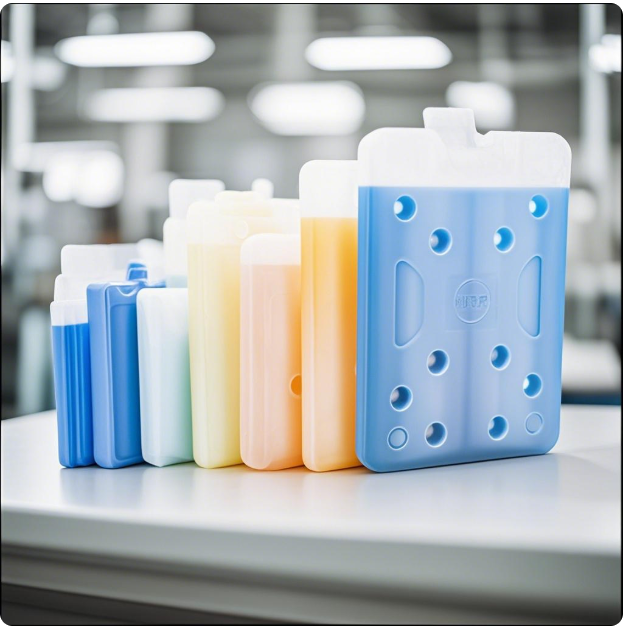
Contrôle OEM Cool Brick, de la présentation de la marque à la production
Un logo en relief peut être approuvé en quelques minutes; un composant de liquide de refroidissement OEM peut nécessiter des années d'approvisionnement contrôlé. Cette inadéquation explique de nombreux lancements ratés. Dans un projet OEM cool en brique, marque, géométrie, liquide de refroidissement, fermeture, contrôles de fabrication, et les revendications du package doivent être résolues en une seule définition de produit publié. Sinon, un échantillon attractif devient la seule référence tandis que les changements de production restent invisibles. L'acheteur doit posséder ou approuver les exigences qui comptent, l'usine doit démontrer la répétabilité, et l'emballage isolé complet doit être qualifié pour l'usage auquel il est destiné. La brique à elle seule ne peut pas promettre une plage de charge utile ou une durée d'expédition.
Commencez avec une carte d'autorité de conception
Les OEM n’ont pas de portée commerciale unique sur ce marché. Il peut s'agir d'une brique standard avec une étiquette client, une coque existante remplie selon les besoins de l'acheteur, une couleur et un carton dédiés, ou fabriquer selon un dessin et une spécification de matériau appartenant à l'acheteur. Les comparaisons de prix ne sont pas fiables tant que chaque fournisseur n'indique pas ce qui reste standard et ce qui change..
Divisez le produit en actifs techniques et attribuez un propriétaire ou un approbateur pour chacun:
exigences d'application et conditions de charge utile approuvées;
géométrie externe, interfaces, tolérances, et données dimensionnelles;
coquille, additifs ou colorants le cas échéant, fermeture, et contrôles du liquide de refroidissement;
outillage, cavités, jauges, dossiers d'entretien, et droits de modification;
libellé de l'étiquette, œuvres d'art, codes d'unité, marques de carton, et les revendications de la marque;
méthodes de composants, limites d'acceptation, et les registres de libération des lots;
protocole d'emballage complet, données brutes, rapport, et mode d'emploi; et
améliorations futures, changements de coûts, matériaux alternatifs, et droits de mutation.
La propriété peut être mixte. L'acheteur peut être propriétaire de l'illustration et du moule tandis que le fournisseur conserve ses connaissances exclusives en matière de liquides de refroidissement.. Cet arrangement peut fonctionner si le fournisseur s'engage sur une identité contrôlée et des spécifications fonctionnelles., fournit les informations de sécurité et de classification nécessaires aux marchés visés, et informe l'acheteur avant les modifications. La confidentialité doit protéger le savoir-faire légitime sans empêcher l'acheteur d'évaluer le risque..
Les termes d’outillage nécessitent plus de précision que « moule client ». Définir le titre légal, identification physique, stockage, entretien, assurance, accéder, approbation de réparation, produits autorisés, exclusivité le cas échéant, transfert, et disposition en fin de programme. Le paiement de frais d'outillage ne peut pas conférer de droits sur la plateforme ou la formulation sous-jacente.. Les conseillers commerciaux et juridiques doivent résoudre ces droits avant qu'un travail détaillé ne crée une dépendance.
Créez une hiérarchie de documents en même temps. Une spécification principale de produit peut faire référence au dessin approuvé, matériels, exigences en matière de liquide de refroidissement, fermeture, étiquette, emballage unitaire, méthodes d'essai, et changer de liste. Indiquer quel document fait foi si le catalogue, citation, dessin, échantillon, et signaler un conflit. Une description Web ou un échantillon de vente ne doivent jamais surpasser une spécification publiée.
Transformez les exigences de la marque en contrôles mesurables en usine
Une spécification utile convertit la fonction prévue en caractéristiques que la production et l'inspection peuvent observer. Les attributs les plus importants ne sont pas universels; ils suivent l'interface de la boîte, liquide de refroidissement, sensibilité de la charge utile, manutention, nettoyage, et identification des risques.
| Résultat attendu | Caractéristique contrôlée | Preuve avant la libération | Les acheteurs frontaliers devraient conserver |
|---|---|---|---|
| Ajustement cohérent dans une cavité fixe | Dimensions, tolérances, platitude, projection du capuchon, géométrie de l'état préparé | Méthode définie, échantillons de production, essai d'ajustement | Une unité de salle d'exposition à température ambiante peut ne pas représenter un ajustement gelé |
| Masse thermique reproductible | Identité du liquide de refroidissement et contrôles de remplissage ou de masse | Traçabilité des lots, mesure appropriée, variation réelle | La masse remplie ne prouve pas la formulation ou la durée de l'emballage |
| Confinement fiable | État de la coque, processus de clôture, critère d'intégrité | Paramètres du processus, contrôles de contestation, dossiers de tests d'étanchéité | Un échantillon réussi ne contrôle pas tous les lots |
| Utilisation correcte sur la ligne de conditionnement | Modèle, révision, orientation, préparation et marquage des lots | Approbation des illustrations, essai de lisibilité, contrôle de l'espace libre | La couleur de la marque à elle seule constitue un faible contrôle des variantes |
| Manipulation et nettoyage en toute sécurité | Surfaces inspectables, bords, instructions de nettoyage compatibles | Revue de manipulation et de nettoyage spécifique à l'utilisation | « Réutilisable » n’établit pas une durée de vie illimitée |
| Déclarations de marché défendables | Matériau traçable, test, et soutien réglementaire | Examen des réclamations lié à la juridiction et à la configuration | Une déclaration matérielle ne qualifie pas un système d’expédition |
| Présentation du fret stable | Protection de l'unité, nombre de cartons, orientation et modèle de palette | Expédition pilote et examen à l’arrivée | L’approbation des cartons cosmétiques n’établit pas la résistance au transit |
Le tableau doit devenir un plan de contrôle, ne reste pas une discussion sur la conception. Pour chaque caractéristique importante, nommer la méthode, équipement, échantillon ou fréquence, limite d'acceptation, enregistrer, et réaction à l'échec. Fuite critique séparée, mauvais matériau, ou des défauts d'identité erronés dus à des problèmes d'apparence mineurs; une règle de défaut regroupée peut dissimuler des conséquences très différentes.
La mesure mérite une attention particulière en matière de conception. Une coque incurvée flexible peut donner des résultats d'épaisseur différents lorsque les opérateurs choisissent différents emplacements ou appliquent une pression différente. La masse totale peut cacher une coque lourde et un faible remplissage de liquide de refroidissement. Un test d'étanchéité change avec la pression, demeurer, température, orientation, et la définition de l'échec. Confirmez que les méthodes sont reproductibles, l'équipement est adapté, et les pièces de défi ou les références montrent que le test peut détecter les défauts qu'il est censé trouver.
Préciser l'état dans lequel une caractéristique est vérifiée. L'expansion et le gel du liquide de refroidissement peuvent changer de forme, donc une inspection dimensionnelle à chaud peut ne pas protéger une interface gelée et étanche. Inversement, une unité gelée peut contenir du givre ou de la condensation temporaire qui affecte une lecture superficielle. Utiliser le conditionnement, la date, et le calendrier qui représentent l'exigence.
Évitez d'écrire des tolérances arbitraires. Des limites strictes augmentent les coûts de mesure et de rebut sans ajouter de valeur lorsque l'interface n'en a pas besoin. Des limites lâches peuvent modifier le remplissage, contact, flux d'air, ou fermeture. Établir des limites à partir de l'analyse d'ajustement, conception thermique, observations de prototypes, capacité de production, et la précision du système de mesure.
Abandonnez la mentalité d’approbation à échantillon unique
Un échantillon OEM constitue uniquement une preuve de la manière dont il a été fabriqué.. Une coque usinée, prototype rempli à la main, ou une étiquette appliquée à la main peut répondre à des questions utiles, mais cela ne représente peut-être pas les matériaux de production, teneur en air, fermeture, tolérances, ou l'apparence. Identifiez chaque échantillon par configuration, méthode de fabrication, lot où disponible, et objectif approuvé.
Les exemples de concepts doivent résoudre la géométrie de base, interférence avec la charge utile, orientation, poignée, et emplacement de la marque. Les échantillons techniques doivent s'approcher des matériaux prévus, remplir, fermeture, et comportement de conditionnement. Les échantillons d'outils révèlent une variation de la cavité, éclair, déformation, ajustement de la casquette, et qualité de surface réelle. Les échantillons destinés à la production utilisent le site proposé, outil, matériels, doubler, opérateurs, inspection, étiquette, et emballage secondaire. Un lot pilote teste l'ensemble du processus d'approvisionnement à une échelle significative.
Une référence visuelle contrôlée peut toujours aider avec la couleur, surface, emplacement du logo, et défauts évidents. Il ne doit pas se substituer à des exigences invisibles ou à des variations statistiques. Liez-le au dessin et à la révision, stockez-le de manière appropriée, et définir quand il sera remplacé. La spécification écrite fait autorité.
Le développement thermique doit utiliser des briques représentatives de la production avant les conclusions finales. The study identifies the insulated container, charge utile ou simulant justifié, état de charge, modèle de brique et nombre, préparation, arrangement, séparateurs, capteurs, profil ambiant, durée, critères d'acceptation, écarts, et enregistrements de données brutes. Les résultats d'intégrité des composants soutiennent la brique; les résultats thermiques ne prennent en charge que la configuration complète testée.
Les procédures thermiques ISTA peuvent fournir un cadre structuré lorsque le périmètre de distribution parcellaire correspond au projet. Standard 7E addresses thermal transport packaging used in parcel delivery, tandis que Standard 20 is a design and qualification process for insulated shipping containers. Un équipementier ne doit pas décrire un composant lâche comme certifié simplement parce qu'il est apparu dans une chambre.. Vérifier le rapport exact, configuration, statut du laboratoire, et autorisation derrière toute marque.
Les travaux de robustesse peuvent explorer une variation crédible plutôt qu'un simple assemblage nominal. En fonction du risque, qui peut inclure une variation de brique autorisée, retard de mise en scène, quantité de charge utile, défi saisonnier, orientation du paquet, ou condition de réutilisation de la boîte. L'équipe doit justifier quelle condition est difficile. Un profil chaud peut menacer la limite supérieure, tandis qu'un liquide de refroidissement profondément conditionné contre une charge utile sensible peut créer un risque de froid plus grave..
La préparation en usine réside dans les méthodes et les plans de réaction
La préparation à la production n’est pas une baisse de capacité. Suivre un lot pilote jusqu'à l'approbation du matériel entrant, moulage, remplissage, fermeture, inspection, codage, emballage, et libérer. Demandez où sont les mauvaises entrées, confusions, sous-remplissage, déformation, fuite, ou des erreurs d'étiquette peuvent entrer et comment chacune est évitée ou détectée.
Le contrôle des matières premières doit identifier la résine approuvée, additifs ou pigments le cas échéant, ingrédients du liquide de refroidissement ou lots préparés, fermetures, et étiquettes. Des noms génériques similaires ne démontrent pas d’équivalence. Si un fournisseur, grade, ou des changements de formulation, l'acheteur a besoin de suffisamment de preuves de comparaison pour décider si les documents, vérifications des composants, ou le travail d'emballage doit être répété.
Au moulage, examiner l'outil et l'identité de la cavité, approbation initiale, paramètres critiques, alarmes, entretien préventif, et contrôles après réparation. Au remplissage, examiner le dégagement de la ligne, identification du réservoir et du tuyau, réconciliation, mesure de remplissage, et contrôle des unités rejetées. À la fermeture, vérifier le paramètre et la stratégie d'intégrité. L'échantillonnage destructif peut être approprié pour certaines méthodes, mais il doit être soutenu par des contrôles de processus validés et une réponse de confinement définie.
Les plans de réaction révèlent si le système de contrôle est réel. Si les résultats de remplissage dérivent, jusqu'où la production est-elle contenue? Si un problème de défaut connu n’est pas détecté, est-ce que la ligne s'arrête? Si une cavité produit des pièces déformées, le site peut-il isoler les unités affectées? Qui autorise le redémarrage et la libération des lots? Un bilan de réussite est faible si personne ne sait quoi faire après un échec.
Le plan de réception de l’acheteur doit compléter les contrôles d’usine. Vérifier l'identité du produit, révision, parcelle, documents, état du carton, quantité, fuite ou déformation visible, et attributs mesurables sélectionnés en fonction du risque. Une vérification périodique ou déclenchée par un changement peut traiter des caractéristiques qui ne sont pas répétées sur chaque reçu.. L'historique du fournisseur peut justifier un ajustement documenté de l'échantillonnage, mais pas l'abandon de la traçabilité ou des règles de réponse critique.
Un ISO 9001 le certificat peut soutenir l’examen du système de gestion de la qualité d’un site nommé dans son champ d’application. Il ne s'agit pas d'une certification de produit et ne prouve pas les performances thermiques, aptitude des contacts, capacité du processus, ou un test d'étanchéité efficace. Vérifier l'identité et la portée du certificat, examinez ensuite les preuves spécifiques au produit du constructeur OEM.
Placer les réclamations et les modifications sous le même accord de qualité
L'accord qualité doit faire référence au dossier technique approuvé et attribuer le contrôle du document, définition du lot, libérer, enregistrements, non-conformité, écarts, plaintes, accès aux audits, le cas échéant, preuves conservées, action corrective, et notification de changement. La « responsabilité partagée » nécessite des fonctions nommées et une autorité de décision.
Les revendications méritent des versions contrôlées, tout comme les dessins. Une brique de marque peut être vendue pour les glacières grand public, livraison de repas, ou transport professionnel, mais les preuves provenant d'un seul paquet ne doivent pas devenir une déclaration de durée universelle. Statut matériel, durabilité des composants, qualification du système, et les allégations relatives au processus réglementaire doivent rester distinctes. Le propriétaire de la marque approuve le libellé public et empêche les distributeurs de l'étendre.
Là où un kit de prélèvement d’échantillons de marque peut dériver
Imaginez qu'une entreprise de diagnostic souhaite une brique mince avec un logo moulé pour un étui d'échantillons réutilisable.. Le premier échantillon rempli à la main s’ajuste et semble prêt à être lancé. Lors de l'examen technique, le personnel découvre que la zone en relief change de planéité gelée, la ligne de production prévue utilise un processus de fermeture différent, et le logo rend le code de révision difficile à lire.
L'équipe préserve l'objectif de marque mais sépare les approbations. Il éloigne la marque d'identité permanente de l'élément décoratif, définit les limites de l'interface à l'état gelé, et demande des échantillons fabriqués à partir d'outils provenant de la ligne de remplissage et de fermeture réelle. Le personnel d'emballage teste l'identification sous condensation et avec des gants. Le cas complet est évalué avec des échantillons de charges représentatifs, un séparateur contrôlé, emplacements des capteurs cartographiés, et les défis d'itinéraire pertinents.
Lorsqu'un sous-fournisseur de liquide de refroidissement propose ultérieurement un intrant moins coûteux décrit comme équivalent, l'OEM fournit un contrôle de formulation et des preuves comparatives avant toute substitution. Informations sur la sécurité des examens de qualité, vérification des composants, et impact sur l'emballage. Les travaux de coûts ne commencent qu'après disposition écrite. Le logo reste constant car la base technique en dessous est contrôlée.
Liste des catégories de changement à l'avance. Ingrédients ou source du liquide de refroidissement, résine et colorants, fermeture, dimensions, outillage ou cavité, site de fabrication ou de remplissage, remplir la cible, processus critique, méthode d'essai, étiquette, carton, et la configuration des palettes peut affecter l'utilisation approuvée. Définir ceux qui nécessitent une approbation préalable, quelles données accompagnent l'avis, et comment l'inventaire concerné est identifié. L’urgence ou l’utilisation par un fournisseur du mot « amélioration » n’établit pas d’équivalence..
FAQ
L'étiquetage privé est-il la même chose qu'un projet OEM de briques cool?
Pas nécessairement. L'étiquetage privé peut signifier appliquer une illustration du client à un produit standard. L'OEM peut impliquer une géométrie contrôlée par l'acheteur, matériel, liquide de refroidissement, outillage, processus, ou des exigences de performance. Les termes sont utilisés de manière incohérente, définissez donc la portée exacte du produit, autorité de conception, preuve, et modifier les droits dans le contrat. Le contrôle technique doit suivre les changements, pas l'acronyme.
À qui appartient la formulation du liquide de refroidissement?
Chaque partie peut en être propriétaire, et un fournisseur peut conserver un savoir-faire confidentiel. L'acheteur a toujours besoin d'une identité contrôlée, exigences fonctionnelles clés, informations actuelles sur la sécurité et le marché, cohérence de fabrication, et notification préalable des modifications. Un examen confidentiel par un personnel qualifié ou un tiers agréé peut protéger les deux intérêts.. L’accord doit permettre un changement significatif et une évaluation des risques.
Un logo moulé nécessite-t-il un nouveau test complet de l'emballage ??
Évaluer la manière dont la fonctionnalité affecte la géométrie, répartition murale, matériel, ajustement gelé, contact, flux d'air, nettoyage, et identification. Un changement décoratif superficiel peut nécessiter une vérification limitée; une fonctionnalité qui modifie une interface critique peut justifier le travail du système. Les fonctions techniques et qualité du Product Owner doivent documenter la décision. L’apparence seule ne peut pas établir un faible risque.
Ce qui doit être approuvé avant la production en série?
Approuver le dossier technique publié, propriété de la conception, échantillons destinés à la production, résultats des composants, preuves complètes, plan de contrôle d'usine, méthodes de mesure, œuvres d'art, codage de lots, emballage, plan de réception, accord de qualité, changer de liste, et les réclamations. Toute différence restante entre l'échantillon approuvé et le processus de routine doit être documentée et évaluée avant la commercialisation..
La sortie commerciale est une décision technique
Un lancement OEM solide et cool brick remplace la confiance basée sur les échantillons par une colonne vertébrale contrôlée: autorité de conception, caractéristiques mesurables, prototypes représentatifs, production compétente, emballage qualifié, réclamations disciplinées, et examen préalable des modifications. Chaque pièce répond à une question différente, et aucun ne devrait être étendu au-delà de ses preuves.
Libérer du volume uniquement lors de la commercialisation, ingénierie, qualité, opérations, et le fabricant identifie la même révision et sait comment réagir en cas de panne. That discipline protects both the branded promise and the temperature-sensitive product behind it.
À propos du tempk
Et tempk, nous pouvons discuter des options OEM de briques de glace rigides impliquant un format existant ou des dimensions spécifiques au projet, exigences en matière de liquide de refroidissement, présentation de la coque, étiquettes, et emballage. Nous commençons par séparer les préférences de marque des caractéristiques des composants qui affectent l'ajustement., conditionnement, intégrité, et les preuves du système. Les acheteurs conservent l'approbation des réclamations et de l'emballage complet.
Partagez l'interface de votre conteneur, charge utile, itinéraire, personnalisation prévue, et le document qualité doit demander un examen de faisabilité OEM axé sur la production avant la sortie de l'outillage ou du volume..
Contrôle de conception ODM Cool Brick, du brief au lancement
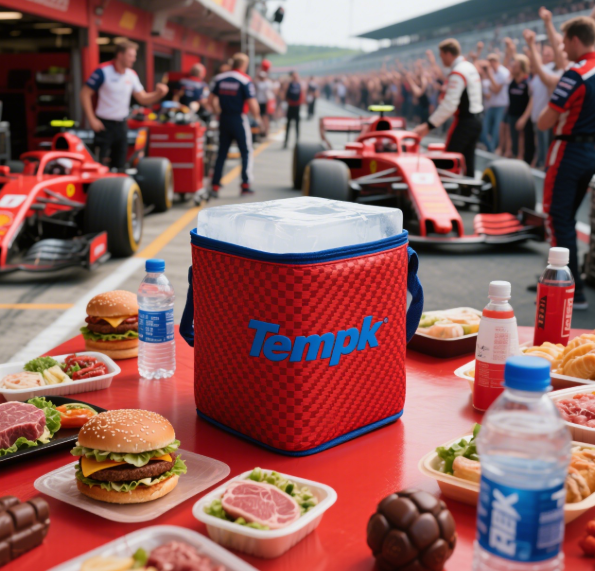
Contrôle de conception ODM Cool Brick, du brief au lancement
L'ODM est utile lorsque l'acheteur peut définir le problème de la chaîne du froid mais souhaite que le fournisseur conçoive davantage la solution des composants.. Cela devient risqué lorsqu’une plateforme, formulation, et le graphique de test arrive comme une réponse terminée avant que l'application ne soit comprise. Un partenaire ODM de briques cool peut contribuer à la géométrie, matériels, liquide de refroidissement, fermeture, outillage, et connaissances en fabrication; l'acheteur est toujours propriétaire des exigences en matière de charge utile et de la décision d'utiliser le pack final. Le projet devrait réduire l'incertitude par étapes, enregistrer ce qui reste à prouver, et évitez de traiter une brique conçue par un fournisseur comme un système d'expédition qualifié en soi.
Prouver qu'ODM répond au problème
Choisissez ODM lorsqu'il existe un écart significatif dans la conception des composants. Les exemples incluent une interface de boîte que les briques standards ne peuvent pas occuper efficacement, erreurs d'orientation récurrentes, une fermeture vulnérable à la boucle de retour, ou un besoin d'intégrer le liquide de refroidissement avec un bac ou une barrière existante. Une plateforme de fournisseurs peut également être utile lorsque ses limites de fabrication sont déjà comprises et que seule une adaptation ciblée est nécessaire..
Ne démarrez pas ODM car l'application n'est pas définie. Si l’acheteur ne peut pas indiquer l’état autorisé de la charge utile, sensibilités à la chaleur et au gel, charge représentative, récipient, itinéraire, retards, événements d'ouverture, matériel de préparation, et processus de réception, le fournisseur doit inventer des hypothèses. Ces hypothèses peuvent produire une brique élégante pour un mauvais système..
Comparez les alternatives avant d’autoriser le développement. Un composant standard peut répondre au besoin avec un meilleur support, séparateur, étiquette, ou instruction de travail. Une voie OEM est plus appropriée lorsque l'acheteur possède déjà la conception complète et souhaite une production conforme aux spécifications.. ODM gagne son outillage supplémentaire, preuve, propriété intellectuelle, et la continuité fonctionne uniquement lorsque les commentaires de conception du fournisseur résolvent une contrainte mesurée.
Définir explicitement la portée de la conception. L'ODM est-il responsable uniquement de la brique, ou également pour un titulaire, récipient isolé, proposition d'emballage, coordination des tests, ou mode d'emploi? Qui choisit les conditions de test? Qui approuve les écarts? Qui contrôle les réclamations publiques? Une étiquette commerciale telle que « solution complète » ne devrait pas laisser ces décisions sans nom..
Créer un critère de sortie ainsi qu'un objectif de lancement. L'acheteur doit savoir quel dossier technique, accès à l'outillage, données, options d'approvisionnement alternatives, et les droits demeurent si le projet s'arrête après la faisabilité ou si la relation de fourniture prend fin. La dépendance peut être acceptable, mais cela doit être compris avant que le design ne soit intégré dans un kit commercial.
S'approprier le résumé des résultats et ses hypothèses
Un brief ODM doit définir précisément les résultats tout en laissant de la place à l'ingénierie. Commencez par des informations sur les produits contrôlés: conditions de transport requises, expositions inacceptables, géométrie et masse de la charge utile, état de départ du produit, limites de contact, et la fonction autorisée à évaluer une excursion. Ne demandez pas au concepteur de liquides de refroidissement de déduire la stabilité du produit à partir d'une gamme industrielle courante..
Décrire l'interface complète du conteneur. Fournir les dimensions et tolérances internes, construction d'isolation et de couvercle, plateaux, poches, fermetures, enveloppe de charge utile, et la révision contrôlée. Indiquer si le conteneur est fixe ou co-développé. S'il existe plusieurs versions de boîte, identifier lequel gouverne plutôt que de permettre une géométrie moyenne.
Cartographier la voie par heure et transfert. Mise en scène d'origine, ramasser, véhicules, moyeux, douane, arrêts du dernier kilomètre, heures de réception, exposition saisonnière, retard, et l'ouverture de la boîte peut avoir plus d'importance que la distance. Les données historiques sur les voies peuvent éclairer le défi, tandis qu'une évaluation des risques documentée sélectionne les conditions de test. « Air international » ou « route d'été » ne constitue pas un profil thermique adéquat.
Les opérations contribuent à un autre ensemble d'intrants de conception: équipement de congélation ou de conditionnement, dégagement du rack, flux d'air, modèle de changement, mise en scène pratique maximale, utilisation de gants, séquence de ligne d'emballage, produits de nettoyage, ségrégation de retour, stockage disponible, et traçabilité. Un concept qui nécessite un état de préparation que le site ne peut pas reproduire n'est pas réalisable, quelles que soient ses propriétés matérielles.
Exigences distinctes, préférences, et des inconnues. Ajuster, protection de la charge utile, orientation identifiable, et la preuve d'un paquet nommé peut être une exigence. La couleur de la marque ou une poignée encastrée peuvent être des préférences. L'effet de la charge utile minimale, nettoyage sur une étiquette, ou un conditionnement densément empilé peut être des questions non résolues. Cette séparation donne à l'ODM la permission d'échanger des préférences sans affaiblir les exigences..
Tenir un grand livre d'hypothèses. Chaque proposition doit indiquer l'état de démarrage du liquide de refroidissement, charge utile, boîte, exposition ambiante, arrangement, durée, utiliser un modèle, et réutiliser les hypothèses qui se cachent derrière cela. Attribuer un propriétaire et une preuve de fermeture. Une hypothèse qui reste ouverte lors du gel de la conception devient une limitation explicite, pas une base silencieuse pour une réclamation.
Comparez les concepts en tant que décisions testables
Les propositions ODM doivent être comparées en fonction des connaissances qu'elles créent, pas par l'apparence rendue ou une seule valeur de propriété.
| Incertitude de conception | Option ou expérience du fournisseur | Preuve de décision | Ce qui nécessite encore une preuve du système |
|---|---|---|---|
| La plateforme standard peut ne pas s'adapter après préparation | Échantillons dimensionnels à l’état préparé et étude d’interface | Géométrie, tolérance, dégagement du capuchon et de la fermeture | Gradients thermiques et performances des itinéraires |
| Le comportement du liquide de refroidissement peut créer un risque de froid local | Options de matériaux contrôlés et emballages cartographiés comparatifs | Réponse relative sous la même configuration | Acceptation du produit dans le système commercial lancé |
| La face large et mince peut être conditionnée de manière inégale dans des racks denses | Essai de conditionnement instrumenté lors d’un chargement représentatif du congélateur | Effets du temps et de la position sur l'état de départ | Performances après mise en scène opérationnelle et conditionnement |
| Les erreurs d'orientation peuvent détruire la mise en page | Fonctionnalité à clé, identité contrastée, ou prototype de support | Les emballeurs inconnus terminent un essai d'utilisabilité | Effet thermique de la géométrie finale et de la barrière |
| La fermeture peut ne pas tolérer la gestion de la réutilisation | Intégrité des représentants de la production et défis de gestion | Modes de défaillance et critères de retrait | Durée de vie réelle du terrain dans la boucle de retour de l'acheteur |
| Le rapport existant peut ne pas couvrir une variante de marque | Évaluation des écarts de configuration | Différences de matériau, géométrie, remplir, étiquette, et traiter | Nouveaux tests requis par la décision de risque documentée |
Cette matrice oblige chaque concept à révéler une question, une expérience, et la limite restante. Cela aide également les achats à comparer équitablement les propositions de développement.. Un prix d'outillage inférieur n'est pas nécessairement meilleur si le fournisseur a exclu des échantillons représentatifs, données brutes, travail pilote, ou changer de contrôle.
Les choix thermodynamiques nécessitent un contexte. Le liquide de refroidissement stocke la chaleur sensible lorsque sa température change et peut stocker une chaleur latente importante pendant une transition de phase.. Une valeur de transition nominale ne fait pas de la brique un thermostat. Résistance de la coque, superficie, épaisseur, capacité thermique de la charge utile, contact, flux d'air, isolation, et les conditions extérieures produisent des températures qui varient selon le lieu et le temps.
La géométrie crée des compromis opérationnels. Un panneau large et mince peut utiliser un mur efficacement et fournir un large échange de chaleur, mais cela peut réduire la largeur de la charge utile ou refroidir excessivement une surface adjacente. Un corps compact et épais transporte de la masse sur une surface faciale moindre, mais peut prendre plus de temps pour atteindre un état initial uniforme.. Les nervures améliorent la rigidité ou l'empilage tout en modifiant le flux d'air et le nettoyage. Un capuchon protégé peut résister aux chocs mais devient difficile à inspecter. Demander au concepteur de connecter chaque fonctionnalité à une exigence et à une méthode de vérification.
La simulation peut restreindre les options lorsque ses entrées et ses conditions aux limites sont visibles. Il devrait guider les expériences physiques et le placement des capteurs, puis être vérifié par rapport aux résultats mesurés avant extrapolation. Un modèle coloré n'est pas une qualification. De même, laboratory analysis of a coolant sample can control formulation characteristics but cannot reproduce a filled component inside an insulated shipper.
Inclure les utilisations abusives et le cycle de vie dans l'examen du concept. Des variantes similaires peuvent-elles être mélangées? Une brique peut-elle être installée à l'envers? Les unités gelées resteront-elles ensemble? Les résidus peuvent-ils s'accumuler dans une niche? Une fermeture endommagée reste-t-elle visible? La coque proposée permet-elle une inspection pratique avant réutilisation? Les contrôles des risques intégrés au formulaire sont généralement plus stricts qu'un avertissement que les emballeurs négligent régulièrement..
Le langage environnemental doit rester fondé sur des preuves. Une masse matérielle inférieure peut entrer en conflit avec la durabilité; la réutilisation introduit le transport de retour, lavage, énergie de conditionnement, perte, et la retraite; la recyclabilité dépend des systèmes locaux et de la préparation. Un ODM doit fournir des informations sur les matériaux et le démontage qui soutiennent l'évaluation de l'acheteur., pas un badge universel « durable ».
Utilisez des portes qui éliminent l'incertitude spécifique
Une porte de développement n'est utile que lorsqu'elle clôture des questions nommées et autorise une prochaine dépense définie. Le dossier peut être proportionné au risque, mais chaque porte a besoin de preuves, problèmes non résolus, approbateurs, et une suite, réviser, pause, ou arrêter la décision.
Porte à problèmes. Approuver le résumé des résultats, carte des responsabilités, révision du conteneur, hypothèses, conflits de priorités, cadre de propriété intellectuelle, et plan de preuve. Aucune forme ne doit être traitée comme préférée avant cette porte.
Porte conceptuelle. Comparez les plateformes standards, adaptations, et de nouveaux modèles. Réviser la géométrie, approche du liquide de refroidissement, fermeture, fabricabilité, conditionnement, convivialité, informations de sécurité, structure des coûts, et les principaux risques. Sélectionnez une direction car elle répond le mieux au problème contrôlé, pas parce qu'il transporte le plus de liquide de refroidissement.
Porte d'ingénierie. Publier un dessin préliminaire et une spécification fonctionnelle, puis vérifiez l'ajustement, dimensions, contrôles liés au remplissage, fermeture, identité, manutention, et nettoyage à partir d'échantillons identifiés. Les premiers prototypes usinés ou remplis à la main sont marqués comme non-production et limités aux questions auxquelles ils peuvent répondre.
Porte d'intention de production. Utiliser l'outil proposé, matériels, processus de remplissage et de fermeture, site, inspection normale, étiquette, et emballage principal. Comparez les cavités et les positions de production, le cas échéant. Démontrer les méthodes de mesure, plans de réaction, codage de lots, et la capacité à contenir un échec.
Porte du système. Évaluer l'ensemble isolé complet avec la révision des briques prévue, préparation, compter, arrangement, charge utile ou simulant justifié, conditions de départ, capteurs, profil externe, durée, critères d'acceptation, et les écarts. Norme ISTA 7E et norme 20 peut fournir des tests thermiques et une qualification structurés des colis lorsque leur portée s'y prête. Ils ne certifient pas le composant ODM en vrac ou une variante de marque non testée.
Portail opérationnel. Le personnel représentatif reçoit, condition, scène, paquet, moniteur, expédition, récupérer, faire le ménage, inspecter, et retirer des unités en utilisant le projet d'instructions. Cet essai révèle des solutions de contournement et des erreurs d'état qu'un assemblage minutieux en laboratoire peut dissimuler. Les données du récepteur et le processus de déviation doivent être inclus.
Une décision de développement en pratique
Imaginez qu'un fournisseur de laboratoire utilise une mallette isolée compacte avec un portoir central pour réactifs.. Les briques standard occupent trop d'espace dans le rack et peuvent être insérées dans deux orientations. L'acheteur demande à un ODM un corps de liquide de refroidissement en forme de U qui semble résoudre les deux problèmes.
Le résumé final révèle des contraintes supplémentaires: une position de grille est sensible au contact direct avec la congélation, les étagères du congélateur limitent la hauteur hors tout, et les caisses retournées sont nettoyées sur un autre site. Le premier concept s'adapte au boîtier chaud mais s'incline après la préparation et laisse un coin intérieur difficile à nettoyer. Une deuxième conception utilise deux composants latéraux à clé et un séparateur contrôlé au lieu d'une forme en U complexe..
Des essais comparatifs cartographient les emplacements froids et chauds avec des charges de rack représentatives. Les unités pilotes fabriquées à l'outil exposent une cavité avec une plus grande projection du capuchon, de sorte que l'usine corrige le processus et répète l'ajustement à l'état préparé. Operations constate alors que les deux composants peuvent être mélangés avec un programme plus ancien; des identifiants permanents et des emplacements de statut distincts sont ajoutés avant la sortie du système.
Le design sélectionné n'est pas le plus novateur. Il avance parce que sa géométrie, préparation, contrôles d'usine, résultat de l'emballage, nettoyage, et l'identification sont tous supportables. Le concept abandonné en forme de U reste documenté en tant que connaissance plutôt que de refaire surface plus tard comme une idée inexpliquée de réduction des coûts..
Conservez un fichier technique et un chemin de sortie utilisables par l'acheteur
L'ODM peut être propriétaire de la plateforme de base, mais l'acheteur a besoin de suffisamment d'informations contrôlées pour fonctionner, enquêter, et évaluer les changements. Le fichier doit identifier le produit et la révision, site et plateforme ou outil, dessin, tolérances, matériaux et liquide de refroidissement au niveau de divulgation convenu, fermeture, code de l'unité, étiquette, emballage principal, préparation, critères des composants, rapports d'emballage, écarts, réclamations approuvées, et changer l'historique.
Si la formulation est exclusive, convenir d'un itinéraire protégé pour un examen qualifié. L'acheteur a toujours besoin d'informations sur la sécurité et le transport, attributs et gammes fonctionnelles, contrôles de lots, traçabilité, et préavis avant substitution. Une formule confidentielle est compatible avec le contrôle; une boîte noire qui peut changer sans évaluation ne l'est pas.
Définir les droits sur les dessins, moules, modification, données, modèles, méthodes, rapports, éléments de marque, améliorations, et approvisionnement après résiliation. Propriété des outils, propriété de la conception, et l'autorisation de reproduction sont des questions juridiques distinctes. Les données de test brutes et les métadonnées doivent rester accessibles dans des conditions convenues afin qu'une comparaison ultérieure d'un écart ou d'un changement puisse être défendue..
Les plans de continuité doivent distinguer la disponibilité de l’équivalence. Une autre coque avec le même volume nominal peut différer en surface, ajuster, liquide de refroidissement, préparation, fermeture, et performances du système. Des remplaçants potentiels peuvent être identifiés rapidement, mais ils restent non approuvés jusqu'à ce que le parcours documenté de vérification et de qualification soit terminé. Un site de sauvegarde utilisant le même dessin peut toujours nécessiter une évaluation des matériaux, équipement, opérateurs, méthodes, et des enregistrements.
L'examen post-lancement relie les preuves de terrain au contrôle de la conception. Fuite de tendance, déformation, identification erronée, pannes de conditionnement, écarts d'emballage, événements de température, difficulté de nettoyage, et pertes par lot et configuration. Conserver les échantillons retournés, fichiers d'enregistrement, dossiers d'emballage, et acheminer les faits au cours des enquêtes. Ne blâmez pas automatiquement la brique, mais ne l'excluez pas simplement parce que l'inspection à l'arrivée a réussi.
FAQ
En quoi l'ODM de brique cool est-il différent de l'OEM?
Dans la pratique courante, un ODM contribue davantage à la conception du produit ou adapte une plate-forme appartenant à un fournisseur, tandis qu'un OEM fabrique plus souvent selon une définition contrôlée par l'acheteur. Les contrats varient, donc attribuer une autorité de conception, outillage, contrôle des formulations, données, qualification, réclamations, et change élément par élément. L'acronyme ne détermine pas la responsabilité de la charge utile ou du package final..
Quand une plateforme ODM existante est-elle préférable à un nouveau moule?
Utiliser une plateforme existante lorsque des échantillons représentatifs de la production rencontrent l'interface, préparation, identification, intégrité, et des besoins en matière de preuves systémiques avec une adaptation limitée. Un nouvel outil est justifié lorsqu'il répond à une exigence documentée que les options standard ne peuvent pas. Inclure le développement, qualification, inventaire, propriété intellectuelle, et les coûts de continuité dans la décision plutôt que de comparer uniquement les prix unitaires.
L’acheteur peut-il se fier au rapport thermique de l’ODM?
Seulement après avoir examiné la brique exacte, état du liquide de refroidissement, boîte, charge utile, arrangement, emplacements des capteurs, profil ambiant, durée, critères d'acceptation, et changements de marque. Un rapport pertinent peut réduire le travail de développement; un colis dépareillé ne peut pas qualifier le colis de l’acheteur. Documenter l'évaluation des écarts et autoriser tout test supplémentaire via le processus qualité du propriétaire du produit.
Comment gérer un changement de liquide de refroidissement exclusif?
Exiger un préavis, la raison du changement, comparaison fonctionnelle contrôlée, informations sur la sécurité et le transport, impact sur la production, lots concernés, et des preuves suffisantes pour un examen technique confidentiel. Évaluer la préparation, forme physique, contrôles des composants, performances d'emballage, étiquettes, et documents de marché. Ne pas approuver uniquement parce que la description nominale de la transition semble inchangée.
Publier une conception défendable, Pas une histoire d'ODM
Un projet ODM cool brick discipliné commence par un résultat appartenant à l'acheteur et se termine par un composant conçu par le fournisseur dont les hypothèses, compromis, preuve, production, et les changements restent visibles. Les portes du développement dépensent de l’argent seulement après que l’incertitude précédente ait été réduite, tandis que le dossier technique préserve les connaissances au-delà de l'équipe de projet actuelle.
L'atout commercial final n'est pas la forme. C'est une conception qui peut être réalisée, identifié, conditionné, emballé, surveillé, enquêté, et modifié sans déconnecter les affirmations de la preuve.
À propos du tempk
Nous pouvons utiliser les plates-formes rigides en briques de glace de Tempk comme point de départ ou discuter d'une nouvelle direction ODM lorsqu'une contrainte de conditionnement définie reste non résolue.. Notre revue peut couvrir la géométrie, exigences en matière de liquide de refroidissement, présentation de la coque, étiquetage, emballage, exemples d'étapes, et les hypothèses derrière une proposition. L'acheteur contrôle les exigences en matière de charge utile et l'approbation finale du système..
Partager l'interface du conteneur, itinéraire, matériel de préparation, processus de réutilisation, et des résultats non négociables pour demander un chemin de faisabilité ODM avec des portes de preuves explicites.
Comment évaluer une usine de briques cool avant de la mettre à l'échelle
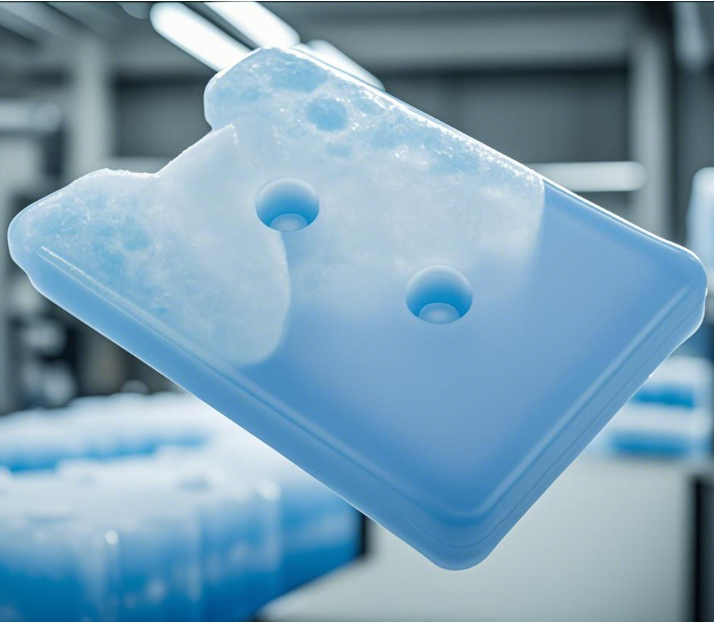
Évaluation d'une usine de briques cool avant d'augmenter l'offre
Une fabrique de briques cool doit être jugée sur ce qu’elle peut reproduire, tracer, et libérez-pas par son meilleur échantillon. L'acheteur a besoin d'une preuve que les dimensions de la coque, identité du liquide de refroidissement, remplir, fermeture, étiquetage, et l'emballage restent contrôlés tout au long de la production de routine. Cette preuve s'arrête toujours au composant. Une brique fabriquée de manière cohérente ne constitue pas un emballage isolé non testé à température contrôlée.; le conteneur, charge utile, préparation du liquide de refroidissement, arrangement, profil d'itinéraire, et le mode opératoire déterminent le résultat complet.
L’évaluation la plus forte relie donc deux questions: ce site peut-il fabriquer la brique approuvée à plusieurs reprises, et votre organisation peut-elle conserver cette brique exacte dans la configuration qu'elle a qualifiée?
Définissez les preuves dont vous avez besoin avant la visite de l'usine
Les avis d'usine deviennent génériques lorsque l'acheteur arrive avec une liste de contrôle universelle. Commencez plutôt par les façons dont une brique pourrait perturber vos propres opérations.. Un changement dimensionnel peut bloquer un emplacement de conteneur étroit. Un remplissage incohérent du liquide de refroidissement peut modifier la masse thermique disponible. Une fermeture faible peut s'infiltrer dans un colis alimentaire ou un fourre-tout réutilisable. Un code de lot illisible peut empêcher le confinement lorsqu'une réclamation apparaît.
Traduisez ces risques en une courte liste d’attributs critiques. Selon l'application, cela peut inclure le modèle contrôlé et la révision, matériau de la coque, dimensions de l'état préparé, base de remplissage, identité du liquide de refroidissement, intégrité de la fermeture, marquages permanents ou appliqués, propreté extérieure, et arrangement de carton d'exportation. Ne rendez pas automatiquement chaque fonctionnalité cosmétique critique. Une petite variation de surface peut être inoffensive, tandis qu'un changement subtil autour d'un capuchon ou d'une couture peut être fonctionnel.
Pour chaque attribut, identifier quatre éléments avant la visite:
Le besoin approuvé et sa source, comme un dessin, spécification, œuvres d'art, ou norme d'emballage.
L'étape de fabrication qui crée la caractéristique.
Le contrôle ou l'essai en usine destiné à le maintenir dans les limites des exigences.
Le contrôle de l'acheteur qui confirme l'identité ou l'état après le transport.
Cette préparation évite qu'un impressionnant dossier de certificats ne distrait l'équipe. Il permet également aux achats, qualité, ingénierie de l'emballage, et les opérations s'accordent sur ce que signifie l'approbation. Les achats peuvent évaluer la continuité commerciale; la qualité peut évaluer les preuves et les écarts; l'ingénierie peut identifier les attributs qui affectent le comportement de l'emballage; les opérations peuvent déterminer si la pièce est utilisable à grande échelle.
Demandez les documents à l'usine à l'avance, mais nous nous réservons le droit de sélectionner les enregistrements lors de l'évaluation. Les éléments de pré-lecture utiles peuvent inclure la spécification du produit proposé, flux de processus, plan qualité, logique de code de lot, exemple d'enregistrement de version, détails du certificat actuel, procédure de notification de changement, et spécification principale d'emballage. Leur but est d'affiner les questions, ne pas terminer l'audit depuis un bureau.
Tracez un lot depuis la matière première jusqu'aux cartons libérés
Le parcours d'audit le plus révélateur suit un lot de production réel. Choisissez une commande récente ou représentative et travaillez à rebours, des cartons finis jusqu'aux intrants de la coque., lot de liquide de refroidissement, fermetures, étiquettes, équipement de production, chèques, écarts, et libérer. Choisissez ensuite un lot d'intrants important et tracez-le jusqu'aux produits finis qui l'ont consommé.. Cela teste si la traçabilité fonctionne dans les deux sens.
| Point dans l'historique du lot | Preuve à échantillonner | Décision que les preuves devraient étayer | Préoccupation à enquêter |
|---|---|---|---|
| Réception du matériel | Identité de l'article, statut du fournisseur, parcelle, statut d'inspection ou de libération | Seuls les intrants approuvés sont entrés en production | Nom du matériau générique ou substitution non approuvée |
| Fabrication de coques | Outil et cavité le cas échéant, installation, résultats de première pièce et en cours de processus | La géométrie critique est restée sous contrôle | Les moyennes groupées cachent une source de variation |
| Préparation du liquide de refroidissement | Formule autorisée ou apport contrôlé, enregistrement de lots, équipement et rapprochement | Le liquide de refroidissement prévu a atteint la ligne prévue | Des formulations similaires peuvent être mélangées ou mal identifiées |
| Remplissage et fermeture | Données de contrôle de remplissage, paramètres de fermeture, contrôles d'intégrité et réactions | Les unités contiennent et conservent le montant spécifié | Une note de passage n'a pas de méthode ni de réponse d'échec |
| Sortie terminée | Révision du produit, parcelle, résultats, écarts, quantité et approbateur | Le lot répondait aux exigences convenues avant expédition | Les enregistrements ont été complétés après la sortie |
| Fabrication de cartons et de palettes | Révision de l'emballage, compter, orientation, étiquette du lot et état de transport | Les bonnes unités arriveront identifiables et protégées | Les lots mélangés ou les fermetures exposées nuisent à la réception |
Ce tableau n'est utile que si l'auditeur demande des exemples concrets. Une procédure explique le système prévu; un dossier complété montre comment le site l'a utilisé. Recherchez des observations réelles, limites d'acceptation définies, corrections imputables, et une décision claire lorsque quelque chose échappe à tout contrôle.
L'identification du statut doit être visible sur le sol et dans le système d'inventaire. Entrant, mis en quarantaine, libéré, rejeté, retravailler, et le matériau fini ne doit pas dépendre du fait qu'un opérateur se souvienne de quelle palette est quelle. Si la retouche est autorisée, examiner l'itinéraire approuvé, limites techniques, traçabilité, et répéter l'inspection. La réutilisation du liquide de refroidissement ou du plastique au cours de la production peut altérer un produit approuvé, à moins que les spécifications et le processus n'en tiennent explicitement compte..
Le timing des records est important. Les mesures saisies pendant le travail sont plus crédibles qu'un paquet recréé avant expédition. Pour les enregistrements électroniques, demander comment accéder, données de base, changements, et les sauvegardes sont contrôlées. Pour le papier, les corrections doivent rester lisibles et attribuables. La formalité nécessaire dépend de la demande et de l'accord, mais le dossier doit étayer une enquête des mois plus tard.
Examinez le processus à ses points d’échec naturels
A hard-shell coolant brick may involve molding or sourcing the shell, préparer ou recevoir du liquide de refroidissement, remplissage, clôture, nettoyage, inspecter, codage, et emballage. La construction diffère selon les produits, alors demandez au site d'expliquer son flux réel. N'imposez pas une méthode de test simplement parce qu'elle est familière; connecter les commandes aux modes de défaillance crédibles de la conception.
Géométrie de la coque et ajustement à basse température
Les variations de moulage peuvent apparaître sous forme de déformation, éclair, surfaces inégales, coins faibles, défauts d'interface de fermeture, ou dérive dimensionnelle. Vérifier l’identité de l’outil, différences de cavité, le cas échéant, approbation de démarrage, limites du processus, entretien, et réaction aux alarmes. La mesure doit également être définie. Les pièces en plastique incurvées peuvent donner des lectures différentes en fonction des données, fixation, pression, emplacement, et la température.
Les dimensions à température ambiante peuvent ne pas répondre à la question de fonctionnement. Le liquide de refroidissement peut changer de volume à mesure qu'il change d'état, et une large plaque peut modifier son profil après préparation. Si la brique doit entrer dans un évidement moulé, inclure un ajustement ou une jauge à l'état préparé dans la vérification de la conception et, là où le risque le soutient, contrôle de routine ou périodique. N’inventez pas une allocation d’expansion universelle; exiger une justification pour le shell spécifique, remplir, et préparation.
Identité du liquide de refroidissement et contrôle du remplissage
Au point de mélange ou de raccordement, examiner l'autorisation de formule, identification d'entrée, état du réservoir et du tuyau, dégagement de ligne, codage par lots, propreté des équipements, et réconciliation. Lorsque plusieurs types de liquides de refroidissement partagent une installation, le site a besoin de plus que la reconnaissance des couleurs pour éviter un événement de support erroné.
Demandez ce que prouve la mesure de remplissage. La masse unitaire brute peut être utile, mais il combine shell, fermeture, étiquette, et liquide de refroidissement. Si la masse de la coquille varie sensiblement, une masse brute stable peut masquer un remplissage inférieur ou supérieur. Le contrôle approprié peut impliquer la masse de la coque, remplissage net, masse brute, volume, ou une relation validée entre eux. L'usine doit définir des tolérances, adéquation de l'équipement, échantillonnage, et l'action après un résultat raté.
Fermeture et intégrité
Casquettes, bouchons, soudures, ou d'autres fermetures échouent de différentes manières. La stratégie de contrôle peut combiner les paramètres du processus avec des contrôles d'intégrité non destructifs ou destructifs.. Examiner la sensibilité de la méthode, contrôles de contestation, justification de l'échantillonnage, séjour ou conditionnement le cas échéant, critères d'acceptation, et confinement après un échec. « Les opérateurs recherchent les fuites » ne suffit pas lorsque les fuites constituent un défaut critique.
Les résidus extérieurs peuvent être confondus avec des fuites et contaminer les zones d'emballage., le nettoyage et l'inspection finale ont donc une importance pratique. Les inspecteurs ont besoin d'exemples écrits qui distinguent les défauts fonctionnels de l'apparence acceptable.. Les unités rejetées ne doivent pas revenir sur la ligne via une réparation informelle.
L'audit devrait également remettre en question les conditions de pointe. Quarts de travail supplémentaires, travail temporaire, changements précipités, entretien retardé, ou une autre ligne de remplissage peut modifier le processus. Demandez quels contrôles ne sont jamais contournés pour rétablir le calendrier et comment la compétence est confirmée lorsque le personnel ou l'équipement change.
Tester la capacité commerciale avec un changement et une perturbation
La capacité de production n’est pas un chiffre global. C'est le résultat que le processus complet peut produire après d'autres engagements, entretien, changements, inspection, rendement, et l'emballage sont considérés. Une machine de moulage peut produire des coques plus rapidement que le remplissage, fermeture, ou les étapes de publication peuvent gérer. Demandez un modèle de capacité spécifique au projet et des preuves de résultats démontrés comparables., puis identifier l'étape limitante.
Suivant, réaliser deux exercices théoriques avec le fournisseur.
Dans l'exercice de changement, supposer que le pigment approuvé n'est pas disponible ou que la source d'entrée du liquide de refroidissement change. Qui ouvre l'évaluation? Quelles informations techniques sont comparées? Quand l'acheteur est-il informé? Comment sont séparés les anciens et les nouveaux lots? Qui décide si les contrôles d'adéquation, test des composants, ou une réévaluation complète de l'emballage est requise? L’étiquette interne « mineur » d’un fournisseur ne détermine pas l’impact sur le client..
Dans l’exercice de perturbation, supposer qu'un moule est endommagé ou que le site de remplissage approuvé ne peut pas fonctionner. Un deuxième site, outil alternatif, ou le produit de substitution n'est pas automatiquement équivalent. Équipement, utilitaires, personnel, limites du processus, sous-traitants, et l'emballage peut différer. Les options de continuité doivent être examinées à l'avance et publiées via le contrôle des changements plutôt que d'être introduites en cas d'urgence..
Un scénario de lot pilote
Imaginez un acheteur approuvant une brique plate pour un expéditeur de diagnostic réutilisable. Les cartons pilotes arrivent intacts et les contrôles à température ambiante sont conformes au dessin, mais certaines unités préparées basculent contre l'insert et empêchent une fermeture constante du couvercle. L’usine enregistre les mesures de pool dans plusieurs cavités de moule, donc la source n'est pas claire au départ.
Une réponse utile ne consiste pas simplement à trier l’inventaire de l’acheteur. Les parties identifient la planéité de l'état préparé comme un attribut fonctionnel, lier la sortie à la source d'outillage appropriée, examiner les influences du processus et de l'emballage, et définir une mesure reproductible ou un contrôle d'ajustement. Les unités d'intention de production corrigées reviennent ensuite à l'examen des composants et à l'évaluation de l'emballage fini.. Cette réponse démontre la capacité car elle contient, enquête, corrige, et vérifie le problème.
La préparation à l’exportation devrait faire l’objet du même examen minutieux. Examinez le carton principal réel, protection du capuchon et des bords, construction de palettes, visibilité du lot, contrôle de la langue, et la responsabilité des documents. Une expédition pilote via le mode de fret prévu peut révéler une compression, humidité, abrasion, ou des problèmes de cartons mixtes que les photographies de départ ne peuvent pas.
Rendre l’approbation des fournisseurs conditionnelle et maintenable
L'approbation de l'usine doit identifier le site légal ou d'exploitation exact, produit, révision, contrôles des matériaux ou des formules, portée du processus, actions ouvertes, plan d'inspection à l'arrivée, attentes en matière de notification de changement, et déclencheurs de réévaluation. Une société commerciale peut rester partie intégrante de la relation, mais l'itinéraire de fabrication sous-jacent et le chemin d'escalade doivent être visibles.
L'acheteur recevant des chèques doit compléter les contrôles d'usine. Confirmer le produit et la révision, parcelle, état du carton, quantité, documents, intégrité visible, et attributs critiques sélectionnés en fonction du risque. Définir les classes de défauts et la réponse avant réception. Un mauvais liquide de refroidissement ou une fuite ne doivent pas être associés à des marques mineures selon une règle d'acceptation générique.. La procédure doit indiquer la portée de la quarantaine, conservation des preuves, notification du fournisseur, rééchantillonnage autorisé, et pouvoir de disposition.
La performance des fournisseurs ne se limite pas à une livraison à temps. Erreurs du document de tendance, erreurs d'identité, dimensions, indicateurs de masse, fuites, dommages dus au transport, plaintes, qualité de l'enquête, efficacité des mesures correctives, et modifications non autorisées. Un faible nombre de plaintes peut être trompeur si les utilisateurs se débarrassent des briques défectueuses sans les signaler., alors facilitez la capture des preuves.
Gardez les limites des revendications claires. Un certificat de gestion de la qualité ne soutient que son organisation et sa portée déclarées; il ne certifie pas le résultat thermique de la brique. WHO’s E005 category covers defined coolant packs for immunization equipment and has product-specific specifications and verification routes. Ce cadre ne doit pas être généralisé à toutes les briques commerciales préremplies. Norme ISTA 20 and Standard 7E address insulated shipping container design and thermal transport packaging under defined processes and profiles. Ils ne transforment pas un catalogue d'usine entier en emballages certifiés.
The final shipping system still needs evidence for its insulated container, charge utile, modèle et nombre de liquide de refroidissement, état de départ, arrangement, séparateurs, défi ambiant, emplacements des capteurs, fermeture, durée, et critères d'acceptation. Lorsque l'usine modifie une entrée ou un site pertinent, le propriétaire du produit détermine quelles preuves préalables restent applicables.
L’évaluation environnementale ne se limite pas à l’usine. Matériau et remplissage, déchets de production, emballage, fret, durabilité utile, logistique de retour, lavage, énergie de préparation, perte, recyclage ou élimination local, et la protection de la charge utile affectent tous le résultat. La réutilisation est une intention de conception jusqu'à ce que le réseau réalise et enregistre la réutilisation. Pour les programmes de l'Union européenne, Règlement (UE) 2025/40 est entré en vigueur en 2025 et indique une date d'application générale en août 12, 2026, tandis que les tâches individuelles et les mesures ultérieures nécessitent une classification actuelle et un examen juridique.
Une décision d'usine défendable est donc conditionnelle: approuver le processus démontré pour le composant et le site nommés, vérifier l'identité et l'état entrant, contrôler les changements, et qualifier le composant dans son emballage réel. C'est plus fort que d'approuver un bâtiment, un certificat, ou un échantillon isolé.
Questions fréquemment posées
Chaque brique froide devrait-elle subir un test d'étanchéité?
Pas nécessairement. La stratégie appropriée dépend de la conception de la fermeture, contrôles de processus, sensibilité du test, si la méthode est destructrice, et les conséquences de l'échec. Un acheteur doit exiger la preuve que l'approche choisie détecte les défauts pertinents et étend le confinement lorsque les résultats échouent.. Une fréquence d'inspection universelle sans contexte de conception peut créer des coûts sans améliorer l'assurance.
Comment un acheteur devrait-il contester la revendication de capacité d’une usine?
Demandez le calcul par produit, outil, étape du processus, modèle de changement, temps d'arrêt normal, passage, inspection, rendement, autres engagements, et emballage. Comparez le modèle avec une production récente démontrée pour une configuration similaire. Identifiez le goulot d'étranglement et confirmez les changements pendant les pics de demande.. Le nombre significatif est la sortie finale contrôlée disponible pour vos prévisions.
Un certificat d'usine qualifie-t-il un emballage pharmaceutique?
Non. Vérifier la norme du certificat, organisme émetteur, site, validité, et la portée, mais évaluez le produit et l'emballage séparément. L'utilisation pharmaceutique peut nécessiter un examen de la qualité spécifique au produit, preuve de composants contrôlés, et qualification du système isolé complet. Un certificat d'usine ou de matériau ne constitue pas une performance universelle ou une approbation réglementaire.
Quand une usine agréée doit-elle être réévaluée?
Utiliser le risque et les preuves plutôt qu’un intervalle fixe. Changements importants de matériaux ou de liquide de refroidissement, transfert d'outil, un autre site de production, nouvel équipement critique, défauts fonctionnels récurrents, enquête faible, mauvaise notification de changement, ou une nouvelle utilisation à haut risque peut déclencher un examen. Les tendances de performance de routine aident à déterminer si la prochaine évaluation peut être ciblée ou doit être plus large..
À propos du tempk
Et tempk, nous proposons des formats de briques de glace rigides et des discussions de projets couvrant les dimensions des composants, détails de la coque, options de liquide de refroidissement, étiquettes, et emballage d'expédition. Un examen d'usine est plus utile lorsque vous partagez le conteneur prévu, méthode de préparation, charge utile, itinéraire, marché cible, modèle de demande attendu, et les attributs que votre équipe qualité considère comme critiques. Nous pouvons ensuite organiser les informations sur les produits et les échantillons autour de ces questions.. Avant la mise à l'échelle, demandez-nous d'aligner la révision proposée, preuve de fabrication, identification du lot, changer les attentes, et pilotez les exigences avec votre processus d’approbation des fournisseurs; l'emballage fini doit toujours être qualifié pour l'usage auquel il est destiné.
Contrôles cool des exportateurs de briques pour l'approvisionnement transfrontalier

Contrôles cool des exportateurs de briques pour l'approvisionnement transfrontalier
Un exportateur de briques cool doit conserver bien plus que des cartons pendant le transport. L'identité du composant approuvé, informations sur le liquide de refroidissement, beaucoup d'histoire, descriptif commercial, et l'état de l'emballage doit tous arriver intact. Après l'importation, l'acheteur a encore un deuxième emploi: prouvant que la brique fonctionne à l'intérieur de l'emballage isolé prévu. Le dédouanement est la preuve que les marchandises ont traversé une frontière, pas qu'ils puissent protéger la nourriture, médecine, ou échantillons. Un sourcing export important s'articule donc autour de deux axes liés : l'exécution commerciale pour le composant et la qualification technique pour son emballage final, sans permettre à l'un de se substituer à l'autre..
Dessinez deux pistes d'approvisionnement avant de comparer les devis
Déterminez d’abord ce qui traverse réellement la frontière. A buyer may import filled coolant bricks as merchandise for local inventory, coquilles vides ou remplissables pour la préparation à destination, ou des envois complets sensibles à la température qui contiennent déjà des briques conditionnées. Ces mouvements ont des descriptions différentes, responsabilités, et les risques.
Pour la fourniture de marchandises, l'exportateur doit protéger la brique du mélange, contamination, fuite, distorsion, et étiqueter les dégâts. L'acheteur a besoin d'une description précise de l'état fourni et de suffisamment d'informations sur la composition pour les douanes., transporteur, sécurité, et examen du marché de destination. Le produit n'a peut-être pas besoin d'être thermiquement actif pendant ce voyage, mais une chaleur inhabituelle, froid, compression, ou un stockage prolongé peut toujours affecter une coque, fermeture, étiquette, ou liquide de refroidissement. Demander au fabricant de définir toutes les limitations pertinentes en matière de transport et de stockage.
Les formats vides ou remplis localement modifient la carte des responsabilités. Une masse entrante plus faible peut sembler attrayante, mais l'opération de destination prend le contrôle du matériau de remplissage, quantité de remplissage, fermeture, contrôles d'intégrité, identification, et préparation. Ce processus local doit être spécifié et vérifié. Une facture de transport inférieure ne constitue pas une économie si elle crée une composante thermique incontrôlée.
Quand les briques voyagent à l’intérieur d’un envoi sensible à la température, l'expéditeur exporte un système d'emballage, pas seulement un élément de liquide de refroidissement. Les conditions de transport approuvées proviennent du propriétaire de la charge utile. La configuration complète comprend l'isolation, modèle et nombre de liquide de refroidissement, conditionnement, masse de la charge utile et état de départ, séparateurs, arrangement, fermeture, surveillance, exposition externe, et le timing. Le rapport sur les composants d’un exportateur ne peut pas combler les lacunes de la définition de ce système..
Cartographier les acteurs juridiques et opérationnels à côté de ces pistes. Identifier le fabricant, remplissage si différent, propriétaire de la marque, vendeur, exportateur officiel, importateur, représentant en douane, transporteur, distributeur local, et propriétaire final du pack. État qui libère la production, qui prépare les documents commerciaux, qui examine la classification, qui détient les dossiers techniques, et qui approuve l'utilisation du pack. Un exportateur commercial peut être un canal viable, mais le chemin de retour vers l'usine responsable doit être démontrable.
Les règles Incoterms peuvent clarifier la livraison, transfert de risque, coûts sélectionnés, modalités de transport, et formalités douanières entre vendeur et acheteur. Utiliser la règle convenue avec un lieu nommé et un ensemble de règles actuel. Les Incoterms ne définissent pas la conformité des produits, titre, recours en matière de paiement, qualification thermique, ou les preuves requises suite à un défaut. Ces articles appartiennent aux accords de vente et de qualité.
Faire en sorte que chaque document d'exportation pointe vers le même élément
Les noms génériques constituent une base fragile pour le contrôle transfrontalier. “Ice brick," "bloc congélateur," "Panneau PCM,” and “gel pack” may describe different constructions. Le bon de commande doit identifier un modèle de fabricant, révisions des dessins et des spécifications, état de livraison, famille de liquides de refroidissement à un niveau de divulgation convenu, coque et fermeture, étiquette de l'unité, format de lot, emballage unitaire et principal, et site de fabrication ou de remplissage agréé.
Utilisez cette définition pour réconcilier le fichier d'exportation:
| Enregistrer | Informations qui doivent convenir | Vérification de la portée de l'acheteur |
|---|---|---|
| Devis et bon de commande | Modèle, révision, base de quantité, état de remplissage, emballage, lieu de livraison convenu | L'offre commerciale décrit le composant approuvé |
| Facture commerciale | Parties juridiques, description précise des marchandises, valeur, devise, quantité, terme commercial | La description prend en charge l'examen douanier sans allégations inventées |
| Liste de colisage | Cartons, palettes, nombre d'unités, définitions de masse nette et brute, marques | Les totaux sont rapprochés des étiquettes physiques et des données de réservation |
| Spécification technique | Géométrie, tolérances, contrôle d'identité du liquide de refroidissement, fermeture, étiquette, emballage | La même révision a été échantillonnée, libéré, et expédié |
| Informations sur la sécurité ou la composition | Formulation réellement fournie et révision actuelle | Prise en charge de l'évaluation; ne crée pas une approbation universelle du marché |
| Preuve de libération du lot | Modèle, parcelle, quantité, critères appliqués, écarts, autorisation | Les résultats remontent à l'envoi de fabrication |
| Registres de transport et d’origine | Destinataire, packages, itinéraire, origine déclarée si nécessaire | Les parties compétentes confirment le traitement spécifique à la destination |
| Index du rapport de test | Identité du composant ou du pack, méthode, configuration, date | Chaque conclusion reste dans le périmètre testé |
Il ne s’agit pas d’une liste de contrôle douanière universelle. Permis requis, déclarations, langue, prise en charge de l'origine, ou les preuves matérielles varient selon les marchandises, itinéraire, destination, et le rôle de l’acheteur. La valeur du tableau est la cohérence: le carton arrivant à la réception doit être le même article contrôlé décrit dans les dossiers techniques et commerciaux.
Clarifier la terminologie de masse. Remplissage de liquide de refroidissement, masse de coquille vide, masse unitaire remplie, masse nette du carton, et la masse brute de l'expédition répondent à différentes questions. Une divergence peut être une simple erreur de rédaction, mais cela peut également révéler un remplissage ou un nombre modifié. Convenir des unités et des conventions décimales, surtout lorsque les documents sont multilingues.
La classification doit suivre le produit réel, pas le mot marketing « glace ». Obtenir une composition suffisamment détaillée et des informations sous forme fournie, alors demandez à l'importateur, spécialiste des douanes, et le transporteur confirme le traitement actuel. Une eau scellée- or phase-change coolant brick is not dry ice. La glace sèche est un dioxyde de carbone solide, produit du gaz en se sublimant, et comporte des considérations distinctes en matière de transport aérien. Si la formulation ou l'état fourni change, réévaluer la conclusion précédente.
Le contrôle des documents se poursuit après la traduction. Identifier la langue faisant autorité, approuver les étiquettes et les instructions locales, et supprimer les révisions obsolètes des distributeurs. Des termes tels que gelé, conditionné, plage de stockage, gamme de transport, et le comportement de changement de phase ne doit pas être utilisé de manière interchangeable. Une instruction de préparation mal traduite peut modifier l’état de départ de chaque emballage local.
Ingénieur Fret autour de l'intégrité des composants et de l'utilisation au sol
Les briques remplies peuvent rendre la masse du fret entrant importante, alors comparez les offres à l'unité emballée, carton, et les informations sur les palettes plutôt que le prix unitaire seul. Le coût d'utilisation au débarquement peut inclure le produit, développement ou œuvre d’art, emballage principal, fret, assurance si sélectionnée, devoirs, courtage, gestion des destinations, inspection, stockage, capacité de conditionnement, stock rejeté, et élimination ou retour. Conservez des estimations spécifiques à chaque voie et vérifiez les engagements des fournisseurs au lieu de publier un coût standard ou une commande minimum..
L’emballage secondaire a besoin de preuves propres. L'empilement concentré peut presser les bouchons, coutures, ou bords moulés. Les cartons en vrac peuvent subir des chocs et une abrasion. Demandez la construction du carton, séparateurs, orientation de l'unité, modèle de palette, protection des bords, emballage, limites d'empilement, et méthode de chargement du conteneur. Une expédition pilote doit utiliser l'emballage de production proposé; les échantillons de salle d'exposition transportés par courrier ne testent pas la réalité des palettes.
Emballages en bois, marques, et l'élimination à destination peut introduire des exigences spécifiques aux voies. Confirmez-les auprès des responsables logistiques et douaniers. N'ajoutez pas de tampon ou de symbole de recyclage d'apparence officielle sans base valable.. Si une palette non bois est proposée, vérifier la charge, matériel de manutention, stabilité, et hypothèses de rétablissement local.
Inspecter les endroits où le risque peut différer selon une charge. Cartons aux bords des palettes, couches supérieures, et près d'une paroi de conteneur, il peut y avoir une pression ou une exposition environnementale différente de celle des cartons au centre. Une inspection avant expédition doit avoir un plan d'échantillonnage défini, méthodes, classes de défauts, et pouvoir de disposition. Les photographies sont des documents utiles mais ne peuvent remplacer les contrôles d’identité, quantité, dimensions, contrôles liés à la masse, ou l'intégrité des fuites lorsque ces caractéristiques sont importantes.
L'inspection à l'arrivée complète le projet pilote. Réconcilier les codes de palette et de lot, examiner les cartons à travers les positions, vérifier l'humidité, odeur, déformation, dommages à la fermeture, contamination, et perte d'étiquette, et effectuer des contrôles de composants sélectionnés à partir du plan convenu. Les cartons ouverts par les douanes ou visiblement perturbés nécessitent un examen défini avant leur libération. Congeler une brique endommagée plus tard ne répare pas les dommages causés par la chaleur., incompatibilité chimique, ou une fermeture compromise.
Les conditions de non-conformité doivent être convenues avant l'expédition. Le retour des marchandises lourdes peut être inefficace, tandis que l'élimination locale peut nécessiter une approbation. Définir la préservation des preuves, quarantaine, enquête, crédit ou remplacement, répartition du fret, disposition sécuritaire, et actions correctives. Le règlement commercial et le travail technique sur les causes profondes résolvent différentes parties du problème.
N'exportez pas la qualification au-delà de ses limites testées
Un rapport thermique n'est utile que lorsque sa configuration peut être reconstituée. Déterminer s'il s'agit de matériau de refroidissement, un composant rempli, un conteneur isotherme, un package complet en chambre, ou un vrai itinéraire. Chaque niveau soutient une conclusion plus étroite.
Pour les preuves d'emballage, examiner le conteneur exact, isolation, charge utile ou simulant justifié, état de départ de la charge utile, coolant model, nombre et état, arrangement, barrières, emplacements des capteurs, profil externe, durée, critères d'acceptation, écarts, et approbation du rapport. Si la brique de production importée diffère de l'échantillon de test, effectuer une comparaison documentée et les travaux supplémentaires justifiés par le risque.
ISTA Standard 7E addresses thermal transport packaging in parcel delivery, et norme 20 fournit un processus de conception et de qualification pour les conteneurs d'expédition isolés. Ces frameworks peuvent prendre en charge un package défini. Ils ne certifient pas une brique en vrac ou chaque emballage vendu par un exportateur.. Vérifier le laboratoire, rapport, édition standard, configuration, et toute autorisation derrière une revendication ou une marque de certification.
Un ISO 9001 le certificat fournit la preuve d'un système de gestion de la qualité au sein de son entité juridique déclarée, site, et la portée. Il ne certifie pas les propriétés thermiques des composants, contact alimentaire, classement douanier, ou une voie de soins de santé. Demandez des contrôles de produits et des enregistrements de tests en plus de vérifier la validité et la portée du certificat.
Les expéditions aériennes de soins de santé introduisent une autre couche distincte. Les réglementations sur le contrôle de la température de l'IATA couvrent les exigences de transport et de manutention des marchandises médicales sensibles à la température.. L'étiquette sensible au temps et à la température est utilisée pour les envois réservés dans cette catégorie et indique la plage de température de transport externe.. Il n'affiche pas la plage d'acceptation interne de la charge utile et ne qualifie pas le packout.. Confirmer les procédures actuelles du transporteur, y compris l'acceptation de toutes les piles, bûcherons de données, appareils de transmission, ou des marchandises dangereuses dans l'envoi complet.
La distribution à destination peut nécessiter un nouveau travail. Une brique qualifiée dans une boîte d'origine ne transporte pas cette preuve dans une autre boîte locale, congélateur, charge utile, ou itinéraire du dernier kilomètre. Les équipes locales ont besoin de la définition des composants contrôlés, méthode de préparation, instructions d'emballage, plan de surveillance, entraînement, et processus de changement. Il s'agit du transfert d'une configuration qualifiée, et non du transfert d'une revendication marketing..
Une importation pilote devrait tester la destination, Pas seulement le port
Imaginez qu'un importateur envisage de fournir une brique à deux sites de conditionnement régionaux. L'exportateur envoie un échantillon adapté qui correspond aux deux boîtes à température ambiante, et le devis de palette semble favorable. Pendant l'examen de l'état de préparation, un site révèle que les briques sont conditionnées verticalement avec un large flux d'air; l'autre les empile à plat dans des caisses denses. Un site reconditionne des kits de laboratoire légers, tandis que l'autre utilise une charge utile de nourriture plus lourde. Leurs itinéraires du dernier kilomètre et leurs pratiques d'ouverture diffèrent également.
L'importateur ne considère pas une déclaration d'origine comme une approbation pour les deux systèmes.. Il verrouille la révision du composant, envoie des unités pilotes représentatives de la production via l'emballage d'exportation proposé, et vérifie l'adéquation à l'état préparé sur chaque site. Chaque opération documente la capacité et l’état de préparation du conditionnement, effectue ensuite l'évaluation du système appropriée à sa boîte, charge utile, exposition saisonnière, cas de retard, et manipulation.
Le pilote teste également le flux d'informations. Les projets de factures et listes de colisage sont adressés au représentant en douane avant expédition. Les codes de palette et de lot sont rapprochés à l'arrivée. Les instructions en langue locale sont vérifiées par les emballeurs qui ne les ont pas rédigées. Une plainte simulée teste si l'exportateur peut connecter une unité de destination à la sortie d'usine et si l'usine peut conserver des preuves.
La même brique peut finalement fonctionner dans les deux programmes, mais la décision repose désormais sur deux demandes contrôlées. Si ce n'est pas le cas, l'importateur se renseigne avant d'engager un conteneur plein ou de faire des réclamations clients.
Qualifier l'exportateur grâce à un essai reproductible
Utiliser un échantillon représentatif de la production et un cycle pilote pour tester à la fois la discipline technique et commerciale:
Demander à l'exportateur d'indiquer le fabricant, site, révision du produit, niveau de contrôle de la formulation, et toutes les hypothèses derrière le langage de performance.
Réconcilier l'échantillon avec son dessin, parcelle, étiquette, informations de sécurité, et emballage de production proposé.
Faire examiner par les équipes des douanes et des transporteurs l'état et la description réelle de la livraison., pas une catégorie de catalogue générique.
Testez l'ajustement gelé ou conditionné, état de fermeture, identification, et manutention dans l'opération de destination.
Examinez le package complet par rapport à sa charge utile et à son itinéraire prévus plutôt que d'évaluer la brique seule..
Approuver les projets de documents d'expédition avant la libération de la cargaison et effectuer une inspection à l'arrivée sur les positions des palettes.
Retracer une unité pilote à travers les enregistrements d'exportation jusqu'à la sortie d'usine.
Simuler un matériau, site, ou changement d'emballage et confirmer que l'approvisionnement s'arrête pour évaluation de l'acheteur si nécessaire.
Pour un approvisionnement récurrent, erreurs du document de tendance, cartons endommagés, fuites, déformation, échecs d'identification, événements de livraison, et réponse aux réclamations par lot et par voie. Enregistrer les performances réelles du transport en commun, mais ne transformez pas une importation fluide en un délai de livraison fixe ou une réclamation de durabilité. Les plans de continuité doivent identifier des alternatives qualifiées et des règles d'activation; un substitut disponible n'est pas utile si son statut technique est inconnu.
FAQ
Comment les acheteurs doivent-ils confirmer le code douanier d'une brique cool?
Fournir à l'importateur ou au spécialiste des douanes qualifié une construction précise, composition, état fourni, et utiliser la description. La classification dépend des règles tarifaires nationales applicables et des faits concernant les marchandises.. Conservez la justification avec le fichier d'importation et examinez-la après des modifications de matériau ou de formulation.. Un code utilisé par un autre acheteur ou copié depuis une place de marché ne constitue pas une preuve suffisante.
Les briques de liquide de refroidissement sont-elles remplies de marchandises dangereuses dans le fret aérien?
Il n'y a pas de réponse responsable basée uniquement sur le nom. Vérifiez les ingrédients réels, concentration, forme physique, quantité, conditionnement, et les règles actuelles en matière de mode et de transporteur. Obtenir les informations actuelles sur la composition et la sécurité auprès du fabricant, puis confirmer auprès du personnel compétent en matière de marchandises dangereuses et de transporteur. D'autres articles dans l'envoi peuvent créer des restrictions distinctes.
Un importateur doit-il acheter des briques remplies ou remplies à destination?
Les unités remplies peuvent simplifier la formulation et la consistance du remplissage, mais augmenter la masse transportée. Les unités remplies à destination peuvent modifier l'économie du fret lors du transfert de matériel, remplissage, fermeture, intégrité, et contrôles de traçabilité jusqu'à l'importateur. Comparez le processus opérationnel complet et les preuves requises. La modification de l'emplacement ou de la méthode de remplissage peut également nécessiter une nouvelle évaluation des composants et de l'emballage..
Le rapport thermique d’un exportateur peut-il qualifier le colis de l’acheteur?
Uniquement lorsqu'un examen documenté montre que le composant testé, boîte, charge utile, préparation, arrangement, capteurs, défi externe, et les critères d’acceptation représentent la configuration commerciale de l’acheteur. Sinon, le rapport est une information de développement. Le propriétaire du produit doit autoriser le protocole et la conclusion pour sa propre expédition et définir quand les changements futurs déclencheront une réévaluation..
Le contrôle transfrontalier est le véritable objectif de l’exportateur
Le meilleur exportateur de briques cool préserve une identité technique grâce à la fabrication, dossiers commerciaux, fret, arrivée, et usage local. Il indique ce qui est connu, fournit des preuves dans les limites du champ d'application, et empêche les substitutions de traverser la frontière avant l'examen de l'acheteur. L'importateur ajoute une classification de destination, recevoir des contrôles, préparation locale, et qualification de pack complet.
Cette division transforme un achat en une voie d'approvisionnement reproductible. Comparez les exportateurs sur la qualité de leurs produits, documents, palettes, traçabilité, et le processus de changement reste synchronisé, et non sur une réclamation de durée non justifiée ou sur le prix de composant le plus bas.
À propos du tempk
Nous proposons des options de briques de glace rigides dans la gamme d'emballages à température contrôlée de Tempk et pouvons discuter de la sélection du modèle., étiquettes, exigences en matière de liquide de refroidissement, et emballage export pour un projet défini. Nous gardons la recommandation liée au conteneur, charge utile, destination, processus de préparation, et documenter les besoins que vous partagez; l'acheteur confirme quand même le traitement douanier et qualifie l'emballage complet. Pour le contrôle des exportateurs, nous pouvons également identifier les détails techniques qui doivent rester verrouillés depuis l'échantillon approuvé jusqu'à la production et ceux qui nécessitent une confirmation de la destination ou du transporteur..
Envoyez à Tempk votre flux d'origine à destination et votre proposition d'utilisation locale pour demander un échantillon spécifique au modèle et un examen du document d'exportation avant la mise à l'échelle..
Diligence raisonnable du distributeur Cool Brick pour les acheteurs B2B
Diligence raisonnable du distributeur Cool Brick pour les acheteurs
Le meilleur distributeur de cool brick n'est pas forcément celui qui a le stock le plus proche ou le catalogue le plus large. C'est le partenaire de distribution qui peut prouver quel produit il a livré, conserver sa révision et son lot, conserver les allégations dans les preuves, et contactez le fabricant responsable lorsque quelque chose change. Ce contrôle est essentiel car une brique froide n'est qu'une source de stockage thermique à l'intérieur d'un packout passif.. It does not independently qualify the insulated container, charge utile, préparation, profil ambiant, ou itinéraire. La sélection du distributeur doit tester la responsabilité aussi soigneusement que la disponibilité.
Identifiez le modèle de service que vous achetez réellement
Le mot « distributeur » peut décrire plusieurs entreprises. Une entreprise peut détenir un stock fini et assurer une livraison locale. Un autre peut importer sur commande sans posséder de stock. Un vendeur de marque privée peut contrôler les spécifications tout en faisant appel à une usine sous contrat. Certains partenaires divisent les cartons, traduire les étiquettes, assembler des kits, conditionner les briques, organiser des tests, ou fournir une formation complète. Chaque service ajouté modifie les preuves et les responsabilités que les acheteurs doivent examiner.
Tracez le chemin avant de demander un prix. Identifiez le fabricant ou le propriétaire de la marque responsable, site de remplissage et de fermeture si différent, vendeur légal, importateur, lieu de stockage, et l'entité qui effectue la version finale. Confirmer à qui appartient le dessin contrôlé, qui peut approuver un changement important, et qui enquête sur un défaut. Si le distributeur ne nomme pas une usine parce que le produit est une marque privée, il devrait toujours montrer comment il qualifie et supervise la fabrication.
Décidez ensuite quels avantages locaux sont importants. Versions plus petites, facturation nationale, réapprovisionnement plus court, prise en charge linguistique, fret consolidé, retours locaux, ou l'accès aux échantillons peut justifier une marge de canal. Un service n'a de valeur que lorsqu'il est spécifié. « Assistance technique," Par exemple, cela pourrait signifier transmettre une fiche technique, coordination avec un ingénieur emballage, emballeurs de formation, ou exploiter un laboratoire d'essais. Demandez ce qui est inclus et qui est qualifié pour le faire.
Le préconditionnement crée une frontière particulièrement importante. Un distributeur qui vend des briques en stockage ambiant contrôle un composant. Un distributeur qui les congèle ou les conditionne pour une utilisation immédiate contrôle également un processus de préparation thermique.. Revoir le matériel, modèle de chargement, critère de libération, ségrégation de statut, surveillance, allocation d'étape, et transfert. L'air froid de l'entrepôt ne prouve pas que chaque brique a atteint l'état requis.
Écrivez les rôles convenus dans l'accord d'approvisionnement ou de qualité. Sinon fabricant, distributeur, et l'acheteur peut chacun supposer qu'une autre partie détient le rapport actuel, bloque beaucoup de choses changées, ou décide si un substitut est acceptable.
Exécutez trois tests avant d'approuver la chaîne
Les brochures montrent ce qu'un partenaire souhaite vendre. De courts exercices montrent comment se comporte la chaîne.
Le test d'identité
Commandez un échantillon par le même itinéraire qui approvisionnera la production. Enregistrer son code distributeur, code du fabricant d'origine, le cas échéant, révision, parcelle, étiquette, et documents d'accompagnement. Demandez au distributeur de le retracer jusqu'à sa réception et les informations de sortie du fabricant.. Si les cartons principaux sont divisés, inspecter la façon dont l'identité du produit et les instructions sont transférées vers le plus petit emballage.
Suivant, choisissez un document technique et demandez comment le distributeur confirme qu'il est à jour. Le dessin, spécification, conseils de manipulation, informations de sécurité, et le résumé du test doivent tous identifier le même produit. Une feuille de liquide de refroidissement générique ou un graphique de chambre sans étiquette ne peut pas établir l'identité de l'unité sur votre bureau..
Le test du jugement
Fournir un dossier incomplet: a partially loaded insulated box, un produit sensible au gel, un couloir de colis avec un possible retard de nuit, et pas de disposition finale des briques. Demander une recommandation. Un interlocuteur compétent demandera les exigences du Product Owner, dimensions et isolation du conteneur, masse de la charge utile et condition de départ, limites de contact direct, exposition ambiante, ressources de préparation, cas de retard, et statut de qualification.
Une promesse immédiate d’une durée déterminée est une réponse faible. Un point de changement de phase, masse de brique, ou le réglage du congélateur ne détermine pas l'historique de température d'une charge utile non spécifiée. Un support technique utile reconnaît quand une question doit être renvoyée au propriétaire du produit, fabricant, laboratoire, transporteur, ou un spécialiste local de la réglementation.
Le test des incidents
Simuler une plainte. Déclarer que plusieurs briques d'une livraison récente semblent déformées et qu'une d'entre elles a coulé. Demandez qui bloque les stocks locaux, quelles informations l'acheteur doit conserver, comment les livraisons concernées sont identifiées, lorsque le fabricant est contacté, et comment le remplacement et l'enquête se déroulent en parallèle. Simulez ensuite une proposition de changement de fabricant et observez si le distributeur peut identifier les clients qui ont reçu la révision précédente..
Ces tests ne nécessitent pas la divulgation de données confidentielles non pertinentes. Ils nécessitent une chaîne d’identité fonctionnelle, escalade, et appropriation des décisions.
Contrôles de score pouvant être démontrés
Utilisez des portes non négociables pour l'identité, traçabilité, documents requis, et changer la communication. Notez les préférences de service uniquement après le passage de ces portes.
| Porte de décision | Preuve à examiner | Une forte réponse de la chaîne | Une raison de faire une pause |
|---|---|---|---|
| Origine et révision du produit | Exemple d'enregistrement, document source, dessin, chemin du lot | Les codes et les documents se rapprochent tout au long de la route d'approvisionnement | Les produits similaires sont regroupés sous un seul nom local |
| Contrôle technique des réclamations | Contexte de test complet et formulation de vente approuvée | Les instructions de durée et de plage restent liées à un packout nommé | Les fonctionnalités des composants sont promues comme garanties d'itinéraire |
| État des stocks | Réception, libérer, quarantaine, rotation, et choisir des disques | Moyens disponibles détenus physiquement, libéré, et identifiable | Le « Stock » comprend les commandes d'usine non confirmées |
| Remplacement et changement | Parcours de révision écrite et exemple passé | L'inventaire concerné est bloqué jusqu'à ce que l'acheteur en dispose. | Les soldes peuvent remplacer un modèle par taille ou couleur |
| Traitement des réclamations | Formulaire d'admission, preuves conservées, contacts d'escalade | Endiguement, remplacement, et le travail sur les causes profondes sont distincts | Le crédit est émis mais aucune enquête technique n'a lieu |
| Service ajouté local | Portée, compétence, équipement, et des enregistrements | Mise en kit, étiquetage, ou le conditionnement est contrôlé et vérifiable | Le service est décrit mais aucun processus responsable n'existe |
Le tableau évite que la taille de l'entreprise ou le statut d'autorisation ne devienne un raccourci. Un partenaire agréé peut toujours mal gérer les stocks; un distributeur indépendant ou sous marque privée peut être crédible lorsqu'il contrôle le produit et la chaîne d'approvisionnement de manière transparente. L'acheteur a besoin de preuves du modèle qui existe réellement.
Le langage de la certification doit rester précis. Un certificat de système de gestion concerne son entité nommée, site, et la portée; il n'établit pas la température de la charge utile. Norme ISTA 20 et 7E concernent la qualification définie des conteneurs d'expédition isolés et les tests thermiques des colis, pas une brique en vrac. Les directives de l'OMS concernant les packs de liquide de refroidissement s'appliquent à certains équipements de vaccination et ne doivent pas être étendues à tous les gels commerciaux ou packs à changement de phase.. Un distributeur ajoute de la crédibilité en gardant ces limites visibles.
Rendre l’inventaire local traçable et utilisable
L’approvisionnement local ne réduit la distance que si l’état des stocks est fiable. Vérifiez comment l'entrepôt reçoit, inspecte, protège, et sépare les produits. Des coques similaires peuvent contenir différents médias ou représenter différentes révisions, les contrôles de localisation et de sélection ne doivent donc pas reposer uniquement sur la couleur. Mis en quarantaine, revenu, endommagé, et les unités vendables nécessitent une séparation claire.
Les conditions de stockage doivent suivre les informations actuelles du fabricant. Même les briques non conditionnées peuvent être endommagées par écrasement, contamination, exposition inappropriée, ou un mauvais reconditionnement. Les cartons doivent protéger les fermetures et les bords, et la manutention des palettes doit préserver les étiquettes. Si le distributeur reconditionne pour les petites commandes, le nouveau pack doit conserver l'identité de l'article, association de lots, instructions pertinentes, et une protection physique sûre.
Demandez ce que signifie « disponible » dans son système. Est-ce qu'il y a du stock physiquement dans l'installation locale? Est-ce qu'il a réussi à recevoir? Est-ce réservé à un autre acheteur? Est-ce qu'il correspond à la révision approuvée? Comment l'allocation est-elle gérée en cas de pénurie? Un accord écrit sur les actions peut couvrir les prévisions, version ferme, possession, rotation, et stocks excédentaires, mais il ne faut pas la confondre avec une garantie illimitée.
Le produit retourné nécessite une décision avant la revente. Manipulation inconnue, contamination, dégâts d'obus, et la perte d'identité peut rendre une unité retournée inutilisable même si elle semble intacte. Un distributeur exploitant une boucle de réutilisation ou de location a besoin d'être nettoyé, inspection, quarantaine, et des règles de retraite adaptées à l'application. Un retour reçu d'une route alimentaire ne doit pas automatiquement entrer dans un canal clinique.
La traçabilité doit parvenir au reçu de l’acheteur. Décidez si le carton, paquet, ou un suivi de l'unité est nécessaire. Le niveau choisi doit rendre pratique un rappel ou une enquête sans imposer de dossiers qui ne réduisent pas les risques.. Si les étiquettes locales remplacent les étiquettes d'origine, la base de données du distributeur doit préserver la relation entre eux.
Contrôler ce qui se passe en cas de pénurie et de changement
Les pénuries révèlent si l’urgence commerciale l’emporte sur le contrôle technique. Un distributeur peut proposer une brique de mêmes dimensions, couleur, ou capacité nominale. Ces similitudes ne prouvent pas l'équivalence. Formulation du liquide de refroidissement, masse remplie, superficie, coquille, fermeture, comportement de phase, et la géométrie conditionnée peut affecter l'emballage.
Exiger du distributeur qu'il identifie les clients et les configurations pour lesquels la substitution est interdite sans examen. Un remplaçant doit fournir une comparaison documentée avec la spécification contrôlée et les preuves de l'ensemble complet.. En fonction des différences, le propriétaire du produit peut avoir besoin d'une révision des documents, vérifications des composants, une étude de ponts thermiques, ou requalification plus large. Jusqu'à la disposition, une commande en souffrance ou un autre plan d'expédition approuvé est plus sûr qu'un remplacement silencieux.
Les changements de fabricant nécessitent le même itinéraire. Le propriétaire de la marque initie la notice technique, le distributeur identifie les stocks et les clients concernés, et l'acheteur évalue le formulaire, ajuster, fonction, sécurité, documentation, et qualification. L'accord devrait couvrir le liquide de refroidissement, résine de coquille, pigment, fermeture, moule, site, processus critique, étiquette, et les changements d'emballage qui peuvent avoir de l'importance. Le distributeur ne doit pas décider seul qu'une révision est mineure simplement parce que le nom du produit reste inchangé..
Les revendications et les traductions sont également des changements. Un catalogue local qui raccourcit un rapport en « garde au froid pendant des jours » a modifié le sens. Approuver la formulation destinée au client, contrôle traductions, et examiner les listes de marchés ainsi que les brochures officielles. « Réutilisable » ne doit pas devenir un inventaire cyclique non vérifié ou une conclusion environnementale.
Scénario pratique: le substitut pratique
Un expéditeur de produits alimentaires spécialisés achète une brique rigide nommée auprès d'un distributeur local pour un fourre-tout isolé bien établi.. Le distributeur s'épuise plus tard et propose un autre panneau bleu qui s'adapte à la même poche. Le remplacement peut arriver immédiatement, alors que l'original peut manquer la fenêtre de promotion.
Les achats voient initialement un échange à faible risque, mais le dossier technique montre des différences de masse totale, fermeture, et description du liquide de refroidissement. Le rapport de conditionnement existant identifie la pièce d'origine et sa préparation. Aucune preuve n'établit que le panneau proposé créera les mêmes endroits chauds et froids.
L’acheteur sépare la question urgente de l’approvisionnement du développement de sources alternatives. La planification utilise un stock approuvé confirmé pour une expédition réduite et envisage une autre option de service contrôlé pour le reste.. L'ingénierie reçoit des échantillons traçables du candidat, vérifie l'ajustement conditionné et les attributs des composants, et définit la comparaison thermique nécessaire pour le fourre-tout et la charge utile réels. Le distributeur formalise un signalement de non-substitution pour ce compte.
Si l’alternative réussit plus tard l’examen de l’acheteur, cela devient une éventualité contrôlée. Jusque-là, son aspect pratique n'est pas considéré comme une preuve technique. L'épisode devient un test utile pour le distributeur: le partenaire aide à préserver l'identité et à coordonner l'évaluation au lieu de pousser une vente sans support.
Évaluer la valeur commerciale après le passage des barrières techniques
Un distributeur local peut coûter plus cher par unité tout en réduisant l'administration des importations, taille de la commande, exposition aux devises, fragmentation du fret, et temps de réponse. Comparez les coûts de livraison et d'exploitation sur le même périmètre. Inclure la livraison locale, impôts, suppléments, inspection, stock réservé, support documentaire, retours, travail de plainte, et le coût des stocks détenus par rapport à une révision approuvée.
Les arrangements territoriaux sont importants lorsqu'ils affectent l'accès au produit ou au fabricant. Confirmez si le partenaire est autorisé pour la famille de produits et la zone géographique exactes, quelles informations techniques il peut partager, et si les sous-distributeurs sont autorisés. L'exclusivité peut simplifier la responsabilité mais peut augmenter le risque lié au canal unique. Plusieurs vendeurs peuvent améliorer le choix mais créer des réclamations incohérentes ou une visibilité des lots. Le bon modèle est celui que les parties peuvent contrôler.
Définir des mesures de performances qui révèlent la qualité de la chaîne. Les exemples incluent l'exactitude des documents, livraison à temps par rapport aux engagements convenus, écarts de stocks, substitutions non autorisées, exercices de traçabilité, confinement des plaintes, remise d'un avis de modification, et l'achèvement de la formation. Examinez les modes de défaillance séparément plutôt que de les cacher dans un large score de service..
Le support après la livraison doit rester dans les limites de l'expertise. Un distributeur peut fournir des documents produits, expliquer son processus de manipulation, coordonner l'entrée du fabricant, et aider à préserver les preuves. Il ne devrait pas décider si un médicament, échantillon, ou l'aliment est utilisable après une excursion de température, sauf s'il en a la responsabilité formelle et les informations nécessaires sur le produit. Cette disposition appartient au propriétaire du produit autorisé ou au processus qualité..
Questions fréquemment posées
L'autorisation du fabricant prouve-t-elle la qualité du distributeur?
L'autorisation confirme une relation commerciale sur son territoire et sa portée de produit déclarés. Il peut améliorer l'accès aux documents et au support d'usine, mais cela ne prouve pas le stockage local, traçabilité, libérer, entraînement, ou contrôles de plaintes. Vérifier l'autorisation le cas échéant, puis évaluez les propres opérations du distributeur et le composant exact proposé.
Chaque livraison doit-elle inclure un certificat d'analyse?
Cela dépend de la stratégie de contrôle convenue. Un document de lot n'est utile que lorsqu'il nomme des attributs significatifs, méthodes, limites, et le lot de production. Certains programmes peuvent utiliser un certificat de conformité ainsi que des contrôles des fournisseurs et des chèques de réception; d'autres peuvent nécessiter des résultats supplémentaires spécifiques au lot. Définir les preuves avec la fonction qualité de l’acheteur au lieu de collecter un certificat générique.
Un distributeur peut-il organiser la qualification des emballages?
Il peut coordonner des échantillons, un laboratoire, ou support technique, mais les rôles doivent être clairs. L'étude a besoin du conteneur réel, charge utile ou simulateur justifié, liquide de refroidissement, préparation, arrangement, défi ambiant, capteurs, et critères. Confirmer à qui appartient le protocole, données brutes, écarts, rapport, et approbation finale. La coordination des fournisseurs ne transfère pas automatiquement la responsabilité du propriétaire du produit.
Le stock local est-il toujours moins risqué que l’importation directe?
Non. Le stock local peut améliorer le réapprovisionnement et la communication, tandis que l'approvisionnement direct peut offrir un accès plus clair aux fabricants. Comparer le contrôle des révisions, traçabilité des lots, stockage, allocation, flux de documents, notification de changement, escalade des plaintes, coût livré, et exposition dans les délais. La proximité physique n'a de valeur que lorsque l'inventaire local est publié et vérifiable.
Choisissez la chaîne qui peut répondre plus tard
Un distributeur fiable peut répondre, après la livraison, quel composant et révision vous avez reçu, d'où ça vient, comment il a été stocké, quelles affirmations soutiennent ses preuves, quels acheteurs un changement affecte, et comment une plainte parvient au fabricant responsable. Ces réponses comptent plus qu'un catalogue soigné. Testez-les avec un échantillon de trace, une demande incomplète, et un incident simulé avant l'approbation du volume. Le résultat est une commodité locale sans perdre le contrôle de la base d'emballage..
À propos du tempk
Tempk supplies rigid ice bricks and insulated temperature-control packaging and can discuss distributor projects involving product selection, étiquetage, emballage, et informations sur la candidature. Nous encourageons les acheteurs et les partenaires de distribution à définir le territoire, utilisations cibles, modèle d'origine, portée du support technique, et flux de documents avant le lancement. Nous pouvons vous aider à organiser les modèles candidats et les documents produits pour une évaluation locale tout en gardant les revendications d'application dans les limites des preuves disponibles.. Chaque brique proposée doit rester liée à ses spécifications exactes et évaluée dans le cadre de l'emballage prévu..
Pour explorer l’adéquation du distributeur, partagez vos segments de clientèle, formats de conteneurs, conditions d'itinéraire, attentes en matière de service, et les besoins en matière de contrôle des changements avec Tempk.
Conception personnalisée de briques cool pour de réelles contraintes d'emballage
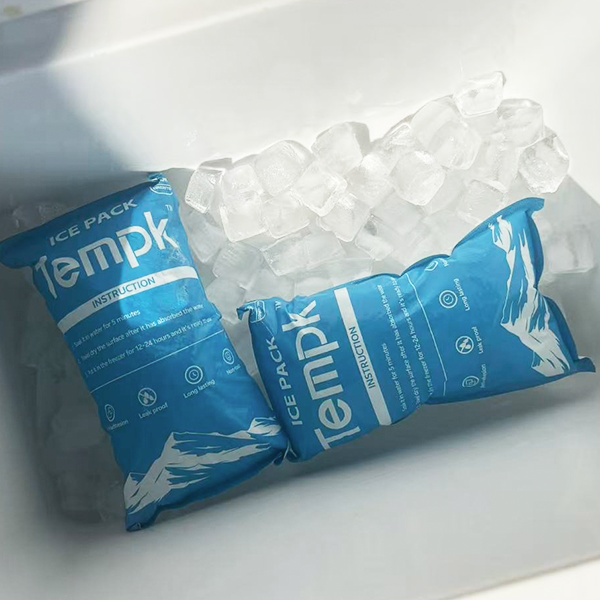
Conception personnalisée de briques cool pour de réelles contraintes d'emballage
Un projet personnalisé en brique cool doit commencer par une contrainte qui peut être observée et mesurée. Peut-être qu'un bloc standard vole de l'espace de charge utile, appuie contre un produit sensible, s'adapte mal après congélation, ou est installé à plusieurs reprises dans la mauvaise position. Géométrie personnalisée, liquide de refroidissement, identification, ou l'emballage peut résoudre ce problème, mais chaque changement crée aussi du travail en outillage, contrôle de fabrication, essai, inventaire, et remplacement.
La frontière est importante: une brique personnalisée reste un composant de refroidissement. Il ne peut pas établir seul un emballage à température contrôlée. La performance appartient au système complet d’isolation, charge utile, quantité et état des briques, arrangement, exposition par voie, et manipulation.
Utilisez une échelle de personnalisation avant de dessiner une nouvelle coque
Le changement ayant le moins d’impact et qui corrige l’échec est généralement le plus facile à contrôler. Commencez par le pack actuel et gravissez les échelons de personnalisation uniquement lorsque l'option précédente ne peut pas répondre aux exigences..
D'abord, corriger le processus. Si les emballeurs utilisent la mauvaise quantité ou la mauvaise orientation, une instruction de travail plus claire, plateau de préparation, vérification par numérisation, ou la séparation des stocks peut résoudre le problème. Ce n'est pas une excuse pour blâmer les opérateurs; il teste si le produit lui-même doit changer.
Suivant, essayez un autre format établi. Une épaisseur ou une empreinte standard différente peut s'adapter à la même isolation avec moins de développement. Un séparateur, manche, poche, or insert can manage contact and location while keeping the coolant brick unchanged. Ces composants secondaires appartiennent toujours à l'emballage contrôlé et nécessitent une évaluation appropriée..
Pensez ensuite à l’identification et à la présentation. Un code modèle durable, marque d'orientation, étiquette, couleur, ou la configuration du carton peut réduire les confusions. La couleur devrait aider plutôt que remplacer l’identité, à cause du gel, éclairage, décoloration, et la perception humaine peut rendre la couleur peu fiable. La marque peut avoir une valeur commerciale, mais il ne doit pas contenir une allégation de performance plus large que les preuves.
Changer la géométrie uniquement pour un problème d'interface défini. Épaisseur, côtes, poignées, clés, niches, ou les contours affectent l'ajustement, contact superficiel, volume de charge utile, comportement de congélation, moulage, nettoyage, et fret. Le descriptif du projet doit nommer l'échec et le test qui démontrera l'amélioration.
Changer le liquide de refroidissement ou faire le plein lorsque la stratégie thermique l'exige. Il s'agit d'un changement de conception fondamental, pas une option cosmétique. Cela affecte la préparation, comportement de phase, fabrication, informations de sécurité, évaluation des transports, et tests complets. Un point de changement de phase demandé doit émerger de l’analyse du produit et de l’itinéraire, pas à partir d'un numéro de catalogue.
A chaque étape, demander si le bénéfice attendu dépasse le fardeau d'une nouvelle configuration. Un programme stable à volume élevé peut justifier un outillage permettant un emballage plus rapide. Un envoi médical de moindre volume peut le justifier car la charge utile et le risque sont conséquents. Il n’y a pas de commande minimale universelle responsable ni de seuil de remboursement. Construire le dossier à partir des prévisions, valeur de la charge utile, conséquences de l'échec, qualification, fret, travail, capacité du congélateur, retours, et dépendance de remplacement.
Traiter la géométrie comme une interface thermique et humaine
Une brique occupe de l'espace, conduit la chaleur, limite le flux d'air, et indique à un emballeur où le mettre. Une bonne géométrie répond aux quatre rôles. Conception à partir du système de coordonnées interne du conteneur commercial, y compris les doublures, séparateurs, cartons de produits, dispositifs de surveillance, fermetures, et la pile de tolérance complète.
Les dimensions nominales ne suffisent pas. Vérifier la pièce dans son état de fabrication et après la préparation prévue. Une plaque remplie peut se dilater ou changer de profil lorsqu'elle est congelée ou conditionnée. Le conteneur et la charge utile varient également. Un modèle numérique qui utilise uniquement des valeurs nominales peut créer un assemblage qui respecte les limites de production ordinaires..
| Fonctionnalité proposée | Objectif utile | Nouveau risque introduit | Preuve nécessaire avant l'approbation |
|---|---|---|---|
| Large, panneau mince | Couvre un mur tout en préservant l'espace central de charge utile | S'incliner, contact local fort, préparation inégale en piles denses | Ajustement à l’état préparé, étude de charge du congélateur, cartographie thermique |
| Bloc épais et compact | Concentre la masse de liquide de refroidissement dans une unité simple | Espace de charge utile perdu et exposition localisée au froid | Comparaison de charge et chaud- plus évaluation du risque de rhume |
| Clé, languette, ou asymétrie | Rend la bonne orientation évidente | Dépendance à un conteneur dédié et substitution plus difficile | Essai avec des emballeurs représentatifs et examen d’urgence |
| Nervures d'écartement moulées | Maintient un produit à l'écart du visage froid | Lacunes chaudes, pièges à résidus, variante d'outil | Cartographie de la température, nettoyabilité, contrôle dimensionnel |
| Fermeture encastrée | Protège le point de remplissage des impacts de manipulation | Visibilité réduite et nettoyage difficile | Défi d’intégrité, accès pour inspection, examen de l'hygiène |
| Marque de modèle permanente | Préserve l’identité grâce à la condensation et à la réutilisation | Flexibilité limitée des illustrations ou recoins difficiles à nettoyer | Lisibilité après manipulation et évaluation du nettoyage |
Le tableau doit faire partie du dossier de conception. Chaque fonctionnalité nécessite un avantage attendu, un effet secondaire crédible, et des preuves pour les deux. Si l'équipe ne peut pas énoncer le problème, une fonctionnalité le résout, le supprimer améliore généralement la conception.
L'analyse du flux thermique doit identifier les chemins de chaleur probables à travers les murs., couvercle, coutures, ouvertures, et lacunes internes, ainsi que des zones froides à côté du liquide de refroidissement préparé. Une plaque supérieure peut traiter l'exposition de la zone du couvercle mais peut créer un contact direct avec une charge utile supérieure. Une plaque murale peut répartir le refroidissement sur une grande surface mais peut devenir difficile à retirer. Un bloc inférieur peut simplifier le chargement tout en produisant un gradient vertical. Il n’existe pas d’arrangement universellement supérieur.
Le contact direct est à la fois thermique et mécanique. Une surface gelée peut endommager localement un produit sensible au gel; un coin rigide peut abraser un sachet ou charger un plateau de flacons. Une barrière peut réduire ces risques mais ajoute une résistance thermique et devient un autre composant contrôlé. Sa matière, épaisseur, position, et les conditions de réutilisation doivent correspondre à la configuration testée.
La condensation mérite également une attention particulière en matière de conception. L'humidité peut affaiblir les éléments ondulés, desserrer les étiquettes, masquer les codes, ou compliquer l'hygiène. La texture de la poignée peut aider un opérateur ganté et piéger les résidus plus tard. Évaluez l'humidité réelle et la séquence de manipulation plutôt que de prétendre qu'un design ne transpire jamais..
La sélection et le conditionnement du liquide de refroidissement doivent être opérationnellement possibles
Le matériau à changement de phase absorbe et libère de la chaleur latente autour d'une région de transition, mais la valeur nominale de la phase n'est pas la température de la charge utile. Résistance de la coque, masse de liquide de refroidissement, chaleur sensible, remplir, superficie, isolation, charge utile, conditions de départ, exposition ambiante, et le temps crée des gradients de température. Demander au fournisseur les caractéristiques mesurées, méthodes, tolérances, et contrôles de lots pertinents pour la formulation choisie.
La préparation fait partie de la conception du produit. Documenter les équipements de congélation ou de conditionnement disponibles, conditions de fonctionnement, disposition à pleine charge, flux d'air, empilement, ouvertures de portes, mise en scène, et la méthode utilisée pour confirmer l'état de préparation. Une conception de chambre qui nécessite un état de départ que votre entrepôt ne peut pas créer de manière fiable n'est pas une conception pratique..
Les directives de l’OMS concernant les équipements de vaccination illustrent l’importance de l’état du liquide de refroidissement. On distingue les surgelés, conditionné, cool, et des packs d'eau chaude pour des situations vaccinales et climatiques définies, et sa catégorie de produits E005 dispose de parcours de préqualification spécifiques. Ces règles ne devraient pas être copiées en bloc dans un projet alimentaire ou pharmaceutique commercial.. Le principe transférable est plus étroit: le risque produit et la conception du conteneur passif déterminent la manière dont le liquide de refroidissement est préparé et utilisé.
Si la formulation est exclusive, établir suffisamment d’informations contrôlées pour la sécurité, transport, examen du marché prévu, cohérence de fabrication, intervention en cas de déversement, élimination, et évaluation du changement. Une divulgation confidentielle à un personnel qualifié ou à un tiers convenu peut être appropriée.. « Non toxique," "qualité alimentaire,» ou « adapté à la médecine » ne doivent pas être acceptés comme un substitut sans portée aux preuves..
Pour briques préremplies, la conception doit également tenir compte de la tolérance de remplissage, espace de tête ou justification d’expansion, fermeture, et traçabilité. Pour un format rempli localement, contrôler le milieu de remplissage, montant, méthode de fermeture, mode d'emploi, et inspection. Ne passez pas d'une version préremplie à une version remplie localement sans évaluer les conséquences physiques et thermiques..
Enfin, préparation aux tests à l'échelle opérationnelle. Les cheminées denses peuvent bloquer la circulation de l'air, et le centre d'une charge de congélateur peut atteindre l'état requis plus tard que les unités exposées. Vérifiez les emplacements représentatifs plutôt que de vous fier uniquement à l’affichage de l’air du congélateur. Inclure le temps de préparation, supports, énergie, travail, et mise en scène des pertes dans l'analyse de rentabilisation.
Laissez les preuves mûrir avec le prototype
Le développement personnalisé échoue lorsqu'un modèle prometteur est traité comme une preuve de production. Utilisez chaque étape de l'échantillon pour répondre à un ensemble limité de questions, et étiquetez son statut afin que les premiers résultats ne puissent pas être mal appliqués.
Maquette spatiale: confirme l'autorisation de la charge utile, accès manuel, orientation, et fermeture du couvercle. Cela en dit peu sur le comportement thermique ou la durabilité.
Prototype d'ingénierie: explore la géométrie, masse approximative, et les premiers concepts de flux de chaleur. Différences par rapport au polymère prévu, remplir, et la clôture doit être enregistrée.
Échantillon d'outil: teste la fabricabilité, variation de la cavité, dimensions critiques, construction de fermeture, marques, et ajusté après préparation.
Lot pilote: montre le comportement du processus ordinaire, emballage, traçabilité, libération du lot, et état d'expédition.
Emballage représentatif de la production: prend en charge la décision thermique et opérationnelle finale pour la configuration nommée.
Les travaux thermiques nécessitent des critères d'acceptation tirés des exigences de charge utile avant que les résultats ne soient examinés.. Use the commercial insulated container, charges minimales et maximales justifiées, la révision et le nombre de briques approuvés, état de départ défini, arrangement, séparateurs, fermeture, défi ambiant, et emplacements des capteurs basés sur les risques. Les capteurs à proximité du liquide de refroidissement aident à identifier l'exposition au froid; les positions chaudes suspectées répondent au risque de chaleur. La température de l'air et la température du produit ou du produit simulé peuvent réagir différemment, le protocole devrait donc indiquer ce que représente chaque mesure.
Norme ISTA 20 provides a design and qualification process for specific insulated shipping containers, et la norme 7E fournit des profils thermiques de colis définis. Ceux-ci peuvent soutenir un projet le cas échéant, mais il ne s'agit pas de données de voie personnalisées et ne certifient pas un composant lâche simplement parce qu'il est apparu lors d'un test.. Enregistrez la méthode exacte, configuration, révision de l'article de test, et résultat.
Exemple pratique: un kit de laboratoire perd de l'espace utilisable
Imaginez un laboratoire dont le portoir d'échantillons s'adapte confortablement jusqu'à ce qu'une brique standard soit placée sous le couvercle.. La première demande personnalisée est une plaque supérieure plus fine. Une maquette restitue le jeu souhaité, mais une comparaison technique montre que la réduction de l'épaisseur modifie également la masse du liquide de refroidissement et la zone de contact..
L'équipe cartographie l'entrée de chaleur autour du couvercle, examine les charges d'échantillons minimales et complètes, et examine ses grilles de congélateur. Il ajoute un évidement peu profond autour du capuchon de protection du rack plutôt que d'amincir la plaque entière. Un bord claveté empêche l'évidement d'être orienté dans la mauvaise direction, et une simple zone de préhension permet au personnel de retirer la plaque préparée sans faire levier contre le revêtement.
Le profil des échantillons d'outils est vérifié après préparation, car la planéité à température ambiante ne répond pas à l'ajustement.. Les emballages représentatifs de la production sont évalués dans le cadre du défi d'itinéraire et de retard justifiés., avec surveillance à proximité des échantillons supérieurs ainsi que des positions chaudes attendues. Le personnel peu familier avec la conception assemble des kits pilotes à partir du projet d'instruction. Leurs erreurs conduisent à une marque permanente plus claire des pièces avant leur sortie.
La conception est approuvée car elle restaure de l'espace et reste exécutable tout en répondant aux critères du package.. Aucune affirmation n'est faite selon laquelle la plaque à elle seule maintient une plage ou une durée indiquée..
Mettez le programme commercial autour de la conception finale
Un composant personnalisé publié nécessite un fil conducteur technique et commercial reliant le dessin, matériels, liquide de refroidissement, remplir, fermeture, couleur, marques, emballage unitaire, carton principal, site de fabrication, outil, inspection, instructions de préparation, nomenclature d'emballage, et dossier de qualification. Utiliser un code de configuration qui rend difficile le mélange de versions incompatibles.
L'accord sur l'outillage devrait aborder la propriété, propriété intellectuelle, utilisation autorisée, entretien, réparation, stockage, accéder, transfert, et disposition en fin de programme. Le paiement de frais d'outillage ne résout pas automatiquement tous les droits. Définir qui approuve les modifications et ce qui se passe si la relation fournisseur prend fin; obtenir des conseils juridiques pour des engagements importants.
Les propositions des fournisseurs doivent séparer l'utilisation d'une plateforme existante, outillage modifié, nouvel outillage, et nouveau travail de formulation. Demandez des exemples d'étapes spécifiques au projet, quantités commerciales, hypothèses de calendrier, livrables de documents, et responsabilités d'acceptation plutôt que de compter sur un délai de livraison générique ou une commande minimum. Une couleur ou une étiquette personnalisée peut avoir un faible impact; une nouvelle géométrie ou un nouveau liquide de refroidissement peut nécessiter un chemin de preuve différent.
La notification de modification doit couvrir la géométrie, remplir, formulation ou source, résine de coque et additifs, fermeture, réparation ou transfert d'outillage, site de fabrication, processus critique, méthode d'essai, étiquette, et emballage le cas échéant. Tous les changements ne nécessitent pas une requalification thermique complète, mais chaque changement pertinent nécessite une décision d'impact documentée par les propriétaires de produits et de qualité appropriés..
La continuité est plus difficile avec une pièce unique. Une brique standard nominalement similaire ne constitue pas automatiquement un substitut car sa forme, superficie, remplir, conditionnement, et les contacts diffèrent. Planifier la maintenance des outils, pièces de rechange critiques, inventaire contrôlé, et alternatives potentielles en fonction du risque commercial réel. Si une source de sauvegarde est importante, l'évaluer avant une perturbation.
La réutilisation et les allégations environnementales appartiennent à cette conception commerciale, pas après coup. Comparez le matériau et le liquide de refroidissement, impacts sur les outils et la production, fret entrant, énergie de préparation, durabilité, distance de retour, nettoyage et séchage, contamination, perte, retraite, parcours locaux de fin de vie, et protection de la charge utile. Une forme personnalisée peut améliorer la récupération dans un réservoir fermé tout en restant peu performante dans un canal à sens unique.. Suivre les rotations réalisées et les raisons des échecs au lieu de promettre une durée de vie universelle.
Les programmes de l'Union européenne devraient classer le produit et chaque couche d'emballage selon les règles en vigueur. Règlement (UE) 2025/40 est entré en vigueur en 2025 et déclare l'application générale à partir d'août 12, 2026, tandis que les exigences ultérieures, définitions, exemptions, et les mesures de mise en œuvre varient. Une étiquette réutilisable ou recyclable n'est pas un raccourci vers la conformité ou une preuve d'un impact environnemental moindre..
La décision est prête lorsque la fonctionnalité personnalisée résout un problème défini, le processus de production peut conserver ses attributs critiques, l'entrepôt peut le préparer et l'identifier, le pack complet répond à ses critères, et l'accord contrôle les changements futurs. La personnalisation doit signifier une amélioration contrôlée, pas de complexité permanente.
Questions fréquemment posées
Ai-je besoin d'un nouveau moule pour une brique cool personnalisée?
Pas toujours. Étiquettes, impression, couleur, configuration des cartons, ou une plate-forme shell existante peut répondre à l'exigence. La marque moulée peut utiliser un insert, tandis que de nouvelles dimensions ou fonctionnalités fonctionnelles peuvent nécessiter un outillage dédié. Comparer le coût, contrôle, termes de propriété intellectuelle, besoins en matière d'échantillons, obsolescence, et l'impact de la qualification avant de choisir l'itinéraire.
Puis-je sélectionner un PCM uniquement par sa température de changement de phase?
Non. La région de phase n'est qu'une propriété thermique. Il faut aussi tenir compte de la masse, coquille, tolérance de remplissage, préparation, chemin de transfert de chaleur, isolation, charge utile, exposition ambiante, contrôle de l'approvisionnement, sécurité, et élimination. Surtout, tester l'emballage commercial complet par rapport aux exigences du produit; la valeur nominale du PCM n'est pas égale à la température de la charge utile.
Chaque révision personnalisée doit-elle répéter tous les tests du package?
Il n'y a pas de réponse universelle. Évaluer si la révision modifie la capacité thermique, géométrie, contact, flux d'air, état de départ, intégrité, identité, ou comportement de fonctionnement. Une mise à jour d'une illustration peut nécessiter uniquement un examen des documents et des autorisations de ligne., tandis qu'un liquide de refroidissement, remplir, ou un changement dimensionnel peut nécessiter un travail sur les composants et des tests d'emballage supplémentaires. Enregistrer la justification et l’approbation.
À propos du tempk
Et tempk, nous proposons des formats de briques de glace rigides et pouvons discuter des choix de projet tels que les dimensions, épaisseur, couleur de la coque, étiquette, option liquide de refroidissement, et emballage en carton. Nous commençons une évaluation personnalisée avec la limitation du pack actuel: interface de conteneur, charge utile, matériel de préparation, itinéraire, manutention, plan de réutilisation, et marché de destination. Cela permet de séparer un ajustement de plate-forme standard du travail d'outillage ou de formulation.. Partagez votre dessin, statut de l'échantillon, et critères d'acceptation avec nous pour planifier une étude de faisabilité ciblée; qualifier le package final représentatif de la production avant de publier des réclamations de performance ou des commandes de volume.
Rôles de la chaîne du froid Cool Brick, Qualification, et preuve
Rôles de la chaîne du froid Cool Brick, Qualification, et preuve
A cool brick cold chain works only when the brick has a defined role inside a defined package. The coolant stores thermal energy; l'isolation ralentit le flux de chaleur; payload and internal components affect temperature response; and workers create the starting condition through preparation and packing. None of those elements qualifies the others. A rigid brick can improve placement and handling, but it does not turn an arbitrary box into a temperature-controlled shipper.
For quality, conditionnement, et les équipes achats, the central question is not whether a brick feels cold. It is whether the named payload can remain within its approved conditions in a reproducible configuration, through a justified challenge, with evidence that survives operational use.
Put the Cool Brick in the Right System Role
Passive thermal packaging manages heat rather than producing active refrigeration. Heat crosses the walls, couvercle, articulations, and gaps of an insulated container. A cool brick absorbs part of that energy as its temperature changes and, for a phase-change formulation, as the material changes phase. The payload also stores and releases heat. Placement controls which parts of the load exchange energy most strongly with the coolant.
This creates gradients. The coolant core, shell surface, nearby air, product surface, and product center can all be at different temperatures at the same time. A nominal PCM transition value therefore does not equal the payload temperature. It describes one material characteristic under defined conditions; it is not a thermostat or a shipping-duration claim.
Geometry changes the thermal path. A wide plate can spread contact along a wall but may create an extended cold zone. A compact block may concentrate thermal mass and consume more central space. A separator reduces direct contact, yet it also adds resistance and can create another warm area. La doublure, remplissage de vide, payload cartons, and monitoring device all participate in the packout.
The payload is not interchangeable test ballast. Its mass, forme, emballage primaire, température de départ, and position affect the curve. A small diagnostic kit may respond quickly to ambient heat and cold surfaces; a dense food load may have more thermal inertia. A full load can restrict airflow, while a minimum load can leave large gaps. Define the load cases that the shipping program will actually release.
Opening behavior also determines the system role. A sealed parcel and a delivery tote opened at repeated stops are different applications, even if they use the same container and bricks. Opening exchanges internal air, disturbs placement, and introduces payloads with new starting conditions. A closed-box qualification should not be stretched to cover a multi-drop workflow without assessment.
The most useful component specification consequently covers identity, dimensions, coque et fermeture, coolant definition, base de remplissage, préparation, physical acceptance, lot or revision control, et une manipulation sûre. It should avoid claiming a universal package temperature or hold time. Those conclusions belong to system evidence.
Build Qualification From the Product Requirement Outward
Start with an authorized product requirement. Pour un médicament, biologique, laboratory sample, ou nourriture, identify the required conditions, upper and lower risk, état de départ, limitations du contact direct, acceptable load range, and the process for judging an excursion. The coolant supplier should not invent these limits, and the carrier should not decide product disposition.
Suivant, map the route as exposure events. Include preparation, emballage, temps de quai, ramasser, véhicules, centres de colis, airside or customs dwell, connexions manquées, tentatives de livraison, heures de réception, and the move into controlled storage. Distance alone is a poor proxy. A short route with an uncontrolled weekend hold may challenge a package more than a longer, well-managed lane.
Then select insulation, coolant format and quantity, arrangement, séparateurs, fermeture, et plan de surveillance. Each decision should trace to a product or route risk. The package bill of materials needs controlled part numbers and revisions so commercial supply can reproduce what testing evaluated.
| Couche de preuves | Question à laquelle il peut répondre | Information that must remain traceable | Claim it cannot support by itself |
|---|---|---|---|
| Coolant material data | What thermal and safety characteristics did the tested material show? | Méthode, échantillon, batch relationship, result and tolerance | A payload stays within range in a shipment |
| Filled-brick checks | Does the component meet identity, remplir, dimensional and integrity requirements? | Révision du produit, parcelle, preparation and test method | Any insulated container gains a stated duration |
| Container evidence | What physical or thermal resistance does the named container provide? | Construction, dimensions, closure and condition | Every coolant and payload combination will work |
| Complete-packout study | Did a defined system meet defined criteria under a defined profile? | All components, charger, arrangement, start states, sensors and deviations | A changed load, voie, box or brick is equivalent |
| Shipment record | What happened to one commercial movement? | Version emballée, fois, enregistreur, route events and receipt | All future shipments are qualified |
| Processus qualité | Can the configuration be reproduced, reviewed and changed deliberately? | Entraînement, libérer, étalonnage, deviations and approvals | Thermal performance without technical evidence |
The table prevents evidence from being promoted beyond its scope. A material curve helps engineers choose a coolant; it does not qualify a route. A logger file supports review of one shipment; it does not create prior confidence in an untested packout. Buyers should ask suppliers which layer each document supports.
A protocol for the complete package should state acceptance criteria before testing. It should identify the container and revisions, charge utile ou simulateur justifié, cas de charge minimum et maximum, modèle de brique et nombre, préparation, assembly timing, arrangement, séparateur, fermeture, profil ambiant, postes de surveillance, measurement equipment, écarts, et approbation du rapport. Testing only the center of an empty box leaves the most important questions unanswered.
Make Conditioning and Assembly Reproducible
The same brick can enter a package in very different thermal states. “Frozen overnight” is not a controlled condition because freezer loading, flux d'air, température de départ, empilement, ouverture de porte, décongeler, and equipment recovery all affect readiness. A small trial with loosely arranged bricks may not represent the center of a dense operating load.
Define the preparation equipment, modèle de chargement, spacing or rack, orientation, time basis or release criterion, méthode de vérification, state label, and maximum staging exposure. Confirm the process at representative daily load. The freezer air display can be part of control, but it does not automatically prove the core or entire population has reached the required state.
If frozen coolant must be conditioned before use, specify the endpoint and how operators recognize it. World Health Organization vaccine guidance makes a deliberate distinction among frozen, conditionné, cool, and warm water-packs for particular immunization scenarios. WHO’s E005 prequalification category also applies to defined coolant-pack products and protocols. These instructions are not a blanket specification for commercial food or pharmaceutical bricks, but they demonstrate why starting state and product sensitivity must be considered together.
The packing instruction should name the exact brick, récipient, configuration de la charge utile, séparateur, remplissage de vide, emplacement du moniteur, fermeture, et étiqueter. Use clear diagrams, but keep their revision status controlled. Similar-looking coolants need part codes and separate storage; color can assist identification but should not be the only safeguard.
Avant l'emballage, inspect the shell, fermeture, identité, et l'état. Fissures, fuite, gonflement, déformation sévère, contamination, or missing identity should trigger quarantine according to the program. Reusability does not make a damaged unit acceptable. Returned stock needs separation from released stock until cleaning and inspection are complete.
At the line, control both coolant and payload dwell. A prepared brick begins gaining heat when removed from its conditioning environment. A product staged outside controlled storage also changes state. If the qualification used a preconditioned payload, operations should not assume the bricks can pull a warm load into range while preserving the same duration and gradients.
Assembly trials should include trained personnel who did not design the system. Observe part selection, orientation, compter, placement du capteur, fermeture du couvercle, and workarounds. A package that succeeds only when an engineer assembles it slowly is not ready for routine distribution.
Separate Qualification, Lane Verification, et surveillance
These three activities answer different questions. Qualification asks whether a specified package and process can meet stated acceptance criteria under selected challenges. Lane verification checks whether the design assumptions and operating controls remain credible on the intended distribution route. Shipment monitoring records conditions at one or more sensor locations during a particular movement.
Norme ISTA 20 provides a process for design and qualification of a specific insulated shipping container. ISTA Standard 7E addresses thermal transport packaging for parcel delivery using defined heat and cold profiles. Those tools can be appropriate, but they are not custom lane data, and a loose brick does not become “ISTA certified” because it was used in a test. Check the exact method, version, laboratory status where relevant, report configuration, and authorization behind any certification claim.
Qualification should challenge both sides of the product’s requirement. Extra or colder coolant may improve a warm location and create freezing risk next to the brick. Sensor mapping should therefore include credible hot and cold positions, not only chamber air or geometric center. Product simulants must be justified, and the report should explain what air, surface, or product-representative measurements mean.
Lane verification then examines real packaging execution and handoffs. Does the freezer load match the developed process? Do packers reproduce the arrangement at working speed? Are pickup and receiver times realistic? Does the carrier route through the hubs assumed in the risk assessment? A successful pilot is useful, but one favorable journey cannot represent every season or disruption.
A monitoring plan defines the device, installation, logging and alarm logic as applicable, emplacement du capteur, activation, garde à vue, récupération, file review, et conservation des données. The monitor adds no cooling. A sensor against the brick may exaggerate local cold exposure, while one in headspace may miss a product position. Place it according to the question the product owner needs answered.
Operational evidence should remain connected to the configuration. Without a packout code or revision, data from different bricks, charges, or arrangements may be combined and misread. Keep qualification results, dossiers d'expédition, écarts, and changes tied to the same controlled identity.
Manage Change, Excursions, and Reuse as One Lifecycle
Qualification can be quietly invalidated by ordinary business decisions. Procurement replaces a brick with the same nominal volume. A box supplier changes a joint. Operations shortens preparation because demand peaks. The carrier adds a hub. Receiving moves data review to another team. Each may alter thermal behavior or evidence.
Use a change assessment for the full configuration. Consider coolant formula or source, remplir, dimensions, coque et fermeture, construction de conteneurs, charge utile, arrangement, séparateur, préparation, moniteur, itinéraire, et procédure. Not every update requires a complete retest, but the product and quality owners should document why existing evidence remains applicable or what additional work is needed.
A seasonal risk example
Imagine a distributor whose summer study shows warming near the lid. A proposed top brick improves that location, so operations wants to standardize the stronger layout for the entire year. Le produit, cependant, is sensitive to freezing, and winter loading can occur on an exposed dock.
The team assesses the cold-side risk before release. It compares preparation states, séparation, choix du liquide de refroidissement, et exposition saisonnière, then tests the justified configurations at both warm and cold challenge positions. If separate seasonal packouts are needed, their brick identity, mise en scène, and instructions are made difficult to confuse. The lesson is not that every route requires two layouts; it is that solving an upper-limit problem does not prove the lower limit remains protected.
When a shipment alarms, preserve evidence before moving to a favored explanation. Retain the logger file and identity, pack record, component lots or revisions where required, enregistrement de conditionnement, route and handover times, photographies, état du colis, and returned parts. The authorized product owner evaluates usability using product-specific stability or safety information. A return to range does not automatically reverse an earlier exposure, and cool bricks that remain cold do not prove the payload was acceptable.
Investigate the whole system. High temperature can result from a warm payload, préparation incomplète, manque de liquide de refroidissement, ouvrir le couvercle, isolation endommagée, ou un retard. Low temperature can arise from direct contact, overly cold starting state, or an unapproved layout. Corrective action should target the demonstrated cause rather than automatically adding coolant.
Reuse is another controlled state transition. Define return segregation, nettoyage, séchage, inspection, identité, conditionnement, et la retraite. Track cracks, fuites, déformation, dommages à la fermeture, contamination, perte, and actual rotations. Environmental comparison must also include material and fill, durabilité utile, énergie de préparation, transport inverse, nettoyage, end-of-life routes, et protection de la charge utile. A reusable brick is not automatically the lower-impact option.
The mature cold-chain claim is narrow and traceable: a named system met defined criteria under defined conditions and is operated under a controlled process. That conclusion is more valuable than a universal promise because buyers can assess where it applies, what has changed, and which evidence supports the next decision.
Questions fréquemment posées
How many cool bricks belong in a cold-chain box?
No universal count is reliable. The answer depends on the named brick and starting state, isolation, masse et géométrie de la charge utile, températures initiales, arrangement, profil ambiant, durée, ouvertures, and allowed product conditions. Determine quantity through complete-packout development and qualification, then control the approved count and positions in the work instruction.
Is a PCM transition value the same as package temperature?
Non. The value describes behavior of the coolant material under a stated method. Thermal resistance and time create gradients among the coolant core, coquille, air intérieur, product surface, and product center. Ask for material characterization, but use monitored complete-packout tests to understand payload-relevant temperatures.
Does shipment monitoring replace package qualification?
Ce n'est pas le cas. Qualification provides prior evidence for a defined design and process; monitoring records what happened at the sensor during one shipment. Monitoring can reveal execution or route problems but cannot prevent an excursion. A risk-based program may use both, with configuration control and an authorized data-review process.
Can a reusable brick remain in service as long as it does not leak?
Leakage is only one rejection condition. Warpage can alter fit, a damaged closure can become a future failure, contamination can defeat cleaning, and lost identity can place the wrong brick in a packout. Establish inspection and retirement criteria for the actual return loop, and base any service-life statement on relevant evidence rather than appearance alone.
À propos du tempk
Et tempk, we offer rigid ice-brick formats and related insulated-packaging options for cold-chain projects. We can discuss component dimensions, shell format, options de liquide de refroidissement, étiquettes, and packing in the context of your payload, récipient, matériel de préparation, itinéraire, et processus de réutilisation. Our role is to help narrow the component choice and provide project-specific product information for evaluation. Share your target conditions, hot and freeze risks, cas de charge, and evidence expectations with us; your quality and packaging teams should qualify the production-representative system before routine use.
Planification en vrac de briques froides pour des emballages évolutifs dans la chaîne du froid

Cool Brick Bulk Planning for Scalable Packouts
A cool brick bulk order can fill a warehouse and still leave the packing line short. The useful inventory is not every unit you own; it is the approved brick, in the required starting state, available when a qualified packout must close. Units may instead be in receiving, quarantaine, conditionnement, mise en scène, transit, retour, nettoyage, ou un rejet. That operational reality matters because the brick is only a coolant component. The insulated container, charge utile, arrangement, préparation, exposition ambiante, itinéraire, and product requirements determine the performance of the complete shipping system.
Calculate availability as a flow, not a monthly total
Begin with the highest credible number of each approved packout that may leave during the planning period. Keep configurations separate. A small urban delivery box and a larger regional shipper may use different bricks, compte, or preparation methods, so combining them into one average can hide a shortage of the critical model.
For each configuration, identify the units unavailable to the next packing wave. New stock may be waiting for inspection. Accepted units may be in a freezer cycle. Reusable bricks may be with customers, revenir, drying after cleaning, or held after damage. Some reserve may be intentionally protected for a route disruption or supplier interruption. Each pool needs a reason, propriétaire, and release rule.
A practical relationship is:
Circulating requirement = peak ready demand + preparation inventory + return-loop inventory + approved contingency inventory
This is an asset-planning expression, not a method for choosing how many bricks go inside a box. The count per packout must come from thermal design and evidence for the complete configuration. Procurement should never reverse-engineer it from the carton quantity offered by a supplier.
Time is the important unit behind the calculation. Map how long stock normally remains at each step and what happens on a difficult day. A closed route with next-morning returns behaves differently from a consumer shipment that never comes back. A centralized wash area can delay all sites. A quality hold can remove an entire lot even when only one carton shows damage. Model those realities using site data and replace estimates as operating records accumulate.
Average demand is useful for finance but weak for readiness. A packing operation must survive shift peaks, campagnes saisonnières, defrost events, retards des transporteurs, and the timing of returned assets. Run at least one schedule scenario in which a normal pool is unavailable. The result will show whether the true safeguard is more bricks, another freezer cycle, different release timing, a repaired return process, or a documented supplier buffer.
Treat conditioning as a production operation
Cold equipment removes heat from the bricks; its shelf count alone does not describe capacity. Introducing many room-temperature units can slow recovery, and tight stacks can restrict airflow around the center of a load. The cabinet display may remain near its set point while individual bricks reach the intended state at different times.
The preparation method should specify equipment, approved rack and load pattern, espacement, orientation, starting assumptions, cycle or release criterion, marquage d'état, and permitted staging after removal. If the packout requires tempering after freezing, control that step as well. “Leave overnight” is not reproducible unless load, équipement, condition de départ, and readiness evidence are defined.
| Material state | Question de libération | Typical capacity constraint | Record that keeps the state visible |
|---|---|---|---|
| Received | Does it match the approved part, révision, parcelle, and shipping condition? | Inspection labor and quarantine space | Receipt and release status |
| Accepted, unprepared | Is identity preserved outside the supplier carton? | Staging locations and lot segregation | Stock location and lot record |
| In conditioning | Is the approved loading pattern producing the required starting state? | Heat-removal rate, flux d'air, décongeler, ouvertures de portes | Equipment and cycle record |
| Prêt | Has exposure after release remained within the controlled process? | Packing-line timing and insulated staging | Ready time and use cutoff |
| Returned | Is the unit clean, en bon état, identifiable, and eligible for another cycle? | Tri, lavage, séchage, et inspection | Return disposition |
| Quarantined or retired | Is accidental re-entry prevented? | Secure hold and disposal capacity | Investigation or end-of-life record |
The value of the table is separation. A hard brick from the freezer is not automatically approved, and a returned unit is not automatically reusable. When status is clear at the point of work, people are less likely to substitute feel or appearance for a controlled release.
Readiness verification should reflect the thermal medium and risk. A surface reading may not reveal the state of the core. A time-based method, representative probe, sacrificial unit, phase observation, or another justified approach may be suitable after a conditioning study. The supplier can provide preparation information, but the shipper must show that its own equipment and loading reproduce the starting state used in packout testing.
WHO guidance for vaccine programs demonstrates why coolant state is consequential: congelé, conditionné, cool, and warm water packs serve different risk situations within that specific system. A commercial food, laboratoire, or medicine packout may use another method, but it still needs a deliberate and verified starting condition.
Pass a pilot lot through the entire operation
Do not move directly from a few engineering samples to the largest order tier. A pilot lot reveals issues that component inspection and chamber work cannot show. Receive it through the planned dock, preserve its lot codes after cartons are opened, place it on actual racks, condition a representative load, assemble at line speed, and follow returns where reuse is intended.
Record where people improvise. Bricks may not lie flat on freezer racks. Condensation may make a label difficult to read. A closure may rub against another unit in a staging tote. A conditioned panel may warp enough to press against the liner. Packers may confuse two formulations that share a color. These findings are design and process inputs, not minor annoyances.
The thermal configuration should already be defined for the pilot. Evidence must name the insulated shipper, product load or justified simulator, brick identity and count, préparation, mise en page, profil externe, postes de surveillance, et critères d'acceptation. ISTA thermal profiles and the Standard 20 process can support structured work for relevant insulated parcel shippers, but they do not make a coolant component universally qualified. The tested system and its boundaries remain the point of reference.
Include receiving at destination. The receiver may need to inspect damage, retrieve a monitor, examiner les données, place the payload into controlled storage, and route a possible excursion for assessment. A packout that performs in a chamber but cannot be unpacked or documented reliably is not ready for scaled use.
Only after this end-to-end exercise should procurement finalize circulating inventory. The pilot produces better data for freezer throughput, mise en scène d'exposition, travail en ligne, return time, dommage, perte, et nettoyage. It can also show that buying more units would mask a workflow bottleneck rather than solve it.
Protect identity at receipt and during reuse
Bulk deliveries magnify the cost of weak incoming control. A la réception, match the legal supplier, bon de commande, code produit, révision, parcelle, quantité, and applicable documents. Examine the pallet and cartons for transport damage, then inspect defined component characteristics according to the buyer’s risk-based plan. The plan may include critical dimensions, masse, déformation, état de fermeture, fuite, étiquetage, ou contamination. Méthodes, échantillonnage, acceptation, and the response to failure should be agreed before the shipment arrives.
Do not empty unreleased cartons into general bins. If supplier lot identity exists only on the outer carton, define how it transfers to internal containers and packing records. The necessary level can range from carton-to-shift traceability to individual asset identification, depending on product risk and the reuse network. What matters is the ability to isolate suspect stock without blocking every unit owned.
Reusable bricks need a field standard. Define cleaning compatible with the actual shell and label, séchage, inspection, et le rejet. Fissures, gonflement, damaged welds or caps, unexplained leakage, distorsion permanente, contamination that cannot be safely removed, and missing identity are reasonable areas for the responsible team to address. Do not invent a reuse-cycle limit; obtain applicable supplier evidence and use operating data to define retirement controls.
Keep old and new revisions apart until an assessment supports interchangeability. A supplier change to fill, matériau de la coque, pigment, fermeture, outillage, site, étiquette, or carton can affect more than appearance. It may change preparation, ajuster, durabilité, documents, or the basis of system testing. Require notification and route each change through the owner of the packout.
Bulk complaints should retain evidence. Record the lot, component condition, affected quantities, storage and preparation history, packout details, photographies, and samples when safe. A rapid replacement can restore production, while a structured investigation addresses recurrence. Both are necessary in a mature program.
A shortage with plenty of bricks
Consider a diagnostic network that dispatches from a central laboratory. Its inventory report shows more bricks than the week’s shipping forecast, but the late shift frequently runs out of ready units.
The flow map reveals the cause. Returned assets arrive in one large morning batch. Cleaning releases them to the freezer near midday, where staff place them in deep totes to save shelf space. The outer units reach the defined condition first, while units in the middle are not ready when the late shift begins. Because the warehouse system labels the entire tote “frozen,” packers borrow stock reserved for the next day. Damaged returns also sit in the same aisle awaiting a decision.
The corrective action is not a speculative volume purchase. The site establishes an approved rack arrangement, measures conditioning under a representative load, separates status by physical lane, staggers cleaning releases, and creates a clear reject location. Procurement adds only the contingency justified after the new flow is measured. Quality revises the preparation and deviation instructions.
The scenario illustrates why ownership count and ready count are different. Bulk control succeeds when stock progresses through defined states at the rate dispatch needs.
Price the operating loop and its failure modes
Build the commercial comparison around use, not pieces. Include product and setup, supplier packing, palettes, fret, duty and brokerage where applicable, recevoir, stockage, supports, capacité du congélateur, énergie, contrôle d'état, travail d'emballage, retours, nettoyage, inspection, perte, quarantaine, travail de plainte, qualification, et élimination. A reusable part may reduce replacement demand in a closed loop but increase reverse-logistics and cleaning cost. A one-way program may never realize that benefit.
Evaluate order cadence as well as total volume. Large infrequent receipts can improve inbound freight utilization but burden storage and tie up cash. Smaller releases may reduce inventory risk but cost more to transport or administer. If a supplier holds reserved stock, définir la propriété, rotation, libérer, engagements prévisionnels, and what happens if the approved revision changes.
Capacity questions should cover the actual manufacturing steps. Ask how molding, préparation du liquide de refroidissement, remplissage, fermeture, inspection, and packing constrain output for the named product. Distinguish theoretical production from capacity available against your forecast. An alternate manufacturing site or component is not automatically approved; continuity depends on assessed equivalence and controlled change.
Use scenarios rather than false precision. Compare a normal dispatch period, the seasonal peak, a delayed return, a freezer interruption, and a lot quarantine. The cost and service result under stress may reverse a decision based on the best-case unit price.
Questions fréquemment posées
Should unused bricks remain permanently in a freezer?
Follow the exact product’s documented storage and preparation instructions. Long frozen storage can create identification, empilement, énergie, or material concerns even when the fill remains solid. Define rotation, inspection, and recheck rules through the site quality process. Do not assume that freezer storage is unlimited or that every phase-change formulation should be held the same way.
Is filled mass a sufficient bulk receiving test?
Mass can help detect certain fill or leakage problems when the specification defines what is weighed, the method, équipement, et les limites. It cannot confirm coolant identity or complete-packout performance. Coquille, fermeture, and label variation also influence total mass. Use it as one controlled characteristic within a broader risk-based release plan.
Must every production lot undergo full thermal testing?
Pas nécessairement. A control strategy can combine supplier process controls, lot-level component checks, periodic verification, and change-triggered thermal work. The appropriate approach depends on product risk, supplier performance, qualification basis, et exigences de qualité. Routine lot release and qualification of the complete system answer different questions.
Can two sites share one bulk brick part number?
They can when the component and each site’s packout and preparation have been assessed appropriately. Different containers, charges utiles, équipement de congélation, itinéraires, and work practices may demand different configurations. A common part number should follow documented equivalence; it should not be imposed first as a purchasing simplification.
Release volume only after the flow works
A dependable cool brick bulk program has the correct approved component moving through receiving, préparation, emballage, retour, and retirement at a measured rate. It sizes inventory from peak configurations and time unavailable, not from average shipments or a discount tier. It also protects lot identity and keeps changes connected to the qualified packout. Once the process can create enough ready units consistently, volume becomes an informed capacity choice instead of surplus stock.
À propos du tempk
Tempk provides rigid ice bricks and related insulated temperature-control packaging, with public product information describing options in geometry, liquide de refroidissement, étiquetage, et emballage. We can review a bulk program’s container fit, peak dispatch mix, flux de préparation, one-way or return model, and documentation needs to propose candidate formats and commercial packing for evaluation. We can also align secondary packing and sample identification with the proposed receiving process. Your team remains responsible for proving the complete system and local conditioning process.
Send Tempk your daily and peak packout mix, freezer constraints, destination plan, and required quality records to start a bulk-readiness comparison.