Suivi de la chaîne du froid pharmaceutique en 2025: Sécurité, Compliance and Innovations
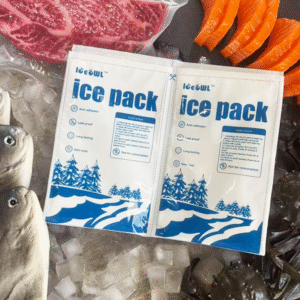
Every step that a vaccine, les produits biologiques ou de thérapie génique acheminés de l'usine jusqu'au patient doivent rester dans des plages de température strictes. Si ce n'est pas le cas, le médicament peut perdre de sa puissance ou même devenir dangereux. Pharma cold chain tracking gives you visibility into these journeys and allows you to intervene before an excursion turns into waste. Dans 2025, plus des deux cinquièmes des médicaments nouvellement approuvés nécessitent un contrôle de la température, et jusqu'à la moitié des vaccins sont encore perdus en raison d'une mauvaise manipulation. Cet article explique comment les solutions de suivi modernes protègent la qualité des produits, vous aider à respecter les nouvelles réglementations et à réduire l’impact environnemental.
Pourquoi le suivi de la chaîne du froid pharmaceutique est-il important pour la sécurité des patients et vos résultats financiers? Découvrez comment les variations de température endommagent les thérapies sensibles et pourquoi 43 % des nouveaux médicaments nécessitent une chambre froide.
Quelles sont les plages de températures recommandées et comment évaluer les excursions? Apprenez les définitions des réfrigérateurs, congélateurs, cold storage and mean kinetic temperature (MKT) lignes directrices pour 2025.
Which regulations govern cold chain tracking in 2025? Comprendre les bonnes pratiques de distribution (PIB), USP <1079.2> and DSCSA deadlines for electronic traceability.
What technologies enable real time monitoring and predictive analytics? See how IoT sensors, IA, blockchain, drones and sustainable packaging minimise spoilage.
How can you build a reliable, système de chaîne du froid durable? Get best practice tips on packaging, transport, documentation et planification d’urgence.
Why Pharma Cold Chain Tracking Matters
Protecting efficacy and public health. Medicines with complex biological structures—such as vaccines, peptides, monoclonal antibodies and gene therapies—are highly temperature sensitive. According to the American Society of Health System Pharmacists, sur 43 % de 292 médicaments approuvés entre janvier 2018 et mars 2023 nécessitent une chambre froide, et 6 % need freezing or ultra cold conditions. Many vaccines become ineffective if they are exposed below freezing or above 8 °C, while gene and cell therapies can degrade when temperatures rise above –70 °C. L'Organisation mondiale de la santé estime que jusqu'à 50 % of vaccines are wasted each year due to inadequate temperature control and logistics, demonstrating the public health risk of an unreliable cold chain.
Financial impact of excursions. Poor temperature control leads to financial losses, sanctions réglementaires et atteinte à la réputation. La logistique à température contrôlée représente près de 18 % des dépenses logistiques biopharmaceutiques en 2020, and the market for cell and gene therapies—which often require ultra cold storage—is projected to surpass US $81 milliards 2029. When a product falls outside its specified range, it may need to be discarded or re qualified, causing revenue loss and delaying patient care. La loi sur la sécurité de la chaîne d’approvisionnement en médicaments (DSCSA) warns that data mismatches between electronic records and physical products can halt shipments and trigger costly quarantines; industry estimates suggest DSCSA related errors could cost more than US $6 billion each year. Strong tracking systems prevent these losses by identifying excursions in real time and enabling timely interventions.
Reputation and regulatory compliance. A single failure in the cold chain can damage a brand’s reputation and invite regulatory scrutiny. Patients expect safe, effective medicines, and regulators impose steep fines for non compliance. Real time tracking helps you meet the expectations of the FDA, EMA and WHO while demonstrating care for patient safety. In an era where digital health data is transparent, reliable cold chain performance is a competitive advantage.
The Cost of Temperature Excursions
Temperature excursions not only degrade drug potency but also cascade into operational and financial challenges. When shipments are quarantined due to mismatched serial numbers or missing temperature logs, companies must investigate root causes, perform stability testing and file corrective action reports. These delays can stall product releases by days or weeks, impairing supply continuity. Un robuste pharma cold chain tracking program reduces these risks by offering continuous visibility and automated alerts.
| Conséquence | Description | Ce que cela signifie pour vous |
| Dégradation du produit | Exposure above 8 °C or below freezing can make vaccines and biologics ineffective. | Loss of product potency and potential recalls require costly replacement and can harm patients. |
| Sanctions réglementaires | DSCSA requires accurate electronic data matching each physical product; non compliance may lead to fines up to US $500,000. | Amendes, shipment delays and licence suspension jeopardise your business operations. |
| Supply disruption | Excursions trigger investigations and re qualification, delaying deliveries to pharmacies and clinics. | Patients may face shortages, and your organisation’s reputation can suffer. |
| Waste and environmental impact | Wasted vaccines contribute to unnecessary manufacturing and transport, increasing carbon emissions. | Wasted resources and higher costs conflict with sustainability goals. |
Astuces et conseils pratiques
Livraisons urbaines courtes distances: Use IoT enabled pallet shippers with gel packs so sensors send alerts if temperatures drift.
Expéditions éloignées ou rurales: Combinez des congélateurs cryogéniques portables avec un stockage alimenté par l’énergie solaire pour surmonter l’instabilité électrique.
Produits biologiques de grande valeur: Employ reusable vacuum insulation panel (VIP) containers and cryogenic shippers such as Crēdo Cube™ to maintain ultra cold conditions for over 144 hours while reducing dry ice use by 75 %.
Cas du monde réel: A biotech firm shipping a gene therapy from California to rural Africa used a portable cryogenic freezer with IoT sensors. The device maintained –100 °C for 48 hours and transmitted real time temperature updates via satellite. When a sensor detected a rising temperature due to a stuck compressor, the operations team rerouted the package through a nearby hub with backup freezers, ensuring that the therapy arrived intact. This example illustrates how proactive monitoring and contingency planning preserve patient safety and corporate revenue.
Understanding Temperature Requirements and Storage Definitions
Definitions matter. Les États-Unis. Pharmacopeia defines temperature categories that underpin cold chain management: a refrigerator maintains 2 °C à 8 °C, a freezer maintains –25 °C to –10 °C, “cold” means not exceeding 8 °C, “cool” refers to 8 °C à 15 °C, et température ambiante contrôlée (CRT) ranges from 20 °C à 25 °C. The Centers for Disease Control and Prevention specify that ultra cold freezers for certain vaccines must maintain –90 °C to –60 °C and that standard freezers should remain between –50 °C and –15 °C. Understanding these ranges is the foundation for safe transport and storage.
Evaluating excursions with Mean Kinetic Temperature. USP <1079.2>, released in August 2025, provides guidance on using mean kinetic temperature (MKT) to assess excursions. Pour les produits CRT, the permissible range is 15 °C–30 °C, with excursions up to 40 °C for less than 24 heures; le MKT de 30 jours ne doit pas dépasser 25 °C. For controlled cold temperature products (2 ° C - 8 ° C), temporary excursions to 15 °C are allowed for up to 24 heures, provided the 24 hour MKT stays below 8 °C. Each excursion becomes a non conforming event requiring investigation and documentation.
Typical Temperature Ranges for Common Products
| Type de produit | Gamme recommandée | Impact des écarts | Implications pratiques |
| Vaccins standards (Par exemple, grippe) | +2 °C à +8 °C | Freezing causes irreversible reactions; la surchauffe réduit la puissance. | Maintain constant refrigeration, avoid freezing and monitor continuously. |
| Vaccins contre le VPH | +2 °C à +8 °C | Perte permanente de puissance en cas de congélation. | Utilisez des thermomètres et des alarmes calibrés pour éviter les excursions. |
| Pfizer COVID 19 vaccine | –80 °C à –60 °C | Temperatures above this range reduce efficacy. | Investissez dans un stockage cryogénique portable et des solutions d'expédition validées. |
| Moderna COVID 19 vaccine | –25 °C to –15 °C for long term storage; 2 °C–8 °C jusqu'à 30 jours | Extended room temperature exposure shortens shelf life. | Planifiez soigneusement les durées d’expédition et les temps de stockage locaux. |
| Gène & thérapies cellulaires | –70 °C ou moins | La dégradation entraîne une perte de valeur thérapeutique. | Utiliser des congélateurs cryogéniques spécialisés et une surveillance en temps réel. |
What These Ranges Mean for You
Understanding the appropriate temperature range for each product allows you to choose the right packaging, monitoring equipment and logistics partners. Failing to maintain the required range not only compromises efficacy but also invites regulatory scrutiny and financial loss.
Regulatory Framework and Compliance: PIB, USP <1079.2> et DSCSA
Bonne pratique de distribution (PIB). GDP guidelines enforced by the FDA, EMA and WHO require temperature control (typiquement 2 ° C - 8 ° C), équipement qualifié, surveillance continue, l'évaluation des risques, formation et documentation. Companies must implement validated packaging, calibrate monitoring devices to recognised standards and develop contingency plans for power outages or equipment failures.
Délais DSCSA. Les États-Unis. Drug Supply Chain Security Act mandates an interoperable system for tracking prescription drugs at the package level. Signed in 2013, it phases in requirements culminating in full implementation by August 27 2025 for wholesale distributors, with large dispensers following by November 27 2025 and small dispensers by November 27 2026. Key obligations include secure electronic exchange of transaction data, vérification des identifiants des produits (GTIN, numéro de série, numéro de lot, date de péremption) and strict data accuracy. Non compliance can lead to fines up to US $500,000 and shipment delays.
Global alignment. En dehors des États-Unis, the EU’s GDP and GMP Annex 11 emphasise validated electronic systems with audit trails and secure access. Many countries follow WHO vaccine storage guidelines, which recommend digital monitoring and documentation. Pfizer’s COVID 19 vaccine must be stored between –80 °C and –60 °C, while Moderna’s vaccine requires –25 °C to –15 °C long term. Adhering to these standards ensures that international shipments maintain integrity across borders.
DSCSA Timeline and Responsibilities
| Partie prenante | Compliance Deadline | Key Duties | Pourquoi ça compte |
| Fabricants | Peut 27 2025 | Serialize each package, record transaction data and ensure that electronic records match the physical product. | Early compliance sets the tone for downstream partners and avoids shipment quarantines. |
| Distributeurs en gros | Août 27 2025 | Exchange EPCIS transaction data, verify product identifiers, maintain traceability. | Failure to comply can result in fines up to US $500,000 and loss of licence. |
| Grands distributeurs | Novembre 27 2025 | Authenticate serial numbers, share transaction statements with trading partners. | Ensures patients receive genuine, safe medicines. |
| Petits distributeurs | Novembre 27 2026 | Same as large dispensers, with additional time for implementation. | Allows smaller pharmacies to adopt digital systems without disruption. |
Conseils pratiques de conformité
Implement an interoperable data platform that integrates serialisation, transaction data and real time temperature monitoring.
Train staff on DSCSA requirements and assign accountability for data accuracy.
Calibrate and qualify sensors and packaging to recognised standards such as NIST or UKAS.
Conduct mock audits to identify gaps in documentation and electronic traceability.
Technologies Enabling Real Time Cold Chain Tracking
IoT et suivi en temps réel
IoT sensors are the bedrock of modern cold chain management. They continuously collect temperature, humidity and location data and transmit it to cloud platforms. These sensors enable route optimisation, reduce waste by preventing spoilage and help companies meet regulatory requirements. When a sensor detects unsafe temperatures, it sends alerts via text messages or mobile apps so staff can intervene before product quality is compromised. Predictive analytics built into IoT platforms analyse historical and live data, forecasting equipment failures and reducing unplanned downtime by up to 50 % while lowering repair costs by 10–20 %.
Intelligence artificielle et analyse prédictive
AI enhances logistics by optimising routes, forecasting demand and predicting equipment failures. L'optimisation des itinéraires basée sur l'IA utilise des données de trafic et météorologiques en temps réel pour sélectionner le chemin le plus rapide., réduisant le temps de transit et le risque de détérioration. Predictive maintenance models identify upcoming issues, and AI based demand forecasting helps manufacturers plan production and shipping volumes. By comparing temperature data with regulatory ranges, AI can automatically flag non compliant shipments. These capabilities improve reliability and free personnel to focus on high value tasks.
Blockchain pour la traçabilité
Blockchain technology ensures end to end traceability and tamper proof data sharing. La température de chaque envoi, humidity and transit time are recorded in an immutable ledger accessible to manufacturers, carriers and health providers. Blockchain prevents data manipulation and counters counterfeit drugs. En Asie du Sud-Est, blockchain adoption provides real time monitoring and transparency for vaccine shipments. Integrating blockchain with IoT sensors allows stakeholders to verify that a product stayed within its required temperature range, simplifying audits and strengthening trust.
Drones et livraisons à distance
Delivering medicines to remote or disaster affected regions is challenging. Drone technology offers rapid, livraison sans contact, ensuring that temperature sensitive products reach patients quickly and safely. Drones with built in refrigeration and IoT trackers maintain temperature integrity throughout flight. À mesure que les cadres réglementaires évoluent, drones are becoming an increasingly viable solution for rural healthcare and emergency response.
Congélateurs cryogéniques portables et solutions ultra froides
Advanced cell and gene therapies often require temperatures below –80 °C. Portable cryogenic freezers maintain –80 °C to –150 °C even in challenging environments. Their compact design allows on the go transportation during clinical trials or fieldwork. These freezers offer real time temperature tracking and alarm notifications, ensuring compliance and protecting product potency. Such innovations allow therapies to reach remote areas without relying on large infrastructure.
Énergie durable et emballage écologique
La réfrigération représente environ 2 % des émissions mondiales de CO₂, making sustainability a critical concern in cold chain logistics. Companies are adopting solar powered cold storage units and biodegradable packaging to cut emissions and meet net zero goals. Solar units provide cost effective storage in regions with unreliable power grids. Conteneurs réutilisables, Panneaux d'isolation sous vide (Vips) et matériaux à changement de phase (PCMS) offrent une stabilité thermique supérieure et réduisent les déchets. Reusable pallet shippers like Peli BioThermal’s Crēdo Cube™ maintain ultra cold temperatures for over 144 hours while reducing dry ice use by 75 %.
Automation, Robotique et entrepôts intelligents
La pénurie de main-d'œuvre et la demande croissante poussent les entrepôts à s'automatiser. Dans 2025, seulement environ 20 % des installations de stockage frigorifique sont entièrement automatisées. Robotics and automated picking systems improve throughput, réduire les erreurs et protéger les travailleurs des températures extrêmes. Véhicules à guidage automatique (AGV) et des bras robotisés déplacent les marchandises entre les congélateurs et les zones de transit, permettre 24/7 opérations. Coupled with AI driven scheduling, automation supports just in time delivery and reduces congestion.
Integration of Sustainable Supply Chains
Gouvernements, investors and health organisations are pressuring pharmaceutical companies to decarbonise logistics. Cold chain and logistics segments dominate net zero efforts because sustainable logistics reduce spoilage and carbon emissions. Europe leads the market due to stringent regulations, while Asia–Pacific is the fastest growing region thanks to large scale investment in green manufacturing and renewable energy. To achieve net zero, companies deploy carbon tracking software, optimise transportation routes and integrate renewable energy sources into facilities.
Summary of Technologies
| Technologie | Role in Cold Chain | Specific Benefit |
| Capteurs IoT | Surveillance continue de la température, humidité et emplacement. | Real time alerts prevent excursions; predictive analytics reduces downtime. |
| Intelligence artificielle | Optimisation des itinéraires, demand forecasting and predictive maintenance. | Réduit le temps de transit, anticipates equipment failures and flags non compliant shipments. |
| Chaîne de blocs | Immutable ledger of temperature and location data. | Empêche la contrefaçon, simplifies audits and enhances trust among stakeholders. |
| Drones | Rapid delivery to remote areas with built in refrigeration. | Ensures access to therapies in disaster zones or hard to reach regions. |
| Congélateurs cryogéniques | Maintain ultra low temperatures between –80 °C and –150 °C. | Protects sensitive gene and cell therapies during transport. |
| Emballage durable | Stockage à énergie solaire, reusable containers and PCMs. | Reduces carbon footprint and waste while maintaining temperature stability. |
| Automation & robotique | AGV, robotic picking and smart warehouses. | Improves efficiency, reduces labour costs and supports just in time delivery. |
Building a Reliable Cold Chain System
Implementing a robust cold chain requires a layered approach combining physical equipment, surveillance numérique, documentation et personnel formé.
Contrôle de la température et stabilité. Use reliable refrigeration units and passive packaging—insulated containers, expéditeurs de palettes, phase change materials—to maintain stable conditions from manufacturing to administration. Les produits ultra froids peuvent nécessiter des congélateurs cryogéniques et de la neige carbonique; s'assurer que l'emballage est validé pour la durée requise.
Surveillance continue. Déployer des capteurs, enregistreurs de données et appareils IoT qui enregistrent la température et l'humidité en continu. La surveillance en temps réel permet des actions correctives rapides. Predictive analytics can lower repair costs and reduce unplanned downtime by up to 50 %.
Documentation traçable. Tenir des enregistrements numériques des données de température, procédures de traitement et actions correctives. DSCSA requires secure electronic data exchange and serialised product identifiers. Digital logs make it easier to demonstrate compliance during audits.
Équipements et procédés validés. Ensure monitoring devices and packaging solutions are calibrated to recognised standards like NIST or UKAS. Les partenaires d'emballage doivent fournir des données de qualification et respecter les exigences du GDP et de l'IATA..
Personnel formé. Ongoing training ensures personnel understand temperature requirements, handling protocols and emergency responses. Training builds a culture of accountability and reduces human error.
Planification d'urgence. Élaborer des protocoles en cas de panne d'équipement, pannes de courant et retards. Créez une redondance avec des générateurs de secours, capteurs supplémentaires et itinéraires de transport alternatifs. Regularly test contingency plans so your team knows exactly what to do when an incident occurs.
Pratiques durables. Choose reusable packaging and energy efficient refrigeration systems to reduce your carbon footprint and comply with net zero commitments.
Meilleures pratiques pour l'emballage et le transport
Selecting the right packaging is crucial for maintaining temperatures. Les conteneurs isothermes représentent environ 40 % du marché de l'emballage sous chaîne du froid, while pallet shippers represent about 25 %. Matériaux à changement de phase (PCMS) et panneaux d'isolation sous vide (Vips) provide precise temperature control, and smart packaging platforms use AI and IoT to recommend appropriate solutions. Cryovac vacuum sealed packaging reduces plastic use and extends shelf life. Lors du choix d'un fournisseur, verify that their solutions meet ISTA 7D or GDP standards and that they offer reusable options to lower cost and waste.
Pour les transports, passive cooling solutions like dry ice, liquid nitrogen and gel packs provide reliable temperature control and can be replenished during transit. Real time trackers and tamper evident seals maintain security. Route planning should account for expected temperature exposure, ensuring that shipments arrive within hold times. Pour les livraisons du dernier kilomètre, consider drones or local refrigerated vehicles equipped with IoT sensors.
| Type d'emballage | Caractéristique clé | Bénéficier à vous |
| Conteneurs isolés | Represent ~40 % du marché. | Provide versatile protection for 2 Expéditions °C–8 °C; souvent réutilisable. |
| Expéditeurs de palettes | Représente ~25 % du marché. | Idéal pour les expéditions en vrac; often incorporate dry ice or gel packs. |
| Matériaux à changement de phase & Vips | Offre un contrôle précis de la température. | Reduce reliance on dry ice and maintain stable conditions for longer. |
| Emballage intelligent | Uses AI & IoT to recommend solutions. | Helps you choose the right configuration based on product and route. |
| Cryovac vacuum sealed packaging | Reduces plastic and extends shelf life. | Supports sustainability goals without compromising protection. |
| Glace sèche & packs de gel | Reliable passive cooling. | Simple, cost effective solution for short and long journeys. |
Practical Advice for Specific Scenarios
Short haul urban routes: Use insulated containers with gel packs and IoT trackers. Plan routes to minimise transit time and avoid high traffic areas.
Cross border shipments: Align with both DSCSA and EU GDP requirements and ensure data formats are compatible. Work with carriers experienced in international cold chain logistics.
Essais cliniques: For extremely sensitive therapies, combine cryogenic freezers with portable generators and redundancy sensors. Ensure you have alternative destinations in case of flight delays.
Cas d'utilisation: When a manufacturer needed to ship an mRNA vaccine from North America to Asia, they selected a phase change material shipper with smart sensors. The AI platform analysed weather data and suggested a flight with minimal layovers. Pendant le transport, a sensor detected rising temperature due to a customs delay. The logistics team activated contingency plans, adding gel packs at an intermediate hub. The vaccine arrived within specification, demonstrating how data driven planning mitigates risk.
2025 Market Insights and Emerging Trends
Aperçu de la tendance. Le marché de la chaîne du froid pharmaceutique est en pleine expansion. D'après les recherches, the global cold chain packaging sector is expected to grow from US $20.05 milliards en 2025 pour nous $69.55 billion by 2034—a compound annual growth rate (TCAC) de 14.82 %. The broader cold chain monitoring market could surge from US $45.19 milliards en 2025 pour nous $266.66 milliards 2034. Growth drivers include increased production of biologics, vaccines and cell and gene therapies; expansion of e commerce pharmacies; des réglementations plus strictes; and innovations in packaging and monitoring.
Aperçu des derniers progrès
Automatisation et robotique: Moins que 20 % of cold warehouses are currently automated, leaving substantial room for robots and automated guided vehicles to improve throughput and worker safety.
Visibilité de bout en bout: IA, IoT and blockchain deliver real time tracking and predictive alerts, réduire la détérioration et améliorer la conformité.
Durabilité: Governments and investors demand carbon neutral logistics; companies adopt renewable energy, biodegradable packaging and reusable containers.
Thérapies avancées: Cell and gene therapies require ultra cold conditions; portable cryogenic freezers and reusable shippers support this need.
Résilience de la chaîne d’approvisionnement: Climate change increases disease outbreaks and supply disruptions; robust logistics networks and contingency plans mitigate risks.
Digital compliance: DSCSA implementation drives electronic data exchange and serialisation, forcing companies to upgrade their IT infrastructure.
Innovations en matière d'emballage durable: Reusable pallets, eco friendly phase change materials and vacuum insulation panels reduce waste and support ESG goals.
Market and regional insights. Europe dominates the net zero pharmaceutical supply chain market due to stringent regulations, while Asia–Pacific is the fastest growing region thanks to investments in green manufacturing and renewable energy. L’Amérique du Nord détient actuellement environ 35 % of the cold chain monitoring market. New tariffs on imported packaging materials and refrigeration equipment in the U.S. are reshaping procurement strategies. Companies are mitigating costs by sourcing locally and adopting modular containers.
Questions fréquemment posées (FAQ)
What is pharma cold chain tracking and why is it important?
Pharma cold chain tracking is the process of monitoring and documenting temperature and location data for sensitive medicines from manufacturing through distribution. Il garantit que les vaccins, biologics and gene therapies stay within their specified temperature ranges, préserver leur efficacité et leur sécurité. Without reliable tracking, up to half of vaccines can be wasted.
Comment les capteurs IoT améliorent-ils la gestion de la chaîne du froid?
IoT sensors continuously record temperature, humidité et emplacement, transmitting data to cloud platforms. Real time alerts enable immediate corrective action, preventing spoilage and reducing product loss. Predictive analytics built into IoT platforms can lower equipment downtime by up to 50 % et les coûts de réparation de 10 à 20 %.
What are the DSCSA compliance deadlines for 2025?
Manufacturers must serialize packages and exchange transaction data by May 27 2025; wholesale distributors must comply by August 27 2025; large dispensers by November 27 2025; and small dispensers by November 27 2026. Non compliance can lead to fines and shipment delays, so early adoption of interoperable data systems is essential.
Which packaging solutions should I choose for ultra cold products?
For therapies requiring temperatures below –80 °C, select portable cryogenic freezers or reusable ultra cold shippers that maintain temperatures down to –150 °C. Combine them with IoT sensors to ensure real time monitoring. Phase change material shippers and vacuum insulation panels can also provide precise control.
Comment puis-je rendre ma chaîne du froid plus durable?
Adoptez des emballages réutilisables, solar powered storage and renewable energy sources. Use vacuum insulation panels and phase change materials to minimise dry ice consumption, and implement carbon tracking software to measure emissions and optimise routes.
Résumé et recommandations
Principaux à retenir:
Un robuste pharma cold chain tracking system is essential for safeguarding drug potency, patient safety and brand reputation. Sur 43 % of new drugs require cold storage, et jusqu'à 50 % of vaccines are wasted due to poor temperature control.
Understand and follow precise temperature ranges for each product, using MKT guidelines to evaluate excursions.
Comply with GDP, USP <1079.2> and DSCSA regulations, ensuring electronic traceability by August 27 2025 for wholesalers and November 27 2025 for large dispensers.
Leverage IoT, IA, blockchain, drones and sustainable packaging to achieve real time monitoring, predictive analytics and end to end visibility.
Build a comprehensive system that combines validated equipment, surveillance continue, documentation traçable, trained staff and contingency planning.
Étapes réalisables:
Auditez votre chaîne du froid actuelle. Identifier les lacunes dans le contrôle de la température, data capture and regulatory compliance.
Invest in IoT and AI. Deploy sensors and predictive analytics to monitor shipments in real time and anticipate failures
Update your compliance systems. Ensure your enterprise systems can exchange EPCIS data and verify product identifiers before the DSCSA deadlines.
Choisissez un emballage durable. Opt for reusable containers, renewable energy solutions and eco friendly materials to reduce emissions.
Train your staff and test contingency plans. Continuous training and simulated crisis drills prepare your team to act quickly when something goes wrong.
À propos du tempk
Our expertise. Tempk specialises in designing and manufacturing innovative cold chain packaging solutions for the pharmaceutical, biotech and healthcare industries. Our product line includes insulated boxes, packs de glace, thermal pallet covers and portable cryogenic freezers. Each solution is tested to meet stringent GDP and ISTA 7D standards. We focus on using recyclable materials and energy efficient designs to help you meet sustainability goals while safeguarding your cargo. With a dedicated research and development team and a history of global compliance, we provide reliable equipment and guidance to keep your supply chain compliant and efficient.
Appel à l'action. Prêt à renforcer votre chaîne du froid pharmaceutique? Contact Tempk’s experts to discuss customised packaging, real time monitoring integration and sustainability strategies. Laissez-nous vous aider à construire un environnement résilient, compliant and eco friendly cold chain system tailored to your products.