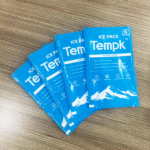
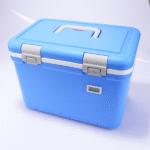
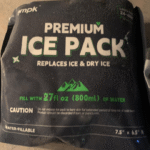
Le chaîne du froid pharmaceutique assure la sécurité des médicaments vitaux lors de leur transport des usines aux patients. Vous devez maintenir des plages de température strictes et vous conformer aux réglementations en constante évolution tout en adoptant l'innovation numérique.. Dans 2025 the market for cloudbased chaîne du froid management is projected to grow from roughly US$17.71 billion to over US$143 billion by 2034, reflétant la demande croissante de surveillance en temps réel des produits pharmaceutiques, aliments et produits chimiques. Ce guide répond à vos questions les plus importantes sur pharmaceutical chaîne du froid management technology et montre comment les outils émergents tels que les capteurs IoT, l'intelligence artificielle et emballage durable are reshaping logistics.
Pourquoi le contrôle de la température est important et comment gérer les plages de température critiques – y compris les catégories de 2 °C à −80 °C.
Quelles technologies protègent les médicaments sensibles – de la surveillance IoT et de la traçabilité blockchain aux congélateurs cryogéniques portables.
Comment se conformer aux bonnes pratiques de distribution (PIB) et les lignes directrices de l'OMS – y compris des principes clés tels que le contrôle et la surveillance de la température et une cartographie régulière des températures.
Quelles nouvelles tendances définissent le 2025 chaîne du froid pharmaceutique – comme l’automatisation, durabilité et analyses basées sur l'IA.
Why is temperature control crucial for pharmaceuticals in the chaîne du froid?
Un contrôle précis de la température maintient les médicaments puissants et sûrs. De nombreux vaccins, les produits biologiques et les médicaments spécialisés perdent leur efficacité s’ils s’écartent des plages de température étroites. Conseils issus des bonnes pratiques de distribution (PIB) requires chaîne du froid products to remain between 2 °C et 8 °C sauf indication contraire. Les produits biologiques ultra-faibles comme les vaccins à ARNm et les thérapies géniques sont nécessaires –20 °C à –80 °C conditions, tandis que les médicaments à température ambiante contrôlée (15 °C–25 °C) nécessitent une isolation plus légère. Les écarts peuvent entraîner une dégradation du produit, gaspillage et risques sanitaires.
Éléments clés de la gestion de la chaîne du froid
The chaîne du froid is a system of stockage, transport et surveillance qui maintient les produits pharmaceutiques à des températures sûres. Chaque composant a des rôles distincts:
| Composant | Pratiques & Technologies | Signification pratique pour vous |
| Stockage | Utiliser des entrepôts à température contrôlée, réfrigérateurs et congélateurs ultra-froids conçus pour maintenir 2 °C–8 °C ou −20 °C à −80 °C. Des installations sophistiquées évitent les « points chauds » et maintiennent une température uniforme. | Un stockage correct préserve l’efficacité et évite une détérioration coûteuse. La mise à niveau de l'isolation et des équipements économes en énergie réduit la consommation d'énergie. |
| Transport | Utiliser des camions frigorifiques, conteneurs d'expédition isolés et conteneurs passifs avec des matériaux à changement de phase ou de la neige carbonique pour maintenir la température pendant le transport. Les drones et les congélateurs cryogéniques portables permettent des livraisons dans des zones reculées. | Un transport fiable évite les excursions lors de longs trajets et garantit une livraison à temps. La sélection du bon emballage en fonction de la longueur de l'itinéraire et du climat réduit les risques. |
| Surveillance | Mettre en œuvre des enregistreurs de température numériques, Capteurs IoT et suivi GPS en temps réel pour enregistrer les conditions tout au long de l'expédition. La blockchain crée des enregistrements infalsifiables qui améliorent la traçabilité. | La surveillance continue vous aide à réagir immédiatement aux écarts de température et à prouver la conformité lors des audits. |
Astuces et conseils pratiques
Comprendre la gamme de vos produits: Identifier si un médicament doit être réfrigéré (2 ° C - 8 ° C), congelé (–20 ° C) ou ultrafroid (−70 °C) conditions et sélectionner l’emballage en conséquence.
Planifiez les itinéraires de manière proactive: Utilisez un logiciel de logistique piloté par l'IA pour optimiser les itinéraires, compte tenu du trafic, météo et fenêtres de livraison.
Préconditionner les réfrigérants: Lors de l'utilisation de matériaux à changement de phase ou glace carbonique, pré-refroidissez-les à la température cible et emballez-les uniformément autour du produit.
Cas du monde réel: Pendant le déploiement du vaccin contre la COVID-19, chaîne du froid Technologies shipped over 500 millions de doses utilisant des expéditeurs réutilisables. Leur plateforme combinait IA et IoT pour recommander des emballages en fonction de la durée du voyage, météo et températures requises, réduire les excursions thermiques et minimiser les déchets.
How do emerging technologies enhance pharmaceutical chaîne du froid management?
La technologie moderne apporte la transparence, efficacité et durabilité. Dans 2025 des innovations telles que les capteurs IoT, blockchain, artificial intelligence and solarpowered refrigeration are transforming chaîne du froid logistics. Ces outils vous aident à prédire les risques, automatisez la conformité et réduisez l’empreinte carbone.
Blockchain and traceability in pharma chaîne du froids
La blockchain est un registre distribué qui enregistre chaque transaction dans une chaîne inviolable.. Dans la logistique pharmaceutique, il assure la traçabilité de bout en bout en enregistrant les données d'expédition – température, humidité et temps de trajet – et partage avec les parties prenantes. Cette transparence permet d’éliminer la manipulation des données et démontre la conformité, réduisant le risque de détérioration et les sanctions réglementaires.
Capteurs IoT et surveillance en temps réel
Internet des objets (IoT) les appareils collectent et transmettent des données sans intervention manuelle. Des capteurs compatibles IoT installés sur les camions et les colis surveillent la température, humidité et localisation en temps réel. Lorsqu'une température dangereuse est détectée, le système alerte les opérateurs pour qu'ils prennent des mesures correctives. La fonctionnalité GPS vous permet de suivre les expéditions et d'optimiser les itinéraires, assurer des livraisons dans les délais. Ces technologies réduisent considérablement la détérioration et améliorent l’efficacité opérationnelle.
Intelligence artificielle et analyse prédictive
Intelligence artificielle (IA) utilise des algorithmes pour apprendre des données historiques et en temps réel. Dans 2025, AI supports chaîne du froid logistics by optimisation des itinéraires, prévision de la demande et prévoir la maintenance des équipements. Les systèmes pilotés par l'IA analysent le trafic, conditions météorologiques et de livraison pour planifier des itinéraires efficaces, réduire les temps de transit et la consommation de carburant. Les algorithmes de maintenance prédictive identifient les pannes potentielles des équipements avant les pannes, éviter des pertes de produits coûteuses. L'IA améliore également la conformité réglementaire en automatisant la documentation et l'audit..
Congélateurs cryogéniques portables et réfrigération avancée
Pour les produits biologiques et les thérapies cellulaires nécessitant des températures ultra-basses, les congélateurs cryogéniques portables maintiennent –80 °C à –150 °C même dans des environnements difficiles. Ces unités compactes fournissent un suivi de la température en temps réel et des notifications d'avertissement, ce qui les rend idéaux pour les livraisons à distance. Les nouvelles conceptions de congélateurs améliorent l’efficacité énergétique et réduisent le recours à la neige carbonique, vous aider à atteindre vos objectifs de développement durable. De plus, des unités de réfrigération à énergie solaire fournissent de l'électricité aux chambres froides situées dans des zones dont le réseau n'est pas fiable, réduire les coûts opérationnels.
Emballage durable et matériaux respectueux de l'environnement
L'emballage durable réduit l'impact environnemental sans compromettre les performances thermiques. Recyclable conteneurs isolés, emballages biodégradables et réutilisables packs froids minimiser les déchets. Matériaux à changement de phase (PCMS) stocker et libérer de la chaleur à des températures spécifiques, les rendant réutilisables et non dangereux. Panneaux isolés sous vide (Vips) fournir 5 à 10 fois l'isolation des matériaux standards, permettant des emballages plus fins. Choisir un briquet, les emballages écologiques réduisent les émissions liées au transport et répondent à la demande des consommateurs pour des produits plus écologiques.
Tableau comparatif des technologies
| Technologie | Ce que ça fait | Comment cela vous profite |
| Capteurs IoT & étiquettes intelligentes | Collectez des données en temps réel sur la température, humidité et emplacement, représentation 76 % des revenus du suivi de la chaîne du froid. | Vous recevez des mises à jour et des alertes en direct pour éviter les excursions et vérifier la conformité. |
| Optimisation des itinéraires grâce à l'IA | Utilise l'analyse prédictive pour planifier des itinéraires efficaces et prévoir la demande. | Réduit les délais de livraison, réduit la consommation de carburant et anticipe les besoins de maintenance, économiser des coûts et protéger la qualité des produits. |
| Traçabilité de la blockchain | Crée des enregistrements infalsifiables pour chaque expédition. | Améliore la confiance, facilite les audits et assure la conformité réglementaire. |
| Congélateurs cryogéniques | Maintenir des températures ultra basses (–80 °C à –150 °C) pour produits biologiques. | Protège les thérapies cellulaires et géniques de grande valeur, même lors de livraisons à distance; le suivi en temps réel ajoute de la sécurité. |
| Emballage durable (PCMS, Vips) | Fournit réutilisable, une isolation économe en énergie avec moins de déchets. | Réduit l’empreinte carbone, réduit les coûts récurrents et répond aux attentes des consommateurs en matière de logistique respectueuse de l'environnement. |
Conseils et suggestions centrés sur l'utilisateur
Intégrer des plateformes de surveillance: Utilisez des tableaux de bord basés sur le cloud pour afficher les données de température et de localisation pour les expéditions. The cloudbased chaîne du froid management market is projected to grow at a CAGR of over 26 % parce que ces plateformes offrent évolutivité et analyses prédictives.
Adoptez des emballages réutilisables: Transition de l'usage unique packs de gel aux matériaux à changement de phase et aux expéditeurs réutilisables. Une entreprise de biotechnologie qui a opté pour les conteneurs PCM a réduit les pannes de température et réduit les coûts de 40 % après dix expéditions.
Combinez IA et blockchain: Associez l'analyse prédictive à des registres inviolables pour identifier les risques à un stade précoce et générer des rapports prêts à l'audit..
Exemple pratique: En Asie du Sud-Est, les entreprises déploient l'énergie solaire rangement froid unités pour desservir les zones rurales avec une électricité peu fiable. Ces unités réduisent les coûts énergétiques et permettent la distribution de vaccins dans les communautés éloignées.
Comment garantissez-vous le respect des directives du PIB et de l'OMS?
La conformité garantit l'intégrité du produit et évite les sanctions légales. Bonne pratique de distribution (PIB) établit des lignes directrices en matière d'assurance qualité pour le transport, stockage et manipulation de produits pharmaceutiques. Les agences de régulation comme l'EMA, La FDA et l'OMS appliquent ces directives pour protéger les patients. Adhérer au GDP signifie que vous suivez les meilleures pratiques en matière de contrôle de la température, utiliser du matériel qualifié, surveiller les expéditions et former le personnel.
Principes clés de conformité au RGPD
Contrôle de la température: Conserver les médicaments dans les limites spécifiées, généralement 2 ° C - 8 ° C, sauf indication contraire du fabricant.
Matériel qualifié: Utiliser des groupes frigorifiques validés, expéditeurs isolés et enregistreurs de données calibrés pour maintenir des conditions cohérentes.
Suivi et documentation: Mettre en œuvre une surveillance continue de la température et conserver des enregistrements détaillés pour la traçabilité.
Gestion des risques: Identifier et atténuer les risques potentiels tels que les pannes d'équipement, perturbations d'itinéraire ou pannes de courant.
Formation du personnel: S'assurer que le personnel sait comment manipuler les marchandises sensibles à la température et réagir aux excursions.
Conformité réglementaire: Restez à jour avec les réglementations régionales et internationales, dont IATA, Directives du DOT et de l'OMS.
Cartographie des températures de l’OMS et gestion efficace des vaccins
La gestion efficace des vaccins par l’Organisation mondiale de la santé (EVM) Cette initiative exige que toutes les chambres froides et congélateurs pour vaccins soient température cartographiée tous les deux ans. La cartographie de la température enregistre les variations au sein des espaces de stockage tridimensionnels – même les chambres froides bien conçues peuvent varier jusqu'à 10 °C d'un endroit à un autre. En juin 2024 l'OMS a publié une mise à jour outil de cartographie de la température avec un guide d'utilisation intégré, simplifier le processus pour les installations du monde entier. Une cartographie régulière garantit que les équipements de stockage maintiennent des conditions cohérentes et que les points chauds sont identifiés et corrigés..
Bonnes pratiques pour rester conforme
Réaliser des audits réguliers: Planifier des audits internes et externes pour évaluer la conformité et identifier les domaines à améliorer.
Valider les emballages et les équipements: Utiliser des emballages conformes aux normes GDP et calibrer régulièrement les capteurs et les congélateurs.
Mettre en œuvre des plans d'urgence: Préparez-vous aux pannes de courant, pannes de véhicules ou autres urgences avec équipement de secours et protocoles clairs.
Surveiller la formation et la documentation: Fournir une formation continue sur le GDP au personnel et tenir des registres détaillés de chaque expédition..
Quelles sont les dernières innovations en matière d'emballage et de réfrigération pour 2025?
Les moteurs technologiques et environnementaux se remodèlent Emballage de la chaîne du froid. Les innovations réduisent les déchets, améliorer l'isolation et permettre des profils de température flexibles.
Outils de décision utiles
Vérifiez les détails avant de choisir l'emballage
Ces outils rapides peuvent vous aider à comparer le risque d'itinéraire, besoins de dimensionnement, choix de liquide de refroidissement, et les détails de l'emballage avant de demander un devis.
Sélecteur d’emballage
Comparez les options d'emballage isotherme par produit, itinéraire, et besoin de température.
Trouver un emballageLiquide de refroidissement & Référence PCM
Comparez les options de liquide de refroidissement et de PCM lorsqu'un itinéraire nécessite une prise en charge supplémentaire de la température.
Comparez les optionsCalculateur de glace carbonique
Estimer les besoins en glace carbonique pour les envois congelés ou ultra-froids avant l'emballage.
Estimation de la neige carboniqueMatériaux à changement de phase vs. glace carbonique
Matériaux à changement de phase (PCMS) absorber et libérer de la chaleur à des températures spécifiques. Ils sont réutilisables, non dangereux et adapté aux expéditions entre +2 °C et –20 °C. Glace sèche (dioxyde de carbone solide) se sublime à –78,5 °C, ce qui le rend idéal pour les expéditions ultra-froides mais nécessitant un étiquetage des matières dangereuses. Le tableau ci-dessous compare les options:
| Type d'emballage | Gamme typique | Meilleurs cas d'utilisation | Ce que cela signifie pour vous |
| Matériaux à changement de phase (PCMS) | +2 °C à –20 °C | Vaccins, biologique, réactifs, kits d'essais cliniques | Réutilisable et non dangereux; coût initial plus élevé mais coût à long terme inférieur; nécessite un préconditionnement. |
| Glace sèche | En dessous de –70 °C | Produits biologiques ultrafroids, Matériaux CRISPR, cellules congelées et échantillons de plasma | Usage unique; nécessite un étiquetage et une ventilation dangereux; coût initial inférieur mais coût récurrent plus élevé. |
| Solutions hybrides | Gammes mixtes | Envois nécessitant plusieurs zones de température | Combinez les PCM autour d'articles à température modérée et de glace carbonique pour les produits ultrafroids dans le même récipient. |
Panneaux isolés sous vide et emballage intelligent
Panneaux isolés sous vide (Vips) fournir jusqu'à 10 fois l'isolation du polystyrène, permettant des emballages plus fins et plus légers. L'emballage intelligent intègre des capteurs IoT et des jumeaux numériques pour offrir des données de température et de localisation en temps réel. Les conteneurs réutilisables et les expéditeurs de palettes gagnent en popularité, dont le marché devrait presque doubler d'ici 2034. L'IA et les jumeaux numériques aident à concevoir des emballages et à prédire les écarts de température.
Matériaux durables et énergies renouvelables
Sustainability is now a core value in chaîne du froid logistics. Les fabricants améliorent leurs équipements pour une meilleure isolation et une meilleure utilisation de l'énergie, souvent alimenté par l’énergie solaire ou éolienne. De nouvelles formulations de médicaments et des systèmes de gestion améliorés réduisent la dépendance au froid extrême; certaines formulations d'insuline restent stables à température ambiante jusqu'à 28 jours. Les emballages durables utilisent des matériaux recyclables ou biodégradables, réduire les déchets et l’empreinte carbone. L'énergie renouvelable et les systèmes de gestion de l'énergie optimisés réduisent davantage les émissions et les coûts d'exploitation.
Optimisation du transport et contrôle de la température
Un logiciel d'optimisation d'itinéraire planifie des itinéraires efficaces en tenant compte du trafic, météo et fenêtres de livraison. Les véhicules réfrigérés avancés utilisent des systèmes alimentés par batterie ou des conteneurs passifs avec des PCM ou de la neige carbonique pour maintenir la température.. Le respect des directives GDP et de l'OMS – y compris l'étiquetage et les procédures documentées pour chaque expédition – garantit un transport sûr..
Surveillance et analyse prédictive basées sur l'IoT
Les systèmes de surveillance modernes exploitent les capteurs IoT et l'analyse prédictive pour maintenir des températures optimales. Les capteurs fournissent des données en temps réel et l'analyse prédictive anticipe les écarts, économiser l'énergie et réduire les déchets. Ces systèmes améliorent la sécurité des produits, traçabilité et efficacité opérationnelle.
Statistiques de croissance et d’adoption du marché
Jusqu'à 20 % de produits pharmaceutiques sensibles à la température sont compromis pendant le transport, coûtant à l'industrie alimentaire mondiale 35 milliards de dollars par an.
Le marché de l'emballage sous chaîne du froid était évalué à environ 28,14 milliards de dollars américains en 2024 et devrait atteindre 64,49 milliards de dollars américains d'ici 2032.
Le cloudbased chaîne du froid management market devrait croître de 17,71 milliards de dollars américains en 2025 à 143,05 milliards de dollars américains d'ici 2034, avec un 26 % TCAC.
À propos 80 % des entrepôts ne sont pas encore automatisés, signalant un énorme potentiel d’adoption de l’automatisation.
2025 Latest pharmaceutical chaîne du froid developments and trends
Technologique, regulatory and market forces are reshaping the chaîne du froid. Comprendre ces tendances vous aide à rester compétitif.
Aperçu de la tendance
Automatisation et robotique: Les pénuries de main-d'œuvre et la demande d'efficacité stimulent les systèmes automatisés de stockage et de récupération (AS/RS) et systèmes de manutention robotisés. Les systèmes automatisés fonctionnent en continu, réduire les erreurs et améliorer le débit.
La durabilité comme valeur fondamentale: Réfrigération économe en énergie, les énergies renouvelables et les emballages durables sont essentiels pour répondre aux attentes des réglementations et des consommateurs. La chaîne du froid est responsable d'environ 2 % des émissions mondiales de CO₂, il est donc crucial de réduire l’empreinte carbone.
Visibilité de bout en bout: L'adoption généralisée des dispositifs et logiciels de suivi compatibles IoT fournit des informations en temps réel sur la localisation, température et état. Cette visibilité réduit la détérioration, optimise les itinéraires et améliore la satisfaction des clients.
Modernisation des infrastructures: Les installations vieillissantes sont modernisées grâce à une isolation moderne, collecte de données et énergie renouvelable sur site. Les investissements se concentrent sur la conformité, efficacité énergétique et automatisation pour rester compétitif.
IA et analyse prédictive: L'IA révolutionne la logistique en prévoyant la demande, prévoir la maintenance des équipements et optimiser les itinéraires. La maintenance prédictive évite les pannes et réduit les déchets.
Growth of pharmaceutical chaîne du froid: La demande de produits pharmaceutiques et biologiques sensibles à la température continue de croître. Les thérapies géniques et cellulaires représentent désormais environ 20 % du développement de nouveaux médicaments, augmentant le besoin de stockage ultra-froid. The global pharmaceutical chaîne du froid market is projected to reach US$1.454 billion by 2029.
Partenariats stratégiques et intégration: Collaboration entre fabricants, les fournisseurs d’emballages et les fournisseurs de technologies améliorent la visibilité et la résilience tout au long de la chaîne d’approvisionnement. La standardisation des données et les conteneurs intelligents facilitent une intégration transparente, avec 74 % des données logistiques qui devraient être standardisées d’ici 2025.
Innovations durables: Congélateurs cryogéniques portables, la réfrigération solaire et les emballages réutilisables réduisent l'empreinte carbone. Le suivi de bout en bout garantit le respect de réglementations plus strictes.
Insistance au marché
Le marché de la chaîne du froid (y compris les produits pharmaceutiques et alimentaires) devrait atteindre 776,01 milliards de dollars américains d'ici 2029.
La demande des consommateurs pour des emballages respectueux de l’environnement influence les décisions d’achat; sur 55 % des consommateurs préfèrent les produits comportant des allégations de durabilité.
Le matériel représente actuellement plus de 72 % of the cloudbased chaîne du froid management market share, tandis que les segments des logiciels devraient croître à 27.73 % TCAC.
Les États-Unis. le marché devrait croître de 3,44 milliards de dollars américains en 2024 à 35,80 milliards de dollars d'ici 2034 en raison des investissements dans les soins de santé et la réglementation.
Questions fréquemment posées
Q1: Quelles plages de température sont requises pour les différents produits pharmaceutiques?
La plupart des médicaments réfrigérés ont besoin 2 ° C - 8 ° C stockage, tandis que les produits biologiques ultrafroids et les vaccins à ARNm nécessitent –20 °C à –80 °C. Les médicaments à température ambiante contrôlée sont stockés entre 15 °C et 25 °C. Suivez toujours les données de stabilité du fabricant et les directives GDP.
Q2: Comment les capteurs IoT améliorent-ils la gestion de la chaîne du froid?
Les capteurs IoT fournissent des données continues sur la température, humidité et emplacement. Ils envoient des alertes lorsque les conditions s'écartent, permettant une action corrective immédiate et réduisant la détérioration. Les capteurs compatibles GPS optimisent également les itinéraires et garantissent une livraison rapide.
Q3: Pourquoi utiliser des matériaux à changement de phase au lieu de la neige carbonique?
Les PCM sont réutilisables, non dangereux et adapté aux expéditions entre +2 °C et –20 °C. La glace carbonique offre des températures ultra-froides pour les expéditions de −70 °C, mais est à usage unique et nécessite un étiquetage dangereux. Le choix entre eux dépend des besoins en température, durée et complexité réglementaire.
Q4: Quelles sont les principales étapes de conformité au RGPD?
La conformité au RGPD implique le contrôle de la température (2 ° C - 8 ° C), en utilisant un équipement et un emballage qualifiés, surveillance et documentation continues, gestion des risques, formation du personnel et respect des réglementations internationales.
Q5: How will AI change chaîne du froid logistics by 2025?
L'IA optimisera les itinéraires, prévoir la demande et prévoir la maintenance des équipements. Il s'intègre à l'IoT et à la blockchain pour fournir des analyses en temps réel, automatisez la documentation et améliorez la surveillance prédictive. L'IA générative et les jumeaux numériques aident à concevoir des emballages et à simuler des chaînes d'approvisionnement complexes.
Résumé & Recommandations
Le chaîne du froid pharmaceutique dans 2025 est plus complexe, numérique et durable que jamais. Assurer la sécurité des médicaments nécessite un contrôle précis de la température, équipement qualifié, surveillance continue et respect strict des directives du PIB et de l'OMS. Technologies émergentes telles que les capteurs IoT, IA, la blockchain et les congélateurs cryogéniques portables améliorent la visibilité et réduisent les risques. Emballage durable, les énergies renouvelables et l’optimisation des itinéraires réduisent l’empreinte carbone et les coûts opérationnels.
Plan d'action:
Évaluez votre chaîne du froid: Identifier les exigences de température pour chaque produit et évaluer le stockage existant, capacités de transport et de surveillance. Mettre à niveau l'équipement vers des modèles économes en énergie.
Mettre en œuvre la surveillance de l'IoT: Déployez des capteurs et des plateformes cloud pour des données en temps réel et des analyses prédictives. Intégrez l’optimisation des itinéraires basée sur l’IA pour réduire les temps de transit.
Adopter des pratiques durables: Choisissez des emballages réutilisables (PCMS, Vips) et sources d'énergie renouvelables. Former le personnel aux meilleures pratiques et assurer le respect des directives GDP et de l'OMS.
Restez à jour: Suivez l’évolution des réglementations, investir dans l'automatisation et collaborer avec des partenaires pour normaliser les données et améliorer la résilience.
Surveiller et améliorer: Réaliser des audits réguliers, valider les équipements et affiner les plans d’urgence. Utiliser les informations sur les données pour favoriser l'amélioration continue.
À propos du Tempk
Tempk is a leading provider of chaîne du froid solutions d'emballage en mettant l’accent sur la durabilité et l’innovation. Nous concevons des chargeurs isothermes, matériaux à changement de phase et récipients réutilisables qui protègent les produits pharmaceutiques et alimentaires sensibles à la température. Notre centre de recherche et développement améliore continuellement les performances d’isolation et l’efficacité énergétique. Nous nous engageons à réduire les déchets et à aider nos clients avec des matériaux conformes au BPD.. Partner with us to enhance your chaîne du froid and protect product integrity.
Contactez-nous: Prêt à optimiser votre chaîne du froid? Contactez notre équipe d'experts pour des solutions sur mesure et découvrez comment nos technologies durables peuvent garantir la sécurité et la conformité de vos produits..