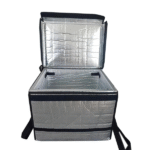
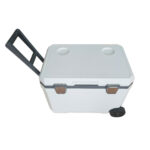
Emballage sous chaîne du froid pharmaceutique garantit que les médicaments sensibles à la température, tels que les vaccins, les produits biologiques et les thérapies avancées arrivent à destination sans perdre en efficacité. Dans 2025 cette discipline est passée d'une réflexion logistique après coup à un avantage stratégique. La valeur du marché mondial devrait croître de 28,9 milliards de dollars américains 2025 à 75,0 milliards de dollars américains d'ici 2032 (TCAC 14.6%), reflétant l'augmentation du nombre de produits biologiques et de thérapies à ARNm qui doivent être expédiés à des températures spécifiques. Un emballage approprié dans la chaîne du froid est important, car sans réfrigération constante, les médicaments biologiques peuvent perdre de leur efficacité et les vaccins devenir inefficaces. La chaîne du froid doit maintenir des plages de température définies: 2–8 °C pour la plupart des vaccins et de l’insuline, –20 °C pour les produits biologiques congelés, –70 à –80 °C pour les vaccins à ARNm et température ambiante contrôlée (15–25 ° C) pour d'autres médicaments. Le non-respect de ces plages entraîne une détérioration et un gaspillage d'investissement.. Ce guide utilise les dernières recherches et tendances du secteur pour vous aider à sélectionner, mettre en œuvre et optimiser le conditionnement de la chaîne du froid pharmaceutique en 2025.
Qu’est-ce que l’emballage pharmaceutique sous chaîne du froid et pourquoi est-ce important? Découvrez comment la logistique à température contrôlée protège l'efficacité des médicaments et se conforme aux directives réglementaires strictes..
Comment sélectionner la bonne solution d’emballage pour la chaîne du froid? Découvrez les composants essentiels, plages de températures et critères de décision pour choisir les caissons isothermes, des packs de gel ou des réfrigérants.
Quelles technologies et tendances remodèlent l’emballage de la chaîne du froid 2025? Comprendre comment la surveillance de l'IoT, emballage intelligent, la blockchain et la numérisation favorisent une gestion proactive des risques.
Comment les emballages durables de la chaîne du froid peuvent-ils réduire votre empreinte environnementale? Découvrez les matériaux écologiques, conteneurs réutilisables et stratégies pour s'aligner sur les objectifs mondiaux de durabilité.
Comment les réglementations et la dynamique du marché influencent-elles les emballages sous chaîne du froid? Gardez une longueur d'avance sur le PIB, Exigences de la FDA et de l'EMA et découvrez comment les facteurs régionaux et les tarifs ont un impact sur les coûts..
Qu’est-ce que l’emballage de la chaîne du froid pharmaceutique et pourquoi est-ce important?
Réponse directe
L'emballage de la chaîne du froid pharmaceutique fait référence aux matériaux et systèmes qui protègent les médicaments sensibles à la température pendant le transport et le stockage.. Le maintien d'une plage de température correcte garantit que les médicaments conservent leur puissance thérapeutique et leur sécurité.. Sans réfrigération constante, les médicaments biologiques se dégradent et les vaccins deviennent inefficaces. Une chaîne du froid typique utilise des matériaux isolés, réfrigérants et dispositifs de surveillance pour maintenir la cargaison entre 2–8 ° C, –20 °C voire –70 °C, en fonction du produit. Dans 2025, l'emballage sous chaîne du froid est essentiel car la croissance des produits biologiques, Les vaccins à ARNm et les thérapies cellulaires rendent davantage de produits sensibles à la température; la surveillance réglementaire s'intensifie; et les patients et les prestataires exigent une meilleure qualité.
Explication élargie
Imaginez livrer des glaces en été sans glacière: il fond et perd de la valeur. Le même principe s’applique aux produits biopharmaceutiques. Protéines, les enzymes et les acides nucléiques se dégradent lorsqu’ils sont exposés à la chaleur. L'emballage sous chaîne du froid emploie des expéditeurs isolés, réfrigérants (comme des packs de gel ou de la neige carbonique) et des moniteurs de température pour maintenir des plages de température étroites. Les organismes de réglementation comme la FDA et l'Agence européenne des médicaments exigent une documentation des conditions de stockage.; le non-respect peut entraîner des rappels de produits, amendes ou préjudice au patient. Les emballages sous chaîne du froid inspirent également confiance aux prestataires de soins de santé et aux patients en garantissant que les médicaments arrivent puissants et sûrs.. À mesure que de plus en plus de thérapies, notamment les thérapies géniques et les produits biologiques complexes, arrivent sur le marché, l'industrie de la chaîne du froid se développe rapidement. Le marché mondial de l’emballage sous chaîne du froid pharmaceutique atteindra 75 milliards de dollars d'ici 2032, rendant l’expertise dans ce domaine cruciale pour les gestionnaires de la chaîne d’approvisionnement et les professionnels de la qualité.
Composants et plages de température
L'emballage de la chaîne du froid comprend plusieurs éléments qui travaillent ensemble pour maintenir la stabilité de la température.:
Matériaux isolés: Boîtes, emballages et caisses de transport de palettes en polystyrène expansé (PSE), polypropylène expansé (PPE) ou des panneaux isolés sous vide emprisonnent l'air froid et empêchent le transfert de chaleur.
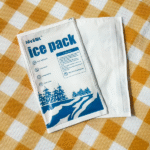
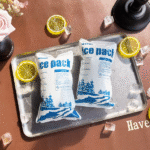
Réfrigérants: Packs de gel, matériaux à changement de phase (PCMS) et la glace carbonique fournissent de l'énergie thermique pour maintenir les températures dans les limites. Glace sèche (co₂ solide) se sublime à –78,5 °C et est utilisé pour l’expédition ultra froide, tandis que les PCM maintiennent des plages étroites autour de 2 à 8 °C ou –20 °C..
Appareils de surveillance de la température: Les enregistreurs de données numériques enregistrent la température tout au long de l'expédition. Le CDC recommande d'utiliser un enregistreur de données numériques (DDL) avec une sonde tamponnée et une précision de ±0,5 °C. La surveillance en temps réel via des capteurs IoT envoie des alertes si les températures s'écartent des limites définies.
Conteneurs et expéditeurs: Conteneurs cryogéniques, conteneurs réfrigérés, les boîtes isothermes et les expéditeurs de palettes fournissent des enceintes sécurisées pour les produits pharmaceutiques.
Le tableau ci-dessous résume les options d'emballage typiques et leurs plages de température.:
| Facteur d'emballage | Plage de température | Mieux pour | Comment cela vous profite |
| Boîtes isolées | 2–8 ° C | Vaccins, insuline et anticorps monoclonaux | Maintenir des conditions réfrigérées pour le transport à court terme |
| Packs de gel | –20 °C à –70 °C | Produits biologiques et thérapies géniques | Fournir de l’énergie froide pour les expéditions longue distance |
| Glace sèche | –78,5 ° C | Produits surgelés et vaccins à ARNm | Permet le transport ultra froid des produits nécessitant une surgélation |
| Conteneurs réfrigérés | 2–8 ° C | Tous les produits sensibles à la température | Offrez une durée prolongée et des environnements contrôlés pour les expéditions importantes |
Astuces et conseils pratiques
Évaluer les exigences du produit: Commencez par identifier la plage de température requise. Par exemple, Les vaccins à ARNm nécessitent –70 °C ou moins, alors que les médicaments amaigrissants et de nombreux produits biologiques nécessitent une température comprise entre 2 et 8 °C.
Faire correspondre la durée au réfrigérant: Les trajets courts peuvent nécessiter uniquement des packs de gel; Les expéditions longue distance ou internationales nécessitent souvent de la neige carbonique ou une réfrigération active. Les solutions de refroidissement passif peuvent être réapprovisionnées pendant le transport pour atténuer le risque d'écarts.
Intégrer des capteurs: Des capteurs IoT en temps réel envoient des alertes lorsque les températures dérivent, permettre des interventions avant détérioration.
Préparez-vous aux perturbations: Planifiez toujours les retards ou les pannes de courant en ajoutant du réfrigérant supplémentaire et en emportant des dispositifs de surveillance de secours..
Valider l'emballage: Effectuer des tests thermiques et calibrer régulièrement les capteurs pour garantir la conformité.. Le CDC recommande de régler les thermostats du réfrigérateur à mi-parcours (Par exemple, 5 °C) et en utilisant des enregistreurs de données numériques.
Étude de cas: Dans 2024 une entreprise pharmaceutique a intégré des capteurs IoT avancés dans les expéditions de vaccins, réduire les pertes de produits en 30% et améliorer la conformité.
Comment sélectionner la bonne solution d’emballage pour la chaîne du froid?
Réponse directe
Le choix du bon emballage pour la chaîne du froid pharmaceutique dépend de la sensibilité thermique du produit., durée d'expédition et exigences réglementaires. Évaluer les plages de température, longueur d'expédition, valeur du produit et tolérance au risque. Choisissez un emballage passif (boîtes isothermes avec packs de gel) pour les transports courts ou les produits à faible risque; sélectionner un emballage actif (unités de réfrigération alimentées par batterie) pour les expéditions sur plusieurs jours, besoins ultra froids ou produits biologiques de grande valeur. Respect des bonnes pratiques de distribution (PIB) et les directives FDA/EMA sont essentielles. Les enregistreurs de température et les DDL sont obligatoires pour la plupart des produits.
Explication élargie
Commencez par classer votre produit: les vaccins et l’insuline nécessitent généralement 2 à 8 °C, alors que les produits biologiques congelés peuvent nécessiter –20 °C, et les vaccins à ARNm exigent –70 °C ou moins. Déterminer la durée pendant laquelle le produit restera en transit; les trajets plus longs nécessitent une isolation plus robuste ou un refroidissement actif. Tenez compte de la taille de l’emballage et de la charge utile: les petites boîtes ou les expéditeurs isolés représentent environ 38% du marché et sont standards pour les essais cliniques et les flacons, tandis que les expéditeurs de palettes servent de gros volumes. Évaluer la sensibilité aux coûts; les emballages cryogéniques peuvent coûter cher 40–50% plus qu'un emballage réfrigéré standard, mais peut être justifié pour des thérapies de grande valeur. Enfin, confirmer que les matériaux d'emballage et les enregistreurs de données répondent aux normes réglementaires, y compris les certifications d'étalonnage et la tenue de registres numériques.
Critères de décision et outil d’auto-évaluation
Pour vous aider à choisir la solution optimale, réfléchissez à ces questions:
Quelle plage de température votre produit nécessite-t-il? Déterminez s’il est réfrigéré (2–8 ° C), congelé (–20 ° C) ou ultra froid (–70 °C ou moins).
Quelle est la durée d'expédition? Pour <24 heures, des boîtes isolées avec des packs de gel peuvent suffire; pour les expéditions sur plusieurs jours, utilisez des PCM ou de la neige carbonique.
Quelle est la valeur du produit? Les thérapies géniques de grande valeur justifient un refroidissement actif et une surveillance redondante.
La réglementation s'applique-t-elle? Suivez le PIB et les directives spécifiques au pays; s'assurer que l'emballage est qualifié et validé.
La durabilité est-elle importante? Choisissez des expéditeurs réutilisables et des réfrigérants biodégradables lorsque cela est possible.
Créez une matrice d'auto-évaluation simple pour classer vos priorités. Par exemple, attribuer des scores pour la sensibilité thermique, durée, valeur et durabilité, puis sélectionnez des solutions d'emballage qui atteignent ou dépassent votre seuil dans chaque catégorie.
Informations détaillées sur les types d'emballage
Le marché de l’emballage pharmaceutique sous chaîne du froid est segmenté en solutions actives et passives. Emballage actif utilise des glacières électriques, matériaux à changement de phase et réfrigération alimentée par batterie. Ces solutions maintiennent des températures précises et incluent souvent des capteurs intégrés. Ils sont idéaux pour les expéditions ultra froides de thérapies cellulaires et géniques, mais coûtent plus cher et nécessitent un chargement ou un accès à l'alimentation.. Emballage passif utilise une isolation en mousse, packs de gel, PCM et glace carbonique. C'est plus simple, plus léger et souvent réutilisable. Les systèmes passifs dominent les expéditions de petits volumes, essais cliniques et livraison du dernier kilomètre. Les solutions hybrides combinent isolation passive et surveillance en temps réel, offrant à la fois protection et visibilité. Lors de la sélection de l'emballage, pensez également aux matériaux: les plastiques représentent 74% du marché en raison de leur isolation supérieure; cependant, des alternatives durables comme le papier recyclé et les matériaux à base d'amidon émergent.
| Type d'emballage | Caractéristiques clés | Produits adaptés | Avantage pratique |
| Emballage actif (glacières électriques, PCMS) | Refroidissement par batterie ou par alimentation électrique; Contrôle précis de la température | vaccins d'ARNm, thérapies géniques, produits biologiques ultra froids | Permet un refroidissement continu pendant les longs trajets mais à un coût plus élevé |
| Emballage passif (isolation en mousse, packs de gel) | Utilise une isolation EPS ou EPP avec des packs de gel; durée de température limitée | Insuline, anticorps monoclonaux, Médicaments BPL 1 | Léger et économique; facile à jeter ou à réutiliser |
| Emballage intelligent hybride | Combine une isolation passive avec des capteurs IoT et des enregistreurs de données | Vaccins, produits biologiques nécessitant une traçabilité | Fournit une visibilité en temps réel; permet une intervention proactive lors des excursions |
| Emballage durable (papier, à base d'amidon, contenants réutilisables) | Matériaux recyclables; empreinte carbone minimale | Produits non ultra froids; produits pharmaceutiques généraux | Réduit l’impact environnemental; répond aux objectifs ESG |
Conseils pratiques et suggestions
Pour les essais cliniques: Utilisez de petits expéditeurs isolés avec des packs de gel et des enregistreurs de données numériques. Valider l'emballage pour chaque essai afin d'éviter les écarts.
Pour les expéditions internationales longue distance: Choisissez des matériaux à changement de phase ou de la neige carbonique; intégrer des capteurs IoT pour une surveillance continue et des alertes d'urgence.
Pour la livraison du dernier kilomètre: Combinez des emballages passifs avec des matériaux respectueux de l'environnement pour réduire les déchets et vous aligner sur les initiatives de développement durable.
Pour les retours et rappels: Établir des procédures de quarantaine et inspecter les produits retournés; ne jamais réexpédier sans données de stabilité.
Pour des thérapies cellulaires et géniques à haute valeur ajoutée: Investissez dans des systèmes actifs ou hybrides avec batterie de secours et traçabilité blockchain pour éliminer la contrefaçon et garantir la chaîne de traçabilité.
Exemple du monde réel: L'Organisation mondiale de la santé estime que jusqu'à 50% des vaccins ont été gaspillés chaque année avant le COVID 19 en raison d'un mauvais contrôle de la température et d'une mauvaise logistique. La mise en œuvre de conteneurs qualifiés dotés de capteurs IoT réduit considérablement le gaspillage et améliore la disponibilité des vaccins dans les régions mal desservies.
Quelles technologies remodèlent l’emballage de la chaîne du froid 2025?
Réponse directe
Innovations technologiques, notamment les capteurs IoT, emballage intelligent, l’analyse des données et la blockchain – transforment l’emballage de la chaîne du froid pharmaceutique d’une gestion réactive à une gestion proactive. Ces outils offrent une visibilité en temps réel sur la température, humidité et emplacement, permettre aux opérateurs d'intervenir avant que des écarts ne surviennent. La numérisation intègre les données d’emballage aux systèmes de planification des ressources de l’entreprise, automatisation des rapports de conformité et de la maintenance prédictive.
Explication élargie
Le passage de l'enregistrement manuel de la température à la surveillance pilotée par des capteurs marque un changement fondamental dans la gestion de la chaîne du froid.. Systèmes de surveillance IoT utiliser des réseaux à faible consommation tels que les réseaux cellulaires, LoRaWAN ou LTE M pour transmettre des données environnementales en continu vers les plateformes cloud. Lorsque les températures s'écartent des limites de sécurité, des alertes automatisées permettent aux équipes logistiques de réacheminer les expéditions, ajouter du réfrigérant ou réparer du matériel. Emballage intelligent peut auto-réguler la température et fournir des informations sur l’état du produit; des capteurs intégrés surveillent les chocs, inclinaison et humidité, et certains conteneurs peuvent ajuster l'isolation ou le refroidissement grâce à des matériaux à changement de phase. Technologie blockchain assure la traçabilité et la transparence, créer des enregistrements immuables de données de température et de transferts commerciaux. Analyse de données et IA détecter les tendances et prédire les facteurs de risque, éclairer l’optimisation des itinéraires et la maintenance préventive. Dans l'ensemble, la technologie fait passer la chaîne du froid d’un confinement réactif à un confinement proactif, écosystème basé sur les données.
Innovations spécifiques et leurs avantages
Surveillance de la température en temps réel: Les capteurs IoT capturent en continu les données de température et les transmettent aux tableaux de bord centraux. Les opérateurs reçoivent des alertes lorsque les températures dérivent, permettant une intervention rapide.
Emballage intelligent avec isolation autorégulatrice: Les emballages intégrés aux PCM et aux microcontrôleurs peuvent ajuster leur propre environnement thermique, prolongeant la durée de vie du froid et réduisant l'utilisation de réfrigérant.
Blockchain et sérialisation: L'enregistrement des données de température et des événements de chaîne de traçabilité sur une blockchain empêche la falsification et la contrefaçon., améliorer la sécurité des patients et la conformité réglementaire.
Analyse prédictive: Les algorithmes d'apprentissage automatique analysent les historiques de température, acheminer les données et les conditions environnementales pour prédire les pannes d'équipement et optimiser la sélection des emballages.
Réalité augmentée (RA) outils de formation: Les opérateurs logistiques utilisent des casques AR pour recevoir des instructions d'emballage étape par étape, réduire les erreurs humaines et assurer la cohérence.
Conseils pratiques et suggestions
Investissez dans l’infrastructure IoT: Équipez les conteneurs de capteurs prenant en charge la connectivité cellulaire ou LoRaWAN; sélectionner des appareils dont la durée de vie de la batterie correspond à la durée de l'expédition.
Intégrer les données aux systèmes ERP: Utiliser des plateformes logicielles qui collectent les données des capteurs, suivre les expéditions, et automatiser la documentation et le reporting du PIB.
Adoptez la blockchain pour les marchandises de grande valeur: Travailler avec des prestataires logistiques pour mettre en œuvre un suivi et une traçabilité basés sur la blockchain; garantir que toutes les parties prenantes – les fabricants, les transporteurs et les pharmacies peuvent enregistrer et vérifier la garde.
Former le personnel aux nouveaux outils: Mettre en œuvre des programmes de formation utilisant la RA pour familiariser les employés avec les protocoles d'emballage et le dépannage.
Surveiller les indicateurs de durabilité: Utiliser des capteurs pour mesurer la consommation d’énergie et l’utilisation de réfrigérant; ajuster l'emballage pour minimiser l'empreinte carbone.
Exemple pratique: Le programme d'emballage intelligent de World Courier permet un suivi en temps réel de toutes les expéditions multi-usages., permettant une gestion proactive des risques et offrant aux clients une visibilité détaillée.
Comment les emballages durables de la chaîne du froid peuvent-ils réduire votre empreinte environnementale?
Réponse directe
La durabilité dans les emballages pharmaceutiques de la chaîne du froid se concentre sur la réduction des émissions de carbone, déchets d’emballage et consommation d’énergie tout en préservant l’intégrité du produit. Les entreprises adoptent les contenants réutilisables, réfrigérants biodégradables et sources d'énergie renouvelables telles que la réfrigération solaire. L'emballage durable s'aligne sur les objectifs de responsabilité sociale des entreprises, pression réglementaire et attentes des consommateurs en matière de pratiques respectueuses de l'environnement.
Explication élargie
Les opérations traditionnelles de la chaîne du froid reposent sur des conteneurs EPS à usage unique et des unités de réfrigération diesel., qui contribuent aux déchets mis en décharge et aux émissions de gaz à effet de serre. Pour aborder cela, les leaders de l'industrie développent des expéditeurs réutilisables isolés sous vide, matériaux à changement de phase qui prolongent la durée de vie thermique, et emballages fabriqués à partir de papier recyclé ou de matériaux à base d'amidon. Les panneaux solaires sur les toits des entrepôts et les véhicules frigorifiques électriques réduisent l'empreinte carbone. La surveillance de la consommation d'énergie et des émissions aide les entreprises à atteindre leurs objectifs ESG et leurs exigences réglementaires.. En outre, l'optimisation de la chaîne d'approvisionnement, telle que la planification des itinéraires et la fabrication localisée, réduit les distances de transport et les émissions associées. Les efforts de développement durable génèrent également des avantages économiques: l'emballage réutilisable réduit le coût total de possession au fil du temps, et les pratiques respectueuses de l'environnement améliorent la réputation de la marque auprès des clients soucieux de l'environnement..
Stratégies durables et meilleures pratiques
Passer aux contenants réutilisables: Les expéditeurs isolés sous vide et les matériaux à changement de phase peuvent être réutilisés plusieurs fois, réduire les déchets et les coûts.
Utiliser des réfrigérants biodégradables: Explorez les packs de gel remplis de gels à base de plantes ou de PCM fabriqués à partir de matériaux organiques; éviter les réfrigérants dangereux.
Mettre en œuvre une logistique inversée: Mettre en place un système de récupération et de nettoyage des contenants réutilisables; investir dans le suivi pour garantir les retours.
Tirer parti des énergies renouvelables: Installer des panneaux solaires dans les entrepôts, adopter des camions frigorifiques électriques, et utiliser des carburants alternatifs comme l’huile végétale hydrotraitée ou le biométhane.
Mesurer et déclarer les émissions: Suivez la consommation d’énergie et les émissions de carbone tout au long de la chaîne du froid; fixer des objectifs de réduction et rendre compte publiquement des progrès.
Exemple: Une entreprise de logistique utilisant des véhicules au gaz a économisé 1,400 tonnes de CO₂ émissions en passant du diesel aux carburants alternatifs.
Conseils pratiques et suggestions
Évaluer le coût du cycle de vie: Comparez le coût total des emballages réutilisables (y compris le nettoyage et la logistique inverse) avec les options à usage unique; les économies s’accumulent souvent sur plusieurs cycles.
Éduquer les parties prenantes: Former le personnel et les partenaires sur la manipulation appropriée des contenants réutilisables et les protocoles de recyclage.
Collaborer avec les fournisseurs: Travailler avec des fournisseurs d'emballages pour développer des matériaux recyclables ou biodégradables; participer à des programmes pilotes.
S'aligner sur les cadres ESG: Veiller à ce que les initiatives de développement durable soient alignées sur les cadres mondiaux tels que les objectifs de développement durable des Nations Unies et les réglementations locales..
Communiquer les avantages: Partager les réalisations en matière de développement durable avec les clients et les régulateurs pour instaurer la confiance et démontrer la responsabilité d'entreprise.
Comment les réglementations et la dynamique du marché influencent-elles les emballages sous chaîne du froid?
Réponse directe
Les exigences réglementaires et la dynamique du marché entraînent des changements dans le conditionnement de la chaîne du froid pharmaceutique. Des autorités telles que la FDA, L'EMA et l'OMS exigent la documentation du contrôle de la température, qualification et sérialisation des emballages. Les bonnes pratiques de distribution de l’Union européenne (PIB) les lignes directrices nécessitent une surveillance en temps réel et des systèmes de qualité basés sur les risques. Entre-temps, la croissance du marché est stimulée par les produits biologiques et les vaccins, mais limité par des coûts d'investissement élevés et de nouveaux tarifs. Les entreprises doivent composer avec les différences régionales, complexité de la chaîne d’approvisionnement et facteurs géopolitiques.
Explication élargie
La réglementation garantit que les produits pharmaceutiques restent sûrs et efficaces tout au long de leur distribution. Bonnes pratiques de fabrication actuelles de la FDA (GMPc) les règles exigent que les entreprises valident tous les processus de la chaîne du froid, y compris la qualification des emballages et la surveillance de la température, créant ainsi des exigences de conformité de base. Les lignes directrices de l'UE en matière de PIB mettent l'accent sur la traçabilité, enregistrements numériques et gestion de la qualité; la non-conformité entraîne des rappels de produits et des sanctions. Dans 2025, les régulateurs renforcent les exigences en rendant obligatoires les services électroniques d’information sur les codes de produits (EPCIS) et évaluations des risques. En même temps, la dynamique du marché régional varie: les Amériques et l’Europe disposent de réglementations strictes et d’une logistique avancée, tandis que les régions Asie-Pacifique sont confrontées à des défis infrastructurels nécessitant un emballage modulaire. Les tarifs douaniers américains introduits en 2025 ont augmenté les coûts des composants pour les emballages à température contrôlée, incitant les entreprises à explorer le near shoring et l’approvisionnement diversifié. Les coûts et la pénurie de main-d’œuvre pèsent encore davantage sur les marges, pousser les entreprises à optimiser les itinéraires, adopter une planification basée sur l'IA et louer des équipements au lieu de posséder.
Dynamique du marché et perspectives régionales
Le marché de l’emballage sous chaîne du froid pharmaceutique est valorisé à 28,9 milliards de dollars américains 2025 et devrait grandir pour 75 milliards de dollars d'ici 2032, avec un 14.6% TCAC. Les plastiques dominent la composition des matériaux avec un 74% part de marché, tandis que les petites boîtes et les expéditeurs isolés représentent 38% de types de produits. Les sociétés biopharmaceutiques représentent 54% des utilisateurs finaux, reflétant la concentration de la demande. L'Amérique du Nord est en tête avec un 31% partager, L'Europe avec 27%, et l'Asie de l'Est avec 19%. La logistique à température contrôlée est prise en compte 18% des dépenses logistiques biopharmaceutiques en 2020, et la croissance des thérapies cellulaires et géniques, qui devrait dépasser 81 milliards de dollars américains d'ici 2029—nécessite des solutions ultra-chaîne du froid. Médicaments pour perdre du poids (Agonistes du GLP 1) doit être conservé entre 2 et 8 °C; les préoccupations concernant les produits contrefaits rendent essentielle une gestion stricte de la chaîne du froid.
Conseils pratiques et suggestions
Restez conforme: Examiner régulièrement les directives GDP et cGMP; conserver des enregistrements numériques des excursions de température et des actions correctives.
Standardiser les processus: Développer des SOP pour la qualification des emballages, étalonnage, suivi et formation du personnel.
Diversifier les approvisionnements: Pour atténuer les impacts tarifaires et les ruptures d’approvisionnement, diversifier les fournisseurs, envisager un rapprochement à proximité et évaluer des matériaux alternatifs.
Tirer parti de l’IA et de l’analyse: Utiliser l'analyse prédictive pour optimiser les itinéraires et réduire la consommation de carburant, répondre à la fois aux pressions sur les coûts et aux objectifs environnementaux.
Surveiller les réglementations régionales: Adapter les stratégies d’emballage aux différentes régions; Par exemple, L'Asie-Pacifique peut nécessiter des modules, emballage facilement déployable en raison de la variabilité de l’infrastructure.
Saviez-vous? Dans une enquête de 200 décideurs logistiques, 44% considère le maintien de l’intégrité des matériaux sensibles à la température comme leur priorité absolue, suivi de 38% pour la sécurité et 27% pour la fiabilité.
2025 Derniers développements et tendances en matière d’emballage pour la chaîne du froid pharmaceutique
Aperçu de la tendance
La chaîne du froid pharmaceutique entre dans une phase de transformation 2025. Poussé par les avancées technologiques, resserrement de la réglementation et pressions en matière de durabilité, l'industrie s'oriente vers une approche proactive, pratiques basées sur les données et respectueuses de l’environnement. Des recherches récentes soulignent que 59% des leaders de l'industrie s'attendent à une croissance constante de la fabrication et de la recherche sur les maladies infectieuses au cours des deux prochaines années, s'élevant à 70% dans les trois à cinq prochaines années. La convergence des produits biologiques, Les vaccins à ARNm et les thérapies cellulaires nécessitent de nouvelles infrastructures et solutions de conditionnement.
Dernier aperçu des progrès
Intégration de l'IoT et de l'IA: La surveillance en temps réel et l'analyse prédictive permettent aux équipes logistiques d'anticiper les excursions et d'ajuster les itinéraires ou les systèmes de refroidissement..
Emballage intelligent et autorégulateur: Les matériaux à changement de phase avec capteurs intégrés ajustent les propriétés thermiques, prolonger la durée de vie du froid et réduire les déchets.
Adoption de la blockchain: Assure la traçabilité et réduit la contrefaçon en enregistrant chaque transfert de propriété sur un registre immuable.
Réutilisabilité et durabilité: Les entreprises adoptent des emballages isolés sous vide et des réfrigérants biodégradables pour minimiser l'impact environnemental; 60% des entreprises pharmaceutiques investissent dans des solutions durables.
Personnalisation régionale: Les stratégies d'emballage sont adaptées aux réglementations et infrastructures locales, par ex., emballage modulaire pour l'Asie-Pacifique, Intégration IoT pour l'Amérique du Nord et l'Europe.
Impact des tarifs: Les nouveaux tarifs américains augmentent les coûts des composants, incitant au quasi-shoring et à la diversification.
Augmentation des thérapies cellulaires et géniques: Logistique ultra froide (–80 °C et moins) se développent à mesure que le marché de la CGT dépasse 81 milliards de dollars américains.
Aperçus et prévisions du marché
L’expansion du marché est soutenue par les exigences réglementaires, innovation technologique et investissements régionaux. Croissance de la fabrication biopharmaceutique en Asie de l’Est s'accélère, avec la Chine, La Corée du Sud et le Japon augmentent la distribution et les exportations de vaccins. Entre-temps, L’Europe maintient des réglementations strictes en matière de PIB, stimuler la demande d’emballages haut de gamme et de surveillance en temps réel. L'Amérique du Nord reste le plus grand marché en raison de sa logistique avancée et de l'adoption de l'emballage IoT.. Les marchés émergents d’Amérique latine et d’Afrique investissent dans la recherche sur les maladies infectieuses, créer des opportunités pour les prestataires logistiques spécialisés. Cependant, le manque d’infrastructures de chaîne du froid reste un obstacle: avant le COVID 19, jusqu'à 50% des vaccins ont été gaspillés à l’échelle mondiale en raison d’un contrôle insuffisant de la température.
Questions fréquemment posées
Q1: Quelle plage de température les emballages de la chaîne du froid pharmaceutique maintiennent-ils?
La plupart des produits pharmaceutiques doivent être stockés entre 2–8 ° C, tandis que certains produits biologiques nécessitent –20 °C et les vaccins à ARNm ou thérapies cellulaires nécessitent –70 °C ou moins.. Les réfrigérateurs doivent maintenir une température comprise entre 2 et 8 °C, congélateurs –50 °C à –15 °C, et congélateurs ultra froids –90 °C à –60 °C.
Q2: Comment m'assurer que mon emballage est conforme?
Suivez les directives des bonnes pratiques de distribution et validez tous les composants de l'emballage.. Utilisez des enregistreurs de données numériques avec des certificats d'étalonnage, réaliser des études de qualification thermique et tenir des registres des excursions de température. Assurez-vous que l’emballage est qualifié pour la plage de température et la durée du produit.
Q3: Quelle est la différence entre un emballage actif et passif?
L'emballage actif utilise des systèmes de réfrigération motorisés et un contrôle précis de la température, idéal pour les produits ultra froids ou de grande valeur.. L'emballage passif repose sur une isolation et des réfrigérants comme des packs de gel ou de la neige carbonique; c'est plus léger et moins cher.
Q4: Comment puis-je réduire l’impact environnemental des emballages sous chaîne du froid?
Adoptez des contenants réutilisables, réfrigérants biodégradables et sources d'énergie renouvelables. Optimiser les itinéraires de transport pour réduire les émissions et investir dans des matériaux durables tels que l'isolation à base de papier ou d'amidon.
Q5: Quel rôle joue la technologie dans la logistique moderne de la chaîne du froid?
La technologie permet une surveillance en temps réel de la température et de l'emplacement, analyse prédictive et traçabilité basée sur la blockchain. Ces outils font passer la gestion de la chaîne du froid de réactive à proactive, réduire les déchets et améliorer la conformité réglementaire.
Suggestion
Principaux à retenir
Ce guide souligne que l’emballage pharmaceutique sous chaîne du froid est essentiel pour protéger l’efficacité des médicaments et est devenu une priorité stratégique. Les points clés comprennent:
Importance du contrôle de la température: Le maintien de la plage de température correcte évite la perte de puissance et les violations de conformité.
Croissance rapide du marché: Le marché va croître de 28,9 milliards de dollars américains 2025 à 75 milliards de dollars d'ici 2032, piloté par les produits biologiques, Vaccins à ARNm et thérapies cellulaires.
Critères de sélection: Choisissez l'emballage en fonction des exigences de température, durée de l'expédition, valeur du produit et objectifs de durabilité; valider par rapport aux directives du PIB.
Transformation technologique: Capteurs IoT, l'emballage intelligent et la blockchain permettent une gestion proactive des risques et une traçabilité.
Durabilité et dynamique régionale: Conteneurs réutilisables, les réfrigérants biodégradables et les énergies renouvelables réduisent l'impact environnemental; les stratégies régionales doivent tenir compte des réglementations et des infrastructures.
Recommandations concrètes
Évaluez votre chaîne d'approvisionnement: Réaliser un audit complet des exigences de température des produits, durées d’expédition et obligations réglementaires. Utiliser une matrice de décision pour sélectionner l’emballage approprié.
Investir dans la technologie: Équipez les expéditions de capteurs IoT et intégrez les données dans les systèmes ERP pour une surveillance et des analyses en temps réel. Explorez la blockchain pour les produits de grande valeur.
Adopter des pratiques durables: Transition vers des emballages réutilisables ou biodégradables, mettre en œuvre une logistique inversée et exploiter les sources d’énergie renouvelables. Mesurer et déclarer les émissions.
Former et certifier le personnel: Assurez-vous que les employés comprennent les directives du PIB, protocoles d'emballage et procédures d'urgence. Utilisez les outils AR pour une formation interactive.
Collaborer avec des experts: Collaborez avec des fournisseurs expérimentés d’emballages sous chaîne du froid qui proposent des solutions validées et un support réglementaire. Restez informé des tendances émergentes et des changements réglementaires.
Restez vigilant: Surveiller les mises à jour réglementaires, dynamique du marché et innovations technologiques pour adapter votre stratégie chaîne du froid et maintenir un avantage concurrentiel.
À propos du tempk
Nous nous engageons à concevoir et fabriquer des solutions d'emballage pour chaîne du froid pharmaceutique de haute qualité.. Nos produits sont conçus pour maintenir un contrôle précis de la température, se conformer aux directives GDP et FDA, et soutenir les objectifs de développement durable. Nous proposons des caisses isothermes, expéditeurs isolés sous vide, des packs de gel et des solutions de surveillance compatibles IoT qui protègent les produits biologiques de grande valeur, vaccins et thérapies avancées. Notre centre de recherche et développement innove continuellement pour réduire les déchets et améliorer l’efficacité. En nous choisissant, vous bénéficiez de expertise de l'industrie, conformité réglementaire et options d'emballage écologiques qui soutiennent votre mission consistant à fournir des médicaments vitaux en toute sécurité.
Appel à l'action
Prêt à optimiser votre emballage sous chaîne du froid pharmaceutique? Connectez-vous avec nos experts dès aujourd'hui pour discuter de solutions sur mesure, planifier un audit d'emballage ou demander un échantillon de produit. Ensemble, nous pouvons protéger la santé des patients, répondre aux exigences réglementaires et créer un avenir plus durable.