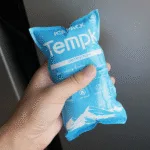
Guide d'emballage de la chaîne du froid pour les sucettes glacées et les sucettes glacées pour la livraison surgelée
Emballage de la chaîne du froid guide pour les sucettes glacées et les sucettes glacées, couverture gelée tenue, alignement du bâton, condensation de l'enveloppe, glace carbonique placement, durée de l'itinéraire, et sélection de packs Tempk.
Pourquoi les sucettes glacées et les sucettes glacées nécessitent un emballage surgelé spécifique
Les sucettes glacées ont une petite masse et une surface élevée, ils se ramollissent donc rapidement lors des transferts d'emballage et de livraison. L'emballage doit rester froid tout autour du paquet tout en évitant les traces de neige carbonique sur l'emballage.. Les desserts glacés n'échouent pas seulement lorsqu'ils deviennent liquides. Texture, état de l'emballage, ajustement du couvercle, floraison de gel, et la sécheresse du carton peuvent tous affecter l'acceptation ou non de l'envoi par le destinataire.. Un itinéraire qui fonctionne pour une cuve dense peut toujours endommager les minces emballages de glaces ou pousser les couvercles de yaourt glacé hors de leur position..
Pour la plupart des pistes de desserts surgelés, l'objectif pratique est de conserver le produit surgelé pendant toute la durée de l'emballage, dépôt en séjour, transport en ligne, livraison du dernier kilomètre, et exposition à domicile. Le paquet de glace sec ou le liquide de refroidissement congelé doit être dimensionné pour le couloir et séparé de l'emballage de vente au détail afin que le produit reste congelé sans marques de pression., étiquettes humides, ou couvercles écrasés.
Exigences d'emballage
| Facteur de chaîne du froid | Exigence en matière de sucettes glacées et de sucettes glacées |
|---|---|
| Température cible | -18 C ou inférieur |
| Humidité et condensation | Faible humidité interne et manipulation de l'emballage sec |
| Pré-refroidissement | Chargement provenant d'un état surgelé; éviter la mise en scène à température ambiante avant la fermeture de l'expéditeur |
| Pression d'emballage | Moyen. Les bâtons et les formes étroites peuvent se plier ou s'imprimer dans l'emballage lorsque les colis sont compressés. |
| Emplacement du liquide de refroidissement | Glace carbonique au dessus et autour de la zone produit avec séparateur; éviter tout contact direct avec des emballages fins. |
| Durée du transit | Itinéraires gelés le jour même et le lendemain; valider des couloirs plus longs avec des contrôles de température du produit et de l'état de l'emballage. |
| Points de perte courants | Ramollissement, bâtons pliés, gel d'emballage, recongeler les cristaux de glace, boîte mouillée, et la saveur saigne entre les articles. |
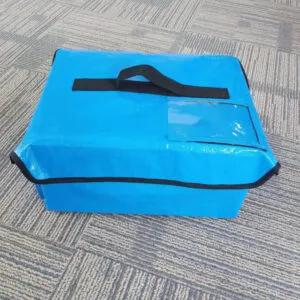
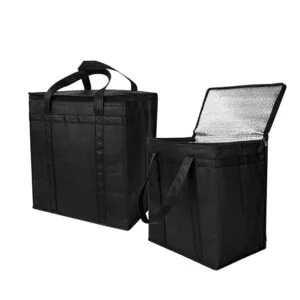
| Réponse d'emballage Tempk | Expéditeur isolé Tempk EPS ou PU avec sac de glace carbonique, espace de vapeur, séparateur sec, restriction du lot de produits, tampon absorbant là où c'est nécessaire, et un enregistreur d'itinéraire. |
Notes de conception d'itinéraire
Commencez par cartographier les points chauds de la voie: mise en scène du produit, temps d'emballage, remise au transporteur, séjour au centre de tri, véhicule de livraison en séjour, et retrait des clients. Les desserts glacés dont le poids unitaire est plus faible nécessitent un délai d'emballage plus serré car ils récupèrent mal après une exposition à la chaleur.. Si le produit est emballé avant l'expéditeur, glace carbonique, et les accessoires sont prêts, la voie a déjà perdu une partie de sa marge de sécurité.
Outils de décision utiles
Vérifiez les détails avant de choisir l'emballage
Ces outils rapides peuvent vous aider à comparer le risque d'itinéraire, besoins de dimensionnement, choix de liquide de refroidissement, et les détails de l'emballage avant de demander un devis.
Sélecteur d'emballage
Comparez les options d'emballage isotherme par produit, itinéraire, et besoin de température.
Trouver un emballageGénérateur de liste de contrôle de conformité
Créer une liste de contrôle pratique pour l'examen des emballages, expédition, et documentation.
Construire une liste de contrôleVérificateur de risque d'itinéraire
Examinez les conditions des pistes avant de sélectionner l'emballage en fonction des exigences opérationnelles réelles..
Vérifier le risque d'itinéraireL'emballage intérieur doit maintenir les unités de vente au détail en place sans les presser. Utiliser des séparateurs, plateaux, ou des supports de carton lorsque les produits étroits peuvent se plier ou que les gobelets peuvent se presser les uns contre les autres. Si l'envoi comprend des saveurs mélangées ou des multipacks, vérifier que les étiquettes restent lisibles et que le gel ou l'humidité ne font pas transparaître visuellement les arômes dans l'emballage extérieur.
Comparaison avec les desserts glacés apparentés
| Produit | Différence de manipulation gelée | Priorité à l'emballage |
|---|---|---|
| Glaces glacées / sucettes glacées | Petite masse, superficie élevée, emballages fins, risque d'alignement du bâton | Chargement rapide, retenue de paquet, manutention des emballages secs |
| Yaourt glacé | Texture plus douce, sensibilité à la pression de la tasse et du couvercle, risque de mouillage de l'étiquette | Protection du couvercle, doublures sèches, placement équilibré de la glace carbonique |
| Pots à glace | Le ramollissement de la couche supérieure et l'état du carton sont des points d'acceptation visibles | Refroidissement supérieur, protection du couvercle, sécheresse du carton |
Recommandation d'emballage Tempk
Une expédition typique de desserts glacés Tempk utilise un expéditeur isolé, un pack de glace carbonique ou une disposition de liquide de refroidissement compatible avec la glace carbonique, une couche de retenue du produit, séparateurs secs, et une liste de contrôle de réception. Pour les itinéraires directs vers le consommateur, un format de colis compact peut réduire l'espace aérien et améliorer l'efficacité du froid. Pour les envois en gros ou en multipack, des séparateurs intérieurs plus solides et une plus grande masse de glace carbonique peuvent être nécessaires.
Exécutez la première validation avec un enregistreur de température au niveau du produit et une liste de contrôle de réception visuelle. Vérifier la fermeté du produit, état de l'emballage ou du couvercle, sécheresse du carton, gel, transfert d'odeur, et si le client peut retirer le produit proprement de l'expéditeur. Approuvez le packout seulement après avoir testé l'itinéraire réel, taille du produit, quantité commandée, et les conditions de saison chaude.