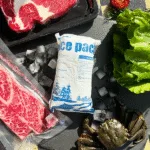
Les expéditions de côtelettes de porc nécessitent un plan d'emballage qui protège à la fois la température et l'état physique de l'emballage.. Pour la livraison de viande et de volaille, the most useful chaîne du froid plan is built around the actual product form, emballage primaire, longueur de l'itinéraire, et règles de réception.
Les côtelettes de porc sont souvent emballées en barquette ou sous vide, et les bords des os peuvent créer des défauts d'emballage avant que la défaillance de température n'apparaisse.
Le meilleur emballage sépare le liquide de refroidissement du film de vente au détail et protège l'emballage principal de la compression directe.
Pour les boîtes de viandes mélangées, les côtelettes de porc ne doivent pas reposer sous des produits surgelés denses ou des coupes pointues avec os sans séparateur.
Données de planification de la chaîne du froid
| Fenêtre de température | 0-4 C réfrigéré; éviter tout contact avec le gel, sauf si les côtelettes de porc sont vendues congelées. |
|---|---|
| Humidité ou humidité | Utilisez une cavité d'expédition sèche et une couche absorbante pour gérer la purge sans mouiller le carton extérieur.. |
| Pré-refroidissement | Pré-refroidir les plateaux de côtelettes de porc scellés ou les emballages sous vide jusqu'à la destination d'expédition avant de fermer l'expéditeur. |
| Pression d'emballage | Protéger les coupes avec os des doublures perforantes ou des paquets adjacents; maintenir la pression d'empilage des cartons sur les coins des plateaux. |
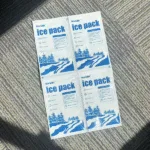
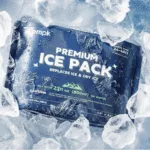
| Placement du liquide de refroidissement | Utilisez des packs de gel périmétriques et supérieurs avec séparation en carton ou en doublure.; placer du liquide de refroidissement supplémentaire près du couvercle pour gagner de la chaleur pour les voies à parcelles. |
| Durée du transit | 24-72 h en fonction de la masse du carton, saison, coursier en séjour, et fenêtre de réception de destination. |
| Pertes communes | Perforation du film, purger les fuites, fissures du plateau, couleur de surface grise, couche supérieure chauffée, et cartons principaux humides. |
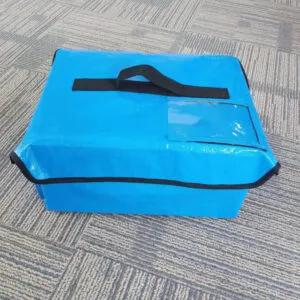
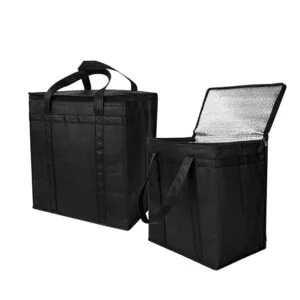
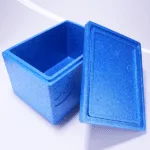
| Emballage Tempk approprié | Carton isotherme Tempk avec doublure renforcée, feuille absorbante, carte des packs de gel, et protection d'angle en option pour les paquets avec os. |
Approche d'emballage recommandée
Commencez avec un produit qui se trouve déjà dans la plage de température d'expédition. Un expéditeur isolé il ne faut pas s'attendre à ce que la viande chaude atteigne la température cible pendant le transport. Utilisez une doublure résistante aux fuites, matériau absorbant, et une carte du liquide de refroidissement qui maintient la masse froide suffisamment proche pour contrôler le gain de chaleur tout en empêchant la pression directe ou le contact avec le gel sur les emballages de vente au détail..
Outils de décision utiles
Vérifiez les détails avant de choisir l'emballage
Ces outils rapides peuvent vous aider à comparer le risque d'itinéraire, besoins de dimensionnement, choix de liquide de refroidissement, et les détails de l'emballage avant de demander un devis.
Calculateur de banquise
Estimation de la quantité de pain de glace pour les expéditions réfrigérées et planification pratique des itinéraires.
Estimer les packs de glaceDoublure de boîte & Dimensionnement des couvertures de palettes
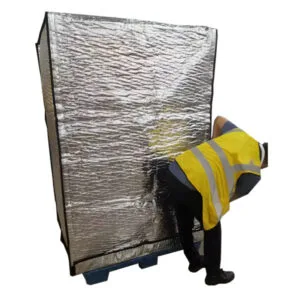
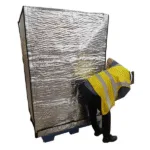
Vérifiez la logique de dimensionnement du revêtement de boîte et du couvercle de palette pour les projets d'emballage isotherme.
Dimensionnement estiméCalculateur de glace carbonique
Estimer les besoins en glace carbonique pour les envois congelés ou ultra-froids avant l'emballage.
Estimation de la neige carboniquePour les itinéraires frais, packs de gel sont généralement positionnés autour des parois latérales et du couvercle car le panneau supérieur et les parois extérieures subissent la plus grande charge thermique lors de la manipulation des colis.. Pour les programmes gelés, la voie doit être validée séparément car glace carbonique, packs de gel congelés, étiquetage, ventilation, et les règles d'acceptation des transporteurs modifient l'emballage. Ne mélangez pas des hypothèses réfrigérées et congelées dans le même test de qualification.
Contrôles qualité avant sortie
Avant d'utiliser le packout à des fins commerciales, exécuter une validation d'itinéraire avec la même taille d'expéditeur, poids du produit, masse de liquide de refroidissement, saison, et service de messagerie. Vérifier la température du produit à l'arrivée, sécheresse du carton, intégrité du paquet principal, odeur, état de l'étiquette, et si le liquide de refroidissement est entré en contact direct avec le produit.
Pour la sélection des emballages Tempk, le point de départ habituel est un EPS ou haute performance boîte isotherme, une doublure scellée, une base absorbante, et packs de gel préconditionnés. La masse finale du liquide de refroidissement doit être ajustée après un test de piste plutôt que choisie uniquement à partir du volume du carton.. This helps the receiving team see a practical difference between a stable chaîne du froid and a package that is merely cold when it leaves the warehouse.
Base de référence
Les hypothèses de température sont alignées sur les directives largement utilisées sur les aliments réfrigérés qui maintiennent les aliments périssables à 40 F / 4 C ou inférieur et les programmes gelés à 0 F / -18 C ou inférieur. Pour la viande et la volaille, toujours valider par rapport aux propres spécifications du produit de l’expéditeur, voie porteuse, et exigences de réception à destination.