Probiotic Medicines chaîne du froid Packaging Guide
Probiotic medicines need a medicine packout that protects the approved handling range, le carton secondaire, l'étiquette de la pharmacie, et la décision de réception. La plage correcte doit provenir de l'étiquette du produit, instructions du fabricant, POS en pharmacie, et l’accord qualité du client.
Ce guide utilise un itinéraire de médicaments réfrigérés comme modèle de planification. L’expéditeur ne doit pas être traité comme un simple refroidisseur. Il doit être testé avec la masse réelle du produit, nombre de cartons, conditionnement du liquide de refroidissement, durée de l'itinéraire, heure de transfert, et profil ambiant saisonnier.
Données de planification d'emballage
| Plage de température | Use the labeled storage range; many refrigerated probiotic products are handled around 2-8 C to protect potency. |
|---|---|
| Humidité et condensation | Moisture control is important for bottles, sachets, gélules, étiquettes, et cartons extérieurs. |
| Pré-refroidissement | Produit préconditionné, expéditeur, and coolant before loading so heat is not carried into the box. |
| Pression du paquet | Protect bottles, blister cartons, and sachet boxes from carton crush and mixed-load movement. |
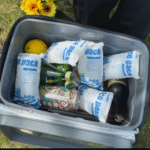
| Emplacement du liquide de refroidissement | Use gel packs or phase-change packs with a dry barrier so labels and cartons do not become wet. |
| Durée du transport | 24-72 h e-commerce or pharmacy lanes need summer testing because heat exposure can reduce viable count. |
| Pertes communes | Exposition à la chaleur, condensation, cartons humides, mouvement de la bouteille, dommages à l'étiquette, and potency complaints. |
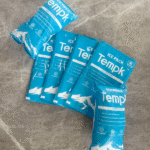
| Ajustement de l'emballage Tempk | Tempk insulated mailer or shipper, liquide de refroidissement conditionné, barrière sèche, support de carton, and route logger when required. |
Quels changements pour ce produit
Probiotic medicines can fail for reasons that are not visible from the outside carton. Un produit peut arriver apparemment froid alors qu'une couche a touché un emballage congelé, ou les cartons peuvent être suffisamment humides pour que les étiquettes et les instructions deviennent difficiles à vérifier. Les petits packs de médicaments se déplacent également rapidement avec les changements ambiants, donc la position de l'enregistreur et l'espacement du liquide de refroidissement sont importants.
Le préconditionnement doit avoir lieu avant le chargement. Si l'expéditeur, liquide de refroidissement, ou la zone de transit commence en dehors du profil cible, les premières heures de transit peuvent créer une excursion glaciale ou chaleureuse. Pour les médicaments réfrigérés, Un contact dur avec le liquide de refroidissement est l'un des risques évitables les plus courants.
Outils de décision utiles
Vérifiez les détails avant de choisir l'emballage
Ces outils rapides peuvent vous aider à comparer le risque d'itinéraire, besoins de dimensionnement, choix de liquide de refroidissement, et les détails de l'emballage avant de demander un devis.
Doublure de boîte & Dimensionnement des couvertures de palettes
Vérifiez la logique de dimensionnement du revêtement de boîte et du couvercle de palette pour les projets d'emballage isotherme.
Dimensionnement estiméGénérateur de liste de contrôle de conformité
Créer une liste de contrôle pratique pour l'examen des emballages, expédition, et documentation.
Construire une liste de contrôleRésistance aux chutes du matériau isolant
Examinez la résistance aux chutes et les facteurs de manipulation avant de choisir des matériaux d'isolation..
Vérifier la résistanceApproche d'emballage Tempk recommandée
Utilisez un Tempk 2-8 C expéditeur isolé ou doublure isolée avec conditionné packs de gel, une barrière produit validée, support carton ou flacon, et surveillance continue lorsque la voie nécessite une libération documentée. Les petites commandes doivent utiliser un insert afin que les cartons de médicaments restent dans la zone du produit testé plutôt que de glisser vers le liquide de refroidissement..
Pour les envois de grande valeur ou critiques pour les patients, ajouter une liste de contrôle de réception qui couvre l'état de l'enregistreur, nombre de produits, sécheresse de l'étiquette, dégâts visibles, et instructions de quarantaine. Cela aide le destinataire à prendre une décision claire en matière de libération au lieu de deviner la température au contact du carton..
Réception de chèques
A la réception, l'équipe doit examiner le résultat de l'enregistreur avant de placer le stock dans un inventaire utilisable. Si l'étiquette du produit, AMADOUER, ou un accord de qualité définit un processus d'excursion, l'envoi doit être retenu jusqu'à ce que le pharmacien responsable ou l'équipe qualité termine cet examen.
Tempk peut prendre en charge le dimensionnement de l'expéditeur, conception de la carte du liquide de refroidissement, insérer une mise en page, et validation de l'itinéraire. Partager les dimensions du carton du produit, quantité commandée, plage cible, durée de l'itinéraire, profil ambiant, et procédure de publication pour créer un packout spécifique à la voie.