Expédition de framboises par coursier, épicerie, ou les voies de commerce électronique nécessitent un plan de chaîne du froid spécifique au produit, car la perte de fraîcheur n'est pas causée uniquement par la température.. Humidité, pression du carton, flux d'air, pré-refroidissement, placement du liquide de refroidissement, et le temps de séjour affectent tous la qualité d'arrivée.
Les framboises sont plus douces que les fraises et moins indulgentes que les myrtilles. Ils ne tolèrent pas les mouvements lâches, pression verticale élevée, ou des couvercles à clapet humides. Un emballage générique de produits frais peut garder la boîte froide, mais il peut toujours échouer s'il crée de la condensation, bloque les évents, écrase le paquet de vente au détail, ou utilise un liquide de refroidissement trop froid pour le produit.
Recommended chaîne du froid range
Pour la planification d'itinéraire, les framboises doivent être manipulées 0-1 C avec une humidité relative autour 90-95% RH. Ces valeurs sont des plages de planification basées sur les directives de stockage des produits commerciaux et doivent être vérifiées par rapport aux spécifications du produit du fournisseur., format carton, stade de maturité, et le climat de la destination.
La règle pratique la plus importante est d’évacuer la chaleur du champ avant l’emballage.. Un expéditeur isolé est conçu pour ralentir le gain de chaleur pendant le transport; cela ne remplace pas le pré-refroidissement.
Comparaison avec des produits frais similaires
| Produit | Température de planification | Humidité relative | Sensibilité aux dommages | Pré-refroidissement | Priorité d'emballage |
|---|---|---|---|---|---|
| Framboises | 0-1 C | 90-95% | Très élevé | Refroidissement rapide à air pulsé | Support à clapet et très faible compression |
| Fraises | 0-4 C | 90-95% | Haut | Pré-refroidir avant d'emballer | Contrôle de l'humidité et protection contre les contusions |
| Bleuets | 0-1 C | 90-95% | Moyen | Pré-refroidir et garder au sec | Alignement des évents et contrôle du mouvement des petits fruits |
Tableau de planification des itinéraires et des emballages
| Variable d'itinéraire | Exigence spécifique au produit | Réponse du package Tempk |
|---|---|---|
| Température | 0-1 C | Sélectionnez l'épaisseur de l'isolation et le liquide de refroidissement conditionné ou PCM pour la voie testée. |
| Humidité | 90-95% RH | Utiliser des séparateurs, contrôle absorbant, ventilation, ou barrières contre l'humidité basées sur l'emballage de vente au détail. |
| Pré-refroidissement | Refroidissement rapide à air pulsé avant l'emballage; les baies chaudes ne doivent pas être chargées dans l’expéditeur isotherme. | Ne comptez pas sur l'expéditeur pour évacuer la chaleur du champ; il devrait préserver la condition de départ. |
| Pression d'emballage | Très faible. Les framboises ont besoin d'un support rigide à clapet, force d'empilage limitée, et pas de liquide de refroidissement lourd au-dessus du fruit. | Support de carton assorti, remplissage de vide, et la position du liquide de refroidissement en fonction de la sensibilité à l'écrasement du produit. |
| Emplacement du liquide de refroidissement | Packs de gel conditionnés ou PCM réfrigérés placés autour de la zone du produit, séparés par des poches intérieures, tampons ondulés, ou une couche absorbante. | Gardez le liquide de refroidissement à l'écart de tout contact direct avec l'emballage de vente au détail et testez la température de l'espace du produit.. |
| Durée du transit | Idéal pour les voies de nuit et de 24 heures. 24-48 les expéditions d'une heure doivent être validées avec un enregistreur placé près de la coquille des baies. | Valider l'itinéraire en temps réel, manutention du dépôt, et exposition à domicile. |
Comment choisir un pack pour 24, 48, et 72 itinéraires horaires
| Type d'envoi | Logique d'emballage | Que vérifier |
|---|---|---|
| Local le jour même | Utilisez un fourre-tout ou une boîte isolée compacte avec un liquide de refroidissement conditionné et un positionnement ferme du clapet.. | Vérifiez l'humidité du couvercle et le mouvement des baies après la livraison. |
| 24-courrier d'heure | Utilisez un expéditeur isolé rigide, liquide de refroidissement positionné sur le côté, et un séparateur sec sur la zone à clapet. | Placez un enregistreur près du fruit, pas contre le mur extérieur. |
| 24-48 heures | Augmentez l'isolation et la masse du liquide de refroidissement seulement après le test; plus de liquide de refroidissement n'est pas utile si cela crée de la condensation. | Testez le temps de séjour dans le dépôt chaud et le délai de passage à la porte avant la mise à l'échelle. |
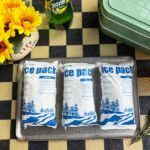
Pour les itinéraires plus longs, évitez de résoudre tous les problèmes en ajoutant davantage de gelés packs de gel. Un liquide de refroidissement supplémentaire peut créer des points froids, traces d'eau, flux d'air bloqué, ou pression du produit. La meilleure approche consiste à ajuster l'isolation, conditionnement du liquide de refroidissement, conception du séparateur, ajustement du carton, et chronométrer l'itinéraire ensemble.
Modèles de pertes courants
Les principales pertes de transit à surveiller sont les baies tendres, coloration du jus, croissance de moisissures, couvercles mouillés, cellules écrasées, et durée de conservation courte. Ces problèmes proviennent généralement du temps de séjour chaud, pré-refroidissement insuffisant, mauvaise séparation du liquide de refroidissement, cartons écrasés, ventilation bloquée, ou de la condensation à l'intérieur de l'emballage de vente au détail.
Outils de décision utiles
Vérifiez les détails avant de choisir l'emballage
Ces outils rapides peuvent vous aider à comparer le risque d'itinéraire, besoins de dimensionnement, choix de liquide de refroidissement, et les détails de l'emballage avant de demander un devis.
Calculateur de banquise
Estimation de la quantité de pain de glace pour les expéditions réfrigérées et planification pratique des itinéraires.
Estimer les packs de glaceSélecteur d'emballage
Comparez les options d'emballage isotherme par produit, itinéraire, et besoin de température.
Trouver un emballageLiquide de refroidissement & Référence PCM
Comparez les options de liquide de refroidissement et de PCM lorsqu'un itinéraire nécessite une prise en charge supplémentaire de la température.
Comparez les optionsLors de l'examen d'un envoi échoué, inspecter le produit et l'emballage ensemble. Les étiquettes mouillées peuvent indiquer de la condensation; des ecchymoses peuvent indiquer une pression verticale; une température inégale peut indiquer un mauvais placement du liquide de refroidissement; et de bonnes données d'enregistrement avec une mauvaise apparence peuvent indiquer une pression ou une humidité de l'emballage plutôt qu'une température..
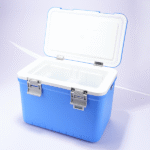
Recommandation d'emballage Tempk
Une boîte isolée rigide ou une doublure isolée, packs de gel conditionnés, support de plateau à clapet, séparateur absorbant, et validation des enregistreurs pour les itinéraires de saison chaude. Pour un usage commercial, le packout doit être testé avec le poids réel de la charge utile, emballage de vente au détail, taille du carton, durée de l'itinéraire, et la voie de livraison la plus chaude attendue.
Tempk peut prendre en charge la sélection des packs avec boîtes isolées, doublures isolées, packs de gel, Packs PCM, couches de séparation contrôlant l'humidité, support de carton, et validation de l'itinéraire. La conception finale doit protéger à la fois la plage de température cible et la qualité visible du produit au détail..
Liste de contrôle de validation avant la mise à l'échelle
- Confirmer la température de départ de la pâte ou de l'espace du produit avant l'emballage.
- Placez un enregistreur de température à proximité du produit, non seulement contre la paroi extérieure de l'expéditeur.
- Exécutez le test sur le couloir de livraison réel, y compris le ramassage, dépôt en séjour, chargement du fourgon, et l'heure du pas de porte.
- Inspecter l'humidité, odeur, ecchymoses, état de la tige ou de la pointe, résistance du carton, état de l'étiquette, et aspect de l'emballage au détail après déballage.
- Répéter la validation en saison, transporteur, nombre de cartons, poids de charge utile, ou modifications des délais de livraison.
Informations à envoyer avant de demander un packout
Pour recommander un pack Tempk pratique, partager le poids du produit par expédition, type d'emballage de vente au détail, dimensions des cartons, température de départ, durée de l'itinéraire cible, climat de destination, température ambiante maximale prévue, et si l'envoi est un colis, livraison d'épicerie, fret aérien, ou coursier local.
Base de données
Les plages de planification ci-dessus sont basées sur le manuel agricole USDA-ARS. 66 conseils sur le stockage des produits, pratique courante de manipulation après récolte, et méthodes de validation des emballages isolés Tempk. Les paramètres finaux d'expédition doivent être confirmés par des tests d'itinéraire en direct.
Appel à l'action
Si vous expédiez des framboises par courrier chaud, épicerie, ou voies de commerce électronique, Tempk peut examiner votre charge utile, taille du carton, Délai de livraison, et l'exposition climatique pour recommander un emballage isolé pour les tests.