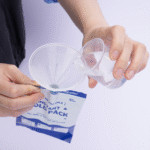
Packs de glace sèche réfrigérante: 2025 Guide de l'acheteur
Refrigerant dry ice packs keep products ultra‑cold for long routes while controlling cost and risk. Si vous avez besoin d'une performance de −70 °C pendant 24 à 120 heures, ces packs peuvent surpasser les systèmes gel ou PCM, lorsque vous dimensionnez, secouer, et étiquetez-les correctement. Vous trouverez ci-dessous une méthode de dimensionnement pratique, actuel 2025 règles, et des compromis côte à côte pour que vous puissiez choisir en toute confiance et expédier avec moins d'excursions de température.
-
Where refrigerant dry ice packs truly excel for ultra‑cold lanes and what “−78.5 °C” means in the real world. USGS
-
How to size refrigerant dry ice packs using a quick calculator and realistic sublimation rates. Sonoco ThermoSafe+1
-
2025 les essentiels de la conformité (UN1845, FAA/TO 2,5 kg, USPS 5 lb, Mises à jour de l'IATA), plus étiquetage et ventilation. Administration fédérale de l'aviation+2Explorateur postal+2
-
Glace sèche vs. packs de gel/PCM—when to switch, constructions hybrides, et impacts coût/poids.
-
Bases de sécurité (PEL/REL, IDLH, ventilation) pour protéger les équipes et les installations. CDC+1
-
2025 pressions en matière de durabilité (Calendrier du PPWR de l’UE) et ce qu'ils signifient pour les expéditeurs réutilisables. Environnement+1
What are refrigerant dry ice packs, Et quand devriez-vous les utiliser?
Réponse courte: Refrigerant dry ice packs are insulated parcel systems that use solid CO₂ (glace carbonique) as the cooling medium to hold product near −70 °C for long durations. Use them for biologics, aliments spécialisés, and lab samples requiring deep‑frozen conditions. Glace sèche sublimate (se tourne vers le gaz) at about −78.5 °C, so it never melts into water and won’t soak cartons. USGS
Why that matters: Tu deviens stable, ultra‑cold performance without condensate—ideal for vaccines, enzymes, and high‑fat frozen foods. Because dry ice gives off CO₂ gas as it sublimates, your shipper must secouer et être correctement étiqueté par 2025 règles. Passenger‑carried amounts are capped; carrier shipments require UN1845 and net weight marks. We’ll cover the exact limits and labels below so your packs pass acceptance on the first try. Administration fédérale de l'aviation+1
What temperature do refrigerant dry ice packs actually hold?
Détail: Dry ice transitions directly from solid to gas at −78,5 ° C (−109,3 ° F). En pratique, product temperature depends on payload mass, isolation (PSE, Pur, VIP), packout geometry, et fréquence d'ouverture. Laboratory work and industry guidance show typical sublimation rates ranging from ~3–8% per day in well‑insulated systems, but rates climb sharply with thin walls or frequent access. Expect faster loss with pellets vs. blocs. Sonoco ThermoSafe+1
| Facteur | Gamme typique | Effet sur le temps de maintien | Ce que cela signifie pour vous |
|---|---|---|---|
| Type d'isolation | EPS 1–1.5″, PUR 1–2″, VIP 0.3–0.5″ | Higher R‑value = longer duration | Upgrade to PUR/VIP to cut dry ice mass and freight |
| Forme de glace sèche | Blocs vs. boulettes | Les blocs se subliment plus lentement | Use blocks for >48 H LANES; pellets for tight spaces |
| Rapport de remplissage | 70–90% internal volume | Less air = slower sublimation | SIMPLE DE SIMPLE; avoid oversized voids |
| Fréquence d'accès | 0–3 openings/day | Each opening spikes load | Pour le dernier kilomètre, add a “do not open” panel |
Conseils et suggestions pratiques
-
For weekly biologics lanes: Precondition shipper to ≤ −20 °C, use blocks in lower layer, des pellets pour combler les vides, and add a vent path.
-
For export seafood: Use VIP liners to control weight, and stage a top‑off port to replenish at hub handoffs.
-
For field kits: Pre‑bag dry ice; include a “vent check” sticker and a CO₂ exposure card pour le personnel.
Cas réel: A gene‑therapy lab cut excursions by 42% after switching to blocks‑plus‑pellets and adding a one‑way vent disk. The same lane maintained −65 °C or colder for 72 des heures avec 15% less dry ice than the previous design.
How much dry ice do refrigerant dry ice packs need?
Réponse courte: Commencez par une simple règle empirique: 5–10 lb (2.3–4,5 kg) of dry ice per 24 hours in a standard, expéditeur bien isolé. For higher‑R designs (VIP), you can target the low end; for thin EPS or hot climates, planifier le haut de gamme. Laboratory and field data show ~2%/hour in small parcels during flight profiles, so build a safety margin. WestAir+1
Conseils élargis: Your dry‑ice load must cover (1) heat gain through the walls, (2) product warm‑up, et (3) handling events. You’ll get better accuracy by combining a baseline daily rate avec un time factor et un climate factor. For bio‑payloads that are already deep‑frozen, you only fight ambient heat; for warm payload starts, add extra for pull‑down. Use blocks where possible; they last longer than pellets at the same mass. dryiceproduction.com
Quick sizing calculator (use before each lane launch)
Exemple: 60‑hour route, Expéditeur VIP (R=6), saison chaude (C=1.2), first run (S=1.25):
Dry_Ice_lb ≈ (60/24) × 6 × 1.2 × 1.25 = 22.5 kg (round to 24 lb).
Conseil: Validate against typical field rates (5–10 lb / jour). If you’re outside that band, re‑check insulation and packout.
Are refrigerant dry ice packs safe and compliant in 2025?
Réponse courte: Yes—when you secouer, étiquette, and stay within limits. For airline passengers, la limite est 2.5 kg (5.5 kg) par personne, with airline approval and non‑airtight packaging. For USPS domestic air, a mailpiece may contain ≤5lb de glace sèche. Commercial shipments must follow IATA DGR: marque UN1845, Nom d'expédition approprié, poids net, et appliquer un Classe 9 étiquette; operators may impose aircraft‑type limits. Administration fédérale de l'aviation+2Explorateur postal+2
What to do today: Utiliser un extérieur ventilé, intérieur isolé, and print the UN number and Kg net on the box side. Acceptance teams increasingly use checklists; le 2026 IATA dry‑ice acceptance form mirrors what many carriers already request. En cas de doute, attach the checklist to your airway bill and include the net dry‑ice weight on documentation. Iata
Safety limits and staff protection (simple, pratique)
Exposition au coré: OSHA’s 8‑hour limit and NIOSH’s recommended exposure limit for CO₂ are 5,000 ppm; NIOSH’s IDLH is 40,000 ppm. Train staff to open shippers in ventilated areas, ne jamais sceller la glace carbonique dans des contenants hermétiques, and avoid walk‑ins with poor airflow. OSHA+1
| Sujet | 2025 Règle | What to Mark | Pourquoi ça compte pour toi |
|---|---|---|---|
| Passenger allowance | ≤ 2,5 kg (5.5 kg) par passager | «Glace sèche» + poids net (or “≤ 2.5 kg”) | Avoid confiscation at check‑in. Administration fédérale de l'aviation |
| Air domestique USPS | ≤5 lb par pièce | UN1845 + venting instruction | Acceptation rapide; avoid returns. Explorateur postal |
| Voici Cargo | UN1845 + Classe 9 + Kg net | Printed on outer box | Required worldwide; des limites d'opérateur peuvent s'appliquer. Iata |
| Ventilation | Jamais hermétique; provide a gas path | Vent ports or loose‑fit lid | Prevent pressure build‑up and damage. Pace University |
Conseils et suggestions pratiques
-
Warehouse SOP: Place opening tables near exhaust or open dock doors; post a 5‑step “vent‑check” placard.
-
Traveler SOP: Pre‑print a simple “DRY ICE / 2.5 kg or less” card for baggage.
-
Cargo SOP: Add “Net dry ice: X kg” on two adjacent sides; attach operator checklist to the pouch.
Cas réel: A biotech reduced carrier rejections to near zero after adding UN1845 marks and net‑kg print to two panels, plus a perforated vent hole with a tamper label. Post‑change, five consecutive lanes cleared acceptance without rework.
How do refrigerant dry ice packs compare to gel and PCM packs?
Réponse courte: Refrigerant dry ice packs lead for en dessous de -20 ° C points de consigne, tenues longues, and small interiors. Packs de gel/PCM gagner pour 2–8 ° C ou −20 ° C voies, returns programs, and carrier rules that disfavor dry ice. Emballages hybrides (dry ice base + PCM buffer near product) can stabilize curves and reduce weight.
Vue élargie: Think of dry ice as a “deep‑freeze engine.” It’s powerful but needs venting and labeling. PCMs are “thermostats” at precise setpoints (Par exemple, −21, +5 ° C) and are easier to reuse. Pour le dernier kilomètre, PCMs simplify hand‑offs; for international lanes or biotech, dry ice often remains the smallest, lightest path to 72–120 hours.
When to choose what (guide de décision)
-
Pick refrigerant dry ice packs quand: ultra-froid, small payloads, vols longs, and strict stability curves.
-
Pick PCM/gel quand: setpoint is −20 °C or 2–8 °C, reverse logistics matter, or staff training is minimal.
-
Pick hybrid quand: you need −60 °C near the ice layer but protect the product with −20 °C PCM spacers.
Designing refrigerant dry ice packs: isolation, ventilation, étiquettes
Réponse courte: Durable PUR ou VIP walls cut dry‑ice mass and freight; blocs prolonger le temps de maintien; couvercles ventilés prevent pressure issues; UN1845 + Classe 9 + Kg net labeling accelerates acceptance. A little design for assembly (DFA)—pre‑bagging ice, printed panels—reduces packout mistakes.
Plongée profonde: Thermal design is about minimizing heat leak (U·A·ΔT). VIP panels slash A and U without adding bulk. Blocks lower surface area vs. boulettes, réduire la sublimation. Sur le plan opérationnel, locate venting away from the payload and provide a one‑way check if the box might be stacked tightly.
UN1845, Classe 9, and airline limits (2025 snapshot)
-
Passagers: ≤ 2.5 kg per person; approbation des compagnies aériennes; non‑airtight conditionnement; mark “Dry ice” and net quantity or “≤ 2.5 kg.” Administration fédérale de l'aviation
-
Air domestique USPS: ≤5 lb par pièce; l'emballage doit allow gas release. Explorateur postal
-
Voici Cargo: Marque UN1845, nom propre, net kg on outer, et appliquer Classe 9 étiquette; aircraft‑type limits apply per 2025 DGR updates/addenda. Iata
Insulation options at a glance
| Isolation | Mur typique | Relative R | For refrigerant dry ice packs this means… |
|---|---|---|---|
| PSE | 1.0–1,5 po | Faible | Works for short lanes; more ice needed; coût le plus bas |
| Pur | 1.5–2.0 in | Moyen | Good balance of cost vs. poids; fewer top‑offs |
| VIP | 0.3–0.5 in | Haut | Longest hold in smallest box; great for air freight |
Operations playbooks for refrigerant dry ice packs
Réponse directe: Standardize on one packout per lane, pre‑print UN1845 panneaux, and implement a two‑point weight check (before/after) to verify net kg. Pour les produits biologiques, stage a hybrid buffer around the payload and avoid opening during transit.
Explication élargie: The biggest excursion risks are at hand‑offs. Utiliser un “Don’t Open” strip across the lid and a QR card to SOPs. At hubs, top‑off stations can add 10–20% mass in under a minute. Pour la nourriture, pre‑freeze to −20 °C or colder and prevent voids with pellets.
Nourriture, biologique, and lab kits—specific moves
-
Nourriture: Freeze payload solid; utiliser blocks under, Pellets autour; reinforce corners; post “vent here.”
-
Biologique: Hybrid buffer with PCM around the carton; document Kg net et shipper ID sur l'étiquette.
-
Lab kits: Pre‑bag dry ice; ajouter Sécurité de Co₂ insérer; fournir gants et face shield in a consumables kit.
Cas réel: A seafood exporter adopted VIP liners and blocks, cutting dry‑ice mass by ~28% while holding −60 °C for 72 h in midsummer across two hubs. Damaged‑label returns fell after adding side‑panel net‑kg prints.
Troubleshooting refrigerant dry ice packs in transit
Réponse directe: If hold time is short, vérifier insulation gaps, pellet‑only loading, and airtight lids d'abord. If labels fail acceptance, confirmer UN1845, Classe 9, et Kg net are printed and visible.
Deeper fixes: Map excursions to events: “openings,” “hub time,” or “final‑mile delays.” Add bûcherons de données et shock/light indicateurs. If the route is volatile, redesign with VIP ou hybrid buffers and raise the facteur de sécurité in your sizing formula to 1.25–1.35.
Liste de contrôle sur le terrain (use at the bench)
-
Vent path clear?
-
Net kg printed on side panel?
-
Blocks on bottom, pellets filling voids?
-
QC weighed? Signed?
-
Logger started? Sticker applied?
2025 trends for refrigerant dry ice packs
Aperçu de la tendance: Three forces shape 2025 décisions: (1) clarté réglementaire around dry‑ice marking and airline limits in the latest IATA DGR addendum, (2) greater safety emphasis on CO₂ exposure (PEL/REL and IDLH training), et (3) packaging‑waste pressure in the EU’s PPWR, which entered into force on 11 February 2025 and phases in reuse/recyclability obligations over the next 18 mois. Attendre plus coquilles réutilisables with replaceable VIP liners. Iata+2OSHA+2
Quoi de neuf et pourquoi c'est important
-
Listes de contrôle d'acceptation IATA: Standardized forms streamline hand‑offs; attach them to your pouch. Iata
-
CO₂ safety refreshers: Teams double‑check ventilation and PPE due to clear PEL/REL/IDLH guidance. OSHA+1
-
EU PPWR reality: Reuse and recyclability targets push VIP‑based reusables and lighter outers. Environnement+1
Perspicacité du marché: Airlines and integrators continue to cap per‑piece dry ice for certain aircraft; labeling and net‑kg prints speed acceptance. Entre-temps, COVID‑era ultra‑cold lanes have normalized: many current vaccines now arrive frozen and may be refrigerated for extended periods after receipt, reducing dry‑ice dwell at the last mile. Toujours, long‑haul biologics rely on dry ice for comfort margin. Pfizer Medical
Questions fréquemment posées
Q1: What temperature do refrigerant dry ice packs hold?
They stabilize near −78,5 ° C at the ice interface. Product temperature varies with insulation and geometry, but dry ice won’t create liquid water like frozen gel does. USGS
Q2: How much can I carry on a plane?
Pour les passagers, ≤ 2,5 kg (5.5 kg) par personne avec l'approbation de la compagnie aérienne; l'emballage doit être ventilé and marked “Dry ice.” Administration fédérale de l'aviation
Q3: Qu'en est-il de l'USPS?
USPS allows ≤5lb of dry ice per domestic air mailpiece; packages must permit dégagement de gaz and be properly marked. Explorateur postal
Q4: What’s a realistic sublimation rate?
Planifier 5–10 lb par 24h in a good insulated cooler; small flight parcels often show ~2%/hour. Use blocks to slow loss. WestAir+1
Q5: La glace sèche est-elle sûre à manipuler?
Oui, with gloves and ventilation. OSHA/NIOSH place time‑weighted limits at 5,000 ppm et un IDLH at 40,000 ppm pour co₂. OSHA+1
Résumé et recommandations
Principaux à retenir: Refrigerant dry ice packs are the best choice for ultra‑cold, long‑duration lanes. Size them with a simple (time × daily rate × climate × safety) méthode, et choisissez blocs chaque fois que possible. Dans 2025, tu dois secouer, Mark un1845 + Kg net + Classe 9, and respect 2.5 kg passager et 5 lb USPS seuils. Train for CO₂ safety; température logarithmique; standardize packouts.
Plan d'action:
-
Choisir l'isolation (PUR / VIP) for your lane and run the quick calculator.
-
Lock a single SOP per lane; imprimer UN1845 panels with Kg net.
-
Pilot 5–10 shipments with data loggers; ajuster R., C, S facteurs.
-
For EU routes, start reusable trials to prepare for PPWR obligations.
-
Roll out training on CO₂ exposure and acceptance checklists.
À propos du tempk
We engineer cold‑chain packaging that is simple to pack, easy to approve, and hard to fail. Notre blocs de glace carbonique réfrigérants et VIP hybrid systems balance weight and hold time, with printed UN1845/net‑kg panels for faster acceptance. Customers typically cut dry‑ice mass by 15–30% while keeping the same or better duration. We pair designs with lane‑specific calculators and SOP cards so your team can pack right on day one.
Prochaine étape: Contact our team for a lane assessment and a right‑sized refrigerant dry ice pack prototype for your route.