Introduction – Pourquoi la personnalisation des sacs réfrigérés est importante
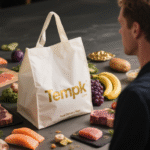
Imaginez que vous donnez à un client son repas ou ses médicaments et que vous voyez son visage s'illuminer parce que tout arrive à la température idéale et dans un sac élégant de marque.. Les conceptions personnalisées de sacs réfrigérés transforment les sacs isothermes ordinaires en atouts marketing fonctionnels. La demande de sacs isothermes a augmenté; les audits montrent que plus de 70 % des boîtes de kits repas dépassent 4 °C après un transit prolongé, rendre la qualité de l’isolation essentielle. Entre-temps, le marché mondial des glacières et des sacs isothermes est en plein essor – il a atteint le dollar 13.75 milliards en 2024 et devrait atteindre l'USD 26.5 milliards 2032. Dans ce guide, vous découvrirez comment concevoir un sac réfrigéré qui protège les marchandises sensibles à la température tout en renforçant l'identité de votre marque..
Ce guide vous aidera:
Comprendre les principales caractéristiques – Vous apprendrez comment l'épaisseur de l'isolation, les matériaux et les systèmes de fermeture affectent la rétention de température et la durabilité.
Prenez des décisions de conception éclairées – Découvrez les options de personnalisation à longue traîne telles que les techniques d'impression, des formes uniques et des tissus respectueux de l'environnement qui attirent les clients et restent tendance.
Maximisez la valeur marketing – Découvrez pourquoi les sacs isothermes personnalisés sont des panneaux d'affichage mobiles qui génèrent des milliers d'impressions et influencent le comportement d'achat..
Gardez une longueur d'avance 2026 tendances – Explorez les innovations telles que les capteurs de surveillance intelligents, des matériaux recyclés et des conceptions modulaires sur le point de remodeler les sacs isothermes.
Planifiez votre approvisionnement – Suivez un processus étape par étape pour choisir la taille, matériels, impression et fournisseurs pour garantir que votre investissement répond aux normes de performance et réglementaires.
Qu'est-ce qui fait un excellent sac réfrigéré conçu sur mesure?
Un sac isotherme personnalisé haute performance qui équilibre les performances thermiques, convivialité et image de marque. Temps de maintien, capacité, le système d’isolation et le confort des utilisateurs constituent la base.
Capacité et taille: Faire correspondre le sac à votre itinéraire
Choisir la bonne taille évite une isolation sous-performante ou un gaspillage d’espace. Les sacs isothermes commerciaux couvrent 6 - 40 litres.
Compact (6–10L): Idéal pour un seul repas ou une petite commande; léger et facile à transporter.
Taille moyenne (15–20L): Polyvalent pour les services de préparation de repas ou les packs d'épicerie; établit un équilibre entre capacité et gérabilité.
Grand (30–40L): Convient aux événements de restauration ou aux commandes de groupe; nécessite des matériaux durables et une isolation plus épaisse.
Conseil: Remplissez votre sac à 80-90 % de son volume pour éviter les poches d'air chaud; un remplissage insuffisant réduit l'efficacité du refroidissement.
Performances et matériaux d'isolation
Le cœur de tout sac réfrigéré est son isolation. La valeur R mesure la résistance thermique; des valeurs plus élevées signifient une meilleure rétention de la température. Comprendre les types et l'épaisseur de mousse vous aide à atteindre vos objectifs de temps de maintien:
| Composant | Spécification typique | Impact | Ce que cela signifie pour vous |
|---|---|---|---|
| Type de mousse | EPE (R 3,6–4,2/pouce), PU/XPE (R 6+/pouce) | Des valeurs R plus élevées permettent une rétention plus longue; Le PU et le XPE surpassent l’EPE | Choisissez PU/XPE pour les applications premium; L'EPE convient à la livraison de nourriture standard |
| Épaisseur de la mousse | 3 mm, 5 mm, 8 mm | Une mousse plus épaisse prolonge l'isolation; 5 mm + le papier d'aluminium donne 8 à 12 h, 8 mm plus les fermetures éclair scellées atteignent 12 à 24 h | Sélectionnez l'épaisseur en fonction de la longueur de votre itinéraire; associez-le à des packs de gel pour des temps de maintien prolongés |
| Matériau de doublure | Feuille d'aluminium vs. AUJOURD'HUI | La feuille reflète la chaleur rayonnante et résiste à l'humidité; Le PEVA est plus doux mais moins réfléchissant | Utiliser du film pour le transport extérieur ou de longue durée; PEVA pour la légèreté, applications pour la sécurité alimentaire |
| Système de fermeture | Doubles fermetures éclair, rabats, Velcro | Des joints étanches empêchent la pénétration de chaleur et les fuites | Inspecter les fermetures éclair et les rabats; des fermetures faibles entraînent une perte de refroidissement rapide |
Les sacs haut de gamme peuvent intégrer des panneaux isolés sous vide (Vips) et matériaux de changement de phase (PCMS) pour maintenir les plages pharmaceutiques entre 2 et 8 °C. Les mousses telles que le PU peuvent garder le contenu froid pendant 24 à 72 heures, ce qui les rend idéaux pour les livraisons longue distance. Utilisez des doublures en papier d'aluminium et des coutures scellées pour éviter les fuites et refléter la chaleur rayonnante..
Durabilité et confort d'utilisation
Les matériaux extérieurs déterminent dans quelle mesure votre sac résiste aux manipulations quotidiennes. Oxford ou polyester recyclé (RÉPÉTITION) les tissus offrent une résistance à l'abrasion et une déperlance, tandis que les tissus non tissés sont moins chers mais moins durables. Poignées renforcées, les bretelles rembourrées et les bases structurées réduisent la fatigue du porteur et maintiennent la forme. Lors de la conception d'un sac réfrigéré sur mesure, assorti au style de transport – fourre-tout, sac à dos ou sac à lunch – selon votre mode de livraison.
Tests avant les commandes groupées
Avant de vous engager sur des milliers d’unités, échantillons de test pour la rétention thermique, résistance aux fuites, portance et nettoyabilité. Simulez vos itinéraires de livraison réels, enregistrer la température toutes les heures, et recueillir les retours des utilisateurs sur le confort. La vérification des performances garantit que votre sac protège les produits et la réputation de votre marque.
Pourquoi choisir des sacs réfrigérés personnalisés pour votre marque?
Les sacs isothermes sont plus que des outils logistiques : ce sont des panneaux d'affichage mobiles pour votre organisation.. Les sacs isothermes de marque génèrent des milliers d'impressions et restent utilisés pendant plus de deux ans, offrir une exposition marketing à long terme. Voici pourquoi le sur mesure est payant:
Visibilité améliorée de la marque: Les sacs isothermes personnalisés agissent comme une publicité ambulante. Leur taux de réutilisation élevé signifie que votre logo voyage partout où va votre client.. Des études montrent que 68 % des décisions d’achat des consommateurs sont influencées par le design esthétique, des couleurs et des logos accrocheurs font donc la différence.
Valeur pratique: Contrairement aux cadeaux jetables, les sacs isothermes sont fréquemment utilisés. Les experts en cadeaux d'entreprise soulignent que les sacs isothermes personnalisés sont pratiques, élégant et durable, offrant une véritable utilité que ce soit lors d'un pique-nique ou d'une réunion client.
Appel professionnel: Les logos brodés ou imprimés de haute qualité rehaussent la valeur perçue et le professionnalisme. Les sacs isothermes de marque transmettent la prévenance et l'attention aux détails.
Appréciation des employés et des clients: Les entreprises utilisent des sacs isothermes personnalisés comme récompenses de reconnaissance des employés, cadeaux clients et cadeaux de salon. Les destinataires mémorisent le geste et associent votre marque à la qualité.
Alignement avec les objectifs de durabilité: Les matériaux respectueux de l'environnement tels que le polyester recyclé et les fibres naturelles aident les marques à démontrer leur gestion environnementale. Les clients privilégient de plus en plus les articles réutilisables aux emballages à usage unique.
Exemple de cas: Une entreprise de livraison de nourriture en Amérique du Nord a remplacé les sacs en plastique génériques par des glacières isothermes de marque. Les sacs durables gardent les repas au frais pendant 60 à 120 minutes en dehors de la réfrigération., réduire les plaintes pour détérioration. Les clients ont apprécié l'emballage de haute qualité et ont réutilisé les sacs pour les pique-niques, qui a étendu la visibilité de la marque. Par conséquent, la société a signalé un 15 % augmentation des commandes répétées et des mentions positives sur les réseaux sociaux.
Sélection des matériaux et de l'isolation: Atteindre la température & Objectifs de marque
La sélection des matériaux affecte à la fois les performances et l'esthétique. Utilisez cette section comme liste de contrôle lorsque vous travaillez avec un fournisseur.
Choix de tissus pour l'extérieur
Tissu Oxford (600D, 420D, 300D et supérieur): Durable, étanche et économique; largement utilisé pour les sacs isothermes. Denier plus élevé (D) le nombre signifie des fibres plus épaisses et un coût plus élevé mais une plus grande résistance à l'usure.
Tissu en toile: Plus épais, respirant et résistant aux déchirures; offre un look premium. Convient aux glacières de pique-nique haut de gamme ou aux marques de style de vie.
Tissu non tissé: Abordable mais moins durable; idéal pour les grands cadeaux promotionnels.
Polyester recyclé (RÉPÉTITION) & Fibres naturelles: Adoptez la durabilité. Des matériaux écologiques comme le liège, le jute et le rPET offrent un aspect naturel, aspect brut et trouve un écho auprès des consommateurs soucieux de l'environnement. Ces matériaux peuvent se dégrader naturellement tout en conservant l'isolation.
Matériaux d'isolation & Performance
| Type de mousse | Temps de maintien typique | Utilisation idéale | Notes |
|---|---|---|---|
| EPE (Polyéthylène expansé) | 4–8 heures | Sacs à lunch, glacières d'épicerie | Léger, rentable mais se comprime avec le temps; se marie bien avec les doublures en aluminium |
| Pe (Polyéthylène) | 6–10 heures | Sacs de livraison milieu de gamme | Densité et résistance à la compression plus élevées; bon équilibre entre coût et performance |
| Eva (Acétate de vinyle d'éthylène) | 10–24 heures | Glacières souples haut de gamme, sacs de plage | Durable et offre une résistance thermique supérieure pour un poids et un coût plus élevés |
| Unité centrale (Polyuréthane) | 24–72 heures | Refroidisseurs durs, expéditions longues | Conductivité thermique extrêmement faible; peut être intégré sous forme de panneaux minces dans des sacs souples |
Pour améliorer les performances, combiner des mousses avec des films réfléchissants, Panels VIP ou PCM, spécialement pour les produits pharmaceutiques nécessitant un contrôle de 2 à 8 °C.
Doublures intérieures & Prévention des fuites
Feuille d'aluminium: Le plus réfléchi; améliore la rétention du froid et du chaud.
Film d'aluminium épais: Une mise à niveau premium; dure plus longtemps et résiste aux pliages répétés.
AUJOURD'HUI (Polyéthylène-acétate de vinyle): Recyclable, durable et facile à nettoyer; les coutures thermosoudées le rendent étanche, permettant à votre sac de servir de seau à glace.
Feuille normale: Économique mais les coutures cousues peuvent fuir.
Choisissez des doublures thermosoudées et des coutures renforcées. Un sac utilisant 8 Mousse EPE de 30 mm avec des blocs de glace maintenus en feuille d'aluminium en dessous 10 ° C pour 6.5 heures et plats chauds ci-dessus 50 ° C pour 4.2 des heures de 25 ° C ambiant.
Systèmes de fermeture & Scellage
Fermetures éclair de haute qualité, les doubles rabats et les bandes Velcro empêchent l'infiltration et les fuites d'air chaud. Les fermetures éclair résistantes à l'eau avec de grandes tirettes sont plus faciles à manipuler, surtout quand on porte des gants.
Impression & Techniques de marque
Le design influence les décisions d’achat. Considérez les techniques suivantes pour que votre sac réfrigéré se démarque:
| Méthode d'impression | Caractéristiques | Meilleure utilisation |
|---|---|---|
| Sublimation couleur | Produit vibrant, oeuvre photographique sur toute la surface. | Idéal pour les campagnes créatives nécessitant des graphismes riches. |
| Sérigraphie | Économique pour les conceptions simples et les grandes séries. | Convient aux logos et aux couleurs limitées. |
| Feuille d'or ou impression métallique | Ajoute une touche premium; accrocheur et réfléchissant. | Utilisation pour des marques de luxe ou des cadeaux d'entreprise haut de gamme. |
| Broderie | Coud le logo dans le tissu pour une durabilité, finition haut de gamme. | Idéal pour le marquage permanent sur des tissus épais. |
| Patchs détachables Patch-IT™ | Permet d'échanger le logo pour différentes campagnes. | Idéal pour les promotions saisonnières ou les partenariats multimarques. |
Vous pouvez également jouer avec des formes et des couleurs uniques. Les concepteurs suggèrent de créer des sacs isothermes cylindriques, des formes semblables à des oreillers ou des animaux et utilisant des motifs vibrants ou des designs minimalistes pour faire de votre sac un sujet de conversation.
Des choix écologiques
Les consommateurs et les régulateurs attendent des produits durables. Les rapports de tendances notent que les matériaux respectueux de l'environnement comme les plastiques recyclés et les fibres biodégradables sont de plus en plus courants.. WellPromotions 2026 Une enquête a révélé que les sacs isothermes respectueux de l'environnement soutiennent les objectifs ESG de l'entreprise et séduisent les acheteurs soucieux de l'environnement.. Lors de l'approvisionnement, recherchez des fournisseurs certifiés dans le cadre de programmes comme GRS, Normes contact alimentaire OEKO-TEX ou FDA/UE.
Conception & Stratégies d'impression pour faire ressortir votre sac isotherme
Il ne suffit pas d'avoir un sac fonctionnel; il doit capter l'attention et refléter l'histoire de votre marque.
Choisissez la bonne taille et la bonne forme pour l'occasion
Commencez par identifier le cas d’utilisation typique de votre client:
Taille de la boîte à lunch (6–10L): Parfait pour les employés de bureau et les étudiants. Les sacs compacts avec cordon de serrage ou fermeture éclair gardent les repas au frais et se glissent facilement dans les sacs à dos..
Sacs de pique-nique ou d'épicerie moyens (15–20L): Prévoir suffisamment d'espace pour plusieurs récipients et boissons. Une base robuste et des sangles de poignée solides permettent au sac de rester droit pendant le transport.
Sacs d'aventure (20–40L): Envisagez des modèles de sacs à dos ou convertibles pour les événements en plein air. Inclure des poches supplémentaires, ouvre-bouteilles ou compartiments secs amovibles.
Associer les matériaux aux scénarios d'utilisation
Tissus Oxford 600D ou 900D pour une livraison quotidienne robuste. Plus le tissu est dense, plus c'est durable et cher.
Toile pour une prime, aspect robuste; convient aux marques lifestyle et camping.
Du liège ou du jute pour renforcer les messages de durabilité.
Tissu non tissé pour des campagnes rentables où des volumes élevés sont nécessaires.
Incorporer des fonctionnalités dans la conception
Accessoires intégrés: Un ouvre-bouteille intégré ou une poche à couverts amovible ajoute de la commodité et distingue votre sac.
Systèmes multi-compartiments: Combinez des compartiments réfrigérants et secs avec des modules détachables pour une utilisation polyvalente.
Modèles convertibles: Basculez entre les modes sac à dos et fourre-tout ou pliez le sac pour un rangement compact.
Fonctionnalités intelligentes: Intégrer des capteurs de température, Connectivité Bluetooth ou suivi GPS pour que les utilisateurs puissent surveiller le contenu via un smartphone.
Impression & Des couleurs éclatantes
Les impressions aux couleurs vives attirent le regard et sont parfaites pour les campagnes destinées aux consommateurs.
Les logos minimalistes sur des tissus neutres projettent une sophistication et sont populaires pour les cadeaux d'entreprise..
Des formes uniques telles que des modèles de cylindres ou de canettes et des motifs fantaisistes plaisent aux jeunes publics et aux familles..
Eco-couleurs (légumes verts, les bruns, textures naturelles) renforce les messages de durabilité et se marie bien avec les tissus en liège ou en rPET.
Applications: Où brillent les sacs réfrigérés personnalisés
Les sacs réfrigérés personnalisés ne sont pas réservés aux pique-niques; ils soutiennent divers secteurs.
Nourriture & Livraison de boissons
Les services de préparation de repas et d'épicerie s'appuient sur des sacs isothermes pour garder les produits au froid pendant 60 à 120 minutes en dehors de la réfrigération.. Une bonne isolation réduit la détérioration et protège votre réputation. Les sacs imprimés avec votre logo rappellent votre marque aux clients à chaque fois qu'ils les réutilisent.
Soins de santé & Médicaments
Vaccins, les produits biologiques et les échantillons cliniques nécessitent un contrôle précis de 2 à 8 °C. Incorporez des panneaux VIP et des PCM pour de longues durées d'attente, et attachez des enregistreurs de données ou des capteurs IoT pour vous conformer aux exigences réglementaires.
Cadeaux d'entreprise & Promotions
Offrez aux employés et aux clients un article qu’ils utiliseront réellement. Les sacs isothermes personnalisés servent de récompenses de reconnaissance aux employés, cadeaux de salon et cadeaux d'appréciation des clients. De nombreux fabricants proposent des quantités de commande minimales faibles ou inexistantes et des remises sur les commandes groupées.
Récréation de plein air & Événements
Pique-nique, les festivals et les événements sportifs stimulent la demande de sacs isothermes multifonctionnels. Les rapports de tendances notent que l'adaptabilité à plusieurs scénarios (modèles portables ou pliables) est devenu un élément de compétitivité essentiel, avec des sacs rétrécissant à un cinquième de leur taille après pliage. Les sacs isothermes promotionnels servent de souvenirs lors d'événements, créer des souvenirs durables.
Vente au détail & Marchandisage
Supermarchés et F&Les marques B proposent des sacs isothermes de marque comme cadeaux avec achat ou récompenses de fidélité. Des études suggèrent que chaque sac génère 1 900 à 2 000 impressions au cours de sa durée de vie.. Utilisez des formes et des imprimés uniques pour encourager la réutilisation et différencier votre magasin de vos concurrents.
Guide étape par étape pour commander et personnaliser vos sacs réfrigérés
Le fait de suivre un processus d'approvisionnement structuré garantit que votre sac personnalisé répond aux performances, exigences esthétiques et réglementaires.
Étape 1: Définir le cas d'utilisation et la capacité
Listez vos itinéraires typiques, tailles de charge utile et exigences de temps de maintien. Utilisez un calculateur de capacité ou un outil interactif pour déterminer si vous avez besoin d'un 6 Un sac à lunch ou un 40 Sac traiteur L. Pensez à ajouter 20 à 30 % volume supplémentaire pour les packs de glace ou de gel.
Étape 2: Sélectionnez le type et l'épaisseur de l'isolation
Adaptez l'épaisseur de la mousse et les matériaux du revêtement au temps de maintien requis. Pour la livraison du dernier kilomètre (60–120 minutes), 5 mm de mousse EPE avec une feuille d'aluminium suffit; pour des excursions de plusieurs heures, choisir 8 mm de mousse combinée avec des panneaux VIP. Utilisez le tableau ci-dessus pour décider quelle mousse convient à votre application.
Étape 3: Choisissez les tissus et les caractéristiques
Choisissez des tissus extérieurs en fonction de leur durabilité et de leur image de marque – Oxford pour un usage quotidien, toile ou liège pour des cadeaux haut de gamme, rPET pour la durabilité. Décidez des fonctionnalités supplémentaires: ouvre-bouteilles, compartiments amovibles, bretelles réglables ou intégration technologique.
Étape 4: Image de marque du plan & Oeuvre
Travaillez avec votre équipe de conception pour développer des illustrations. Assurez-vous que le mot-clé principal apparaît dans le premier 50 mots de la copie de votre page de destination pour le référencement. Sélectionnez les techniques d'impression (sublimation, sérigraphie, broderie, correctif) en fonction de votre budget et de la complexité de la conception.
Étape 5: Source & Échantillons de test
Demander des prototypes aux fournisseurs. Effectuer des tests de rétention thermique (enregistrer les températures internes toutes les heures), tests de fuite et de charge et essais de nettoyage. Évaluer le confort et l’apparence de la marque. Utilisez des formulaires d'enquête pour recueillir les commentaires des employés ou des chauffeurs-livreurs.
Étape 6: Vérifier les certifications & Conformité
Demander de la documentation aux fournisseurs: GRS ou OEKO-TEX pour les tissus recyclés, Conformité FDA ou UE au contact alimentaire pour les doublures intérieures. Assurez-vous qu’ils offrent des garanties sur l’impression et les coutures. Si vous distribuez à l’international, confirmer qu'ils respectent les réglementations locales.
Étape 7: Négocier les prix & Quantités minimales de commande
Discutez des délais, MOQ et tarifs. De nombreux fournisseurs offrent des remises de gros et des minimums flexibles; certaines entreprises, comme NorChill, il n'y a même pas de politique de commande minimum pour certaines méthodes de personnalisation. Planifiez les commandes en fonction des hautes saisons pour éviter les retards.
2026 Tendances et innovations dans la personnalisation des sacs réfrigérés
Rester informé des tendances émergentes vous aide à concevoir des sacs qui répondent aux attentes futures.
Surveillance intelligente & Refroidisseurs connectés
Le 2026 le guide d'approvisionnement indique que les sacs isothermes intégreront une surveillance intelligente, avec capteurs de suivi de la température, humidité et localisation GPS pour fournir des données en temps réel. De telles fonctionnalités aident les entreprises à se conformer aux réglementations et à réduire la détérioration.. Les consommateurs férus de technologie comme Emily aiment utiliser des sacs isothermes intelligents qui se synchronisent avec les applications météo pour obtenir des conseils en temps réel sur la conservation des aliments lors de longues randonnées..
Durable & Matériaux de l'éco-conscience
Les tendances du marché montrent une préférence croissante pour les produits écologiques, Matériaux réutilisables. WellPromotion rapporte que les marques choisissent de plus en plus des sacs fabriqués à partir de plastiques recyclés et de fibres naturelles pour s'aligner sur les objectifs ESG. Des fabricants innovants lancent des sacs isothermes biodégradables et proposent une dégradation naturelle tout en conservant l'isolation.
Multifonctionnel & Conceptions modulaires
Les consommateurs exigent des sacs qui s'adaptent à différents scénarios. Les chercheurs en tendances décrivent les modèles multifonctionnels – tels que les sacs à dos isothermes qui se transforment en sacs fourre-tout ou se replient jusqu'à un cinquième de leur taille – comme des différenciateurs clés.. Compartiments secs intégrés, les inserts détachables et les sangles réglables augmentent l'utilité du sac pour le camping, déplacements et livraison.
Expériences personnalisées & Esthétique
La personnalisation va au-delà des logos. Personnaliser chaque sac avec des noms individuels ou des illustrations saisonnières permet aux marques de se connecter plus profondément avec les clients.. NorChill propose une personnalisation de nom individuelle et des échanges Patch-IT™, permettant des campagnes en petits lots sans grands MOQ. Les données montrent que l'esthétique du design influence directement 68 % des décisions d'achat.
Technologies d'isolation avancées
Les fabricants expérimentent des panneaux isolés sous vide, matériaux à changement de phase et mousses biodégradables pour prolonger la rétention du froid et réduire l'impact environnemental. Certains sacs isothermes haut de gamme intègrent des VIP et des PCM pour maintenir les vaccins dans la plage requise pendant plus de 72 heures. Des innovations telles que le soudage par ultrasons améliorent la résistance des coutures et l'efficacité de la production.
Croissance du marché & Facteurs de demande
Le marché des glacières et des sacs isothermes devrait croître à partir de l’USD 13.75 milliards en 2024 en USD 26.5 milliards 2032 à un 8.3 % TCAC. Les moteurs de croissance comprennent l’augmentation des loisirs de plein air, Industries en plein essor de la livraison de nourriture et des kits repas, sensibilisation accrue à la sécurité alimentaire et expansion de la chaîne du froid pharmaceutique. La personnalisation et la durabilité deviennent des attentes standards, créer des opportunités pour les marques de se différencier.
Questions fréquemment posées
Q1: Comment déterminer la bonne taille pour mon sac réfrigéré personnalisé?
Évaluez votre itinéraire de livraison typique, volume de commande et temps de maintien requis. Les sacs compacts de 6 à 10 L conviennent aux repas individuels, 15–20 L de travail pour les courses et les commandes moyennes, et 30 à 40 L servent à la restauration et aux activités de groupe. Prévoyez toujours 20 à 30 % espace supplémentaire pour les packs de glace ou de gel.
Q2: Quels matériaux dois-je choisir pour des sacs isothermes personnalisés et durables?
Optez pour des tissus comme le polyester recyclé (RÉPÉTITION), liège, jute ou toile. Associez-les à des mousses EPE ou PU pour l'isolation et à des doublures PEVA thermoscellées pour éviter les fuites.. Vérifiez toujours les certifications comme GRS ou OEKO-TEX pour garantir l'authenticité.
Q3: Combien de temps un sac réfrigéré peut-il maintenir la température?
Le temps de maintien dépend du type et de l’épaisseur de la mousse. 3 mm La mousse EPE retient le froid jusqu'à 6 heures, 5 mm avec du papier d'aluminium s'étend jusqu'à 8 à 12 heures, et 8 La mousse de mm avec des fermetures éclair scellées associée à des packs de gel peut maintenir la température pendant 12 à 24 heures.. La mousse PU haut de gamme ou les panneaux VIP peuvent prolonger la rétention jusqu'à 24 à 72 heures.
Q4: Quels sont les avantages des sacs isothermes intelligents?
Les sacs isothermes intelligents comprennent des capteurs qui surveillent la température, humidité et emplacement, permettant aux utilisateurs de suivre le contenu via un smartphone et de garantir la conformité. Ils réduisent la détérioration, améliorer la conformité réglementaire et améliorer l’expérience utilisateur.
Q5: Comment puis-je m'assurer que mes sacs isothermes de marque correspondent aux objectifs ESG?
Sélectionnez des matériaux respectueux de l'environnement et vérifiez les certifications environnementales. Éduquer les clients sur la réutilisation et le recyclage. Collaborez avec des fournisseurs qui pratiquent une fabrication durable et proposent des programmes de reprise ou de recyclage.. Cela démontre la responsabilité de l’entreprise et trouve un écho auprès des consommateurs soucieux de l’environnement..
Résumé des points clés à retenir
Équilibrer performance et image de marque: Choisissez la bonne capacité, épaisseur et matériaux de mousse pour répondre à vos besoins de tenue et de durabilité, tout en utilisant des imprimés éclatants et des tissus respectueux de l'environnement pour renforcer l'attrait de la marque.
Tirer parti de la personnalisation comme marketing: Les sacs réfrigérés personnalisés génèrent des milliers d'impressions et influencent les décisions d'achat. Ce sont des cadeaux pratiques qui renforcent la fidélité des clients et le moral des employés.
Prioriser la durabilité: Les consommateurs et les régulateurs s'attendent à ce qu'ils soient réutilisables, Matériaux recyclables. Intégrez des tissus recyclés et des mousses biodégradables dans votre conception.
Gardez une longueur d'avance grâce à la technologie: Surveillance intelligente, Les panneaux VIP et les PCM façonnent la prochaine génération de sacs isothermes. Préparez votre produit pour l'intégration IoT et la conformité réglementaire.
Suivre un processus d’approvisionnement structuré: Définissez votre cas d'utilisation, sélectionner des matériaux, oeuvre de conception, tester des échantillons et vérifier les certifications avant de passer des commandes groupées.
Étapes suivantes (CTA)
Évaluez vos besoins: Effectuer un audit interne rapide pour déterminer les itinéraires typiques, charges de produits et objectifs de la marque.
Utilisez notre calculateur de capacité: Insérer des valeurs comme la distance, arrêtez le décompte et ciblez le temps de maintien pour choisir la bonne taille de sac.
Demander des échantillons: Contactez un fournisseur réputé pour obtenir des prototypes avec vos matériaux et votre marque préférés. Effectuer des tests de rétention et de durabilité.
Finalisez votre conception: Collaborer avec des designers pour produire une œuvre d’art accrocheuse. Choisissez les méthodes d'impression (sublimation, broderie, correctifs) qui conviennent à votre budget et à votre message.
Passez votre commande: Négocier les prix, minimums et délais. S'assurer que le fournisseur propose des certifications environnementales et des garanties de qualité.
Prêt à élever votre marque? Contactez les experts de Tempk pour une assistance personnalisée dans la conception de votre solution personnalisée de sacs réfrigérés. Nous vous aiderons à sélectionner les matériaux, planifiez les illustrations et assurez-vous que votre sac respecte la température, exigences réglementaires et de marque.
À propos du tempk
Tempk est l'un des principaux fournisseurs de solutions pour la chaîne du froid et d'emballages isothermes. Notre gamme de produits comprend des sacs isothermes réutilisables, conteneurs thermiques et blocs de glace conçus pour la livraison de nourriture, expéditions pharmaceutiques et campagnes promotionnelles. Nous accordons la priorité à la durabilité en incorporant des matériaux recyclés et en proposant des conseils en matière de recyclage en fin de vie.. Nos experts collaborent avec nos clients pour développer des sacs réfrigérés personnalisés qui répondent aux objectifs de temps de conservation., normes réglementaires et aspirations de la marque. Que vous ayez besoin de sacs à lunch compacts ou de glacières de restauration de grande capacité, Tempk travaille avec vous pour créer un, solution durable et distinctive.
Appel à l'action: Pour discuter de vos besoins personnalisés en matière de sacs réfrigérés ou explorer notre catalogue de produits, contactez-nous aujourd'hui. Notre équipe vous aidera à construire un sac isotherme qui protège vos produits, fait la promotion de votre marque et s’aligne sur vos objectifs de développement durable.