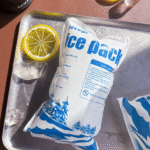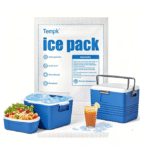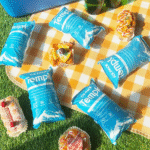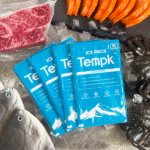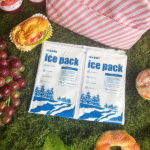
Avis Feuille de pack de glace carbonique: Lequel gagne 2025?
Si vous recherchez reviews dry ice pack sheet, tu veux des réponses claires et rapides. This guide compares formats, shares test methods, and shows how to size for 24–72 hours. You’ll get simple math, packing SOPs, and buyer checklists you can apply today to food, Pharma, and lab routes.
-
Lequel dry ice pack sheet reviews criteria matter most for real lanes?
-
How many sheets deliver 24, 48, et 72 hours across seasons?
-
What format of insulated dry ice pack sheet fits your product and budget?
-
Comment emballez-vous, étiquette, and ship a drap de glace sec safely and repeatably?
How did we run reviews dry ice pack sheet essais?
Réponse courte: We scored each insulated dry ice pack sheet on hold time per kilogram, edge-temperature stability, Évacuation du CO₂, durabilité, et répétabilité du conditionnement. Scores came from repeatable parcel and pallet simulations with controlled ambient profiles and identical payloads.
Pourquoi cela compte: Fancy specs don’t help if the sheet fails in real routes. We used simple, repeatable steps you can copy. Ambient cycles covered cool nights and hot afternoons. We logged center and corner temperatures, masse de glace sèche nette, and visible damage. Cela fait dry ice pack sheet reviews pratique, not theoretical.
Dry ice pack sheet review criteria: what matters most?
-
Hold time per kilogram: How many hours per kg under target temp?
-
Edge stability: Corners are where spoilage starts.
-
Venting behavior: CO₂ must escape without ballooning the liner.
-
Tear/abrasion resistance: Does the sheet survive tight corners?
-
Pack-out repeatability: Can new staff get the same result?
| Review Criterion | What we look at | How it’s measured | Pour toi |
|---|---|---|---|
| Hold time/kg | Hours per kilogram of dry ice | Enregistreur de données + mass tracking | Right-size your fill |
| Edge stability | Corner vs center delta | ΔT over time at corners | Moins de points chauds |
| Ventilation | Gas escape vs swelling | Visuel + pressure feel | Safer shipments |
| Durabilité | Tears, fray, seam issues | Post-run inspection | More re-use cycles |
| Répétabilité | SOP variance | Std. dev. across packers | Moins de surprises |
Practical tips to copy our reviews dry ice pack sheet setup
-
Control the ambient. Use a repeatable 20–30 °C cycle.
-
Use identical payloads and box insulation.
-
Standardize data loggers and probe placement.
-
Photograph every pack-out to document sheet position.
Aperçu du cas: A bakery switched to a wall-lined insulated dry ice pack sheet plus a thin pellet top layer. Summer returns dropped, and average dry ice fill fell by about one sixth on Friday routes.
Lequel reviews dry ice pack sheet formats fit your use case?
Réponse courte: Vacuum-sealed sheets are clean and stable for pharma; quilted/stitched sheets bend well for e-commerce; reflective-faced sheets fight radiant heat in summer. Pick based on payload risk, cleanliness, and lane temperature.
Vue plus longue: There is no single “best” drap de glace sec. Your winner depends on ambient peaks, desired duration, et manipulation. Use the matrix below to match format to job.
Vacuum-sealed vs quilted vs reflective: what changes?
-
Vacuum-sealed: Wipeable, low lint, consistent thickness.
-
Matelassé/cousu: Conforms around corners; check thread at −50 °C.
-
Reflective-faced: Reduces radiant gain from warm walls and lids.
| Format | Hold Time Potential | Flexibilité | Propreté | Utilisation typique |
|---|---|---|---|---|
| Vacuum-sealed sheet | Haut | Moyen | Haut | Pharma, laboratoires, clean pack rooms |
| Quilted/stitched sheet | Moyen-élevé | Haut | Moyen | Nourriture, kits de repas, multi-SKU boxes |
| Reflective-faced sheet | High in summer | Moyen | Moyen | Voies chaudes; last-mile afternoons |
Use-case quick picks
-
Delicate biologics (2–8 ° C): Vacuum-sealed sheet on walls + PCM barrier.
-
Fruits de mer gelés (−18 °C): Quilted sheet for corners + pellet top-off.
-
Voies d'été chaudes: Reflective-faced sheet + vent-friendly lid liner.
Dimensionner votre drap de glace sec in minutes—what works?
Réponse courte: Start with a simple baseline, then adjust for ambient peaks and box quality.
Règle de base: For parcels at 15–25 °C, plan ~1,0 kg de neige carbonique par 10 L pour 24 heures. Un périmètre complet de insulated dry ice pack sheet can trim required fill by ~10–20% by smoothing sublimation and protecting corners.
Step-by-step you can copy:
-
Calculate internal volume in liters.
-
Choisir 24/48/72 heures.
-
Dry ice mass = Volume/10 × Days × 1.0 kg.
-
If fully wall-lined with a sheet, reduce by 10–20% (garder 10% safety in summer).
-
Convert mass to the number of sheets (based on per-sheet weight) and add a thin pellet top layer if lanes exceed 28–30 °C.
Calculateur de deux minutes (Collez dans votre sop)
| Volume de la boîte (L) | Target Hours | Base de base (kg) | Avec Feuille (−15%) | Summer Safety (+10%) | If Sheet = 0.75 kg | You’ll Pack |
|---|---|---|---|---|---|---|
| 18 | 24 | 1.8 | 1.53 | 1.68 | 2.24 feuilles | 2–3 draps + thin pellets |
| 22 | 48 | 4.4 | 3.74 | 4.11 | 5.48 feuilles | 5–6 feuilles |
| 30 | 72 | 9.0 | 7.65 | 8.42 | 11.23 feuilles | 11–12 feuilles |
Self-test: are you under-filling?
-
Your corners rise >6 °C above center before arrival.
-
You see condensation on inner walls early in transit.
-
You add “just in case” pellets after closing the lid.
If two items are true, ajoutez-en un drap de glace sec panel or increase pellet top-off by 10%.
Pack-out SOP with a drap de glace sec—what’s the right order?
Réponse courte: Create a cold perimeter with the sheet, shield the payload with a spacer or PCM, then finish with a thin pellet layer on top. Always leave a safe vent path.
Standard parcel SOP:
-
Pre-cool the box when possible.
-
Line all four walls with an insulated dry ice pack sheet.
-
Add a corrugated spacer or a +5 °C PCM barrier.
-
Center the payload away from walls.
-
Add a thin pellet pad or pellets on top.
-
Close with vent-friendly gaps; label for CO₂ as required.
Parcel vs pallet: placement differs
| Étape | Parcel with Sheet | Pallet with Sheet | Pourquoi ça compte |
|---|---|---|---|
| Walls | 4 wall panels | Full-height hanging panels | Builds cold perimeter |
| Payload gap | Spacer/PCM | Pallet cap + center gap | Évite le choc dû au froid |
| Top finish | Pellet pad | Pellet grid or pads | Prolonge le temps de maintien |
| Ventilation | Lid vent gap | Dedicated vent duct | Safe CO₂ egress |
Actual lane: A specialty meat brand lined walls with a reflective drap de glace sec, added a perforated lid liner, and saw corner temps drop by ~3–4 °C on final-mile afternoon stops.
Safety and compliance for a drap de glace sec expédition?
Réponse courte: Let CO₂ vent, Étiquetez correctement lorsque cela est nécessaire, and train staff for cold burn and handling.
What to do every time:
-
Ventilation: Never hermetically seal a dry-ice shipper.
-
Étiquetage: Use the proper CO₂ solid label and declare net mass when rules require.
-
EPP: Gloves and eye protection during pack-out.
-
Stockage: Keep dry ice and the insulated dry ice pack sheet away from unventilated rooms.
-
Entraînement: Make your SOP visual with photos and arrows.
Erreurs courantes (et des correctifs)
| Erreur | Pourquoi ça fait mal | Solution rapide | Pour toi |
|---|---|---|---|
| Fermer hermétiquement le couvercle | CO₂ builds up and warms box | Add vent path or lid liner | Sécurité + tenir le temps |
| Sheet only on top | Corners warm first | Wall-line perimeter first | Moins d'excursions |
| Payload touching sheet | Risk of cold shock | Spacer or PCM shield | Stable product temp |
| Overfilling pellets | Masse gaspillée, pression | Right-size via calculator | Save cost |
Coût & sustainability—do drap de glace sec choices pay back?
Réponse courte: Oui, when you focus on hold time per kilogram, sheet durability, and fewer reships. The sheet reduces overfill and corner excursions, which are your biggest cost leaks.
Where savings come from:
-
Lower fill mass: Perimeter lining smooths sublimation; you often need 10–20% less dry ice.
-
Fewer reships: Edge stability stops most failures.
-
Cycles réutilisables: Durable sheets reduce single-use waste.
-
Des boîtes plus petites: Stable temps allow a size down in some lanes.
Quick ROI calculator (copy into your planning doc)
| Métrique | Pellets Only | With Dry Ice Pack Sheet | What that means |
|---|---|---|---|
| Dry ice per 24h/10 L | ~1.1–1.3 kg | ~0.9–1.1 kg | 10–20% cut typical |
| Corner temp excursions | Plus haut | Inférieur | Fewer spoilage events |
| Tailles | Moyen | Sometimes smaller | Less freight cost |
2025 drap de glace sec trends and review highlights
Aperçu de la tendance: Dans 2025, dry ice pack sheet reviews favor cleaner films, reflective outer skins for radiant control, micro-vent designs for steady CO₂ release, and easy-to-sanitize surfaces. More teams pair sheets with PCM to keep biologics in the safe zone without freezing.
Dernières avancées en un coup d'œil
-
Reflective facings: Fight summer heat without thicker foam.
-
Packs hybrides (feuille + PCM): Smooth 2–8 °C and −20 °C profiles.
-
Poches pour capteurs: A sleeve for low-cost loggers simplifies QA.
-
Fold-line modularity: One sheet size covers multiple box sizes.
-
Low-lint surfaces: Better for clean rooms and quick wipe-downs.
Perspicacité du marché: Buyers choose predictability and documentation. A clear one-page SOP and lane test snapshot can outweigh a small cost difference between insulated dry ice pack sheet formats.
Questions fréquemment posées
Q1: How long will an insulated sheet last in hot weather?
Utiliser le 1.0 kg par 10 L pour 24 h règle, then add 10–20% for summer lanes. A perimeter drap de glace sec makes that target more reliable.
Q2: Can a sheet replace pellets entirely?
Not usually. Many teams wall-line with the sheet and add a thin pellet layer on top. That combo is robust and repeatable.
Q3: Will 2–8 °C products freeze near the wall?
Add a spacer or +5 °C PCM between payload and drap de glace sec. That keeps temps stable without cold shock.
Q4: Which format is best for pharma?
Vacuum-sealed insulated dry ice pack sheet options are low lint and easy to sanitize. They’re a strong default.
Q5: What about last-mile lunch-time peaks?
Use a reflective-faced drap de glace sec and retain a vent path near the lid. This reduces afternoon radiant gain.
Q6: How do I train new packers quickly?
Photograph each step. Mark sheet positions with arrows. This keeps reviews dry ice pack sheet results consistent.
Résumé & recommandations
Points clés: Le reviews dry ice pack sheet tests show that perimeter wall-lining stabilizes corners, reduces overfill, and improves repeatability. Vacuum-sealed sheets fit clean rooms; quilted sheets bend well; reflective sheets shine in summer. Use the simple sizing rule and confirm with lane tests.
Étapes suivantes:
-
Pick a format matched to your lanes and payload risk.
-
Run a two-lane, three-box trial with identical SOP photos.
-
Tune sheet count with the calculator and add a small pellet top layer.
-
Lock the final SOP and train with visuals.
Need a quick spec review? Share your volume, heures, and ambient peaks. We’ll return a right-sized configuration and a one-page SOP.
À propos du tempk
We design reliable cold-chain solutions for food, Pharma, et la recherche. Notre insulated dry ice pack sheet range focuses on predictable performance, durable edges, and clear documentation. Two practical advantages you’ll notice: consistent seams that don’t fray and SOPs that new packers get right on day one.
Parler avec nous: Send your route temps, target hours, and box volume for a tailored starting spec.