Un plan de mise à l'échelle pour les blocs de glace carbonique en vrac pour l'expédition de bonbons
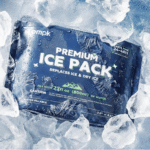
Un vrac paquet de glace sec pour l'expédition de bonbons, vous devez entrer dans votre entreprise par une série de portes de preuves, pas via un bon de commande indiquant uniquement le prix. Dans la terminologie Tempk, le produit est une feuille activée par l'eau qui est trempée et congelée. Ce n'est pas du dioxyde de carbone solide, ne se sublime pas en gaz CO2, et n'est pas de la neige carbonique UN1845. La feuille peut ajouter de la capacité de refroidissement à l'intérieur d'une parcelle isolée, mais il ne peut pas définir la bonne température des bonbons ni garantir un délai de livraison. La mise à l'échelle commence par l'approbation de la confection, itinéraire, emballage complet, processus d'activation, et les contrôles des fournisseurs comme un seul système d'exploitation.
Grille 1: décider si le refroidissement résout le problème du produit
Commencez par le défaut que vous essayez de prévenir. Si la plainte concerne du chocolat fondu, le contrôle de la chaleur est pertinent. Si les bonbons durs arrivent ébréchés, une feuille de refroidissement ne réparera pas un mauvais amorti. Si les bonbons s'agglutinent parce que le sac intérieur n'a pas une protection adéquate contre l'humidité., le refroidissement peut aider avec la chaleur mais laisse la cause principale intacte.
Créer des familles de produits distinctes:
chocolat solide et enrobé;
chocolat fourré, truffes, et des bonbons;
bonbons gélifiés, gelées, et confiseries moelleuses;
caramel, guimauve, et autres friandises sensibles à la chaleur;
bonbons durs de longue conservation, fragile, et menthes pressées.
Pour chaque famille, documenter les limites de stockage et de transport prises en charge, défauts de qualité connus, barrière d'emballage primaire, et inspection à l'arrivée. Les conseils en matière de chocolat des fabricants établis mettent systématiquement l'accent sur la fraîcheur, sec, stockage sans odeur, tandis que les plages recommandées publiées varient. Cette variation est exactement la raison pour laquelle un pâtissier devrait approuver des limites spécifiques à un produit..
Les confiseries fourrées nécessitent des soins supplémentaires. Un centre de ganache, couche de fruits, gaufrette croustillante, ou le remplissage de noix peut modifier l'activité de l'eau, texture, migration, et durée de conservation. Le refroidissement ne constitue pas une validation de la sécurité alimentaire et ne prolonge pas par hypothèse une durée de conservation approuvée..
Au bout de la porte 1, chaque produit concerné doit avoir une déclaration claire: essai de liquide de refroidissement justifié, liquide de refroidissement pas nécessaire, ou plusieurs données produit requises.
Grille 2: transformer une route porteuse en un défi thermique
La durée de service annoncée d'un colis n'est pas son profil d'exposition. La chaleur peut entrer pendant le ramassage, tri, transport en ligne, livraison du dernier kilomètre, et le seuil de la porte demeure. Le temps froid peut également être important car un emballage congelé peut trop refroidir un produit sensible..
Cartographier la voie avec les opérations et le transporteur. Identifier l'heure limite, centres probables, périodes de non-exploitation, climat régional, type de véhicule s'il est connu, et modalités de réception. Ajouter une condition de retard qui reflète le risque commercial. Un envoi cadeau premium avec une date d'événement fixe peut justifier un service différent du stock de réapprovisionnement.
Ne vous fiez pas uniquement à la température élevée à destination. Le point le plus chaud peut être un hub ou un véhicule ailleurs. De même, le porche d'un destinataire peut transformer un mouvement de transporteur réussi en un échec de livraison.
Définir un arbre de décision d'expédition. Il peut acheminer les produits sensibles à la chaleur vers un emballage isolé approuvé., service de mise à niveau au-dessus d’un seuil météorologique établi par des tests, tenir des commandes qui traverseraient un week-end, ou séparer les bonbons stables des objets sensibles. Les seuils doivent provenir de preuves sur le produit et l'emballage., ce n'est pas une règle Internet arbitraire.
Grille 3: rendre le pack complet testable
La configuration approuvée doit être suffisamment spécifique pour qu'une autre équipe puisse la reproduire. Enregistrez l'expéditeur, doublure ou isolation, disposition des produits, remplissage de vide, séparateurs, identité de la feuille d'hydratation, méthode d'activation, état de gel, placement, fermeture, et les instructions du client.
Utiliser des essais instrumentés pour explorer les zones chaudes et froides. Les capteurs peuvent être placés dans un produit représentatif et dans des emplacements à risque justifiés, mais leur emplacement doit être documenté. La température de l'air à elle seule peut réagir plus rapidement que les bonbons. L’inspection des produits reste essentielle.
ASTM D3103 fournit une approche établie pour tester les performances d'isolation thermique des ensembles de distribution dans des conditions ambiantes variables. ISTA 7E fournit des profils thermiques de colis, tandis que la norme ISTA 20 définit un processus plus large de qualification des expéditeurs isolés. Ces références aident à créer des preuves disciplinées. Ils n'éliminent pas le besoin de définir vos propres limites de bonbons et hypothèses d'itinéraire..
Testez les charges utiles minimales et maximales si les deux seront expédiées. Un carton plein peut avoir une plus grande masse thermique; une commande à faible nombre peut contenir plus d'air et un rapport liquide de refroidissement/produit modifié. Si une configuration ne peut pas couvrir la plage en toute sécurité, créer des emballages séparés ou consolider la famille de cartons.
Inspecter la qualité après équilibrage
Quand un paquet de chocolat froid entre chaud, air humide, l'ouvrir immédiatement peut favoriser la condensation. Conserver les échantillons de test emballés pendant qu'ils s'équilibrent conformément au plan de manipulation, puis inspectez:
forme, brillant, floraison, et claquer;
remplissage fuite ou migration;
punaise gommeuse, agglomération, et déformation;
adhérence de l'emballage et état d'impression;
transfert d'odeurs et marques d'humidité;
casse et présentation.
Réussir un critère de température mais échouer en termes d'apparence reste un échec d'emballage de bonbons..
Grille 4: prouver le processus d'activation au volume maximal
Une feuille sèche plate est compacte à ranger. Après hydratation, il devient plus lourd et occupe de l'espace de congélation. Les calculs d'échelle doivent utiliser le produit activé et le processus de production approuvé.
Exécutez un exercice de capacité sur le quart de travail réel:
Réceptionner et identifier les feuilles sèches par lot.
Hydratez-les avec l'eau approuvée, récipient, et point final.
Égoutter ou préparer la surface comme spécifié.
Disposez les feuilles dans le congélateur de production sans bloquer le flux d'air requis.
Outils de décision utiles
Vérifiez les détails avant de choisir l'emballage
Ces outils rapides peuvent vous aider à comparer le risque d'itinéraire, besoins de dimensionnement, choix de liquide de refroidissement, et les détails de l'emballage avant de demander un devis.
Sélecteur d'emballage
Comparez les options d'emballage isotherme par produit, itinéraire, et besoin de température.
Trouver un emballageLiquide de refroidissement & Référence PCM
Comparez les options de liquide de refroidissement et de PCM lorsqu'un itinéraire nécessite une prise en charge supplémentaire de la température.
Comparez les optionsCalculateur de glace carbonique
Estimer les besoins en glace carbonique pour les envois congelés ou ultra-froids avant l'emballage.
Estimation de la neige carboniqueConfirmer un conditionnement acceptable à l'aide de la méthode validée.
Déplacer le stock congelé vers un emplacement intermédiaire contrôlé.
Emballer dans la fenêtre de préparation approuvée.
séparer les unités endommagées ou douteuses.
Évitez de publier un temps de gel non vérifié. Conception du congélateur, température de départ, espacement des feuilles, taille du lot, et l'ouverture de la porte peut tout changer. Établir une méthode utilisant une charge de pointe représentative.
Le travail est une autre limite de capacité. Si l'activation et la vidange créent une file d'attente peu de temps avant le ramassage, les travailleurs peuvent raccourcir le processus. Un plus lent, un cycle de préparation standardisé programmé avant l'emballage peut être plus fiable qu'un trempage de dernière minute.
Grille 5: rédiger une spécification d'achat qui survit au changement
Un achat groupé doit verrouiller les caractéristiques importantes et définir ce qui se passe si elles changent.
| Point de contrôle | Les spécifications d'achat doivent indiquer | Raison de mise à l'échelle |
|---|---|---|
| Identité du produit | Feuille de liquide de refroidissement d'hydratation, CO2 explicitement non solide | Empêche la terminologie, sécurité, et confusion dans le fret |
| Format | Dimensions des feuilles et des cellules, modèle de coupe approuvé, état non hydraté | Protège l'ajustement et le placement |
| Activation | Instructions actuelles du fournisseur et méthode approuvée par l'acheteur | Contrôle la masse hydratée et la manipulation |
| Construction | Film déclaré, absorbant, et caractéristiques d'étanchéité à un niveau approprié | Prend en charge l’examen des matériaux et des risques |
| Qualité | Identification des lots, critères visuels, contrôles de fuite, documentation | Permet l'inspection et les enquêtes entrantes |
| Changer le contrôle | Préavis pour le matériel, dimension, cellule, joint, site, ou des changements de processus | Déclenche une évaluation avant utilisation en production |
| Performance | Aucune promesse de durée autonome; faites référence uniquement au système approuvé par l'acheteur | Maintient les réclamations liées au pack testé |
Le tableau transforme un échantillon en un article de fourniture contrôlée. Cela aide également les achats à comparer les offres qui peuvent utiliser le même nom de marché pour différentes constructions.. Les remises de prix n'ont d'importance qu'une fois que la configuration et les preuves sont comparables.
Demandez comment les échantillons de production sont sélectionnés, quels défauts sont vérifiés, comment les lots sont tracés, et quelle documentation accompagne l'expédition. Si une personnalisation est demandée, traiter un film imprimé, modèle de feuille, ou des modifications de construction en tant que nouvel élément jusqu'à ce que leur effet soit évalué.
Grille 6: piloter le système d'exploitation
Un test en chambre contrôle l’exposition ambiante, mais une expédition pilote teste les gens et les transferts. Sélectionnez des voies représentatives et des tailles de commande. Former les emballeurs, photographier ou vérifier le colis, inclure une surveillance lorsque cela est justifié, et organiser une inspection de réception structurée.
Exemple pratique: chocolat et bonbons sur des parcelles chaudes
Supposons qu'une marque fictive envisage d'expédier des barres de chocolat et des sachets de bonbons depuis Chicago vers plusieurs destinations chaudes.. Le dépistage montre que les barres ont besoin d'une protection isolée, tandis que la formulation gommeuse testée fonctionne de manière acceptable dans sa pochette barrière dans la plupart des itinéraires.. L'entreprise crée un emballage de chocolat et une variante de commande mixte au lieu d'ajouter des feuilles surgelées à chaque colis..
Pendant les pilotes, un itinéraire montre des températures de transit acceptables mais des séjours fréquents et chauds aux portes. L'action corrective est un avis de livraison surveillée et un changement de service, pas plus de liquide de refroidissement. Un autre itinéraire montre un virage chaleureux et constant; le séparateur et le placement des feuilles sont révisés et retestés. Ces résultats hypothétiques illustrent pourquoi le suivi devrait conduire à des décisions.
Le pilote inclut également une commande minimale de chocolat car sa faible masse thermique peut se comporter différemment d'un coffret cadeau complet.. Les récepteurs maintiennent le produit scellé emballé pendant qu'il se déplace vers les conditions ambiantes, puis marquez le brillant, forme, état de l'emballage, et fleurir en utilisant la même liste de contrôle. L'équipe enregistre le lot exact de liquide de refroidissement et la révision de l'emballage.. Ce détail permet de séparer une plainte ultérieure en exposition par voie, écart d'emballage, problème de composant, ou retard du destinataire au lieu d'être simplement étiqueté "dégâts estivaux."
Avant la publication en masse, combler les lacunes en matière de formation, définir l'inspection à l'arrivée, confirmer l'urgence du congélateur, et approuver le langage du service client. Définir qui peut autoriser une substitution en cas de pénurie. Un pack non revu, doublure, ou un changement de carton peut invalider la configuration.
Grille 7: évaluer les performances sans courir après les anecdotes
Suivre les réclamations par produit, défaut, voie, date d'expédition, version emballée, et beaucoup de liquide de refroidissement. "Fondu" peut signifier une barre véritablement ramollie, fuite de remplissage, floraison remarquée plus tard, ou un colis laissé en plein soleil. Une meilleure classification améliore les actions correctives.
Examiner les données de température dans leur contexte. Une seule trace d'enregistreur peut identifier un événement, mais il n'établit pas un large taux d'échec. Comparer les conditions d'expédition, placement du capteur, météo, scans du transporteur, et délai de réception avant de changer de système.
L'examen saisonnier devrait demander:
Les règles météorologiques et de répartition approuvées sont-elles respectées?
La composition de la charge utile s'est-elle déplacée au-delà de la plage testée ??
Des composants ou des fournisseurs ont-ils été modifiés?
La capacité d’activation est-elle suffisante à la coupure la plus chargée?
Les récipients suivent-ils les instructions d'ouverture et d'équilibrage?
Les cours de bonbons stables évitent-ils toujours un refroidissement inutile?
Cet examen soutient également une durabilité prudente. Le format plat non hydraté peut réduire le volume de stockage entrant par rapport à une alternative préremplie, mais une évaluation crédible inclut l'eau d'activation, énergie de congélation, poids sortant, isolation, déchets, logistique de réutilisation, et évité la perte de produit. Ne faites pas d'allégation de cycle de vie sans une comparaison définie.
Considérez la préparation pour la haute saison comme une version officielle, pas un rappel de calendrier. Avant la première commande par temps chaud, vérifier que la feuille et l'isolation approuvées sont en stock, les instructions de travail actuelles sont affichées, les congélateurs ont été vérifiés sous un chargement représentatif, et les règles de l'opérateur de secours sont actives. Exécutez un audit de courte ligne dans lequel un opérateur construit chaque classe de charge utile approuvée sans encadrement. Si la construction diffère du dessin de qualification, corriger le processus avant que le volume n'augmente.
Les équipes du service client et des achats devraient rejoindre cette version. Le service client a besoin de catégories de défauts et d'un script de réception; l'achat a besoin du lot actuel du fabricant et du changement de statut. Le propriétaire de l'emballage doit confirmer qu'aucun emballage primaire, diviseur, carton, ou la formulation du produit a été modifiée pendant la saison plus fraîche. Cet examen transversal est peu coûteux par rapport à la découverte en juillet que le package physique ne correspond plus à la version testée..
Questions fréquemment posées
Quel est le premier document nécessaire à la mise à l'échelle?
Commencez par une exigence approuvée en matière de produit et d'itinéraire, pas une spécification de liquide de refroidissement. Il devrait identifier la famille des bonbons, modes de défaillance, limites d'acceptation, plage de charge utile, hypothèses de transit, et conditions d'accueil. Ce document indique à l'ingénierie ce que l'emballage doit protéger et donne aux achats une base significative pour l'examen des fournisseurs..
Une feuille d'hydratation peut-elle remplacer une livraison accélérée?
Pas automatiquement. Le liquide de refroidissement peut absorber la chaleur, mais un itinéraire plus long ou plus variable peut dépasser le système testé. Comparez un meilleur niveau de service, changement d'isolation, révision du pack, tenue météo, ou expédition fractionnée. Le contrôle le plus économique dépend du coût de la défaillance et des preuves d'itinéraire.
Le produit est-il réglementé comme neige carbonique UN1845?
Non, pas quand il s'agit de la feuille gelée activée par l'eau décrite ici. UN1845 identifie le dioxyde de carbone solide. La glace carbonique réelle nécessite un emballage avec ventilation des gaz et un marquage applicable, étiquetage, manutention, et procédures des transporteurs aériens. Utiliser des noms précis dans les spécifications et les systèmes d'expédition.
Quand un packout doit-il être retesté?
Évaluer les nouveaux tests lors de la formulation du produit, plage de charge utile, isolation, carton, liquide de refroidissement, placement, conditionnement, itinéraire, service, ou changement des limites d'acceptation. La portée peut être une vérification ciblée ou une qualification plus complète en fonction du risque. Documenter la décision plutôt que de supposer une équivalence.
Qu'est-ce qu'une inspection raisonnable à l'arrivée pour les feuilles en vrac?
Cela peut inclure une vérification du lot et du nombre, état de l'emballage, dimensions, aspect du joint et des cellules, dommage, et contrôles d'activation périodiques. Adaptez les critères d’échantillonnage et d’acceptation à l’historique et aux risques des fournisseurs. L'inspection doit détecter les changements qui pourraient affecter l'ajustement, fuite, ou le processus d'activation approuvé.
Conclusion: approuver le système avant le volume
Le chemin le plus sûr vers les achats en gros est une version fermée. Confirmez que le refroidissement répond à un véritable mode de défaillance des confiseries, définir le défi du parcours, qualifier le pack complet, prouver l'activation au volume maximal, contrôler l'article fournisseur, et piloter l'opération. Gardez le chocolat, bonbons gélifiés, confiserie fourrée, et des bonbons durs dans des classes de décision séparées.
Surtout, préserver la frontière terminologique. Une feuille de liquide de refroidissement activée par l'eau n'est pas du CO2 solide, et aucun des deux produits ne convient automatiquement à tous les bonbons. Les preuves doivent suivre le produit réel, charge utile, emballer, et voie.
À propos du tempk
Tempk propose des feuilles de refroidissement hydratantes qui absorbent l'eau et sont congelées avant d'être emballées., plus emballage isolé options pour le transport de nourriture. Nous pouvons travailler avec les acheteurs sur un échantillon de format, considérations d'activation, notions de placement, et la documentation nécessaire à l'examen des fournisseurs. Nous ne considérons pas la feuille comme une garantie autonome: l'état des bonbons dépend des limites approuvées du produit, expéditeur complet, charge utile, itinéraire, et discipline opérationnelle. Un essai contrôlé est le pont approprié entre un échantillon et une commande groupée.
Partagez vos familles de produits, tailles de colis, voies saisonnières, et modes de défaillance actuels avec Tempk. Demandez des échantillons et planifiez une évaluation de l'emballage avant de définir le volume de production.