Quelles sont les normes de contrôle de la température dans la chaîne du froid pour les ingrédients des fruits de mer?
Le poisson et les crustacés frais se gâtent rapidement, il est donc essentiel de comprendre la chaîne du froid des ingrédients de la mer et ses normes strictes de contrôle de la température.. Les fruits de mer frais doivent être conservés entre 0 °C et 5 °C, et les produits surgelés doivent rester à −18 °C ou moins. Les États-Unis. Le code alimentaire de la FDA fixe une température maximale de maintien au froid de 41 °F (5 °C) pour tous les aliments périssables. Dans ce 2025 guide, vous apprendrez pourquoi ces limites sont importantes, comment les rencontrer dans votre entreprise, et quelles nouvelles technologies et réglementations façonneront la chaîne du froid des produits de la mer dans les années à venir.
Cet article répondra
Pourquoi est strict le contrôle de la température est essentiel pour les fruits de mer? Nous expliquons comment un refroidissement approprié ralentit la croissance microbienne et préserve la texture.
Quelles réglementations régissent la chaîne du froid des fruits de mer dans 2025? Explorez la FSMA, Lois européennes en matière d'hygiène et derniers protocoles.
Comment maintenir des températures sûres pendant le stockage et le transport? Découvrez des conseils pratiques, recommandations d'équipement et outils d'auto-évaluation.
Quel rôle jouent la traçabilité et la documentation? Découvrez comment les enregistrements numériques vous aident à vous conformer et à gérer les rappels.
Quelles sont les clés 2025 tendances et innovations? En savoir plus sur les capteurs IoT, Initiatives d’optimisation des itinéraires et de durabilité par l’IA.
Pourquoi le contrôle de la température est-il essentiel dans la chaîne du froid des fruits de mer?
La science derrière la détérioration
Les fruits de mer sont très périssables car les enzymes et les bactéries décomposent rapidement les tissus après la récolte.. Garder le poisson près de la température de la glace fondante (0 °C à 5 °C) ralentit la croissance microbienne et préserve la texture. Lorsque les températures grimpent dans la « zone de danger » entre 5 °C et 57 °C, des bactéries comme Salmonelle et E. coli peut doubler chaque 20 minutes, augmenter le risque de maladies d’origine alimentaire. Le CDC estime que 48 des millions d'Américains souffrent de maladies d'origine alimentaire chaque année, et de nombreux cas sont liés à une mauvaise gestion de la chaîne du froid.
Frais contre. congelé: différents seuils
Vous rencontrerez deux catégories distinctes dans la chaîne du froid des produits de la mer:
| Plage de température | Exemples de produits | Avantages | Ce que cela signifie pour vous |
| 0 °C – 5 °C | Poisson frais, filets réfrigérés, fruits de mer | Maintient la texture, ralentit la croissance bactérienne | Utilisez de la glace ou des pièces réfrigérées pour rester dans cette plage.; surveiller en continu |
| ≤ –18 °C | Poisson congelé, blocs de poisson, bâtonnets de poisson | Arrête l'activité microbienne et prolonge la durée de conservation | Investissez dans des congélateurs validés et assurez-vous que les produits ne décongèlent jamais pendant le transport |
| 41 °F (5 °C) ou plus bas | Aliments à haut risque (laitier, viande, fruit de mer) | Maintient les produits hors de la zone dangereuse | Vérifiez que les unités de stockage et les vitrines fonctionnent au niveau ou en dessous 5 °C |
Ces gammes constituent l'épine dorsale des normes mondiales. Les dépasser accélère la détérioration et réduit la durée de conservation.
Refroidissement immédiat et surveillance continue
Le temps est ton ennemi. Le guide relaxant de Perennia (référencé par les régulateurs) recommande refroidir les fruits de mer pour 0 °C immédiatement après la capture. Les retards permettent aux enzymes de s’activer et aux bactéries de se multiplier. Une surveillance continue avec des enregistreurs de données ou des capteurs IoT est vitale. Les capteurs envoient des alertes lorsque les températures dérivent en dehors des plages de sécurité, permettant une action corrective rapide. Investir dans des thermomètres modernes et les calibrer régulièrement garantit la précision.
Quelles réglementations régissent la chaîne du froid des fruits de mer en 2025?
Cadres réglementaires
Analyse des risques et points de contrôle critiques (HACCP): Ce programme fondamental vous oblige à identifier les dangers, établir les points de contrôle critiques et les surveiller. Il constitue la base de la plupart des normes nationales.
Bonnes pratiques de fabrication (GMP) et procédures opérationnelles standard d’assainissement (SSOP): Ces règles couvrent l'hygiène des installations, conception des équipements et formation du personnel.
Loi sur la modernisation de la sécurité alimentaire (FSMA, NOUS.):
Règle de transport sanitaire: Expédiés, les chargeurs et les transporteurs doivent utiliser des véhicules et des équipements capables de maintenir des températures sûres et de prévenir la contamination croisée..
FSMA 204 (Règle de traçabilité des aliments): Les produits de la mer figurant sur la liste de traçabilité des aliments doivent conserver des enregistrements des éléments de données clés lors des événements de suivi critiques et les fournir à la FDA dans les délais 24 heures. La date de conformité initiale était janvier 2026, mais cela peut s'étendre jusqu'en juillet 2028.
Programme de vérification des fournisseurs étrangers (FSVP): Les importateurs doivent vérifier que les fournisseurs étrangers respectent les normes américaines.. normes de sécurité et maintenir une visibilité de bout en bout.
Règlements de l'Union européenne en matière d'hygiène et de pêche: Règlement UE 852/2004 nécessite le maintien de la chaîne du froid pour les aliments dangereux à température ambiante; il met l'accent sur le contrôle de la température et le suivi numérique des navires pour les fruits de mer.
Directives de la FAO: L'Organisation des Nations Unies pour l'alimentation et l'agriculture note que les produits de poisson réfrigérés doivent être conservés aussi près que possible des 0 °C, tandis que le poisson congelé doit être maintenu à –18 °C ou moins. Des exceptions existent pour le poisson congelé en saumure destiné à la mise en conserve., qui peut être transporté à –9 °C.
Le code alimentaire de la FDA
Même si les fruits de mer ont des propriétés uniques, il doit néanmoins respecter les règles générales de sécurité alimentaire. Le Code alimentaire de la FDA stipule que aliments froids, y compris les fruits de mer, doit avoir lieu à 41 °F (5 °C) ou ci-dessous. Le dépassement de cette limite permet aux bactéries de proliférer et peut déclencher des rappels. De nombreuses autorités étatiques et locales adoptent ce code, donc comprendre cela vous aide à réussir les inspections.
Documentation et certification
Une paperasse appropriée protège les consommateurs et facilite le commerce. Les documents essentiels comprennent les actes de vente, notes d'expédition, certificats d'origine et certificats sanitaires. Des certifications comme FSSC 22000, BRCG ou IFS Logistique démontrer la conformité et renforcer la confiance des acheteurs. Conservez des copies numériques et restez informé des changements réglementaires.
Comment maintenir des températures sûres pendant le stockage et le transport
Conseils pratiques et bonnes pratiques d'hygiène
- Refroidir immédiatement et conserver 0 °C:Après la capture, utilisez de la glace pilée ou de la glace pilée pour ramener les fruits de mer à 0 °C. Maintenir cette température tout au long du stockage et du transport; l'abus de température est la principale cause de perte de fraîcheur.
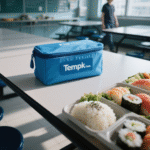
- Utiliser un emballage et une isolation appropriés:Boîtes isolées, emballage sous vide, les blocs de glace en gel et les doublures thermiques réduisent les fluctuations thermiques. Les véhicules multi-températures vous permettent de transporter différents produits sans compromettre le poisson.
- Adopter les bonnes pratiques d’hygiène:Utilisez de l'eau propre et de la glace sanitaire; la glace sale transfère les bactéries et accélère la détérioration. Former le personnel pour éviter la contamination croisée lors de la manipulation de fruits de mer crus et cuits.
- Mettre en œuvre une surveillance continue:Équiper les conteneurs et les véhicules de capteurs IoT qui enregistrent la température et l'humidité. Le FDA Food Code recommande de vérifier les unités de stockage toutes les quatre heures.
- Gérer la glace et les réfrigérants:Apportez suffisamment de glace pour le volume de capture, température ambiante et durée du voyage. Envisagez la glace d'eau de mer pour un stockage plus froid; il fond plus lentement mais peut nécessiter une gestion supplémentaire.
- Calibrer l'équipement:Vérifier l'exactitude des thermomètres et des capteurs; des lectures inexactes peuvent conduire à un abus involontaire de température.
Outil de décision d’auto-évaluation
Utilisez cette simple liste de contrôle pour évaluer vos opérations. Pour chaque question, répondre Oui ou Non.
Refroidissez-vous le poisson pour 0 °C ou moins immédiatement après la capture?
Vos unités de réfrigération sont-elles capables de maintenir une température de 0 à 5 °C pour le poisson frais et de ≤ –18 °C pour le poisson congelé ??
Disposez-vous d'une surveillance en temps réel de la température et de l'emplacement à toutes les étapes du transport?
Votre personnel est-il formé au HACCP, Procédures BPF et SSOP?
Est-ce que toute la documentation (températures, nettoyage, traçabilité) stocké numériquement et accessible dans 24 heures?
Si tu as répondu Non à toute question, envisager d’investir dans un équipement amélioré ou dans une formation. Les plateformes numériques peuvent automatiser le suivi de la température et la tenue de registres, et des audits réguliers aident à vérifier la conformité.
Options d'équipement et d'emballage
| Équipement/Emballage | But | Avantages | Comment cela vous aide |
| Boîtes et doublures isothermes | Maintenir la température pendant le transport | Réduire les fluctuations thermiques; réutilisable et léger | Gardez le poisson à 0 °C; protéger de la chaleur extérieure |
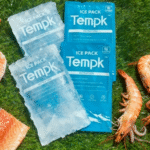
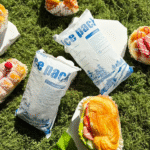
| Packs de glace en gel & plaques eutectiques | Fournir un froid soutenu | Libérez progressivement l’énergie froide; réutilisable; moins salissant que la glace en vrac | Utile pour les petits colis et les chargements mixtes |
| Emballage à vide & emballage sous atmosphère modifiée (CARTE) | Réduire l’exposition à l’oxygène | Oxydation lente et croissance bactérienne; prolonger la durée de conservation | Idéal pour les filets et les produits prêts à consommer |
| Capteurs de température et enregistreurs de données IoT | Surveillance continue | Alertes en temps réel lorsque les températures s'écartent | Empêche les violations; prend en charge la conformité et les audits |
| Véhicules multi températures | Compartiments segmentés pour différentes zones de température | Transportez ensemble des fruits de mer frais et surgelés; réduire les coûts logistiques | Maintenir l’intégrité des produits et répondre aux divers besoins des clients |
Infographie interactive
Visualiser la chaîne du froid des produits de la mer, considérons l'illustration suivante. Il montre du poisson emballé dans des boîtes avec de la glace, un camion frigorifique, et les capteurs suivent les conditions à chaque étape. Ce concept met en évidence le flux depuis la récolte jusqu'au marché et souligne le rôle du contrôle de la température..
Comment la traçabilité et la documentation soutiennent-elles la conformité?
Erreur d'étiquetage et nécessité de traçabilité
Les chaînes d'approvisionnement complexes rendent les produits de la mer vulnérables à la fraude. UN 2025 compilation de méta-analyses 35 NOUS. des études ont trouvé un taux global d'étiquetage erroné de 39.1 % avec une substitution d'espèces se produisant dans 26.2 % d'échantillons. De tels étiquetages trompeurs érodent la confiance des consommateurs et peuvent compromettre la sécurité.. La traçabilité de bout en bout réduit les erreurs d'étiquetage et permet des rappels ciblés.
Construire un système de traçabilité efficace
Capturer les données de capture: Date d'enregistrement, temps, espèces, emplacement et méthode de pêche immédiatement après la récolte. Les retards ou les entrées estimées augmentent les erreurs et la fraude.
Attribuer des identifiants uniques: Étiquetez chaque capture ou lot avec des numéros de lot, Codes QR ou étiquettes RFID. Lors du fractionnement ou de la fusion de lots, créer des numéros de sous-lots et maintenir les relations parent-enfant.
Standardiser les formats de données: Utiliser les normes GS1 pour garantir l’interopérabilité entre les navires, transformateurs et détaillants.
Mettre en œuvre un suivi en temps réel: Déployez des capteurs GPS et IoT pour surveiller l'emplacement et la température. La blockchain ou les bases de données sécurisées fournissent des enregistrements inviolables.
Éduquer et collaborer: Former les pêcheurs, processeurs et pilotes sur la saisie précise des données et la manipulation appropriée. Collaborer avec les agences gouvernementales et les ONG pour obtenir des conseils et du financement.
Automatiser les rapports: Utiliser les plateformes numériques pour générer du HACCP, Rapports automatiques de conformité FSMA et GFSI.
Avantages de la traçabilité
Des systèmes efficaces permettent des rappels plus rapides, protéger la confiance dans la marque et dissuader les pratiques frauduleuses. Par exemple, un processeur implémenté des codes QR et des journaux numériques pour chaque capture. Lorsqu'un écart de température s'est produit pendant le transport, ils ont retracé le problème à un lot spécifique et ont contacté les distributeurs en quelques minutes. Ce rappel ciblé leur a évité de retirer un envoi entier des étagères.
Pièges courants et comment les éviter
Alors que la réglementation et la technologie fournissent un cadre, les défaillances opérationnelles peuvent encore mettre à mal votre chaîne du froid. Voici les problèmes fréquents et les moyens de les résoudre:
Abus de température au chargement: Les poissons situés sur les bords d'une charge se réchauffent plus rapidement que ceux au centre; assurer un rangement uniforme et éviter de laisser les portes ouvertes.
Mauvais emballage et rangement: Des réglages de température incorrects ou une isolation inadéquate peuvent entraîner un réchauffement ou un gel.. Utilisez un emballage approprié et évitez de surcharger les palettes.
Utiliser le transport réfrigéré pour refroidir le poisson: Les véhicules doivent maintenir la température, produit pas frais et chaud. Pré-réfrigérer les fruits de mer avant de les charger.
Circulation d'air insuffisante: Assurer la ventilation des conteneurs et des reefers afin que l’air froid circule uniformément.
Thermomètres non calibrés: Calibrez régulièrement les capteurs et les thermomètres pour éviter les fausses lectures.
Personnel non formé: Investir dans des programmes de formation HACCP, BPF et SSOP. Former les employés afin que chacun puisse répondre aux alarmes de température.
2025 Tendances et innovations dans la chaîne du froid des fruits de mer
Croissance et durabilité du marché
Le marché mondial de la logistique sous chaîne du froid est en plein essor. Precedence Research estime que la taille du marché passera de 436,30 milliards de dollars américains en 2025 à environ 1 359,78 milliards de dollars américains d'ici 2034, un taux de croissance annuel composé de 13.46 %. L’Asie-Pacifique devrait connaître une croissance d’environ 14.3 % annuellement. La croissance de la consommation de fruits de mer surgelés est tout aussi frappante: le marché mondial des fruits de mer surgelés devrait passer de 24,78 milliards de dollars américains en 2025 à 42,58 milliards de dollars d'ici 2034. La durabilité est au cœur de cette expansion; les entreprises adoptent des emballages respectueux de l'environnement et une réfrigération économe en énergie pour réduire leur impact sur l'environnement.
Innovations technologiques
IoT et surveillance en temps réel: Les capteurs connectés sont devenus des exigences de base pour la surveillance de la chaîne du froid du poisson. Ils fournissent des données continues sur la température et l'humidité et déclenchent des alertes en cas de violation..
Optimisation des itinéraires basée sur l'IA: L'intelligence artificielle aide les prestataires logistiques à optimiser les itinéraires de livraison, réduire les temps de transit et la consommation d’énergie.
Blockchain et traçabilité numérique: La blockchain offre des enregistrements inviolables et une transparence au niveau du consommateur. Le marché des logiciels de traçabilité des produits de la mer devrait passer de 705 millions de dollars en 2024 à 1,84 milliard de dollars d'ici 2033.
IoT ambiant et capteurs sans batterie: Les tags émergents récoltent l’énergie des ondes radio, permettant un faible coût, surveillance sans entretien.
Réfrigération à énergie solaire: La hausse des prix de l’électricité stimule l’adoption de systèmes de chaîne du froid fonctionnant à l’énergie solaire. NOUS. les tarifs solaires commerciaux varient de 3,2 à 15,5 cents par kWh, par rapport à un taux moyen de services publics de 13.1 cents par kWh en 2024.
Focus sur la cybersécurité: À mesure que l’adoption de l’IoT se développe, les gouvernements et les entreprises mettent l’accent sur la sécurisation des capteurs et des réseaux.
Nouveaux protocoles et initiatives de l’industrie
En juillet 2025, le Alliance mondiale de la chaîne du froid (AMCC) et l'American Frozen Food Institute (AFFI) a publié un protocole standardisant la surveillance de la température tout au long de la chaîne d'approvisionnement des aliments surgelés. Le protocole fournit une approche unifiée, approche basée sur les données pour suivre les fluctuations de température de la production à la distribution. Ses conseils incluent l’identification des points de surveillance critiques, établir des mesures de référence et adopter les meilleures pratiques pour la gestion des données. La mise en œuvre promet d’améliorer l’efficacité opérationnelle, améliorer la qualité des aliments et soutenir la durabilité. Les phases futures porteront sur l’optimisation de la durée de conservation et la mesure de l’énergie.
Développements régionaux et mises à jour réglementaires
À travers le monde, les gouvernements renforcent les exigences et investissent dans les infrastructures. L’Europe met en œuvre la traçabilité numérique et le suivi des navires pour les produits de la mer, et l’Indonésie et d’autres pays s’alignent sur TPSG normes. En Amérique du Nord, La croissance du commerce électronique stimule les investissements dans les entrepôts frigorifiques et les véhicules multi-températures. Les régulateurs proposent également d'étendre la FSMA 204 délai de mise en conformité jusqu'en juillet 2028, mais les entreprises proactives adoptent désormais des systèmes de traçabilité pour obtenir un avantage concurrentiel.
Questions fréquemment posées
Q1: À quelle température faut-il conserver le poisson frais et congelé?
Le poisson frais doit être conservé entre 0 °C et 5 °C, et le poisson congelé doit rester à −18 °C ou moins. Pour le maintien au froid général, la FDA exige 41 °F (5 °C) ou ci-dessous.
Q2: Quels documents sont requis pour exporter du poisson?
Vous avez besoin d'un acte de vente, note d'expédition, certificat d'origine, certificats sanitaires et preuve HACCP/FSSC 22000 certification. La tenue de registres numériques accélère le dédouanement.
Q3: Qu’est-ce que la FSMA ? 204, et comment cela s'applique-t-il aux fruits de mer?
La règle de traçabilité des aliments de la FSMA exige que les entreprises de produits de la mer enregistrent les éléments de données clés à chaque événement de suivi critique et fournissent des enregistrements à la FDA dans les délais requis. 24 heures. Les délais de conformité pourraient être prolongés jusqu’en juillet 2028, mais une adoption précoce est recommandée.
Q4: Comment puis-je éviter les erreurs d'étiquetage dans mes approvisionnements en fruits de mer?
Utiliser des identifiants uniques (numéros de lots, Codes QR ou étiquettes RFID), maintenir des enregistrements numériques précis et mettre en œuvre un suivi en temps réel. Standardiser les formats de données et réaliser des audits réguliers.
Q5: Y a-t-il des différences entre l'UE et les États-Unis. règlements?
Les deux cadres nécessitent un contrôle strict de la température et une traçabilité. L'UE met l'accent sur les principes d'hygiène et le suivi numérique des navires, tandis que les États-Unis. se concentre sur le transport sanitaire et la tenue de registres en vertu de la FSMA.
Q6: Que se passe-t-il si les fruits de mer sont stockés au-dessus 5 °C?
Les bactéries se multiplient rapidement dans la zone de température dangereuse. Même de courts écarts accélèrent la détérioration et peuvent déclencher des rappels. Une surveillance continue et des actions correctives immédiates sont essentielles.
Q7: Quelles innovations adopter en priorité?
Commencez par des capteurs IoT et la tenue de registres numériques pour une surveillance en temps réel. Suivant, explorez l'optimisation des itinéraires basée sur l'IA et la blockchain pour la traçabilité.
Résumé et recommandations
Points clés
Maintenir des températures appropriées: Conservez les fruits de mer frais entre 0 °C et 5 °C et produits surgelés à −18 °C ou moins. Suivez les directives de la FDA 41 °F (5 °C) limite de maintien au froid.
Se conformer à la réglementation: Comprendre l'HACCP, BPF/SSOP, Règles FSMA et UE. Documentez chaque étape et restez informé sur la FSMA 204 délais.
Investissez dans l’équipement et la surveillance: Utilisez des emballages isolés, packs de glace en gel, véhicules multi-températures et capteurs IoT. Calibrer régulièrement les instruments.
Construire des systèmes de traçabilité: Capturer les données de capture, attribuer des identifiants uniques, standardiser les formats et mettre en place un suivi en temps réel. La traçabilité réduit les erreurs d'étiquetage et permet des rappels ciblés.
Gardez une longueur d'avance sur les tendances: Adoptez l’IoT, Technologies IA et blockchain; explorez la réfrigération à énergie solaire et les capteurs IoT ambiants. Prêtez attention aux protocoles GCCA/AFFI et aux développements régionaux.
Plan d'action
Auditez votre chaîne du froid: Utilisez la liste de contrôle d'auto-évaluation pour identifier les lacunes. Inspecter les pratiques de refroidissement, matériel et documentation.
Mettre en œuvre la traçabilité numérique: Adopter les normes GS1, attribuer des identifiants de lot et investir dans des capteurs IoT.
Formez votre équipe: Fournir HACCP, Formation BPF et SSOP; mettre l’accent sur le transport sanitaire et la tenue de registres.
Collaborer avec les régulateurs et les groupes industriels: Surveiller les mises à jour de la FSMA 204 et les règles de l'UE; participer aux initiatives GCCA/AFFI.
Explorez les technologies durables: Envisagez la réfrigération à énergie solaire et les emballages respectueux de l'environnement.
À propos du tempk
Tempk est l'un des principaux fournisseurs de solutions d'emballage sous chaîne du froid et logistique à température contrôlée. Nous développons des caisses isothermes, des blocs de glace en gel et des expéditeurs thermiques réutilisables conçus pour conserver les fruits de mer, produits pharmaceutiques et autres denrées périssables dans des plages de température strictes. Nos produits sont soutenus par la recherche, certifications de qualité et un R dédié&D centre. Nous intégrons la surveillance IoT pour fournir un suivi de la température en temps réel, vous aider à vous conformer aux normes HACCP, Normes FSMA et UE. En mettant l’accent sur la durabilité et l’innovation, nous simplifions la conformité et vous permettons de livrer des fruits de mer de qualité à vos clients.
Appel à l'action: Contactez nos experts pour discuter de la façon dont les solutions Tempk peuvent soutenir vos opérations de chaîne du froid. Si vous avez besoin de conseils en matière d'emballage, Systèmes de surveillance IoT ou aide à la navigation dans les exigences réglementaires, nous sommes là pour vous aider à protéger vos produits, satisfaire les régulateurs et bâtir votre réputation de fiabilité.