A Practical Framework for Choosing a Waterproof Plastic Tote Distributor for Meat Shipping
Le bon imperméable fourre-tout en plastique n'est pas le modèle avec la liste de fonctionnalités la plus longue. C'est le modèle dont les limites sont visibles et gérables. L'étanchéité n'est pas une spécification complète. Les acheteurs doivent définir s’ils exigent une résistance à la pluie, spray de lavage, fuite de liquide, infiltration du couvercle, ou en immersion totale, et ne doit confondre aucune de ces propriétés avec le contrôle de la température. Le cadre ci-dessous combine le design, approvisionnement, validation, et contrôles opérationnels dans un seul chemin de décision.
Définir le travail, Conséquences, et lignes rouges
Write the job of the waterproof plastic tote in one sentence: protéger et organiser les paquets de viande scellés, coupes primaires doublées, protéine en boîte, produits à base de viande préparés, et les ingrédients emballés secondairement tout en passant par l'expédition vers la salle de transformation, rangement froid, chargement, transport réfrigéré, recevoir, ségrégation fourre-tout, lavage, désinfecter, séchage, et réutiliser. Ensuite, écrivez ce qu'il ne faut pas supposer faire. Selon l'itinéraire, cela peut inclure la stérilité, agrément contact alimentaire, confinement des fuites, emballage de marchandises dangereuses, ou contrôle de la température. Cette frontière à deux lignes empêche le projet de rassembler des attentes incompatibles sous un seul nom de produit..
Rank the credible consequences for contained movement of packaged or protected meat through chilled distribution. Tenez compte des dommages au produit, contamination, empilement instable, accident du travail, traçabilité manquante, réception retardée, randonnée thermale, rejet d'itinéraire, et perte de l'actif réutilisable. La conséquence la plus grave n'est pas toujours l'événement le plus fréquent. Un cahier des charges pratique privilégie la combinaison de la gravité, probabilité, et la détectabilité plutôt que la fonctionnalité la plus simple à citer.
Fixez des lignes rouges avant de comparer les fournisseurs. Une ligne rouge peut être une durée thermique non prise en charge, pas de traçabilité matérielle, un joint non nettoyable, aucun avis de changement de production, une pile à charge mixte instable, ou un design qui ne peut pas être retourné économiquement. Les lignes rouges accélèrent la présélection car elles séparent l'incertitude disqualifiante des fonctionnalités qui peuvent être optimisées ultérieurement.. For contained movement of packaged or protected meat through chilled distribution, decide what control addresses the failure mode 'trapping wash water'.
Writing the Waterproof Plastic Tote Brief for Meat Shipping
Construire la spécification en cinq blocs: charge utile, géométrie, environnement, opération, et des preuves. La charge utile couvre les dimensions, poids, fragilité, contact, et sensibilité à la température. La géométrie couvre l'espace utilisable, fermeture, empiler, manutention, et interfaces. L'environnement couvre le temps, température, humidité, produits chimiques, et UV. L'opération couvre l'emballage, transport, nettoyage, retour, et la retraite. Les preuves couvrent les dessins, déclarations, essais, inspection, et changer de contrôle. The controlled specification should also make replacement gasket or lid visible.
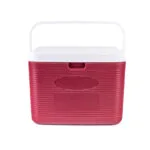
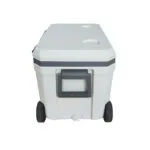
Traduisez la discussion sur la conception en fonctionnalités qui comptent ici: solid-wall containment, lid overlap or gasket, scellement des coins, drain plug design if used, empilage stable, and handholds that do not channel liquid. Pour chaque fonctionnalité, enregistrer le bénéfice attendu et un effet secondaire possible. Un évent peut améliorer la circulation de l'air mais réduire le confinement. Un cône peut améliorer l’imbrication mais réduire le volume. Un joint peut contrôler les infiltrations mais ajoute un nettoyage et un remplacement. Un insert isolé peut améliorer les performances thermiques mais réduire la charge utile et compliquer le chargement. Apply the requirement to the actual contained movement of packaged or protected meat through chilled distribution workflow.
Gardez les questions matérielles tout aussi spécifiques: statut de contact alimentaire, impact à basse température, fat and detergent compatibility, rétention des odeurs, codage couleur, and surface finish. Demandez la preuve du produit fini qui correspond à l'allégation. Un nom de résine prend en charge l'identification du matériau; ça ne prouve pas une prise en main, charnière, souder, joint de bord, étiquette, ou couvercle assemblé. De même, un dessin dimensionnel prend en charge l'ajustement; il n'établit pas la durée de vie de la pile, fuite, nettoyabilité, ou un profil de température. Documenter comment la conception répond au mode de défaillance répertorié: treating a tote as a substitute for refrigeration.
Gardez les allégations de produits à l'intérieur de leurs limites de preuves
The waterproof plastic tote should be described by function, pas par des adjectifs. Ses fonctions vérifiées peuvent inclure le transport, empilement, emboîtable ou pliable, résister à une manipulation définie, étiquettes de support, accepter les inserts, et présentation des surfaces à nettoyer. Des allégations telles que l'étanchéité, médical, qualité alimentaire, pharmaceutique, thermique, ou à température contrôlée nécessitent des définitions et des preuves supplémentaires. Le terme ne doit jamais impliquer une approbation de système plus large que ce que le fournisseur peut démontrer..
Les applications alimentaires nécessitent des preuves des conditions de contact et de transport prévues.. NOUS. les règles sanitaires en matière de transport portent sur les pratiques des acteurs de la chaîne de transport, et les contrôles de l'UE en matière de contact alimentaire portent sur la composition et la migration du plastique pour les articles concernés. Les acheteurs doivent encore confirmer la construction terminée, additifs, méthode de nettoyage, type de nourriture, température, et exigences de destination. For this meat shipping project, record the related acceptance condition on the approved waterproof plastic tote.
Utiliser les normes comme outils dans le plan de preuves. Compression, empilement, vibration, baisse, et les profils thermiques peuvent rendre les résultats des fournisseurs comparables lorsque l'échantillon, charge utile, conditionnement, et les critères d'acceptation sont les mêmes. Un nom standard sur une brochure ne suffit pas, et un résultat réussi ne garantit pas un itinéraire différent. L'équipe qualité ou d'ingénierie de l'acheteur doit décider de la manière dont le test prend en charge l'utilisation prévue.. Connect the requirement to handholds that do not channel liquid and a representative payload.
| Grille | Question d'approbation | Sortie minimale | Propriétaire |
|---|---|---|---|
| 1. Cas d'utilisation | Quel travail et quelle limite sont définis? | Exigences approuvées | Opérations et qualité |
| 2. Conception | L'échantillon s'adapte-t-il et gère-t-il la charge utile? | Examen des dessins et des échantillons | Ingénierie |
| 3. Preuve | Les réclamations sont-elles liées aux conditions de test? | Rapports et documents importants | Qualité |
| 4. Pilote | Est-ce que ça marche dans la boucle réelle? | Dossier pilote et liste des problèmes ouverts | Opérations |
| 5. Production | La production correspond-elle à l'échantillon approuvé? | Plan d'inspection et contrôle des changements | Approvisionnement et fournisseur |
| 6. Cycle de vie | Comment se passe le nettoyage, réparation, perte, et retraite contrôlée? | SOP et mesures de la flotte | Propriétaire du programme |
Treat each gate for contained movement of packaged or protected meat through chilled distribution as a decision record. Progrès seulement lorsque le propriétaire, preuve, et les risques non résolus sont visibles pour l'équipe interfonctionnelle.
Prendre une décision distincte en matière de contrôle thermique
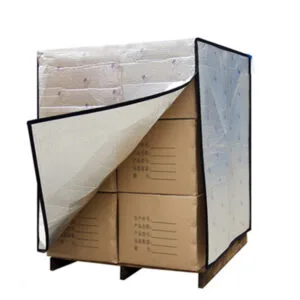
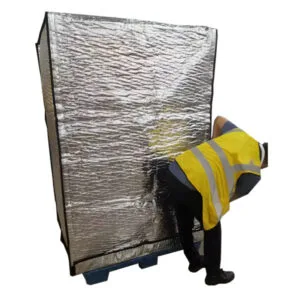
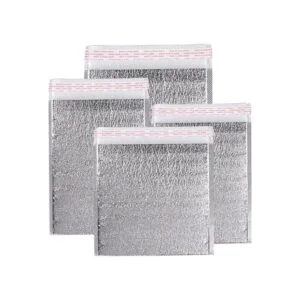
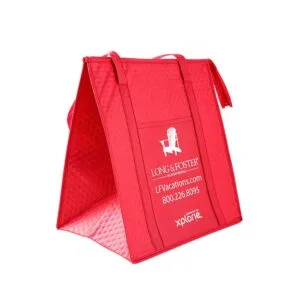
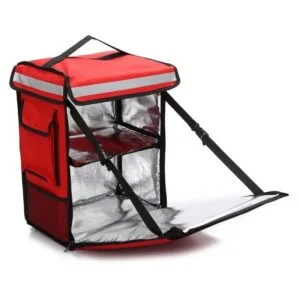
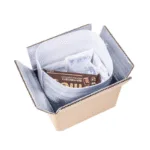
Décidez d’abord si le contrôle de la température fait partie du projet de caisse. Si le véhicule ou la salle offre déjà un contrôle fiable et que la charge utile est protégée à chaque transfert, la caisse peut avoir besoin uniquement d'un flux d'air et d'une compatibilité mécanique. S'il existe des lacunes, une doublure isolée, glacière, couverture de palette, pack de gel conditionné, Pack PCM, système de glace carbonique, ou une solution active peut être nécessaire. La réponse doit suivre les spécifications du produit et le risque de voie. For contained movement of packaged or protected meat through chilled distribution, verify refrigerated vehicle dependence under the stated payload and ambient profile.
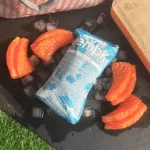
Si une protection passive est requise, define refrigerated vehicle dependence, pre-chilled payload, optional insulation, séparation du liquide de refroidissement, temperature logger location, and door-opening exposure before selecting components. La conception doit tenir compte de la température de démarrage de la charge utile, espace vide, ponts d'isolation, conditionnement du liquide de refroidissement, séparation des produits, exposition ambiante, et ouverture. Tout changement dans ces variables peut altérer les performances. La configuration testée par un fournisseur n'est utile que lorsque le pack proposé est véritablement comparable. Keep the claim conditional until the tested configuration covers door-opening exposure.
La qualification et la surveillance de routine répondent à des objectifs différents. Les tests de développement déterminent si un emballage contrôlé peut répondre aux critères d'acceptation dans le cadre d'un profil défini.. La surveillance des itinéraires vérifie ce qui s'est passé pendant l'utilisation. Un enregistreur peut prendre en charge la libération ou l'enquête, mais il ne peut pas compenser un manque pack de liquide de refroidissement, une charge utile chaleureuse, un couvercle ouvert, ou un itinéraire non qualifié. Les instructions de réception doivent relier les données à un processus de décision clair. The operating instruction should make temperature logger location clear to packers and receivers.
Supplier Controls for Meat Shipping Procurement
Présélectionner le distributeur par la qualité de ses preuves. Demander un dessin approuvé, déclaration matérielle, rapport sur la dimension critique, échantillon d'intention de production, rapports d'essais pertinents, instructions de nettoyage ou d'emballage, identification du lot, et les termes de contrôle des changements. Pour cette application, also review written definition of waterproof claim, test method and acceptance criteria, replacement gasket or lid, documentation contact alimentaire, traçabilité des lots, et changer de contrôle. Les documents doivent identifier la configuration et les conditions, ne pas simplement répéter une allégation marketing. Treat change control as part of the evidence package, pas une assurance verbale.
Utiliser une hiérarchie de preuves. Une déclaration verbale est la plus faible. Une fiche technique générique est préférable mais peut ne pas correspondre à l'assemblage. Un test fournisseur sur la configuration proposée est plus fort. Un rapport de laboratoire indépendant ou accrédité peut renforcer la confiance lorsque la méthode et l'échantillon sont pertinents. La preuve pratique la plus élevée est un pilote contrôlé sur la route de l'acheteur, soutenu par des unités de production traçables et un plan d’inspection continue. L'examen des fournisseurs doit définir comment la traçabilité des lots reste contrôlée après la mise à l'échelle..
Challenger directement les modes de défaillance: assuming a snap lid is leakproof, using damaged rims, trapping wash water, mixing raw-meat totes with clean zones, and treating a tote as a substitute for refrigeration. Demandez quelle caractéristique de conception empêche chaque événement, comment cette fonctionnalité a été testée, et comment les contrôles de production le préservent. Si le fournisseur ne peut pas répondre, convertir l'incertitude en un test sur échantillon ou supprimer l'allégation de la spécification. Cela maintient la négociation commerciale liée au risque plutôt qu'au nombre de fonctionnalités. The procurement file should make food-contact documentation traceable.
Outils de décision utiles
Vérifiez les détails avant de choisir l'emballage
Ces outils rapides peuvent vous aider à comparer le risque d'itinéraire, besoins de dimensionnement, choix de liquide de refroidissement, et les détails de l'emballage avant de demander un devis.
Calculateur de banquise
Estimation de la quantité de pain de glace pour les expéditions réfrigérées et planification pratique des itinéraires.
Estimer les packs de glaceDoublure de boîte & Dimensionnement des couvertures de palettes
Vérifiez la logique de dimensionnement du revêtement de boîte et du couvercle de palette pour les projets d'emballage isotherme.
Dimensionnement estiméSélecteur d'emballage
Comparez les options d'emballage isotherme par produit, itinéraire, et besoin de température.
Trouver un emballageQuatre portes d'approbation, de l'adéquation au cycle de vie
Utilisez quatre portes d'approbation. La première porte est en bon état: les charges utiles, ferme, décharge, et reste identifiable. La deuxième porte est un test contrôlé: mécanique, nettoyage, fuite, ou les essais thermiques répondent aux risques définis. La porte trois est un pilote opérationnel: le personnel normal utilise les unités d'intention de production tout au long de la boucle. La porte quatre est la version de production: l'inspection à l'arrivée et le contrôle des modifications montrent que les unités mises à l'échelle correspondent à la conception approuvée. The pilot should track return logistics as a lifecycle variable.
Le dossier du pilote doit inclure des exceptions, pas seulement des moyennes. Notez les charges les plus lourdes et les plus légères, ouvertures difficiles, retours humides, transferts retardés, piles mixtes, accessoires manquants, dommage, relaver, et toute excursion de température. Des exceptions révèlent une marge de conception et des lacunes en matière de formation. Un programme qui enregistre uniquement les voyages réussis peut exploiter une faiblesse cachée. For this meat shipping program, include damage inspection in the operating model.
Après le lancement, gérer le conteneur comme un atout. Attribuer des identifiants le cas échéant, enregistrer les raisons des dommages, composants réparables séparés, définir l'état de lavage et d'inspection, maintenir un stock de remplacement, et retirer les unités dangereuses. Examiner les données sur le terrain avant d'approuver les modifications de fournisseur ou de composant. Le contrôle du cycle de vie est l'étape qui transforme une idée réutilisable en un programme fiable. The fleet review should show how wash-water demand affects cost and reliability.
Remplacez cinq hypothèses coûteuses par une preuve
Première hypothèse: le volume indiqué est égal à l'espace de charge utile. Ce ne sera peut-être pas le cas après la réduction, couvercles, séparateurs, isolation, et liquide de refroidissement. Deuxième hypothèse: un nom de matériau prouve la performance. Cela ne prouve pas la géométrie finie. Troisième hypothèse: une évaluation de la pile couvre chaque durée et chaque température. Cela peut venir d'un autre test. Chaque hypothèse doit être remplacée par un dessin, échantillon, et condition de test pertinente. For contained movement of packaged or protected meat through chilled distribution, decide what control addresses the failure mode 'trapping wash water'.
Hypothèse quatre: un format réutilisable est automatiquement durable. La distance de retour, perte, nettoyage, réparation, et le parcours de retraite déterminent le résultat. Cinquième hypothèse: une étiquette thermique prouve le contrôle de la température. Le système complet, conditions de départ, profil ambiant, emballage, et la discipline opérationnelle déterminent le résultat. Ces hypothèses sont coûteuses car elles échouent généralement après l'achat de l'outillage ou de la flotte.. Do not close the review until evidence or a process control addresses the failure mode 'mixing raw-meat totes with clean zones'.
The project-specific warning signs are assuming a snap lid is leakproof, using damaged rims, trapping wash water, mixing raw-meat totes with clean zones, and treating a tote as a substitute for refrigeration. Mettez-les sur la liste de contrôle d'examen des échantillons. Une équipe interfonctionnelle est plus susceptible de les détecter car les opérations, qualité, ingénierie, sanitaire, et la logistique voient différentes parties du risque. La liste de contrôle doit être courte, possédé, et lié à une disposition: accepter, réviser, test, quarantaine, ou rejeter. The supplier discussion should connect the failure mode 'treating a tote as a substitute for refrigeration' to a feature, test, et disposition.
A Meat Shipping Scenario: Débit normal et écart crédible
A cross-functional workshop for contained movement of packaged or protected meat through chilled distribution can be completed around one production-intent sample. Placer la charge utile représentative, étiquettes, fardage, composants thermiques si nécessaire, et outils de manipulation sur la table. Demander aux opérations de l'emballer, logistique pour le déplacer et l'empiler, qualité pour inspecter les preuves, et assainissement pour le nettoyer et le sécher. Enregistrez où le processus dépend du jugement ou d’une solution de contournement.
Puis simulez un écart crédible: une remise retardée, charge partielle, retour humide, impact du froid, couvercle manquant, ou inspection inattendue. L'équipe doit décider si la conception contient l'événement, si la condition est détectable, et quelle instruction suit. Cet exercice expose souvent une exigence plus utile qu’une autre allégation générique de durabilité. Pendant l'exercice, surveillez spécifiquement le mode de défaillance répertorié: assuming a snap lid is leakproof.
Fermer l'atelier avec des actions nommées, points de dessin révisés, essais, propriétaires, et dates d'acceptation. Le fournisseur reçoit une liste contrôlée plutôt que des commentaires contradictoires de différents services. Quand le prochain échantillon arrive, la même équipe peut vérifier les changements et décider si la conception est prête pour un projet pilote d'itinéraire. Use the scenario to decide how the team will respond to the failure mode 'using damaged rims'.
Questions fréquemment posées
What is the first document to prepare before contacting a waterproof plastic tote distributor for meat shipping?
Préparer un dossier d'utilisation concis couvrant la charge utile, dimensions utilisables, charge maximale, itinéraire, exposition environnementale, manutention, nettoyage, retour, identification, et toute exigence de température. Ajouter les allégations qui doivent être étayées et les conditions qui disqualifieraient une conception. Cela donne aux fournisseurs une base commune de devis. Pour ce projet, keep food-contact documentation traceable to the approved sample.
Comment séparer une exigence de caisse d'une exigence de chaîne du froid?
Attribuer la manutention mécanique, empilement, fermeture, hygiène, et identification à la caisse. Attribuer l'isolation, réfrigérant, refroidissement actif, emballage, préconditionnement, surveillance, et qualification thermique du système de contrôle de température. Ils doivent s'interfacer correctement, mais l'un ne doit pas être utilisé comme preuve de l'autre. For this meat shipping project, confirmer la réponse sur un échantillon d'intention de production plutôt que de supposer l'équivalence du catalogue.
Quelle preuve du fournisseur devrait avoir le plus de poids?
Donnez plus de poids aux dessins spécifiques à la configuration, documents importants, échantillons destinés à la production, rapports de tests avec conditions complètes, et un itinéraire pilote réussi qu'aux brochures génériques. Des tests indépendants peuvent renforcer la confiance lorsque la méthode et l'échantillon sont pertinents. Le contrôle des changements est essentiel pour que les preuves restent liées à la production. Pour ce projet, garder le contrôle des modifications traçable jusqu'à l'échantillon approuvé.
Combien d'échantillons sont nécessaires avant l'achat d'une flotte?
Il n'y a pas de numéro universel. Utilisez suffisamment d'échantillons pour vérifier l'ajustement, variation de production, manutention, nettoyage, et les modes de défaillance crédibles. Un projet pilote devrait inclure des unités d'intention de production et des opérateurs normaux. Le plan d'échantillonnage doit être basé sur les risques et approuvé par l'ingénierie ou la qualité plutôt que choisi uniquement pour des raisons de commodité.. Base the decision on tilt and leak tests with the intended closure under the intended route and load.
Que devrait-il se passer après la mise en service du conteneur?
Identification du contrôle, état de nettoyage, inspection, réparation, remplacement d'accessoires, codage des dommages, perte, et la retraite. Examiner périodiquement les données de terrain et les changements de fournisseurs. L'emballage réutilisable reste fiable uniquement lorsque le système d'exploitation conserve l'état et la configuration initialement approuvés.. For this meat shipping project, confirmer la réponse sur un échantillon d'intention de production plutôt que de supposer l'équivalence du catalogue.
Décision finale
Select a waterproof plastic tote distributor for meat shipping through a controlled sequence: définir le poste et les lignes rouges, vérifier la géométrie utilisable et les preuves matérielles, décider si un contrôle thermique est nécessaire, tester les modes de défaillance pertinents, piloter la boucle opérationnelle complète, et préserver la conception approuvée grâce à l'inspection et au contrôle des modifications. Gardez chaque réclamation liée à ses conditions et à son propriétaire.
À propos du tempk
Fournitures temporaires emballage chaîne du froid composants tels que packs de gel, briques de glace, Packs PCM, doublures et sacs isolés, EPP et autres boîtes isothermes, boîtes d'expédition à froid, et couvertures thermiques de palettes. Ici, the practical focus is combining meat-shipping totes with insulated liners, packs de gel, briques de glace, Boîtes EPP, or thermal covers where the route needs added passive cooling. Exigences spécifiques au produit, qualification d'itinéraire, et l'examen de la qualité du client restent la base de toute sélection finale.
Demander un examen pratique
Pour une revue intégrée des conteneurs et de la chaîne du froid, define the leakage condition, meat packaging format, processus de lavage, température de l'itinéraire, and stack load before comparing cold-chain accessories.