Guide pratique de sélection des petites boîtes de transport en PPE
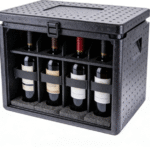
La façon la plus sûre de choisir un Boîte EPP est de définir le travail qu'il doit effectuer avant de discuter de la taille, couleur, logo, ou prix unitaire. Un petit Boîte de transport EPP devrait protéger les petits paquets de repas, boîtes de boulangerie, pots d'échantillons, paquets de boissons, accessoires, ou des produits réfrigérés en faible volume lors de la livraison par courrier, itinéraires en ville, salons professionnels, déplacement du laboratoire au bureau, et transferts de magasin à magasin. Cela devrait également correspondre à la façon dont le personnel se prépare, ascenseur, empiler, étiquette, faire le ménage, et renvoyez le conteneur. Cet article explique comment évaluer la box comme outil d'exploitation, pas seulement comme produit en mousse isolante, afin que vous puissiez éviter les erreurs de spécifications courantes avant de commander des échantillons ou de passer à un achat en gros.
Réponse pratique: Une petite boîte de transport en PPE fonctionne mieux lorsque le format du produit, durée de l'itinéraire, chemin de manutention, et la boucle de nettoyage sont connues avant que la case ne soit sélectionnée. Le matériau peut supporter l’isolation et le rembourrage, mais les contrôles quotidiens du processus décident si le résultat est fiable.
Commencez par le travail de la petite boîte de transport EPP
Une petite boîte de transport en PPE doit être jugée en fonction du travail qu'elle effectue. Pour ce sujet, le travail consiste à déplacer de petites commandes, échantillons, desserts haut de gamme, paniers-repas, accessoires médicaux, ou produits réfrigérés à courte distance. Cela inclut la protection du produit, vitesse de manipulation, tampon thermique, nettoyage, et répéter l'utilisation. Si vous définissez uniquement la taille de la boîte, vous laissez trop de décisions au personnel lors de l'expédition.
Le meilleur point de départ est de rédiger une brève description du fonctionnement: ce qui se passe à l'intérieur, comment il est emballé, qui le porte, où il attend, à quelle fréquence il est ouvert, dans quel état le produit doit arriver, et comment la boîte revient. Cette description donne au fournisseur des informations utiles et donne à votre équipe un moyen de juger équitablement les échantillons..
Le PPE peut être un bon choix car il combine un faible poids, amorti, et isolation. Mais il ne faut pas en faire trop. UN boîte de mousse ne crée pas à lui seul une chaîne du froid validée. Il prend en charge un emballage et un flux de travail qui doivent encore être adaptés au produit et à l'itinéraire..
Les petites boîtes réussissent lorsqu'elles réduisent l'espace vide sans presser le produit ni supprimer de l'espace pour l'emballage..
Les quatre contrôles d'ajustement qui évitent la plupart des erreurs
La première vérification d'ajustement est l'adéquation du produit. Placez le véritable emballage du produit à l'intérieur de l'échantillon, y compris les plateaux, sacs, cartons, séparateurs, et tout liquide de refroidissement ou inserts. Vérifiez si les petits paquets de repas, boîtes de boulangerie, pots d'échantillons, paquets de boissons, accessoires, ou des produits réfrigérés de faible volume peuvent être emballés sans forcer le couvercle ni laisser de grands espaces instables.
La deuxième vérification de l'ajustement consiste à gérer l'ajustement. Déplacez la boîte chargée à travers le chemin réel: tableau de production, étagère de mise en scène, véhicule, remise du client, stockage de retour, et zone de nettoyage. Faites attention au confort de préhension, équilibre, empilement, et si la boîte bloque la visibilité ou le mouvement dans des espaces restreints.
Le troisième contrôle d'ajustement est l'ajustement thermique. Définir si l'objectif est simplement de ralentir le changement de température lors d'un trajet court ou de prendre en charge un emballage plus contrôlé. Pour les produits avec des exigences strictes, la boîte a besoin de liquide de refroidissement, surveillance, et une preuve spécifique à l'itinéraire. Pour les aliments moins sensibles, des essais pratiques d'itinéraire peuvent suffire à confirmer l'adéquation.
La quatrième vérification d'ajustement est l'ajustement par réutilisation. Décidez comment la boîte sera récupérée, nettoyé, séché, inspecté, stocké, et retraité. La réutilisation n’est pas seulement une propriété matérielle; c'est une routine de gestion.
- Confirmez comment les petits packs de repas, boîtes de boulangerie, pots d'échantillons, paquets de boissons, accessoires, ou les produits réfrigérés en faible volume sont emballés avant d'entrer dans la boîte.
- Vérifiez si le personnel peut soulever et fermer le conteneur en toute sécurité lorsqu'il est plein.
- Séparez la protection directe du produit de l’isolation thermique passive dans vos spécifications.
- Rédigez une règle simple de nettoyage et d’inspection avant le premier achat en gros.
Ce qu'il faut confirmer avant de passer de l'échantillon à la commande groupée
Passer de l'échantillon à la commande groupée nécessite un niveau de discipline différent. L'exemple vous indique si le concept peut fonctionner. Une commande groupée doit être sûre que les mêmes dimensions, qualité de surface, ajustement du couvercle, couleur, ajustement par insertion, et la méthode d'emballage se répétera.
Demander au fournisseur de confirmer les dimensions internes et externes, informations importantes, documents destinés au contact alimentaire le cas échéant, couleurs disponibles, emballage en carton, approche d'inspection, et que se passe-t-il si l'outillage ou le matériau change. Si votre application dépend des inserts, étiquettes, ou couvercles spéciaux, confirmer ces accessoires dans le cadre du même examen plutôt qu'après coup.
Le tableau ci-dessous résume les contrôles qui évitent généralement les erreurs les plus coûteuses.
| Question pertinente | Que confirmer | Risque si ignoré |
|---|---|---|
| La boîte correspond-elle à la charge? | Mesurer les petits paquets de repas, boîtes de boulangerie, pots d'échantillons, paquets de boissons, accessoires, ou produits réfrigérés de faible volume avec tous les séparateurs ou liquide de refroidissement | Déménagement de marchandises en vrac; les charges serrées sont écrasées |
| Le personnel peut-il s'en occuper pleinement? | Test de levage, escaliers, étagères de fourgon, et transfert | Un bon échantillon vide peut échouer lors d'un itinéraire chargé |
| Le rôle thermique est-il réaliste? | Confirmez si vous avez uniquement besoin de réduire l'exposition thermique dans un format compact tout en gardant un emballage simple et une charge utile dense ou un emballage qualifié. | L’isolation seule peut ne pas répondre aux exigences sensibles des produits |
| Le fournisseur peut-il le répéter? | Revoir la tolérance de production, conditionnement, et changer de contrôle | Les commandes groupées peuvent s'écarter de l'échantillon approuvé |
Ces contrôles sont simples, mais ils éloignent la discussion des affirmations vagues. Au lieu de demander si la boîte est solide, demander quelles charges et conditions de manutention il est censé supporter. Au lieu de demander s'il maintient la température, demander dans quelles conditions de conditionnement et d'itinéraire la déclaration est significative.
Un scénario typique et comment l'évaluer
Un magasin de desserts peut utiliser une petite boîte de transport pour six coupes de mousse premium. Le design doit laisser de la place aux tasses, séparateurs, et tout élément de refroidissement sans appuyer sur les couvercles ni emprisonner l'humidité contre l'emballage.
Pour évaluer ce scénario, l'acheteur ne doit pas commencer uniquement par une comparaison de catalogue. L'équipe doit emballer les marchandises réelles, ferme le couvercle, transporter la boîte sur le chemin, laissez-le dans la zone de transit prévue, ouvrez-le comme le ferait le personnel lors de la livraison, et inspecter le conteneur retourné après le nettoyage.
Pendant le procès, notez les problèmes faciles à ignorer: les étiquettes des produits frottent contre le mur, condensation s'accumulant dans les coins, le personnel remplit trop la boîte, poignées pressées dans les mains, les couvercles sont placés sur des sols sales, ou cartons revenant avec un contenu mixte. Ces détails révèlent si la conception sélectionnée peut devenir une norme reproductible.
Si le produit est fragile, cher, ou sensible à la température, ajouter plus de prudence. Un court essai visuel peut ne pas suffire. L'équipe peut avoir besoin d'un enregistrement de température contrôlée, placement défini du liquide de refroidissement, dépôt ou traitement des chèques, et recevoir les critères d'inspection avant d'approuver la boîte pour un déploiement plus large.
Quand la boîte a besoin du soutien d'un emballage plus complet
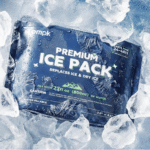
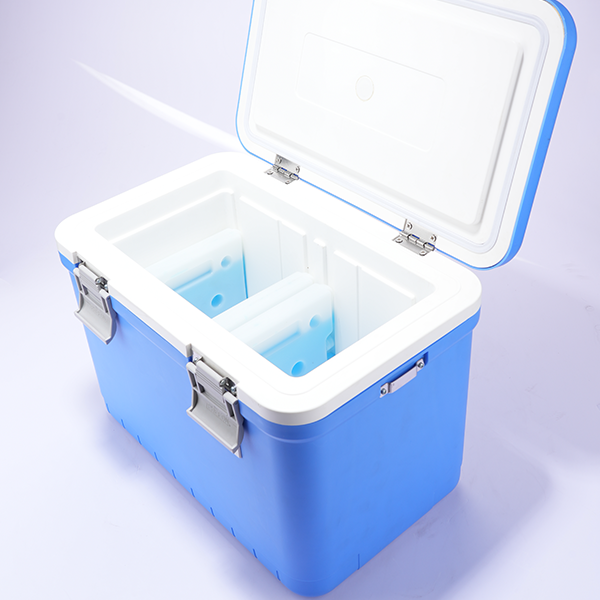
Une petite boîte de transport en PPE peut nécessiter le soutien d'autres composants d'emballage. Les inserts peuvent contrôler la position du produit. Les séparateurs peuvent réduire le frottement. Les packs de gel ou les packs à changement de phase peuvent prendre en charge les itinéraires réfrigérés lorsqu'ils sont sélectionnés correctement. Les doublures peuvent aider à la propreté ou à la séparation. Les étiquettes peuvent prendre en charge la traçabilité et le contrôle des retours.
Outils de décision utiles
Vérifiez les détails avant de choisir l'emballage
Ces outils rapides peuvent vous aider à comparer le risque d'itinéraire, besoins de dimensionnement, choix de liquide de refroidissement, et les détails de l'emballage avant de demander un devis.
Générateur de liste de contrôle de conformité
Créer une liste de contrôle pratique pour l'examen des emballages, expédition, et documentation.
Construire une liste de contrôleRéférence du matériau isolant
Comparez les choix de matériaux d'isolation pour différents besoins d'emballage de la chaîne du froid.
Comparez les matériauxCalculateur de glace carbonique
Estimer les besoins en glace carbonique pour les envois congelés ou ultra-froids avant l'emballage.
Estimation de la neige carboniqueLe risque est de supposer que l’ajout de composants améliore toujours les performances. Une plus grande quantité de liquide de refroidissement peut endommager certains produits si elle crée un gel ou une condensation localisée.. Un insert peut protéger un produit tout en rendant le nettoyage plus difficile. Une doublure peut aider à contenir les déversements mais peut ralentir le séchage ou ajouter des déchets. Chaque composant devrait avoir une raison.
C’est également là que la communication entre acheteurs et fournisseurs est importante.. Partager l'itinéraire, format du produit, objectif d'emballage, et contraintes d'exploitation. Une bonne recommandation dépend du fait qu'il s'agisse ou non d'une livraison aller simple., une boucle réutilisable, une course de restauration, un itinéraire de boulangerie, un programme d'abonnement aux repas, ou un projet d'approvisionnement en gros.
Ne choisissez pas une petite boîte uniquement parce qu'elle est moins chère; cela peut devenir coûteux si cela provoque un emballage précipité ou des dommages au produit.
Notes supplémentaires pour l'acheteur avant l'approbation finale
Le polypropylène expansé est une mousse à cellules fermées composée de billes de polypropylène. En emballage, cette structure est utile car le matériau peut être léger, résilient, et isolant thermique en même temps. Pour une petite caisse de transport en PPE, ces propriétés ne sont que le point de départ. Le design moulé, interface du couvercle, profil de mur, ajustement de la charge utile, et la routine de nettoyage déterminent si la boîte fonctionne bien après des semaines de manipulation.
Un conteneur EPP réutilisable doit également être décrit par son rôle. Il peut s'agir d'un conteneur de manutention, une boîte extérieure de protection, une caisse isotherme de transport de nourriture, ou une partie d'un emballage passif à température contrôlée. Ces rôles se chevauchent, mais ils ne sont pas identiques. Si le produit est sensible à la température, l'acheteur doit encore définir la condition de départ du produit, durée de l'itinéraire, exposition ambiante, choix du liquide de refroidissement, fréquence d'ouverture, et réception de l'inspection.
Pour les applications alimentaires, le langage matériel doit être précis. L'adéquation à la qualité alimentaire n'est pas prouvée par le seul mot EPP. Les acheteurs doivent demander des documents adaptés au marché et à la situation de contact alimentaire., surtout si les aliments non emballés, surfaces grasses, articles chauds, ou des lavages répétés sont impliqués. Si les produits sont toujours dans des emballages de vente au détail scellés, la documentation et le risque de nettoyage peuvent être différents du contact direct avec les aliments.
La recyclabilité a également besoin de limites pratiques. Le polypropylène est associé à des flux de résine recyclables sur de nombreux marchés, et le PPE est souvent présenté comme recyclable, mais le parcours réel de fin de vie dépend de la collecte locale, niveau de contamination, couleur, étiquettes, et si l'opérateur peut regrouper les cartons retournés. Un plan axé sur la réutilisation a normalement une valeur opérationnelle plus forte qu'une vague déclaration de recyclage en fin de vie..
Questions à poser aux fournisseurs
- Quelles sont les dimensions internes, et comprennent-ils des coins coniques ou arrondis ??
- Quels produits, plateaux, inserts, ou des packs de liquide de refroidissement ont été pris en compte lors de la recommandation de cette taille?
- Quels documents soutiennent les allégations de contact alimentaire ou matérielles pour le marché cible?
- Comment nettoyer la boîte, séché, inspecté, et stocké entre les utilisations?
- Les unités de production correspondront-elles à l'échantillon approuvé en termes d'ajustement du couvercle, qualité de surface, dimensions, et accessoires?
- Comment les cartons sont-ils emballés pour l'exportation ou la livraison nationale afin qu'ils n'arrivent pas déformés ??
- Quel est le processus d'approbation d'un changement de matériel, outillage, couleur, insérer, ou emballage en carton?
Notes d’examen sur le terrain pour la mise en œuvre
Enfin, impliquer les personnes qui utiliseront la box. Pilotes, personnel de cuisine, préparateurs d'entrepôt, et les destinataires remarquent souvent des problèmes que les achats ne peuvent pas voir à partir d'une fiche technique.. Leurs retours sur l'adhérence, vitesse du couvercle, hauteur de pile, odeur, résidu, et le modèle de chargement peut empêcher qu'un mauvais achat ne se reproduise sur une flotte complète.
La boîte doit également correspondre à votre réalité de stockage. Certaines opérations disposent de beaucoup d’espace au sol; d'autres travaillent dans de petites cuisines, coulisses étroites, ou des véhicules où chaque centimètre compte. Stockage de boîtes vides, espace de séchage, et la quarantaine des boîtes endommagées font partie de la décision d'achat, même s'ils sont rarement présentés sur les photos du catalogue.
L'étiquetage mérite la même attention. Une petite boîte de transport en PPE peut passer par la production, expédition, chargement du véhicule, remise du client, et stockage de retour. Si la zone de l'étiquette n'est pas claire, le personnel peut attacher du ruban adhésif ou des autocollants sur les surfaces difficiles à nettoyer. Une zone d'étiquette définie, pratique d'étiquette amovible, ou un système d'étiquettes réutilisables peut réduire les résidus et la confusion.
L’inspection à la réception est souvent négligée. Lorsqu'une boîte revient d'une livraison par coursier, itinéraires en ville, salons professionnels, déplacement du laboratoire au bureau, et transferts de magasin à magasin, quelqu'un devrait décider s'il est suffisamment propre pour être réutilisé, a besoin d'être lavé, a besoin de séchage, ou devrait être retiré du service. Cette décision protège la prochaine expédition. Si des contenants sales et propres sont mélangés, même une boîte bien conçue peut créer un risque opérationnel.
FAQ
Quelle est la première chose à vérifier pour une petite caisse de transport en PPE?
Vérifiez si la boîte correspond au produit réel et à l'itinéraire. Mesurer le produit emballé, étapes de manipulation, espace véhicule, et processus de retour avant de se concentrer sur la couleur ou le logo. Une boîte qui correspond à la description du catalogue mais pas au flux de travail entraînera des frictions quotidiennes.
Quand une boîte isolée en PPE ne suffit-elle pas?
Cela peut ne pas suffire lorsque le produit nécessite une plage de température stricte., qualification documentée, exposition prolongée et incontrôlée, ou ouverture fréquente. Dans ces cas, la boîte doit être évaluée dans le cadre d'un emballage complet avec du liquide de refroidissement, surveillance, et tests spécifiques à l'itinéraire.
Comment comparer les fournisseurs sans se fier uniquement au prix?
Comparez la qualité des échantillons, dimensions intérieures, documents importants, ajustement du couvercle, comportement d'empilement, conseils de nettoyage, cohérence de la production, et la volonté du fournisseur de discuter de votre itinéraire. Un prix unitaire bas peut s'avérer coûteux si la boîte tombe en panne lors de la manipulation ou nécessite un remplacement fréquent.
Dois-je personnaliser la boîte?
Personnalisez uniquement lorsque le besoin est clair. Insertions, logos, couleurs, gérer les changements, et des tailles spéciales peuvent améliorer le flux de travail, mais ils peuvent aussi ajouter des coûts et des retards. Validez d'abord la version standard, puis personnalisez-le en fonction d'une exigence opérationnelle éprouvée.
Conclusion
Une petite caisse de transport en PPE doit être choisie comme atout d'exploitation, pas comme une boîte en mousse générique. Définir la charge, itinéraire, chemin de manutention, espérance thermique, boucle de nettoyage, et preuve du fournisseur avant d'approuver un échantillon.
Une fois ces détails clairs, le choix final devient plus facile. Vous pouvez comparer les modèles par ajustement, répétabilité, et la documentation au lieu de s'appuyer uniquement sur des allégations marketing générales ou sur le prix unitaire.
À propos du tempk
Tempk est un emballage chaîne du froid marque de Shanghai Tempk Industrial Co., Ltée. Nous proposons des formats de produits tels que Boîtes isolées EPP, packs de glace en gel, des blocs de glace remplis d'eau, sacs isolés, doublures de boîte, et couvertures thermiques de palettes. Pour les acheteurs évaluant une petite boîte de transport en PPE, nous pouvons vous aider à comparer les options pratiques concernant la charge utile, conditions d'itinéraire, planification de la réutilisation, et documentation fournisseur.
Pour une recommandation pratique, partagez votre charge utile, objectif de température, longueur de l'itinéraire, étapes de manipulation, et prévision de volume avec Tempk avant de sélectionner une petite caisse de transport EPP.