Le froyo préféré de vos clients peut parcourir des milliers de kilomètres avant d'atteindre leur cuillère.. Dans la vaste géographie du Canada et ses hivers rigoureux, Il est essentiel de conserver le yaourt glacé dans des plages de température sûres.. Surveillance du yogourt glacé à température contrôlée au Canada aide à protéger les cultures probiotiques, maintenir la texture et prévenir la croissance bactérienne. Cet article explique pourquoi un contrôle strict de la température est important, comment surveiller les expéditions avec des capteurs IoT et quoi 2025 les tendances signifient pour les chaînes d'approvisionnement en yaourt glacé. Vous apprendrez des objectifs de température concrets, stratégies d'emballage et conseils de conformité basés sur les lignes directrices canadiennes en matière de salubrité des aliments.
Cet article répond:
Quelles sont les plages de température optimales pour le yaourt glacé et le yaourt nature? Mise au point à longue traîne: plage de température optimale pour le yogourt glacé au Canada.
Comment pouvez-vous surveiller les températures des yaourts glacés tout au long de la production, stockage et transport? Mise au point à longue traîne: suivi en temps réel des yaourts glacés dans la chaîne du froid.
Quelles stratégies d'emballage et d'expédition maintiennent la qualité sur de longues distances? Mise au point à longue traîne: meilleur emballage pour l'expédition de yaourt glacé.
Quelles règles réglementaires et exigences en matière d'étiquetage s'appliquent aux produits laitiers au Canada? Mise au point à longue traîne: Règles canadiennes d'étiquetage et de conservation du yogourt glacé.
Quelles tendances technologiques et de marché façonnent les chaînes d’approvisionnement du yaourt glacé en 2025? Mise au point à longue traîne: IoT et IA dans la logistique des yaourts glacés 2025.
Plages de température optimales pour le yaourt glacé
Pourquoi la température est importante
Garder votre yaourt glacé à la bonne température préserve le goût et la sécurité. Les lignes directrices canadiennes en matière de santé stipulent que les réfrigérateurs doivent être réglés à 4 ° C (39 ° F) et congélateurs à –18°C (0 ° F) ou plus bas. Le stockage des aliments en dehors de ces plages crée une « zone de danger » entre 4°C et 60°C (40 °F – 140 °F) où les bactéries se multiplient rapidement. Le yaourt glacé est plus délicat que le yaourt nature car il contient des poches d'air et des cultures vivantes.; même une décongélation mineure peut ruiner sa texture crémeuse ou tuer les probiotiques.
Gelé contre. températures du yaourt nature. Les experts de la chaîne du froid recommandent de conserver les desserts glacés entre –10 °C et –20 °C (14 °F à –4 °F) et des articles surgelés tels que des glaces et des desserts glacés chez –25 °C à –30 °C (–13 °F à –22 °F). Pour le yaourt nature, le stockage est différent: 7 °C – 10 °C pendant une semaine maximum, 5 °C–7 °C pendant une à deux semaines et près 0 °C jusqu'à six semaines. Ces gammes garantissent que les cultures vivantes restent viables sans la texture glacée qui se produit lorsque le yaourt est congelé..
Catégories de température et durée de conservation
Les experts en logistique divisent les entrepôts frigorifiques en plusieurs zones. Comprendre ces catégories vous aide à organiser les zones de production et de stockage:
| Zone de température | Celsius / Fahrenheit | But | Ce que cela signifie pour vous |
| Réfrigération standard | 2 °C – 4 °C / 35.6 °F – 39.2 °F | Lait, cultures et ingrédients de yaourt | Utilisez cette zone pour conserver le lait frais et mélanger avant de préparer du yaourt glacé.. |
| Congelé | –10 °C – –20 °C / 14 °F – –4 °F | Yaourt glacé prêt à l'emploi, garnitures | Convient à la plupart des expéditions et au stockage à court terme. |
| Surgelé | –25 °C – –30 °C / –13 °F – –22 °F | Expéditions longue distance de yaourt glacé | Empêche les chocs thermiques et la croissance de cristaux de glace pendant le transport sur de longues distances. |
| Ambiance contrôlée | 55 °F – 70 °F / 12 °C – 21 °C | Biens ambiants comme les garnitures et les emballages | Évitez de mélanger des articles ambiants avec des produits surgelés pour éviter la condensation. |
Le tableau ci-dessous résume l'impact de la température de stockage sur la longévité du yaourt.:
| Température de stockage | Durée typique | Ce que cela signifie pour vous |
| 7 °C – 10 °C (44.6 °F – 50 °F) | ~1 semaine | Idéal pour les yaourts de culture vivante en attente de vente immédiate; utiliser pour le yaourt nature avant de le congeler. |
| 5 °C – 7 °C (41 °F – 44.6 °F) | 1–2 semaines | Prolonge la durée de conservation sans geler; idéal pour les garnitures ou la mise en scène de base de yaourt. |
| 0 °C – 1 °C (32 °F – 33.8 °F) | 3–6 semaines | Ralentit la croissance microbienne mais peut changer de texture. |
| 0 °F (–18 °C) ou ci-dessous | Plusieurs mois | Norme pour les expéditions de yaourt glacé; garde le produit dur et lisse. |
| –20 °F (–29 °C) | Expédition longue distance | Suit les normes de la crème glacée; évite les chocs thermiques pendant un transport prolongé. |
Astuces et conseils pratiques
Utiliser des zones dédiées. Séparez les ingrédients réfrigérés des produits finis surgelés pour éviter la condensation et la contamination croisée..
Surveiller en continu. Installez des enregistreurs de données ou des capteurs IoT pour suivre les températures dans les congélateurs, camions et zones de transit; les alertes vous aident à empêcher le dégel.
Planifier le temps de séjour. Minimisez les retards de chargement en planifiant les ramassages pendant les périodes plus fraîches et en gardant les zones de préparation à température contrôlée..
Véhicules pré-cool. Faites fonctionner les unités frigorifiques avant le chargement; cela réduit les pics de température lorsque l'air chaud pénètre dans la remorque.
Former le personnel. Former les employés à différencier les produits réfrigérés des produits surgelés; les mélanger peut dégrader la qualité et enfreindre les réglementations.
Exemple du monde réel: Un fournisseur californien a expédié des pintes de yaourt glacé à travers les États-Unis pendant la canicule de juillet.. En maintenant un environnement continu de –20 °F à l’aide d’un camion réfrigéré et de neige carbonique, ils ont livré des produits sans formation de cristaux de glace ni retrait. Les clients ont apprécié la texture crémeuse, prouver la valeur d’un contrôle strict de la température.
Surveillance du yaourt glacé tout au long de la chaîne d'approvisionnement
L’importance de la visibilité en temps réel
Le yaourt glacé pourrait voyager des fermes laitières aux usines de transformation, centres de distribution et magasins de détail. La surveillance en temps réel garantit que les températures restent dans des plages sûres à chaque étape. Selon l'Institut américain des aliments surgelés, un nouveau protocole de surveillance de la température de la chaîne du froid créé avec la Global Cold Chain Alliance fournit méthodes standardisées pour enregistrer les changements de température, identifie points de surveillance critiques et recommande bonnes pratiques pour la collecte et l’analyse des données. Le protocole aide les entreprises à gagner en visibilité sur les variations de température réelles, détecter rapidement les écarts, soutenir l’optimisation énergétique et jeter les bases d’améliorations en matière de sécurité alimentaire.
Capteurs IoT et outils numériques
L'Internet des objets (IoT) transforme la logistique de la chaîne du froid. L'IoT fait référence à un réseau d'appareils équipés de capteurs, logiciels et connectivité qui leur permettent de collecter et d’échanger des données. Dans la logistique de la chaîne du froid, ces appareils surveillent la température, humidité, choc et localisation. Une analyse récente sur l'avenir de la logistique de la chaîne du froid au Canada explique que les capteurs IoT fournissent des données en temps réel sur la température., humidité et emplacement, minimiser le risque de détérioration et offrir de la transparence tout au long de la chaîne d’approvisionnement. Le même rapport souligne que la technologie blockchain améliore la traçabilité et la responsabilité..
Un autre 2025 l'examen des solutions IoT pour la logistique de la chaîne du froid révèle que l'IoT n'est plus une option; enregistreurs de données en temps réel, des capteurs et des trackers GPS surveillent la température, humidité et emplacement en continu. L'article prévient que plus que 35 % des vaccins sont compromis par une mauvaise gestion de la température, et excursions ci-dessus +8 °C peut réduire l’activité du vaccin jusqu’à 20 %—une mise en garde qui s'applique également aux produits laitiers délicats. L'Amérique du Nord représente plus de 33 % du chiffre d’affaires mondial de la surveillance de la chaîne du froid, et des périphériques matériels tels que des capteurs, Étiquettes RFID et télématique se maquiller 78 % des revenus du marché. La pression réglementaire exercée par des agences comme la FDA et l'EMA oblige les entreprises à adopter une documentation précise de la température..
Principaux types de capteurs et leurs avantages
| Type d'appareil | Description | Avantages | Considérations |
| Enregistreurs de données | Appareils alimentés par batterie qui enregistrent la température et l'humidité au fil du temps | Fournir des dossiers de conformité historiques; peu coûteux et facile à déployer | Nécessite une récupération manuelle des données ou doit être connecté à des plateformes pour une transmission en temps réel. |
| Capteurs sans fil IoT | Capteurs qui envoient des données de température et d'humidité via Wi-Fi, réseaux cellulaires ou LoRaWAN | Offrir une surveillance continue, alertes automatisées et analyses prédictives | Coût plus élevé et dépend de la connectivité réseau. |
| Capteurs de température RFID | Capteurs de température intégrés dans des étiquettes RFID pour une numérisation sans contact | Automatisez la collecte de données et réduisez les erreurs humaines | Portée limitée; nécessitent des lecteurs stratégiquement placés. |
| Traceurs basés sur GPS | Appareils combinant le suivi de localisation et la surveillance de la température | Assurer une visibilité en temps réel et la sécurité du fret | Dépend de la couverture cellulaire ou satellite; peut être coûteux. |
Conseils pratiques de surveillance
Assurer une visibilité continue. Choisissez des capteurs qui fournissent des mises à jour en direct aux plates-formes cloud et s'intègrent à votre système de gestion d'entrepôt. Selon les experts de la chaîne du froid, la surveillance en temps réel devrait suivre la température, humidité et performances des équipements, avec des alertes lorsque des écarts se produisent.
Documentez tout. Utiliser des plateformes qui regroupent les données des capteurs, Traceurs GPS et télématique. Les enregistrements Blockchain créent une piste d'audit immuable, améliorer la traçabilité.
Prédire et prévenir les pannes. Les analyses basées sur l'IA détectent les modèles qui signalent des pannes d'équipement imminentes. La maintenance prédictive réduit les temps d'arrêt et garantit un contrôle constant de la température.
Tirer parti des technologies sans fil. Les capteurs sans fil dotés d'une batterie longue durée permettent une surveillance à distance sur plusieurs emplacements. Choisissez des appareils qui basculent facilement entre les réseaux cellulaires, réseaux satellite et Wi-Fi pour maintenir la connectivité.
Conseil: Utiliser des tableaux de bord qui affichent l'emplacement, température et humidité à l'expédition, niveau de palette ou de carton. Les alertes en temps réel vous permettent de réacheminer les expéditions ou d'ajuster les paramètres de réfrigération avant que la qualité ne soit compromise.
Stratégies d'emballage et d'expédition
Préparer les expéditions pour le climat du Canada
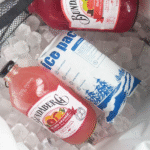
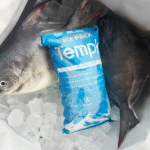
Le yogourt glacé destiné aux marchés canadiens pourrait traverser plusieurs zones climatiques. Garder les produits au froid pendant le transport nécessite une approche à plusieurs niveaux. Les fournisseurs précongelent les produits aux températures cibles, emballez-les dans des conteneurs isolés avec de la neige carbonique ou des packs de gel, couche pour une répartition uniforme du froid et permettre la ventilation du gaz. La glace carbonique se sublime à –78,5 °C (–109,3 ° F), fournissant des températures ultra basses jusqu'à 72 heures sans laisser d'eau liquide. Les packs de gel gardent les marchandises à 2 °C–8 °C et conviennent mieux aux trajets courts.
Choisir les bons matériaux
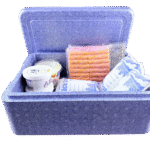
Conteneurs isolés. Polystyrène expansé de haute qualité (PSE), la mousse polyuréthane ou les panneaux isolés sous vide limitent les transferts de chaleur et protègent le produit. Choisissez l'épaisseur de l'isolation en fonction du temps de transit et des conditions ambiantes.
Superposition et ventilation. Placez une barrière comme du papier bulle ou du carton au fond de la boîte. Ajoutez des contenants de yaourt et superposez de la neige carbonique ou des packs de gel au-dessus et en dessous., séparés par des barrières pour éviter tout contact direct. Permettez aux petits évents ou espaces de libérer du gaz CO₂ ; les principaux transporteurs interdisent les fûts hermétiques en raison de l'accumulation de pression..
Étiquetage. Lorsque vous utilisez de la glace sèche, étiquetez les boîtes avec « Dioxyde de carbone, solide (Glace sèche)» et le poids net, et inclure l'ONU 1845 classe de danger. Cela répond aux réglementations en matière de transport.
Liste de contrôle d'expédition
Précongeler le produit. Congelez le yaourt à la température cible avant de l'emballer pour réduire la charge thermique sur la glace carbonique ou les packs de gel..
Choisissez un conteneur isotherme. Sélectionnez des panneaux EPS ou isolés sous vide dimensionnés pour votre expédition et votre itinéraire..
Superposer de manière appropriée. Utiliser des barrières entre le yaourt et les agents réfrigérants; ajouter des trous de ventilation.
Documenter les conditions d'expédition. Placez un enregistreur de température à l'intérieur de chaque expédition pour vérifier la conformité pendant le transport..
Coordonner avec les transporteurs. Pré-refroidissez les véhicules et planifiez les ramassages pendant les heures creuses pour minimiser le temps d'arrêt.
Étude de cas: Une expédition à travers le pays a utilisé une combinaison de neige carbonique et de panneaux isolés sous vide pour livrer du yogourt glacé de la Colombie-Britannique à l'Ontario en hiver.. Le produit est resté en dessous de –20 °F malgré des températures extérieures fluctuant de –15 °C à +5 °C. Le client n'a signalé aucune formation de cristaux de glace..
Règlements et exigences en matière d'étiquetage au Canada
Respecter les directives de température
Les organismes de réglementation canadiens exigent que les entreprises alimentaires conservent les aliments froids à des températures sécuritaires. Santé Canada Stockage sûr des aliments La page souligne que les réfrigérateurs doivent être réglés à 4 °C (40 °F) ou inférieur et congélateur à –18 °C (0 °F) ou plus bas. Rester en dessous de ces seuils maintient les aliments hors de la zone de danger et empêche la croissance bactérienne. Les diététistes du Canada offrent des conseils similaires, notant que les aliments surgelés doivent être conservés à des températures inférieures à –18 °C et recommander un thermomètre dans votre congélateur pour vous aider à suivre la température.
Marquages de date et durée de vie durable
L'Agence canadienne d'inspection des aliments (ACIA) nécessite des aliments préemballés ayant une durée de vie durable de 90 jours ou moins pour afficher les marquages de date et les instructions de stockage. Cette règle s'applique à la plupart des produits laitiers, y compris yaourts et desserts glacés. Assurez-vous que votre emballage affiche les dates de péremption, températures de stockage et instructions pour les consommateurs.
Étiquetage nutritionnel et de qualité
Les produits laitiers doivent suivre les Règlement sur les aliments et drogues (RAD) et le Règlement sur la salubrité des aliments au Canada (RSAC). Les exigences en matière d'étiquetage incluent l'indication du nom commun (Par exemple, "yaourt glacé"), déclarer la quantité nette et lister les ingrédients. Certains produits laitiers sont exemptés des symboles nutritionnels sur le devant de l'emballage., mais le yaourt n'est exonéré que sous certaines conditions. Si votre yaourt glacé utilise du lait provenant de sources autres que la vache, vous devez indiquer clairement la source animale sur le panneau d'affichage principal. Consultez l’outil d’étiquetage de l’industrie de l’ACIA pour obtenir des conseils détaillés..
Meilleures pratiques pour la conformité
Mettre à jour régulièrement l'emballage. Si la durée de vie durable de votre produit est inférieure à 90 jours, veiller à ce que les dates de péremption soient clairement imprimées et les mettre à jour lorsque les formulations changent.
Lister les ingrédients avec précision. Inclure le pourcentage de matière grasse du lait, cultures vivantes et informations sur les allergènes. Pour les variétés végétales, préciser la base (Par exemple, lait d'amande) et toutes protéines ajoutées.
Fournir des instructions de stockage. Mentionner clairement « Conserver au congélateur à –18 °C » sur l'emballage pour aider les consommateurs à conserver correctement le produit..
Rester informé. La réglementation évolue; consulter les directives de l'ACIA et les autorités provinciales en matière de salubrité des aliments chaque année..
2025 Tendances et technologies dans les chaînes d’approvisionnement en yaourt glacé
Efficacité axée sur la technologie
Le secteur canadien de la logistique de la chaîne du froid connaît une transformation rapide. Capteurs IoT, blockchain et intelligence artificielle (IA) remodèlent la façon dont les entreprises suivent et gèrent les marchandises sensibles à la température. Le rapport Morpheus.Network note que Les capteurs IoT fournissent des données en temps réel sur la température, humidité et emplacement, minimiser la détérioration et offrir de la transparence. La technologie Blockchain crée des enregistrements immuables des conditions, améliorer la traçabilité et la responsabilité.
Durabilité et pratiques respectueuses de l'environnement
Les préoccupations environnementales poussent à l’adoption de véhicules frigorifiques électriques et hybrides et isolation biodégradable. Les entreprises expérimentent des contenants réutilisables et des emballages recyclables pour réduire les déchets. Politiques gouvernementales, y compris l’engagement du Canada à réduire les émissions de gaz à effet de serre, soutenir ces innovations. Investir dans des unités de réfrigération économes en énergie et dans des sources d'énergie renouvelables réduit non seulement l'empreinte carbone, mais réduit également les coûts d'exploitation..
Automatisation et stockage frigorifique modulaire
L’automatisation se généralise dans les entrepôts frigorifiques. Robotique, Systèmes alimentés par l’IA et systèmes automatisés de stockage et de récupération (ASRS) rationaliser les opérations et maintenir un contrôle strict de la température. Les unités de stockage modulaires permettent aux entreprises d'ajuster leur capacité en fonction de la demande saisonnière. Ces solutions aident les entreprises à se développer pendant les hautes saisons sans construire d'infrastructure permanente..
E-commerce et livraison du dernier kilomètre
Les courses en ligne continuent de croître, obliger les prestataires de la chaîne du froid à s’adapter plus petit, livraisons plus fréquentes. Les modèles destinés directement au consommateur permettent aux clients soucieux de leur santé de recevoir du yaourt glacé à la maison, mais exigent un contrôle précis de la température et une logistique flexible.. Le suivi en temps réel et l'optimisation des itinéraires garantissent que les produits arrivent avant la fusion.
Changements réglementaires et IA
Les normes réglementaires pour les produits pharmaceutiques sont de plus en plus strictes, et des attentes similaires se répercutent sur la logistique alimentaire. Les entreprises doivent investir dans des équipements spécialisés pour maintenir un contrôle précis de la température et s'aligner sur les normes nationales et internationales.. L'IA et l'apprentissage automatique optimisent les itinéraires, prévoir les fluctuations de la demande et identifier les pannes potentielles d’équipement avant qu’elles ne surviennent. En intégrant l'IA aux capteurs IoT, les entreprises peuvent réduire leurs déchets, réduire les coûts et améliorer la qualité du service.
Insistance au marché
Le marché du yaourt glacé est en pleine expansion. En décembre 2025, un rapport de GlobeNewswire a estimé le marché mondial à USD 6.20 milliard et prédit qu'il atteindra USD 11.53 milliards 2035. L'Amérique du Nord a dominé le marché avec un 47 % participer à 2025. La demande est tirée par options de collations plus saines, ingrédients à base de plantes et innovation en matière de saveur. Les tendances incluent une demande plus élevée de organique, yaourt glacé fonctionnel et faible en calories, croissance des alternatives végétales comme le lait de coco et d’amande, et une personnalisation croissante. Les innovations technologiques telles que les lignes de congélation automatisées et les systèmes de contrôle qualité en temps réel améliorent la cohérence des produits et réduisent les déchets.. L’IA aide les fabricants à optimiser la précision des formulations, contrôle des procédés et qualités sensorielles. Parmi les développements récents de l'industrie, citons Lactalis Canada et Nestlé qui ont lancé huit références de yogourt glacé iÖGO en avril. 2025.
Questions fréquemment posées
À quelle température dois-je régler mon congélateur pour le yaourt glacé?
Gardez votre congélateur à –18 °C (0 °F) ou plus froid. Cette température empêche la décongélation et garde le yaourt glacé dur et lisse.. Utilisez un thermomètre de congélateur pour vérifier.
Puis-je conserver du yaourt nature et du yaourt glacé ensemble?
Il vaut mieux les séparer. Le yaourt nature doit être conservé au réfrigérateur à 2 °C–4 °C pour une qualité optimale, tandis que le yaourt glacé a besoin d'un congélateur à –18 °C ou moins. Les mélanger peut entraîner une décongélation partielle ou des saveurs altérées.
Comment savoir si mes capteurs sont précis?
Étalonnez régulièrement les capteurs par rapport à un thermomètre de référence certifié. Choisissez des appareils dotés de certificats d'étalonnage traçables et remplacez les piles conformément aux directives du fabricant..
Quelle est la différence entre la glace carbonique et les packs de gel pour l'expédition?
La glace carbonique se sublime à –78,5 °C et maintient les produits ultra froids jusqu'à 72 heures. Les packs de gel maintiennent 2 °C–8 °C et conviennent aux expéditions sur de courtes distances. Utilisez de la glace carbonique pour les expéditions longue distance ou surgelées.
Les produits de yaourt glacé à base de plantes sont-ils stockés différemment?
Non. Le yaourt glacé à base de plantes nécessite toujours des conditions de surgélation (–10 °C à –30 °C) et un emballage approprié pour éviter la formation de cristaux de glace. Cependant, les ingrédients comme le lait de coco ou d'amande peuvent avoir des textures légèrement différentes, alors évaluez chaque formulation lors des tests pilotes.
Comment l'IA et l'analyse prédictive améliorent-elles la logistique des yaourts glacés?
Les systèmes d'IA analysent les données IoT en temps réel pour prévoir la demande, optimiser les itinéraires et prévoir les pannes d'équipements. La maintenance prédictive réduit les temps d'arrêt et garantit un contrôle constant de la température, tandis que la prévision de la demande contribue à réduire la surproduction.
Résumé et recommandations
Principaux à retenir:
Le yaourt glacé doit rester surgelé entre –10 °C et –30 °C pour conserver sa texture et sa sécurité.. Utiliser des zones de chaîne du froid distinctes, surveiller les températures en permanence et pré-refroidir les véhicules pour éviter les chocs thermiques. Capteurs IoT, les enregistreurs de données et les trackers GPS offrent une visibilité en temps réel et vous aident à détecter les écarts avant que la détérioration ne se produise. Conformité aux réglementations canadiennes en matière de salubrité des aliments – garder les réfrigérateurs à 4 °C et congélateurs à –18 °C – et un étiquetage approprié garantit la confiance des consommateurs. Les tendances du marché montrent une demande croissante de produits plus sains, options de yaourts glacés à base de plantes et personnalisés, tandis que les innovations technologiques comme l'IA et l'automatisation améliorent l'efficacité.
Plan d'action:
Auditez votre chaîne du froid. Cartographiez chaque point de contact, de la production à la livraison, noter les zones de température et les zones à risque potentielles.
Déployer la surveillance IoT. Investissez dans des enregistreurs de données, capteurs sans fil et trackers GPS pour maintenir une visibilité continue et répondre aux exigences réglementaires.
Améliorer l'emballage. Choisissez des matériaux isolés et des agents de refroidissement en fonction de la durée de l'itinéraire; étiqueter correctement les expéditions pour se conformer à la réglementation.
Restez conforme. Examiner régulièrement les lignes directrices de l'ACIA et de Santé Canada.; mettre à jour les étiquettes et les instructions de stockage pour refléter les normes actuelles.
Adoptez l’innovation. Explorez l'optimisation des itinéraires basée sur l'IA, maintenance prédictive et packaging durable pour anticiper les tendances du marché.
À propos du tempk
Tempk est un fournisseur de solutions de chaîne du froid spécialisé dans les emballages à température contrôlée, capteurs et support logistique. Nous concevoir des conteneurs isothermes, packs de gel, des solutions de glace carbonique et des dispositifs de surveillance IoT qui aident les entreprises à maintenir des plages de température sûres de l'usine au consommateur. Notre R&Le centre D teste en permanence de nouveaux matériaux et intègre des capteurs intelligents dans les emballages pour répondre aux exigences réglementaires en constante évolution. Nous proposons également des services de conseil pour auditer votre chaîne d'approvisionnement, recommandez la meilleure pile technologique et formez votre équipe. Avec une gamme de produits respectueuse de l'environnement et un accent sur la logistique basée sur les données, Tempk offre de la fiabilité, durabilité et tranquillité d'esprit.
Prochaine étape: Vous voulez garder votre yogourt glacé frais d’un océan à l’autre? Contactez Tempk pour une consultation sur les solutions d'emballage et de surveillance à température contrôlée adaptées à votre entreprise. Nos experts peuvent vous aider à mettre en œuvre des capteurs IoT, optimiser les flux de travail de la chaîne du froid et assurer la conformité à la réglementation canadienne.