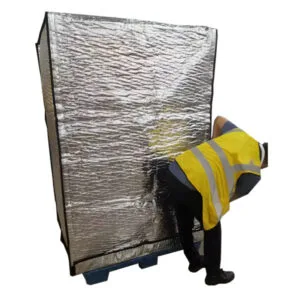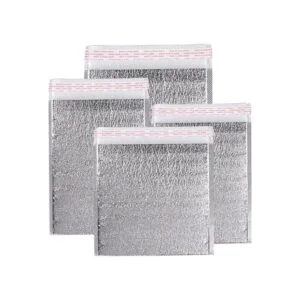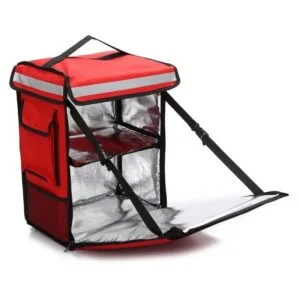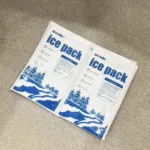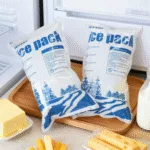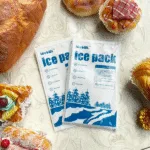
Pack de gel thermique Fabricant de fruits de mer: Un cadre pratique de l'échantillon à l'approvisionnement
Un échantillon peut geler solidement, se sentir durable, et c'est toujours un mauvais choix commercial. L'approvisionnement commence lorsque l'échantillon est traduit en une spécification contrôlée que la production, qualité, et les opérations peuvent se répéter. Pour un acheteur à la recherche d'un fabricant de fruits de mer en pack de gel thermique, la décision centrale est de savoir si le liquide de refroidissement, carton, isolation, charge de produit, contrôles sanitaires, et acheminez le travail comme un seul emballage hygiénique. Une décision d'approvisionnement défendable combine les limites du produit, preuves matérielles, test d'emballage, contrôles des fournisseurs, et un plan réaliste pour une utilisation quotidienne.
La décision finale appartient aux transformateurs de produits de la mer, exportateurs, grossistes, opérateurs de kits repas, et emballage chaîne du froid ingénieurs, souvent dans des applications telles que les cartons de poisson frais, distribution de coquillages, kits de fruits de mer préparés, et livraison en gros à courte distance. Une revue intégrée relie le besoin de l'utilisateur, le produit fini, contrôle des fournisseurs, preuve d'emballage, et exécution quotidienne. Il maintient les hypothèses visibles afin que le même élément ne soit pas approuvé pour une utilisation plus large que celle que soutiennent les preuves..
Construire le dossier de décision avant de choisir le pack
La carte d'approbation d'un fabricant de fruits de mer en sachets de gel thermique doit contenir cinq décisions liées: quel est l'article fini, où il sera utilisé, quels risques comptent, quelles preuves mettent fin à ces risques, et comment la production restera équivalente à l'échantillon approuvé. Cette séquence empêche l'équipe de partir d'un élément de catalogue attrayant et d'en inventer une utilisation plus tard.. Cela donne également aux fournisseurs un moyen clair de divulguer les limitations sans être pénalisés s'ils refusent une garantie irréaliste..
Rédiger la déclaration d'utilisation prévue dans un langage opérationnel. Nommez la charge utile, condition requise, récipient, itinéraire, modalités de contact, méthode de conditionnement, et décision à la réception. Identifiez ensuite laquelle des utilisations possibles, y compris les cartons de poisson frais, distribution de coquillages, kits de fruits de mer préparés, et livraison en gros à courte distance, sont à l'intérieur de la première approbation et qui restent en dehors de celle-ci. Le contrôle du périmètre est particulièrement important lorsqu'un nom commercial peut faire référence à la distribution alimentaire., Soins de santé, soins personnels, ou manutention industrielle.
Gardez les limites du produit explicites: Un pack de gel élimine ou tamponne la chaleur, mais cela ne remplace pas le refroidissement du produit, manipulation hygiénique, un récipient isolé, ou un plan de sécurité alimentaire spécifique au produit. La déclaration doit apparaître dans le dossier technique et la formation., pas seulement dans une note légale. Les opérateurs et les équipes commerciales doivent comprendre qu'un composant gel, un conteneur isotherme, un emballage qualifié, et un itinéraire surveillé remplit différentes fonctions. Demandez à l'équipe responsable de l'exportation mondiale de produits de la mer et de la distribution nationale de confirmer l'interprétation spécifique au marché..
Attribuez chaque décision à un propriétaire. L'équipe produit définit les conditions acceptables; l'emballage définit les hypothèses d'ajustement et de transfert de chaleur; qualité examine les preuves et les changements; les opérations confirment la capacité de préparation; les achats contrôlent la spécification commerciale; réception des résultats des enregistrements. Lorsque la propriété n’est pas claire, les lacunes sont souvent comblées par le langage marketing du fournisseur plutôt que par une décision documentée de l'acheteur. Utilisez le résultat lorsque vous étudiez un refroidissement irrégulier causé par un mauvais placement dans ce programme..
Traduire le pack fini en attributs contrôlés
Le cahier des charges doit décrire packs de gel thermique conçu pour l'emballage et la distribution de fruits de mer sous forme d'article fini. Inclure les dimensions inconditionnées et conditionnées, remplir ou masser, apparence, construction de film ou de coque, couture ou fermeture, imprimer, étiquette, emballage individuel, carton, stockage, et méthode d'inspection. Etat des tolérances et catégories de défauts. Si une propriété n'est importante qu'après gel, gonflement, chauffage, fléchissement, ou nettoyage, définir la préparation avant de la mesurer.
Les informations sur la formulation doivent être suffisantes pour l'examen réel des dangers et de l'exposition.. Le nom commercial d'un épaississant ou d'un polymère ne décrit pas la qualité de l'eau., additifs, conservateurs, colorants, résidus, ou compatibilité avec le conteneur. Une FDS peut prendre en charge la communication des dangers, cependant, des preuves distinctes peuvent être nécessaires pour le contact alimentaire, contact avec la peau, réclamations médicales, élimination, ou performances thermiques. Posez la question précise avant de demander le document. Appliquer ce contrôle à la distribution de coquillages et attribuer son propriétaire avant approbation de l'échantillon.
Les conditions de défaillance prévisibles doivent être représentées. Dans ce programme, ils incluent la perforation des palmes, coquilles, ou agrafes en carton, eau de fonte et condensation autour des étiquettes, refroidissement inégal causé par un mauvais placement, et contamination croisée après endommagement du pack. L'évaluation doit montrer comment la défaillance est évitée, détecté, contenu, enquêté, et lié à beaucoup de choses. Cela transforme des exigences générales telles que « étanchéité » ou « sûr » en contrôles et règles de réponse testables.. Associez les preuves au code d'article approuvé et au lot du fournisseur pour les packs de gel thermique conçus pour l'emballage et la distribution de fruits de mer..
Pour le dossier de sortie, définir la limite d'exposition dans les mêmes mots utilisés par les opérations. Un contact direct avec des fruits de mer comestibles ne doit jamais être présumé. Définir si le produit est ensaché, scellé en barquette, enveloppé, ou exposé, puis obtenez des preuves de la condition exacte du contact. La conclusion approuvée doit couvrir les fuites prévisibles, nettoyage, et la manipulation des utilisateurs ainsi que la séparation normale. Demandez à l'équipe responsable de l'exportation mondiale de produits de la mer et de la distribution nationale de confirmer l'interprétation spécifique au marché..
| Porte d'approbation | Preuve de décision | Condition de libération |
|---|---|---|
| Utiliser la définition | Charge utile, itinéraire, isolation, contact, et déclaration d'acceptation | Toutes les hypothèses critiques sont détenues et enregistrées |
| Échantillon représentatif | Matériaux finaux, formule, processus, œuvres d'art, et emballage | Les différences par rapport à la production sont fermées ou formellement évaluées |
| Preuve fonctionnelle | Endiguement, conditionnement, manutention, et données thermiques pertinentes pour l'utilisation | Méthodes, échantillons, et les limites sont visibles |
| Contrôle des fournisseurs | Rôles sur le site, enregistrements de lots, plan d'inspection, et processus de changement | La responsabilité atteint l’opération de production réelle |
| Disponibilité opérationnelle | Instruction de travail, entraînement, recevoir, et workflow de déviation | L'acheteur peut reproduire et contrôler l'état approuvé |
Ces portes créent une séquence plutôt qu'une pile de documents. Un programme ne devrait pas progresser parce qu'un certificat semble solide alors que l'échantillon, itinéraire, ou la notice d'utilisation reste provisoire. La décision de libération devient plus facile à défendre lorsque chaque porte fait référence au même code produit et à la même configuration.. Inclure la décision dans les instructions de l'opérateur pour les kits de fruits de mer préparés.
La qualification relie les conditions de test à l'itinéraire
Une déclaration de performance n'est utile que lorsque ses conditions sont connues. Enregistrez le conteneur isotherme, charge utile, quantité et position du liquide de refroidissement, températures de départ, processus de conditionnement, profil ambiant, durée, emplacement du capteur, critère de réussite, et toute ouverture de porte ou événement de manipulation. Le rapport doit identifier le pack exact testé. Sans ces champs, une valeur horaire ne peut pas être comparée équitablement ou transférée en toute sécurité vers un autre itinéraire. Appliquer ce contrôle à la livraison en gros à courte distance et attribuer son propriétaire avant l'approbation de l'échantillon.
Le travail en laboratoire et la surveillance des voies répondent à différentes questions. Les profils contrôlés aident à comparer les conceptions et à établir une configuration qualifiée. Les données d'itinéraire montrent comment les transporteurs, transferts, mise en scène, météo, et la variation de fonctionnement interagit avec cette conception. Utiliser les écarts pour affiner le modèle de risque, ne pas supposer que plus de liquide de refroidissement est toujours la solution. Un liquide de refroidissement supplémentaire peut consommer de la charge utile, ajouter du fret, et créer des surfaces plus froides. Associez les preuves au code d'article approuvé et au lot du fournisseur pour les packs de gel thermique conçus pour l'emballage et la distribution de fruits de mer..
Le plan d'exploitation doit être testé sur le site qui l'utilisera. Pré-refroidir le produit et l'emballage tel que défini par le plan de sécurité alimentaire, séparer la préparation du liquide de refroidissement de la manipulation des produits bruts, et inspectez chaque emballage endommagé en tant qu'événement de contamination potentiel. Un changement représentatif devrait confirmer la capacité de préparation, discipline de mise en scène, inspection, et escalade avant que le volume ne soit engagé. Demandez à l'équipe responsable de l'exportation mondiale de produits de la mer et de la distribution nationale de confirmer l'interprétation spécifique au marché..
Définir les déclencheurs de requalification lors de l’approbation. Une nouvelle charge utile, transporteur, saison, isolation, taille du paquet, formulation, site de production, ou la méthode de conditionnement peut invalider une hypothèse même lorsque la description d'achat reste inchangée. Les données de tendance provenant des réceptions et des plaintes doivent être examinées pour détecter des changements plus petits qui peuvent justifier des tests ciblés avant qu'une défaillance visible ne se produise.. Utilisez le résultat lorsque vous étudiez un refroidissement irrégulier causé par un mauvais placement dans ce programme..
Sélectionnez le fournisseur derrière le devis
Pour un fabricant de fruits de mer en packs de gel thermique, identifier si chaque enchérisseur est le vendeur légal, usine, convertisseur, filler, distributeur, importateur, ou propriétaire de marque privée. Cartographier qui achète des matériaux critiques, approuve les changements de formule, définit les paramètres du joint, sort beaucoup, stocke les dossiers, et traite les plaintes. Un distributeur peut être un partenaire efficace lorsqu’il dispose d’un contrôle documenté sur l’usine.; une usine peut encore être faible si les responsabilités sont fragmentées.
Outils de décision utiles
Vérifiez les détails avant de choisir l'emballage
Ces outils rapides peuvent vous aider à comparer le risque d'itinéraire, besoins de dimensionnement, choix de liquide de refroidissement, et les détails de l'emballage avant de demander un devis.
Résistance aux chutes du matériau isolant
Examinez la résistance aux chutes et les facteurs de manipulation avant de choisir des matériaux d'isolation..
Vérifier la résistanceGénérateur de liste de contrôle de conformité
Créer une liste de contrôle pratique pour l'examen des emballages, expédition, et documentation.
Construire une liste de contrôleRéférence du matériau isolant
Comparez les choix de matériaux d'isolation pour différents besoins d'emballage de la chaîne du froid.
Comparez les matériauxUtiliser des échantillons par étapes. Les premiers échantillons explorent les dimensions et la manipulation. Des échantillons techniques confirment la construction prévue. Des échantillons représentatifs de la production vérifient la ligne proposée, outillage, matériels, formule, œuvres d'art, et emballage. Étiquetez chaque échantillon avec son statut et son lot. L'approbation finale ne doit pas reposer sur une unité préparée par une méthode de laboratoire spéciale que la ligne normale ne peut pas reproduire.. Appliquer ce contrôle à la distribution de coquillages et attribuer son propriétaire avant approbation de l'échantillon.
Les conditions commerciales doivent préserver le contrôle technique. Liez la commande à la révision des spécifications et aux illustrations, définir l'emballage et l'inspection, état du document et enregistrement des attentes, et exiger un préavis pour les changements critiques. Discuter du modèle de commande, pics, exposition aux matières premières, contraintes de capacité, contingence, délai de réclamation, et disposition des stocks non conformes. Un prix unitaire bas n’est pas complet s’il déplace l’inspection, reconditionnement, ou coût d'échec pour l'acheteur. Associez les preuves au code d'article approuvé et au lot du fournisseur pour les packs de gel thermique conçus pour l'emballage et la distribution de fruits de mer..
La planification régionale pour l'exportation mondiale de produits de la mer et la distribution nationale ajoute des rôles d'importateur, langue, réclamations, instructions d'élimination, et distribution locale. Les obligations en matière de sécurité alimentaire varient selon le produit et le marché. Aux États-Unis, les règles sanitaires de transport adresse appropriée, équipement nettoyable et contrôle de la température si nécessaire; les entreprises de produits de la mer doivent également aligner l'emballage sur leur analyse des dangers et leurs critères de réception.. Confirmer que l'identité du modèle reste cohérente dans tous les rapports, Documents FDS, factures, étiquettes, et des cartons, avec une référence croisée contrôlée là où les codes de marque privée et d'usine diffèrent.
Un test pratique du cadre
Utilisez ce scénario pour remettre en question la logique d'approbation. Un exportateur de fruits de mer constate des températures acceptables à l'expédition mais des coins chauds à la réception. L'ajout aveugle de gel peut réduire la charge utile et créer un risque de gel. Une meilleure position du pack de cartes d'enquête, préconditionnement, carton vents, heure de transfert, et l'emplacement de l'enregistreur avant de changer la masse de liquide de refroidissement. Il s'agit d'une situation hypothétique d'approvisionnement, il ne s'agit pas d'un résultat client revendiqué, et son but est d'exposer les variables qui ont besoin d'un propriétaire. Inclure la décision dans les instructions de l'opérateur pour les kits de fruits de mer préparés.
L'équipe doit geler les hypothèses actuelles avant de modifier la conception. Capturer la géométrie de la charge utile et les conditions de départ, isolation, préparation du liquide de refroidissement, placement, exposition ambiante, transferts, plan de capteur, et règle d'acceptation. Choisissez ensuite le plus petit changement qui répond au risque observé. Modification de la masse du liquide de refroidissement, isolation, placement, et le temps de chargement ensemble peut produire une passe mais n'apprend pas grand-chose sur le contrôle important. Consigner la conclusion dans le dossier de libération contrôlée du fabricant de fruits de mer en sachets de gel thermique.
Le soumissionnaire reçoit le même modèle de faits et renvoie une configuration proposée avec des limitations explicites. L'acheteur ne compare pas seulement le prix, mais aussi avec quelle clarté la proposition relie le peloton à l'itinéraire, dans quelle mesure l'échantillon est-il représentatif, quelles données sont disponibles, et comment les changements seront contrôlés. Une fois que la configuration passe l'examen de l'acheteur, les instructions de travail et les critères d'admission sont publiés avec la même révision. Appliquer ce contrôle à la livraison en gros à courte distance et attribuer son propriétaire avant l'approbation de l'échantillon.
Réduisez les déchets en améliorant le système
À grande échelle, la question environnementale doit rester liée aux opérations. Un emballage réutilisable peut être judicieux sur les routes fermées des fruits de mer, mais contrôle des odeurs, vérification du lavage, taux de perte, et le transport de retour peut compenser les économies matérielles. Documentez les hypothèses derrière la comparaison afin qu'un changement d'itinéraire, taux de retour, nettoyage, ou l'élimination ne laisse pas une ancienne créance attachée à un système différent. Demandez à l'équipe responsable de l'exportation mondiale de produits de la mer et de la distribution nationale de confirmer l'interprétation spécifique au marché..
Évaluer le matériel, énergie de congélation, poids du colis, isolation, perte de produit, nettoyage, récupération, transport inverse, et élimination dans une limite. La réutilisation est attractive sur un parcours fermé stable avec un rendement élevé et une inspection contrôlée. Cela peut être inefficace dans un réseau ouvert. De la même manière, une demande d'élimination n'est utile que lorsque les utilisateurs reçoivent des instructions précises et que l'infrastructure locale peut atteindre le résultat déclaré. Utilisez le résultat lorsque vous étudiez un refroidissement irrégulier causé par un mauvais placement dans ce programme..
Le meilleur projet de réduction pourrait être un emballage saisonnier plus petit, meilleur pré-refroidissement, mise en scène plus courte, contrôle amélioré du vide, ou segmentation d'itinéraire. Ces changements peuvent réduire le liquide de refroidissement et le fret tout en augmentant la fiabilité. Le marketing environnemental doit décrire de manière précise l’amélioration prouvée et éviter de laisser entendre qu’une propriété matérielle rend l’ensemble de l’expédition durable.. Inclure la décision dans les instructions de l'opérateur pour les cartons de poisson frais.
Dernières questions avant la sortie
Une spécification de pack de gel peut-elle couvrir plusieurs produits?
Éventuellement, mais seulement après que l'espace de conception commun soit établi. Les produits peuvent différer en sensibilité, géométrie, condition de départ, voie de contact, et critères d'acceptation. Pour des utilisations telles que les cartons de poisson frais, distribution de coquillages, kits de fruits de mer préparés, et livraison en gros à courte distance, documenter quelles combinaisons ont été évaluées et lesquelles nécessitent un emballage séparé. Un code d'achat commun ne doit pas cacher les instructions spécifiques à l'application.
Qu'est-ce qui doit déclencher une réévaluation après le lancement?
Réévaluer lorsqu'un matériau critique, formule, site de fabrication, outil, processus de scellement, taille du paquet, isolation, charge utile, itinéraire, méthode de conditionnement, transporteur, ou changements de critères d’acceptation. Les tendances en matière de plaintes et la dérive saisonnière inexpliquée peuvent également déclencher un examen.. L'accord de qualité doit indiquer qui informe qui et quelles preuves sont nécessaires avant que la configuration révisée ne soit publiée.. Utilisez le résultat lors de l’enquête sur la perforation des ailerons, coquilles, ou des agrafes en carton dans ce programme.
Comment créer une liste restreinte pour un fabricant de fruits de mer en packs de gel thermique?
Donnez à chaque soumissionnaire le même brief contrôlé: utilisation prévue, charge utile, condition requise, isolation, itinéraire, conditionnement, voie de contact, modèle de commande, et marché cible. Notez les réponses pour la transparence de la fabrication, preuve, représentativité de l'échantillon, changer de contrôle, et aptitude opérationnelle. Ne classez pas une demande d'heures non justifiée au-dessus d'une proposition qui indique clairement ses limites de test.. Consigner la conclusion dans le dossier de libération contrôlée du fabricant de fruits de mer en sachets de gel thermique.
Quel échantillon l'équipe qualité doit-elle approuver?
Approuver un échantillon représentatif de la production lié à la spécification finale, matériels, formule, outillage, imprimer, étiquette, et carton. Un prototype rempli à la main peut prendre en charge les premiers travaux de conception mais ne devrait pas permettre une production de masse.. Conservez l'échantillon signé comme référence visuelle tout en utilisant les limites d'inspection objectives pour les dimensions., remplir, joint, apparence, et contrôles fonctionnels. Associez les preuves au code d'article approuvé et au lot du fournisseur pour les packs de gel thermique conçus pour l'emballage et la distribution de fruits de mer..
Libérer le système, Alors regarde-le
Une décision solide d'un fabricant de fruits de mer en pack de gel thermique se termine par un produit contrôlé, une utilisation définie, preuves avec des limites visibles, un processus de changement de fournisseur, et instructions de travail que l'acheteur peut reproduire. Cela déclenche également une boucle de rétroaction opérationnelle. Examiner les défauts du lot, exceptions de conditionnement, données d'itinéraire, plaintes, et modifications afin que la conception approuvée ne s'écarte pas des conditions qui l'ont justifiée.
À propos du tempk
Tempk fournit des fournitures flexibles packs de glace en gel, rigide briques de glace, packs d'injection d'eau, et composants d'emballage isothermes pour la chaîne du froid. Pour les packs de gel thermique conçus pour l'emballage et la distribution de fruits de mer, nous pouvons revoir le format demandé, dimensions, personnalisation, emballage, et intrants de fournitures commerciales avec votre équipe. Le choix final doit être évalué dans le contexte complet de l'emballage et du marché de l'acheteur., donc l'enquête la plus utile inclut la charge utile, condition requise, itinéraire, isolation, voie de contact, et modèle de commande attendu.
Envoyez à Tempk le dossier contrôlé pour votre projet de fabricant de fruits de mer en pack de gel thermique lorsque vous êtes prêt à comparer un échantillon représentatif de la production avec votre itinéraire et vos exigences d'approbation..