Introduction
Shipping baked goods is a delicate art. Pain frais, pastries and cakes are prone to staling, condensation and spoilage when exposed to uncontrolled heat or cold. Thermal pallet blankets for baked goods solve this problem by acting like a sleeve that slows heat transfer. They are increasingly popular in 2026 because even short delays on docks or cross-docks can cause invisible damage. Selon un 2025 analyse de marché, the thermal pallet cover segment is worth USD 1.2 milliards et devrait atteindre USD 2.5 milliards 2033, grandir à 8.5 % annuellement. This article explains what thermal pallet blankets are, why baked goods need them, how to choose the right cover and how to integrate them with other cold-chain strategies.
image_group{“mise en page”: “carousel”, “query”: [“thermal pallet blanket covering baked goods”, “frozen bakery pallet shipping”], “aspect_ratio”: “16:9”, “num_per_query”: 2}
Cet article vous aidera à comprendre:
What are thermal pallet blankets and why baked goods need them – defining pallet blankets and summarising benefits.
Why temperature control is critical for bakery quality – exploring optimum packaging temperatures and dangers of temperature fluctuations.
How thermal blankets work and how to choose one – explaining heat transfer mechanisms and key design features.
Best practices for shipping baked goods with thermal blankets – combining blankets with cooling media, scheduling shipments and handling cross-dock risks.
Dernier 2026 trends and market insights – summarising reusable designs, reflective materials and IoT monitoring.
Frequently asked questions – answering common queries about usage, effectiveness and reuse.
What are thermal pallet blankets and why do baked goods need them?
Definition and purpose – A thermal pallet blanket (also called an insulated pallet cover or pallet blanket) is a reusable protective cover designed to shield palletised shipments from extreme weather and temperature fluctuations. When you ship breads and pastries across town or across continents, these blankets act like a coffee cup sleeve: they wrap your pallet and slow down heat exchange with the environment. They are used by bakeries, food distributors and logistics providers because even a short period of uncontrolled exposure can ruin product texture and taste.
Baked goods are especially vulnerable. Fresh bread must cool to a packaging temperature of 35–40 °C before bagging and bread rolls stale rapidly when exposed to 20–50 °F (–7 to 10 °C). Frozen cakes and pastries lose texture when held above –12 °C. Temperature oscillations can cause condensation inside wrappers, leading to mold growth or soggy crusts. Thermal pallet blankets reduce such fluctuations by preventing rapid heat gain or loss. They work on land, sea or air and are cost-effective, facile à utiliser, reusable and environmentally friendly. Many industries use them, including perishable foods, frozen goods and pharmaceuticals.
Why temperature control is critical for bakery quality
Even before your pallet is covered, temperature management begins with proper cooling and packaging. Fresh bread should cool to 35–40 °C (95–105 °F) before slicing and bagging to achieve optimum keeping quality. If packaged when too warm, excess moisture condenses inside the wrapper and promotes mold. If cooled too long or too much, the crumb dries out and becomes brittle. Pour les produits surgelés, the World Food Logistics Organization notes that bakery products lose quality quickly when held above 0 °F (–18 °C); bread and rolls are particularly sensitive to staling between 20 ° F et 50 °F (–7 °C to 10 °C). Cakes and pastries develop gummy textures when exposed to temperatures above 10 °F (–12 °C).
Thermal pallet blankets help maintain these critical temperatures during the riskiest parts of the journey: mise à quai, cross-docking and airport ramps. Think of your pallet like a cup of hot coffee; the truck is the thermos, but once it’s at the dock, the lid is off. A pallet blanket acts as the sleeve that keeps your coffee warm without burning your hands. By slowing heat transfer, blankets keep bread crusts from sweating, cakes from thawing and pastries from staling until they reach your customers.
Recommended temperature ranges for baked goods
| Catégorie de produit | Plage de température recommandée | Shelf life/concern | Ce que cela signifie pour vous |
|---|---|---|---|
| Pain frais | 35–40 °C (95–105 °F) during packaging | Cooling to this range drops moisture and prevents condensation; packaging too warm risks mold | Allow bread to cool properly before wrapping and apply a thermal blanket immediately to prevent reheating in warm docks |
| Frozen bakery items (gâteaux, pâtisseries) | ≤ –18 °C (0 °F) pendant le stockage; avoid exposures above –12 °C (10 °F) | Quality deteriorates rapidly above –12 °C; pastries become gummy | Use blankets with cold packs or dry ice to maintain deep-freeze temperatures; minimise time outside freezers |
| Room-temperature bakery goods | 15–25 ° C (59–77 °F) for ambient shipping | Extreme heat or cold can damage products | For ambient goods, choose blankets with reflective skins to block sun and reduce heat gain |
Astuces et conseils pratiques
Pre-condition your products: Let breads and cakes cool to their optimum packaging temperature before wrapping. Pour les articles surgelés, ensure they reach –18 °C or below before loading.
Use moisture-proof packaging: Wrap goods in plastic or use resealable bags to lock in moisture and pair with pallet blankets to maintain ambient conditions.
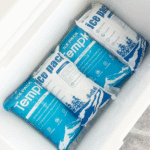
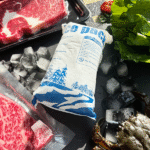
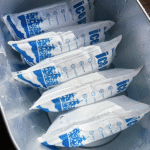
Add cooling media when needed: For long journeys or frozen bakery products, combine blankets with gel packs or dry ice. Gel packs provide steady cooling for refrigerated goods, while dry ice offers superior cooling for frozen products but needs special handling.
Plan your shipping schedule: Avoid shipping over weekends; choose shipping days to reduce transit time. Thermal blankets help during short delays, but extended weekend sitting can still cause damage.
Label and handle carefully: Mark pallets as “Perishable” or “Handle with Care”. Thermal blankets protect from sun, rain and insects, but proper handling prevents crushing or puncture.
Étude de cas: A regional bakery shipping croissants across state lines used to experience stale edges and soggy wrappers after summer shipments. After implementing cooling to 35 °C before packaging and adding insulated pallet blankets with gel packs, returns dropped by 40 %. Customers reported fresher taste and improved texture upon delivery.
How do thermal pallet blankets work and how do you choose one?
Mechanism of action – Thermal pallet blankets do not actively cool; they slow heat transfer. La chaleur se déplace par conduction (contact direct), convection (air circulation) et rayonnement (soleil). A good blanket reduces each: insulation slows conduction, sealed shapes limit air movement and reflective outer layers reduce radiant heat. Blankets protect only if products are pre-conditioned – they cannot fix a warm pallet.
Blanket types – Pallet covers come in several forms:
Thermal blanket (flexible quilt) – ideal for quick indoor staging or short transfers; facile à déployer.
Fitted insulated cover – hood with closures; better sealing for cross-docks and outdoor use.
Reflective insulated cover – insulation plus foil skin; best for tarmac or hot climates.
How to select the right thermal pallet blanket
When choosing a blanket, consider the worst-case exposure rather than your average day. Ask yourself where uncontrolled exposure occurs: docks, douane, dernier kilomètre, climats chauds. Use the following decision tool:
| Facteur de décision | Low level | High level | Recommended blanket |
|---|---|---|---|
| Outdoor exposure time | Rare | Fréquent (>45 min) | Reflective fitted cover with strong sealing |
| Vitesse de manipulation | Modéré | Très rapide / high labour pressure | Simple closures and easy installation |
| Sensibilité du produit | Modéré | Haut (delicate pastries, cream fillings) | Thick insulation with temperature monitoring |
Features that matter most
Durability and ease of use determine whether teams actually deploy covers. UN 2026 industry checklist highlights the following must-have features:
Fermetures serrées (zippers or straps) to prevent air exchange.
Reinforced corners and seams for longevity and resistance to tearing.
Water-resistant outer layer that is easy to clean.
Base skirt to seal the bottom and reduce airflow.
Reflective skin to reduce radiant heat from sun or hot surfaces.
Handles or grab points so one person can install the cover quickly.
When you purchase, balance cost and reuse; high-quality blankets may cost more but can last for years. If you need covers only once, disposable options exist, but reusable designs reduce waste and align with sustainability trends.
Astuces et conseils pratiques
Match blanket size to pallet: covers that are too loose leave gaps; too tight may tear. Custom or adjustable designs help with varying pallet heights.
Vérifier les certifications: look for products tested in extreme environments (Par exemple, ISO 9001 agréé).
Consider material: choose waterproof or breathable materials depending on product; PCMS (Matériaux à changement de phase) can buffer temperatures by absorbing or releasing heat during state changes.
Pair with monitoring: attach temperature loggers to record edge temperatures; logging helps you refine blanket deployment.
Exemple de cas: A biologics shipper reduced failures after standardising covers by pallet height and using quick-fit closures. Bakeries can apply the same principle: standardise cover dimensions and train staff on quick installation to avoid exposing warm bread to ambient air.
Best practices for shipping baked goods with thermal pallet blankets
Thermal blankets are most effective when integrated into your cold-chain operations. Research by logistics experts shows that temperature excursions rarely occur while trucks are moving; they happen when pallets sit on docks or cross-dock lanes. The following best practices help you maintain quality:
Apply covers immediately during “hands-off” time – If pallets will sit for more than 30 minutes, make covers standard practice. Use fitted covers with strong sealing for cross-docks and reflective layers for tarmac exposure.
Pre-condition and seal – Pre-cool bread to packaging temperature, freeze cakes thoroughly, then wrap. Seal the base of the cover to reduce air exchange; if the cover is hard to seal, teams may skip it.
Combine passive cooling – For frozen goods, pair blankets with cold packs or dry ice. Gel packs are ideal for refrigerated shipments and pose minimal safety risk, while dry ice provides deeper cooling for frozen cakes but requires handling precautions. Match the coolant capacity to your shipment’s volume and transit time.
Schedule shipments wisely – Avoid weekend shipments to reduce uncontrolled storage. Weekend delays often leave pallets in unconditioned spaces where blankets must work longer. When unavoidable, select blankets with better insulating properties and include extra gel packs.
Use moisture management tools – Baked goods are sensitive to humidity. Use desiccants or silica gel packets to absorb moisture, and make sure packaging is airtight.
Handle with care – Use cushioning materials to prevent crushing. Label pallets as fragile or perishable so carriers prioritise them.
Integrating thermal blankets with passive cold-chain packaging
Passive cold-chain packaging, which uses insulated containers and cold packs or phase change materials (PCMS), is increasingly popular in the bakery sector. Unlike active refrigeration, passive solutions require no external power and offer significant energy savings. UN 2025 industry review notes that frozen bakery products must remain at –18 °C to preserve texture and flavour and that passive packaging using PCMs and cold packs can maintain these temperatures without powered refrigeration. The same report highlights that passive systems are energy efficient, sustainable and scalable, supporting both small-batch deliveries and large-volume distribution.
Thermal pallet blankets are an essential component of passive packaging systems. They add an additional barrier around insulated boxes or crates, extending hold times and protecting shipments during transfers. When combined with IoT sensors and data loggers, passive packages provide real-time temperature tracking and traceability. You can monitor edge temperatures, receive alerts and document compliance with food safety regulations. Modular designs allow for transporting both chilled and frozen items in a single delivery unit, helping bakeries optimise routes and reduce carbon footprint.
Astuces et conseils pratiques
Map risk points: Identify where temperature risk occurs in your supply chain (Par exemple, quais de chargement, les douanes tiennent). Pilot blankets on high-risk lanes and log temperatures for two weeks to measure improvements.
Standardise SOPs: Write simple standard operating procedures (Sops) for applying covers: condition préalable, envelopper, joint, record staging time, clean after use. Consistency reduces human error.
Former le personnel: Teach your team why blankets matter and demonstrate quick installation. When covers are easy to use and clean, teams are less likely to skip them.
Réutiliser de manière responsable: Inspect covers after each use; wash or wipe with mild soap and air-dry. Replace covers with tears or degraded insulation.
Étude de cas: A dairy shipper improved route consistency after tightening base sealing and logging edge temperatures. A bakery applying similar practices saw a 15 % reduction in temperature excursions during cross-dock transfers, translating into fewer mould complaints and longer shelf life.
2026 latest developments and market insights
The thermal pallet blanket market is evolving rapidly. By October 2025 the global thermal pallet cover market was valued at USD 1.2 billion and is forecast to grow to USD 2.5 milliards 2033 à 8.5 % TCAC. Several trends drive this growth:
Sustainability focus – Businesses are adopting eco-friendly, recyclable materials to reduce carbon footprints. Blankets made from polyethylene or polypropylene alternatives and reusable designs are on the rise.
E-commerce expansion – A boom in online grocery and home-delivery services increases demand for reliable cold-chain packaging, including thermal blankets.
Consumer awareness – Growing concern about food waste and product integrity pushes logistics providers to invest in advanced protective packaging.
Customization and flexibility – Manufacturers offer bespoke covers for different pallet sizes and heights to ensure better fit and insulation.
Smart packaging – Integration of IoT-enabled sensors for real-time temperature and humidity monitoring; blankets pair with data loggers and cloud platforms to provide traceability.
Next-generation materials – Research is producing lightweight, recyclable insulation materials and nanotechnology coatings that enhance thermal performance while reducing bulk.
Automation in logistics – Automated warehouses and AI-driven supply chains require packaging solutions that integrate seamlessly into handling systems.
Derniers progrès en 2026
According to a January 2026 mise à jour de l'industrie, insulated pallet covers are now seen as standard risk-control tools. Reusable designs with reinforced seams, improved reflective materials for ramp exposure and closer pairing with temperature monitoring are leading innovations. Sustainability pressures push manufacturers to develop blankets that last longer and reduce waste. Market expectations are rising; customers expect fewer temperature deviations even during disruptions.
Perspectives du marché
The rise of frozen bakery products also fuels demand. UN 2025 report predicts the global frozen bakery market will grow from USD 8.93 milliards en 2025 en USD 10.91 milliards 2030. Maintaining –18 °C or below is essential to preserve texture and flavour, so passive cold-chain packaging and thermal blankets become even more important. Beyond bakery, key players such as DuPont, Softbox Systems and Cold Chain Technologies continue to invest in material innovations, durabilité et expansion mondiale. The Asia-Pacific region is projected to experience double-digit growth due to booming e-commerce.
Questions fréquemment posées
Q1: Do thermal pallet blankets replace refrigerated transport?
Non. Blankets slow temperature drift but do not actively cool. You still need refrigerated trucks, freezers or gel packs to provide the initial temperature. Use blankets as an extra layer during staging, cross-docks and last-mile.
Q2: How long can a thermal pallet blanket maintain temperature?
Blankets don’t “hold” temperature; protection time depends on pallet mass, température de départ, ambient conditions and seal quality. A heavy, well-sealed pallet stays within range longer than a lightly packed one. Direct sun shortens protection dramatically.
Q3: Are thermal blankets reusable, and how do I clean them?
Oui. High-quality insulated blankets can be reused for years as long as they aren’t torn. Wash with cold water and mild soap, then air-dry. Inspect for holes before each use.
Q4: Can I use thermal blankets for both refrigerated and frozen bakery goods?
Oui, but select a blanket designed for your worst-case temperature. Pour les produits surgelés, pair with dry ice or PCMs to maintain –18 °C. For ambient goods, reflective covers and gel packs may suffice.
Q5: What should I look for when buying a thermal pallet blanket?
Choose covers with tight closures, coutures renforcées, water-resistant outer layers, base skirts and reflective skins. Ensure they fit your pallet height and product sensitivity. Check for certification and consider reusable options.
Résumé et recommandations
Thermal pallet blankets are indispensable for shipping baked goods in 2026. They act as a passive insulation layer that slows temperature change during critical hand-off moments. Fresh breads must cool properly before wrapping; frozen cakes deteriorate rapidly if exposed above –12 °C. Pallet blankets mitigate these risks by reducing heat transfer via conduction, convection et rayonnement. When combined with passive cooling, moisture-proof packaging, intelligent scheduling and IoT monitoring, they help bakeries maintain product quality and extend shelf life. Market trends indicate strong growth driven by sustainability, e-commerce and smart packaging. Companies that adopt reusable, reflective designs with real-time monitoring will stay ahead of customer expectations.
Prochaines étapes réalisables
Audit your cold-chain: Map where pallets experience uncontrolled exposure. Record staging times and temperatures for two weeks.
Définir les exigences: Determine whether your baked goods require ambient, refrigerated or frozen transport. Select blankets and coolants accordingly.
Invest in high-quality blankets: Look for reusable covers with tight closures, reinforced seams and reflective skins. Ensure they fit your pallet dimensions and allow one-person installation.
Standardise SOPs: Create step-by-step procedures for pre-cooling, wrapping, sealing and cleaning. Train staff and monitor compliance.
Surveiller et itérer: Use temperature loggers to track performance and adjust blanket usage. Consider integrating IoT sensors for real-time alerts.
About entity[“entreprise”,”Rotation”,”cold chain packaging solutions provider”]
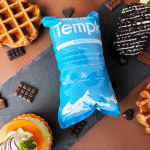
Company profile – Tempk is a specialist in cold-chain packaging and insulated solutions. The company focuses on insulated pallet covers that install quickly, seal effectively and withstand repeated reuse. With a portfolio spanning ice packs, sacs isolés, box liners and pallet covers, Tempk emphasises reusable designs and eco-friendly materials. Their research and development centre continuously improves insulation technologies, reflective skins and phase change materials to help food and pharma customers maintain product integrity during transit.
Key advantages – Tempk’s approach prioritises practical workflows, temperature stability and easy-clean materials. Their covers come in various sizes and incorporate features such as quick-fit closures, reinforced seams and optional temperature monitoring. Tempk also provides guidance on choosing the right cover for specific temperature ranges and exposure times. Customers can request customised solutions by sharing pallet dimensions, temperature targets and typical exposure durations.
Call to action – If you ship baked goods or other temperature-sensitive products, consider consulting Tempk’s specialists. Provide your pallet size, required temperature range and typical exposure time so they can design a test plan. A free product catalogue with technical specifications and pricing is available upon request.