Fabricant de chaîne d'approvisionnement médical de glacière pour vaccins: Un cadre de sélection des fournisseurs fondé sur des données probantes
La bonne réponse à glacière pour vaccins un fabricant de chaîne d'approvisionnement médicale commence par un cas d'utilisation contrôlée, pas un modèle de catalogue. Définir la charge utile, condition requise, itinéraire, exposition ambiante, emballage, manutention, nettoyage, preuve, et volume commercial avant de choisir la box. Le produit final doit être jugé sur la capacité utilisable, construction, ajustement opérationnel, cohérence de la production, et coût total livré.
L'objectif pratique est de savoir si le fabricant peut prendre en charge les équipements, liquide de refroidissement, surveillance, instructions, entretien, et continuité d’approvisionnement sur un réseau opérationnel. Le cadre de décision suivant rassemble le produit le plus utile, technique, conformité, opérationnel, et considérations d'achat tout en gardant toutes les déclarations de performance liées aux conditions qui les soutiennent réellement.
Une boîte isolée n’est qu’une partie du contrôle de la température
La glacière à vaccins pour la chaîne d'approvisionnement médicale fournit une barrière au flux de chaleur et une enceinte de protection. Il ne génère pas lui-même une température contrôlée. Les performances passives dépendent de l’isolation, type et conditionnement du liquide de refroidissement, masse de liquide de refroidissement, masse de charge utile, température de départ du produit, disposition interne, profil ambiant, comportement d'ouverture, et critères d'acceptation. Une modification de l’un de ces éléments peut modifier les résultats même si la boîte extérieure reste inchangée..
Cette distinction est particulièrement importante pour l'alimentation, pharmaceutique, vaccin, et utilisations pour les essais cliniques. Une déclaration de matériau peut montrer qu'un composant est adapté à une condition de contact prévue. Un test structurel peut montrer qu'une poignée ou une fente survit à une charge définie. Un rapport thermique peut montrer comment un emballage s'est comporté sous un profil. Une qualification d'itinéraire peut alors évaluer la voie d'exploitation. Ces documents répondent à des questions différentes et ne doivent pas se substituer les uns aux autres.. Pour l'approbation du fournisseur, revoir ce point pour le réseau d’approvisionnement en vaccins avec le fonctionnement et la qualité.
Demandez au fabricant d'indiquer chaque revendication de performance avec sa configuration. Si le fournisseur ne peut pas fournir ce contexte, traiter l'allégation comme une indication de dépistage uniquement. La déclaration doit identifier la taille de la boîte et la révision, charge utile, liquide de refroidissement, conditionnement, diagramme de chargement, position du moniteur, profil ambiant, durée, et plage d'acceptation. L’objectif pratique n’est pas d’exiger un rapport de laboratoire pour chaque première conversation, mais pour éviter qu'un titre non pris en charge ne devienne une spécification d'achat.
Utiliser les spécifications de l’OMS et nationales dans le cadre approprié
De nombreux vaccins réfrigérés sont stockés et distribués entre 2°C et 8°C., mais cette fourchette ne devrait jamais être supposée pour chaque vaccin ou chaque stade. L'étiquetage des produits reste la source faisant autorité, et certains produits nécessitent des conditions congelées ou autres. L'exposition au gel peut endommager de façon permanente certains vaccins réfrigérés, donc un liquide de refroidissement plus froid n'est pas automatiquement plus sûr. L'emballage doit protéger à la fois contre le gain de chaleur et le gel involontaire.. Avant la version finale, enregistrer ce point pour le réseau d’approvisionnement en vaccins comme une exigence contrôlée.
Le PQS de l'OMS maintient des spécifications de performance et des protocoles de vérification distincts pour les glacières et les porte-vaccins., y compris les catégories dotées d'une technologie antigel. Cette classification est importante. Un refroidisseur à usage général peut être utile pour les tâches non liées au programme, mais il ne doit pas être présenté comme une glacière pour vaccins préqualifiée par l'OMS à moins que le produit exact ne soit répertorié et étayé par la documentation applicable.. Les acheteurs doivent vérifier le modèle, catégorie de spécification, protocole de test, et l'état actuel de l'inscription. Au lancement de la production, tester cette hypothèse pour le réseau d’approvisionnement en vaccins par rapport à l’itinéraire prévu.
Le contrôle opérationnel est aussi important que l’équipement. Packs de liquide de refroidissement besoin du type et du conditionnement corrects. Les cartons de vaccins doivent être espacés de manière contrôlée. Un moniteur doit être placé et lu selon la procédure. Les utilisateurs ont besoin de schémas d'emballage simples, vérifications des dommages, instructions de nettoyage, et conseils pour les excursions. Les directives du CDC et de l'OMS soulignent que la qualité de la chaîne du froid est un processus partagé depuis le stockage et le transport jusqu'à la réception et l'utilisation.; une boîte coûteuse ne peut pas compenser un flux de travail incontrôlé. Dans la décision finale, vérifier le point du réseau d'approvisionnement en vaccins par rapport à la charge utile réelle.
La spécification de la boîte commence en dehors des sentiers battus
La première spécification doit décrire le travail d'exploitation: connecter les points de stockage, véhicules, dépôts, cliniques, et des sites de proximité avec une étape de transport passif contrôlée qui préserve les conditions spécifiques au produit du vaccin. Il doit identifier les utilisateurs, le lieu de chargement, le lieu de réception, les transferts attendus, et le moment où la responsabilité de la température change. Cela empêche le fournisseur de remplir des inconnues avec des hypothèses. Il permet également des opérations, qualité, et les équipes d'approvisionnement doivent examiner la même exigence au lieu de conserver des versions informelles distinctes.
La définition de la charge utile nécessite plus de détails qu'un poids ou un volume nominal. Enregistrez les dimensions du pack primaire, limites d'orientation, number of units, état thermique à l'emballage, espace de tête, zones fragiles, et si la charge doit rester séparée du liquide de refroidissement. Le chargement prévu peut inclure des cartons de vaccins, diluants, packs de liquide de refroidissement, séparateurs, moniteurs, paperasserie, et parfois des produits de santé mixtes dans le cadre d'une politique définie. Une cavité qui semble suffisamment grande peut devenir inutilisable si l'ouverture est étroite, les coins sont fortement arrondis, ou un panier et un séparateur consomment les dimensions critiques.
La cartographie des itinéraires est tout aussi importante. Du magasin central au magasin régional, répartition par district, livraison en clinique, sensibilisation, redistribution d'urgence, et mouvement inverse des équipements vides, noter le temps de transit prévu, retard probable, température intermédiaire, soleil direct, circulation de l'air du véhicule, ouverture répétée, transfert entre transporteurs, et réception de l'inspection. Ces entrées ne produisent pas à elles seules un temps de maintien garanti, mais ils définissent les conditions qu'un fournisseur ou un laboratoire d'essais doit reproduire. Sans eux, un devis ne peut concerner qu'un coffret générique, pas un processus de distribution fiable. Pour l'approbation du fournisseur, préciser les conditions applicables au réseau d’approvisionnement en vaccins dans la réponse du fournisseur.
Architecture matérielle et compromis entre flux de chaleur
Une boîte isolée typique peut combiner des constructions isolées choisies non seulement pour leurs performances en laboratoire mais également pour une manipulation brutale., exposition ambiante élevée, nettoyage, réparation, et capacité de maintenance locale. La structure extérieure protège des chocs et fournit des points de fixation. L'isolation ralentit la conduction et la convection. Le joint du couvercle, vidange, gérer les patrons, attaches, et les bords des panneaux peuvent créer des ponts thermiques ou des chemins de fuite. Pour cette raison, le nom d'un matériau à lui seul ne prédit pas les performances. Deux boîtes fabriquées avec le même polymère nominal peuvent se comporter différemment en raison de l'épaisseur de la paroi, qualité de la mousse, géométrie, et assemblage. Dans la décision finale, lier cette décision pour le réseau d'approvisionnement en vaccins au dessin et à l'emballage approuvés.
Les options courantes entraînent des compromis différents. Les coques en polymère dur peuvent être nettoyées et durables, mais ils ajoutent du poids et nécessitent un moulage contrôlé. L'EPP peut fournir un poids léger, structure résiliente pour des manipulations répétées, tandis que les surfaces en mousse exposées peuvent nécessiter une hygiène minutieuse et un examen des dommages. Le PSE peut être rentable pour une utilisation unidirectionnelle protégée, mais peut s'écailler en cas de manipulations répétées et brutales.. La mousse PU peut fournir une isolation rigide à l'intérieur d'une coque. Les panneaux isolés sous vide peuvent réduire le transfert de chaleur à travers de larges surfaces, mais des effets de bord, protection anti-crevaison, et le contrôle de la fabrication devient critique. Avant la version finale, préciser les conditions applicables au réseau d’approvisionnement en vaccins dans la réponse du fournisseur.
La spécification du matériau doit identifier les risques prévus: capacité du fournisseur, cohérence des lots, continuité des pièces de rechange, étiquetage, critères d'inspection, langage de documentation, emballage pour livraison à distance, et notification de changement. Il doit contrôler la qualité de la résine de base ou de la mousse, pigments, additifs, matériau du joint, adhésifs, matériel, et tout revêtement interne ou étiquette. Quand les substitutions sont autorisées, définir la preuve d'approbation. Sinon, un changement de production qui semble mineur sur le plan commercial peut modifier le statut de contact alimentaire, odeur, flexibilité, conductivité thermique, ajuster, ou durabilité à long terme. Pour l'approbation du fournisseur, vérifier le point du réseau d'approvisionnement en vaccins par rapport à la charge utile réelle.
Le cadre décisionnel final
| Grille | Question | Communiquer des preuves |
|---|---|---|
| Porte de cas d'utilisation | La charge utile est-elle, itinéraire, condition, et processus de manipulation définis? | Exigence de l'utilisateur approuvé |
| Monter le portail | L'emballage final est-il adapté au levage et à la fermeture en toute sécurité? | Dessin d'emballage et échantillon mesuré |
| Porte des preuves | Les réclamations sont-elles liées au bon matériel, boîte, emballage, ou voie? | Carte des preuves et rapports de tests |
| Porte de qualité | La production peut-elle reproduire la configuration approuvée? | Plan d’examen et d’inspection des lots pilotes |
| Porte de coût | Les devis sont-ils normalisés selon la même portée et la même base de livraison ?? | Modèle de coûts au débarquement et de cycle de vie |
| Porte des opérations | Les utilisateurs peuvent-ils emballer, recevoir, faire le ménage, inspecter, et renvoyez-le correctement? | Consignes et plan de formation contrôlés |
| Changer de portail | Les substitutions nécessiteront-elles un examen? | Nomenclature et accord de contrôle des modifications |
| Porte d'application | Si le fabricant peut prendre en charge l'équipement, liquide de refroidissement, surveillance, instructions, entretien, et continuité d’approvisionnement sur un réseau opérationnel | Exigence signée et liste d’hypothèses non résolues |
Cette matrice fonctionne mieux lorsqu'elle est complétée conjointement par les responsables des achats, opérations, ingénierie, et la qualité. Il transforme les préférences générales en preuves révisables et expose les hypothèses manquantes avant la négociation des prix.. Tous les projets n'ont pas besoin de la même profondeur, mais chaque réclamation critique doit avoir un propriétaire et un moyen défini de la vérifier. Avant la version finale, préciser les conditions applicables au réseau d’approvisionnement en vaccins dans la réponse du fournisseur.
Le prix est le résultat d’une configuration
La structure des coûts comprend la quantité d'équipement, inventaire du liquide de refroidissement, moniteurs, des pièces de rechange, entraînement, espace de stockage, transport, entretien, pertes, et délai de réapprovisionnement. Les fournisseurs peuvent proposer des prix très différents alors que tous semblent proposer la même taille. Les différences peuvent provenir de l’épaisseur de l’isolant, qualité du matériau, processus, matériel, inspection, conditionnement, ou simplement à partir d'éléments exclus. Une comparaison équitable nécessite une fiche de configuration et un tableau de comparaison commerciale. Avant la version finale, préciser les conditions applicables au réseau d’approvisionnement en vaccins dans la réponse du fournisseur.
Séparez les coûts ponctuels des coûts récurrents. Outillage, moules, œuvres d'art, ingénierie, et certains tests peuvent être ponctuels ou amortis. Construction d'unités, accessoires, inspection, cartons, et le fret est récurrent. Séparez ensuite le coût d’acquisition du coût d’exploitation: conditionnement du liquide de refroidissement, lavage, séchage, stockage, suivi des actifs, transport de retour, dommage, réparation, et remplacement. La meilleure mesure pourrait être le coût par itinéraire réussi plutôt que le prix d'achat par boîte.. Dans la décision finale, confirmer la portée des preuves du réseau d'approvisionnement en vaccins avant l'achat.
Le fret mérite une attention précoce car les boîtes isothermes peuvent être volumineuses. Dimensions extérieures, nidification, pliabilité, quantité de cartons, modèle de palette, et le chargement des conteneurs peut modifier le coût au débarquement plus qu'une petite différence de prix d'usine. Demandez aux fournisseurs de proposer les mêmes conditions de livraison et configuration d'emballage.. Quand les cartons réutilisables reviennent vides, le cube inversé et la main d'œuvre de manutention doivent également entrer dans le modèle. Au lancement de la production, placer cette exigence relative au réseau d’approvisionnement en vaccins dans la liste de contrôle de réception.
Un scénario d'achat pratique
Considérez cette situation typique: un programme de district dispose de suffisamment de glacières sur papier, mais de nombreuses unités ne sont pas disponibles car il manque des packs de liquide de refroidissement, les couvercles sont endommagés, et aucun registre d'actifs n'identifie l'endroit où se trouve l'équipement. L'équipe doit mesurer la charge utile, construire le pack proposé, tracer l'itinéraire, et observez comment les utilisateurs soulèvent, sécurisé, ouvrir, faire le ménage, et renvoie la boîte. La première réponse ne doit pas être de sélectionner une taille de catalogue. Cela crée un enregistrement partagé des contraintes réelles.
Suivant, l'acheteur doit demander deux ou trois alternatives contrôlées au lieu d'un long catalogue. Une option peut donner la priorité à un poids inférieur, une autre durabilité répétée, et une autre résistance thermique plus élevée ou volume utilisable plus. Chaque option doit énumérer ce qui est inclus, quelles preuves existent, ce qui doit encore être testé, et quels changements opérationnels cela nécessite. L'équipe peut alors comparer les compromis au lieu de discuter de fonctionnalités isolées.. Avant la version finale, confirmer que les contrôles de production préservent ce point pour le réseau d'approvisionnement en vaccins.
Complétez la séquence grâce à un échantillon d'ingénierie, essai d'emballage, production pilote, et libération officielle. Enregistrer les mesures dimensionnelles et les observations de manipulation, pas seulement des photographies. Pour les utilisations sensibles à la température, confirmer le package complet sous un profil approprié et définir comment les excursions seront gérées. Le résultat est une décision d'approvisionnement liée aux preuves et au flux de travail., pas à une promesse qui ne peut être reproduite ultérieurement. Dans la décision finale, tester cette hypothèse pour le réseau d’approvisionnement en vaccins par rapport à l’itinéraire prévu.
La discipline opérationnelle protège la configuration qualifiée
Une boîte se déplace à travers les personnes et les lieux, pas seulement à travers une chambre thermique. Le plan opérationnel doit couvrir le préconditionnement, emballage, fermeture, étiquetage, activation du moniteur, remettre, recevoir, déchargement, nettoyage, séchage, inspection, stockage, et retour. Du magasin central au magasin régional, répartition par district, livraison en clinique, sensibilisation, redistribution d'urgence, et mouvement inverse des équipements vides, le risque le plus élevé peut être un quai de chargement ou un échec de livraison plutôt que le temps prévu pour le véhicule. Pour l'approbation du fournisseur, protéger la décision concernant le réseau d’approvisionnement en vaccins grâce au contrôle des modifications.
Outils de décision utiles
Vérifiez les détails avant de choisir l'emballage
Ces outils rapides peuvent vous aider à comparer le risque d'itinéraire, besoins de dimensionnement, choix de liquide de refroidissement, et les détails de l'emballage avant de demander un devis.
Liquide de refroidissement & Référence PCM
Comparez les options de liquide de refroidissement et de PCM lorsqu'un itinéraire nécessite une prise en charge supplémentaire de la température.
Comparez les optionsRésistance aux chutes du matériau isolant
Examinez la résistance aux chutes et les facteurs de manipulation avant de choisir des matériaux d'isolation..
Vérifier la résistanceSélecteur d’emballage
Comparez les options d'emballage isotherme par produit, itinéraire, et besoin de température.
Trouver un emballageLes instructions doivent être visuelles et spécifiques à la configuration. Afficher la position du liquide de refroidissement, orientation produit, placement du diviseur, emplacement du moniteur, séquence de fermeture, et critères de rejet. Utilisez des étiquettes qui survivent à l'environnement de nettoyage et d'acheminement. Si la boîte a des drains, sangles, roues, joints remplaçables, ou poignées en corde, inclure des points d'inspection pour ces composants. La complexité doit être réduite autant que possible car les utilisateurs occasionnels ne se souviennent pas des longues procédures. Dans la décision finale, attribuer un propriétaire et une méthode d'acceptation pour le réseau d'approvisionnement en vaccins.
Les équipes d'accueil ont besoin d'un chemin de décision. Ils devraient savoir comment inspecter le sceau, lire le moniteur, identifier les dommages, enregistrer une excursion, mettre la charge utile en quarantaine, et contactez le responsable de la qualité. Les cartons retournés ne doivent pas automatiquement retourner dans le parc propre. Une simple étape de quarantaine et d’inspection évite les coquilles fêlées, bouchons manquants, poignées contaminées, ou changement de liquide de refroidissement pour affaiblir silencieusement le système. Dans la décision finale, vérifier ce point sur les unités représentatives utilisées pour le réseau d'approvisionnement en vaccins.
L'examen de l'usine devrait suivre les risques critiques
La question centrale du fournisseur est de savoir si le fabricant peut prendre en charge les équipements, liquide de refroidissement, surveillance, instructions, entretien, et continuité d’approvisionnement sur un réseau opérationnel. La conversation devrait passer des affirmations générales aux détails contrôlés. Un fabricant crédible devrait être capable de traduire cette exigence en dessins, définitions matérielles, points de contrôle, et un plan de test. Demandez à qui appartient le moule, quelles opérations sont effectuées en interne, comment les fournisseurs de composants critiques sont approuvés, et comment la nomenclature est maintenue. Un large catalogue peut être utile, mais ce n'est pas une preuve du contrôle du processus.
Construire le processus d'approbation autour de la maturité progressive des échantillons. Le premier échantillon confirme les dimensions et l'ergonomie de base. Un échantillon technique révisé confirme les matériaux, raccords, étiquettes, et ajustement parfait. Un lot pilote vérifie les outils de production, assemblée, inspection, conditionnement, et variation entre plusieurs unités. L'échantillon doré approuvé doit être lié à des dessins et à des critères d'acceptation mesurables. L'approbation d'un échantillon spécialement préparé sans ce pont est une source courante de surprises lors d'une production de masse.. Avant la version finale, inclure cette limite dans la notice d'exploitation du réseau d'approvisionnement en vaccins.
L'examen de la qualité doit se concentrer sur la capacité du fournisseur, cohérence des lots, continuité des pièces de rechange, étiquetage, critères d'inspection, langage de documentation, emballage pour livraison à distance, et notification de changement. Demandez comment les unités non conformes sont identifiées, si les mesures sont enregistrées, comment les plaintes sont examinées, et comment les modifications techniques sont communiquées. Pour les programmes à contrôle élevé, exiger une approbation préalable avant les substitutions. Pour une utilisation par les consommateurs à moindre risque, le système peut être plus simple, mais des dimensions critiques, matériels, et les dispositifs de sécurité nécessitent toujours des critères d'acceptation objectifs. Dans la décision finale, revoir ce point pour le réseau d’approvisionnement en vaccins avec le fonctionnement et la qualité.
Une résine recyclable ne complète pas l’histoire du cycle de vie
La question pertinente de la durabilité est réparable, des actifs réutilisables avec un système d'inventaire et de maintenance plutôt que des boîtes qui disparaissent après la livraison ou échouent parce que personne n'est propriétaire du processus de retour. Un système léger à sens unique peut être préférable sur une voie dispersée où les taux de retour sont faibles. Une boîte réutilisable peut réduire la consommation d’emballages en boucle fermée stable, mais cela demande aussi plus de matériel, nettoyage, stockage, et transport retour. Le choix doit être fait à partir du réseau d'exploitation plutôt qu'à partir d'un seul attribut marketing..
Le redimensionnement est souvent l’amélioration la plus rapide. L'excès de volume augmente la surface d'isolation, demande de liquide de refroidissement, cube de fret, et espace d'entrepôt. Le matériel surconstruit ajoute de la masse. Les produits sous-construits échouent tôt et créent des déchets de remplacement. Un bon design utilise suffisamment de matériel aux bons endroits, protège les pièces d'usure remplaçables, et permet une inspection avant qu'une unité endommagée ne soit remise en service. Dans la décision finale, revoir ce point pour le réseau d’approvisionnement en vaccins avec le fonctionnement et la qualité.
Suivez un petit ensemble d’indicateurs pratiques: taux de retour, déplacements par actif, raison du dommage, temps de lavage, temps de séchage, composants perdus, cube de retour vide, et parcours de retraite. Ces données montrent si le système s'améliore. Les allégations de durabilité doivent être mises à jour lorsque l'itinéraire change. Une boîte utilisée pour cinquante voyages locaux contrôlés a une empreinte différente de la même boîte expédiée une fois sur une voie internationale et jamais retournée.. Pour l'approbation du fournisseur, préciser les conditions applicables au réseau d’approvisionnement en vaccins dans la réponse du fournisseur.
Un flux de travail d'approbation interne simple
A la réception du lot, vérifier la spécification contrôlée ainsi que l'apparence. Confirmer les dimensions internes critiques, fermeture du couvercle, matériel, étiquettes, accessoires, et emballage selon les spécifications approuvées. Sélectionnez plusieurs unités dans différents cartons. Enregistrez les résultats afin que les plaintes ultérieures puissent être comparées au lot d'origine plutôt qu'à la mémoire ou à un seul échantillon.. Dans la décision finale, relier cet élément du réseau d'approvisionnement en vaccins à un critère d'acceptation mesurable.
Définir les critères de dommages et de quarantaine avant utilisation. Fissures, joints déformés, bouchons manquants, poignées effilochées, ancres lâches, surfaces contaminées, panneaux perforés, ou un liquide de refroidissement non approuvé devrait déclencher la quarantaine. Certains articles peuvent être réparés avec des pièces contrôlées; d'autres devraient être à la retraite. Une règle claire interdit aux utilisateurs de maintenir en service un coffret visiblement endommagé simplement parce qu’il ferme encore. Au lancement de la production, vérifier le point du réseau d'approvisionnement en vaccins par rapport à la charge utile réelle.
Tenir à jour un enregistrement concis des modifications pour le matériel, fournisseur, moule, processus, dimensions, étiquettes, conditionnement, et emballage. Vérifiez si chaque changement affecte le statut du contact, preuve thermique, essais structurels, fret, nettoyage, ou mode d'emploi. Cette discipline ne se limite pas aux programmes réglementés. Il protège tout acheteur contre une dérive progressive de la configuration lors de commandes répétées.. Dans la décision finale, vérifier le point du réseau d'approvisionnement en vaccins par rapport à la charge utile réelle.
Questions à poser avant de commander
Pour cette glacière à vaccins pour la chaîne d'approvisionnement médicale, les questions suivantes créent plus de valeur que de demander si le fournisseur est fiable. Ils forcent la discussion vers l’usage prévu, spécifications mesurables, et des preuves. Au lancement de la production, documenter les limites du réseau d’approvisionnement en vaccins plutôt que d’impliquer une adéquation universelle.
- Question de libération: Quel niveau de réseau et quel itinéraire chaque boîtier servira-t-il?
- Question de libération: Un produit répertorié par l'OMS PQS ou une spécification nationale est-il requis?
- Question de libération: Combien de jeux de liquide de refroidissement, moniteurs, des pièces de rechange, et des kits de nettoyage sont nécessaires par boîte?
- Question de libération: Le fabricant peut-il conserver la même configuration pour toutes les commandes de réapprovisionnement?
- Question de libération: Comment les utilisateurs sur le terrain identifieront-ils les dommages et mettront-ils en quarantaine les unités inutilisables ??
- Question de libération: Quelle documentation et quels supports de formation sont requis pour les équipes locales?
Une réponse complète peut être un dessin, tableau, échantillon, plan de test, ou limitation documentée. Un fournisseur n’a pas besoin d’avoir tous les rapports finaux avant le début du développement, mais il devrait être capable d'énoncer ce qui est connu, ce qui est supposé, ce qui peut être personnalisé, et ce qu'il faut tester. Cette transparence est un meilleur signal de risque qu'une longue liste de certifications non étayées. Avant la version finale, confirmer que les contrôles de production préservent ce point pour le réseau d'approvisionnement en vaccins.
Là où les bons projets tournent mal
Les points ci-dessous méritent d'être vérifiés avant l'outillage ou la production en série. Chacun peut créer des retouches évitables lorsqu'elles restent non résolues lors de la sélection du fournisseur.. Avant la version finale, attribuer un propriétaire et une méthode d'acceptation pour le réseau d'approvisionnement en vaccins.
- Libérer le bloqueur: acheter des boîtes sans suffisamment de packs de liquide de refroidissement compatibles.
- Libérer le bloqueur: compter les unités distribuées au lieu des unités réparables.
- Libérer le bloqueur: ignorer le langage, pictogrammes, et formation des utilisateurs.
- Libérer le bloqueur: en supposant que les spécifications d'approvisionnement à elles seules créent une utilisation correcte sur le terrain.
- Libérer le bloqueur: ne pas planifier les pièces de rechange et les délais de remplacement.
Traitez un signal d’alarme comme une demande de preuves, pas un rejet automatique. Cela devrait déclencher une clarification spécifique, chèque d'échantillon, ou demande de preuves. L’objectif pratique est de résoudre l’incertitude alors que les changements sont encore peu coûteux.. Un fabricant présélectionné qui répond avec des dessins, conditions, et les actions correctives sont plus utiles que celles qui répètent une affirmation générale. Pour l'approbation du fournisseur, confirmer la portée des preuves du réseau d'approvisionnement en vaccins avant l'achat.
Questions fréquemment posées
Une glacière à vaccins pour la chaîne d’approvisionnement médicale est-elle suffisante pour contrôler la température?
Non. La box ralentit le transfert de chaleur, mais le résultat complet dépend du liquide de refroidissement, charge utile, température de départ, modèle de chargement, exposition ambiante, manutention, et surveillance. Toute durée indiquée doit identifier la configuration testée et les critères d'acceptation. Pour les produits réglementés ou de grande valeur, un packout supplémentaire ou une qualification de couloir peuvent être requis. Dans la décision finale, attribuer un propriétaire et une méthode d'acceptation pour le réseau d'approvisionnement en vaccins.
Chaque glacière à vaccins est-elle préqualifiée par l'OMS?
Non. Le PQS de l'OMS répertorie les produits spécifiques et les catégories de performances avec des protocoles de vérification. Les acheteurs qui ont besoin d'un équipement préqualifié doivent vérifier le modèle exact et la liste actuelle.. Une glacière isolée générale peut prendre en charge d'autres tâches, mais il ne doit pas être présenté comme une glacière pour vaccins répertoriée sans preuve spécifique au produit.. Au lancement de la production, revoir ce point pour le réseau d’approvisionnement en vaccins avec le fonctionnement et la qualité.
Un résultat de temps de maintien en laboratoire peut-il être utilisé pour chaque itinéraire?
Seulement lorsque les conditions correspondent. Un résultat de laboratoire s'applique au profil ambiant testé, charge utile, liquide de refroidissement, surveiller les positions, et plage d'acceptation. Il peut prendre en charge la planification d'itinéraire, mais des différences significatives dans le délai, soleil direct, fréquence d'ouverture, état du véhicule, ou la charge utile peut nécessiter une évaluation ou une qualification plus approfondie. Avant la version finale, vérifier le point du réseau d'approvisionnement en vaccins par rapport à la charge utile réelle.
Quel est le meilleur premier test d'échantillon?
Utiliser la forme physique comme premier échantillon. Charger la charge utile réelle, liquide de refroidissement, diviseur, moniteur, étiquettes, et accessoires. Vérifier la fermeture, levage, accéder, nettoyage, et temps d'emballage. Une fois la configuration physique stable, les tests thermiques et structurels deviennent plus significatifs et moins susceptibles d'être répétés après une modification de conception. Avant la version finale, enregistrer ce point pour le réseau d’approvisionnement en vaccins comme une exigence contrôlée.
Les plats à emporter pratiques
La sélection finale du fabricant de la chaîne d'approvisionnement médicale en glacière pour vaccins devrait réussir six tests: ajustement au cas d'utilisation, capacité utilisable, preuve, cohérence de la production, simplicité de fonctionnement, et le coût total. Un fournisseur qui énonce des hypothèses, limites des documents, et prend en charge la vérification pilote est plus précieuse qu'une vérification offrant des réclamations universelles. Ne publiez la commande que lorsque la configuration et les responsabilités sont suffisamment claires pour pouvoir être répétées..
À propos du tempk
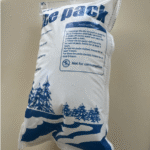
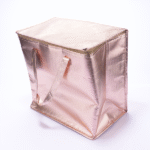
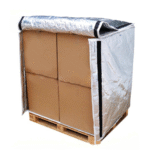
Tempk est le emballage chaîne du froid marque de Shanghai Tempk Industrial Co., Ltée. L'entreprise développe et fournit des produits, notamment packs de gel, rigide briques de glace, sacs isolés, Boîtes EPP, glacières médicales, doublures isolées, et housses de palettes. Pour les projets impliquant des boîtes isothermes, Tempk peut discuter de la capacité, structure d'isolation, compatibilité du liquide de refroidissement, fonctionnalités personnalisées, et exigences d'emballage. L'adéquation et les performances du produit doivent être confirmées par rapport à la charge utile spécifique., itinéraire, état de température, et les justificatifs demandés par l'acheteur. Au lancement de la production, confirmer la portée des preuves du réseau d'approvisionnement en vaccins avant l'achat.
Prochaine étape
Avant la sélection finale du fournisseur, partager le niveau de la supply chain, spécification du programme, volume de vaccin, conditions d'itinéraire, pratiques de terrain, et plan de réapprovisionnement afin que Tempk puisse discuter d'une configuration évolutive.