Fournisseur de chaîne d'approvisionnement médical de glacière pour vaccins: Sélection, Coût, et cadre de qualification
Commencez par les conditions d’expédition ou de service, pas la photo de la boîte. UN glacière pour vaccins le fournisseur de la chaîne d'approvisionnement médicale ne doit être sélectionné qu'après que l'acheteur a défini ce qui se passe à l'intérieur, quelles températures ou conditions de manipulation sont importantes, combien de temps l'exposition peut durer, et quelles preuves sont nécessaires à la réception.
Le cadre final combine l'éducation aux produits, contrôles techniques, analyse commerciale, sensibilisation aux qualifications, et la gouvernance des fournisseurs en une seule méthode d'approvisionnement. Le but n’est pas de promettre une performance universelle, mais pour montrer ce qu'il faut définir, testé, documenté, et vérifié avant la mise à l'échelle.
Une portée claire évite la plupart des erreurs d'achat
Un boîte isotherme ralentit le transfert de chaleur; cela ne crée pas un environnement froid illimité. Pour ce sujet, la définition utile est une glacière ou un système de transport de vaccins dont l'isolation, disposition du liquide de refroidissement, protection contre le gel, capacité, et la méthode de manipulation correspondent au programme. Les performances dépendent donc de l'état requis de la charge utile, la température initiale de chaque composant, la quantité et l'emplacement du fluide de refroidissement, le joint du couvercle, mouvement de l'air interne, exposition ambiante, et le délai entre l'emballage et la réception. Un fournisseur peut vendre la même boîte extérieure sur plusieurs marchés, pourtant, chaque marché peut nécessiter un emballage différent et des preuves différentes. Les acheteurs doivent conserver la construction du produit, configuration thermique, mode opératoire, et le statut de qualification en tant que champs distincts dans la spécification. Dans le dossier d'approbation finale, connecter l'exigence, réponse du fournisseur, observation d'un échantillon, preuve de test, portée commerciale, et décision responsable en une seule ligne traçable.
Le travail prévu consiste à transporter des vaccins entre les magasins, sites de sensibilisation, cliniques, et points de réception tout en préservant les conditions de stockage labellisées. Cette déclaration devrait être précisée lors de la demande de prix.: identifier le type de produit, dimensions de la charge utile, état acceptable, itinéraire, transferts, durée prévue, extrêmes saisonniers, surveillance, nettoyage, et recevoir la décision. Si un paramètre est inconnu, marquez-le comme élément de vérification ouvert. Ne laissez pas une étiquette de catalogue telle que « médical,' 'qualité alimentaire,' 'robuste,» ou « chaîne du froid » remplacent les preuves. Un fournisseur solide aidera à clarifier les limites et distinguera un conteneur de stock, un emballage assemblé, et un système d'expédition qualifié. Traitez une hypothèse non résolue comme un risque géré avec un propriétaire et une date d'échéance, pas comme une acceptation silencieuse qui ne devient visible qu'après une mise à l'échelle.
Utiliser le coût total au débarquement et le coût du cycle de vie, Pas le prix unitaire seul
Pour cet achat, le coût est déterminé par catégorie de produit, conception d'isolation et de fermeture, fonctionnalités antigel, capacité de vaccin utilisable, jeu de liquide de refroidissement, accessoires de surveillance, tester les preuves, et assistance sur le terrain. Un devis doit indiquer lesquels de ces éléments sont inclus, la monnaie, traitement fiscal, Incoterm le cas échéant, état de l'échantillon et de l'outillage, base de paiement, et période de validité. Les prix unitaires ne peuvent pas être comparés lorsqu'un fournisseur inclut des cartons d'exportation renforcés, inspection, accessoires, ou des tests et un autre les exclut. Construire une feuille de comparaison qui utilise les mêmes dessins, nomenclature, niveau de qualité, méthode d'emballage, quantité commandée, et point de livraison. Les éléments inconnus doivent rester visibles en tant que quotas plutôt que d'être traités comme zéro.. Si le matériel, dimension, source, emballage, base de test, itinéraire, ou modifications des instructions d'utilisation, évaluer l’effet avant de supposer que l’approbation précédente s’applique toujours.
Le coût total comprend également les conséquences d'un échec. Réemballage, fret d'urgence, lancement retardé, examen des excursions de température, charge utile endommagée, retours, demandes de garantie, main d'œuvre supplémentaire en entrepôt, et les stocks obsolètes peuvent compenser une petite différence de prix unitaire. Cela ne signifie pas choisir la cotation la plus élevée. Cela signifie identifier quels contrôles réduisent les risques importants et quelles fonctionnalités ajoutent des dépenses sans bénéfice clair.. Une discussion sur la réduction des coûts est plus productive une fois que les exigences critiques sont protégées: simplifier la décoration, standardiser les composants, améliorer la densité des cartons, ou utiliser une plateforme de stock avant d'affaiblir l'isolation, fermeture, force de manipulation, ou des preuves de qualité. Dans le dossier d'approbation finale, connecter l'exigence, réponse du fournisseur, observation d'un échantillon, preuve de test, portée commerciale, et décision responsable en une seule ligne traçable.
Des choix techniques qui méritent des critères d’acceptation écrits
La chaleur pénètre par les murs, couvercle, articulations, ouvertures, et tout pont conducteur créé par le matériel. Le taux est influencé par la différence de température, surface exposée, propriétés isolantes, épaisseur, géométrie, fuite d'air, et le temps. Une isolation plus épaisse peut aider, mais cela réduit également le volume utilisable ou augmente la taille externe. Un couvercle plus étanche peut réduire l'échange d'air, mais il doit quand même rester opérationnel après des manipulations répétées. Les films réfléchissants peuvent modifier le transfert de chaleur radiative dans un assemblage spécifique, mais ils ne remplacent pas une isolation suffisante ou une fermeture contrôlée. La comparaison correcte est donc une conception assemblée testée dans des conditions pertinentes, pas un seul nom de matériau. Traitez une hypothèse non résolue comme un risque géré avec un propriétaire et une date d'échéance, pas comme une acceptation silencieuse qui ne devient visible qu'après une mise à l'échelle.
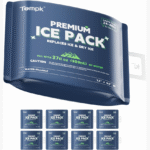
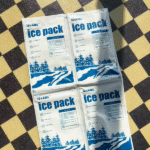
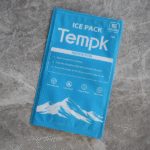
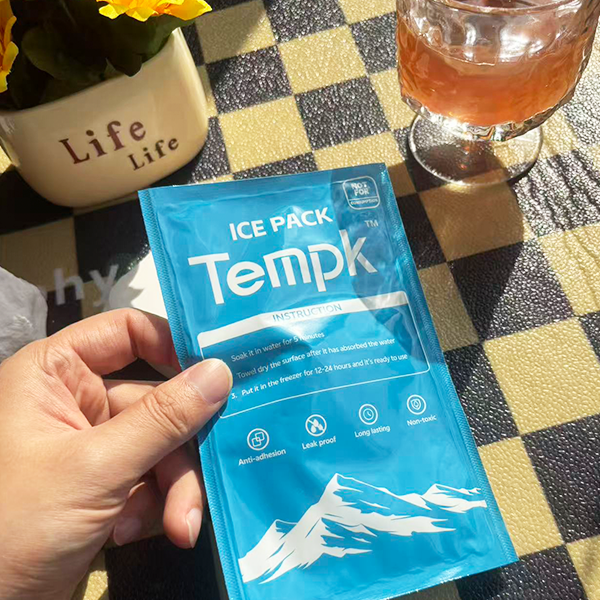
Le fluide de refroidissement et le placement de la charge utile déterminent ce que l'isolation protège. Conditionné packs de gel ou des matériaux à changement de phase peuvent être utilisés pour certaines applications réfrigérées; les produits surgelés ou les systèmes de glace carbonique suivent des règles différentes. Le contact direct peut exposer les produits sensibles aux points froids locaux, donc des barrières, paniers, espaceurs, ou un conditionnement contrôlé peut être important. L'espace aérien vide modifie également les performances et peut permettre aux composants de se déplacer.. L'acheteur doit demander un dessin d'emballage qui identifie chaque composant, orientation, quantité, et étape de préparation. Ce dessin devient un outil de formation, une référence d'enregistrement de test, et une base d'inspection plutôt qu'une suggestion informelle. La décision intégrée devrait protéger l'utilisation prévue tout en conservant la catégorie de produit, conception d'isolation et de fermeture, fonctionnalités antigel, capacité de vaccin utilisable, jeu de liquide de refroidissement, accessoires de surveillance, tester les preuves, et support sur le terrain visible dans le modèle de coût total.
Faites correspondre le transporteur au programme de vaccination
La manipulation des vaccins ne peut pas être réduite à une cible générique contre le rhume. De nombreux vaccins réfrigérés sont conservés dans un réfrigérateur de 2 C à 8 C, mais les instructions du fabricant pour le produit exact régissent. Certains produits sont endommagés par le gel, tandis que d'autres ont des gelés ou des ultra-froid exigences. Le cadre de stockage et de manutention du CDC met l'accent sur le maintien de la chaîne du froid et le respect des informations spécifiques au produit.. Cela rend le conditionnement du liquide de refroidissement, séparation des packs congelés, surveillance de la température, et les procédures d'excursion au cœur du cahier des charges. La décision intégrée devrait protéger l'utilisation prévue tout en conservant la catégorie de produit, conception d'isolation et de fermeture, fonctionnalités antigel, capacité de vaccin utilisable, jeu de liquide de refroidissement, accessoires de surveillance, tester les preuves, et support sur le terrain visible dans le modèle de coût total.
OMS PQS traite les glacières, boîtes de grande capacité, coffrets longue durée, conceptions antigel, et les porte-vaccins en tant que catégories d'équipement distinctes avec des spécifications de performance et des protocoles de vérification distincts. Un acheteur doit confirmer si la pré-qualification de l'OMS est requise par le programme d'achat, puis vérifier le produit exact répertorié., ne pas déduire le statut d'un modèle similaire. La convivialité sur le terrain compte également: les instructions doivent être claires, le couvercle doit permettre un accès contrôlé, et l'espace utilisable pour les vaccins doit être indiqué avec la configuration de liquide de refroidissement prescrite installée.. Si le matériel, dimension, source, emballage, base de test, itinéraire, ou modifications des instructions d'utilisation, évaluer l’effet avant de supposer que l’approbation précédente s’applique toujours.
Qualification, Surveillance, et le contrôle des changements travaillent ensemble
Un plan de qualification pratique commence par l'état du produit cible et les pires scénarios d'exploitation crédibles. Il doit définir une charge utile représentative, composants d'emballage, conditionnement, séquence d'emballage, emplacements des capteurs, profil ambiant, durée, événements d'ouverture si pertinent, critères d'acceptation, et marge pour imprévus. Les profils thermiques ISTA peuvent prendre en charge une comparaison standardisée pour les applications de colis appropriées, mais ils ne remplacent pas la connaissance d'une voie spécifique. Pour les autres chaînes, l'expéditeur peut utiliser les données de voies cartographiées, profils de saison, tests de distribution, et évaluation des risques. La méthode choisie doit être convenue par les fonctions responsables de la qualité et de la logistique.. Traitez une hypothèse non résolue comme un risque géré avec un propriétaire et une date d'échéance, pas comme une acceptation silencieuse qui ne devient visible qu'après une mise à l'échelle.
La surveillance ne crée pas de protection contre la température; il fournit des preuves de l'exposition. Sélectionnez la précision de l'enregistreur, état d'étalonnage, intervalle d'enregistrement, démarrer la procédure, placement, logique d'alarme, accès aux données, et format du rapport de déplacement en fonction du risque produit. La séquence opérationnelle prépare correctement le liquide de refroidissement, chargement de paniers ou de barrières, limiter les ouvertures, documenter l'expédition, surveillance de la température, et retourner ou nettoyer le transporteur. Les écarts nécessitent un chemin d'examen défini plutôt qu'une hypothèse automatique selon laquelle la charge utile est acceptable ou inutilisable. Après approbation, toute modification de l'isolation, résine, liquide de refroidissement, dimensions, fournisseur, fermeture, instructions d'emballage, profil de test, itinéraire, ou la charge utile peut nécessiter une évaluation documentée et éventuellement une requalification. La décision intégrée devrait protéger l'utilisation prévue tout en conservant la catégorie de produit, conception d'isolation et de fermeture, fonctionnalités antigel, capacité de vaccin utilisable, jeu de liquide de refroidissement, accessoires de surveillance, tester les preuves, et support sur le terrain visible dans le modèle de coût total.
Présélectionner des fournisseurs dotés de preuves et de gouvernance
La question centrale du fournisseur est de savoir si le fournisseur propose un dispositif et un emballage adaptés au vaccin exact., durée du voyage, environnement de manipulation, et cadre de passation des marchés. Évaluer une classification claire des produits, Statut PQS de l'OMS si nécessaire, instructions accessibles, composants de rechange, beaucoup de cohérence, et une documentation prête à l'emploi pour la formation. Demandez à qui appartient chaque processus, quelles opérations sont sous-traitées, comment les dimensions et les matériaux critiques sont inspectés, comment le produit rejeté est contrôlé, et comment l'échantillon approuvé est lié à la production. Si le fournisseur propose des tests, identifier le laboratoire, méthode, charge utile, disposition du capteur, profil ambiant, taille de l'échantillon, et signaler la propriété. Un rapport soigné n'est utile que lorsqu'il décrit la configuration que vous avez l'intention d'acheter. Dans le dossier d'approbation finale, connecter l'exigence, réponse du fournisseur, observation d'un échantillon, preuve de test, portée commerciale, et décision responsable en une seule ligne traçable.
- Quelles révisions de dessin et de nomenclature régiront la production?
- Que signifie la capacité indiquée une fois le pack d'exploitation installé?
- Quelles affirmations sont étayées par un rapport de test, déclaration matérielle, ou dossier d'inspection?
- Comment les échantillons sont-ils identifiés et liés aux lots de production ultérieurs?
- Quels changements nécessitent l'approbation écrite du client avant la mise en œuvre?
- Qui enquête sur une non-conformité et à quelle vitesse le confinement démarre-t-il ??
Les bonnes réponses sont spécifiques et vérifiables. Un fournisseur qui explique les limites est souvent plus utile qu'un fournisseur qui étiquette chaque modèle adapté à chaque marché.. Pendant la vérification diligente, comparer les documents avec l'échantillon physique. Mesurer les dimensions critiques, inspecter le couvercle et la fermeture, examiner les surfaces et la continuité de l'isolation là où elles sont visibles, emballer une charge utile représentative, et photographiez la configuration approuvée. Le résultat devrait être une référence contrôlée que les achats, qualité, entrepôt, et les équipes fournisseurs peuvent toutes reconnaître. Traitez une hypothèse non résolue comme un risque géré avec un propriétaire et une date d'échéance, pas comme une acceptation silencieuse qui ne devient visible qu'après une mise à l'échelle.
Outils de décision utiles
Vérifiez les détails avant de choisir l'emballage
Ces outils rapides peuvent vous aider à comparer le risque d'itinéraire, besoins de dimensionnement, choix de liquide de refroidissement, et les détails de l'emballage avant de demander un devis.
Calculateur d’accumulateurs de froid
Estimation de la quantité de pain de glace pour les expéditions réfrigérées et planification pratique des itinéraires.
Estimer les packs de glaceCalculateur de glace carbonique
Estimer les besoins en glace carbonique pour les envois congelés ou ultra-froids avant l'emballage.
Estimation de la neige carboniqueOutil d’évaluation du risque d’itinéraire
Examinez les conditions des pistes avant de sélectionner l'emballage en fonction des exigences opérationnelles réelles..
Vérifier le risque d’itinéraire| Porte d'approbation | Ce qu'il faut réparer | Dossier de sortie |
|---|---|---|
| Produit et itinéraire | Evite qu’un boîtier générique soit traité comme une solution universelle | Cas d'utilisation écrit, charge utile et profil d'itinéraire |
| Espace utilisable | Les supports de refroidissement et les séparateurs réduisent le volume de charge utile pratique | Dessin d'emballage coté et essai d'emballage |
| Vaccin et liquide de refroidissement | La sensibilité au gel et les conditions étiquetées varient selon le produit | Instructions du produit, plan de conditionnement et de surveillance du liquide de refroidissement |
| Construction | Matériels, articulations, le couvercle et le matériel affectent le flux de chaleur et la manipulation | Dessin, nomenclature et inspection des échantillons |
| Opérations | Une bonne conception peut échouer si le personnel l’emballe différemment | Instruction de travail et plan de formation contrôlés |
| Contrôle de production | L'échantillon approuvé doit représenter des unités en vrac | Échantillon doré, plan d'inspection et accord de contrôle des modifications |
| Portée commerciale | Un devis bas peut exclure des éléments de coûts importants | Cotation normalisée et modèle de coût au débarquement |
| End of use | La réutilisation ou l'élimination doit correspondre au réseau réel | Nettoyage, inspection, plan de retour et de récupération |
Le tableau est une aide à la décision, ne remplace pas la qualification. Il garde les inconnues visibles et relie chaque revendication importante à un document, échantillon, test, ou contrôle d'exploitation que l'acheteur peut examiner avant la libération.
Use a Scenario Review Before Releasing the Order
Considérez ce scénario typique: une équipe de proximité effectuant plusieurs arrêts dans une région chaude où le personnel ouvre le transporteur à plusieurs reprises et doit éviter de placer des flacons sensibles au gel contre des packs congelés. L'équipe doit cartographier chaque période pendant laquelle le produit emballé se trouve en dehors du stockage contrôlé, y compris la mise en scène avant le ramassage, chargement, moyeux, contrôles douaniers ou de sécurité, livraison manquée, attendre à la réception, et traitement des retours. Pour chaque étape, identifier la durée prévue, exposition ambiante, à qui appartient l'envoi, si la boîte peut être ouverte, et quelles données sont disponibles. Cela montre si l'exigence principale est l'isolation., une disposition différente du liquide de refroidissement, une fermeture plus forte, un étiquetage plus clair, service de transporteur plus rapide, un pack d'urgence, ou amélioration de la discipline de réception. La décision intégrée devrait protéger l'utilisation prévue tout en conservant la catégorie de produit, conception d'isolation et de fermeture, fonctionnalités antigel, capacité de vaccin utilisable, jeu de liquide de refroidissement, accessoires de surveillance, tester les preuves, et support sur le terrain visible dans le modèle de coût total.
La même étude devrait se demander ce qui se passe lorsque les conditions ne sont pas idéales.. Les risques pertinents incluent l'exposition au gel, exposition chaude, ouverture répétée du couvercle, conditionnement incorrect du liquide de refroidissement, espace aérien inutilisé, mauvaise surveillance de la température, et manipulation sur terrain difficile. Classez-les par gravité, probabilité, et détectabilité, puis assigner la prévention et la réponse. Certains contrôles appartiennent au produit, comme une barrière ou une poignée plus solide. D'autres appartiennent à la procédure, comme le temps de conditionnement, ordre d'emballage, pré-refroidissement, formation du personnel, instruction du transporteur, ou une liste de contrôle de réception. Le fournisseur peut apporter des preuves de conception, mais la propriété de l'itinéraire reste la propriété de l'expéditeur et de ses partenaires logistiques. Si le matériel, dimension, source, emballage, base de test, itinéraire, ou modifications des instructions d'utilisation, évaluer l’effet avant de supposer que l’approbation précédente s’applique toujours.
Un plan Stage-Gate maintient la mise à l’échelle réversible
Un appel d'offres efficace sépare les exigences obligatoires des préférences et des questions ouvertes. Joindre une esquisse de charge utile cotée, volume de commande attendu, marché de livraison, calendrier cible, besoins en matière d'emballage et d'étiquetage, et le scénario de fonctionnement. Demander aux fournisseurs de déclarer leur conformité, exception, ou alternative proposée contre chaque ligne. Cela évite un problème courant: un fournisseur propose discrètement son produit standard le plus proche tandis que l'acheteur suppose qu'une exigence personnalisée a été acceptée. Les comparaisons commerciales ne devraient commencer qu'une fois que les exceptions techniques sont visibles et que la responsabilité des tests, échantillons, moules, fret, et les documents sont attribués. Dans le dossier d'approbation finale, connecter l'exigence, réponse du fournisseur, observation d'un échantillon, preuve de test, portée commerciale, et décision responsable en une seule ligne traçable.
Utilisez des portes d'étape pour que les dépenses suivent les preuves. Une porte conceptuelle approuve l'exigence; une porte d'ingénierie approuve les dessins et les matériaux; un échantillon de porte vérifie l'ajustement et le fonctionnement; une porte pilote vérifie les contrôles de production et l'emballage; et une porte de déverrouillage autorise le volume. A chaque porte, enregistrer les problèmes ouverts, propriétaires, dates d'échéance, et la révision exacte revue. Cela facilite la mise en pause ou la correction du projet avant qu'un problème ne se multiplie sur une commande complète.. Cela crée également un historique utile pour une réduction ultérieure des coûts., transfert de fournisseur, ou changement de conception. Traitez une hypothèse non résolue comme un risque géré avec un propriétaire et une date d'échéance, pas comme une acceptation silencieuse qui ne devient visible qu'après une mise à l'échelle.
Faites des déclarations environnementales avec des preuves opérationnelles
La priorité environnementale est de protéger la charge utile avec la combinaison de matériaux la moins pratique, énergie, réfrigérant, travail, et transport. Un emballage qui utilise moins de matériaux mais entraîne une perte de produit n'est pas automatiquement le meilleur résultat. L'approche pertinente ici est une longue durée de vie uniquement lors du nettoyage, inspection, réparation, contrôle des pertes, et le retour de propriété sont pratiques dans le réseau de terrain. Comparez les options à usage unique et réutilisables sur le réseau réel: distance aller, distance de retour, nettoyage, séchage, inspection, taux de perte, réparation, stockage, et parcours de fin d'utilisation. Évitez les allégations générales telles que « zéro déchet » ou « neutre en carbone » à moins qu'une étude et un champ d'application définis ne les soutiennent.. Si le matériel, dimension, source, emballage, base de test, itinéraire, ou modifications des instructions d'utilisation, évaluer l’effet avant de supposer que l’approbation précédente s’applique toujours.
La conception peut encore supprimer une inefficacité évidente. Dimensions extérieures adaptées, améliorer la densité de la charge utile, standardiser les composants à forte usure, éviter les couches décoratives qui compliquent la récupération, et sélectionnez des cartons qui protègent le produit sans expédier d'excès d'air. Pour des flottes réutilisables, attribuer à chaque actif un propriétaire et un statut d'inspection. Mettre les cartons à la retraite dont l'isolation est endommagée, couvercles déformés, surfaces contaminées, ou fermetures peu fiables. La durabilité est plus forte lorsqu’elle est liée à des résultats opérationnels mesurables: moins d'envois endommagés, service plus sûr, meilleure utilisation des cubes, nettoyage contrôlé, et une voie de rétablissement crédible. Dans le dossier d'approbation finale, connecter l'exigence, réponse du fournisseur, observation d'un échantillon, preuve de test, portée commerciale, et décision responsable en une seule ligne traçable.
Questions de l'acheteur
Une glacière à vaccins nécessite-t-elle une préqualification de l'OMS?
Cela dépend du programme d'approvisionnement et de l'utilisation prévue. Le PQS de l'OMS publie des spécifications et des listes de produits distinctes pour les glacières et les porte-vaccins, y compris les catégories de protection contre le gel. Confirmer si la préqualification est obligatoire, puis vérifiez le modèle exact et la liste actuelle plutôt que de vous fier à une réclamation générale du fournisseur.
Comment les acheteurs doivent-ils comparer les allégations de performance des fournisseurs ??
Comparez les conditions de test complètes, pas seulement la durée ou la température du titre. Vérifier la charge utile, liquide de refroidissement, conditionnement, placement du capteur, profil ambiant, ouvertures, exemple de construction, limites d'acceptation, et si l'unité testée correspond à la production. Si ces détails manquent, traiter la réclamation comme un sujet de vérification plutôt que comme un fait d'achat.
Quelle est l'erreur la plus courante lors d'une commande groupée?
Une erreur fréquente consiste à approuver l’apparence tout en laissant les détails fonctionnels indéfinis. Dimensions intérieures, espace utilisable, ajustement du couvercle, isolation, matériel, emballage, carton, inspection, et les modifications autorisées doivent être écrites avant la production. Un échantillon signé est utile, mais des dessins, critères d'acceptation, et le contrôle des modifications rendent l'approbation reproductible.
Si la cotation la plus basse l’emporte?
Seulement après que chaque offre ait été normalisée selon les mêmes spécifications et le même volume de livraison. Inclure l'outillage, accessoires, essai, inspection, cartons, fret, devoirs, main d'oeuvre en entrepôt, exposition à la garantie, et risque d'échec. Un prix inférieur peut être la bonne décision lorsque les preuves et les contrôles sont équivalents; c'est risqué quand le prix bas vient d'un périmètre inconnu.
Quand une boîte réutilisable est-elle la meilleure option?
La réutilisation peut être intéressante sur des, itinéraires répétés avec propriété, transport de retour, nettoyage, séchage, inspection, réparation, et gestion des pertes. C'est moins convaincant quand les cases disparaissent, retour à vide sur de longues distances, ou ne peut pas être nettoyé en toute sécurité. Évaluer la boucle réelle plutôt que de supposer qu'une étiquette réutilisable garantit un meilleur résultat environnemental.
Une décision pratique
La sélection finale devrait relier quatre décisions: adéquation produit et itinéraire, preuve technique, coût total, et gouvernance des fournisseurs. Quand ces décisions sont enregistrées, les acheteurs peuvent évoluer avec moins de surprises et une base plus claire pour l'évaluation de la qualité.
À propos du tempk
Tempk aide les acheteurs à développer des emballages passifs pour la chaîne du froid avec glacières, isolation, packs de gel, Briques PCM, sacs thermiques, et formats d'expédition médicale. Une demande d'un fournisseur de la chaîne d'approvisionnement médicale en glacière pour vaccins peut être examinée plus efficacement lorsque l'acheteur fournit l'itinéraire, charge utile, condition requise, manutention, quantité cible, et les attentes en matière de tests. Tempk peut aider à identifier les options d'évaluation, tandis que l'expéditeur et son équipe qualité conservent la responsabilité d'approuver la demande et l'itinéraire.
Discutez de la note technique, exemple de plan, et critères d'acceptation groupée avec Tempk avant de verrouiller la commande commerciale.