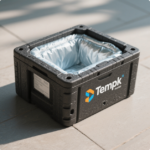
Maintaining the cold chain is critical when transporting vaccines. UN vaccine ice box OEM provides customized insulated containers that keep vaccines between +2 °C et +8 °C pendant le transport. Choosing the right manufacturer ensures your supply chain can handle remote vaccination campaigns, withstand extreme ambient temperatures and preserve vaccine potency up to the last mile. This guide explains the essential features, design considerations and market trends so toi can make informed decisions about vaccine ice box OEM partners.
This guide will cover
What is a vaccine ice box OEM? – Understand the role of manufacturers and how insulated boxes work.
Key features and materials – Learn about insulation types, freeze prevention barriers and accessories.
Cold life and performance standards – Compare short range vs long range boxes and hold time requirements.
How to select an OEM partner – Questions to ask about certification, customization and manufacturing methods.
Dernier 2026 tendances – Explore innovations like vacuum insulation panels, phase change materials and IoT monitoring.
FAQ et conseils pratiques – Address common questions about storage, handling and regulatory compliance.
What is a vaccine ice box OEM and why do you need one?
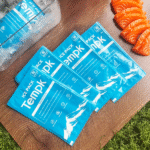
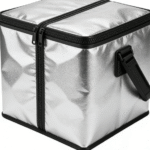
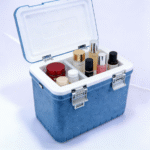
A vaccine ice box—also called a vaccine carrier or cold box—is an insulated container lined with coolant packs to keep vaccines and diluents cold during transportation. Vaccine carriers are smaller and easier to carry than cold boxes and are typically used by health workers traveling on foot or by bike. Cold boxes hold larger volumes (5–25 litres) and are used for bulk transfers between storage centres.
A vaccine ice box OEM (“Original Equipment Manufacturer”) designs and produces these insulated containers on behalf of brands or distributors. OEM partners allow you to customize capacity, matériels, branding and optional features without building your own factory. Choosing a competent OEM ensures your equipment meets WHO Performance, Qualité et sécurité (PQS) normes, which require hold times of 15–30 hours for vaccine carriers and 48–96 hours for cold boxes at +43 °C température ambiante.
How a vaccine ice box works
Refroidissement passif: Vaccine carriers use ice or coolant packs placed in the box to absorb heat. Because they are passive devices, there is no power consumption.
Insulated structure: Rigid polymer shells (Par exemple, polypropylene or high density polyethylene) surround a layer of polyurethane (Unité centrale) foam or vacuum insulation panels to minimize thermal conductivity.
Air tight sealing: Hinged lids with gaskets and compression latches produce an airtight seal to block convective heat transfer.
Barrier and racks: A partition or barrier separates vaccine vials from ice packs, preventing direct contact and avoiding accidental freezing.
Packs de liquide de refroidissement: Ice packs are conditioned to 2–8 °C for freeze sensitive vaccines. Freeze preventive carriers can use frozen packs without conditioning because the barrier stops the vaccine from touching the ice.
These design elements ensure that vaccines remain within the safe 2–8 °C range from loading through delivery.
Vaccine carriers vs cold boxes – which should you choose?
| Paramètre | Vaccine carrier | Cold box | Ce que cela signifie pour vous |
| Storage capacity | 0.8 - 3.4 L | 5 - 25 L | Carriers suit small outreach sessions; cold boxes handle bulk shipments. |
| Cold life at +43 °C | Courte portée: ≥ 15 h; Long range: ≥ 30 h | Courte portée: ≥ 48 h; Long range: ≥ 96 h | Longer cold life reduces the need for re icing during multi day trips. |
| Poids | Typiquement < 8 kg fully loaded (for ease of carrying) | May weigh up to 50 kg when fully loaded (requires vehicle transport) | Choose based on transport mode (on foot vs vehicle). |
| Typical users | Individual health workers, outreach clinics | Regional vaccine stores, mobile immunization teams | Select equipment based on route and volume. |
The right OEM should offer both types and help you choose based on route length, ambient temperature and payload.
Materials and design features that matter
Matériaux d'isolation
Polyuréthane (Unité centrale) mousse: Traditional carriers use PU foam for insulation because it is lightweight and has low thermal conductivity. Rotationally molded bodies with CFC and HFC free foam are corrosion resistant and designed to operate in hot ambient temperatures (+5 °C à +43 °C). PU foam is environmentally friendly when manufactured without ozone depleting chemicals.
Panneaux d'isolation sous vide (VIP): Premium OEM boxes incorporate vacuum panels that significantly reduce heat transfer. A high performance carrier with VIP and phase change material can hold vaccines within the 2–8 °C range for up to 72 heures. VIP based carriers are lighter yet achieve longer cold life but may cost more.
Polypropylène expansé (PPE) and high density polyethylene (HDPE): Impact resistant shells, such as EPP armor, protect the insulation and survive drops from one metre. Food grade PP or HDPE shells are non toxic, UV resistant and easy to clean.
Barrier systems and freeze prevention
Standard carriers require conditioning of ice packs to avoid freezing sensitive vaccines. Freeze preventive carriers inclure an insulated barrier that separates the vaccine compartment from the ice packs. This design allows frozen packs to be placed directly into the carrier without conditioning, simplifying preparation and saving time. Freeze preventive models have higher weight and volume but eliminate the risk of vaccine freezing.
Lid and closure system
Articulé, gasketed lids: An airtight seal reduces heat ingress.
Compression latches or keyed locks: Provide tamper evident closure and security.
Replaceable gaskets: Extend service life; look for two layer designs that can be replaced easily.
Document holders and LED lights: Some premium boxes include integrated LED lighting and document holders for visibility and record storage.
Carrying and handling
OEM vaccine carriers are designed to be carried for several hours by health workers wearing traditional clothing. Look for carriers with comfortable handles or shoulder straps. The best designs are balanced so they can be strapped to a bicycle or motorcycle. Cold boxes may include wheels for easy movement or require two people to carry them when fully loaded.
Accessories and monitoring
Data loggers and pockets: WHO PQS standards encourage pockets for data loggers to enable temperature mapping.
Color coded indicators: Visual indicators warn when the cold chain is broken.
Capteurs IoT: Premium OEMs integrate wireless sensors for real time monitoring.
Temperature displays: Some OEM boxes include digital thermometers so you can check internal temperature without opening the lid.
Battery powered EMS systems: Advanced solar powered fridges and boxes may include electronics, alarms and data display screens with replaceable batteries that last over 10 jours.
Considérations de durabilité
CFC free foam and green refrigerants: Look for boxes made with environmentally friendly materials such as R600a refrigerant and CFC /HFC free insulation.
Recyclable shells and minimal chemical additives: Food grade PP and HDPE are recyclable; avoid chlorinated plastics.
Durabilité: Rotomolded polyethylene bodies and robust hinges (>10 années) withstand harsh field conditions.
Cold life and performance standards
Understanding cold life, cool life and warm life
Le cold life of a vaccine carrier is the time the device keeps vaccines below +10 °C when loaded with frozen ice packs and placed in a +43 °C environment. Cool life measures how long vaccines remain below +20 °C when using cool water packs. Warm life measures how long frozen vaccines remain above 0 °C in a –20 °C environment.
UNICEF’s procurement guidelines distinguish between short range et longue portée appareils:
Porte-vaccins: Short range must provide a minimum cold life of 15 des heures de +43 ° C ambiant; long range must achieve at least 30 heures.
Cold boxes: Short range require a minimum cold life of 48 heures; long range must reach 96 heures.
Always confirm the rated cold life from your OEM’s test results. Par exemple, un 3 L vaccine carrier with PU insulation and six water/gel packs can maintain vaccines below +10 °C pendant plus de 24 heures à +43 ° C ambiant. Premium freeze free cold boxes can offer 72 heures de vie froide using thicker insulation and optimized design.
Tips to maximize cold life
Préconditionner les packs de liquide de refroidissement: Freeze them at –20 °C and allow them to equilibrate at 4 °C before loading to avoid freeze shock.
Load swiftly: Arrange PCM bricks or water packs around the vaccine compartment in a “cold air on top” configuration.
Minimize openings: Every time you open the lid, you reduce hold time. Plan sessions to minimize lid openings.
Évitez la lumière directe du soleil: Keep the carrier in shade or use reflective covers to reduce thermal ingress.
Utiliser des enregistreurs de données: Monitor internal temperature with calibrated devices to ensure vaccines remain within range.
How to select a vaccine ice box OEM partner
Certification et conformité
WHO PQS qualification: Ensure the OEM’s designs appear on the WHO prequalified list; these models undergo rigorous tests for cold life, durability and safety.
Regulatory certificates: Recherchez l'ISO 9001 gestion de la qualité, CE marking, MSDS and other relevant certificates.
Durabilité: Verify the use of CFC free PU foam, recyclable plastics and green refrigerants.
Freeze preventive models: Ask whether the OEM offers FPVCs or FPCBs for easier preparation.
Manufacturing processes and materials
Rotomolding vs injection molding: Rotational molding creates seamless, rust free bodies with uniform wall thickness; injection molding offers precision for smaller carriers. Ask about the method used and its impact on durability.
Insulation options: Determine whether the OEM offers standard PU foam, VIP composite panels or vacuum insulation, and compare cold life and weight.
Sécurité des matériaux: Verify that the outer shells are made from food grade PP or HDPE and that inner liners are non toxic and UV resistant.
Joints et fermetures: Inspect the design of gaskets and latches. Replaceable gaskets and robust hinges (>10 années) are indicators of quality.
Personnalisation et image de marque
One of the main reasons to work with an OEM is customization. Considérez ce qui suit:
Logo and color customization: Many OEMs offer silk screen printing or sticker options to display your logo.
Capacity and form factor: Choose from small carriers (0.8 L), medium carriers (1–3 L) and cold boxes up to 25 L. Some OEMs can create custom capacities to match your supply chain.
Accessory integration: Ask about adding temperature displays, digital loggers or PCM trays.
Packaging and documentation: OEMs should supply manual instructions and data sheets; some will include integrated document holders.
Fiabilité des fournisseurs
Capacité de production: Confirm the OEM’s annual output and the availability of long term supply.
Contrôle de qualité: Look for factories with stringent QC processes and test reports. Items should undergo cold life testing, drop tests and leak tests.
After sales support: Reliable OEMs provide replacement parts (Par exemple, joints) and offer warranties (two year replacement warranty is typical).
Questions à poser
Qu'est-ce que le rated cold life à +43 °C for your standard and freeze preventive models?
Lequel matériels do you use for the shell and insulation, and are they CFC free?
Peux-tu customize capacité, couleur, logos and add accessories like temperature displays?
Do your models have WHO PQS certification, and can you provide test reports?
What is your minimum order quantity (Quantité minimale de commande) and lead time?
Quoi warranty et after sales services do you offer?
Conseils pratiques et recommandations
For small outreach sessions: Choose a 1–2 L vaccine carrier with a minimum cold life of 15–30 hours. Ensure it fits easily on a bicycle or can be carried by a single health worker.
For multi day campaigns: Opt for long range carriers or cold boxes with cold life ≥ 48 heures. Freeze preventive models with barriers allow frozen packs to be placed directly, saving preparation time.
For remote transportation: Consider VIP/PCM carriers like TempArmour VCT 4, which maintain vaccines for up to 72 heures sans électricité. Bien que plus cher, they reduce risk of spoilage.
Surveiller la température: Always use a data logger or digital thermometer; some carriers have pockets designed for loggers.
Former le personnel: Ensure health workers understand the difference between standard and freeze preventive models and use the correct coolant packs.
Étude de cas: During a COVID 19 outreach in 2024, a regional health centre switched to freeze preventive carriers. Staff reported that they could load frozen ice packs directly into the carriers, which saved 30 minutes of conditioning time per session and reduced vaccine freezing incidents to zero.
Dernier 2026 Développements et tendances
Market growth and dynamics
The global market for vaccine carriers and cold boxes is expanding rapidly. **Market analysts project it will reach approximately $1.5 milliards en 2025 avec un taux de croissance annuel composé (TCAC) de 5% depuis 2019 à 2033. Growth is driven by widespread immunization programs, increasing prevalence of vaccine preventable diseases, and stricter regulations on cold chain integrity. Advancements in insulation technology and temperature monitoring also contribute to market expansion.
Entre 2025 et 2030, revenues are forecast to rise from $1.575 milliards en 2025 à plus $2 milliards 2030. Économies émergentes, particularly in Asia and Africa, will account for much of this growth as vaccination coverage expands and cold chain infrastructure improves.
Innovations technologiques
Vacuum insulation panels and phase change materials: High performance carriers now combine VIP and PCM technologies. Le TempArmour VCT 4 uses PCM panels and a vacuum insulated box to maintain vaccines for up to 72 heures sans électricité. VIP panels achieve thermal conductance below 0.3 W / m · k and reduce overall weight.
Integrated IoT sensors: OEMs integrate real time temperature monitoring and tracking. Data loggers with wireless connectivity alert logistics teams if temperatures deviate from the safe range.
Smart accessories: Color coded indicators and tamper evident closures help field workers quickly identify whether a cold chain breach has occurred.
Matériaux écologiques: Manufacturers adopt recyclable EPP shells, CFC free foam and natural refrigerants like R600a to meet sustainability goals.
Enhanced ergonomics: Modern carriers feature ergonomic handles, shoulder straps and balanced designs for comfortable carrying over long distances.
Modular systems: Some OEMs offer modular carriers with interchangeable panels for refrigerated (2–8 ° C) et gelé (< –15 °C) vaccins.
Tendances et défis du marché
Diversification by capacity: Products range from small single dose carriers to large multi compartment cold boxes. There is also increasing adoption of hybrid passive active solutions that combine passive insulation with battery powered cooling for longer missions.
Pressions réglementaires: Stricter compliance with WHO PQS, Bonne pratique de distribution (PIB) and national guidelines drives adoption of high quality carriers.
Accessibility barriers: High initial costs and the need for training can limit adoption in resource constrained regions. Collaborations between governments, NGOs and OEMs are critical to overcoming these obstacles.
Accent sur la durabilité: Customers increasingly demand eco friendly materials and reusable designs. Companies that reduce chemical emissions and offer recyclable packaging gain competitive advantage.
Questions fréquemment posées
Q1: What temperature should a vaccine ice box maintain?
A vaccine ice box should keep vaccines between +2 °C et +8 °C. When loaded with conditioned ice packs, vaccines must not rise above +10 °C pendant le transport. Freeze sensitive vaccines should never touch frozen packs directly, so freeze preventive carriers are recommended.
Q2: How long can a vaccine carrier hold vaccines safely?
Short range vaccine carriers must maintain cold life for au moins 15 des heures de +43 °C, while long range carriers need 30 heures ou plus. Some premium carriers with VIP and PCM panels, comme TempArmour VCT 4, can hold vaccines for jusqu'à 72 heures.
Q3: What is the difference between a standard and a freeze preventive vaccine carrier?
Standard carriers require conditioned ice packs (cooled to 2–8 °C) to avoid freezing vaccines, alors que freeze preventive carriers have an insulated barrier separating vaccines from ice packs. This allows the use of frozen packs without conditioning and reduces the risk of accidental freezing.
Q4: Which materials are commonly used in vaccine ice boxes?
Outer shells are typically made of food grade polypropylene or high density polyethylene, both non toxic and UV resistant. Insulation uses CFC free PU foam ou Panneaux d'isolation sous vide (VIP). Freeze preventive carriers may also incorporate matériau à changement de phase (PCM) pour réguler la température.
Q5: Can I customize the design when ordering from an OEM?
Oui. OEMs usually allow customization of capacité, couleur, logo placement, number of ice packs, temperature displays and insulation type. They may also add accessories like data loggers or handles. Ask about minimum order quantities and confirm that custom designs still meet OMS PQS normes.
Résumé et recommandations
The vaccine ice box is a pivotal link in the vaccine cold chain. By partnering with the right OEM, you secure reliable equipment that meets strict OMS PQS exigences, protects vaccine potency and simplifies last mile delivery. When evaluating OEMs, focus on insulation quality, barrier design, certified cold life, ergonomic handling and sustainability. Freeze preventive models and VIP/PCM technology are increasingly essential for maintaining safe temperatures during multi day transports.
Pour 2026 et au-delà, the market is set to grow steadily, driven by immunization campaigns and technological innovation. Pour rester compétitif, investir dans matériaux écologiques, IoT monitoring and phase change technologies. Always verify certifications, ask for test reports and request customization options to align equipment with your program’s needs. With careful selection, your vaccine ice box OEM will become a trusted partner in preserving vaccine efficacy and safeguarding public health.
À propos du tempk
Rotation is a leading provider of insulated packaging and cold chain solutions. Nous concevons et fabriquons high performance vaccine ice boxes qui combinent multilayer VIP insulation, food grade silicone gaskets and rugged EPP shells. Our carriers exceed OMS PQS benchmarks, offering hold times beyond 96 des heures de +43 ° C ambiant. With options for IoT temperature monitoring, customized branding and environmentally friendly materials, we help organizations maintain cold chain integrity from production to vaccination. Contact us to learn how our solutions can support your immunization programs.
Appel à l'action: Ready to enhance your vaccine logistics? Reach out to Tempk for expert guidance, custom OEM solutions and reliable cold chain equipment tailored to your needs.