Doublure compressée sous vide Brésil: Précisez-le avant d'acheter
Achat doublure comprimée sous vide Le Brésil ne devrait pas commencer par l'élément de campagne proposé le moins cher. Le meilleur point de départ est l’envoi que vous devez protéger, le carton que vous utilisez déjà, l'état du produit à l'emballage, et les preuves dont votre équipe a besoin après la livraison. Ce guide final amène l'acheteur, matériel, et les opérations ensemble afin que vous puissiez spécifier un revêtement compressé sous vide avec moins d'hypothèses et des conversations plus propres avec les fournisseurs..
Réponse pratique
Traitez le revêtement compressé sous vide Brésil comme un composant d'un emballage passif. Précisez-le par itinéraire, cargaison, carton, liquide de refroidissement, manutention, et besoins en documentation. Comparez ensuite les fournisseurs sur la cohérence de l'échantillon à la production, tolérance dimensionnelle, qualité de fermeture, vitesse d'emballage, et des preuves qui soutiennent leur performance déclarée.
Définissez le pack avant de demander un prix
Avant de comparer les fournisseurs de doublures compressées sous vide Brésil, rédiger un briefing d'une page. Il devrait nommer le produit, état de la cargaison au moment de l'emballage, condition de température requise, itinéraire prévu, taille du carton, type de liquide de refroidissement, nombre de points de manutention, besoins en matière d'étiquetage, et méthode d'inspection à la réception. Ce brief permet de garder la conversation pratique. Sans, les fournisseurs peuvent proposer différentes constructions sous le même nom de produit et l'acheteur peut comparer des prix qui ne décrivent pas la même solution.
Le dossier doit également faire la distinction entre un échantillon de doublure et un système d'expédition.. Un échantillon peut montrer la qualité du matériau, motif de pliage, résistance des coutures, et facilité d'emballage. Il ne peut pas prouver les performances pour chaque voie. Si votre produit est de grande valeur, sensible, réglementé, ou exposé à de longs trajets, demandez quelles preuves thermiques sont disponibles et si des tests supplémentaires sont nécessaires selon votre profil ambiant réel, charge utile, configuration du liquide de refroidissement, et critères d'acceptation.
Un tableau de bord de l'acheteur pour comparer les offres
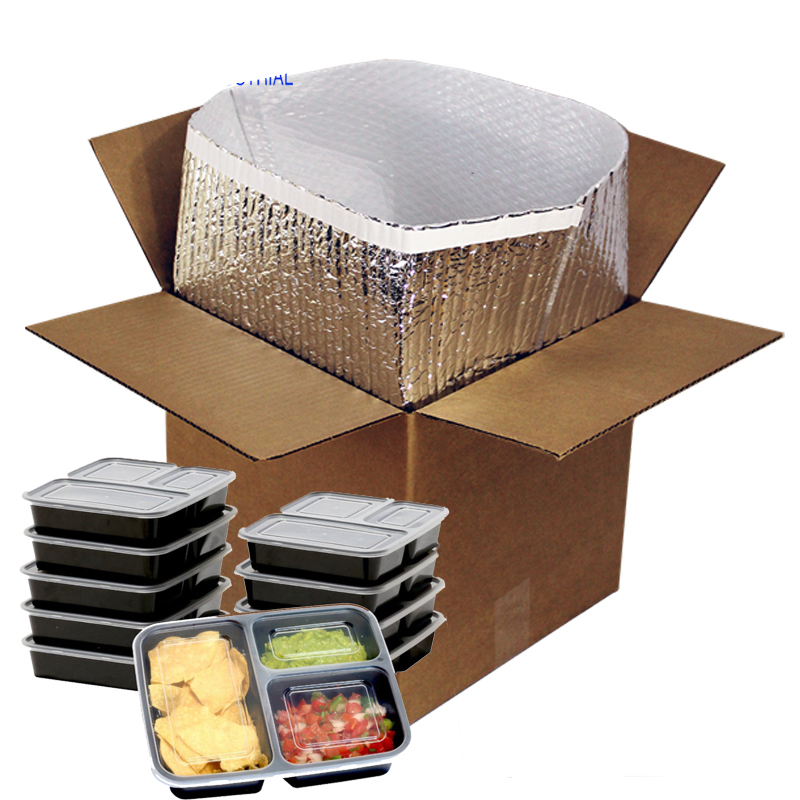
La même phrase, doublure compressée sous vide Brésil, peut décrire plusieurs constructions. Un fournisseur peut proposer un encart mince de type courrier, un autre peut citer un pliable plus épais doublure de carton, et un troisième peut inclure une disposition de panneau personnalisée. Si la demande de prix indique uniquement le mot-clé et la taille du carton, les devis peuvent sembler comparables alors que les produits réels ne le sont pas. Les acheteurs doivent demander aux fournisseurs de définir la pile de couches, dimensions finies, tolérance d'épaisseur si pertinent, méthode de fermeture, orientation de l'emballage, surface intérieure, surface extérieure, et quantité d'emballage par carton d'exportation.
Le coût dépend également de la manière dont le paquebot est expédié. Les doublures volumineuses consomment de l'espace de stockage et de conteneur. Les doublures emballées à plat peuvent réduire les coûts de transport mais nécessitent plus de manutention en entrepôt. Les formats compressés sous vide ou bien emballés peuvent réduire le volume entrant, mais l'acheteur doit vérifier si le revêtement s'ouvre proprement, retrouve sa forme prévue, et reste facile à utiliser pour les emballeurs. Un prix d'usine bas peut perdre son avantage si les marchandises livrées augmentent le temps de travail ou rejettent des tarifs lors de l'emballage..
Les MOQ et les réductions de prix doivent être discutés comme des outils de planification plutôt que comme des tactiques de pression.. Une quantité plus élevée peut réduire le coût unitaire, mais cela peut également augmenter le risque d'inventaire si l'acheteur n'a pas finalisé les dimensions du carton., œuvres d'art, étiquetage local, ou la méthode packout. Pour un nouveau programme, il est généralement plus sûr d'approuver un échantillon de travail, tester le flux d'emballage, puis évoluer en fonction des dessins convenus et des attentes en matière de contrôle des modifications.
Un bon package de devis répond à des questions pratiques. Combien de doublures sont emballées par carton? Les cartons d'exportation sont-ils dimensionnés pour l'efficacité des palettes? Les unités de production correspondront-elles au matériau de l'échantillon et au style de couture? Comment les dimensions personnalisées seront-elles contrôlées ?? Que se passe-t-il si l'emballage extérieur change après l'approbation? Ces questions ne ralentissent pas le sourcing; ils empêchent qu'un devis bon marché ne devienne un problème de production coûteux.
Les programmes brésiliens devraient séparer les règles d'importation des performances d'emballage
Pour les programmes destinés au Brésil, la décision sur le paquebot se trouve à côté des documents d'importation, règles d'emballage de destination, et conditions de manutention locales. Si l'envoi utilise des palettes en bois ou du fardage, exigences en matière d'emballage en bois telles que la NIMP 15 peut devenir pertinent même si le revêtement lui-même n'est pas en bois. Si le revêtement est utilisé à proximité de produits alimentaires, les acheteurs doivent également préciser s'il s'agit d'un emballage secondaire ou s'il a des implications directes en matière de contact alimentaire.. Ces contrôles doivent être effectués avant les œuvres d'art, étiquettes, et les commandes groupées sont verrouillées.
Le Brésil peut également créer une pression sur le stockage et la distribution après l'importation. Exposition à la chaleur, les douanes habitent, points de transfert régionaux, et la capacité de l'entrepôt peuvent tous influencer l'emballage. Une doublure compressée sous vide peut réduire le volume entrant, mais il faut encore qu'il soit récupéré correctement et adapté au carton sur le site d'emballage. L'acheteur doit valider l'intégralité du flux de travail: emballage d'importation, stockage local, ligne d'emballage, transfert du transporteur, et processus de réception finale.
Tableau de décision
| Point de comparaison | Offre faible | Offre plus forte |
|---|---|---|
| Définition d'ajustement | Répertorie uniquement la taille extérieure du carton. | Fournit un dessin de doublure, dimensions finies, et confirmation d'échantillon. |
| Langage de performance | Utilise des allégations générales sans conditions. | Explique le contexte du test ou demande une validation spécifique à l'itinéraire. |
| Approvisionnement en vrac | Offres de prix bas mais hypothèses vagues en matière d'emballage et de délai de livraison. | Définit la quantité d'emballage, cube en carton, changer de contrôle, et processus de réapprovisionnement. |
| Allégation de durabilité | Dit recyclable sans contexte local. | Identifie les matériaux et demande à l'acheteur de vérifier le chemin d'élimination local. |
| Prise en charge des applications | Traite de la même manière toutes les marchandises de la chaîne du froid. | Sépare l'épicerie, viande, kit repas, exporter, et les exigences en matière de soins de santé. |
Utilisez cette carte de pointage avant d'approuver un fournisseur. Il n'est pas nécessaire que chaque programme exécute des tests de laboratoire formels., mais cela oblige le fournisseur et l'acheteur à définir le même produit, le même processus, et les mêmes revendications.
Vérification avant de passer de l'échantillon à la production
La déclaration d’un fournisseur concernant les performances thermiques doit toujours être lue avec les conditions qui y sont attachées.. Les questions pertinentes sont simples: quel carton a été utilisé, quelle charge utile il y avait à l'intérieur, quel liquide de refroidissement ou réfrigérant était inclus, comment le paquebot a été fermé, quel profil ambiant a été appliqué, et quels critères d'acceptation ont été utilisés. Si ces conditions ne correspondent pas à votre envoi, le numéro peut encore être utile comme référence, mais cela ne doit pas être considéré comme une preuve de votre itinéraire.
Normes thermiques ISTA, y compris la norme 7E, peut être utilisé comme référence pour évaluer la température emballage de transport dans les systèmes de livraison de colis. Cela ne supprime pas la nécessité d’un examen spécifique à chaque voie lorsque le produit est sensible., le parcours est inhabituel, ou l'acheteur doit documenter les décisions pour une équipe qualité. Les tests doivent soutenir le jugement; cela ne devrait pas devenir un slogan dans le cahier des charges.
Les expéditions de produits alimentaires créent un ensemble distinct de questions de manutention. Les États-Unis. Cadre de transport sanitaire de la FDA, Par exemple, met l’accent sur la prévention des pratiques qui créent un risque pour la sécurité alimentaire, y compris l'incapacité à réfrigérer correctement les aliments ou un nettoyage inadéquat entre les charges. Une doublure peut soutenir la protection de l’emballage, mais il ne remplace pas les véhicules à température dirigée, procédures d'hygiène, ou un examen de la sécurité alimentaire spécifique au produit lorsque cela est requis.
Les expéditions de soins de santé sensibles à la température peuvent nécessiter une discipline supplémentaire en matière de documentation d'emballage., étiquetage, et les règles du transporteur. Les matériaux de contrôle de température de l'IATA pour les cargaisons médicales soulignent la nécessité de revoir les exigences d'emballage et la documentation avant expédition. Un général doublure isolée ne doit pas être décrit comme conforme au transport pharmaceutique à moins que le système complet, exigence du produit, itinéraire du transporteur, et l'examen de la qualité soutient cette affirmation.
Approbation des échantillons et contrôle des modifications
L'approbation de l'échantillon doit enregistrer la construction exacte qui a réussi l'examen. Conserver l'échantillon approuvé, dessin, description du matériau, photo emballée, et hypothèses de production ensemble. Si le fournisseur change de film, structure des bulles, méthode de compression, style de couture, disposition des panneaux, ou quantité d'emballage, l'acheteur devrait disposer d'un processus d'examen. Ce n'est pas de la bureaucratie; il protège l'emballage des changements invisibles qui peuvent apparaître plus tard sous forme de retards d'emballage ou d'écarts thermiques.
Outils de décision utiles
Vérifiez les détails avant de choisir l'emballage
Ces outils rapides peuvent vous aider à comparer le risque d'itinéraire, besoins de dimensionnement, choix de liquide de refroidissement, et les détails de l'emballage avant de demander un devis.
Calculateur de glace carbonique
Estimer les besoins en glace carbonique pour les envois congelés ou ultra-froids avant l'emballage.
Estimation de la neige carboniqueLiquide de refroidissement & Référence PCM
Comparez les options de liquide de refroidissement et de PCM lorsqu'un itinéraire nécessite une prise en charge supplémentaire de la température.
Comparez les optionsGénérateur de liste de contrôle de conformité
Créer une liste de contrôle pratique pour l'examen des emballages, expédition, et documentation.
Construire une liste de contrôlePour les commandes répétées, intégrer un langage de contrôle des modifications dans les conditions d'achat. Demandez au fournisseur de vous avertir avant de changer de matériel, méthode de production, couleur, imprimer, fermeture, modèle de pliage, carton d'emballage, ou configuration d'emballage d'exportation. Lorsqu'une doublure a été testée ou formée à un flux de travail d'entrepôt, la cohérence fait partie du produit. Une doublure légèrement différente peut toujours être acceptable, mais il doit être examiné avant d'apparaître sur la chaîne de conditionnement.
Équilibrer la protection avec les exigences de fin de vie
Emballages sous chaîne du froid subit une pression croissante pour réduire les déchets, améliorer la transparence des matériaux, et éviter les vagues allégations environnementales. Pour les doublures, le point difficile est que les performances thermiques reposent souvent sur des matériaux en couches. Une doublure peut être légère et pratique, mais nécessitent toujours une communication minutieuse en fin de vie. Les acheteurs devraient éviter de dire qu'une doublure est recyclable à moins que les matériaux, méthode de séparation, et le parcours de collecte local conforte cette affirmation.
Les règles de l’UE en matière d’emballage évoluent vers des attentes plus strictes en matière de recyclabilité, et les objectifs de l’Australie en matière d’emballage encouragent également le réutilisable, recyclable, ou emballage compostable. Ces orientations politiques ne rendent pas automatiquement un revêtement spécifique acceptable sur tous les marchés.. Ils font, cependant, modifier les questions de l'acheteur. Demandez si la doublure peut être séparée, si les matériaux sont identifiables, si les instructions sont claires, et si un conteneur réutilisable ou un programme de retour serait préférable pour les itinéraires répétés.
Le débat environnemental ne doit pas compromettre la protection des produits. Une cargaison de viande endommagée, kit repas gâté, ou une commande d'épicerie rejetée crée également des déchets. L’objectif pratique est de ne pas utiliser plus de complexité d’emballage que ne l’exige l’itinéraire., tout en préservant la qualité des produits. Cela peut signifier une simple doublure pliable pour les itinéraires courts, un insert isolé plus solide pour les itinéraires plus longs, ou un système de conteneurs réutilisables où une logistique inverse est disponible.
Drapeaux rouges dans les conversations avec les fournisseurs
- Le fournisseur évite d'expliquer la structure des couches ou affirme que toutes les constructions fonctionnent de la même manière..
- Le devis ne définit pas si les dimensions sont internes, externe, fini, ou taille plate.
- Les allégations de performances sont faites sans contexte de test ou avec des conditions sans rapport avec votre pack..
- L'échantillon semble acceptable mais le fournisseur ne confirmera pas la cohérence entre l'échantillon et la production..
- Durabilité, contact alimentaire, ou les allégations de conformité sont proposées sous forme de langage marketing au lieu d'informations matérielles vérifiables.
Ces points peuvent paraître simples, mais ils font souvent la différence entre un programme de doublure stable et un programme qui crée des conflits après la première commande de production.. La réponse la plus sûre est de documenter l'hypothèse, tester le flux de travail, et garder la spécification approuvée visible pour toutes les personnes impliquées.
Exemple pratique
Un acheteur transfrontalier typique peut approuver un échantillon de doublure compressée sous vide au bureau du fournisseur., découvrez ensuite que les doublures emballées occupent plus d'espace d'entrepôt que prévu après l'importation. Le problème n'est pas seulement le matériel. L'acheteur a oublié de comparer la quantité de cartons d'exportation, hauteur de palette, les douanes vivent le risque, espace de stockage local, et travail d'emballage. Un meilleur appel d'offres demande des échantillons de pièces et une configuration d'emballage ensemble, le modèle du coût au débarquement est donc plus proche de l'opération réelle.
La leçon est de tester le processus de travail, non seulement le matériel. Un paquebot est manipulé par des personnes, emballé dans un carton, combiné avec du liquide de refroidissement, déplacé par des transporteurs, et ouvert par les récepteurs. Chaque étape peut soutenir ou affaiblir le résultat thermique. Quand l'exemple est vu de cette façon, les questions de l’acheteur deviennent plus précises et les réponses du fournisseur plus faciles à comparer.
Note de passation des marchés régionaux
Pour le Brésil, inclure l'emballage d'importation, matériaux de palette, et examen des emballages alimentaires locaux dans le processus de planification. Si des palettes de bois ou du fardage sont utilisés, NIMP 15 les exigences peuvent être pertinentes pour l’expédition même lorsque le revêtement n’est pas en bois. Si le contact alimentaire est possible, gérer cet examen séparément de la discussion sur la chaîne du froid.
Porte de spécification finale
Les spécifications finales du revêtement compressé sous vide Brésil devraient être suffisamment claires pour qu'un autre acheteur puisse commander à nouveau le même article sans compter sur sa mémoire.. Il doit identifier le produit, taille finie, structure matérielle, conception de fermeture, configuration d'emballage, date de l'échantillon approuvé, et toutes les exigences personnalisées. Si des preuves thermiques sont référencées, le cahier des charges doit également indiquer les conditions dans lesquelles ces preuves ont été générées.
Une spécification claire ne supprime pas le besoin de jugement, mais cela réduit la confusion évitable. Cela donne également à Tempk et à l'acheteur une base plus propre pour de futures améliorations., comme ajuster la taille du carton, changement de matériau pour les besoins d'élimination locaux, ou passer d'une commande pilote à une série de production plus importante.
FAQ
Comment comparer les fournisseurs de doublures compressées sous vide Brésil?
Comparez les dimensions finies, description du matériau, qualité de l'échantillon, preuve thermique, méthode d'emballage, emballage d'exportation, processus de contrôle des changements, et la qualité des communications. Ne comparez pas les prix uniquement, à moins que les fournisseurs proposent la même construction..
Ce qui doit être corrigé avant la production?
Fixer la taille du carton, dessin de doublure, structure matérielle, méthode de fermeture, instructions d'emballage, emballage d'exportation, et toute exigence en matière d'illustration ou d'étiquetage. Si ceux-ci changent encore, traiter la commande comme un projet pilote plutôt que comme un programme de production stable.
Quand une doublure personnalisée en vaut-elle la peine?
Le travail sur mesure mérite d’être envisagé lorsque les doublures standards laissent des espaces, emballage lent, espace pour les cartons à déchets, interférer avec le liquide de refroidissement, ou ne correspondent pas aux besoins en matière de marque ou d'élimination. Il doit résoudre un problème fonctionnel avant d’ajouter une valeur cosmétique.
Quelles allégations doivent être évitées?
Évitez la température garantie, conformité universelle, recyclabilité tous marchés, ou des réclamations à durée de détention fixe, sauf si elles sont étayées par le système exact et les preuves. Soyez prudent, langage spécifique à l'application et demander aux fournisseurs de la documentation si nécessaire.
Conclusion
Une doublure compressée sous vide résistante aux spécifications du Brésil relie le produit, itinéraire, carton, liquide de refroidissement, structure du revêtement, preuve du fournisseur, et processus d'entrepôt. Cette approche vous aide à éviter de sous-protéger votre cargaison, surachat de matériel, ou approuver des réclamations qui ne peuvent pas être soutenues. Commencez par le briefing, tester l'échantillon dans le flux de travail réel, et mettre à l'échelle seulement une fois que les détails sont stables.
À propos du Tempk
Tempk aide les équipes d'approvisionnement et d'exploitation à évaluer les emballages de la chaîne du froid avec une vue pratique de l'itinéraire, cargaison, et méthode d'emballage. Une doublure compressée sous vide peut être une partie de la réponse, mais il doit être sélectionné avec le carton, liquide de refroidissement, processus d'entrepôt, et recevoir les attentes à l'esprit. Nous pouvons prendre en charge des exemples de discussions et des examens d'emballages personnalisés lorsque les options standard ne correspondent pas au programme..
Discutez de vos exigences en matière d'expédition de cartons à température contrôlée avec Tempk avant de finaliser les dimensions personnalisées, matériels, ou conditions d'achat en gros.