boîte à panneaux sous vide pour l'emballage des sciences de la vie: Comment choisir une configuration d'expédition défendable
Une équipe de réception rejette rarement un envoi parce que le carton semble ordinaire; il le rejette car le dossier de traitement, preuve de température, ou l'état du produit ne prend plus en charge la version. UN boîte à panneau sous vide pour les sciences de la vie, l'emballage peut être une option intéressante pour les emballages des sciences de la vie lorsque le plan d'emballage commence par les exigences du produit et se termine par un processus de réception reproductible. Les matériaux destinés aux sciences de la vie peuvent nécessiter des conditions différentes, même s'ils semblent similaires sur une liste de colisage.; confirmer le protocole, notice de produit, ou exigence d'étude avant de sélectionner l'emballage. Cette version éditée se concentre sur le chemin de décision pratique: exigence, itinéraire, charge utile, emballage, surveillance, et preuves du fournisseur. L’objectif n’est pas de supposer que l’isolation VIP résout tous les problèmes, mais pour vous aider à poser de meilleures questions avant que le premier envoi ne quitte le quai.
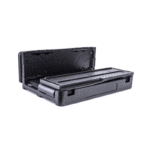
Réponse décisionnelle: choisissez la boîte à panneaux sous vide pour l'emballage des sciences de la vie uniquement lorsqu'elle répond aux exigences du produit, risque d'itinéraire, géométrie de la charge utile, plan de refroidissement, objectif de surveillance, et procédure de réception. Un design VIP n'est pas une garantie autonome; c'est un élément d'un processus d'expédition contrôlée.
Commencez par le risque que vous essayez de contrôler
Le risque derrière les emballages pour les sciences de la vie est rarement unidimensionnel. le principal risque est de supposer qu’une boîte isolée peut couvrir tous les matériaux, plage de température, besoin de documentation, et exposition des voies. Une boîte à panneaux sous vide pour les emballages des sciences de la vie n'est utile que lorsque ce risque a été traduit en exigence.: état du produit, exposition par voie, Taille de la charge utile, besoin de surveillance, et recevoir une action. Sans ces entrées, l'acheteur sélectionne un conteneur en fonction de son apparence et de son espoir.
Écrivez le risque dans un langage simple. Par exemple: 'protégez la charge utile du réchauffement lors d'un itinéraire de nuit avec deux transferts,» ou « éviter la congélation directe tout en conservant un état réfrigéré lors de la livraison du colis ». Cette formulation facilite le choix du liquide de refroidissement, placement du capteur, et contrôles d'emballage. Cela donne également aux fournisseurs une meilleure base de recommandation.
La décision devrait également définir ce qui constitue une preuve acceptable.. Un contrôle visuel peut suffire pour certaines marchandises à faible risque. Un record de température, dossier d'emballage, et un examen de la qualité peut être nécessaire pour les, de grande valeur, ou des expéditions liées aux patients.
Évaluez le conteneur sans vous fier aux allégations de la brochure
| Point de décision | Bonnes preuves à demander | Comment utiliser la réponse |
|---|---|---|
| Exigence de température | Instructions du produit, protocole, ou gamme d'expédition de qualité approuvée. | Utilisez-le pour choisir le liquide de refroidissement et les critères d'acceptation. |
| Exposition de l'itinéraire | Plan des voies, risque saisonnier, points de transfert, et temps de séjour prévu. | Utilisez-le pour juger si le profil de test est pertinent. |
| Ajustement de la charge utile | Disposition interne utilisable avec liquide de refroidissement et surveillance inclus. | Évitez le remplissage excessif ou l’espace d’air excessif. |
| Preuve d'emballage | Configuration écrite, emplacement du capteur, et tester les hypothèses. | Transformez un échantillon en une opération reproductible. |
| Contrôle des changements de fournisseurs | Comment les modifications de composants ou de conception sont communiquées. | Protéger les expéditions de routine contre les dérives silencieuses des spécifications. |
Le but de ce tableau est de transformer une conversation sur le produit en une conversation sur les preuves.. Une boîte à panneaux sous vide pour les emballages des sciences de la vie peut sembler impressionnante, mais l'acheteur doit quand même savoir ce qui a été testé, ce qui était supposé, et ce qui reste à confirmer. Si la réponse du fournisseur est vague, traiter la réclamation comme non vérifiée jusqu'à ce que la voie soit examinée.
Pour les emballages destinés aux sciences de la vie, la preuve la plus utile relie la charge utile, liquide de refroidissement, profil ambiant, et critères d'acceptation. Les preuves provenant d'une charge utile ou d'un itinéraire différent peuvent toujours être informatives, mais il ne doit pas être copié dans votre fichier qualité sans examen.
Packout est le système d'exploitation
Un conteneur passif n'a pas de compresseur ni de boucle de contrôle active. Le packout fait office de système d'exploitation. Il détermine où se trouve le liquide de refroidissement, comment la charge utile est séparée, comment le couvercle est fermé, où est placé l'enregistreur, et la rapidité avec laquelle l'envoi passe de l'emballage au ramassage. De petits changements peuvent avoir de l'importance. Un séparateur manquant, une charge utile de démarrage plus chaude, ou une période de préparation prolongée peut changer l'histoire de la température.
Un bon emballage pour les emballages des sciences de la vie doit être suffisamment clair pour qu'un nouveau travailleur puisse le suivre. Photos, marques d'orientation, le liquide de refroidissement compte, instructions de conditionnement, et les étapes de réception peuvent réduire la variation. L'acheteur doit demander si le fournisseur peut aider à traduire la conception en instructions d'emballage de routine plutôt que de laisser les opérateurs improviser..
Lorsqu'un enregistreur de données ou un capteur IoT est utilisé, son rôle devrait être inscrit dans le plan. L'enregistreur documente les conditions; il ne protège pas la charge utile. Les alertes en temps réel peuvent soutenir l'intervention, mais seulement si quelqu'un est responsable de recevoir l'alerte et d'agir.
Quand VIP est un bon choix et quand ce n'est pas le cas
Une solution VIP est un bon candidat lorsque l'espace de charge utile est précieux, l'exposition par voie routière est significative, et l'acheteur a besoin d'une conception isolée compacte avec une manipulation disciplinée. Il peut également s'adapter aux voies de grande valeur où un encombrement plus réduit ou une résistance thermique plus forte soutiennent les objectifs opérationnels.. Pour les matériaux de recherche, réactifs, biologique, spécimens, et autres produits des sciences de la vie avec des exigences de manipulation définies, l'ajustement s'améliore lorsque la plage de température, emballage, et les critères d'accueil sont bien définis.
Ce n'est peut-être pas le bon premier choix lorsque l'envoi est de faible valeur., le parcours est très court et contrôlé, la boucle de retour ne peut pas protéger les panneaux, ou l'équipe ne peut pas répéter le packout. Il peut également ne pas convenir si la charge utile a des besoins de température incompatibles ou si de la neige carbonique, PCM, ou les packs de gel sont choisis sans test. L'isolation VIP est puissante, mais cela ne remplace pas le contrôle des processus.
Cette vision équilibrée aide les achats à éviter à la fois le sous-achat et le surachat.. L’objectif n’est pas le conteneur le plus avancé sur papier. L'objectif est d'avoir le système le plus défendable pour le risque de l'expédition.
Les détails de réception et de contrôle des modifications que les acheteurs manquent souvent
La réception fait partie de la chaîne du froid, pas une réflexion administrative après coup. L'équipe de destination doit savoir quand ouvrir la boîte, comment lire l'enregistreur, quelle condition vérifier, comment documenter les exceptions, et qui décide si l'envoi peut être accepté. Un conteneur bien conçu ne peut pas compenser un processus de réception qui laisse la charge utile attendre dans une zone non contrôlée..
Pour les emballages destinés aux sciences de la vie, le contrôle des changements doit également être explicite. Si la charge utile change, si l'itinéraire change, si un transporteur est remplacé, si la source du liquide de refroidissement change, ou si le design de la boîte est modifié, les hypothèses initiales peuvent ne plus s'appliquer. Les acheteurs doivent demander aux fournisseurs comment ils communiquent les modifications apportées aux produits ou aux composants et quel examen est recommandé avant de continuer à les utiliser..
Ceci est particulièrement important pour les expéditions répétées. La première expédition peut être surveillée de près; la centième expédition dépend de la discipline de routine. Documentation, inspection, et les boucles de rétroaction empêchent le système de dériver.
Un chemin d'approbation court pour les acheteurs B2B
Ne traitez pas le catalogue d’un fournisseur comme un dossier qualité. Les catalogues aident à présélectionner les options, mais l'utilisation courante doit être soutenue par les propres exigences de l'acheteur, preuve du fournisseur, approbation interne, et jugement spécifique à l'itinéraire. Ceci est particulièrement important lorsque les décisions de libération dépendent de dossiers traçables..
La formation est souvent négligée. Le meilleur document de présentation est celui que le personnel peut suivre sans interprétation.. Si la séquence de chargement, orientation du liquide de refroidissement, Placement de l'enregistrement, ou la méthode de fermeture peut être mal comprise, ajouter des photos ou des étiquettes. Pour les emballages destinés aux sciences de la vie, la clarté protège souvent les performances autant que le choix des matériaux.
Outils de décision utiles
Vérifiez les détails avant de choisir l'emballage
Ces outils rapides peuvent vous aider à comparer le risque d'itinéraire, besoins de dimensionnement, choix de liquide de refroidissement, et les détails de l'emballage avant de demander un devis.
Doublure de boîte & Dimensionnement des couvertures de palettes
Vérifiez la logique de dimensionnement du revêtement de boîte et du couvercle de palette pour les projets d'emballage isotherme.
Dimensionnement estiméCalculateur de banquise
Estimation de la quantité de pain de glace pour les expéditions réfrigérées et planification pratique des itinéraires.
Estimer les packs de glaceVérificateur de risque d'itinéraire
Examinez les conditions des pistes avant de sélectionner l'emballage en fonction des exigences opérationnelles réelles..
Vérifier le risque d'itinéraireLe coût doit être évalué en tant que coût ajusté au risque. Un conteneur moins coûteux peut être approprié pour des, expéditions à faible risque. Une conception VIP plus coûteuse peut être raisonnable lorsque la valeur de la charge utile, risque de rejet, espace de fret, ou les demandes de documentation le justifient. Il s'agit de comparer le risque opérationnel total, pas seulement le prix d'achat.
Examen avant expédition et contrôle des modifications
Un examen avant expédition devrait également décider quelles informations doivent voyager avec le chargement.. Pour les emballages destinés aux sciences de la vie, qui peut inclure un dossier d'emballage, identifiant de l'enregistreur, lot de produits, condition requise, note de remise, ou réception d'une liste de contrôle. L’objectif est d’éliminer l’incertitude lors de l’arrivée de l’envoi, car un bon conteneur est moins utile si l'équipe de destination ne sait pas l'interpréter.
Les acheteurs devraient revoir l'itinéraire après les premières expéditions plutôt que de supposer que la première approbation met fin aux travaux.. Si la boîte à panneaux sous vide destinée aux emballages des sciences de la vie revient à plusieurs reprises avec de la condensation, déballage difficile, coins endommagés, modèles d'enregistreur inattendus, ou questions du destinataire, ces résultats doivent être utilisés pour affiner l'emballage ou la conversation avec le fournisseur. Le contrôle pratique de la chaîne du froid s’améliore grâce au feedback, pas seulement via le bon de commande initial.
La cohérence des composants est une autre préoccupation pratique. Un changement de doublure, source du panneau, fermeture, pack de liquide de refroidissement, diviseur, ou l'emballage extérieur peut modifier l'utilisation quotidienne. L'acheteur n'a pas besoin de rejeter chaque modification, mais il faut savoir quand un changement nécessite un examen. Ceci est particulièrement important pour les parcours B2B reproductibles où les équipes qualité attendent une traçabilité et des décisions contrôlées..
L'équipe d'emballage doit également définir des règles d'inspection des dommages. Pour les emballages destinés aux sciences de la vie, une boîte peut être refusée à la réutilisation en raison de coins fissurés, zones de panneaux écrasés, charnières endommagées, fermetures lâches, odeur, résidu, ou des signes indiquant que l'enveloppe du panneau a été compromise. Ces règles protègent l'expédition et empêchent les opérateurs de deviner sous la pression.
Enfin, l'équipe d'achat doit garder le langage précis dans les documents des fournisseurs. Des termes tels que réfrigéré, validé, qualifié, réutilisable, et conforme peut signifier différentes choses à moins que les preuves et les limites ne soient indiquées. Un acheteur attentif demande ce qui a été testé, dans quelles conditions, avec quelle charge utile, et ce qui nécessite encore une approbation interne.
Une liste de contrôle de réception doit être rédigée avant le premier envoi, pas après un différend. Pour les emballages destinés aux sciences de la vie, la liste de contrôle peut indiquer qui ouvre le conteneur, qui récupère l'enregistreur, quelle condition visuelle est enregistrée, comment les exceptions sont transmises, et où l'envoi attend pendant que la décision est prise. Cela protège la valeur de l’investissement dans l’emballage.
FAQ
Une boîte à panneaux sous vide pour les emballages des sciences de la vie est-elle automatiquement qualifiée pour mon envoi?
Non. Une boîte à panneaux sous vide pour les emballages des sciences de la vie peut être un élément important, mais l'adéquation dépend de l'état requis du produit, itinéraire, charge utile, configuration du liquide de refroidissement, plan de surveillance, et processus de réception. Demandez des preuves qui correspondent à votre voie ou planifiez un examen interne avant une utilisation de routine.
L'isolation VIP remplace-t-elle les packs de gel, Packs PCM, ou glace sèche?
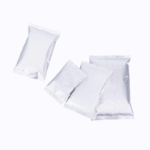
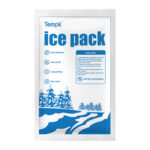
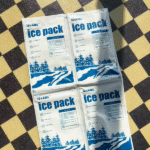
Non. L'isolation VIP ralentit le transfert de chaleur à travers la paroi du conteneur. Il ne crée pas à lui seul la condition de température requise. La sélection du liquide de refroidissement ou du réfrigérant dépend toujours des exigences du produit, masse de charge utile, exposition par voie, et si le produit doit éviter tout contact direct ou le gel.
Que dois-je demander à un fournisseur avant de commander des échantillons?
Partager l'état du produit, Taille de la charge utile, durée de l'itinéraire, risque ambiant, modèle de transfert, et besoin de documentation. Demandez ensuite quelles preuves de test, instructions d'emballage, conseils de placement du capteur, et des limitations s'appliquent. Cette conversation est plus utile que de demander uniquement une taille de boîte et un prix.
Puis-je utiliser le même emballage pour différents produits?
Parfois, mais il ne faut pas supposer. Différents produits peuvent avoir des températures de départ différentes, masses de charge utile, formes, plages acceptables, et sensibilité au gel ou au réchauffement. Un pack qui fonctionne pour un produit peut nécessiter un examen avant d'être utilisé pour un autre..
Où doit être placé l'enregistreur de température?
L'emplacement de l'enregistreur doit correspondre à l'objectif de surveillance. Un enregistreur à proximité de la charge utile peut mieux représenter l'exposition du produit, tandis qu'un enregistreur près d'un couvercle ou d'un mur peut montrer des effets de manipulation externes. L'équipe qualité ou opérationnelle doit définir le placement avant que l'expédition ne soit examinée..
Des détails opérationnels qui protègent la répétabilité
La répétabilité est la différence entre un échantillon prometteur et une voie de travail. Une boîte à panneaux sous vide pour l'emballage des sciences de la vie doit être évaluée avec les personnes qui emballeront réellement., se déplacer, recevoir, et examinez l'envoi. S'ils ne peuvent pas répéter le conditionnement du liquide de refroidissement, orientation de la charge utile, Placement de l'enregistrement, et étape de clôture, la conception doit être simplifiée avant d'être mise à l'échelle.
Pour les emballages destinés aux sciences de la vie, une instruction claire peut empêcher les écarts évitables. Il devrait montrer la séquence d'emballage, identifier les composants par leur nom, expliquer quoi faire si un composant est manquant ou endommagé, et indiquer quand l'envoi ne doit pas être libéré. L'instruction doit également indiquer clairement si le récipient est à usage unique., réutilisable, consigné, ou soumis à une inspection avant réutilisation.
Cette couche opérationnelle n’est pas de la paperasse en soi. Il protège l'acheteur des variations silencieuses. Lorsque chaque envoi est emballé et examiné de la même manière, les données de température deviennent plus faciles à interpréter et les conversations avec les fournisseurs deviennent plus précises.
Conclusion
La décision d'achat la plus sûre n'est pas la boîte la plus chère ou la durée annoncée la plus longue. Pour les emballages destinés aux sciences de la vie, la bonne décision est le système d'emballage qui correspond au produit, voie, charge utile, besoin de documentation, et l'équipe d'exploitation. Utiliser la spécification du conteneur comme entrée, puis vérifiez le packout et le processus avant la mise à l'échelle.
À propos du Tempk
Tempk fonctionne avec emballage chaîne du froid pour la nourriture, pharmaceutique, médical, et applications logistiques, y compris packs de glace en gel, Liés au PCM packs de refroidissement, Boîtes isolées EPP, boîtes d'expédition à froid, doublures isolées, et solutions de protection des palettes. Pour les emballages destinés aux sciences de la vie, le point de départ utile est de partager votre type de charge utile, condition requise, itinéraire, temps de traitement prévu, et les besoins en matière de documentation afin que la recommandation d'emballage puisse correspondre à l'envoi réel.
Avant de passer de l'échantillonnage à l'expédition de routine, demandez à Tempk une discussion pratique sur le pack en fonction de votre charge utile, voie, et processus de réception.