Dernière mise à jour: Décembre 8, 2025
Vegetables cold chain containers are the unsung heroes that protect crisp lettuce, juicy tomatoes and nutrient dense broccoli during their journey from farm to table. Without reliable cold chain systems, jusqu'à 13 % de la nourriture mondiale is lost and smallholder farmers can lose more than 50 % de leurs récoltes de légumes. Properly designed containers maintain temperatures between 0–4 °C, slow microbial growth and retain vitamins. Dans 2025 the global cold chain market is booming, but nearly 40 % of fresh fruits and vegetables still spoil each year due to inadequate infrastructure. This guide demystifies vegetables cold chain containers, shares the latest trends, and shows you how to keep your produce fresh while meeting sustainability goals.
Cet article répondra:
What are vegetables cold chain containers and why do you need them? — Understand the purpose of specialised containers and why up to half of vegetable harvests are lost without them.
How do vegetables cold chain containers work? — Learn about insulation, réfrigération, phase change materials and sensors that keep produce within safe ranges.
How can you choose the right container for different vegetables? — See recommended temperature and humidity settings for leafy greens, root crops and tropical produce.
Quelles sont les dernières 2025 tendances et innovations? — Explore AI, IoT, blockchain and eco friendly materials transforming the vegetable cold chain.
How can you reduce waste and improve sustainability? — Discover strategies like reusable packaging, renewable energy and solar powered cold rooms that cut spoilage by up to 80 %.
What Are Vegetables Cold Chain Containers and Why Do You Need Them?
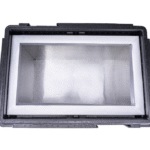
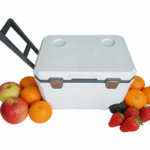
Vegetables cold chain containers are specialised shipping units designed to keep fresh produce within narrow temperature and humidity ranges from harvest to consumption. Contrairement aux boîtes ordinaires, ces conteneurs intègrent une isolation, refrigeration mechanisms and monitoring systems to prevent spoilage, maintain nutrients and meet regulatory requirements. Think of a vegetables cold chain container as a thermos for your veggies—it keeps them at a constant cool temperature so they don’t wilt or rot.
Post harvest losses are staggering. The United Nations estimates that 13 % de toute la nourriture produite est perdue en raison de chaînes du froid insuffisantes. En Afrique subsaharienne, small farmers lose more than 50 % de leurs récoltes de légumes, and the United States still wastes 25 % de denrées alimentaires transportées sous chaîne du froid en raison de violations de l'intégrité. By keeping vegetables within 0–4 °C and 90–95 % humidité relative, cold chain containers slow respiration, delay microbial growth and preserve vitamins like vitamin C. Par exemple, broccoli stored above 5 °C quickly loses vitamin C, but containers set near freezing maintain nutrients.
Understanding the vegetable cold chain stages
Fresh vegetables travel through several stages before reaching your plate. Each stage requires a suitable container and strict temperature control to prevent losses. The table below summarises the key stages of a vegetable cold chain, the purpose of maintaining precise temperatures and why it matters to you as a grower, distributor or consumer:
| Stage of the cold chain | But & température recommandée | Ce que cela signifie pour vous |
| Production & récolte | Refroidissez rapidement les légumes fraîchement récoltés grâce à l'air pulsé ou au refroidissement hydraulique.; keep between 0–5 °C depending on variety | Quickly removing field heat slows respiration and microbial growth, préserver les nutriments et prolonger la durée de conservation. |
| Traitement & conditionnement | Laver, cut and package produce under controlled temperatures and hygiene | Prevents contamination and reduces pathogen load; maintain quality during processing. |
| Chambre froide | Store refrigerated vegetables at 0–4 °C and frozen stock at −18 °C | Provides buffer inventory and reduces wastage by ensuring consistent supply; prevents textural changes. |
| Transport | Utiliser des camions frigorifiques, reefers and intermodal solutions to maintain a continuous cold chain | Ensures produce stays within target temperatures during transit; prevents spoilage across long distances. |
| Distribution & vente au détail | Multizone distribution centres and stores keep varied temperature zones for different produce | Keeps vegetables fresh until purchased by customers; reduces shrinkage at retail outlets. |
| Gestion du consommateur | Advise consumers to refrigerate at ≤4 °C and freeze at −18 °C; encourager une consommation rapide | Sustains quality at home and reduces household waste. |
Practical tips and real world insights
Cool immediately after harvest: Use blast chillers or forced air cooling to remove field heat. Delayed cooling lets ice crystals form and damages cells, increasing spoilage.
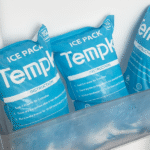
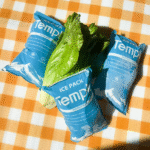
Utilisez un emballage approprié: Conteneurs en mousse isolés, vacuum sealed bags and gel packs maintain temperature stability and protect against mechanical damage.
Surveiller l'humidité: Humidité équilibrée (85–95 %) prévient le flétrissement et la perte de poids. Breathable films allow gas exchange while retaining moisture.
Installer des capteurs: Les appareils IoT fournissent des données continues sur la température et l'humidité, alerter les opérateurs des écarts.
Formez votre équipe: Teach staff proper loading, exigences de température et protocoles d’urgence pour réduire les erreurs humaines.
Cas du monde réel: A dairy cooperative fitted IoT sensors on refrigerated trucks. Quand la porte d'un camion est restée ouverte, the sensor detected a temperature spike and notified staff. Ils ont fermé la porte rapidement, économie 500 litres of milk and preventing significant losses. This example shows how sensors and prompt action keep perishable goods safe.
How Do Vegetables Cold Chain Containers Work?
Maintaining the right environment inside a vegetables cold chain container requires a combination of insulation, systèmes de réfrigération et de contrôle intelligents. Here’s how each component contributes to keeping produce fresh.
Isolation, refrigeration and phase change materials
Systèmes d'isolation: Container walls often incorporate materials such as expanded polystyrene (PSE), polyuréthane (Pur), polystyrène extrudé (XPS), panneaux isolés sous vide (Vips) and natural fibres. Insulation reduces heat transfer and helps maintain set temperatures. Par exemple, VIPs use a microporous core under vacuum to achieve extremely high insulation, enabling shipments down to –80 °C. Natural fibres like wool offer recyclable alternatives but may require gel packs or phase change materials (PCMS) pour les longs trajets.
Unités de refroidissement actives: Many containers use electric or diesel powered refrigeration units with compressors, condenseurs et évaporateurs. Portable cryogenic freezers maintain temperatures as low as –150 °C for gene and cell therapies. Pour les légumes, typical units keep temperatures around 0–4 °C.
Matériaux à changement de phase (PCMS): PCMs absorb or release thermal energy at specific temperatures, maintenir des bandes étroites sans puissance constante. A PCM market valued at 3,6 milliards de dollars américains en 2024 is growing at 8.4 % TCAC. Par exemple, PCMs tuned to 0–4 °C keep leafy greens cool during transit, reducing reliance on mechanical refrigeration.
Capteurs, IoT and controlled atmospheres
Capteurs IoT et surveillance en temps réel: Des capteurs intelligents surveillent la température, humidity and location and send data to cloud platforms. Real time alerts allow operators to intervene when temperatures deviate, while predictive analytics forecast equipment failures. The smart container market—which includes sensors, GPS and monitoring systems—is projected to grow from US$6.07 billion in 2025 à US$30.48 billion by 2034.
Systèmes à atmosphère contrôlée: For high value produce, containers can adjust oxygen and carbon dioxide levels to slow ripening. Carrier’s EverFRESH® system maintains optimal gas composition, extending shelf life for produce like berries and leafy greens.
Active packaging and intelligent packaging: Sensor based intelligent packaging integrates sensors capable of monitoring temperature, humidity and gas concentration during transport. These systems offer real time feedback on storage conditions and enhance traceability through QR codes, RFID or NFC tags. Active packaging interacts with the contents to regulate the internal atmosphere, using natural antioxidants or antimicrobial materials to slow spoilage.
Materials and technologies used in vegetable cold chain containers
Choosing the right materials influences insulation performance, coût et durabilité. The following table summarises common materials and their temperature ranges along with practical implications:
| Material or system | Plage de températures typique | Caractéristiques & usages | Implications pratiques |
| Polystyrène élargi (PSE) | 0 °C à 25 °C | Mousse légère avec isolation modérée; largement utilisé pour l'alimentation et certains produits pharmaceutiques | Abordable et facile à manipuler; recycling programs vary, so check local options. |
| Polyuréthane (Pur) & Polystyrène extrudé (XPS) | –20 °C à 15 °C | Mousse plus dense avec une valeur isolante plus élevée; adapté aux expéditions plus longues | Provides extended cooling but has a higher carbon footprint; consider reusable formats to offset waste. |
| Panneaux isolés sous vide (Vips) | –80 °C à 25 °C | Microporous core under vacuum provides extremely high insulation | Enables ultra low temperature shipping; plus cher mais très efficace. |
| Matériaux à changement de phase (PCMS) | –50 °C à 20 °C (varie selon la formulation) | Absorb or release thermal energy at specific temperatures | Prolongez le temps de maintien et réduisez le poids de la charge utile; complement mechanical refrigeration. |
| Carton ondulé & fibres naturelles | 0 °C à 15 °C | Multi layer cardboard or wool inserts | Entièrement recyclable ou compostable; may need gel packs or PCMs for longer journeys. |
| Contenants rigides réutilisables & expéditeurs de palettes | –80 °C à 25 °C | Conteneurs durables en plastique ou en métal intégrés aux VIP, Capteurs PCM et IoT | High upfront cost but lower total cost of ownership; reusable packaging market is expected to grow from 4,97 milliards de dollars américains 2025 à 9,13 milliards de dollars américains d'ici 2034. |
Tips for selecting a container
Match the container to the temperature zone: Vegetable shipments fall into four general ranges—cool (10–15 °C), réfrigéré (0–10 °C), congelé (–30 °C–0 °C) et ultra froid (≤–80 °C). Choose insulation and cooling technology accordingly.
Tenez compte de la durée de l'expédition: Longer transits require higher insulation (Par exemple, VIPs or PUR with PCMs) or active refrigeration.
Fit matters: Oversized containers waste cooling capacity and create empty space that accelerates heat transfer. Select a container that fits your load snugly.
Examiner les exigences réglementaires: Certain sectors demand precise temperature logs and tamper evident seals. Choose containers with integrated sensors and digital records to comply with laws like FSMA Rule 204.
Planifier pour la durabilité: Reusable containers reduce waste but require reverse logistics for cleaning and redistribution. Evaluate the environmental and economic benefits over the full product life cycle.
Innovation spotlight: Dans les régions où l'électricité est limitée, les solutions de chaîne du froid alimentées par l'énergie solaire réduisent le gaspillage alimentaire et améliorent la sécurité alimentaire. Solar units allow farmers in sub Saharan Africa to preserve perishable goods for up to 21 jours supplémentaires, reducing spoilage by up to 80 %. Such renewable energy systems make vegetable cold chain containers both sustainable and reliable.
How to Choose the Right Container for Different Vegetables?
Different vegetables have unique temperature and humidity requirements. Selecting a vegetables cold chain container starts with understanding these needs and matching them with the appropriate technology.
Recommended temperatures and humidity levels
Most vegetables stay fresh when stored between 0–4 °C, but some tropical crops prefer slightly higher temperatures. High relative humidity (85–95 %) prévient le flétrissement et la perte de poids. Les États-Unis. FDA règle des deux heures advises that perishable items should not sit at room temperature for more than two hours (ou une heure si les températures ambiantes dépassent 32 °C). Exceeding these limits doubles bacterial populations every 20 minutes, augmenter le risque de maladies d’origine alimentaire.
The table below summarises recommended conditions for common vegetable groups and why they matter:
| Groupe de légumes | Température recommandée & humidité | Ce que cela signifie pour vous |
| Légumes-feuilles (laitue, épinard, herbes) | 0–1 °C, 95 % humidité relative | These tender crops are very sensitive to heat; keeping them near freezing with high humidity maintains crispness and nutritional value. |
| Légumes racines (carottes, betteraves, pommes de terre) | 0–4 °C, 90–95 % RH (potatoes 7–10 °C to avoid sweetening) | Empêche la germination et conserve le croquant; temperatures that are too cold can convert starches to sugars in potatoes. |
| Crucifères (brocoli, chou-fleur) | 0–2 °C, 95 % RH | Un jaunissement rapide et une perte de vitamine C se produisent au-dessus 5 °C; keeping them near freezing preserves colour and nutrients. |
| Tomates & concombres (tropical vegetables) | 10–13 °C, 85–90 % RH | Les blessures causées par le froid se produisent ci-dessous 10 °C; mild refrigeration preserves texture and flavour. |
| Légumes surgelés | –18 °C à –23 °C, emballage scellé | Maintains colour and texture; avoid temperature fluctuations that form ice crystals and degrade quality. |
Handling practices and packaging tips
Pré-refroidir rapidement: Cool vegetables immediately after harvest using blast chillers or vacuum cooling to remove field heat. Slow cooling encourages spoilage.
Maintenir l'humidité: Root vegetables and leafy greens require high relative humidity (90–95 %). Use absorbent liners or moisture regulating materials in your containers.
Utilisez un emballage respirant: Perforated films allow gas exchange while retaining moisture. Vacuum sealed bags reduce oxygen and slow bacterial growth but may not suit all leafy greens.
Avoid temperature abuse: Follow the two hour rule—keep produce refrigerated or frozen and minimise exposure to room temperature.
Choisissez judicieusement les matériaux: PCMs tuned to the appropriate range maintain stable temperatures, while VIPs provide superior insulation for long transits.
Field tip: If you’re shipping cucumbers or tomatoes, avoid storing them below 10 °C. Chilling injury can cause watery, pitted tissue. Plutôt, select a vegetable cold chain container with slightly higher temperature control (10–13 °C). This small adjustment preserves texture and flavour.
2025 Trends and Innovations in Vegetables Cold Chain Containers
L'année 2025 marks a pivotal moment for vegetables cold chain containers. Technological advancements and growing demand for fresh, sustainable foods are transforming how produce travels from farm to fork.
IA et analyse prédictive
Intelligence artificielle (IA) is revolutionising logistics. By analysing traffic patterns, conditions météorologiques et fenêtres de livraison, AI driven route optimisation reduces fuel consumption and improves reliability. Dans des conteneurs intelligents, AI analyses sensor data to predict equipment failures and schedule maintenance. Predictive analytics also support demand forecasting and inventory planning, helping companies allocate capacity and reduce waste.
IoT, blockchain and digital twins
IoT et surveillance en temps réel: Sensors continuously measure temperature, humidité et emplacement. Real time alerts enable immediate corrective actions and dynamic routing. IoT devices also feed data into predictive models and digital twins—virtual replicas of physical assets—that allow operators to simulate different scenarios and optimise temperature control.
Blockchain et contrats intelligents: Blockchain creates immutable records of every step in the journey. Combiné avec des capteurs IoT, la blockchain améliore la transparence, prevents tampering and ensures compliance with regulations. Les contrats intelligents vérifient automatiquement la preuve de livraison, déclencher les paiements et réduire les litiges.
Jumeaux numériques: Digital twins mirror the conditions inside containers and warehouses. When paired with real time data, they help forecast maintenance needs, optimise routes and adjust environmental conditions to preserve produce.
Energy efficient cooling and sustainable technologies
New cooling technologies prioritise energy efficiency and low environmental impact. Magnetic refrigeration uses magnetic fields instead of compressors, reducing energy use and CO₂ emissions. Solar powered refrigeration enables cold storage in regions with unreliable electricity, cutting fuel consumption and supporting off grid communities. Battery electric trailer units like Carrier’s Vector® HE 17 réduire la consommation de carburant jusqu'à 30 % tout en offrant des performances de refroidissement exceptionnelles. Innovations such as Addvolt’s plug in battery systems and portable cryogenic freezers offer flexible solutions for various temperature ranges.
Market outlook and consumer trends
The global cold chain logistics sector is valued at roughly 436 milliards de dollars américains 2025 et pourrait dépasser 1 300 milliards de dollars américains d’ici 2034. Grand View Research estimates that the overall cold chain market—including storage and transportation—generated US$316 billion in 2024 et s'envolera vers US$1.61 trillion by 2033, reflétant un 20.1 % taux de croissance composé. Consumers are demanding fresher, minimally processed foods and more plant based alternatives; plant based proteins could represent 7.7 % du marché mondial des protéines par 2030. Cadres réglementaires tels que ceux des États-Unis. Loi sur la modernisation de la sécurité alimentaire (FSMA) Règle 204 exiger une traçabilité 24 heures sur 24 pour les aliments à haut risque, pushing distributors to digitise records and adopt sensor based traceability systems.
Social and environmental impacts
Le gaspillage alimentaire représente 8–10 % des émissions mondiales de gaz à effet de serre, and inadequate cold chain management leads to approximately 620 million metric tonnes of food loss each year. A University of Michigan study found that fully refrigerated supply chains could reduce food waste by 41 % à l'échelle mondiale. Improving vegetable cold chains not only conserves resources but also boosts farmer incomes and creates jobs, aider à se nourrir 1 milliards de personnes who currently face food insecurity.
Durabilité: Reducing Waste and Environmental Impact
Sustainability isn’t an optional add on—it’s a necessity in 2025. Consommateurs, regulators and investors demand environmentally responsible cold chain solutions. The following strategies help you reduce waste and meet your sustainability goals:
Adoptez des emballages réutilisables: Reusable rigid containers reduce reliance on single use foam boxes and lower total cost of ownership. The reusable cold chain packaging market is predicted to expand from 4,97 milliards de dollars américains 2025 à US$9.13 billion in 2034.
Choisissez des matériaux écologiques: Carton ondulé, natural fibres and biodegradable insulation offer recyclable or compostable alternatives to EPS foam.
Utiliser des énergies renouvelables: Panneaux solaires, l’énergie éolienne et hydroélectrique peut alimenter les unités de réfrigération, reducing fossil fuel use. Magnetic refrigeration and battery electric systems further cut emissions.
Mettre en œuvre un refroidissement économe en énergie: New trailer units like the Vector® HE 17 use inverter technology to reduce fuel consumption by up to 30 %. Solar powered cold rooms extend shelf life by up to 21 days and reduce spoilage by 80 %.
Follow Extended Producer Responsibility (EPR): Policies encourage companies to design recyclable or reusable packaging and ensure proper end of life management.
Collaborate on recycling: Work with logistics partners to collect materials like EPS for recycling. Educate customers on how to return or recycle packaging to close the loop.
Exemple de cas: CJ Logistics America opened a cold storage facility near Kansas City featuring automated systems, réfrigération économe en énergie et surveillance de l'IoT. This integrated approach demonstrates how investment in technology and sustainability pays off through reduced waste and improved reliability.
Practical Tips for Using Vegetables Cold Chain Containers
Effective cold chain management goes beyond choosing the right container. The following checklist outlines best practices before, during and after shipment to ensure your vegetables arrive fresh and safe.
Before shipment
Cartographiez votre portefeuille de produits: Group vegetables by required temperature zones to streamline container selection. Multi zone shippers can combine different temperatures in one load, improving utilisation by up to 30 %.
Préconditionner les PCM et les packs de gel: Condition PCMs at the correct temperature before loading; improper conditioning reduces hold time.
Planifier les imprévus: Élaborer des protocoles d’urgence en cas de panne d’équipement ou de panne de courant. Contingency planning prevents spoilage and ensures compliance.
Formez votre équipe: Sensibiliser le personnel aux procédures de manutention, enregistrement des données et interventions d'urgence; a well trained team is your first line of defence.
Minimise empty space: Utilisez des remplissages pour éliminer les vides et sécuriser les charges utiles. Empty space accelerates heat transfer and compromises packaging integrity.
Étiqueter clairement: Mark packages with handling instructions such as “Keep Frozen” and maintain records of temperature logs for regulatory compliance.
Pendant le transport
Utiliser des capteurs IoT: Installez des capteurs intelligents sur les unités de stockage et les véhicules pour suivre la température et l'humidité.
Optimisez les itinéraires avec l'IA: Employ route optimisation software to minimise fuel consumption and reduce delays.
Contrôler l'humidité: Use absorbent liners or moisture regulating materials to maintain 85–95 % relative humidity for leafy greens and root crops.
Surveiller en temps réel: Real time tracking allows you to reroute or intervene if conditions deviate.
Restez conforme: Respecter les exigences réglementaires en matière d'enregistrement et de traçabilité des données; blockchain solutions can streamline documentation.
Après livraison
Vérifier l'intégrité: Vérifier les enregistrements de température et l'état du produit à l'arrivée.
Return reusable containers: Veiller à ce que les contenants réutilisables soient nettoyés, inspecté et retourné pour une utilisation future.
Examiner les données: Analyse sensor data to identify opportunities for improvement, such as route optimisation or packaging enhancements.
Recueillir des commentaires: Interrogez les clients sur la qualité de la livraison et les performances de l'emballage; continuous improvement enhances satisfaction.
Questions fréquemment posées
Q1: What temperature should vegetables cold chain containers maintain?
Most vegetables stay fresh between 0–4 °C with high relative humidity. Leafy greens prefer near freezing temperatures at 95 % humidité, while tropical vegetables like cucumbers and tomatoes should be kept at 10–13 °C to avoid chilling injury. Always pre cool produce quickly and maintain consistent conditions throughout the journey.
Q2: What’s the difference between active and passive vegetables cold chain containers?
Active containers use powered refrigeration units and can adjust temperature continuously, making them ideal for long journeys or mixed loads. Passive containers rely on insulation and phase change materials (PCMS) maintenir la température sans électricité. Active systems offer tighter control but consume energy, while passive solutions are cost effective for shorter trips.
Q3: How do sensors and IoT improve vegetables cold chain containers?
Les capteurs IoT surveillent la température, humidity and location in real time and send alerts when deviations occur. This allows you to intervene quickly, reroute shipments and prevent spoilage. Sensors also feed data into blockchain systems for traceability and into digital twins for predictive modelling.
Q4: Are reusable vegetables cold chain containers worth the investment?
Reusable containers have higher upfront costs but lower total cost of ownership because they reduce the need for single use packaging. Le marché des emballages réutilisables pour la chaîne du froid devrait croître de 4,97 milliards de dollars américains 2025 à 9,13 milliards de dollars américains d'ici 2034. They also support sustainability goals by reducing waste.
Q5: How can I reduce spoilage during last mile delivery?
Use insulated totes or bags with gel packs for short trips. Minimiser les ouvertures de porte, optimise routes to shorten delivery times, and monitor temperature with portable data loggers. Educate drivers on handling procedures and remind customers to refrigerate produce promptly upon receipt.
Résumé et recommandations
Vegetables cold chain containers are critical tools for preserving freshness, nutrient content and food safety in 2025. They combat post harvest losses—up to half of all vegetables harvested in some regions—by maintaining precise temperature and humidity ranges. Modern containers combine insulation, active or passive cooling, PCMs and smart sensors to keep produce between 0–4 °C and 90–95 % humidité. Innovations such as AI based route optimisation, Surveillance de l'IoT, blockchain traceability and digital twins provide real time visibility and predictive control. The market for cold chain logistics is expanding rapidly, and sustainability has become a core expectation: contenants réutilisables, eco friendly materials and renewable energy systems reduce carbon footprints and waste.
Prochaines étapes réalisables
Auditez votre chaîne d'approvisionnement: Identify where temperature excursions occur and prioritise investments in cold chain containers and sensors.
Adoptez des technologies intelligentes: Implémenter des capteurs IoT, route optimisation software and, le cas échéant, blockchain pour la traçabilité.
Invest in reusable, eco friendly containers: Evaluate the total cost of ownership and environmental benefits of reusable packaging.
Formez et responsabilisez votre équipe: Ensure staff understand temperature requirements, procédures de manipulation et protocoles d’urgence.
Engage your customers: Provide clear storage instructions and encourage proper refrigeration at home to reduce household waste.
By following these steps and leveraging the latest innovations, you can protect your vegetables, minimise waste and satisfy consumer demand for fresh, sustainably produced food.
À propos du tempk
Le tempk est un principal fournisseur de solutions d'emballage de chaîne froide, specialising in reusable and recyclable containers designed to protect food, produits pharmaceutiques et autres produits sensibles à la température. Our products combine advanced insulation (PSE, Pur, Vips) with phase change materials and IoT enabled sensors pour maintenir des températures précises. We conduct ongoing research into eco friendly materials and renewable energy integration to help customers reduce carbon footprints and comply with regulations. With manufacturing facilities and an R&D centre dedicated to innovation, we deliver long lasting, reliable and sustainable containers that keep your vegetables and other products fresh throughout their journey.
Prêt à améliorer votre chaîne du froid?
Contact Tempk today for a tailored consultation. Our team will help you choose the right vegetables cold chain containers, integrate smart monitoring and implement sustainable practices that protect your produce and your bottom line.