Mis à jour en janvier 4 2026
Introduction
Logistique de vente au détail sous chaîne du froid pour légumes fait référence aux systèmes qui maintiennent les légumes à bonne température depuis la ferme jusqu'à votre panier. Aux États-Unis, à peu près 70 % des aliments transitent par des chaînes d’approvisionnement à température contrôlée, mais seulement 5 % des fruits et légumes en Chine bénéficient d’une protection similaire. Des chaînes du froid inadéquates contribuent à 12 % des pertes et du gaspillage de la production alimentaire mondiale 526 millions de tonnes de nourriture chaque année. Garder les produits au froid est important car chaque écart de température peut entraîner un gaspillage 25 % de la nourriture transportée. Ce guide explique le fonctionnement de la logistique de vente au détail de légumes sous chaîne du froid., pourquoi ils sont cruciaux dans 2025, quelles technologies et pratiques durables les rendent plus efficaces, et ce que vous pouvez faire pour réduire les déchets et livrer des légumes plus frais à vos clients. Nous explorerons les exigences de température, outils numériques, les défis du dernier kilomètre et les tendances émergentes, le tout dans un langage clair et sans jargon.
Pourquoi investir dans la logistique de vente au détail de la chaîne du froid des légumes est important: découvrez comment un contrôle approprié de la température réduit les déchets et se conforme à des réglementations plus strictes.
Quelles technologies peuvent transformer vos opérations: en savoir plus sur l'optimisation des itinéraires par l'IA, Surveillance de l'IoT, blockchain et emballage durable.
Comment gérer la livraison du dernier kilomètre et la logistique de vente au détail: Découvrez les stratégies pour faire face aux perturbations transfrontalières et garantir la fraîcheur au niveau du magasin..
Quelles pratiques de durabilité réduisent les coûts et les émissions: comprendre comment les énergies renouvelables, une réfrigération efficace et des emballages réutilisables aident l'environnement et vos résultats financiers.
Quoi 2025 les tendances et les statistiques sont importantes pour vous: explorer les prévisions de croissance du marché, automation, préférences des consommateurs et changements réglementaires.
Questions fréquemment posées: obtenez des réponses rapides aux questions courantes sur la logistique de la chaîne du froid pour les légumes.
Pourquoi une logistique de vente au détail efficace pour la chaîne du froid des légumes est importante
Réponse directe
Une logistique de vente au détail efficace de la chaîne du froid pour les légumes minimise les déchets, préserver les nutriments et respecter la réglementation tout en améliorant les profits. La recherche montre qu'une réfrigération inadéquate contribue à la perte d'environ 526 millions de tonnes de nourriture chaque année. Les petits exploitants agricoles de certaines régions d’Afrique perdent plus de 50 % de leurs récoltes de légumes car ils manquent de refroidissement. Les pertes et gaspillages alimentaires représentent 8–10% des émissions mondiales de gaz à effet de serre, et les processus de réfrigération consomment à eux seuls 17 % de l’électricité mondiale. Aux États-Unis, la loi sur la modernisation de la sécurité alimentaire (FSMA) Règle 204 nécessite 24traçabilité horaire pour les aliments à haut risque, dont de nombreux légumes. Maintenir les températures entre 0 °C et 5 °C (32 °F – 41 °F) empêche la croissance des agents pathogènes et préserve la texture. Une surveillance en temps réel et une documentation appropriée sont essentielles pour répondre aux exigences légales et éviter des rappels coûteux..
Explication élargie
Garder les légumes frais, c'est comme déplacer une délicate sculpture de glace sur un marché d'été.: sans refroidissement constant, ça fond. Les légumes continuent de respirer après la récolte, produisant de la chaleur et de l'éthylène qui accélèrent la décomposition. Une chaîne du froid bien conçue ralentit la respiration, inhibe la croissance microbienne et maintient le croustillant. La règle de traçabilité de la FSMA signifie que les détaillants doivent savoir exactement d’où vient chaque carton de laitue et comment il a été traité.. Défaut de maintenir les températures dans la plage recommandée – généralement 0–4 °C pour les légumes-feuilles et 10–13 °C pour les légumes racines ou tropicaux-peut conduire à des cristaux de glace, dommages à la texture ou blessures causées par le froid. Au niveau du commerce de détail, une bonne gestion de la chaîne du froid prolonge la durée de conservation, réduit le rétrécissement (perte de stock), et protège votre marque des rappels ou de la publicité négative. Investir dans la formation, l'équipement et la surveillance sont rentables grâce à une réduction du gaspillage et une plus grande satisfaction du client.
Exigences de température pour les légumes courants
Différents légumes ont besoin de différentes plages de température et d'humidité pour rester frais. Tableau 1 résume les principales lignes directrices.
| Type de légume | Température recommandée & humidité | Impact si ignoré | Ce que cela signifie pour vous |
| Légumes surgelés | −18 °C à −23 °C; faible humidité | Les fluctuations de température forment des cristaux de glace et endommagent la structure cellulaire, conduisant à une texture pâteuse | Maintenir des températures ultra basses et stables; utilisez des contenants isothermes et des enregistreurs de données pour empêcher la croissance bactérienne et préserver la saveur |
| Légumes-feuilles frais | 0–4 °C avec une humidité élevée | Flétrissement, déshydratation et perte de nutriments | Maintenir l'humidité à l'aide de films respirants ou de brumisation; assurer un refroidissement rapide après la récolte pour garder les feuilles croustillantes |
| Légumes racines (pommes de terre, oignons) | 10–13 °C | Blessure due au froid ou germination | Évitez le stockage ci-dessous 10 °C; encore assez frais pour ralentir la détérioration mais empêcher la germination |
| Légumes tropicaux (tomates, concombres) | 10–13 °C avec une humidité modérée | Ramollissement et pourriture | Évitez les températures inférieures 10 °C pour éviter les blessures dues au froid; maintenir une humidité modérée pour éviter le flétrissement |
Facteurs de coûts et leur impact
De nombreux facteurs font grimper le coût de la logistique de la chaîne du froid des légumes, surtout pour les produits biologiques. Tableau 2 identifie les facteurs de coûts courants et leur impact.
| Inducteur de coûts | Description | Impact sur le coût/qualité | À retenir pratique |
| Certification & conformité | Tarifs pour la certification biologique, audits de traçabilité et contrôles de qualité stricts | Augmente les coûts d’approvisionnement de 30–300%; les retards peuvent raccourcir la durée de conservation | Rejoignez des coopératives agricoles pour partager les coûts de certification et négocier des audits groupés |
| Chaîne d’approvisionnement fragmentée | De nombreuses petites exploitations et intermédiaires; mauvaise agrégation | Augmente le temps de transport et la détérioration jusqu'à 40 % | Collaborez avec des coopératives de producteurs ou utilisez des plateformes de marketing direct pour raccourcir la chaîne |
| Infrastructures inadéquates | Entrepôts réfrigérés et véhicules limités, couverture inégale selon les régions | Cause jusqu'à 13 % de perte alimentaire mondiale et 25% de gaspillage dû aux écarts de température | Investissez dans des centres de pré-refroidissement locaux, camions de réfrigération portables et économes en énergie |
| Coûts opérationnels élevés | Réfrigération énergivore, carburant et main d'oeuvre | Les chaînes du froid consomment environ 15 % de l'énergie mondiale | Utiliser la réfrigération solaire, des équipements économes en énergie et des véhicules électriques pour réduire les coûts |
| Longs routes & les défis du dernier kilomètre | Fermes rurales loin des marchés; livraisons urbaines encombrées | Jusqu'à 47–75% des livraisons fraîches souffrent d'abus de température | Utiliser l'optimisation des itinéraires par l'IA, micro-centres de distribution à proximité des consommateurs et emballages isolés du dernier kilomètre |
Conseils et suggestions pratiques
Rejoignez ou soutenez des coopératives de producteurs: Les centres d'agrégation et les coopératives agricoles réduisent les coûts en mettant en commun leurs ressources et en négociant de meilleurs tarifs.. Des études de cas montrent que les plateformes de marketing direct peuvent réduire les prix de détail en 15–20% et augmenter les revenus des agriculteurs en 25–30%.
Investissez dans le pré-refroidissement et le transport rapide: Le pré-refroidissement des légumes immédiatement après la récolte évite les dommages à la texture et peut réduire la détérioration jusqu'à 50 %. Utilisez des unités de refroidissement portables dans les fermes et assurez-vous que les produits sont acheminés rapidement vers des camions réfrigérés..
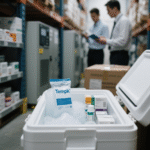
Utiliser des emballages durables: Les conteneurs isolés légers dotés de capteurs IoT maintiennent la température et réduisent la consommation d'énergie. Les matériaux biodégradables séduisent les consommateurs soucieux de l'environnement et soutiennent la conformité réglementaire.
Adopter la surveillance en temps réel: Les capteurs IoT fournissent des données continues sur la température et l’humidité. Des alertes en temps réel vous permettent d'intervenir avant que les produits ne se gâtent. Le segment matériel s'est tenu sur 76.4 % du marché du suivi et de la surveillance de la chaîne du froid en 2022, montrant la large adoption de la technologie.
Tirer parti des énergies renouvelables: La réfrigération à énergie solaire et les sources d'énergie renouvelables peuvent réduire les coûts énergétiques. Un distributeur d'Asie du Sud-Est a signalé que l'utilisation d'un stockage frigorifique à énergie solaire et de la surveillance de l'IoT réduisait les coûts énergétiques de 13.10 centimes par kWh à 3.2 centimes tout en maintenant des températures ultra basses.
Collaborer avec des partenaires logistiques: Des relations solides avec des prestataires logistiques tiers améliorent la flexibilité et la réactivité. Les tarifs et les contraintes de factage peuvent entraîner des retards et des augmentations de prix, alors prévoyez des itinéraires alternatifs et constituez des stocks sur les marchés clés.
Cas du monde réel: Une coopérative agricole en Inde a investi dans un logiciel d'entreposage frigorifique partagé et d'optimisation des itinéraires. En un an, la consommation de carburant a été réduite de 20 %, détérioration par 15 % et les coûts logistiques globaux par 18 %, permettre aux membres de baisser les prix de détail sans nuire aux marges. Le succès de la coopérative montre que la mise en commun des ressources et l’exploitation de la technologie peuvent transformer les opérations à petite échelle..
Les technologies numériques transforment la logistique de vente au détail de la chaîne du froid des légumes
Réponse directe
Intelligence artificielle, Capteurs IoT, la blockchain et les technologies d'emballage avancées révolutionnent la logistique de vente au détail de la chaîne du froid des légumes en réduisant les coûts, réduire le gaspillage et renforcer la confiance des consommateurs. Il a été démontré que les algorithmes d'apprentissage automatique pour l'optimisation des itinéraires et la prévision de la demande réduisent les coûts logistiques en 34.76 % et réduire les déchets en 15.6 %. Les appareils IoT fournissent des données en temps réel sur la température, humidité et emplacement, permettre des interventions rapides et garantir la conformité réglementaire. La blockchain ajoute un enregistrement immuable de chaque transfert, faciliter la vérification de la certification biologique et lutter contre la fraude. Emballage avancé, tel que les matériaux à changement de phase (PCMS), indicateurs temps-température (ITT) et isolation biodégradable : aide à maintenir les températures souhaitées tout en réduisant la consommation d'énergie.. Le marché des étiquettes TTI, valorisé à NOUS $859 million dans 2024, devrait atteindre NOUS $1.49 milliard par 2034.
Explication élargie
Les technologies numériques agissent comme un assistant intelligent pour votre chaîne du froid. AI route optimisation analyse le trafic, météo et délais de livraison pour proposer les plus rapides, itinéraires les plus économes en carburant. Dans une étude combinant k signifie le regroupement et la régression du processus gaussien pour la distribution de produits surgelés, les coûts logistiques ont diminué 34.76 % et gaspiller par 15.6 %. Capteurs IoT intégré dans l'emballage ou dans les véhicules, surveille la température et l'humidité et envoie des alertes lorsque les seuils sont dépassés, protéger l'intégrité du produit. Le segment du matériel a dominé le marché du suivi et de la surveillance de la chaîne du froid en 2022 avec sur 76.4 % partager, montrant que les entreprises apprécient la visibilité en temps réel. Chaîne de blocs offre des enregistrements inviolables de chaque transaction et lecture de la température, essentiel pour répondre à la FSMA 204 exigences de traçabilité. Emballage intelligent, y compris les PCM et les TTI, prolonge le temps de sécurité en dehors de la réfrigération. Les PCM absorbent la chaleur et libèrent de l'énergie froide pour maintenir la température sans réfrigération continue, tandis que les TTI indiquent visuellement si un produit a été exposé à des températures excessives..
Aperçu de l’impact technologique
| Technologie | Comment ça marche | Avantages & données | Ce que cela signifie pour vous |
| Intelligence artificielle (IA) | Utilise des algorithmes pour optimiser les itinéraires, prévoir la demande et planifier la maintenance | Réduit les coûts logistiques en 34.76 % et gaspiller par 15.6 %; prédit les perturbations et recommande des actions | Consommation de carburant réduite, moins de retards et une meilleure planification des stocks; réponses rapides aux urgences |
| Capteurs IoT & surveillance en temps réel | Déploie la température, capteurs d'humidité et de localisation dans des conteneurs, camions et emballages | Permet une surveillance continue; réduit la détérioration en évitant les écarts de température; segment matériel détenu 76.4 % de part de marché dans 2022 | Fournit une visibilité de bout en bout; assure la conformité réglementaire; renforce la confiance des clients |
| Chaîne de blocs | Crée un registre numérique immuable de chaque transfert et lecture de condition | Assure la traçabilité exigée par la FSMA 204; protège contre la fraude; simplifie les audits | Offre des enregistrements vérifiables pour la certification biologique et réduit la paperasse |
| Emballage intelligent | Utilise des PCM, TTI et isolation biodégradable pour maintenir la température | Les PCM stabilisent la température sans énergie continue; Le marché des TTI devrait croître à partir de NOUS $859 million dans 2024 à NOUS $1.49 milliard par 2034 | Prolonge la durée de conservation, réduit la consommation d’énergie et séduit les consommateurs soucieux de l’environnement |
| Énergie renouvelable & gestion de l'énergie | Utilise des panneaux solaires, énergie éolienne et réfrigération économe en énergie | L’entreposage frigorifique à énergie solaire réduit les coûts énergétiques 13.10 centimes à 3.2 centimes par kWh; L'initiative de passer à 15 °C permet d'économiser 10–15% énergie | Réduit les dépenses d’exploitation et l’empreinte carbone; aide à répondre aux mandats de développement durable |
Conseils pour adopter les technologies numériques
Commencez par un pilote: Déployez un petit nombre de capteurs IoT et d'outils de planification d'itinéraires IA sur des itinéraires à forte valeur ajoutée pour tester les performances avant de vous développer..
Intégrer les systèmes: Assurez-vous que votre IA, Les plateformes IoT et blockchain communiquent. Une visibilité de bout en bout nécessite un flux de données transparent entre les fournisseurs, transporteurs et détaillants.
Investissez dans la formation du personnel: Les outils numériques ne valent que par les personnes qui les utilisent. Fournir une formation sur la façon d’interpréter les alertes et de prendre des mesures correctives.
Évaluer le coût total de possession: Envisagez des économies à long terme grâce à la réduction des déchets, consommation d’énergie et rappels lors de l’évaluation du coût des solutions numériques.
Collaborer avec des partenaires technologiques: Travaillez avec des fournisseurs expérimentés qui proposent des solutions évolutives et sécurisées. La technologie évolue rapidement, alors choisissez des partenaires avec un support continu et des parcours de mise à niveau.
Exemple du monde réel: Dans une étude, Des capteurs IoT intégrés dans les emballages surveillaient la température et l'humidité des légumes biologiques. Les alertes déclenchées lorsque les seuils étaient dépassés ont permis aux manutentionnaires d'ajuster la ventilation et de réfrigérer les expéditions. Combiné avec l'optimisation des itinéraires par l'IA, cette approche a réduit la détérioration de 15.6 % et réduit les coûts logistiques de 34.76 %. La part de marché du matériel de 76.4 % suggère que de nombreuses entreprises voient déjà la valeur de tels systèmes.
Gestion de la livraison du dernier kilomètre et de la logistique de vente au détail
Réponse directe
La livraison du dernier kilomètre et la logistique de vente au détail sont les étapes finales et souvent les plus difficiles de la logistique de la chaîne du froid des légumes.. Dans les zones urbaines, les embouteillages et les multiples arrêts de livraison rendent difficile le maintien de la chaîne du froid. Des études montrent que 47–75% des livraisons fraîches subissent des abus de température. Les tarifs douaniers et les événements géopolitiques peuvent retarder les expéditions et augmenter les coûts; Par exemple, un tarif de 25 % sur les importations en provenance du Mexique et du Canada augmente les prix des produits frais et oblige les entreprises à réévaluer leurs stratégies d'approvisionnement. Les contraintes de capacité des ports et de factage compliquent encore davantage les délais de livraison, mettre en danger les denrées périssables. Obtenir une visibilité de bout en bout, optimisation des itinéraires, et l'établissement de micro-centres de distribution à proximité des consommateurs sont essentiels pour surmonter ces défis..
Explication élargie
Le dernier kilomètre est comme l'acte final d'un ballet délicat : tout faux pas peut gâcher le spectacle.. Les légumes parcourent souvent de longues distances entre les fermes rurales et les marchés urbains.. En chemin, ils passent par plusieurs points de transfert, comme les installations de cross-docking, centres de distribution et magasins de détail. Chaque transfert augmente le risque d’écarts de température. Rues de la ville encombrées, les conditions météorologiques imprévisibles et les quais de chargement limités amplifient la difficulté. Dans 2025, les tensions géopolitiques et les tarifs douaniers ont ajouté de nouveaux niveaux de complexité. Le bulletin d'information Cold Chain Solutions rapporte que les droits de douane sur les importations en provenance du Mexique et du Canada devraient rendre les légumes frais plus chers et pourraient entraîner des pénuries d'approvisionnement.. Entre-temps, la congestion portuaire et une diminution de 14 % du nombre de prestataires de factage ont ralenti les livraisons du dernier kilomètre. Pour rester compétitif, les détaillants doivent investir dans des entrepôts frigorifiques locaux à proximité des marchés de consommation, exploitez un logiciel d’optimisation d’itinéraire et établissez des partenariats avec des prestataires logistiques fiables.
Bonnes pratiques du dernier kilomètre
Mettre en place des micro-centres de distribution: Petit, les centres d'entreposage frigorifique locaux réduisent le temps de trajet et permettent aux détaillants d'exécuter rapidement les commandes en ligne. Ils servent également de tampon en cas de retards transfrontaliers..
Optimisez les itinéraires avec l'IA: Utilisez les données de trafic et météorologiques en temps réel pour choisir les chemins les plus rapides et les plus fiables. L'IA peut également équilibrer les charges de livraison pour éviter une ouverture excessive des portes du véhicule et provoquer des pics de température..
Coordonner le chargement et le déchargement: Planifiez les horaires des quais pour minimiser le temps d'arrêt. Les transferts rapides entre les entrepôts réfrigérés et les véhicules de livraison réduisent l'exposition aux températures ambiantes.
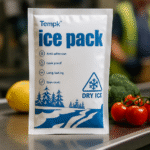
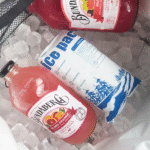
Utilisez des emballages isothermes du dernier kilomètre: Les boîtes isothermes durables et les packs de gel maintiennent les températures froides pendant les courts trajets.. Pour les livraisons à domicile, envisager des créneaux de livraison de deux heures et informer les clients sur la bonne manipulation.
Restez conforme à la réglementation: Conservez des journaux numériques des événements de température et de transfert pour vous conformer à la FSMA. 204 règles de traçabilité. La surveillance en temps réel et la blockchain simplifient la tenue des registres et les audits.
Exemple pratique: Chez Fruit Logistica 2024, les exportateurs ont décrit comment les perturbations géopolitiques les ont forcés à réacheminer leurs expéditions. One Banana a acheminé les bananes du Guatemala et de l'Équateur vers d'autres ports et a utilisé des centres de stockage frigorifique sur des marchés clés pour équilibrer les stocks.. Une autre entreprise expédiant des fraises d’Égypte vers le Royaume-Uni est passée du fret aérien aux conteneurs maritimes sous atmosphère modifiée.. Malgré un voyage de 10 jours, un contrôle précis de la température permet de conserver les baies plus fraîches qu'avec le fret aérien. Ces histoires montrent à quel point une logistique flexible et une technologie fiable de la chaîne du froid peuvent transformer les défis en opportunités..
Durabilité et efficacité énergétique dans la chaîne du froid des légumes
Réponse directe
La durabilité dans la logistique de vente au détail de la chaîne du froid des légumes réduit l'impact environnemental et les coûts d'exploitation tout en répondant aux exigences réglementaires et des consommateurs.. Cause des pertes et du gaspillage alimentaires 8–10% des émissions mondiales de gaz à effet de serre, et les processus de réfrigération consomment 17 % de l’électricité mondiale. Des initiatives telles que « Passer à −15 °C » encouragent à augmenter la température des congélateurs de −18 °C à −15 °C., livraison 10–15% des économies d'énergie sans compromettre la sécurité alimentaire. Sources d'énergie renouvelables, comme le solaire et l'éolien, réduire les coûts et réduire la dépendance aux combustibles fossiles. Les emballages durables et les contenants réutilisables s'alignent sur les préférences des consommateurs et les mandats réglementaires.
Explication élargie
La durabilité environnementale est désormais une valeur fondamentale plutôt qu’un ajout facultatif. La chaîne du froid représente environ 4 % des émissions mondiales de gaz à effet de serre et consomme une quantité importante d’électricité. Pour atteindre les objectifs climatiques, les gouvernements et les groupes industriels promeuvent la réfrigération économe en énergie et les énergies renouvelables. L'initiative Passer à 15 °C démontre qu'une augmentation de la température des congélateurs de trois degrés peut permettre d'économiser 10–15% d’énergie et réduire les émissions. Les entreprises abandonnent également les réfrigérants hydrofluorocarbonés au profit de réfrigérants naturels tels que l’ammoniac et le CO₂.. Emballage durable, y compris isolation biodégradable, matériaux recyclables et contenants réutilisables : réduit les déchets et peut améliorer la perception de la marque. Par exemple, la croissance du marché des étiquettes TTI NOUS $1.49 milliard par 2034 indique une adoption croissante des emballages intelligents. Projets d'énergie renouvelable, comme une chambre froide à énergie solaire, non seulement réduire les coûts, mais également assurer la résilience en cas de pannes.
Pratiques de durabilité et leurs avantages
Utiliser des systèmes de réfrigération économes en énergie: Moderniser les anciens équipements et installer des compresseurs à vitesse variable et une meilleure isolation. Les systèmes modernes peuvent réduire la consommation d'énergie de 20 à 30 %.
Adopter les énergies renouvelables: Panneaux solaires, les éoliennes et le stockage d'énergie thermique réduisent les coûts d'électricité et les émissions de carbone. L’entreposage frigorifique à énergie solaire en Asie du Sud-Est a réduit les coûts énergétiques de 13.10 centimes à 3.2 centimes par kWh.
Passez aux réfrigérants naturels: L'ammoniac et le CO₂ ont un potentiel de réchauffement climatique inférieur à celui des hydrofluorocarbures traditionnels. La réglementation élimine progressivement les réfrigérants à PRG élevé.
Utilisez des emballages durables et des contenants réutilisables: Les matériaux respectueux de l'environnement réduisent les déchets et soutiennent les allégations de durabilité de la marque. Les caisses en plastique réutilisables et les boîtes isothermes peuvent circuler au sein du réseau d’un détaillant.
Mettre en œuvre des stratégies de réduction des déchets: Investissez dans la prévision de la demande et la gestion des stocks pour éviter les commandes excessives. Encourager le don de produits presque périmés pour réduire le gaspillage alimentaire.
Exemple: Un distributeur en Asie du Sud-Est a installé des panneaux solaires et des batteries de stockage dans son entrepôt frigorifique, couplé à la surveillance IoT. Les coûts de l'énergie ont chuté de 13.10 centimes à 3.2 centimes par kWh, et stabilité de la température améliorée. Les clients ont apprécié la réduction de l’empreinte carbone de l’entreprise, conduisant à une fidélité plus forte et à de nouvelles affaires.
2025 Tendances et évolutions du marché
Aperçu de la tendance
Le paysage logistique de la chaîne du froid de la vente au détail de légumes évolue rapidement. Voici quelques tendances et statistiques clés pour 2025:
Expansion du marché: Le marché mondial de la logistique de la chaîne du froid a atteint NOUS $436.30 milliard dans 2025 et devrait croître jusqu'à NOUS $1.359 billion par 2034 avec un 13.46 % CAGR. Le marché de la chaîne du froid alimentaire vaut à lui seul NOUS $70.55 milliard dans 2025 et devrait atteindre NOUS $121.77 milliard par 2030 (TCAC 11.53 %).
Demande d'aliments surgelés et prêts à consommer: La demande des consommateurs en légumes surgelés et en kits repas stimule l’expansion. Persistence Market Research évalue le marché de la chaîne du froid alimentaire à NOUS $65.8 milliard dans 2025, projeté d'atteindre NOUS $205.3 milliard par 2032 (TCAC 17.5 %). Le marché des légumes surgelés vaut à lui seul NOUS $57 milliard et devrait atteindre NOUS $102.3 milliard par 2035.
Commerce international et logistique transfrontalière: Le transport transfrontalier de produits alimentaires a augmenté de 5,6 % par an depuis 2018. Le ministère chinois du Commerce vise des taux de circulation dans la chaîne du froid de 25 % pour les fruits et légumes et 45 % pour la viande par 2027. Tarifs douaniers et tensions géopolitiques, cependant, peut augmenter les coûts et les retards.
Automatisation et robotique: Les pénuries de main-d'œuvre et la recherche d'efficacité conduisent à l'automatisation des installations de stockage frigorifique. À propos 80 % des entrepôts restent non automatisés, laissant place à la croissance. Les systèmes automatisés de stockage et de récupération améliorent le débit et réduisent les erreurs.
Mandats de durabilité: Les réglementations environnementales poussent les entreprises vers une réfrigération économe en énergie, énergie renouvelable et emballages recyclables. L’infrastructure mondiale de la chaîne du froid alimentaire est responsable de à propos 2 % des émissions mondiales de CO₂.
Visibilité de bout en bout: La demande de suivi en temps réel de la température et de la localisation continue d'augmenter. Le segment du matériel a dominé le marché de la surveillance de la chaîne du froid avec 76.4 % participer à 2022. FSMA 204 impose des enregistrements numériques et une traçabilité 24 heures sur 24 d’ici janvier 2026.
Aliments à base de plantes et spécialités: De nouveaux produits tels que les protéines végétales, Les aliments sans gluten et biologiques nécessitent une logistique spécialisée en chaîne du froid. Le marché des aliments à base de plantes pourrait atteindre NOUS $162 milliard par 2030, demande croissante de transport à température contrôlée pour des articles de niche.
Moderniser les infrastructures: Les installations de stockage frigorifiques vieillissantes (âgées de 40 à 50 ans) sont en cours de modernisation grâce à l'automatisation et à des réfrigérants durables.. Les opérateurs investissent dans une meilleure isolation, gestion de l’énergie et énergie renouvelable sur site pour réduire les coûts.
Derniers progrès et leur importance
IA et analyse prédictive: L'IA optimise les itinéraires, prévoit la demande et anticipe la maintenance des équipements, améliorer la fiabilité du service et réduire les coûts. Les entreprises qui adoptent l'IA bénéficient d'un avantage concurrentiel grâce à des livraisons plus rapides et à une réduction des déchets..
Suivi en temps réel: Les appareils IoT avancés fournissent des données continues sur place, température et humidité. Des informations en temps réel permettent aux opérateurs de prévenir la détérioration et de répondre aux exigences réglementaires, renforcer la confiance des clients.
Adoption des énergies renouvelables: L’énergie solaire et éolienne s’intègre dans les chambres froides, réduire les coûts opérationnels et atteindre les objectifs de développement durable. Cette tendance renforce également la résilience face aux pannes de courant.
Croissance intelligente des emballages: L'augmentation des PCM et des TTI indique une évolution vers des emballages qui maintiennent la température sans réfrigération constante. Un tel emballage peut réduire la consommation d'énergie pendant le transport et l'exposition.
Intégration transfrontalière: Les gouvernements font pression pour améliorer les taux de circulation dans la chaîne du froid : les objectifs de la Chine 25 % pour les fruits et légumes d’ici 2027, tandis que les tensions commerciales et les tarifs douaniers encouragent la production régionale et un approvisionnement diversifié.
Exigence des consommateurs en matière de traçabilité: Les clients veulent savoir d'où viennent leurs aliments et comment ils ont été traités.. Blockchain et FSMA 204 conformité fournir transparent, enregistrements vérifiables.
Insistance au marché
L’expansion du commerce de détail organisé, Le commerce électronique et les abonnements à des kits repas remodèlent la logistique de vente au détail de la chaîne du froid des légumes.. L’Amérique du Nord détenait la plus grande part du marché de la chaîne du froid alimentaire en 2024 (40.46 %), mais l'Asie-Pacifique devrait connaître la croissance la plus rapide à 16.56 % TCAC à 2030. Les détaillants investissent dans des installations de stockage frigorifiques automatisées à proximité des centres urbains pour répondre à la demande de commandes en ligne. Entre-temps, le marché mondial de la logistique de la chaîne du froid devrait passer de NOUS $496.80 milliard dans 2026 à NOUS $1.359 billion par 2034, reflétant la trajectoire de croissance à long terme de la logistique à température contrôlée.
Questions fréquemment posées
Q1: Qu'est-ce que la logistique de vente au détail de la chaîne du froid des légumes?
C'est le système de manipulation, stocker et transporter des légumes dans des conditions de température contrôlée, depuis la ferme jusqu'aux rayons des magasins de détail. Le but est de préserver la fraîcheur, nutriments et sécurité tout en répondant aux exigences réglementaires et en réduisant les déchets.
Q2: Comment la logistique de la chaîne du froid réduit-elle le gaspillage alimentaire?
Un contrôle adéquat de la température ralentit la respiration et la croissance microbienne, Empêcher la détérioration. Les chaînes d'approvisionnement entièrement réfrigérées peuvent réduire les déchets en 41 % et réduit considérablement le 25 % déchets associés aux défaillances de la chaîne du froid.
Q3: Quelles technologies sont essentielles pour la chaîne du froid des légumes?
L'intelligence artificielle pour l'optimisation des itinéraires, Capteurs IoT pour une surveillance en temps réel, la blockchain pour la traçabilité et les emballages intelligents avec des matériaux à changement de phase et des indicateurs de température et de temps sont des technologies clés.
Q4: Comment les détaillants peuvent-ils se conformer à la FSMA 204?
Les détaillants doivent conserver des enregistrements numériques des événements de suivi critiques, y compris la récolte, emballage, expédition et réception. Investir dans des capteurs IoT et des solutions blockchain simplifie la tenue des registres et garantit une traçabilité 24 heures sur 24..
Q5: Quelles mesures les petits agriculteurs peuvent-ils prendre pour rejoindre la chaîne du froid?
Les petits agriculteurs devraient rejoindre des coopératives pour partager les coûts de certification et investir dans des installations locales de pré-refroidissement.. Les glacières portables et le transport partagé réduisent les coûts et aident les agriculteurs à accéder à des marchés à plus forte valeur ajoutée.
Q6: Les pratiques durables sont-elles coûteuses à mettre en œuvre?
Investissements initiaux dans la réfrigération économe en énergie, l’énergie renouvelable et les emballages réutilisables pourraient être plus élevés, mais des économies à long terme grâce à la réduction des coûts énergétiques, moins de déchets et une meilleure réputation de marque compensent souvent les coûts.
Suggestion
Principaux à retenir
Dans 2025, la logistique de vente au détail sous chaîne du froid pour les légumes est plus importante que jamais. Jusqu'à 12 % de la production alimentaire mondiale est perdue en raison de chaînes du froid inadéquates, et 70 % de la nourriture américaine dépend d’une logistique à température contrôlée. Exigences réglementaires telles que FSMA 204 demande 24traçabilité horaire, alors que les consommateurs attendent de la transparence et de la qualité. Des technologies comme l'IA, Capteurs IoT, la blockchain et les emballages intelligents réduisent les coûts logistiques en 34.76 % et réduire les déchets en 15.6 %. Pratiques durables : réfrigération économe en énergie, énergie renouvelable et emballages respectueux de l’environnement : réduisez les coûts d’exploitation et les émissions. La croissance du marché est robuste, avec le marché mondial de la logistique de la chaîne du froid qui devrait atteindre NOUS $1.359 billion par 2034. Les détaillants doivent investir dans des infrastructures modernes, des micro-centres de distribution et des solutions du dernier kilomètre pour répondre à la demande croissante et surmonter les défis géopolitiques.
Plan d'action
Évaluez votre chaîne du froid actuelle: Auditer les équipements existants, processus et réseaux de partenaires. Identifier les écarts de température, inefficacités et lacunes en matière de conformité.
Investissez dans les technologies numériques: Adoptez l’optimisation des itinéraires par l’IA, Capteurs IoT et traçabilité basée sur la blockchain. Commencez petit, tester sur les routes critiques et passer à l’échelle.
Améliorer les infrastructures: Améliorer les systèmes de réfrigération, adopter des réfrigérants naturels et installer des sources d’énergie renouvelables. Construire des micro-centres de distribution à proximité des marchés de consommation.
Collaborer tout au long de la chaîne d’approvisionnement: Rejoignez des coopératives agricoles, collaborer avec des prestataires logistiques fiables et partager des données avec des fournisseurs et des détaillants pour améliorer la visibilité.
Intégrer la durabilité: Utilisez des emballages écologiques, mettre en œuvre des programmes de réduction des déchets et communiquer vos efforts environnementaux aux consommateurs.
Restez informé des réglementations et des tendances: Surveiller les mises à jour de la FSMA, tarifs et innovations technologiques pour s’adapter rapidement. La participation aux forums de l’industrie et à la formation continue garantit l’agilité.
À propos du tempk
Tempk est un fournisseur pionnier de solutions d'emballage pour chaîne du froid pour les aliments, industries pharmaceutiques et biotechnologiques. Nous sommes spécialisés dans boîtes isolées, packs de glace en gel, sacs thermiques et réfrigération à énergie solaire qui assurent la sécurité des produits sensibles à la température pendant le transport. Notre centre de recherche et développement innove continuellement pour proposer des produits plus légers, matériaux réutilisables et recyclables, vous aidant à réduire les coûts et les émissions. Avec des décennies d’expertise et des certifications de qualité complètes, nous collaborons avec les agriculteurs, les détaillants et les prestataires logistiques du monde entier pour construire des chaînes du froid résilientes. Nous pensons qu'en combinant technologie et savoir-faire pratique, nous pouvons vous aider à livrer des légumes plus frais et à réduire les déchets.
Prêt à optimiser la logistique de vente au détail de votre chaîne du froid de légumes? Contactez-nous pour discuter de solutions d'emballage sur mesure, une veille numérique et des pratiques durables adaptées à votre entreprise. Ensemble, nous allons construire un plus frais, un avenir plus vert.