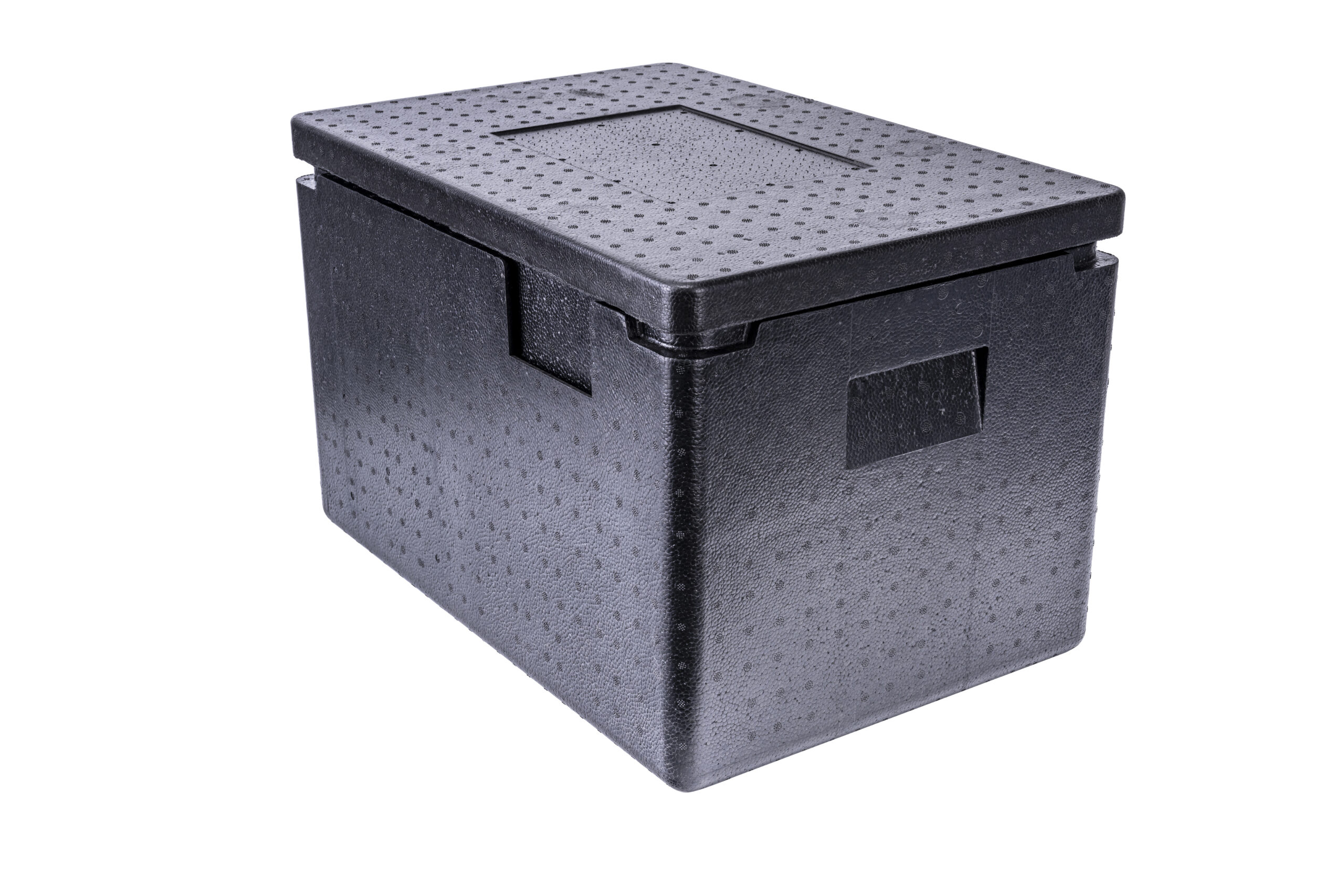
Comment choisir une boîte d'expédition froide VIP pour le transport de produits biologiques
Un VIP boîte d'expédition froide pour le transport de produits biologiques n'est pas automatiquement la bonne réponse pour chaque expédition sous chaîne du froid. Il est préférable de l'utiliser lorsque la valeur du produit, exposition par voie, sensibilité de la charge utile, ou les limites d'espace justifient une isolation passive plus forte. La question pratique est de savoir si l'expéditeur, liquide de refroidissement, disposition de la charge utile, processus de surveillance, et le flux de travail de réception s'adapte à votre produit. Ce guide édité vous aide à prendre cette décision sans suracheter ni sous-protéger l'envoi..
Réponse pratique: Une boîte d'expédition froide VIP ne doit être approuvée qu'après la limite de produits, exposition par voie, emballage, plan de surveillance, et la règle de réception est claire. L'isolation VIP améliore le tampon thermique, mais le résultat de l'expédition dépend du système d'exploitation complet.
Décidez d’abord si le VIP est justifié
Une boîte d'expédition froide VIP mérite d'être envisagée lorsque l'envoi a une raison claire pour une isolation passive plus forte.. Cette raison pourrait être une valeur de charge utile élevée, tolérance de température étroite, taille de la boîte extérieure limitée, exposition prolongée en transit, retards répétés sur les itinéraires, ou un besoin de manipulation réutilisable. Sans raison, L'emballage VIP peut devenir une habitude coûteuse plutôt qu'un outil de contrôle des risques.
La question utile n’est pas de savoir si une boîte d’expédition froide VIP pour le transport de produits biologiques est avancée.. La question utile est de savoir si cela résout le point faible de votre expédition actuelle.. Si vos échecs proviennent d’un mauvais conditionnement du pack, transferts lâches, pas clair réception des chèques, ou planification du week-end, la boîte à elle seule ne résoudra pas le processus. Si le point faible est un manque de tampon thermique ou une épaisseur de paroi trop importante dans un caisson contraint, VIP vaut peut-être la peine d'être testé.
Pour les produits biologiques, médicaments sensibles à la température, fournitures d'essai, et charges utiles de soins de santé réglementées, commencez par cartographier l’état du produit au moment de l’emballage, état requis à la livraison, exposition par voie prévue, et de quelle preuve le destinataire a besoin. Cela rend la décision suffisamment spécifique pour l'approvisionnement, qualité, et les équipes opérationnelles pour discuter ensemble.
Définir la limite du produit avant de concevoir le packaging
De nombreux envois de soins de santé réfrigérés sont prévus entre 2°C et 8°C, mais la plage requise doit être confirmée par l'étiquette du produit approuvé, données de stabilité, évaluation des risques liés à l'itinéraire, et les règles locales. La limite de produit doit être la ligne de départ car elle définit ce que l'emballage tente de protéger. Un produit réfrigéré qui ne doit pas congeler nécessite un emballage différent d'un produit congelé qui doit rester solide.. Un cosmétique sensible à la chaleur a besoin d’une protection différente de celle d’un réactif de laboratoire, colis de viande, trousse d'hôpital, ou coffret de produits frais.
C'est là que les acheteurs devraient résister aux réponses génériques. Un fournisseur peut proposer une famille de conteneurs, mais le packout a besoin d'une cible spécifique au produit. Cet objectif devrait inclure la plage de température autorisée, sensibilité au gel ou à la chaleur, temps maximum hors stockage, Taille de la charge utile, orientation, et si des données de température sont nécessaires pour la diffusion. Si l'un de ces éléments est inconnu, ils deviennent des points de vérification des acheteurs plutôt que des faits présumés.
Pour les envois de soins de santé réglementés, les conditions étiquetées et les procédures de qualité devraient guider les décisions. Pour les expéditions de nourriture, sécurité des produits, état à la livraison, et les règles locales doivent être vérifiées. Pour les cosmétiques, les formules peuvent être sensibles à la chaleur, gel, ou condensation même lorsqu'ils ne sont pas réglementés comme les médicaments. L'emballage doit refléter le risque réel plutôt que d'emprunter les règles d'une autre industrie..
Construire le système autour de l'itinéraire
Un conteneur VIP fait partie d'un système. Le système comprend du liquide de refroidissement, placement de la charge utile, séparateurs, doublures, absorbant, bûcherons de données, méthode de fermeture, étiquettes, carton extérieur, instructions d'emballage, procédures de transfert, et recevoir des chèques. Si ces parties ne sont pas définies, la même boîte peut produire des résultats différents selon les jours d'emballage.
La cartographie des itinéraires doit inclure plus que le temps de transit. Noter quand le colis quitte le stockage contrôlé, combien de temps il attend avant le ramassage, où il est trié, s'il change de véhicule, comment le destinataire est informé, et à quelle vitesse il est ouvert après la livraison. De nombreux problèmes de chaîne du froid surviennent lors de moments incontrôlés courts mais répétés., pas seul pendant le long trajet de transport.
La saison compte aussi. Un packout qui passe par temps doux peut nécessiter un liquide de refroidissement différent, délai d'expédition différent, ou un contenant différent pour les saisons chaudes ou froides. Les profils de tests thermiques et les essais en voie sont utiles car ils rendent ces hypothèses visibles.. Les performances déclarées par un fournisseur doivent toujours être liées aux conditions de test qui les sous-tendent..
Contrôles d'approvisionnement avant l'approbation des échantillons
| Avant d'approuver les échantillons | Quoi enregistrer | Raison |
|---|---|---|
| Exigence du produit | Plage autorisée, sensibilité au gel ou à la chaleur, Taille de la charge utile | Maintient l'emballage connecté au produit réel |
| Conception de conteneurs | Taille extérieure, taille intérieure utilisable, Protection du panneau VIP, fermeture | Évite les surprises lors de la gestion de l'entrepôt et du transporteur |
| Emballage | Type de liquide de refroidissement, méthode de conditionnement, placement, séparateurs | Rend les tests d'échantillons reproductibles |
| Preuve | Profil de test, essai de voie, données de l'enregistreur, critères d'acceptation | Sépare les affirmations étayées des hypothèses |
| Opérations | POS d'emballage, recevoir un chèque, processus de nettoyage ou de retour | Permet une utilisation de routine après le premier échantillon réussi |
Cette table est volontairement pratique. Il aide l'acheteur à passer d'un échantillon de produit à une décision d'emballage contrôlée.. Si le conteneur de production, liquide de refroidissement, ou le modèle de chargement change plus tard, l'équipe doit vérifier si les preuves antérieures s'appliquent toujours.
Quand un emballage isolé plus simple peut être préférable
Une boîte d'expédition froide VIP n'est pas toujours le meilleur choix. Plus simple boîtes à mousse, doublures isolées, sacs thermiques, ou couvertures de palettes peut convenir à des itinéraires courts, charges utiles de faible valeur, larges tolérances de température, ou des expéditions qui ne justifient pas un traitement de retour. Dans de nombreuses opérations, la meilleure solution est le package le plus simple qui répond de manière fiable aux exigences d'itinéraire et de qualité.
L'emballage VIP peut également être un mauvais choix lorsque l'équipe ne peut pas protéger les panneaux contre les dommages., je ne peux pas suivre un colis, impossible de récupérer les conteneurs réutilisables, ou ne peut pas inspecter le contenant entre les utilisations. Les matériaux plus performants nécessitent une manipulation plus disciplinée. Si l'opération n'est pas prête pour cette discipline, un format d'emballage moins sensible peut produire moins de problèmes sur le terrain.
L’approche la plus équilibrée consiste à qualifier les emballages par voie et par famille de produits.. Utilisez VIP là où le risque le justifie. Utilisez un emballage plus simple là où cela fonctionne. Gardez les instructions d'emballage suffisamment claires pour que le personnel de l'entrepôt puisse les répéter sans interprétation.. C’est ainsi que l’emballage devient un contrôle opérationnel plutôt qu’une expérience d’achat.
Flux de travail typique pour passer d'une demande de renseignements à une expédition de routine
Une équipe d'approvisionnement évaluant une boîte d'expédition froide VIP pour le transport de produits biologiques peut utiliser un processus par étapes. D'abord, définir la charge utile et les conditions requises. Deuxième, décrire l'itinéraire et les points de manutention. Troisième, demander une recommandation de conteneur avec les détails de l'emballage, pas seulement un prix de boîte. Quatrième, tester des échantillons dans des conditions proches de l’expédition réelle. Cinquième, documenter l'emballage approuvé et former l'équipe d'emballage.
Par exemple, l'équipe peut commencer par une voie dont les heures de ramassage et de livraison sont prévisibles. Ils emballent le produit réel ou une charge utile représentative, utiliser le liquide de refroidissement convenu, placer l'enregistreur dans un endroit documenté, et enregistrer l'état de réception. Si le procès révèle un problème, ils ajustent le packout ou l'itinéraire avant la mise à l'échelle. Ce processus est plus lent que l'achat de boîtes sur catalogue, mais cela réduit les surprises coûteuses plus tard.
Les expéditions de routine doivent également inclure un état d'esprit de contrôle des changements. Si dimensions de la boîte, fournisseur de liquide de refroidissement, disposition des panneaux, charge de produit, transporteur, ou des changements de timing d'itinéraire, l'équipe d'emballage doit demander si le résultat approuvé s'applique toujours. Cela évite une dérive silencieuse, lorsqu'une expédition semble utiliser le même conteneur mais n'utilise plus le même système.
Outils de décision utiles
Vérifiez les détails avant de choisir l'emballage
Ces outils rapides peuvent vous aider à comparer le risque d'itinéraire, besoins de dimensionnement, choix de liquide de refroidissement, et les détails de l'emballage avant de demander un devis.
Générateur de liste de contrôle de conformité
Créer une liste de contrôle pratique pour l'examen des emballages, expédition, et documentation.
Construire une liste de contrôleDoublure de boîte & Dimensionnement des couvertures de palettes
Vérifiez la logique de dimensionnement du revêtement de boîte et du couvercle de palette pour les projets d'emballage isotherme.
Dimensionnement estiméCalculateur de glace carbonique
Estimer les besoins en glace carbonique pour les envois congelés ou ultra-froids avant l'emballage.
Estimation de la neige carboniqueQuestions fréquemment posées
Qu'est-ce qui différencie une boîte d'expédition froide VIP d'une boîte standard expéditeur isolé? La principale différence réside dans l'utilisation de panneaux d'isolation sous vide., qui réduisent le transfert de chaleur à travers les parois du conteneur. Cela peut fournir un tampon thermique plus fort ou un espace plus utilisable dans certaines conceptions, mais les performances dépendent toujours du package complet et de l'itinéraire.
Comment comparer les allégations de performance des fournisseurs? Demandez quelles conditions soutiennent la réclamation: profil ambiant, durée, charge utile, liquide de refroidissement, méthode de conditionnement, Placement de l'enregistrement, et critères d'acceptation. Les réclamations qui ne décrivent pas ces conditions doivent être traitées comme incomplètes pour les décisions de passation de marchés..
Le même conteneur VIP peut-il être réutilisé? Certains conteneurs VIP sont conçus pour une manipulation réutilisable, mais la réutilisation dépend de l'inspection, nettoyage, panneau de protection, contrôle des accessoires, et renvoyer la logistique. Un programme consigné doit être testé avant une utilisation de routine.
Un enregistreur de température sécurise-t-il l'envoi ?? Non. Un enregistreur fournit des preuves; il ne crée pas de protection thermique. Ceci est utile lorsque les données sont examinées par rapport à des règles d'acceptation claires et liées à un processus de réception ou de déviation..
Que dois-je envoyer à un fournisseur pour une meilleure recommandation? Envoyer le type de produit, plage de température admissible, dimensions de la charge utile, durée de l'expédition, description de l'itinéraire, préoccupations saisonnières, restrictions de liquide de refroidissement, besoins de surveillance, et si le conteneur est à sens unique ou consigné.
Conclusion
Une boîte d'expédition froide VIP pour le transport de produits biologiques est plus utile lorsqu'elle est choisie pour un problème d'expédition défini.. Commencez par l'état autorisé du produit, puis tracez l'itinéraire, charge utile, liquide de refroidissement, surveillance, et flux de travail de réception. Demandez aux fournisseurs de relier les allégations de performance aux conditions de test, et évitez de considérer l’isolation VIP comme une garantie universelle.
Le meilleur emballage chaîne du froid la décision est généralement spécifique: cette charge utile, cette voie, ce paquet, ce critère d'acceptation. Ce niveau de clarté protège la qualité, aide les achats à comparer équitablement les options, et donne aux opérations un processus qui peut être répété.
Notes de terrain avant la mise à l'échelle
Pour les achats, la décision finale devrait équilibrer la protection, répétabilité, et charge d'exploitation. Si le package nécessite trop d'étapes particulières, le personnel peut ne pas suivre le paquet de manière cohérente. Si c'est trop simple pour l'itinéraire, le risque produit augmente. La meilleure sélection de boîtes d'expédition froide VIP est celle que l'organisation peut répéter, inspecter, document, et s'améliorer avec le temps.
Un exemple de demande doit être suffisamment spécifique pour éviter les conjectures. Au lieu de demander un expéditeur à froid générique, l'acheteur doit fournir les dimensions de la charge utile, condition cible, temps de transit, mode transporteur, préoccupation saisonnière, et si le conteneur sera retourné. Cela aide le fournisseur à recommander un système réaliste plutôt qu'un article de catalogue..
Le paquet final doit être facile à auditer. Un superviseur devrait être en mesure d'examiner un conteneur rempli et de déterminer si le liquide de refroidissement, séparateurs, enregistreur, documents, et la fermeture correspondent aux instructions. Si l'emballage correct ne peut pas être reconnu rapidement, la qualité de la routine dépendra trop de la mémoire individuelle.
Il est également utile de définir ce qui se passe en cas de problème.. Une boîte endommagée, enregistreur manquant, livraison tardive, ou un état incorrect du liquide de refroidissement devrait déclencher un examen clair. Cet examen peut être simple pour les aliments ou les biens de consommation et plus formel pour les charges utiles des soins de santé., mais il devrait exister avant que le programme ne soit mis à l'échelle.
L'acheteur doit garder le libellé précis. L'isolation VIP peut améliorer le tampon thermique, mais cela ne garantit pas la sortie du produit, remplacer la planification d'itinéraire, ou supprimez le besoin de procédures documentées. Cette distinction protège à la fois le fournisseur et l'acheteur des attentes irréalistes.
Pour la présélection finale des fournisseurs, l'approbation de l'échantillon devrait créer un point de référence pour les commandes ultérieures. Enregistrez la taille de la boîte, disposition des panneaux, type de liquide de refroidissement, orientation de la charge utile, liste d'accessoires, et méthode de fermeture. Si l'expédition de production modifie ultérieurement l'un de ces éléments, l'équipe doit décider si l'échantillon précédent représente toujours la véritable boîte d'expédition froide VIP pour le programme de transport de produits biologiques.
Pour la présélection finale des fournisseurs, le conditionnement des emballages mérite un contrôle écrit. Un liquide de refroidissement trop chaud peut réduire la protection, tandis qu'un liquide de refroidissement trop froid ou mal placé peut endommager les produits sensibles. Pour les produits biologiques, médicaments sensibles à la température, fournitures d'essai, et charges utiles de soins de santé réglementées, l'instruction doit indiquer comment le liquide de refroidissement est préparé, où il est placé, et quelle séparation est requise de la charge utile.
Pour la présélection finale des fournisseurs, la documentation n'a pas besoin d'être compliquée, mais ça devrait être précis. Une courte fiche de colisage avec des photos, une date de révision, et les critères d'acceptation sont souvent plus utiles qu'une longue procédure générique. L'objectif est de permettre à un nouvel emballeur de répéter la même configuration de boîte d'expédition froide VIP sans compter sur la mémoire..
Pour la présélection finale des fournisseurs, l’inspection de la réutilisation doit faire partie de la conception de l’itinéraire lorsque le conteneur est destiné à retourner. L'emballage retourné doit être vérifié pour les coins écrasés, couvercles endommagés, accessoires manquants, intérieurs humides, odeur, ou des dommages au panneau avant sa réintégration en stock. La réutilisation sans inspection peut transformer un bon conteneur en un risque incohérent.
À propos du tempk
La gamme d'emballages pour chaîne du froid de Tempk comprend des options d'isolation passive et des accessoires thermiques utilisés dans l'échantillonnage des produits., livraison de nourriture, logistique médicale, et programmes de distribution. Pour la fourniture d'essais cliniques, distribution de médecine spécialisée, transfert d'échantillons biologiques, et des voies de soins de santé de grande valeur, la conversation utile commence par l'état du produit, exposition par voie, étapes de manipulation, et si une approche réutilisable ou à sens unique est plus logique.
Avant de passer des expéditions d’échantillons aux expéditions de routine, discuter du pack, besoins en matière de documentation, et hypothèses d'itinéraire avec Tempk.