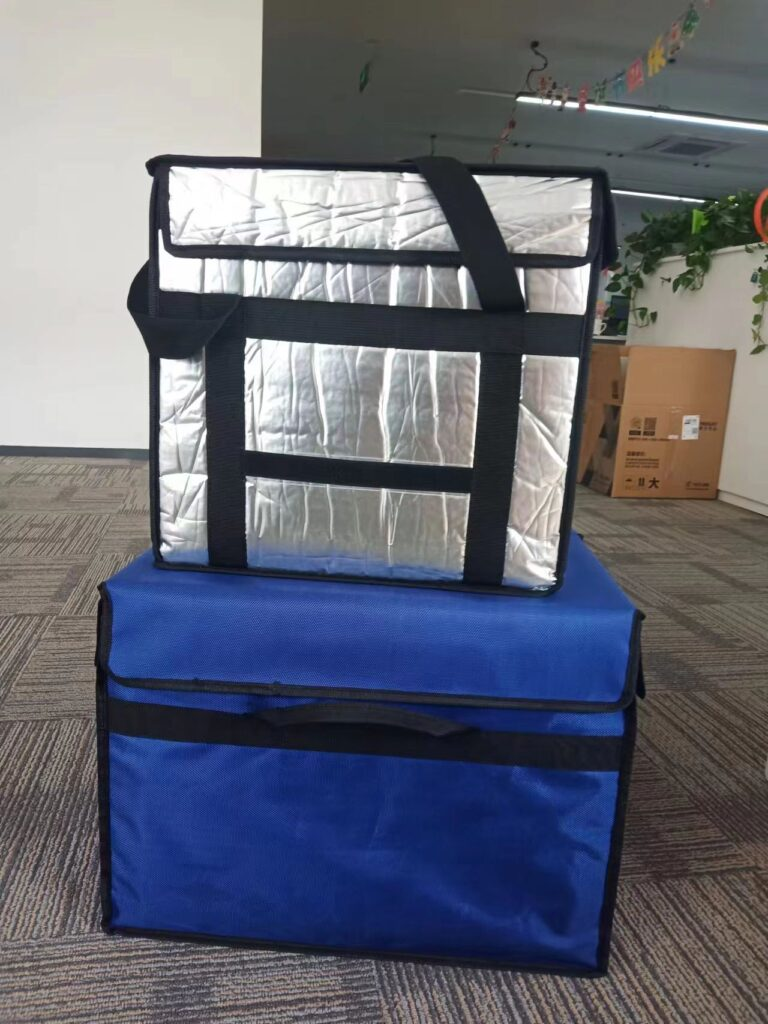
Boîte d'expédition froide VIP pour l'expédition de marchandises en vrac: Cadre de sélection
Pour les acheteurs, la question pratique n'est pas de savoir si l'isolation VIP semble avancée, mais si l'emballage complet correspond au produit et à l'itinéraire. Un VIP boîte d'expédition froide pour le transport de marchandises en vrac, cela peut être une option intéressante lorsque l'envoi nécessite une protection thermique compacte, mais il doit être évalué dans le cadre d'un système complet de contrôle passif de la température.. Ce système comprend la coque isolée, plan de refroidissement ou PCM, préparation de la charge utile, instructions d'emballage, approche de surveillance, gérer la communication, et recevoir un avis. Le travail de l'acheteur consiste à connecter ces pièces au produit, la voie, et la décision qui sera prise après la livraison.
Pour l'acheteur de fret, opérateur d'entrepôt, ingénieur emballage export, le point de départ utile est le véritable itinéraire: envois plus gros ou cartons groupés où chaque unité peut avoir besoin d'une protection isolée pendant la manutention du fret. Le principal risque est que les marchandises en vrac ajoutent une pression de gerbage, séjour des palettes, masse thermique mixte, et exposition inégale à l'extérieur des cartons. Si l'acheteur demande uniquement une taille de boîte ou une durée revendiquée, le fournisseur peut ne pas disposer de suffisamment d'informations pour recommander une configuration sûre et reproductible. Un meilleur brief décrit l'état du produit, plage de température requise, temps de transit prévu, points de transfert, preuve d'emballage, et ce que l'équipe de réception acceptera ou rejettera.
La première question pratique est de savoir si le produit doit être réfrigéré., congelé, température ambiante contrôlée, ou une autre plage définie. les exigences de température doivent être définies pour le produit puis traduites en une unité, carton, palette, ou plan thermique au niveau du conteneur. Un expéditeur VIP doit donc être examiné par rapport aux exigences réelles du produit et à l'état de l'itinéraire., pas contre une promesse générique. Lorsque les informations sur la stabilité du produit sont limitées, la bonne action est de demander des éclaircissements et de tester des preuves, ne pas combler le vide avec des hypothèses.
Le fret en vrac introduit la géométrie. Les cartons de bord peuvent voir des conditions différentes de celles des cartons centraux, et emballage de palette ou couvertures de palettes peut modifier le débit d'air et le gain de chaleur. Un seul test de boîte interne peut ne pas représenter la totalité de la charge palettisée, l'acheteur doit donc définir si une protection est nécessaire à l'unité, carton, ou niveau palette.
Commencez par la sensibilité du produit, pas de type conteneur
Un cadre de sélection final devrait commencer par la sensibilité du produit. Pour les envois plus importants ou les cartons groupés où chaque unité peut avoir besoin d'une protection isolée pendant la manutention du fret, le colis devra peut-être éviter le réchauffement, gel, condensation, mouvement de la charge utile, ou des lacunes dans les preuves. La plage de température ne représente qu’une partie des exigences. Il faut également savoir si le produit est sensible au gel, si la charge utile doit rester sèche, si l'équipe de réception a besoin d'un rapport lisible, et si une unité qualité examinera les écarts.
Cette approche évite une erreur d'achat courante: choisir un contenant car il est labellisé premium, puis découvrant plus tard que l'emballage ne correspond pas au produit. Le récipient ralentit le transfert de chaleur. Il ne décide pas si une excursion est acceptable, et cela ne qualifie pas un itinéraire non revu. Un brief d’expédition soigneusement rédigé a plus de valeur qu’une longue liste de fonctionnalités génériques.
Transformez l'itinéraire en un brief d'emballage testable
Un brief testable transforme une idée d'expédition approximative en une exigence prête à être soumise par le fournisseur.. Il doit indiquer le type de produit, plage requise, famille d'itinéraires, exposition maximale attendue, détails de la charge utile, préférence ou restriction en matière de liquide de refroidissement, besoin de surveillance, et recevoir la décision. Pour boîte d'expédition à froid VIP pour l'expédition de marchandises en vrac, ce dossier devrait également identifier le principal mode de défaillance: les marchandises en vrac ajoutent une pression de gerbage, séjour des palettes, masse thermique mixte, et exposition inégale à l'extérieur des cartons.
Le brief ne doit pas nécessairement être parfait dès la première ébauche. Il faut que ce soit explicite. Si une valeur est inconnue, marquez-le comme une question pour un examen de la qualité ou de la logistique. Par exemple, n'écrivez pas de temps de maintien fixe à moins de connaître le profil ambiant et les critères d'acceptation. N'écrivez pas de capacité de charge utile à moins que vous sachiez s'il s'agit d'un volume interne brut ou d'un espace produit utilisable après le chargement du liquide de refroidissement et des séparateurs..
Table de décision pour examen pratique
| Zone de décision | Que décider | Ce qu'il ne faut pas supposer |
|---|---|---|
| Exigence du produit | Plage cible, politique d'excursion, sensibilité au gel ou à l’humidité. | Ne présumez pas qu’une gamme convient à chaque produit. |
| Système thermique | Récipient VIP, liquide de refroidissement, séparateurs, conditionnement de la charge utile, et fermeture. | Ne considérez pas la box seule comme un système qualifié. |
| Exposition de l'itinéraire | Temps de transit, profil saisonnier, douane, demeurer, et le dernier kilomètre. | N'utilisez pas le temps de vol prévu comme exposition totale. |
| Preuve | Configuration de l'enregistreur, preuve d'étalonnage, accès au rapport, règles de réception. | Ne présumez pas que la surveillance protège le produit. |
| Mise à l'échelle | Cohérence de l'échantillon, contrôle des changements de production, formation d'emballeur. | N'approuvez pas la production à partir d'un essai sur échantillon lâche. |
Ce cadre permet d'éviter à la fois le surachat et la sous-spécification.. Il permet aux achats, logistique, et les équipes qualité discutent des mêmes faits avant que l'emballage ne soit approuvé.
Quand le conteneur VIP vous convient, et quand ce n'est pas le cas
Un conteneur VIP est un bon choix lorsque la valeur du produit, risque d'itinéraire, ou la contrainte d'espace justifie une isolation de qualité supérieure et un emballage plus discipliné. Il est moins adapté lorsque l’équipe ne parvient pas à définir le besoin en température, impossible de préconditionner le liquide de refroidissement, impossible de récupérer les données d'expédition, ou nécessite un contrôle actif de la température plutôt qu'une isolation passive. Le transport de marchandises en vrac n’est pas seulement un problème plus important en matière de cartons. C'est un problème de géométrie et de manutention de la charge.
La décision doit également tenir compte du destinataire. Un laboratoire, hôpital, distributeur, ou un client domestique peut avoir un comportement de réception très différent. Si le destinataire ne peut pas déballer rapidement ou interpréter un rapport d'enregistreur, le plan d'emballage doit inclure des instructions de réception claires et des contacts de remontée d'informations.
Des preuves que les équipes de qualité souhaitent généralement voir
Les équipes qualité veulent généralement des preuves qui correspondent au niveau de risque. Pour boîte d'expédition à froid VIP pour l'expédition de marchandises en vrac, cela peut inclure les exigences d'expédition du produit, données techniques du fournisseur, instruction d'emballage, résumé du profil de test, exemples de notes de révision, paramètres de l'enregistreur, informations d'étalonnage, et réception des règles d'inspection. Le package exact dépend du produit et du marché, donc l'article ne devrait pas prétendre qu'un seul ensemble de documentation est obligatoire partout.
Ce qui compte c'est la traçabilité de la décision. Lorsqu'un itinéraire est approuvé, l'équipe doit savoir quelle version d'emballage a été utilisée, quelle configuration de liquide de refroidissement a été testée, qui a formé les emballeurs, et quel changement déclencherait un réexamen. Cela est particulièrement important lorsqu'un échantillon devient une expédition de production ou lorsqu'une voie est étendue à une nouvelle région..
Des questions des fournisseurs qui révèlent une réelle préparation
Demandez au fournisseur quel est le rapport entre la configuration testée et votre itinéraire, non seulement si le conteneur est isolé. Demandez si les dimensions de la charge utile incluent l'espace pour le liquide de refroidissement. Demandez ce qui se passe si le panneau VIP est endommagé. Demandez si le carton extérieur ou la coque est conçu pour la méthode de manipulation que vous utilisez.. Demandez si les instructions d'emballage sont suffisamment claires pour le personnel de l'entrepôt qui n'a pas conçu l'emballage..
Demandez également ce que le fournisseur ne réclamera pas. Un fournisseur prudent devrait être prêt à dire que la performance dépend de l'itinéraire, charge utile, configuration du liquide de refroidissement, et manipulation. Cette prudence n'est pas une faiblesse. C'est le signe que le débat sur l'emballage est ancré dans la réalité de la chaîne du froid..
Outils de décision utiles
Vérifiez les détails avant de choisir l'emballage
Ces outils rapides peuvent vous aider à comparer le risque d'itinéraire, besoins de dimensionnement, choix de liquide de refroidissement, et les détails de l'emballage avant de demander un devis.
Vérificateur de risque d'itinéraire
Examinez les conditions des pistes avant de sélectionner l'emballage en fonction des exigences opérationnelles réelles..
Vérifier le risque d'itinéraireLiquide de refroidissement & Référence PCM
Comparez les options de liquide de refroidissement et de PCM lorsqu'un itinéraire nécessite une prise en charge supplémentaire de la température.
Comparez les optionsCalculateur de banquise
Estimation de la quantité de pain de glace pour les expéditions réfrigérées et planification pratique des itinéraires.
Estimer les packs de glaceNotes d'approvisionnement pour l'examen de l'échantillon à la production
L'approbation des échantillons ne doit pas se terminer par un contrôle visuel. Pour boîte d'expédition à froid VIP pour l'expédition de marchandises en vrac, l'acheteur doit comparer l'échantillon avec l'unité de production, confirmer matériaux d'emballage, examiner le dossier écrit, et décider quel changement nécessiterait une nouvelle approbation. Cela est important lorsque le premier essai est emballé par un technicien, mais que les expéditions de routine sont emballées par le personnel de l'entrepôt sous pression de temps.. Un package VIP bien conçu peut toujours produire des résultats incohérents si le processus n'est pas enseignable.
Un dossier pratique de passation des marchés peut comprendre des exemples de photos, étapes d'emballage, description du matériau, hypothèses d'itinéraire, exigences de surveillance, et recevoir des actions. Si le fournisseur propose une personnalisation, traiter chaque changement comme une variable de conception. Un couvercle différent, doublure, carton, poignée, diviseur, ou le format du liquide de refroidissement peut modifier la façon dont le système est emballé et manipulé. Les achats doivent impliquer la qualité et les opérations avant que le volume des achats n'augmente.
FAQ
Une boîte d'expédition à froid VIP pour l'expédition de marchandises en vrac est-elle automatiquement qualifiée pour mon envoi?
Non. Un conteneur VIP peut faire partie d'un système d'emballage qualifié, mais l'envoi doit encore être examiné par rapport à la plage de température du produit, profil d'itinéraire, charge utile, configuration du liquide de refroidissement, processus de manipulation, et règles de réception. Demandez le contexte du test et les instructions d'emballage avant de traiter le conteneur comme approuvé pour une utilisation en production..
L'isolation VIP remplace-t-elle les packs de gel, PCM, glace carbonique, ou réfrigération active?
Non. L'isolation VIP ralentit le transfert de chaleur; il ne crée pas de froid tout seul. De nombreux systèmes passifs nécessitent encore un liquide de refroidissement ou un matériau à changement de phase sélectionné pour la gamme de produits.. Si l'envoi nécessite un contrôle actif de la température, une loge VIP passive peut ne pas suffire.
Où doit-on placer un enregistreur de données à l'intérieur de l'emballage?
L'emplacement de l'enregistreur doit correspondre à l'objectif de surveillance. Un emplacement pratique près du couvercle peut ne pas refléter le risque lié à la charge utile, tandis qu'un enregistreur profondément enfoui peut manquer l'exposition sur les bords. Définir la carte de placement, limites d'alarme, format de rapport, et recevoir un examen avant le début des expéditions de routine.
Que dois-je demander à un fournisseur avant de commander des échantillons?
Partager la gamme de produits, itinéraire, dimensions de la charge utile, exposition attendue, et besoin de documentation. Demandez comment l'échantillon a été testé, combien d'espace de charge utile utilisable reste après le liquide de refroidissement, si le paquet est écrit clairement, et quels changements nécessiteraient un examen avant la mise à l'échelle.
Quand l’emballage VIP n’est-il pas le meilleur choix?
Ce n'est peut-être pas le meilleur choix lorsque l'itinéraire est court, la valeur du produit est faible, le risque de température est limité, ou l'équipe ne peut pas supporter la discipline d'emballage requise. Un plus simple expéditeur isolé peut suffire s'il est testé pour l'itinéraire et le produit.
L'acheteur doit également se demander comment les changements saisonniers sont gérés. Été, hiver, et les itinéraires hors saison peuvent nécessiter un conditionnement de liquide de refroidissement différent ou des marges d'emballage différentes. Un conteneur VIP peut fournir une isolation utile au fil des saisons, mais le profil de l'itinéraire et les critères d'acceptation doivent toujours être revus avant que le même emballage ne soit utilisé toute l'année.
La comparaison des coûts doit inclure plus que le prix unitaire. Un package qui utilise efficacement l’espace, réduit les reprises, améliore les preuves de libération, ou simplifie l'emballage peut justifier un coût unitaire plus élevé sur certaines voies. L'inverse peut aussi être vrai: un conteneur premium est un gaspillage si l'itinéraire présente un faible risque et qu'un expéditeur testé plus simple répond à l'exigence.
La formation fait partie de la performance de l'emballage. Le personnel doit savoir comment préconditionner le liquide de refroidissement, charger la charge utile, éviter d'écraser les pièces internes, placer l'enregistreur, ferme le couvercle, appliquer des étiquettes, et enregistrer l'heure d'expédition. Si l'instruction nécessite un jugement d'expert à chaque étape, la conception n'est peut-être pas prête pour les opérations de routine.
Un autre point à vérifier est le processus de décision de l'équipe qui reçoit.. Si l'envoi arrive avec une alarme, carton extérieur endommagé, rapport manquant, ou livraison retardée, quelqu'un doit savoir s'il doit libérer, quarantaine, ou escalader. Cette décision ne devrait pas être inventée sur le banc des accusés. Cela doit être écrit dans les instructions d'expédition afin que le colis, données, et l'examen de la qualité travaillent ensemble.
L'acheteur doit également se demander comment les changements saisonniers sont gérés. Été, hiver, et les itinéraires hors saison peuvent nécessiter un conditionnement de liquide de refroidissement différent ou des marges d'emballage différentes. Un conteneur VIP peut fournir une isolation utile au fil des saisons, mais le profil de l'itinéraire et les critères d'acceptation doivent toujours être revus avant que le même emballage ne soit utilisé toute l'année.
Conclusion
Une boîte d'expédition froide VIP pour le transport de marchandises en vrac doit être sélectionnée comme système complet de chaîne du froid., pas comme une boîte isolée. Commencez par la sensibilité du produit, définir l'itinéraire, demander des preuves qui correspondent au cas d'utilisation, et vérifiez comment le colis sera emballé et reçu avant la mise à l'échelle. Si une réclamation ne peut être liée à des conditions, transformez-le en une question de fournisseur.
À propos du Tempk
Tempk prend en charge emballage à température contrôlée discussions à travers conteneurs isolés, choix de liquide de refroidissement, et planification des expéditions pour les utilisateurs B2B de la chaîne du froid. Nous nous concentrons sur des détails pratiques tels que la plage de température requise, ajustement de la charge utile, compatibilité du liquide de refroidissement, exposition par voie, et les besoins en matière de suivi. Pour les projets impliquant Loges VIP, conteneurs isolés, packs de gel, Packs PCM, ou connexe emballage chaîne du froid, la discussion la plus utile commence par votre itinéraire et votre profil de produit. Tempk n'a pas besoin de transformer chaque expédition en la solution la plus complexe; l'objectif est d'aider les acheteurs à comparer soigneusement les options et à choisir une orientation d'emballage qui peut être examinée par leurs propres opérations et équipes qualité..
Demandez à Tempk de revoir votre itinéraire, charge utile, et les exigences de température afin que la discussion sur l'emballage VIP commence par la réalité de l'expédition, ce n'est pas une réclamation générique.