VIP Cooler Box for Fresh Produce Shipping: How to Ship Fruits & Veggies Safely in 2025
Mis à jour le Décembre 3 2025, this comprehensive guide explores how a VIP cooler box for fresh produce shipping protects your fruits and vegetables. You’ll learn why vacuum insulated panels (Vips) outperform foam coolers, how to choose the right box, and what innovations are changing cold chain logistics. Real data from industry sources shows that VIP technology reduces heat transfer by up to 90 % and maintains temperatures for days. Read on to understand how these boxes can keep your produce fresher, cut transport costs and reduce waste.
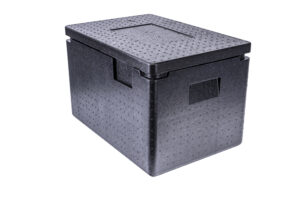
What makes a VIP cooler box different? – We explain how vacuum insulation works and why it is ideal for fresh produce shipping. The section includes long tail keywords like “vacuum insulated panel cooler box for produce.”
How does a VIP box protect fruits & légumes? – This section covers temperature ranges, hold times and how to pair phase change materials (PCMS) with a VIP cooler box to maintain 0–13 °C as recommended for produce.
How to choose the right VIP cooler box? – We outline size, poids, compliance factors and compare VIPs to foam boxes. Related long tail keywords such as “eco friendly VIP insulated container” are used.
Fresh produce shipping best practices and emerging trends for 2025 – Learn about sustainability mandates, Intégration IoT, AI driven optimization and other trends shaping cold chain logistics.
FAQ – Short answers to common questions like “How many times can a VIP cooler box be reused?” and “What is the best temperature for fruit shipping?»
What Is a VIP Cooler Box and Why Does It Matter?
A VIP cooler box for fresh produce shipping uses vacuum insulated panels to achieve superior thermal performance with minimal weight. This technology draws on a core of microporous silica or fiberglass evacuated of air and sealed inside a multi layer barrier film. By removing almost all air – the primary carrier of heat – VIP panels drastically reduce heat conduction and convection. Selon la recherche sur l'industrie, these panels can improve insulation efficiency by up to 90 % compared with traditional foam. The result is a cooler box that can maintain a stable internal temperature for 7–10 jours while using significantly thinner walls and less refrigerant.
Anatomy of a VIP Cooler Box
À la base, a VIP cooler box consists of five key components: a microporous silica core, a barrier film to create the vacuum, a support structure for mechanical strength, an outer shell and Matériaux à changement de phase (PCMS). PCMs absorb or release heat as they change phase from solid to liquid or vice versa, smoothing temperature fluctuations inside the box. When used together, the VIP panels provide insulation while the PCM packs provide active cooling tailored to the required temperature range.
| Composant | Fonction | Bénéficier à vous |
| Microporous core | Vacuum sealed silica or glass fibre minimizes heat conduction | Ensures the internal environment stays within the produce’s ideal range (0–13 °C for most fruits and vegetables) |
| Film barrière | Multi layer envelope maintains the vacuum and protects against moisture | Keeps insulation performance consistent over multiple cycles |
| Structure de soutien | Rigid frames prevent collapse and make the box reusable | Protects produce during transit and allows reuse for multiple shipments |
| Coque extérieure | Polymer or cardboard casing holds everything together | Reduces weight compared to thick foam, réduire les frais d'expédition |
| Matériel à changement de phase (PCM) | Gel packs or plates that change phase at target temperature | Provides active cooling to maintain the right temperature for hours or days |
Why Vacuum Insulation Beats Foam
Traditional EPS and PUR foam coolers use trapped air to slow heat transfer, but air still conducts some heat. En revanche, vacuum insulation removes almost all air molecules, leaving a near vacuum space where heat transfer by conduction and convection is minimal. Research comparing insulation materials shows that EPS has thermal conductivity of 30–35 mW/m·K with typical wall thicknesses of 30–40 mm. Polyuréthane (Pur) improves this to 24–30 mW/m·K with walls of 25–40 mm. Panneaux VIP, cependant, achieve 5 mW/m·K avec seulement 10–15mm of wall thickness. That means a VIP cooler box can provide the same insulation with walls one third the thickness, creating more payload space and less material waste.
Extended Duration: Because of this low thermal conductivity, VIP boxes can maintain target temperatures for 7–10 jours avec seulement 1.5 kg of PCM pour un 5 L payload. Par contre, foam boxes often require 6–10 kg of ice packs to achieve similar hold times. That weight difference translates to lower transportation costs and easier handling.
Consistency and Reliability: The barrier film and support structure ensure that VIP panels maintain their vacuum over multiple reuse cycles. This durability is essential for repeated shipments of fruits and vegetables, which often involve long supply chains. Some VIP shippers incorporate smart sensors for real time monitoring of temperature and humidity, providing added assurance that your produce remains safe.
Applications Beyond Fresh Produce
While this guide focuses on fresh produce, VIP cooler boxes are also widely used in pharmaceuticals, biotechnology and chemical industries due to their ability to maintain strict temperature requirements. Understanding these broader applications helps illustrate the robustness of the technology and why it is well suited for perishable foods.
How VIP Cooler Boxes Protect Fruits and Vegetables
Fresh fruits and vegetables are sensitive to temperature changes. Exceeding the optimal range can accelerate ripening, promote microbial growth or cause chilling injury. According to guidelines for refrigerated delivery trucks, most fresh produce should be kept between 32 ° F et 55 °F (0 °C à 13 °C). Bananas require a slightly higher range of 12–14 °C, while leafy greens and berries perform best near 1–4 °C. VIP cooler boxes provide precise control to maintain these ranges for extended periods.
Pairing PCMs With VIP Panels
To maintain the target temperature, you must select PCMs with a melting point close to the desired range. Par exemple, a PCM rated at 5 °C is ideal for most produce. When the internal temperature rises above 5 °C, the PCM melts and absorbs excess heat. As temperature drops below 5 °C, the PCM solidifies, releasing heat and preventing the produce from freezing. A properly sized VIP box with matched PCMs can keep the payload within the required range for 7–10 jours.
| Produce Category | Plage de température idéale | Potential Impact of Deviations | Why a VIP Cooler Box Helps |
| Fruits (apples, baies, raisins) | 0–4 °C | Trop chaud: accelerated ripening; too cold: chilling injury | Maintains stable temperature and reduces ripening speed |
| Bananes | 12–14 °C | Trop froid: blackening and texture loss | Allows targeted PCMs to match banana needs |
| Leafy vegetables | 1–3 °C | Warm temperatures promote wilting and decay | VIP insulation ensures humidity control and consistent cooling |
| Tomatoes and peppers | 7–10 °C | Trop froid: pitting and poor flavor | Use custom PCMs to stay above 7 °C |
| Légumes surgelés | –10 °C à –20 °C | Thawing reduces texture and nutritional value | Vacuum panels paired with dry ice or ultra cold PCMs preserve deep freeze temperatures |
Exemple du monde réel
A California grape grower exports table grapes across the United States. They previously used large EPS foam coolers with six ice packs. Despite their efforts, the grapes arrived at 10 °C, leading to mold and spoilage. After switching to a VIP cooler box with 10 mm panels and 1.5 kg of 5 °C PCM, the grapes consistently arrived at 2–4 °C. The company reduced the number of ice packs by 70 % et sauvé 20 % on shipping costs. Smart sensors embedded in the box alerted them to any temperature deviations. This improved shelf life and reduced waste, allowing the grower to command premium prices in 2025.
Selecting the Right VIP Cooler Box
Choosing the best VIP cooler box for fresh produce shipping involves several factors. Your decision should consider product volume, tenir le temps, weight limitations, exigences réglementaires, sustainability and budget.
Size and Payload Volume
Assess the quantity of produce you need to ship and match it with the internal dimensions of the cooler box. VIP panels have thin walls, so you can fit more product inside a similar external footprint compared to foam boxes. Par exemple, replacing a 30 mm EPS box with a 10 mm VIP box increases internal space by 20 % à 30 %. This added volume may reduce the number of shipments needed.
Hold Time and Transit Duration
Estimate how long your produce will be in transit, y compris les retards potentiels. VIP boxes provide superior hold times (often 7–10 days). For shorter journeys, you may use smaller PCM packs, further reducing weight. Pour les expéditions plus longues que 10 jours, consider hybrid solutions that combine VIP panels with active refrigeration. Some advanced systems integrate dry ice to maintain –20 ° C or lower for up to six days.
Weight and Shipping Costs
Every kilogram counts when shipping by air or express courier. VIP boxes weigh less than foam boxes because of thinner walls and fewer PCM packs. Selon les guides de l'industrie, the ability to reduce PCM mass from 6–10 kg to 1.5 kg yields significant cost savings. En plus, smaller external dimensions lower volumetric weight charges. When evaluating options, compare total loaded weight (boîte + produire + PCM) against carrier pricing tiers.
Compliance and Standards
Regulations in 2025 are more stringent than ever. Les États-Unis. Food Safety Modernization Act’s Règle de la FSMA 204 requires digital traceability of shipments with temperature data captured and provided within 24 hours of a request. European regulations such as the EU Packaging and Packaging Waste Regulation (PP) cible 70 % recycling by 2030. Many retailers and distributors require validated packaging that meets Bonne pratique de distribution (PIB) normes. Choose a VIP cooler box with documented performance tests, such as drop tests, thermal validation and reusability certifications.
Sustainability and Reusability
Consumers increasingly prefer eco friendly packaging. VIP boxes have a much lower environmental impact because their cores can be reused up to 10 times and the silica cores are recyclable. Recycling the core reduces global warming potential by 95 % compared with incineration. Many suppliers offer return programs to collect used panels and refurbish them. When evaluating suppliers, ask about take back programs, recyclable materials and documentation to support carbon footprint calculations.
Considérations de coûts
VIP cooler boxes are more expensive upfront than foam boxes, but they often pay for themselves through reduced shipping weight, lower spoilage and the possibility of reuse. Consider total cost of ownership rather than unit price. Evaluate how many shipments the box can be used for, how much product it can protect and what savings it yields in reduced waste or premium pricing for fresher produce.
Meilleures pratiques: Emballage, Shipping and Handling
Even the most advanced VIP cooler box for fresh produce shipping requires proper handling to maximize its benefits. The following steps help ensure success.
Pre Conditioning and PCM Preparation
Pre cool the box and PCMs: Place the empty VIP box and PCM packs in a cold room at the target temperature for at least 24 heures. Pre conditioning ensures the insulation starts at the desired temperature.
Choose appropriate PCMs: Select PCMs with a melting point close to the required range (Par exemple, 5 °C for most produce or 13 °C for bananas). Use the manufacturer’s guidelines to determine the quantity.
Prepare produce: Pre cool fruits and vegetables to the target temperature. Never pack warm produce; it will raise internal temperatures and consume PCM energy quickly.
Packing and Loading Tips
Pack product tightly to minimize air pockets. Air gaps allow warm air to circulate and reduce efficiency.
Arrange PCM packs evenly around the produce to ensure uniform temperature distribution. For multi layer loads, place PCM packs on the sides and top rather than only on the bottom.
Seal the box quickly: Close and seal the VIP box immediately after packing to minimize exposure to ambient conditions. Consider using tamper evident seals for added security.
Use data loggers or IoT sensors: Modern VIP boxes can integrate smart sensors that measure temperature and humidity in real time. These sensors transmit data via Bluetooth or cellular networks, alerting you to any deviations so you can take corrective actions.
Shipping and Tracking
Plan the fastest route: Select carriers that offer direct routes and reliable transit times. Consider weekend and holiday schedules to avoid unexpected delays.
Monitor ambient temperatures: For shipments traveling through hot or cold regions, choose PCMs and insulation that can handle expected extremes. Some advanced VIP boxes include multi zone insulation to protect against external temperature spikes.
Document compliance: Use digital logs to record time, temperature and handling events. Compliance with FSMA Rule 204 and other regulations requires traceability with data records available within 24 heures.
Handling and Reverse Logistics
Former le personnel: Ensure warehouse staff understand how to handle VIP boxes without puncturing the barrier film or damaging PCMs. The vacuum panels can be fragile and should not be dropped or crushed.
Plan for return shipments: Implement a reverse logistics program to retrieve VIP panels for reuse. Many carriers allow a one way shipping label to be attached for return. Reusing panels reduces costs and environmental impact.
Inspecter après utilisation: After each cycle, inspect VIP panels for punctures or delamination. Replace any damaged components to maintain performance. Some suppliers offer refurbishment services.
2025 Innovations et tendances dans l'emballage de la chaîne du froid
Sustainability Regulations and Circular Economy Initiatives
Governments and industries are pushing for more sustainable packaging. Le EU’s Circular Economy Action Plan requires at least 70 % of all packaging to be recyclable or reusable by 2030, and California will mandate that all packaging be recyclable or compostable by 2032. VIP cooler boxes align with these goals because they reduce material usage and are designed for multiple cycles. The ability to recycle silica cores and barrier films drastically reduces their carbon footprint.
Croissance du marché et moteurs de la demande
The global cold chain packaging market was valued at USD 34.08 milliards en 2025 et devrait atteindre USD 95.31 milliards 2034, représentant un taux de croissance annuel composé de 12.15 %. Insulated containers and boxes account for over 58 % du marché, with the fruits and vegetables segment growing at more than 21 % TCAC. These figures highlight rising demand for reliable packaging to support e commerce, global distribution and consumer expectations for fresh food year round.
IoT, AI and Smart Packaging
Emerging technologies are making VIP boxes smarter and more responsive. IoT sensors embedded in the box monitor temperature, humidité et choc. Data is transmitted via GSM or Bluetooth, enabling real time alerts and compliance with traceability laws. Dans 2025, some companies are integrating AI algorithms to predict temperature excursions and suggest routing changes. Blockchain platforms record sensor data immutably to ensure transparency. Some VIP boxes now include built in displays that show the remaining cooling capacity, guiding users on when to replenish PCMs or take action.
Hybrid and Multi Zone Systems
Hybrid coolers combine VIP insulation with active refrigeration units powered by rechargeable batteries or dry ice. These systems provide redundancy and can maintain –20 ° C ou même –80 °C pour produits pharmaceutiques. Multi zone VIP containers allow different compartments to be maintained at separate temperatures, enabling producers to ship fruits, vegetables and frozen items together. Such innovations increase efficiency and reduce the number of shipments needed.
AI Driven Routing and Inventory Optimization
Advanced analytics use historical temperature data, weather forecasts and transport schedules to optimize shipping routes. AI tools recommend the best combination of insulation and PCM based on cargo sensitivity and trip duration. They can also predict produce shelf life and suggest distribution strategies that minimize waste. These digital tools help companies comply with regulatory requirements and deliver higher quality produce.
Questions fréquemment posées
Q1: How many times can a VIP cooler box be reused?
Most VIP cooler boxes are designed for plusieurs cycles de réutilisation. The core and barrier film maintain vacuum integrity when handled properly, and some manufacturers guarantee performance for up to ten cycles. Always inspect the box for punctures or delamination before reuse.
Q2: What is the ideal temperature range for shipping fresh produce?
For most fruits and vegetables, the ideal range is 0–13 °C. Les bananes ont besoin de 12 à 14 °C, while leafy greens prefer 1–3 °C. Choose PCMs that match your specific produce.
Q3: Can VIP cooler boxes be recycled?
Oui. The silica cores used in VIP panels can be recycled, reducing global warming potential by 95 %. Many suppliers offer take back programs for refurbishing or recycling used panels.
Q4: How do VIP boxes compare with active refrigerated containers?
Active refrigeration units maintain temperature using battery power or external power sources. They are heavier, more expensive and require maintenance. VIP cooler boxes are passive; they use insulation and PCMs, making them lighter and easier to handle. They are ideal for shipments within 7–10 days. For longer trips or ultra cold requirements, hybrid solutions may be better.
Q5: What should I do if the temperature alarm goes off during shipment?
If your IoT sensor alerts you to a temperature deviation, contact the carrier immediately to check for delays or mechanical issues. Si possible, divert the shipment to a nearby cold storage facility. Use real time data to make informed decisions and document actions for compliance.
Résumé et recommandations
Dans 2025, maintaining the integrity of fresh produce during shipping is crucial as consumers expect high quality and regulators demand traceability. UN VIP cooler box for fresh produce shipping offers the best combination of long hold time, lightweight design and precise temperature control. With vacuum insulated panels that improve insulation by up to 90 %, these boxes can maintain 0–13 °C for 7–10 jours with minimal PCM weight. They reduce shipping costs, increase payload space and can be reused multiple times. To maximize benefits, choisissez la bonne taille, prepare the box properly, monitor temperature and plan reverse logistics.
Next Steps and Call to Action
Ready to upgrade your fresh produce shipments? Here are three actions you can take:
Assess your current packaging: Calculate current spoilage rates and shipping costs. If you’re using foam coolers, consider how much weight and volume you could save with a VIP box.
Consult a cold chain specialist: Our team at TemPK can help you select the right VIP cooler box for fresh produce shipping, choose matching PCMs and design a validated pack out procedure.
Implement a pilot program: Start with a small batch of shipments using VIP boxes and smart sensors. Track temperature data, delivery times and customer feedback. Use this data to build a business case for wider adoption.
À propos de TemPK
À TempPK, we specialize in advanced cold chain solutions for the food and pharmaceutical industries. Notre VIP cooler boxes combine cutting edge vacuum insulation with smart monitoring to ensure your products arrive safely. With decades of engineering experience, we design reusable packaging that meets FSMA and GDP standards. Our eco friendly materials reduce waste and emissions while delivering exceptional performance. Contact us today to learn how we can support your cold chain logistics.
For personalized advice or a free consultation, visit our website or reach out to our technical team. We’re here to help you keep your produce fresher, plus long.