Storing temperaturesensitive products such as vaccines, biologics and highvalue foods is no longer optional—it is a regulatory requirement. UN Caisse réfrigérée VIP pour un emballage conforme FDA uses advanced vacuum insulation panels and phasechange materials to protect products for days while meeting strict documentation and traceability rules. Ce guide, mis à jour pour 8 Décembre 2025, explores what makes Loges VIP unique, comment les utiliser, et comment ils s'alignent sur les dernières normes de la Food and Drug Administration (FDA) réglementations et tendances en matière de développement durable. Que vous gériez une chaîne d'approvisionnement pharmaceutique ou expédiiez du fromage artisanal, vous apprendrez des conseils pratiques pour garantir la sécurité de vos envois, durable et conforme.
Cet article vous aidera:
Comprendre ce qu'est une box réfrigérée VIP: Découvrez comment les panneaux isolés sous vide (Vips) réduire la conductivité thermique à un niveau aussi bas que 0.004 W / m · k et comment les parois minces libèrent plus d'espace de charge utile.
Comply with FDA chaîne du froid regulations: En savoir plus sur la Loi sur la modernisation de la sécurité alimentaire (FSMA) et Loi sur la sécurité de la chaîne d'approvisionnement en médicaments (DSCSA) exigences, including documentation and temperaturerange obligations.
Explorer 2025 tendances du marché: See why emballage réutilisable est en hausse, comment la surveillance numérique et l'IA améliorent les performances, and how the chaîne du froid packaging market could reach USD 89.84 milliards 2034.
Bénéficiez de bonnes pratiques exploitables: Follow stepbystep guidance on preconditioning, chargement, surveillance et réutilisation des loges VIP.
Apprendre de cas réels: Voir des exemples d'expéditeurs qui ont réduit le poids du réfrigérant de sur 60 % et temps de rétention prolongé de deux jours à près de dix jours.
Qu'est-ce qu'une boîte réfrigérée VIP et pourquoi est-ce important?
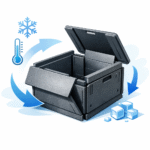
UN Coffre réfrigéré VIP combine des panneaux d'isolation sous vide avec des coques durables et matériaux à changement de phase (PCMS) to deliver longlasting temperature control. Vips sont des panneaux minces composés d'un noyau microporeux (silice souvent fumée ou fines fibres de verre) sealed in a gastight barrier film; l'air à l'intérieur est évacué pour créer un vide profond. L'élimination de l'air élimine pratiquement la conduction et la convection, leaving radiation as the main heattransfer path. Par conséquent, Les VIP atteignent des conductivités thermiques aussi basses que 0.004 W / m · k— dix fois mieux qu’une mousse isolante conventionnelle. Cela permet aux parois de la boîte d'être 10–15mm épaisseur au lieu de 25 à 40 mm, libérer du volume de charge utile.
Les loges VIP ne sont pas seulement impressionnantes techniquement; ils offrent des avantages cruciaux en matière de conformité. La plupart des vaccins, les produits biologiques et certains aliments doivent être conservés entre 2 °C et 8 °C, alors que certaines thérapies géniques nécessitent –70 °C ou ci-dessous. Réglementations FDA (FSMA, DSCSA et bonnes pratiques de distribution) obliger les entreprises à utiliser des équipements validés, surveiller la température en permanence, maintenir une traçabilité complète et conserver des enregistrements détaillés. Parce que les loges VIP livrent 7–10 jours de contrôle de la température avec un minimum de réfrigérant, ils vous aident à maintenir ces plages pendant les retards, customs holds or lastmile delivery.
Comment fonctionnent les panels VIP – La science en termes simples
Imaginez un thermos construit comme une bouteille à vide mais aplati en panneaux minces. UN Panneau VIP contient un rigide, noyau poreux en silice fumée, fibre de verre ou aérogel. Les minuscules pores du noyau empêchent les molécules d’air de transférer la chaleur. Ce noyau est scellé dans un film barrière multicouche et évacué pour créer un vide profond. Avec l'air retiré, la chaleur ne peut pas voyager par convection ou conduction, ne laissant qu'un rayonnement lent. Certains panneaux VIP incluent une feuille réfléchissante pour dévier la chaleur rayonnante, améliorant encore les performances.
Signification pratique: parce que les murs VIP sont fins, vous pouvez emballer plus de produits à l'intérieur et utiliser moins de réfrigérant. A typical 5L shipment in a VIP refrigerated box requires seulement 1.5 kg de MCP par rapport à 4 kg en polystyrène expansé (PSE) mousse. Cela permet d'économiser du poids, réduit les émissions de carbone et réduit les coûts d’expédition.
| Matériel d'isolation | Conductivité thermique (mW/m·K) | Temps de maintien typique | Ce que cela signifie pour vous |
| Polystyrène expansé (PSE) | 30–35 | 1–2 jours | Murs épais, poids lourd et grand volume de réfrigérant; often used in singleuse boxes |
| Mousse de polyuréthane (Pur) | 24–30 | 3–4 jours | Meilleures performances mais toujours encombrant; besoin modéré en réfrigérant |
| Panneaux d'isolation sous vide (VIP) | 4–6 | 7–10 jours | Mince (10–15mm) murs, PCM minimal requis, des expéditions plus légères et plus d'espace de charge utile |
Avantages des caissons réfrigérés VIP au-delà de l'isolation
Des temps de maintien plus longs: Avec les PCM appropriés, Les loges VIP maintiennent des températures critiques pendant 7–10 jours. This is essential for longdistance shipments, retards douaniers ou urgences.
Efficacité de charge utile plus élevée: Des parois minces libèrent jusqu'à 20 % plus d'espace interne par rapport à un emballage en mousse, permettant plus de produits par expédition.
Émissions réduites: Moins de réfrigérant signifie un poids de transport réduit et moins d’émissions. Le recyclage des noyaux VIP peut réduire leur potentiel de réchauffement climatique en 95 %.
Alignement réglementaire: Prise en charge des boîtes VIP réutilisable mandats d'emballage tels que California SB 54 et les réglementations européennes sur les emballages exigeant des matériaux recyclables ou compostables par 2032.
Intégration numérique: De nombreuses loges VIP incluent désormais Capteurs IoT et bûcherons de données for realtime temperature, surveillance de l'humidité et de l'emplacement, assurer le respect des 21 Partie CFR 11 et exigences de traçabilité DSCSA.
Conseils pratiques pour choisir et utiliser les box réfrigérés VIP
Préconditionner votre matériel: Precool both the VIP box and the PCM to the target temperature before loading. Cela réduit les pics de température et prolonge le temps de maintien.
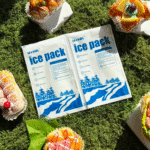
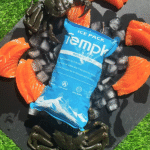
Sélectionnez le bon PCM: Pour une plage de 2 à 8 °C, choisir packs de gel with a melt point around 5 °C; pour les produits surgelés, utiliser glace carbonique or PCMs with lower freezing points.
Disposez soigneusement les produits: Placez les PCM de tous les côtés, avec des paquets plus lourds sur le dessus, et maintenir un espace d'air entre la charge utile et les murs VIP.
Sceller rapidement: Minimise open time during loading and seal with tamperevident tags and data loggers.
Surveiller en continu: Utilisez des capteurs IoT qui transmettent des données toutes les 1 à 5 minutes pour détecter les écarts et vous alerter en temps réel.
Planifier la réutilisation: Mettre en place une boucle logistique inversée; étiqueter les boîtes avec les instructions de retour et former le personnel à manipuler les VIP avec soin pour éviter les perforations.
Cas du monde réel: Un distributeur pharmaceutique a remplacé l'EPS par des loges VIP pour un 5L vaccine shipment. En réduisant packs de glace depuis 4 kg à 1.5 kg et former le personnel au préconditionnement, ils ont prolongé le temps d'attente de deux jours à presque dix jours et réduit les réexpéditions d'urgence en 80 %.
FDA Regulations and Compliance for ColdChain Packaging in 2025
Le Food and Drug Administration imposes multiple regulations to safeguard temperaturesensitive products. Être conforme à la FDA, ton Coffre réfrigéré VIP doit faire plus que maintenir la température : il doit assurer la traçabilité, documentation et matériel validé.
Règlements clés: FSMA, DSCSA et bonnes pratiques de distribution
Loi sur la modernisation de la sécurité alimentaire (FSMA): Cette loi détourne l’attention de la réaction à la contamination vers la prévention.. Le Règle finale sur la traçabilité des aliments exige que les entreprises qui manipulent des aliments répertoriés conservent les éléments de données clés (KDE) pour chaque événement de suivi critique (CTE) et de fournir des informations à la FDA dans les délais 24 heures. La FDA a proposé de prolonger la date de conformité à Juillet 20 2028.
Loi sur la sécurité de la chaîne d'approvisionnement en médicaments (DSCSA): La DSCSA impose un suivi électronique interopérable pour les médicaments sur ordonnance afin de prévenir les produits contrefaits. Les exemptions permettent à certains partenaires de retarder les exigences renforcées jusqu'à ce que Peut 27 2025 pour les fabricants et Août 27 2025 pour les distributeurs.
Bonne pratique de distribution (PIB) et 21 Pièces CFR 203/211: GDP nécessite un emballage validé, contrôle précis de la température, stockage sécurisé, tenue des dossiers et plans d’urgence.
Plages de température et exigences de surveillance
La plupart des vaccins et des produits biologiques doivent rester entre 2 °C et 8 °C, alors que certains vecteurs viraux nécessitent –20 ° C et les thérapies cellulaires avancées ont besoin –70 °C à –150 °C. Le maintien de ces plages nécessite une surveillance continue et des capteurs validés. Les appareils IoT avec GPS peuvent vous avertir instantanément lorsque les températures s'écartent. Selon les directives de la FDA, tous les capteurs et enregistreurs de données doivent être calibrés et validés; les enregistrements d’étalonnage doivent être archivés.
| Plage de température | Exemples de produits | Équipement et emballage | Importance |
| 2 °C – 8 °C (froid contrôlé) | La plupart des vaccins, insuline, anticorps monoclonaux | Box réfrigérée VIP avec packs de gel et capteurs IoT | Garantit la puissance et la conformité réglementaire |
| –20 ° C (congelé) | Vecteurs viraux, intermédiaires biologiques en vrac | Dryice packages, camions frigorifiques actifs, enregistreurs de données continus | Maintient la stabilité des produits surgelés |
| –70 °C à –150 °C (ultra froid) | vaccins d'ARNm, thérapies cellulaires et géniques | Congélateurs cryogéniques portables, conteneurs VIP avancés | Indispensable pour les thérapies de nouvelle génération |
Étapes pour maintenir la conformité de la FDA avec les boîtes réfrigérées VIP
Valider l'équipement: Calibrer les capteurs, enregistreurs et groupes frigorifiques en conditions réelles; conserver les certificats d'étalonnage. Travailler avec des fournisseurs dont les panels VIP sont certifiés pour un usage médical.
Mettre en œuvre une surveillance continue: IoT devices that transmit realtime data and comply with 21 Partie CFR 11 (Pistes d'audit sécurisées et authentification des utilisateurs) sont essentiels. Les appareils doivent permettre une action corrective lorsque des écarts se produisent.
Maintenir une documentation complète: Documenter les journaux de température, Sops, dossiers de formation, rapports d’écarts et actions correctives. Les systèmes électroniques doivent disposer d'une authentification sécurisée des utilisateurs et de pistes d'audit..
Former le personnel: Éduquer le personnel sur les plages de température, PCMS, protocoles d'emballage et d'urgence.
Effectuer des évaluations des risques: Identifiez les points de votre chaîne d'approvisionnement sujets aux excursions et créez des plans d'urgence tels qu'une alimentation de secours ou des itinéraires de transport alternatifs..
Valider l'emballage: Choisissez un emballage validé pour la plage de température de votre produit. The pharmaceutical chaîne du froid packaging market forecasts that passive systems (VIP et PCM) tiendra 72.5 % participer à 2025. Les petites boîtes domineront en raison de leur polyvalence.
Tirer parti de la technologie de traçabilité: Use cloudbased platforms and blockchain to create tamperproof records. La blockchain fournit un registre immuable des relevés de température et des transferts commerciaux, réduire la fraude et accélérer les audits.
Exemple de cas: Une clinique rurale expédiant des produits biologiques utilisait des capteurs IoT intégrés dans des glacières VIP. Quand un retard de circulation faisait dériver les températures, le capteur a alerté le chauffeur et l'équipe de répartition. Ils ont été redirigés vers un entrepôt réfrigéré, saving the shipment and demonstrating the value of realtime monitoring.
Selecting the Right PhaseChange Materials (PCMS) pour les loges VIP
Les PCM sont des substances qui absorbent ou libèrent de l'énergie lorsqu'elles changent de phase : solide à liquide ou vice versa.. Ils maintiennent une température stable à l’intérieur d’une boîte réfrigérée VIP en protégeant contre les fluctuations externes. Choisir le bon PCM est essentiel pour la conformité et la sécurité des produits.
Options PCM et leurs caractéristiques
| Type PCM | Plage de température | Pros | Inconvénients | Utilisation pratique |
| Packs de gel | 2–8 ° C | Réutilisable, nontoxic and stable | Doit être préconditionné; plage étroite | Idéal pour les vaccins et les produits biologiques |
| Packs de glace | 0–4 °C | Peu coûteux et facile à manipuler | Risque de gel des marchandises sensibles; poids plus lourd | Convient aux aliments réfrigérés |
| Glace sèche | –78 ° C | Extrêmement froid et durable | Dangereux; nécessite une bonne ventilation | Utilisé pour les produits surgelés comme les produits biologiques et les fruits de mer |
| Phasechange slurries | Coutume (0–25 ° C) | Composition réglable, peut stocker plus de chaleur | Nécessite une manipulation spéciale; technologie émergente | Convient aux voyages plus longs et aux climats extrêmes |
Comment faire correspondre les PCM à votre envoi
Déterminez votre plage de température: Consulter les données de stabilité des produits et les exigences réglementaires. Par exemple, l'insuline a besoin de 2 à 8 °C, alors que les vaccins à ARNm nécessitent –70 °C.
Estimer la durée du voyage: Use route analysis and worstcase scenarios to calculate how long the box must maintain temperature.
Calculer le poids PCM: La surcharge des PCM gaspille de l'espace et de l'énergie, alors que trop peu compromet la conformité. Utilisez les conseils du fabricant ou testez les expéditions avec des enregistreurs de données pour affiner votre stratégie..
Outils de décision utiles
Vérifiez les détails avant de choisir l'emballage
Ces outils rapides peuvent vous aider à comparer le risque d'itinéraire, besoins de dimensionnement, choix de liquide de refroidissement, et les détails de l'emballage avant de demander un devis.
Liquide de refroidissement & Référence PCM
Comparez les options de liquide de refroidissement et de PCM lorsqu'un itinéraire nécessite une prise en charge supplémentaire de la température.
Comparez les optionsVérificateur de risque d'itinéraire
Examinez les conditions des pistes avant de sélectionner l'emballage en fonction des exigences opérationnelles réelles..
Vérifier le risque d'itinéraireCalculateur de banquise
Estimation de la quantité de pain de glace pour les expéditions réfrigérées et planification pratique des itinéraires.
Estimer les packs de glaceRéutilisabilité de l'équilibre: Choisissez des PCM réutilisables (packs de gel ou boues avancées) quand la durabilité est importante; coordonner la logistique inverse afin que les PCM puissent être récupérés avec la loge VIP.
Conseils pour gérer les PCM
Eviter la condensation: Placez des tampons absorbants à l'intérieur de la boîte pour retenir l'humidité lorsque les packs de gel dégèlent..
Planifier le retour et la remise à neuf: De nombreux fournisseurs proposent des services de recyclage ou de remplissage de PCM. Étiquetez les PCM et coordonnez les ramassages.
Former le personnel: Mauvaise manipulation, comme exposer les PCM à des arêtes vives ou les laisser à température ambiante, peut dégrader les performances.
Scénario pratique: Un exportateur de produits alimentaires spécialisés expédiant du fromage vers l'Europe est passé aux boîtes VIP avec des packs de gel. Après avoir formé le personnel sur le préconditionnement et l'arrangement PCM, ils/elles maintenaient 2–6 °C pendant huit jours et une détérioration réduite de 12 % à 2 %.
Tendances et facteurs déterminants du marché des emballages réfrigérés VIP en 2025
Croissance explosive du marché et poussée en faveur de la durabilité
The chaîne du froid industry is expanding rapidly. Les analystes estiment que le global chaîne du froid packaging market était USD 34.28 milliard dans 2024 et pourrait atteindre USD 89.84 milliard par 2034. Les emballages réutilisables sont un facteur clé, on prévoit une augmentation de USD 4.97 milliard dans 2025 à USD 9.13 milliard par 2034. Dans le secteur de la santé, the chaîne du froid logistics market is valued at USD 65.14 milliard dans 2025 et pourrait atteindre USD 137.13 milliard par 2034.
Plusieurs forces façonnent cette croissance:
Montée des produits biologiques et des thérapies géniques: These products require stringent temperature control and drive the need for highperformance packaging.
Boom de l'épicerie en ligne: Crosscountry food deliveries demand reliable packaging with longer transit times.
Pression réglementaire: Des lois comme le règlement européen sur les emballages et les déchets d’emballages (PP) et Californie SB 54 exiger que tous les emballages soient recyclables ou compostables par 2032. Singleuse EPS foam is being phased out across many states and countries.
Sensibilisation des consommateurs: Les entreprises adoptent emballage durable to enhance brand image and meet customer expectations.
Technologies émergentes redéfinissant la chaîne du froid
IoT et surveillance en temps réel: Des capteurs intégrés dans les loges VIP mesurent la température, humidité, lumière et choc, transmettre des données instantanément sur des réseaux cellulaires ou satellites. Cela fait passer la chaîne du froid d’une gestion réactive à une gestion proactive.
Traçabilité de la blockchain: Des registres immuables enregistrent chaque relevé de température et chaque transfert de propriété, instaurer la confiance et simplifier les audits.
Intelligence artificielle et analyse prédictive: Les modèles d’IA analysent les expéditions historiques, les modèles météorologiques et les conditions des itinéraires pour prévoir les excursions de température et optimiser les itinéraires. Cela réduit la consommation de carburant et évite les retards.
Jumeaux numériques: Les modèles virtuels de réseaux logistiques permettent aux entreprises de tester des scénarios d'emballage et de modifier les itinéraires avant leur mise en œuvre..
Réfrigération solaire et hybride: Solar units provide offgrid refrigeration for remote areas, avec des coûts énergétiques aussi bas que 3.2 centimes par kWh par rapport à 13.10 centimes par kWh pour une électricité commerciale moyenne.
Matériaux biodégradables: Research is exploring bioaerogels and cellulose cores to replace silica in VIP panels. Les programmes de recyclage visent à réduire le potentiel de réchauffement climatique en 95 %.
Opportunités et défis pour l’emballage VIP
Opportunités:
Efficacité accrue de la charge utile et différenciation de la marque: Plus d'espace à l'intérieur de la boîte signifie plus de produits par expédition et moins de déchets. Les entreprises utilisant des loges VIP peuvent commercialiser leurs engagements en matière de développement durable et leur conformité réglementaire.
Conformité réglementaire: Les loges VIP répondent aux nouvelles exigences de recyclage et aident les entreprises à éviter les pénalités.
Réduction des coûts grâce à l'innovation: À mesure que la production augmente et que de nouveaux matériaux émergent, les coûts diminuent. Systèmes hybrides combinant des VIP avec de la mousse polyuréthane, un équilibre entre performance et prix abordable.
Défis:
Coût initial: VIP boxes cost more per unit than boîtes à mousse. Cependant, la durée de vie plus longue et le nombre réduit de réexpéditions compensent souvent le coût.
Fragilité: Percer le film barrière peut détruire le vide et réduire les performances; une bonne manipulation est essentielle.
Gestion de la fin de vie: Le recyclage des noyaux VIP nécessite des installations spécialisées; une collaboration avec des programmes de recyclage est nécessaire.
2025 Innovations et perspectives d'avenir pour les caisses réfrigérées VIP
L'avenir de Caisses réfrigérées VIP pour un emballage conforme FDA est brillant. Innovations dans les matériaux, films barrières, l’intégration numérique et la réduction des coûts façonneront la prochaine décennie.
Matériaux émergents et initiatives de recyclage
Les chercheurs développent noyaux biodégradables made from bioaerogels and cellulose to replace fumed silica. Les programmes de recyclage se multiplient: une initiative européenne prévoit de recycler 140 palettes de panels VIP chaque année, réduisant les émissions de CO₂ de 306 tonnes. En récupérant la silice, le potentiel de réchauffement climatique des panels VIP pourrait diminuer 95 %.
Progrès dans les films barrières et la technologie du vide
Les films barrières nanocomposites combinent des couches métalliques avec des stratifiés polymères pour améliorer l'imperméabilité aux gaz et prolonger la durée de vie des panneaux.. Les pompes à vide améliorées réduisent l'énergie de fabrication, et certains VIP expérimentaux atteignent des conductivités thermiques inférieures 1.15 mW/m·K. Les systèmes hybrides utilisent des VIP avec du polyuréthane ou de l'aérogel pour équilibrer les coûts et les performances.
Surveillance numérique et analyse prédictive
Capteurs IoT, Les algorithmes d’IA et les jumeaux numériques transforment les loges VIP en actifs intelligents. Les capteurs enregistrent la température, humidité, choc et localisation GPS; L'IA analyse les modèles pour prédire quand la boîte peut dépasser les limites de température. Les jumeaux numériques permettent aux entreprises de tester virtuellement de nouveaux itinéraires ou de nouvelles conceptions d'emballage., réduire les risques et améliorer l’efficacité.
Réduction des coûts et évolutivité
La demande de loges VIP augmente, conduisant à des économies d’échelle et à des coûts de fabrication inférieurs. À mesure que les coûts diminuent, VIP boxes will become competitive with highend foam packaging, making them accessible to midrange applications. Les systèmes hybrides mélangeant des VIP avec de la mousse ou de l'aérogel peuvent réduire davantage les coûts tout en maintenant la conformité.
Questions fréquemment posées
Q1: Combien de temps une boîte réfrigérée VIP peut-elle maintenir sa température?
Highquality VIP boxes can keep products at 2–8 ° C pour 7–10 jours when paired with the right phasechange materials. La durée dépend de l'épaisseur de l'isolant, Poids PCM, température ambiante et fréquence d'ouverture de la boîte.
Q2: Une boîte VIP est-elle meilleure qu'une mousse EPS ou PUR?
Oui. Les panels VIP fournissent 10× meilleure isolation, nécessitent des parois plus fines et réduisent le poids du réfrigérant. A 5L shipment needs only 1.5 kg de PCM dans une loge VIP par rapport à 4 kg en EPS, libérer plus d'espace de charge utile.
Q3: Les loges VIP sont-elles recyclables?
Oui, mais le recyclage nécessite des installations spécialisées. Les programmes de recyclage peuvent réduire l'empreinte carbone des noyaux VIP en 95 %. Choose suppliers with takeback or recycling programs.
Q4: Puis-je personnaliser la taille de ma loge VIP?
Les panneaux VIP peuvent être découpés à des dimensions spécifiques, mais les formes complexes augmentent les coûts et peuvent compromettre l'intégrité du vide. Travailler avec les fabricants pour concevoir des systèmes modulaires adaptés à vos produits.
Q5: Les loges VIP contribuent-elles à respecter les réglementations en matière de développement durable?
Oui. Les loges VIP sont réutilisables et recyclables. Leurs parois fines et leur isolation supérieure réduisent les émissions de CO₂ liées au transport, vous aidant à respecter les réglementations telles que le PPWR de l'UE et le California SB 54.
Q6: Quelle documentation dois-je conserver pour être conforme à la FDA ??
Vous devez tenir des journaux de température, certificats d'étalonnage, Sops, dossiers de formation, rapports d’écarts et actions correctives. Les enregistrements électroniques doivent respecter 21 Partie CFR 11 exigences en matière de pistes d'audit et d'authentification.
Q7: Comment puis-je réduire le coût des loges VIP?
Envisagez des systèmes d'isolation hybrides combinant des VIP avec du polyuréthane ou de l'aérogel pour équilibrer performances et prix.. À mesure que la demande augmente, les coûts de production diminuent. Tenez également compte des économies réalisées grâce à la réduction de la détérioration et des réexpéditions..
Q8: What is the impact of new FSMA rules on chaîne du froid packaging?
Le Règle finale sur la traçabilité des aliments exige une tenue de registres supplémentaire pour les aliments figurant sur la liste de traçabilité des aliments de la FDA et peut prolonger la date de conformité à Juillet 20 2028. Loges VIP, avec fonctionnalités IoT et de traçabilité intégrées, soutenir la documentation nécessaire pour se conformer.
Résumé et recommandations
Principaux à retenir: UN Coffre réfrigéré VIP is a highperformance packaging solution that meets FDA compliance requirements and supports sustainability goals. En utilisant des panneaux isolants sous vide, ces boîtes atteignent des conductivités thermiques aussi basses que 0.004 W / m · k et maintenir la température pendant 7–10 jours avec un minimum de PCM. Ils offrent plus d'espace interne, réduire le poids du réfrigérant et réduire les émissions de carbone. Les loges VIP sont conformes aux réglementations FSMA et DSCSA en permettant une surveillance et une documentation continues. Les tendances du marché indiquent une croissance explosive, piloté par les produits biologiques, ecommerce grocery and stricter environmental regulations. Innovations dans les matériaux, la surveillance et le recyclage numériques amélioreront encore les performances et l'abordabilité.
Des conseils pratiques: Pour réussir l’adoption des box réfrigérés VIP, commencez par évaluer la plage de température et la durée du voyage de votre produit. Sélectionnez les PCM qui correspondent à la plage requise et préconditionnez-les avec la boîte. Use IoT sensors and cloud platforms for realtime monitoring and traceability. Formez votre personnel à gérer les panels VIP avec soin et documentez tous les processus pour répondre aux exigences d'audit de la FDA.. Collaborer avec des fournisseurs proposant des programmes de recyclage et des conceptions de boîtes modulaires pour réduire l'impact environnemental et les coûts.. Enfin, intégrer des outils numériques comme l'IA et la blockchain pour optimiser les itinéraires et garantir la conformité.
À propos du Tempk
Tempk is a leader in chaîne du froid solutions d'emballage, spécialisé dans Caisses réfrigérées VIP and other ecofriendly products. We design and manufacture highperformance containers that combine vacuum insulation panels, extérieurs réutilisables et surveillance intelligente. Nos produits maintiennent des températures critiques pour les produits pharmaceutiques, biologique, matériaux alimentaires et industriels. Avec des décennies d’expérience dans l’industrie et un engagement envers le développement durable, nous investissons dans la recherche pour développer des noyaux biodégradables, améliorer les films barrières et réduire les émissions du cycle de vie. Nous vous aidons à vous conformer aux réglementations mondiales, réduire l'empreinte carbone et livrer en toute sécurité et efficacement.
Appel à l'action: Prêt à améliorer votre chaîne du froid? Contactez nos spécialistes pour une évaluation personnalisée, demandez une démonstration de produit ou explorez notre programme de recyclage. Nous sommes là pour vous aider à expédier davantage avec moins d'énergie et une plus grande tranquillité d'esprit..