Conteneur d'expédition réfrigéré VIP pour un emballage conforme à la FDA: Buyer Guide for chaîne du froid Teams
Un acheteur à la recherche d'un conteneur réfrigéré conforme à la FDA a généralement besoin de plus qu'une boîte.. UN Conteneur maritime réfrigéré VIP pour les emballages conformes à la FDA, il ne faut pas juger uniquement par l'épaisseur de l'isolation, photos du catalogue, ou une allégation large telle que réutilisable, recyclable, réfrigéré, ou conforme. La question pratique est de savoir si le colis fini peut protéger la charge utile tout au long de l'itinéraire que vous utilisez réellement.. Cela signifie confirmer la plage de température requise, le volume de la charge utile, type de liquide de refroidissement, conditions de remise, et les preuves dont votre équipe qualité ou opérationnelle a besoin après réception. Cet article examine la décision du point de vue de l'acheteur, en mettant l'accent sur les contrôles utiles plutôt que sur le langage générique du produit.
Ce que cela signifie pour votre équipe
Vous n'achetez pas de glacière générique. Vous sélectionnez un système d'emballage reproductible pour les expéditions pharmaceutiques réfrigérées qui nécessitent une isolation VIP passive dans le cadre d'un processus d'emballage documenté.. La voie sûre consiste à définir la plage de température requise, exposition par voie, charge utile, liquide de refroidissement, processus de manipulation, et enregistrer les besoins avant de finaliser les spécifications du coffret.
Ce qu'un conteneur d'expédition réfrigéré VIP pour un emballage conforme à la FDA doit prouver avant d'acheter
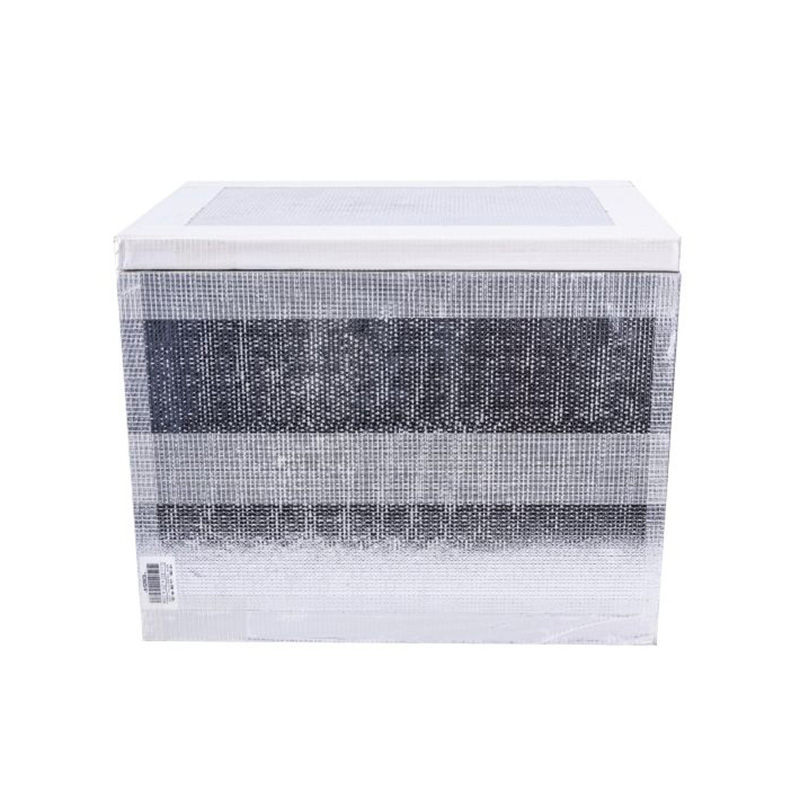
Un conteneur d'expédition réfrigéré VIP pour un emballage conforme à la FDA fait généralement référence à un conteneur isolé passif qui utilise la technologie des panneaux isolés sous vide pour réduire le transfert de chaleur autour d'une charge utile sensible à la température.. Passif signifie que le conteneur ne crée pas de froid par lui-même. Cela fonctionne avec conditionné packs de gel, Packs PCM, glace carbonique le cas échéant, ou une autre stratégie de réfrigérant. L'expression réfrigérée, lorsqu'il est utilisé dans ce contexte, signifie généralement que le système d'expédition est conçu pour les marchandises réfrigérées, non pas que le carton contienne un groupe frigorifique électrique.
Cette différence est importante car les acheteurs comparent parfois les boîtes comme si seule l'isolation était le facteur déterminant.. En pratique, la boîte fait partie d'un emballage. Le liquide de refroidissement doit être conditionné correctement, la charge utile doit s'adapter sans écraser le flux d'air ni les séparateurs, et le couvercle doit se fermer de manière constante. Si l'envoi fait partie d'un programme pharmaceutique, diagnostique, biotechnologie, ou flux de travail hospitalier, votre équipe qualité peut également avoir besoin de procédures documentées, enregistrements de température, règles de déviation, et la preuve que le système choisi est adapté au produit et à la voie.
Une manière utile d’évaluer l’emballage consiste à séparer trois questions. D'abord, quelle doit être l'expérience du produit pendant le transport? Deuxième, que peut démontrer le système d’emballage dans des conditions de test ou de fonctionnement pertinentes? Troisième, que doit vérifier votre équipe à l'expédition et à la réception? Garder ces questions séparées empêche les affirmations générales de remplacer les preuves pratiques. Cela vous aide également à comparer les fournisseurs sans supposer que chaque Boîte VIP se comporte de la même manière une fois emballé, manipulé, revenu, et réutilisé.
Commencez par la charge utile, Itinéraire, et preuves
Commencez par la charge utile, pas la boîte. Les dimensions extérieures vous indiquent comment l'emballage s'adapte à un véhicule, itinéraire de messagerie, ou étagère de rangement, mais le volume interne utilisable vous indique si le produit et le liquide de refroidissement peuvent s'adapter sans créer de points de pression ni de raccourcis thermiques. Une cavité de charge utile étroite peut être acceptable pour les petits flacons ou kits, tandis qu'un produit plus volumineux peut nécessiter plus d'espacement, séparateurs, ou une disposition différente du liquide de refroidissement. Demandez si la capacité indiquée correspond au volume interne brut ou à l'espace de charge utile utilisable après l'installation du liquide de refroidissement et des séparateurs..
Suivant, définir l'itinéraire. Un itinéraire n'est pas seulement le temps de conduite ou de vol. Il comprend le préconditionnement, préparation d'entrepôt, chargement, remise du transporteur, retenue en douane, risque de retard le week-end, heure du quai de réception, et la première inspection après la livraison. De nombreuses variations de température se produisent dans ces zones de transition car les responsabilités changent de mains.. Un conteneur d'expédition réfrigéré VIP pour un emballage conforme à la FDA doit donc être évalué par rapport au modèle d'exposition réaliste le plus long., non seulement la fenêtre de transit prévue.
Enfin, décider quelles preuves seront acceptables en cas de problème. Un acheteur déplaçant des médicaments, matériel de diagnostic, ou les produits des sciences de la vie peuvent nécessiter un rapport d'enregistrement, un enregistrement d'emballage, une photo du colis fermé, un record de conditionnement du liquide de refroidissement, ou une liste de contrôle de réception. Un boîtier qui fonctionne bien lors d'une démonstration mais ne peut pas prendre en charge une documentation reproductible peut créer du travail pour l'équipe qualité ultérieurement.. La meilleure question d'achat n'est pas « Quel est le froid ??" mais " Notre équipe peut-elle répéter, document, et inspectez cet emballage sous une pression de fonctionnement normale?'
Liste de contrôle de l'acheteur pour l'examen d'un échantillon
| Question de l'acheteur | Pourquoi ça compte | Que demander au fournisseur |
|---|---|---|
| Quelle est la plage de température requise pour le produit? | La boîte ne peut pas définir les exigences du produit. | Demandez comment le conditionnement correspond à la gamme indiquée et à la sensibilité du produit.. |
| Quel est l'espace de charge utile utilisable? | Le liquide de refroidissement et les séparateurs réduisent le volume disponible. | Confirmer le volume utilisable après le liquide de refroidissement, pas seulement les dimensions intérieures brutes. |
| Sur quelle voie le système a-t-il été évalué? | Les démonstrations en laboratoire ou sur échantillons peuvent ne pas correspondre à votre couloir. | Demander le profil de test, hypothèses de charge utile, exposition ambiante, et critères d'acceptation. |
| Comment est gérée la boîte après utilisation? | La réutilisation peut modifier les performances si les dommages ne sont pas détectés. | Demandez des points de contrôle, conseils de nettoyage, et vérification des dommages aux panneaux. |
| Quels enregistrements peuvent être fournis? | Les équipes qualité ont besoin de preuves, pas des slogans. | Demandez des fiches techniques, instructions d'emballage, et tout support de qualification disponible. |
Un acheteur peut utiliser ces questions avant de demander des échantillons ou des devis. Ils maintiennent la discussion centrée sur l'adéquation de l'itinéraire, ajustement de la charge utile, et des preuves. Cela produit généralement une conversation avec le fournisseur plus utile que de demander le temps d'attente le plus long possible sans expliquer le produit et le canal..
Matériel VIP, Réutilisation, et réclamations de recouvrement
La technologie VIP est intéressante car elle peut fournir une isolation élevée dans une paroi plus fine que de nombreuses mousses conventionnelles. Cela peut laisser plus d'espace de charge utile dans une empreinte externe similaire. L'avantage est utile lorsque vous expédiez de petits objets de valeur, besoin d'une boîte compacte adaptée aux services de messagerie, ou souhaitez réduire la charge de réfrigérant. Mais des parois plus fines ne signifient pas automatiquement une utilisation plus facile.. Les panneaux VIP doivent être protégés contre les perforations, écrasement, dommages aux bords, et exposition à l'humidité. Un panneau endommagé peut ne pas se comporter comme un panneau neuf même si la boîte extérieure semble toujours acceptable.
Pour les matériaux recyclables ou les programmes multi-usages, la séparation des matériaux est un autre problème pratique. Une boîte peut avoir une coque extérieure recyclable, diviseurs réutilisables, panneaux remplaçables, et packs de liquide de refroidissement qui suivent un chemin de récupération différent. L'ensemble du système de transport maritime ne doit pas être décrit par une seule allégation environnementale, à moins que cette allégation puisse être étayée sur le marché où il est vendu ou utilisé.. Si la durabilité fait partie de la raison d'achat, demandez comment le fournisseur définit la réutilisation, que se passe-t-il en fin de vie, et si l'infrastructure de recyclage locale peut gérer les composants concernés.
L'approche la plus sûre consiste à décrire le système avec précision. Une loge VIP peut permettre une utilisation réduite du matériel, utilisation répétée, ou récupération des composants sélectionnés, mais ce sont des affirmations différentes. Ils doivent être examinés séparément des performances thermiques.. Vos spécifications d'emballage peuvent inclure les deux côtés: comment le système protège les produits sensibles à la température et comment ils doivent être retournés, inspecté, nettoyé, séparé, ou retraité.
Langage de conformité sans trop de promesses
Pour les produits réglementés par la FDA, l'expression emballage conforme à la FDA doit être utilisée avec précaution. Une boîte isotherme passive n’est pas automatiquement conforme du simple fait qu’elle est réalisée à partir de panneaux VIP ou commercialisée pour des médicaments. Les attentes de la FDA en matière d'emballage et de distribution sont liées à des procédures écrites, protection du produit, adéquation des matériaux, conditions de stockage, registres de distribution, et examen de la qualité. L'emballage peut prendre en charge ces procédures, mais l'expéditeur ou le propriétaire du produit doit toujours confirmer que le système est adapté au produit et au processus..
C'est pourquoi un conteneur d'expédition réfrigéré VIP pour un emballage conforme aux normes FDA doit être évalué en tant qu'outil de support pour un flux de travail réglementé par la FDA., pas comme une solution réglementaire autonome. Les acheteurs doivent vérifier la plage de température requise du produit, si l'emballage proposé a été testé dans des conditions pertinentes, comment le matériau d'emballage est contrôlé, et quels enregistrements seront disponibles après expédition. Si un fournisseur utilise un langage de conformité, demandez ce qui est exactement couvert: informations importantes, contrôles de fabrication, prise en charge de la validation des packs, données de test, ou seulement aptitude générale à une utilisation dans la chaîne du froid.
Dans les achats quotidiens, cela signifie demander des documents qui correspondent au niveau de risque de l'envoi. Un itinéraire d'échantillonnage interne ou alimentaire à faible risque peut nécessiter de simples instructions d'emballage et des contrôles de réception. Un flux de travail pharmaceutique ou diagnostique peut nécessiter des preuves plus formelles, changer de contrôle, et approbation de la qualité. L'expression « conforme » doit toujours conduire à une question complémentaire: conforme à quelle procédure, exigence du produit, base de test, itinéraire, et le marché?
Outils de décision utiles
Vérifiez les détails avant de choisir l'emballage
Ces outils rapides peuvent vous aider à comparer le risque d'itinéraire, besoins de dimensionnement, choix de liquide de refroidissement, et les détails de l'emballage avant de demander un devis.
Calculateur de glace carbonique
Estimer les besoins en glace carbonique pour les envois congelés ou ultra-froids avant l'emballage.
Estimation de la neige carboniqueDoublure de boîte & Dimensionnement des couvertures de palettes
Vérifiez la logique de dimensionnement du revêtement de boîte et du couvercle de palette pour les projets d'emballage isotherme.
Dimensionnement estiméVérificateur de risque d'itinéraire
Examinez les conditions des pistes avant de sélectionner l'emballage en fonction des exigences opérationnelles réelles..
Vérifier le risque d'itinéraireUn envoi typique où les détails comptent
Imaginez une équipe préparant une expédition le jeudi après-midi. Le produit est emballé correctement, le liquide de refroidissement était conditionné, et l'itinéraire devrait arriver le lendemain matin. Ensuite, le colis manque la première connexion, attend à un quai, et arrive au destinataire en retard. La question n'est pas de savoir si le conteneur d'expédition réfrigéré VIP pour un emballage conforme aux normes FDA avait l'air professionnel lors de l'expédition.. La question est de savoir si le packout a été conçu pour un délai réaliste., si le destinataire peut inspecter le colis rapidement, et si l'enregistrement de la température ou le processus d'acceptation indique à l'équipe quoi faire ensuite.
Ce scénario typique montre pourquoi les acheteurs ne devraient pas se concentrer uniquement sur le temps de transit nominal. Une loge VIP permet d'acheter de la marge thermique, mais la marge est consommée par la mise en scène, ouverture, reconditionnement, mauvaise fermeture, et exposition ambiante inattendue. Les petites expéditions peuvent être particulièrement trompeuses car la charge utile a moins de masse thermique. Quelques flacons, trousses de tests, ou les flacons de réactifs peuvent chauffer ou refroidir plus rapidement qu'une charge utile plus lourde, même dans la même boîte. Si le packout a été testé avec une charge utile différente, le résultat peut ne pas être transféré proprement.
Pour les voies répétées, la réponse pratique est de standardiser le flux de travail. Définir qui conditionne le liquide de refroidissement, comment la charge utile est organisée, où est placé l'enregistreur s'il est utilisé, combien de temps la boîte peut attendre avant d'être récupérée, quelle étiquette ou instruction le destinataire voit, et qu'arrive-t-il aux emballages retournés. Un simple emballage écrit peut éviter plus d’échecs qu’une boîte premium utilisée de manière incohérente.
Questions d'approvisionnement qui évitent des décalages coûteux
Un examen pratique d'un fournisseur pour un conteneur d'expédition réfrigéré VIP pour un emballage conforme à la FDA doit être suffisamment spécifique pour que deux fournisseurs ne puissent pas répondre avec la même brochure générique.. Demandez les dimensions internes et externes, espace de charge utile utilisable après le liquide de refroidissement, options de réfrigérant compatibles, conception de la fermeture et du couvercle, conseils de nettoyage, réutiliser les points de contrôle, et la documentation disponible. Si un fournisseur présente une réclamation de temps d'attente, demander quel profil de test, charge utile, charge de liquide de refroidissement, et les critères d'acceptation ont été utilisés. Si la réponse n'est pas disponible, traiter la réclamation comme une estimation de départ plutôt que comme une décision d'achat.
Pour l'évaluation d'échantillons, emballer l'échantillon avec le produit réel ou un substitut réaliste. Utiliser le processus de conditionnement du liquide de refroidissement prévu. Laissez les personnes qui emballeront et recevront l’envoi s’occuper de la boîte, pas seulement l'équipe d'ingénierie. Ils peuvent remarquer des problèmes pratiques qu'une fiche technique ne montre pas: un couvercle difficile à fermer, une cavité de charge utile qui encourage un mauvais placement, une zone d'étiquette trop petite, ou une étape de nettoyage de retour irréaliste pour les opérations quotidiennes.
Avant de passer de l'échantillon à la production, confirmer les attentes en matière de contrôle du changement. Le fournisseur vous informera-t-il si la structure du panneau, matériau de la coque extérieure, spécification du liquide de refroidissement, ou les dimensions changent? Des pièces de rechange sont-elles disponibles? Les unités de production peuvent-elles correspondre à l'échantillon approuvé? Pour les marchandises réglementées ou sensibles à la qualité, de petits changements dans les composants de l'emballage peuvent affecter le comportement thermique. Les achats doivent donc fonctionner avec la qualité, opérations, et la logistique avant d'approuver les commandes groupées.
FAQ
Est-ce qu'un conteneur d'expédition réfrigéré VIP pour un emballage conforme à la FDA convient automatiquement à tous les envois réfrigérés?
Non. Il peut convenir à certains envois réfrigérés, mais la gamme de produits, charge utile, liquide de refroidissement, itinéraire, et les critères d'acceptation doivent être confirmés. Une box VIP passive ralentit le transfert de chaleur; il ne définit pas la plage de température requise et ne supprime pas le besoin de validation de l'emballage. Les acheteurs doivent demander une documentation correspondant à leur produit et à leur voie..
Une boîte isolée passive peut-elle être qualifiée de conforme à la FDA en soi?
Utilisez ce langage avec précaution. Les flux de travail réglementés par la FDA dépendent de procédures écrites, adéquation des matériaux, conditions de stockage, contrôles de distribution, enregistrements, et examen de la qualité. Une boîte peut prendre en charge ces contrôles, mais il n'est pas automatiquement conforme isolément. Demandez au fournisseur quelle documentation ou quel support d'emballage est disponible et demandez à votre équipe qualité d'examiner l'utilisation prévue..
Dois-je utiliser des packs de gel, Packs PCM, ou de la neige carbonique avec une loge VIP?
Le choix dépend de la gamme de produits et de l'itinéraire. Les packs de gel peuvent convenir à de nombreuses applications réfrigérées ou réfrigérées; Les packs PCM sont utiles lorsqu'un point de changement de phase plus serré est nécessaire; la glace carbonique est utilisée pour certaines applications de produits congelés, mais elle entraîne des considérations distinctes en matière de manipulation et d'étiquetage.. Le liquide de refroidissement doit être adapté à la sensibilité du produit et aux hypothèses de conditionnement testées..
Où placer un enregistreur de température?
L'emplacement de l'enregistreur doit refléter ce que votre équipe qualité doit savoir. Il ne doit pas être placé là où il crée une lecture trompeuse, bloque le couvercle, ou touche le liquide de refroidissement d'une manière qui ne représente pas la charge utile. Pour les expéditions à haut risque, définir la position de l'enregistreur dans l'instruction d'emballage et maintenir la cohérence de l'approche.
Comment comparer les fournisseurs sans me fier aux allégations marketing?
Donnez à chaque fournisseur le même scénario d'expédition et demandez les mêmes informations: volume utilisable, configuration du liquide de refroidissement, hypothèses d'itinéraire, base de test, documentation disponible, étapes d'inspection, et les attentes en matière de contrôle du changement. Un clair, une réponse limitée est souvent plus utile qu'une affirmation générale qui promet des performances pour chaque itinéraire.
Conclusion
Un conteneur d'expédition réfrigéré VIP pour un emballage conforme à la FDA peut constituer une option solide pour la chaîne du froid lorsqu'il est traité dans le cadre d'un système.. La box ralentit le transfert de chaleur; le liquide de refroidissement gère la source thermique; la disposition des contrôles d'emballage; l'itinéraire définit l'exposition; et le processus de réception décide si l'envoi peut être accepté. Les acheteurs qui séparent ces rôles prennent de meilleures décisions que les équipes qui s'appuient sur des étiquettes de produits larges..
Avant de commander, confirmer la gamme requise du produit, espace de charge utile utilisable, plan de refroidissement, conditions d'itinéraire, besoins en preuves, et processus de réutilisation ou de récupération. Pour les produits sensibles à la qualité, impliquer les opérations et la qualité dès le début. Le choix d’emballage le plus fiable est généralement celui que votre équipe peut répéter, inspecter, et documenter dans des conditions normales de travail.
À propos du Tempk
Tempk se concentre sur emballage à température contrôlée des solutions telles que les glacières médicales VIP, Boîtes de refroidisseur EPP, packs de gel, Packs PCM, et connexe emballage chaîne du froid composants. Pour les acheteurs évaluant un conteneur d'expédition réfrigéré VIP pour un emballage conforme à la FDA, la conversation utile ne concerne pas seulement la taille du boîtier ou le type d’isolation. Il s’agit d’adapter l’emballage à la gamme de produits, charge utile, itinéraire, liquide de refroidissement, et processus de manipulation. Tempk peut aider les équipes à comparer les options d'emballage pratiques et à préparer des questions plus claires avant de passer des échantillons aux expéditions répétées..
Partagez votre itinéraire, Taille de la charge utile, plage de température du produit, et réutilisez Target avec Tempk pour comparer les conteneurs d'expédition réfrigérés VIP pratiques pour les options d'emballage conformes à la FDA avant de passer une commande groupée..