Glacière VPU: Guide pratique de sélection de la chaîne du froid
A VPU refroidisseur doit être choisi dans le cadre d’un système de chaîne du froid, pas en tant que autonome récipient isolé. La décision pratique commence par l'exigence de température du produit, puis passe à la taille de la charge utile, exposition par voie, configuration du liquide de refroidissement, discipline de manipulation, recevoir des chèques, et preuves du fournisseur. Cet article optimisé rassemble ces éléments pour les acheteurs B2B qui ont besoin d'un moyen clair de comparer les options sans s'appuyer sur de larges affirmations de brochures.. Cela explique également quand la boîte est bien adaptée., lorsqu'une qualification supplémentaire est nécessaire, et ce que Tempk peut vous aider à clarifier avant de commander.
Réponse pratique: Treat a VPU cooler box as one component of a qualified or controlled packaging setup. Confirmer la plage de température requise, temps d'exposition prévu, profil d'itinéraire, plan de refroidissement, volume utilisable, et les besoins en matière de documentation avant de comparer le prix ou l'apparence.
Start with the role of the VPU cooler box
Avant de comparer les matériaux, define what the VPU cooler box is expected to do. Protège-t-il la qualité des aliments réfrigérés pendant quelques arrêts de livraison, déplacer des médicaments entre les établissements, tenir des vaccins pendant les activités de sensibilisation, ou soutenir une voie pharmaceutique documentée? Chaque cas change la norme de preuve. Pour la livraison de nourriture, nettoyage, durabilité, commodité de chargement, et le transfert des clients peut dominer. Pour la logistique médicale, exigences en matière d'étiquetage des produits, preuve de température, et l'examen de la qualité devient plus important.
Cette distinction évite une erreur d'achat courante: traiter chaque conteneur isotherme comme un système d'expédition à température contrôlée. Une boîte peut être isolée mais ne pas être qualifiée pour votre voie. Un matériau haute performance peut être présent et échouer si le liquide de refroidissement est incorrect. UN boîte réutilisable peut réduire les déchets d'emballage tout en créant un risque s'il revient endommagé ou sale. L'objectif pratique est d'adapter le rôle de la boîte au risque produit., exposition par voie, et le fardeau de la documentation.
De la feuille de route à la décision de colisage
La cartographie des itinéraires est le pont entre une exigence de produit et un choix d'emballage.. Notez où se trouve la boîte emballée avant l'expédition, comment ça voyage, s'il change de véhicule, combien de temps il attend à chaque transfert, si le couvercle peut être ouvert, et ce que fait le destinataire à son arrivée. This map shows whether the VPU cooler box needs only practical insulation for a short controlled route or whether it needs a documented packout and qualification plan.
Pour les envois médicaux et liés aux vaccins, de nombreux acheteurs ont également besoin d'un plan de surveillance de la température. Un enregistreur ne protège pas le produit, mais cela crée des preuves à examiner. L'emplacement de l'enregistreur, état d'étalonnage, limites d'alarme, et le processus de récupération des données doit être défini avant le début de l'itinéraire. Pour la livraison de nourriture et de pharmacie, la surveillance peut être moins formelle, mais les contrôles d'expédition et de réception aident toujours les équipes à détecter les points faibles avant l'apparition de réclamations ou de blocages de produits..
Des compromis matériels qui affectent les opérations quotidiennes
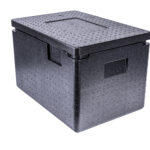
Les matériaux influencent bien plus que les performances thermiques. Ils affectent la manipulation des travailleurs, nettoyage, efficacité de retour, espace de stockage, étiquetage, inspection des dommages, et la quantité de formation nécessaire pour un emballage reproductible. VPU insulation structures positioned for low thermal conductivity, collapsible handling, and repeated medicine transport. Pour les acheteurs, cette description n'est utile que lorsqu'elle est traduite en opérations: le poids de l'unité emballée, avec quelle facilité le personnel peut-il le nettoyer, à quel point les dommages sont visibles, si le couvercle se ferme de la même façon à chaque fois, et combien d'espace de charge utile reste après le liquide de refroidissement.
Les équipes d'achat les plus solides comparent les matériaux en fonction des conditions d'utilisation. Ils demandent si la boîte sera ouverte lors de la livraison, s'il sera empilé, s'il sera rendu vide, s'il peut être exposé à la pluie ou au soleil direct, et si une équipe qualité examinera les enregistrements de température. Ces détails maintiennent la sélection des matériaux liée au risque au lieu d'en faire un exercice de catalogue.
Matrice des acheteurs avant de présélectionner les fournisseurs
Utilisez cette matrice d'acheteur avant de demander le prix. Cela permet de concentrer la discussion sur les risques liés à la chaîne du froid plutôt que sur les descriptions des catalogues..
| Point de contrôle | Que vérifier | Pourquoi ça compte |
|---|---|---|
| Plage de température | Confirmez les exigences du produit avant de choisir le liquide de refroidissement ou le matériau de la boîte. | Une boîte ne peut être jugée sans critères d'acceptation |
| Exposition de l'itinéraire | Envoi de cartes, en attendant, transport, remettre, et reçu | Les minutes les plus risquées se produisent souvent à l’extérieur des véhicules |
| Charge utile utilisable | Mesurer l'espace interne après le liquide de refroidissement, séparateurs, et les documents sont inclus | Le volume brut peut surestimer ce qui peut réellement être expédié |
| Plan de réutilisation | Définir le nettoyage, retour, inspection des dommages, et les règles de retraite | Une réutilisation sans contrôle peut se transformer en risque caché |
| Preuve du fournisseur | Demander les conditions de test, cohérence de l'échantillon, et processus de contrôle des changements | L'approvisionnement nécessite la preuve que la production correspond à l'échantillon approuvé |
Le tableau ne remplace pas une évaluation de la qualité, mais cela aide à aligner les achats, opérations, et équipes techniques avant la commande des échantillons. Cela rend également les conversations avec les fournisseurs plus précises. Au lieu de demander le temps de détention le plus long ou le prix le plus bas, vous pouvez demander si la preuve derrière la boîte correspond à votre produit, itinéraire, charge utile, et conditions de manipulation.
Que confirmer avant de passer d'un échantillon à une commande groupée
La mise à l'échelle est le point où de nombreuses décisions en matière d'emballage deviennent opérationnelles. Un échantillon manuel peut sembler correct, mais une utilisation en vrac révèle si le couvercle se ferme de manière répétée, si le personnel peut faire ses valises rapidement, si les étiquettes restent lisibles, si les boîtes s'empilent en toute sécurité, et si les accessoires sont faciles à gérer. Avant de passer une commande plus importante, définir exactement ce qui a été approuvé.
Confirmez les points suivants:
– Dimensions approuvées, conception de fermeture, matériau isolant, inserts, et accessoires.
- Espace de charge utile utilisable après le liquide de refroidissement, cloisons, étiquettes, et la documentation sont incluses.
- Profil de test ou preuves de performance et conditions dans lesquelles elles ont été générées.
- Nettoyage, inspection, et règles de mise hors service des cartons réutilisables.
- Cohérence de la production, communication de contrôle des changements, et emballage des unités finies avant la livraison.
- À qui appartiennent les instructions d'emballage, formation du personnel, et réception des chèques après l'arrivée des cartons.
Cet avis protège à la fois l’acheteur et le fournisseur. Il donne au fournisseur un objectif plus clair et donne à l'acheteur un enregistrement permettant de comparer les unités livrées par rapport à la configuration approuvée..
Outils de décision utiles
Vérifiez les détails avant de choisir l'emballage
Ces outils rapides peuvent vous aider à comparer le risque d'itinéraire, besoins de dimensionnement, choix de liquide de refroidissement, et les détails de l'emballage avant de demander un devis.
Vérificateur de risque d'itinéraire
Examinez les conditions des pistes avant de sélectionner l'emballage en fonction des exigences opérationnelles réelles..
Vérifier le risque d'itinéraireRéférence du matériau isolant
Comparez les choix de matériaux d'isolation pour différents besoins d'emballage de la chaîne du froid.
Comparez les matériauxCalculateur de glace carbonique
Estimer les besoins en glace carbonique pour les envois congelés ou ultra-froids avant l'emballage.
Estimation de la neige carboniqueSignes d’avertissement lors de l’évaluation
- Un numéro sans conditions: Une réclamation de temps d'attente est incomplète à moins que vous connaissiez le profil ambiant, charge utile, liquide de refroidissement, et plage d'acceptation.
- Matériel comme seule preuve: EPP, VIP, Unité centrale, ou EPS décrit l'isolation, pas de qualification d'itinéraire en soi.
- Inadéquation des échantillons: Les unités de production doivent correspondre à l'échantillon approuvé en termes de matériaux, fermeture, inserts, et accessoires.
- Aucun processus de réception: Si personne ne vérifie le colis à l'arrivée, des problèmes peuvent être découverts après un retard dans l'élimination du produit.
- Aucun projet de réutilisation: Nettoyage, séchage, suivi, et l'inspection des dommages font partie du système de boîtes.
Ces erreurs sont évitables car il s'agit principalement de problèmes de processus plutôt que de mystères de la science de l'isolation.. A VPU cooler box becomes more reliable when operations define how the box is prepared, qui le vérifie, et quand il doit être mis hors service. Plus le produit est sensible, plus ce processus devrait être formel.
Ajuster les limites sur lesquelles se mettre d'accord avant l'approbation
A VPU cooler box is a strong fit for temperature-controlled medicine delivery, itinéraires de pharmacie, and reusable logistics where foldable storage improves operations. It becomes more questionable for unqualified high-risk pharma lanes, uncontrolled rough handling, or shipments needing rigid validated shipper data. Cette limite est importante car emballage chaîne du froid les décisions échouent souvent dans les cas extrêmes. Une box facile à justifier sur un court, un itinéraire contrôlé peut être un mauvais choix sur un long itinéraire avec des étapes exposées, transferts répétés, ou un récepteur qui ne peut pas examiner rapidement les preuves de température.
Si le cas d'utilisation présente un faible risque, l'acheteur peut se concentrer sur la durabilité, nettoyabilité, formation des utilisateurs, et si la boîte peut être emballée de la même manière chaque jour. Si le cas d'utilisation présente un risque plus élevé, l'acheteur doit élever le niveau de preuve. Cela peut inclure des informations sur les tests du fournisseur, un dossier écrit, surveillance de la température, examen de l'itinéraire, et approbation de la qualité. La décision ne vise pas à compliquer chaque expédition. Il s'agit d'accroître le contrôle lorsque la valeur du produit, attente réglementaire, ou l'exposition à la route rend les hypothèses coûteuses.
Une situation d’acheteur qui clarifie la décision
Consider a buyer selecting a VPU cooler box for recurring clinic deliveries. L'envoi n'est pas un colis unique; ça se répète chaque semaine, avec le même site d'expédition, plusieurs transferts, et un récepteur qui doit prendre des décisions rapides concernant les produits. L'acheteur compare deux cartons. L'un a un prix inférieur et une spécification simple. L'autre a des instructions d'emballage plus claires, meilleure cohérence de fermeture, et un fournisseur disposé à discuter des conditions de test et des contrôles de l'échantillon à la production.
Le choix le plus convaincant n’est peut-être pas celui dont l’allégation est la plus impressionnante.. C'est l'option que l'acheteur peut exploiter de manière cohérente. Si l'itinéraire change ultérieurement, l'acheteur doit réexaminer l'emballage plutôt que de supposer que l'approbation initiale s'applique toujours.
La réception des chèques complète la décision d'emballage
The shipment is not finished when the VPU cooler box leaves the dispatch table. Le destinataire doit savoir quoi faire lorsque la boîte arrive. Pour les marchandises sensibles, cela peut impliquer de vérifier l'état physique de la boîte, confirmation des étiquettes, examiner un enregistrement de température, en notant l'heure de réception, et déplacer la charge utile vers un stockage contrôlé sans délai. Pour les opérations réutilisables, la boîte vide entre alors dans un autre processus: retour, nettoyage, séchage, vérification des accessoires, et inspection avant sa nouvelle utilisation.
Cette étape de réception révèle souvent si la box a été bien choisie. Si le couvercle est difficile à fermer, si la disposition interne confond le récepteur, si l'enregistreur est difficile à trouver, ou si la boîte retournée est difficile à inspecter, l'emballage ajoute un risque opérationnel. Un acheteur pratique devrait donc se demander comment se comporte la box en fin de parcours, non seulement à quoi il ressemble avant l'expédition. Un bon emballage protège le produit et facilite la prochaine décision pour les personnes qui le manipulent.
FAQ
How do I know whether a VPU cooler box is suitable for my shipment?
Commencez par la plage de température requise, durée de l'itinéraire, points de transfert, Taille de la charge utile, et besoins en documentation. Comparez ensuite le matériau de la boîte, plan de refroidissement, instructions d'emballage, et preuves du fournisseur. L'adéquation n'est pas une spécification unique; c'est une correspondance entre le système de box et votre voie.
Que dois-je demander avant de commander des échantillons?
Demandez les dimensions internes et externes, volume utilisable après liquide de refroidissement, détails du matériau et de la fermeture, emballage recommandé, conditions d'essai, exigences de nettoyage, et tout processus de contrôle des changements. Pour les itinéraires médicaux, impliquer des examinateurs de qualité avant d’approuver l’échantillon.
Une boîte réutilisable est-elle toujours meilleure qu’un expéditeur à usage unique?
Non. La réutilisation fonctionne mieux lorsque vous pouvez récupérer, faire le ménage, inspecter, et redéployer les box de manière cohérente. Un itinéraire d’exportation à sens unique ou une livraison non contrôlée sur le dernier kilomètre peuvent justifier un modèle d’emballage différent..
Puis-je compter sur la réclamation de temps de rétention d'un fournisseur?
Traitez-le comme un point de départ. Demandez quel profil ambiant, charge utile, liquide de refroidissement, et la plage d'acceptation ont été utilisées. Si votre itinéraire diffère, des tests supplémentaires ou un emballage révisé peuvent être nécessaires.
Conclusion
The right VPU cooler box is the one that fits the product requirement, exposition par voie, charge utile, plan de refroidissement, modèle de manipulation, et niveau de preuve. Commencez par définir la plage de température et le processus d'expédition, puis comparez les matériaux et les fournisseurs à cette réalité. Utiliser des échantillons pour tester l'ajustement et le flux de travail, pas seulement l'apparence. Pour les voies médicales ou liées aux vaccins, garder le langage de qualification prudent et impliquer des évaluateurs de qualité avant la mise à l'échelle. Pour les opérations réutilisables, traiter le nettoyage, retour, et inspection des dommages dans le cadre du système d'emballage.
À propos du Tempk
Tempk fournit emballage isolé options et discussions sur les emballages personnalisés de la chaîne du froid pour les aliments, pharmacie, médecine, vaccin, et scénarios d'expédition sensibles à la température. When buyers evaluate a VPU cooler box, Tempk peut aider à comparer les EPP, VIP, VPU, et autres formats isolés contre route, charge utile, liquide de refroidissement, et besoins de réutilisation. Nous gardons la conversation pratique: ce que la boîte doit protéger, comment il sera emballé, comment cela sera géré, et quelles preuves l'acheteur doit vérifier avant de procéder à la mise à l'échelle.
Discutez de votre itinéraire, charge utile, plage de température cible, et plan de réutilisation avec Tempk avant de commander des échantillons, la première recommandation d'emballage est donc plus proche de l'envoi que vous devez réellement exécuter.