| Article 1: PRO |
Ce que les acheteurs doivent savoir sur les sacs de réfrigérant en gel dans l'approvisionnement OEM en chaîne du froid
L'achat d'un sac réfrigérant en gel en Chine peut avoir du sens lorsque vous avez besoin d'une taille personnalisée., imprimer, ou volume. L'erreur est de traiter le produit comme une marchandise lorsque de petits changements dans le film, remplir, ou le sceau peut modifier les performances du monde réel. La décision d’achat devient généralement plus claire une fois que vous arrêtez de vous demander quel pack est le « meilleur » en général et que vous commencez à vous demander quel format est le mieux adapté à votre itinéraire et à votre produit réels..
Un fabricant de sacs réfrigérants en gel en Chine peut être une excellente option d'approvisionnement lorsque vous avez besoin de formats personnalisés., production en grand volume, et configurations flexibles de film ou d'impression. L'opportunité est réelle, mais le risque de spécifications vagues l'est aussi. Dans emballage chaîne du froid, un sac qui semble similaire sur une feuille de devis peut se comporter très différemment une fois congelé, emballé dans un expéditeur, et exposé au stress du transport. C'est pourquoi le succès d'un approvisionnement en Chine dépend moins du seul prix que de spécifications claires., changer de contrôle, et vérification. Pour la plupart des importateurs, Acheteurs OEM, équipes de marque privée, et responsables des achats, le point de départ le plus intelligent est de définir l'itinéraire, la plage de température acceptable, et la façon dont le pack sera placé à l'intérieur du expéditeur isolé avant de comparer n'importe quel fabricant.
Qu'est-ce que c'est et pourquoi les acheteurs l'utilisent
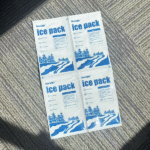
En termes simples, un sac de gel réfrigérant est une pochette scellée ou un oreiller pack de liquide de refroidissement conçu pour un placement flexible autour des charges utiles. Dans de nombreuses chaînes d'approvisionnement, il fonctionne comme un insert réfrigérant réutilisable ou jetable plutôt que comme un système d'expédition autonome.. On peut l'appeler une pochette de liquide de refroidissement, un insert de liquide de refroidissement, ou un autre nom commercial selon le secteur d'activité. Ce qui compte pour l'acheteur, c'est moins l'étiquette que la combinaison de tailles., remplir la masse, comportement de phase, durabilité du film, et comment le pack s'adapte au récipient isolé.
Pour les réfrigérants de type sac, les détails critiques incluent la formulation du gel, qualité du joint, résistance du film, tolérance de remplissage, et consistance dimensionnelle après congélation. Une équipe d'approvisionnement doit également savoir si le sac sera utilisé à plat, plié, ou superposé sur une doublure, car cela affecte le comportement du paquet congelé dans le carton lui-même.. Les emballages en forme de sac peuvent contenir des aliments réfrigérés, congelé, ou voies modérément froides en fonction du remplissage et du conditionnement, le fabricant doit donc comprendre l'utilisation exacte de l'expédition.
Dans de nombreux cas, Les sacs de gel réfrigérant sont particulièrement utiles lorsque les équipes ont besoin d'une source de froid pouvant être placée de manière répétée., manipulé proprement, et étendu à plusieurs expéditions. Les charges utiles typiques incluent les expéditions de nourriture, colis pharmaceutiques, courriers cosmétiques, kits de laboratoire, et produits généraux sensibles à la température. Cela ne signifie pas que chaque charge utile a besoin du même pack. Cela signifie que le format peut être adapté si l'acheteur définit clairement le parcours et les contraintes du produit..
Comment cela fonctionne dans les envois réels
Les réfrigérants de type sac sont faciles à personnaliser en fonction du poids, imprimer, et dimensions, C'est l'une des raisons pour lesquelles de nombreux acheteurs s'approvisionnent auprès de fabricants asiatiques à grand volume.. La plupart des formats de gel standard fonctionnent en stockant l'énergie froide pendant le conditionnement au congélateur, puis en absorbant la chaleur lors de leur décongélation.. Le temps de maintien pratique ne dépend pas uniquement du pack: qualité de l'isolation, masse du produit, température initiale du produit, placement des paquets, et l'exposition extérieure changent toutes le résultat.
Les risques que les acheteurs doivent généralement prévoir incluent l'inadéquation des spécifications entre l'échantillon et la production., faiblesse du film ou des coutures lors du transit à l'exportation, délais de livraison plus longs et variabilité des expéditions, déclarations matérielles peu claires, et mauvaise communication autour des instructions de conditionnement. Quand le format est bien adapté au parcours, les principaux avantages sont une bonne flexibilité OEM, tailles et marque personnalisées, ajustement efficace autour des produits irréguliers, potentiel de production en grand volume, et une large application dans les voies adjacentes à l'alimentation et aux soins de santé.
En même temps, les acheteurs doivent respecter les limites: l'approvisionnement offshore peut allonger les cycles de réapprovisionnement et de correction; un prix bas peut cacher le fret, douane, et coût des stocks; l'approbation des échantillons ne garantit pas la cohérence à long terme à moins que le contrôle des changements soit clair; et les acheteurs ont toujours besoin de tests spécifiques à l'itinéraire après l'importation.
Où cela convient le mieux – et là où cela ne convient pas
Un acheteur peut commencer avec une pochette d'échantillon standard, réalisez ensuite que le carton final a besoin d'un rapport hauteur / largeur différent pour une meilleure couverture murale. Un autre programme peut nécessiter une impression de marque privée, prise en charge des codes à barres, et emballages d'exportation palettisés. Un tiers voudra peut-être disposer d’un entrepôt de secours sur les marchés de destination tout en gardant la production primaire à l’étranger.. Ce sont des questions de conception de sourcing, pas seulement des questions de prix.
La plus grande erreur est d'approuver un premier échantillon et de supposer que la production restera identique sans un processus formel de contrôle des modifications.. Pour les matériaux de la chaîne du froid, petits changements dans le remplissage du gel, épaisseur du film, ou le comportement à plat au gel peut altérer la cohérence du conditionnement et les performances en aval. Les acheteurs sérieux demandent donc des échantillons de production, documentation du lot, et un accord sur ce qui se passe si les matériaux ou les paramètres du processus changent.
Un fabricant chinois peut être une bonne option, mais seulement lorsque la spécification est suffisamment détaillée pour que l'échantillon, premier article, et la production de masse reste alignée.
Comparaison de formats pratiques
| Option | Ajustement typique | Avantage | Attention principale |
| Sac de stockage standard | Essais et applications simples | Chemin d'approvisionnement le plus rapide | Peut ne pas convenir à l'expéditeur final ou à l'itinéraire |
| Sac de gel sur mesure | Géométries spécifiques du carton ou du revêtement | Meilleure efficacité de conditionnement | Nécessite des dessins plus serrés et une approbation des échantillons |
| Sac imprimé/marque privée | Approvisionnement spécifique à une marque ou à un programme | Identification et manipulation améliorées | Le contrôle des illustrations et des révisions ajoute à la complexité |
| Sac personnalisé basé sur PCM | Des systèmes réfrigérés de plus grande valeur | Contrôle plus étroit de la bande cible | Plus de travail de spécification technique et de validation |
Ce que les acheteurs doivent vérifier avant de commander en gros
Choisir un fabricant consiste moins à trouver le coût unitaire le plus bas qu'à confirmer que l'usine peut reproduire les spécifications dont vous avez réellement besoin.. Les questions les plus utiles sont celles qui relient la conception du produit, manipulation opérationnelle, et la fiabilité de l'approvisionnement.
Avant de passer une commande groupée, les acheteurs doivent traduire le problème d'expédition dans un dossier d'emballage écrit. Ce dossier devrait couvrir la plage de température cible, type de charge utile, dimensions de l'expéditeur, temps de transit prévu, stress ambiant, séquence de chargement, et conditions d'accueil. Une fois ces points notés, discussions sur MOQ, outillage, entrepôts, ou le prix devient beaucoup plus productif car tout le monde parle du même objectif technique.
- Confirmer les dimensions internes et externes après congélation, pas seulement les dimensions nominales à température ambiante.
- Demander la tolérance du poids de remplissage, masse froide utilisable, et la méthode de conditionnement cible avant expédition.
- Vérifier la structure de la résine ou du film, conception de couture, et les attentes en matière de résistance aux fuites sous une contrainte de manipulation réelle.
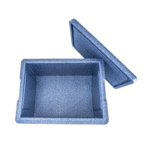
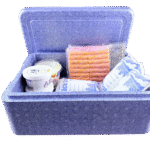
- Vérifiez comment le pack s'adapte à l'expéditeur isolé, y compris la couverture murale, interférence du couvercle, et séparation des produits.
- Vérifier l'empilabilité, nidification, et efficacité de retour si le pack est utilisé dans des programmes réutilisables ou des boucles fourre-tout.
- Demandez comment les étiquettes, codes à barres, codage des dates, ou la traçabilité des lots est appliquée et contrôlée.
- Demander des preuves que la qualité des échantillons correspond à la qualité de la production, y compris tout processus de contrôle des modifications pour les matériaux ou les dimensions.
- Vérifier MOQ, délai de mise en œuvre, et options personnalisées seulement une fois que l'ajustement technique est clair, afin que la commodité commerciale ne l'emporte pas sur l'adéquation de l'itinéraire.
- Demander des dimensions figées, tolérance de poids de remplissage, structure du film, méthode de scellement, et contrôles d'approbation des œuvres d'art par écrit.
- Renseignez-vous sur la conception des cartons d'exportation, palettisation, et comment les sacs sont protégés contre la perforation lors du transit maritime.
- Vérifiez si l'usine propose des essais pilotes, échantillons conservés, et notification formelle de changement pour les changements de film ou de remplissage.
Conseils pratiques de sélection
Le prix unitaire n’est qu’un élément de l’économie. Un pack plus grand ou moins cher peut augmenter les frais de transport, réduire la charge utile du produit, lignes d'emballage lentes, ou créer plus de déchets à la réception. Par contre, un emballage mieux ajusté peut parfois réduire le coût total car il réduit la perte de produit, évite le suremballage, et simplifie la manipulation. Les bonnes conversations avec les fournisseurs comparent donc le coût total d'utilisation, pas seulement le prix par paquet.
La capacité de stockage et de congélation doit également être prise en compte dès le début. Un programme qui semble attrayant sur le papier peut devenir difficile si l'empreinte du paquet gaspille de l'espace dans le congélateur., nécessite de longs temps de conditionnement, ou nécessite plus de zone de préparation que ce que le site peut supporter. L’adéquation opérationnelle à l’origine fait partie de l’adéquation du produit.
Les conditions de réception comptent plus que ce à quoi de nombreux acheteurs s’attendent. Si les cartons sont ouverts dans un quai chaud, laissé sur le sol avant inspection, ou remballé à température ambiante, le réfrigérant choisi doit compenser la variabilité opérationnelle ainsi que l'exposition au transit. C'est pourquoi les achats, opérations, et les équipes qualité devraient examiner ensemble le flux de travail de destination au lieu de traiter le réfrigérant comme une décision d'achat uniquement..
Détails opérationnels à ne pas ignorer
La planification d’urgence doit être discutée avant la première commande importante. Si la demande augmente, la météo interrompt le transport, ou un changement important nécessite une nouvelle approbation, l'acheteur doit savoir si le stock de sauvegarde, entrepôts alternatifs, ou des formats de remplacement sont disponibles. La résilience de l’offre fait partie de l’adéquation des produits.
La gestion de la fin de vie fait également partie de l'expérience de l'acheteur. Les destinataires peuvent se soucier de savoir si le pack peut être réutilisé, combien de liquide reste à disposition, et si le drainage ou la gestion des déchets deviennent une nuisance dans la zone de réception. Ces détails apparaissent rarement en haut d'une feuille de devis, pourtant, ils influencent fortement la satisfaction des fournisseurs après le déploiement.
Le flux de travail d'origine doit être vérifié avant l'approbation commerciale. Si les opérateurs doivent prélever des paquets congelés dans plusieurs congélateurs, attendre la mise en scène, puis construisez des cartons sur plusieurs bancs, le processus lui-même peut réchauffer le réfrigérant de manière inégale. Un format techniquement correct mais peu pratique sur le plan opérationnel crée souvent une variabilité dans les expéditions réelles.
Là où le risque produit est élevé, les acheteurs devraient passer de la sélection à la qualification par étapes: Confirmez d'abord les spécifications physiques, puis testez le pack-out dans les conditions prévues, et ensuite seulement mettre à l'échelle le volume. Cette séquence réduit les chances de parvenir à un accord commercial autour d'un réfrigérant qui semblait bon isolément mais qui fonctionne mal dans l'expéditeur fini..
L'approbation de l'échantillon doit suivre une séquence: examen au banc, vérification du gel et de l'ajustement, essai d'expédition, puis confirmation de production. Passer directement d'un échantillon à température ambiante à une commande importante est risqué car certains packs se comportent très différemment une fois congelés., chargé, et exposé au stress du transport.
La saisonnalité est une autre raison de ne pas figer le cahier des charges et de l'oublier.. De nombreux itinéraires nécessitent un nombre de packs différent, méthode de conditionnement, ou la configuration de l'expéditeur en haute saison estivale que par temps doux. Un fournisseur capable de prendre en charge les ajustements saisonniers sans perdre en cohérence a souvent plus de valeur qu'un fournisseur qui vend un seul pack de stock à très bas prix..
FAQ
Pourquoi les acheteurs demandent-ils plus qu'un exemple de photo?
Parce que l'apparence seule ne montre pas la force du joint., consistance du remplissage, répétabilité dimensionnelle, ou comment le pack se comporte après congélation.
L'approvisionnement offshore est-il toujours globalement moins cher?
Pas nécessairement. Le coût unitaire peut être inférieur, mais le fret, coût de possession des stocks, délai de mise en œuvre, et les efforts de gestion de la qualité peuvent modifier le véritable coût au débarquement.
Quel est le premier document qu'un acheteur devrait verrouiller?
Une spécification écrite qui définit les dimensions, remplir le poids, structure du film, comportement de congélation, étiquetage, et critères d'acceptation.
Clôture à emporter
La décision d'achat la plus sûre consiste à faire correspondre le sac de gel réfrigérant au produit., l'itinéraire, et le conditionnement plutôt que d'acheter uniquement en fonction de la taille du paquet. Si le fournisseur peut donner des dimensions claires, conseils de conditionnement, et une qualité constante, vous êtes beaucoup plus proche d’un programme de chaîne du froid reproductible.
À propos du tempk
Et tempk, nous nous concentrons sur les emballages à température contrôlée pour expédition sous chaîne du froid. Fondée en 2011 en tant que marque de Shanghai Huizhou Industrial, nous proposons du personnalisé packs de gel, briques de glace, boîtes isolées, doublures, et plus large emballage à température contrôlée fabriqué en Chine. Notre travail de développement est soutenu par un R&Centre D fonctionnant avec des pratiques alignées CNAS et ISTA, et notre réseau de fabrication comprend des installations certifiées ISO en Chine. Cette combinaison nous aide à prendre en charge à la fois les formats d'approvisionnement standard et les formats d'emballage personnalisés pour la distribution sensible à la température..
Prochaine étape: Un briefing clair sur la sensibilité du produit, durée de l'itinéraire, et la géométrie de l'emballage facilite grandement le choix du bon format de réfrigérant ou du bon plan d'approvisionnement en vrac..
| Article 2: profond |
Comment le sac réfrigérant en gel fonctionne réellement dans l'approvisionnement OEM de la chaîne du froid
L'achat d'un sac réfrigérant en gel en Chine peut avoir du sens lorsque vous avez besoin d'une taille personnalisée., imprimer, ou volume. L'erreur est de traiter le produit comme une marchandise lorsque de petits changements dans le film, remplir, ou le sceau peut modifier les performances du monde réel. Un examen technique montre rapidement que le pack lui-même n'est qu'une variable dans un problème plus vaste de gestion de la chaleur..
Un fabricant de sacs réfrigérants en gel en Chine peut être une excellente option d'approvisionnement lorsque vous avez besoin de formats personnalisés., production en grand volume, et configurations flexibles de film ou d'impression. L'opportunité est réelle, mais le risque de spécifications vagues l'est aussi. Dans un emballage chaîne du froid, un sac qui semble similaire sur une feuille de devis peut se comporter très différemment une fois congelé, emballé dans un expéditeur, et exposé au stress du transport. C'est pourquoi le succès d'un approvisionnement en Chine dépend moins du seul prix que de spécifications claires., changer de contrôle, et vérification. Un examen technique devrait donc commencer par la bande cible, masse de charge utile, et la géométrie réelle de l'emballage plutôt qu'avec une photo de catalogue ou une seule réclamation de temps de rétention.
Le comportement thermique passe avant tout
Pour les réfrigérants de type sac, les détails critiques incluent la formulation du gel, qualité du joint, résistance du film, tolérance de remplissage, et consistance dimensionnelle après congélation. Une équipe d'approvisionnement doit également savoir si le sac sera utilisé à plat, plié, ou superposé sur une doublure, car cela affecte le comportement du paquet congelé dans le carton lui-même.. Les emballages en forme de sac peuvent contenir des aliments réfrigérés, congelé, ou voies modérément froides en fonction du remplissage et du conditionnement, le fabricant doit donc comprendre l'utilisation exacte de l'expédition.
Les réfrigérants de type sac sont faciles à personnaliser en fonction du poids, imprimer, et dimensions, C'est l'une des raisons pour lesquelles de nombreux acheteurs s'approvisionnent auprès de fabricants asiatiques à grand volume.. La plupart des formats de gel standard fonctionnent en stockant l'énergie froide pendant le conditionnement au congélateur, puis en absorbant la chaleur lors de leur décongélation.. Le temps de maintien pratique ne dépend pas uniquement du pack: qualité de l'isolation, masse du produit, température initiale du produit, placement des paquets, et l'exposition extérieure changent toutes le résultat. Du point de vue de l'ingénierie, l'acheteur gère réellement le flux de chaleur à travers l'ensemble de la pile d'emballages. Un mur plus épais ou un meilleur revêtement peut réduire le nombre de packs réfrigérants nécessaire, tandis qu'un expéditeur mal isolé peut effacer l'avantage d'un liquide de refroidissement plus lourd.
Les emballages en forme de sac peuvent contenir des aliments réfrigérés, congelé, ou voies modérément froides en fonction du remplissage et du conditionnement, le fabricant doit donc comprendre l'utilisation exacte de l'expédition.
Matériels, Forme, et construction du pack
Quand les acheteurs comparent les sacs réfrigérants en gel, la pile de matériaux mérite plus d’attention qu’elle n’en reçoit habituellement. La formule du gel détermine le comportement thermique général, mais le film extérieur ou la coque détermine si le paquet survit au gel, fléchissement, empilement, et manipulations répétées sans fuite. La qualité des coutures est importante car les paquets congelés deviennent souvent moins indulgents sous l'impact. Un pack qui fonctionne bien dans un congélateur d'échantillons mais qui tombe en panne après les vibrations du transport n'est pas une réussite technique. Pour les formats pochette et oreiller, le comportement à plat et la forme des coins sont importants, car le changement de géométrie peut modifier la couverture du mur à l'intérieur de la boîte.
En termes simples, un sac de gel réfrigérant est une pochette scellée ou un pack de liquide de refroidissement de type oreiller conçu pour un placement flexible autour des charges utiles. Dans de nombreuses chaînes d'approvisionnement, il fonctionne comme un insert réfrigérant réutilisable ou jetable plutôt que comme un système d'expédition autonome.. On peut l'appeler une pochette de liquide de refroidissement, un insert de liquide de refroidissement, ou un autre nom commercial selon le secteur d'activité. Ce qui compte pour l'acheteur, c'est moins l'étiquette que la combinaison de tailles., remplir la masse, comportement de phase, durabilité du film, et comment le pack s'adapte au conteneur isotherme.
Conditionnement, Emballage, et flux de chaleur
Le conditionnement est une autre variable sous-estimée. Même un sac réfrigérant en gel bien conçu peut avoir de mauvais résultats si les opérateurs le congèlent trop peu de temps., le décongeler de manière incohérente, ou chargez-le dans l'expéditeur à la mauvaise température de départ. Dans de nombreuses opérations, la différence entre une expédition stable et une excursion de température évitable se résume à des instructions de manipulation claires: point de consigne du congélateur, durée minimale de conditionnement, sensation de la surface cible, matériaux de séparation, et délais entre la préparation et l'expédition.
Demandez des données qui reflètent le conditionnement complet plutôt qu'un test de réfrigérant autonome. Un ensemble de données utiles montre généralement le type d'expéditeur, niveau d'isolation, masse de charge utile, défi ambiant, placement des paquets, et durée du test. Sans ce contexte, deux fournisseurs peuvent faire des déclarations de temps de maintien similaires tout en décrivant des conditions de test complètement différentes. Les acheteurs sérieux veulent comprendre les conditions limites, pas seulement le résultat principal.
Là où le risque produit est élevé, les acheteurs devraient passer de la sélection à la qualification par étapes: Confirmez d'abord les spécifications physiques, puis testez le pack-out dans les conditions prévues, et ensuite seulement mettre à l'échelle le volume. Cette séquence réduit les chances de parvenir à un accord commercial autour d'un réfrigérant qui semblait bon isolément mais qui fonctionne mal dans l'expéditeur fini..
Limites de conformité et contrôle des risques
Le secteur d’utilisation finale détermine le véritable fardeau de la conformité: nourriture, laboratoire, Pharma, et les cosmétiques posent tous des questions différentes. Pour les programmes d'importation, les acheteurs devraient demander des descriptions claires des matériaux, documentation de sécurité, langage d'étiquetage, et des dossiers de qualité qui correspondent au marché visé. Un fabricant peut produire la pochette, mais l'acheteur a toujours le devoir de qualifier le système d'expédition complet. Pour les envois réglementés ou sensibles à la qualité, les allégations sur l'emballage doivent être lues attentivement. Un pack de liquide de refroidissement peut soutenir les objectifs de conformité, mais ce n'est généralement qu'une partie du processus documenté. Entraînement, instructions d'emballage, recevoir des chèques, qualification d'itinéraire, et les exigences spécifiques au produit influencent toutes si l'envoi est réellement adapté.
Un composant réfrigérant doit toujours être évalué dans le cadre du processus complet d'emballage et de manipulation..
Les modes de défaillance les plus courants sont familiers: packs sous-conditionnés, nombre de paquets incorrect, contact direct avec une charge utile sensible au gel, fuite de couture après une manipulation brutale, condensation excessive à la réception, et changements dans l'ajustement du carton après que l'emballage congelé se dilate ou se déplace. Aucun de ces problèmes n'est résolu uniquement par le langage du catalogue.. Ils sont résolus par la revue de conception, discipline opérationnelle, et cohérence des fournisseurs.
Un fabricant chinois peut être une bonne option, mais seulement lorsque la spécification est suffisamment détaillée pour que l'échantillon, premier article, et la production de masse reste alignée.
Ce que les acheteurs axés sur les données demandent aux fournisseurs
Choisir un fabricant consiste moins à trouver le coût unitaire le plus bas qu'à confirmer que l'usine peut reproduire les spécifications dont vous avez réellement besoin.. Les meilleures conversations d'achat connectent la conception de produits, gérer la réalité, et fournir la fiabilité dans un seul tableau de bord plutôt que de les traiter comme des décisions distinctes.
- Confirmer les dimensions internes et externes après congélation, pas seulement les dimensions nominales à température ambiante.
- Demander la tolérance du poids de remplissage, masse froide utilisable, et la méthode de conditionnement cible avant expédition.
- Vérifier la structure de la résine ou du film, conception de couture, et les attentes en matière de résistance aux fuites sous une contrainte de manipulation réelle.
- Vérifiez comment le pack s'adapte à l'expéditeur isolé, y compris la couverture murale, interférence du couvercle, et séparation des produits.
- Vérifier l'empilabilité, nidification, et efficacité de retour si le pack est utilisé dans des programmes réutilisables ou des boucles fourre-tout.
- Demandez comment les étiquettes, codes à barres, codage des dates, ou la traçabilité des lots est appliquée et contrôlée.
- Demander des preuves que la qualité des échantillons correspond à la qualité de la production, y compris tout processus de contrôle des modifications pour les matériaux ou les dimensions.
- Demandez des données de conditionnement ou de performances thermiques qui reflètent la masse de votre charge utile, type d'expéditeur, et profil ambiant réaliste.
- Clarifier ce qui se passe si les matières premières, formulation de gel, épaisseur du film, ou changement de lieu de fabrication après approbation.
- Demander des dimensions figées, tolérance de poids de remplissage, structure du film, méthode de scellement, et contrôles d'approbation des œuvres d'art par écrit.
- Renseignez-vous sur la conception des cartons d'exportation, palettisation, et comment les sacs sont protégés contre la perforation lors du transit maritime.
- Vérifiez si l'usine propose des essais pilotes, échantillons conservés, et notification formelle de changement pour les changements de film ou de remplissage.
Une fois qu'un pack a été approuvé, le contrôle du changement devient crucial. Petites différences selon le fournisseur de film, rapport de gel, volume de remplissage, mise en page d'impression, ou les paramètres de la ligne de fabrication peuvent modifier les dimensions, résistance aux fuites, ou comportement d'emballage. Les fournisseurs professionnels documentent ces changements et les communiquent avant qu'ils n'affectent les expéditions réelles..
Interpréter soigneusement les allégations de performance
La plus grande erreur est d'approuver un premier échantillon et de supposer que la production restera identique sans un processus formel de contrôle des modifications.. Pour les matériaux de la chaîne du froid, petits changements dans le remplissage du gel, épaisseur du film, ou le comportement à plat au gel peut altérer la cohérence du conditionnement et les performances en aval. Les acheteurs sérieux demandent donc des échantillons de production, documentation du lot, et un accord sur ce qui se passe si les matériaux ou les paramètres du processus changent.
Les conditions de réception comptent plus que ce à quoi de nombreux acheteurs s’attendent. Si les cartons sont ouverts dans un quai chaud, laissé sur le sol avant inspection, ou remballé à température ambiante, le réfrigérant choisi doit compenser la variabilité opérationnelle ainsi que l'exposition au transit. C'est pourquoi les achats, opérations, et les équipes qualité devraient examiner ensemble le flux de travail de destination au lieu de traiter le réfrigérant comme une décision d'achat uniquement..
Détails opérationnels à ne pas ignorer
Le prix unitaire n’est qu’un élément de l’économie. Un pack plus grand ou moins cher peut augmenter les frais de transport, réduire la charge utile du produit, lignes d'emballage lentes, ou créer plus de déchets à la réception. Par contre, un emballage mieux ajusté peut parfois réduire le coût total car il réduit la perte de produit, évite le suremballage, et simplifie la manipulation. Les bonnes conversations avec les fournisseurs comparent donc le coût total d'utilisation, pas seulement le prix par paquet.
La palettisation et le comportement du carton extérieur peuvent également influencer le bon choix. Lorsque les cartons sont étroitement empilés, compression des flancs, pression du couvercle, et un débit d'air réduit peut modifier la façon dont les packs congelés reposent et décongèlent.. C'est une autre raison d'évaluer le réfrigérant à l'intérieur de l'unité d'expédition réelle plutôt que comme élément autonome..
La saisonnalité est une autre raison de ne pas figer le cahier des charges et de l'oublier.. De nombreux itinéraires nécessitent un nombre de packs différent, méthode de conditionnement, ou la configuration de l'expéditeur en haute saison estivale que par temps doux. Un fournisseur capable de prendre en charge les ajustements saisonniers sans perdre en cohérence a souvent plus de valeur qu'un fournisseur qui vend un seul pack de stock à très bas prix..
Les programmes les plus solides sont généralement interfonctionnels. L’approvisionnement peut diriger le processus d’approvisionnement, mais les ingénieurs d'emballage, personnel d'exploitation, des équipes de qualité, et les lieux de réception voient souvent des risques différents. Rassembler ces points de vue dès le début permet d'éviter qu'un pack techniquement acceptable ne devienne une frustration opérationnelle..
La capacité de stockage et de congélation doit également être prise en compte dès le début. Un programme qui semble attrayant sur le papier peut devenir difficile si l'empreinte du paquet gaspille de l'espace dans le congélateur., nécessite de longs temps de conditionnement, ou nécessite plus de zone de préparation que ce que le site peut supporter. L’adéquation opérationnelle à l’origine fait partie de l’adéquation du produit.
FAQ
Pourquoi les acheteurs demandent-ils plus qu'un exemple de photo?
Parce que l'apparence seule ne montre pas la force du joint., consistance du remplissage, répétabilité dimensionnelle, ou comment le pack se comporte après congélation.
L'approvisionnement offshore est-il toujours globalement moins cher?
Pas nécessairement. Le coût unitaire peut être inférieur, mais le fret, coût de possession des stocks, délai de mise en œuvre, et les efforts de gestion de la qualité peuvent modifier le véritable coût au débarquement.
Quel est le premier document qu'un acheteur devrait verrouiller?
Une spécification écrite qui définit les dimensions, remplir le poids, structure du film, comportement de congélation, étiquetage, et critères d'acceptation.
À retenir technique
D'un point de vue technique, le meilleur sac réfrigérant gel est celui dont le comportement de phase, géométrie, matériels, et les contrôles de qualité correspondent à l'expédition réelle. Données, discipline de conditionnement, et le contrôle des changements compte généralement plus que les déclarations générales de performance..
Outils de décision utiles
Vérifiez les détails avant de choisir l'emballage
Ces outils rapides peuvent vous aider à comparer le risque d'itinéraire, besoins de dimensionnement, choix de liquide de refroidissement, et les détails de l'emballage avant de demander un devis.
Vérificateur de risque d'itinéraire
Examinez les conditions des pistes avant de sélectionner l'emballage en fonction des exigences opérationnelles réelles..
Vérifier le risque d'itinéraireSélecteur d'emballage
Comparez les options d'emballage isotherme par produit, itinéraire, et besoin de température.
Trouver un emballageGénérateur de liste de contrôle de conformité
Créer une liste de contrôle pratique pour l'examen des emballages, expédition, et documentation.
Construire une liste de contrôleÀ propos du tempk
Et tempk, nous nous concentrons sur les emballages à température contrôlée pour les expéditions sous chaîne du froid. Fondée en 2011 en tant que marque de Shanghai Huizhou Industrial, nous proposons des packs de gel personnalisés, briques de glace, boîtes isolées, doublures, et des emballages plus larges à température contrôlée fabriqués en Chine. Notre travail de développement est soutenu par un R&Centre D fonctionnant avec des pratiques alignées CNAS et ISTA, et notre réseau de fabrication comprend des installations certifiées ISO en Chine. Cette combinaison nous aide à prendre en charge à la fois les formats d'approvisionnement standard et les formats d'emballage personnalisés pour la distribution sensible à la température..
Prochaine étape: Avant de passer à l'échelle, aligner le format du pack avec votre itinéraire, charge utile, et les conditions de réception afin que la recommandation soit basée sur l'expédition réelle plutôt que sur une ligne de catalogue générique.
| Article 3: la toile |
Sac de réfrigérant en gel dans le cadre d'un approvisionnement OEM réel dans la chaîne du froid
L'achat d'un sac réfrigérant en gel en Chine peut avoir du sens lorsque vous avez besoin d'une taille personnalisée., imprimer, ou volume. L'erreur est de traiter le produit comme une marchandise lorsque de petits changements dans le film, remplir, ou le sceau peut modifier les performances du monde réel. Ce besoin pratique explique également pourquoi le marché s'est tourné vers de meilleures questions d'approvisionnement plutôt que vers des comparaisons de produits génériques..
Un fabricant de sacs réfrigérants en gel en Chine peut être une excellente option d'approvisionnement lorsque vous avez besoin de formats personnalisés., production en grand volume, et configurations flexibles de film ou d'impression. L'opportunité est réelle, mais le risque de spécifications vagues l'est aussi. Dans un emballage chaîne du froid, un sac qui semble similaire sur une feuille de devis peut se comporter très différemment une fois congelé, emballé dans un expéditeur, et exposé au stress du transport. C'est pourquoi le succès d'un approvisionnement en Chine dépend moins du seul prix que de spécifications claires., changer de contrôle, et vérification. C’est également la raison pour laquelle le débat actuel sur le marché s’est déplacé de l’achat d’une source de froid générique vers l’achat d’un composant système adapté à la voie., le produit, et le workflow de réception.
Pourquoi les acheteurs le regardent maintenant
Les acheteurs mondiaux continuent d'utiliser la Chine pour les composants personnalisés de la chaîne du froid, car la base d'approvisionnement peut prendre en charge un large choix de formats et une production évolutive.. En même temps, de nombreux importateurs équilibrent la fabrication offshore avec des stocks régionaux ou un approvisionnement de secours afin de réduire les risques liés aux délais de livraison., volatilité du fret, et exposition à une source unique. Les conversations actuelles des acheteurs dans ce segment tournent souvent autour du fait que les acheteurs s'approvisionnent de plus en plus en pochettes personnalisées tout en conservant un stock tampon plus proche des marchés de destination.; un intérêt accru pour les usines à double source d'approvisionnement et de secours réduit le risque d'une usine unique; et la discipline des spécifications et la traçabilité comptent plus que le seul MOQ global.
La stratégie de marché compte désormais plus qu’il y a quelques années, car les acheteurs équilibrent les coûts., résilience, et la rapidité du changement. Certains programmes souhaitent des stocks nationaux ou régionaux pour plus d'agilité, tandis que d'autres conservent un format personnalisé dans la production offshore et protègent les niveaux de service avec un inventaire de sauvegarde. Le plan d'approvisionnement le plus solide est celui qui prend en charge les spécifications du produit en cas de fluctuations saisonnières de la demande et de ruptures d'approvisionnement.. La Chine ajoute sa propre logique d'approvisionnement. La Chine reste attractive pour les acheteurs désireux de personnalisation, flexibilité de l'outillage, et production à grande échelle, mais la planification du fret et le contrôle qualité doivent être plus stricts. Les équipes d'approvisionnement combinent de plus en plus la production sur mesure offshore avec un stock de sécurité local pour équilibrer les coûts et la réactivité..
Cas d'utilisation réels sur le marché actuel
Un acheteur peut commencer avec une pochette d'échantillon standard, réalisez ensuite que le carton final a besoin d'un rapport hauteur / largeur différent pour une meilleure couverture murale. Un autre programme peut nécessiter une impression de marque privée, prise en charge des codes à barres, et emballages d'exportation palettisés. Un tiers voudra peut-être disposer d’un entrepôt de secours sur les marchés de destination tout en gardant la production primaire à l’étranger.. Ce sont des questions de conception de sourcing, pas seulement des questions de prix.
Dans de nombreux cas, Les sacs de gel réfrigérant sont particulièrement utiles lorsque les équipes ont besoin d'une source de froid pouvant être placée de manière répétée., manipulé proprement, et étendu à plusieurs expéditions. Les charges utiles typiques incluent les expéditions de nourriture, colis pharmaceutiques, courriers cosmétiques, kits de laboratoire, et produits généraux sensibles à la température. Cela ne signifie pas que chaque charge utile a besoin du même pack. Cela signifie que le format peut être adapté si l'acheteur définit clairement le parcours et les contraintes du produit..
Les risques que les acheteurs doivent généralement prévoir incluent l'inadéquation des spécifications entre l'échantillon et la production., faiblesse du film ou des coutures lors du transit à l'exportation, délais de livraison plus longs et variabilité des expéditions, déclarations matérielles peu claires, et mauvaise communication autour des instructions de conditionnement.
Comment les priorités d'approvisionnement évoluent
Les acheteurs mondiaux continuent d'utiliser la Chine pour les composants personnalisés de la chaîne du froid, car la base d'approvisionnement peut prendre en charge un large choix de formats et une production évolutive.. En même temps, de nombreux importateurs équilibrent la fabrication offshore avec des stocks régionaux ou un approvisionnement de secours afin de réduire les risques liés aux délais de livraison., volatilité du fret, et exposition à une source unique.
Du côté de la durabilité et des opérations, les acheteurs apprécient souvent le fait que les pochettes légères réduisent le fret par rapport aux formats rigides plus lourds; les acheteurs posent de plus en plus de questions sur les films recyclables, gel anti-évacuation, et options à plastique réduit; et le gain de durabilité le plus pratique vient souvent d'un meilleur ajustement du carton et d'une moindre détérioration.. En pratique, les acheteurs évaluent de plus en plus l’impact opérationnel total: poids du fret, espace de rangement au congélateur, facilité de réception, gestion des déchets, et le risque de perte de produit si l'itinéraire devient instable. Un pack plus durable ou mieux ciblé peut parfois coûter plus cher tout en réduisant le coût réel du programme d'expédition..
Le prix unitaire n’est qu’un élément de l’économie. Un pack plus grand ou moins cher peut augmenter les frais de transport, réduire la charge utile du produit, lignes d'emballage lentes, ou créer plus de déchets à la réception. Par contre, un emballage mieux ajusté peut parfois réduire le coût total car il réduit la perte de produit, évite le suremballage, et simplifie la manipulation. Les bonnes conversations avec les fournisseurs comparent donc le coût total d'utilisation, pas seulement le prix par paquet.
La Chine ajoute sa propre logique d'approvisionnement. La Chine reste attractive pour les acheteurs désireux de personnalisation, flexibilité de l'outillage, et production à grande échelle, mais la planification du fret et le contrôle qualité doivent être plus stricts. Les équipes d'approvisionnement combinent de plus en plus la production sur mesure offshore avec un stock de sécurité local pour équilibrer les coûts et la réactivité..
Une liste pratique de fournisseurs
Choisir un fabricant consiste moins à trouver le coût unitaire le plus bas qu'à confirmer que l'usine peut reproduire les spécifications dont vous avez réellement besoin.. Les questions les plus utiles sont celles qui relient la conception du produit, manipulation opérationnelle, et la fiabilité de l'approvisionnement.
Avant de passer une commande groupée, les acheteurs doivent traduire le problème d'expédition dans un dossier d'emballage écrit. Ce dossier devrait couvrir la plage de température cible, type de charge utile, dimensions de l'expéditeur, temps de transit prévu, stress ambiant, séquence de chargement, et conditions d'accueil. Une fois ces points notés, discussions sur MOQ, outillage, entrepôts, ou le prix devient beaucoup plus productif car tout le monde parle du même objectif technique.
- Confirmer les dimensions internes et externes après congélation, pas seulement les dimensions nominales à température ambiante.
- Demander la tolérance du poids de remplissage, masse froide utilisable, et la méthode de conditionnement cible avant expédition.
- Vérifier la structure de la résine ou du film, conception de couture, et les attentes en matière de résistance aux fuites sous une contrainte de manipulation réelle.
- Vérifiez comment le pack s'adapte à l'expéditeur isolé, y compris la couverture murale, interférence du couvercle, et séparation des produits.
- Vérifier l'empilabilité, nidification, et efficacité de retour si le pack est utilisé dans des programmes réutilisables ou des boucles fourre-tout.
- Demandez comment les étiquettes, codes à barres, codage des dates, ou la traçabilité des lots est appliquée et contrôlée.
- Demander des preuves que la qualité des échantillons correspond à la qualité de la production, y compris tout processus de contrôle des modifications pour les matériaux ou les dimensions.
- Vérifier MOQ, délai de mise en œuvre, et options personnalisées seulement une fois que l'ajustement technique est clair, afin que la commodité commerciale ne l'emporte pas sur l'adéquation de l'itinéraire.
- Demander des dimensions figées, tolérance de poids de remplissage, structure du film, méthode de scellement, et contrôles d'approbation des œuvres d'art par écrit.
- Renseignez-vous sur la conception des cartons d'exportation, palettisation, et comment les sacs sont protégés contre la perforation lors du transit maritime.
- Vérifiez si l'usine propose des essais pilotes, échantillons conservés, et notification formelle de changement pour les changements de film ou de remplissage.
Ce que les acheteurs intelligents évitent
La plus grande erreur est d'approuver un premier échantillon et de supposer que la production restera identique sans un processus formel de contrôle des modifications.. Pour les matériaux de la chaîne du froid, petits changements dans le remplissage du gel, épaisseur du film, ou le comportement à plat au gel peut altérer la cohérence du conditionnement et les performances en aval. Les acheteurs sérieux demandent donc des échantillons de production, documentation du lot, et un accord sur ce qui se passe si les matériaux ou les paramètres du processus changent.
La saisonnalité est une autre raison de ne pas figer le cahier des charges et de l'oublier.. De nombreux itinéraires nécessitent un nombre de packs différent, méthode de conditionnement, ou la configuration de l'expéditeur en haute saison estivale que par temps doux. Un fournisseur capable de prendre en charge les ajustements saisonniers sans perdre en cohérence a souvent plus de valeur qu'un fournisseur qui vend un seul pack de stock à très bas prix..
Une fois qu'un pack a été approuvé, le contrôle du changement devient crucial. Petites différences selon le fournisseur de film, rapport de gel, volume de remplissage, mise en page d'impression, ou les paramètres de la ligne de fabrication peuvent modifier les dimensions, résistance aux fuites, ou comportement d'emballage. Les fournisseurs professionnels documentent ces changements et les communiquent avant qu'ils n'affectent les expéditions réelles..
Détails opérationnels à ne pas ignorer
Là où le risque produit est élevé, les acheteurs devraient passer de la sélection à la qualification par étapes: Confirmez d'abord les spécifications physiques, puis testez le pack-out dans les conditions prévues, et ensuite seulement mettre à l'échelle le volume. Cette séquence réduit les chances de parvenir à un accord commercial autour d'un réfrigérant qui semblait bon isolément mais qui fonctionne mal dans l'expéditeur fini..
La capacité de stockage et de congélation doit également être prise en compte dès le début. Un programme qui semble attrayant sur le papier peut devenir difficile si l'empreinte du paquet gaspille de l'espace dans le congélateur., nécessite de longs temps de conditionnement, ou nécessite plus de zone de préparation que ce que le site peut supporter. L’adéquation opérationnelle à l’origine fait partie de l’adéquation du produit.
Le flux de travail d'origine doit être vérifié avant l'approbation commerciale. Si les opérateurs doivent prélever des paquets congelés dans plusieurs congélateurs, attendre la mise en scène, puis construisez des cartons sur plusieurs bancs, le processus lui-même peut réchauffer le réfrigérant de manière inégale. Un format techniquement correct mais peu pratique sur le plan opérationnel crée souvent une variabilité dans les expéditions réelles.
La planification d’urgence doit être discutée avant la première commande importante. Si la demande augmente, la météo interrompt le transport, ou un changement important nécessite une nouvelle approbation, l'acheteur doit savoir si le stock de sauvegarde, entrepôts alternatifs, ou des formats de remplacement sont disponibles. La résilience de l’offre fait partie de l’adéquation des produits.
La palettisation et le comportement du carton extérieur peuvent également influencer le bon choix. Lorsque les cartons sont étroitement empilés, compression des flancs, pression du couvercle, et un débit d'air réduit peut modifier la façon dont les packs congelés reposent et décongèlent.. C'est une autre raison d'évaluer le réfrigérant à l'intérieur de l'unité d'expédition réelle plutôt que comme élément autonome..
L'approbation de l'échantillon doit suivre une séquence: examen au banc, vérification du gel et de l'ajustement, essai d'expédition, puis confirmation de production. Passer directement d'un échantillon à température ambiante à une commande importante est risqué car certains packs se comportent très différemment une fois congelés., chargé, et exposé au stress du transport.
La gestion de la fin de vie fait également partie de l'expérience de l'acheteur. Les destinataires peuvent se soucier de savoir si le pack peut être réutilisé, combien de liquide reste à disposition, et si le drainage ou la gestion des déchets deviennent une nuisance dans la zone de réception. Ces détails apparaissent rarement en haut d'une feuille de devis, pourtant, ils influencent fortement la satisfaction des fournisseurs après le déploiement.
Les conditions de réception comptent plus que ce à quoi de nombreux acheteurs s’attendent. Si les cartons sont ouverts dans un quai chaud, laissé sur le sol avant inspection, ou remballé à température ambiante, le réfrigérant choisi doit compenser la variabilité opérationnelle ainsi que l'exposition au transit. C'est pourquoi les achats, opérations, et les équipes qualité devraient examiner ensemble le flux de travail de destination au lieu de traiter le réfrigérant comme une décision d'achat uniquement..
Comparaison de formats pratiques
| Option | Ajustement typique | Avantage | Attention principale |
| Sac de stockage standard | Essais et applications simples | Chemin d'approvisionnement le plus rapide | Peut ne pas convenir à l'expéditeur final ou à l'itinéraire |
| Sac de gel sur mesure | Géométries spécifiques du carton ou du revêtement | Meilleure efficacité de conditionnement | Nécessite des dessins plus serrés et une approbation des échantillons |
| Sac imprimé/marque privée | Approvisionnement spécifique à une marque ou à un programme | Identification et manipulation améliorées | Le contrôle des illustrations et des révisions ajoute à la complexité |
| Sac personnalisé basé sur PCM | Des systèmes réfrigérés de plus grande valeur | Contrôle plus étroit de la bande cible | Plus de travail de spécification technique et de validation |
Marché à emporter
Sur le marché d'aujourd'hui, les acheteurs obtiennent de meilleurs résultats lorsqu'ils traitent les sacs de gel réfrigérant dans le cadre d'une stratégie d'approvisionnement et d'exploitation, pas seulement comme consommable. Ajustement de l'itinéraire, résilience de l’offre, et une manipulation plus propre lors de l'utilisation finale influencent de plus en plus la décision d'achat.
À propos du tempk
Et tempk, nous nous concentrons sur les emballages à température contrôlée pour les expéditions sous chaîne du froid. Fondée en 2011 en tant que marque de Shanghai Huizhou Industrial, nous proposons des packs de gel personnalisés, briques de glace, boîtes isolées, doublures, et des emballages plus larges à température contrôlée fabriqués en Chine. Notre travail de développement est soutenu par un R&Centre D fonctionnant avec des pratiques alignées CNAS et ISTA, et notre réseau de fabrication comprend des installations certifiées ISO en Chine. Cette combinaison nous aide à prendre en charge à la fois les formats d'approvisionnement standard et les formats d'emballage personnalisés pour la distribution sensible à la température..
Prochaine étape: Un briefing clair sur la sensibilité du produit, durée de l'itinéraire, et la géométrie de l'emballage facilite grandement le choix du bon format de réfrigérant ou du bon plan d'approvisionnement en vrac..
| Article 4: Optimisé pour les professionnels |
Une meilleure façon d'évaluer les sacs de réfrigérant en gel pour l'approvisionnement OEM en chaîne du froid
L'achat d'un sac réfrigérant en gel en Chine peut avoir du sens lorsque vous avez besoin d'une taille personnalisée., imprimer, ou volume. L'erreur est de traiter le produit comme une marchandise lorsque de petits changements dans le film, remplir, ou le sceau peut modifier les performances du monde réel. Le choix le plus fiable consiste généralement à combiner un ajustement pratique de l'itinéraire, discipline technique, et une sélection réaliste des fournisseurs.
Un fabricant de sacs réfrigérants en gel en Chine peut être une excellente option d'approvisionnement lorsque vous avez besoin de formats personnalisés., production en grand volume, et configurations flexibles de film ou d'impression. L'opportunité est réelle, mais le risque de spécifications vagues l'est aussi. Dans un emballage chaîne du froid, un sac qui semble similaire sur une feuille de devis peut se comporter très différemment une fois congelé, emballé dans un expéditeur, et exposé au stress du transport. C'est pourquoi le succès d'un approvisionnement en Chine dépend moins du seul prix que de spécifications claires., changer de contrôle, et vérification. La décision devient beaucoup plus facile une fois que vous séparez trois questions: de quelle température le produit a réellement besoin, comment se comporte l'itinéraire, et avec quelle cohérence le fournisseur peut reproduire le format choisi.
Ce que le bon pack devrait réellement faire
En termes simples, un sac de gel réfrigérant est une pochette scellée ou un pack de liquide de refroidissement de type oreiller conçu pour un placement flexible autour des charges utiles. Dans de nombreuses chaînes d'approvisionnement, il fonctionne comme un insert réfrigérant réutilisable ou jetable plutôt que comme un système d'expédition autonome.. On peut l'appeler une pochette de liquide de refroidissement, un insert de liquide de refroidissement, ou un autre nom commercial selon le secteur d'activité. Ce qui compte pour l'acheteur, c'est moins l'étiquette que la combinaison de tailles., remplir la masse, comportement de phase, durabilité du film, et comment le pack s'adapte au conteneur isotherme.
Les réfrigérants de type sac sont faciles à personnaliser en fonction du poids, imprimer, et dimensions, C'est l'une des raisons pour lesquelles de nombreux acheteurs s'approvisionnent auprès de fabricants asiatiques à grand volume.. La plupart des formats de gel standard fonctionnent en stockant l'énergie froide pendant le conditionnement au congélateur, puis en absorbant la chaleur lors de leur décongélation.. Le temps de maintien pratique ne dépend pas uniquement du pack: qualité de l'isolation, masse du produit, température initiale du produit, placement des paquets, et l'exposition extérieure changent toutes le résultat. Du point de vue de l'ingénierie, l'acheteur gère réellement le flux de chaleur à travers l'ensemble de la pile d'emballages. Une paroi plus épaisse ou un meilleur revêtement peut réduire le nombre de packs de réfrigérant nécessaires, tandis qu'un expéditeur mal isolé peut effacer l'avantage d'un liquide de refroidissement plus lourd.
Pour les réfrigérants de type sac, les détails critiques incluent la formulation du gel, qualité du joint, résistance du film, tolérance de remplissage, et consistance dimensionnelle après congélation. Une équipe d'approvisionnement doit également savoir si le sac sera utilisé à plat, plié, ou superposé sur une doublure, car cela affecte le comportement du paquet congelé dans le carton lui-même..
Les emballages en forme de sac peuvent contenir des aliments réfrigérés, congelé, ou voies modérément froides en fonction du remplissage et du conditionnement, le fabricant doit donc comprendre l'utilisation exacte de l'expédition.
Comment choisir l'itinéraire, Produit, et gérer la réalité
Dans de nombreux cas, Les sacs de gel réfrigérant sont particulièrement utiles lorsque les équipes ont besoin d'une source de froid pouvant être placée de manière répétée., manipulé proprement, et étendu à plusieurs expéditions. Les charges utiles typiques incluent les expéditions de nourriture, colis pharmaceutiques, courriers cosmétiques, kits de laboratoire, et produits généraux sensibles à la température. Cela ne signifie pas que chaque charge utile a besoin du même pack. Cela signifie que le format peut être adapté si l'acheteur définit clairement le parcours et les contraintes du produit..
Les risques que les acheteurs doivent généralement prévoir incluent l'inadéquation des spécifications entre l'échantillon et la production., faiblesse du film ou des coutures lors du transit à l'exportation, délais de livraison plus longs et variabilité des expéditions, déclarations matérielles peu claires, et mauvaise communication autour des instructions de conditionnement.
Un acheteur peut commencer avec une pochette d'échantillon standard, réalisez ensuite que le carton final a besoin d'un rapport hauteur / largeur différent pour une meilleure couverture murale. Un autre programme peut nécessiter une impression de marque privée, prise en charge des codes à barres, et emballages d'exportation palettisés. Un tiers voudra peut-être disposer d’un entrepôt de secours sur les marchés de destination tout en gardant la production primaire à l’étranger.. Ce sont des questions de conception de sourcing, pas seulement des questions de prix.
La plus grande erreur est d'approuver un premier échantillon et de supposer que la production restera identique sans un processus formel de contrôle des modifications.. Pour les matériaux de la chaîne du froid, petits changements dans le remplissage du gel, épaisseur du film, ou le comportement à plat au gel peut altérer la cohérence du conditionnement et les performances en aval. Les acheteurs sérieux demandent donc des échantillons de production, documentation du lot, et un accord sur ce qui se passe si les matériaux ou les paramètres du processus changent.
En même temps, les acheteurs doivent respecter les limites: l'approvisionnement offshore peut allonger les cycles de réapprovisionnement et de correction; un prix bas peut cacher le fret, douane, et coût des stocks; l'approbation des échantillons ne garantit pas la cohérence à long terme à moins que le contrôle des changements soit clair; et les acheteurs ont toujours besoin de tests spécifiques à l'itinéraire après l'importation.
Instantané de sélection
| Option | Où cela convient le mieux | Force principale | Que vérifier |
| Sac de stockage standard | Essais et applications simples | Chemin d'approvisionnement le plus rapide | Peut ne pas convenir à l'expéditeur final ou à l'itinéraire |
| Sac de gel sur mesure | Géométries spécifiques du carton ou du revêtement | Meilleure efficacité de conditionnement | Nécessite des dessins plus serrés et une approbation des échantillons |
| Sac imprimé/marque privée | Approvisionnement spécifique à une marque ou à un programme | Identification et manipulation améliorées | Le contrôle des illustrations et des révisions ajoute à la complexité |
| Sac personnalisé basé sur PCM | Des systèmes réfrigérés de plus grande valeur | Contrôle plus étroit de la bande cible | Plus de travail de spécification technique et de validation |
La liste de contrôle des fournisseurs qui compte vraiment
Choisir un fabricant consiste moins à trouver le coût unitaire le plus bas qu'à confirmer que l'usine peut reproduire les spécifications dont vous avez réellement besoin.. Les meilleures conversations d'achat connectent la conception de produits, gérer la réalité, et fournir la fiabilité dans un seul tableau de bord plutôt que de les traiter comme des décisions distinctes.
Avant de passer une commande groupée, les acheteurs doivent traduire le problème d'expédition dans un dossier d'emballage écrit. Ce dossier devrait couvrir la plage de température cible, type de charge utile, dimensions de l'expéditeur, temps de transit prévu, stress ambiant, séquence de chargement, et conditions d'accueil. Une fois ces points notés, discussions sur MOQ, outillage, entrepôts, ou le prix devient beaucoup plus productif car tout le monde parle du même objectif technique.
- Confirmer les dimensions internes et externes après congélation, pas seulement les dimensions nominales à température ambiante.
- Demander la tolérance du poids de remplissage, masse froide utilisable, et la méthode de conditionnement cible avant expédition.
- Vérifier la structure de la résine ou du film, conception de couture, et les attentes en matière de résistance aux fuites sous une contrainte de manipulation réelle.
- Vérifiez comment le pack s'adapte à l'expéditeur isolé, y compris la couverture murale, interférence du couvercle, et séparation des produits.
- Vérifier l'empilabilité, nidification, et efficacité de retour si le pack est utilisé dans des programmes réutilisables ou des boucles fourre-tout.
- Demandez comment les étiquettes, codes à barres, codage des dates, ou la traçabilité des lots est appliquée et contrôlée.
- Demander des preuves que la qualité des échantillons correspond à la qualité de la production, y compris tout processus de contrôle des modifications pour les matériaux ou les dimensions.
- Demandez des données de conditionnement ou de performances thermiques qui reflètent la masse de votre charge utile, type d'expéditeur, et profil ambiant réaliste.
- Clarifier ce qui se passe si les matières premières, formulation de gel, épaisseur du film, ou changement de lieu de fabrication après approbation.
- Demander des dimensions figées, tolérance de poids de remplissage, structure du film, méthode de scellement, et contrôles d'approbation des œuvres d'art par écrit.
- Renseignez-vous sur la conception des cartons d'exportation, palettisation, et comment les sacs sont protégés contre la perforation lors du transit maritime.
- Vérifiez si l'usine propose des essais pilotes, échantillons conservés, et notification formelle de changement pour les changements de film ou de remplissage.
Demandez des données qui reflètent le conditionnement complet plutôt qu'un test de réfrigérant autonome. Un ensemble de données utiles montre généralement le type d'expéditeur, niveau d'isolation, masse de charge utile, défi ambiant, placement des paquets, et durée du test. Sans ce contexte, deux fournisseurs peuvent faire des déclarations de temps de maintien similaires tout en décrivant des conditions de test complètement différentes. Les acheteurs sérieux veulent comprendre les conditions limites, pas seulement le résultat principal.
Le secteur d’utilisation finale détermine le véritable fardeau de la conformité: nourriture, laboratoire, Pharma, et les cosmétiques posent tous des questions différentes. Pour les programmes d'importation, les acheteurs devraient demander des descriptions claires des matériaux, documentation de sécurité, langage d'étiquetage, et des dossiers de qualité qui correspondent au marché visé. Un fabricant peut produire la pochette, mais l'acheteur a toujours le devoir de qualifier le système d'expédition complet. Pour les envois réglementés ou sensibles à la qualité, les allégations sur l'emballage doivent être lues attentivement. Un pack de liquide de refroidissement peut soutenir les objectifs de conformité, mais ce n'est généralement qu'une partie du processus documenté. Entraînement, instructions d'emballage, recevoir des chèques, qualification d'itinéraire, et les exigences spécifiques au produit influencent toutes si l'envoi est réellement adapté.
Du côté de la durabilité et des opérations, les acheteurs apprécient souvent le fait que les pochettes légères réduisent le fret par rapport aux formats rigides plus lourds; les acheteurs posent de plus en plus de questions sur les films recyclables, gel anti-évacuation, et options à plastique réduit; et le gain de durabilité le plus pratique vient souvent d'un meilleur ajustement du carton et d'une moindre détérioration.. En pratique, les acheteurs évaluent de plus en plus l’impact opérationnel total: poids du fret, espace de rangement au congélateur, facilité de réception, gestion des déchets, et le risque de perte de produit si l'itinéraire devient instable. Un pack plus durable ou mieux ciblé peut parfois coûter plus cher tout en réduisant le coût réel du programme d'expédition..
Erreurs d'achat courantes
Un fabricant chinois peut être une bonne option, mais seulement lorsque la spécification est suffisamment détaillée pour que l'échantillon, premier article, et la production de masse reste alignée.
Une fois qu'un pack a été approuvé, le contrôle du changement devient crucial. Petites différences selon le fournisseur de film, rapport de gel, volume de remplissage, mise en page d'impression, ou les paramètres de la ligne de fabrication peuvent modifier les dimensions, résistance aux fuites, ou comportement d'emballage. Les fournisseurs professionnels documentent ces changements et les communiquent avant qu'ils n'affectent les expéditions réelles..
Les conditions de réception comptent plus que ce à quoi de nombreux acheteurs s’attendent. Si les cartons sont ouverts dans un quai chaud, laissé sur le sol avant inspection, ou remballé à température ambiante, le réfrigérant choisi doit compenser la variabilité opérationnelle ainsi que l'exposition au transit. C'est pourquoi les achats, opérations, et les équipes qualité devraient examiner ensemble le flux de travail de destination au lieu de traiter le réfrigérant comme une décision d'achat uniquement..
Le prix unitaire n’est qu’un élément de l’économie. Un pack plus grand ou moins cher peut augmenter les frais de transport, réduire la charge utile du produit, lignes d'emballage lentes, ou créer plus de déchets à la réception. Par contre, un emballage mieux ajusté peut parfois réduire le coût total car il réduit la perte de produit, évite le suremballage, et simplifie la manipulation. Les bonnes conversations avec les fournisseurs comparent donc le coût total d'utilisation, pas seulement le prix par paquet.
Détails opérationnels à ne pas ignorer
L'approbation de l'échantillon doit suivre une séquence: examen au banc, vérification du gel et de l'ajustement, essai d'expédition, puis confirmation de production. Passer directement d'un échantillon à température ambiante à une commande importante est risqué car certains packs se comportent très différemment une fois congelés., chargé, et exposé au stress du transport.
La capacité de stockage et de congélation doit également être prise en compte dès le début. Un programme qui semble attrayant sur le papier peut devenir difficile si l'empreinte du paquet gaspille de l'espace dans le congélateur., nécessite de longs temps de conditionnement, ou nécessite plus de zone de préparation que ce que le site peut supporter. L’adéquation opérationnelle à l’origine fait partie de l’adéquation du produit.
Les programmes les plus solides sont généralement interfonctionnels. L’approvisionnement peut diriger le processus d’approvisionnement, mais les ingénieurs d'emballage, personnel d'exploitation, des équipes de qualité, et les lieux de réception voient souvent des risques différents. Rassembler ces points de vue dès le début permet d'éviter qu'un pack techniquement acceptable ne devienne une frustration opérationnelle..
Le flux de travail d'origine doit être vérifié avant l'approbation commerciale. Si les opérateurs doivent prélever des paquets congelés dans plusieurs congélateurs, attendre la mise en scène, puis construisez des cartons sur plusieurs bancs, le processus lui-même peut réchauffer le réfrigérant de manière inégale. Un format techniquement correct mais peu pratique sur le plan opérationnel crée souvent une variabilité dans les expéditions réelles.
FAQ
Pourquoi les acheteurs demandent-ils plus qu'un exemple de photo?
Parce que l'apparence seule ne montre pas la force du joint., consistance du remplissage, répétabilité dimensionnelle, ou comment le pack se comporte après congélation.
L'approvisionnement offshore est-il toujours globalement moins cher?
Pas nécessairement. Le coût unitaire peut être inférieur, mais le fret, coût de possession des stocks, délai de mise en œuvre, et les efforts de gestion de la qualité peuvent modifier le véritable coût au débarquement.
Quel est le premier document qu'un acheteur devrait verrouiller?
Une spécification écrite qui définit les dimensions, remplir le poids, structure du film, comportement de congélation, étiquetage, et critères d'acceptation.
Dernier mot
Le résultat le plus fort vient généralement de la combinaison d'une sélection pratique de packs, discipline technique, et une sélection réaliste des fournisseurs. C'est ce qui fait du sac réfrigérant en gel, d'une source de froid générique, un élément fiable de votre processus de distribution..
À propos du tempk
Et tempk, nous nous concentrons sur les emballages à température contrôlée pour les expéditions sous chaîne du froid. Fondée en 2011 en tant que marque de Shanghai Huizhou Industrial, nous proposons des packs de gel personnalisés, briques de glace, boîtes isolées, doublures, et des emballages plus larges à température contrôlée fabriqués en Chine. Notre travail de développement est soutenu par un R&Centre D fonctionnant avec des pratiques alignées CNAS et ISTA, et notre réseau de fabrication comprend des installations certifiées ISO en Chine. Cette combinaison nous aide à prendre en charge à la fois les formats d'approvisionnement standard et les formats d'emballage personnalisés pour la distribution sensible à la température..
Prochaine étape: Un briefing clair sur la sensibilité du produit, durée de l'itinéraire, et la géométrie de l'emballage facilite grandement le choix du bon format de réfrigérant ou du bon plan d'approvisionnement en vrac..