Qu’est-ce que les échantillons cliniques de la chaîne du froid ?? Comprendre le contrôle de la température critique
Échantillons cliniques de la chaîne du froid sont échantillons biologiques qui doivent être conservés à des températures contrôlées tout au long de la collecte, stockage, transport, et tests. Dans 2025, le maintien de la température est plus important que jamais dans le diagnostic, recherche, et soins aux patients. Une manipulation appropriée de la chaîne du froid préserve la qualité des échantillons et garantit des résultats précis. Sans, les tests peuvent échouer et les résultats pour les patients peuvent se détériorer.
Cet article vous aidera à comprendre:
-
Que sont les échantillons cliniques de la chaîne du froid et pourquoi ils sont importants, y compris les plages de température clés.
-
Comment la chaîne du froid est gérée étape par étape pour éviter la dégradation des échantillons.
-
Bonnes pratiques en matière de transport et de logistique pour les laboratoires, cliniques, et sites de recherche.
-
Erreurs courantes et comment les éviter dans la manipulation des échantillons.
-
Dernières tendances et 2025 aperçu de l'industrie sur les échantillons biologiques de la chaîne du froid.
Que sont les échantillons cliniques de la chaîne du froid et pourquoi sont-ils importants?
Les échantillons cliniques de la chaîne du froid sont des échantillons biologiques qui doivent être conservés dans des limites de température strictes. du moment du prélèvement jusqu'à l'analyse en laboratoire. Ceux-ci incluent le sang, tissu, écouvillons, Échantillons d'ADN/ARN, expectorations, Et plus. Si les températures varient en dehors de ces bandes étroites, l'échantillon peut se dégrader, conduisant à des résultats inexacts ou à des données inutilisables.
Le maintien de cette chaîne du froid n’est pas facultatif : il préserve intégrité de l'échantillon et s'assure que les tests de diagnostic reflètent la réalité. Par exemple, de nombreux tests moléculaires reposent sur l’ARN et l’ADN intacts. Si ces molécules se décomposent à cause de l'exposition à la chaleur, la sensibilité du test chute fortement.
Pourquoi la température est importante pour les échantillons cliniques
La température détermine la rapidité avec laquelle les molécules biologiques se décomposent ou la manière dont les micro-organismes changent. Pour la plupart des échantillons cliniques de la chaîne du froid:
-
Cuisinière réfrigérée (2° C - 8 ° C) est courant pour le sang et de nombreux kits de diagnostic.
-
Congelé (−20°C) et ultra froid (≤−80°C) les conditions favorisent le stockage à long terme, notamment pour les cultures cellulaires et les échantillons de thérapie génique.
Si la chaîne du froid se brise, même brièvement, des enzymes comme les RNases peuvent dégrader les acides nucléiques, invalider les résultats des tests. Cela conduit à faux négatifs, échantillonnage répété, augmentation des coûts, et des soins retardés.
Comment fonctionne la chaîne du froid pour les échantillons cliniques?
La chaîne du froid pour les échantillons cliniques est un processus ininterrompu à température contrôlée qui comprend:
-
Collection
-
Stockage temporaire
-
Emballage et logistique
-
Transport et surveillance
-
Réception et tests en laboratoire
Chaque étape doit être méticuleusement planifiée et exécutée.
Comment les échantillons cliniques sont-ils collectés et conservés initialement?
Une collecte correcte et un stockage immédiat constituent la base pour l’intégrité de la chaîne du froid. Les spécimens sont collectés selon des protocoles stricts pour éviter la contamination et le stress thermique.
-
Appareils de collecte comme les écouvillons et les tubes, doivent être préconditionnés si nécessaire.
-
Les échantillons sont souvent placés directement au réfrigérateur (2° C - 8 ° C) ou stockage congelé (± cible spécifique).
-
Des contrôles tels que des indicateurs de température garantissent que les échantillons commencent leur voyage à portée.
Une manipulation initiale appropriée évite une dégradation précoce et définit la qualité de base pour les processus en aval..
H3: Outils et contenants utilisés lors de la collecte
Utilisation des sites de collecte cliniques conteneurs et supports vérifiés conçu pour préserver la température et protéger la chimie des échantillons:
| Outil | Utiliser | Avantage clé |
|---|---|---|
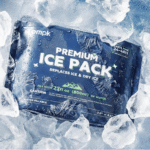
| Packs thermiques isolés | Stabiliser les conditions réfrigérées | Maintient 2 à 8°C pendant les premières heures |
| Conteneurs ultrafroids | Glace carbonique ou matériaux à changement de phase | Prend en charge ≤−80°C pour les échantillons critiques |
| Enregistreurs de données | Suivi continu de la température | Détecte les écarts en temps réel |
Même avec des outils sonores, les erreurs de manipulation humaine, comme laisser les tubes à température ambiante, peuvent briser la chaîne du froid avant même qu'elle ne commence.
Quelles plages de température sont requises pour différents échantillons?
Les exigences de la chaîne du froid varient selon le type d’échantillon et la méthode d’essai. Ci-dessous sont plages cibles typiques:
-
Réfrigéré (2° C - 8 ° C): Analytes sanguins, kits de sérologie.
-
Congelé (−20°C): Quelques composants viraux, Échantillons d'ADN.
-
Ultra froid (≤−80°C): Cultures cellulaires, thérapie génique, stockage à long terme.
Comment la température affecte l'intégrité de l'échantillon
Les variations de température peuvent:
-
Cause dénaturation des protéines.
-
Réduire stabilité de l'acide nucléique.
-
Inférieur sensibilité des tests moléculaires.
-
Augmenter faux négatifs ou résultats ambigus.
En termes pratiques, un échantillon d'ARN exposé même brièvement à 15°C peut perdre suffisamment d'intégrité pour provoquer une réaction en chaîne par polymérase (RAP) les tests renvoient des données compromises.
Comment les échantillons cliniques de la chaîne du froid sont-ils emballés et transportés?
H2: Quelles sont les principales techniques d'emballage dans 2025?
L'emballage sous chaîne du froid garantit que l'échantillon reste dans la zone de température requise tout au long du transport.:
-
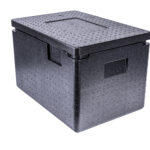
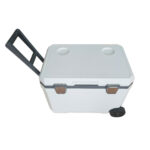
Boîtes isolées avec matériaux à changement de phase maintenir la température pendant des heures ou des jours.
-
Glace carbonique ou matériaux ultra froids sont utilisés pour les échantillons surgelés.
-
Capteurs IoT en temps réel suivre la température, humidité, et le choc. FedEx
L'emballage est validé - testé pour confirmer qu'il maintient les températures pendant la durée prévue du transit.
Processus d'emballage étape par étape
-
Conditionner les compresses froides/neige carbonique à la bonne température avant le chargement.
-
Placer l'échantillon dans un récipient primaire étanche avec absorbant.
-
Ajouter une isolation secondaire et matériaux stabilisant la température.
-
Inclure un enregistreur de données ou une balise de capteur pour enregistrer les conditions environnementales.
-
Sceller et étiqueter conformément aux normes relatives aux risques biologiques et à la chaîne du froid.
Une erreur courante consiste à mal évaluer le temps de transit et la température ambiante., surtout pendant les mois d'été ou sur les longues distances.
Modes de transport et surveillance
Le transport peut se faire par sol, air, ou logistique express, en fonction de l'urgence. Tout au long de:
-
La surveillance GPS suit l'emplacement.
-
Les moniteurs de température envoient des alertes en cas d'excursions.
-
Les plans de sauvegarde tels que les centres de stockage frigorifique régionaux protègent les échantillons de grande valeur.
Que se passe-t-il au reçu du laboratoire?
Lorsque les échantillons arrivent au laboratoire:
-
L'emballage est inspecté pour l'intégrité du joint.
-
Les enregistreurs de température sont téléchargés pour confirmer la conformité continue.
-
Les échantillons sont immédiatement traités ou stockés dans des conditions appropriées.
Toute preuve que la chaîne du froid a été compromise est généralement invalide le spécimen, nécessitant un souvenir.
Défis courants et comment les surmonter
Maintenir une chaîne du froid ininterrompue pour les échantillons cliniques est complexe. Voici les problèmes courants et les solutions:
Défi 1 – Excursions de température
Des excursions de température se produisent lorsque les échantillons s'écartent de la plage requise. Cela peut détruire rapidement l’intégrité de l’échantillon.
Solution: Utilisez la surveillance et les alertes en temps réel pour pouvoir intervenir avant que des dommages irréversibles ne surviennent.
Défi 2 – Estimations de durée inexactes
Sous-estimer le temps de transit, en particulier dans les régions reculées, entraîne des défaillances de la chaîne du froid.
Solution: Valider les conservations des emballages au-delà des délais prévus et ajouter une capacité tampon.
Défi 3 – Conformité réglementaire
Les échantillons cliniques sont soumis à des normes d'expédition rigoureuses (Par exemple, étiquetage des risques biologiques, PIB). Le non-respect peut retarder le transport ou entraîner des amendes.
Solution: Former minutieusement le personnel et utiliser des listes de contrôle de conformité prédéfinies pour les expéditions de routine.
2025 Tendances en matière de manipulation des échantillons cliniques sous la chaîne du froid
L’industrie innove rapidement. Voici ce que vous devez savoir 2025:
-
Optimisation des itinéraires basée sur l'IA améliore la précision de la livraison.
-
Traçabilité de la blockchain améliore la provenance des échantillons et les pistes d'audit.
-
Matériaux thermiques respectueux de l'environnement réduire l'impact environnemental.
-
Dépôts de laboratoire directement auprès des patients réduire le temps et améliorer l’expérience du patient.
Derniers progrès réalisés
-
Systèmes de surveillance IoT avancés maintenant intégrer l'humidité, choc, et détection d'inclinaison.
-
Logistique décentralisée permettre aux échantillons cliniques de passer directement de la collecte à domicile au laboratoire.
-
Maintenance prédictive des unités de réfrigération réduit les pannes imprévues.
Liste de contrôle des meilleures pratiques pour les échantillons cliniques de la chaîne du froid
-
Connaissez vos besoins en matière de température d'échantillon avant la collecte.
-
Utiliser des emballages validés et des matériaux préconditionnés.
-
Surveiller en temps réel, avec alertes automatiques.
-
Documentez chaque étape—de la collecte au reçu du laboratoire.
-
Former régulièrement le personnel sur mis à jour 2025 règlements.
FAQ – Échantillons cliniques de la chaîne du froid
Qu’est-ce qui fait d’un spécimen un spécimen de la chaîne du froid?
Un échantillon qui doit rester dans une plage de température spécifique de la collecte à l'analyse pour rester viable. C’est essentiel pour un diagnostic précis.
Les échantillons cliniques peuvent-ils être expédiés sans chaîne du froid?
Généralement non. Certains médias spécialisés peuvent tolérer les conditions ambiantes, mais la plupart des échantillons de diagnostic nécessitent des températures contrôlées pour des résultats valides.
Combien de temps les échantillons peuvent-ils rester dans un emballage sous chaîne du froid?
L'emballage avancé peut maintenir les températures requises pendant plus de 48 à 96 heures., en fonction des matériaux et des conditions ambiantes.
Que se passe-t-il en cas de rupture de la chaîne du froid ??
Documentation immédiate, examen des enregistrements de température, et souvent le rappel de l'échantillon est nécessaire.
Résumé et conseils finaux
Les échantillons cliniques de la chaîne du froid sont échantillons biologiques sensibles à la température qui nécessitent un environnement contrôlé ininterrompu de la collecte aux tests. Les maintenir dans les plages de température requises préserve la qualité des échantillons et garantit des résultats fiables. Les stratégies clés incluent un emballage validé, surveillance en temps réel, conformité réglementaire, et formation continue.
Passez à l'action:
-
Auditez vos processus actuels de la chaîne du froid.
-
Mettre en œuvre des capteurs en temps réel et un packaging tampon.
-
Former les équipes sur 2025 normes et bonnes pratiques.
En prenant ces mesures, vous protégez des spécimens précieux, réduire les déchets, et favoriser de meilleurs résultats pour les patients.
À propos du tempk
Et tempk, nous sommes spécialisés dans les solutions de chaîne du froid pour les échantillons cliniques et des sciences de la vie. Nous nous concentrons sur la surveillance en temps réel, systèmes de conservation de la température validés, et le soutien d'experts. Nos systèmes vous aident à maintenir l’intégrité des échantillons, répondre aux normes réglementaires, et réduire les risques tout au long de la chaîne du froid.
Prochaine étape: Contactez-nous pour une consultation adaptée à vos besoins en logistique clinique.