Le industrie de la chaîne du froid est l'épine dorsale de l'alimentation mondiale, chaînes d'approvisionnement pharmaceutiques et biotechnologiques. Dans 2025 ce secteur est en plein essor – évalué à environ 436,30 milliards de dollars américains avec des projections dépassant 1 300 milliards de dollars américains d’ici 2034. Perturbations géopolitiques, la croissance du commerce électronique et des réglementations plus strictes remodèlent la manière dont les marchandises sensibles à la température sont stockées et transportées. Dans ce guide, vous découvrirez pourquoi l'industrie de la chaîne du froid est importante, comment cela évolue et ce que vous pouvez faire pour garder une longueur d'avance.
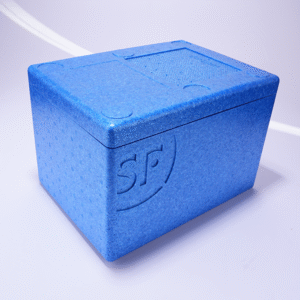
Pourquoi l’industrie de la chaîne du froid est-elle essentielle 2025? Comprendre son rôle et ses moteurs de croissance, y compris les aliments d'origine végétale, produits pharmaceutiques et commerce mondial.
Quelles technologies transforment la logistique de la chaîne du froid? En savoir plus sur l'optimisation des itinéraires grâce à l'IA, blockchain, stockage à énergie solaire et capteurs IoT.
Comment la réglementation et la durabilité influencent-elles les opérations? Explorez la FSMA 204 règles de traçabilité et restrictions HFC commençant 2025.
Quelles tendances du marché et perspectives régionales façonnent l’industrie? Découvrez les prévisions pour les marchés mondiaux et nord-américains et la montée en puissance des économies émergentes.
Comment optimiser vos opérations? Obtenez des conseils pratiques sur la surveillance, entraînement, énergies renouvelables et planification d’urgence.
Quelles sont les dernières innovations pour 2025 et au-delà? Voir les équipements émergents, nouvelles catégories de produits et nouvelles méthodes de livraison.
Qu’est-ce que l’industrie de la chaîne du froid et pourquoi est-elle essentielle ? 2025?
Définition et importance: L'industrie de la chaîne du froid englobe tous les processus et technologies utilisés pour traiter, stocker et transporter des marchandises sensibles à la température tout en maintenant des plages de température strictes. Cela inclut les entrepôts réfrigérés, véhicules isolés et systèmes de surveillance sophistiqués. Dans 2025 l'industrie est indispensable, soutenir l’approvisionnement alimentaire mondial, vaccins, produits biologiques et aliments à base de plantes.
Moteurs de croissance: La demande explose parce que les consommateurs attendent des produits frais, des produits sûrs et les régulateurs appliquent des normes strictes en matière d'aliments et de médicaments. La recherche estime le marché de la logistique de la chaîne du froid à 436,30 milliards de dollars américains en 2025, devrait dépasser 1 300 milliards de dollars américains d’ici 2034 avec un 13.46 % TCAC. Cette croissance est alimentée par l’expansion du commerce mondial de denrées périssables., l’essor des livraisons d’épicerie et de commerce électronique en ligne et l’innovation technologique rapide. Les économies émergentes avec des revenus en hausse et l’urbanisation ajoutent une demande supplémentaire.
Nouvelles catégories de produits: Protéines végétales, Les aliments sans gluten et biologiques deviennent courants. Bloomberg Intelligence a prédit que les aliments à base de plantes pourraient représenter 7.7 % du marché mondial des protéines par 2030 avec un 162 milliards de dollars américains valeur. Ces produits nécessitent des services spécialisés en chaîne du froid, et de nombreux producteurs sont des petites ou moyennes entreprises qui ont besoin de conseils.
Boom des produits pharmaceutiques et biologiques: Biopharmaceutiques, Les vaccins à ARNm et les thérapies géniques exigent des températures ultra-basses. Global Market Insights souligne que les produits biologiques et les vaccins à ARNm nécessitent des températures de stockage et de transport extrêmement basses., faire pression sur les prestataires logistiques pour qu’ils modernisent leurs équipements. Comme environ 20 % de nouveaux médicaments les thérapies géniques et cellulaires sont en développement, la capacité logistique ultra-froide devient une nécessité concurrentielle.
Défis opérationnels: Infrastructure vieillissante, les inefficacités et la pression réglementaire obligent les entreprises à moderniser leurs installations. De nombreux bâtiments d'entreposage frigorifique ont entre 40 et 50 ans et nécessitent des améliorations en matière d'automatisation., durabilité et visibilité. En même temps, coûts opérationnels et énergétiques élevés, les pénuries de main-d'œuvre et les écarts de température menacent la rentabilité.
Composantes d'une chaîne du froid moderne
Systèmes de refroidissement: Compresseurs, les condenseurs et les évaporateurs abaissent les températures du produit dans la plage appropriée, garantir que les marchandises restent dans les seuils spécifiés.
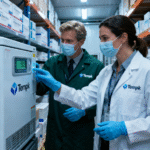
Stockage à température contrôlée: Les entrepôts réfrigérés utilisent des panneaux isolants, systèmes automatisés de stockage et de récupération et rayonnages à palettes haute densité pour minimiser les fluctuations de température.
Infrastructures de transport: Camions isothermes, conteneurs frigorifiques, les wagons réfrigérés et les congélateurs cryogéniques portables maintiennent la température pendant le transport. Certaines installations utilisent des unités cryogéniques mobiles capables de maintenir –80 °C à –150 °C pour les produits biologiques.
Systèmes de surveillance et de contrôle: Les capteurs IoT et les enregistreurs de données transmettent la température en temps réel, données d'humidité et de localisation, permettant une action immédiate si les conditions s’écartent.
Protocoles d'assurance qualité: Cartographie de la température, plans d'intervention d'urgence et premier entré, premier sorti (FIFO) la gestion des stocks garantit la conformité et minimise les déchets.
Plages de température typiques
| Plage de température | But | Exemples de produits | Ce que cela signifie pour vous |
| Ambiant (59–86 °F) | Température ambiante contrôlée pour les marchandises non périssables ou à faible risque | Aliments secs, certains produits pharmaceutiques | Coûts de réfrigération minimes; assurer une ventilation adéquate pour éviter l’accumulation de chaleur |
| Cool (50–59 °F) | Refroidissement doux pour préserver la saveur et la texture | Fromage, produits frais | Réduit la détérioration; nécessite des conteneurs isothermes et des délais de transport courts |
| Réfrigéré (32–50 °F) | Empêche la croissance bactérienne et maintient la fraîcheur | Vaccins, produits laitiers | Contrôle strict de la température; utiliser des capteurs IoT pour la surveillance en temps réel |
| Congelé (–22 à 32 °F) | Conservation à long terme des denrées périssables | Viande, fruit de mer, desserts congelés | Nécessite un équipement de surgélation et des plans de redondance en cas de panne de courant |
Conseils pratiques et recommandations
Planifier les imprévus: Élaborer des protocoles d’intervention d’urgence en cas de panne d’équipement ou de panne de courant afin d’éviter toute détérioration.
Utiliser des capteurs IoT: Installez des capteurs intelligents sur les unités de stockage et les véhicules pour suivre la température et l'humidité et automatiser les alertes lorsque les seuils sont dépassés..
Formez votre équipe: Former régulièrement le personnel aux procédures de manutention, enregistrement des données et réponses d'urgence pour maintenir l'intégrité du produit.
Exemple du monde réel: Dans 2024 CJ Logistics America a annoncé une installation de stockage frigorifique près de Kansas City avec des systèmes automatisés, réfrigération économe en énergie et surveillance de l'IoT, démontrant comment les entrepôts frigorifiques modernes allient technologie et durabilité.
Quelles technologies transforment la logistique de la chaîne du froid 2025?
Optimisation des itinéraires et analyses prédictives basées sur l'IA
Intelligence artificielle (IA) analyse les données historiques et en temps réel pour prédire les pannes d'équipement, optimiser les itinéraires de livraison et prévoir la demande. Les algorithmes d'IA calculent les chemins les plus efficaces en tenant compte du trafic, météo et fenêtres de livraison, réduire la consommation de carburant et garantir que les marchandises restent dans les spécifications de température. La maintenance prédictive utilise les données des capteurs pour anticiper les pannes des groupes frigorifiques, permettant des réparations proactives et réduisant les temps d'arrêt. Modèles de prévision de la demande, modèles de consommation saisonniers, aider les entreprises à ajuster leurs stocks et à réduire les déchets.
Surveillance en temps réel compatible IoT
L'Internet des objets (IoT) fait référence à un réseau d'appareils connectés, tels que des capteurs intelligents, Traceurs GPS et enregistreurs de données : qui collectent et partagent des données en temps réel. Les appareils IoT offrent une visibilité de bout en bout sur la chaîne du froid, température de transmission, informations sur l'humidité et l'emplacement vers les plates-formes centrales. Les avantages incluent la prévention de la détérioration grâce à une surveillance continue, assurer la conformité réglementaire en fournissant des enregistrements vérifiables, et renforcer la confiance des clients en partageant des données en direct. Dans 2022 le segment du matériel pour le suivi de la chaîne du froid se maintient 76 % de part de marché, soulignant l’adoption rapide de ces appareils.
Blockchain pour une traçabilité améliorée
La technologie Blockchain crée des enregistrements infalsifiables des parcours des produits, permettre une traçabilité de bout en bout et améliorer la transparence. Par exemple, les sociétés pharmaceutiques peuvent enregistrer des données de température et de localisation sur un registre blockchain, permettant aux fabricants, transporteurs et cliniques pour accéder au même dossier immuable. Cela réduit le risque de manipulation des données, simplifie les audits et soutient la conformité avec la FSMA 204 exigences de traçabilité. La valeur de la blockchain s’étend au-delà des produits pharmaceutiques: il renforce la confiance des consommateurs et aide les marques à prouver leur authenticité.
Réfrigération à énergie solaire et innovations durables
La consommation d’énergie est un facteur de coût majeur dans la chaîne du froid. Les unités de réfrigération à énergie solaire, en particulier dans les régions rurales ou à faible consommation d'énergie, utilisent des panneaux solaires pour alimenter les chambres froides., réduire la dépendance à l’électricité du réseau. Aux États-Unis, les tarifs de l'électricité solaire commerciale varient de 3.2 à 15.5 centimes par kWh, offrant des économies potentielles par rapport aux tarifs moyens des services publics. D'autres innovations incluent des congélateurs cryogéniques portables capables de maintenir des températures ultra basses pour les produits biologiques., léger et intelligent conteneurs maritimes avec des capteurs IoT et emballage durable des solutions telles que des emballages biodégradables et réutilisables packs froids.
Le rôle de l'IA, IoT, Blockchain et solaire dans votre entreprise
| Innovation | Description | Avantages pratiques |
| Optimisation des itinéraires grâce à l'IA | Des algorithmes analysent le trafic, météo et horaires de livraison pour trouver des itinéraires efficaces. | Livraisons plus rapides, réduction des coûts de carburant et réduction des pertes. |
| Maintenance prédictive & analytique | L'IA prédit les pannes d'équipement et les tendances de la demande. | Moins de temps d’arrêt et une meilleure satisfaction client. |
| Capteurs IoT et suivi en temps réel | Les appareils surveillent la température, humidité et emplacement. | Alertes immédiates, moins de pertes de produits et une conformité réglementaire renforcée. |
| Traçabilité de la blockchain | Les enregistrements du grand livre distribué garantissent l’inviolabilité des données. | Une plus grande transparence, réduction de la fraude et audits simplifiés. |
| Réfrigération à énergie solaire | Des panneaux solaires alimentent les unités de stockage frigorifique. | Coûts énergétiques réduits et empreinte carbone réduite. |
| Congélateurs cryogéniques portables | Les unités mobiles maintiennent –80 °C à –150 °C. | Permet une distribution flexible de produits biologiques et de thérapies cellulaires ultrafroids. |
| Emballage durable | Les contenants recyclables et les emballages biodégradables réduisent les déchets. | Prend en charge les objectifs de développement durable de l’entreprise et la conformité réglementaire. |
Exemples réels et études de cas
Étude de cas – Blockchain en Asie du Sud-Est: Les chaînes d'approvisionnement pharmaceutiques d'Asie du Sud-Est utilisent des systèmes de suivi basés sur la blockchain pour enregistrer la température, humidité et temps de trajet sur un registre distribué. Les données en temps réel offrent aux parties prenantes un accès sécurisé et garantissent la conformité, tandis que le stockage à énergie solaire et les capteurs IoT protègent les médicaments.
Lancements de nouveaux équipements: Global Market Insights rapporte que le marché des équipements logistiques pour la chaîne du froid passera de 94,3 milliards de dollars américains 2025 à 179,8 milliards de dollars d'ici 2034 avec un 7.4 % TCAC. Les fabricants conçoivent des systèmes de réfrigération plus économes en énergie, équipements de manutention automatisés et systèmes de surveillance rapide pour maintenir la qualité. Des entreprises telles que Carrier Transicold et Thermo King adoptent des unités de réfrigération électriques et hybrides pour réduire les émissions.
Comment la réglementation et la durabilité façonnent-elles l'industrie de la chaîne du froid?
FSMA 204 Exigences de traçabilité
Sur Janvier 6 2025, le Loi sur la modernisation de la sécurité alimentaire (FSMA) section 204 est devenu efficace pour les aliments figurant sur la liste de traçabilité des aliments de la FDA. Entités qui fabriquent, processus, emballer ou conserver ces aliments doit enregistrer les éléments de données clés pour chaque événement de suivi critique afin de garantir une traçabilité rapide. La conformité exige que les entreprises fournissent ces dossiers à la FDA dans les délais 24 heures, stimuler les investissements dans la tenue de dossiers numériques et la surveillance en temps réel.
Restrictions et réglementations sur la durabilité des HFC
Les réglementations poussent également les opérateurs vers des réfrigérants respectueux de l’environnement.. Début Janvier 1 2025, certaines technologies pourraient ne plus utiliser d’hydrofluorocarbures à fort potentiel de réchauffement climatique (HFC) ou mélanges HFC. Des interdictions s'appliquent à la fabrication, distribution, vente, installation et exportation de produits contenant des HFC restreints. Ces restrictions accélèrent la transition vers des réfrigérants naturels et des systèmes économes en énergie et sont souvent associées à des incitations fiscales ou à des pénalités en cas de non-conformité..
Modernisation des infrastructures vieillissantes
Beaucoup installations de stockage frigorifique construits il y a 40 à 50 ans sont inefficaces et nécessitent des mises à niveau pour améliorer l'automatisation, durabilité et visibilité. Les opérateurs remplacent ou modernisent les vieux bâtiments avec des systèmes automatisés de stockage et de récupération, isolation à haute efficacité et surveillance compatible IoT. Renforcement de la réglementation sur les réfrigérants synthétiques (HCFC et HFC) et la hausse des coûts de l'énergie sont les principaux moteurs de cette modernisation.
La durabilité comme avantage concurrentiel
Les investisseurs et les clients évaluent de plus en plus les opérateurs de la chaîne du froid en fonction de leurs performances environnementales. Les initiatives de durabilité comprennent:
Réfrigérants naturels: Utiliser de l'ammoniac (NH₃), dioxyde de carbone (Co₂) ou des hydrocarbures, qui ont un potentiel de réchauffement climatique inférieur à celui des HFC.
Efficacité énergétique: Adopter des compresseurs à haut rendement, les entraînements à vitesse variable et l'isolation thermique réduisent la consommation d'énergie. La réfrigération à énergie solaire est particulièrement intéressante dans les régions où les coûts de l'électricité sont élevés.
Emballage écologique: Les matériaux d'emballage biodégradables ou recyclables réduisent les déchets et répondent aux attentes des consommateurs..
Normes de construction écologique: Les entrepôts frigorifiques certifiés LEED utilisent un éclairage naturel, systèmes CVC économes en énergie et matériaux durables pour minimiser l'impact environnemental.
Les réglementations créent des opportunités
Conformité à la FSMA 204 et les restrictions sur les HFC peuvent sembler lourdes, mais cela ouvre également de nouvelles opportunités commerciales. Entreprises qui investissent dans les technologies de traçabilité, les énergies renouvelables et la réfrigération durable peuvent se différencier, sécuriser les clients premium et éviter les amendes. Incitations réglementaires, tels que les crédits d'impôt pour l'efficacité énergétique et les réfrigérants à faible PRG, compenser les coûts d’investissement initiaux.
Quelles sont les principales tendances du marché et les perspectives régionales pour la logistique de la chaîne du froid?
Tendances du marché mondial
Les agences d’études de marché prévoient une forte croissance dans tous les segments de l’industrie de la chaîne du froid. Precedence Research rapporte que le marché mondial de la logistique de la chaîne du froid passera de 436,30 milliards de dollars américains en 2025 à 1,359 billions de dollars américains d'ici 2034, un 13.46 % TCAC. Les pilotes incluent:
Expansion du commerce alimentaire mondial: Demande accrue de produits frais et de fruits de mer, couplé à des chaînes d’approvisionnement interconnectées, stimule l'investissement.
Boom du commerce électronique: Les services d'épicerie en ligne et de livraison de kits de repas nécessitent des réseaux de livraison fiables à température contrôlée..
Croissance des produits pharmaceutiques et biologiques: La demande croissante de vaccins et de médecine personnalisée stimule les investissements dans le stockage ultra-froid.
Exigences réglementaires: Les réglementations en matière de sécurité alimentaire telles que la FSMA et les normes similaires dans le monde entier imposent une surveillance et une documentation strictes de la température..
Outils de décision utiles
Vérifiez les détails avant de choisir l'emballage
Ces outils rapides peuvent vous aider à comparer le risque d'itinéraire, besoins de dimensionnement, choix de liquide de refroidissement, et les détails de l'emballage avant de demander un devis.
Résistance aux chutes du matériau isolant
Examinez la résistance aux chutes et les facteurs de manipulation avant de choisir des matériaux d'isolation..
Vérifier la résistanceDoublure de boîte & Dimensionnement des couvertures de palettes
Vérifiez la logique de dimensionnement du revêtement de boîte et du couvercle de palette pour les projets d'emballage isotherme.
Dimensionnement estiméGénérateur de liste de contrôle de conformité
Créer une liste de contrôle pratique pour l'examen des emballages, expédition, et documentation.
Construire une liste de contrôlePressions liées à la durabilité: La conscience environnementale pousse les entreprises à adopter des technologies économes en énergie et des emballages respectueux de l'environnement..
Aperçus régionaux
Asie-Pacifique: Urbanisation rapide, la hausse des revenus et la croissance des classes moyennes stimulent la croissance de la chaîne du froid dans la région. MarketsandMarkets projette que l'industrie mondiale de la chaîne du froid atteigne 372 milliards de dollars d'ici 2029, avec l'Asie-Pacifique en tête en raison d'une forte demande de vente au détail organisée et d'aliments transformés. La forte consommation de produits laitiers en Inde (427 g par habitant contre une moyenne mondiale de 305 g) et l'essor des restaurants à service rapide (projeté 20-25 % croissance au cours de l'exercice 2024) souligner le besoin urgent d'une logistique fiable.
Amérique du Nord: Le marché de la chaîne du froid en Amérique du Nord a atteint 116,85 milliards de dollars américains en 2024 et devrait croître à un rythme 9.50 % TCAC entre 2025 et 2034, atteinte 289,58 milliards de dollars américains. Le marché mature mais en expansion de la région est tiré par la demande biopharmaceutique, croissance du commerce électronique et investissements dans de nouvelles installations de stockage et de transport transfrontalier. Les opérateurs adoptent des pratiques durables, équipements économes en énergie et systèmes de surveillance avancés.
Europe: La conscience environnementale et les réglementations strictes poussent les opérateurs européens à adopter des technologies respectueuses de l'environnement et des pratiques économes en énergie.. Les infrastructures vieillissantes sont modernisées pour répondre aux normes actuelles d’efficacité et de durabilité..
Marchés émergents: Pays d'Asie du Sud-Est, L’Afrique et l’Amérique latine investissent massivement dans la capacité de la chaîne du froid pour répondre à la croissance des marchés de consommation et des besoins pharmaceutiques. La réfrigération à énergie solaire et la traçabilité de la blockchain sont particulièrement utiles dans les régions où l'électricité n'est pas fiable ou où il y a des défis réglementaires..
Segmentation du marché et opportunités
Le marché de la chaîne du froid peut être segmenté par type de service (transport, services d'entreposage et à valeur ajoutée), plage de température (ambiant, cool, réfrigéré, congelé), technologie (véhicules frigorifiques, Solutions IdO, automation) et utilisation finale (nourriture et boisson, médicaments, biotechnologie). Par exemple:
Technologie de glace carbonique capturé 55.16 % de part de marché dans 2024, alors que entrepôts réfrigérés représenté 238,29 milliards de dollars américains.
Installations de pré-refroidissement Asie-Pacifique généré 204,4 milliards de dollars américains en revenus en 2024, soulignant l’importance du refroidissement précoce des fruits et légumes.
Segmentation des types de services: Le marché de la chaîne du froid en Amérique du Nord est divisé entre l’entreposage réfrigéré et le transport réfrigéré., avec des investissements dans l'entreposage axés sur l'automatisation et la durabilité.
Segmentation des utilisations finales: Médicaments, viande et fruits de mer, les produits laitiers et surgelés sont les principaux contributeurs.
Développements notables de l’industrie (2024–2025)
Agrandissement des installations: Les opérateurs nord-américains investissent dans de nouvelles installations de stockage et dans le transport transfrontalier. CJ Logistics America prévoit une installation de stockage frigorifique près de Kansas City. Lineage Logistics lance des services de transport transfrontalier reliant les États-Unis et le Canada. Agile Cold Storage investit 45,9 millions de dollars américains dans une installation frigorifique automatisée en Louisiane. United States Cold Storage agrandit son entrepôt de Tulare North de 8.56 millions de pieds cubes.
Avancées technologiques: Les constructeurs lancent de nouveaux groupes frigorifiques de transport électriques et hybrides. Par exemple, Thermo King a dévoilé les unités entièrement électriques A500e et hybride S750i en 2025, tandis que Carrier Transicold a présenté le Vector S 15 remorque avec technologie entièrement électrique.
Initiatives de durabilité: Les entreprises investissent dans les réfrigérants naturels, compresseurs économes en énergie et énergies renouvelables. Daikin Industries et Carrier Transicold mettent en avant des compresseurs économes en énergie et la technologie EDrive pour répondre aux exigences réglementaires et à la demande des clients.
Comment les entreprises peuvent-elles optimiser leurs opérations de chaîne du froid en 2025?
Développer une surveillance et un contrôle robustes
Déployez des capteurs IoT et des enregistreurs de données automatisés dans les unités de stockage et les véhicules pour surveiller la température., humidité et localisation en temps réel. Des tableaux de bord centralisés peuvent analyser ces données et déclencher des alertes lorsque les conditions s'écartent. Une surveillance continue aide à prévenir la détérioration et garantit le respect de la FSMA et des réglementations pharmaceutiques..
Plan d’urgence et de résilience
Les défaillances de la chaîne du froid se produisent souvent en raison de pannes de courant, pannes d’équipement ou perturbations météorologiques. Créer des plans d'urgence incluant des alimentations redondantes (tels que les générateurs et les batteries de secours), protocoles d'intervention d'urgence et calendriers de maintenance proactifs. Des tests de résistance et des exercices réguliers garantissent que votre équipe peut réagir rapidement en cas de perturbations..
Investissez dans la formation et la culture du personnel
L'erreur humaine contribue à de nombreuses excursions de température. Organiser des formations régulières sur les procédures de manutention, enregistrement des données et intervention d'urgence. Favoriser une culture d'amélioration continue en encourageant la rétroaction et en partageant les meilleures pratiques entre les départements. Une main-d’œuvre qualifiée améliore la conformité et la satisfaction des clients.
Évaluer les énergies renouvelables et les emballages durables
Évaluer la faisabilité de l'installation de panneaux solaires sur les toits des entrepôts et des camions réfrigérés. Comparez les économies à long terme et les incitations fiscales disponibles aux coûts initiaux. Intégrer des emballages biodégradables ou recyclables pour réduire les déchets et répondre aux attentes des consommateurs.
Intégrer l'IA et l'analyse des données
Adopter des outils d'IA pour optimiser les itinéraires, prévoir la demande et prévoir les pannes d’équipement. Intégrez ces systèmes à l'expertise humaine, en utilisant l'IA comme outil d'aide à la décision tout en retenant le personnel expérimenté pour s'adapter aux conditions imprévues.. Commencez par des projets pilotes pour évaluer les avantages avant de les développer.
Collaborez avec des partenaires expérimentés
Les petites et moyennes entreprises qui se lancent dans l'industrie de la chaîne du froid manquent souvent d'expertise en logistique. Collaborez avec des prestataires expérimentés disposant de réseaux étendus, infrastructure technologique et connaissances réglementaires pour assurer un transport sûr et efficace des marchandises sensibles à la température. La collaboration réduit les risques, améliore la visibilité et aide à faire évoluer les opérations à mesure que la demande augmente.
Quels sont les derniers développements et innovations attendus dans 2025 et au-delà?
Produits et équipements émergents
Le marché mondial des équipements logistiques pour la chaîne du froid devrait passer de 94,3 milliards de dollars américains 2025 à 179,8 milliards de dollars d'ici 2034. Les innovations incluent:
Groupes frigorifiques tout électriques et hybrides: Des entreprises comme Thermo King et Carrier Transicold lancent des unités de réfrigération de transport électriques et hybrides pour réduire la consommation de carburant et les émissions.. Les unités A500e et hybrides S750i offrent des performances long-courriers sans diesel, tandis que le vecteur S du transporteur 15 utilise la technologie entièrement électrique EDrive.
Outil numérique Scout AI: Emerson Electric a présenté Scout AI en septembre 2025, un outil numérique fournissant des diagnostics en temps réel, maintenance prédictive et télésurveillance des équipements de la chaîne du froid. De telles solutions améliorent la fiabilité et réduisent les coûts de maintenance.
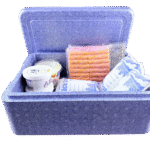
Conteneurs intelligents et congélateurs cryogéniques portables: Des conteneurs isolés légers équipés de capteurs IoT surveillent la température, humidité et emplacement. Les congélateurs cryogéniques portables maintiennent des températures ultra-froides pour les produits biologiques et les thérapies cellulaires.
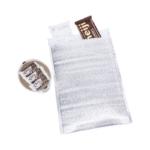
Matériaux d'emballage durables: Les entreprises développent des emballages écologiques comme des emballages thermiques biodégradables et des compresses froides réutilisables.. Ces matériaux minimisent l'impact environnemental tout en répondant aux exigences réglementaires.
Nouveaux modèles de service et stratégies de distribution
Microentrepôts distribués: Pour réduire les temps de transit et améliorer la livraison sur le dernier kilomètre, certains opérateurs établissent des installations régionales plus petites, plus proches des consommateurs. Cela améliore la flexibilité et réduit le risque d'excursions de température lors de la livraison finale..
Planification d'itinéraire intelligente: Un logiciel basé sur l'IA intègre les données de trafic, les conditions météorologiques et les fenêtres de livraison pour générer un routage dynamique, améliorer l’efficacité et la résilience.
Stockage frigorifique à la demande: Les unités modulaires portables fournissent un stockage temporaire pour les pics saisonniers ou les emplacements éloignés. Ils permettent aux entreprises d'augmenter leur capacité sans dépenses d'investissement importantes.
Marchés émergents et catégories de produits
Aliments à base de plantes: La popularité croissante des alternatives végétales stimule la demande de logistique spécialisée sous la chaîne du froid.. Les petits et moyens producteurs ont besoin d'une infrastructure robuste pour maintenir la qualité.
Innovation pharmaceutique: Thérapies géniques et cellulaires, les produits biologiques et la médecine personnalisée nécessitent des capacités logistiques ultra-froides. Les congélateurs cryogéniques portables et la traçabilité basée sur la blockchain garantissent l'intégrité des produits et la conformité réglementaire.
Expansion du commerce mondial: Les gouvernements lancent des programmes d'exportation, par exemple, le programme d’exportation de produits laitiers du Royaume-Uni – pour stimuler les exportations de produits laitiers d’une valeur de plus de 2,47 milliards de dollars américains chaque année à 135 pays. De tels programmes stimulent la demande de produits avancés Solutions de chaîne froide.
2025 Dernières tendances et développements
Aperçu du marché et des tendances technologiques
L'industrie de la chaîne du froid dans 2025 se définit par une croissance élevée et une innovation rapide. Les marchés se développent dans le monde entier; la valeur du marché mondial devrait dépasser 1 000 milliards de dollars américains dans la décennie. Croissance du commerce électronique, le commerce alimentaire mondial et la demande pharmaceutique intensifient la pression sur les prestataires logistiques pour qu'ils livrent à grande échelle et avec précision. Mandats réglementaires, comme la FSMA 204 et élimination des HFC, accélèrent l’adoption de la traçabilité numérique et de la réfrigération durable.
Derniers développements en un coup d'œil
Influences géopolitiques: Les troubles géopolitiques ont eu un impact sur les temps de transit et la disponibilité des capacités, provoquant des répercussions sur les niveaux de stocks dans certaines régions. L’industrie de la chaîne du froid renforce sa résilience pour faire face aux perturbations.
Investissements de visibilité: 2025 nous verrons des investissements continus dans des logiciels qui améliorent la visibilité de bout en bout. Des données ininterrompues sont essentielles pour faire face aux perturbations et pour un suivi simple de la localisation et de la température..
Mises à niveau des infrastructures: Les installations frigorifiques vieillissantes sont remplacées ou modernisées, adopter l'automatisation, durabilité et meilleure visibilité.
Stratégies de distribution: Les installations sont positionnées plus près des zones de production ou des ports, permettant une meilleure intégration et des capacités plus grandes.
Croissance du marché: Le marché mondial de la logistique de la chaîne du froid était évalué à 293,58 milliards de dollars américains en 2023 et devrait atteindre 324,85 milliards de dollars américains en 2024, avec une prévision de 862,33 milliards de dollars américains d'ici 2032 (13 % TCAC). Le secteur pharmaceutique devrait atteindre 1 454 000 milliards de dollars américains d’ici 2029, soulignant la nécessité d’une logistique du froid fiable.
Insistance au marché
Les consommateurs exigent de plus en plus de transparence et de durabilité. Les médias sociaux exposent les consommateurs à de nouvelles cuisines et influencent les modes de consommation. La conformité réglementaire n’est pas négociable, avec la FSMA 204 exiger des enregistrements détaillés pour les aliments figurant sur la liste de traçabilité et l'élimination progressive des HFC poussant les opérateurs vers des réfrigérants à faible PRG. Investissement dans la technologie – IA, IoT, blockchain : améliore l'efficacité et réduit les risques. Les marchés émergents et les petits producteurs ont besoin de partenariats avec des prestataires logistiques expérimentés pour faire face à la complexité.
Questions fréquemment posées
Q1: Qu'est-ce que l'industrie de la chaîne du froid et pourquoi est-elle importante?
L'industrie de la chaîne du froid comprend des processus et des technologies qui gèrent, stocker et transporter des produits sensibles à la température, maintenir des plages de températures strictes de la production à la consommation. C’est crucial car cela préserve la qualité et la sécurité des denrées périssables comme les aliments., produits pharmaceutiques et biologiques, prévenir la détérioration et assurer la conformité.
Q2: Quelle est la taille du marché de la chaîne du froid en 2025?
Des recherches montrent que le marché mondial de la logistique de la chaîne du froid est évalué à 436,30 milliards de dollars américains en 2025 et devrait dépasser 1 300 milliards de dollars américains d’ici 2034, avec un 13.46 % TCAC. L'Amérique du Nord à elle seule devrait croître de 116,85 milliards de dollars américains en 2024 à 289,58 milliards de dollars américains d'ici 2034, réaliser un 9.50 % TCAC.
Q3: Quelles technologies révolutionnent la logistique de la chaîne du froid?
Optimisation des itinéraires grâce à l'IA, maintenance prédictive, Capteurs IoT pour une surveillance en temps réel, la traçabilité blockchain et la réfrigération solaire transforment la logistique de la chaîne du froid. Ces technologies augmentent l’efficacité, réduire la consommation de carburant, prévenir la détérioration et améliorer la conformité réglementaire.
Q4: Quelles réglementations affectent les opérations de la chaîne du froid dans 2025?
FSMA 204 exige que les entreprises manipulant des aliments figurant sur la liste de traçabilité des aliments de la FDA enregistrent les éléments de données clés pour les événements de suivi critiques à partir de janvier 6 2025. Restrictions sur les HFC à partir de janvier 1 2025 interdire à certaines technologies d'utiliser des réfrigérants à fort PRG.
Q5: Comment les entreprises peuvent-elles améliorer leurs opérations de chaîne du froid?
Implémenter des capteurs IoT et des analyses d'IA, investir dans la formation du personnel, élaborer des plans d’urgence et explorer les énergies renouvelables telles que les panneaux solaires. Collaborez avec des fournisseurs expérimentés de la chaîne du froid pour tirer parti de leurs réseaux et de leur expertise.
Conclusion et recommandations
Le industrie de la chaîne du froid connaît une transformation rapide entraînée par une demande croissante, innovation technologique et changement réglementaire. Les prévisions de marché prévoient une croissance supérieure à 1 000 milliards de dollars américains au cours de la prochaine décennie. Pour rester compétitif, les entreprises doivent investir dans des infrastructures modernes, adopter l'IA et l'IoT pour la visibilité et l'analyse prédictive, se conformer aux réglementations en évolution et adopter le développement durable. Partenariat avec des prestataires expérimentés, la formation du personnel et la planification des imprévus amélioreront la résilience et la satisfaction des clients. Il est maintenant temps d’auditer vos opérations, modernisez vos installations obsolètes et intégrez la traçabilité numérique pour vous assurer de répondre aux attentes de 2025 et au-delà.
À propos du tempk
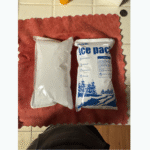
Nous sommes Tempk, un fournisseur de solutions d'emballage isotherme et de services de chaîne du froid. Nos produits incluent packs de glace en gel, boîtes isothermes et réutilisables sacs thermiques qui maintiennent vos marchandises dans des plages de température optimales. Nous accordons la priorité à l'innovation en proposant des matériaux respectueux de l'environnement et des systèmes compatibles IoT pour améliorer la visibilité.. Nous travaillons en étroite collaboration avec les producteurs alimentaires, les sociétés pharmaceutiques et les prestataires logistiques pour concevoir des solutions adaptées à leurs besoins spécifiques.
Étapes suivantes:
Pour en savoir plus sur la façon dont Tempk peut soutenir vos opérations de chaîne du froid, découvrez nos solutions pour la livraison de nourriture, expédition pharmaceutique et douane Emballage de la chaîne froide. Pour un accompagnement personnalisé, contactez notre équipe pour discuter de la façon dont nous pouvons vous aider à optimiser votre chaîne d'approvisionnement à température contrôlée.