Packs de gel thermique en gros pour l'expédition de desserts glacés: Un cadre d'achat pratique
Introduction
A buyer searching for a wholesale packs de gel thermique for frozen dessert shipping usually needs more than a compresse froide. L’objectif est d’obtenir un format de réfrigérant adapté à l’itinéraire, protège le produit, et peut être fourni avec la même qualité à chaque fois. Cela semble simple, mais le bon choix dépend de la plage de température, méthode de conditionnement, géométrie du paquet, comportement de condensation, et comment l'expéditeur externe est construit autour de la charge utile.
Autrement dit, la façon intelligente de comparer les produits de packs de gel thermique est de les traiter dans le cadre d'un système d'expédition. Une fois que vous regardez le produit de cette façon, les questions clés deviennent plus claires: de quel comportement en température avez-vous besoin, quel format correspond au pack, quels sont les risques opérationnels les plus importants, et quel fournisseur peut maintenir la stabilité de l'échantillon approuvé au cours des futurs lots.
Ce que les acheteurs entendent habituellement par ce produit
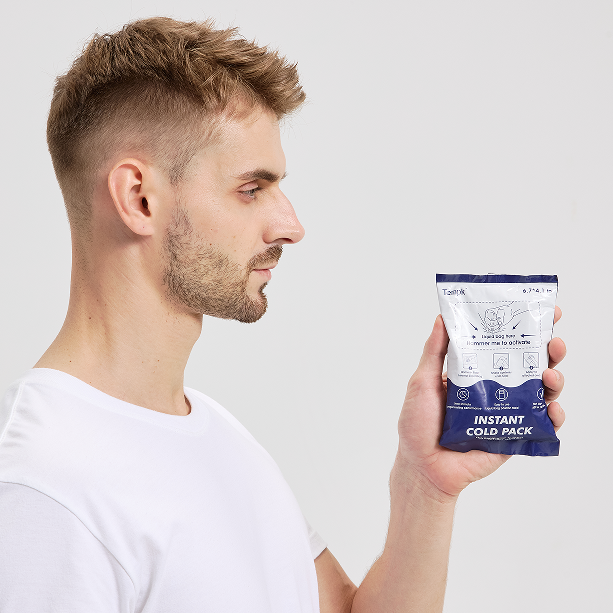
Un pack de gel thermique est un terme large, les acheteurs doivent donc clarifier la température réelle de la phase et la plage prévue au lieu de supposer que tous les produits de la catégorie se comportent de la même manière.. Certains sont conçus pour des applications réfrigérées proches du point de congélation de l'eau., tandis que d'autres utilisent des formulations à plus basse température pour la distribution de produits surgelés ou des cibles de phase plus étroites pour les produits sensibles.. Autrement dit, l'étiquette sur la famille de produits est moins importante que le comportement en température et la manière dont l'emballage est conditionné avant expédition.
La crème glacée est l'un des cas les plus évidents où un acheteur doit séparer un pack de gel d'un véritable système d'expédition congelé.. La plupart des packs de gel à base d'eau standard sont conçus pour le transport réfrigéré, pas de distribution gelée de longue durée. Ils peuvent encore jouer un rôle utile en tant que tampon secondaire ou aide à courte distance., but on many routes the main thermal work is done by dry ice or lower-temperature phase-change refrigerants inside a well-expéditeur isolé.
Cela ne rend pas les packs de gel thermique inutiles. Cela signifie qu'ils doivent être spécifiés honnêtement. Pour les itinéraires locaux courts, mise en mémoire tampon de recharge, ou des packs promotionnels au détail, un produit en gel bien choisi peut soutenir le système. Pour les voies de commerce électronique plus longues, climats chauds, ou forte exposition estivale, les acheteurs doivent demander directement si le format de gel proposé est destiné au service réfrigéré, service surgelé, ou usage secondaire uniquement. Cette seule question évite des malentendus coûteux.
Les choix de conception qui changent les résultats
La plupart des réfrigérants en gel sont construits autour d'une architecture familière: un film flexible ou une pochette laminée remplie d'eau et un système gélifiant qui maintient le liquide en place. Sur le marché public, le système gélifiant est souvent à base de matériaux tels que le polyacrylate de sodium ou des épaississants dérivés de la cellulose, tandis que la pochette extérieure peut utiliser du polyéthylène seul ou un stratifié plus résistant tel que PA/PE pour une meilleure résistance à la perforation. Ce qui compte pour les acheteurs, ce n’est pas le nom du produit chimique en lui-même., mais la façon dont cette formulation se comporte après conditionnement, après des manipulations répétées, et après que l'emballage ait été pressé contre les coins du produit à l'intérieur d'un carton.
Les gammes de produits grand public montrent également qu'une seule famille de packs de gel ne couvre pas tous les besoins en température.. Certains sont conçus autour d’un service réfrigéré proche de 0°C, certains utilisent des formulations à basse température pour la distribution surgelée, et certaines variantes à changement de phase sont réglées sur des bandes plus étroites telles que 3°C, 5°C, 7°C, ou des cuisinières contrôlées plus chaudes. C’est important car un pack plus froid n’est pas automatiquement un meilleur pack. Pour les produits sensibles au gel, un liquide de refroidissement à bande étroite peut être plus sûr qu'un gel d'eau fortement congelé, tandis que les aliments surgelés peuvent nécessiter quelque chose de beaucoup plus froid qu'un gel réfrigéré standard ne peut fournir.
Les gammes de tailles sur le marché sont tout aussi larges. Les petits paquets ne peuvent contenir que quelques onces, tandis que les formats d'expédition plus grands s'étendent aux tampons lourds, grandes pochettes, ou packs de classe de 80 onces et au-delà. La taille nominale, cependant, n'est qu'une partie de l'histoire. Forme, distribution de remplissage, et la cohérence d'une unité à l'autre affectent la façon dont le réfrigérant s'adapte au carton et la façon dont les opérateurs l'utilisent sur le terrain.. Un pack de 16 onces bien contrôlé peut fonctionner mieux dans la pratique qu'un pack nominalement plus grand qui varie trop en épaisseur ou en placement de remplissage..
Un acheteur n’a pas besoin d’un diplôme en chimie pour bien utiliser ces informations. Le point pratique à retenir est simple: demandez au fournisseur à quelle plage de température le pack est destiné, comment il devrait être conditionné, et si exactement le même film et le même système de remplissage seront conservés une fois que la commande passera des échantillons à la production.
Les performances thermiques dépendent de l'ensemble de l'emballage. Des règles empiriques approximatives peuvent être utiles pour une estimation précoce, mais ils ne devraient jamais remplacer l'évaluation basée sur l'itinéraire. La même charge de réfrigérant peut se comporter très différemment selon le volume du carton, épaisseur d'isolation, masse de charge utile, températures de départ, et le modèle d'exposition ambiante tout au long de l'itinéraire. Même l’emplacement du pack à l’intérieur de la boîte compte, parce que le chargement par le haut, chargement latéral, et le placement enveloppant modifie le chemin thermique et le risque de contact direct avec le froid.
Le temps d'attente sur papier compte moins que le profil réel de l'itinéraire. Une voie courte avec une exposition répétée aux quais peut être plus difficile qu'une voie plus longue qui reste à l'intérieur d'un réseau contrôlé.. La méthode de conditionnement est importante car un pack solide congelé, à moitié conditionné, ou réfrigéré à une température cible étroite se comportera très différemment dans le même carton. La géométrie de l'emballage est également importante. Lacunes, contact direct, et la position du réfrigérant autour de la charge utile peut modifier à la fois la répartition de la température et la condensation.. Les produits surgelés sont particulièrement sensibles au dernier kilomètre, où quelques heures de chaleur supplémentaires peuvent annuler un emballage autrement acceptable.
Où cela convient et où cela ne convient pas
Un moyen pratique de comparer les options consiste à les diviser en trois groupes.. Les pochettes et oreillers flexibles sont les meilleurs lorsque la forme de la charge utile est irrégulière et qu'un contact étroit est important. Les coussinets plus plats fonctionnent bien lorsque l'espace libre est limité et que l'envoi est disposé en couches. Les blocs et les briques conviennent mieux lorsque vous avez besoin d'une géométrie reproductible, une formation plus simple, et un pack qui reste dans une position définie à l'intérieur de l'expéditeur. Les constructions anti-transpiration méritent un look distinct lorsque les cartons sont mouillés, étiquettes, ou les pochettes imprimées créent des plaintes évitables.
La forme et le comportement de la surface affectent également les résultats sur le terrain. Les oreillers et pochettes flexibles peuvent maximiser la zone de contact autour des objets irréguliers, tandis que les blocs et les briques simplifient les emballages standardisés. Les constructions anti-transpiration sont utiles lorsque les étiquettes endommagées ou les cartons mouillés posent problème.. Les emballages semi-rigides peuvent améliorer la cohérence des opérations répétitives, mais ils peuvent nécessiter un expéditeur mieux adapté pour éviter les vides inutilisés. Autrement dit, le pack le plus performant est celui qui correspond à la fois à l’objectif thermique et au flux de travail physique.
Pour les achats, la leçon est simple: évaluer le pack de gel à l'intérieur du système d'expédition, pas comme un produit autonome. Demandez des échantillons de test dans le carton ou le fourre-tout prévu, et assurez-vous que les instructions de conditionnement sont réalistes pour les personnes qui emballeront réellement la commande.
Les acheteurs de produits surgelés doivent être particulièrement prudents concernant les étiquettes de catégorie. Un pack de gel thermique peut prendre en charge un système gelé, mais un gel réfrigéré standard ne doit pas être considéré comme adapté aux longues voies gelées sans preuve.. Les exigences varient selon l'itinéraire, densité du produit, isolation extérieure, et modèle d'exposition.
Comment comparer les fournisseurs avant une commande groupée
Si vous achetez des packs de gel thermique en volume, la liste restreinte doit être construite autour de la répétabilité plutôt que du langage de la brochure. Le fournisseur doit démontrer que le même pack que vous avez approuvé comme échantillon peut être fabriqué à nouveau avec le même comportement de gel., qualité du joint, et dimensions. Ceci est particulièrement important pour la distribution de desserts glacés, où un léger changement dans l'épaisseur du pack ou dans le comportement du conditionnement peut modifier le résultat sur le terrain. Pour les programmes de gros, la profondeur des stocks et la discipline de réapprovisionnement font partie des spécifications, car un excellent échantillon ne suffit pas si le vendeur ne peut pas garder le même article disponible grâce à la demande saisonnière.
L'approvisionnement régional influence toujours la décision d'achat, même lorsque le mot-clé ne nomme pas de pays.. Délai de mise en œuvre, vitesse d'échantillonnage, exposition douanière, et le suivi après-vente influencent tous si un prix unitaire bas se traduit par un programme d'approvisionnement réalisable.. Une bonne conversation avec les fournisseurs doit donc inclure les aspects pratiques de la logistique, pas seulement la formule du gel et le prix à la pièce indiqué.
Si vous souhaitez des données techniques significatives, demander des paramètres qui se connectent directement à utiliser. Les éléments utiles incluent le poids de remplissage nominal, tolérance d'épaisseur, dimensions extérieures, structure du film, plage de conditionnement recommandée, et tout conseil sur la trempe avant utilisation. Si le pack est réutilisable, demander comment la réutilisation est définie et quels signes d'usure devraient déclencher la mise hors service. Pour usage de soins de santé ou de produits sensibles, demander la déclaration la plus claire disponible sur l’utilisation prévue et tout support pertinent du système qualité.
Outils de décision utiles
Vérifiez les détails avant de choisir l'emballage
Ces outils rapides peuvent vous aider à comparer le risque d'itinéraire, besoins de dimensionnement, choix de liquide de refroidissement, et les détails de l'emballage avant de demander un devis.
Sélecteur d'emballage
Comparez les options d'emballage isotherme par produit, itinéraire, et besoin de température.
Trouver un emballageRésistance aux chutes du matériau isolant
Examinez la résistance aux chutes et les facteurs de manipulation avant de choisir des matériaux d'isolation..
Vérifier la résistanceVérificateur de risque d'itinéraire
Examinez les conditions des pistes avant de sélectionner l'emballage en fonction des exigences opérationnelles réelles..
Vérifier le risque d'itinéraireIl est également raisonnable de se demander comment le fournisseur contrôle les variations de production.. Un pack de gel peut échouer même lorsque la chimie est correcte si la température de scellage dérive, remplir les poids trop écartés, ou les lots de films changent sans préavis. C'est pourquoi l'approbation des échantillons et la notification des modifications doivent faire partie de la conversation commerciale., pas une réflexion ajoutée après coup après l'apparition du premier problème sur le terrain.
Liste de contrôle pratique des fournisseurs
Vérifiez les dimensions internes et externes, remplir le poids, et plage d'épaisseur afin que l'emballage s'adapte parfaitement au carton ou au fourre-tout prévu.
Demandez quelle chimie du gel ou quelle température de phase est utilisée, quelle méthode de conditionnement est requise, et si une trempe est nécessaire avant l'emballage.
Revoir la structure du film, style de sceau, résistance à la perforation, et toute couche de contrôle de l'humidité si les étiquettes ou les cartons doivent rester secs.
Confirmer le codage du lot, options d'étiquetage, et si le fournisseur peut prendre en charge la traçabilité et l'identification cohérente lors des réapprovisionnements.
Demander des contrôles de l'échantillon à la production: conservation des échantillons approuvée, notification de changement, et cohérence des lots en termes de poids de remplissage et de qualité du joint.
Discuter du MOQ, délai de mise en œuvre, nombre de cas, modèle de palette, et si un réapprovisionnement urgent ou une allocation saisonnière est réaliste.
Si une personnalisation est nécessaire, clarifier l'impression, taille, film, ou des options de chimie sur gel et demandez comment ces changements affectent les délais et la répétabilité..
Ne sautez pas la question de la plage de température prévue; demander directement si le pack est conçu pour un service réfrigéré, service surgelé, ou tampon secondaire uniquement.
Revoir le système complètement gelé, pas seulement l'article en gel, parce que l'isolation des cartons et la durée du parcours dominent le résultat.
Des erreurs qui coûtent du temps et de l’argent
La première erreur courante consiste à considérer chaque pack de gel comme interchangeable.. Deux packs de même taille peuvent se comporter différemment en raison de la composition chimique du gel., instructions de conditionnement, film, et la construction de la surface ne sont pas les mêmes. La deuxième erreur consiste à acheter uniquement sur la base du poids nominal. Le poids compte, mais empreinte, épaisseur, et la position de l'emballage compte souvent tout autant dans le vrai carton.
Une autre erreur évitable est d'ignorer la condensation et la manipulation. Un itinéraire peut maintenir la température mais échouer commercialement en raison de fuites dans le pack., la boîte devient humide, ou les opérateurs ne peuvent pas suivre les instructions de conditionnement de manière cohérente. La dernière erreur est de supposer qu’un échantillon réussi prouve automatiquement la fiabilité de l’approvisionnement à long terme.. La plus grande question est de savoir si le fournisseur peut reproduire cet échantillon mois après mois sans dérive silencieuse des spécifications..
Les discussions sur le développement durable dans cette catégorie fonctionnent mieux lorsqu'elles restent pratiques. Les emballages réutilisables peuvent réduire les déchets et améliorer la cohérence des emballages, mais ils n'ont de sens que lors de la récupération, inspection, et le reconditionnement sont réalistes. Les packs à sens unique restent utiles pour les programmes de colis en boucle ouverte, surtout lorsque le coût de retour dépasserait le bénéfice matériel. La bonne question n’est pas réutilisable ou jetable dans l’abstrait; c'est quelle solution réduit le gaspillage total et les pannes dans votre réseau actuel.
Questions fréquemment posées
Q: Un pack de gel thermique peut-il remplacer la neige carbonique pour l'expédition de glaces? UN: Généralement pas sur des itinéraires plus longs ou plus chauds. Dans de nombreux programmes, les packs de gel jouent un rôle de soutien tandis que la neige carbonique ou le PCM à basse température fournissent la principale protection contre le gel.
Q: Un pack de gel plus grand rend-il toujours l'envoi plus sûr? UN: Non. Plus de masse thermique peut aider, mais une mauvaise température de phase ou un mauvais placement du pack peuvent toujours entraîner une fonte ou des dommages localisés au produit..
Q: Que devraient demander les acheteurs en gros en premier? UN: Demander si le pack est destiné au service réfrigéré, service surgelé, ou tampon secondaire, puis examinez le nombre de cas, conditionnement, et le système entièrement isolé.
Résumé
Le meilleur programme de pack de gel thermique est celui qui correspond aux besoins en température, format du paquet, flux de travail, et la cohérence de l'approvisionnement en une seule décision. Quand les acheteurs comparent les packs de cette façon, ils évitent généralement les erreurs les plus coûteuses: mauvaise température de phase, documentation faible, mauvais contrôle de la condensation, et les fournisseurs qui ne peuvent pas répéter un échantillon approuvé. C'est ce qui transforme un simple pack de gel en un composant d'expédition fiable..
À propos du Tempk
Et Tempk, nous nous concentrons sur emballage chaîne du froid et des solutions de contrôle de la température développées par Shanghai Tempk Industrial Co., Ltd., établi dans 2011. Notre gamme de produits publics comprend packs de glace en gel, packs de glace sec, briques de glace pour congélateur, boîtes isolées, doublures, et autres produits d'isolation pour la distribution sensible à la température. Cette combinaison est utile lorsqu'un acheteur doit faire correspondre le réfrigérant à l'emballage extérieur au lieu de se procurer chaque pièce séparément..
Prochaine étape
Si vous comparez des quantités par caisse ou des programmes de palettes, demander une recommandation basée sur la longueur de l'itinéraire, température cible, et le carton ou le fourre-tout que vous utilisez réellement.