Pourquoi la chaîne du froid est vitale pour l'industrie pharmaceutique
Garantir que les vaccins, les produits biologiques et autres médicaments fragiles restent efficaces depuis la chaîne de fabrication jusqu’aux mains du patient n’est pas seulement une bonne pratique, c’est une obligation éthique. L'importance de cold chain in the pharmaceutical industry lies in keeping temperature sensitive medicines within narrow ranges so they don’t degrade, perdre de la puissance ou devenir dangereux. Dans 2025 le marché de la chaîne du froid pharmaceutique est en plein essor et plus de 85 % des produits biologiques dépendent du stockage frigorifique. Des réglementations strictes, la traçabilité numérique et la surveillance intelligente transforment ce secteur, et rester conforme protège à la fois les patients et vos résultats..
Pourquoi une chaîne du froid pharmaceutique est-elle si critique? Comprendre pourquoi les variations de température peuvent rendre les vaccins et les produits biologiques dangereux et pourquoi 80 % des vaccins nécessitent des conditions étroitement contrôlées.
Quels éléments constituent une chaîne du froid robuste? En savoir plus sur la fabrication, stockage, transport et distribution, et comment des technologies telles que les capteurs IoT et la blockchain garantissent l'intégrité.
Quelles réglementations régissent la gestion de la chaîne du froid dans 2025? Explorez les bonnes pratiques de distribution (PIB), la loi sur la sécurité de la chaîne d'approvisionnement en médicaments (DSCSA) deadlines and other global frameworks.
What are the risks of cold chain failure and how can you mitigate them? Find out why up to 20 % of pharmaceutical spoilage is attributed to cold chain breakdowns and learn practical mitigation strategies.
What innovations and trends are shaping the future? Discover how AI, surveillance en temps réel, blockchain, sustainable packaging and renewable energy are revolutionizing pharmaceutical cold chains【908232472566390†L460-L478】.
Why is the cold chain so important in the pharmaceutical industry?
More than just refrigeration – it’s about preserving efficacy. Biologique, vaccines and many speciality medicines are highly sensitive to temperature fluctuations. When these products stray outside their recommended ranges—typically +2 °C to +8 °C for many vaccines, –20 °C for certain injectables and –150 °C for advanced therapies—their molecules can degrade and the drug may no longer work. This can endanger patients, waste valuable treatments and lead to costly recalls. The World Health Organization estimates that about half of vaccines are wasted due to improper temperature control, illustrating how fragile the pharmaceutical supply chain is.
Temperature ranges that matter
Maintaining specific temperature bands is critical for different products. Understanding these ranges helps you appreciate why the cold chain is so vital:
| Catégorie de produit | Plage de températures typique | What happens outside range? |
| Vaccins standards | +2 °C à +8°C | Potency declines and immunogenicity is compromised; WHO estimates about 50 % of vaccines are wasted when the cold chain fails. |
| Biologique & biosimilaires | +2 °C to +8 °C or slightly colder | Temperature fluctuations can cause structural changes in proteins, leading to reduced therapeutic efficacy and potential safety issues. |
| Cellule & thérapies géniques | Ultra faible (–60 °C to –150 °C) | Even brief exposure to warmer temperatures can irreversibly damage live cells and genes. |
| Insuline & hormones | Réfrigéré (+2 °C à +8°C) | Warm temperatures can degrade the active ingredient and reduce the therapeutic dose, potentially leading to poor patient outcomes. |
These ranges underscore why the cold chain must maintain stable temperatures at all times. A minor deviation can destroy the effectiveness of lifesaving drugs, leaving patients without viable treatment.
The scale of the challenge
The economic stakes are immense. Dans 2024 the global pharmaceutical cold chain logistics market was valued at around $21.3 milliard, et il devrait atteindre $21.3 milliards 2025 avec un taux de croissance annuel composé de 7.5 %. Analysts estimate that cold chain failures account for around 20 % of pharmaceutical spoilage annually. With the rise of biologics, vaccins d'ARNm, and cell and gene therapies—which collectively make up more than 85 % of new drugs needing cold storage—the cost of failure is rising. Preventing temperature excursions not only protects patient safety but also prevents billions in wasted product.
What elements make up a robust pharmaceutical cold chain?
A pharmaceutical cold chain is a network of processes and equipment designed to keep medicines within prescribed temperature ranges from manufacturing through distribution. It comprises several interlinked components:
Manufacturing with temperature control. Drug substances and active ingredients must be kept at specific temperatures during formulation, filling and packaging. This often means cold rooms, cryogenic freezers and continuous monitoring systems. Any deviation at this stage can compromise quality before products even leave the plant.
Validated storage and warehousing. Specialized refrigerators, freezers and ultra low temperature cabinets store finished products. Facilities need backup power, 24/7 monitoring and calibration to ensure compliance with regulatory standards. Solar powered cold storage units are increasingly used in regions with unreliable electricity supply, cutting energy costs and improving resilience.
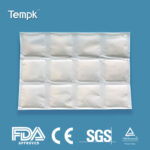
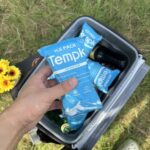
Specialist packaging and insulation. Conteneurs isolés, matériaux à changement de phase, gel packs and cryogenic shippers protect products during transit. New packaging materials balance thermal performance and sustainability, using recyclable and biodegradable components to reduce waste. Reusable shippers and advanced insulation reduce environmental impact and help meet corporate sustainability goals.
Transport réfrigéré. Camions à température contrôlée, vans and aircraft are equipped with onboard refrigeration systems and IoT monitors. Dans 2025 innovations like solar powered refrigeration units and cryogenic freezers allow safe transport of ultra cold products across remote regions. GPS and GNSS tracking give real time location and temperature data.
Real time tracking and monitoring. Capteurs, bûcherons de données, RFID tags and GPS devices continuously record temperature, humidité et emplacement. Modern systems transmit data every few minutes so that deviations trigger alerts and corrective action. These tools also generate digital records for audits and regulatory compliance.
Distribution et livraison du dernier kilomètre. Wholesalers and pharmacies must maintain the cold chain during storage, picking and final delivery to health care providers. Portable cryogenic containers, insulated totes and courier vehicles with refrigeration ensure products remain within range until they reach patients.
Mettre tout cela ensemble
Maintaining cold chain integrity requires coordination between manufacturers, 3Pls, grossistes, pharmacies and even patients. Each link must have robust procedures, validated equipment and trained personnel. Without an unbroken chain, the entire system fails.
| Composante de la chaîne du froid | Équipement & technologies | Pourquoi ça compte pour toi |
| Fabrication | Chambres froides, cleanroom HVAC, congélateurs cryogéniques, process validation | Ensures raw materials and final drug products are produced under precise conditions to guarantee quality and potency. |
| Stockage | Pharmaceutical refrigerators/freezers, unités alimentées à l'énergie solaire, alimentation de secours, continuous temperature logging | Protects products from energy outages; solar systems cut energy costs and support sustainability. |
| Conditionnement | Expéditeurs isolés, packs de gel, matériaux à changement de phase, matériaux durables | Maintains stable temperatures during transport and reduces environmental impact. |
| Transport | Camions frigorifiques, cryogenic transporters, Trackers IoT, GNSS location devices | Provides real time visibility and quick intervention in case of deviations. |
| Surveillance | Enregistreurs de données, capteurs, IoT dashboards, plateformes blockchain | Generates audit trails and compliance records while enabling proactive risk management【908232472566390†L460-L478】. |
How do regulations govern cold chain management in 2025?
Compliance is not optional—legal frameworks protect patients. Regulatory bodies worldwide enforce rules to ensure medicines maintain their quality throughout the supply chain. Dans 2025 these rules are becoming stricter and more digital:
Good Distribution Practice and other global frameworks
Bonne pratique de distribution (PIB) lignes directrices, issued by the European Union, World Health Organization and other authorities, set minimum standards for temperature control, surveillance, documentation et formation. GDP requires a quality management system, contrôles environnementaux, traçabilité numérique, personnel competency and risk based oversight. Countries often adopt their own versions; Par exemple, the European GDP guideline 2013/C 343/01 and WHO GDP Annex 5 are widely followed.
Additional frameworks include ISO standards, IATA temperature control regulations for air transport, and national guidelines such as the U.S. Pharmacopée (USP) chapters <659>, <1079> et <1079.2>, which specify packaging, storage and shipping conditions. Compliance with these standards protects product quality and shields businesses from penalties and recalls.
DSCSA deadlines and digital traceability
In the United States the Drug Supply Chain Security Act (DSCSA) mandates an interoperable electronic system that identifies and traces prescription drugs at the package level. Selon la FDA, the act prevents harmful drugs from entering the supply chain and enables rapid removal of illegitimate products. The final phase has staggered deadlines in 2025: les fabricants et les reconditionneurs doivent se conformer Peut 27 2025, grossistes par Août 27 2025, and large dispensers such as pharmacies by Novembre 27 2025. Après août 27 2025, the era of lot based transaction history ends; wholesalers must exchange serialized data electronically using formats like EPCIS and verify package level identifiers.
These deadlines require investment in secure, interoperable systems that can generate, transmit and verify digital transaction information and statements. Failure to comply can result in fines up to $500,000, product quarantines, operational gridlock and even license revocation. Ensuring readiness for DSCSA is therefore a crucial part of cold chain strategy in 2025.
FSMA 204 and other traceability rules
While the Food Safety Modernization Act (FSMA) focuses on food, c'est Règle 204 introduces stringent record keeping and traceability requirements that parallel pharmaceutical rules. Companies must record key data elements and share them electronically within 24 heures. These digital mandates illustrate a broader trend: supply chain transparency is becoming mandatory across sectors.
By understanding and implementing these frameworks—GDP, DSCSA, FSMA, ISO standards and regional regulations—you not only comply with law but also build trust with patients and partners.
What are the risks of cold chain failure and how can you mitigate them?
Cold chain breaches can cost lives and millions of dollars. When products fall outside their temperature range for too long, potency is lost and patient safety is compromised. Les causes courantes incluent les pannes de courant, pannes mécaniques, expéditions retardées, human error and inadequate packaging or handling. The consequences are severe:
Product degradation and wastage. Autour 20 % of pharmaceutical spoilage is attributed to cold chain failures. Temperatures outside +2 °C to +8 °C destroy vaccine efficacy and may render biologics hazardous.
Public health risks. Ineffective vaccines and medications can lead to treatment failures, disease outbreaks and compromised clinical trials.
Financial loss and operational disruption. Each recall or destroyed batch can cost millions. Presque 30 % of temperature controlled shipments face delays, jeopardizing product quality and leading to lost revenue.
Regulatory and legal penalties. Le non-respect peut entraîner des amendes, license suspension or product seizure. Companies may also face lawsuits and reputational damage.
Environmental waste. Spoiled drugs contribute to waste disposal and environmental harm, counteracting sustainability efforts..
Strategies to prevent and respond to excursions
Deploy robust monitoring technology. Utiliser des capteurs calibrés, IoT devices and data loggers that provide real time temperature data and automated alerts. Modern systems send alerts via mobile apps so that operators can act immediately.
Valider les emballages et les équipements. Test insulated shippers, gel packs and phase change materials under worst case scenarios. Validate refrigerators, freezers and vehicle systems regularly, and keep backup equipment on hand.
Train personnel and build SOPs. Human error is a leading cause of deviations. Comprehensive training on handling, chargement et déchargement, along with clear standard operating procedures (Sops), reduces risk.
Planifier les imprévus. Develop emergency protocols to handle power outages, delays and equipment failures. Identify alternative routes and carriers for critical shipments.
Documentation et audit. Maintain detailed records for each shipment—temperature logs, handling times, chain of custody and corrective actions. Regular audits help identify weak spots and improve processes.
Investissez dans l’analyse prédictive. AI powered control towers can predict risks, optimize routes and adjust shipments proactively based on weather or traffic patterns. Digital twins and simulation models help test “what if” scenarios.
These strategies not only mitigate risk but also improve overall efficiency and customer satisfaction. Proactive monitoring and analytics reduce waste, while strong documentation and training support compliance and auditing.
Étude de cas: A global specialty pharmacy network installed IoT sensors in all storage units and delivery vehicles. The sensors transmitted temperature and location data every 15 minutes, sending alerts whenever readings approached the 8 °C upper limit. Après la mise en œuvre, the pharmacy reported zero temperature excursions during transport and gained full DSCSA traceability for audits.
How are innovations and trends reshaping pharmaceutical cold chains?
The future of cold chain is smart, sustainable and connected. Emerging technologies and market forces are pushing the cold chain beyond basic refrigeration. Several key trends are defining 2025 et au-delà:
Real time digital monitoring. Sensors integrated with cellular or satellite networks provide continuous data on temperature, humidité et emplacement. Cloud dashboards visualize trends, and AI algorithms detect anomalies. This visibility enables predictive maintenance and immediate interventions.
IA et analyse prédictive. Machine learning algorithms analyze historical shipment data, weather patterns and traffic to optimize routes and predict risk of excursions. AI can automate release processes, adapt packaging to journey duration and flag shipments likely to encounter delays.
Blockchain pour une traçabilité de bout en bout. Blockchain platforms record every temperature reading and custody event in an immutable ledger. This transparency builds trust, supports DSCSA compliance and simplifies recall investigations.
Sustainable packaging and refrigerants. Companies are switching to recyclable and biodegradable insulation, phase change materials and eco friendly refrigerants. HFCs and CFCs are being phased out in favor of natural refrigerants like CO₂ and hydrofluoroolefins (HFO). These materials reduce greenhouse gas emissions and comply with environmental regulations.
Solar powered and hybrid refrigeration. Solar panels and battery systems power cold storage units and refrigeration on trucks, reducing energy costs and improving reliability in regions with unstable grids. Renewable energy also supports corporate sustainability goals.
Modular and portable cryogenic containers. Compact cryogenic freezers enable the transport of cell and gene therapies at –80 °C to –150 °C across remote areas while providing real time tracking and alerts.
Regulatory enforcement and digital traceability. Le 2025 DSCSA deadlines compel every stakeholder to adopt interoperable systems for serialization and electronic data exchange. Combined with FSMA 204 exigences, this creates a unified push toward digital supply chains and eliminates manual paperwork.
These innovations are not optional extras; they are becoming essential to remain competitive and compliant. Companies that invest early in smart cold chain technologies will reduce waste, lower costs and improve patient outcomes.
2025 Développements et tendances
Le paysage de la chaîne du froid évolue rapidement. Here are some of the latest developments that businesses should be aware of:
Market expansion and new therapies. The pharmaceutical cold chain market exceeded $65 milliards en 2025 et devrait atteindre $137 milliards 2034 as more cell and gene therapies and mRNA vaccines enter the market. Demand for cryogenic shipping and ultra low storage is rising, creating opportunities for specialized service providers.
Heightened regulatory scrutiny. DSCSA deadlines in May, Août et novembre 2025 exiger des fabricants, wholesalers and dispensers to adopt serialized electronic tracing. Non compliance may result in quarantined shipments, fines and even imprisonment.
Investment in digital infrastructure. Companies are building integrated control towers that combine data from sensors, systèmes de gestion des transports (TMS) et progiciel de gestion intégré (ERP). These platforms provide real time visibility across the entire supply chain and support predictive analytics.
Durabilité et résilience. Environmental regulations are tightening on refrigerants and transport emissions. Businesses are adopting solar powered storage units and recyclable packaging while planning for climate related disruptions. Carbon footprint reduction has become an essential KPI.
Geopolitical and tariff impacts. New tariffs on imported refrigeration equipment in 2025 have driven companies to invest in domestic manufacturing and modular container design. Diversifying sourcing and adopting modular, adaptable packaging reduce vulnerability to trade disputes.
These trends highlight how dynamic and multifaceted the pharmaceutical cold chain has become. Rester informé des délais réglementaires, technology adoption and market shifts will help you navigate the coming years.
Questions fréquemment posées
Why must vaccines be kept between +2 °C and +8 °C?
Most vaccines contain proteins or lipids that degrade when exposed to higher or lower temperatures. Keeping them in the +2 °C to +8 °C range preserves potency and ensures they trigger the desired immune response. Temperature excursions can render vaccines ineffective or even unsafe.
What happens if the cold chain is broken during transport?
If products fall outside their prescribed temperature range for too long, they may lose potency or become contaminated. Pour les vaccins et les produits biologiques, this can make them dangerous to administer and lead to product recalls, wasted inventory and regulatory penalties. Real time monitoring and contingency plans are essential to prevent such failures.
How do IoT sensors help manage the cold chain?
IoT sensors continuously record temperature, humidity and location data and transmit it to centralized dashboards. They provide real time alerts when readings move toward a threshold, activer une action corrective immédiate. IoT devices also create a digital audit trail that supports GDP and DSCSA compliance.
What are the DSCSA deadlines for 2025 and who is affected?
The DSCSA requires digital serialization of prescription drugs. Les fabricants et reconditionneurs doivent se conformer d’ici mai 27 2025, grossistes d'ici août 27 2025 et grands distributeurs (pharmacies) d'ici novembre 27 2025. After these dates, all transactions must include electronic traceability, and non compliance can result in quarantined shipments and fines.
Are sustainable refrigerants and packaging really feasible?
Oui. Eco friendly refrigerants such as CO₂ and HFOs have lower global warming potential than traditional HFCs and CFCs, and they are increasingly used in pharmaceutical cold chain systems. Recyclable and biodegradable insulation materials and reusable shipping containers reduce waste and are now commercially viable.
Résumé et recommandations
Principaux à retenir: The pharmaceutical cold chain protects fragile medicines from production to patient. Plus que 85 % of biologics and 80 % of vaccines need cold storage, and improper temperature control results in up to 20 % de détérioration pharmaceutique. A robust cold chain relies on validated equipment, emballage spécialisé, surveillance en temps réel, trained staff and strict adherence to regulations like GDP and DSCSA. Technologies émergentes – IA, blockchain, IoT, sustainable packaging and renewable energy—are reshaping cold chain management and helping companies reduce waste and improve patient safety.
Des conseils pratiques: Pour renforcer votre chaîne du froid: (1) Evaluate your entire supply chain and identify temperature vulnerabilities. (2) Invest in sensors and data platforms that provide real time visibility and automatic alerts. (3) Former le personnel à la bonne manipulation, documentation and contingency protocols. (4) Validate and upgrade packaging and refrigeration equipment for your most sensitive products. (5) Plan ahead for DSCSA deadlines and develop interoperable systems to handle serialized data exchange. (6) Embrace sustainable refrigerants and packaging to align with environmental regulations and corporate responsibility goals.
À propos du tempk
At Tempk we specialize in innovative cold chain solutions for pharmaceuticals, biologics and specialty medicines. With decades of experience and a commitment to research and development, nous design insulated packaging, gel packs and temperature controlled shippers that meet strict GDP and DSCSA requirements. Our solar powered cold storage units and reusable shippers help clients reduce energy use and waste, while our real time monitoring platforms provide complete visibility across every shipment.
Prêt à optimiser votre chaîne froide? Contact Tempk for a personalized consultation and learn how our solutions can safeguard your medicines, ensure compliance and advance your sustainability goals.