Achat en vrac de blocs de glace carbonique au Moyen-Orient: Un guide de sélection pratique
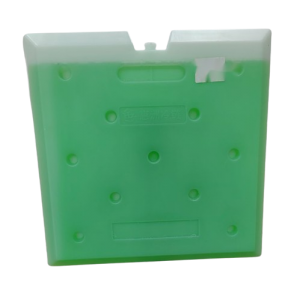
Achat en vrac de blocs de glace carbonique au Moyen-Orient: Un guide de sélection pratique Si vous envisagez d'acheter en gros des blocs de glace carbonique au Moyen-Orient, commencer par un principe: acheter le résultat de l'expédition, pas seulement le pack. Dans cette catégorie, le prix unitaire ne signifie pas grand-chose sans dimensions claires, poids hydraté, construction matérielle, ajustement de l'itinéraire, et la preuve que le fournisseur peut reproduire le même pack encore et encore. Au Moyen-Orient, températures ambiantes très élevées, l'aéroport et les douanes séjournent, et les voies de distribution transfrontalières font du réalisme des itinéraires un enjeu d'achat central. D'abord, Définir correctement le produit avant de comparer les fournisseurs ou les prix, assurez-vous que tout le monde parle du même produit. Dans de nombreuses listes industrielles, un sac de glace carbonique est un paquet ou une feuille sous forme sèche hydratée avec de l'eau, congelé, puis utilisé comme réfrigérant à l'intérieur d'un expéditeur isolé. Il peut arriver sous forme de petite feuille de cellules, une couverture plus grande, une pochette façon brique, ou un autre format à base de gel. Ce n'est pas le...


-300x300.jpg)