


Detail Blog
Pertumbuhan Makanan Beku Memperkuat Kasus Investasi Rantai Dingin Kanada
Sumber: Kredit Pertanian Kanada
https://www.fcc-fac.ca/en/knowledge/economics/frozen-food-canada
Pertumbuhan Makanan Beku Membentuk Kembali Kasus Investasi Rantai Dingin Kanada
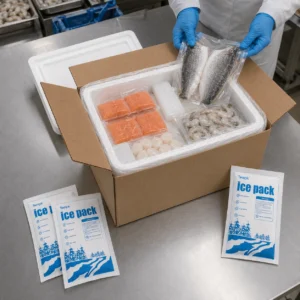
Apa yang telah terjadi
Makanan beku menjadi bagian yang lebih besar dari sistem pangan Kanada, menciptakan permintaan baru untuk pengolahan, pergudangan berpendingin, transportasi dan otomatisasi.
Analisis baru dari Farm Credit Canada menunjukkan bahwa penjualan ritel makanan beku Kanada meningkat sebesar 63% di antara 2019 Dan 2025. Selama periode yang sama, penjualan makanan segar meningkat sebesar 39%.
Perbedaan ini menunjukkan bahwa makanan beku telah bergerak melampaui peran tradisionalnya sebagai alternatif produk segar dengan tingkat kenyamanan lebih rendah. Konsumen membeli lebih banyak jenis buah beku, sayuran, hidangan laut, item roti, bahan-bahan yang sudah disiapkan dan makanan siap masak.
Permintaan ekspor juga meningkat.
Di antara 2020 Dan 2025, Ekspor buah beku Kanada meningkat sebesar 14% dalam volume, sementara ekspor sayuran beku meningkat sebesar 38%.
Pergeseran ini menciptakan alasan komersial yang lebih kuat untuk berinvestasi dalam teknologi pembekuan, penyimpanan dingin, distribusi berpendingin dan pemrosesan bernilai tambah.
FCC juga mengidentifikasi perluasan infrastruktur pendingin.
Kapasitas mesin pendingin yang dilaporkan di antara tiga operator cold-storage utama di Kanada meningkat dari sekitar 145 juta kaki kubik masuk 2018 ke 187 juta kaki kubik masuk 2025, peningkatan sekitar 29%.
Hampir dua pertiga dari perluasan tersebut terjadi setelahnya 2023.
Tren tersebut menunjukkan bahwa pertumbuhan makanan beku sudah mempengaruhi kapasitas fisik rantai pendingin, daripada hanya sekedar mengubah perilaku pembelian konsumen.
Cara Kerjanya
Pembekuan mengubah nilai ekonomi produk pertanian yang mudah rusak dengan memperpanjang jangka waktu penyimpanannya, diangkut dan dijual.
Produk segar sangat sensitif terhadap waktu.
Setelah dipanen, buah-buahan dan sayur-sayuran terus mengalami penurunan kualitas melalui respirasi, hilangnya kelembaban dan aktivitas mikroba. Bahkan ketika pendinginan memperlambat proses ini, umur simpan komersial masih terbatas.
Pembekuan memindahkan produk ke masa pengawetan yang lebih lama.
Teknologi seperti pembekuan cepat secara individual, atau IQF, pemrosesan dengan cepat membekukan setiap bagian produk daripada membuat satu blok beku besar.
Untuk produk seperti buah beri, kacang polong, jagung, makanan laut dan bahan-bahan yang disiapkan, IQF dapat membantu menjaga tekstur, kemampuan porsi dan kualitas produk sekaligus memberikan fleksibilitas yang lebih besar kepada pengolah dalam pengemasan dan distribusi.
Namun, kapasitas pembekuan saja tidak cukup.
Rantai pasokan yang lengkap memerlukan beberapa tahapan yang saling terhubung:
- Penerimaan produk mentah
- Pencucian, penilaian atau pengolahan
- Pembekuan cepat
- Penyimpanan beku
- Manajemen inventaris
- Transportasi yang didinginkan
- Distribusi ritel atau jasa makanan
Jika salah satu bagian dari rantai kekurangan kapasitas, manfaat komersial dari operasi pembekuan dapat dikurangi.
Misalnya, pengolah dapat memasang peralatan IQF tambahan tetapi masih menghadapi hambatan jika ruang gudang beku tidak tersedia selama puncak panen.
Juga, sebuah gudang pendingin mungkin memiliki posisi palet yang memadai tetapi tidak memiliki kapasitas pengangkutan reefer yang cukup untuk memindahkan produk selama puncak permintaan musiman.
Oleh karena itu, investasi rantai dingin modern semakin menggabungkan penyimpanan fisik dengan otomatisasi, robotika dan kontrol inventaris digital.
FCC mencatat bahwa fasilitas pendingin mengadopsi penanganan otomatis, sistem inventaris digital dan teknologi pendingin yang lebih hemat energi untuk meningkatkan produktivitas dan mengelola kenaikan biaya pengoperasian.
Untuk gudang beku, kepadatan penyimpanan sangat penting.
Setiap meter kubik udara berpendingin membutuhkan energi untuk pemeliharaannya. Penyimpanan palet dengan kepadatan tinggi, pengambilan otomatis dan aliran udara yang dirancang dengan baik dapat mengurangi jumlah volume freezer yang diperlukan per unit inventaris.
Hasilnya adalah rantai dingin yang tidak hanya lebih besar, tapi lebih produktif.
Mengapa itu penting
Kanada memiliki musim tanam domestik yang relatif singkat untuk banyak buah-buahan dan sayur-sayuran, sementara permintaan konsumen ada sepanjang tahun.
Secara historis, kesenjangan ini sebagian telah diatasi melalui impor.
Kapasitas pembekuan tambahan memberikan pilihan lain: melestarikan lebih banyak produksi dalam negeri selama masa puncak panen dan mendistribusikannya secara bertahap sepanjang tahun.
FCC menggunakan perkiraan Lingkungan Hidup dan Perubahan Iklim Kanada 13% buah-buahan dan sayuran Kanada dibiarkan tidak dipanen atau dibuang setelah panen dan persentase tersebut diterapkan pada produksi tanaman tertentu.
Perbandingan yang dihasilkan sangatlah signifikan.
Perkiraan kerugian setara dengan sekitar:
- 66% impor kacang Kanada
- 55% impor jagung
- 24% impor blueberry
- 6% impor brokoli
- 5% impor stroberi
Angka-angka ini tidak berarti bahwa semua hasil panen yang hilang dapat dibekukan begitu saja dan digantikan dengan impor.
Beberapa produk mungkin tidak cocok untuk diproses. Waktu panen, kualitas, ekonomi dan permintaan konsumen juga penting.
Namun angka-angka tersebut menggambarkan skala nilai yang mungkin tersedia jika lebih banyak hasil pertanian dalam negeri dapat diperoleh melalui pengolahan dan infrastruktur rantai dingin.
Untuk pengolah makanan, pembekuan juga menciptakan peluang di luar pengurangan limbah.
Komoditas pertanian mentah mungkin mempunyai margin yang relatif rendah pada puncak panen. Setelah dibersihkan, porsi, berpengalaman, dibekukan dan dikemas, dapat menjadi produk pangan yang bernilai lebih tinggi dengan musim penjualan yang lebih panjang.
Hal ini menciptakan aktivitas ekonomi tambahan di:
- pengolahan
- kemasan
- penyimpanan dingin
- angkutan
- distribusi ritel
Oleh karena itu, meningkatnya kategori makanan beku dapat memperkuat manufaktur makanan dan logistik rantai dingin.
Dampak B2B
Bagi produsen pertanian, infrastruktur pembekuan yang lebih kuat dapat menciptakan outlet tambahan selama periode puncak panen.
Para petani mungkin dapat menjual produknya ke saluran pengolahan yang seharusnya memiliki nilai terbatas karena permintaan pasar segar telah terpenuhi.
Namun, prosesor memerlukan kualitas dan volume yang dapat diprediksi.
Petani harus mengoordinasikan waktu panen, spesifikasi produk dan pengaturan transportasi dengan pengolah daripada berasumsi bahwa kelebihan produk dapat secara otomatis memasuki produksi beku.
Untuk pengolah makanan, pasar menciptakan peluang untuk berinvestasi:
- sistem KKNI
- freezer ledakan
- freezer spiral
- menyortir dan menilai
- porsi
- pengemasan otomatis
Kapasitas pemrosesan harus disesuaikan dengan kapasitas penyimpanan dingin di hilir.
Memasang jalur pembekuan yang lebih cepat tanpa posisi palet beku yang memadai dapat dengan mudah memindahkan hambatan dari produksi ke pergudangan.
Untuk pengembang penyimpanan dingin, Pertumbuhan kategori makanan beku di Kanada mendukung berlanjutnya permintaan akan real estat berpendingin.
Fasilitas masa depan harus dievaluasi lebih dari sekedar jumlah palet.
Variabel penting meliputi:
- Konsumsi energi
- Kepadatan penyimpanan
- Kemampuan otomatisasi
- Throughput dermaga
- Redundansi pendinginan
- Ketersediaan daya
- Konektivitas transportasi
Untuk pemasok pendingin, pertumbuhan makanan beku mendukung permintaan akan sistem suhu rendah yang efisien.
Operator semakin tertarik pada teknologi pendinginan yang mengurangi konsumsi energi dan risiko zat pendingin jangka panjang sekaligus mempertahankan kondisi beku yang dapat diandalkan.
Pemulihan panas juga dapat meningkatkan keekonomian fasilitas di mana panas pendingin yang ditolak dapat digunakan untuk air panas, pemanas ruangan atau aplikasi pemrosesan.
Untuk penyedia otomatisasi gudang, lingkungan beku menciptakan alasan bisnis yang kuat untuk robotika.
Otomatisasi dapat mengurangi paparan tenaga kerja terhadap suhu yang sangat rendah sekaligus meningkatkan kepadatan penyimpanan dan akurasi inventaris.
Peralatan harus dirancang khusus untuk lingkungan dingin, termasuk sensor yang sesuai, pelumas, kabel, baterai dan kontrol.
Untuk pemasok kemasan, pertumbuhan makanan beku meningkatkan permintaan akan bahan yang mempertahankan kekuatan dalam kondisi suhu rendah dan lembab.
Karton, film, label dan perekat harus tahan terhadap pembekuan, penyimpanan dan pencairan tanpa kehilangan kinerja struktural atau identifikasi.
Untuk kapal berpendingin, persediaan beku yang lebih besar berarti permintaan yang lebih besar terhadap kapasitas reefer yang dapat diandalkan.
Penyedia transportasi membutuhkan TRU yang andal, pemeriksaan sebelum perjalanan, manajemen bahan bakar, telematika dan prosedur suhu yang terdokumentasi.
Untuk pengecer, produk beku menawarkan model inventaris yang berbeda dari makanan segar.
Umur simpan yang lebih lama dapat mengurangi pembusukan dan memberikan lebih banyak fleksibilitas selama gangguan musiman, namun kapasitas penjualan freezer dan penyimpanan di ruang belakang harus mengimbangi pertumbuhan kategori.
Bagi para pengambil kebijakan, analisis menunjukkan bahwa infrastruktur ketahanan pangan mencakup lebih dari sekedar produksi pertanian.
Suatu negara dapat menanam pangan dalam jumlah besar dan masih sangat bergantung pada impor jika kapasitas pengolahan dan pengawetan dalam negeri tidak dapat menjembatani produksi musiman dan permintaan sepanjang tahun..
Pelajaran yang lebih luas adalah bahwa makanan beku kini menjadi sebuah cerita infrastruktur.
Kanada 63% Pertumbuhan ritel beku dan perluasan kapasitas gudang berpendingin menunjukkan bagaimana perilaku konsumen, pengolahan pertanian dan investasi rantai dingin menjadi semakin terhubung.
Peluang masa depan akan datang dari integrasi produksi, pembekuan, penyimpanan, transportasi dan pengemasan menjadi sistem pangan dalam negeri yang lebih efisien.




