Rencana Enam Gerbang untuk Membeli Permen Cold Packs
A produsen paket es kering untuk logistik permen harus melewati serangkaian gerbang bukti sebelum pembeli menyetujui pasokan massal. Prosesnya dimulai dengan mengidentifikasi apa sebenarnya kandungan produk tersebut, lalu tentukan permen dan jalurnya, merancang paket lengkap, memverifikasi pabrikan dan operasi pengepakan, dan hanya merilis konfigurasi yang diuji. Hal ini mencegah kesalahan pengadaan yang umum: membandingkan harga satuan sedangkan identitas material, paparan musim panas, pemisahan makanan, pekerjaan pengkondisian, berat dimensi, dan kriteria penerimaan masih belum ditentukan.
Mulailah dengan aturan stop-or-release
Tim pengadaan harus sepakat bahwa sampel yang menjanjikan bukanlah sistem pengiriman yang dirilis. Setiap gerbang membutuhkan pemiliknya, bukti yang diperlukan, keputusan, dan proses pengecualian yang terdokumentasi.
| Gerbang | Keputusan | Bukti minimal | Kondisi berhenti |
|---|---|---|---|
| 1. Identitas | Apakah kita memahami komponen pendingin? | Sedang, konstruksi, massa, ukuran, pengkondisian, status keselamatan dan transportasi | “Kantong es kering” tetap menjadi satu-satunya deskripsi material |
| 2. Amplop produk | Tahukah kita apa yang bisa ditoleransi oleh permen itu? | Batasan kelompok produk, mode kegagalan, kondisi awal, persyaratan paket utama | Suhu permen universal disalin dari brosur |
| 3. Jalur dan ekonomi | Apakah rute komersial sudah ditentukan? | Profil musiman, lamanya, menunda, melayani, penanganan, dimensi akhir dan model biaya | Permintaan tersebut hanya menyebutkan “dua hari” dan berat permen |
| 4. Desain paket | Apakah ada sistem lengkap yang dapat direproduksi? | Menggambar, tagihan bahan, penempatan cairan pendingin, penghalang kelembaban, penutup, rencana sensor | Jumlah cairan pendingin dinyatakan tanpa posisi atau kondisi |
| 5. Kualifikasi dan skala | Apakah bukti mewakili produksi dan distribusi? | Tes termal dan fisik, pilot, uji coba operasi batch penuh, pemisahan makanan | Hanya tersedia demonstrasi kotak kosong atau bangku di atas |
| 6. Lepaskan dan kendalikan | Bisakah kedua belah pihak mempertahankan keadaan yang disetujui? | Spesifikasi, rencana penerimaan, keterlacakan, perubahan pemberitahuan, kapasitas dan proses ketidaksesuaian | Perubahan pemasok dapat terjadi tanpa tinjauan |
Catatan gerbang harus membedakan izin bersyarat dan izin penuh. Misalnya, sebuah prototipe mungkin lolos pemeriksaan termal musim panas tetapi tetap bersyarat sampai getaran dan pemanasan tujuan dinilai. Pengadaan tidak boleh mengubah hasil bersyarat tersebut menjadi spesifikasi pembelian yang tidak dibatasi.
Tetapkan pemilik lintas fungsi. Kualitas produk menentukan batas permen dan menyelidiki mekarnya. Teknik pengemasan memiliki desain sistem. Operasi membuktikan pengondisian dan eksekusi jalur paket. Personel pengatur atau keamanan pangan meninjau tanggung jawab sanitasi, status kontak, dan kebutuhan pasar. Logistik mendefinisikan jalur aktual dan batasan operator. Pengadaan mengevaluasi kapasitas, istilah komersial, dan mengubah kendali. Pabrikan menyediakan komponen yang dikendalikan dan asumsi yang dinyatakan.
Gerbang 1 Dan 2: mengidentifikasi batas cairan pendingin dan permen
Gerbang 1: menetapkan identitas yang tepat dan fungsi yang dimaksudkan
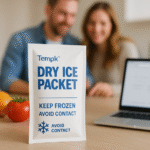
Kata kunci “keran es kering” dapat merujuk pada dua kategori yang berbeda secara mendasar.
Es kering sebenarnya adalah karbon dioksida padat. Ia berubah langsung dari padat menjadi gas pada suhu sekitar −78°C dalam kondisi atmosfer. Pemuaian gas berarti bungkusan tersebut harus dikeluarkan; selungkup yang tertutup rapat tidak aman. Pekerja memerlukan kontrol terhadap kontak dingin dan akumulasi karbon dioksida. Bahan dan permen yang dekat dengan es kering dapat mengalami suhu lokal yang sangat rendah. Aturan transportasi dan pengangkut saat ini harus diperiksa, khususnya untuk layanan udara, di mana program tersebut mungkin memerlukan identifikasi UN1845, Nama pengiriman yang tepat, massa es kering bersih, tanda paket, dan penerimaan khusus operator.
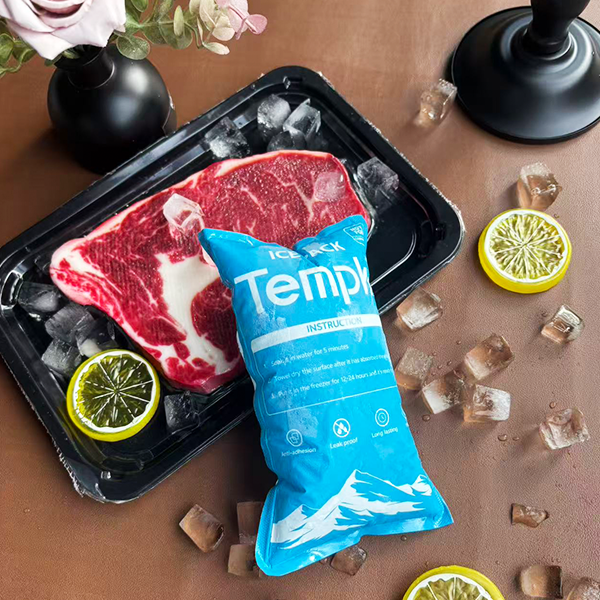
A paket es kering hidrat adalah lembaran dingin yang diaktifkan air. Itu disediakan dalam keadaan kering, menyerap air ke dalam sel internal, dan dibekukan sebelum digunakan. Ia tidak mengandung karbon dioksida padat hanya karena “es kering” muncul dalam nama komersialnya. Nama ini tidak mewarisi persyaratan UN1845 saja. Risiko operasionalnya berbeda: aktivasi variabel, pengurasan yang tidak mencukupi, beban freezer, kontak suhu es lokal, kebocoran, dan pembasahan kemasan bergelombang atau kemasan kado.
Kandidat lain harus tetap mengambil keputusan:
sudah diisi sebelumnya Paket gel, yang menghilangkan pekerjaan hidrasi tetapi menggunakan lebih banyak ruang masuk dan freezer;
kaku batu bata es, yang memberikan geometri tetap tetapi dapat menambah tekanan dan kebutuhan logistik terbalik;
paket perubahan fase yang diformulasikan, yang mungkin menyangga rentang permen tertentu;
paket isolasi khusus untuk jalur terkontrol pendek;
perubahan logistik seperti layanan yang lebih cepat, pembatasan hari pengiriman, atau pengambilan terkendali.
Mewajibkan produsen untuk melengkapi lembar identitas. Itu harus menyatakan nama dan kode produk, kategori sedang sebenarnya, konstruksi film atau cangkang, kategori penyerap atau isi, dimensi dan toleransi, massa kering dan siap dikemas, segel atau pola sel, penyimpanan, metode aktivasi dan pengkondisian, status kontak yang dituju, penandaan banyak, jumlah kasus, dan kriteria penolakan.
Untuk karbon dioksida padat, lembar tersebut menjadi dokumen rute dan keselamatan daripada spesifikasi komponen biasa yang dapat digunakan kembali. Tentukan lokasi pemasok, formulir yang diterima, kerugian penanganan yang diperkirakan, metode penyimpanan, ventilasi, menimbang, peralatan pelindung, waktu pengepakan, desain ventilasi, tanda, dokumentasi, persetujuan operator, dan prosedur darurat.
Di ujung Gerbang 1, semua orang harus bisa menjawabnya, dalam bahasa sederhana, “Yang menyerap panas, perubahan fasa apa yang terjadi, betapa dinginnya antarmuka tersebut, dan apa yang harus dilakukan pengepak sebelum pengiriman?Kalau jawabannya tergantung nama dagang, berhenti.
Gerbang 2: setujui amplop permen dan kelembapan
Ciptakan rangkaian produk hanya jika risikonya benar-benar serupa. Pengelompokan berdasarkan departemen ritel atau ukuran kotak saja tidak cukup.
Untuk setiap keluarga, kategori formulasi rekaman, jenis coklat, lapisan, tengah, inklusi, bungkus utama, karton ritel, geometri, massa, ruang kepala, dan orientasi paket. Tentukan kondisi awal yang disetujui dan batas suhu produk, paparan kelembaban, tekanan, getaran, dan pemulihan. Buat daftar kriteria rilis yang dapat diamati.
Daftar cacat praktis mungkin termasuk:
| Cacat | Pertanyaan untuk pemilik produk | Kontrol logistik untuk mengevaluasi |
|---|---|---|
| Meleleh atau berubah bentuk | Komponen mana yang melunak terlebih dahulu: kerang, tengah, penyertaan, atau perekat? | Paparan panas, kondisi produk awal, isolasi, melayani, buffering cairan pendingin |
| Mekar gemuk | Apakah emosinya stabil? Bisakah lemak bermigrasi dari kacang-kacangan atau isian? Pentingnya bersepeda? | Kurangi siklus suhu yang memenuhi syarat; periksa setelah pemulihan; melestarikan catatan produksi |
| Gula mekar | Bisakah kemasan utama menerima kelembapan? Bagaimana produk dingin dibuka di tempat tujuan? | Penghalang kelembaban, drainase pendingin, pemanasan sadar titik embun, instruksi penerima |
| Permen karet yang lengket atau lengket | Apakah produk sensitif terhadap panas, kelembaban, dingin, atau tekanan? | Buffer khusus produk, desain pemisah, aturan campuran-bermacam-macam |
| Retak dan lecet | Apakah cangkangnya rapuh saat dingin? Bisakah paket atau pembagi bergerak? | Memperbaiki kantong pendingin, Bantalan, pengujian distribusi, ruang kepala yang terkontrol |
| Kotak hadiah basah atau terdistorsi | Dapatkah kondensasi atau kebocoran mencapai kertas karton? | Lapisan tertutup, pemisahan fisik, standar pembuangan, prosedur pemulihan |
| Bau atau noda | Film yang mana, mengisi, kargo, atau bahan kimia pembersih relevan? | Tinjauan materi, paket utama yang tersegel, sanitasi kendaraan dan area pengepakan |
Cokelat mekar layak mendapat dua baris karena tindakan korektifnya berbeda. Mekarnya gula bisa terjadi ketika air mengembun pada coklat, melarutkan gula permukaan, dan kemudian menguap. Perkembangan lemak melibatkan perilaku kristal lemak dan mungkin berhubungan dengan temperamen, riwayat suhu, atau migrasi lemak dari pengisian atau penyertaan. Permukaan putih bukanlah diagnosis lengkap.
Gunakan titik embun sebagai konsep operasional. Saat produk atau kemasan dingin berada di bawah titik embun udara sekitar, air dapat mengembun. Sistem mungkin memerlukan pembungkus utama yang utuh, lapisan dalam yang tersegel, pemisahan tetap dari cairan pendingin, pemanasan terkontrol sementara liner tetap tertutup, dan instruksi tentang kapan harus membuka. Lebih banyak cairan pendingin tidak secara otomatis lebih aman; itu dapat meningkatkan perbedaan suhu yang mendorong kondensasi.
Keamanan pangan dan mutu komersial harus diberi label dengan benar. Di Amerika Serikat, persyaratan transportasi sanitasi berlaku untuk kegiatan yang tercakup dan menangani peralatan yang sesuai, operasi sanitasi, catatan, dan tanggung jawab pelatihan tertentu. Kontrol suhu yang memadai diperlukan jika keselamatan bergantung padanya. Banyak spesifikasi pendingin permen yang dimaksudkan untuk melindungi kualitas daripada memenuhi satu suhu keamanan pangan universal. Produk yang diisi atau ditangani secara khusus dapat memiliki penilaian berbeda. Tim pengatur dan mutu yang bertanggung jawab harus menentukan cakupan dan pengendalian.
Gerbang 2 lolos hanya jika pembeli memiliki amplop dan metode pemeriksaan khusus produk. Pabrikan cold-pack dapat membantu mendesain hingga batas tersebut, tapi mereka tidak seharusnya menciptakannya.
Gerbang 3: menentukan jalur dan total keekonomian yang disampaikan
Ubah rute menjadi ringkasan teknis dan pembelian:
asal, kelompok tujuan, dan tingkat layanan;
pemutusan pesanan, waktu pengepakan, menjemput, dan menjanjikan pengiriman;
distribusi angkutan sebenarnya, tidak hanya layanan nominal;
akhir pekan, hari libur, koneksi yang terlewat, dan aturan pengiriman ulang;
kondisi asal dan tujuan musiman;
pusat panas, kendaraan, dok pemuatan, loker, atau paparan teras;
paparan dingin eksternal di musim dingin;
orientasi, tetes, getaran, kompresi, dan menumpuk;
ketersediaan receiver dan latihan pemanasan;
pembatasan mode dan pembawa untuk karbon dioksida padat.
Profil termal parsel yang diakui dan diterapkan dapat menciptakan tantangan laboratorium yang konsisten. ISTA 7E, Misalnya, menyediakan profil paparan panas dan dingin untuk parsel kemasan termal. Tim harus tetap membenarkan profil yang dipilih terhadap jalurnya dan melakukan pengiriman sebenarnya. Profil standar adalah referensi, bukan janji universal.
Bangun setidaknya profil dasar musim panas, profil penundaan yang dibenarkan, dan penilaian musim dingin atau transisi dingin jika relevan. Jika perusahaan mengirim ke geografi yang luas, membagi jalur menjadi sejumlah kecil pita yang divalidasi. Tentukan siapa yang menugaskan band dan apa yang terjadi ketika kondisi berada di luar band tersebut.
Pengadaan harus membandingkan total biaya pengiriman di gerbang ini, bahkan sebelum desain akhir:
Bahan: pendingin, isolasi, kotak luar, pelapis kelembaban, pemisah, isi kosong, tape, Label, pencetakan, perkakas, dan sensor.
Persiapan: air hidrasi, rendam dan tiriskan tenaga kerja, energi freezer, rak, memanggungkan, temper, hilangnya es kering, peralatan pelindung, inspeksi, dan unit yang ditolak.
Pemenuhan: pemetikan, perakitan, ruang garis, pelatihan, waktu siklus, kesalahan paket, dan lembur musiman.
Kargo: berat sebenarnya, berat dimensi, tingkat layanan, penanganan khusus, kondisi kebesaran, penerimaan es kering, dan biaya tambahan tujuan berdasarkan tarif saat ini.
Kegagalan: kehilangan produk, pengganti, pengembalian dana, pergerakan barang kedua, pelayanan pelanggan, pembuangan, dan kerusakan merek.
Pemulihan: pengiriman kembali, pembersihan, pengeringan, inspeksi, aset yang hilang, refreezing, dan pensiun di mana penggunaan kembali dimaksudkan.
Berat dimensi harus menggunakan karton eksternal akhir dan aturan pengangkut saat ini untuk layanan yang dipilih. Jangan membekukan pembagi bersejarah menjadi kasus bisnis multi-tahun. Lapisan yang tebal dapat mengurangi kebutuhan cairan pendingin namun meningkatkan volume yang ditagih. Layanan yang lebih cepat mungkin mendukung karton yang lebih kecil. Paket dingin berbiaya rendah mungkin memerlukan lebih banyak tenaga kerja freezer. Gerbang 3 harus menjaga interaksi ini dibandingkan mengurutkan komponen berdasarkan harga satuan saja.
Keberlanjutan menggunakan batasan sistem yang sama. Bandingkan keberhasilan pengiriman permen yang dapat diterima. Sertakan kemasan, pengaktifan, energi dingin, volume keluar, kerusakan, penggantian, logistik terbalik, dan pilihan akhir masa pakai yang sebenarnya. Lembar hidrasi kering dapat menghemat ruang masuk; paket gel dapat mengurangi kesalahan aktivasi; sebuah batu bata dapat bekerja dalam putaran balik yang tertutup. Tidak ada seorang pun yang dapat memperoleh klaim lingkungan hidup universal tanpa bukti dan batasan yang dinyatakan.
Gerbang 4: merancang paket yang dapat direproduksi
Spesifikasi paket lengkap memberi nama setiap lapisan dan posisi. Itu harus berisi:
kode karton luar dan penutupnya;
bahan isolasi, ketebalan, sendi, dan tutupnya pas;
lapisan kelembaban bagian dalam dan metode segel;
kode pendingin, kuantitas, kondisi, orientasi, dan saku;
pemisah fisik dan jarak minimum dari permen;
keluarga permen, pola kasus ritel, dan kondisi awal;
Alat pengambilan keputusan yang berguna
Periksa detailnya sebelum Anda memilih kemasan
Alat cepat ini dapat membantu Anda membandingkan risiko rute, kebutuhan ukuran, pilihan pendingin, dan detail kemasan sebelum Anda meminta penawaran.
Pendingin & Referensi PCM
Bandingkan opsi cairan pendingin dan PCM ketika suatu rute memerlukan dukungan suhu tambahan.
Bandingkan pilihanPemeriksa risiko rute
Tinjau kondisi jalur sebelum memilih kemasan untuk mengetahui kebutuhan pengoperasian sebenarnya.
Periksa risiko rutePemilih Kemasan
Bandingkan opsi kemasan berinsulasi berdasarkan produk, rute, dan kebutuhan suhu.
Temukan kemasannyaisi kosong, jangka pembagi garis, dan kontrol gerakan;
Label, tanda, posisi sensor, dan dimensi kotor.
Prototipe lebih dari satu arsitektur. Bandingkan hanya yang teratas, samping, atau penempatan paket terdistribusi bila relevan. Sertakan versi kontak buffered dan tanpa kontak langsung. Cairan pendingin yang kinerjanya jauh di atas muatan coklat padat dapat menciptakan zona dingin ketika dililitkan pada bermacam-macam hadiah ringan. Desain berdasarkan masuknya panas dan risiko produk, bukan simetri.
Penghalang kelembapan memerlukan verifikasi tersendiri. Periksa segel pembungkus primer, penutupan lapisan sekunder, fleksibilitas dingin, tusukan, bau, transfer tinta, dan perlindungan uap air. Simpan kemasan berbahan dasar air di luar kemasan makanan utama dan di dalam kompartemen tetap. Uji kemungkinan kebocoran dan pergerakan bungkusan. Isian “tidak beracun” bukanlah izin untuk kontak langsung dengan makanan yang tidak terkendali.
Pernyataan kontak makanan harus mengidentifikasi bahan yang tepat dan tujuan penggunaan. Bahan pengemas dapat berupa film, pelapis, perekat, pewarna, dan komponen lainnya. Jika cairan pendingin atau pemisah dapat bersentuhan secara langsung atau tidak sengaja dengan permen, pembeli memerlukan dokumentasi yang relevan dengan jenis kontak tersebut, makanan, suhu, lamanya, dan pasar. Pengaturan biasa yang paling aman adalah pengemasan makanan utama yang utuh ditambah pemisahan yang terjaga.
Pengkondisian adalah bagian dari arsitektur. Untuk lembaran hidrat, menentukan kualitas air yang sesuai, metode aktivasi, massa siap pakai atau isi yang dapat diterima, waktu pembuangan, pola rak, pemuatan freezer, pemeriksaan keadaan fase, diperbolehkan temper, waktu pementasan, dan penolakan. Untuk paket gel dan perubahan fase, menentukan pengaturan freezer, titik akhir, kondisi permukaan, bersepeda atau batasan usia jika didukung, dan pementasan. Untuk karbon dioksida padat, tentukan formulir yang diterima, massa bersih yang dikemas, tunjangan kerugian, penempatan, ventilasi gas, dan kontrol jalur paket.
Instruksi visual harus menunjukkan urutan akhir dan kesalahan umum. Hambatan tidak bisa bersifat opsional, dan pengemas tidak boleh melakukan improvisasi ketika kotak produk lebih pendek atau variasinya berubah. Sistem manajemen pesanan atau gudang harus memetakan setiap kelompok permen dan jalur yang memenuhi syarat ke kode paket yang tepat.
Gerbang 5: memenuhi syarat sistem dan membuktikan skala
Kualifikasi harus menjawab tiga pertanyaan berbeda: Apakah komponen tersebut memenuhi spesifikasinya? Apakah kemasannya melindungi permen? Bisakah operasi normal mereproduksinya?
Mulailah dengan pemeriksaan identitas komponen masuk, ukuran, massa, segel, kebocoran, bau, pengaktifan, membekukan respons, mencetak, kode banyak, dan jumlah karton. Kemudian instrumen paket lengkap. Tempatkan sensor yang dikalibrasi di lokasi yang mungkin hangat, pusat muatan, dan antarmuka dingin di dekat cairan pendingin. Akurasi dokumen, selang, lampiran, dan simulasi produk apa pun.
Gunakan permen asli atau sejenisnya untuk penyaringan, diikuti oleh produk yang dapat dijual secara representatif untuk dirilis. Kotak kosong tidak mereproduksi kapasitas panas muatan, aliran udara, geometri, tekanan paket, atau perilaku kelembaban.
Paparan termal harus mencakup profil jalur dan penundaan. Pengujian fisik harus mengatasi bahaya distribusi karena terjatuh, getaran, kompresi, dan inversi dapat menggerakkan cairan pendingin, menusuk bungkusan, membuka sambungan isolasi, atau lecet permen. Memeriksa:
suhu produk terhadap amplop yang disetujui;
meleleh, cacat, retak, lecet, lengket, atau set piece;
kondisi cangkang dan tengah untuk permen isi;
indikator mekarnya gula dan lemak setelah pemulihan;
segel utama dan integritas karton eceran;
mengompol, kondensasi, kebocoran, dan bau;
posisi pemisah, sambungan isolasi, dan penutupan luar.
Kemudian melakukan pilot jalur yang diinstrumentasi melalui layanan yang dituju. Sertakan tujuan yang menantang dan penerima yang realistis. Sebuah parsel yang lolos jika dikumpulkan segera mungkin gagal setelah didiamkan di beranda. Kedatangan dingin mungkin tampak dapat diterima sebelum terjadi kondensasi. Gunakan pemanasan tertentu dan pemeriksaan tertunda.
Pengujian skala wajib dilakukan untuk komponen hidrat dan beku. Muat freezer karena akan dimuat selama produksi puncak. Periksa rak tengah dan tepi. Waktu berendam, menguras, pembekuan, memanggungkan, pemetikan, dan pengepakan. Ukur air di lantai, bergelombang basah, jangkauan operator, kesalahan, dan keluaran. Konfirmasikan bahwa staf sementara dapat mengikuti instruksi kerja.
Kemampuan pabrikan adalah bagian dari Gate 5. Tinjau proses perkiraan, sampel dan waktu tunggu produksi, kapasitas normal dan puncak, pengendalian bahan mentah, ketertelusuran banyak, inspeksi, respons ketidaksesuaian, kelangsungan bisnis, penyimpanan, jumlah kemasan, dan konfigurasi palet. Perlakukan minimum pesanan dan penyesuaian sebagai fakta komersial khusus pemasok untuk dikonfirmasi, bukan klaim umum.
Pelepasan coklat isi hipotetis
Sebuah perusahaan permen ingin mengirimkan dua buah cangkang coklat hitam dengan isian kacang lembut- ke jalur parsel musim panas tiga hari. Pengirim besar saat ini menggunakan kemasan gel pada dua permukaan kotak ritel. Keluhan termasuk retak tepi, permukaan pucat, dan biaya pengiriman yang tinggi.
Gerbang 1 menegaskan bahwa usulan “Lapisan es kering” adalah paket hidrat yang diaktifkan air, bukan karbon dioksida. Perusahaan mempertahankan paket perubahan fase dan gel saat ini sebagai kandidat perbandingan.
Gerbang 2 memisahkan retak cangkang, gula mekar, dan mekarnya lemak. Kualitas menegaskan bahwa pengisian dapat berkontribusi pada migrasi lemak dan menentukan batasan spesifik produk. Pengemasan menemukan itu paket dingin terkadang menekan kotak hadiah. Tes penerimaan menunjukkan kondensasi ketika lapisan dalam segera dibuka di udara lembab.
Gerbang 3 memetakan jalur musim panas yang parah dan penundaan satu hari. Bagian Keuangan menemukan bahwa karton saat ini sering kali ditagih berdasarkan berat dimensinya. Layanan yang lebih cepat di zona tertentu menjadi kandidat karena memungkinkan paket yang lebih kecil.
Gerbang 4 menciptakan tiga sistem dengan saluran pendingin tetap, pemisah kering, lapisan dalam yang tersegel, dan tidak ada kontak langsung paket-ke-kotak ritel. Gambar paket menetapkan orientasi produk dan posisi sensor.
Gerbang 5 menguji paparan panas, menunda, getaran, menjatuhkan, dan pemanasan. Salah satu desainnya dapat diterima secara termal tetapi membuat cangkangnya rapuh pada posisi miring. Yang lain menggunakan karton yang lebih kecil dan paket perubahan fase yang disangga; itu melewati kondisi yang ditentukan dan menurunkan volume yang ditagih pada rute yang dimodelkan. Versi hidrat juga lolos tetapi membutuhkan lebih banyak kapasitas pembuangan dan freezer daripada yang dapat disediakan fasilitas selama promosi.
Tim memilih konfigurasi perubahan fase yang lebih kecil untuk peluncuran dan mempertahankan desain hidrat sebagai opsi jalur di masa depan setelah investasi operasi. Keputusan tersebut didasarkan pada kondisi permen, skala, dan biaya pengiriman—bukan berarti satu cairan pendingin selalu lebih unggul.
Gerbang 6: melepaskan, monitor, dan mengendalikan perubahan
Paket rilis harus berisi:
pabrikan dan kode komponen yang disetujui;
spesifikasi terkontrol dan sampel referensi jika berguna;
gambar paket dan bill of material;
matriks penerapan permen dan jalur;
instruksi pengkondisian dan pengepakan;
kualifikasi dan laporan percontohan;
kriteria penerimaan produk dan paket;
rencana pemeriksaan masuk dan dalam proses;
aturan ketertelusuran dan penyimpanan catatan;
ketidaksesuaian, keluhan, dan proses tindakan korektif;
perjanjian pemberitahuan perubahan pabrikan;
pohon keputusan rekualifikasi;
kapasitas dan rencana substitusi yang disetujui.
Definisikan perubahan penting secara cukup luas untuk melindungi bukti sistem: isi atau penyerap, resin film atau pengukur, kerang, tinta, perekat, pola segel, ukuran, massa, peralatan, parameter proses, sumber bahan mentah, lokasi produksi, isolasi, penghalang, karton, formulasi permen, paket utama, melayani, atau rute. Tidak setiap perubahan memerlukan pengujian penuh, namun setiap perubahan penting memerlukan penilaian yang terdokumentasi.
Pantau indikator utama operasional seperti massa yang siap dikemas, titik akhir freezer, waktu pementasan, kesalahan penempatan paket, karton basah, dan kebocoran komponen. Lacak indikator hasil berdasarkan produk, jalur, dan kode paket: meleleh atau berubah bentuk, retakan, memukul, keadaan lengket, klasifikasi mekar, kondensasi, waktu pengiriman, penggantian, berat aktual dan dimensi, dan biaya.
Gunakan foto pengaduan dengan hati-hati. Permukaan coklat yang pucat tidak dapat dengan sendirinya membedakan mekarnya gula dari mekarnya lemak. Ambil banyak, melunakkan, perumusan, logger, rute, kelembaban, dan menerima bukti. Perbaiki mekanismenya daripada sekadar menambahkan kemasan beku lainnya.
Tentukan tinjauan musiman sebelum periode pengiriman terpanas dan terdingin. Konfirmasikan aturan operator, logika laju, mengemas bahan, kapasitas pabrikan, throughput freezer atau hidrasi, instruksi kerja, sensor, alternatif yang disetujui, dan bimbingan pelanggan. Persyaratan karbon dioksida padat harus diperiksa ulang terhadap mode saat ini dan penerimaan pembawa.
Pernyataan rilis akhir harus sempit: paket bernama melindungi keluarga permen bernama di bawah kondisi yang diuji dan kriteria penerimaan. Perjanjian ini tidak menjanjikan durasi yang universal, kuantitas, atau suhu untuk semua pengiriman permen.
Pertanyaan yang sering diajukan
Dokumen apa yang pertama kali diminta dari produsen?
Minta spesifikasi produk terkontrol yang mengidentifikasi media dan konstruksi sebenarnya, ukuran, massa siap, pengkondisian, status kontak yang dituju, penandaan banyak, penyimpanan, dan kriteria penerimaan. Kemudian minta bukti sistem yang relevan dengan aplikasi Anda, bukan hanya klaim komponen.
Bisakah lembaran dingin hidrat menggantikan es kering padat satu per satu?
TIDAK. Es air dan karbon dioksida padat memiliki perilaku fase yang berbeda, suhu antarmuka, produksi gas, perubahan massal, kontrol keamanan, dan status transportasi. Desain ulang dan kualifikasi seluruh paket.
Apa yang harus menghentikan pembelian massal?
Hentikan jika identitas material tidak jelas, batas permen tidak ada, kinerja didasarkan pada kotak kosong, cairan pendingin menyentuh kemasan ritel tanpa kendali, pengkondisian produksi belum dibuktikan, perubahan kritis tidak memerlukan pemberitahuan, atau biaya mengabaikan dimensi pengangkutan akhir.
Bagaimana pembeli dapat mencegah mekarnya gula setelah melahirkan?
Gunakan penghalang kelembaban primer dan sekunder yang efektif, mengisolasi komponen basah atau beku, hindari permukaan produk yang terlalu dingin, dan memvalidasi prosedur pemanasan lapisan tertutup untuk kelembapan tujuan. Selidiki mekarnya bunga sebenarnya daripada memperlakukan setiap permukaan pucat dengan cara yang sama.
Apakah pernyataan kontak makanan menghilangkan kebutuhan akan pemisahan??
TIDAK. Dokumentasi harus sesuai dengan materi dan kondisi kontak yang dimaksudkan. Pemisahan fisik juga melindungi terhadap cairan, tekanan, bau, dan kerusakan paket. Paket primer yang utuh dan kantong cairan pendingin tetap tetap menjadi kontrol yang bijaksana.
Kapan rekualifikasi diperlukan?
Gunakan penilaian risiko yang terdokumentasi. Perubahan pada media termal, massa, ukuran, film, segel, pengkondisian, isolasi, kotak, penghalang, permen, paket utama, jalur, melayani, atau fasilitas dapat mempengaruhi kinerja. Perubahan signifikan biasanya memerlukan pengujian yang sebanding dengan dampaknya.
Tentang tempk
Tempk memasok lembaran dingin hidrat yang diaktifkan air, Paket gel, batu bata es, kotak terisolasi, dan komponen pengemasan pengontrol suhu terkait. Paket hidrat Tempk menyerap air dan dibekukan sebelum digunakan; itu bukan karbon dioksida padat. Pembeli dapat memberikan batasan produk, data jalur, dimensi paket, kapasitas operasi, dan perkiraan volume untuk mendiskusikan format sampel dan masukan kualifikasi yang sesuai.
Tujuan pengadaan adalah sistem terkendali yang melindungi permen, tetap kering dan sanitasi, dapat dibangun pada volume puncak, dan telah menghasilkan perekonomian yang dapat dipertahankan. Catatan enam gerbang membuat tujuan tersebut dapat diaudit dari sampel melalui pengendalian perubahan.
CTA: Kirimkan Tempk matriks keluarga permen Anda, kemasan primer, profil lajur dan penundaan, gambar karton, batas kualitas, kapasitas jalur paket, ramalan, dan data klaim terkini untuk memulai evaluasi cold-pack yang terjaga keamanannya.