Panduan Pembeli untuk grosir peti plastik industri untuk persediaan makanan
Industri yang tepat peti plastik pedagang grosir untuk persediaan makanan dipilih di sekitar rute, risiko produk, menggunakan kembali model, dan bukti yang diperlukan oleh tim kualitas atau operasi pembeli. Sebuah kotak plastik, peti, tote, atau bin dapat meningkatkan penanganan, namun hal ini tidak boleh dianggap sebagai solusi pengendalian suhu atau kepatuhan universal. Untuk program penyediaan makanan, pilihan terbaik adalah yang membuat pengoperasian sehari-hari menjadi lebih sederhana sekaligus menjaga batasan kemasan tetap jelas.
Evaluasi yang paling berguna dimulai dengan operasi. Produk apa yang masuk ke dalam? Siapa yang menyentuhnya? Bagaimana cara mengemasnya, dipentaskan, diangkut, diterima, dibersihkan, dan kembali? Resiko apa saja yang termasuk dalam container tersebut, dan risiko apa yang termasuk dalam pendinginan, kemasan terisolasi, pendingin, pemantauan, dokumentasi, atau prosedur lokasi? Ketika pertanyaan-pertanyaan ini dijawab lebih awal, pemilihan pemasok menjadi lebih praktis dan tidak terlalu bergantung pada klaim yang tidak jelas.
Tentukan masalah pengoperasian sebelum membandingkan kotak
Tim pembelian dapat meminta a peti plastik industri karena kartonnya roboh, pengirimannya berantakan, sampah kemasan semakin meningkat, atau tim penerima menginginkan standardisasi yang lebih baik. Itu adalah masalah yang berbeda. Jika tujuannya adalah pemanfaatan kubus yang lebih baik, melipat atau menyusun sarang mungkin merupakan hal yang paling penting. Jika tujuannya adalah perlindungan produk, kekuatan dinding, sisipan, dan masalah desain penutupan. Jika tujuannya adalah kebersihan, permukaan halus dan akses pembersihan penting. Jika tujuannya adalah distribusi yang sensitif terhadap suhu, wadah harus ditinjau hanya sebagai satu bagian dari sistem termal.
Untuk program penyediaan makanan, tulis ringkasan pengoperasian satu halaman sebelum meminta penawaran. Sertakan jenis muatan, persyaratan ukuran internal, beban yang diharapkan, jumlah titik penanganan, metode pembersihan, jalur kembali, metode label atau kode batang, dan persyaratan suhu atau dokumentasi apa pun. Pemasok yang merespons laporan singkat tersebut dengan pertanyaan spesifik seringkali lebih berguna daripada pemasok yang mengirimkan daftar harga umum.
Pisahkan penanganan luarnya, isolasi, dan bukti suhu
Kesalahan pembelian yang umum adalah mencampurkan kategori produk. Seorang jenderal tempat sampah plastik, tas jinjing tahan air, pengirim yang terisolasi, paket pasif dengan pengatur suhu, wadah aktif dengan pengatur suhu, dan sistem termal yang berkualitas bukanlah hal yang sama. Peti plastik industri dapat melindungi dari kerusakan penanganan atau membantu mengatur muatan, tetapi perlindungan suhu bergantung pada isolasi, pendingin atau refrigeran, muatan, paparan lingkungan, waktu rute, dan pemantauan.
Bukan pengganti pendingin; peti harus mendukung aliran udara dan penanganan yang bersih saat ruangan dingin, truk, atau paket terisolasi mengontrol suhu. Jika kargo memiliki kisaran suhu yang diperlukan, konfirmasikan dari pemilik produk, label, tim berkualitas, atau pedoman yang berlaku. Banyak program vaksin, Misalnya, menangani produk berpendingin di sekitar 2 ke 8 derajat C, namun kisaran tersebut tidak boleh digeneralisasikan untuk setiap obat, biologis, atau sampel. Permohonan pangan juga harus diperiksa berdasarkan rencana keamanan pangan yang relevan dan peraturan pasar tujuan.
Daftarkan pemasok berdasarkan bukti, bukan klaim
Tabel bukti pemasok
| Bukti untuk diminta | Mengapa hal itu mengubah keputusan pembelian | Bendera merah |
|---|---|---|
| Tinjauan kesesuaian gambar dan muatan internal | Menunjukkan apakah produk asli Anda pas tanpa hancur, ruang yang terbuang, atau gangguan label | Hanya dimensi eksternal yang disediakan |
| Pernyataan material dan tujuan penggunaan | Membantu kualitas, Keamanan Pangan, EHS, atau tim teknik meninjau kesesuaiannya | Pemasok tidak dapat menjelaskan kelompok materi atau batasan kontak produk |
| Kontrol sampel-ke-produksi | Mengurangi risiko perbedaan unit massal dengan sampel yang disetujui | Tidak ada proses untuk menyetujui materi, warna, tutup, atau perubahan cetakan |
| Panduan pembersihan dan inspeksi | Mendukung penggunaan kembali tanpa masalah residu atau kelembapan tersembunyi | Engsel, sudut, atau saluran air tidak dapat diperiksa secara visual setelah dibersihkan |
| Bukti termal jika relevan | Mengklarifikasi apakah klaim suhu didukung oleh paket, profil pengujian, dan kriteria penerimaan | Klaim suhu dibuat tanpa muatan, ambient, pendingin, atau detail pemantauan |
Tabel bukti ini adalah filter praktis. Tidak setiap pemasok harus memiliki dokumen yang sama, namun hal ini memaksa diskusi menuju rincian yang dapat diverifikasi. Semakin sensitif produknya, semakin penting untuk membedakan wadah penanganan yang berguna dari produk yang telah terbukti untuk rute tertentu yang diatur atau dikontrol suhunya.
Buat tinjauan sampel hingga produksi
Tinjauan sampel harus menggunakan kondisi operasi nyata. Kemasi muatan sebenarnya. Gunakan label dan pemindai yang sama. Pindahkan unit melalui pintu yang sama, konveyor, forklift, kamar dingin, atau area dermaga. Bersihkan menggunakan prosedur yang dimaksudkan. Lipat atau susun sesuai cara operator menanganinya selama shift sibuk. Kemudian periksa pangkalannya, sudut, engsel, tutup, area label, dan titik drainase mana pun.
Jika tinjauan tersebut memperlihatkan kelemahan, jangan langsung menolak gagasan tersebut. Putuskan apakah kelemahannya ada pada produk, rute, atau prosedurnya. Masalah label dapat diatasi dengan panel label yang lebih baik. Masalah penumpukan mungkin memerlukan jejak yang berbeda. Masalah kondensasi mungkin memerlukan ventilasi, bahan penyerap, atau paket yang berbeda. Masalah suhu mungkin berarti wadah tersebut harus dipasangkan dengan sistem insulasi yang memenuhi syarat daripada dimodifikasi seperti kotak plastik pada umumnya.
Gunakan peta risiko praktis sebelum melakukan penskalaan
Sebelum pesanan besar, memetakan kegagalan yang paling mungkin terjadi: residu di sudut, penumpukan yang lemah dalam penanganan basah, drainase yang buruk, dan status kontak makanan yang tidak pasti. Tetapkan setiap risiko ke suatu kontrol. Kontrol mungkin merupakan fitur produk, dokumen pemasok, sebuah SOP pengoperasian, langkah pemeriksaan penerimaan, atau terpisah kemasan rantai dingin komponen. Latihan ini sederhana, tapi itu mencegah masalah umum: membeli sebuah kontainer karena satu alasan dan kemudian menyalahkannya atas risiko yang tidak pernah dirancang untuk dikendalikan.
Misalnya, distributor produk segar yang mencuci peti, memuat ulang mereka, dan mengembalikannya melalui tempat pengumpulan eceran mungkin memerlukan wadah luar yang dapat digunakan kembali dan kemasan termal terpisah. Wadah luar meningkatkan disiplin penanganan dan pengembalian. Paket termal mengatur suhu produk. Pencatat suhu atau pemeriksaan penerimaan memberikan bukti. Jika peran tersebut jelas, pembeli dapat mengevaluasi setiap komponen secara adil dan menghindari membayar lebih untuk fitur yang salah.
Tim pembelian harus membandingkan kecocokan rute total dibandingkan fitur-fitur yang terisolasi. Kotak yang lebih dalam mungkin terlihat efisien tetapi menimbulkan ketegangan ergonomis. Penutup yang lebih rapat dapat melindungi dari percikan tetapi pengemasannya lambat. Basis yang lebih kuat dapat menambah bobot. Cetakan yang sangat disesuaikan dapat meningkatkan pencitraan merek tetapi mempersulit penggantian. Setiap manfaat harus dibandingkan dengan biaya operasional yang ditimbulkannya.
Tim penerima harus memiliki proses pengecualian yang sederhana. Jika wadah tiba dalam keadaan basah, retak, diberi label yang salah, luar biasa hangat, atau membawa tanda-tanda kontaminasi, penerima harus tahu apakah akan memotretnya, karantina itu, membongkarnya di bawah pengawasan, atau tingkatkan ke tinjauan kualitas. Hal ini membuat keputusan pengemasan tetap terhubung dengan perilaku penerimaan yang sebenarnya.
Tinjauan akhir pra-skala harus menghubungkan pembelian, Operasi, kualitas, logistik, dan keuangan. Pengadaan melihat harga dan waktu tunggu. Operasi melihat kecepatan penanganan. Kualitas melihat dokumentasi dan risiko. Logistik melihat pemanfaatan kubus dan aliran balik. Bagian keuangan melihat biaya siklus hidup secara penuh. Keputusan terbaik biasanya ditemukan ketika pandangan-pandangan ini tumpang tindih.
Hubungan pemasok harus mencakup komunikasi praktis. Pembeli harus tahu siapa yang menjawab pertanyaan teknis, yang mengkonfirmasi perubahan produksi, yang mengelola suku cadang pengganti, dan siapa yang meninjau keluhan. Program kontainer menjadi lebih mudah untuk diukur ketika pemasok dapat mendukung produk setelah pengiriman pertama, tidak hanya sebelum pesanan pembelian ditandatangani.
Spesifikasi akhir harus menyebutkan peran penampung dalam bahasa yang sederhana. Apakah itu wadah penanganan luar, aset logistik yang dapat dikembalikan, peti yang bersentuhan dengan makanan, tempat sampah yang tahan lembab, atau salah satu komponen paket pasif dengan pengatur suhu? Penamaan yang jelas mencegah tim mengharapkan peti plastik industri dapat mengatasi risiko yang ada pada bagian lain dari sistem.
Sebelum peningkatan skala, pembeli harus memutuskan bukti mana yang akan disimpan dalam file proyek. Catatan yang berguna mungkin mencakup contoh catatan persetujuan, foto paket yang dimuat, gambar pemasok, pernyataan material, pengamatan pembersihan, dan umpan balik percobaan. File ini membantu staf masa depan memahami mengapa produk dipilih dan asumsi apa yang mendukung keputusan tersebut.
Alat pengambilan keputusan yang berguna
Periksa detailnya sebelum Anda memilih kemasan
Alat cepat ini dapat membantu Anda membandingkan risiko rute, kebutuhan ukuran, pilihan pendingin, dan detail kemasan sebelum Anda meminta penawaran.
Pelapis Kotak & Ukuran Penutup Palet
Centang kotak logika ukuran penutup palet dan liner untuk proyek pengemasan berinsulasi.
Perkiraan ukuranReferensi Bahan Isolasi
Bandingkan pilihan bahan insulasi untuk kebutuhan pengemasan rantai dingin yang berbeda.
Bandingkan bahanKetahanan Jatuh Bahan Isolasi
Tinjau ketahanan jatuh dan faktor penanganan sebelum memilih bahan insulasi.
Periksa resistensiArtikel terakhir yang terbaik untuk audiens pengadaan juga harus menyebutkan trade-offnya. Dinding yang lebih kuat dapat menambah beban. Penyegelan yang lebih banyak dapat mengurangi ventilasi. Lipatan dapat menambah titik pemeriksaan. Lebih banyak penyesuaian dapat menghasilkan waktu tunggu yang lebih lama. Pembeli yang praktis tidak menghindari trade-off; pembeli membuatnya terlihat sebelum membeli.
Jika proyek melibatkan kisaran suhu yang terkendali, persetujuan akhir harus mencakup paket termal, tidak hanya wadah plastiknya saja. Ini berarti meninjau komponen terisolasi, pendingin atau PCM, muatan, paparan lingkungan, durasi penanganan, metode pemantauan, dan menerima kriteria sebagai satu sistem. Klaim durasi atau suhu apa pun yang tidak didukung harus diubah menjadi pertanyaan verifikasi.
Pemasok yang berguna tidak akan keberatan dengan pertanyaan praktis. Itu harus bisa menjelaskan batasan produk, merekomendasikan sampel yang sesuai, dan memperjelas klaim mana yang didasarkan pada desain, dokumentasi, atau bukti uji. Ketika pemasok menghindari pertanyaan mendasar tentang material, ukuran, pembersihan, atau pengendalian produksi, pembeli harus memperlambat sebelum menyetujui pesanan.
Keputusan akhir harus ditulis sedemikian rupa sehingga operator dapat memahaminya. Daripada pernyataan yang tidak jelas bahwa kontainer tersebut cocok untuk logistik, jelaskan di mana itu dapat digunakan, apa yang mungkin dibawanya, bagaimana cara membersihkannya, kapan harus dihapus dari layanan, dan kapan paket rantai dingin terpisah diperlukan. Instruksi yang jelas mengubah pembelian yang baik menjadi proses yang berulang.
Perbandingan pemasok harus mencakup pertanyaan balik yang diajukan pemasok. Pemasok yang bijaksana mungkin bertanya tentang muatan, jalur, pembersihan, penyimpanan, menumpuk, dan ekspektasi suhu sebelum merekomendasikan unit. Itu adalah sinyal positif. Hal ini menunjukkan bahwa pemasok memahami bahwa peti plastik industri yang tepat bergantung pada kondisi penggunaan, tidak hanya kategori katalog.
FAQ
Apa cara teraman untuk memilih pemasok grosir peti plastik industri untuk pasokan makanan?
Berikan ringkasan pengoperasian yang sama kepada setiap pemasok: muatan, ukuran dalam, rute, titik penanganan, metode pembersihan, model kembali, kebutuhan pelabelan, dan persyaratan suhu jika ada. Kemudian bandingkan seberapa spesifik tanggapan mereka. Pemasok yang paling berguna sering kali adalah pemasok yang menjelaskan batasan dengan jelas.
Bagaimana cara memisahkan perlindungan penanganan dari perlindungan suhu?
Perlindungan penanganan berasal dari kekuatan wadah, geometri, penutup, dan fitur organisasi. Perlindungan suhu berasal dari suatu sistem: isolasi, pendingin atau refrigeran, muatan, paparan lingkungan, waktu, pemantauan, dan kriteria penerimaan. Wadah plastik dapat menopang sistem tanpa menggantinya.
Siapa yang harus menyetujui pilihan kontainer terakhir?
Pengadaan tidak boleh diputuskan sendiri. Operasi, kualitas, logistik, Keamanan Pangan, EHS, atau staf teknis mungkin perlu meninjau wadahnya tergantung pada produknya. Tinjauan mereka membantu mencegah wadah dibeli dengan harga murah tetapi sulit dibersihkan, dokumen, kembali, atau bertahan setelah suatu masalah.
Apa langkah selanjutnya yang paling berguna sebelum memesan dalam jumlah besar?
Jalankan tinjauan praktis sampel-ke-produksi. Konfirmasikan kebugaran fisik, daya tahan label, pembersihan, menumpuk, aliran balik, dan kontrol perubahan pemasok. Jika produknya sensitif, juga konfirmasikan paket terpisah, penyimpanan, pemantauan, dan proses penerimaan yang melindungi produk itu sendiri.
Kehati-hatian ekstra apa yang diterapkan pada makanan atau produk pertanian?
Kemasan makanan dan pertanian harus ditinjau kebersihannya, status kontak produk, kemampuan mencuci, aliran udara, perilaku kelembaban, dan persyaratan pasar tujuan. Peti atau kotak dapat mendukung penanganan rantai dingin, tapi pendinginan, kontrol waktu, prosedur sanitasi, dan menerima inspeksi masih penting. Konfirmasikan apakah wadah tersebut ditujukan untuk kontak langsung dengan produk atau penanganan sekunder saja. Sebelum persetujuan, catat batasan ini dalam file proyek bersama dengan contoh catatan pengujian dan prosedur penerimaan.
Kesimpulan
Pedagang grosir peti plastik industri untuk pasokan makanan adalah investasi yang baik hanya jika cocok dengan rutenya, muatan, proses pembersihan, model kembali, dan ekspektasi kualitas. Gunakan bukti pemasok, pengujian sampel, dan batasan kategori yang jelas untuk menghindari kebingungan antara wadah penanganan plastik dengan solusi termal atau kepatuhan yang lengkap. Semakin baik ringkasan pengoperasiannya, semakin mudah memilih pemasok yang dapat mendukung proyek di luar penawaran pertama.
Tentang tempk
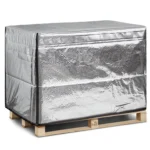
Tempk mendukung pembeli yang perlu menghubungkan pilihan kemasan dengan kondisi pengiriman sebenarnya. Rangkaian produk kami meliputi Gel Ice Packs, Paket es kering, batu bata es freezer, tas terisolasi, Kotak berinsulasi EPP, kotak pengiriman dingin, Lemari es medis VPU, liner terisolasi, penutup palet, dan bahan pengontrol suhu terkait. Kami membantu memperjelas di mana kemasan penanganan yang dapat digunakan kembali berakhir dan di mana desain kemasan rantai dingin harus dimulai.
CTA: Diskusikan rute pengiriman Anda, jenis produk, muatan yang diharapkan, model kembali, dan persyaratan suhu dengan Tempk sebelum penskalaan dari sampel ke pengadaan massal. Kami dapat membantu Anda mengidentifikasi akhir dari kemasan penanganan yang dapat digunakan kembali dan di mana desain kemasan rantai dingin harus dimulai.