Diperbarui pada: Mungkin 20, 2026
Cara Mengevaluasi kotak panel berinsulasi vakum untuk rantai dingin kosmetik Sebelum Anda Menskalakan Pengiriman Rantai Dingin
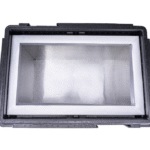
A kotak panel terisolasi vakum untuk kosmetik rantai dingin dapat menjadi pilihan tepat bila krim sensitif terhadap panas, serum, topeng, produk kecantikan yang bersih, formula dengan posisi probiotik, dan perlengkapan kosmetik premium memerlukan margin termal yang lebih besar daripada yang dapat disediakan oleh karton berinsulasi dasar. Keputusan tersebut tetap harus dibuat seperti keputusan proses rantai dingin, bukan jalan pintas pengemasan. Mulailah dengan kondisi produk, paparan rute, peta muatan, rencana pendingin, dan bukti yang diperlukan pada saat penerimaan. Isolasi VIP dapat meningkatkan desain, tetapi paket lengkap dan prosedur pengoperasian menentukan apakah pengiriman tersebut dapat diandalkan.
Untuk pembeli, tujuan praktisnya adalah menghindari dua kesalahan: kurang melindungi kiriman dan terlalu mempercayai kotak tanpa bukti. Kotaknya mungkin terlihat sederhana dari luar, tetapi berinteraksi dengan suhu, waktu, rakyat, dokumen, dan ketidakpastian rute. Itulah sebabnya evaluasi yang berguna harus mencakup kinerja dan operasi.
Pertanyaan yang tepat adalah pertanyaan yang cocok, bukan bahan premium
Isolasi VIP menarik karena dapat memberikan ketahanan termal yang kuat dalam format yang kompak. Hal ini penting bila pengiriman memiliki ruang terbatas, nilai tinggi, atau serah terima yang tidak pasti. Namun kotak panel berinsulasi vakum untuk rantai dingin kosmetik tidak secara otomatis lebih baik untuk setiap jalur. Jika rutenya pendek, persyaratan suhunya luas, dan penanganannya terkendali, solusi terisolasi yang lebih sederhana mungkin sudah cukup. Jika rutenya termasuk pengiriman paket, pengisian ulang ritel, jalur e-commerce musim panas, pementasan gudang, dan pemenuhan kecantikan lintas batas, penyangga termal yang lebih kuat mungkin lebih mudah untuk dibenarkan.
Evaluasi berbasis kecocokan mencegah pembelian berlebihan dan desain yang kurang. Overbuying terjadi ketika tim memilih kotak premium tanpa memeriksa apakah muatannya, pembawa, dan penerima dapat menggunakannya dengan benar. Underdesign terjadi ketika tim memilih paket berbiaya rendah yang tidak dapat menangani risiko serah terima yang sebenarnya. Kedua masalah tersebut dapat menimbulkan pemborosan. Pendekatan yang lebih baik adalah dengan mendeskripsikan jalur dengan jelas dan kemudian memilih paket yang sesuai dengan risikonya.
Untuk merek kosmetik, produsen kontrak, pusat pemenuhan, dan kemasan pembeli, fit juga mencakup alur kerja. Dapatkah staf pengepakan memuat kotak dengan cepat dan konsisten? Dapatkah penerima menemukan logger atau dokumen? Dapatkah kotak dibersihkan atau dikembalikan jika direncanakan untuk digunakan kembali? Apakah unit yang rusak dapat diidentifikasi? Pertanyaan-pertanyaan ini mungkin terdengar mendasar, namun mereka sering kali memutuskan apakah kemasannya berfungsi setelah beberapa pengiriman sampel pertama.
Bangun persyaratan dalam lima lapisan
Lapisan pertama adalah kondisi produk. Tentukan persyaratan suhu yang tepat dan konsekuensi paparan. Beberapa produk rusak karena panas, beberapa dengan membekukannya, beberapa dengan mencairkannya, dan beberapa dengan bersepeda berulang kali. Hindari meminjam kisaran suhu yang lazim dari kategori produk lain. Kisarannya harus berasal dari spesifikasi produk, protokol, label, berkas berkualitas, atau kebutuhan pembeli.
Lapisan kedua adalah paparan rute. Total waktu transit tidak cukup. Sebuah paket mungkin menghabiskan waktu di bangku pengepakan, di dermaga, dalam kendaraan kurir, di bandara, di bea cukai, atau di depan pintu perumahan. Setiap titik dapat menimbulkan risiko yang berbeda. Tinjauan kemasan yang baik memetakan perjalanan dari pelepasan hingga penerimaan, termasuk penundaan yang dapat diperkirakan secara wajar.
Lapisan ketiga adalah paket yang dimuat. Dimensi internal tidak sama dengan ruang muatan yang dapat digunakan. Pendingin, pemisah, bahan penyerap, liner, dokumen, dan perangkat pemantauan semuanya menggunakan ruang. Lapisan keempat adalah bukti: konteks pengujian, data jalur percontohan, dokumentasi pemasok, atau paket yang kualitasnya disetujui. Lapisan kelima adalah penanganan pengecualian. Jika pengiriman terlambat, rusak, atau di luar catatan yang diharapkan, tim membutuhkan jalur keputusan.
| Lapisan evaluasi | Titik keputusan | Kesalahan umum pembeli |
|---|---|---|
| Kondisi produk | Konfirmasikan suhu yang diperlukan dan aturan penerimaan. | Menggunakan rentang generik yang bukan milik produk. |
| Paparan rute | Pementasan peta, serah terima, waktu tinggal, dan musiman. | Dilihat hanya berdasarkan waktu transit kurir. |
| Desain paket | Tinjau cairan pendingin, pemisah, peta muatan, penutup, dan memantau penempatannya. | Menyetujui sampel kosong tanpa tes yang dimuat. |
| Bukti | Cocokkan data uji atau catatan pilot dengan jalur yang direncanakan. | Memperlakukan klaim waktu tunggu umum sebagai sesuatu yang universal. |
| Operasi | Definisikan pengepakan, menerima, penggunaan kembali, pembersihan, dan prosedur pengecualian. | Dengan asumsi staf akan menafsirkan proses dengan benar tanpa instruksi tertulis. |
Lapisan-lapisan ini menjaga proses pembelian tetap berjalan. Percakapan dengan pemasok menjadi lebih berguna ketika pembeli dapat menjelaskan produknya, rute, paket, tingkat bukti, dan proses operasi. Ini juga membuat kutipan lebih mudah untuk dibandingkan, karena masing-masing pemasok merespons kebutuhan nyata yang sama dibandingkan permintaan luas akan kotak berinsulasi.
Dimana paket lengkap bisa gagal
Komponen yang paling terlihat adalah kotaknya, namun kegagalan seringkali datang dari sesuatu yang kurang terlihat. Pendingin mungkin dikondisikan secara tidak benar. Pemisah mungkin hilang. Muatan dapat dimuat dalam orientasi yang berbeda dari peta yang disetujui. Penutup mungkin tidak dapat menutup sepenuhnya. Logger dapat ditempatkan di dekat cairan pendingin, bukan di dekat area risiko muatan. Tim penerima dapat membuka kotak itu, menghapus item, dan lupa mengunduh catatan suhu.
Untuk topik ini, batas itu penting: itu tidak menciptakan umur simpan yang sah, menggantikan pengujian stabilitas, atau mengubah kosmetik menjadi pengiriman yang sesuai dengan obat-obatan. Oleh karena itu, pembeli harus menghindari pernyataan yang membuat kotak terdengar seperti keseluruhan sistem kendali. Pernyataan yang lebih akurat adalah bahwa kotak tersebut mendukung pengemasan pasif yang dikontrol suhu bila dikombinasikan dengan cairan pendingin yang tepat, prosedur pemuatan, pemantauan, dan tinjauan khusus rute.
Titik kegagalan lainnya adalah perubahan. Paket ini mungkin berfungsi untuk satu ukuran muatan tetapi tidak untuk ukuran muatan lainnya. Ini mungkin berhasil di satu musim tetapi perlu penyesuaian di musim lain. Ini mungkin berfungsi dengan satu operator tetapi gagal ketika ditransfer ke tingkat layanan yang berbeda. Ini mungkin diterima oleh satu penerima tetapi ditolak oleh penerima lain karena dokumen atau proses logger berbeda. Pola pikir pengendalian perubahan penting bahkan untuk kemasan yang secara fisik tampak sederhana.
Contoh praktis: contoh persetujuan yang mencegah masalah di kemudian hari
Bayangkan paket serum premium dipindahkan melalui pusat parsel regional yang populer sebelum dikirim ke pelanggan yang mengharapkan produk terlihat dan terasa tidak berubah. Selama persetujuan sampel, tim tidak hanya harus memeriksa apakah kotaknya tertutup. Mereka harus memuat muatan atau muatan yang setara secara realistis, tambahkan cairan pendingin, posisikan logger mana pun, termasuk dokumen, dan mensimulasikan langkah-langkah yang akan diikuti staf. Mereka harus memperhatikan apakah kotak itu mudah ditutup, apakah label cocok, apakah muatan terlindung dari kontak langsung dengan cairan pendingin, dan apakah penerima dapat memeriksa kiriman tanpa kebingungan.
Pendekatan ini dapat mengungkap masalah sebelum pesanan pembelian berjumlah besar. Mungkin muatannya bergeser selama penanganan. Mungkin kotaknya terlalu besar untuk tingkat layanan kurir. Mungkin desain yang dapat digunakan kembali memerlukan proses penghapusan label yang lebih kuat. Mungkin rencana pendingin terlalu rumit untuk jalur pemenuhan yang sibuk. Temuan ini bukanlah kegagalan sampel. Ini adalah informasi berguna yang mengubah ide pengemasan menjadi prosedur operasi.
Alat pengambilan keputusan yang berguna
Periksa detailnya sebelum Anda memilih kemasan
Alat cepat ini dapat membantu Anda membandingkan risiko rute, kebutuhan ukuran, pilihan pendingin, dan detail kemasan sebelum Anda meminta penawaran.
Referensi Bahan Isolasi
Bandingkan pilihan bahan insulasi untuk kebutuhan pengemasan rantai dingin yang berbeda.
Bandingkan bahanPembuat Daftar Periksa Kepatuhan
Buatlah daftar periksa praktis untuk tinjauan kemasan, pengiriman, dan dokumentasi.
Buat daftar periksaPendingin & Referensi PCM
Bandingkan opsi cairan pendingin dan PCM ketika suatu rute memerlukan dukungan suhu tambahan.
Bandingkan pilihanPertanyaan pemasok yang benar-benar penting
Saat membandingkan pemasok kotak panel berinsulasi vakum untuk rantai dingin kosmetik, tanyakan bagaimana panel VIP dilindungi, berapa volume yang dapat digunakan dan dimuat, dan apakah unit produksi cocok dengan sampel. Mintalah instruksi paket dan asumsi pengujian di balik pernyataan kinerja apa pun. Tanyakan apakah pemasok dapat mendukung variasi musiman, pemeriksaan kotak rusak, komponen pengganti, dan mengulangi pesanan. Jika pengiriman diatur, tanyakan apa yang disediakan pemasok dan apa yang masih menjadi tanggung jawab pembeli.
Percakapan pemasok yang baik bersifat spesifik dan terkadang tidak nyaman. Pemasok yang kredibel harus bersedia mendiskusikan batasannya, tidak hanya kelebihannya saja. Jika sebuah kotak belum dievaluasi jalurnya, pemasok tidak boleh menyajikannya sebagai terbukti untuk jalur itu. Jika klaim keberlanjutan bergantung pada penggunaan kembali, tingkat pengembalian dan proses pembersihan harus menjadi bagian dari diskusi. Kalau klaim komplain tergantung prosedur pembeli, batas itu harus jelas.
Untuk krim yang sensitif terhadap panas, serum, topeng, produk kecantikan yang bersih, formula dengan posisi probiotik, dan perlengkapan kosmetik premium, tim pembelian juga harus melibatkan operasi sejak dini. Pengadaan dapat membandingkan harga, kualitas dapat meninjau bukti, logistik mungkin memahami risiko operator, dan staf gudang mungkin mengetahui apakah pengemasan dapat diulangi. Paket ini berhasil hanya jika tim-tim ini sepakat mengenai apa yang diharapkan dari kotak tersebut dan apa yang harus diperiksa pada setiap langkah.
Pemeriksaan operasional sebelum peluncuran
Pengulangan staf layak mendapat tinjauan tersendiri. Kotak panel berinsulasi vakum untuk rantai dingin kosmetik mungkin terlihat kokoh selama persetujuan sampel, namun pengiriman rutin bergantung pada orang yang melakukan langkah yang sama di bawah tekanan waktu. Staf pengepakan memerlukan urutan kerja yang jelas: siapkan kotaknya, kondisi pendingin, periksa liner, Muat muatan, letakkan monitor apa pun, tutup penutupnya dengan benar, menerapkan label, dan mencatat informasi rilis. Jika langkah tersebut tidak mudah, ulangi, keuntungan termal teoretis dari insulasi VIP mungkin tidak menjadi kinerja pengiriman yang andal.
Pembeli juga harus memisahkan persetujuan desain dari persetujuan pembelian. Persetujuan desain menanyakan apakah kemasan tersebut melindungi krim yang peka terhadap panas, serum, topeng, produk kecantikan yang bersih, formula dengan posisi probiotik, dan perlengkapan kosmetik premium dalam kondisi realistis. Persetujuan pembelian menanyakan apakah pemasok dapat mengirimkan unit yang konsisten, suku cadang pengganti, instruksi pengemasan, dan dukungan ketika rute berubah. Penawaran yang rendah kurang menarik jika dimensi kotaknya berbeda-beda, jika kecocokan tutupnya berubah antar batch, atau jika pemasok tidak dapat menjelaskan bagaimana paket tersebut dievaluasi.
Tim penerima juga patut mendapat perhatian. Sebuah paket dapat meninggalkan gudang dengan benar dan masih gagal dalam pemeriksaan jika lokasi penerima tidak mengetahui di mana logger berada, bukti suhu apa yang harus ditinjau, bagaimana menilai kerusakan fisik, atau apa yang harus dilakukan jika pengiriman tertunda. Untuk pengiriman terkontrol, daftar periksa penerimaan harus ditulis sebelum kemasan diskalakan, karena ini mendefinisikan seperti apa kesuksesan di ujung jalan.
Jangan menganggap musim sebagai hal sepele. Rute cuaca hangat, rute cuaca dingin, pengiriman akhir pekan, waktu tunggu bandara, dan kemacetan saat liburan dapat mengubah profil risiko. Kotak panel berinsulasi vakum untuk rantai dingin kosmetik harus ditinjau ulang terhadap kondisi ini sebelum digunakan secara luas. Ketika bukti hilang, meminta pengiriman percontohan, tes ruang, atau tinjauan paket yang terdokumentasi daripada mengandalkan klaim luas tentang kinerja isolasi.
FAQ
Apa yang membuat kotak panel berinsulasi vakum untuk rantai dingin kosmetik berbeda dari kotak berinsulasi dasar?
Perbedaan utamanya adalah penggunaan panel insulasi vakum untuk mengurangi perpindahan panas pada profil insulasi yang lebih tipis. Hal ini dapat membantu menghemat ruang muatan atau meningkatkan margin termal. Perbedaannya hanya menjadi penting jika paket lengkap dirancang dan digunakan dengan benar.
Dapatkah saya mengandalkan klaim waktu tunggu pemasok?
Gunakan mereka sebagai titik awal, bukan sebagai janji universal. Minta muatannya, pendingin, profil lingkungan, penempatan sensor, dan kriteria penerimaan di balik klaim tersebut. Jika jalur Anda berbeda, meminta tinjauan percontohan atau evaluasi khusus rute.
Apakah jenis kemasan ini cocok untuk pengiriman yang diatur?
Ini mungkin mendukung pengiriman yang diatur, namun kotak itu sendiri tidak menciptakan kepatuhan. Barang yang diatur mungkin memerlukan klasifikasi, Sops, staf terlatih, pemantauan, dokumentasi, penanganan penyimpangan, atau persyaratan kemasan tertentu. Pembeli harus mengonfirmasi persyaratan dengan tim mutu atau pengatur.
Apa pemeriksaan sampel yang paling penting?
Setujui paket yang dimuat, bukan kotak kosong. Konfirmasikan ruang yang dapat digunakan, posisi pendingin, penempatan pemisah, kualitas penutupan, area label, penempatan monitor, dan menerima langkah. Hal ini mencegah kejutan ketika paket berpindah dari tinjauan sampel ke operasi rutin.
Apakah kemasan ini dapat mendukung tujuan keberlanjutan??
Itu bisa, terutama ketika mengurangi pengiriman yang gagal, pengepakan berlebihan, atau sampah sekali pakai. Namun klaim karbon netral atau rendah karbon memerlukan bukti terukur. Penggunaan kembali, logistik pengembalian, pembersihan, tingkat kerusakan, dan penanganan di akhir masa pakai semuanya mempengaruhi hasilnya.
Kesimpulan
Kotak panel berinsulasi vakum untuk rantai dingin kosmetik harus dievaluasi sebagai bagian dari alur kerja rantai dingin yang lengkap. Isolasi VIP bisa sangat berharga, tapi keputusan sebenarnya tergantung pada kondisi produk, paparan rute, peta muatan, rencana pendingin, bukti, pengulangan staf, dan menerima pemeriksaan. Proses pengadaan yang paling aman memerlukan bukti spesifik, mendefinisikan batasan, dan memeriksa apakah sampel dapat menjadi paket rutin yang andal.
Tentang tempk
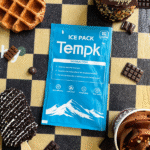
Tempk menyediakan Kemasan yang dikendalikan suhu komponen seperti Paket es, Sumber dingin terkait PCM, kotak terisolasi, pendingin medis, liner, Dan penutup palet untuk logistik rantai dingin. Untuk pembeli membandingkan kotak panel berinsulasi vakum untuk rantai dingin kosmetik, kami fokus pada kesesuaian rute, ruang yang dapat digunakan, menangani kenyataan, dan pengulangan paket. Pendekatan praktis tersebut membantu tim menghindari kebingungan bahan isolasi dengan selesai, sistem pengiriman yang berkualitas.
Langkah selanjutnya
Kirimkan Tempk jenis rumus Anda, format kemasan, dan masalah pengiriman musim panas untuk membandingkan kepraktisan kemasan rantai dingin opsi.