paket es kering massal untuk pengiriman coklat: Pemilihan Pemasok dan Keputusan Pengemasan yang Praktis
Membeli dalam jumlah besar Paket es kering karena pengiriman coklat bukan sekedar tugas pengadaan. Ini adalah keputusan tentang kisaran suhu, sensitivitas produk, desain paket, moda transportasi, dan berapa banyak bukti yang dibutuhkan tim penerima atau kualitas Anda setelah pengiriman. Langkah pertama adalah menentukan apakah Anda memerlukan es kering CO2 padat yang sebenarnya, paket beku terhidrasi yang dijual sebagai paket es kering, atau PCM yang berbeda atau paket gel. Setelah itu jelas, pemilihan pemasok menjadi lebih praktis dan tidak terlalu berisiko.
Keputusan sebenarnya di balik pembelian
Ungkapan paket es kering curah untuk pengiriman coklat terdengar spesifik, tapi itu menyembunyikan beberapa keputusan. Anda mungkin memilih antara es kering CO2 padat, paket beku yang dapat dihidrasi, paket gel, paket PCM, atau sebuah pengirim terisolasi konfigurasi. Anda mungkin juga memutuskan apakah kiriman Anda memerlukan perlindungan beku, perlindungan pendingin, buffering panas yang singkat, atau hanya cadangan terhadap paparan sementara.
Itulah sebabnya percakapan pemasok yang bermanfaat dimulai dengan muatannya. Pengiriman coklat tergantung panas rute, waktu tinggal pembawa, isolasi, dan momen unboxing pelanggan. Tujuannya adalah penyampaian keren yang terkendali, bukan pembekuan yang tidak perlu. Jika pemasok tidak menanyakan hal ini, rekomendasinya mungkin didasarkan pada katalog dan bukan pada pengiriman.
Keputusan kedua adalah bukti. Paket bisa jadi dingin dan masih belum terbukti untuk rute Anda. Tanyakan apakah konfigurasi yang diusulkan telah diuji dalam kondisi yang mirip dengan moda transportasi Anda, muatan, paparan lingkungan, dan kriteria penerimaan. Jika tidak, memperlakukan pesanan pertama sebagai uji coba sampel dan bukan sebagai persetujuan pengadaan penuh.
Apabila paket es kering sesuai dengan pengiriman
Ini mungkin cocok dengan jalur pengiriman panas ekstrem, makanan penutup coklat beku, atau pengiriman B2B massal dengan instruksi pembongkaran dan lapisan penyangga yang jelas. Alasannya sangat jelas: es kering menyerap panas dengan kuat dan tidak berubah menjadi air cair. Hal ini dapat bermanfaat ketika karton harus tetap kering, ketika kondisi beku penting, atau ketika pengirim memiliki ruang terbatas untuk es cair.
Es kering sejati juga membawa kewajiban. Ini melepaskan gas CO2, jadi kemasannya tidak boleh kedap udara. Untuk transportasi udara, es kering biasanya memerlukan penandaan yang tepat, informasi kuantitas bersih, dan pemeriksaan penerimaan operator. Pekerja harus dilatih untuk menghindari kontak langsung dan area penyimpanan atau penanganan yang berventilasi buruk.
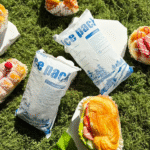
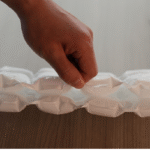
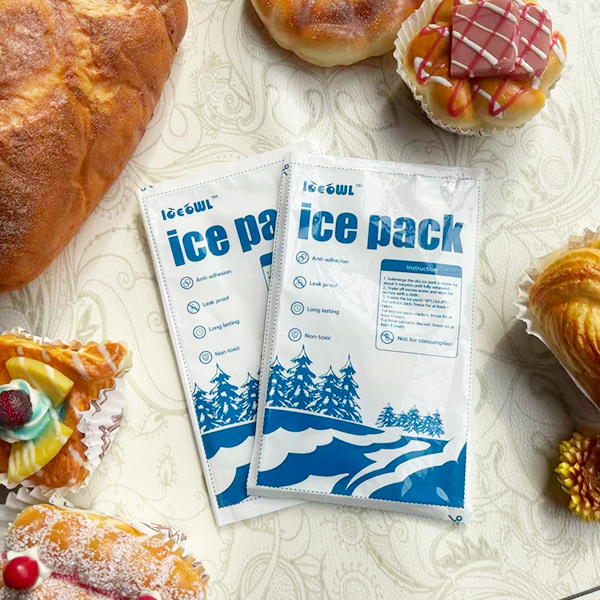
Dapat terhidrasi lembar paket es kering memiliki kesesuaian yang berbeda. Mereka mungkin berguna ketika pembeli menginginkan bobot pengiriman yang lebih rendah sebelum persiapan, penyimpanan lebih mudah sebelum hidrasi, atau paket fleksibel yang membeku menjadi lembaran. Namun pembeli tidak boleh berasumsi bahwa profil dinginnya sama dengan CO2 padat. Tanyakan perilaku suhu yang diharapkan pemasok dan bagaimana pengujiannya.
Ketika cairan pendingin lain lebih aman
Untuk banyak paket coklat langsung ke konsumen, lebih ringan paket dingin, isolasi, waktu pengiriman, dan komunikasi pelanggan mungkin lebih baik daripada es kering yang sebenarnya. Paket yang tiba dalam keadaan beku dapat menimbulkan kondensasi segera setelah penerima membukanya, yang dapat menyebabkan mekarnya gula atau kerusakan kemasan. Dalam kasus ini, kemasan yang tidak terlalu dingin namun lebih stabil dapat menjadi pilihan teknik yang lebih baik.
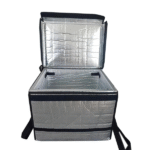
Paket PCM dapat berguna ketika muatannya memerlukan ruang pendingin yang sempit. Paket gel mungkin cocok untuk rute makanan dingin yang pendek. Dapat digunakan kembali wadah terisolasi mungkin lebih baik untuk pengiriman loop tertutup. Kendaraan berpendingin mungkin diperlukan ketika muatannya besar atau rutenya memiliki banyak perhentian. Paket es kering harus bersaing dengan pilihan ini dengan jujur, bukan sebagai jawaban default.
Pembeli juga harus memikirkan presentasi produk. Meskipun produk tersebut masih dapat digunakan, embun beku, label basah, karton yang melunak, atau kondensasi dapat menimbulkan penolakan atau keluhan pelanggan. Untuk barang yang sensitif terhadap merek, pengalaman pengemasan adalah bagian dari hasil rantai dingin.
Poin evaluasi pemasok untuk pengadaan massal atau pabrikan
| Pertanyaan pembeli | Mengapa itu penting | Bukti untuk diminta |
|---|---|---|
| Bisakah pengepakan dilakukan secara bertahap tanpa memperlambat jalur pengepakan kami? | Mencegah cairan pendingin yang salah digunakan secara massal | Lembar spesifikasi pemasok dan catatan persetujuan sampel |
| Apa yang terjadi jika bungkusan itu menghangat di teras? | Mencegah cairan pendingin yang salah digunakan secara massal | Lembar spesifikasi pemasok dan catatan persetujuan sampel |
| Apakah paket memerlukan sisipan pengaman? | Mencegah cairan pendingin yang salah digunakan secara massal | Lembar spesifikasi pemasok dan catatan persetujuan sampel |
| Bagaimana pemasok merekomendasikan untuk memisahkan cairan pendingin dari kemasan eceran? | Mencegah cairan pendingin yang salah digunakan secara massal | Lembar spesifikasi pemasok dan catatan persetujuan sampel |
| Bisakah kami menguji pengiriman jalur panas sebelum memesan stok massal? | Mencegah cairan pendingin yang salah digunakan secara massal | Catatan tes paket, contoh laporan, atau protokol percobaan |
Gunakan pertanyaan-pertanyaan ini sejak dini. Mereka membantu memisahkan pemasok yang memahami pengiriman dari pemasok yang hanya menjual komponen dingin. Pemasok yang tepat harus mampu menjelaskan tidak hanya apa fungsi kemasannya, tapi di tempat yang tidak boleh digunakan.
Desain paket: rincian yang menentukan kinerja
Paket adalah pengaturan produk, pendingin, isolasi, isi kosong, perangkat pemantauan, dan kemasan luar. Hal ini harus ditulis dengan cukup jelas sehingga pekerja terlatih lainnya dapat mengulanginya. Instruksi harus mencakup pengondisian paket, kuantitas, penempatan, pemisahan dari produk, metode penutupan, dan tindakan penerimaan apa pun.
Untuk pengiriman coklat, perpisahan sering kali menjadi penentu. Lapisan penghalang, kompartemen, lengan produk, atau celah udara yang terkontrol dapat mencegah kerusakan akibat pembekuan atau kondensasi. Pemasok harus menjelaskan bagaimana kemasan harus ditempatkan dan apakah desain telah diperiksa dengan muatan yang representatif.
Pemantauan suhu harus direncanakan, tidak ditambahkan begitu saja di akhir. Logger di dekat cairan pendingin mungkin menunjukkan nilai yang tidak mewakili produk. Logger yang terkubur di dalam produk mungkin melewatkan paparan tepi. Penempatan yang tepat tergantung pada pertanyaan apa yang perlu dijawab oleh penerima. Tujuannya untuk membuktikan kondisi inti produk, mengidentifikasi tepi hangat, atau mendokumentasikan paparan rute?
Tinjauan sampel sebelum melakukan pesanan dalam jumlah besar
Sebelum berpindah dari sampel ke massal, menguji sistem dalam kondisi realistis. Gunakan karton luar yang dimaksud, isolasi, ukuran muatan, kuantitas paket, dan langkah penanganannya. Sertakan waktu pementasan normal dan penundaan penerimaan jika itu terjadi di kehidupan nyata. Catat apa yang terjadi pada produk, karton, Label, dan bahan penyerap atau bahan eceran apa pun.
Kajian tersebut harus mencakup staf operasional. Pengadaan mungkin fokus pada harga dan waktu tunggu, namun tim gudang mengetahui apakah paket tersebut mudah untuk disusun dan ditempatkan. Tim yang berkualitas mengetahui catatan mana yang penting. Tim layanan pelanggan mengetahui keluhan apa saja yang terjadi setelah pengiriman. Tinjauan singkat lintas fungsi dapat mencegah daftar panjang klaim yang dapat dihindari.
Setelah disetujui, membekukan spesifikasinya. Tentukan ukuran paket, bahan, metode pengkondisian, karton, liner, penempatan, dan instruksi. Tanyakan kepada pemasok bagaimana perubahan akan dikomunikasikan. Pemesanan dalam jumlah banyak sebaiknya mengulang sistem yang sudah disetujui, tidak diam-diam berkembang menjadi sesuatu yang berbeda.
Contoh praktis
Pengirim kotak langganan dapat mengirimkan Senin sampai Rabu dengan liner terisolasi dan paket dingin sehingga paket menghindari waktu tinggal di akhir pekan. Es kering mungkin disediakan untuk daerah yang lebih panas atau makanan beku, dengan sisipan peringatan dan penghalang yang menjaga kemasan eceran tetap kering. Contohnya bukanlah paket universal. Ini merupakan pengingat bahwa pemilihan cairan pendingin harus mengikuti risiko produk. Dua pengiriman mungkin menggunakan pemasok yang sama tetapi memerlukan jenis paket yang berbeda, metode pemisahan, dan menerima cek.
Kesalahan umum yang harus dihindari
Salah satu kesalahannya adalah membeli berdasarkan berat kemasan saja. Kemas barang massal itu penting, tapi itu tidak memberitahu Anda bagaimana perilaku muatan di dalam pengirim. Isolasi, ruang udara, massa produk, rute, dan penempatan dapat mengubah hasilnya.
Kesalahan lainnya adalah memperlakukan pernyataan waktu tunggu pemasok sebagai jaminan. Waktu tunggu selalu terkait dengan kondisi pengujian. Jika pengujian yang disebutkan menggunakan muatan yang berbeda, karton, profil lingkungan, atau batas penerimaan, itu mungkin tidak menggambarkan kiriman Anda.
Alat pengambilan keputusan yang berguna
Periksa detailnya sebelum Anda memilih kemasan
Alat cepat ini dapat membantu Anda membandingkan risiko rute, kebutuhan ukuran, pilihan pendingin, dan detail kemasan sebelum Anda meminta penawaran.
Pelapis Kotak & Ukuran Penutup Palet
Centang kotak logika ukuran penutup palet dan liner untuk proyek pengemasan berinsulasi.
Perkiraan ukuranKalkulator Es Kering
Perkirakan kebutuhan es kering untuk pengiriman beku atau sangat dingin sebelum pengepakan.
Perkirakan es keringPemilih Kemasan
Bandingkan opsi kemasan berinsulasi berdasarkan produk, rute, dan kebutuhan suhu.
Temukan kemasannyaKesalahan ketiga adalah kegagalan membedakan perlindungan produk dari dokumentasi. Kompres es kering dapat membantu menciptakan lingkungan yang tepat, tapi itu tidak memberikan bukti. Seorang logger memberikan bukti, tapi itu tidak mendinginkan produk. Sistem yang terkendali menggunakan keduanya dengan benar ketika risiko membenarkannya.
Pemeriksaan implementasi sebelum peningkatan skala
File persetujuan yang berguna harus cukup jelas untuk penggunaan sehari-hari. Pertahankan persyaratan produk, spesifikasi paket, instruksi pengkondisian, tata letak karton, dan menerima kriteria di satu tempat. Ketika pengiriman gagal, tim kehilangan waktu jika pengadaan memiliki penawaran pemasok, gudang memiliki catatan pengepakan terpisah, dan kualitas tidak ada catatan uji cobanya. File yang ringkas lebih mudah dipelihara dan dilatih.
Musiman harus ditangani dengan sengaja. Paket musim panas mungkin memerlukan jumlah cairan pendingin yang berbeda, batas pengiriman, atau isolasi luar daripada paket musim dingin. Itu tidak berarti pembeli membutuhkan pemasok baru setiap musim. Artinya, spesifikasi kemasan harus menyatakan musim atau kondisi lingkungan mana yang ditinjau, dan kapan konfigurasi kedua diperlukan.
Penerimaan umpan balik harus dikumpulkan selama pengiriman pertama setelah peningkatan skala. Minta penerima untuk melaporkan basahnya karton, kondisi produk, keterbacaan label, cairan pendingin yang tersisa, dan kesulitan membongkar apa pun. Perincian ini sering kali mengungkap permasalahan praktis sebelum menjadi klaim besar. Mereka juga membantu pemasok menyesuaikan ukuran paket, penempatan, atau instruksi dengan bukti, bukan dugaan.
Akhirnya, hindari memperlakukan pengemasan sebagai hal yang terpisah dari pengoperasian. Paket yang baik tidak dapat memperbaiki keterlambatan pemuatan, pementasan hangat, kapasitas freezer tidak mencukupi, atau instruksi penerimaan yang tidak jelas. Paket itu, pengirim, dan proses kerjanya harus dirancang bersama. Hal ini terutama berlaku bila kata kuncinya mencakup pemasok, pabrikan, grosir, atau massal, karena keputusan tersebut akan diulangi pada banyak pengiriman.
Produksi pertama yang dijalankan setelah persetujuan sampel harus diawasi lebih ketat daripada pesanan berulang normal. Operator harus mencatat berapa lama kemasan disimpan di luar freezer, apakah karton mudah ditutup, apakah ada paket yang bocor atau retak, dan apakah susunan produk sudah sesuai dengan gambar. Catatan ini kecil, tapi mereka membuat pesanan kedua jauh lebih aman.
Komunikasi pemasok harus mencakup kontrol perubahan. Jika ketebalan film, bahan penyerap, ukuran paket, jumlah karton, pencetakan label, atau membekukan perubahan instruksi setelah disetujui, pembeli harus diberitahu sebelum pengiriman berikutnya. Paket es kering mungkin terlihat serupa, namun berperilaku berbeda di dalam kotak, terutama bila desainnya mengandalkan massa dan penempatan termal.
Untuk rute dengan es kering sungguhan, melatih staf tentang ventilasi, penanganan yang protektif, dan selisih antara berat es kering dan berat total kemasan. Untuk rute dengan paket bergaya es kering yang dapat dihidrasi, melatih staf tentang perendaman, menguras, pembekuan, inspeksi, dan pembuangan atau penggunaan kembali ekspektasi. Kedua opsi tersebut memerlukan instruksi kerja; tidak juga harus bergantung pada ingatan.
Jangan abaikan karton luarnya. Kekuatan karton, pola pita, lapisan dalam, pemisah, bantalan penyerap, dan penempatan label semuanya mempengaruhi penerimaan kiriman. Muatan bisa tetap dingin tetapi tetap gagal jika paket tiba dalam keadaan basah, terdistorsi, sulit dibuka, atau tidak jelas bagi penerimanya. Sumber yang bagus mengulas paket lengkap, tidak hanya paket dingin.
Tim pembelian harus memutuskan bukti apa yang sebanding dengan risikonya. Paket makanan beku bernilai rendah mungkin memerlukan uji coba praktis dan pemeriksaan kedatangan. Rute farmasi atau vaksin mungkin memerlukan tinjauan terkontrol, catatan penebang kayu, SOP tertulis, dan persetujuan kualitas. Meminta bukti yang tepat akan mencegah adanya dokumen yang tidak terkendali dan tidak perlu.
Total biaya harus mencakup respons kegagalan. Produk pengganti, catatan kredit, penanganan pengaduan, pengiriman ulang, pembuangan, dan kepercayaan pelanggan bisa lebih mahal daripada paket dingin itu sendiri. Biaya pengepakan yang sedikit lebih tinggi mungkin masuk akal jika menurunkan kemungkinan kerusakan saat kedatangan dan membuat penyelidikan lebih cepat ketika terjadi penundaan rute.
Spesifikasi massal terbaik adalah spesifikasi yang dapat dijalankan oleh gudang pada hari sibuk. Ini harus menentukan jumlah paket, posisi bungkusan, pemisah, orientasi muatan, metode penutupan, penempatan label, dan waktu maksimum mulai dari pelepasan freezer hingga penyegelan akhir. Instruksi yang jelas sangat penting terutama ketika pekerja sementara atau beberapa shift menangani pengepakan.
Saat membandingkan dua pemasok, minta keduanya untuk menanggapi profil pengiriman yang sama. Beri mereka deskripsi muatan yang sama, ukuran kotak, waktu transit, musim, tujuan, dan menerima standar. Jawaban mereka akan mengungkapkan apakah mereka memikirkan rute Anda atau hanya menjual produk media pendingin umum.
FAQ
Bagaimana cara memilih paket es kering curah untuk pemasok pengiriman coklat?
Pilih pemasok yang dapat menentukan jenis paket, menjelaskan kecocokan produk, memberikan sampel, mendiskusikan risiko paket, dan menjaga konsistensi produksi. Untuk pengiriman coklat, pemasok tidak boleh merekomendasikan satu kemasan untuk setiap produk tanpa menanyakan persyaratan rute dan suhu.
Kapan sebenarnya es kering menjadi pilihan yang tepat?
Es kering sejati paling cocok bila muatan memerlukan kondisi beku atau sangat dingin dan kemasannya dapat mengeluarkan gas CO2 dengan aman. Ini harus digunakan dengan penandaan pengangkutan dan prosedur penanganan yang benar bila diperlukan.
Kapan cairan pendingin lain lebih baik?
Pendingin lain lebih baik bila produk harus tetap dingin tetapi tidak beku. Paket yang tiba dalam keadaan beku dapat menimbulkan kondensasi segera setelah penerima membukanya, yang dapat menyebabkan mekarnya gula atau kerusakan kemasan. PCM atau paket gel dapat memberikan profil suhu yang lebih aman jika disesuaikan dengan produk dan pengirimnya.
Apa yang harus disertakan dalam sampel uji coba?
Uji coba sampel harus menggunakan produk asli atau muatan yang representatif, karton yang direncanakan, rute atau profil termal yang dituju, proses pengkondisian yang benar, dan menerima kriteria pemeriksaan. Catat suhu sebelum meningkatkan ke pasokan massal.
Bisakah Tempk merekomendasikan paket tanpa detail rute?
Rekomendasi dasar dimungkinkan, tetapi rekomendasi yang akurat memerlukan jenis produk, kisaran suhu yang diperlukan, Durasi Pengiriman, ukuran muatan, moda transportasi, dan kondisi penanganan. Detail tersebut membantu menghindari hipotermia dan hipotermia.
Kesimpulan
Cara yang tepat untuk membeli paket es kering curah untuk pengiriman coklat adalah dengan memperlambat pengambilan keputusan di awal dan membuatnya spesifik. Tentukan kondisi muatan, pastikan apakah kemasan tersebut benar-benar es kering atau alternatif beku, merancang pemisahan dan isolasi, dan mintalah bukti yang cocok dengan rute Anda. Setelah poin-poin tersebut jelas, pembelian dalam jumlah besar menjadi keputusan pengemasan yang terkendali, bukan pertaruhan.
Tentang tempk
Tempk mendukung B2B kemasan rantai dingin proyek di mana pendingin, isolasi, muatan, dan proses penanganannya harus bekerja sama. Untuk pengiriman coklat, hal ini sering kali berarti memperjelas apakah es kering benar-benar dibutuhkan, apakah muatan harus dilindungi dari pembekuan, dan bagaimana sampel harus ditinjau sebelum pesanan lebih besar. Tujuannya adalah panduan pengemasan praktis yang dapat didiskusikan pembeli dengan tim logistik dan kualitas mereka.
Untuk rekomendasi praktis, kirim Tempk rute Anda, kondisi produk, ukuran karton, dan volume pembelian sehingga paket dapat disesuaikan dengan pengiriman sebenarnya, bukan dengan item katalog umum.