Cara Memilih Produsen Paket Es Kering untuk Pengiriman Buah
Kerusakan pengiriman buah sering kali dimulai dengan instruksi yang masuk akal namun tidak lengkap: “tambahkan lebih banyak es.” Lebih banyak zat pendingin dapat memperpanjang pendinginan, namun juga dapat membekukan buah bagian luar, memicu cedera dingin, menciptakan kondensasi, menempati ruang aliran udara, dan menambah biaya penanganan. Memilih produsen Paket es kering untuk pengiriman buah memerlukan urutan yang lebih disiplin. Tentukan komoditas dan rutenya, mengidentifikasi apakah produk tersebut benar-benar es kering karbon dioksida padat atau lembaran hidrat yang diaktifkan air, merancang seluruh paket, dan buktikan dengan bukti suhu dan kualitas buah. Kemudian kunci hasilnya ke kontrol pabrik dan lokasi pengepakan sehingga volume musim panen berperilaku seperti sampel yang disetujui.
Menetapkan Jendela Pengoperasian Aman Komoditas
Gunakan spesifikasi pemilik buah dan panduan pascapanen resmi untuk menentukan kondisi pengiriman. Buku Panduan Pertanian USDA 66 memberikan ringkasan masing-masing komoditas karena suhu optimal buah-buahan bervariasi, kelembaban, sensitivitas dingin, perilaku etilen, pernafasan, kematangan, dan potensi penyimpanan. Kultivar, kematangan panen, kondisi pertumbuhan, dan destinasi dapat menyempurnakan panduan tersebut.
Jelaskan buah dalam istilah komersial dan juga istilah termal. Catat komoditas dan kultivar jika relevan, keadaan utuh atau baru dipotong, kematangan, metode pra-pendinginan, kondisi pulp saat pengiriman, kemasan, ventilasi kasus, massa muatan, dan jendela penjualan yang diinginkan. Identifikasi hasil yang tidak dapat diterima: pembekuan, mengadu, kegagalan untuk matang, mengerut, membusuk, memar, perubahan warna, karton basah, atau paket eceran yang dihancurkan.
Pisahkan pendinginan dari pembekuan. Beberapa komoditas tropis dan subtropis mengalami kerusakan fisiologis pada suhu tidak beku di bawah toleransinya. Gejala mungkin tidak muncul saat diterima; mereka dapat muncul selama pemasakan atau tampilan yang lebih hangat. Oleh karena itu, rencana kualifikasi mungkin memerlukan penilaian penyimpanan pasca-pengiriman daripada menilai hasil secara langsung.
Jaga agar pra-pendinginan berbeda dari pemeliharaan pengiriman. Pendinginan awal yang sesuai dengan komoditas menghilangkan panas lapangan sebelum parsel dirakit. A pengirim pasif umumnya harus dimulai dengan buah pada kondisi pengiriman yang disetujui. Menggunakan kemasan beku untuk mendinginkan buah hangat dapat menghasilkan bagian luar yang dingin, pusat hangat, kondensasi, dan berkurangnya daya tahan terhadap rute tersebut.
Jadikan Nama Pemasok sebagai Pendingin
Es kering sebenarnya adalah karbon dioksida, padat. Ini sangat dingin dan langsung berubah menjadi gas saat memanas. Kombinasi tersebut mungkin tidak sesuai untuk buah segar kecuali jika proses khusus produk membenarkannya. Kontak langsung dapat membekukan jaringan, dan gas harus keluar dari bungkusnya. Penanganannya memerlukan perlindungan dingin dan ventilasi. Transportasi udara dapat meminta PBB 1845 tanda, Label, deklarasi kuantitas, dokumentasi, pelatihan, dan cek operator.
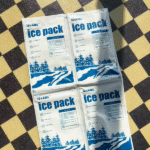
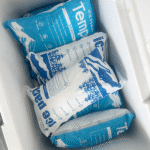
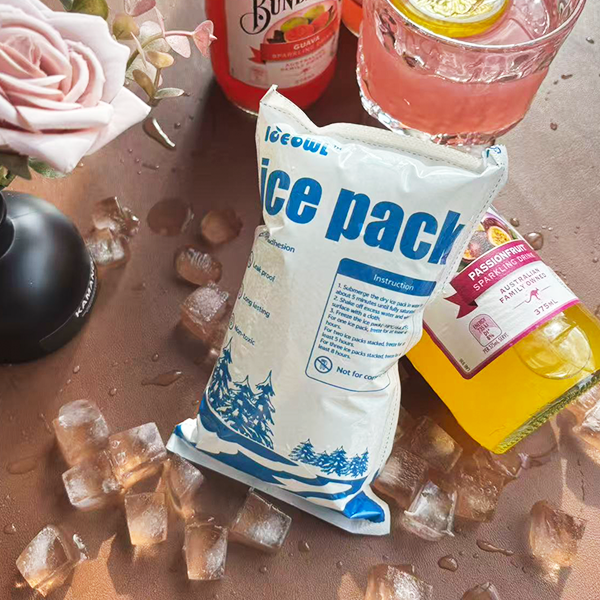
“Kantong es kering” hidrat bukanlah karbon dioksida. Ini adalah lembaran datar yang mengandung struktur penyerap, diaktifkan dengan air dan dikondisikan dalam freezer. Sel menyebarkan massa termal dan memungkinkan penempatan yang fleksibel. Hal ini tidak menghasilkan CO2 atau mewarisi aturan pengangkutan es padat-kering. Itu memang memperkenalkan kebutuhan proses: hidrasi terkontrol, drainase, pembekuan, penyimpanan bersih, dan pemeriksaan jahitan.
Kandidat lain sudah diisi sebelumnya Paket gel, kantong air keras, dan PCM yang diformulasikan. Isi mereka, perilaku transisi, pengkondisian, geometri, dan konstruksi film berbeda. Tanyakan kepada produsen mengenai identitas dan instruksi teknis daripada menyimpulkan kinerja dari kata-kata seperti es, PCM, kelas makanan, atau tahan lama.
| Pertanyaan keputusan | Jawaban pemasok yang kuat | Jawaban yang lemah |
|---|---|---|
| Apa itu refrigeran? | Nama CO2 padat, hidrat berbahan dasar air, gel, atau PCM yang ditentukan | “Teknologi es kering yang canggih” |
| Yang menentukan durasi? | Mengidentifikasi massa pendingin, isolasi, muatan, profil lingkungan, dan jangkauan | Memberikan satu nomor untuk semua kotak |
| Apakah cocok untuk buah? | Meminta batasan komoditas dan pengujian paket | Klaim universal menghasilkan kesesuaian |
| Apakah makanannya sesuai? | Menyediakan dokumen untuk materi dan skenario kontak yang dimaksudkan | Menggunakan “food grade” tanpa scope |
| Bisakah itu digunakan kembali? | Menjelaskan inspeksi, pembersihan, dan batasan pensiun | Menjanjikan pembekuan ulang tanpa batas |
| Apakah itu memenuhi syarat? | Mengidentifikasi sistem yang tepat, protokol, memuat, dan kriteria | Mentransfer logo pengujian ke komponen |
Klarifikasi awal ini melindungi teknik dan logistik. Hal ini menghindari buah yang sensitif terhadap suhu dingin terkena CO2 dingin yang tidak perlu dan mencegah tim menempatkan label barang berbahaya pada lembaran hidrat biasa..
Rancang Termal, Kelembaban, dan Antarmuka Aliran Udara
Paket pasif adalah rakitan yang terhubung. Karton luar menangani beban distribusi. Isolasi memperlambat panas luar. Pendingin menyerap energi. Kasus buah, ventilasi, liner, pembalut, dan dunnage mengatur aliran udara, kelembaban, pergerakan, dan kontak. Perubahan pada satu lapisan dapat mengubah lapisan lainnya.
Petakan kemungkinan jembatan termal pada sambungan tutup, sudut, dan isolasi terkompresi. Distribusikan cairan pendingin untuk mengatur daerah hangat tanpa menempatkan permukaan yang sangat terkondisi di dekat buah. Jika buffer diperlukan, mendefinisikan materinya, ketebalan, dan lokasi. Pastikan itu tidak runtuh, menggeser, atau menjadi jenuh selama penanganan.
Pertahankan ventilasi produksi yang diinginkan. Menghalangi lubang kulit kerang atau ventilasi casing dapat mengubah pendinginan, pertukaran gas, dan kondensasi. Sebaliknya, ruang kepala terbuka yang berlebihan dapat menyebabkan bungkusan dan buah bergerak. Gunakan sisipan terpasang yang menahan beban sekaligus mempertahankan jalur aliran udara yang diasumsikan dalam pengujian.
Rencanakan uap air. Paket dingin dapat menyebabkan kondensasi bila terkena udara lembab. Lapisan dapat melindungi isolasi dan karton, sedangkan bahan penyerap dapat menampung cairan. Lapisan ini juga dapat memerangkap kelembapan atau mengubah aliran panas. Uji dengan label sebenarnya, nampan, tas, dan buah-buahan daripada memperlakukan kontrol kelembapan sebagai tambahan kosmetik.
Efek mekanis dan termal harus diatasi secara bersamaan. Batu bata yang kaku dapat merusak buah atau menghancurkan kulit kerang. Lembaran fleksibel yang dicairkan dapat meluncur setelah dibalik. Sudut yang rusak dapat menyebabkan kebocoran panas. Pengujian distribusi dan uji rute harus memastikan bahwa zat pendingin tetap pada posisinya yang dipetakan.
Memenuhi syarat untuk Rute, Bukan Brosurnya
Tuliskan rute sebagai rangkaian peristiwa hak asuh: penghapusan dari penyimpanan dingin, perakitan, pementasan karton tertutup, menjemput, kendaraan, pusat penyortiran, tangkapan garis, mil terakhir, ambang pintu, dan menerima. Tambahkan penundaan yang kredibel, kondisi musiman, risiko hari pengiriman, dan ada bea cukai atau inspeksi apa pun.
Pilih tantangan eksternal yang mewakili risiko ini. ISTA 7E menyediakan profil suhu yang dikenali untuk pengiriman paket kemasan termal dan dapat mendukung perbandingan standar. Pembuatan profil rute menambahkan informasi lokal. Satu profil yang sukses tidak menjamin setiap iklim, melayani, atau komoditas.
Buat paket pengujian terkontrol dengan karton produksi, isolasi, paket buah, model pendingin dan hitungannya, penyangga, liner, dunnage, penutup, dan lokasi pencatat. Catat kondisi awal buah dan cairan pendingin. Batasi waktu pengepakan. Cantumkan konfigurasi payload minimum dan maksimum yang benar-benar akan dijual.
Petakan titik hangat dan dingin dengan instrumen yang dikalibrasi. Sebuah penyelidikan di udara bebas, sensor yang terpasang di permukaan, dan probe pulpa mengukur hal yang berbeda. Nyatakan mana yang mendorong penerimaan. Tinjau jejak sensor individual; rata-rata yang dapat diterima tidak dapat membatalkan tepi yang membeku atau sudut yang hangat.
Tambahkan penilaian kualitas buah. Nilai atribut yang relevan dari produsen pada tanda terima dan, dimana diperlukan, setelah periode penyimpanan atau pemasakan tertentu. Perhatikan kondensasi, kerusakan paket, pergerakan, dan kebocoran zat pendingin. Paket yang secara teknis “dingin” yang menyebabkan pitting tertunda, memar, atau pematangan yang buruk tidak memenuhi syarat untuk tujuan komersial.
Gunakan pengiriman percobaan untuk mengonfirmasi penanganan sebenarnya setelah pengujian terkontrol. Catat kejadian dan penyimpangan rute. Sidang tanpa penundaan adalah bukti perjalanan itu, bukan bukti kontingensi. Sesuaikan desain atau persempit tujuan penggunaan bila hasilnya tidak memenuhi kriteria.
Ubah Prototipe yang Disetujui Menjadi Pasokan Pabrik
Spesifikasi pembelian harus mengidentifikasi model dan revisi, bahan, dimensi dan toleransi, pola sel, atribut pengisi atau penyerap, kriteria kering dan aktif jika relevan, standar jahitan dan kebocoran, instruksi persiapan, penyimpanan, banyak pengkodean, dan kemasan karton. Tautkan laporan kualifikasi ke versi ini.
Alat pengambilan keputusan yang berguna
Periksa detailnya sebelum Anda memilih kemasan
Alat cepat ini dapat membantu Anda membandingkan risiko rute, kebutuhan ukuran, pilihan pendingin, dan detail kemasan sebelum Anda meminta penawaran.
Kalkulator Paket Es
Perkirakan jumlah paket es gel untuk pengiriman dingin dan perencanaan rute yang praktis.
Perkirakan kantong esPemilih Kemasan
Bandingkan opsi kemasan berinsulasi berdasarkan produk, rute, dan kebutuhan suhu.
Temukan kemasannyaPemeriksa Risiko Rute
Tinjau kondisi jalur sebelum memilih kemasan untuk mengetahui kebutuhan pengoperasian sebenarnya.
Periksa risiko ruteTanyakan bagaimana produsen mengontrol atribut yang mempengaruhi kinerja. Pengaturan segel mempengaruhi integritas jahitan. Dosis penyerap atau pengisian mempengaruhi massa termal. Pemotongan mempengaruhi kecocokan. Perubahan film dapat mengubah kekuatan, permeabilitas, atau fleksibilitas pada suhu rendah. Pabrikan harus mampu menjelaskan pemeriksaan dan penelusuran yang relevan tanpa memberikan janji kinerja yang tidak didukung.
Hubungkan persetujuan sampel ke produksi. Minta sampel yang representatif, memeriksanya menggunakan rencana yang dimaksudkan, dan mengaktifkan lembaran hidrat di lokasi pengepakan. Verifikasi bahwa item produksi sesuai dengan pengaturan yang memenuhi syarat. Setujui pemberitahuan terlebih dahulu untuk perubahan bahan baku, perumusan, ukuran, pola jahitan, proses, lokasi, atau instruksi.
Perencanaan pasokan musiman mengurangi substitusi yang berisiko. Diskusikan perkiraan, jumlah pesanan, format pengepakan, perencanaan waktu tunggu, pelepasan banyak, dan kontinuitas sebelum puncak panen. Kualifikasi alternatif dengan sengaja jika diperlukan. Dimensi eksternal yang sesuai tidak menghasilkan penyerapan air yang setara, massa termal, atau perilaku kontak.
Inspeksi yang masuk harus berbasis risiko. Konfirmasikan identitas, revisi, banyak, kondisi karton, kebersihan, dimensi atau massa yang dipilih, penampilan jahitan, dan dokumen. Model campuran karantina, kontaminasi, atau kebocoran. Tren masalah secara lot dan bagikan catatan aktivasi dan foto dengan produsen.
Kontrol Aktivasi dan Pengepakan pada Volume Panen
Lembar hidrat menggeser volume inventaris ke dalam operasi lokasi. Menentukan sumber air bersih, metode aktivasi, drainase, ukuran tumpukan, pengaturan freezer, kesiapan pengkondisian, penyimpanan yang dikondisikan, dan kondisi penahanan maksimum. Ukur variasi proses selama uji coba skala penuh, tidak hanya dengan beberapa lembar di freezer kosong.
Aliran udara dan pemulihan freezer dapat berubah ketika rak penuh sesak. Bungkusan dapat membeku jika tidak dikuras atau dipisahkan. Pekerja yang berbeda mungkin menafsirkan kesiapan secara berbeda. Gunakan kriteria yang dapat diukur atau diamati dengan jelas yang ditetapkan oleh proses tersebut, dan memisahkan produk berdasarkan model dan status.
Di bangku pengepakan, komponen pra-tahap dan jauhkan buah dari penyimpanan untuk jangka waktu terkendali. Gunakan instruksi lapisan visual yang menunjukkan jumlah cairan pendingin, orientasi, penyangga, ventilasi kasus, dunnage, logger, dan penutupan. Cegah cold pack menempel pada kemasan eceran yang halus. Simpan karton yang telah selesai dalam kondisi yang diasumsikan berdasarkan kualifikasi rute sambil menunggu pengambilan.
Es kering sebenarnya termasuk dalam proses terlatih terpisah dengan perlindungan kontak dingin, ventilasi, paket yang melepaskan gas, dan dokumen pengangkutan yang terverifikasi. Jangan sampai kesamaan nama produk mencampurkan CO2 padat dengan persediaan hidrat atau instruksi kerja.
Saat diterima, memeriksa waktu, kerusakan, kebasahan, kebocoran paket, kondisi buah, dan ukuran suhu yang disetujui. Pindahkan buah ke lingkungan yang benar dengan cepat. Alarm atau cacat kualitas harus memicu pemisahan dan peninjauan resmi. Kemasan yang dibekukan atau dicairkan saja tidak menentukan disposisi.
Mengurangi Dampak Lingkungan Tanpa Memindahkan Risiko
Cegah dulu kehilangan buah. Kemudian periksa setiap fungsi kemasan dan hilangkan kelebihannya dengan bukti. Karton berukuran tepat dapat mengurangi isolasi, pendingin, kubus barang, dan ruang kosong, namun mereka harus menjaga ventilasi komoditas dan geometri penyangga. Kembangkan modul terkontrol untuk ukuran pesanan umum, bukan kotak universal berukuran besar.
Lembaran hidrat disimpan rata sebelum aktivasi, yang dapat mengurangi volume masuk dan gudang dibandingkan dengan paket pra-isi dengan ukuran aktif serupa. Hasil lingkungan total juga mencakup materi, air, energi beku, massa keluar, perlindungan produk, penggunaan kembali, kembali, dan pembuangan. Batasi klaim pada batas yang didukung oleh data.
Penggunaan kembali adalah properti rute dan juga properti produk. Perputaran belanjaan yang tertutup dapat memulihkan sebagian besar paket; jaringan konsumen terbuka mungkin tidak. Unit yang dikembalikan memerlukan karantina, pembersihan, pemeriksaan tusukan dan kontaminasi, rekondisi, pelacakan, dan pensiun. Hitung penggunaan sebenarnya yang berhasil. Jika transportasi kembali dan kerugiannya tinggi, solusi sekali pakai dengan ukuran yang tepat mungkin memiliki kinerja yang lebih baik secara keseluruhan.
Tanyakan kepada produsen mengenai identifikasi bahan dan petunjuk pembuangannya. Sistem daur ulang lokal mungkin tidak menerima lapisan film berlapis-lapis atau isi penyerap. Jangan mencetak barang daur ulang secara luas, kompos, atau klaim biodegradable tanpa bukti lengkap barang dan tujuan.
Ukur limbah situs. Lacak lembaran kering yang rusak, aktivasi gagal, paket AC yang tidak terpakai, ruang freezer, penolakan kemasan, dan klaim buah. Pengamatan ini mengungkapkan perbaikan yang tidak terdapat pada perbandingan material tingkat unit.
Pertanyaan yang sering diajukan
Sampel pertama apa yang harus diminta oleh pengirim buah?
Minta konstruksi persis yang diusulkan untuk produksi dalam dimensi yang sesuai dengan karton yang direncanakan. Tanyakan spesifikasinya, instruksi aktivasi, dokumen material, dan identitas lot. Gunakan terlebih dahulu untuk uji kecocokan dan persiapan, kemudian evaluasi dalam kemasan lengkap berdasarkan kriteria termal dan kualitas yang ditentukan.
Apakah es kering padat cocok untuk buah beri atau buah tropis?
Jangan memutuskan berdasarkan kategori saja, namun es kering yang sebenarnya menciptakan batas yang sangat dingin dan risiko pembekuan lokal yang besar bagi buah segar. Buah-buahan tropis juga mungkin mengalami cedera dingin yang tidak membekukan. Gunakan persyaratan dan pengujian pascapanen khusus produk; pendingin yang lebih lembut seringkali merupakan kandidat yang lebih logis untuk produk segar yang didinginkan.
Dapatkah satu pengujian ambien mencakup seluruh tahun?
Hanya jika profil dan konfigurasi yang dipilih sesuai untuk paparan panas dan dingin yang relevan. Banyak jalur memerlukan tantangan musiman atau pendekatan pengondisian yang terpisah. Data rute, perubahan layanan, dan pola penyampaian harus ditinjau dari waktu ke waktu, dan perubahan mungkin memerlukan penilaian ulang. Tinjau keputusan ini setiap tahun.
Apa arti “food grade” untuk lembaran pendingin?
Hal ini harus mengacu pada materi yang ditentukan dan skenario kontak yang dimaksudkan dan didukung oleh dokumentasi yang relevan. Lembaran tersebut biasanya tetap berada di luar kemasan buah utuh. Pembeli harus meninjau bahan luar, kebocoran, pencetakan, kebersihan, dan persyaratan tujuan daripada memperlakukan frasa tersebut sebagai izin universal untuk kontak makanan langsung.
Bagaimana seharusnya pembeli membandingkan total biaya?
Ukur harga satuan, volume masuk dan penyimpanan, aktivasi tenaga kerja dan air, kapasitas dan energi freezer, menolak, waktu pengepakan, berat keluar dan ukuran kotak, penanganan pengembalian, pembuangan, dan klaim buah. Gunakan uji coba dengan alur kerja aktual, bukan persentase penghematan pemasok yang belum terverifikasi. Sertakan juga biaya penurunan kualitas.
Kesimpulan
Paket es kering pabrikan untuk pengiriman buah hanya cocok jika bahannya, geometri, dan persiapan selaras dengan komoditas dan rute tertentu. Lindungi batas bawah dan atas buah, menjaga ventilasi dan keseimbangan kelembaban, dan memasukkan kualitas fisik dalam kualifikasi. Ikat desain yang disetujui dengan spesifikasi pabrik, mengubah kendali, pengkondisian volume puncak, dan menerima bukti. Akhirnya, meningkatkan kinerja lingkungan melalui penyesuaian ukuran, penggunaan kembali yang terukur, aktivasi yang efisien, dan informasi akhir masa pakai yang akurat. Tujuannya agar tidak dingin maksimal; itu adalah kualitas kedatangan maksimum dalam proses yang terkendali.
Tentang tempk
Rangkaian paket hidrat yang diterbitkan Tempk terdiri dari lembaran pendingin fleksibel yang diaktifkan air yang dipasok secara mendatar sebelum persiapan dan dibekukan untuk digunakan dengan kemasan berinsulasi. Kami dapat membantu pengirim buah mendiskusikan tata letak sel, dimensi khusus, alur kerja aktivasi, definisi sampel-ke-pesanan, dan pengepakan volume. Batas suhu komoditas, bukti rute, penerimaan kualitas buah, dan kualifikasi akhir tetap menjadi tanggung jawab produsen dan mitra mutunya.
Bagikan ringkasan komoditas, desain casing dan ventilasi, matriks beban, profil rute, kapasitas pengkondisian, dan batasan keberlanjutan dengan Tempk untuk meminta konfigurasi sampel yang ditargetkan.